Gold Making Charges Per Gram: How Your Bill Is Actually Built
The gold rate is public. Everything between that rate and the figure at the bottom of your bill is where jewellers differ from one another — and it is the part almost nobody explains. Here is every line, in the order it is calculated, with a worked example.
The short answer
Making charges are what you pay for the craftsmanship that turned metal into an ornament, and they are charged either as a percentage of the gold value or as a flat rupee amount per gram. Across the Indian market they commonly run from about 3% to 25% of the gold value, or roughly ₹300 to ₹1,000 per gram, depending on whether the piece is machine-made or hand-crafted and how intricate it is. Making charges are separate from wastage, from stone charges, from the BIS hallmarking fee of ₹45 per article, and from GST. The single most useful thing you can do is ask for those components itemised on the invoice before you pay.
On this page
What making charges actually pay for
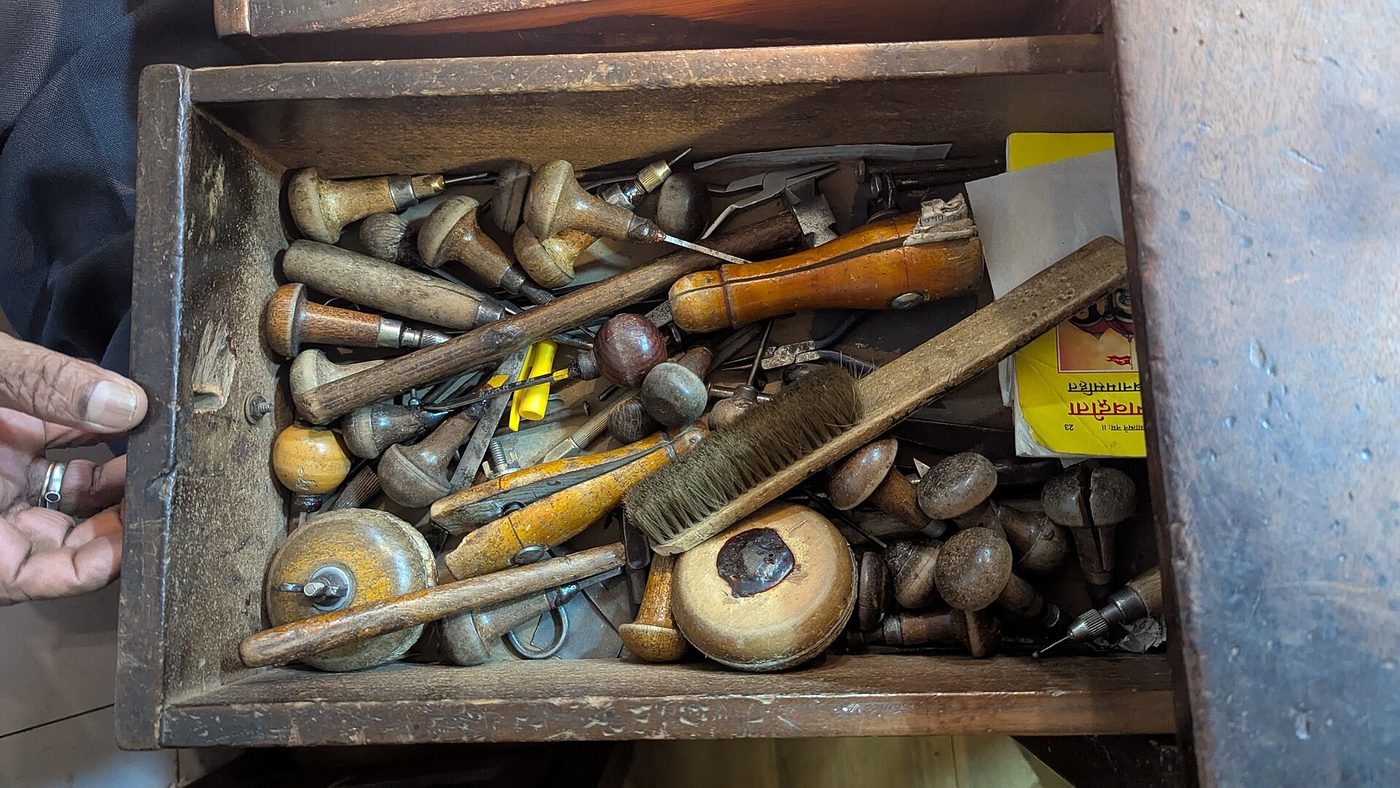
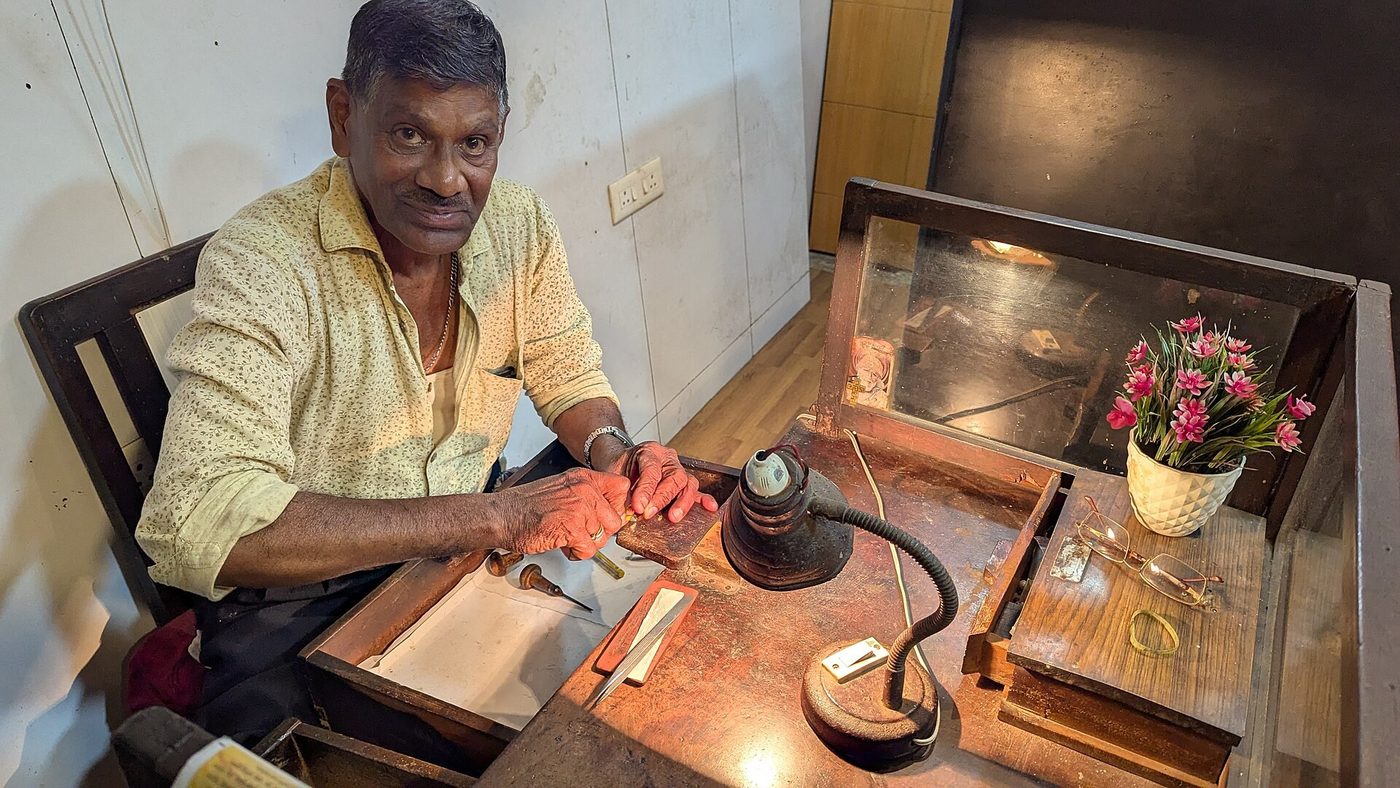
Gold does not arrive as a bangle. Somebody drew it into wire, rolled it into sheet, cut and formed and soldered it, set the stones, filed the joins invisible, and polished the whole thing to the finish you saw in the display. Making charges — often just called MC, and sometimes labelled karigari — are the price of that labour and of the workshop that houses it.
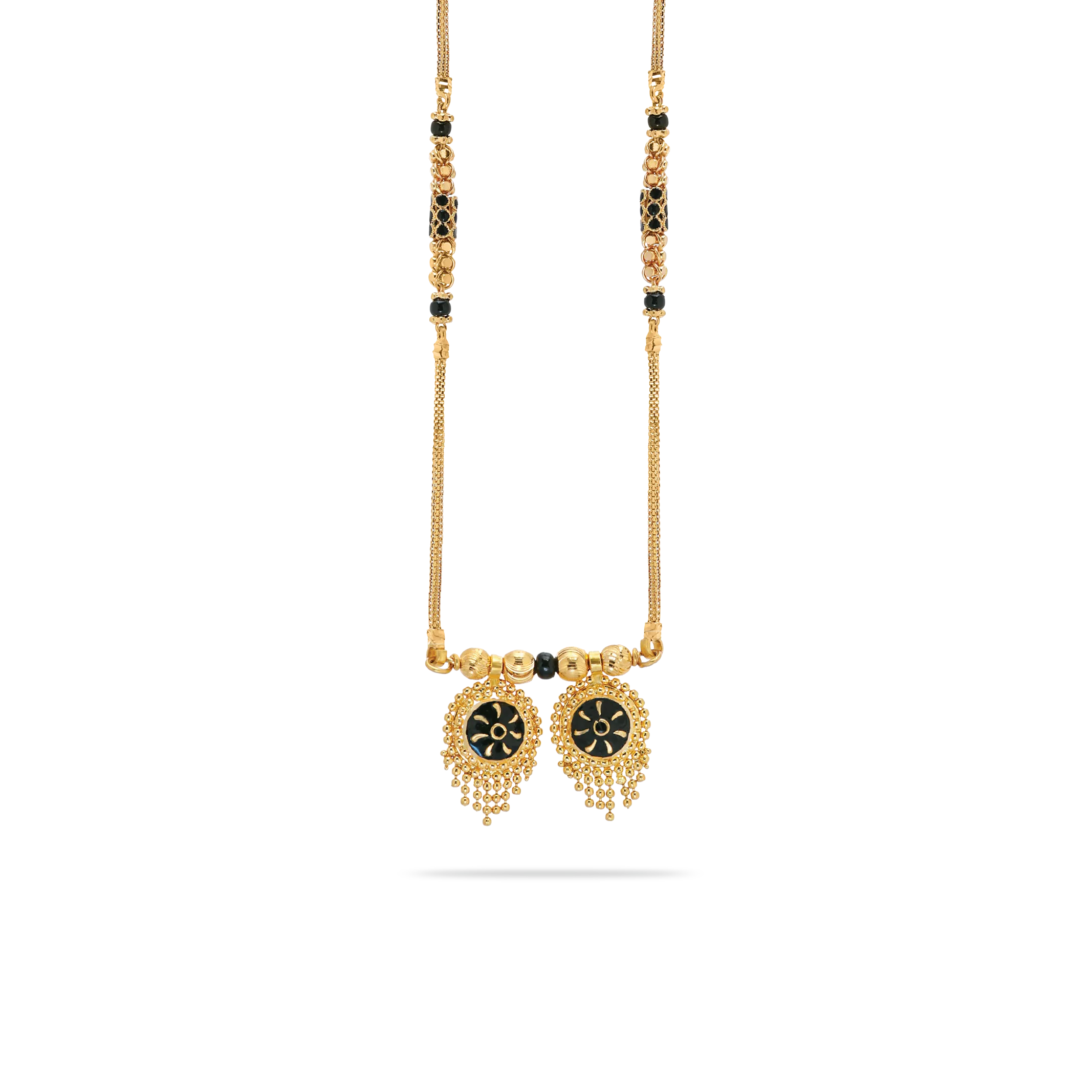
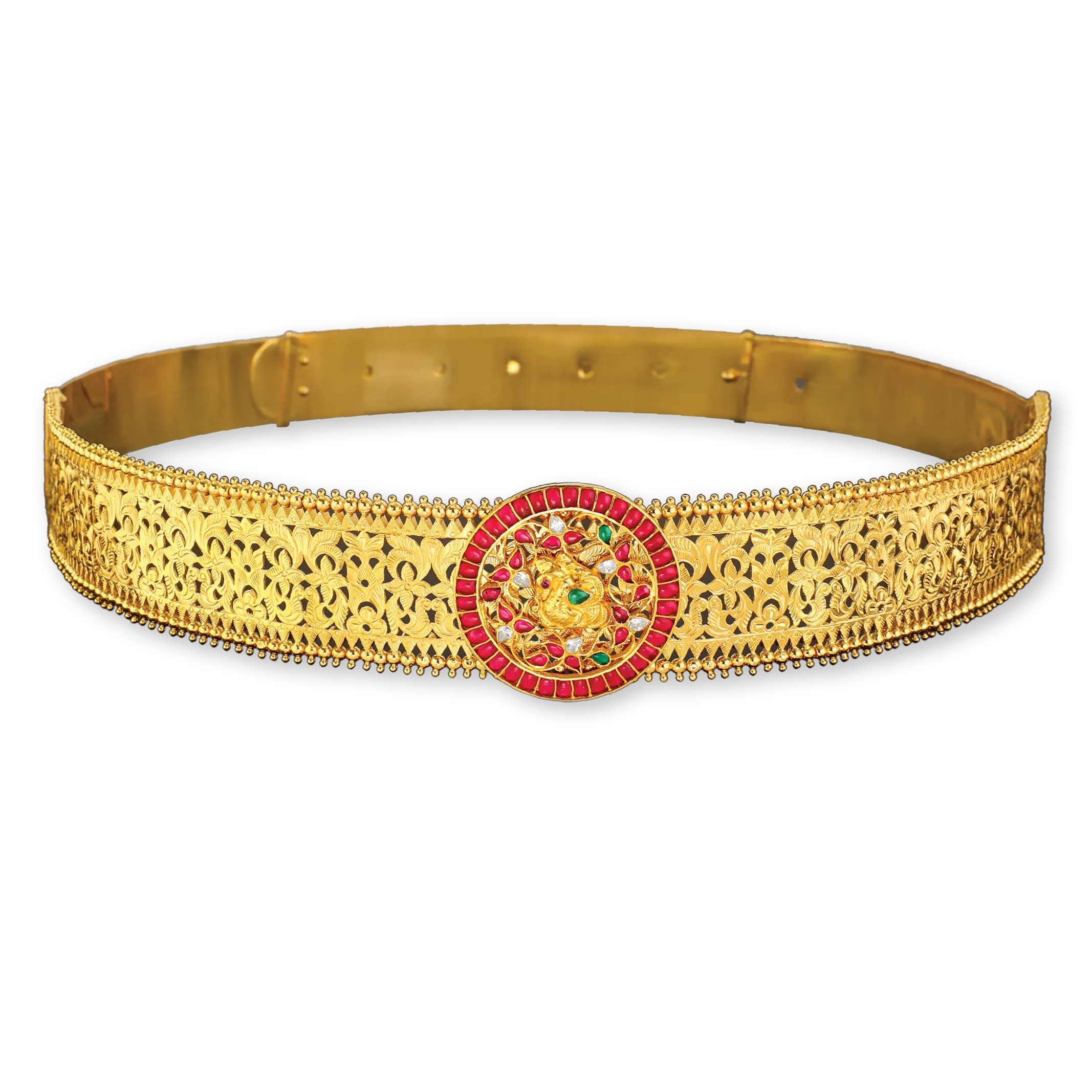
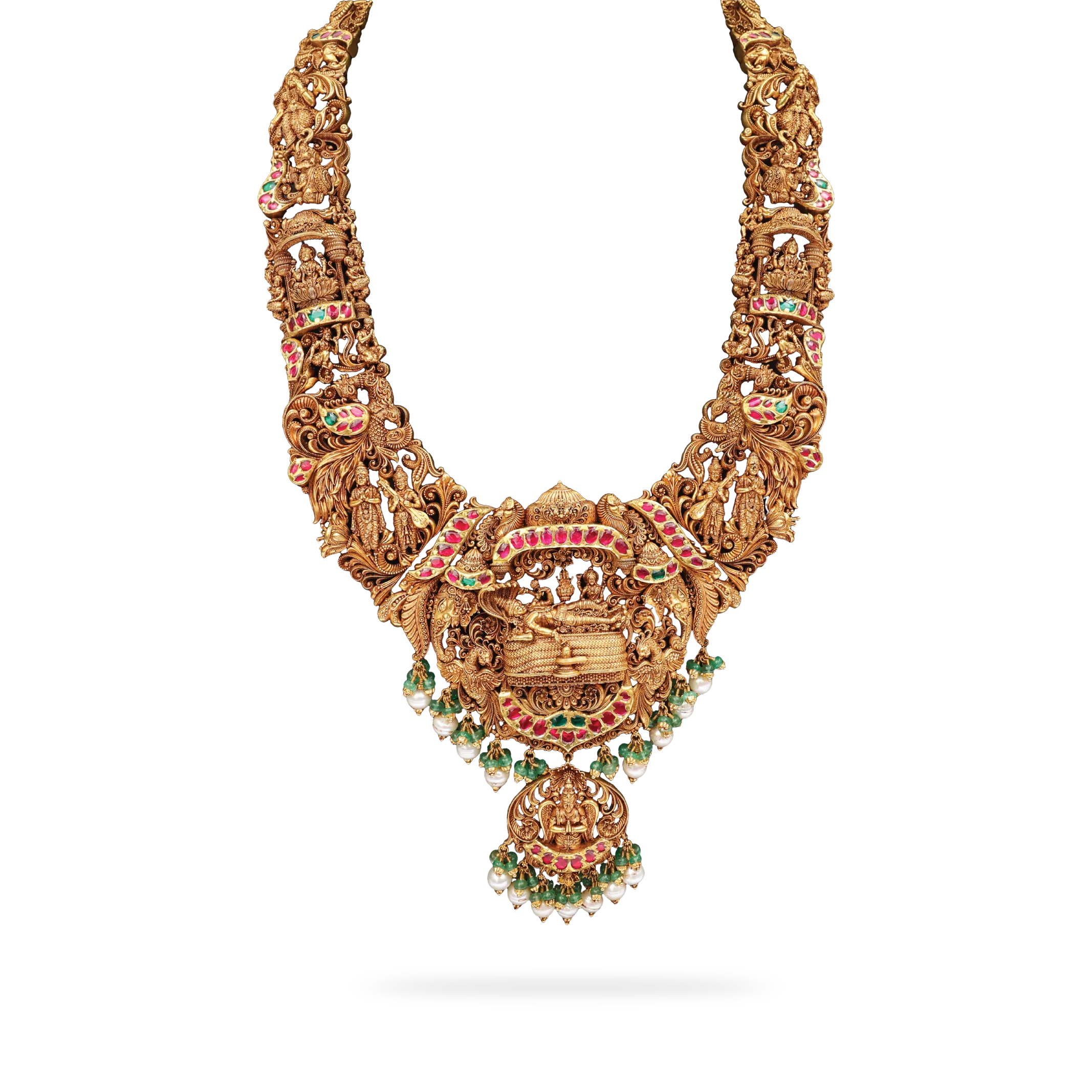
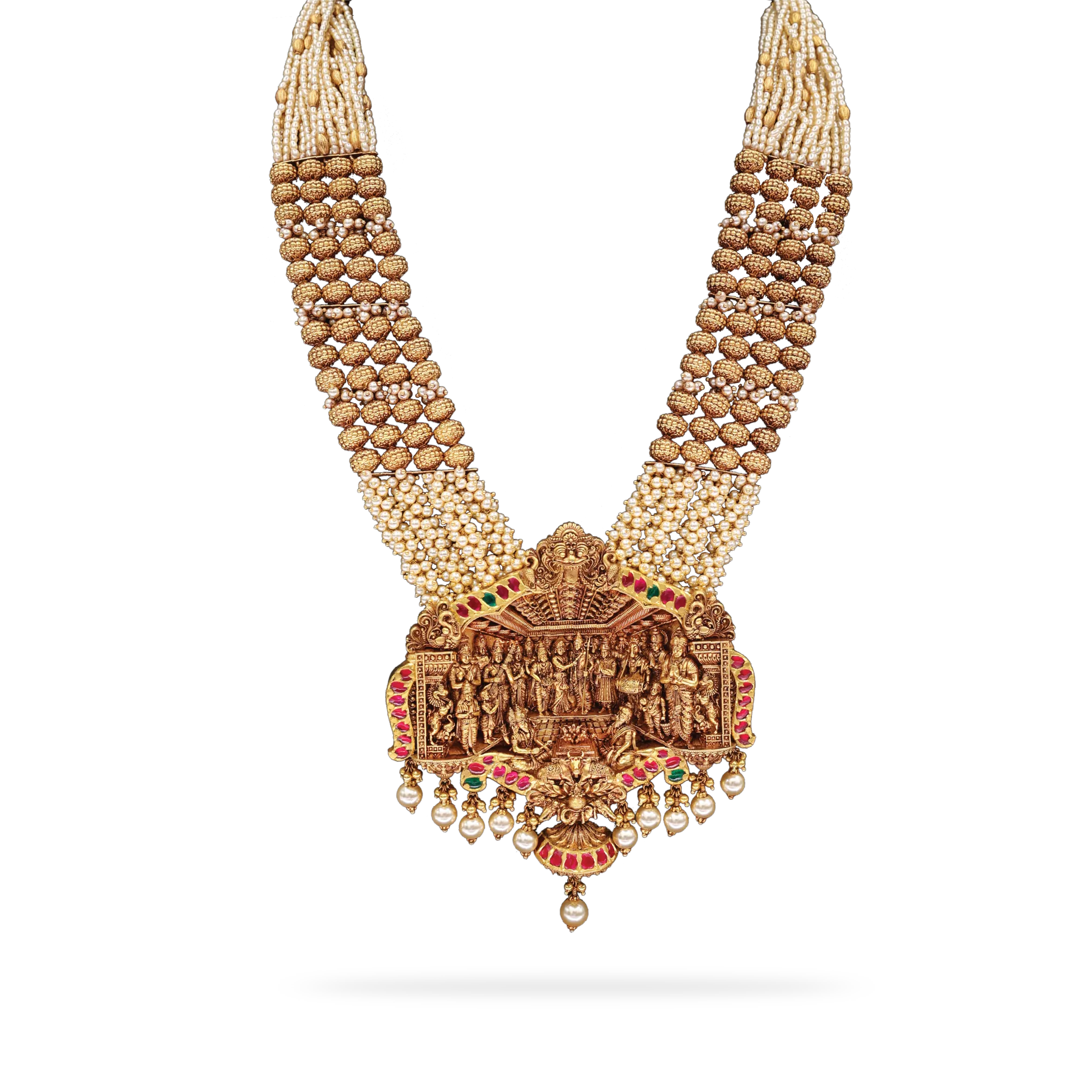
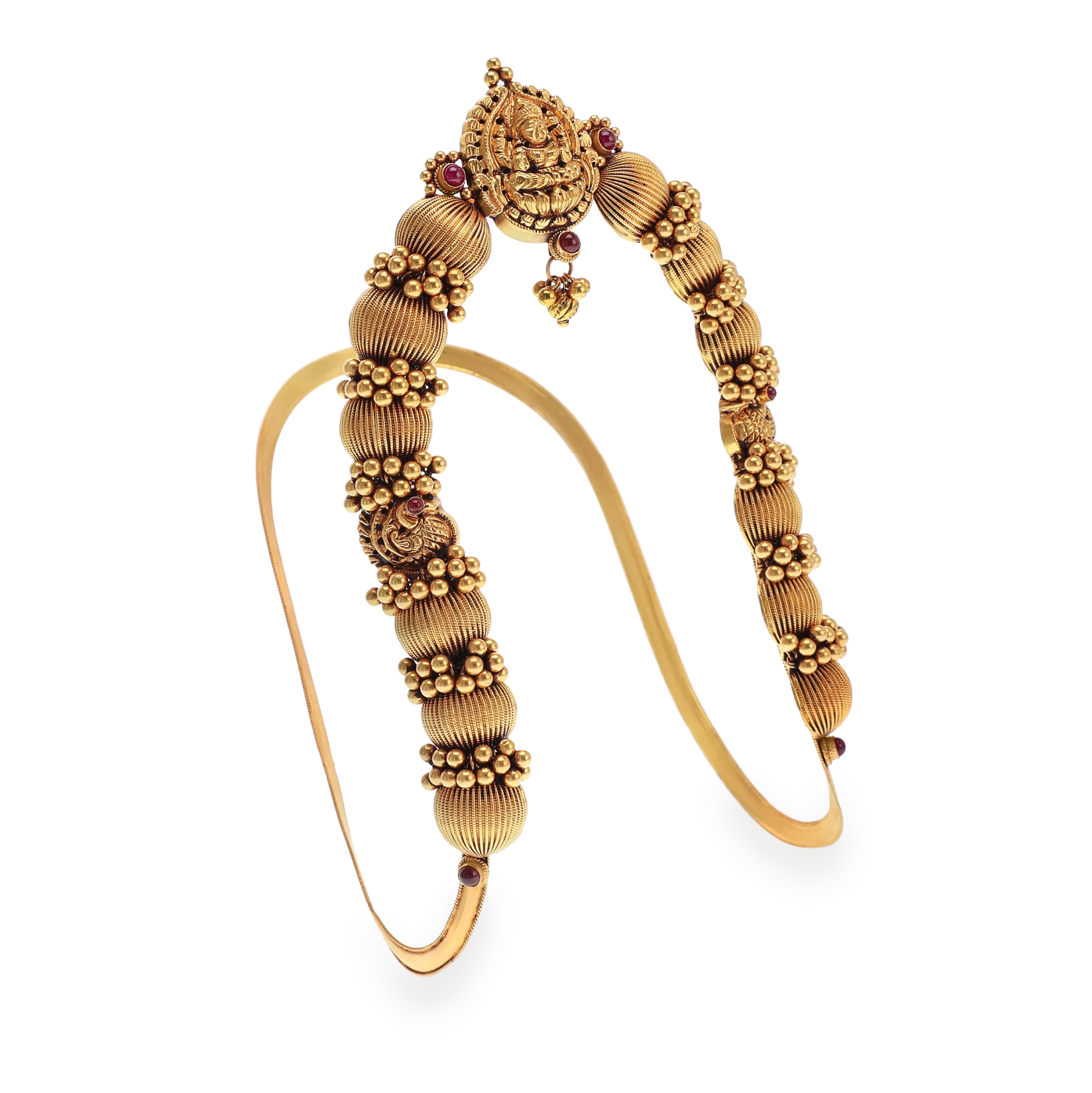
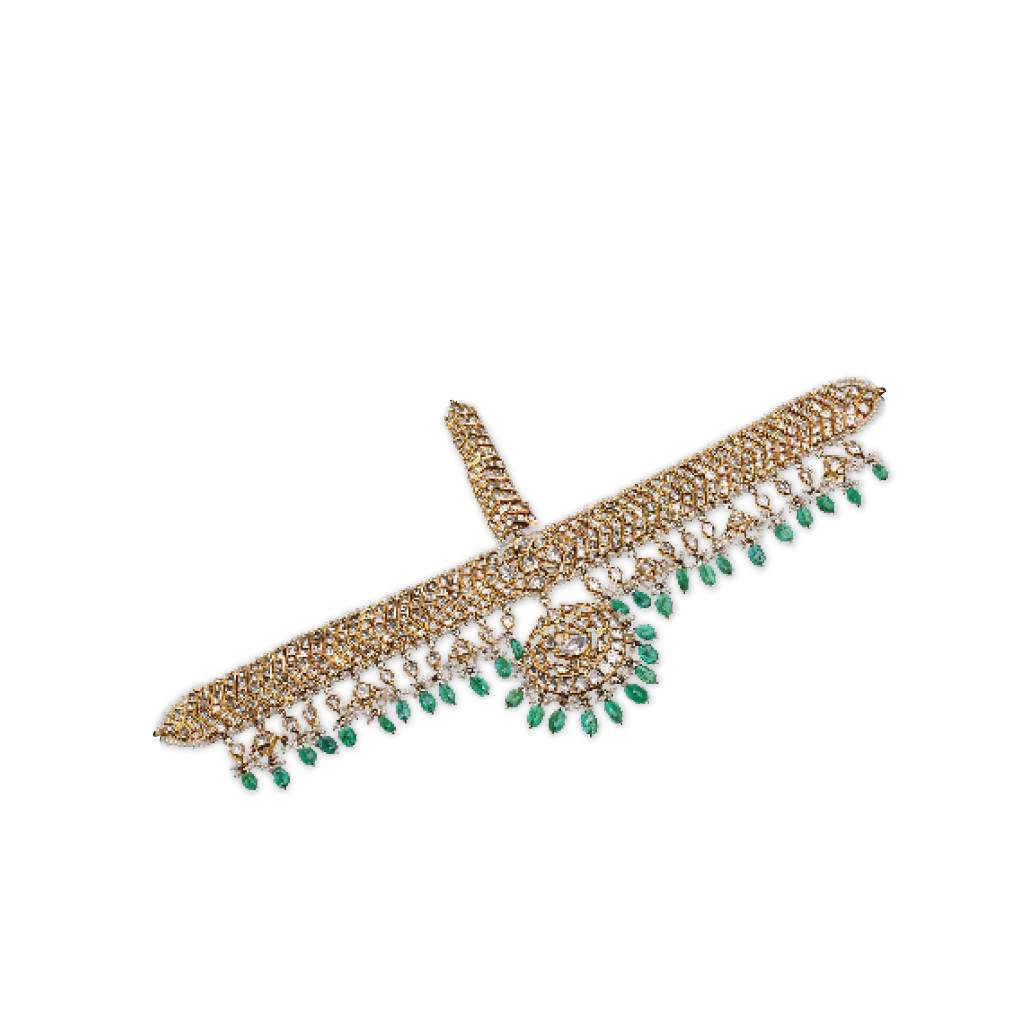
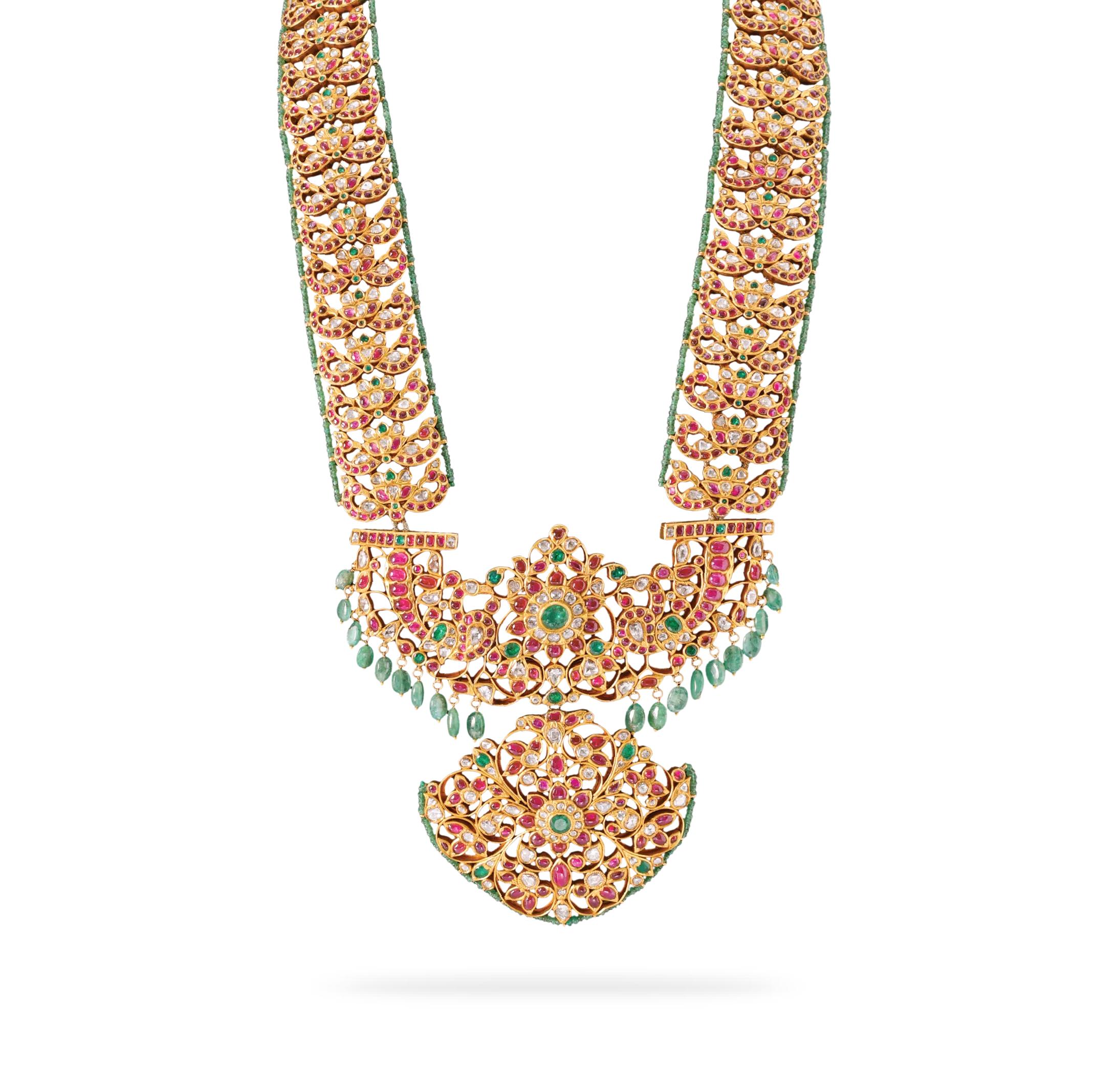
The range is wide because the work varies enormously. A machine-stamped lightweight pendant and a hand-chased temple-work haara are different products in every respect except the metal. On the second, a karigar may spend weeks on a single piece, punching relief from the back, refining the front, working detail you need a loupe to appreciate. That is what the charge reflects.
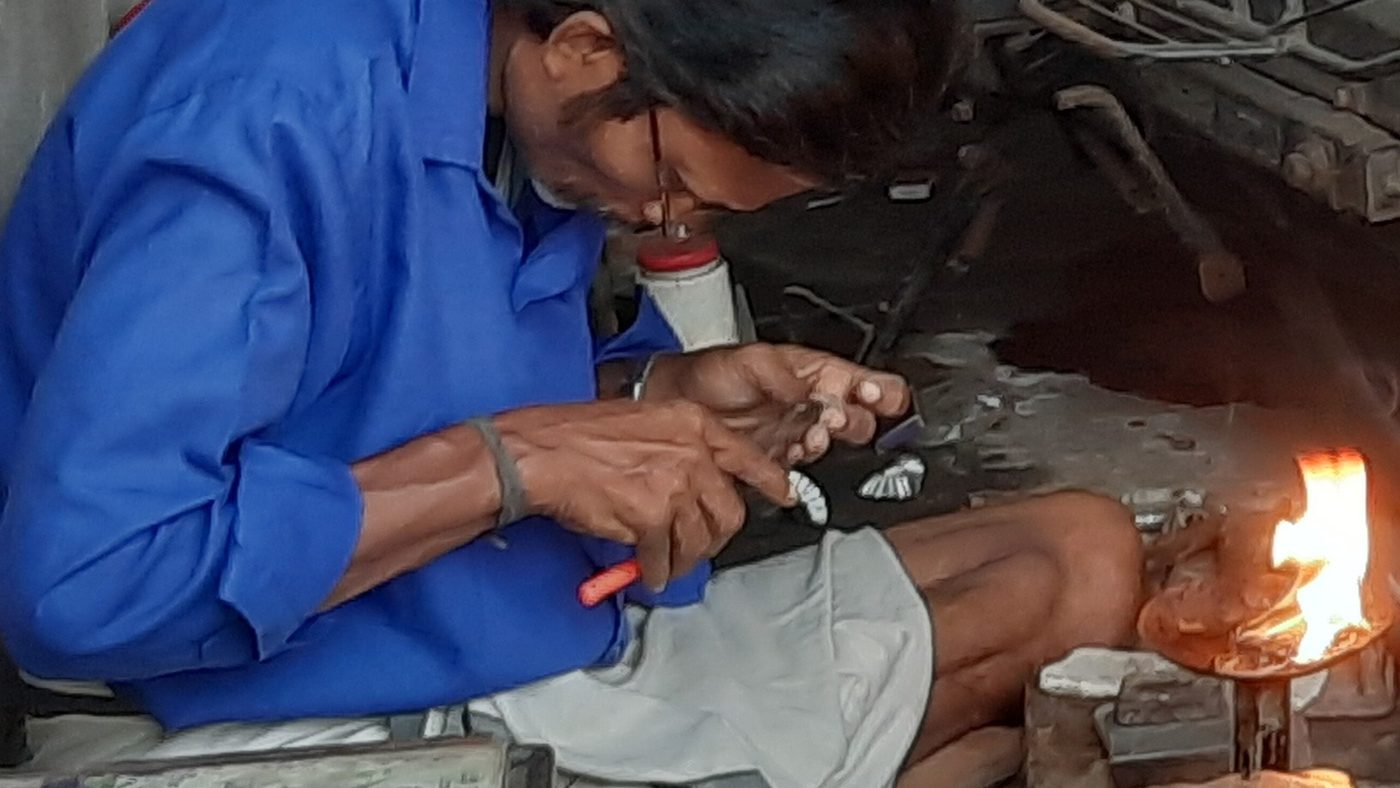
So a high making charge is not automatically a bad deal, and a low one is not automatically a good one. A 4% charge on a piece stamped out in seconds may be worse value than 18% on something a craftsman spent a fortnight over. What is not acceptable is being unable to find out what you are paying.
How your bill is built, in order
Indian gold invoices follow a consistent sequence. Knowing the order matters, because some components are calculated on others.
- Net gold weight. The weight of gold in the piece, excluding stones and other non-gold material. On a studded piece, gross weight and net gold weight are different numbers and both should appear.
- Metal value. Net gold weight × the rate per gram for that purity on that day. A 22K piece is priced at the 22K rate, not the 24K rate.
- Making charges. Either a percentage of the metal value, or a flat rupee figure per gram.
- Wastage, if charged. Applied as a percentage — and see the section below, because this line deserves scrutiny.
- Stone and pearl charges. Priced separately, per carat or per piece, and never included in the gold weight.
- Hallmarking charge. ₹45 per article for gold as fixed by BIS, with a minimum of ₹200 per consignment, taxes extra. It is per article regardless of weight.
- GST. Applied at the end, on the components as set out below.
The purity trap in step two
The rate applied must match the purity you are buying. 22K gold is priced at the 22K rate. If a bill applies the 24K rate to a 22K ornament, you are being charged for gold that is not in the piece — about 8% more metal than you are receiving. Check that the caratage on the invoice, the purity marked in the hallmark, and the rate applied all describe the same thing.
Percentage or per gram — and why it matters
The two methods behave very differently as the gold rate moves.
| Method | How it is quoted | If the gold rate rises | Tends to suit |
|---|---|---|---|
| Percentage of metal value | “12% making” | Your making charge rises too, though no extra work was done | The jeweller, in a rising market |
| Flat rate per gram | “₹450 per gram” | Unaffected — the labour cost is fixed | The buyer, in a rising market |
Because a percentage charge is levied on the metal value, it climbs with the gold rate for reasons that have nothing to do with craftsmanship. In a market where gold has moved sharply, that difference is not trivial.
Ask for the charge both ways. Any jeweller can convert one into the other in a moment, and seeing “14%” restated as “₹1,870 per gram” is often clarifying. It also makes two quotes from two shops genuinely comparable, which quoting conventions can otherwise obscure.
What counts as a fair making charge?
There is no regulated figure. Making charges are commercial, they vary by house, by design and by city, and any single number quoted as “the” fair rate should be treated with suspicion. What can be said is where the market generally sits.
| Type of piece | Typical range | What drives it |
|---|---|---|
| Plain gold coins and bars | Minimal to nil | Sold near metal value with a small premium; no ornament labour |
| Machine-made plain chains, thin bangles | Lower end | Mass production, minimal hand finishing |
| Standard plain gold ornaments | Mid range | Some hand finishing, straightforward forms |
| Intricate or hand-crafted work | Upper range | Skilled labour measured in days or weeks per piece |
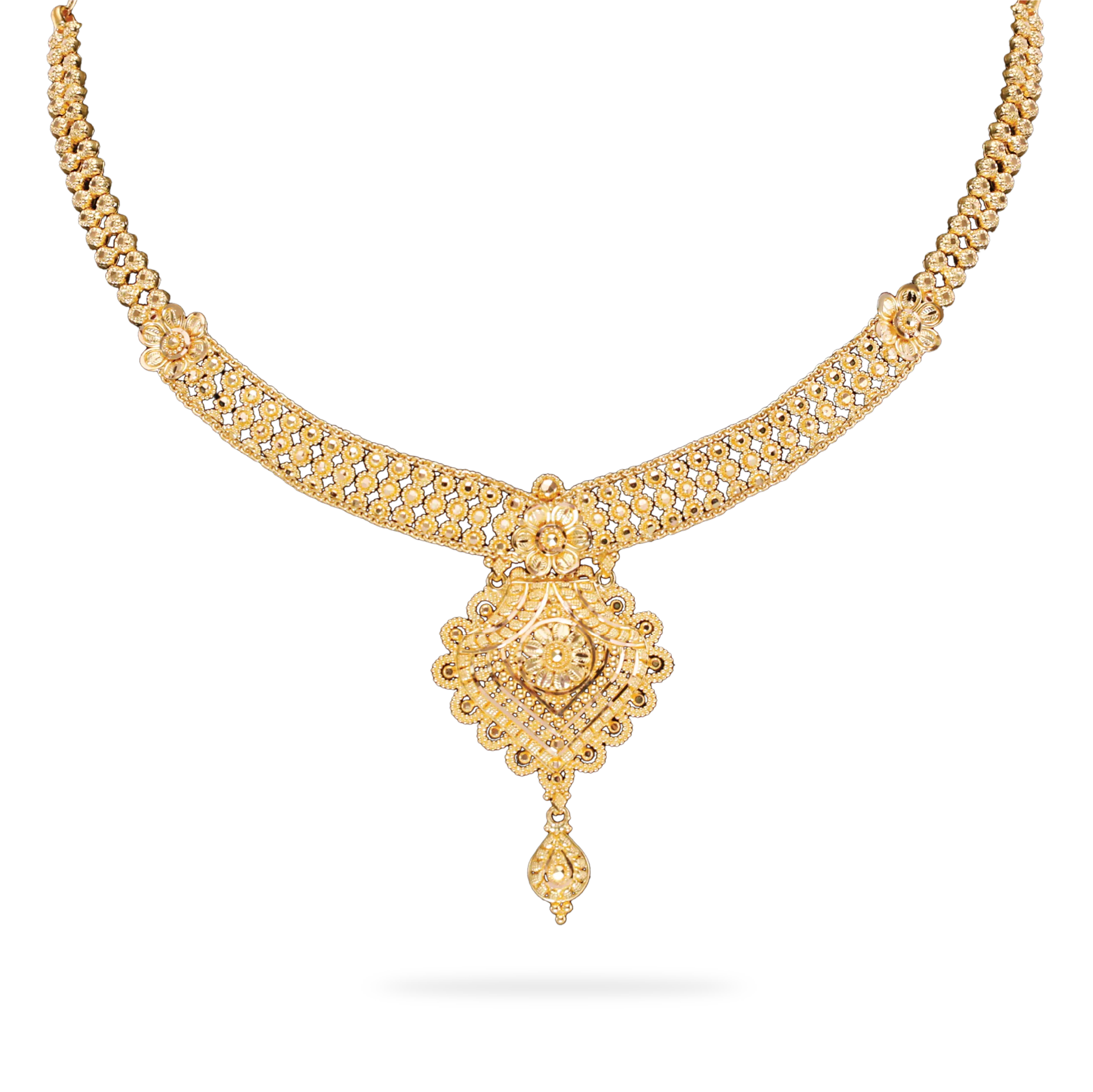
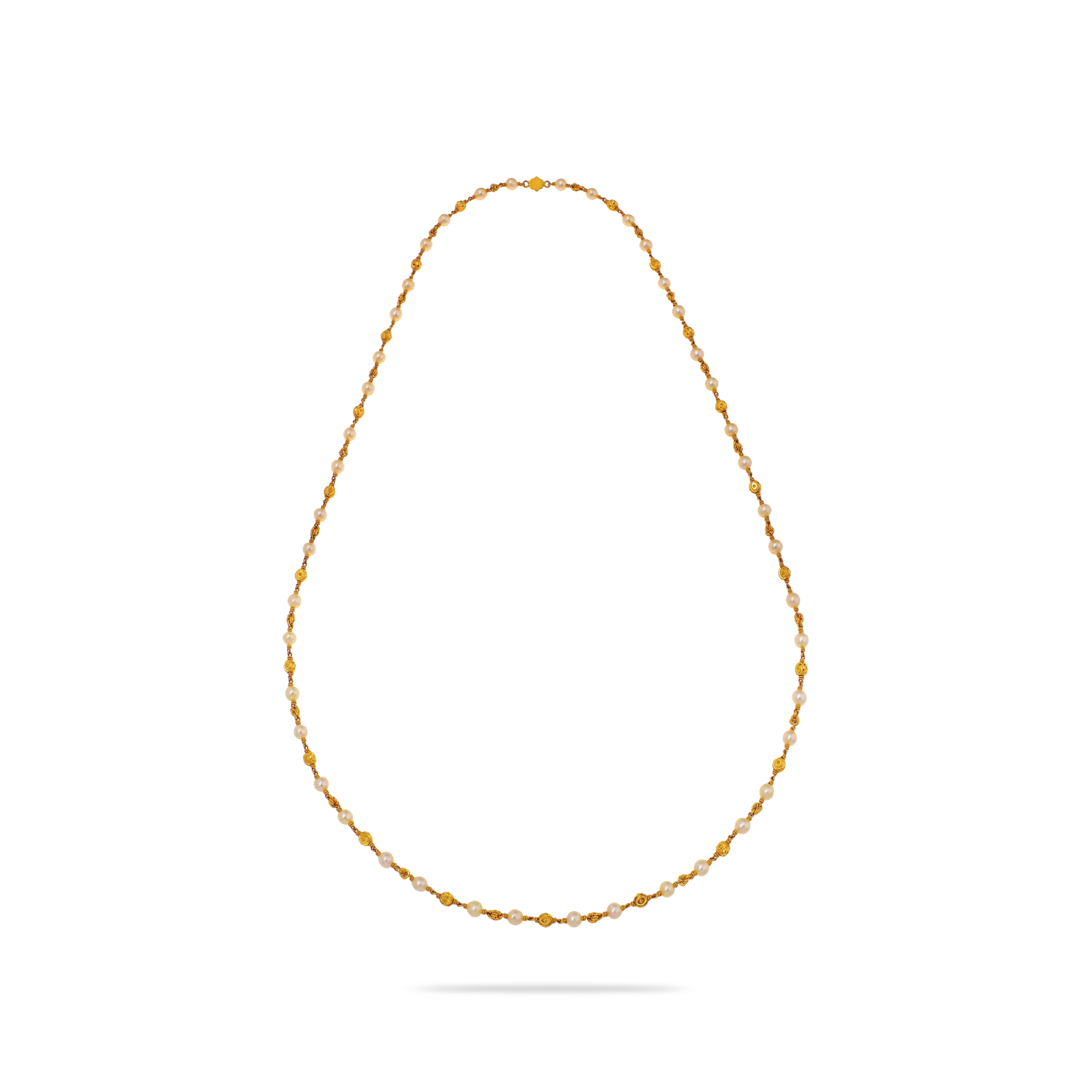
| Temple work, Nakshi, antique finish | Highest | Hand chasing and repoussé; specialist karigars |
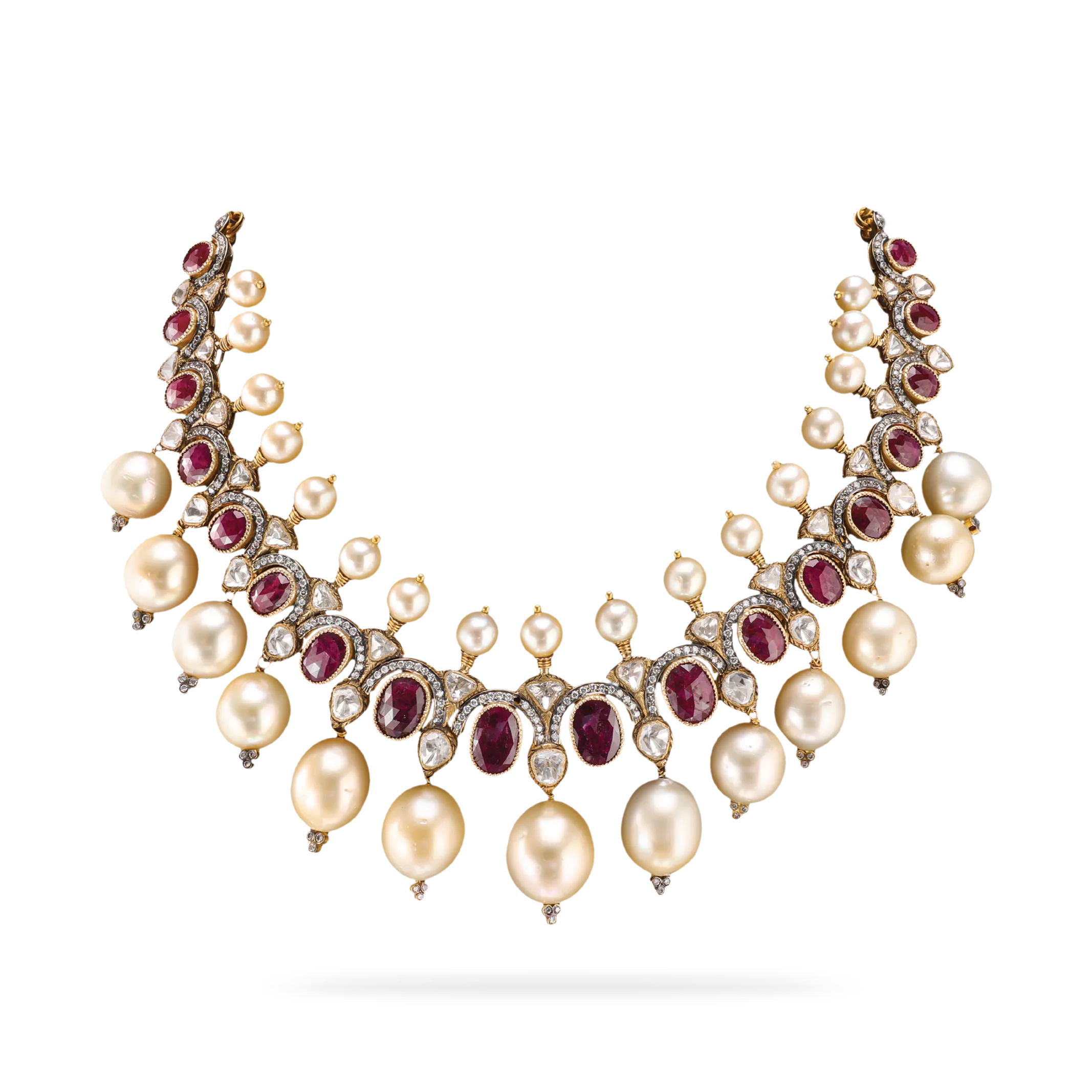
| Studded and bridal sets | Highest, plus stone charges | Setting labour is separate skilled work |
Across the Indian market as a whole, making charges commonly fall between roughly 3% and 25% of the gold value, or between about ₹300 and ₹1,000 per gram. Simple machine-made items sit near the bottom of that band; elaborate handwork sits near the top and occasionally above it.
The useful question is therefore not “is 15% too much?” but “what am I getting for 15%, and what would 8% look like in this design?” A jeweller who can answer that in specifics — this is hand-set, this is cast, this took this long — is telling you something. One who cannot is also telling you something.
Wastage charges: the line to question
Wastage, sometimes shown as VA or va, is charged on the premise that some gold is unavoidably lost in manufacture — filings, dust, metal caught in the polishing wheel, losses in melting and drawing. Historically, in a hand workshop with a file and a crucible, that was a genuine cost.
Two things are worth understanding.
First, some loss is real. Metal is genuinely removed in filing and polishing, and elaborate piercing and chasing removes more than a plain surface. Wastage in the Indian market is commonly quoted between 5% and 10%, with simple designs at the low end — sometimes nil — and heavily worked or studded pieces quoted higher.
Second, and more importantly: modern workshops recover most of their filings. Bench sweeps, polishing residue and floor dust are collected and refined back into usable metal, because gold is far too valuable to sweep away. So where a wastage charge is levied on top of an already substantial making charge, at a percentage that assumes the metal is simply gone, the customer can end up paying twice for the same labour.
How to handle the wastage line
Ask two questions. Is wastage charged on this piece, and at what percentage? And is it in addition to the making charge or included in it? Either answer can be legitimate. What you want to avoid is a high making charge and a high separate wastage figure on a plain design, where the combined number has drifted well beyond what the work involved. It is entirely reasonable to ask for the two to be quoted as a single all-in figure per gram so you can compare houses on one number.
A worked example
A 22K plain gold bangle. The figures below use a round assumed rate to keep the arithmetic legible — substitute the rate on the day you buy.
22K bangle · 20 g net · assumed rate ₹9,000 per gram
| Metal value — 20.000 g × ₹9,000 | 180000.00 |
| Making charges at 12% of metal value | 21600.00 |
| Wastage at 4% of metal value | 7200.00 |
| BIS hallmarking charge, 1 article | 45.00 |
| GST at 3% on gold value | 5400.00 |
| GST at 5% on making and wastage | 1440.00 |
| Total payable | 215685.00 |
Making and wastage together add ₹28,800 to ₹180,000 of metal — 16% over the gold value, before tax. That is the number to compare between jewellers, and it is the number that does not come back to you at exchange.
Two observations. The metal is the large majority of the bill, which is as it should be. And the charges above the metal are substantial enough that a few percentage points of difference between two shops is real money on a single piece — which is exactly why itemisation matters.
GST on gold jewellery
The tax treatment is the part most commonly stated wrongly, so here it is carefully.
- Gold is taxed at 3%. This rate was left unchanged by the GST rate restructuring of September 2025; gold was not moved into the revised slab structure.
- Making charges are a supply of services, taxed at 5% where they are separately itemised on the invoice.
- Where ready-made jewellery is billed as a single composite supply, the whole value is commonly taxed at the 3% gold rate on the basis that the metal and the craftsmanship are supplied together as one product.
- Either treatment can be correct depending on how the sale is structured. What is not optional is the invoice showing gold value, making charges and the tax components separately — a bill that clubs everything into one undifferentiated figure does not meet GST invoicing requirements.
Add to this that a jeweller's hallmarking charge is fixed by BIS at ₹45 per article for gold, taxes extra, and it is charged per article irrespective of weight. A hallmarking line that scales with the weight of your purchase is not a hallmarking charge.
Reading your invoice: what should be on it
Before you pay, look for these. If any is missing, ask — and ask before the transaction is completed, because afterwards is harder for everyone.
- Gross weight and net gold weight, stated separately, on any piece containing stones or non-gold material.
- Purity, as caratage and fineness, matching the hallmark on the piece.
- Rate per gram applied, for that purity, on that date.
- Making charges, with the basis stated — percentage or per gram.
- Wastage, if charged, shown as its own line at its own percentage.
- Stone details — weight, count and rate, separate from the gold.
- Hallmarking charge, per article.
- GST, split into CGST and SGST, or IGST for an interstate sale.
- The HUID of the article, and the jeweller's GSTIN and BIS registration number.
Keep the invoice. It is the document that establishes your cost of acquisition if you ever sell, and the cost of acquisition for a piece of jewellery includes the making charges you paid. It is also what a valuer or an insurer will ask for first.
Seven questions worth asking before you pay
- What is the making charge, as a percentage and as rupees per gram? Both figures, for the same piece.
- Is wastage charged separately, and at what percentage? If yes, is it additional to the making charge?
- What is the all-in charge over metal value, per gram? One number that captures making plus wastage. This is the number to compare between shops.
- What is the net gold weight, as against the gross weight? Essential on anything studded.
- Is the rate applied the rate for this purity? 22K priced at the 22K rate.
- How are the stones priced, and is there a certificate? Stone value should never be buried in gold weight.
- On exchange or buy-back, what is deducted? Ask now, in writing, not in ten years.
None of these questions is rude. A house that has priced its work honestly will answer all seven without hesitation, because the answers are simply what the piece cost to make. Discomfort at question three is informative.
Why this matters more than the sticker price
Here is the part that makes making charges worth understanding rather than merely paying.
When you eventually exchange or sell an ornament, what is valued is the gold in it, assessed by purity and net weight. The craftsmanship is not valued — not because it had no worth, but because a valuer cannot resell your bangle as a bangle. Making charges and wastage are spent at the moment of purchase and do not return.
So the charges above the metal are, in effect, the true cost of owning the ornament rather than the metal. On our worked example that was ₹28,800 on a ₹180,000 piece. That is a reasonable price for skilled work you will wear for decades, and it is an unreasonable price for a plain machine-made item where the labour was minimal.
This is also the honest argument for buying craftsmanship you actually want. If you are buying gold primarily to hold value, coins and bars carry little or no making charge and are the more sensible instrument. If you are buying an ornament, buy one whose making you would pay for again. We have set out how the other side of that transaction works, including which deductions are legitimate, in our guide to valuing old gold jewellery, and how purity affects what comes back in our guide to 22K versus 24K gold.
Our own position is straightforward: ask us for the breakdown and you will get it, line by line, before you commit to anything. We have been pricing handwork on Main Guard Cross Road for a long time, and a customer who understands what they are paying for tends to come back. One who feels the bill was arranged to be unreadable does not.
Frequently asked questions
What are making charges on gold jewellery?
Making charges, often called MC or karigari, are the price of the labour and workshop overhead that turned raw gold into a finished ornament. They cover drawing wire, rolling sheet, cutting, forming, soldering, setting stones, filing and polishing. They are charged either as a percentage of the gold value or as a flat rupee amount per gram, and they are separate from wastage, stone charges, the BIS hallmarking fee and GST.
How much are gold making charges per gram in India?
Across the Indian market making charges commonly fall between roughly 300 and 1,000 rupees per gram, or equivalently between about 3% and 25% of the gold value. Simple machine-made items such as plain chains sit near the bottom of that band, while intricate handwork, temple jewellery and studded bridal pieces sit at the top and occasionally above it. There is no regulated figure, so the ranges are orientation rather than a benchmark.
Is it better to pay making charges as a percentage or per gram?
A flat rate per gram generally favours the buyer, because it is fixed to the labour rather than to the metal price, so it does not rise when the gold rate rises. A percentage charge is levied on the metal value, so it increases with the gold rate even though no additional work was done. Ask for the charge quoted both ways, since any jeweller can convert between the two instantly and it makes competing quotes genuinely comparable.
What is a fair making charge percentage on gold?
There is no regulated fair figure, and any single number presented as the correct one should be treated with caution. What is reasonable depends entirely on the work involved: a low charge on a machine-stamped item may be worse value than a high charge on a piece a craftsman spent weeks over. The better question is what you are getting for the charge quoted, and whether the jeweller can describe the work in specifics.
What are wastage charges on gold, and are they legitimate?
Wastage, sometimes shown as VA, is charged on the premise that gold is lost during manufacture through filing, polishing and melting. Some loss is real, and it is higher on elaborately pierced or chased work. However, modern workshops recover most of their filings and polishing residue and refine them back into usable metal, so a high wastage percentage charged on top of an already substantial making charge can mean paying twice for the same labour. Wastage is commonly quoted between 5% and 10% in India, with simple designs at the low end or nil.
Should wastage be charged in addition to making charges?
Either treatment can be legitimate, but you are entitled to know which applies. Ask whether wastage is charged on your piece, at what percentage, and whether it is additional to or included in the making charge. A practical approach is to ask for making and wastage quoted together as a single all-in figure per gram, which gives you one comparable number across jewellers.
What is the GST rate on gold jewellery and making charges?
Gold is taxed at 3%, a rate left unchanged by the GST restructuring of September 2025. Making charges are treated as a supply of services and taxed at 5% where they are separately itemised. Where ready-made jewellery is billed as a single composite supply, the whole value is commonly taxed at the 3% gold rate on the basis that metal and craftsmanship are supplied together. Either structure can be correct, but the invoice must still show gold value, making charges and tax components separately.
How do I calculate the final price of a gold ornament?
Take the net gold weight and multiply it by the rate per gram for that purity on that date to get the metal value. Add making charges, then wastage if it is charged, then any stone or pearl charges priced separately, then the BIS hallmarking charge of 45 rupees per article. Finally apply GST. Check that the rate used matches the purity you are buying, since applying a 24K rate to a 22K ornament overcharges you by roughly 8% of the metal.
What should appear on a gold jewellery invoice?
Gross weight and net gold weight shown separately, purity as caratage and fineness, the rate per gram applied for that purity and date, making charges with the basis stated, wastage as its own line if charged, stone weight count and rate separately from the gold, the hallmarking charge per article, GST split into CGST and SGST or IGST, the article's HUID, and the jeweller's GSTIN and BIS registration number.
Do I get making charges back when I sell or exchange gold?
No. When you exchange or sell an ornament, what is valued is the gold in it, assessed by assayed purity and net weight. Craftsmanship is not recovered, because a valuer cannot resell your specific ornament as an ornament. Making charges and wastage are spent at the moment of purchase. This is why they represent the real cost of owning the ornament rather than the metal, and why buying gold purely to hold value is better done through coins or bars, which carry little or no making charge.
What is the BIS hallmarking charge on gold jewellery?
The hallmarking charge fixed by BIS is 45 rupees per article for gold, with a minimum of 200 rupees per consignment, and taxes are extra. It is charged per article regardless of the weight of the piece, and it is separate from making and wastage charges. A hallmarking line on your invoice that scales with the weight of your purchase is not a hallmarking charge.
Why is the same weight of gold priced differently at two jewellers?
Because the metal is only part of the bill. Two identically hallmarked 22K pieces of the same weight can differ substantially in price through making charges, wastage percentage, how stones are priced, and whether the correct purity rate was applied. The comparable figure is the all-in charge over metal value per gram, which is why asking for that single number is the most useful thing you can do before paying.
Bring the piece in. We will show you the hallmark.
Our flagship on Main Guard Cross Road keeps a 10× loupe and a calibrated balance on the counter for exactly this. No appointment needed, no obligation to buy.
Visit our Bengaluru storeSpeak to a jewellerSources & standards referenced
- Bureau of Indian Standards — Hallmarking FAQs: hallmarking charge of ₹45 per gold article, minimum ₹200 per consignment, charged per article regardless of weight and exclusive of making and wastage charges.
- GST rate on gold of 3% and on making charges of 5%; treatment of composite supply and separately itemised charges, per published GST guidance current to 2026 following the September 2025 rate restructuring.
- GST invoicing requirements for the separate disclosure of gold value, making charges and tax components.
- Indicative market ranges for making charges (approximately 3–25% of gold value, or ₹300–₹1,000 per gram) and wastage (commonly 5–10%, lower on plain designs) compiled from published Indian industry and consumer-finance sources; ranges vary by house, design and city.
- Cost of acquisition for jewellery including making charges, for capital gains purposes.









.webp)





.webp)