Sapphire jewellery designs: A complete guide to choosing the perfect style
August 2, 2026 | 10 minutes read
Key Takeaways
Sapphire jewellery designs can feel traditional, modern, understated, or wonderfully dramatic depending on the color, cut, setting, and metal you choose.
- Blue sapphire offers a timeless starting point, while fancy sapphires bring softer or brighter color.
- Oval, round, cushion, and pear cuts create noticeably different moods and light patterns.
- Prong, halo, bezel, and cluster settings balance style with varying levels of protection.
- Sapphire works for everyday jewelry, meaningful gifts, engagement rings, and formal occasions.
- Color, treatment, certification, secure construction, and regular care all affect long-term value.
Understand the appeal of sapphire jewellery
Sapphire has a rare ability to look both familiar and distinctive. Its color can anchor a simple ring or become the focal point of a more elaborate necklace, while its durability makes it practical beyond occasional wear. The best sapphire jewellery designs usually begin with a feeling rather than a trend: calm blue, lively pink, warm yellow, or something less expected.
What makes sapphire a popular gemstone
Sapphire is valued for its color, durability, and wide range of jewelry applications. Blue remains the classic choice, but the stone family extends into many shades, giving shoppers room to express a personal style. It also carries a sense of occasion without requiring an overly formal design, which helps explain its lasting appeal.
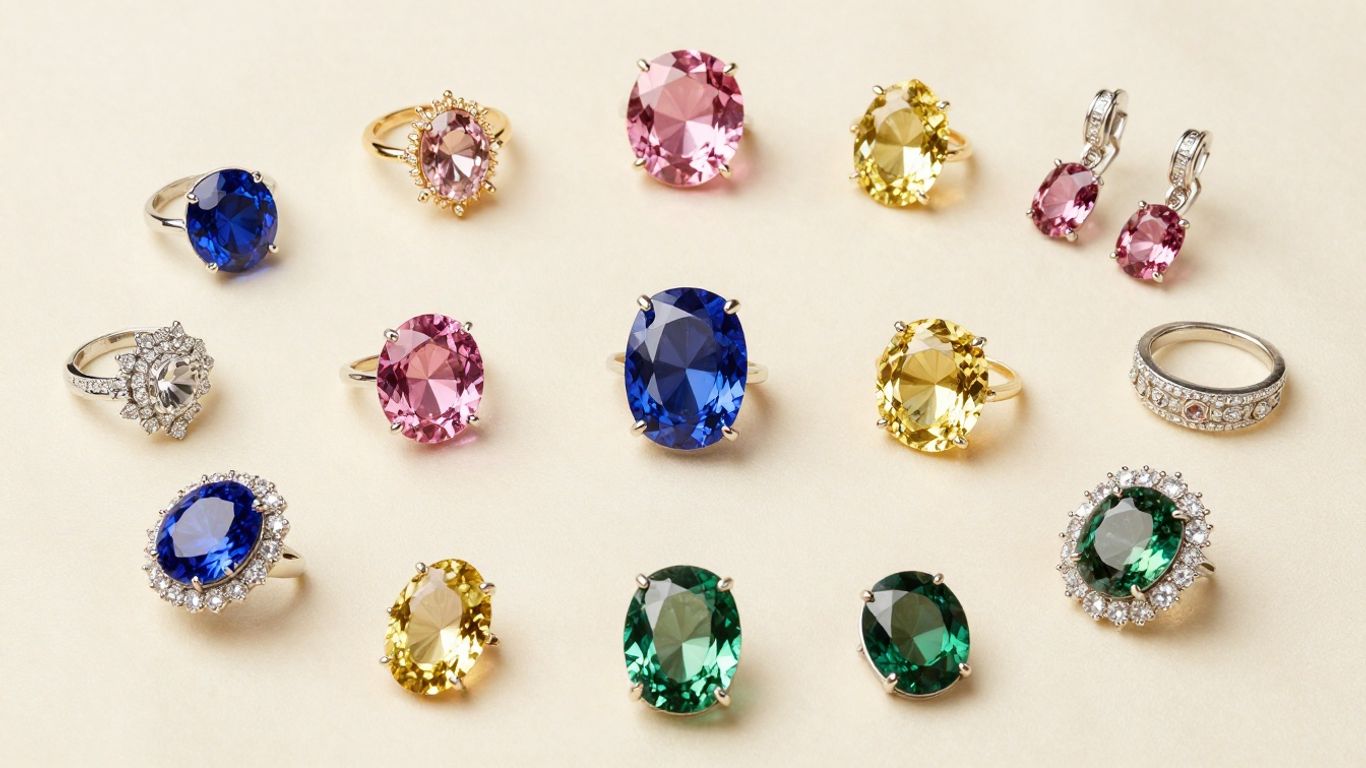
For a broader look at the gemstone’s color range and jewelry possibilities, sapphire jewelry collections offer useful visual inspiration. September birthdays are also traditionally associated with sapphire, making it a thoughtful choice for a personal gift.
Natural color variations and meanings
No two sapphires have exactly the same visual personality. Blue can appear inky, cornflower, violet-tinged, or softly muted; pink may range from blush to vivid magenta. Yellow, green, and white stones create different impressions altogether, so traditional color meanings should be treated as inspiration rather than a rulebook.
Consider the mood you want the piece to convey. A deep blue may feel poised and enduring, while a pale pink can look delicate and romantic. The surrounding metal and design also change how the color is perceived.
Sapphire durability for everyday wear
Sapphire is a hard gemstone and is generally well suited to rings, earrings, and pendants worn regularly. Hardness does not make it indestructible, however. A sharp impact can still chip a stone, especially where corners or edges are exposed, and the setting can loosen over time.
For daily pieces, favor a secure construction and a profile that does not catch easily on clothing. Remove jewelry before strenuous work, swimming, or activities that expose it to knocks and chemicals.
How sapphire compares with other colored gemstones
Compared with many softer colored gemstones, sapphire offers a reassuring balance of beauty and practicality. Its range of hues also makes it flexible: a shopper who wants color does not have to settle for one traditional look. Still, gemstone comparison should include more than hardness; transparency, color preference, treatment, availability, and budget all matter.
A sapphire may suit someone who wants a durable colored centerpiece, while another person may prefer a softer stone for its particular glow. The right choice is the one whose appearance and care requirements fit the wearer’s habits.
Explore popular sapphire jewellery designs
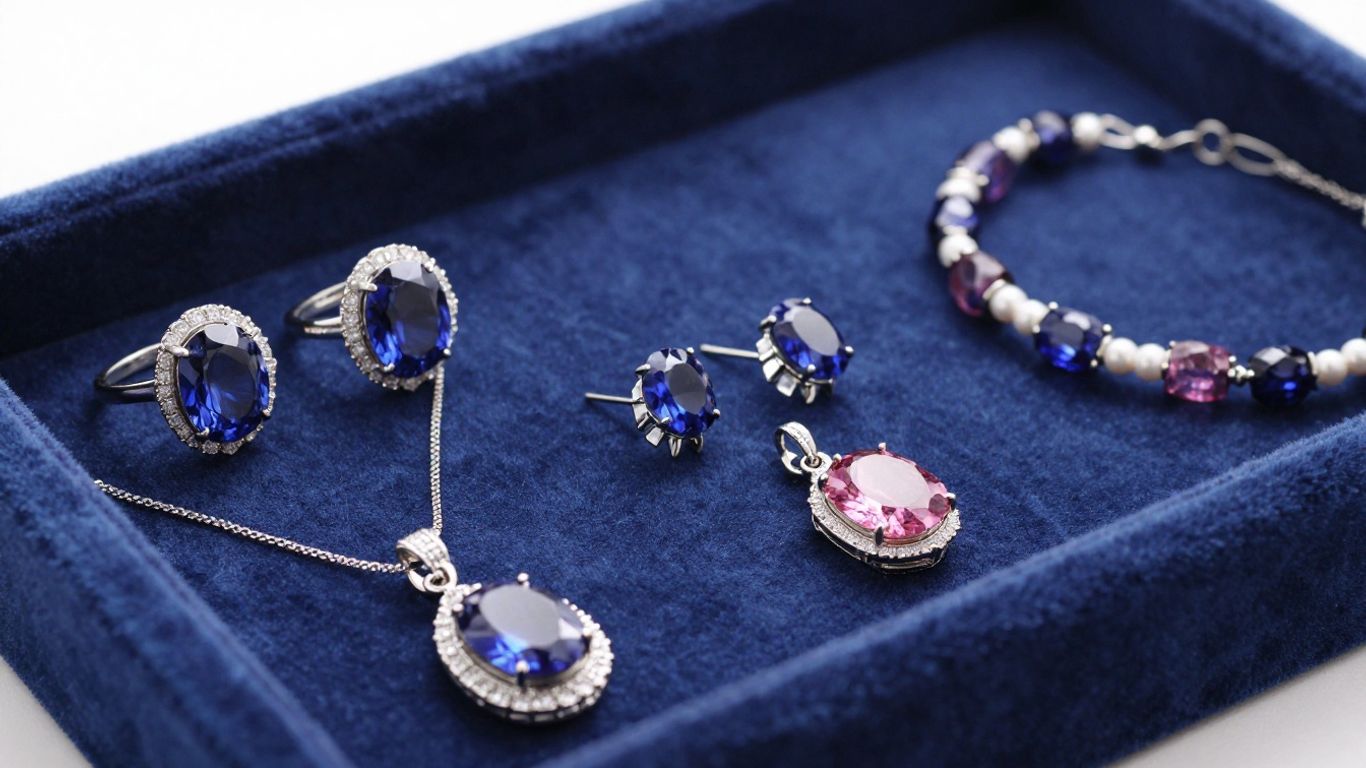
The same gemstone can look completely different when it moves from a ring to an earring or pendant. Proportion, movement, and how close the piece sits to the face all affect its presence. Start by thinking about what you will wear most often, then choose a design that feels natural in that role.
Sapphire rings for classic and modern looks
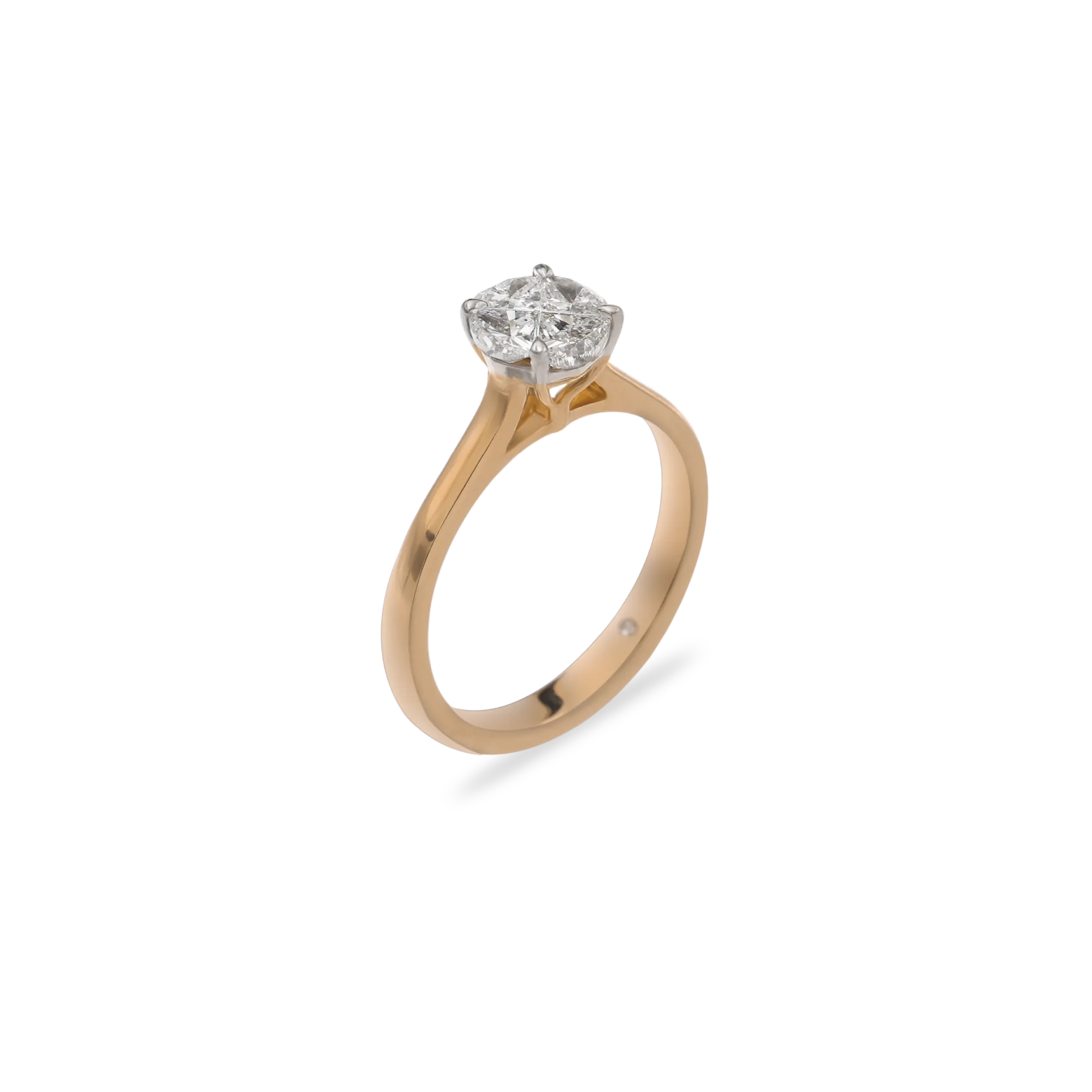
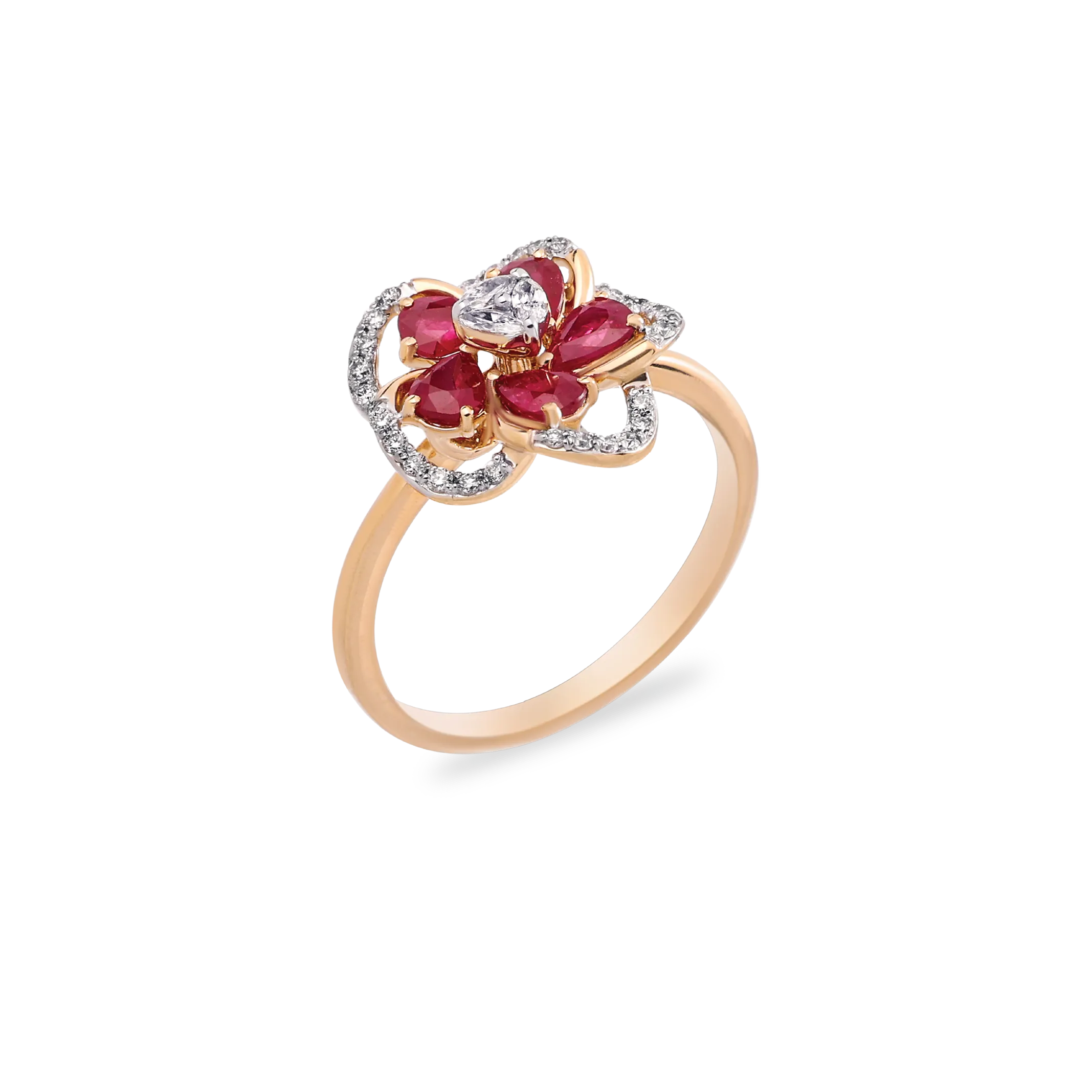
A sapphire ring can be a traditional solitaire, a halo design, a slim stackable band, or a sculptural contemporary piece. Oval and cushion stones often create a soft, established look, while an unusual asymmetrical setting can feel more current. Side stones may add sparkle, but a clean center stone can be more versatile.
Pay attention to the ring’s height and width as well as its appearance from above. A design that looks beautiful in a photograph should also feel comfortable when the hand is moving through everyday tasks.
Sapphire earrings for subtle or statement styling
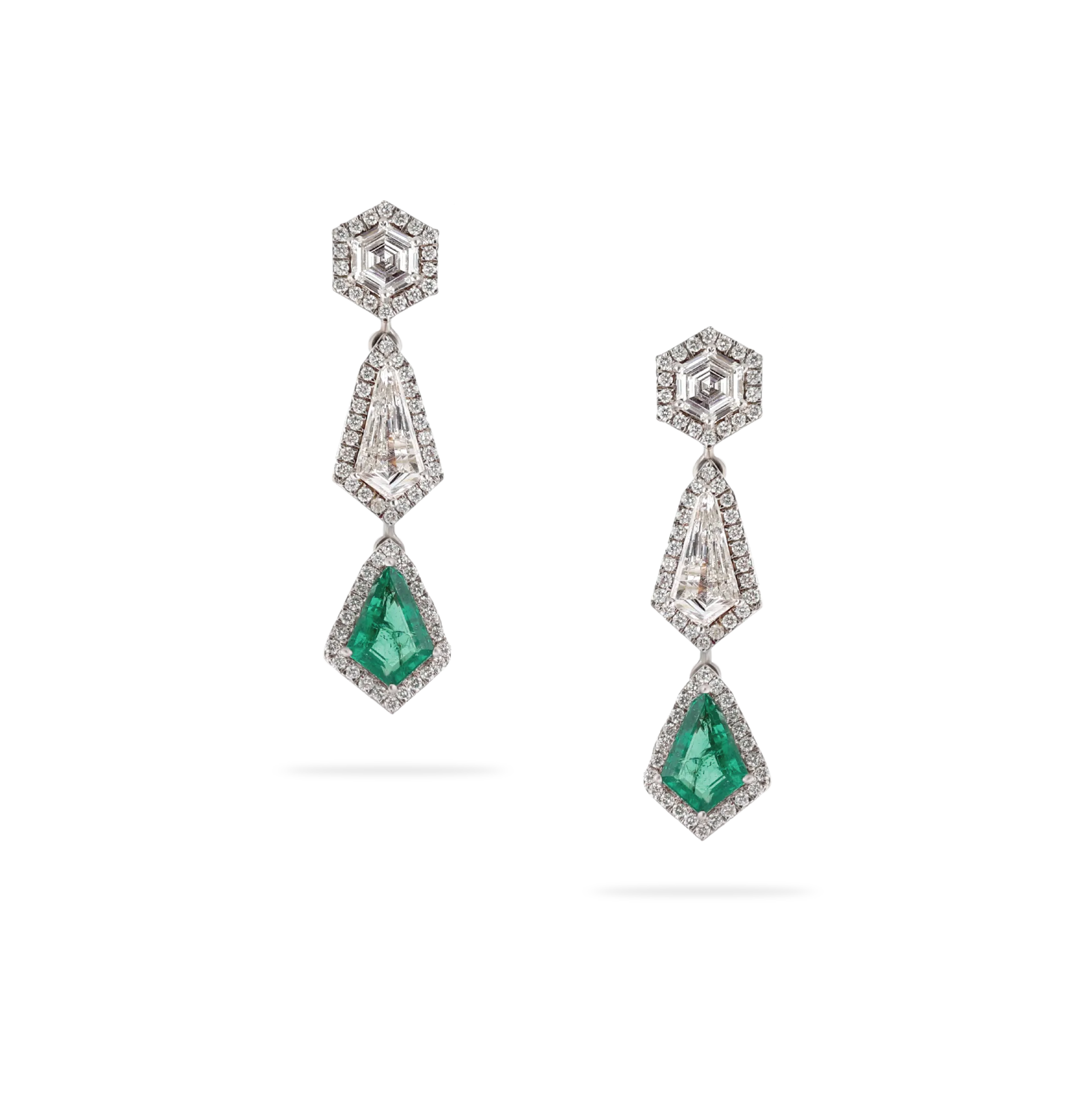
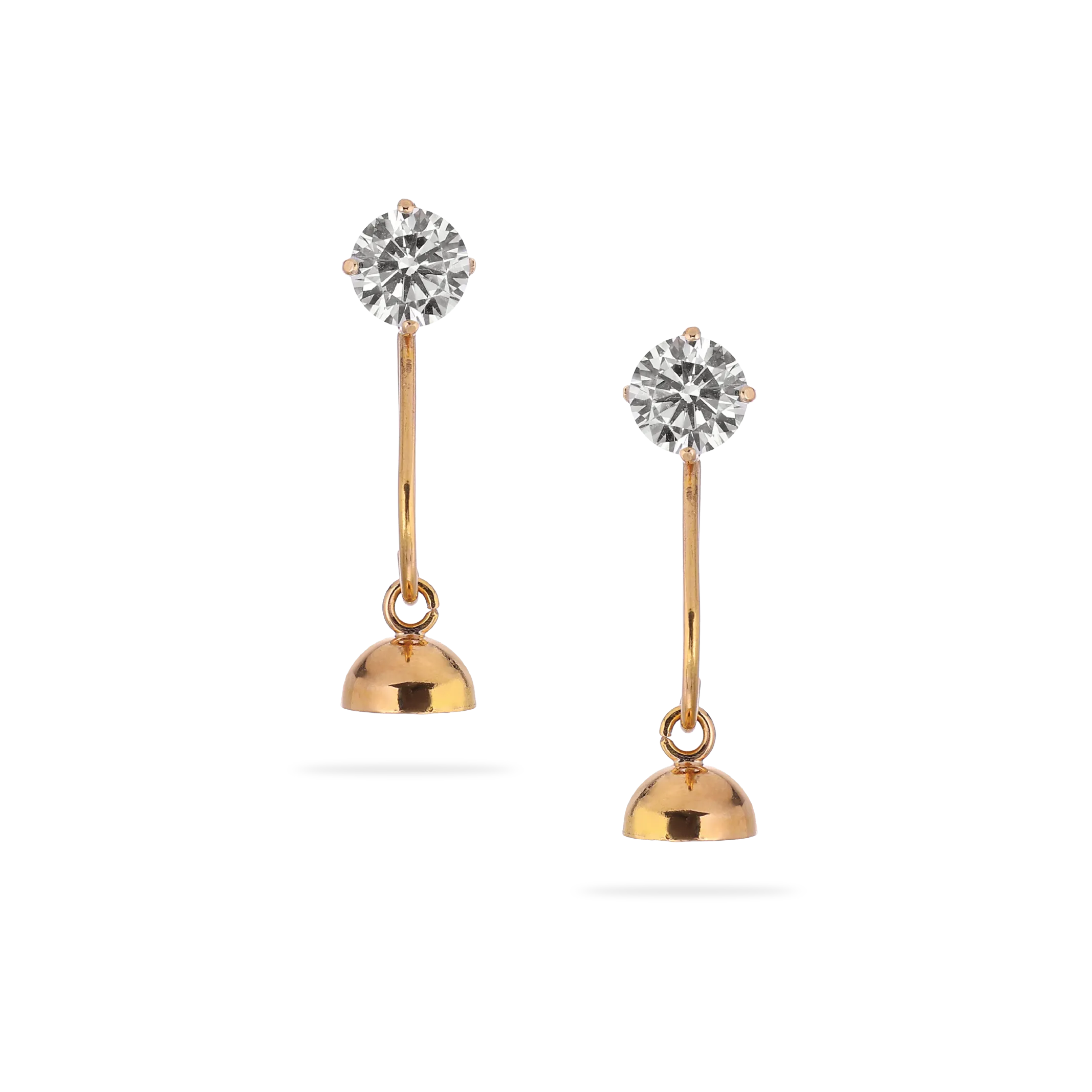
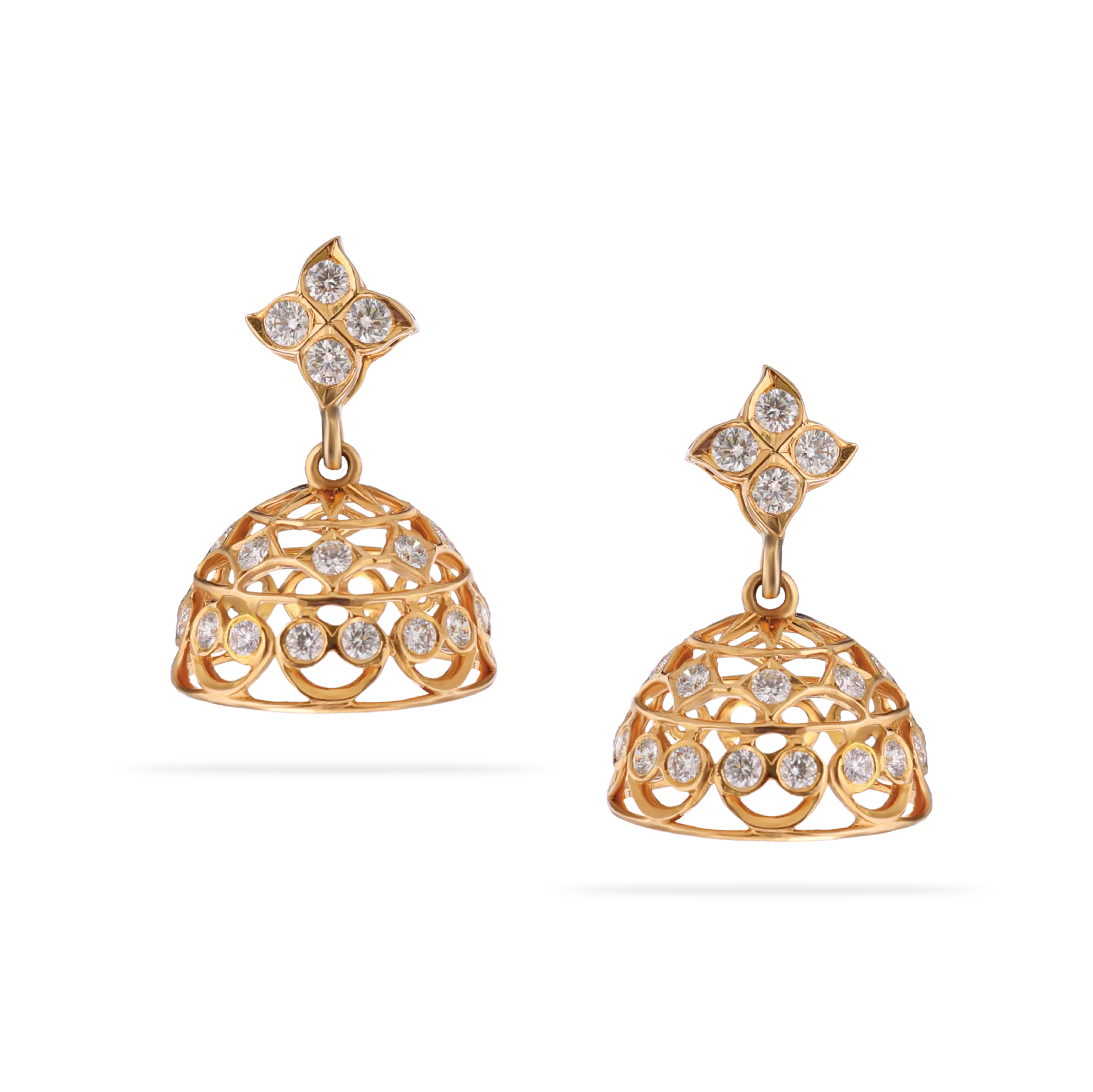
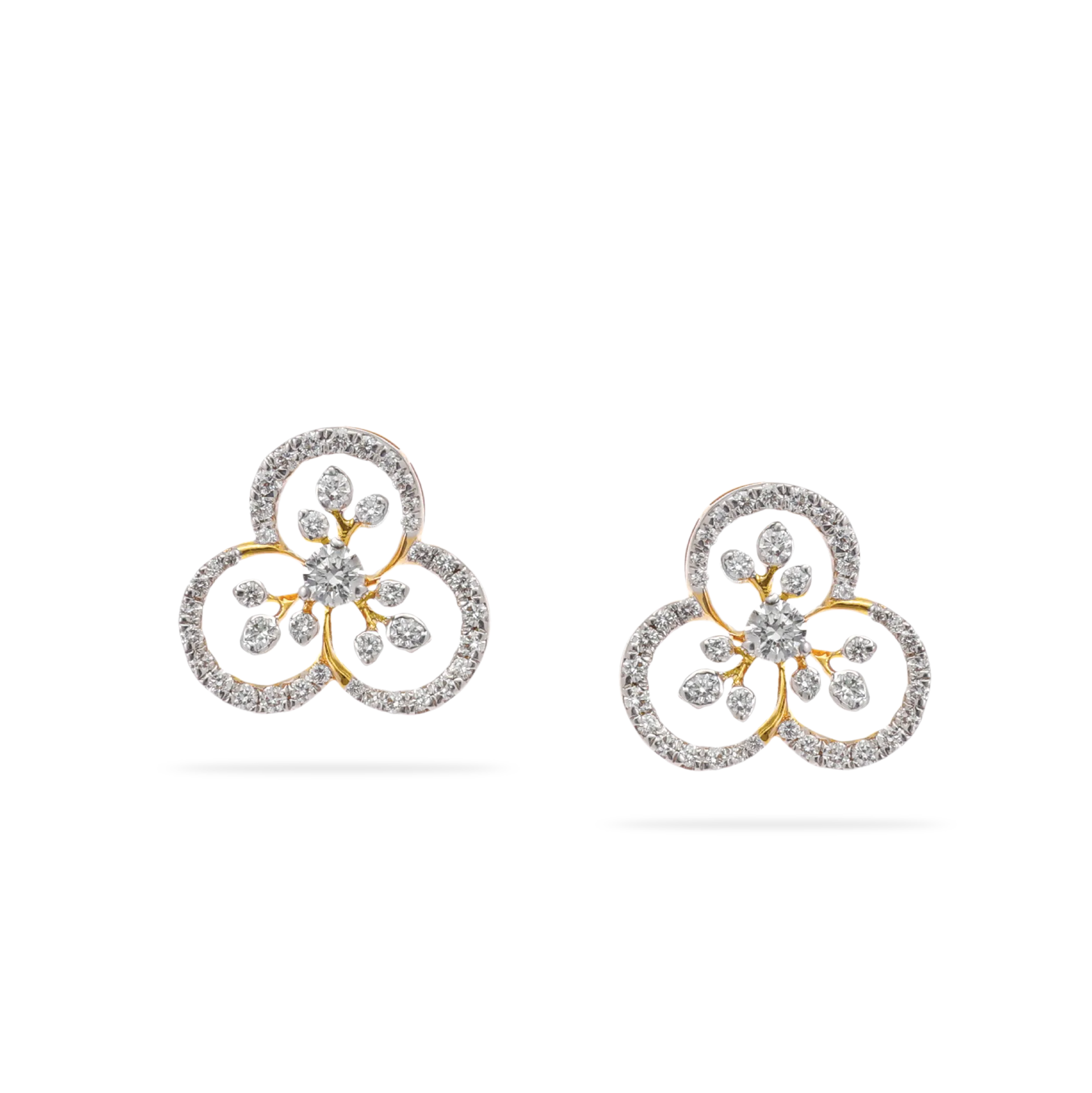
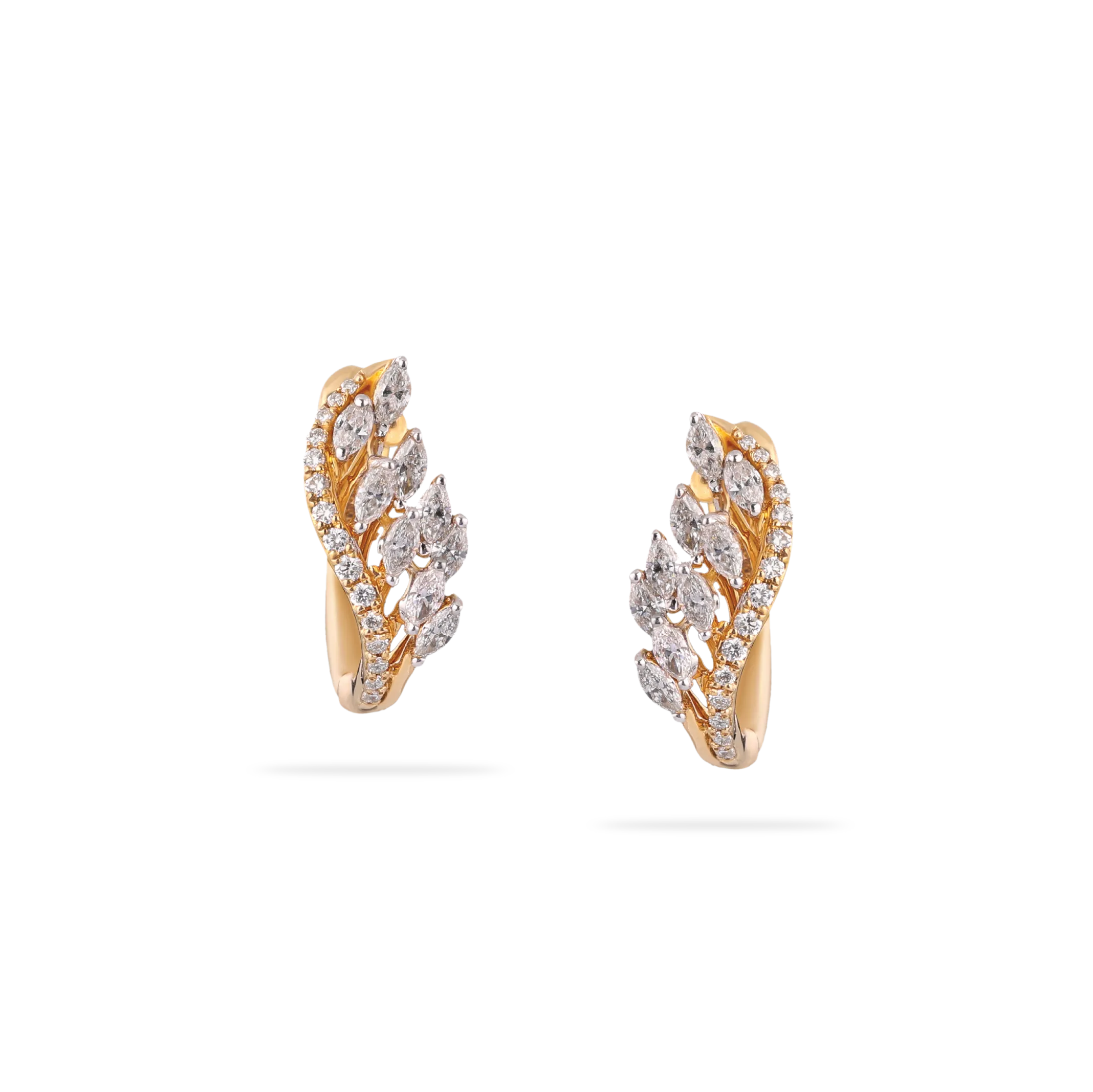
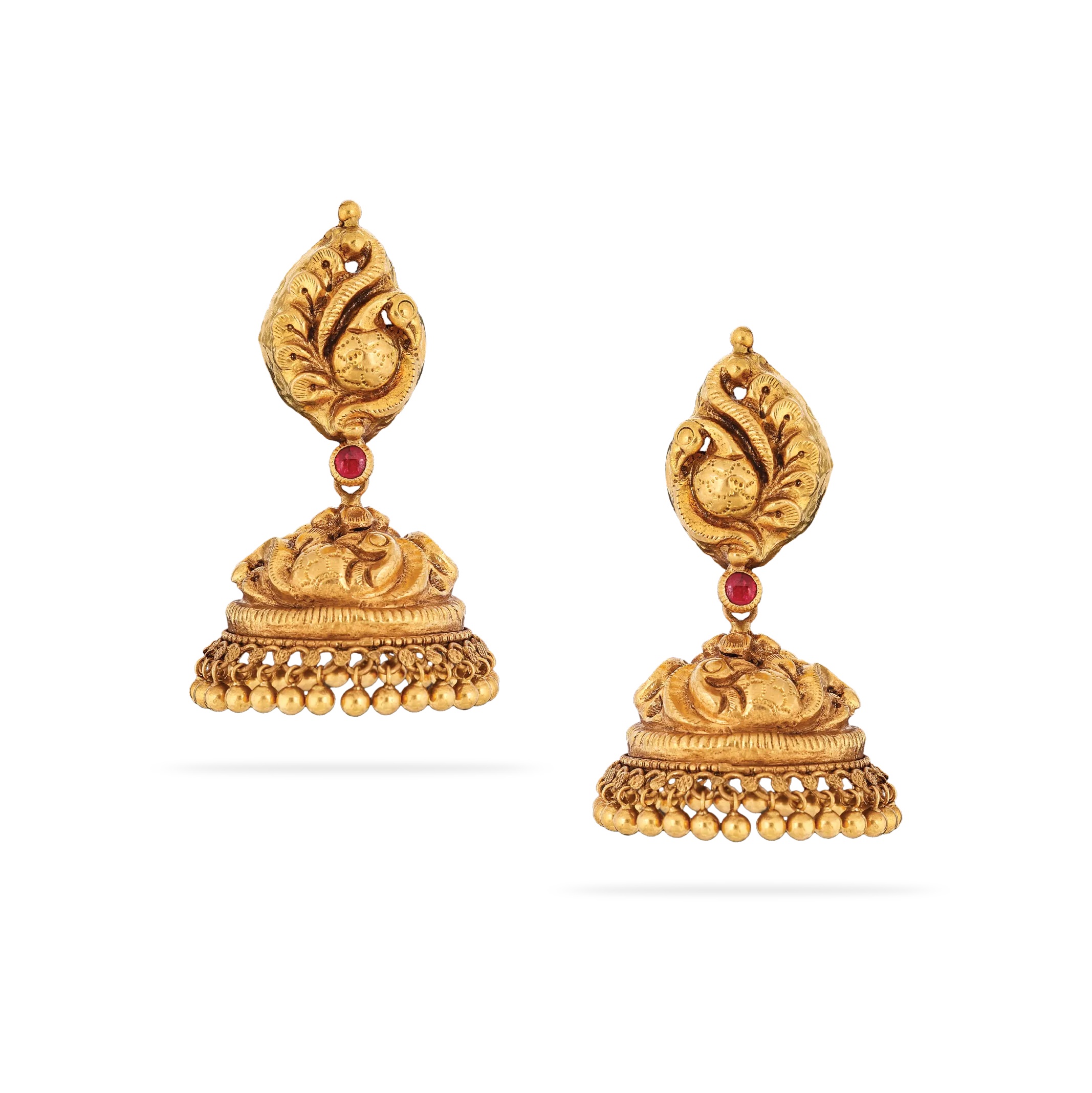
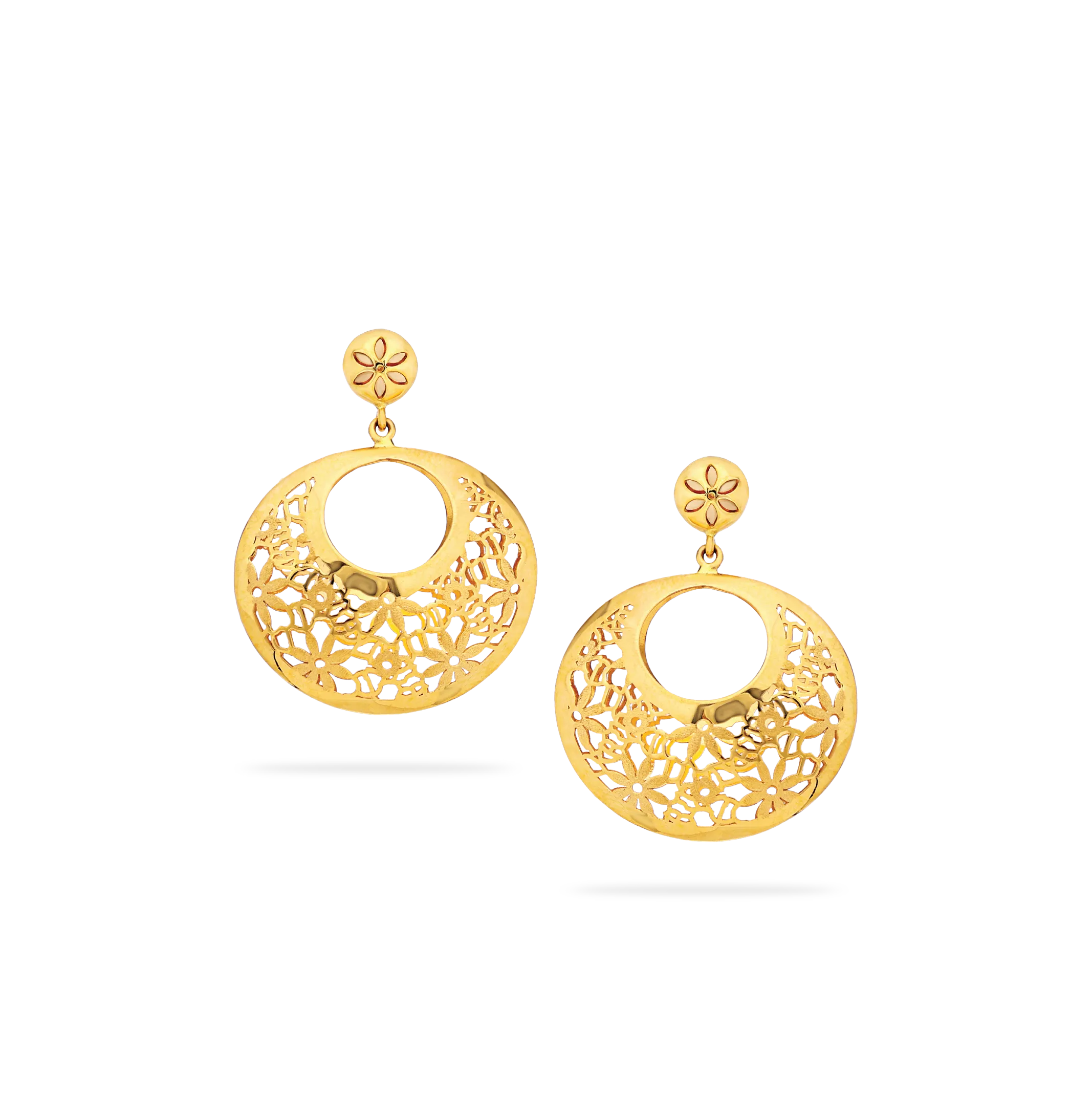
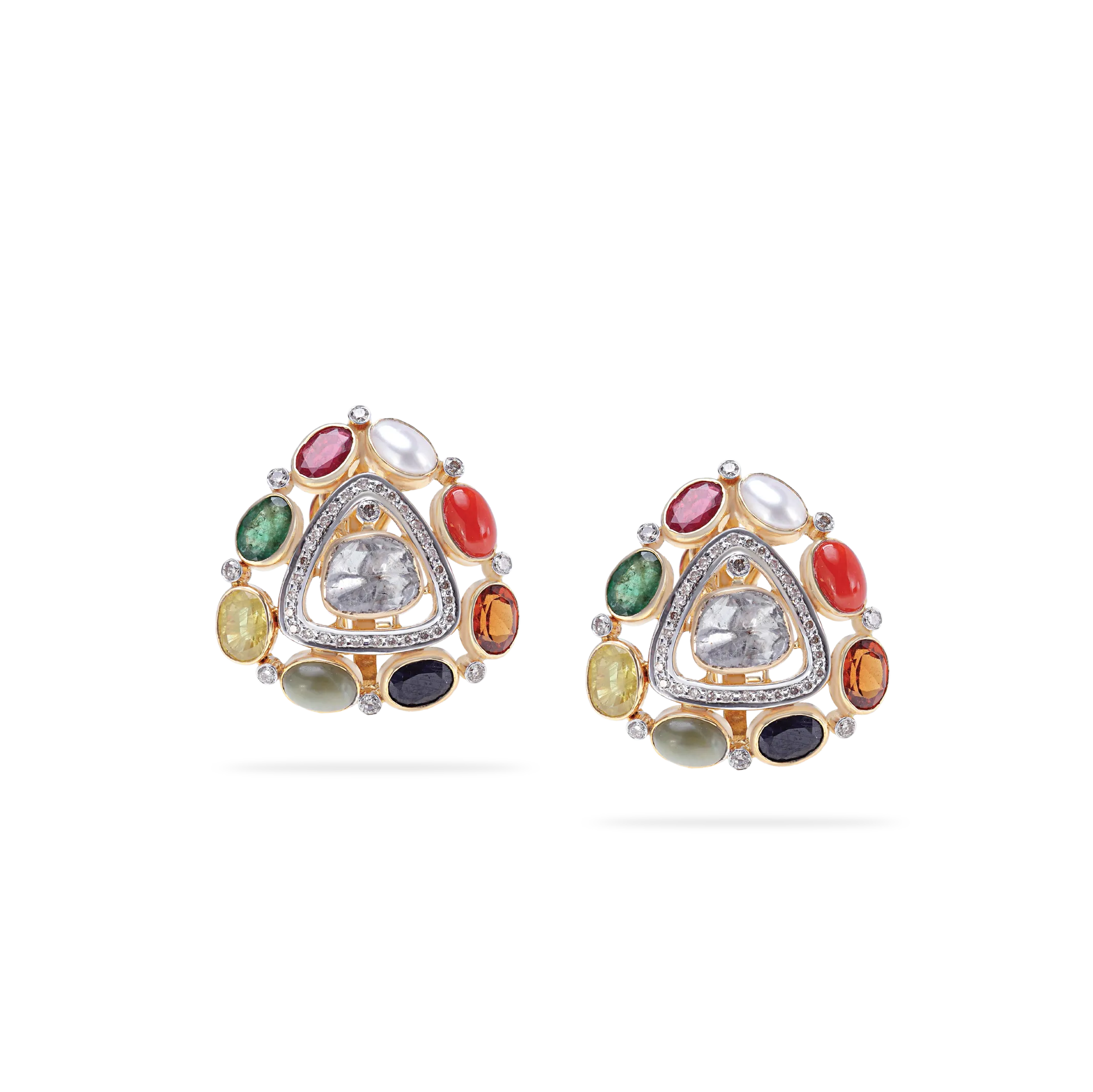
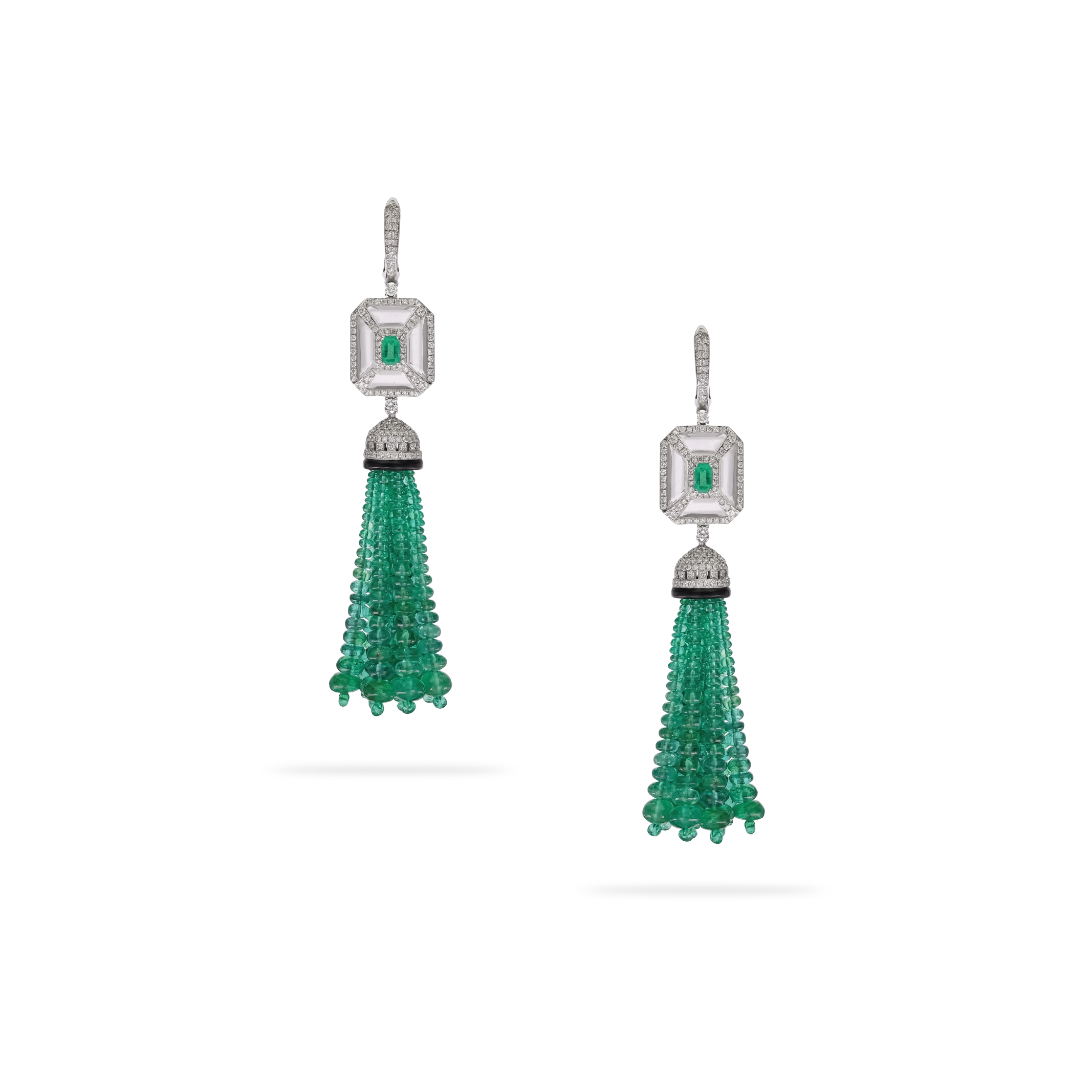
Studs and small drops are easy to wear with work clothes and casual outfits, while chandelier or shoulder-grazing styles create a more theatrical effect. Matching sapphire earrings can frame the face with color; mismatched or mixed-stone designs feel more artistic.
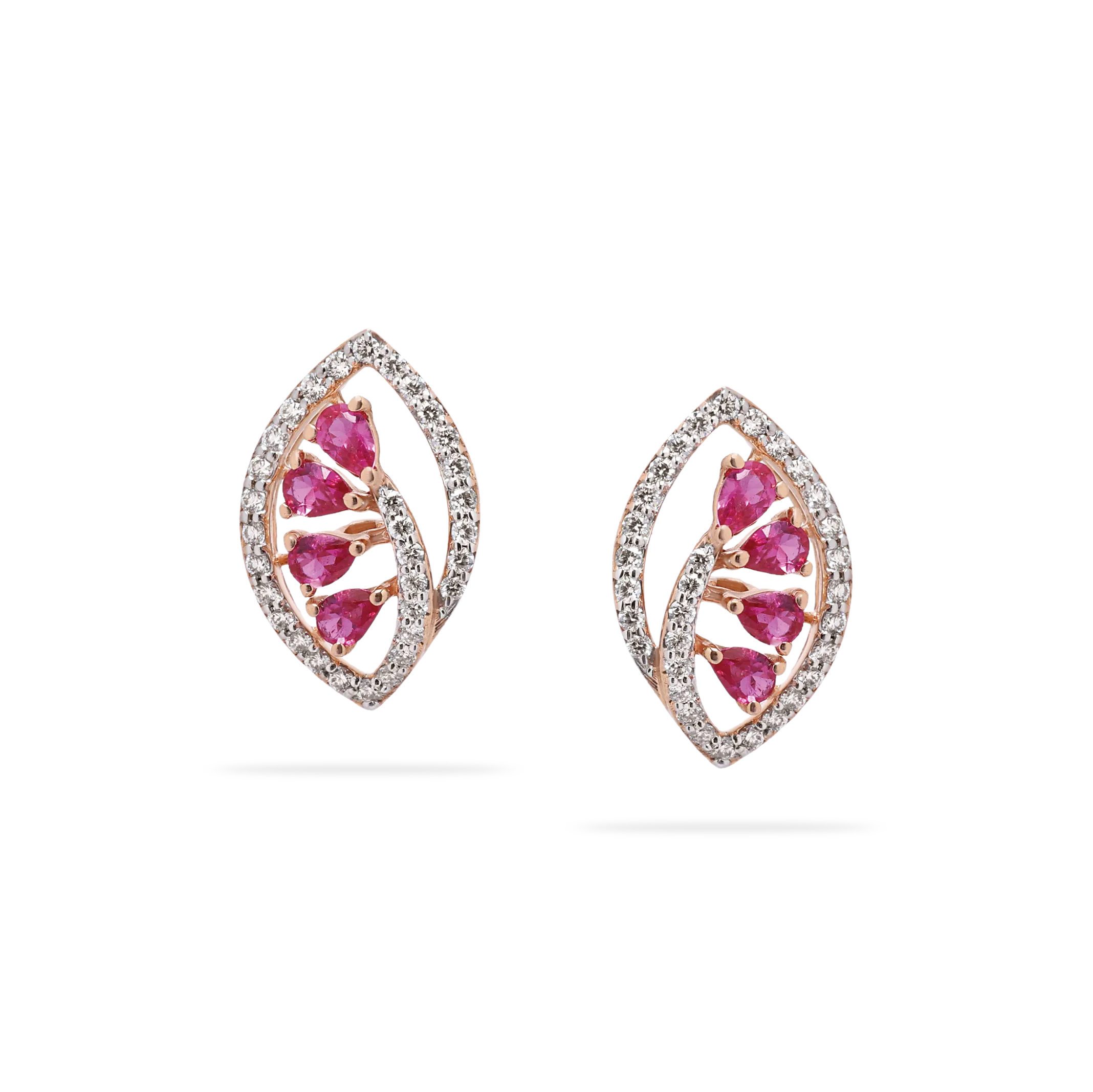
Weight matters here. Comfortable backs, balanced proportions, and a secure setting are just as valuable as the gemstone’s color. For additional earring inspiration, sapphire earrings can help illustrate the difference between ready-made and custom styling.
Sapphire necklaces and pendants
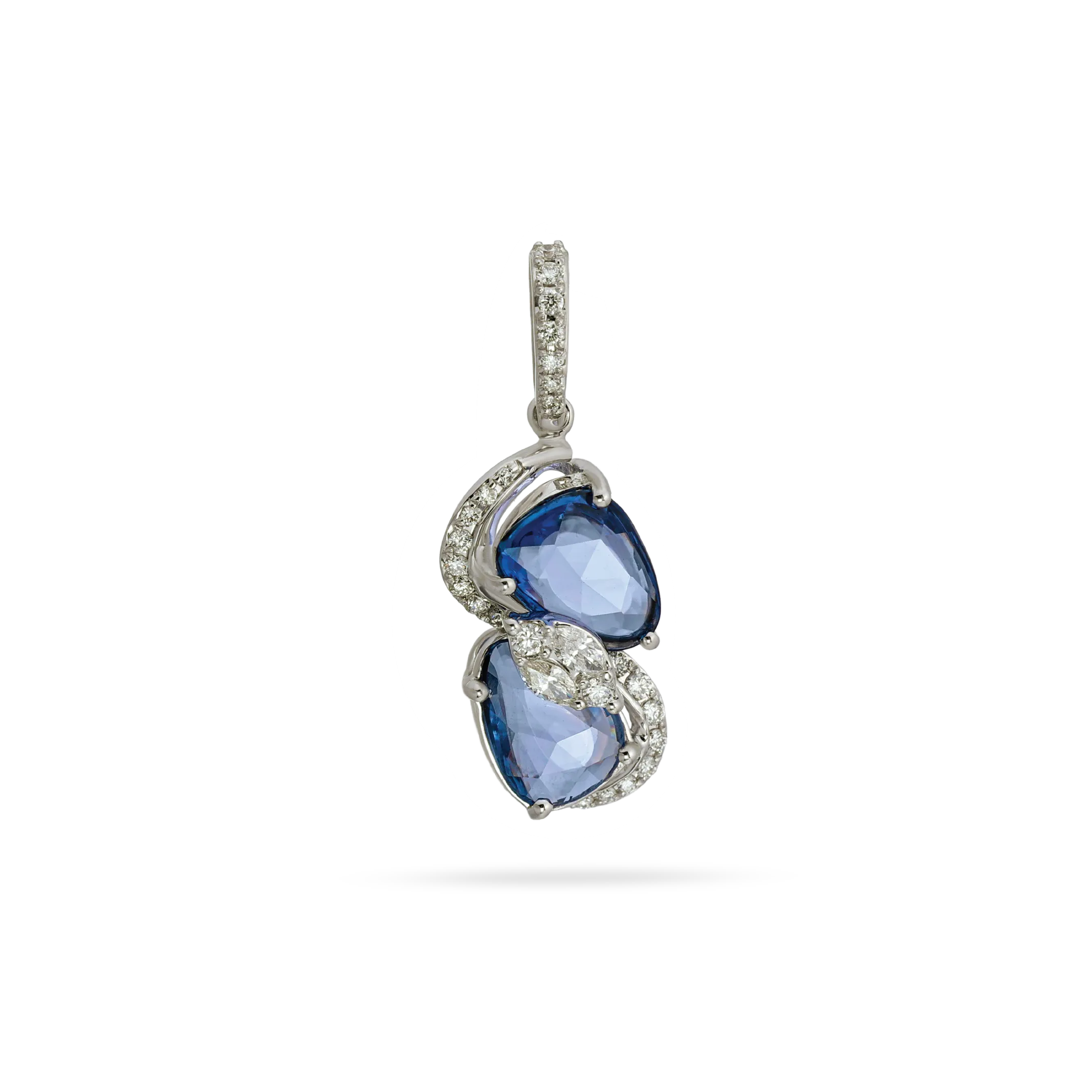
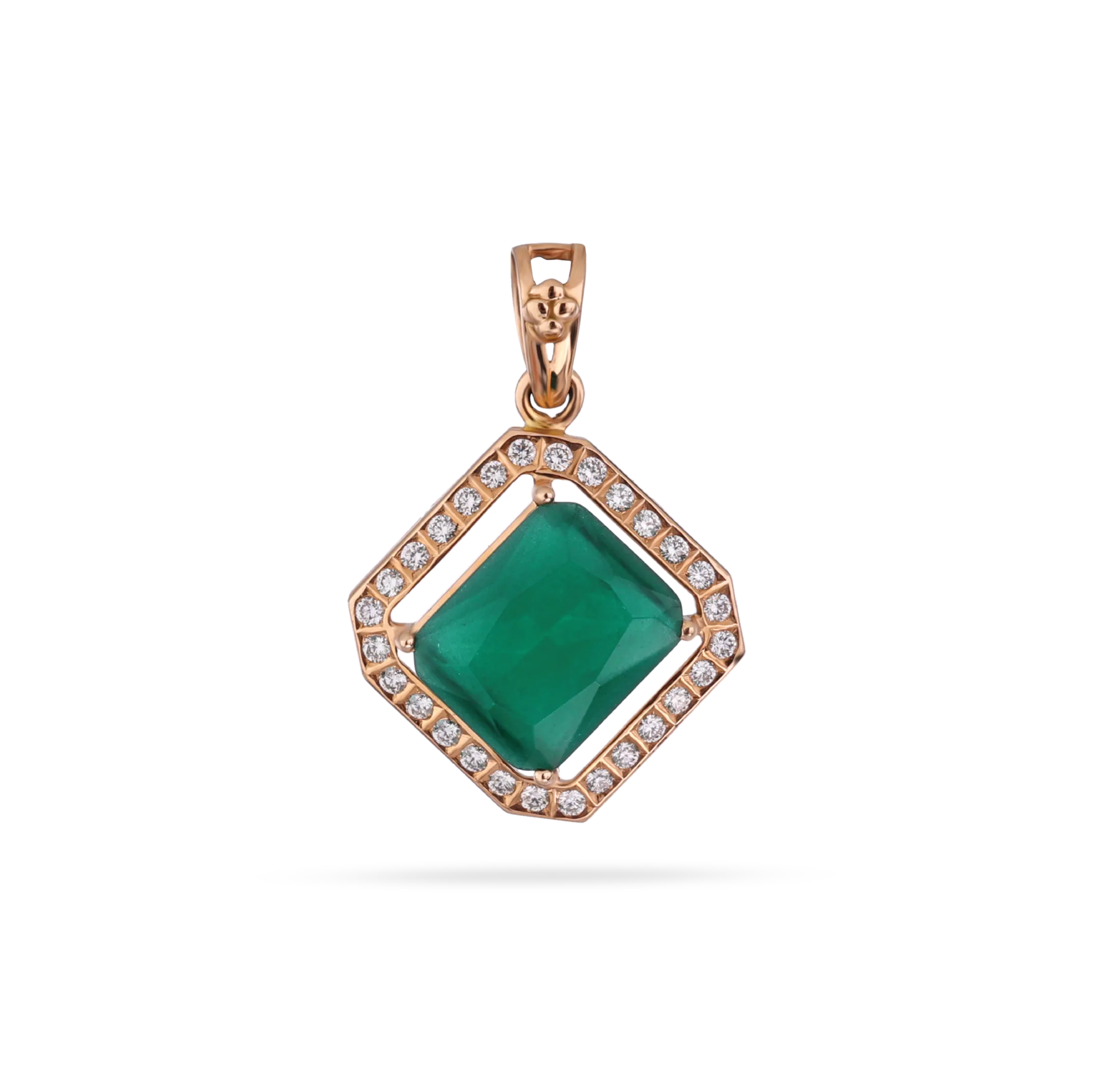
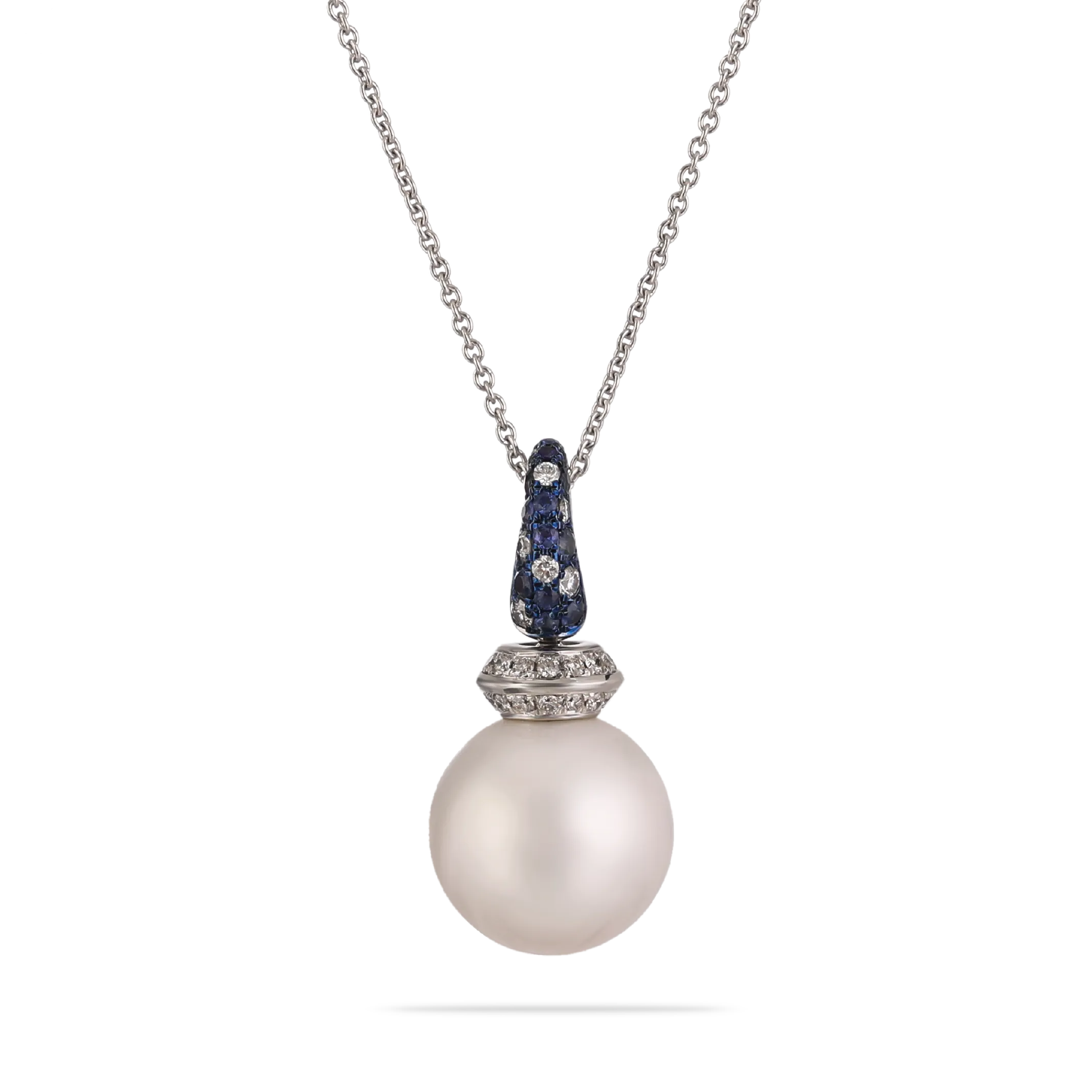
A pendant places attention near the neckline and can be scaled from a tiny everyday accent to a large statement centerpiece. A simple sapphire surrounded by metal feels clean and modern, while a halo or cluster creates more sparkle and visual width.
Necklace length should work with the wearer’s usual necklines. Shorter chains suit open collars and scoop necks, whereas longer pendants can add shape to high-necked or layered outfits.
Sapphire bracelets and stackable designs
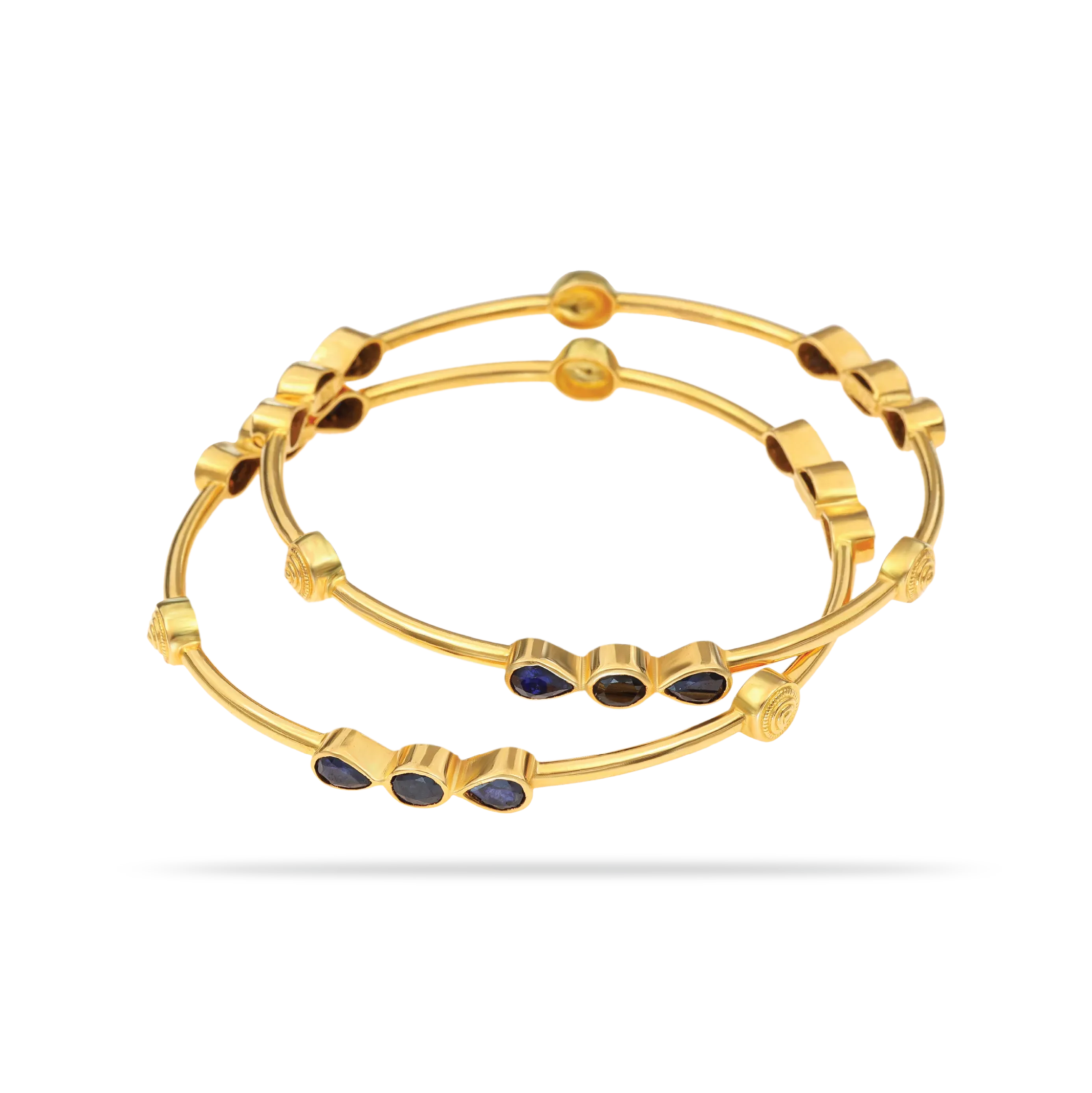
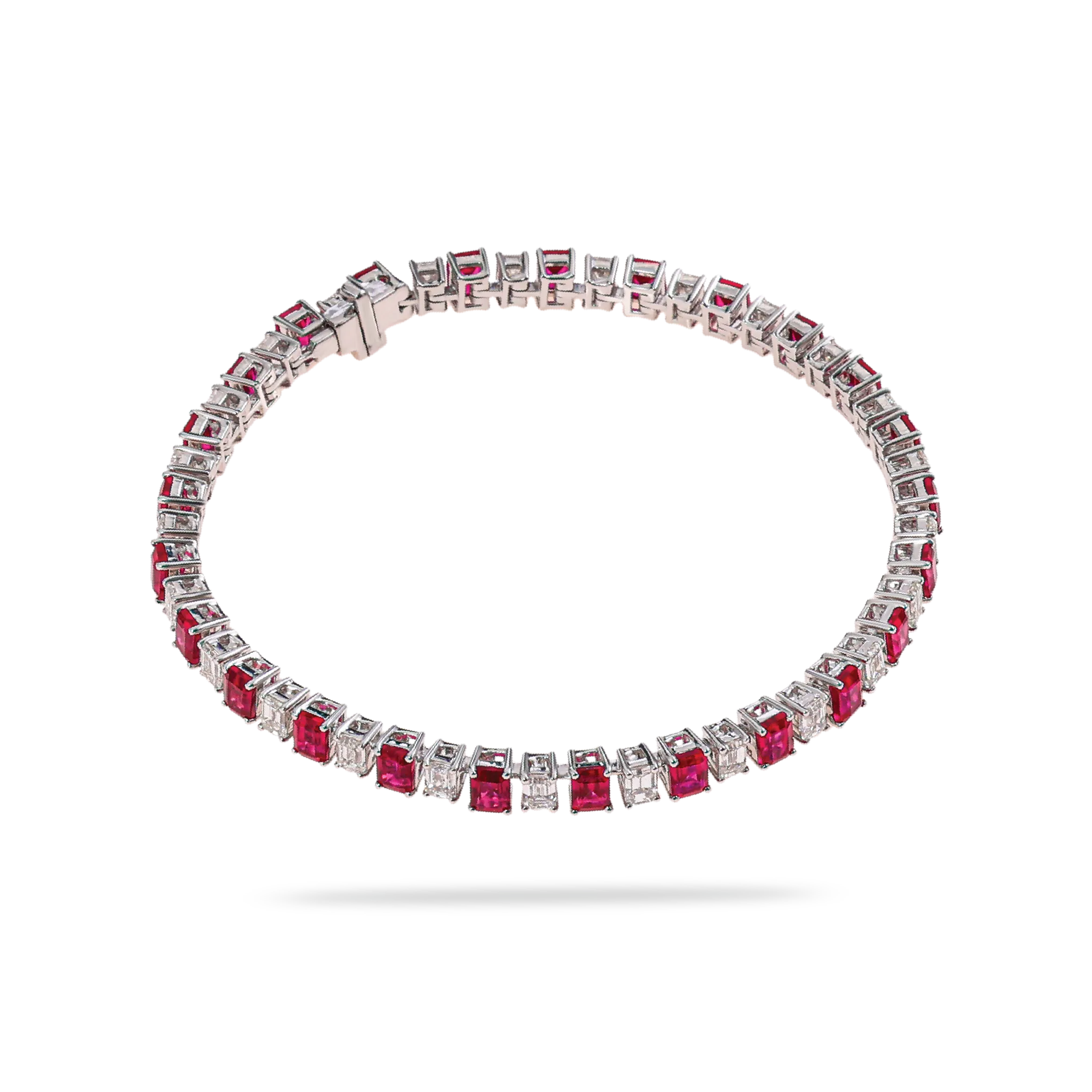
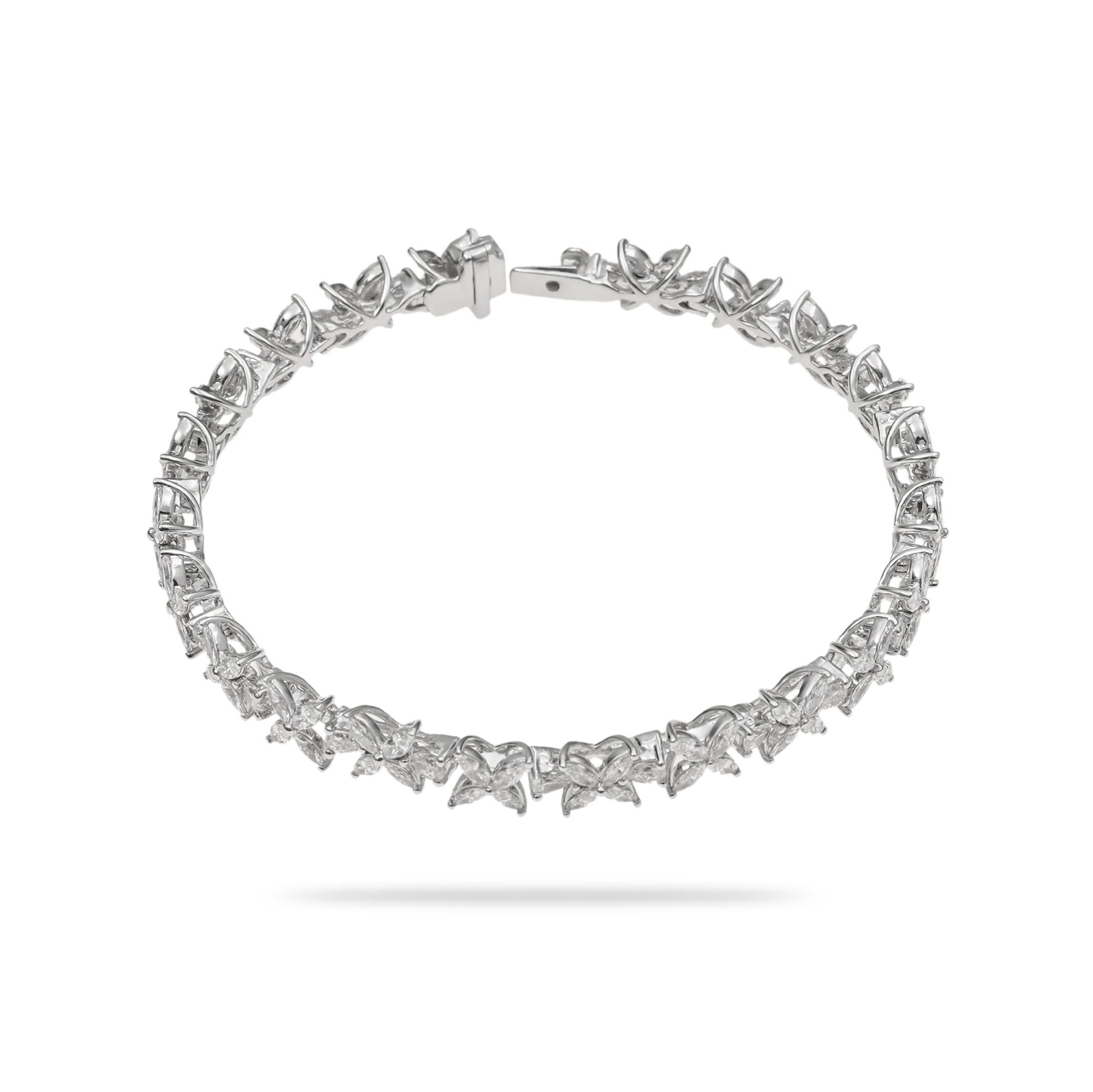
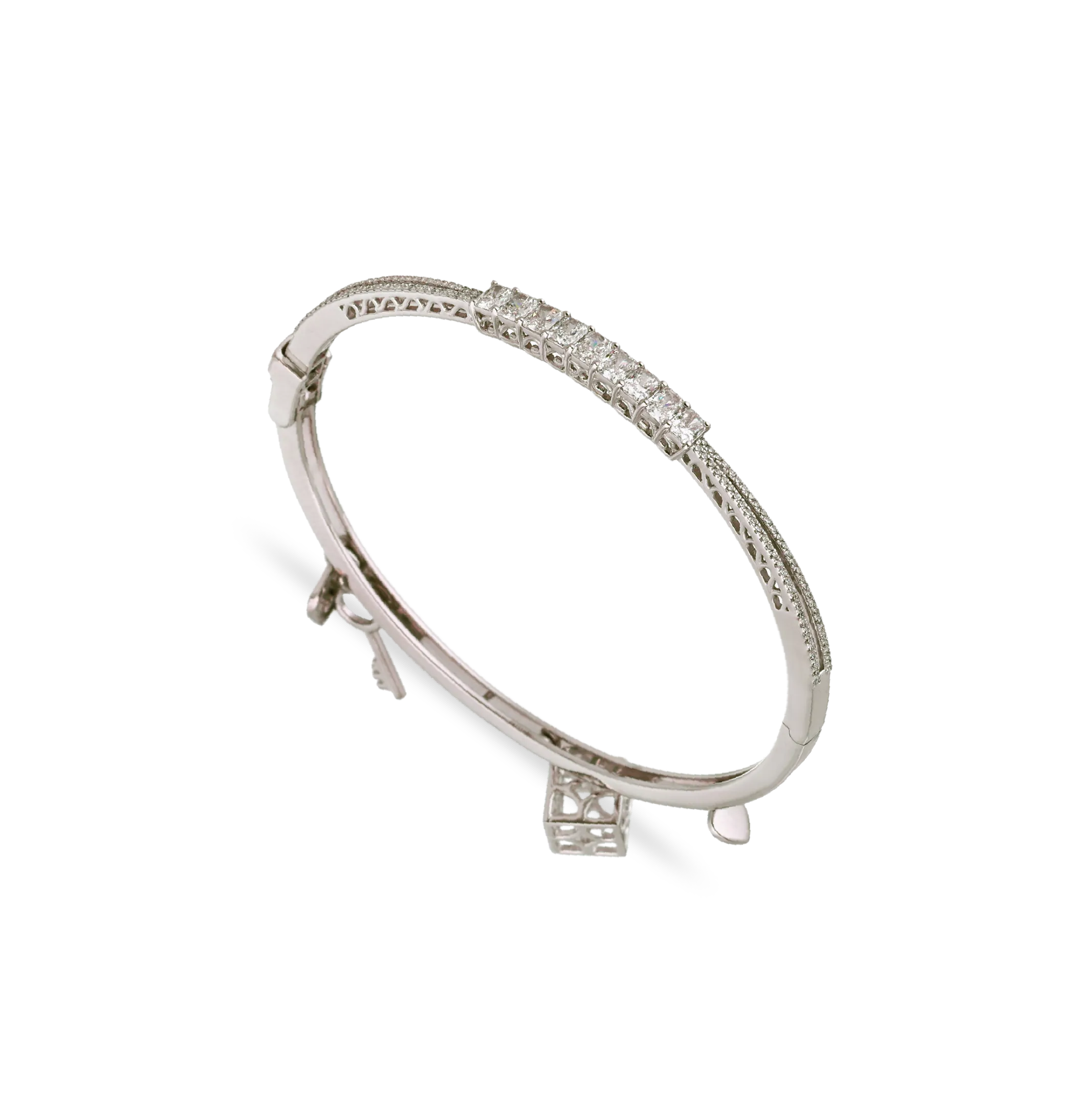
Bracelets bring color into motion, so the way a sapphire is mounted becomes especially important. Low-profile stations, links, and bezel-set stones tend to work well for regular wear, while a line of larger stones can make a stronger formal impression.
Stacking adds personality but needs a little planning. Combine different widths, repeat one metal tone, or use sapphire as the single color accent among plain bands. Too many competing shapes can make the wrist look busy rather than curated.
Choose the right sapphire color and cut
Color and cut work together, and neither should be considered in isolation. A lively stone can lose some of its charm in a setting that hides too much of its face, while a beautifully cut gem may look subdued if the color is not right for you. View the sapphire in different lighting before making a decision.
Classic blue sapphire designs
Blue sapphire remains popular because it can be tailored to many styles. A rich, saturated blue suits a traditional ring, while a lighter blue can feel airy in white gold or platinum. In yellow gold , the same color often appears warmer and more antique-inspired.
Look for a blue that feels attractive rather than simply intense. Very dark color can reduce visual brightness, while a softer tone may show more life as the stone moves.
Pink, yellow, white, and green sapphire options
Fancy sapphires are useful when you want a less expected design. Pink can complement rose gold , yellow sapphire pairs naturally with warm metal, and white sapphire offers a clean, neutral appearance. Green sapphire can bring an earthy note, particularly in organic or vintage-inspired designs.
The surrounding stones influence these colors. Diamonds or other light accents may make a pastel sapphire appear brighter, while a plain metal bezel can make its body color feel deeper.
How oval, round, cushion, and pear cuts differ
Shape affects the outline, finger coverage, and overall character of a piece. Oval stones tend to look elongated, rounds feel balanced and classic, cushions bring softened corners, and pears add directional movement. The quality of the cut still matters within each shape.
| Cut | Typical visual effect | Style impression | Useful design role |
|---|---|---|---|
| Oval | Elongated outline and graceful spread | Classic and elegant | Center stone or pendant |
| Round | Even, symmetrical silhouette | Clean and timeless | Stud, solitaire, or halo |
| Cushion | Soft corners with a broad face | Romantic and vintage-leaning | Statement ring |
| Pear | Tapered end and directional shape | Individual and fluid | Drop earring or pendant |
These are starting points, not strict categories. A well-proportioned setting can make any of the four shapes feel either traditional or contemporary.
Selecting a cut for brilliance and personal style
Choose the cut by balancing light performance with the way you want the jewelry to read on the body. A round stone may suit someone who likes symmetry, while a pear can feel more expressive. Finger length, hand size, preferred jewelry scale, and the security of the setting should all enter the conversation.
Try on similar silhouettes if possible. Seeing the shape against your own skin is often more informative than comparing loose stones on a white display tray.
Match the setting and metal to your style
The setting is the architecture around the gemstone. It determines how much stone is visible, how light reaches it, and how protected its edges are. Metal then changes the temperature of the whole design, so the most successful pairings feel intentional rather than merely fashionable.
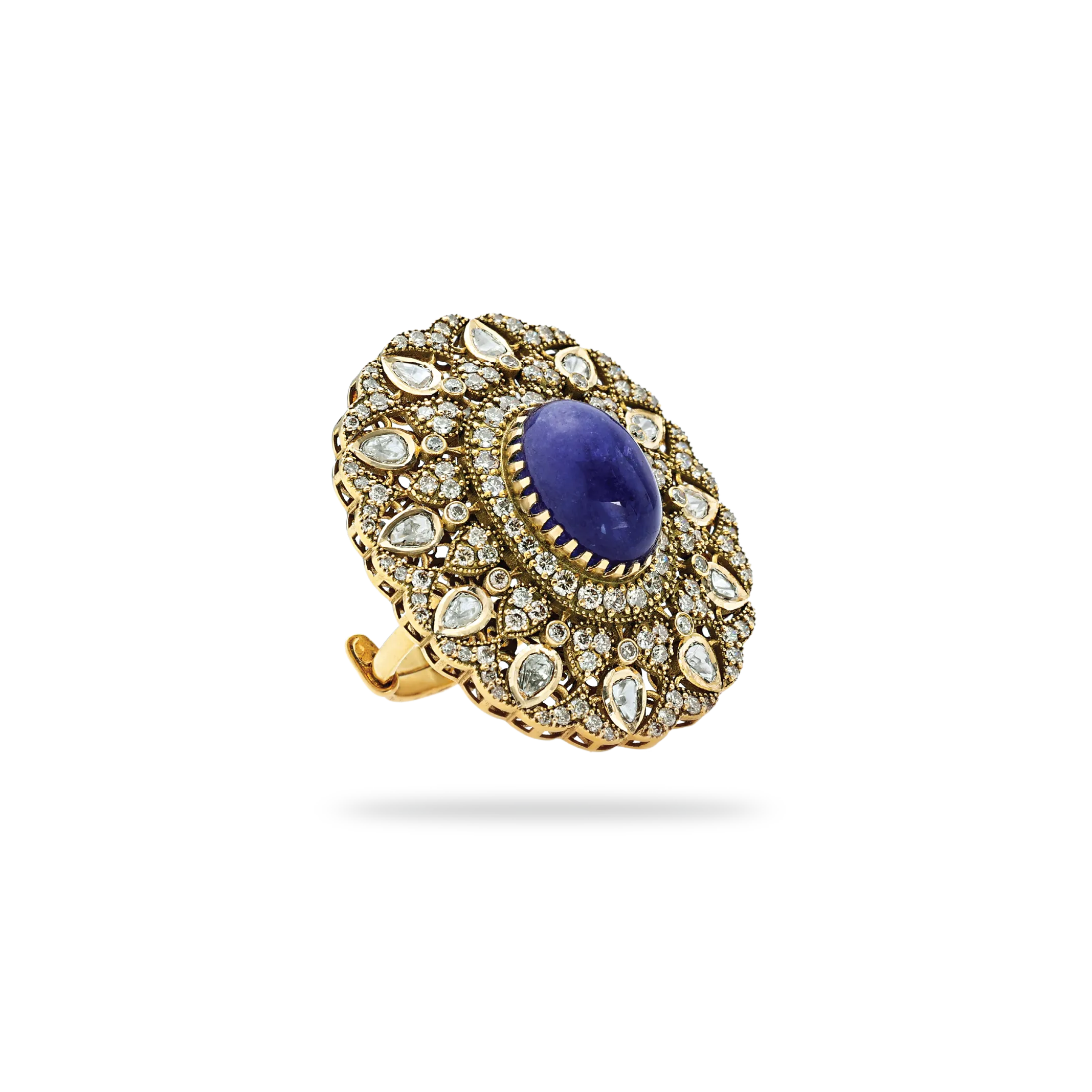
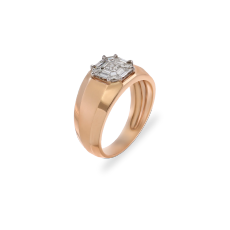
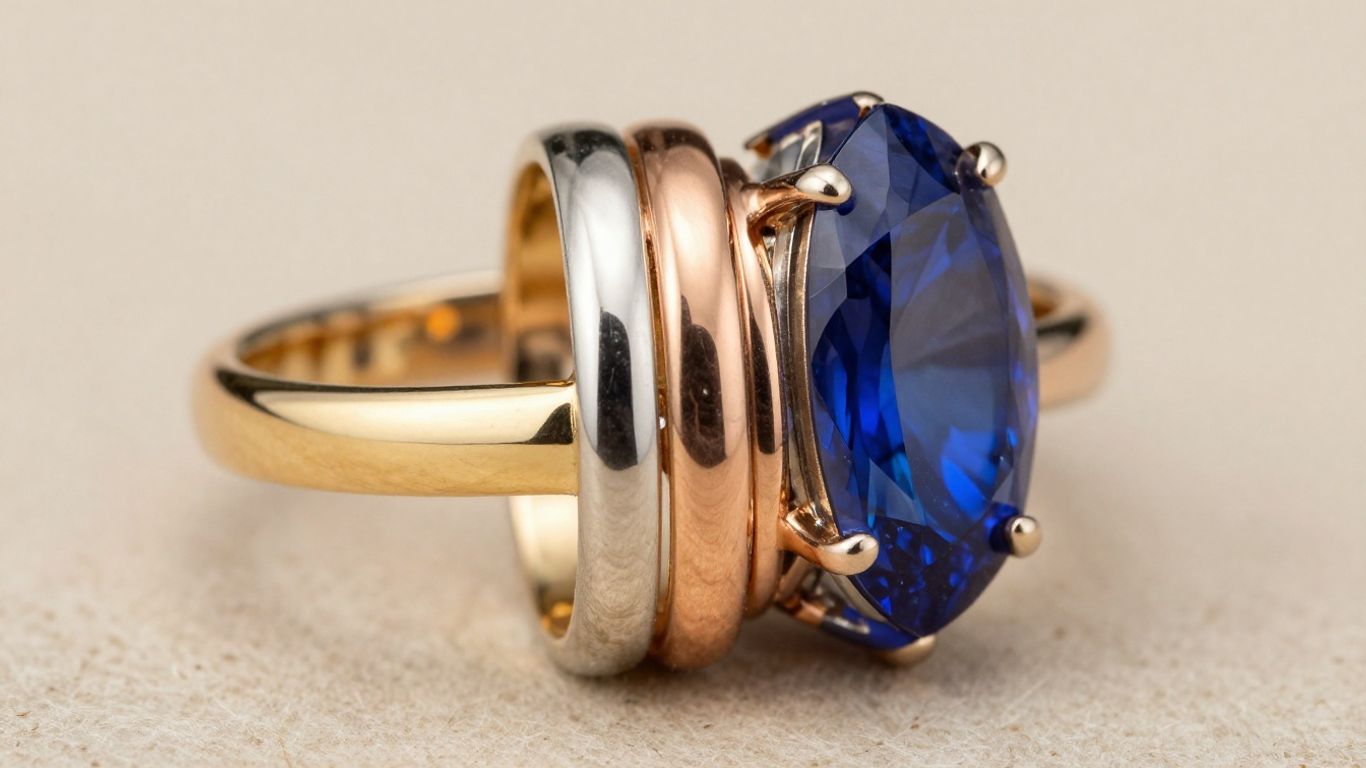 Blue sapphire ring in mixed precious metals" >
Prong, halo, bezel, and cluster settings
Prongs expose more of the sapphire and can create an airy, traditional look, though exposed edges deserve careful attention. A halo adds visual size and sparkle around the center. Bezel settings surround the stone with metal, giving a sleek outline and useful protection, while cluster designs group several stones into a more decorative silhouette.
Think about how the piece will be worn. A bezel may suit an active routine, while delicate prongs can be appealing when maximum visibility is the priority and the wearer is prepared for regular checks.
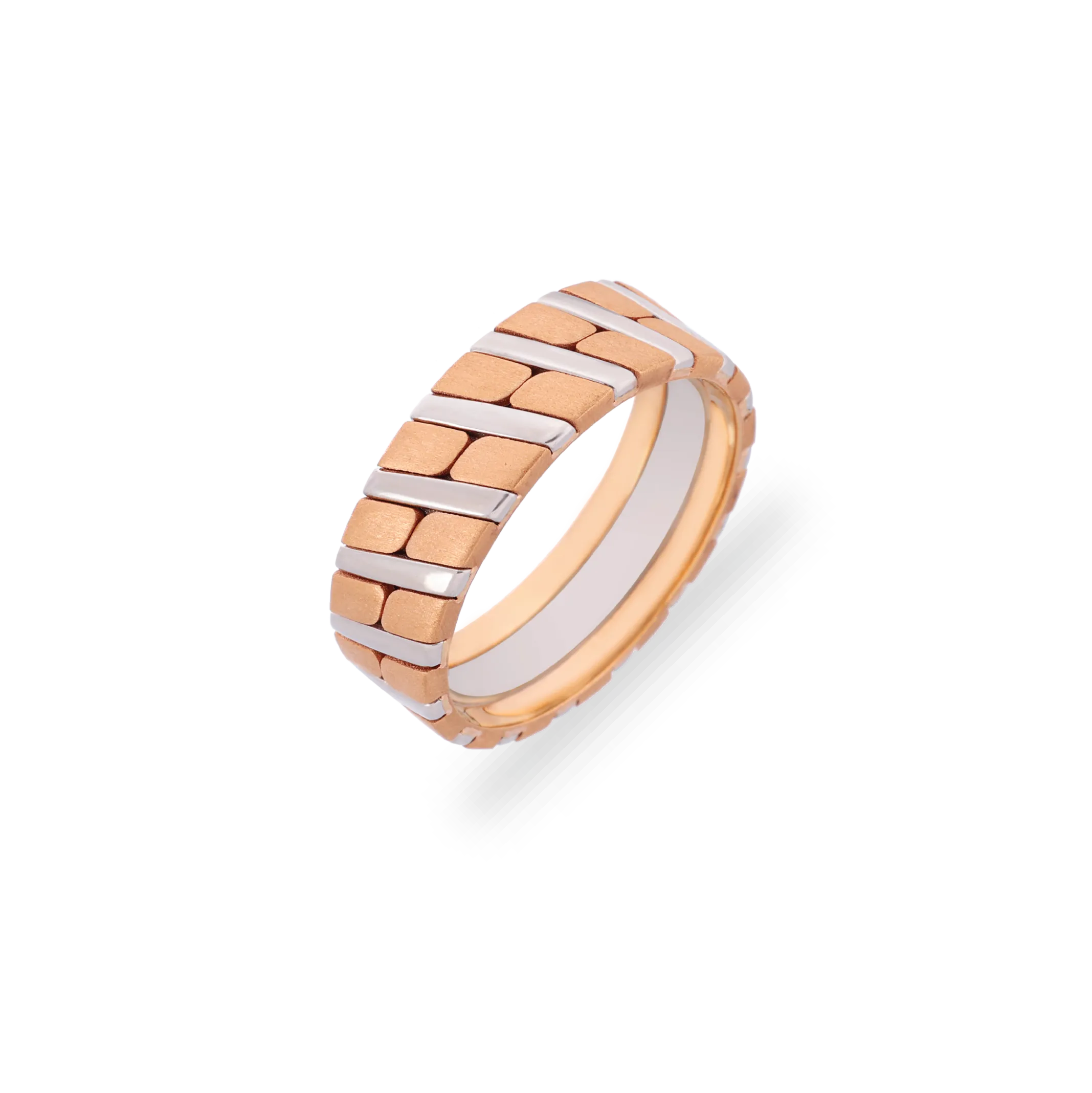
Yellow gold , white gold , rose gold , and platinum
Yellow gold brings warmth and often enhances the richness of blue, green, and yellow sapphires. White gold and platinum create a cooler, brighter frame that can make blue or white stones look crisp. Rose gold introduces a gentle contrast, especially with pink or lavender-leaning stones.
Skin tone can be a useful guide, but it should not dictate the decision. Mixed metals can bridge different pieces in an existing collection and make a sapphire design easier to wear with other jewelry.
Vintage-inspired versus contemporary designs
Vintage-inspired pieces often use milgrain edges, engraving, floral details, or ornate halos. Contemporary designs may rely on clean lines, open space, unusual angles, or a single strong stone. Neither direction is inherently more sophisticated; the question is whether the details feel like you.
If you enjoy heritage jewelry, look for craftsmanship that remains comfortable and wearable rather than choosing ornament for its own sake. If minimalism appeals to you, a small detail—such as a colored side stone—can provide character without clutter.
How the setting affects gemstone protection
Protection depends on the stone’s shape, the height of the setting, and the areas most exposed to contact. Corners and pointed ends generally need more thoughtful coverage than a round profile. A low setting can reduce snags, while a well-designed halo or bezel can shield vulnerable edges.
Ask how the stone is held, whether the underside can be cleaned, and how easily a jeweler can inspect the setting. Security is part of style because a beautiful gemstone is only useful when it remains safely in place.
Select sapphire jewellery for different occasions
A sapphire piece should fit the moment without becoming trapped by it. Some designs move easily from a weekday outfit to dinner, while others are best saved for celebrations. Versatility often comes from proportion and restraint rather than from choosing the smallest possible stone.
Everyday sapphire pieces
Small studs, slim bands, modest pendants, and low-profile bracelets are natural choices for everyday wear. They add color without demanding that the rest of an outfit be carefully coordinated. A durable setting and comfortable scale matter more than elaborate detail.
Choose one piece as the daily signature, then add occasional accents around it. This approach keeps the collection easy to wear and reduces the chance of pieces competing with one another.
Engagement rings and anniversary gifts
Sapphire can make an engagement ring feel personal while still retaining a classic gemstone presence. For an anniversary, the color can carry a sense of continuity, especially when it echoes an existing piece or a meaningful palette.
Discuss lifestyle, ring profile, maintenance, and stone treatment before focusing only on size. A thoughtful design that suits the wearer will usually feel more special than a larger stone chosen without context. A related engagement ring style guide can also provide a useful framework for comparing metals, settings, and proportions.
Formal and statement jewellery
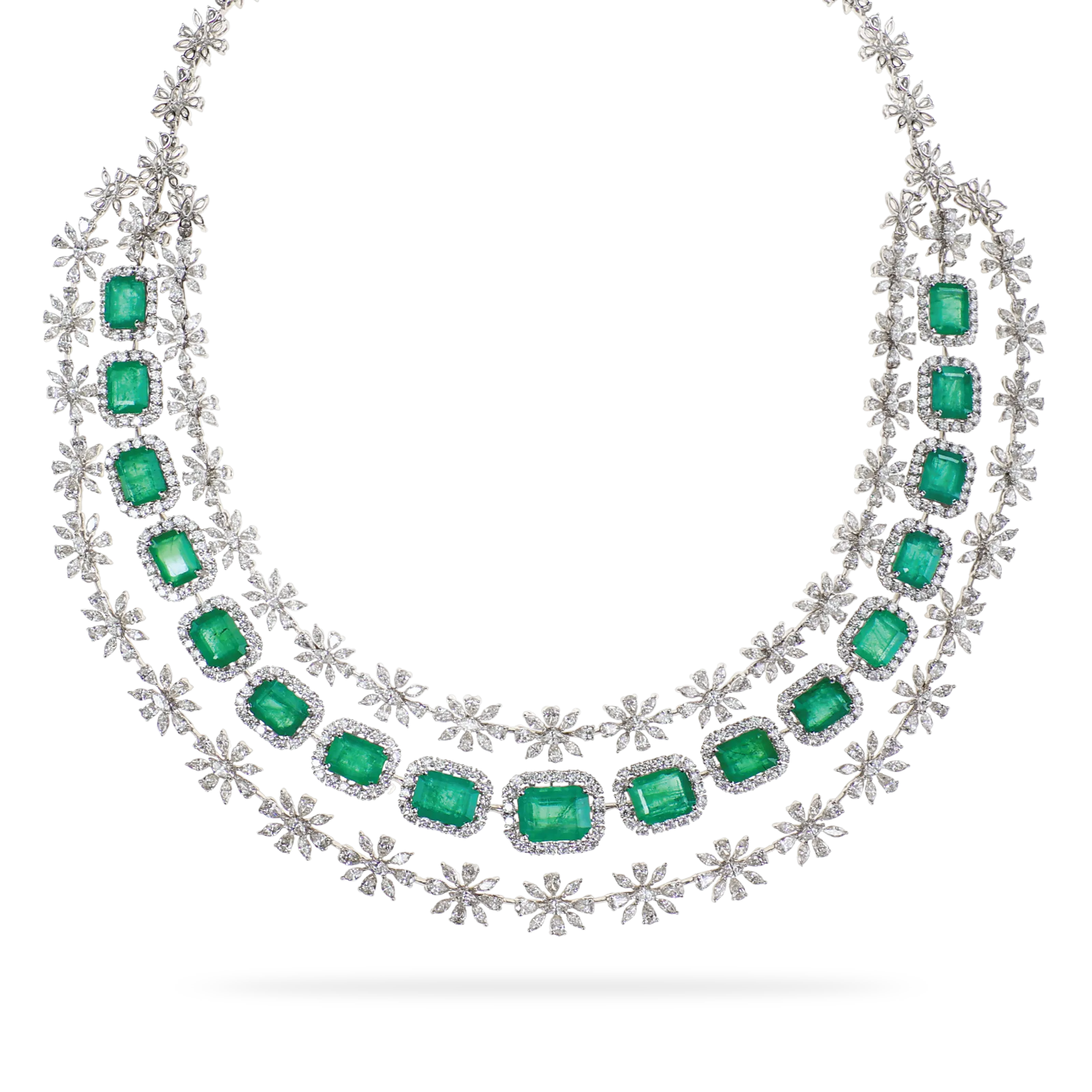
Formal occasions invite larger stones, layered necklaces, chandelier earrings, and more elaborate halos or clusters. Sapphire’s color can hold its own beside evening fabrics, but the design should still leave room for the face, neckline, or outfit to breathe.
A statement piece works best when it has one clear point of focus. If the necklace is elaborate, simpler earrings may create a more polished result than a fully matched set.
Coordinating sapphire designs with other accessories
Coordination does not require every piece to match exactly. Repeat the metal, echo one color, or balance a large sapphire with understated pieces elsewhere. Mixed metals can look deliberate when one tone appears in at least two places.
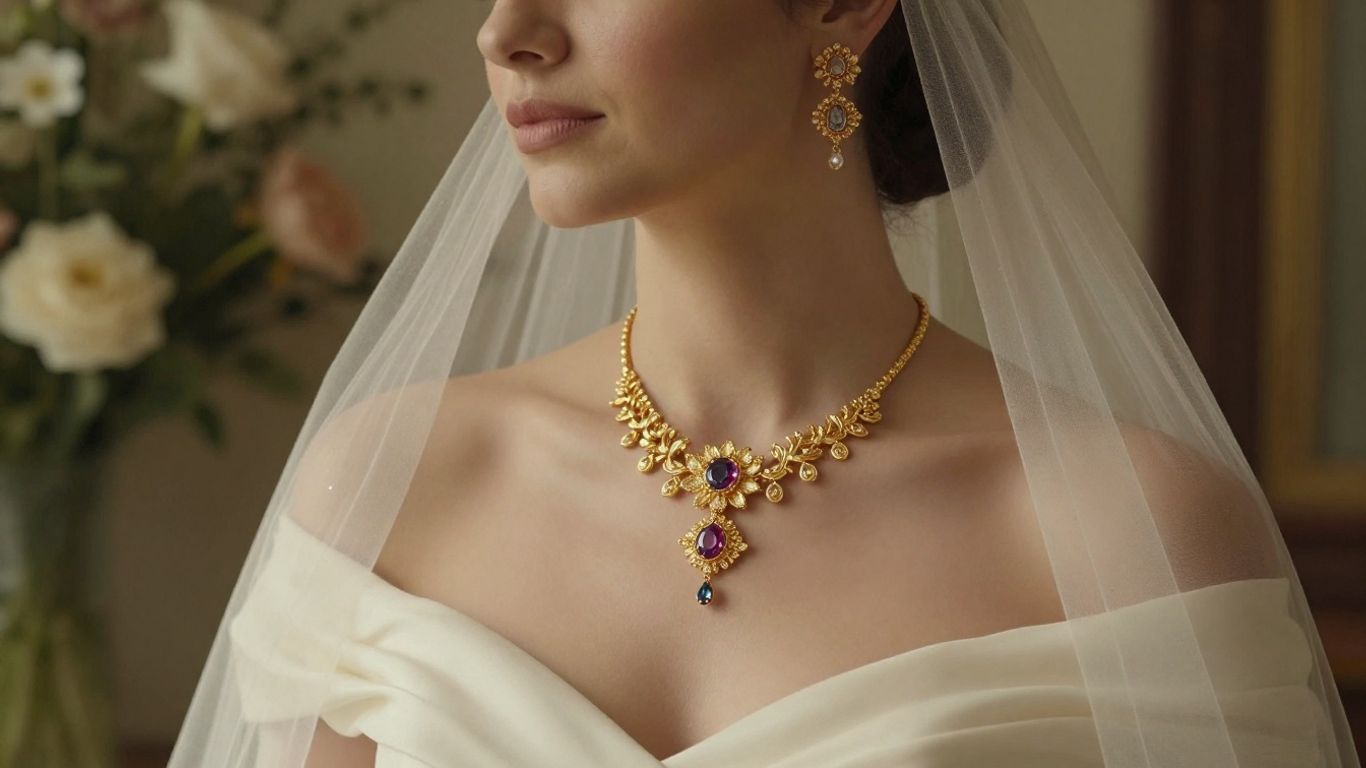
For occasions with traditional dress, proportions and neckline deserve particular attention. Guidance on bridal jewelry styling offers a useful parallel for thinking about color, metal, and the relationship between jewelry and clothing, even when the gemstone is different.
Evaluate quality, value, and care
A beautiful sapphire deserves a careful buying process. Examine the stone in person when possible, ask direct questions about treatment and origin, and read the documentation rather than relying on broad labels. Value is shaped by the whole piece: gemstone quality, setting, metal, workmanship, provenance, and wearability.
How to assess sapphire color, clarity, and size
Color is usually the first visual consideration, but it should be judged for balance and liveliness rather than darkness alone. Clarity affects appearance, and some natural internal features may be acceptable if they do not interfere with beauty or durability. Size should be considered alongside cut and proportions because a larger stone is not automatically more attractive.
Compare stones under more than one light source. A sapphire that looks appealing in the display case should continue to show pleasing color when viewed in daylight and softer indoor light.
Natural, treated, and lab-created sapphires
Ask whether the sapphire is natural, treated, or lab-created, and make sure the answer appears clearly on the paperwork. Treatments can affect care requirements and value, while lab-created stones may offer a consistent appearance at a different price point. None of these categories removes the need to judge the actual stone and workmanship.
Do not assume that a label tells the entire story. Treatment type, permanence, disclosure, and setting quality are all worth discussing with the seller before purchase.
Certification and gemstone origin
A report from a respected gemological laboratory can document important details such as identity, treatment, and sometimes geographic origin. Origin information may add interest or value, but it should not replace an assessment of the sapphire’s visible beauty and condition.
Keep the report with the purchase records and confirm that the document refers to the stone you are buying. For broader jewelry-buying principles, fine jewelry fundamentals cover hallmarks, gemstone authenticity, metals, settings, and care.
Cleaning, storage, and professional maintenance
Clean sapphire jewelry gently with lukewarm water, mild soap, and a soft brush unless a jeweler has advised otherwise because of a known treatment or an especially delicate setting. Dry it thoroughly and store pieces separately so stones and metal do not scratch one another.
A simple care routine is easier to maintain when it is tied to regular habits:
- Remove rings before heavy work, exercise, swimming, or applying lotions.
- Check prongs, clasps, and links for movement or visible wear.
- Keep each piece in a soft compartment or pouch rather than in a loose pile.
- Arrange professional cleaning and inspection when the jewelry is worn frequently.
These small steps protect both the gemstone and the setting. They also make it easier to notice a problem before a loose stone becomes a lost stone.
Conclusion
The most satisfying sapphire jewellery designs combine a color you genuinely enjoy with a cut, setting, and metal that suit your life. Take time to compare the stone in different light, ask clear questions about treatments and documentation, and choose proportions that feel comfortable when worn. A well-selected sapphire can be distinctive without being difficult to style, which is much of its enduring charm.
Frequently Asked Questions
Is sapphire suitable for everyday jewelry?
Yes, sapphire is generally a practical gemstone for regular wear, particularly in a secure setting. It can still chip or become scratched by harsh conditions, so remove it for strenuous activities and have the setting checked periodically.
What is the most classic sapphire color?
Blue is the most familiar and traditionally classic sapphire color. Its appearance can range from light and airy to deep and saturated, with the ideal choice depending on personal taste and how the stone looks in its setting.
Which sapphire cut looks largest?
Elongated shapes such as oval and pear can create strong visual spread across a ring or pendant. The apparent size also depends on the stone’s proportions, depth, setting, and how much of its surface remains visible.
Are pink and yellow sapphires valuable?
They can be valuable, but price depends on color quality, clarity, size, treatment, origin, cut, and craftsmanship. A vivid, attractive color is often more meaningful than simply choosing the rarest-sounding shade.
How should sapphire jewelry be cleaned?
For many pieces, gentle washing with lukewarm water, mild soap, and a soft brush is suitable. Ask a jeweler first if the sapphire has a known treatment, or if the jewelry includes delicate materials or a fragile setting.
What should a sapphire certificate include?
A gemstone report may identify the stone, describe treatment, and sometimes state an origin opinion. Check that the report matches the specific sapphire and retain it with your purchase and insurance records.
Is a sapphire engagement ring a good choice?
It can be an excellent choice for someone who wants a durable colored center stone with a distinctive appearance. The setting should protect vulnerable edges, and the wearer should understand the stone’s treatment and care requirements.
Precious stone bridal jewellery: how to choose timeless pieces for your wedding
10 minute read
Related blogs:
September 18, 2026
How to choose the perfect bridal long necklace set for your wedding day
Read More
September 18, 2026
How to choose a bridal layered necklace set for your wedding look
Read More
September 18, 2026
How to choose a bridal choker set for your wedding look
Read More
September 18, 2026
Gold necklace for bride: How to choose the perfect wedding-day style
Read More









.webp)
.webp)