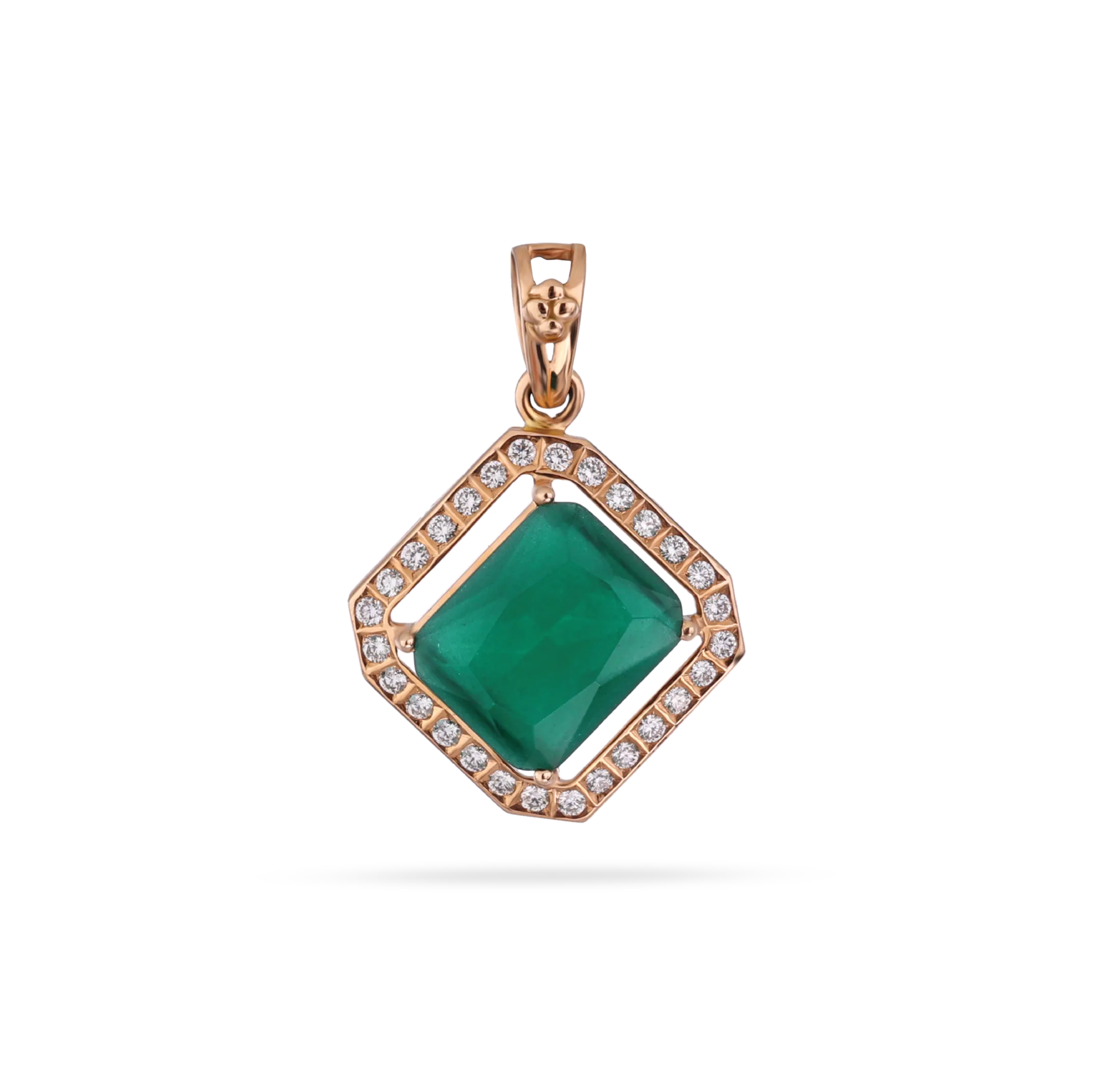
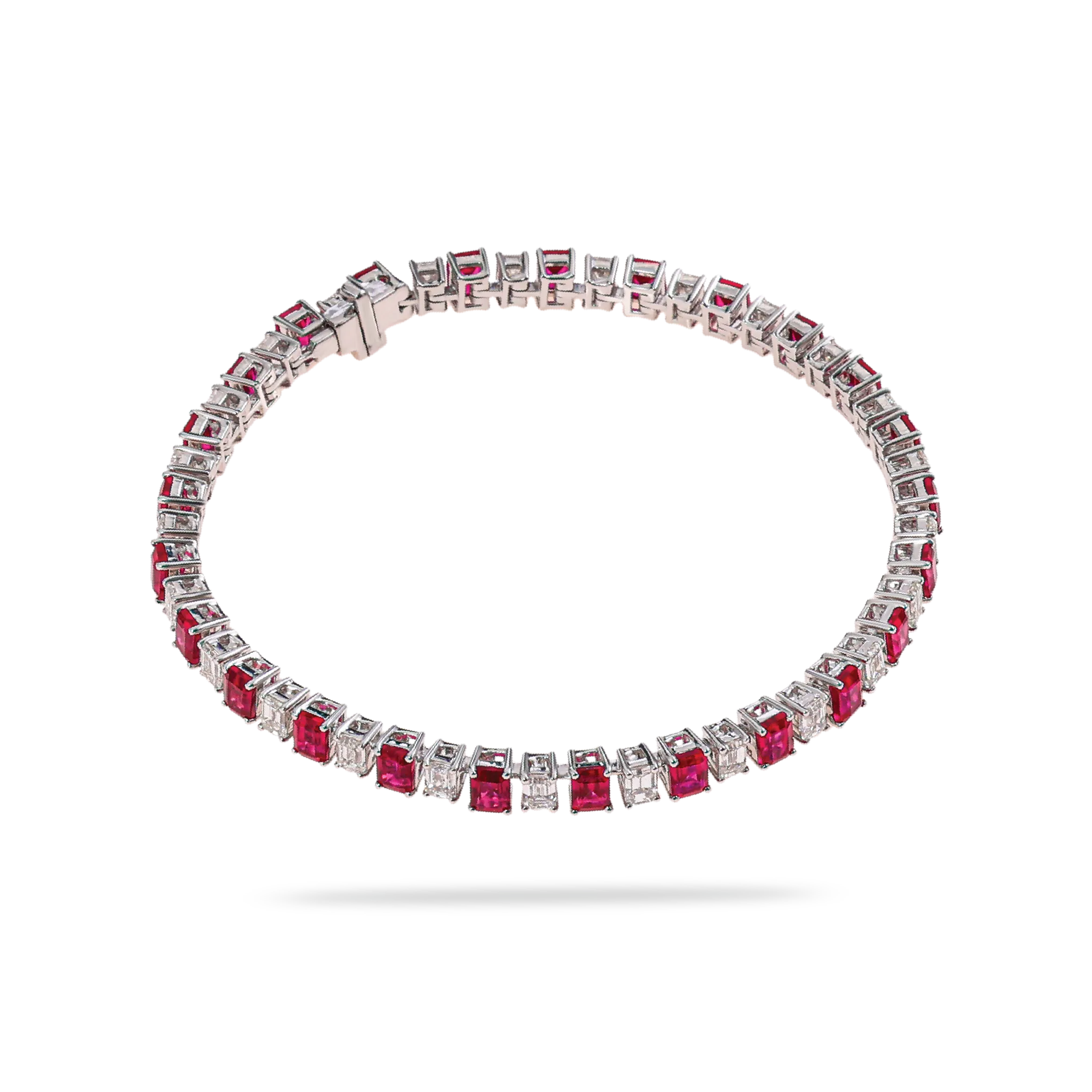
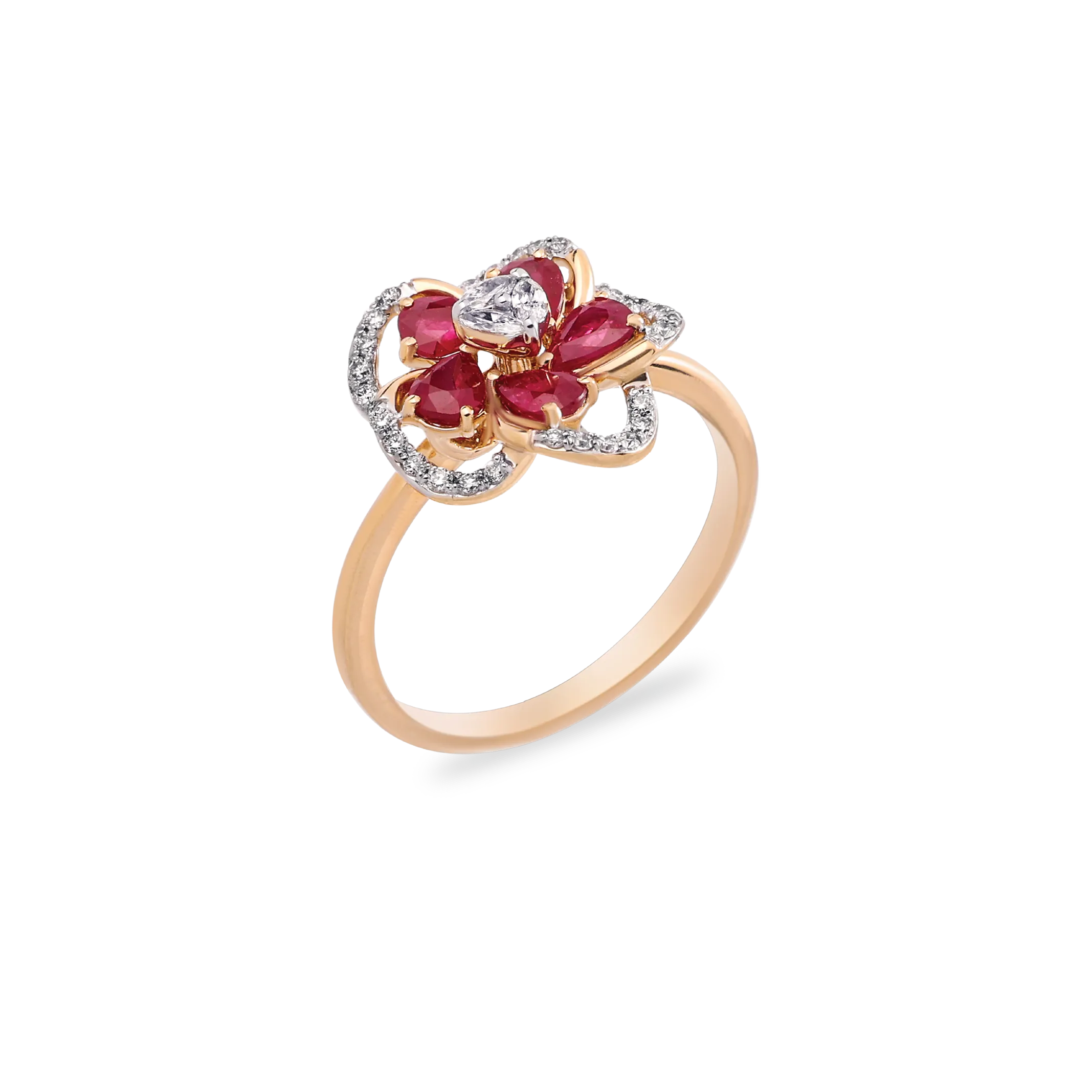
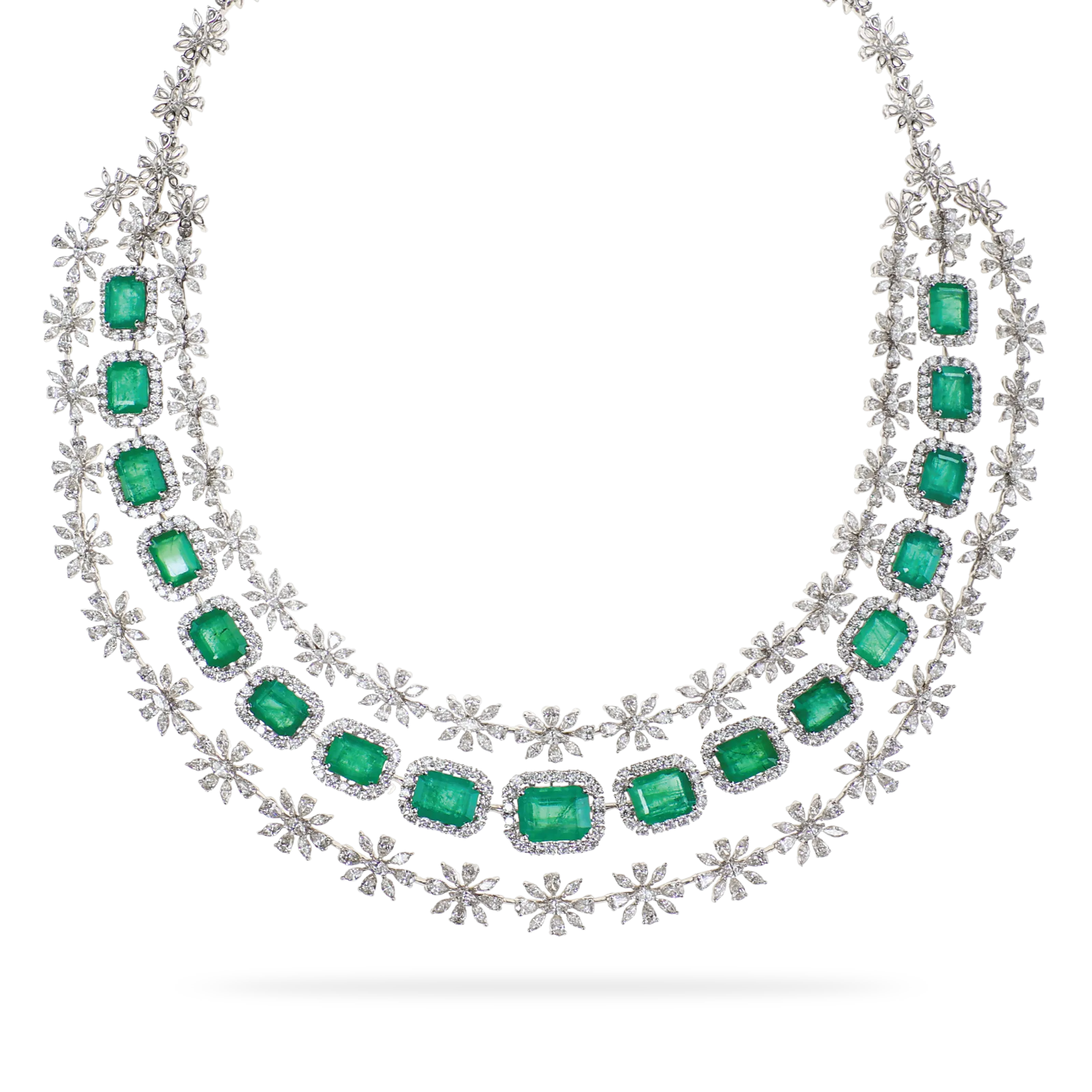
Precious stone bridal jewellery: how to choose timeless pieces for your wedding
August 2, 2026 | 10 minutes read
Key Takeaways
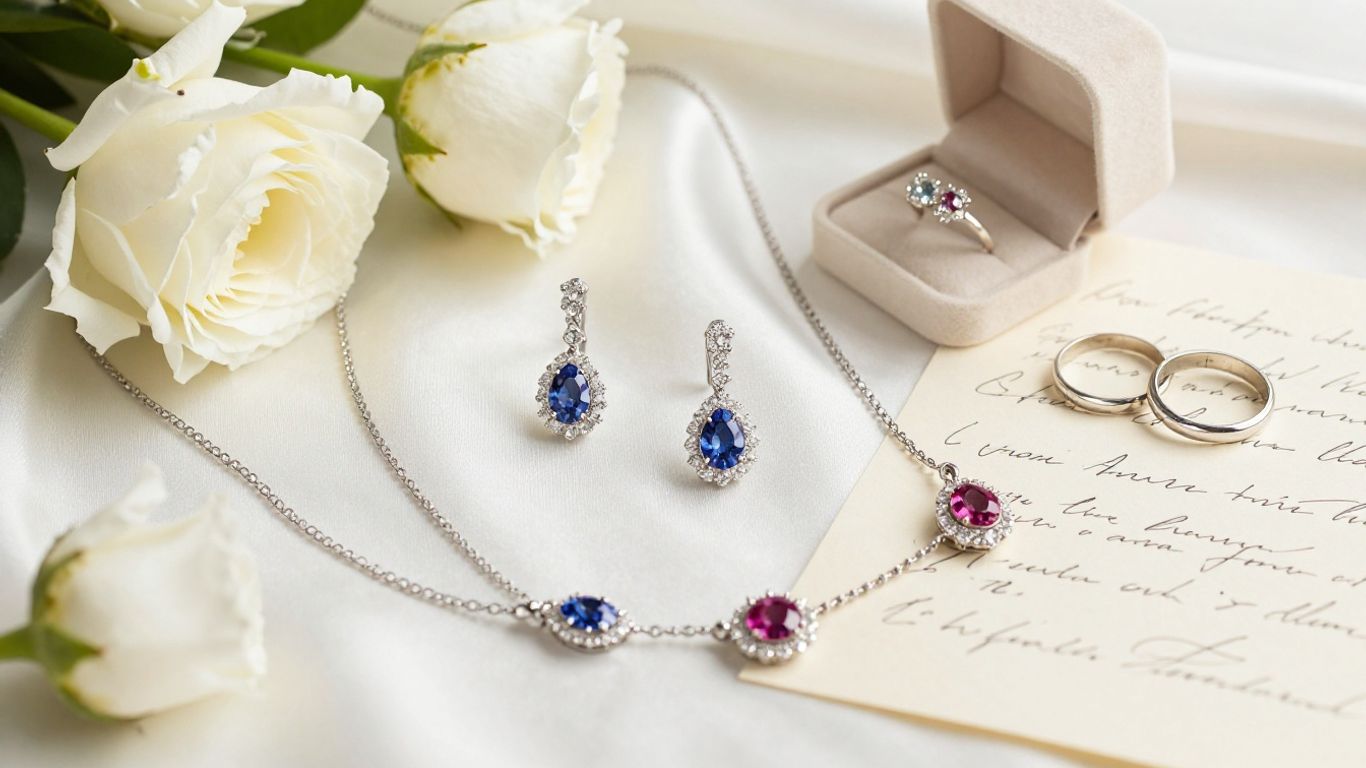
Timeless bridal jewelry begins with the stone, but the finished look depends just as much on proportion, comfort, and how each piece works with the dress.
- Learn how each precious stone differs in color, durability, and visual character.
- Choose jewelry that suits your bridal style rather than copying a complete set.
- Coordinate metals and gemstones with your engagement ring and wedding band.
- Spend most generously on pieces that frame your face or will be worn often afterward.
- Protect your jewelry with secure settings, careful storage, regular inspections, and insurance.
Understand precious stones for bridal jewellery
Precious stone bridal jewellery can be traditional, personal, or quietly modern. The right choice starts with understanding what you are buying and how the stone will look in the setting, not simply choosing the largest available carat weight. Consider color, light, durability, and the feeling you want the piece to carry through the wedding photographs and beyond.
What qualifies as a precious stone
In common jewelry use, the traditional precious stones are diamonds, sapphires, rubies, and emeralds. The label is cultural and commercial rather than a complete measure of beauty or value; many other gemstones can be meaningful and durable choices. What matters most is that the stone is genuine, appropriately graded or disclosed, and suited to the way you plan to wear it.
Ask whether a stone is natural, lab-grown, treated, or assembled from more than one material. A reputable jeweler should explain these details clearly, along with the metal, setting, and any available documentation. For broader guidance on identifying genuine gemstones and hallmarks, see this fine jewelry buying guide.
How diamonds, sapphires, rubies, and emeralds differ
Diamonds are prized for bright white light return and work naturally with almost any dress or metal. Sapphires offer a deep blue presence, although they can also occur in other colors; rubies bring warmth and intensity, while emeralds have a distinctive green color and often visible internal features. These differences mean that two similarly sized stones can create completely different impressions.
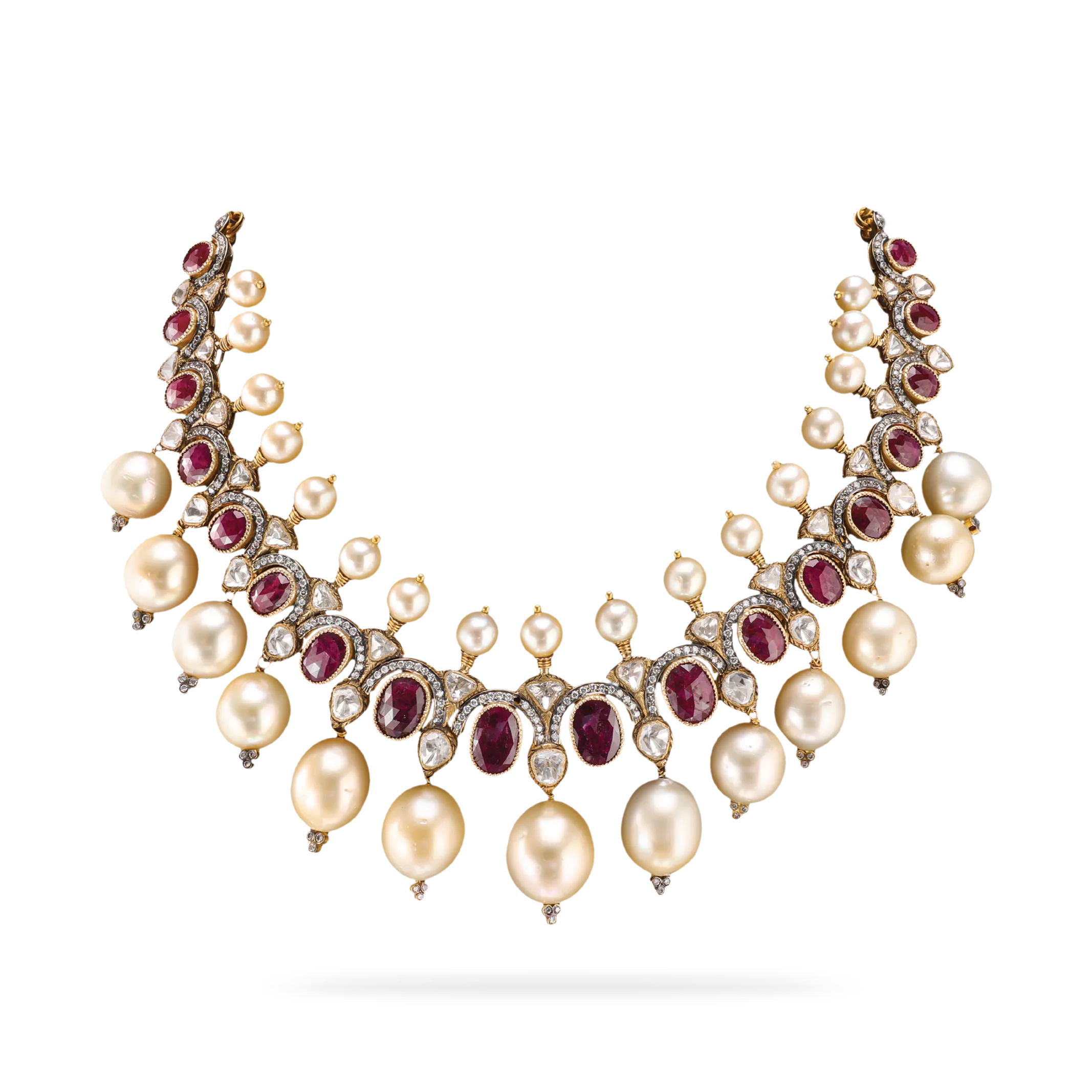
Durability and care also vary. Diamonds and sapphires are generally practical for frequent wear, while emeralds may need more thoughtful handling because their natural inclusions can affect toughness. If you are drawn to ruby jewelry, this ruby bridal jewelry guide offers a useful way to think about color, quality, and styling together.
Choosing between natural and lab-grown stones
Natural stones formed in the earth carry geological history and may have the individuality many couples associate with a once-in-a-lifetime piece. Lab-grown diamonds and some lab-created gemstones are made in controlled settings and can offer another route to a particular size or appearance. Neither option removes the need to ask about quality, treatments, grading, and long-term care.
Make the decision based on your priorities rather than pressure. You might value origin and rarity, or you might prefer to direct more of your budget toward the setting, a larger face-up appearance, or several pieces that work together.
How colour, clarity, cut, and carat affect appearance
Color is often the first thing the eye sees, especially in sapphires, rubies, and emeralds. Clarity describes visible internal or surface characteristics, while cut controls how a stone handles light; carat is weight, not a direct measurement of visual size. A well-cut stone can look more lively than a heavier stone with weaker proportions.
When comparing options, view them under more than one kind of light and ask to see the stone loose if possible. A round brilliant diamond, a step-cut emerald, and an oval sapphire each distribute light differently, so photographs alone can be misleading. The goal is a stone whose character feels right in person.
Match jewellery to your bridal style
Jewelry should look as though it belongs with the dress, venue, and the person wearing it. A formal ballroom ceremony may invite polished symmetry, while a garden wedding can make room for softer shapes and colored stones. Start with the mood of the whole outfit, then choose one clear visual direction instead of adding every beautiful detail at once.
Classic jewellery for traditional weddings
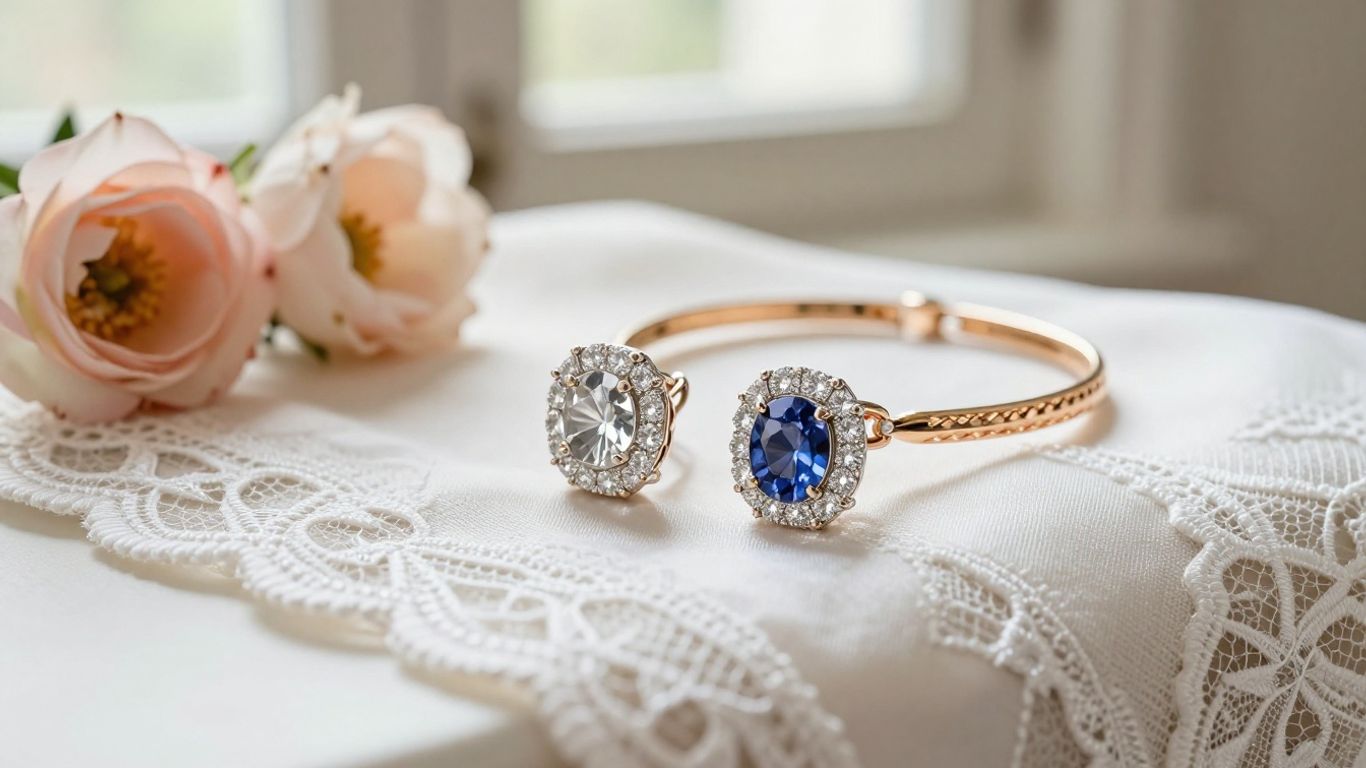
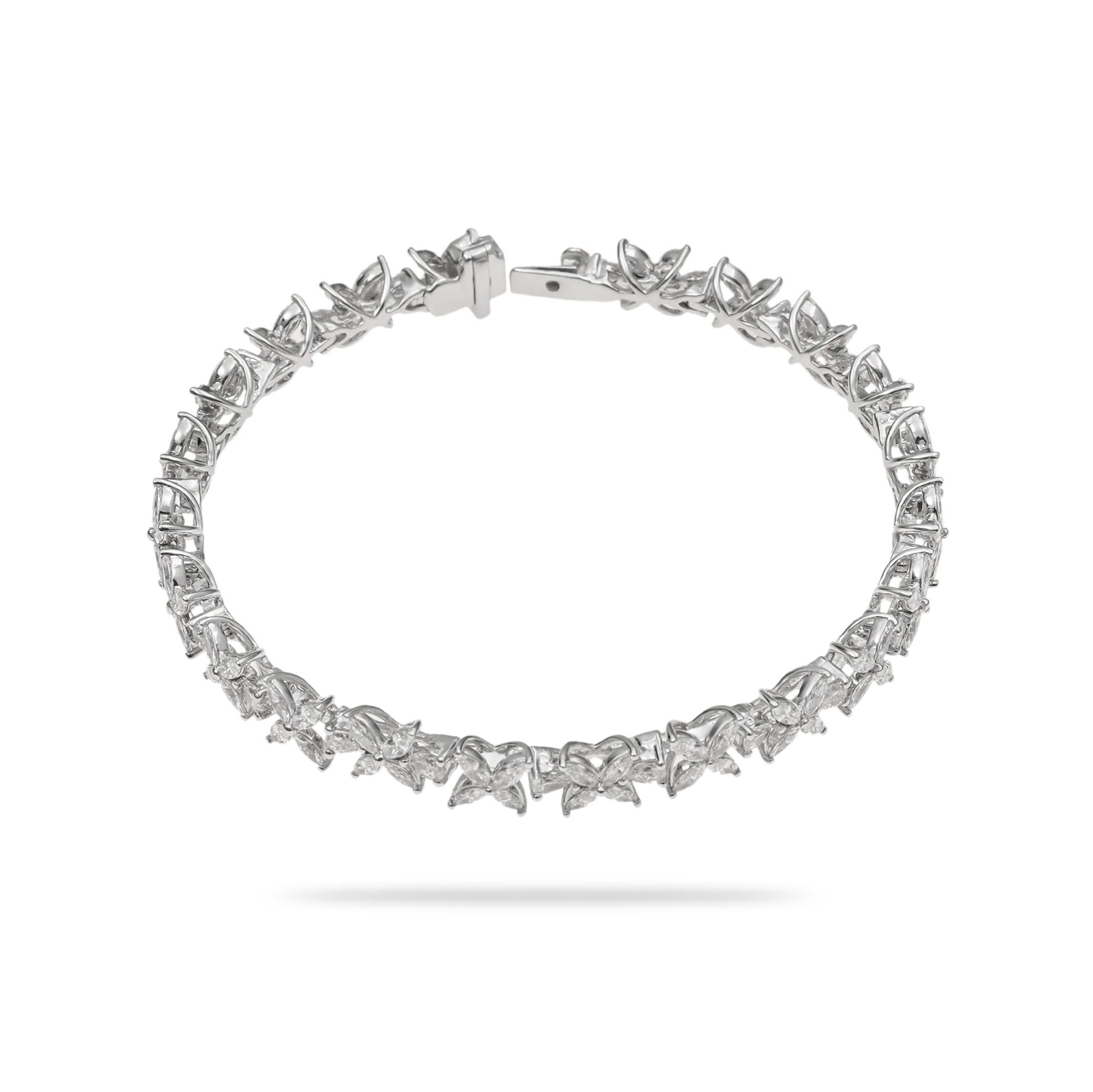
Classic bridal jewelry relies on recognizable shapes, refined metals, and proportions that will still feel appealing years from now. Diamond studs, a restrained pendant, a matched necklace and earring combination, or a simple line bracelet can all support a traditional gown without competing with its workmanship.
If the dress already has lace, beading, or a detailed bodice, let the jewelry repeat one element rather than several. A clean diamond shape can echo a bright fabric detail, while warm gold can make ivory and champagne tones feel especially harmonious.
Vintage-inspired pieces with heirloom appeal
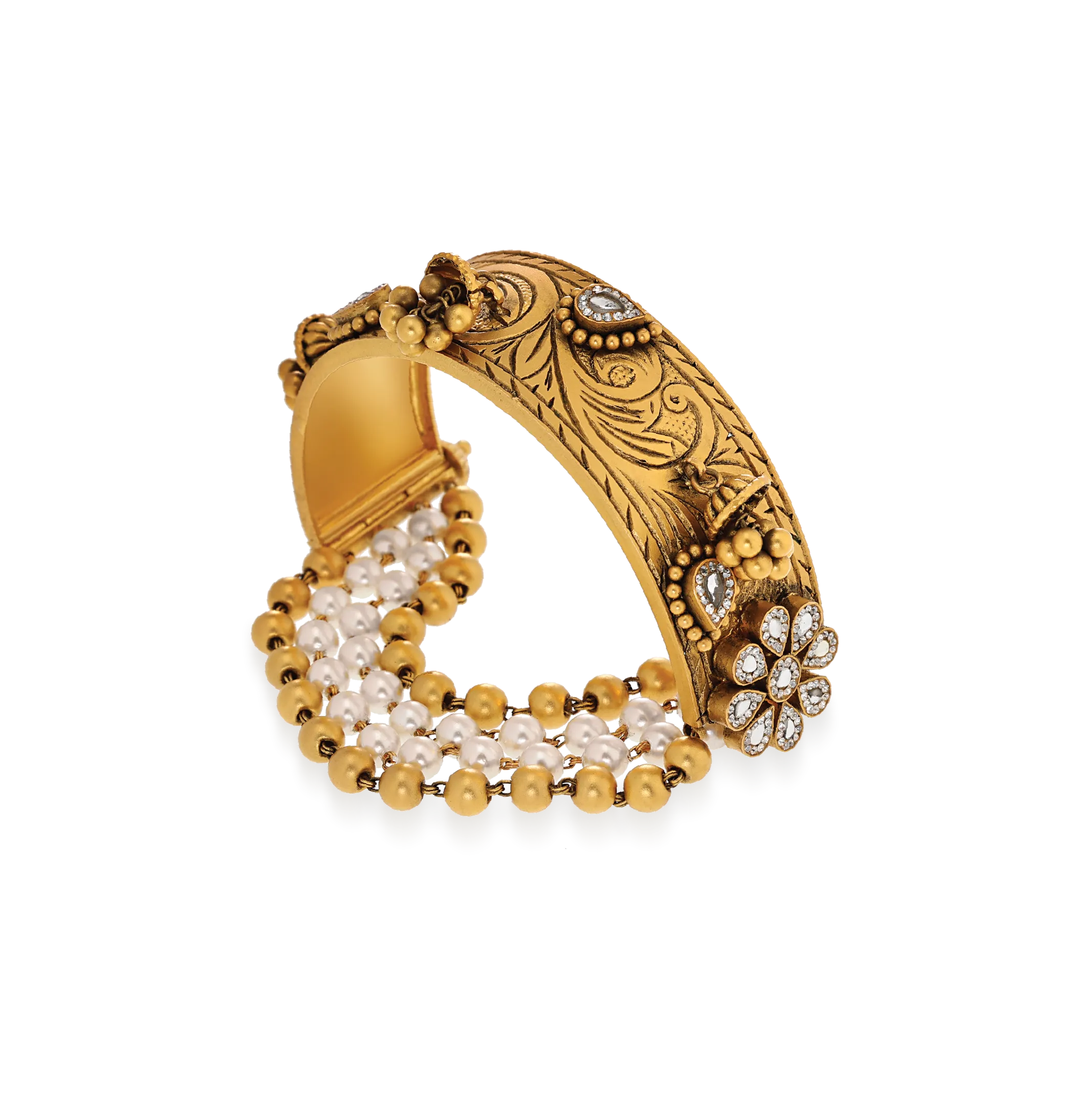
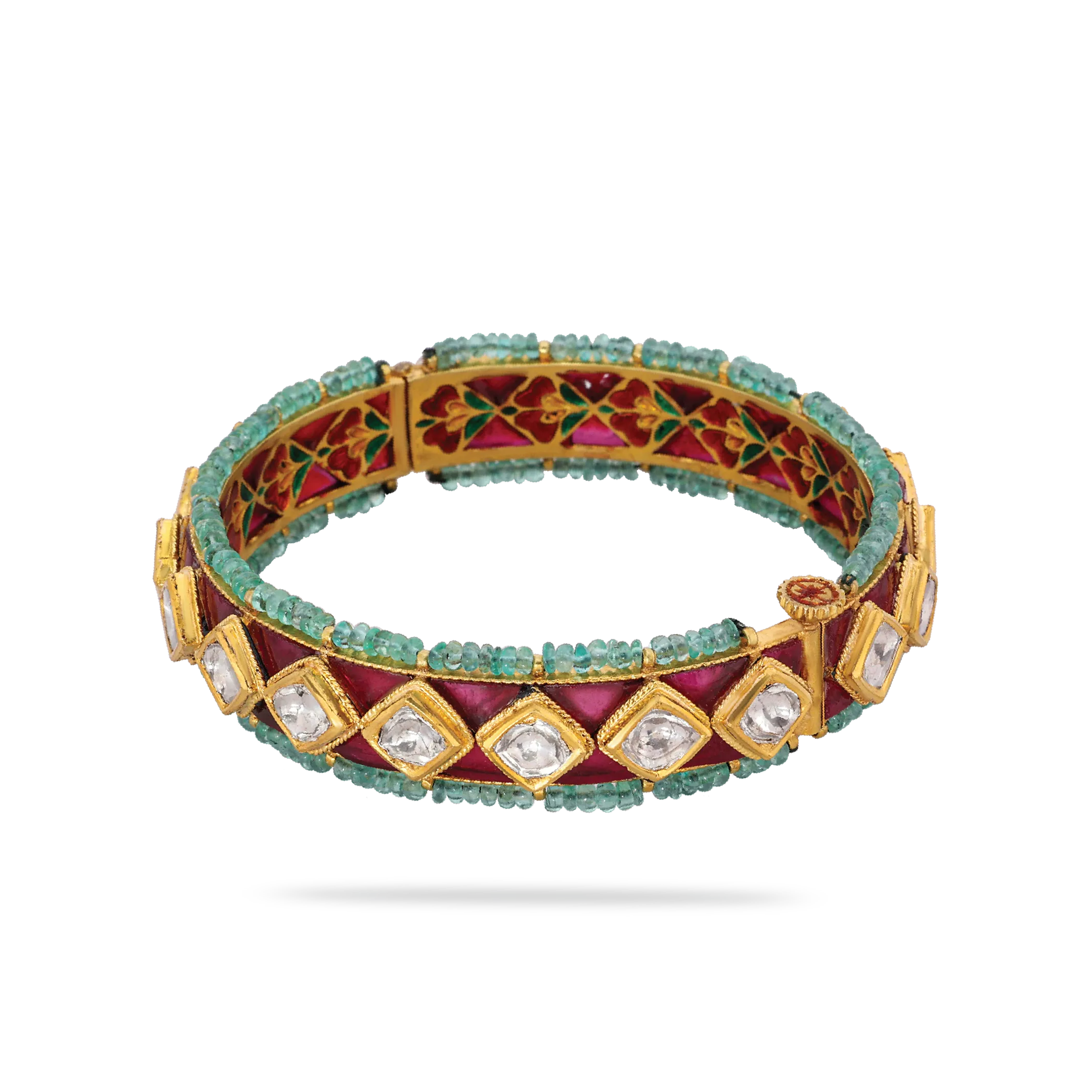
Vintage-inspired jewelry often draws its charm from milgrain edges, engraved surfaces, floral motifs, old-style cuts, or a patina-like finish. It does not need to be antique to feel personal; a newly made piece can borrow historical proportions while offering the security and comfort of modern construction.
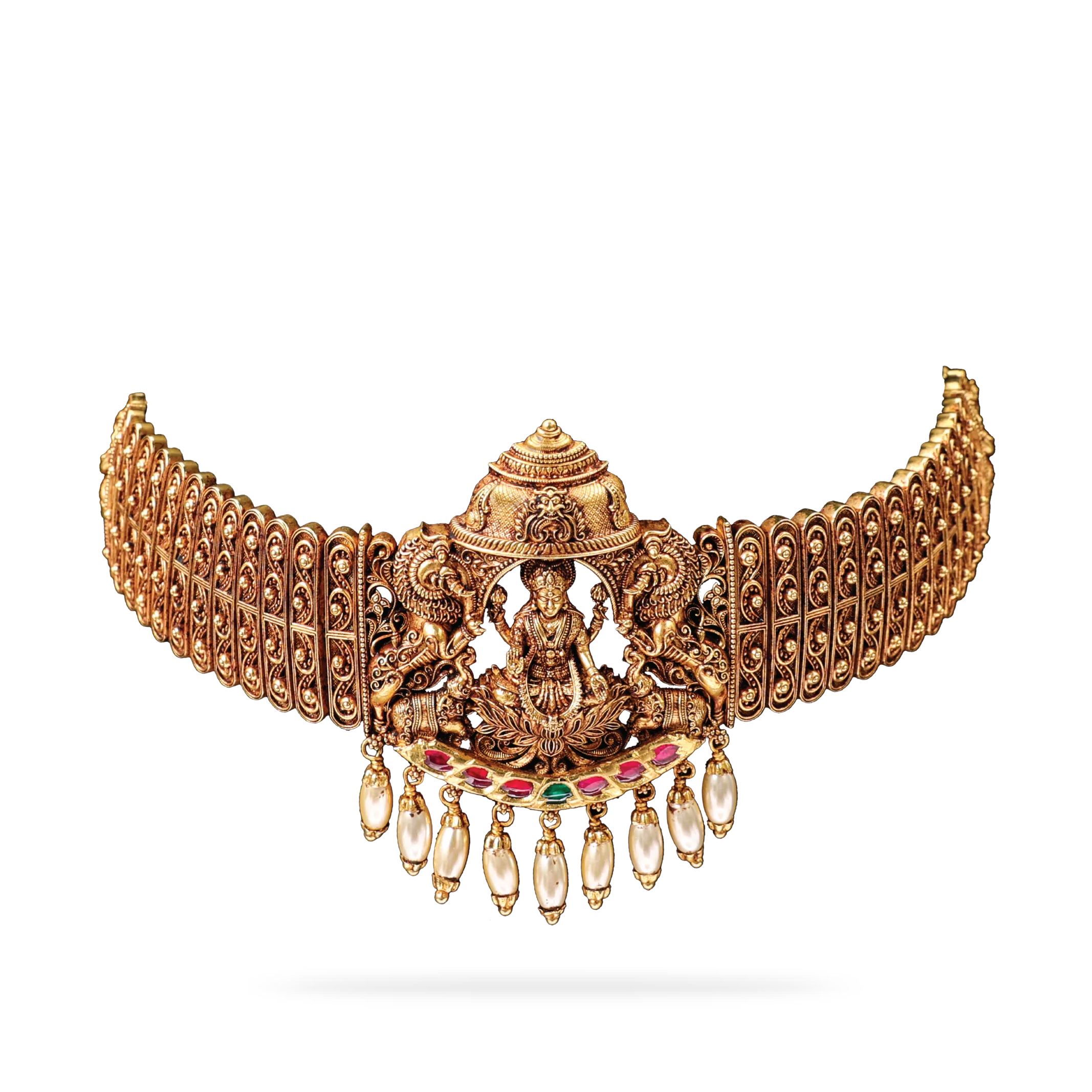
Look for details that will remain wearable after the ceremony. This heirloom bridal jewelry guide is helpful when considering durable metals, craftsmanship, provenance, and the care a future family piece may require.
Modern designs for minimalist brides
Minimalism is not the same as plainness. A bezel-set stone, a slim geometric drop, or a single vivid sapphire can feel highly considered when the lines are clean and the scale is intentional. Choose one focal point, then keep the supporting pieces quiet.
A modern look benefits from trying the jewelry on with the actual dress or a close fabric match. Small differences in chain length, earring drop, and metal tone can change the balance more than expected.
Bohemian and romantic options for outdoor ceremonies
Outdoor ceremonies often suit organic shapes, softly colored stones, mixed textures, and pieces that move gently as you walk. Floral earrings, rose-cut accents, or an imperfect-looking cluster can complement flowing fabric without appearing overly formal.
Keep the practical setting in mind. Long, loose earrings can catch in hair or a veil, and delicate chains may be less comfortable in wind; romantic design works best when it can survive the real conditions of the day.
Choose the right pieces for your wedding look
A bridal jewelry set does not have to include every category of accessory. The neckline, hairstyle, veil, sleeves, and bouquet all occupy visual space, so each piece should have a reason to be there. Try the complete outfit together, preferably at the same time of day as the ceremony, and take photographs from several distances.
Coordinating earrings with your neckline and hairstyle
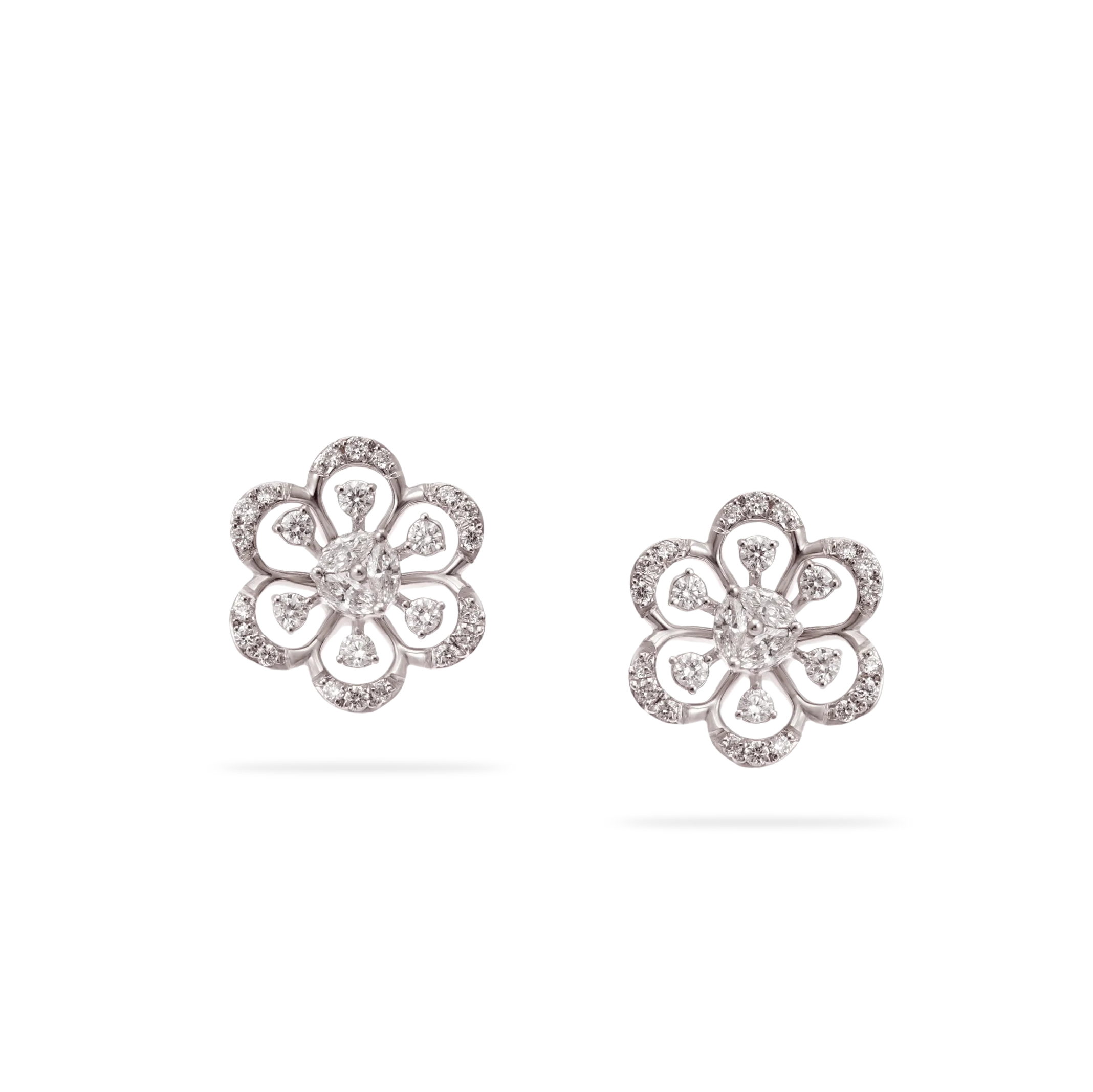
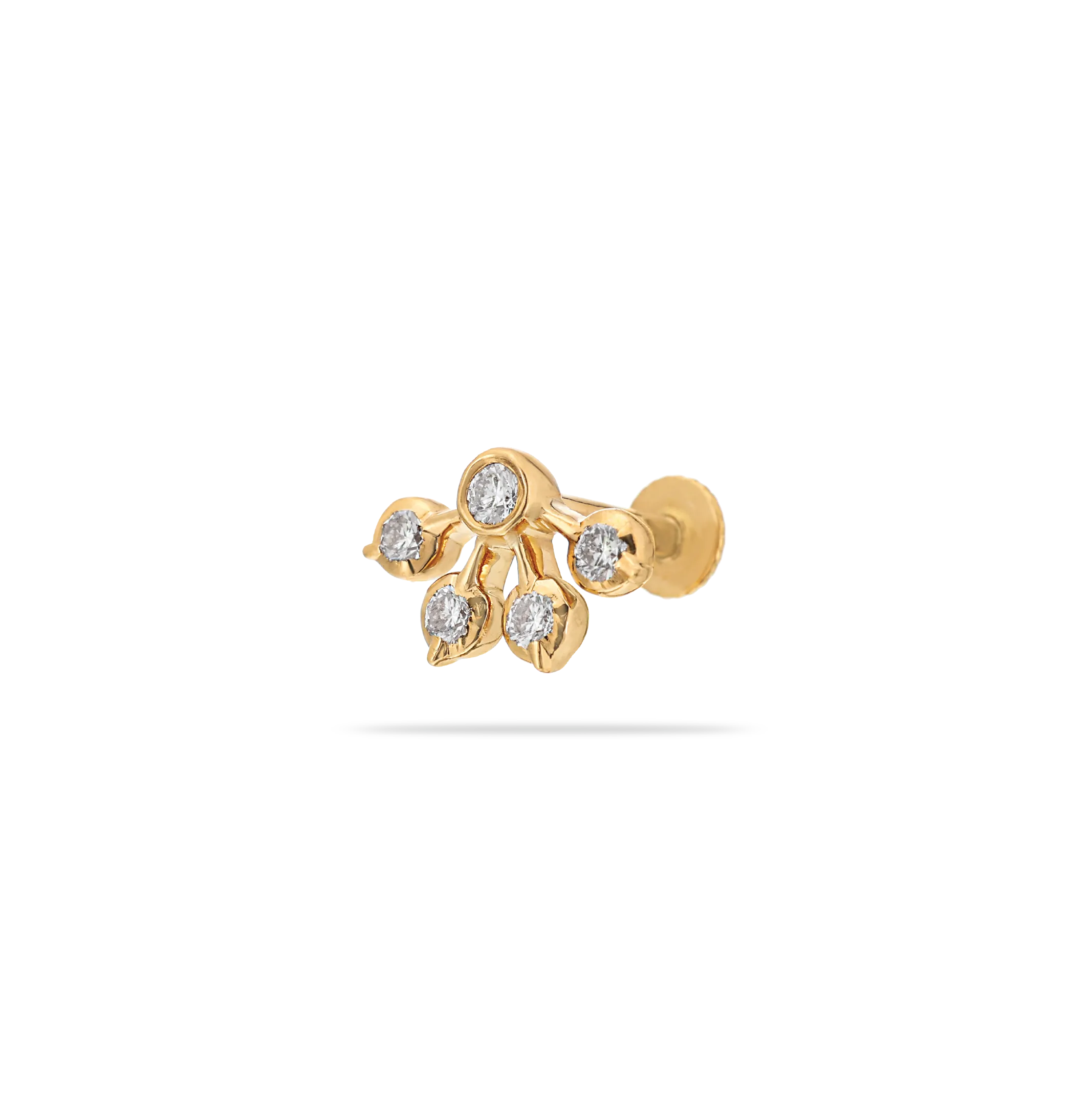
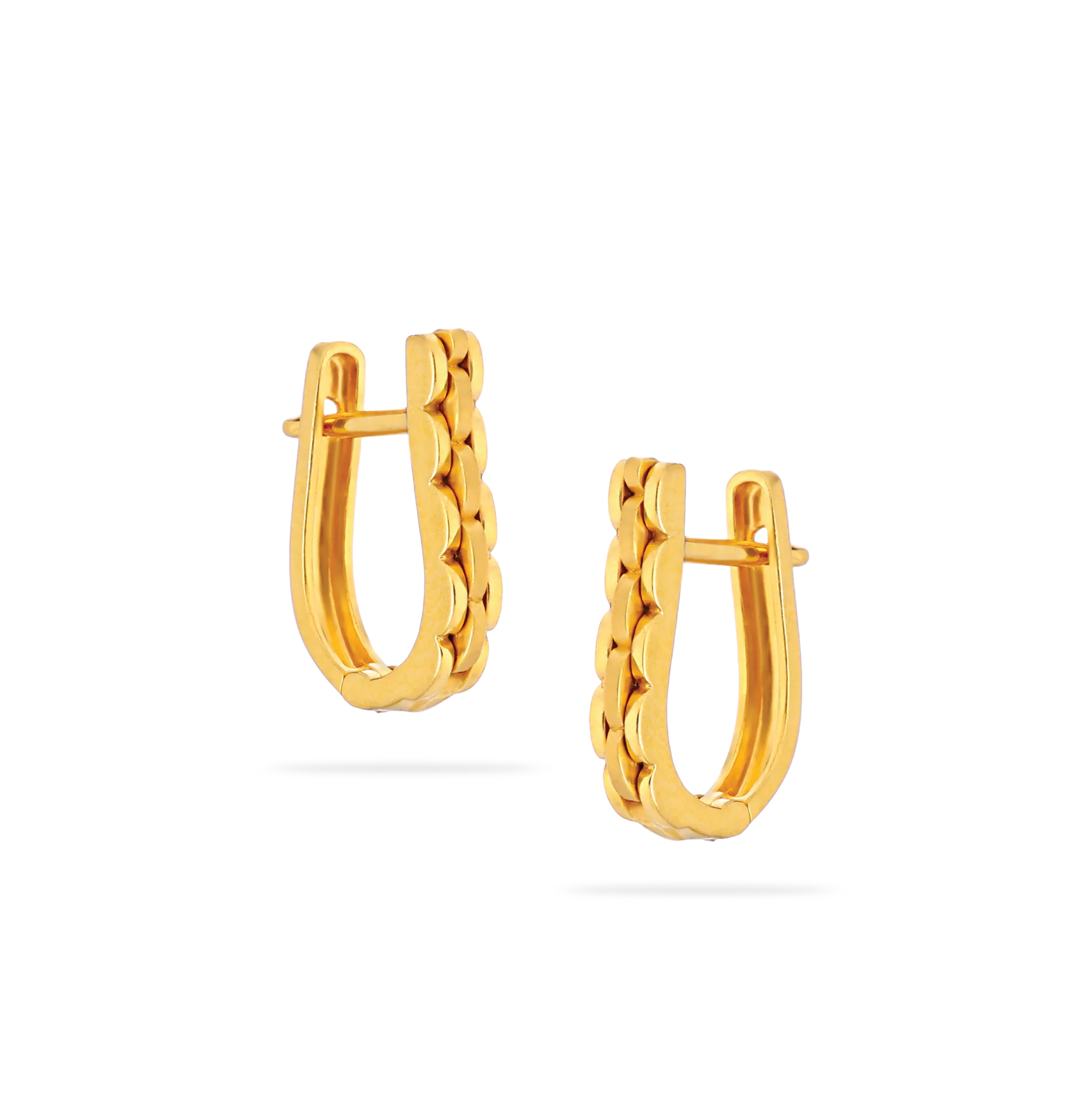
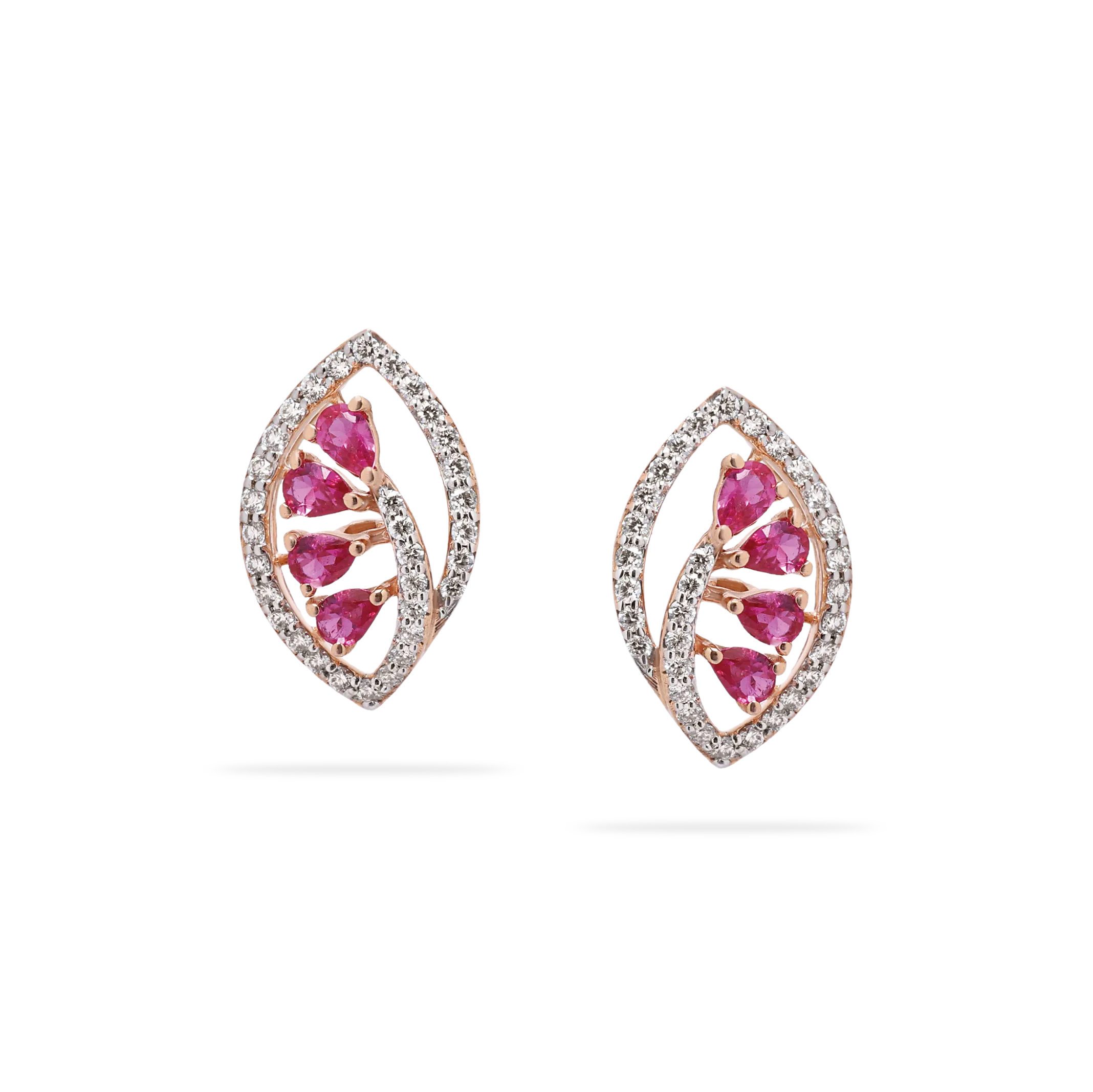
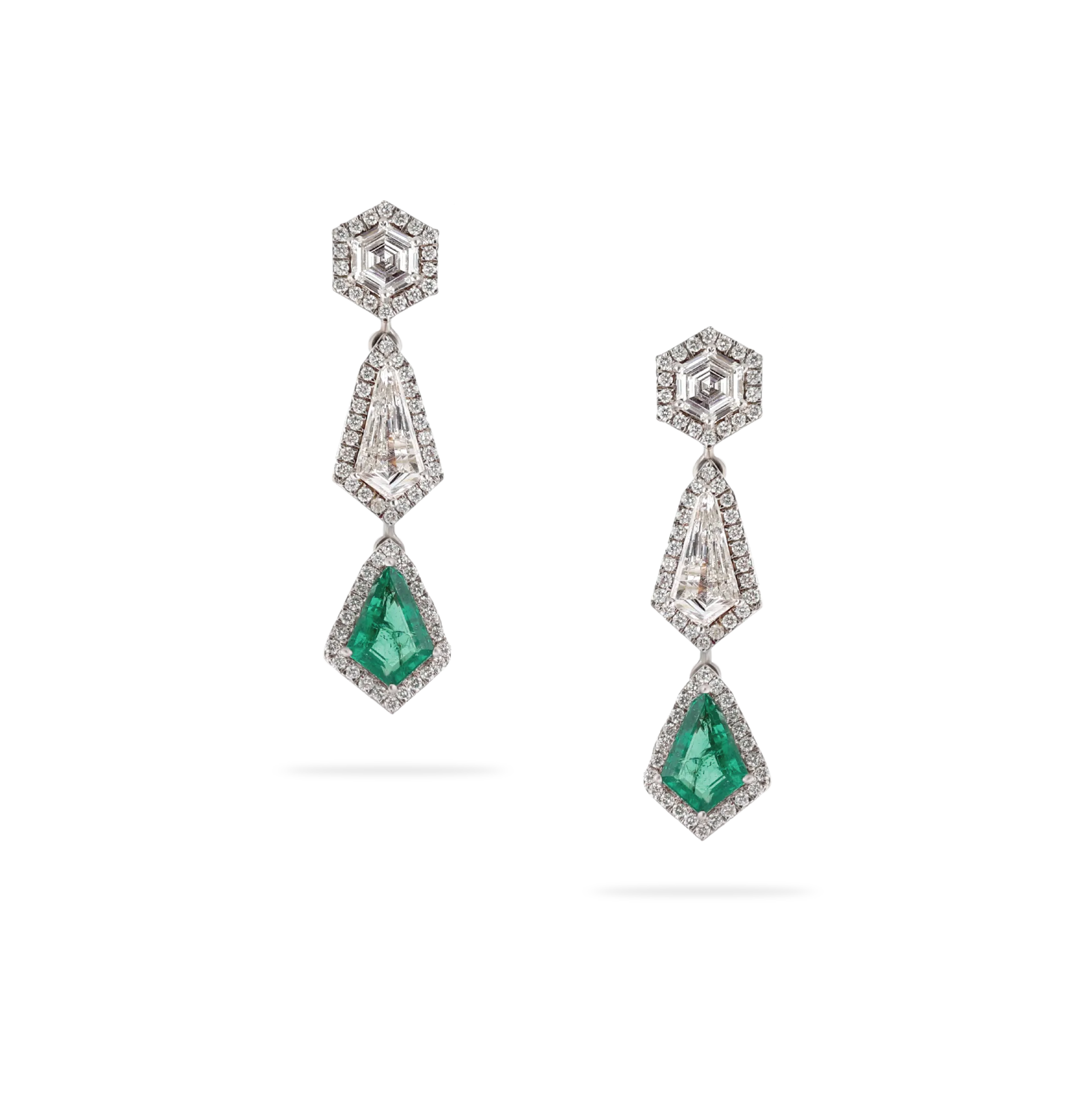
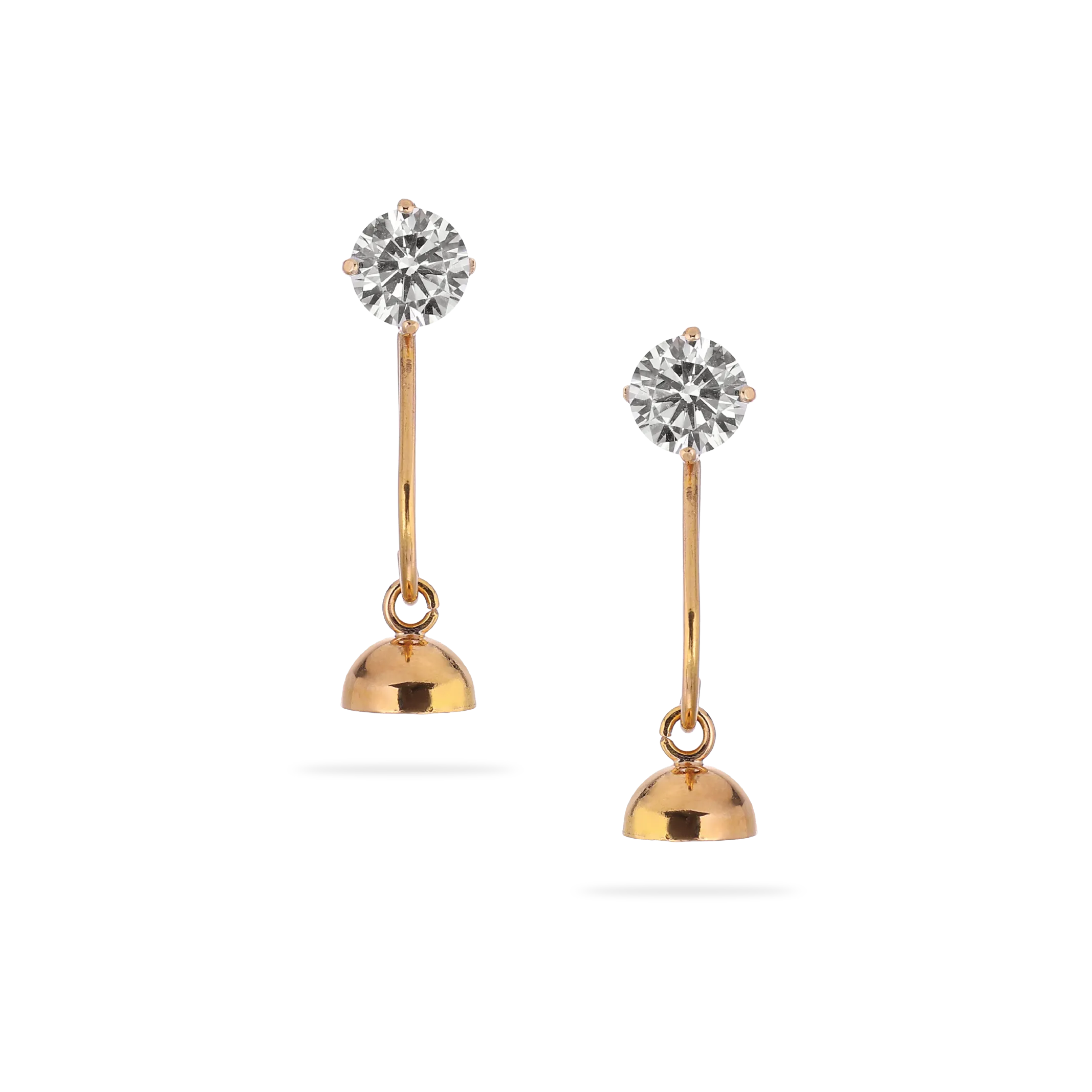
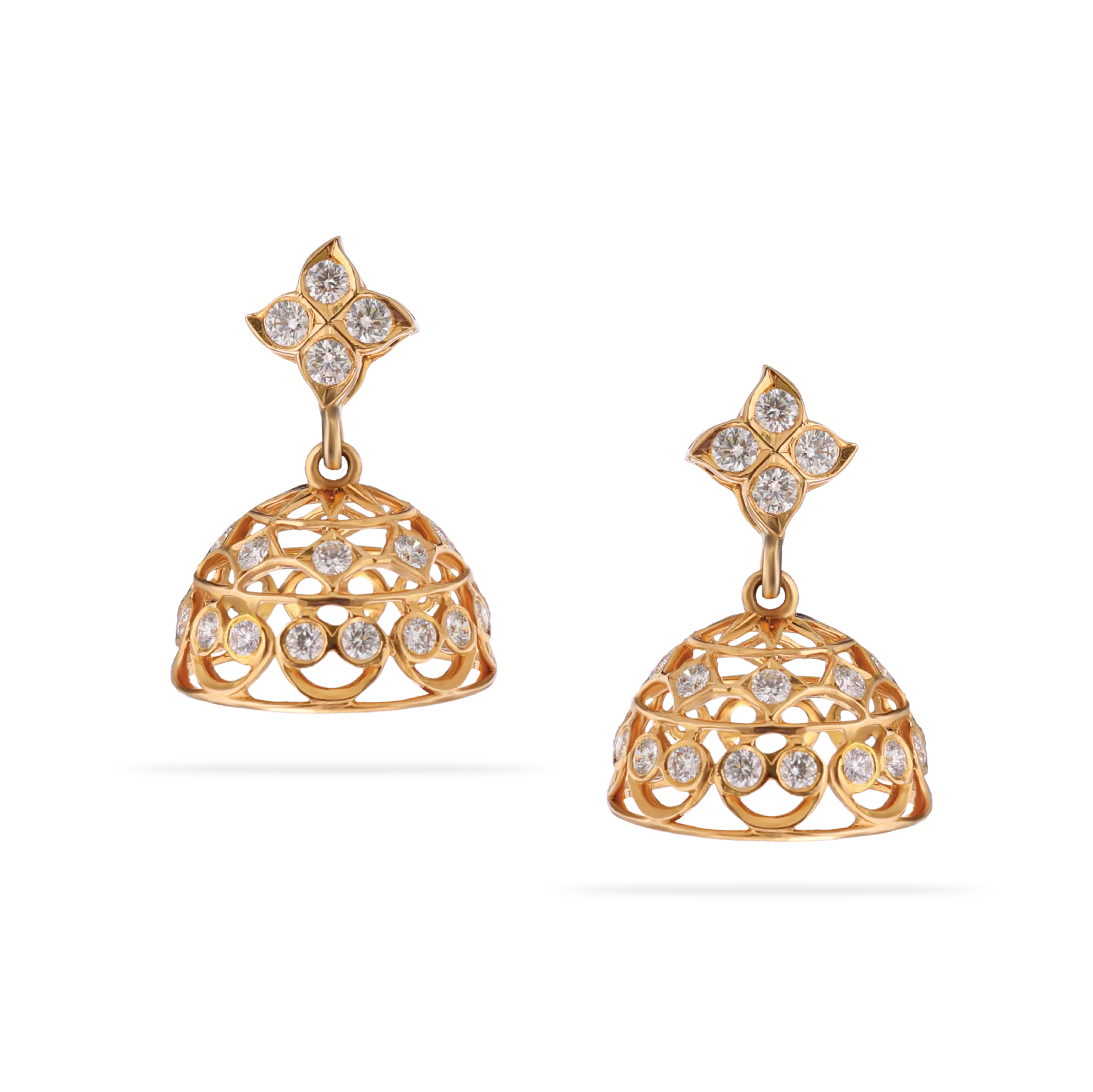
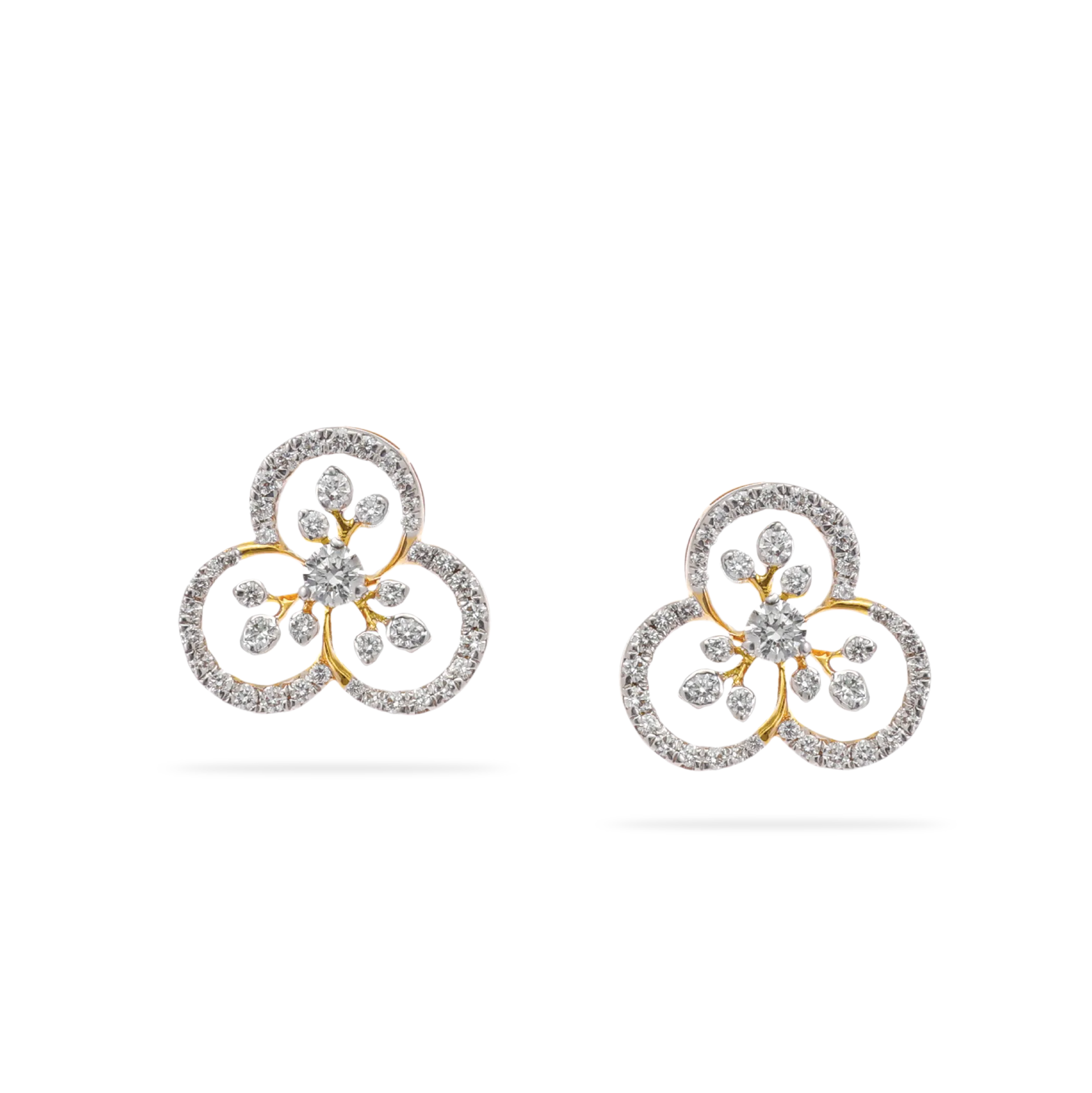
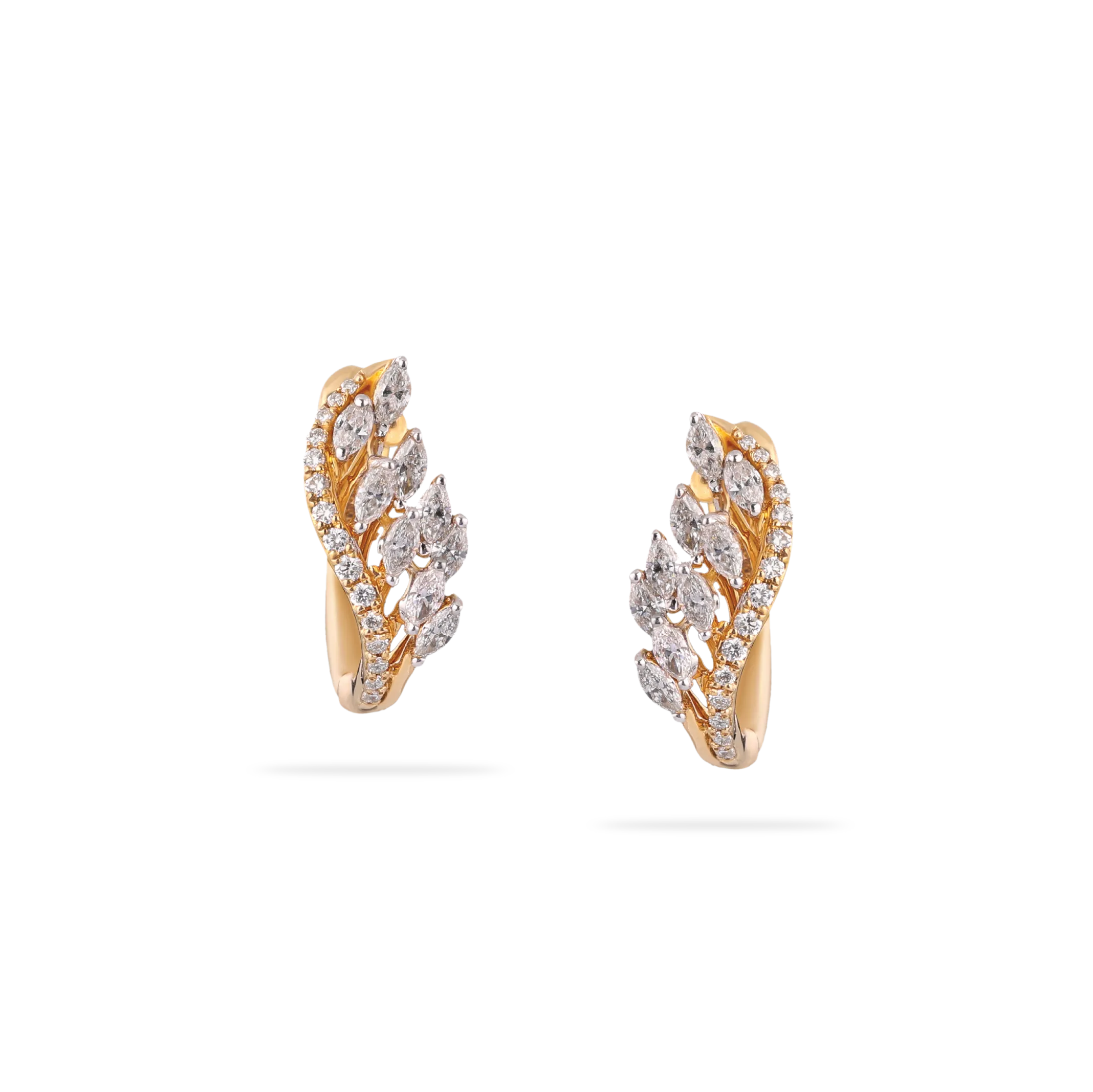
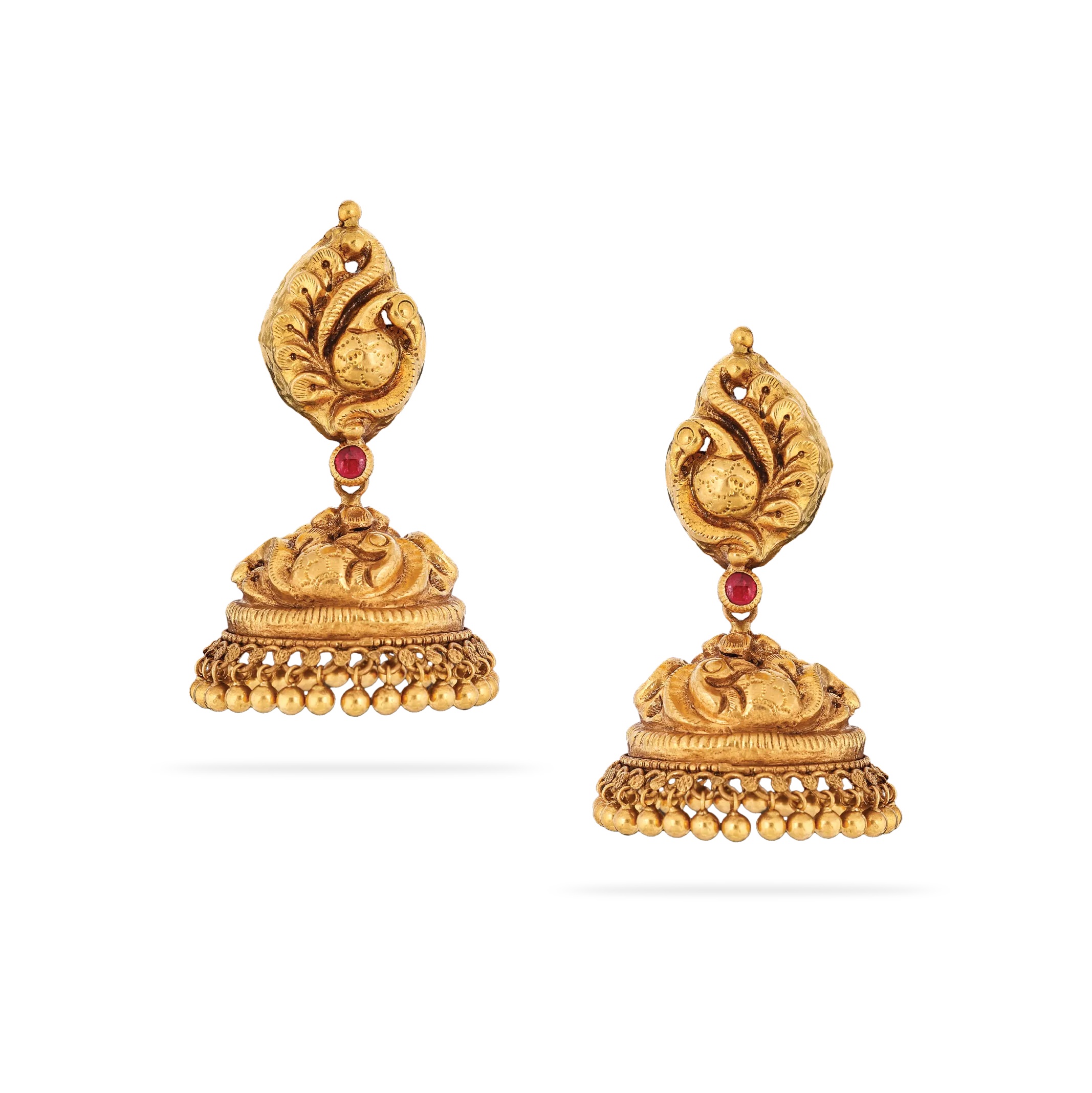
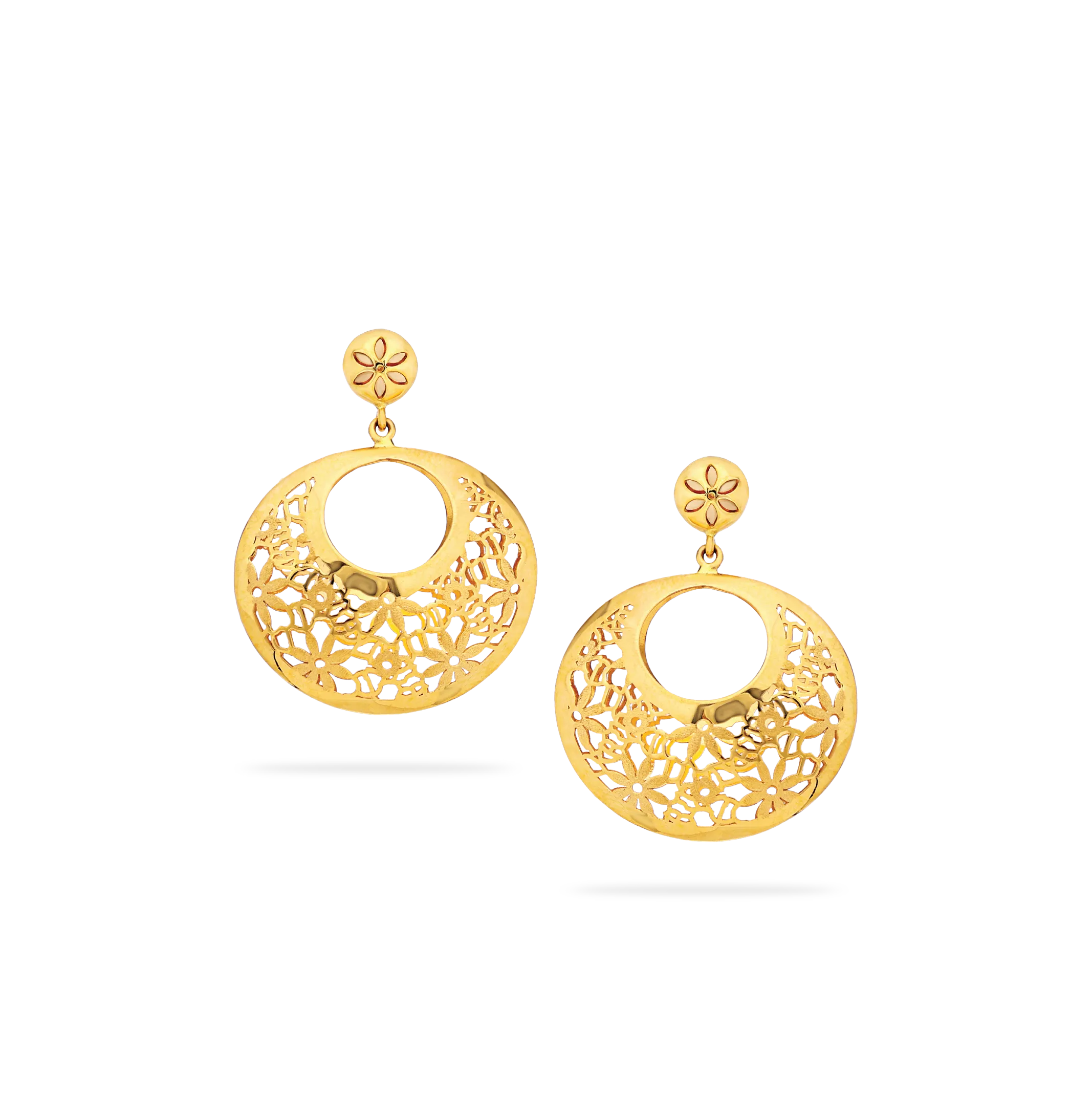
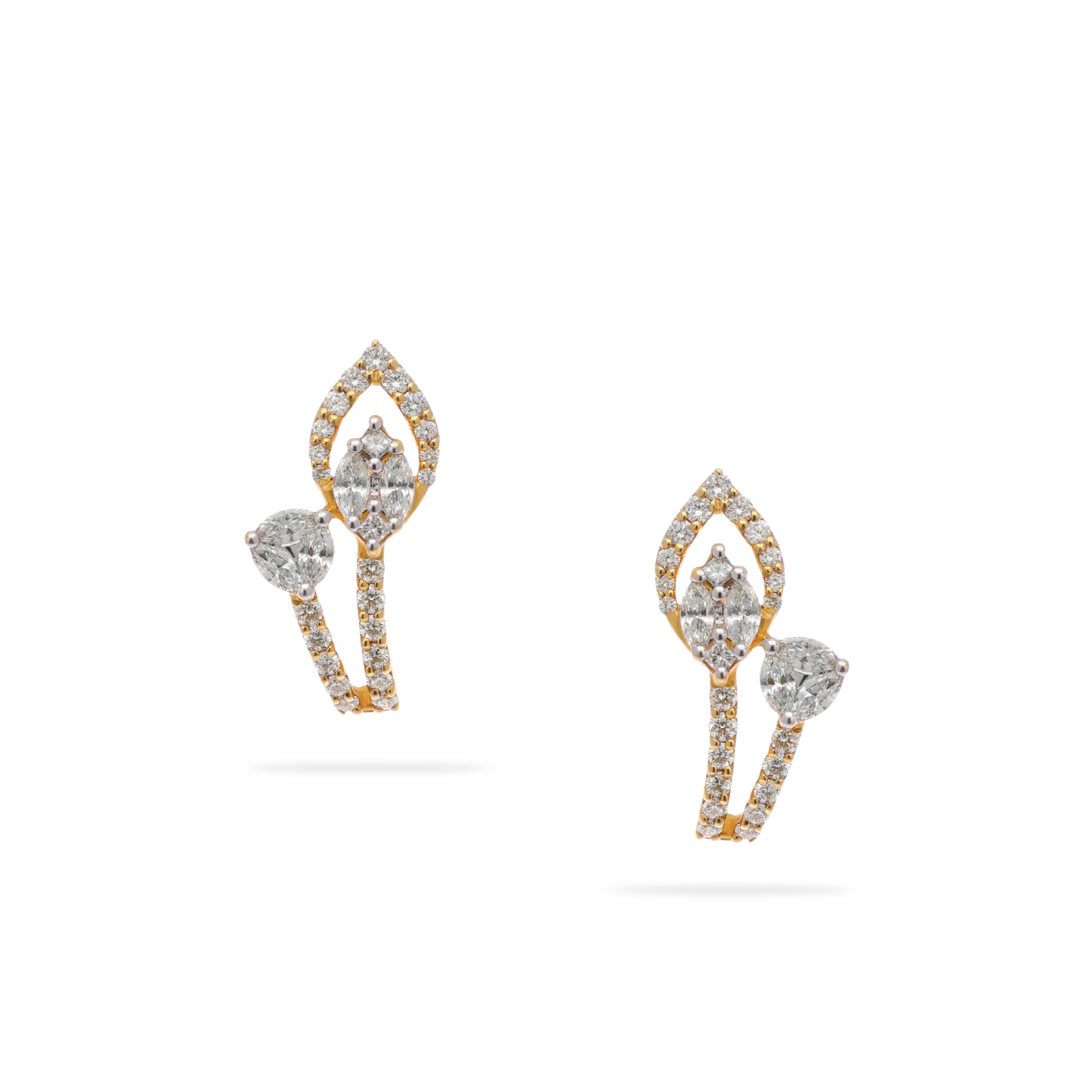
Earrings frame the face and remain visible in most portraits, making them one of the highest-impact choices. Studs or short drops suit an updo and a detailed neckline, while longer earrings can add movement when the hair is swept back and the dress is comparatively simple.
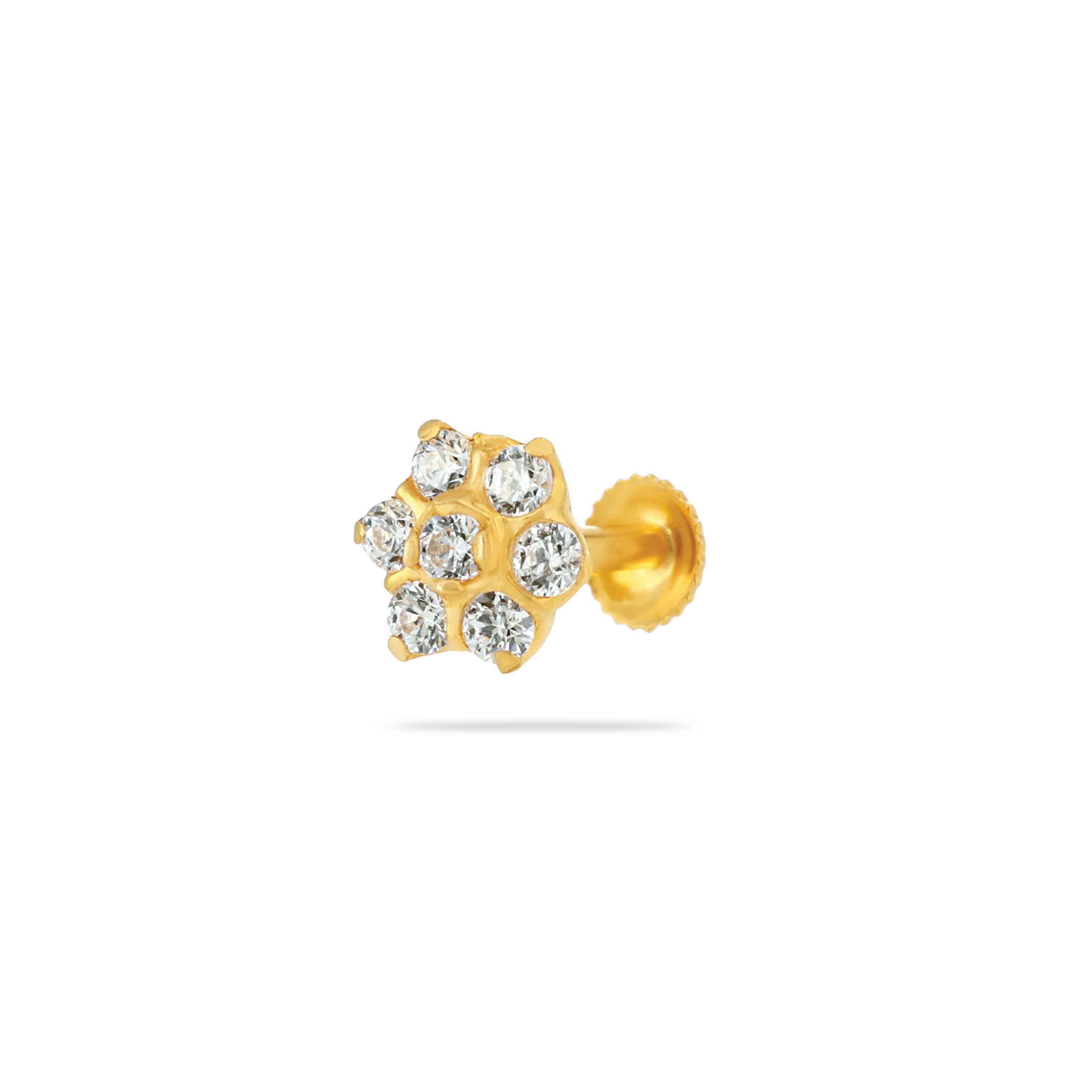
Check the backings while you try them on. A secure, lightweight pair is usually more useful than a dramatic style that pulls at the earlobe or disappears beneath the hair. These lightweight diamond earrings provide ideas for balancing comfort, sparkle, and proportion.
Selecting necklaces that complement the dress
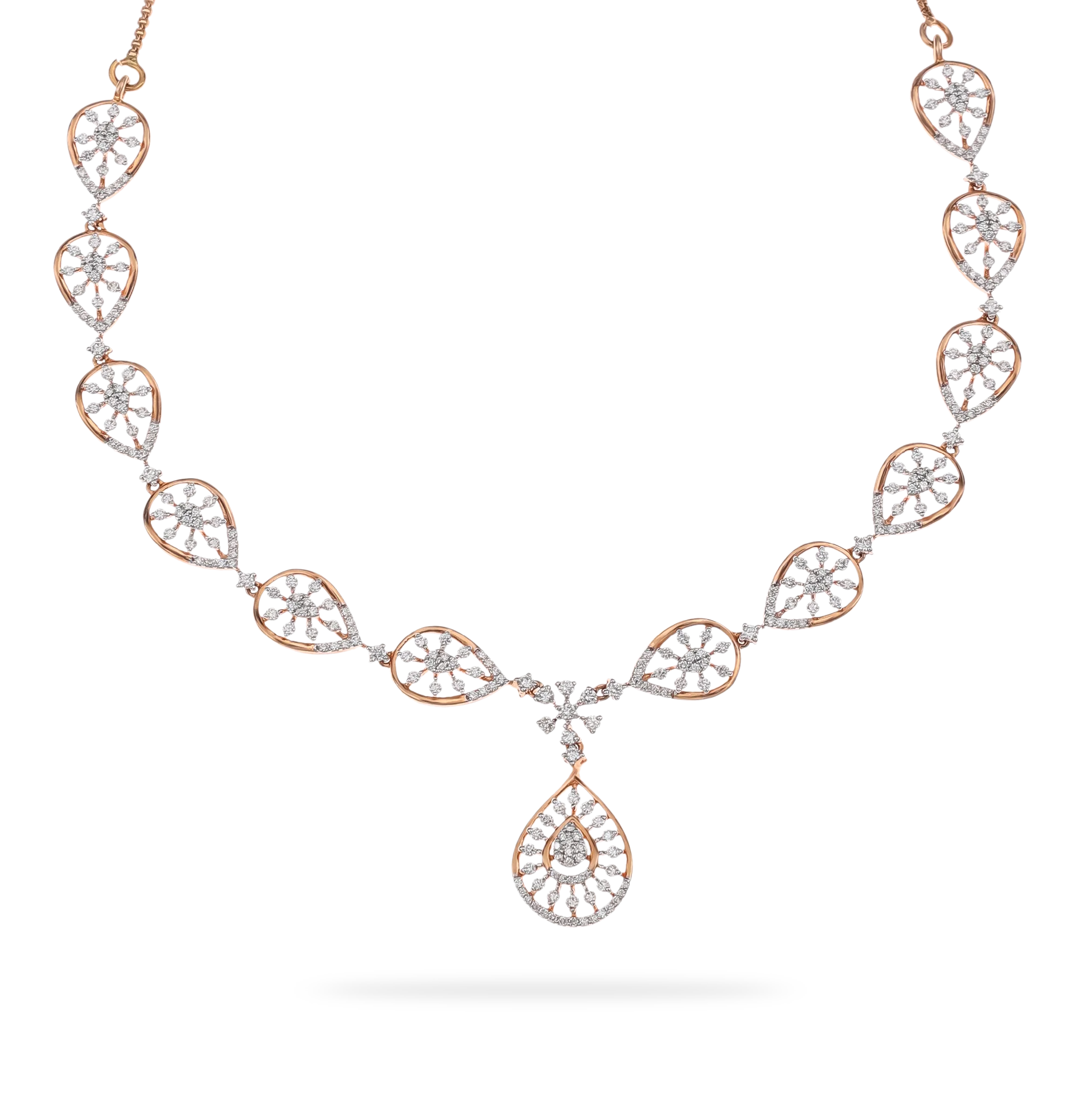
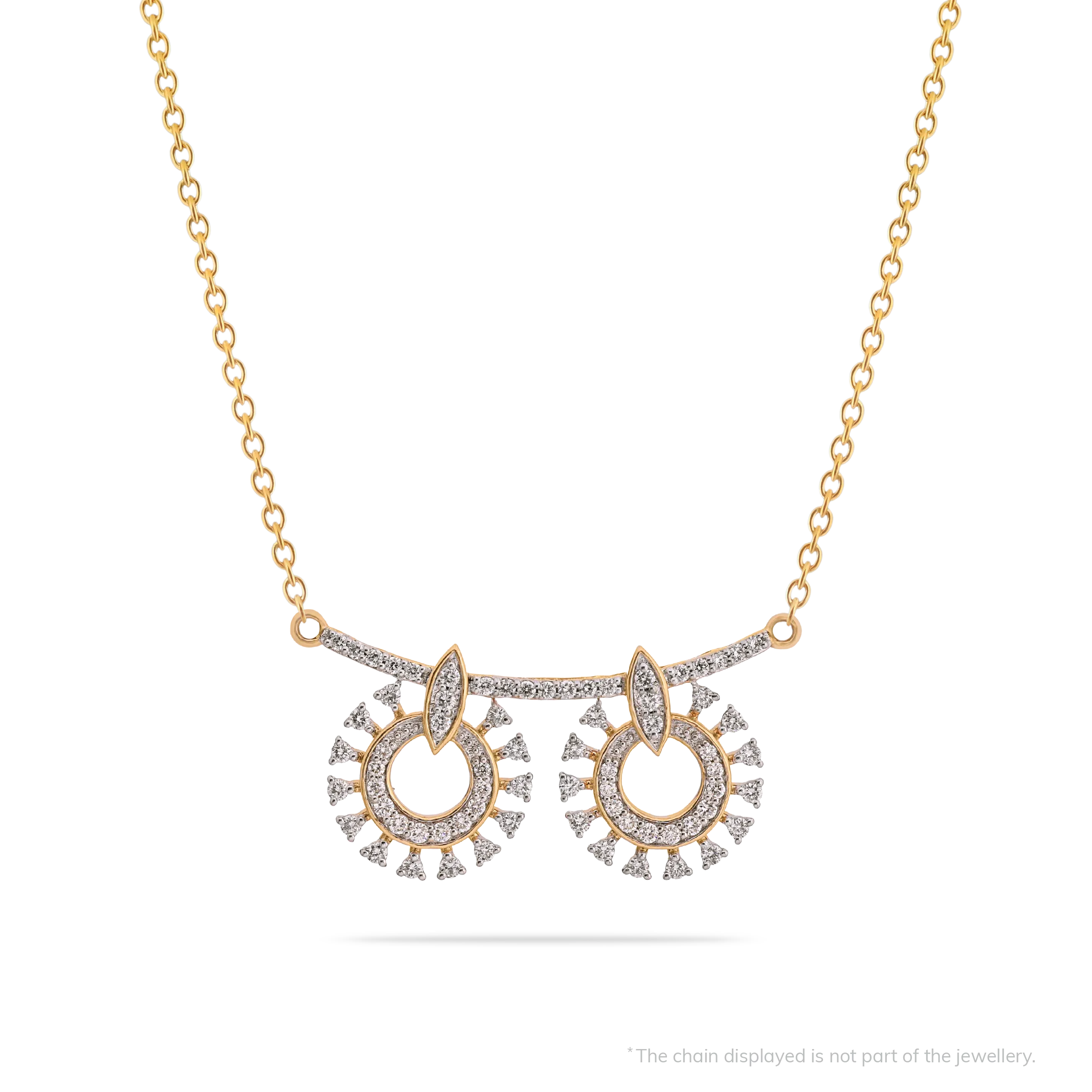
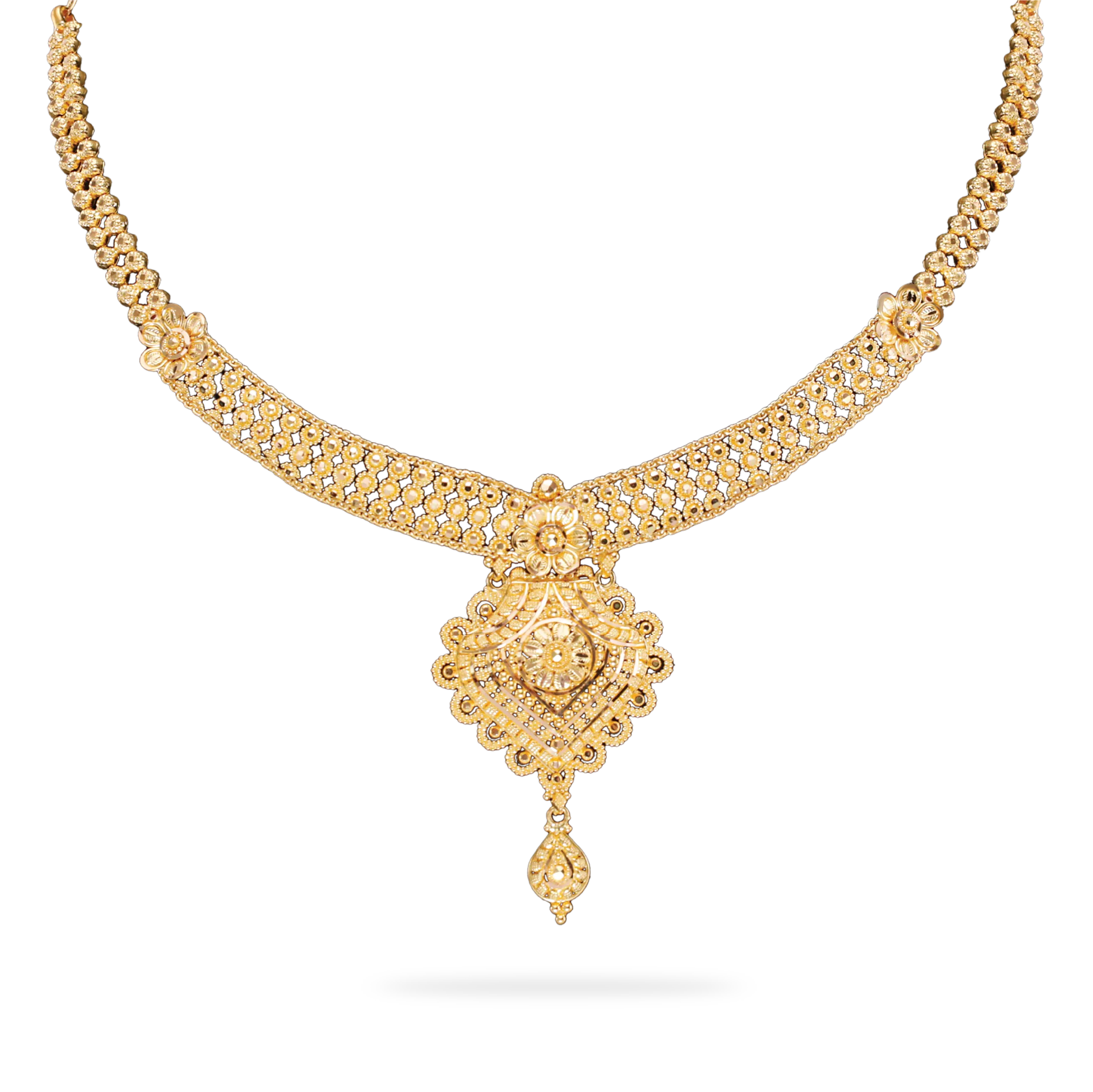
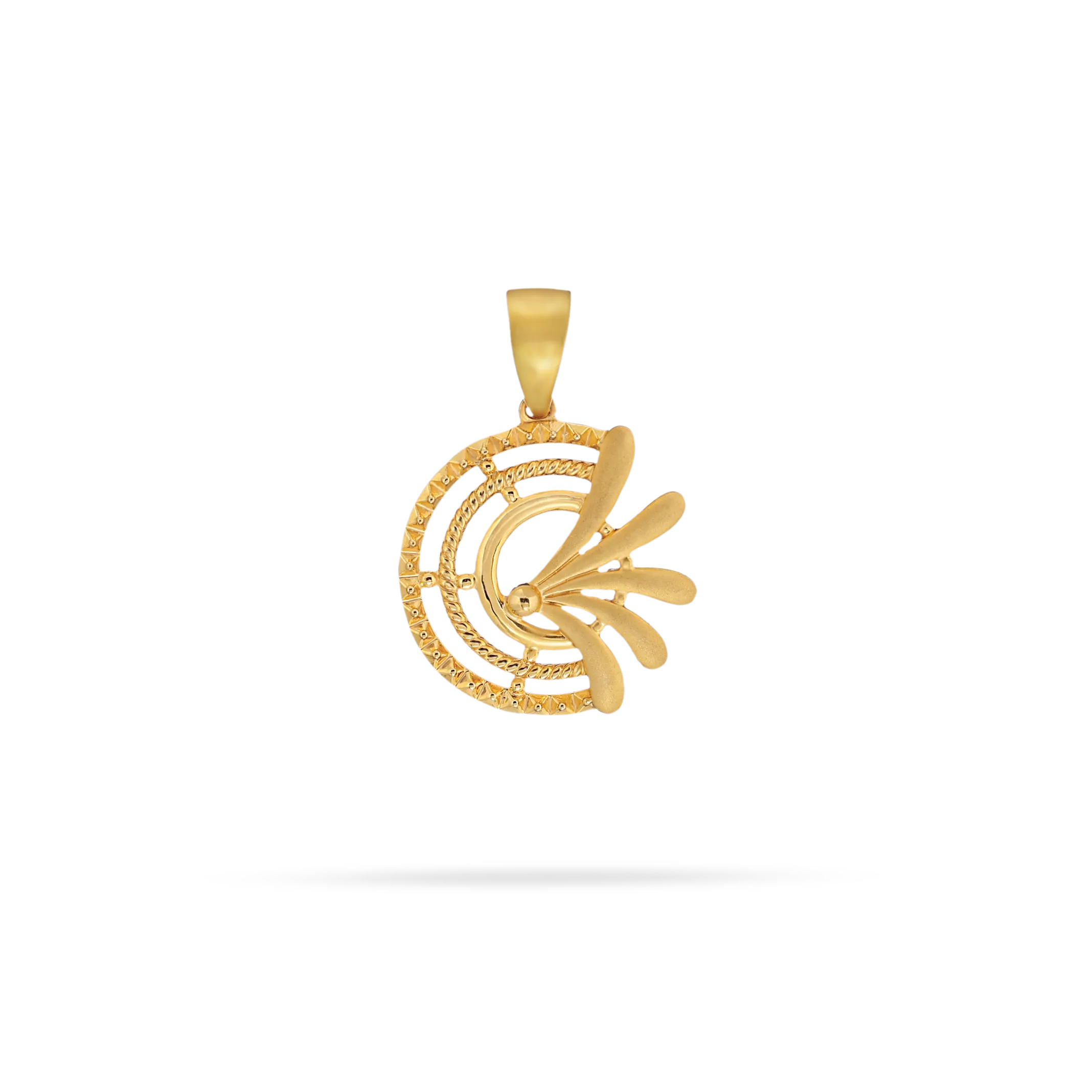
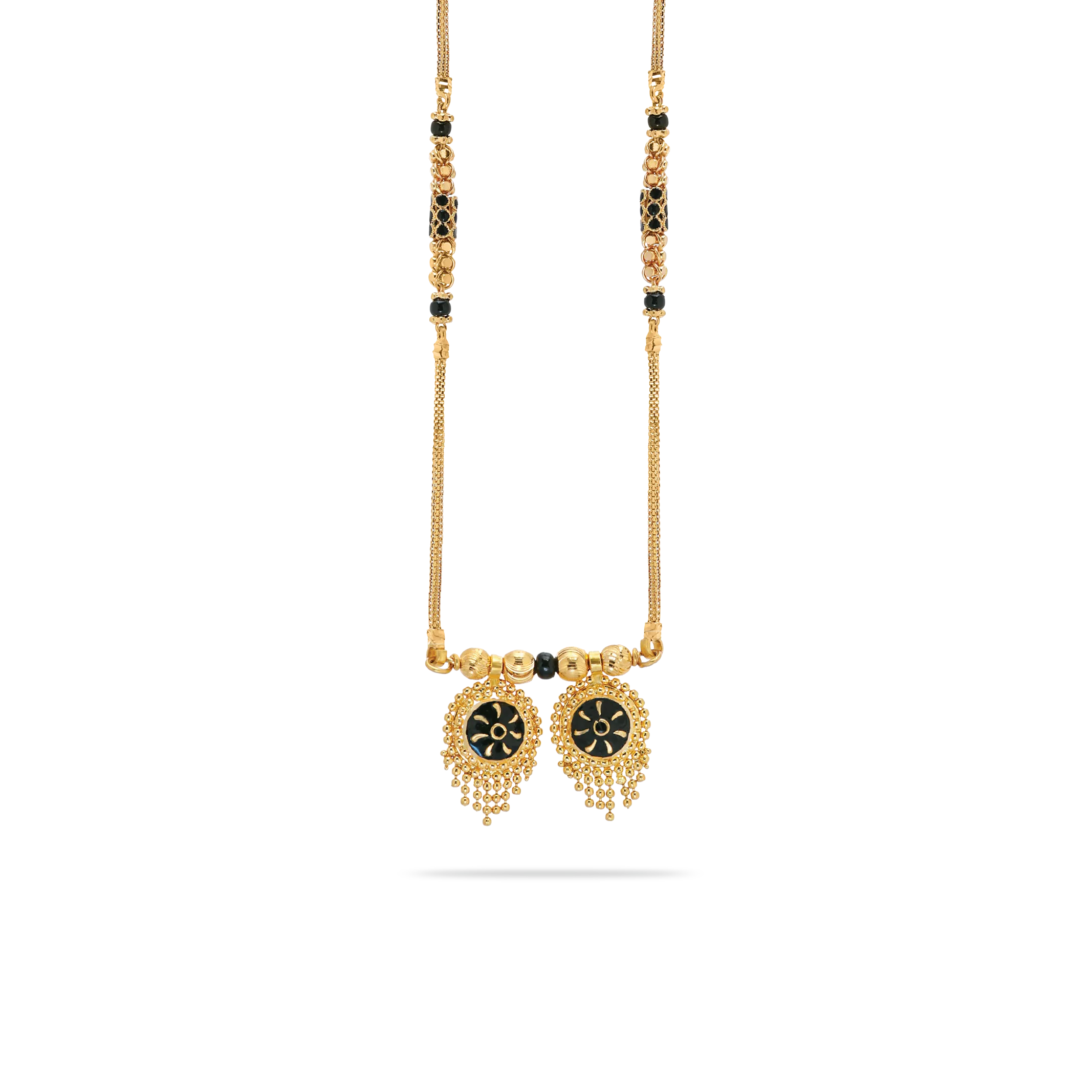
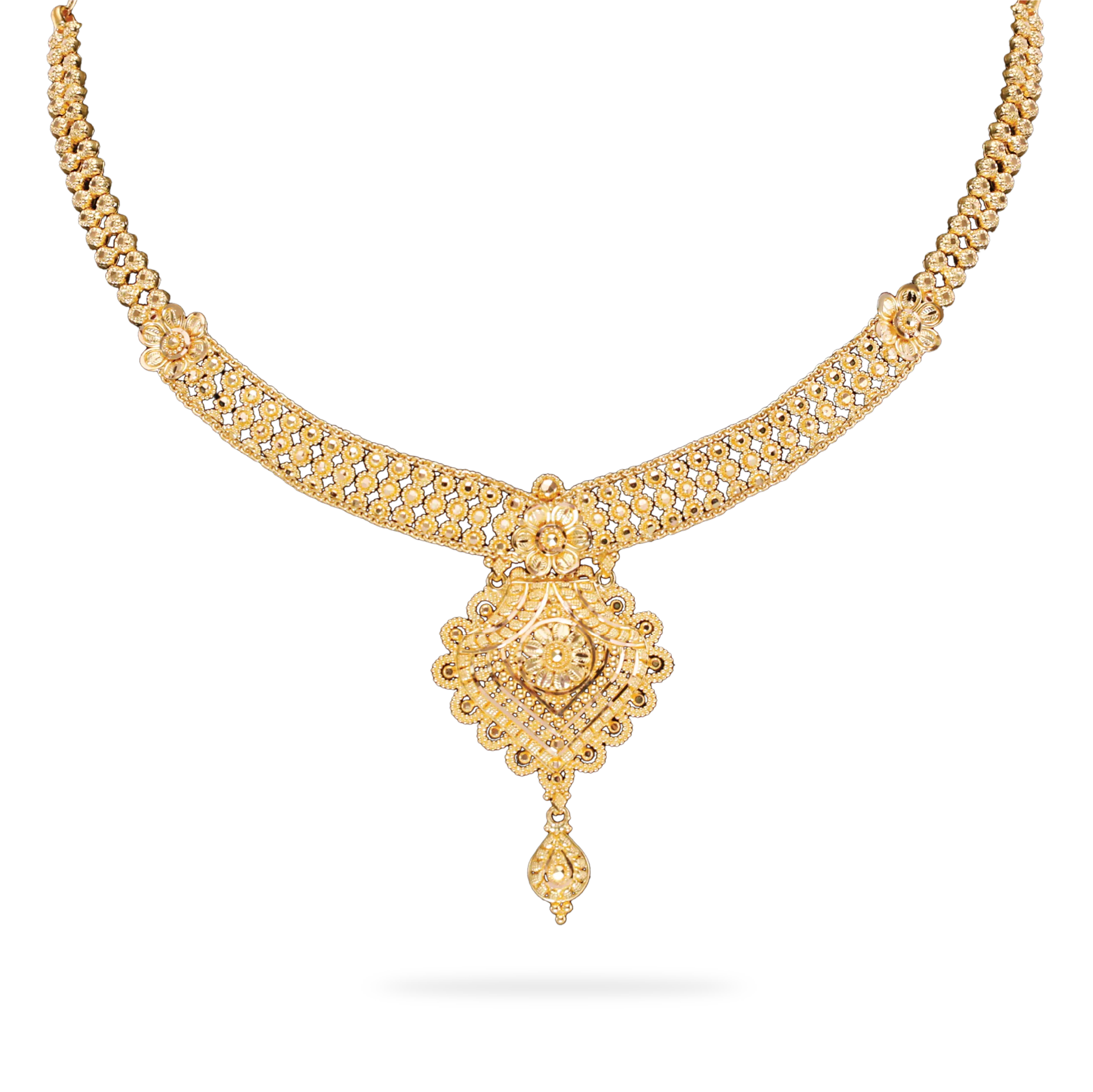
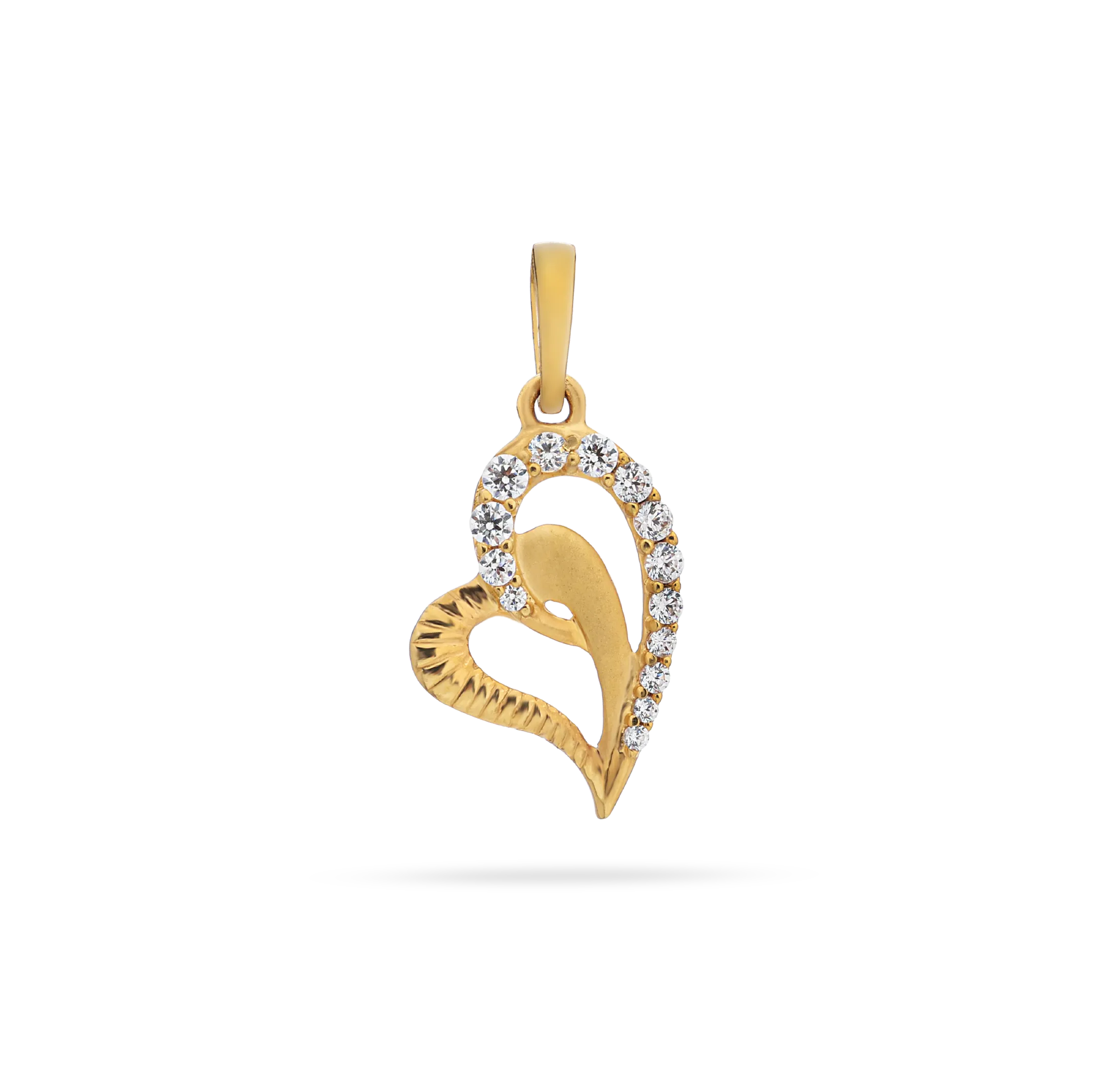
A necklace should follow the shape of the neckline rather than fight it. A pendant can sit neatly within a V-neck, a shorter necklace can work with a strapless bodice, and a high neckline may need no necklace at all if the earrings or hair jewelry already provide focus.
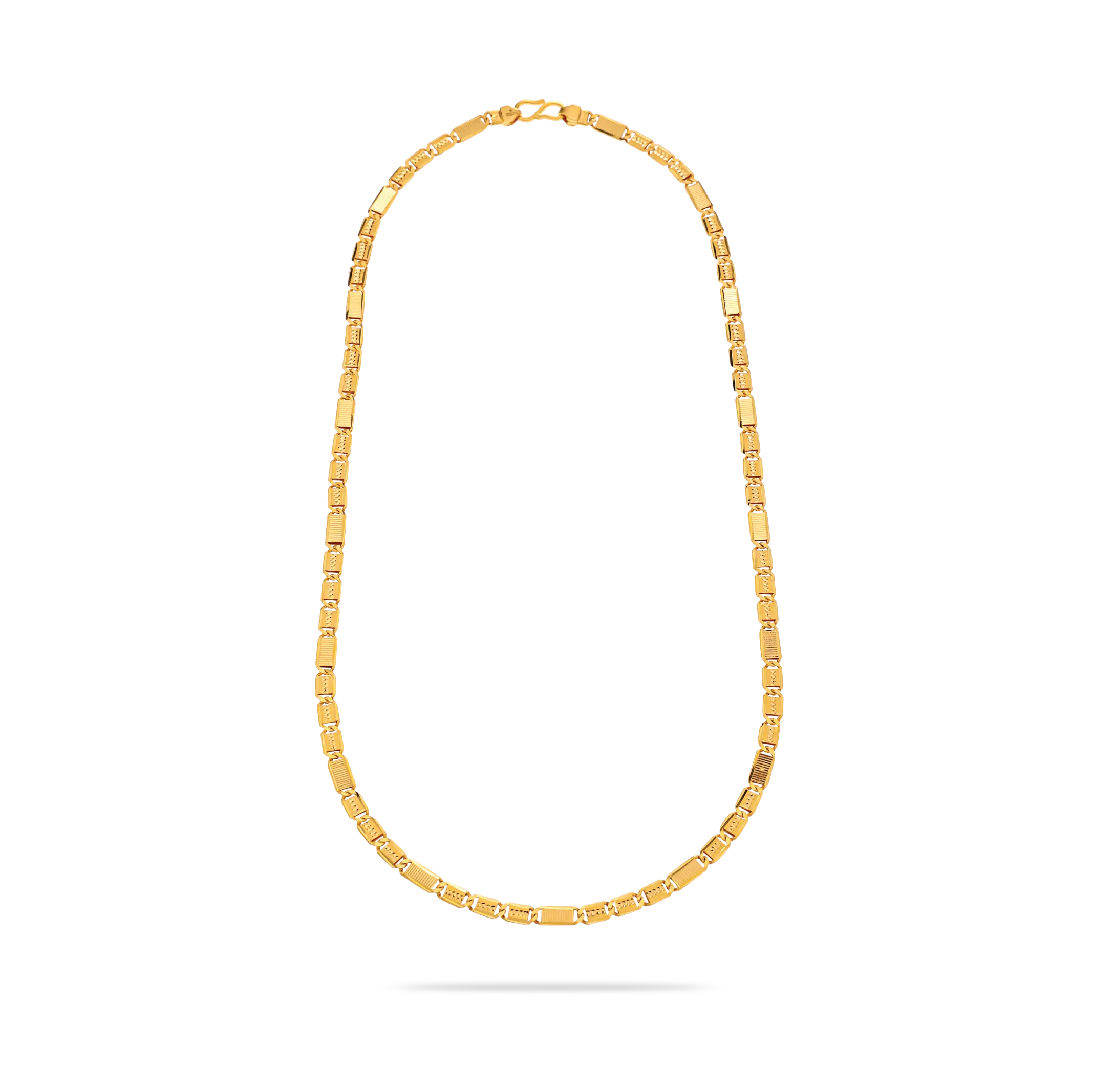
Length matters as much as ornament. Try the necklace with the veil and any blouse-like layers, then check whether it rests on fabric, skin, or both. For more detailed guidance on choosing a wedding necklace and layering lengths, explore this wedding necklace guide.
Deciding whether to wear a bracelet or bangle
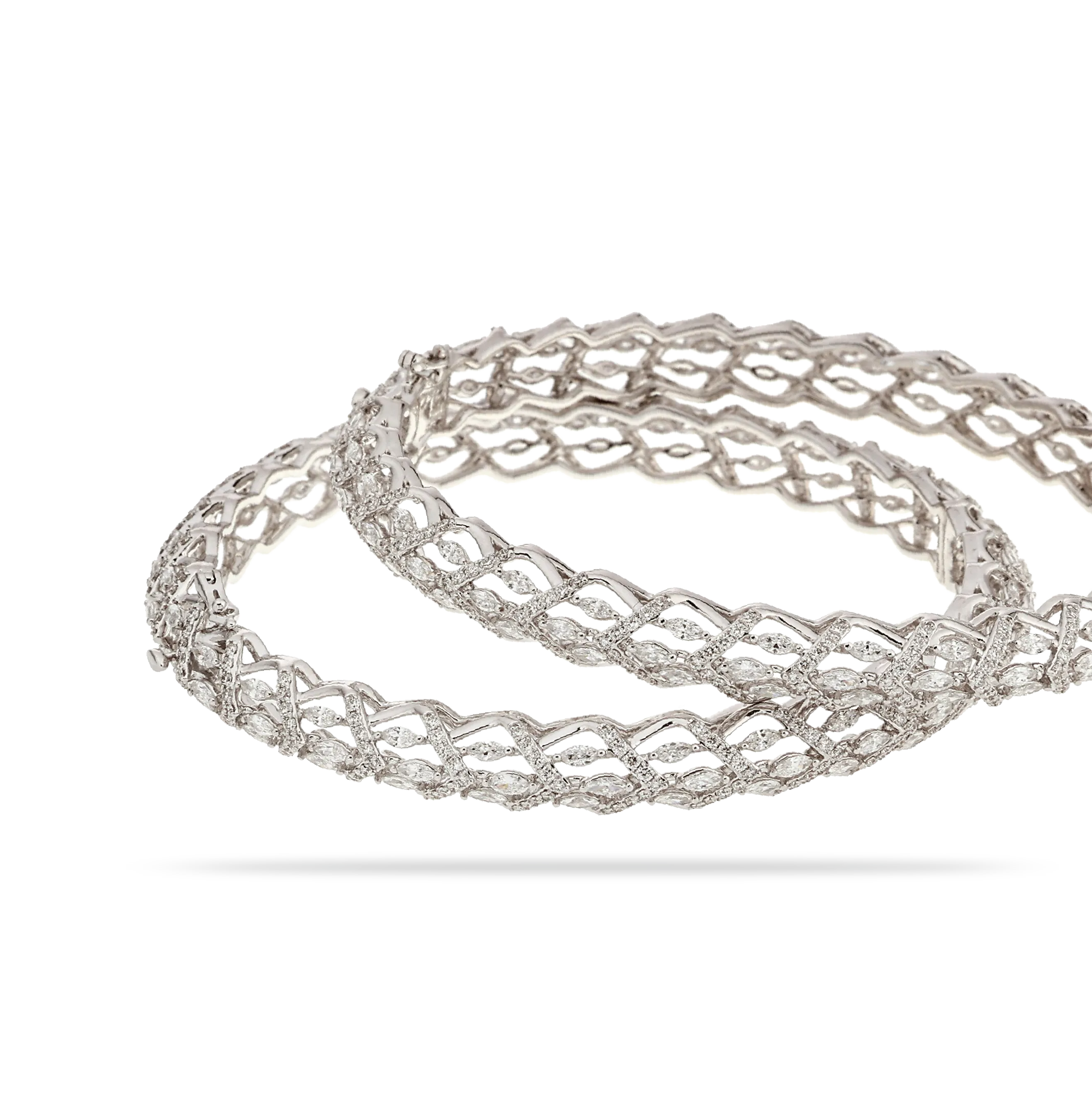
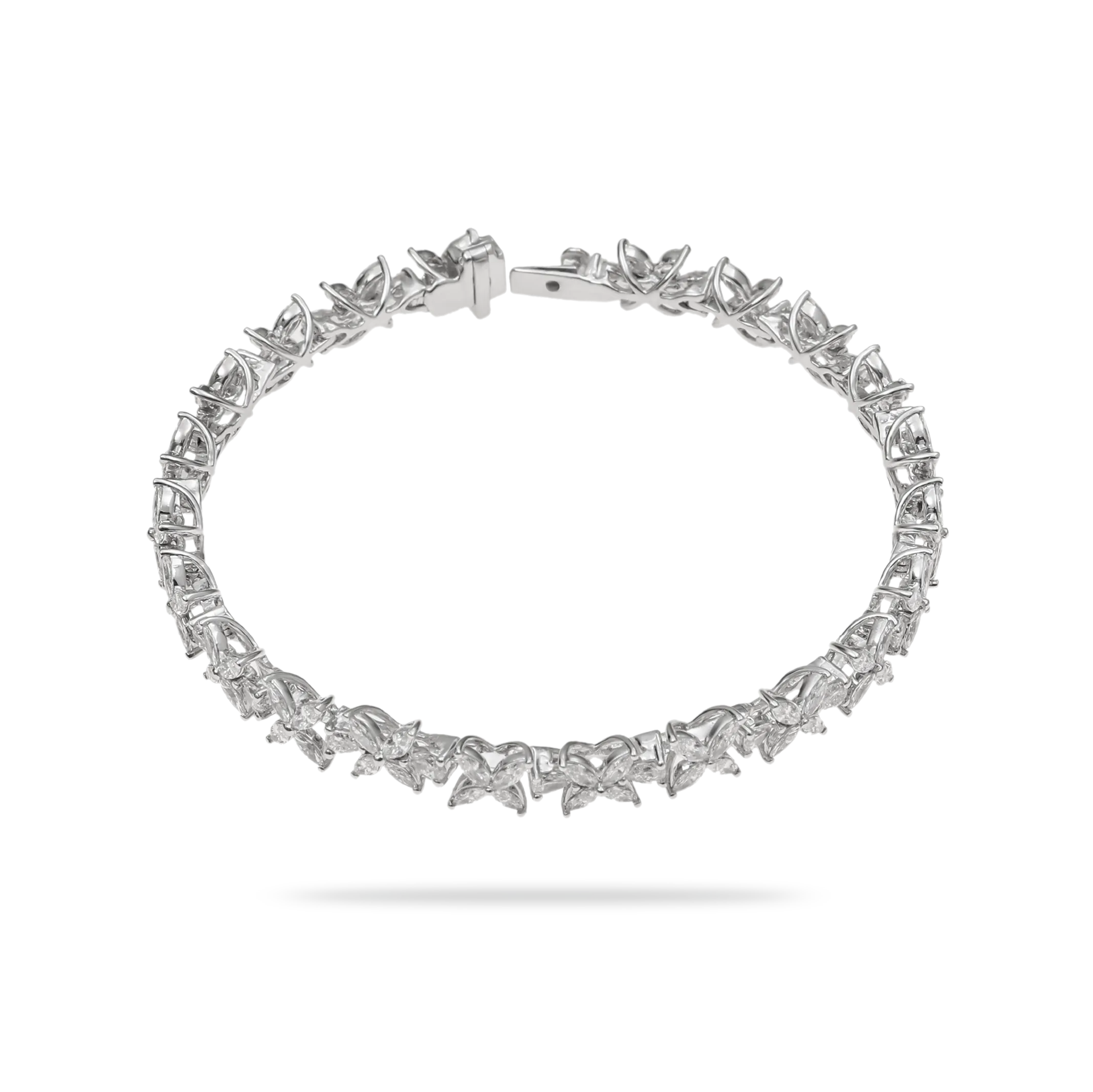
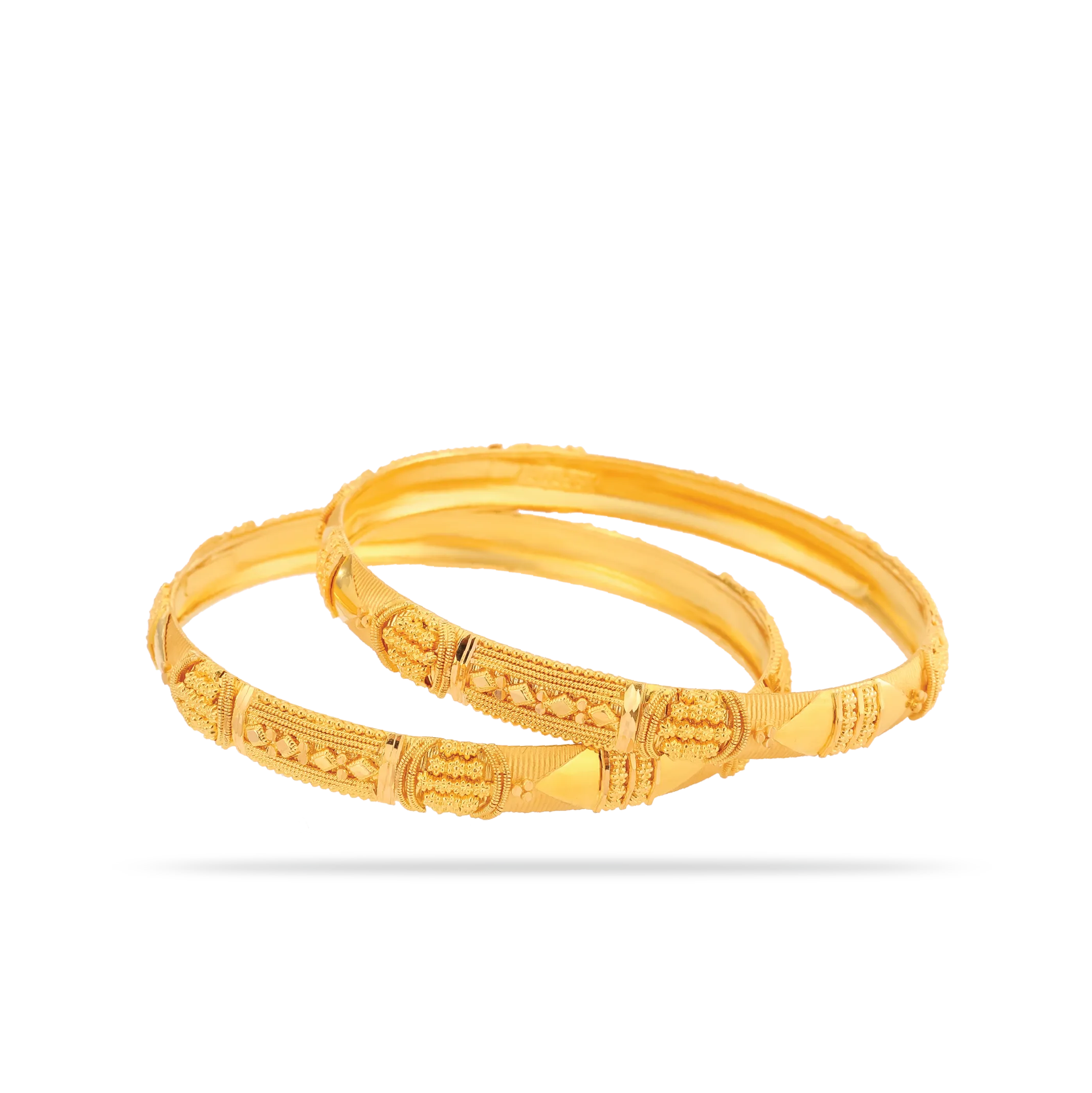
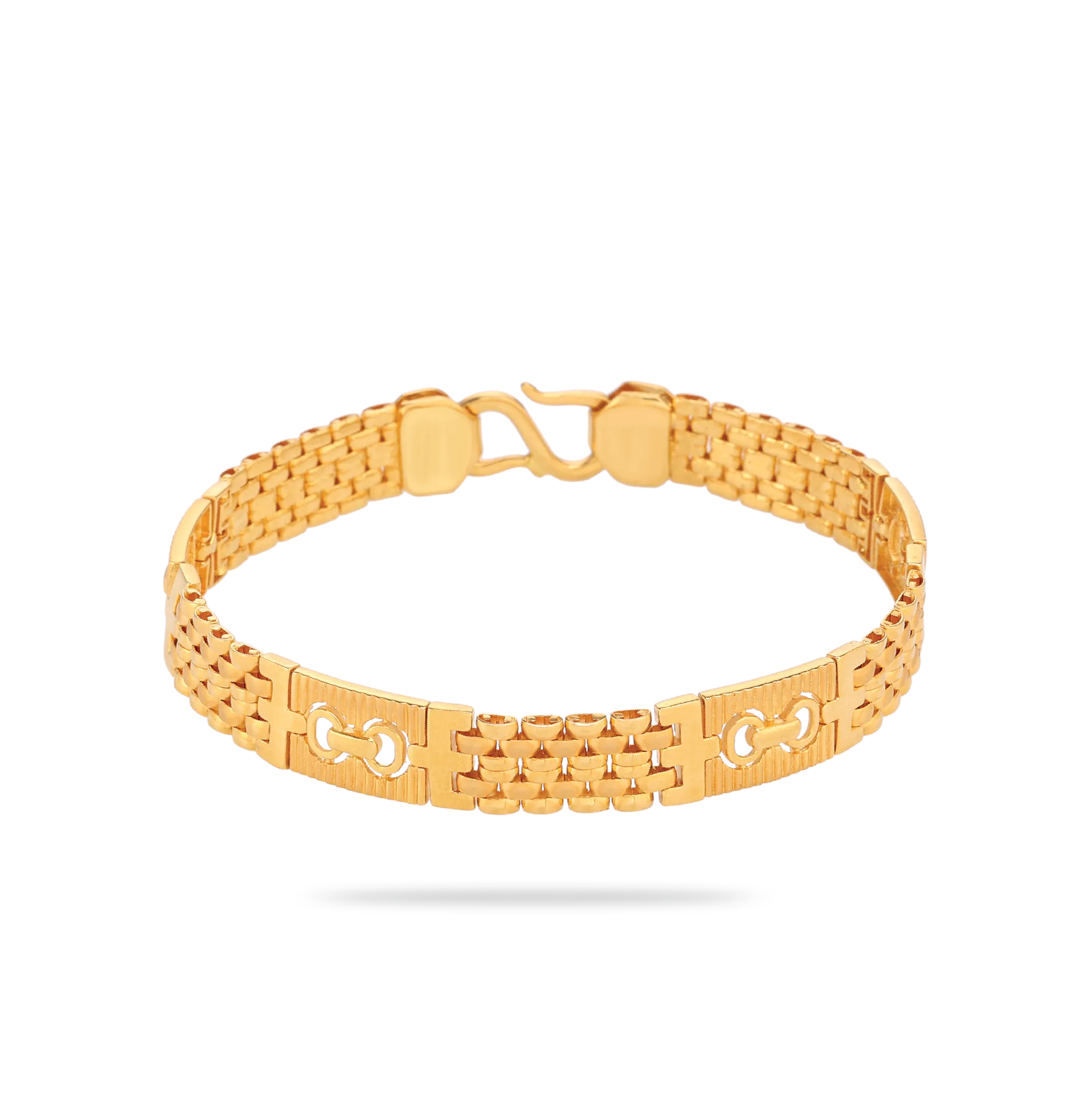
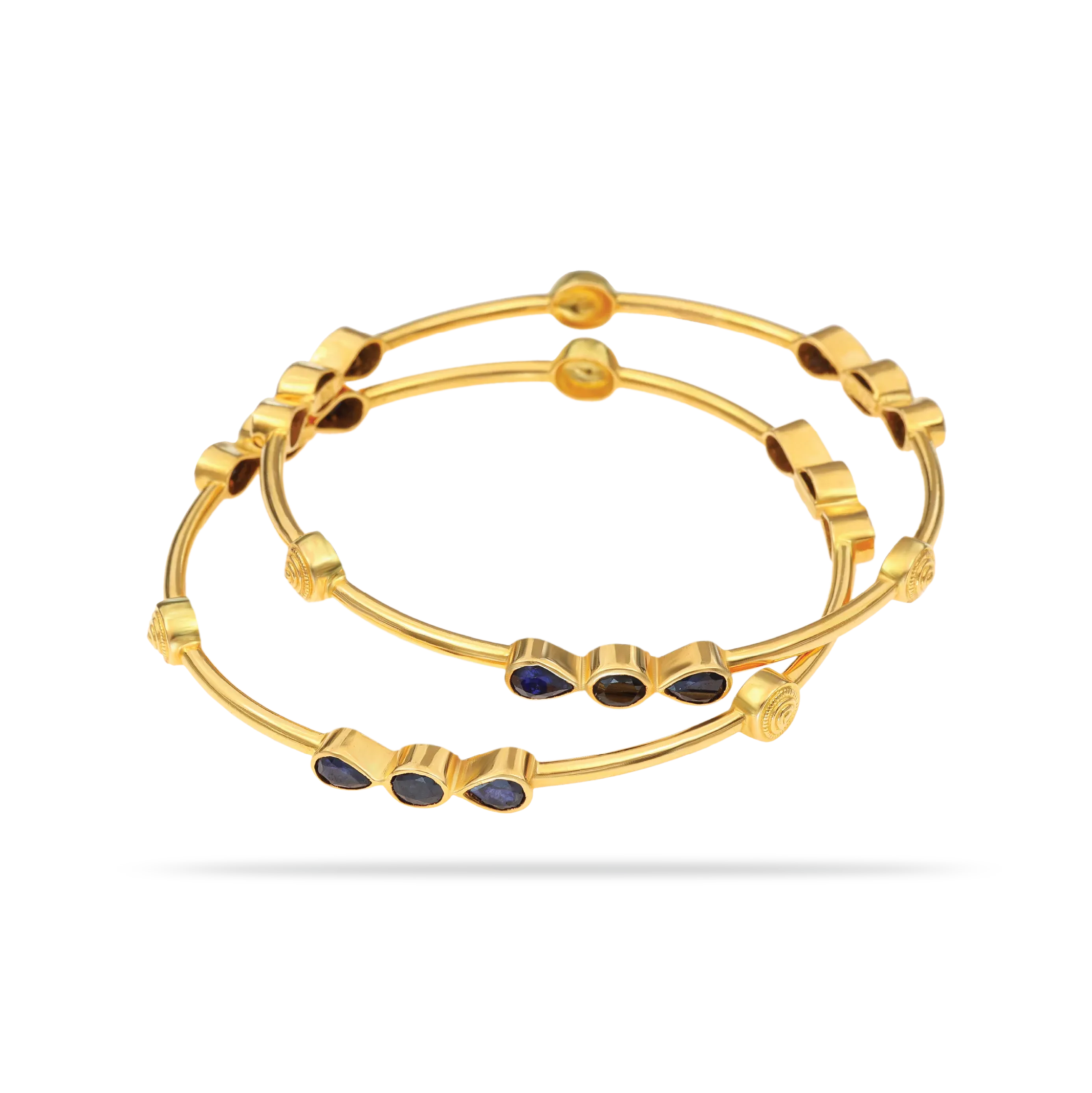
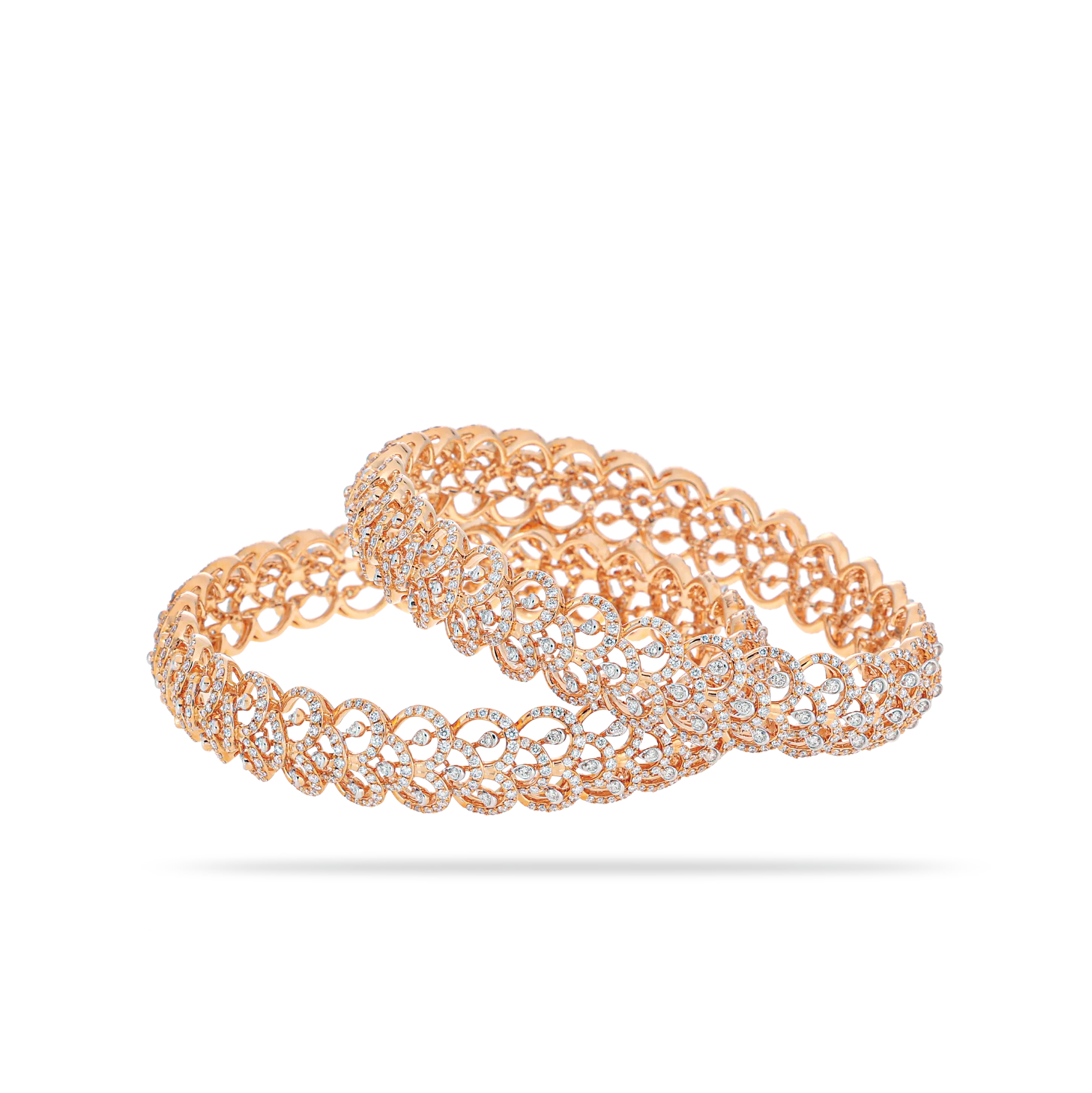
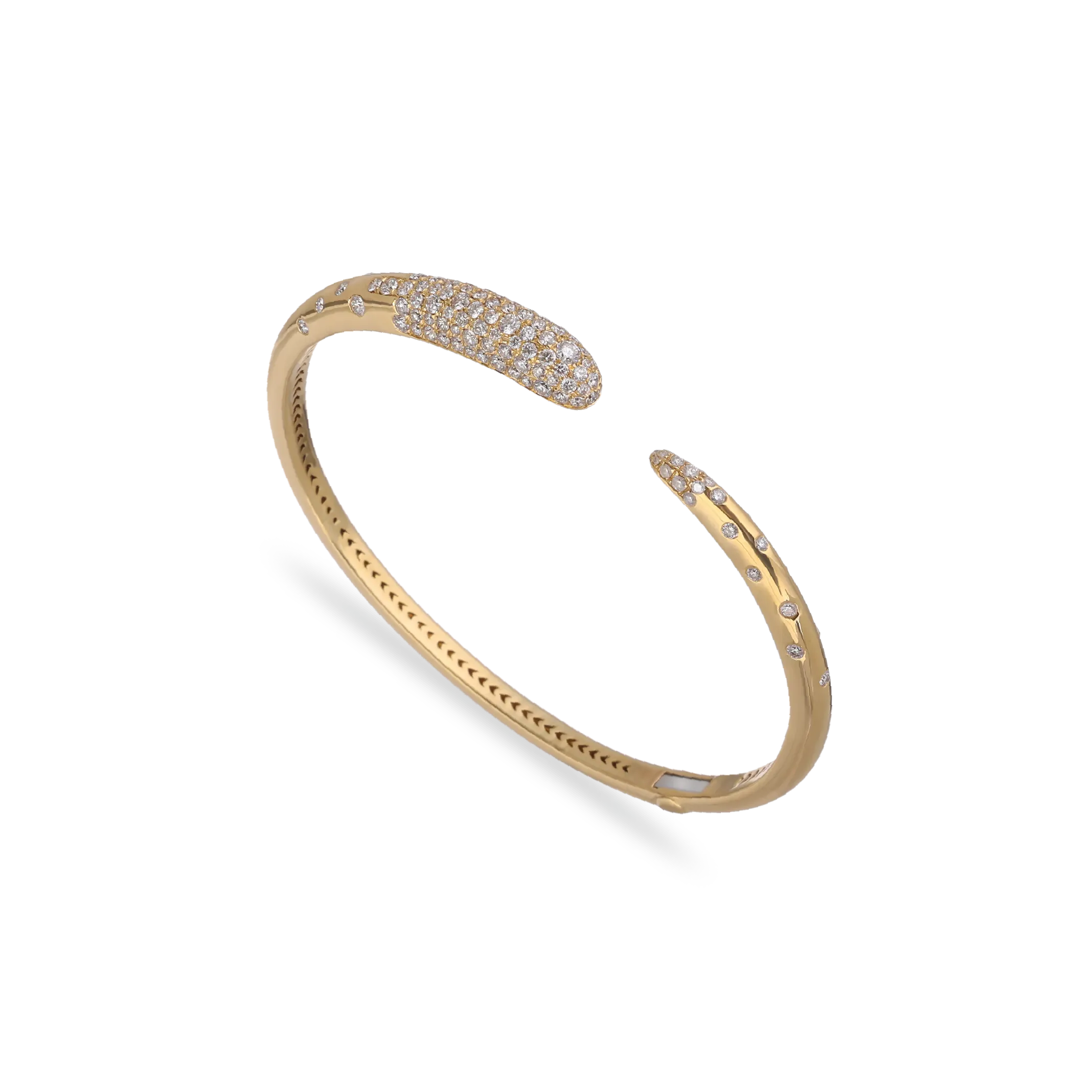
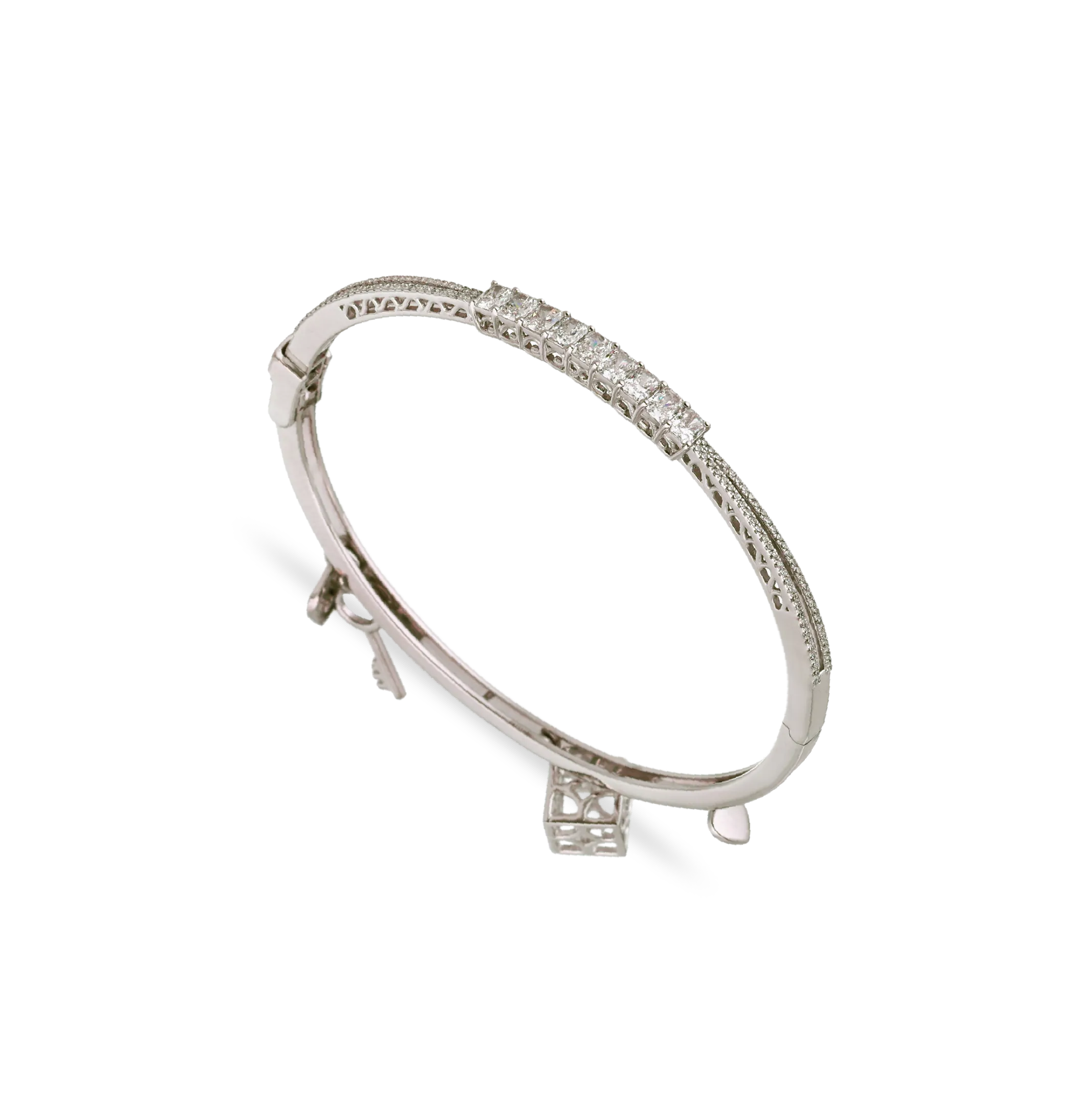
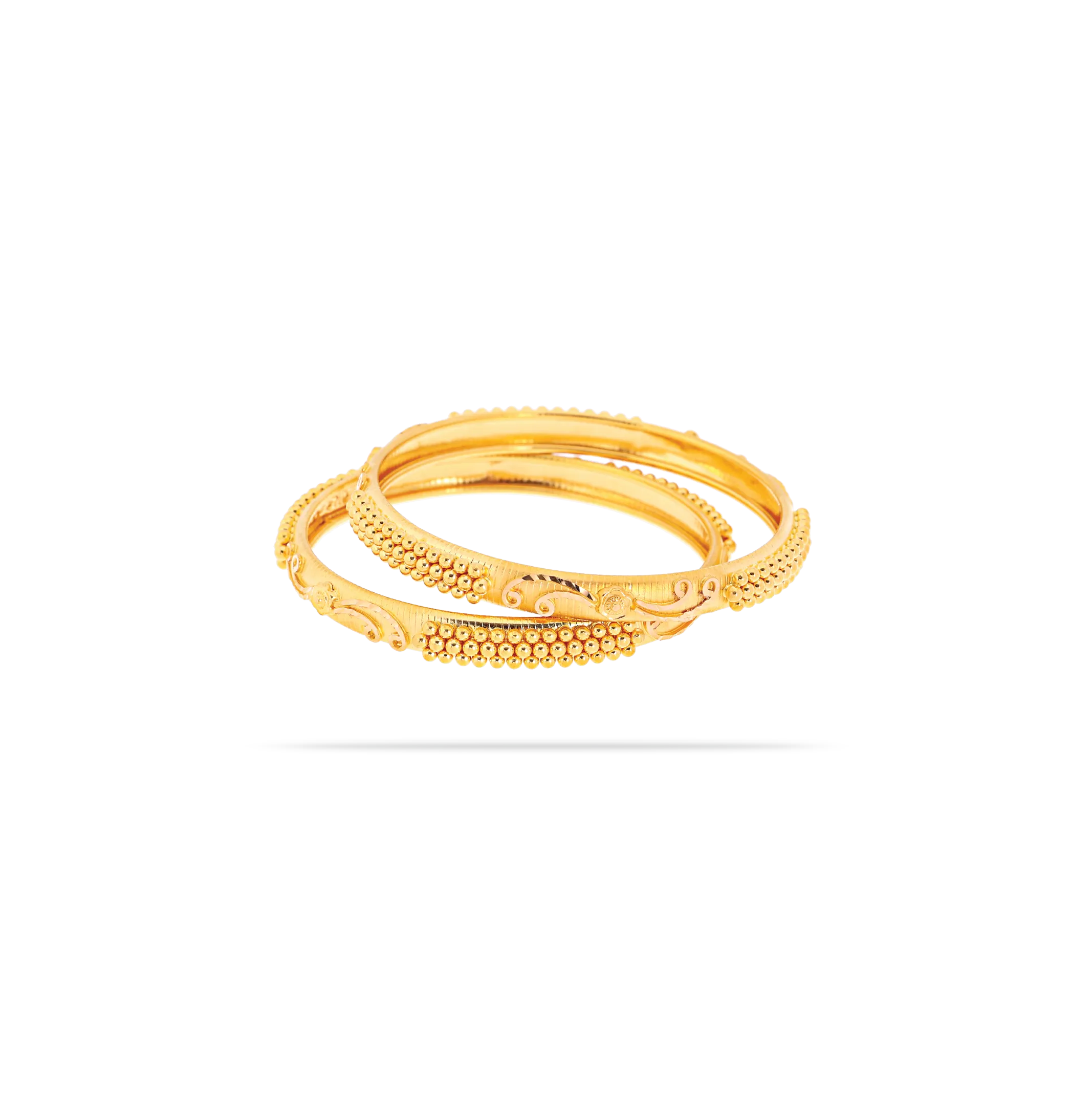
A bracelet adds interest when the hands will appear in photographs, especially during the ring exchange and bouquet portraits. Choose a flexible chain or low-profile bangle if you want easy movement, and avoid a heavy design that repeatedly slides into the hand or catches on lace.
The sleeve provides a useful boundary. With a fitted long sleeve, a bracelet may be hidden or uncomfortable; with bare arms or short sleeves, it can become the quiet finishing touch that connects the earrings to the rings.
Building a balanced bridal jewellery set
Think in terms of visual weight, not matching pieces. If the earrings are ornate, the necklace can be simple; if the necklace is the centerpiece, a small bracelet and discreet earrings may create a more graceful result.
A practical set might include:
- One face-framing piece, such as earrings or a hair ornament.
- One neckline piece, if the dress benefits from a necklace.
- One hand or wrist accent that will not interfere with movement.
- A simple everyday piece to wear after the wedding.
After assembling the set, remove one item and take another photograph. The comparison often reveals whether the look needs more jewelry or simply more breathing room. A balanced set feels intentional from both the aisle and the close-up portrait.
Coordinate gemstones with your engagement ring and wedding band
Your bridal jewelry does not need to form a perfect matching suite with the rings. It only needs to share a few useful connections, such as a metal family, a repeated shape, or a similar level of refinement. This approach leaves room for personality while keeping the hands and face visually connected.
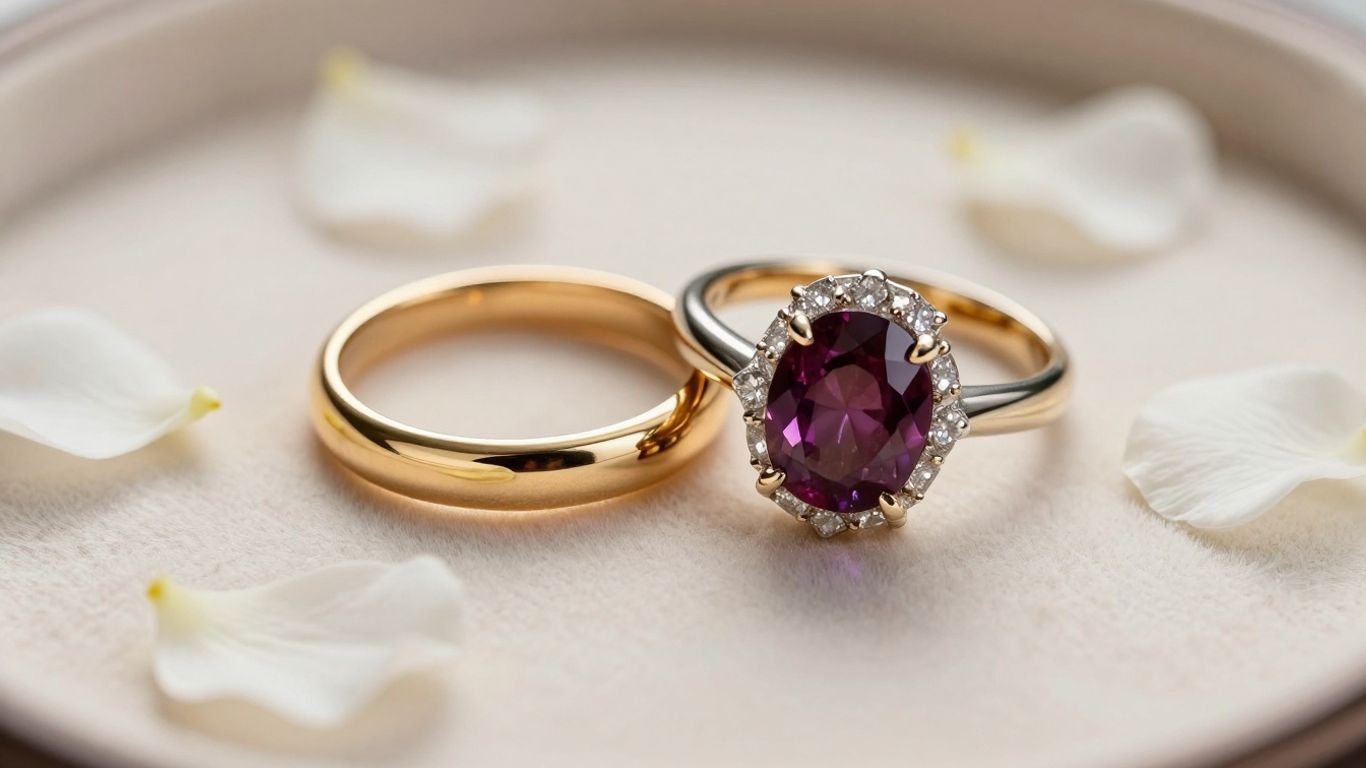
Matching precious stones without creating a perfect set
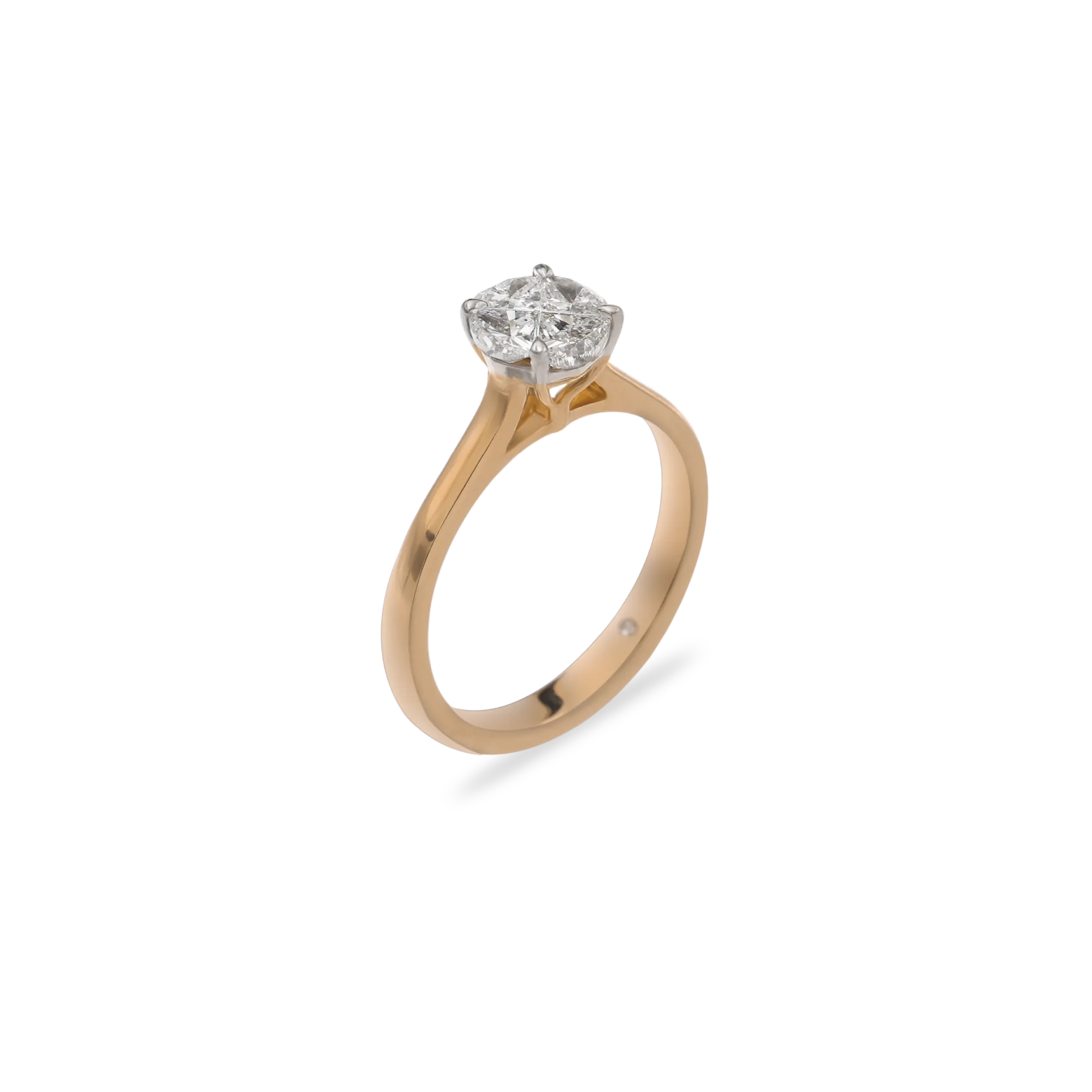
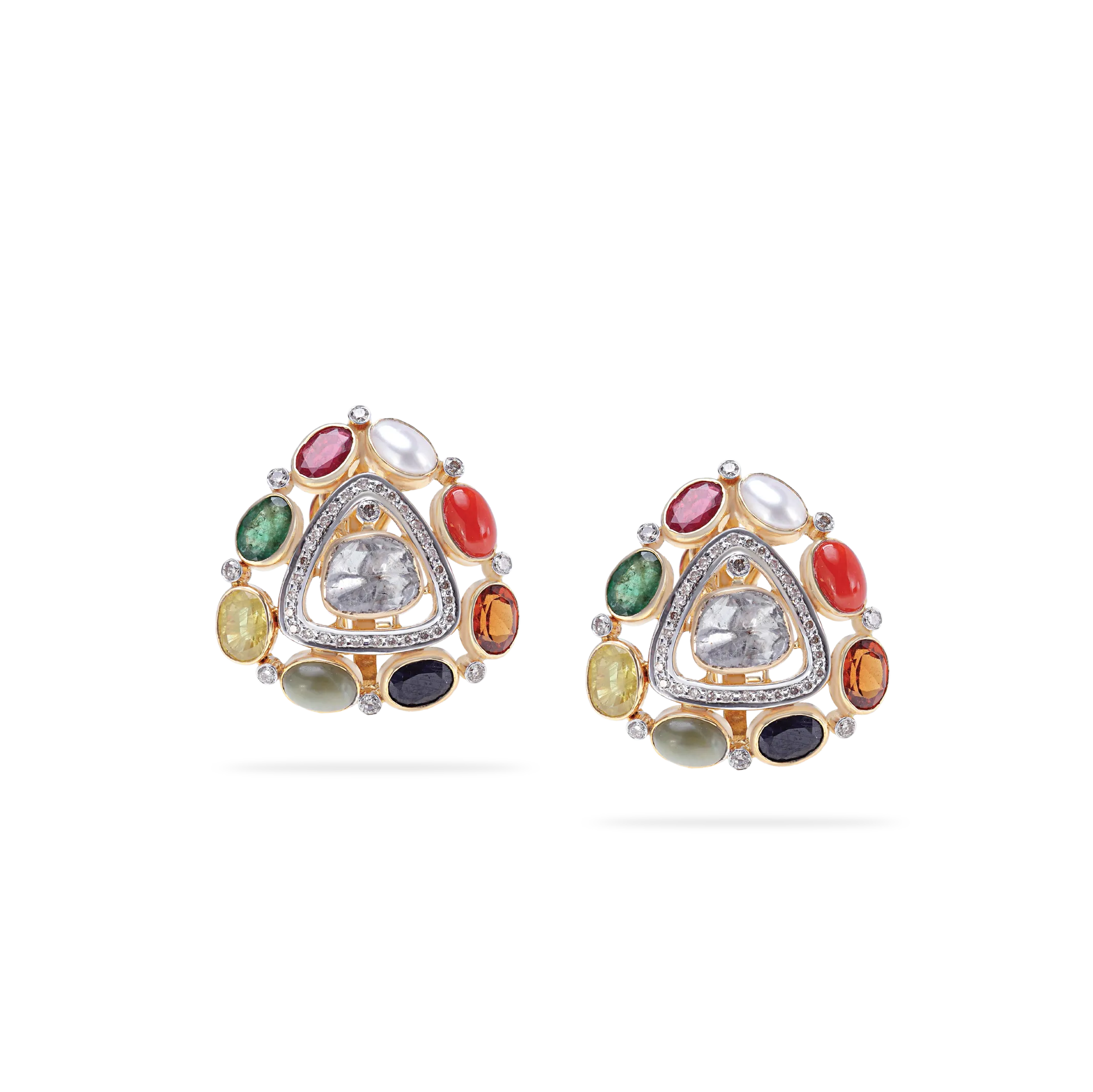
A sapphire in the earrings can relate to a sapphire engagement ring without repeating its exact cut or setting. Likewise, diamond accents can bridge a ruby or emerald centerpiece and a diamond wedding band. Repetition is most attractive when it is loose enough to look collected rather than manufactured as a single package.
Use the dominant stone in the ring as a starting point, then decide whether the jewelry should echo it or provide contrast. A small colored accent may be all that is needed to make the connection clear.
Combining different metals successfully
Mixed metals can look polished when the combination is repeated with intention. White metal around a diamond might sit comfortably beside yellow gold earrings if a two-tone bracelet, mixed-metal detail, or warm-toned stone creates a visual bridge.
Do not mix every finish at once. Choose one primary metal, one supporting metal, and a consistent surface quality—high polish, satin, or antique finish—so the contrast feels deliberate rather than accidental.
Pairing coloured gemstones with diamond accents
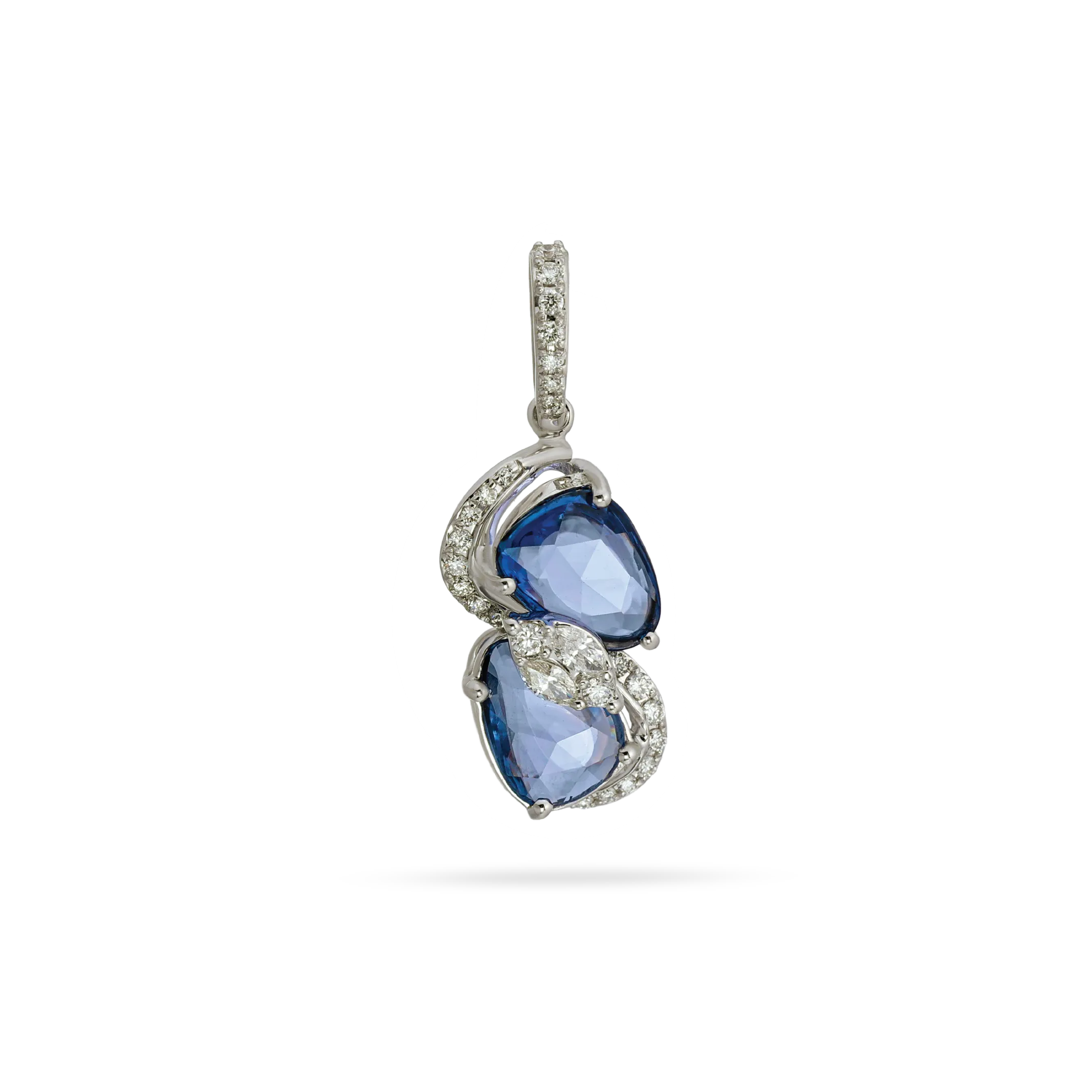
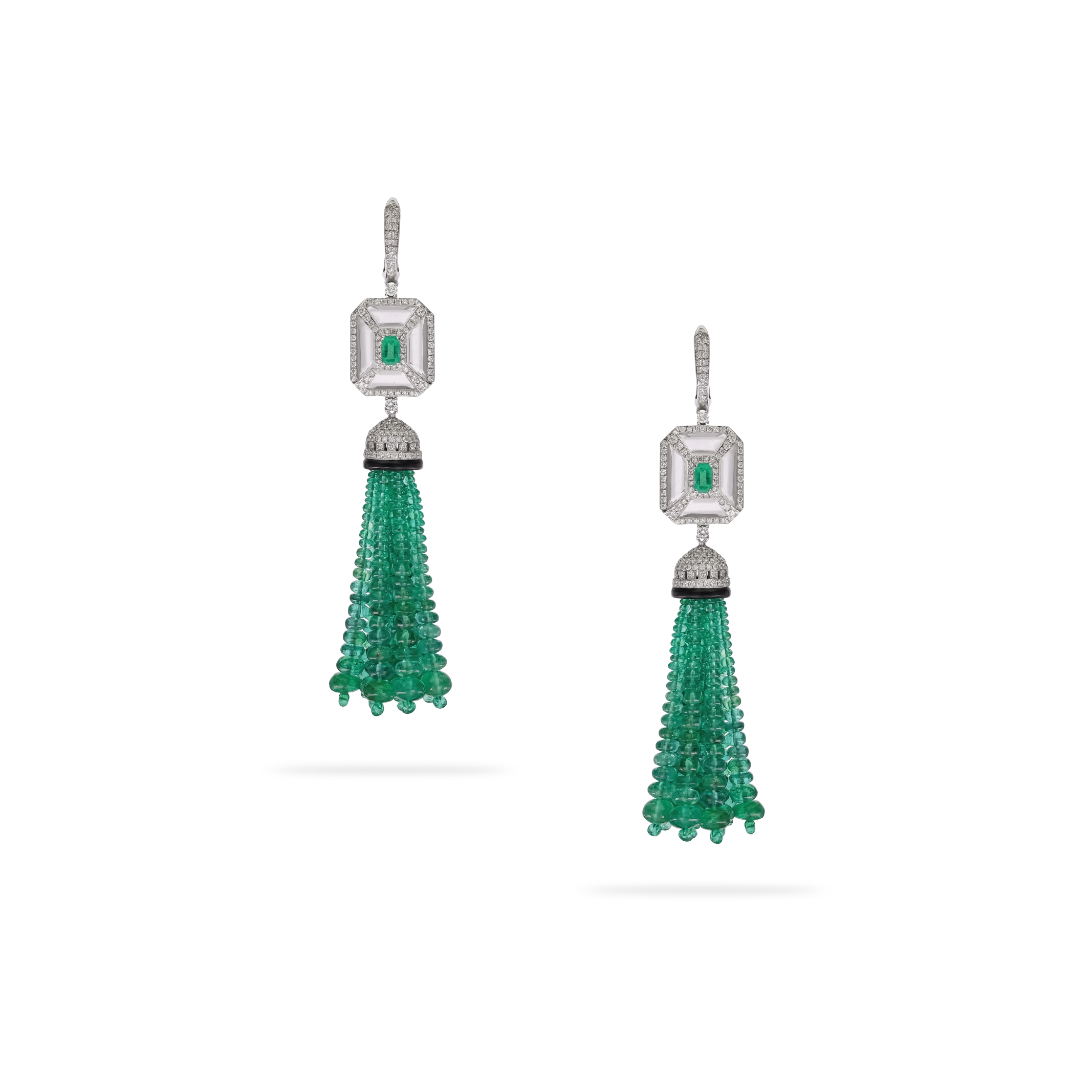
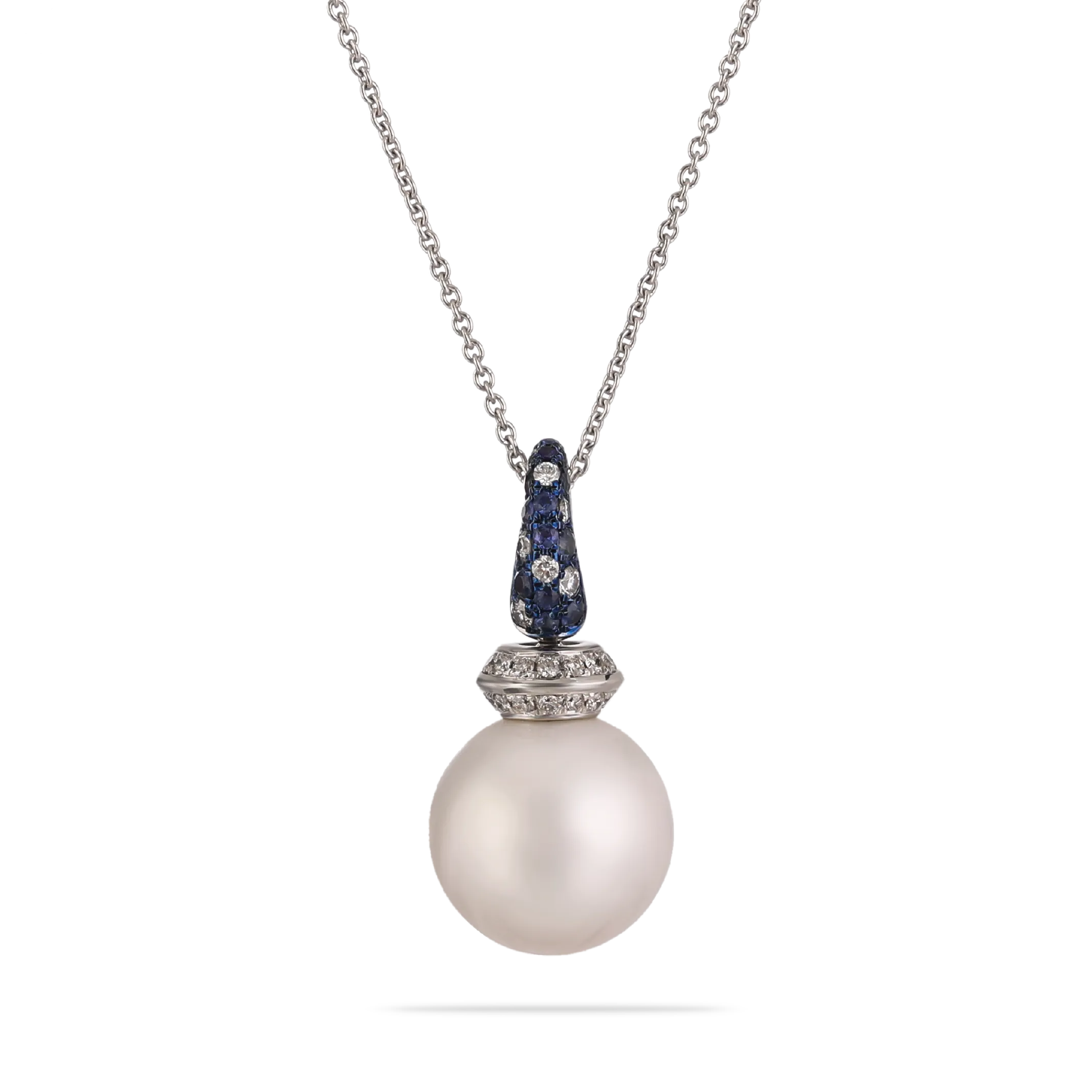
Diamonds can sharpen the outline of a colored gemstone and add light without changing its central character. Blue sapphire with white diamonds feels crisp, ruby with diamonds feels vivid and formal, and emerald with diamonds can create a rich contrast that suits both classic and contemporary clothing.
Keep saturation and scale in proportion. A large, highly saturated stone may need only a few diamond details, while a pale gemstone can benefit from a brighter surrounding frame.
Avoiding visual competition between jewellery pieces
Competition usually comes from too many focal points, not from color alone. A necklace, earrings, ring, veil, and headpiece can each be beautiful in isolation but overwhelming together if they all have similar size and intensity.
Choose a primary focal point before shopping for the rest. Once that piece is decided, let the remaining jewelry support its shape, color, or sparkle rather than asking for equal attention.
Select precious stone bridal jewellery for different budgets
A thoughtful budget begins with the look you want, not with a single stone size. You can create impact through color, cut, setting, scale, and placement, and a modest piece may be more memorable than a larger but poorly proportioned one. Leave room for alterations, secure storage, insurance, and any professional cleaning or inspection before the wedding.
Where to invest in high-impact pieces
Earrings and the main necklace often deserve priority because they sit near the face and appear repeatedly in photographs. If your engagement ring is central to the story, investing in a well-made wedding band or a versatile piece that complements it may make more sense than adding another statement item.
Spend on craftsmanship where failure would be especially costly: stone security, the quality of the metal, comfortable backs, and a setting that can be inspected and repaired. A beautiful design is only a good value if it remains wearable.
Affordable alternatives to larger gemstones
A smaller center stone with a well-designed halo, cluster, or surrounding detail can create substantial presence. You can also consider a more modest necklace paired with expressive earrings, colored stones in place of larger diamonds, or lab-grown options where they suit your priorities.
Look at face-up dimensions and light performance rather than weight alone. A pleasing outline and lively surface often matter more in the photographs than a number on a specification sheet.
Comparing bespoke, designer, and ready-to-wear jewellery
Bespoke work can provide a precise fit, unusual proportions, and a design built around your existing ring or dress. Designer pieces may offer a recognizable aesthetic and established construction, while ready-to-wear jewelry can make comparison and timing easier.
Allow enough time for custom work and alterations. For any purchase, ask about resizing, repairs, returns, delivery, and what happens if a stone needs attention after the wedding. A clear policy is part of the value.
Understanding certification, provenance, and pricing
Documentation should identify the stone accurately and disclose relevant treatments or laboratory origin. For significant diamonds or gemstones, ask what grading report is supplied, whether the report matches the stone, and whether provenance information is available.
Prices reflect more than carat weight. Cut quality, color, clarity, rarity, metal, workmanship, brand positioning, and documentation all contribute. A seller who explains those factors plainly makes it easier to compare pieces without being distracted by a single headline specification.
Prioritise comfort, durability, and secure design
Your wedding jewelry may be worn for many hours, through hugs, photographs, meals, dancing, and changes in temperature. Comfort should therefore be judged in motion, not only while standing in a showroom. Precious stone bridal jewellery is at its best when it feels natural enough that you stop thinking about it.
Choosing settings for all-day wear
Low-profile settings tend to catch less on veils, hair, and clothing. Bezel and carefully finished prong settings can both be practical, depending on the stone and design, while open settings may allow more light but require attention to snagging and security.
Ask how the piece feels when you turn your head, raise your arms, and sit down. The best setting is not merely attractive from the front; it should also have smooth edges and a comfortable profile against the skin.
Checking clasps, prongs, backs, and chains
Inspect every closure before the wedding. Earrings should have backs that fit firmly, necklaces should close without awkward strain, and bracelets should not open when the hand bends. Prongs should be even and snug, with no sharp points that catch on a veil or sleeve.
Have a jeweler inspect older or inherited pieces before wearing them. A small repair made in advance is far less stressful than discovering a loose stone during the reception.
Selecting stones suited to an active wedding day
Choose pieces according to how exposed they will be. Earrings and necklaces are usually protected from direct impact, while rings and bracelets encounter more contact with tables, bouquets, and other hands. Softer or heavily included stones may need extra care even when they are visually perfect.
If you want to wear a delicate piece during the ceremony but worry about the reception, plan a simple change of jewelry. A secure backup pair can preserve the look without forcing one fragile item to handle every part of the day.
Preparing for weather, dancing, and photography
Heat, humidity, rain, sunscreen, hairspray, and perspiration can all affect jewelry during an outdoor celebration. Put jewelry on after beauty products have dried, keep a soft cloth in the emergency kit, and ask a trusted person to check clasps before portraits.
Photographers will capture close details, so clean stones and smooth, untangled chains matter. At the same time, do not sacrifice comfort for a single photograph; a relaxed expression and easy movement will show more beautifully than constant worry about an accessory.
Care for and preserve your bridal jewellery
Care begins before the ceremony and continues after the last photograph. Ask for stone-specific cleaning advice instead of assuming that every piece can be treated the same way. With sensible habits, wedding jewelry can become part of ordinary life rather than remaining locked away after one occasion.
Cleaning different precious stones safely
Diamonds and many sapphires can tolerate gentle cleaning, but treated stones, emeralds, porous materials, and pieces with delicate finishes may require a different method. Avoid household chemicals, ultrasonic cleaning, or sudden heat unless a qualified jeweler confirms they are suitable for that particular stone and setting.
A soft, lint-free cloth and lukewarm water with a small amount of mild soap are often a cautious starting point, but follow the jeweler’s instructions first. Dry each piece thoroughly and check that no moisture remains behind a setting.
Storing jewellery before and after the wedding
Store each item separately in a lined compartment or soft pouch so stones and metal surfaces do not rub together. Keep chains fastened when possible, and lay them flat or hang them in a way that prevents knots. A cool, dry location away from direct sunlight is preferable to a steamy bathroom.
After the wedding, record photographs, receipts, reports, and care instructions in one secure place. This simple record helps with insurance, future repairs, and the story of how each piece entered your collection.
Insuring valuable bridal pieces
Ask your insurer whether wedding jewelry is covered under an existing policy or needs a separate scheduled item. Keep an appraisal or purchase documentation where appropriate, and check whether the policy covers loss, theft, accidental damage, and repairs.
Review the coverage after receiving an inherited piece or commissioning a new one. The replacement value and the sentimental value are different, but both are reasons to avoid leaving protection until after something goes wrong.
Turning wedding jewellery into future heirlooms
An heirloom is made through use, care, and meaning as much as through price. Choose designs that can be worn with everyday clothing, and consider whether a ring, pendant, or pair of earrings could be adapted later without losing its original character.
Classic proportions and durable metals can help a piece move across generations. For ideas on balancing heritage craftsmanship with contemporary styling, this guide to heritage bridal jewelry offers a thoughtful starting point. A small note about the wedding date, stone, and maker can make the object’s personal history easier to preserve.
Conclusion
The most lasting bridal jewelry is chosen with both imagination and restraint: a stone that feels personal, a setting that stays secure, and a combination that works with the dress rather than overpowering it. Choose the pieces you will enjoy wearing again, care for them patiently, and let their meaning deepen with time.
Frequently Asked Questions
Which precious stone is best for bridal jewelry?
Diamonds, sapphires, rubies, and emeralds can all be beautiful choices. The best option depends on your preferred color, durability needs, budget, setting, and how often you hope to wear the piece afterward.
Should bridal jewelry match the engagement ring exactly?
No. Repeating one element, such as metal color, stone shape, or a small accent, is usually enough to create harmony without making every piece look identical.
Are lab-grown stones suitable for wedding jewelry?
They can be suitable when their origin and treatment are clearly disclosed and the quality meets your expectations. Compare the stone, setting, documentation, and care requirements rather than focusing only on whether it is natural or lab-grown.
How much bridal jewelry should a bride wear?
There is no fixed number of pieces. Choose one focal point and add only the accessories that support the neckline, hairstyle, dress details, and overall level of formality.
What should I prioritize when buying on a budget?
Prioritize secure construction, comfortable wear, and a lively, well-proportioned stone. A smaller stone in a thoughtful setting can make more impact than a larger stone with weak cut quality or poor craftsmanship.
Can emeralds be worn in bridal jewelry?
Yes, emeralds can be worn beautifully, but they may require more careful handling than some other popular gemstones. Ask about treatments, inclusions, cleaning, and the suitability of the chosen setting before purchasing.
When should I clean my wedding jewelry?
Have valuable or inherited pieces inspected before the wedding, and clean them according to the stone-specific advice provided by the jeweler. Avoid experimenting with strong chemicals or equipment that has not been approved for the piece.
Related blogs:
September 18, 2026
How to choose the perfect bridal long necklace set for your wedding day
Read More
September 18, 2026
How to choose a bridal layered necklace set for your wedding look
Read More
September 18, 2026
How to choose a bridal choker set for your wedding look
Read More
September 18, 2026
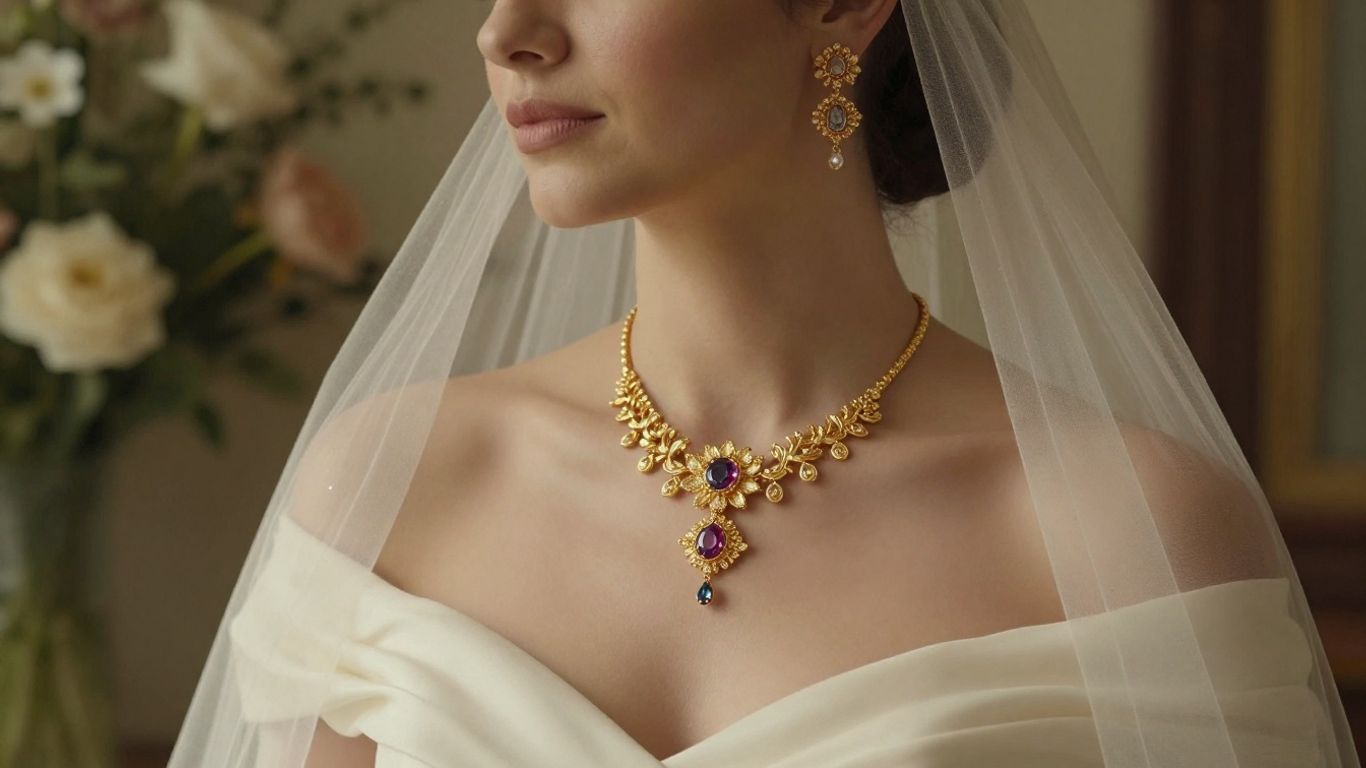
Gold necklace for bride: How to choose the perfect wedding-day style
Read More









.webp)
.webp)