Gemstone engagement rings: How to choose the perfect colored stone
August 3, 2026 | 10 minutes read
Key Takeaways
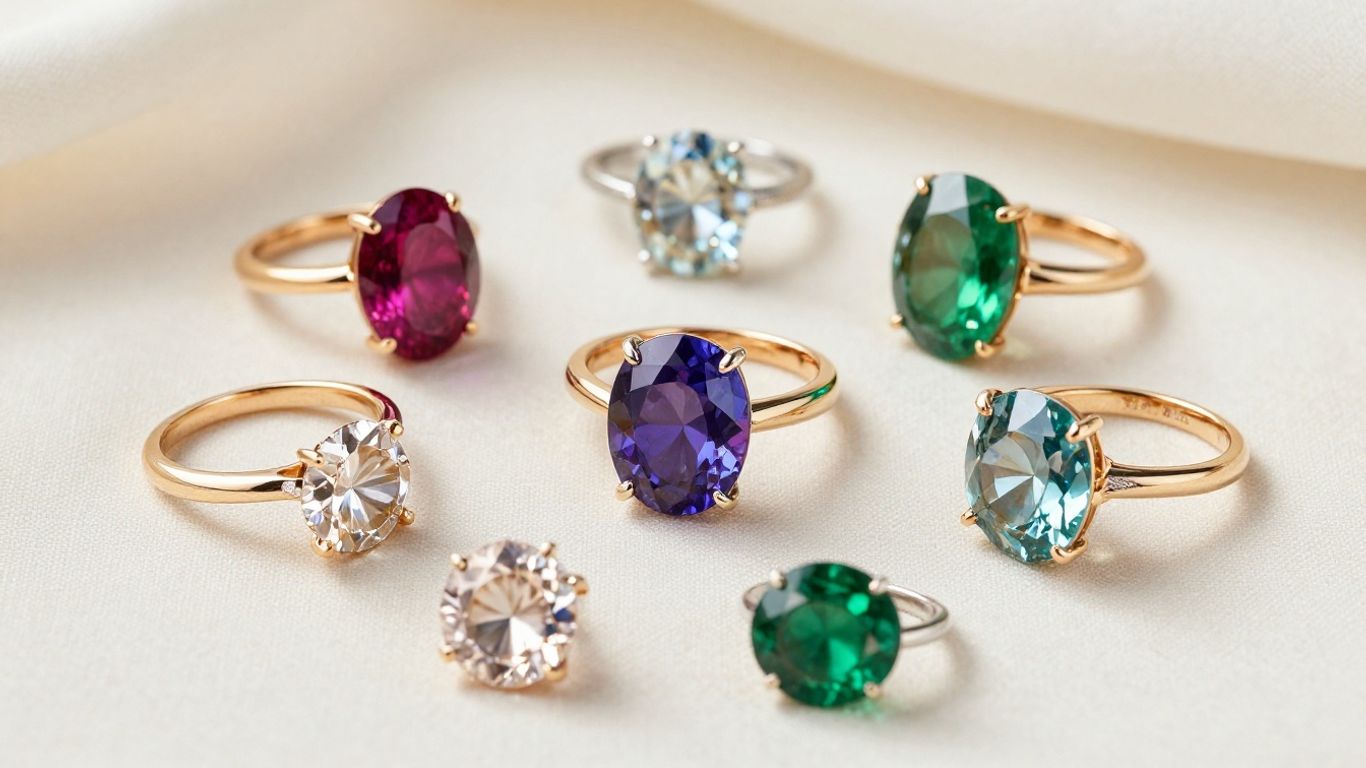
Gemstone engagement rings offer color, character, and a more personal alternative to a traditional diamond center stone. The best choice balances beauty with durability, honest sourcing, and the way the ring will be worn every day.
- Sapphire and ruby are among the strongest traditional colored-stone choices for daily wear .
- Emerald, morganite, aquamarine, opal, and tourmaline each bring a distinct look and care requirement.
- Color, clarity, cut, treatments, and carat weight should be judged according to the gemstone type.
- The setting and metal affect both the ring’s appearance and its security.
- A clear report, return policy, warranty, and sourcing information make the purchase more reassuring.
Understand what makes gemstone engagement rings unique
Gemstone engagement rings begin with a different idea of what an engagement ring should be. Instead of treating color as a small accent, they make it the center of the design. That opens the door to expressive shades, unusual shapes, and a ring that feels closely connected to the wearer’s taste. It also means the buying process requires a little more gemstone-specific knowledge.
How colored gemstones differ from diamonds
Diamonds are usually assessed through a familiar framework of cut, color, clarity, and carat, while colored stones are often judged first by the quality and appeal of their color. A sapphire’s blue, an emerald’s green, or a ruby’s red may matter more to its beauty than a completely clean interior. Colored gemstones can also vary widely in transparency, crystal structure, treatment history, and natural origin.
Shape and cut are related but not identical, a distinction that is useful when comparing any center stone. This guide to choosing a diamond shape explains the difference clearly, and the same principle applies here: the shape creates the outline, while the cut determines how the stone handles light.
Why couples choose alternative center stones
Some couples want a ring that feels less expected, while others are drawn to a particular color, birthstone connection, or family tradition. A colored stone can also make a familiar setting feel fresh without requiring an elaborate design. The choice is often emotional, but practical considerations such as hardness, lifestyle, and maintenance deserve equal attention.
There is no single correct definition of a classic engagement ring. A simple sapphire solitaire can feel as enduring as a diamond, while a vivid tourmaline or softly colored morganite may suit someone who prefers a gentler, less formal look.
The symbolism and personality behind popular gems
Sapphire is often associated with loyalty and calm, ruby with passion and vitality, and emerald with renewal and enduring growth. These associations are not rules, but they can give the selection process a pleasing emotional language. Pink stones may feel romantic, blue stones serene, and green stones grounded or distinctive.
The most meaningful symbolism is usually personal. A stone might recall a favorite place, match a partner’s everyday wardrobe, or simply capture a color they have always loved. That personal connection tends to matter more over time than following a seasonal trend.
How gemstone rings can fit different budgets
Price depends on far more than size. Color rarity, clarity, treatment, origin, durability, cut quality, and the metal and setting all influence the final cost. A smaller stone with excellent color can be more beautiful than a larger stone with a dull or uneven appearance, so comparing only carat weight can be misleading.
A sensible budget leaves room for the setting, resizing, insurance, and future care. It can also be helpful to compare natural, treated, and lab-grown options openly rather than assuming one category is automatically right for every buyer. For broader buying context, this fine jewelry buying guide offers a useful way to think about metals, gemstones, settings, and long-term wear.
Compare the best gemstones for an engagement ring
The right gemstone depends on the balance you want between color, resilience, rarity, and personality. Sapphire and ruby are strong contenders for a ring worn constantly, while emerald and softer stones may be better for someone comfortable with more careful handling. Visual appeal should lead the conversation, but it should not be the only consideration.
Sapphire for durability and timeless color
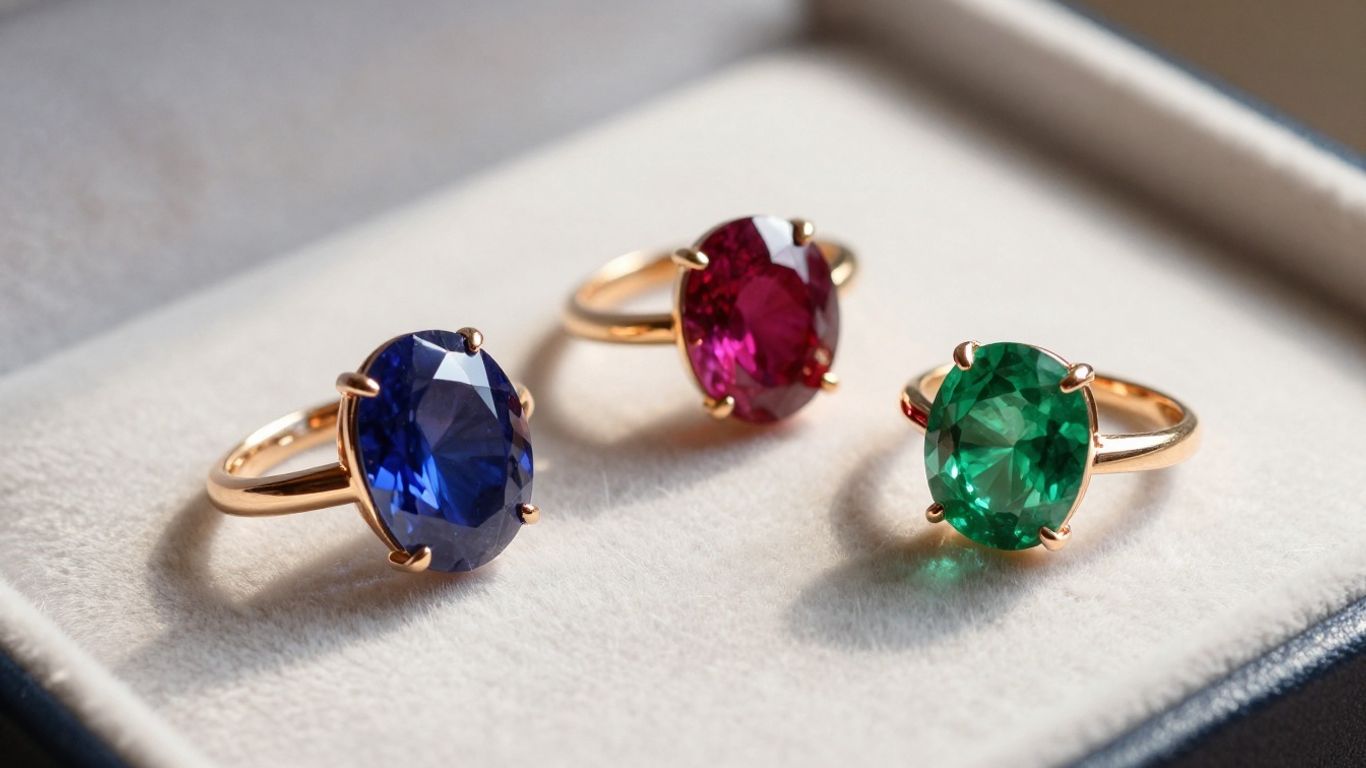
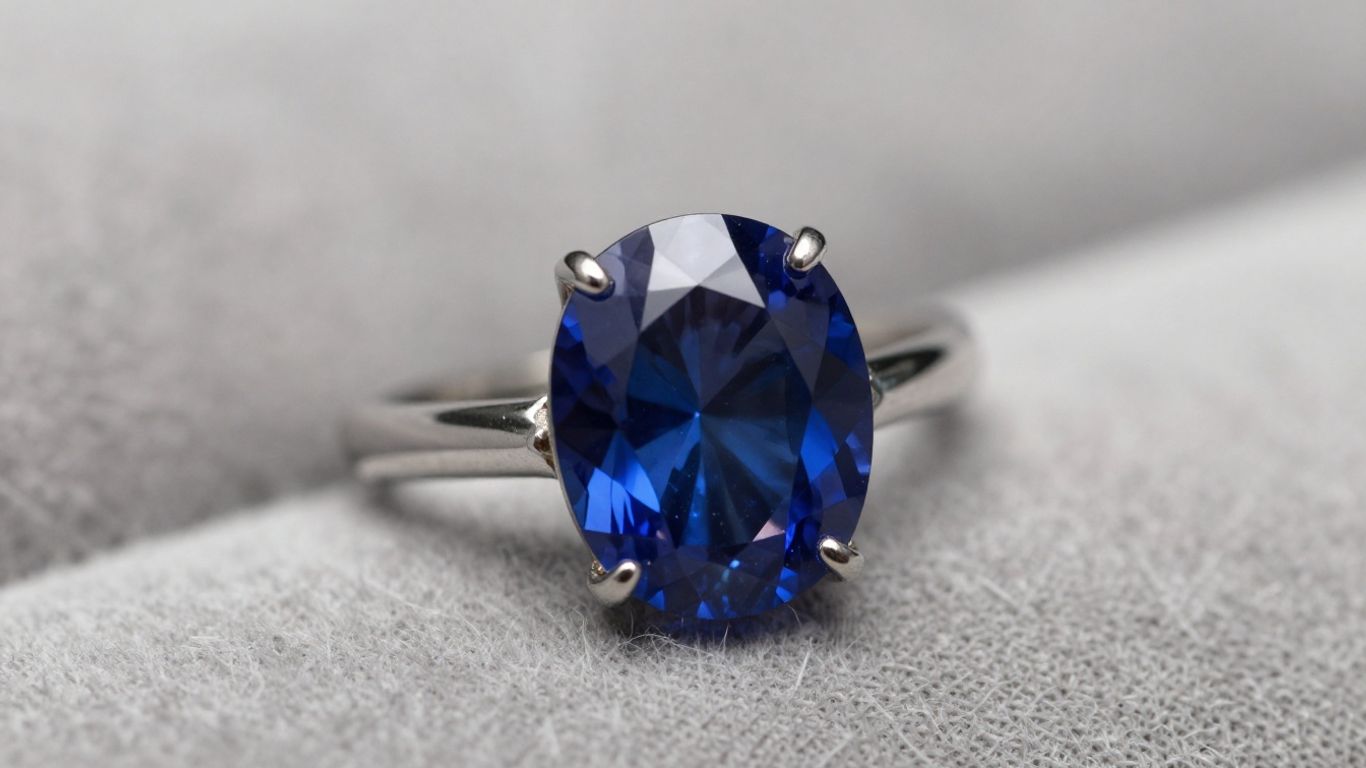
Sapphire is a popular engagement-ring stone because it combines strong scratch resistance with a wide range of colors. Blue remains the best-known choice, but pink, yellow, green, and parti-colored sapphires can feel just as individual. A well-cut sapphire can look graceful in a plain solitaire or more ornate in a halo setting.
When viewing blue sapphires, pay attention to whether the color looks lively in different lighting. Very dark stones can lose brightness, while pale stones may have a lighter, more delicate character. The best choice is the one whose color remains attractive to you rather than the one described with the most impressive-sounding label.
Ruby for bold color and lasting symbolism
Ruby offers a saturated red center stone with a strong visual presence. Its color can range from pinkish red to deep red, and its inclusions are common rather than automatically disqualifying. A ruby with good life and pleasing color may be more compelling than one that is technically cleaner but visually flat.
Treatments are particularly worth discussing when buying ruby. Ask what has been done, whether the treatment is routine or significant, and how it affects care. For more inspiration around the stone’s emotional and bridal associations, explore this ruby bridal jewelry guide, while remembering that a ring center stone has its own requirements for setting and daily wear .
Emerald for vintage-inspired elegance
Emerald brings a rich green color and an unmistakable old-world mood. Its internal inclusions, often called jardin, are part of the stone’s identity and can create a soft, garden-like appearance. Emerald-cut emeralds are especially appealing to people who enjoy clean geometry and a vintage influence.
Emerald is less forgiving than sapphire or ruby because it can be more vulnerable to scratches, impact, and pressure around inclusions. It is a beautiful choice for a wearer willing to remove the ring during demanding activities and follow the jeweler’s cleaning advice.
Morganite, aquamarine, and other romantic options
Morganite is known for blush, peach, and pink tones, while aquamarine offers a cool blue that can feel airy and understated. Both stones suit delicate settings and warm metals particularly well. They can also provide a larger-looking center stone at a different price point than a comparable sapphire or ruby.
These softer choices call for realistic expectations. A ring worn every day may need a protective setting, periodic inspection, and more frequent removal during exercise or manual work. Beauty is not reduced by that care requirement; it simply becomes part of the ownership experience.
Opal, tourmaline, and distinctive nontraditional choices
Opal can display shifting flashes of color, and tourmaline appears in an unusually broad range of hues, from green and pink to blue and watermelon combinations. These stones are attractive for someone who wants a ring that cannot be mistaken for a conventional design. Their individuality often comes from natural variation rather than uniform perfection.
Because many nontraditional stones are more sensitive to impact, heat, moisture changes, or scratching, ask how the exact stone should be worn. A design intended for occasional wear may be ideal for one person and frustrating for another. The appeal is strongest when the stone’s care needs match the wearer’s habits.
Evaluate gemstone quality before you buy
Colored gemstone quality is best understood as a conversation among several characteristics rather than a single grade. A stone’s appearance in person, especially under more than one light source, can reveal details that a photograph hides. Ask to see the stone from the side as well as from the top, and request plain explanations for any treatment or grading language.
How color affects beauty and value
Color usually has the greatest visual effect in a colored gemstone. Look for an attractive hue, even distribution, good saturation, and enough brightness that the stone does not appear sleepy or overly dark. The ideal balance varies by gem: a vivid ruby, a rich emerald, and a light aquamarine are not judged by the same visual standard.
Try the stone against the proposed metal and next to your skin. Reflections from the setting can change how the color reads, and a shade that looks beautiful loose may feel different once surrounded by gold or platinum. Personal color preference matters more than a prestige term you do not actually enjoy looking at.
Understanding clarity, inclusions, and treatments
Inclusions are internal features created during a gemstone’s formation. Some are expected and can help confirm that a stone is natural, while others may reduce transparency or make it more vulnerable to damage. The question is not simply whether inclusions exist, but whether they affect beauty, stability, or value.
Treatments can improve color, clarity, or overall appearance. Heat treatment is common for several gemstones, while other treatments may require special care or disclosure. Get the treatment history in writing and ask whether ordinary household cleaning, steam, or ultrasonic equipment is safe.
Why cut and shape influence sparkle
A gemstone’s shape affects its outline, proportions, and visual personality. Round and oval stones can feel lively and traditional, emerald cuts emphasize clarity and broad flashes, and pear or marquise shapes create a more elongated silhouette. The cut controls how successfully the stone returns light, although colored gems are not always cut for diamond-like brilliance.
Watch for a window, which is a see-through area that can make a stone look washed out when viewed face-up. Also check for uneven color caused by the direction in which the crystal was cut. A pleasing balance of brightness and color is usually more valuable to the eye than a fashionable shape alone.
How carat weight differs across gemstones
Carat measures weight, not visible size. Different gemstones have different densities, so two stones with the same carat weight can look noticeably different across the top. A high-density ruby may appear smaller than a lower-density stone of equal weight.
Compare measurements in millimeters as well as carat weight. This gives you a better sense of how the center stone will sit in the setting and how much presence it will have on the hand. Proportion matters too: an unusually deep stone may carry weight underneath rather than contributing to visible spread.
When certification and origin matter
A laboratory report can identify a gemstone, document treatments, and sometimes offer an opinion about origin. Reports are especially useful for higher-value stones, unusual claims, and purchases where provenance affects the price. Origin can matter greatly for some rubies, sapphires, and emeralds, but an origin statement should never replace an assessment of the stone’s actual beauty.
Read the report carefully and confirm that it belongs to the exact stone being offered. If the ring is a significant purchase, an independent appraisal can help document its description and replacement value for insurance. Keep the report, receipt, and treatment information together.
Choose a practical gemstone for everyday wear
An engagement ring is exposed to ordinary friction, knocks, cosmetics, water, and household surfaces. The most beautiful stone is not necessarily the most suitable for constant wear. Think honestly about whether the ring will stay on during work, travel, exercise, and sleep, then choose a gemstone and setting that can tolerate that routine.
The Mohs hardness scale and daily durability
The Mohs scale measures resistance to scratching, but it does not measure every aspect of durability. A hard stone can still chip if it has cleavage or a vulnerable inclusion, while a slightly softer stone may remain attractive for years with thoughtful handling. Hardness is a useful starting point, not a complete wear rating.
Ask about toughness, cleavage, and sensitivity to heat or chemicals as well. These factors help explain why two gemstones with similar hardness may have very different care instructions.
Which stones are most resistant to scratches
Sapphire and ruby are corundum varieties and are generally well suited to frequent wear. Diamond is harder still, though this article is focused on colored center stones. Spinel can also be a practical colored option, while emerald, morganite, aquamarine, opal, and some tourmalines require more caution depending on the individual stone and design.
A scratch-resistant gemstone can still be damaged by a sharp blow. Removing the ring for climbing, gardening, heavy lifting, or contact sports is a simple habit that protects both the stone and the setting.
How cleavage and inclusions affect durability
Cleavage describes a tendency to split along particular structural planes. If a gemstone has cleavage near a thin edge or an exposed point, a hard impact may be more consequential than its hardness number suggests. Fractures and prominent inclusions can create similar concerns.
This is why a jeweler should inspect the exact stone rather than offering only a general statement about the gem variety. A protective design can reduce exposure, but it cannot eliminate the need for sensible handling.
Matching the gemstone to your lifestyle
Your daily routine should shape the decision. Someone who works at a desk and removes jewelry for exercise may be comfortable with a more delicate stone, while someone who works with their hands may prefer sapphire, ruby, or a low-profile setting. Travel, childcare, pets, and frequent handwashing can also affect what feels practical.
A short checklist can make the conversation more concrete:
- Will the ring stay on during work and exercise?
- Do you regularly use cleaning products or tools?
- Are you comfortable removing and storing the ring each day?
- Would a scratch or small chip feel upsetting, or part of the stone’s character?
The answers do not dictate the design, but they reveal whether the ring’s care demands fit real life. Comfort and confidence are part of durability too.
When protective settings are essential
A bezel surrounds the gemstone with metal and can shield its edges, while a halo may add some protection depending on how it is constructed. Prongs can be secure and elegant, but exposed corners and points deserve careful placement. Emeralds, opals, and other vulnerable stones often benefit from designs that reduce direct contact with hard surfaces.
Ask how easily the ring can be inspected and repaired. A setting that protects the stone but traps dirt or makes prong checks difficult may require more maintenance than expected.
Select a setting and metal that complement the stone
The setting is both the architecture and the daily protection of a ring. It determines how much of the gemstone is visible, how high it sits, and how easily it catches on clothing. Metal color changes the apparent temperature of a gemstone, while the band’s shape influences how the engagement ring will sit beside a wedding band.
Choosing between solitaire, halo, and three-stone designs
A solitaire leaves the center stone visually clear and often suits a strong color or distinctive shape. A halo adds surrounding sparkle and can increase the ring’s visual scale, though its extra details may compete with a subtle gemstone. Three-stone designs create a broader silhouette and can carry personal meaning through the relationship among the stones.
Consider the center stone first, then decide how much visual activity belongs around it. A dramatic emerald may need breathing room, while a pale morganite can benefit from a frame that adds contrast.
How bezel and prong settings protect gemstones
A bezel setting uses a rim of metal around the stone, offering useful protection for edges and corners. It creates a sleek, modern appearance and can be especially appealing for a low-profile ring. Prong settings expose more of the gemstone to light and can make a stone look larger, but the prongs need regular inspection.
The right choice depends on the stone’s shape and vulnerabilities. Rounded stones may work beautifully with several setting styles, while pointed or included stones often need extra attention around their most exposed areas.
Pairing gemstones with yellow, white, or rose gold
Yellow gold can enrich warm ruby, peach morganite, and certain green stones, while white gold and platinum create a cooler, crisp contrast. Rose gold brings a soft blush that can complement pink, peach, and some champagne-toned gems. These are tendencies rather than rules; contrast can be just as attractive as harmony.
View metal samples beside the actual gemstone whenever possible. Lighting, polish, and alloy color can change the result, and a computer rendering is rarely a perfect substitute for seeing the combination on the hand.
Coordinating the engagement ring with a wedding band
A wedding band should fit beneath or beside the engagement ring without forcing either piece into an awkward angle. Some settings need a curved, notched, or contoured band, while a straight band may leave a deliberate gap. Mixed metals can look intentional when repeated through the rest of the jewelry.
For a cohesive bridal set, think about scale, finish, and gemstone color together. This bridal jewelry coordination guide explores how stones and metals can work as a group, which is useful even when your engagement ring centers on a colored gem.
Balancing style, security, and maintenance
A high setting can make a center stone look prominent but may catch more easily. Fine prongs may appear delicate, yet they can need more frequent checking than a heavier protective design. The most successful ring is one whose beauty does not require you to worry constantly about wearing it.
Before ordering, ask how the ring should be cleaned, how it can be resized, and whether the setting can be repaired locally. Those practical details often reveal more about long-term suitability than a photograph does.
Shop for an ethical and responsibly sourced ring
Responsible buying begins with transparency rather than a single marketing phrase. Ask where the gemstone came from, what treatments it received, and which parts of the ring can be documented. A seller who answers plainly is more reassuring than one who relies on vague claims about rarity or purity.
Questions to ask about gemstone origin
Ask whether the stone is natural, lab-grown, or synthetic; whether its origin is known; and whether a laboratory report supports the claim. Origin information may be unavailable for some stones, and that is different from a confirmed origin. The important point is that the seller should distinguish what is known from what is assumed.
You can also ask how the stone moved through the supply chain and whether the jeweler works with suppliers who disclose sourcing practices. For a broader comparison, this ethically sourced ring guide discusses conflict-free diamonds and recycled precious metals, ideas that can inform a colored-gemstone purchase as well.
Understanding treated, lab-grown, and synthetic stones
A treated gemstone is a natural or lab-grown stone that has been altered to improve its appearance. A lab-grown stone is created in a laboratory but may share the chemical and physical characteristics of its natural counterpart. “Synthetic” generally means a man-made stone with the same essential properties as the natural gem, while an imitation only resembles it.
None of these categories should be hidden. Their differences affect price, care, rarity, and personal preference. Ask for the exact terminology in writing and make sure it matches the invoice and any accompanying report.
Finding recycled metals and responsible suppliers
Recycled gold and platinum can be options for buyers who want to reduce reliance on newly mined metal, although the chain of custody and terminology still deserve clarification. Responsible suppliers should be willing to explain their policies without presenting broad environmental claims as proof of every part of the ring’s history.
Look for clear material descriptions, realistic sourcing statements, and a business address or customer-service process you can verify. A responsible jewelry supplier should make it easier to understand the ring’s materials rather than asking you to accept an attractive slogan.
How warranties, appraisals, and return policies help
A return policy gives you time to reconsider the fit, color, and disclosed treatment under ordinary viewing conditions. A warranty may cover manufacturing defects but exclude wear, loss, accidental damage, or alterations, so read its boundaries carefully. An independent appraisal can document the ring for insurance and future reference.
Keep receipts, reports, photographs, and repair records. If a seller offers a consultation, use it to ask practical questions rather than treating the conversation as a substitute for written documentation. The same habit of checking credentials and transparency that helps when selecting a cosmetic dentist can be useful when evaluating any high-value service or purchase.
Warning signs of misleading gemstone claims
Be cautious when a seller refuses to disclose treatment, uses “investment grade” without a recognized definition, or describes every stone as rare. A dramatic discount can also be a reason to ask more questions, not proof of a bargain. Claims about ethical sourcing should identify what was checked and by whom.
A trustworthy purchase leaves you with enough information to compare options calmly. If the answers feel evasive before the sale, they are unlikely to become clearer after it.
Care for gemstone engagement rings over time
Even a durable gemstone benefits from considerate care. Dust and lotion can reduce sparkle, while small shifts in a setting may become expensive if ignored. A simple routine—gentle cleaning, sensible removal, and periodic inspection—usually does more good than occasional aggressive polishing.
Cleaning methods for different gemstone types
For many durable stones, lukewarm water, mild soap, and a soft brush are a safe starting point. Rinse over a bowl rather than an open drain and dry the ring with a lint-free cloth. Emerald, opal, treated stones, and porous or fracture-filled gems may need more specific instructions.
Do not assume an ultrasonic cleaner or steam cleaner is safe because a gemstone looks hard. Ask the jeweler about the exact stone and treatment before using professional-style equipment at home. A practical jewelry care routine can also help you build consistent cleaning and storage habits.
Household chemicals and activities to avoid
Remove the ring before using bleach, strong cleaners, solvents, or abrasive products. Chlorine and other chemicals can affect some metals and may worsen existing fractures or treatments. Heat, sudden temperature changes, and prolonged direct sunlight can also be problematic for certain gems.
Take the ring off for gardening, swimming, weight training, climbing, and hands-on repairs. These activities combine impact, dirt, and snagging risk in ways that ordinary daily wear does not.
How often to inspect the setting
Look at the prongs and edges every few weeks in good light. A loose stone, bent prong, worn bezel, or unexplained rattling deserves prompt attention. It is easier to fix a small setting problem than to replace a gemstone that has fallen out.
The inspection can become part of your normal cleaning routine. Gently wipe the ring, check that the stone is not moving, and note any new scratches or changes in the metal.
When to use professional cleaning and repairs
A jeweler should handle repairs, resizing, repolishing, and any cleaning method that may affect the gemstone or treatment. Professional inspection is especially sensible after a strong impact, when a ring catches repeatedly, or when the setting looks uneven.
The timing depends on the design and how often the ring is worn, but an annual check is a reasonable general habit for a frequently worn ring. More delicate stones or intricate settings may need attention sooner.
Safe storage for the ring between wears
Store the ring separately in a lined compartment or soft pouch so it cannot rub against harder jewelry. Keep it away from bathroom counters, open windows, and places where it can be knocked into a sink or floor. If the stone is sensitive to dryness, heat, or sunlight, follow the specific storage advice provided by the jeweler.
A consistent storage place also reduces the chance of misplacing the ring. When traveling, use a compact jewelry case with individual sections rather than wrapping the ring loosely with other pieces.
Conclusion
The perfect gemstone engagement ring is not simply the brightest or rarest stone; it is the one whose color, durability, setting, sourcing, and care requirements suit the person who will wear it. Compare stones in person, ask direct questions, and choose a design that feels beautiful without becoming impractical. With that balance in mind, a colored gemstone can become a deeply personal symbol built to be enjoyed for years.
Frequently Asked Questions
Are gemstone engagement rings durable enough for everyday wear?
Some are, especially sapphire and ruby, but durability depends on hardness, toughness, inclusions, treatment, shape, and setting. Removing the ring for high-impact activities helps protect any gemstone.
Which gemstone is best for an engagement ring?
There is no universal best choice. Sapphire and ruby are practical for frequent wear, while emerald, morganite, aquamarine, opal, and tourmaline may suit someone who accepts more careful handling.
Do colored gemstones need a grading report?
A report can be valuable for expensive stones, treatment disclosure, origin claims, or unusual gems. It identifies what has been examined and gives you useful documentation for comparison and insurance.
Is a treated gemstone a bad choice?
Not necessarily. Treatments are common and can improve a gemstone’s appearance, but they should be disclosed because they may affect value and cleaning requirements. The key is understanding exactly what treatment was used.
What metal looks best with a colored gemstone?
Yellow, white, and rose gold can all work beautifully. The best choice depends on the stone’s undertone, the contrast you prefer, your existing jewelry, and how you want the engagement ring to coordinate with a wedding band.
How should a gemstone engagement ring be cleaned?
For many durable stones, mild soap, lukewarm water, and a soft brush are suitable. Softer, porous, treated, or fracture-filled stones may require different methods, so confirm the advice for the exact gemstone.
Should I insure a gemstone engagement ring?
Insurance can be worthwhile for a valuable or emotionally important ring. Keep the receipt, appraisal, laboratory report, photographs, and repair records so the insurer has an accurate description of the piece.
Precious stone bridal jewellery: how to choose timeless pieces for your wedding
10 minute read
Related blogs:
November 20, 2025
The Timeless Elegance of the Tennis Bracelet: A Comprehensive Guide
Read More
November 20, 2025
The Ultimate Guide to Styling and Wearing a Choker Necklace
Read More
November 20, 2025
Find Your Perfect Engagement Ring: A Comprehensive Guide to Styles and Diamonds
Read More
November 20, 2025
The Timeless Elegance of a Diamond Tennis Bracelet: A Buyer's Guide
Read More









.webp)

.webp)