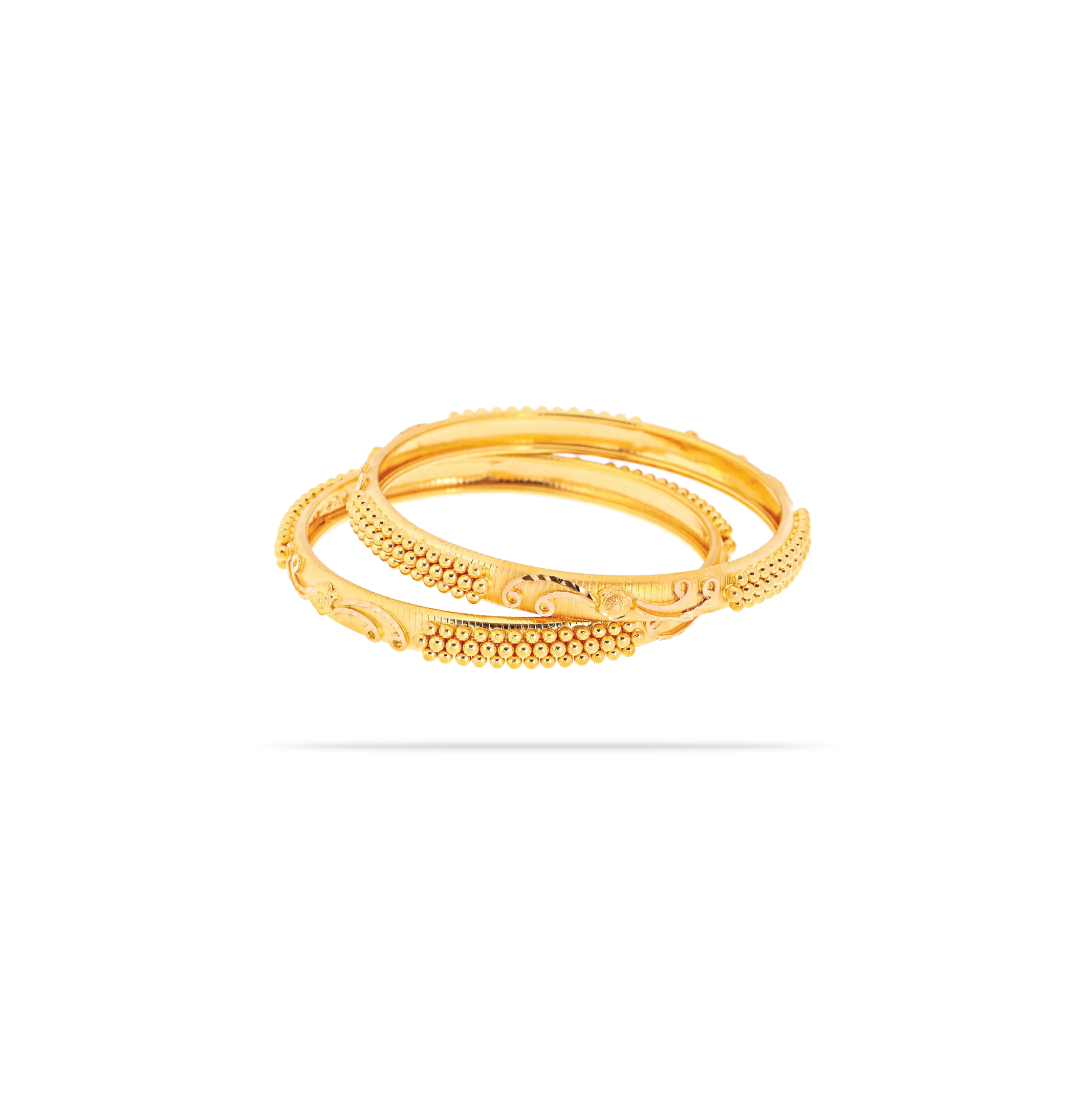
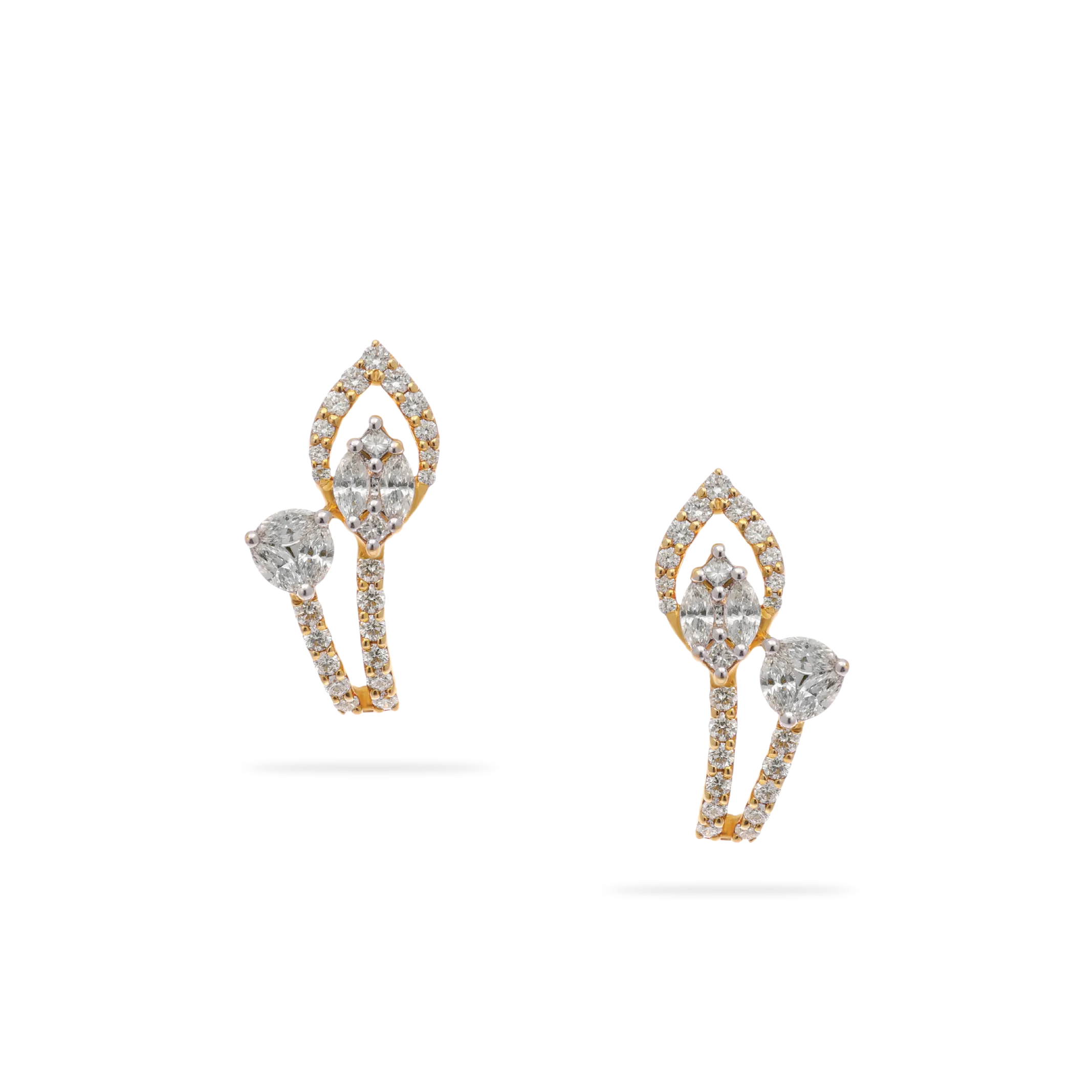
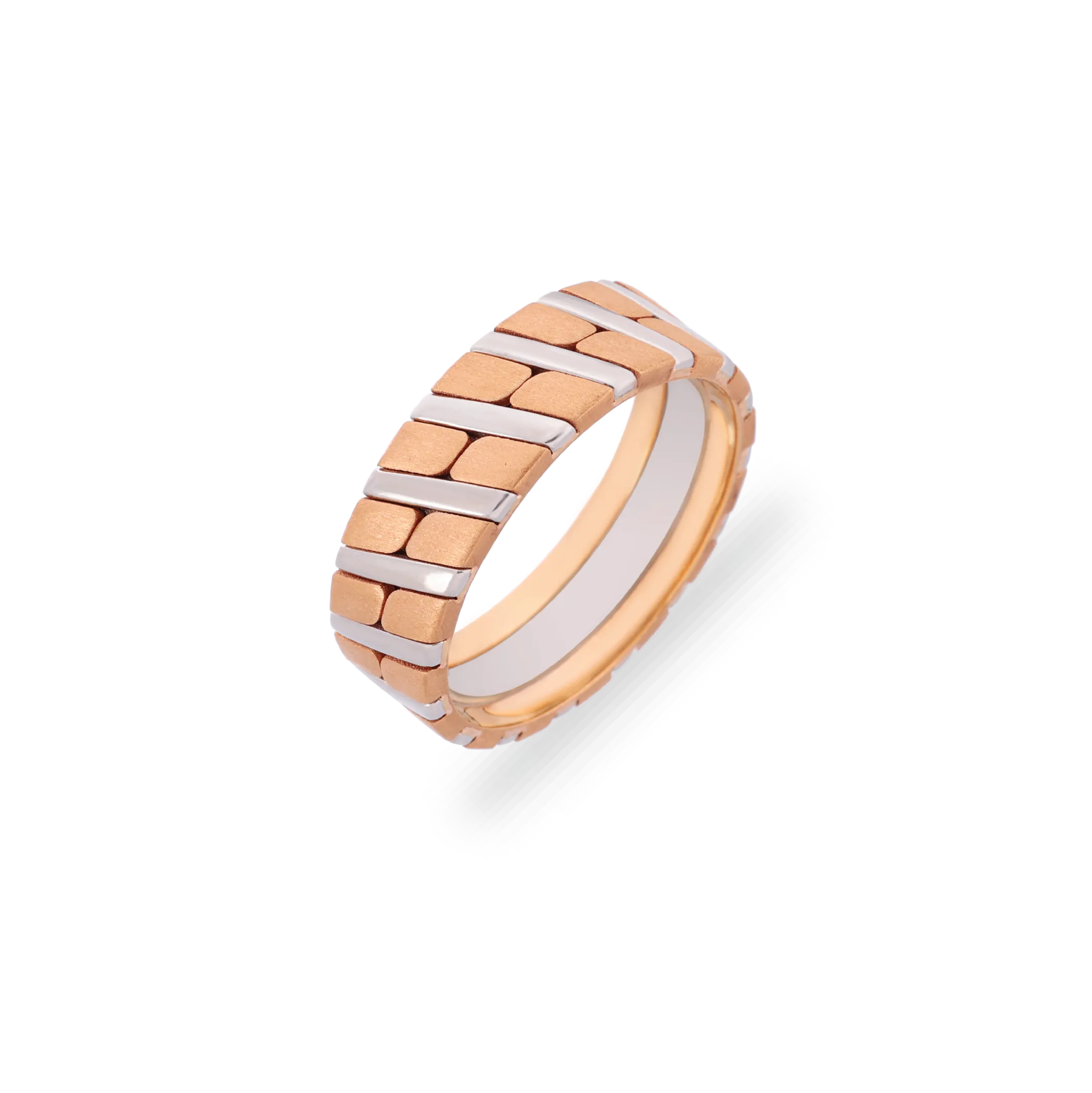
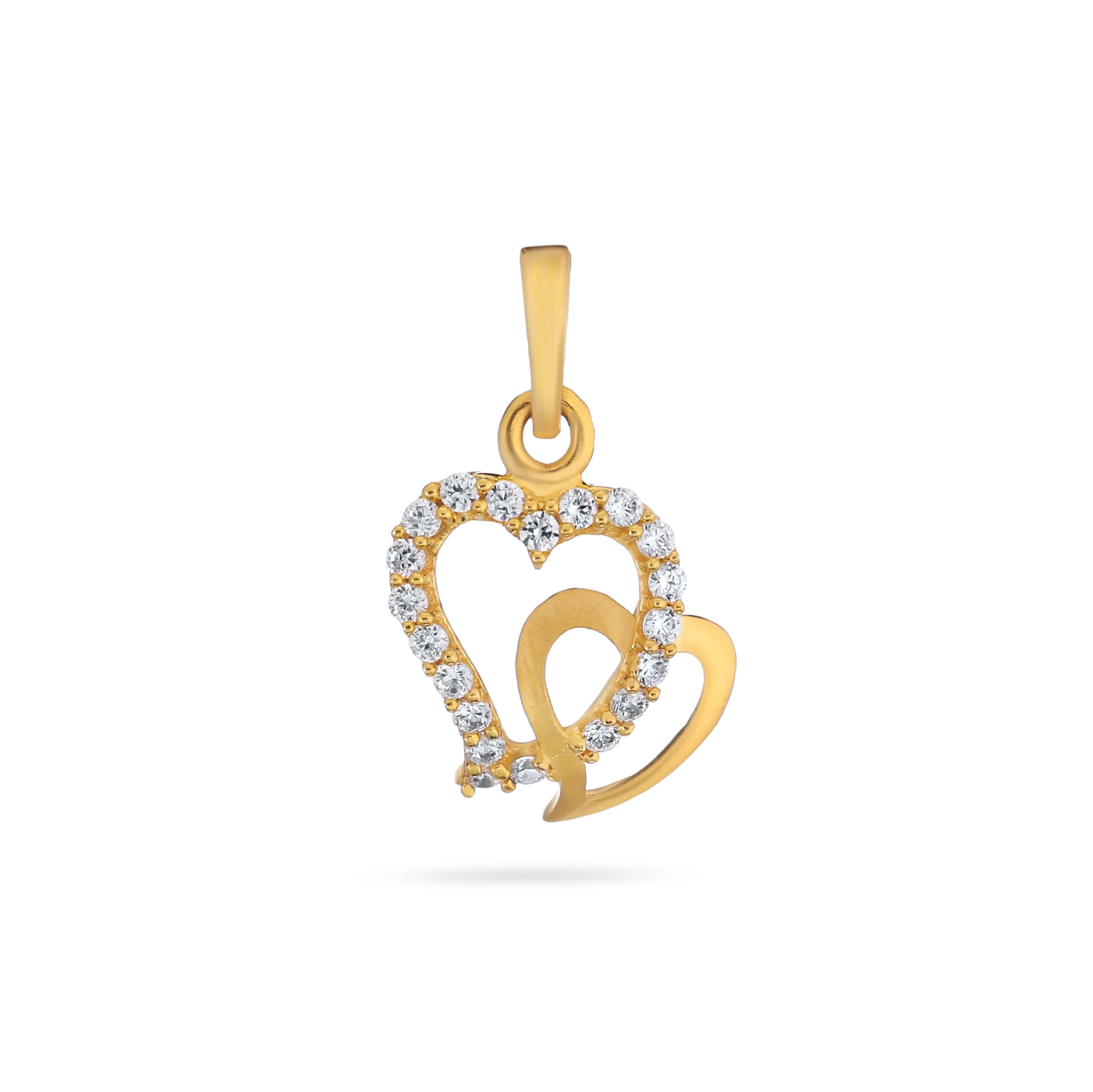
Gold hallmark explained: how to read stamps and verify gold jewelry
October 27, 2026 | 10 minutes read
Key Takeaways
Hallmarks can make a small stamp more useful, but they need to be read in context. Knowing what the marks indicate—and what they cannot prove—helps you ask better questions before buying.
- A hallmark may identify metal purity and, depending on the system, other details about a piece.
- Karat and fineness marks express the proportion of gold in different ways.
- Maker, assay office, and date marks can vary by country and period.
- A stamp is useful evidence, but it does not by itself prove a piece is genuine.
- Compare the mark with the seller’s description, paperwork, and the jewelry’s condition.
What a gold hallmark tells you
A gold hallmark is a small mark or group of marks that can offer clues about a piece’s metal content and history. What those marks mean depends on where and when the jewelry was made or tested. The phrase gold hallmark explained is a useful starting point, but the stamp is only one part of assessing a piece.
The purpose of hallmarking
Hallmarking systems provide a way to record information about precious metal articles, including their stated fineness. In places where official testing and marking are regulated, a hallmark can indicate that a piece was assessed under that system. Rules and required marks differ, so a mark familiar in one country may not be the expected format elsewhere.
How hallmarks differ from ordinary jewelry stamps
Not every number or letter pressed into jewelry is an official hallmark. A maker’s name, a retailer’s stamp, or a marking such as a style or model number may identify the maker or design without certifying metal purity. The mark’s context matters: look at the group of symbols together and consider the country and period associated with the piece.
What a hallmark can—and cannot—confirm
A purity mark can tell you the gold proportion indicated by the stamp, while other marks may point to a maker or testing authority. But a stamp cannot, on its own, establish the whole story: it may be worn, misread, or applied inaccurately. For a purchase, treat it as evidence to compare with the seller’s description and other available information, not as a guarantee of authenticity or condition.
How to read gold purity marks
Gold purity is commonly marked using either karats or a fineness number. These formats look different, but both describe how much of the metal is gold. A clear reading helps you compare pieces without assuming that every country uses the same marking conventions.
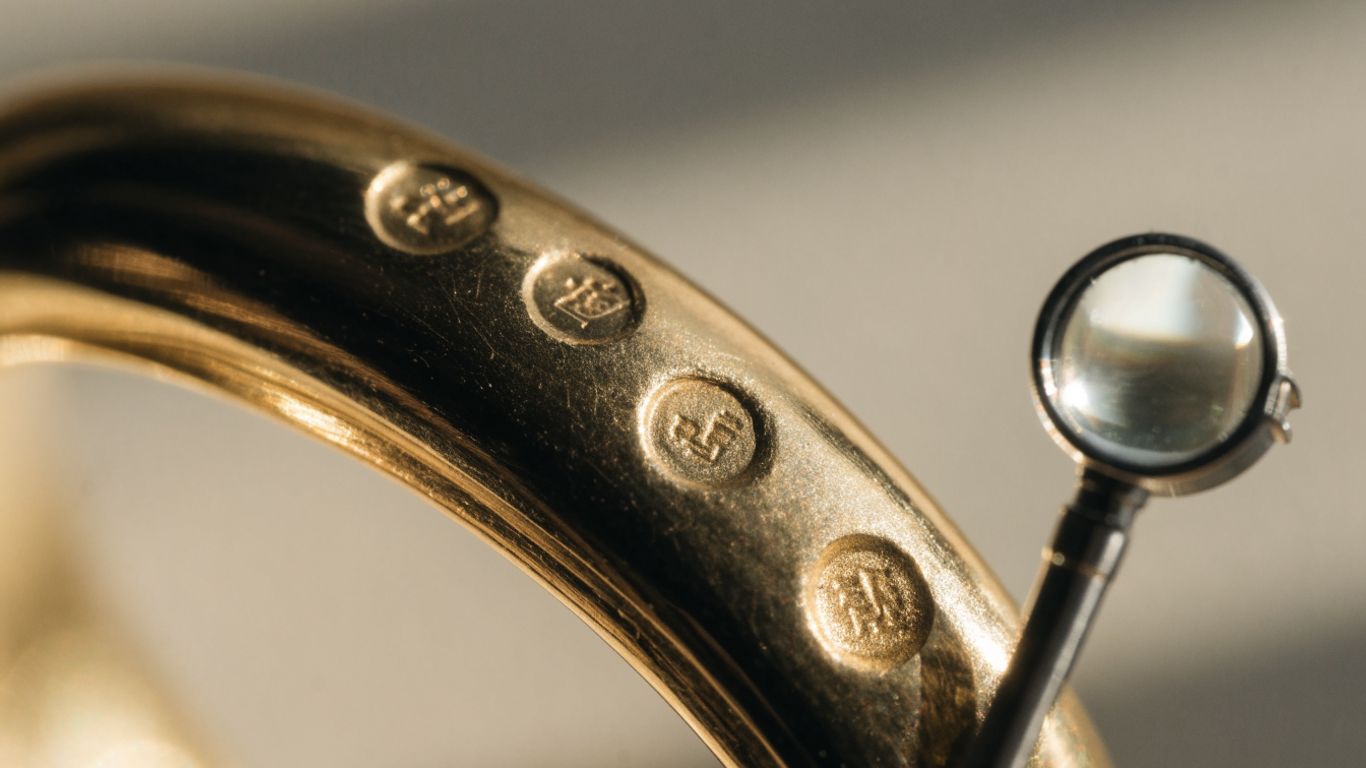
Karat marks such as 10K, 14K, and 18K
Karat marks express gold content out of 24 parts. In this system, 18K indicates 18 parts gold out of 24, while 14K and 10K indicate their respective proportions. The remaining portion consists of other metals, which are combined with gold to make the alloy used in the piece.
Fineness numbers such as 375, 585, and 750
Fineness numbers express gold content in parts per thousand. For example, 750 indicates 750 parts gold per 1,000 parts of metal. The figures below show common equivalents, though a stamp should still be interpreted according to the applicable local system.
| Karat mark | Fineness mark | Gold proportion |
|---|---|---|
| 9K | 375 | 37.5% |
| 14K | 585 | 58.5% |
| 18K | 750 | 75% |
| 22K | 916 | 91.6% |
These numbers make it easier to compare purity formats at a glance. For a practical look at stamps used in a particular system, see this guide to gold fineness marks. The mark tells you about the stated gold proportion, not the complete value or quality of the jewelry.
Why karat and fineness express the same idea differently
Karat divides the whole into 24 parts; fineness divides it into 1,000. Both describe the share of gold in an alloy, but their scales are different, so the number on one system cannot simply be read as the number on the other. Once you recognize the format, comparing pieces becomes more straightforward.
What the other hallmark symbols mean
Purity is often only one part of a group of marks. Other symbols or letters may identify a maker, a testing office, or a date, depending on the hallmarking system. Their presence and meaning are not universal, so it helps to read them as a set rather than interpreting one symbol in isolation.
Maker and sponsor marks
A maker’s or sponsor’s mark can identify the business or person responsible for submitting or making an item under a particular system. It may appear as initials, a name, or a symbol within a distinctive outline. The mark can help with identification, but it does not independently establish the piece’s purity or current authenticity.
Assay office and country marks
Some hallmarking systems include marks associated with the office that tested an item, or with the country in which the marking was applied. The symbols vary by region and era, and not every gold piece will carry the same set. A hallmarking guide by country can help explain how one system’s symbols fit together without treating them as universal.
Date letters and regional variations
In some systems, a letter or other symbol may indicate a year or period, but the style can change over time. Similar-looking marks may mean different things in different places, and an isolated letter is easy to misread. Dating is more reliable when the mark is considered alongside the other stamps and the piece’s design and construction.
How hallmarks vary across jewelry
Hallmarks are often small and placed where they will be visible for inspection but unobtrusive in wear. Their location and clarity depend on the object’s size, shape, and construction. This means a mark that is easy to find on one piece may be difficult to spot on another.
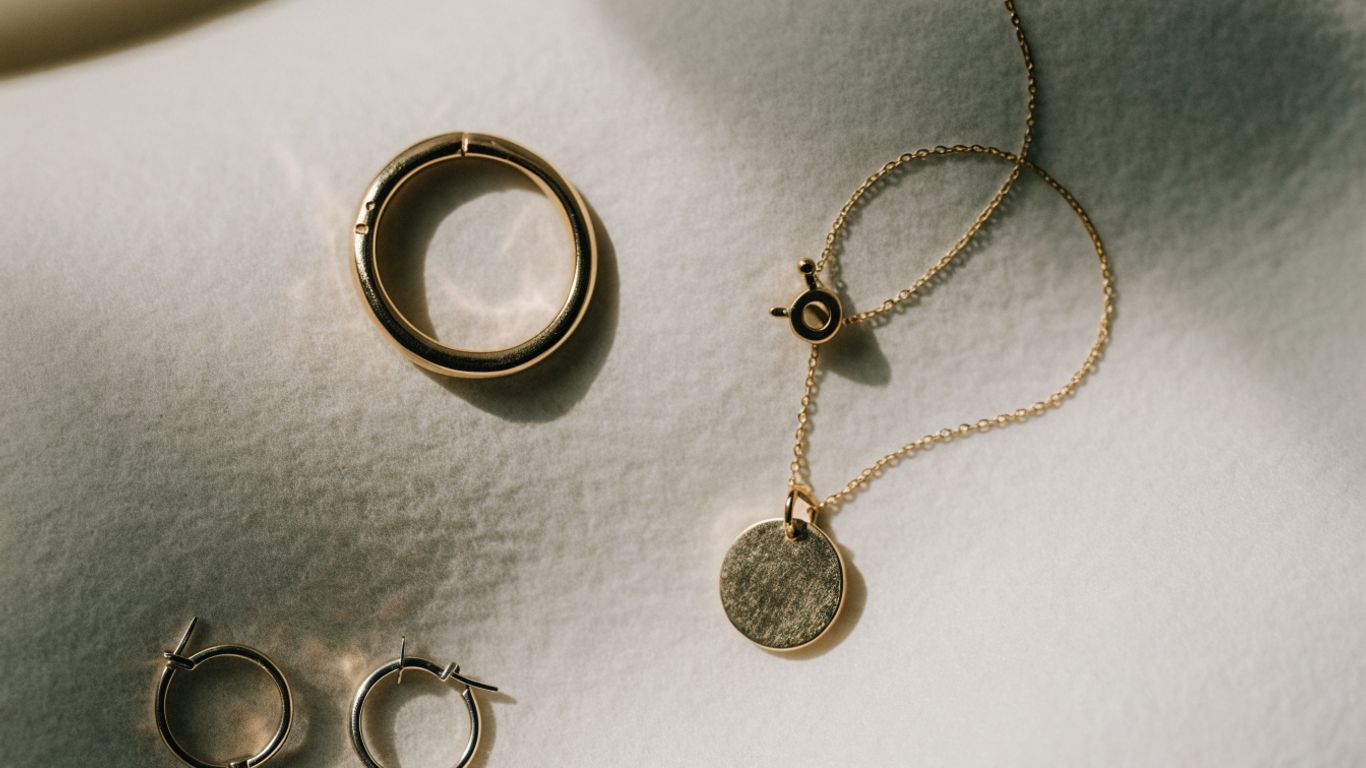
Common marks on rings, chains, and other pieces
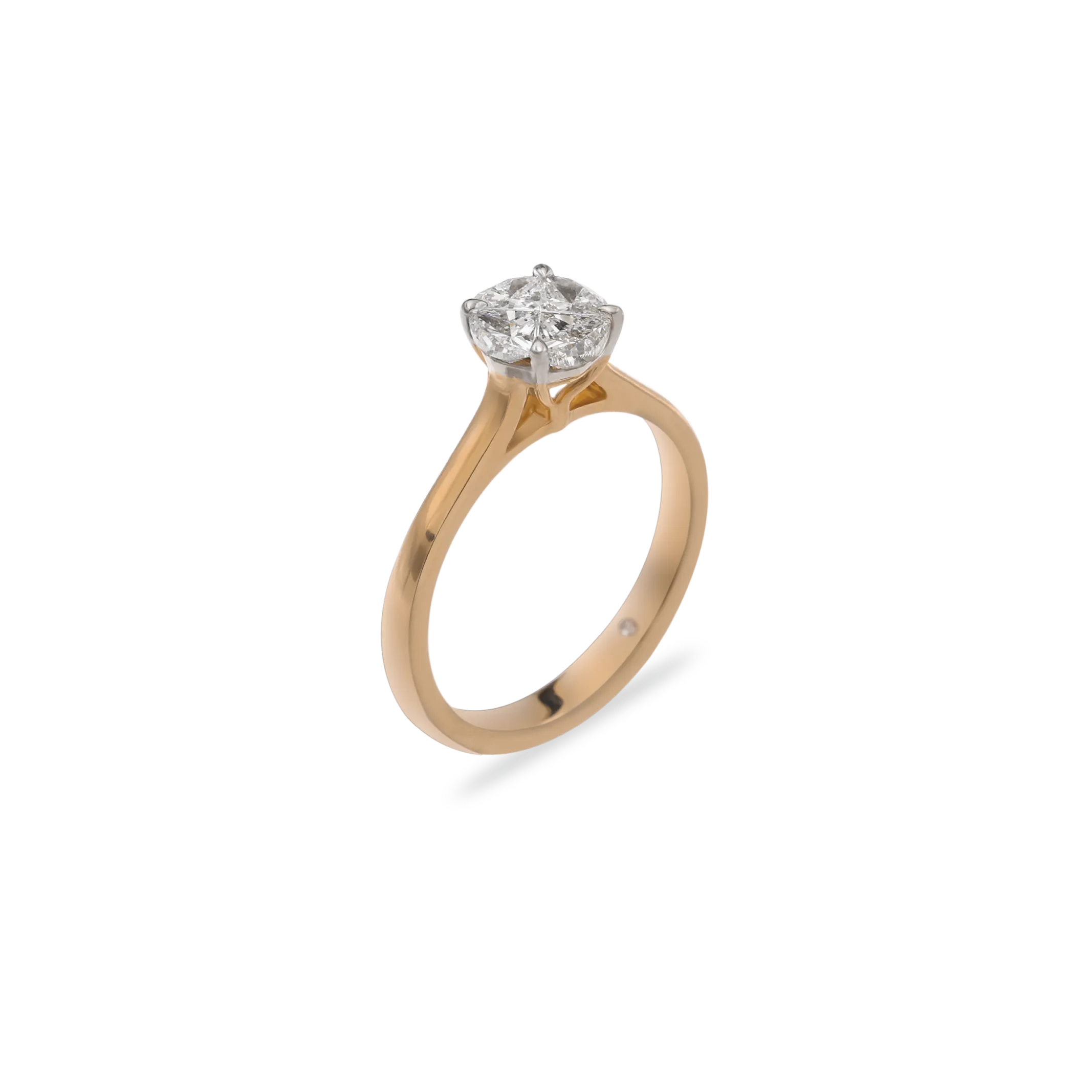
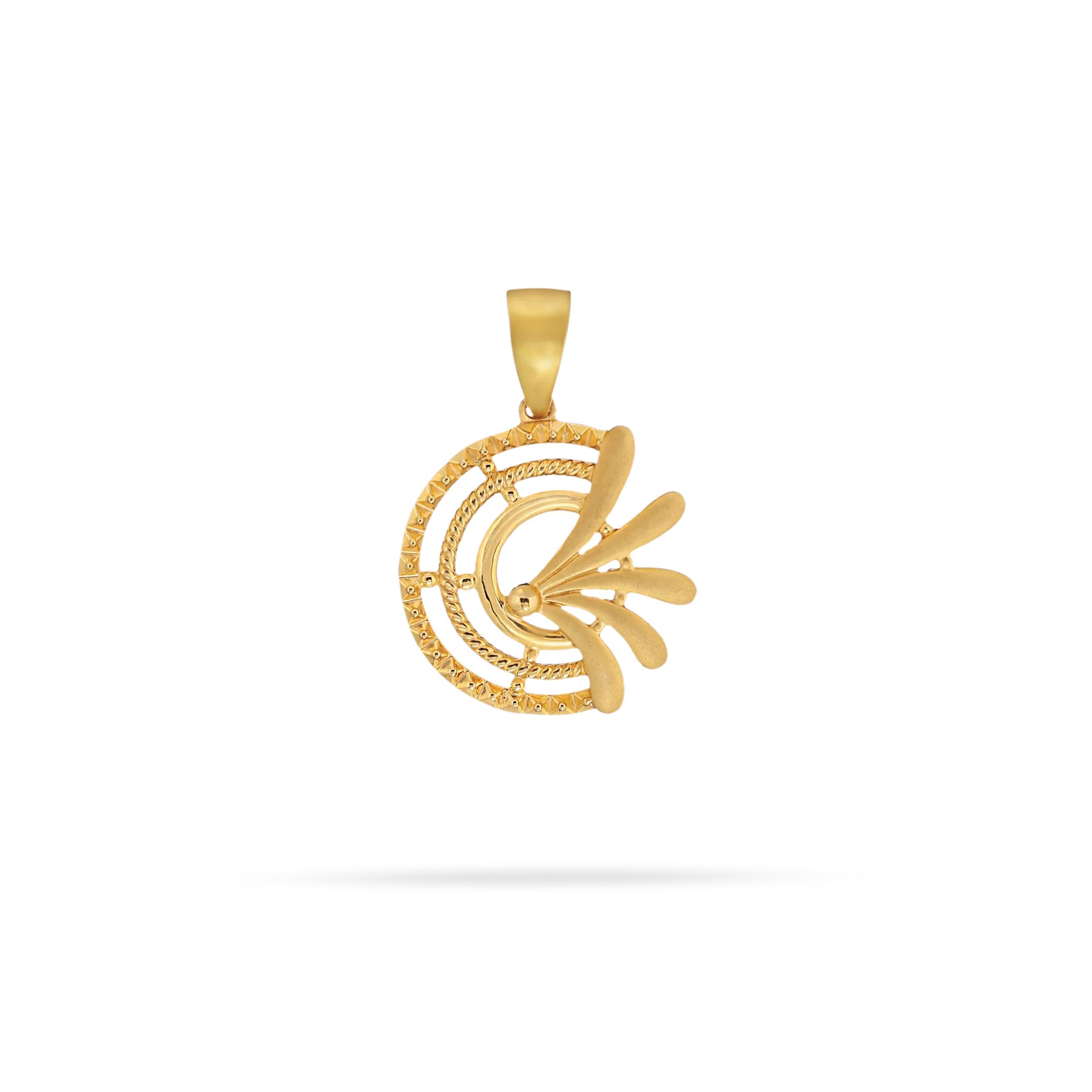
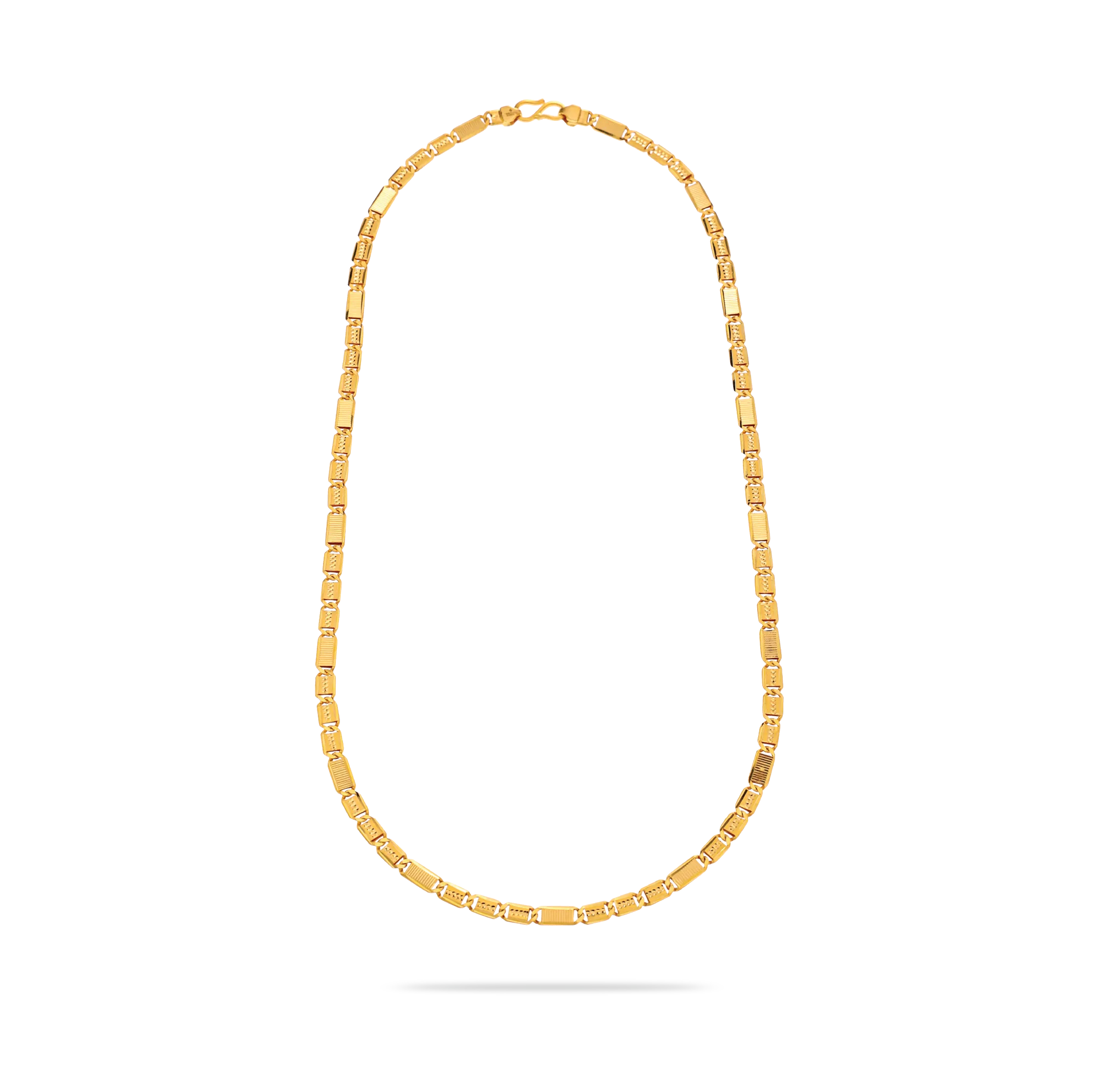
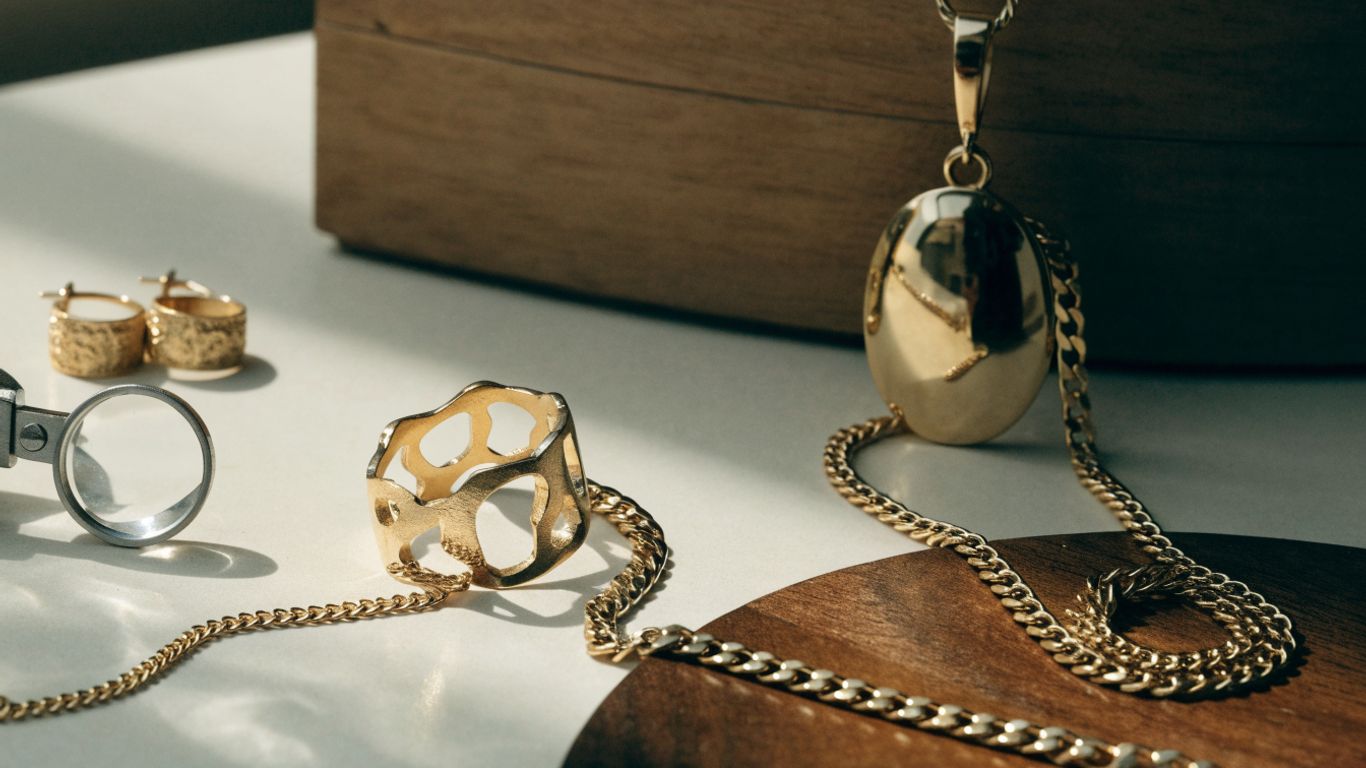
On rings, marks are often found inside the band; on chains, check the clasp or a small attached tag. Pendants and earrings may carry marks on a reverse surface or another discreet area. If you are searching for marks, inspect the piece carefully under good light rather than assuming every item has a large, prominent stamp.
Antique and vintage hallmark styles
Older jewelry may show marks in forms that differ from current examples, and years of wear can make details faint. A stamp may also reflect the rules and conventions in force when the piece was made. Avoid assigning a precise date based on one unclear character; the full set of marks and other historical clues matter.
Marks on imported or mixed-metal jewelry
Jewelry made or sold in another country may use a different purity format or a different combination of symbols. A piece can also combine gold with other metals, or include components that are not all made from the same material. Read each mark in relation to the component it appears on, and ask the seller to clarify any parts that are not covered by the stated description.
How to check whether a hallmark is genuine
A hallmark is a useful clue, but it deserves a careful look rather than a quick glance. Inspect the stamp, note where it appears, and compare it with the seller’s claims. If the piece is valuable or the marks are hard to interpret, an additional professional assessment may be worthwhile.
Where to find the mark and how to inspect it
Start with places where a discreet stamp is likely to fit, such as the inside of a ring band, a chain clasp, or the back of a pendant. Use bright light and, if available, a magnifier; rotate the jewelry to see whether shallow or worn characters become clearer. Record the symbols you can make out before trying to interpret them, so you do not fill in missing details by guesswork.
A short inspection can help you notice details that are easy to miss. Check for:
- The exact numbers, letters, and shapes in the stamp.
- Whether the mark sits on the main piece or on a separate component.
- Signs of wear that could obscure part of a character.
- Whether the stamp agrees with the seller’s stated purity.
Then compare what you observed with the item description and any documents provided. A blurry or incomplete stamp is a reason to ask questions, not a reason to assume the best or worst.
Warning signs of altered, unclear, or misleading stamps
A mark that looks unusually uneven, partly polished away, or inconsistent with other marks on the piece deserves closer attention. So does a purity stamp that conflicts with the seller’s description or appears only on a component such as a clasp. None of these signs alone proves fraud, but they are good reasons to pause and seek clarification.
When to seek an independent test or professional opinion
If a mark cannot be read confidently, or the purchase involves significant cost, ask a qualified jeweler or other appropriate professional to examine the piece. A professional can explain what a stamp appears to indicate and whether further testing is suitable. For additional background on interpreting marks, this guide to jewelry stamp meanings also notes why a stamp alone does not prove authenticity.
How to use hallmarks when buying gold
A hallmark is most useful when it is one part of a broader buying check. Consider it alongside the seller’s wording, the construction and condition of the jewelry, and any paperwork. For a broader shopping perspective, this jewelry showroom buying guide covers comparing purity information, pricing, and purchase terms.
Compare the mark with the seller’s description
Check whether the purity mark appears consistent with the karat or fineness stated in the listing or by the seller. If the stamp is missing, unreadable, or different from the description, ask for an explanation before deciding. Keep the answer and any relevant item details with your purchase records.
Understand plated, filled, and vermeil markings
Descriptions such as plated, filled, and vermeil refer to types of jewelry that have gold in a surface layer or other specified construction, rather than being solid gold throughout. The terminology and applicable standards can vary, so read the product description carefully and ask what the specific piece is made of. A gold-colored appearance or a small stamp alone is not enough to establish the construction.
Consider weight, condition, documentation, and price
Purity is only one factor in a purchase. The piece’s weight, design, condition, workmanship, and any supporting documents also affect how it should be assessed. Compare the complete description and price, and ask what is included if any detail is unclear.
Conclusion
A hallmark can offer a useful starting point for understanding gold jewelry, especially when you can read its purity mark and place the other symbols in context. Because marks vary and may be worn or incomplete, the safest approach is to compare the stamp with the seller’s description and seek professional guidance when the details or value warrant it.
Frequently Asked Questions
What does a gold hallmark tell you?
It may indicate the stated gold purity and, depending on the system, provide clues about the maker, testing office, country, or date. The marks and their meanings vary by region and period.
What does 750 mean on gold jewelry?
A 750 fineness mark indicates 750 parts gold per 1,000 parts of metal, or 75% gold. It is commonly equivalent to 18K, though context and local marking rules still matter.
Is 585 gold the same as 14K?
585 indicates 58.5% gold by fineness, while 14K describes 14 parts gold out of 24. They express approximately the same gold proportion using different scales.
Does a hallmark prove that gold jewelry is genuine?
Not by itself. A stamp is useful evidence, but it can be unclear, misread, or inaccurate, so consider it alongside the piece and the seller’s information.
Where are hallmarks usually found on jewelry?
They may be placed inside a ring band, on a chain clasp or tag, or on the reverse of a pendant or earring. Placement depends on the design and size of the piece.
Can you date jewelry from its hallmark?
Sometimes, if the relevant system uses date marks and the symbol is clear. A date letter should be interpreted alongside the other marks and the item’s style, since systems and symbols vary.
What should I do if a hallmark is unreadable?
Ask the seller for clarification and compare the answer with any product details or paperwork. If the piece is valuable or the mark remains uncertain, seek an independent professional opinion.
Related blogs:
November 20, 2025
The Timeless Elegance of the Tennis Bracelet: A Comprehensive Guide
Read More

November 20, 2025
The Ultimate Guide to Styling and Wearing a Choker Necklace
Read More

November 20, 2025
Find Your Perfect Engagement Ring: A Comprehensive Guide to Styles and Diamonds
Read More
November 20, 2025
The Timeless Elegance of a Diamond Tennis Bracelet: A Buyer's Guide
Read More