Carat vs. size diamond difference: What shoppers need to know
October 27, 2026 | 10 minutes read
Key Takeaways
Carat describes a diamond’s weight, while its visible size depends on measurements, shape, proportions, and how it is viewed. Keeping those differences in mind makes comparisons more useful than relying on a carat number alone.
- Carat is a unit of weight, not a direct measure of diameter or face-up size.
- Cut proportions and shape influence how much of a diamond’s weight is visible from above.
- Millimeter measurements help compare the actual spread of stones.
- Settings affect how prominent a center diamond looks, but cannot change its dimensions.
- A good choice balances visible size, light performance, budget, and personal preference.
What carat weight measures
Carat is one of the numbers shoppers encounter early, but it answers a specific question: how much does the diamond weigh? It does not, by itself, tell you how wide or large the stone will look from above. Understanding that distinction is the starting point for the carat vs size diamond difference.
How carats relate to a diamond’s weight
A carat is a unit of mass equal to 0.2 grams. It describes the weight of a diamond, rather than its length, width, or height. Two stones with the same carat weight can have different dimensions because their shapes and proportions may differ.
Why carat weight is not a measurement of diameter
Diameter is a physical measurement across a round diamond, usually recorded in millimeters. Carat, by contrast, is a weight measurement. A heavier diamond may have a wider face-up appearance, but the relationship is not fixed: some of its weight can sit below the part that is most visible when viewed from above.
How carats are divided into points
A carat is divided into 100 points, so a 0.50-carat diamond is also described as 50 points. Points make it easier to state weights in smaller increments, but they still describe weight, not the stone’s diameter. When comparing options, keep the point value separate from the measurements on a grading report.
Why two diamonds with the same carat weight can look different
A pair of diamonds can share a carat weight yet differ in face-up size, shape, and the way their facets return light. One may appear broader from above, while another carries more of its weight in depth. The numbers are useful, but a direct visual comparison and the stone’s millimeter measurements fill in what carat alone leaves out.
What determines a diamond’s visible size
Visible size is usually about the area a diamond seems to cover when seen from above. That impression comes from more than weight: proportions, outline, and setting all have a role. Looking at these details alongside the carat number can make a comparison feel less abstract.
How cut proportions affect face-up appearance
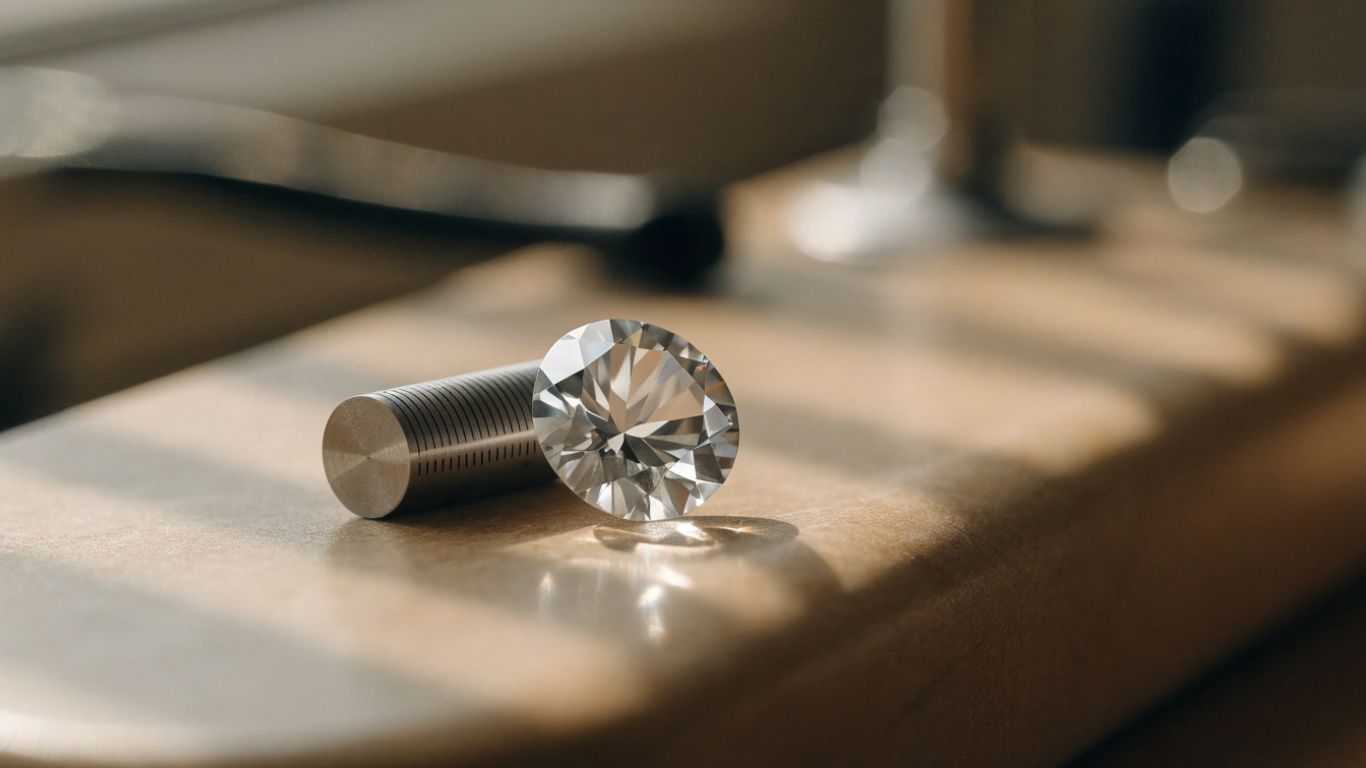
Cut proportions describe how a diamond’s parts relate to one another, and they affect how much of the stone is visible face-up. A well-proportioned stone can present its weight effectively, while a different distribution may make the top appear smaller. For more context on the subject, this guide to diamond cut quality discusses why cut matters to appearance and value.
Why depth can make a diamond look smaller
A diamond has depth as well as length and width. If a larger share of its weight is carried in the lower portion, there may be less spread across the top than a shopper expects from the carat weight. This is one reason measurements can be more revealing than a label that gives weight alone.
How shape changes a diamond’s spread
Different outlines distribute their visual area differently. An elongated shape can cover more length on the finger, while a round stone has a more balanced outline; neither shape is automatically larger in every respect. When comparing non-round diamonds, look at both length and width rather than treating one measurement as a complete picture.
How setting style influences perceived size
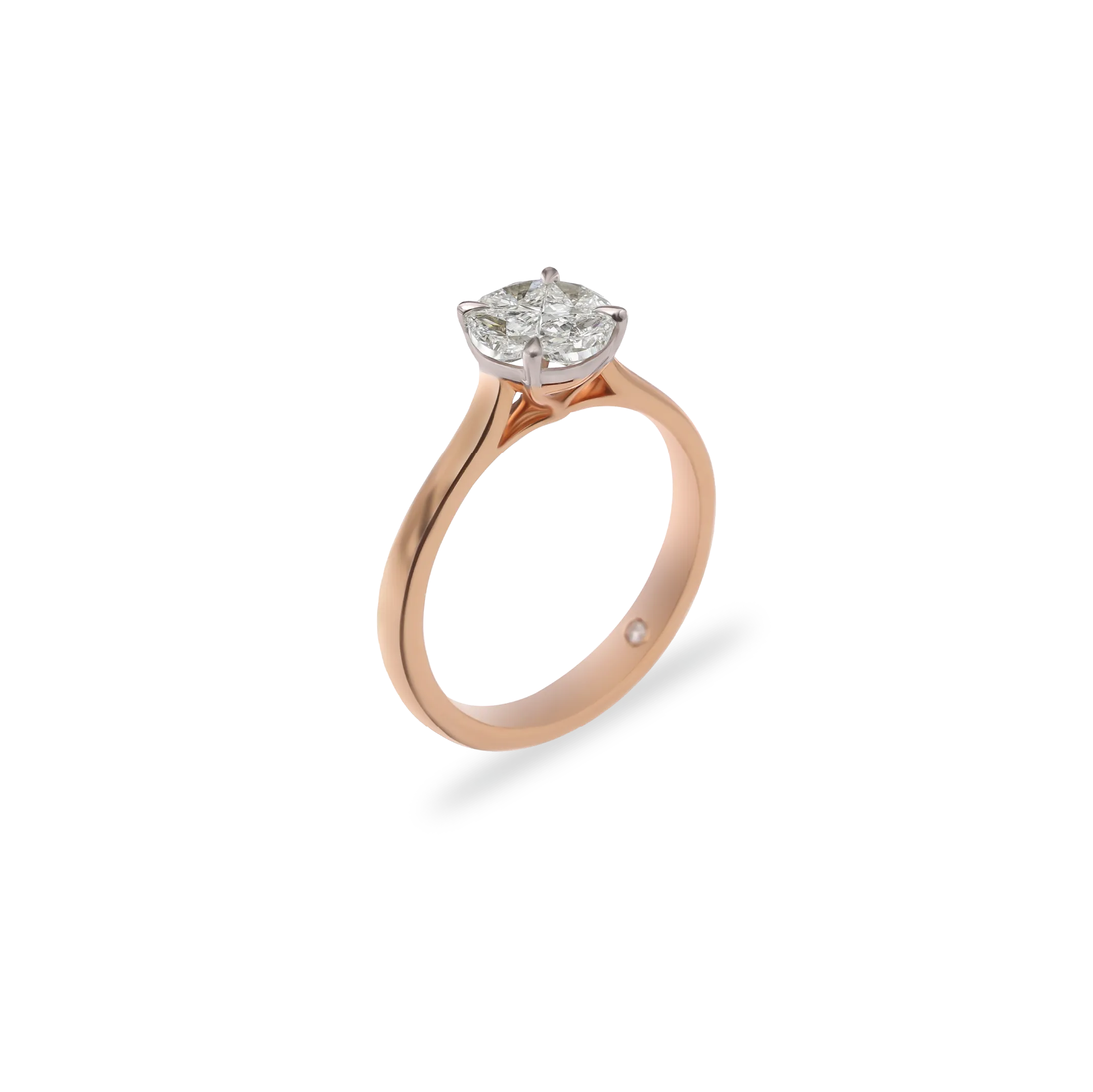
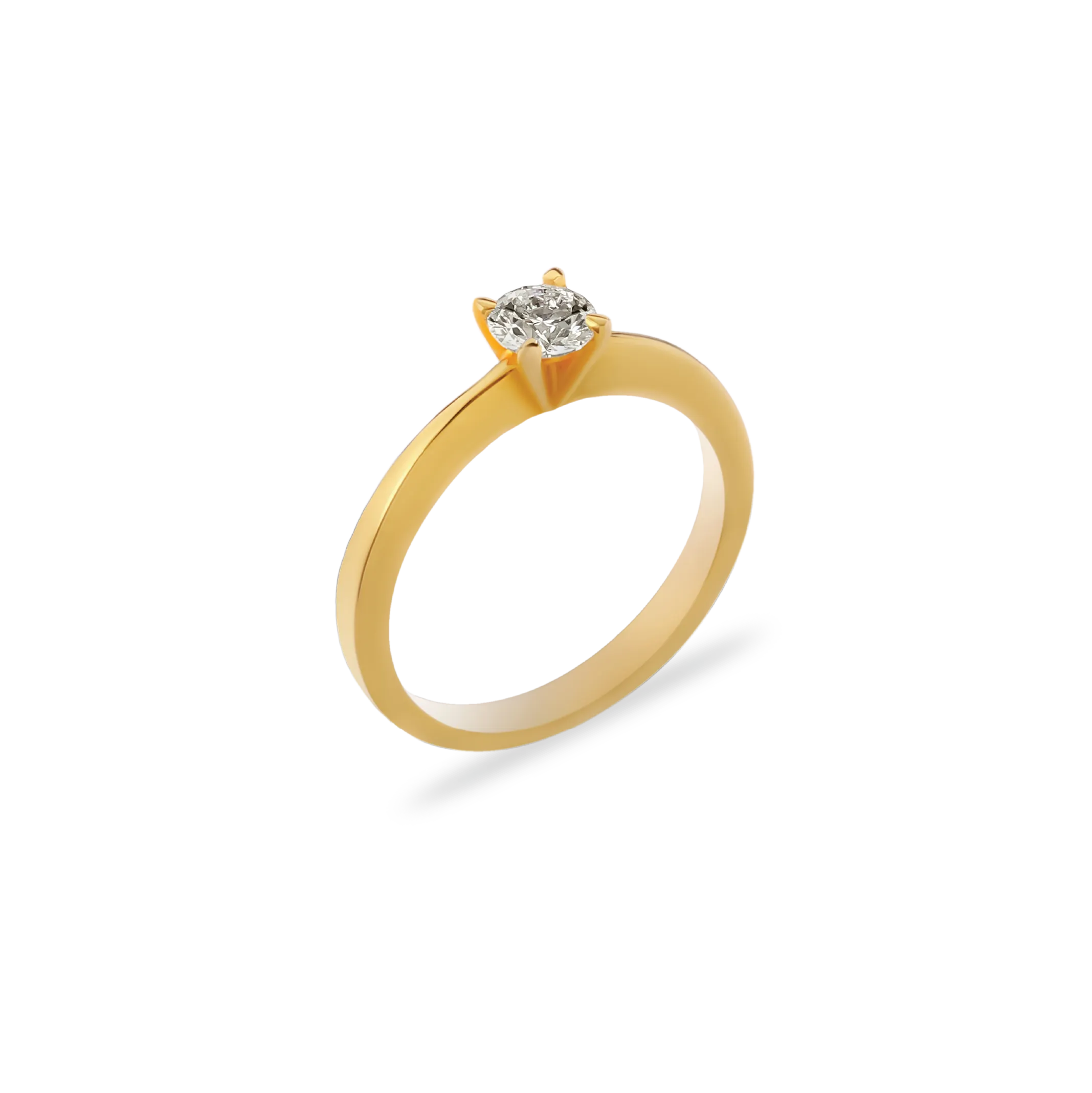
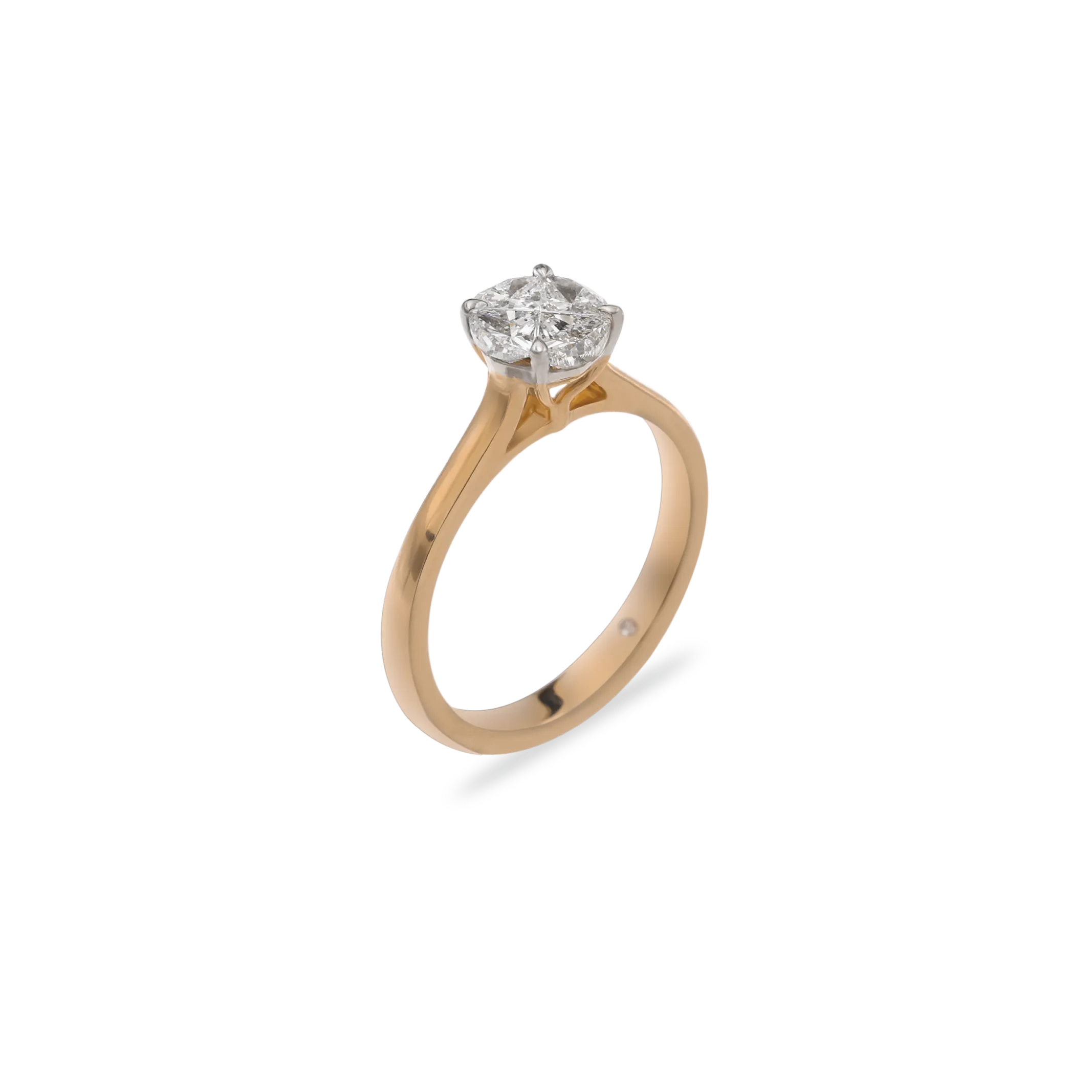
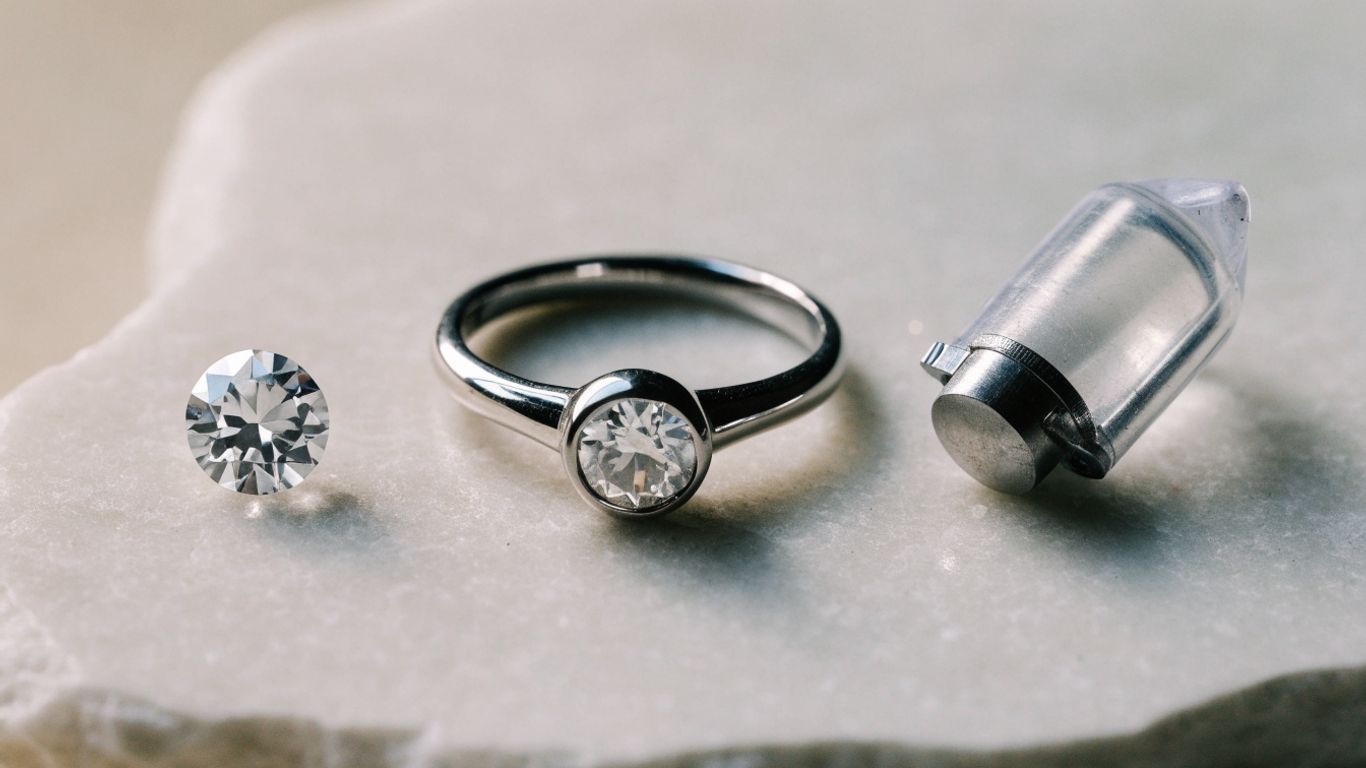
A setting frames the diamond and changes how prominent it looks, but it cannot increase the stone’s actual measurements. A slim band may leave more visual attention on the center, while a broader or more detailed setting changes the overall balance. A guide from C. Krishniah Chetty & Co on engagement ring selection covers setting and style choices alongside practical buying considerations.
How carat weight and size compare
A carat figure is consistent as a measure of weight, but there is no single diameter that every diamond of that weight must have. Approximate measurement ranges can still provide a useful starting point, especially for round stones. Treat them as reference points, then check the actual dimensions of the diamond you are considering.
Typical measurements for popular carat weights
For round diamonds, shoppers often use approximate diameter ranges to picture how different weights may look. The figures below are general illustrations, not guarantees; cut proportions can change the measurements from stone to stone.
| Approximate carat weight | Typical round diameter | What to keep in mind |
|---|---|---|
| 0.50 ct | About 5.0 mm | Actual spread varies by proportions |
| 1.00 ct | About 6.4–6.5 mm | Compare the listed measurements |
| 1.50 ct | About 7.3–7.4 mm | Shape and depth still matter |
| 2.00 ct | About 8.0–8.2 mm | The carat figure is not a size guarantee |
These approximate figures can help orient a shopper, but a particular diamond may sit outside them. For another explanation of weight and face-up measurements, see this overview of diamond measurements.
Why measurement charts are only a guide
Charts simplify a relationship that depends on the individual stone. They usually describe common approximate dimensions, often for round diamonds, and cannot capture every variation in cut or shape. Use a chart to form an expectation, then rely on the actual measurements when assessing a specific diamond.
How a 1-carat diamond can appear larger or smaller
A 1-carat diamond’s appearance depends on how that weight is distributed. One stone may have a wider face-up measurement, while another may carry more weight in its depth. The outline and the way light moves through the facets also affect the impression, so the same carat figure does not guarantee the same look.
What to compare when viewing diamonds side by side
A side-by-side comparison is most useful when it considers more than the carat label. If possible, review each stone under similar lighting and compare its face-up measurements and outline. A focused comparison keeps the main differences visible:
- Check the length and width in millimeters.
- Compare the face-up outline and overall spread.
- Look at cut proportions and light performance.
- Note the carat weight separately from the visual impression.
Together, these details help explain why one diamond may seem larger or livelier even when its weight is similar to another’s. They also make it easier to describe what you prefer before narrowing down a choice.
How diamond cut affects appearance
Cut influences both the diamond’s proportions and the way it handles light. Those qualities can change how large and lively a stone looks, even when its weight stays the same. A careful comparison considers spread and visual performance together rather than treating them as competing priorities.
The role of table and depth proportions
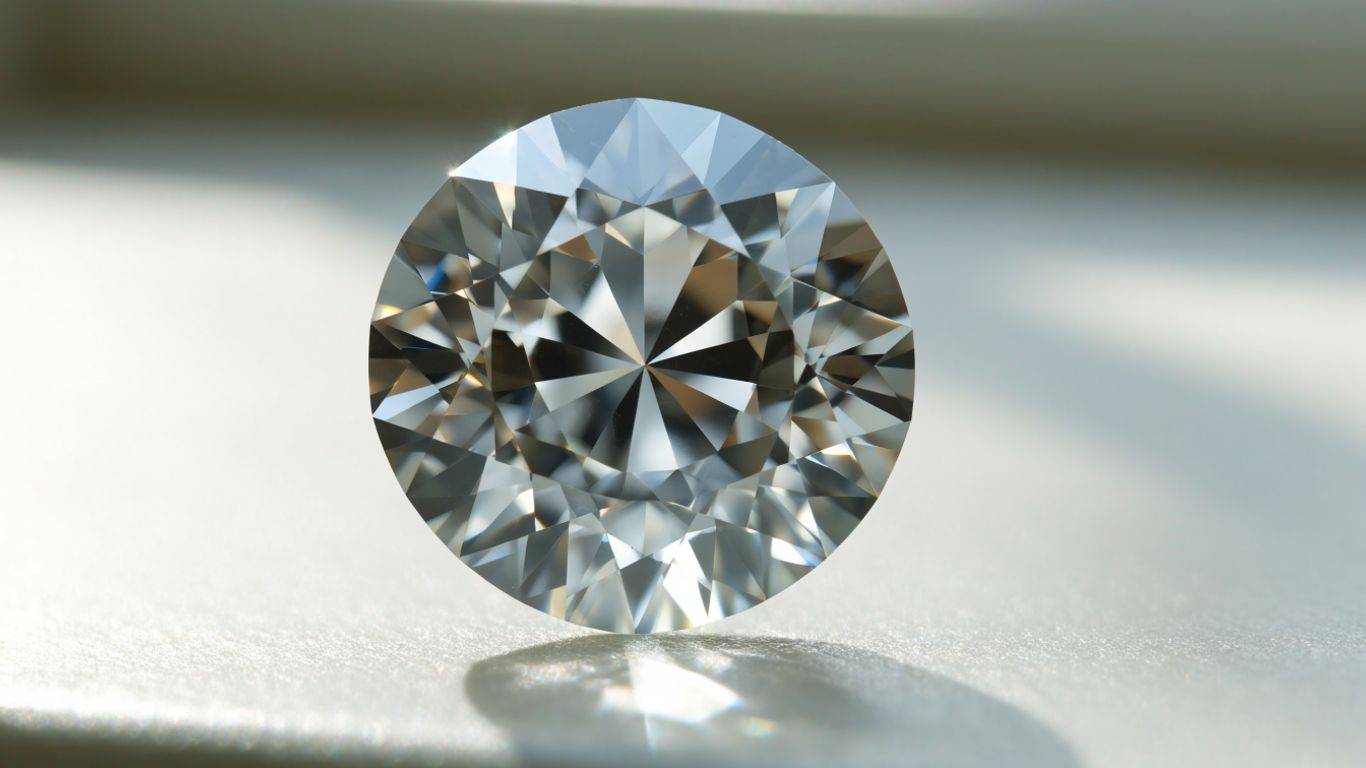
The table is the flat facet on the top of a diamond, while depth refers to the distance from the top to the bottom. Their proportions, along with the other facets, contribute to the stone’s face-up appearance. A single measurement cannot explain the full cut, so read the proportions as part of the complete picture.
How light performance can make a diamond look lively
Light performance describes the visual activity created as light interacts with a diamond’s facets. A stone that returns light effectively can look bright and animated, drawing the eye across its surface. This quality may affect perceived presence, but it does not change the diamond’s physical dimensions.
When a shallow cut creates a larger spread
A shallower stone may have a wider face-up measurement for its weight, which can make it appear broader. That apparent spread is only one part of the decision: proportions that are too shallow can affect the diamond’s light performance. Compare the actual face-up dimensions with the way the stone looks, rather than assuming that a wider outline is always the better choice.
Why an overly deep cut can hide weight
When more of a diamond’s weight sits below its widest area, the top may look smaller than its carat figure suggests. The stone still weighs what its report states, but less of that weight is apparent from a face-up view. Reviewing depth and width together can help make this difference easier to spot.
How to choose a diamond that looks larger
If visible size matters most, start with what can be assessed directly: the dimensions and outline from above. Then consider shape and setting, while keeping cut quality in the conversation. A larger-looking diamond is not automatically the best choice if its appearance or proportions do not suit your priorities.
Prioritize face-up measurements alongside carat weight
Read the millimeter measurements beside the carat weight rather than treating them as interchangeable. For a round stone, diameter is a convenient comparison; for other shapes, compare length and width. Looking at both sets of figures gives a clearer view of how much of the diamond’s weight appears across its face.
Consider shapes with greater visual spread
Some shapes have an elongated outline that can create a longer look on the hand, while others present a broader or more compact shape. Their appearance depends on the particular proportions, so shape alone cannot promise a specific amount of coverage. Compare the actual outline and measurements of individual diamonds instead of relying only on a general rule.
Choose a setting that emphasizes the center stone
The setting can influence where the eye goes and how the center stone sits within the ring. A design with a relatively simple frame may keep attention on the diamond, while the band’s width and details affect the overall balance. It is useful to view the stone in the setting, not only as a loose diamond. The engagement-ring guide from C. Krishniah Chetty & Co includes setting and style choices among its shopping considerations.
Balance size preferences with cut quality
Size is only one part of the visual experience, and prioritizing spread without considering cut may lead to a stone that does not look as lively as you hoped. A practical shortlist can keep several priorities in view at once:
- Set a comfortable budget before comparing stones.
- Decide how much face-up spread matters to you.
- Compare cut proportions and light performance.
- Check how the diamond looks in its intended setting.
This approach makes room for personal preference without reducing the choice to a single number. If two stones look different in person, their measurements and cut details can help explain why.
How to compare value and make a decision
Diamond value is not determined by carat weight alone, and the largest number may not give you the appearance you want. Price, visible spread, cut, and the documentation for each stone all deserve a place in the comparison. A little structure helps separate measurable differences from preferences that only become clear when you see the diamond.
Understand how carat-weight price thresholds work
Prices can change around commonly sought carat weights, so stones just above a familiar milestone may be priced differently from those just below it. The exact difference depends on the individual diamond and the market; a threshold is not a guarantee of better or worse value. Compare the whole stone rather than assuming that a round-number weight is automatically worth the premium.
Compare diamonds just below popular weight milestones
A diamond just below a popular weight point may be worth considering if its measurements and appearance suit you. The weight difference may be subtle to the eye, but the actual price and visual spread need to be checked for each option. A guide from C. Krishniah Chetty & Co to certified solitaire rings offers a separate reference for considering ring styles and diamond documentation.
Weigh visible size against sparkle and budget
It can help to decide which trade-offs feel acceptable before you begin comparing prices. One shopper may prefer greater face-up spread, while another may place more importance on light performance or a particular shape. Keep those priorities explicit, and compare options within a budget you are comfortable with.
Review grading reports and measurements before buying
A grading report can help verify a diamond’s stated characteristics, while its measurements let you assess its physical dimensions. Check that the report belongs to the stone you are viewing, and compare the listed details with the diamond itself. For shoppers comparing documentation and purchase terms, C. Krishniah Chetty & Co has a jeweler selection guide focused on considerations for buying in Bangalore.
Conclusion
Carat tells you how much a diamond weighs; measurements, proportions, shape, cut, and setting help explain how large it looks. Use the carat number as one useful data point, then compare the stone’s actual dimensions and appearance. The right balance is the one that fits your budget and feels right to you.
Frequently Asked Questions
Is carat the same as diamond size?
No. Carat measures a diamond’s weight, while size usually refers to its physical measurements or how much of it appears visible from above.
How many grams is one carat?
One carat is equal to 0.2 grams. It is a unit of weight, not a measurement of length or diameter.
Does a higher carat diamond always look bigger?
Not necessarily. The stone’s shape and proportions affect how much of its weight is visible face-up, so compare millimeter measurements as well as carat weight.
What does face-up size mean?
Face-up size describes the diamond’s appearance when viewed from above. For a round diamond, shoppers commonly compare its diameter; other shapes are generally compared by length and width.
Why can two diamonds with the same carat weight look different?
They may differ in their shape, cut proportions, depth, and face-up measurements. Those differences can change both visible spread and the way the stones handle light.
Can a setting make a diamond look larger?
A setting can affect how prominent the center stone appears and how the ring looks as a whole. It cannot change the diamond’s actual dimensions.
Should I choose a larger spread or better light performance?
That depends on your priorities and the diamonds available within your budget. Compare the measurements and appearance together, since a broad spread alone does not describe how lively a stone looks.
Related blogs:
November 20, 2025
The Timeless Elegance of the Tennis Bracelet: A Comprehensive Guide
Read More
November 20, 2025
The Ultimate Guide to Styling and Wearing a Choker Necklace
Read More
November 20, 2025
Find Your Perfect Engagement Ring: A Comprehensive Guide to Styles and Diamonds
Read More
November 20, 2025
The Timeless Elegance of a Diamond Tennis Bracelet: A Buyer's Guide
Read More