22k vs 18k gold jewellery: How to choose the right purity
October 27, 2026 | 10 minutes read
Key Takeaways
The right gold purity depends on the piece, its design, and how often you expect to wear it. A little attention to purity marks and construction can make the choice clearer.
- 22k gold contains about 91.7% gold; 18k contains 75%.
- 22k usually has a deeper yellow tone, while alloy choices can shift the color of either purity.
- 18k is generally harder, though design and construction also affect durability.
- Higher gold content can raise the metal cost, but workmanship and stones contribute to the final price.
- Choose according to the jewellery’s purpose, your wear habits, and the care it will need.
What 22k and 18k gold mean
Karat describes the proportion of gold in an alloy, so the number gives you a quick way to compare purity. The difference between 22k and 18k is not just a number on a tag: it also means a different balance of gold and other metals. Knowing that balance helps you make sense of price, color, and how a piece may hold up.
How karat measures gold purity
The karat scale divides gold into 24 parts. A higher karat number means a greater share of those parts is gold, while the remaining portion consists of other metals. Pure gold is considered 24k, though jewellery is commonly made from alloys because pure gold is relatively soft.
How much pure gold each option contains
In 22k gold, 22 of the 24 parts are gold; in 18k, 18 of the 24 parts are gold. That works out to roughly 91.7% and 75%, respectively. The comparison is easier to see at a glance:
| Purity | Approximate gold content | Approximate other metals | Common fineness mark |
|---|---|---|---|
| 22k | 91.7% | 8.3% | 916 |
| 18k | 75% | 25% | 750 |
| 24k | 99.9% or higher, depending on the standard | A very small remainder | 999 |
These percentages describe the metal, not the total weight of a finished piece if it includes stones or other components. They are a useful starting point when comparing jewellery, but not the only detail to check.
What metals are added to create each alloy
The non-gold portion of an alloy may include metals such as copper, silver, zinc, or palladium. The exact recipe varies by maker and desired color, so two pieces of the same karat can look or behave somewhat differently. Since 18k has a larger alloy share than 22k, there is more room for those metals to influence its properties and shade.
How to read karat marks and stamps
A piece may be marked 22K or 18K, or use a fineness number such as 916 or 750. Marking practices and requirements can vary, so read the stamp alongside the seller’s description and paperwork rather than treating a mark as proof by itself. A practical guide to gold stamps explains what karat and fineness marks can tell you, and why a stamp alone cannot guarantee authenticity.
How the two purities compare in appearance
Many people notice the richer yellow tone of 22k first, but color is not determined by karat alone. Alloy composition, surface finish, and the light around you can all change what you see. If possible, look at a piece in person and compare it with the kind of jewellery you already wear.
Differences in color and warmth
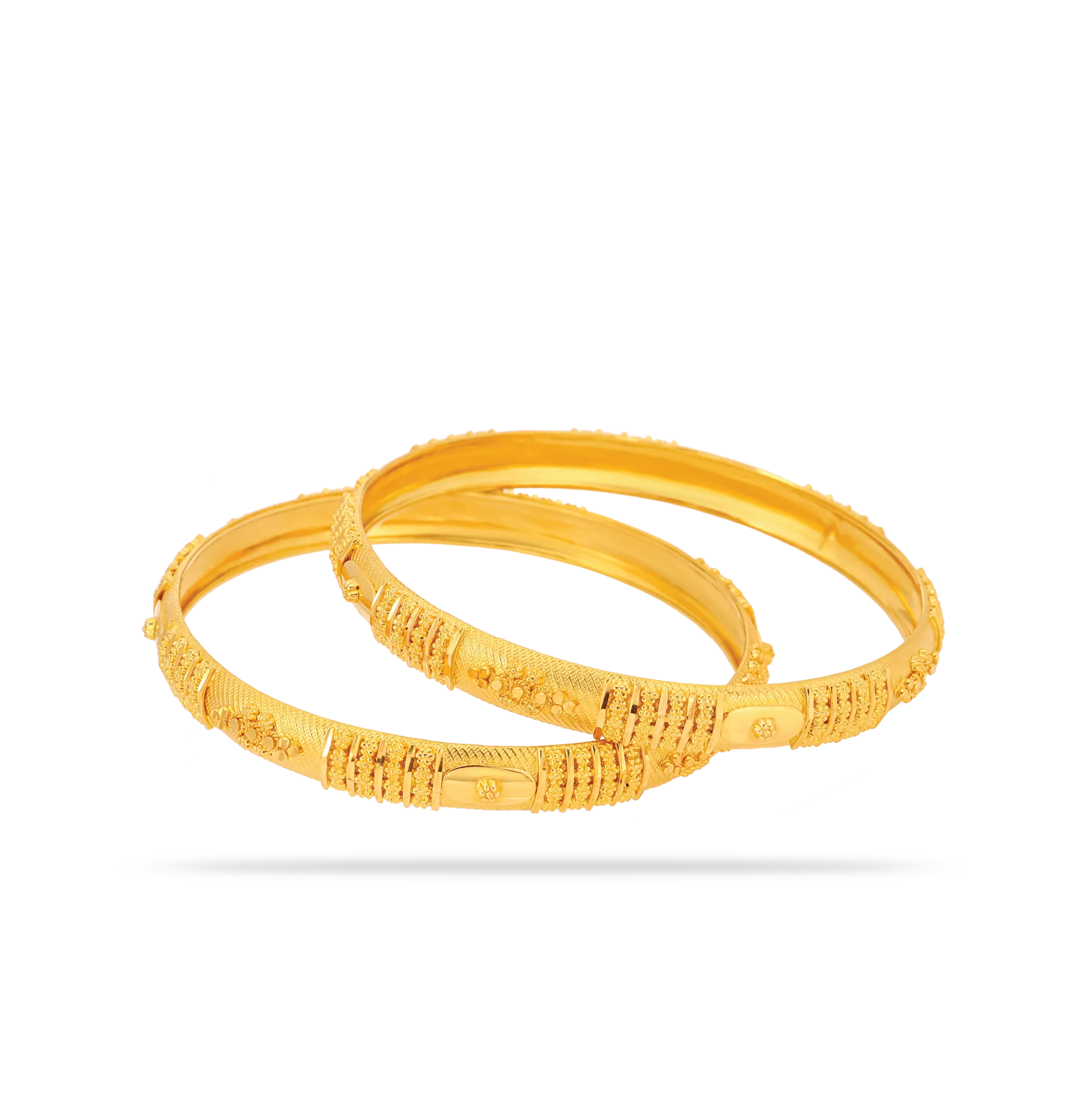
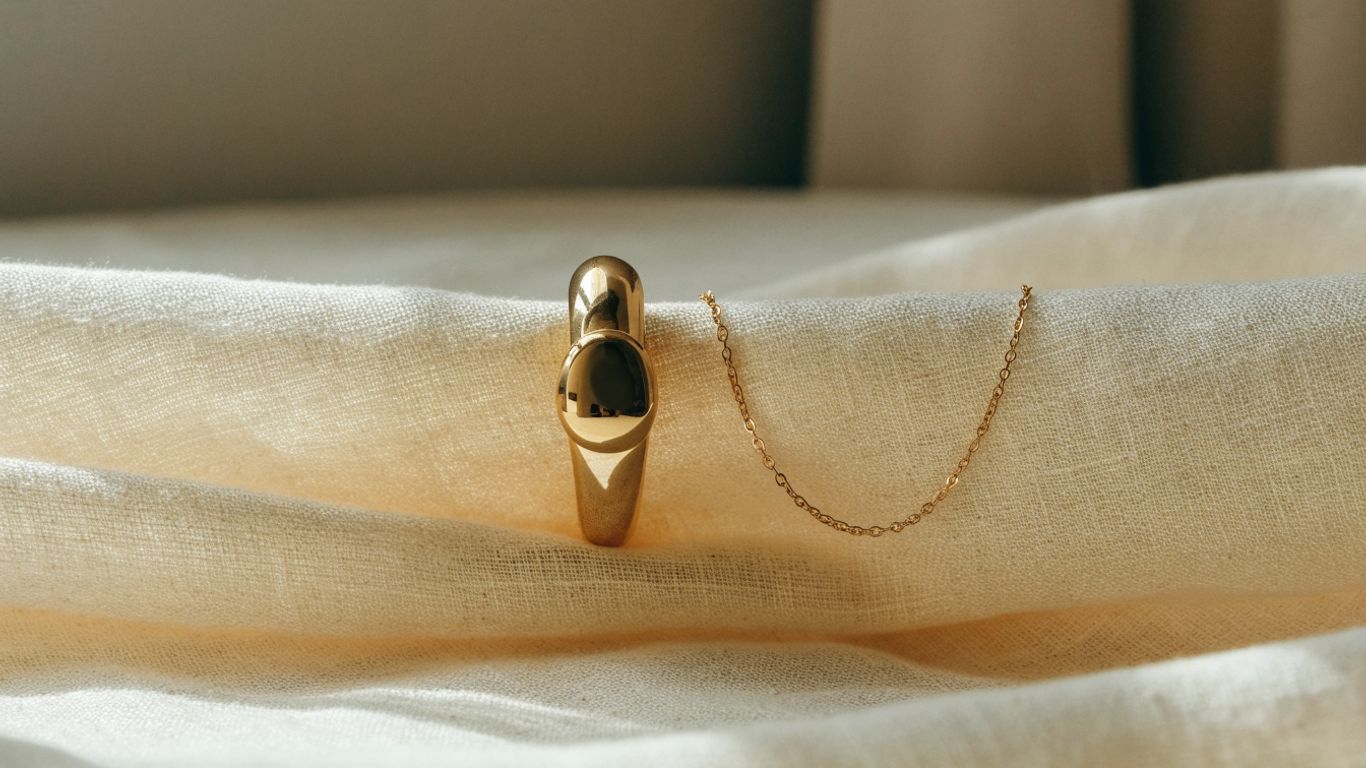
Because it contains a higher proportion of gold, 22k often appears more deeply yellow and warm. An 18k piece may look slightly less saturated, but the difference is not always dramatic; it depends on the alloy and finish. Personal preference matters here, especially if you want a new piece to coordinate with jewellery you wear often.
How alloy metals affect the final shade
The additional metals in an alloy can shift the appearance of gold. Copper can contribute a warmer or rosier cast, while other combinations may produce a paler yellow tone; white gold uses a different alloy mix to create its distinct color. Those are broad tendencies, not a guarantee of a specific shade, so compare the actual pieces rather than relying on karat alone.
Why lighting and finish can change how gold looks
A polished surface reflects more light than a brushed or textured one, and warm indoor lighting can make gold appear more amber than it does in daylight. Shadows and nearby colors can affect your impression, too. If color is a deciding factor, view the piece in more than one lighting condition and consider whether its finish suits your style.
Which option is more durable
In general, 18k gold is harder than 22k because it contains a greater share of alloy metals. That does not make every 18k piece indestructible or every 22k piece unsuitable for regular use. The shape, thickness, setting, and way you wear a piece can matter just as much as purity.
How purity affects hardness and scratch resistance
Gold itself is relatively soft, and alloying it can increase hardness. With more non-gold metals in its composition, 18k is generally better able to resist everyday scratches and deformation than 22k. Still, hardness varies with the particular alloy and how the jewellery is made, and both purities can show wear over time.
Why 22k pieces may bend or wear more easily
The higher gold content in 22k leaves less room for alloy metals that can strengthen the material. As a result, a thin or delicate 22k piece may be more prone to bending or losing its shape under stress. Treat this as a reason to consider construction and use, not as a rule that every 22k design will be fragile.
How design and construction affect everyday durability
A well-considered design can make a meaningful difference to how a piece handles wear. When you are assessing jewellery for regular use, look beyond the karat and check details such as:
- Whether the band or chain feels substantial enough for its intended use.
- How securely the clasp closes and whether it feels easy to operate.
- Whether prongs or other stone settings look even and secure.
- Whether delicate sections could catch on clothing or be knocked easily.
These checks do not replace a jeweller’s assessment, but they help you ask more useful questions before buying. A sturdier design may suit regular wear better than a fine, intricate one, whatever its purity.
When each purity is practical for regular wear
For pieces worn often, 18k may be a practical choice where added hardness is useful, particularly for designs that see frequent contact. A substantial 22k piece can also be worn regularly if its construction suits the intended use and you take reasonable care. Consider your routines honestly: a ring worn through hands-on work has different demands from earrings worn for occasional evenings.
How price and long-term value differ
A higher karat usually means more gold in a piece of the same weight, which can affect its metal cost. But the price on a jewellery tag reflects more than purity: design, workmanship, stones, and retail terms all play a part. Comparing like with like makes it easier to see what you are paying for.
How gold content influences the purchase price
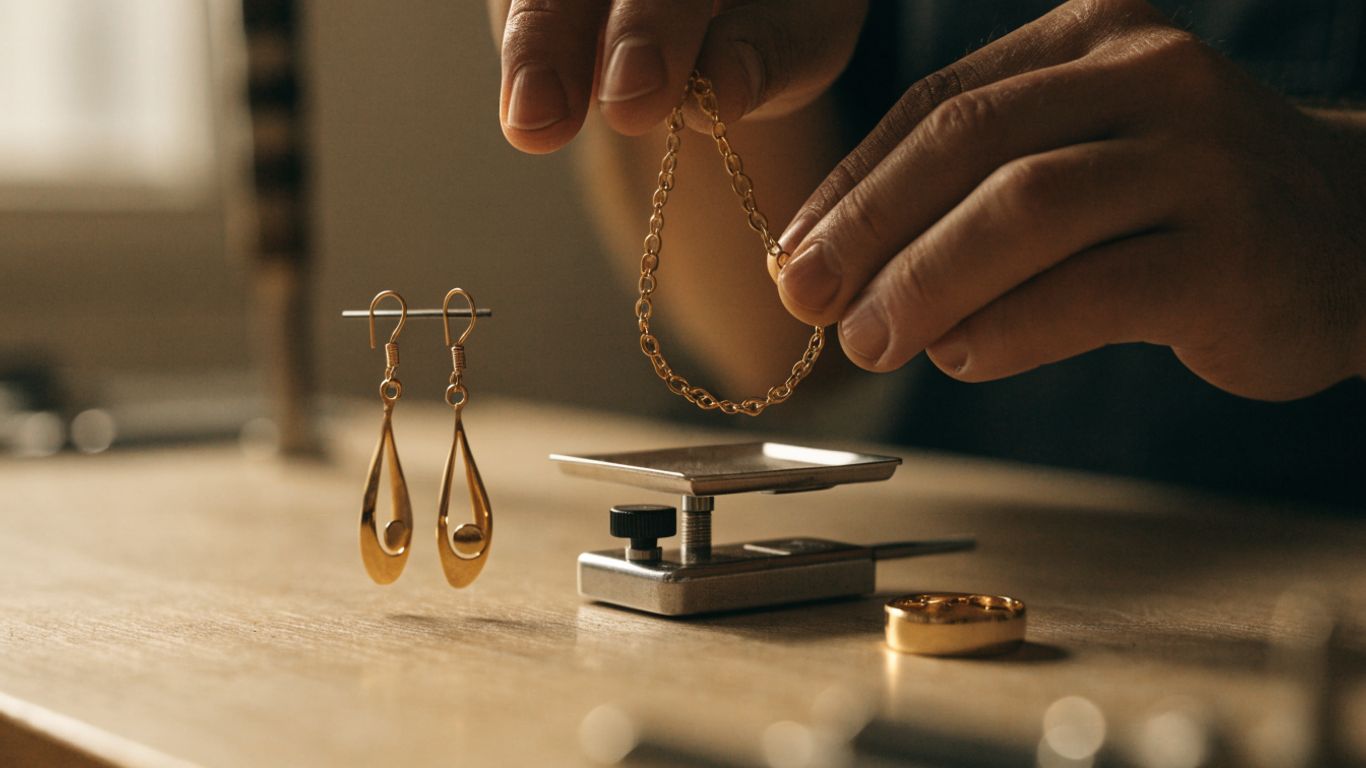
If two pieces have the same weight and are otherwise comparable, the 22k option contains more gold than the 18k one. That can make its material cost higher, though the final price depends on the gold rate used and the seller’s pricing. Compare the stated purity and metal weight when the information is available, rather than assuming that karat alone explains the total.
What craftsmanship and design add to the cost
Intricate work, distinctive design, and hand finishing can add to a piece’s price independently of its gold content. Gemstones and the labor involved in setting them can change the total substantially, too. Two pieces with identical purity and weight may therefore have quite different prices for understandable reasons.
How resale value depends on more than purity
Purity is one factor in a later valuation, but it does not guarantee a particular resale price. Gold weight, current market conditions, condition, stones, and the buyer’s terms can all affect what is offered. Before purchasing, it is sensible to ask how the piece is priced and what documentation you will receive; treat future resale as uncertain rather than as a promised return.
What to consider when comparing prices
A useful comparison looks at the full item and the full bill, not just a per-gram figure. A broader comparison of gold purity and wear can help frame the trade-offs, while the seller can clarify the specific piece’s weight and charges. Check whether the quote separates metal value, making charges, stones, and any other applicable costs.
How to choose based on the jewellery you want
Start with the job the piece needs to do: an occasion necklace, a daily ring, and a gemstone pendant do not face the same demands. Then weigh color, construction, comfort, and budget together. There is no single best purity for every design, so the right choice is the one that fits how you plan to enjoy it.
When 22k may suit traditional or occasion pieces
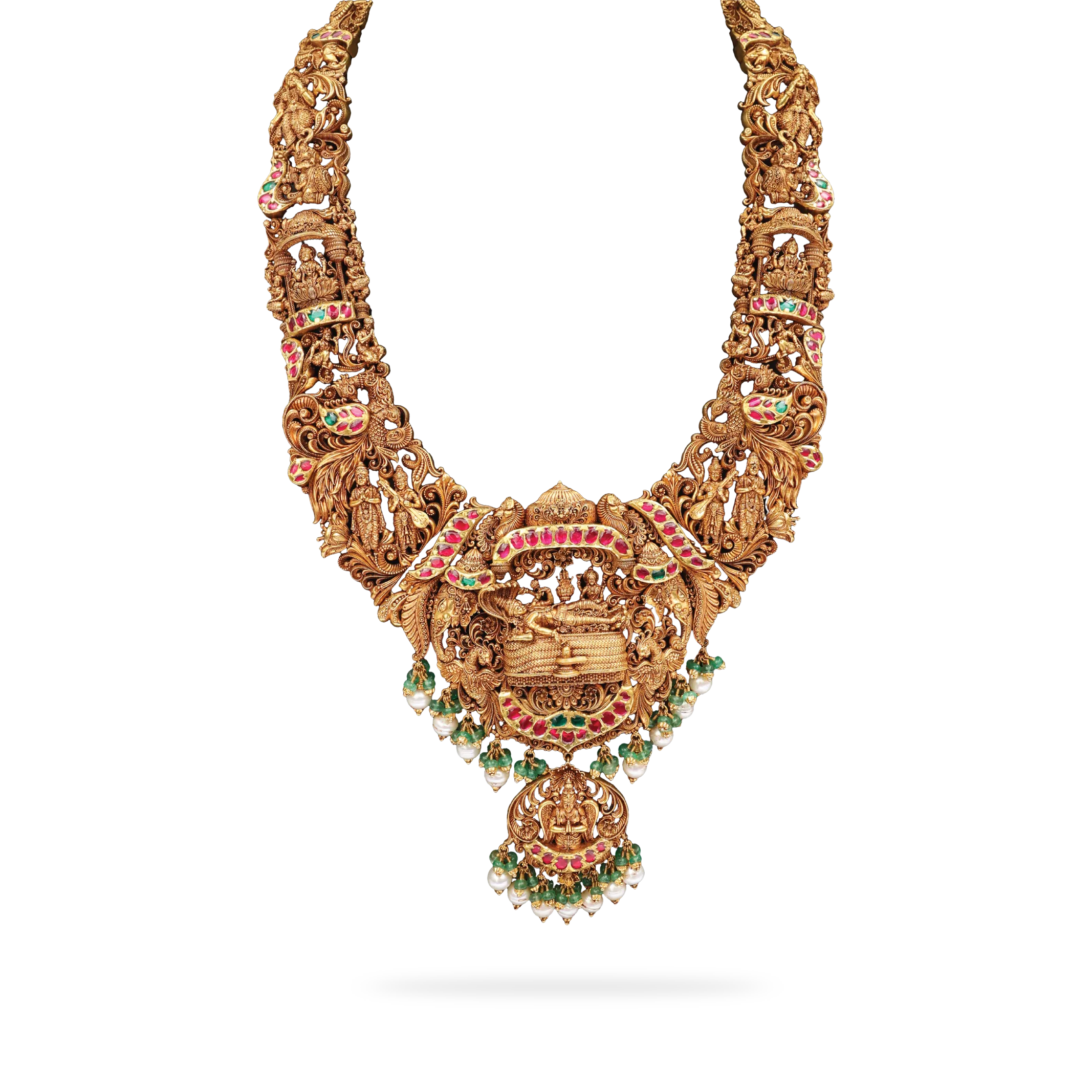
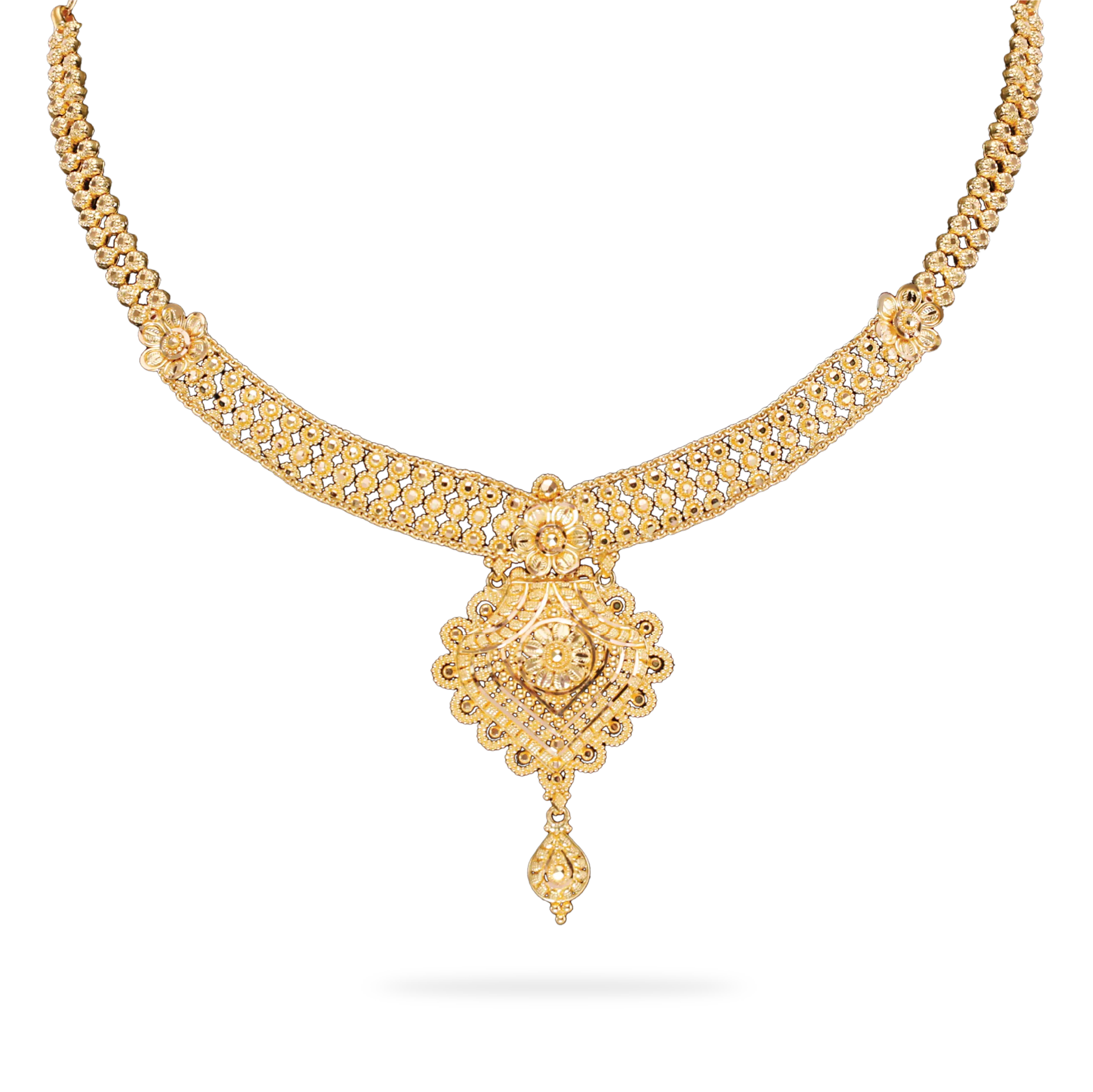
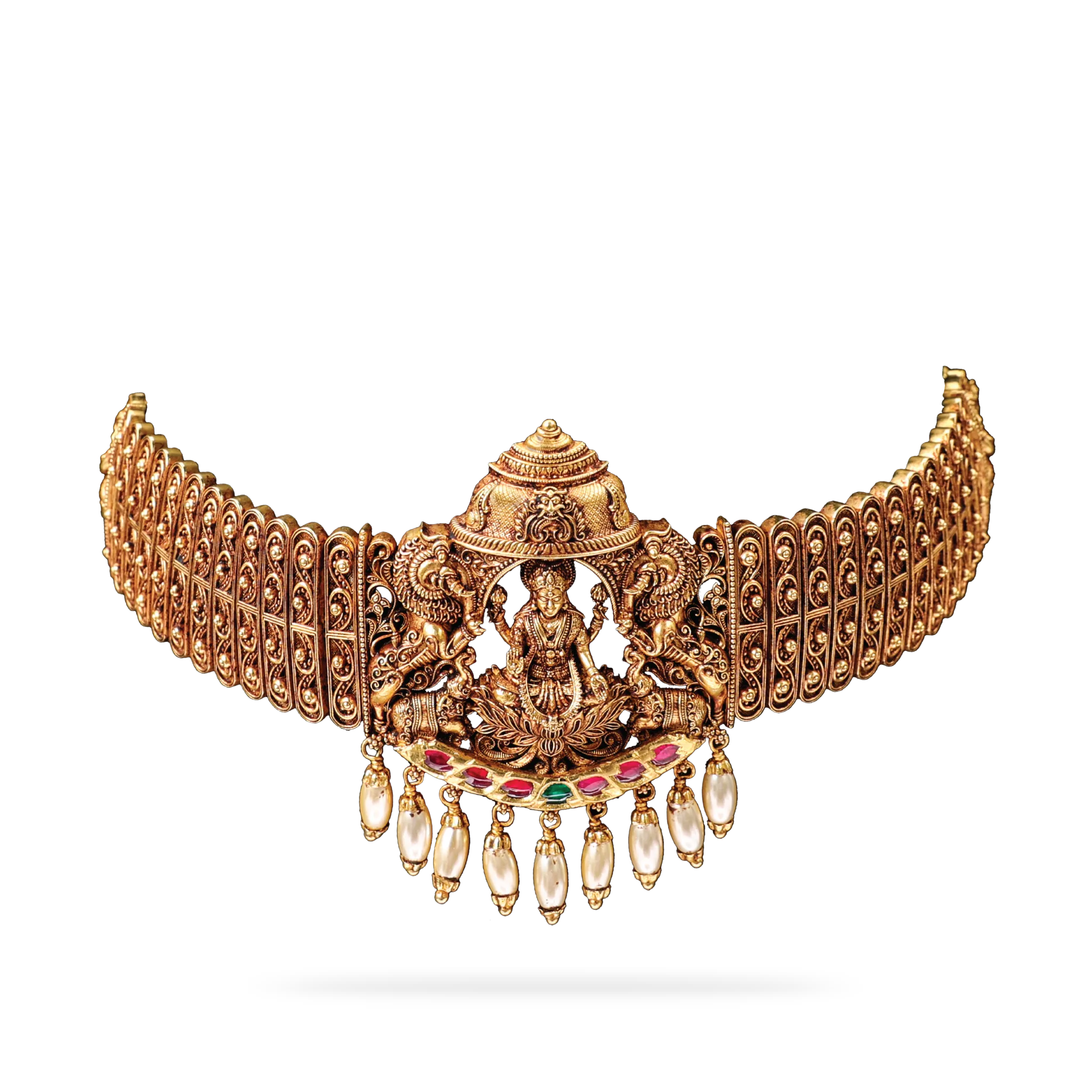
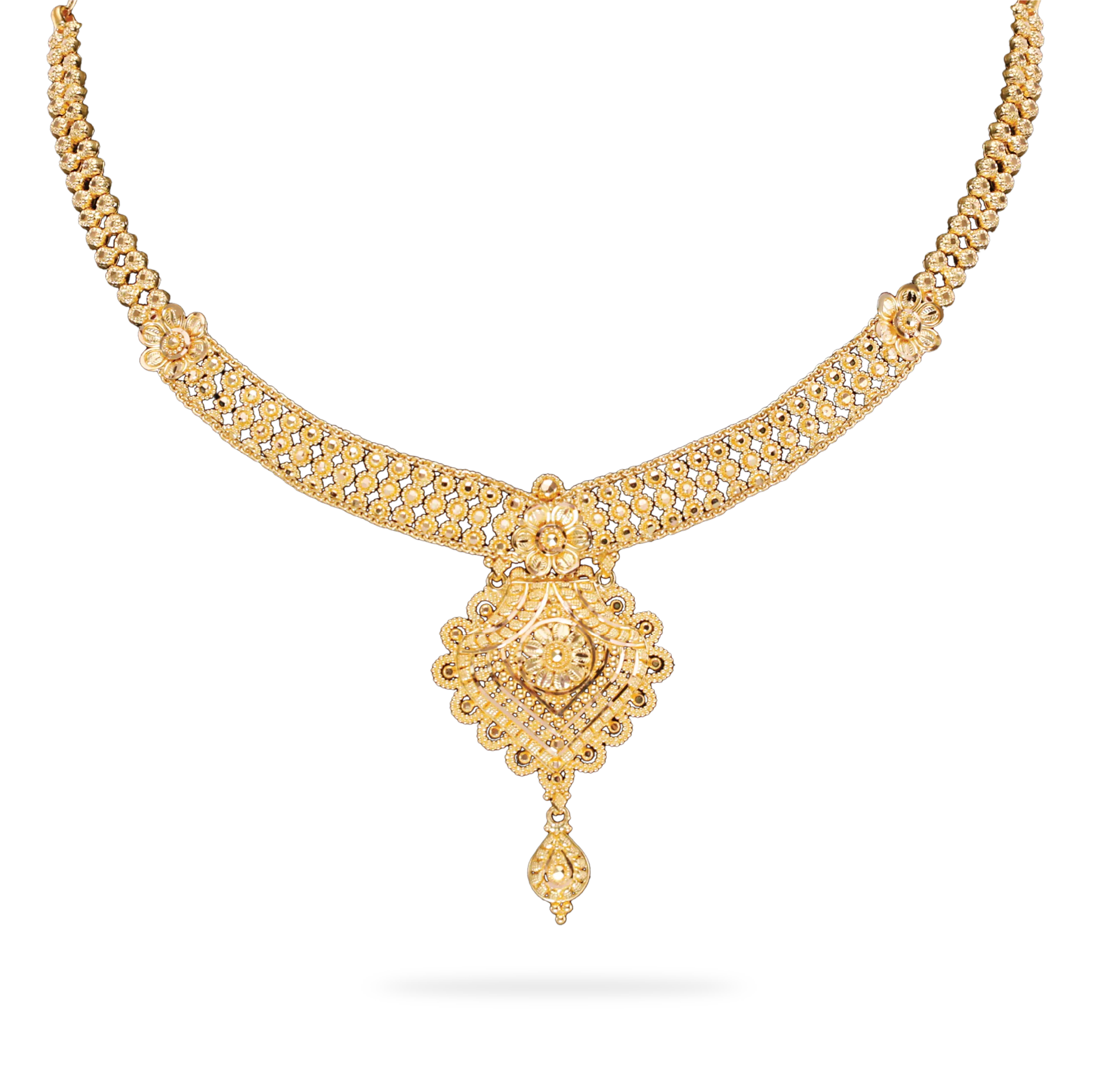
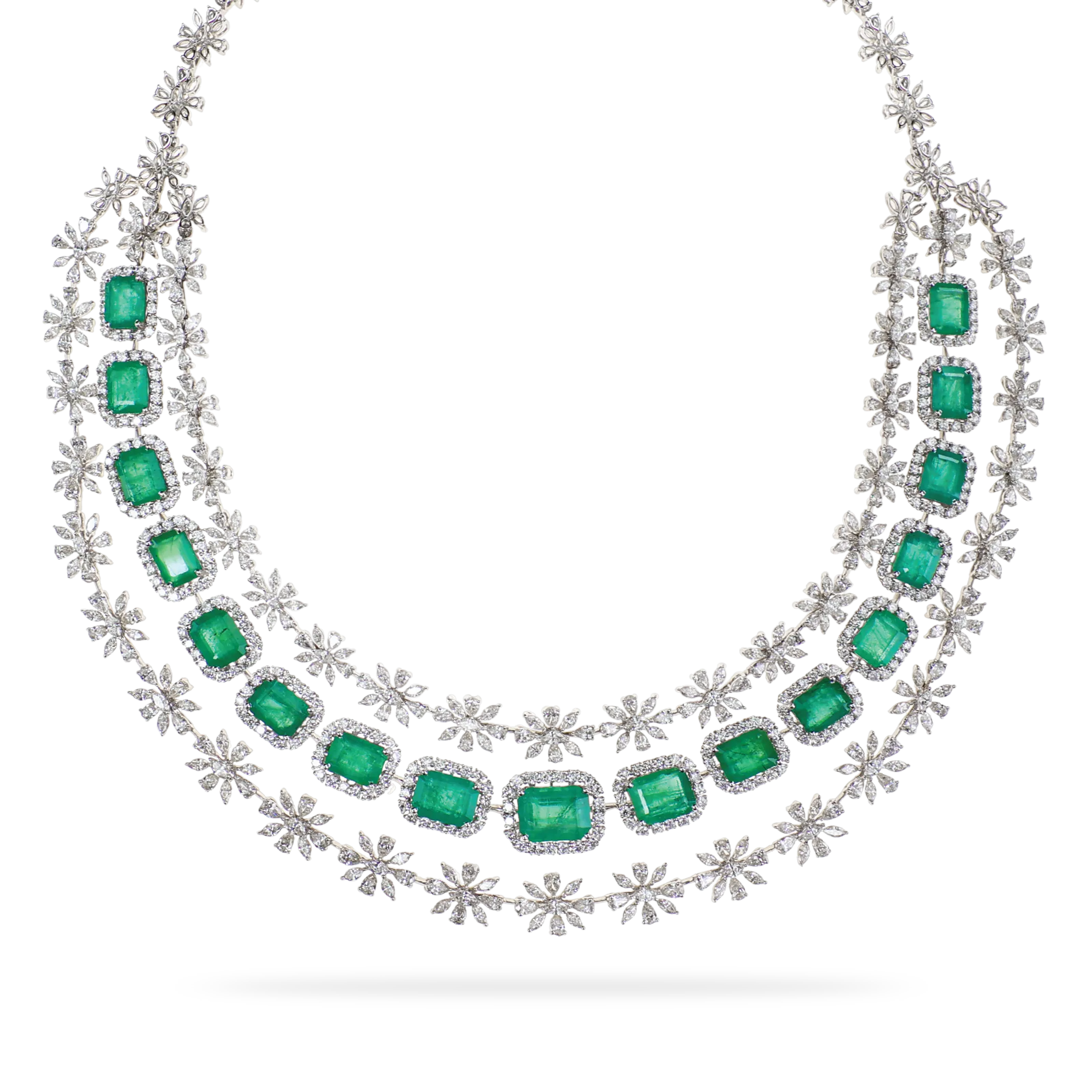
The rich yellow appearance of 22k can appeal for traditional designs and pieces intended for celebrations. Its higher gold content may also be a priority for someone who values that aspect of the material. A bridal gold set is often chosen as a coordinated look, so consider how its color, weight, and comfort work with the outfit and whether you expect to wear the pieces afterward.
When 18k may work better for everyday designs
For a piece intended to be worn frequently, 18k may offer a useful balance of gold content and added hardness. Its alloy composition can also allow a broader range of colors and design choices. Consider how the specific item feels and is constructed instead of relying on a general rule about daily wear .
How gemstone settings can affect the choice
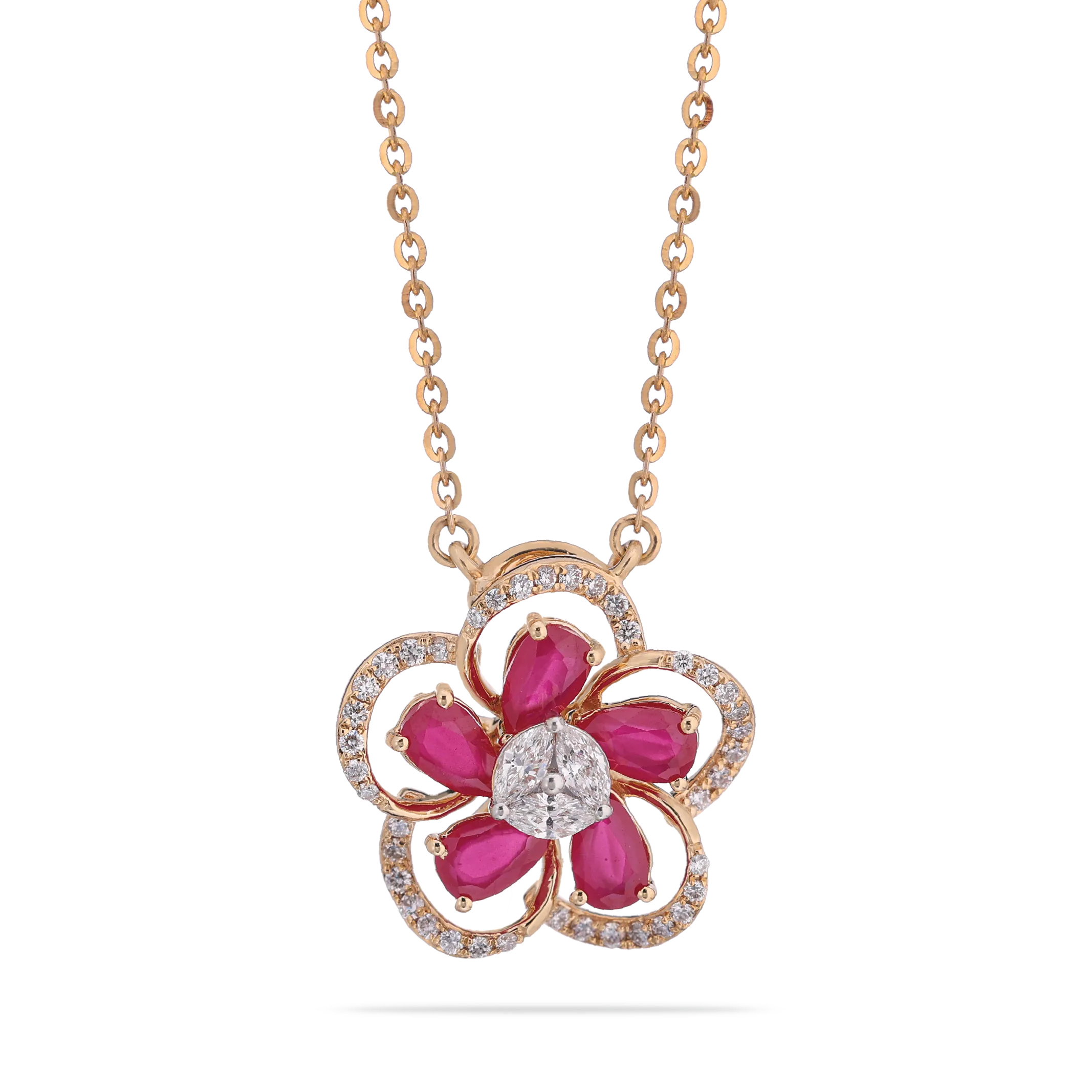
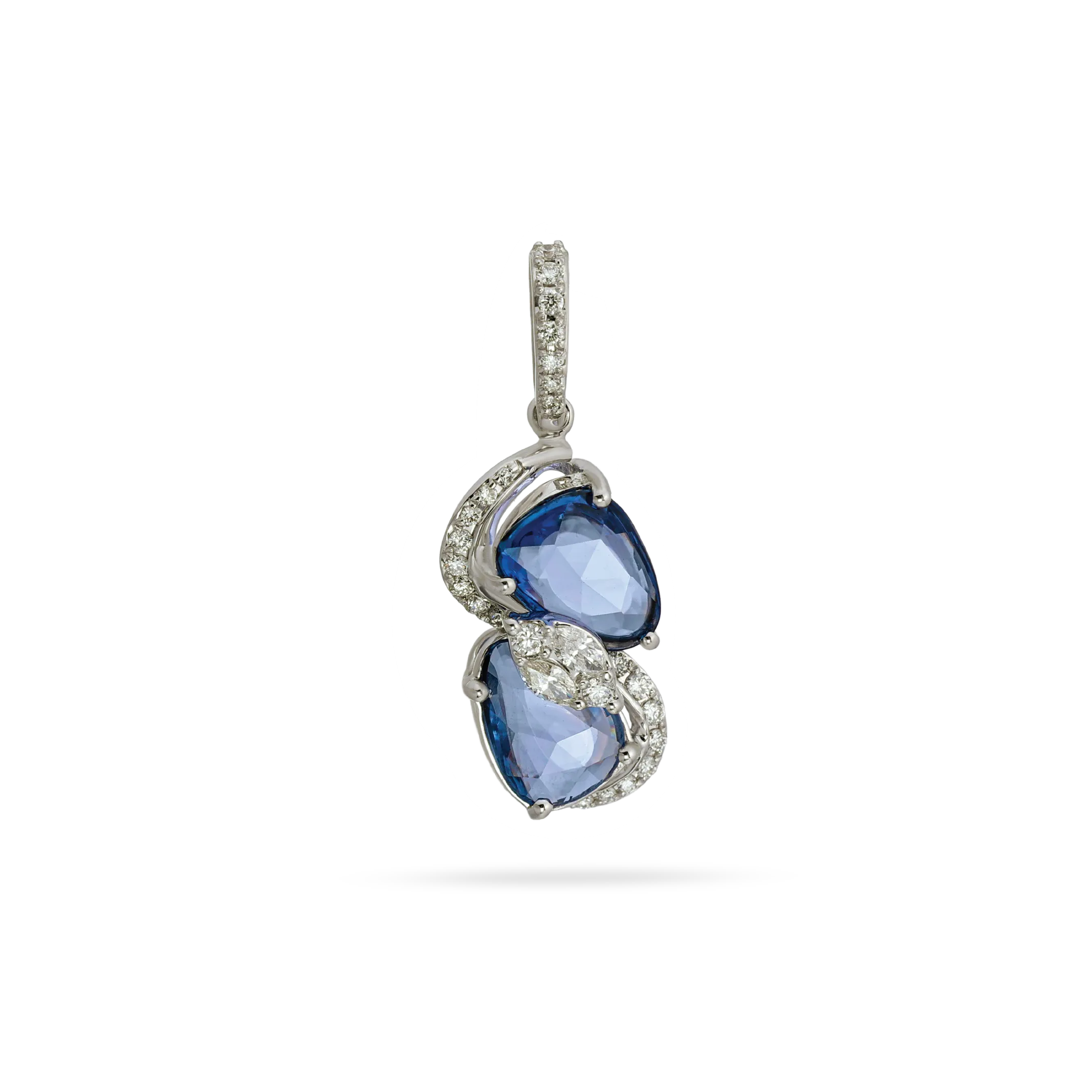
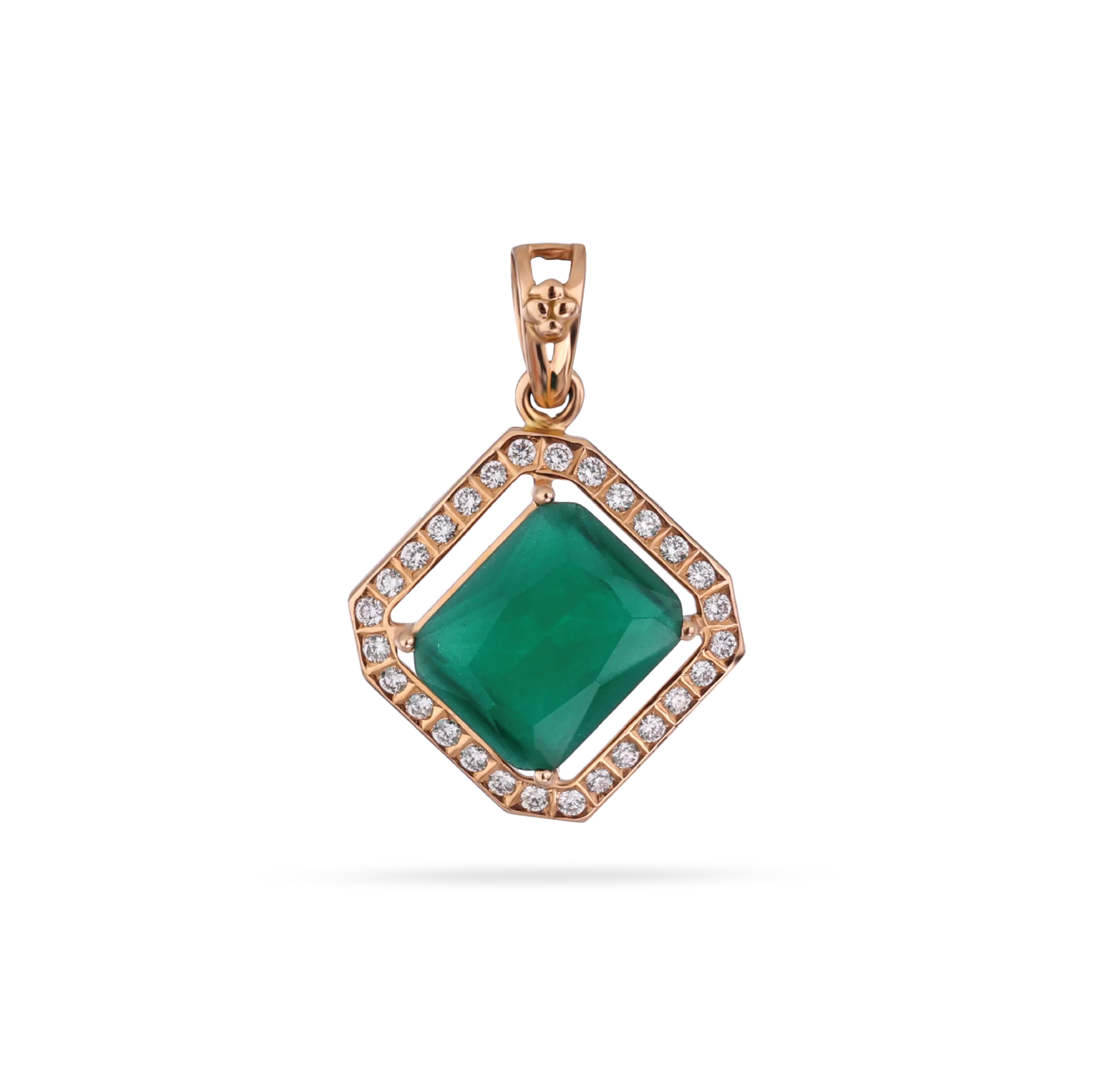
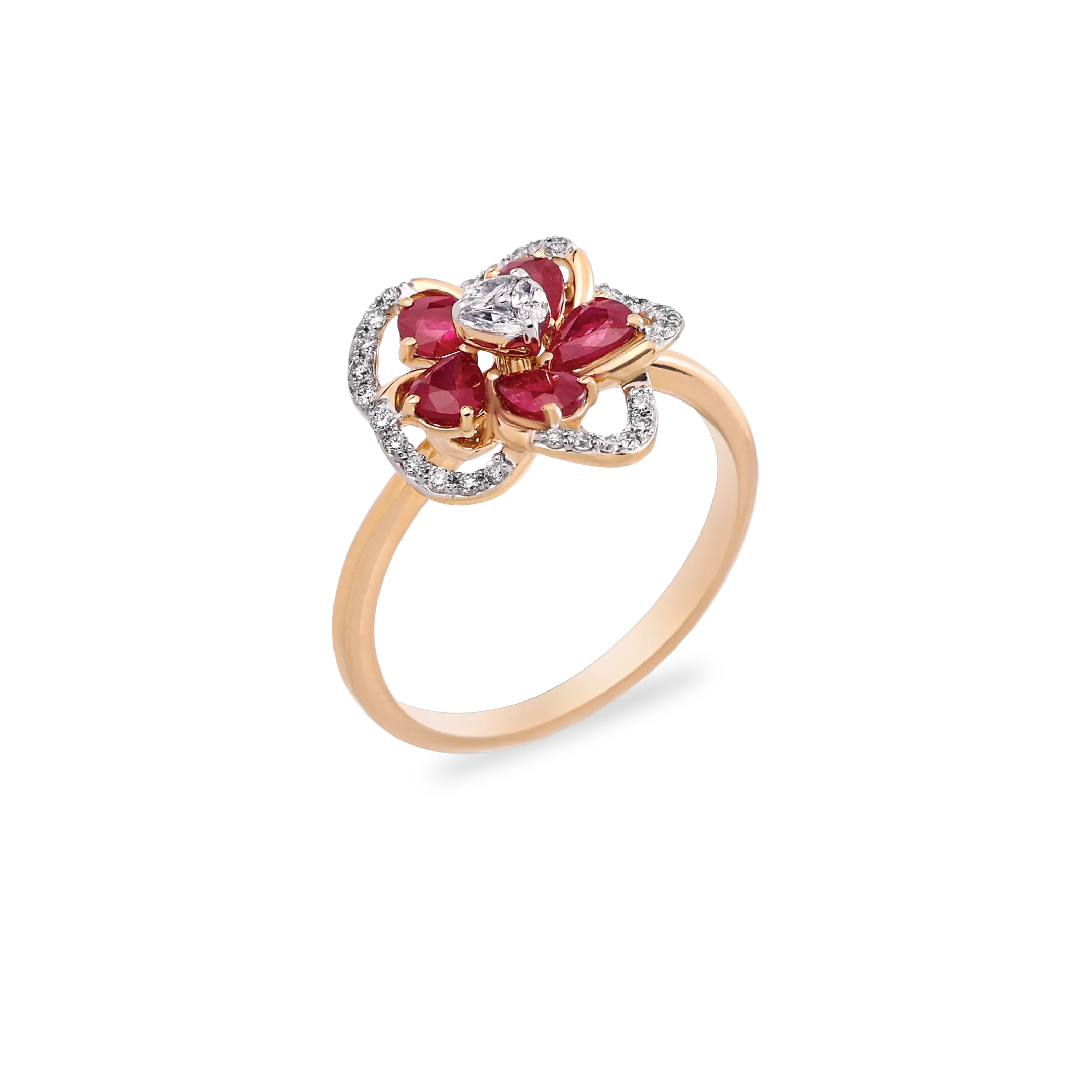
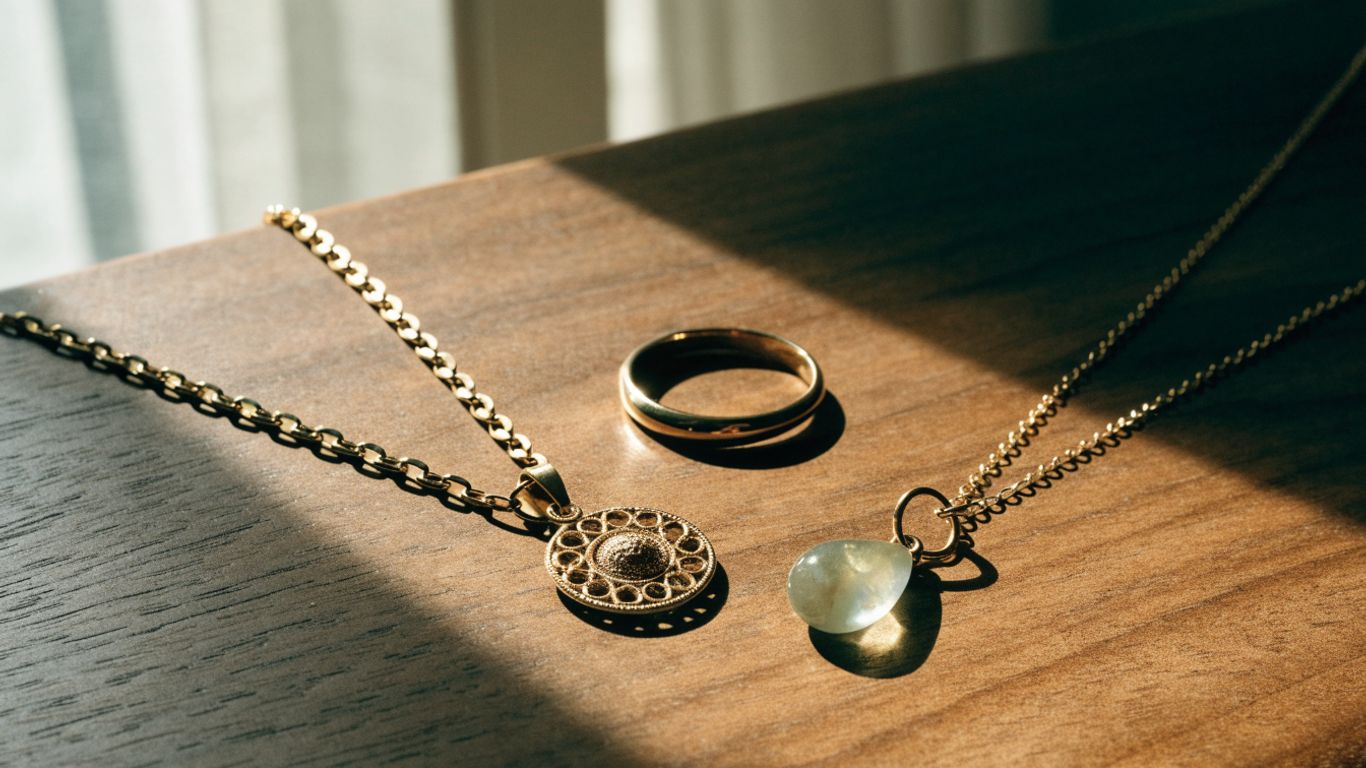
Gemstone jewellery introduces practical considerations beyond the metal’s color. Settings need to hold stones securely, and delicate prongs or fine details may benefit from a metal and construction suited to their design. Ask how the setting is made, whether the piece is appropriate for your intended wear, and what care or inspection the jeweller recommends.
How lifestyle and wear habits should guide your decision
Think about when you will wear the piece and what it might encounter. A ring worn while cooking, exercising, or working with your hands may need more frequent protection than jewellery saved for special occasions. Your routine, tolerance for visible wear, and willingness to remove or maintain the piece are all part of the choice.
How to care for 22k and 18k gold jewellery
Gentle, consistent care helps preserve the appearance of either purity. Cleaning needs can vary with a piece’s finish, gemstones, and construction, so follow any care advice that came with it. If you are unsure about a treatment or product, ask a qualified jeweller before using it.
How to clean each purity safely
For simple, unadorned gold jewellery, a soft cloth and lukewarm water with a little mild soap are generally gentle options. Use a soft brush only if needed, rinse carefully, and dry the piece with a clean, lint-free cloth. Avoid harsh chemicals and abrasive cleaners, and ask a jeweller before cleaning a piece with stones, delicate details, or an unfamiliar finish.
How to store pieces to prevent scratches and tangles
Store jewellery in a dry place, ideally with pieces separated in soft pouches or divided compartments. Keep chains fastened loosely to reduce tangling, and avoid piling heavier items on top of delicate designs. Separate storage can also limit contact that might scratch a polished surface.
When to remove jewellery during daily activities
Removing jewellery before strenuous activity, household cleaning, swimming, or handling chemicals can reduce the chance of impact or exposure. Take extra care with softer or delicate pieces, including 22k designs that may deform under pressure. Make the choice based on the piece’s construction and any advice from its maker.
How often to check settings and arrange professional care
Check clasps, links, and visible stone settings occasionally, especially on pieces worn often. If a setting feels loose, a chain is damaged, or the shape has changed, stop wearing the item until a jeweller can assess it. There is no universal inspection schedule for every piece; ask about a suitable interval based on its design and use.
Conclusion
When weighing 22k vs 18k gold jewellery, compare the gold content alongside color, construction, price, and the way you intend to wear the piece. 22k offers a higher share of gold and often a richer yellow tone, while 18k is generally harder and can suit designs that see more frequent wear. Choose the piece that feels right for your needs, and confirm its details with the seller before buying.
Frequently Asked Questions
Is 22k gold purer than 18k gold?
Yes. 22k gold is about 91.7% gold, while 18k gold is 75% gold; the rest is made up of other metals in the alloy.
Does 22k gold look more yellow than 18k?
Often it does, because it contains a higher proportion of gold. Alloy composition, lighting, and surface finish can affect the exact appearance, so individual pieces may differ.
Is 18k gold more durable than 22k?
Generally, 18k gold is harder because it contains more alloy metals. Durability also depends on the specific alloy and the piece’s design and construction.
Is 22k gold suitable for everyday wear?
It can be, depending on the piece and your routine. Consider its thickness and construction, and take care to avoid pressure or impacts that could bend it.
Which purity is better for jewellery with gemstones?
The right choice depends on the stone, setting, design, and intended wear. Ask the jeweller how securely the setting is made and whether its construction suits your use.
Does 22k jewellery always cost more than 18k?
Not necessarily. A comparable piece may cost more if it contains more gold, but workmanship, weight, stones, design, and seller pricing also affect the total.
What do 916 and 750 mean on gold jewellery?
They are fineness marks commonly associated with 22k and 18k gold, respectively. Check the mark against the seller’s description and documentation rather than relying on a stamp alone.
How to Know if Gold Is Hallmarked: A Guide to Finding and Verifying Gold Marks
10 minute read
Related blogs:
November 20, 2025
The Timeless Elegance of the Tennis Bracelet: A Comprehensive Guide
Read More
November 20, 2025
The Ultimate Guide to Styling and Wearing a Choker Necklace
Read More
November 20, 2025
Find Your Perfect Engagement Ring: A Comprehensive Guide to Styles and Diamonds
Read More
November 20, 2025
The Timeless Elegance of a Diamond Tennis Bracelet: A Buyer's Guide
Read More