Best time to buy gold jewellery: a practical guide to timing your purchase
October 30, 2026 | 10 minutes read
Key Takeaways
There is no single calendar date that guarantees a lower jewellery price. A good buying decision comes from comparing the full cost, knowing what matters to you, and allowing room for practical needs like timing and fit.
- Gold prices can move with global markets and currency exchange rates.
- Purity, weight, design, and making charges all affect the amount you pay.
- Seasonal promotions may change the offer, but they do not guarantee the best overall value.
- Compare itemized quotes for similar pieces rather than relying on headline discounts.
- Buy when the jewellery, budget, and timing fit your needs—not because you expect to predict the market.
What affects gold jewellery prices
The price on a jewellery tag reflects more than the current value of gold. The metal market is one part of the total; purity, the piece’s weight, its construction, and the retailer’s charges all shape the final amount. Understanding these parts makes it easier to judge whether an offer is genuinely good value.
How global gold prices influence retail costs
Gold is traded in global markets, and retail prices often respond to changes in those benchmarks. A rise or fall in the market price may feed into a jeweller’s daily rate, though the timing and amount of any change can vary. The price of a finished piece also includes costs beyond its raw gold content, so a market dip does not automatically translate into an equally large reduction at the counter.
Why currency movements can change what you pay
Gold is commonly priced internationally in U.S. dollars, so exchange rates can affect what buyers pay in different markets. Even when the global benchmark is steady, a change in the dollar’s value against another currency may shift local costs. Retail pricing can also reflect local supply conditions and business costs, which is why a global price chart is useful context but not a quote for a specific item.
How purity, weight, and design affect the final price
Purity describes the proportion of gold in an alloy, while weight indicates how much metal the finished piece contains. Design matters too: detailed work, unusual construction, and settings can add labor or other charges. Before comparing two items, make sure their purity, weight, and included work are broadly similar; a lower price for a lighter or less pure piece is not necessarily a better deal.
When gold prices may be more favorable
A favorable buying moment is less about finding a magic month and more about recognizing a price and offer that suit your circumstances. Market movements are difficult to forecast, and jewellery prices can reflect local factors as well as global ones. A steady way to follow changes can help you make a considered choice without turning the purchase into a prediction contest.

How to track price trends without trying to predict the market
Follow a consistent source for the quoted gold rate and note the date, purity, and unit used. Looking at several weeks or months of prices gives more perspective than reacting to one sharp daily move. The point is not to call the market’s next turn; it is to understand the range you have seen and compare a jewellery quote against the rate being used that day.
What seasonal patterns can—and can’t—tell you
Festivals, holidays, and wedding periods can shape when people shop, but they do not reliably identify the year’s lowest gold price. Promotional calendars may be useful for planning a visit or looking for a particular design, while underlying market prices can still rise or fall. A month-by-month buying guide can offer seasonal context, but treat calendar patterns as background rather than a promise of savings.
Why local prices may differ from global benchmarks
A global benchmark is not the same thing as the price of a finished piece in a local store. Retail quotes may include differences in purity, making charges, taxes, local operating costs, and the way a jeweller updates rates. When you compare an international price with a shop quote, first check that the units and gold purity match; otherwise, the figures may not be comparable at all.
How shopping seasons and sales affect value
Promotions can be worthwhile, but the advertised discount is only one part of the calculation. Some offers apply to making charges, while others have conditions or exclude particular designs. Seasonal shopping may also change how much time and selection you have, so it helps to weigh convenience and availability along with price.
What to expect from holiday and seasonal promotions
Holiday promotions may include reduced making charges, price adjustments, or other limited-time terms. Read the details before treating a banner or discount as a saving: find out which items qualify, whether the offer can be combined with other terms, and how long it lasts. A sale can make a piece more affordable, but it does not necessarily mean the gold rate itself has fallen.
How wedding seasons can affect demand and selection
During busy wedding periods, popular styles and appointment times may be in greater demand. That can make it sensible to start shopping early, especially when a piece needs sizing, customization, or coordination with an outfit. For a useful timeline covering wedding jewellery and related planning, see this wedding jewellery schedule; choosing early can give you more room to compare without tying your decision to a predicted gold-price dip.
How to compare discounts with making charges and fees
A discount is easiest to assess when you separate the parts of the quote. The table below shows a simple way to compare the same categories across offers; the exact charges and tax treatment will depend on the item and seller.
| Cost component | What to check | Why it matters |
|---|---|---|
| Gold value | Rate, purity, and weight | Establishes the metal portion of the price |
| Making charges | Amount and how it is calculated | Captures workmanship and may be affected by promotions |
| Taxes and other fees | What is included in the quote | Helps identify additions to the displayed price |
| Final amount | Total due for the specific piece | Makes offers easier to compare on equal terms |
Use the item’s final amount—not just its advertised discount—to compare offers. If a quote leaves out a charge or uses a different weight or purity, ask for a complete breakdown before deciding.
How to choose the right buying moment for your needs
The best time to buy gold jewellery is the moment when a piece suits your purpose, the complete cost fits your budget, and you have enough time to make a careful choice. A special occasion can create a firm deadline, while a piece for regular wear may give you more flexibility. In either case, a sound decision depends on more than trying to catch the lowest possible market price.

Buying for a special occasion versus long-term wear
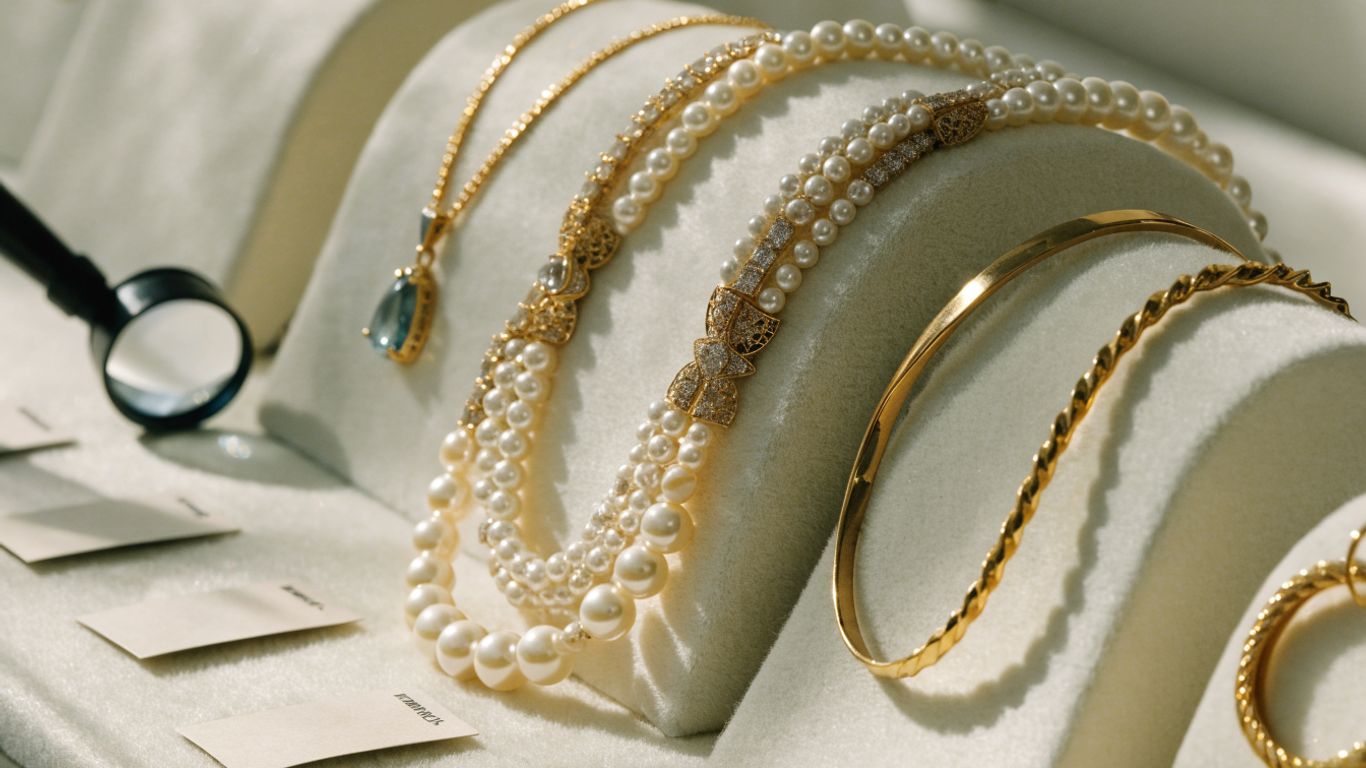
If the jewellery is for a wedding, anniversary, or other fixed date, delivery, sizing, and any customization may matter more than waiting for an uncertain price change. For everyday wear, comfort, durability, and how often you expect to use the piece may take priority. Consider the intended use first, then compare styles and prices that meet those needs; guidance on timeless gold jewellery can help frame choices around comfort, craftsmanship, and personal style.
Balancing your budget against the timing of a purchase
Set a maximum total budget before browsing, including any taxes and charges that may not appear in a display price. If a piece exceeds that limit, consider a simpler design, a different weight, or another purity that suits your preferences rather than stretching your finances for a short-lived promotion. A clear spending limit makes it easier to distinguish a meaningful offer from one that merely creates urgency.
Deciding whether to buy now or wait for a price change
Waiting may be reasonable if you have flexibility and want time to compare, but there is no guarantee that prices will move in your favor. Buying now may make sense when a piece meets your needs and the full quote is within budget, especially if there is a real deadline. Decide in advance what would change your mind—such as a specific budget threshold or a design becoming available—then avoid revisiting the choice every time the market moves slightly.
How to compare jewellery offers
Comparing offers fairly means looking at the item and the terms together. Two pieces that appear similar may differ in purity, weight, workmanship, or the services included after purchase. Ask for enough detail to understand the complete cost and what happens if you need an exchange, repair, or return.
Checking the gold price, purity, and item weight
Start by confirming the stated purity and the weight of the specific piece, then ask what gold rate has been used in the calculation. If comparing similar designs, check whether the weight includes stones or other materials, where relevant. These details help explain why quotes differ and provide a more useful comparison than the display price alone.
Understanding making charges, taxes, and other costs
Ask the seller to show the gold value, making charges, taxes, and any additional fees separately. Making charges may be calculated in different ways, so do not assume two percentages or flat amounts mean the same thing without checking their basis. A complete quote gives you a clear total and helps reveal whether a promotion applies to the part of the price you expected.
Comparing return policies, warranties, and buyback terms
Price is not the only term worth comparing. Read the return and exchange windows, note any conditions, and ask what a warranty covers and for how long. If a buyback or exchange option matters to you, request its terms in writing; the details can vary, and a broad verbal assurance may not answer how the policy applies to your particular item.
A practical plan for buying gold jewellery
A little preparation can make shopping calmer and more focused. Decide what you want the jewellery to do, collect comparable information, and verify the paperwork before paying. This approach works whether you are browsing leisurely or shopping against an occasion deadline.
Setting a budget and shortlisting styles
Begin with a total spending limit and a short list of styles that fit the occasion and how you plan to wear the piece. Consider the balance between design, purity, weight, and comfort; a beautiful item is more satisfying when it works for your daily life or intended event. A useful shortlist keeps the search manageable and makes it easier to compare like with like.
Monitoring prices and recording comparable quotes
Record each quote with the date, gold rate, purity, item weight, making charges, taxes, and final amount. Keep notes on the exact design or item identifier as well, so a later comparison is not accidentally between different pieces. You can also jot down what would make an offer acceptable: for example, the maximum total price or a specific style being in stock.
Verifying hallmarking and requesting an itemized bill
Before completing a purchase, check the hallmark or other applicable purity documentation and ask the jeweller to explain the marks. Request an itemized bill that identifies the piece and breaks down its major cost components. These records make the purchase easier to review later and give you a clear account of what you paid for.
Conclusion
There is no universally best date to buy gold jewellery, and seasonal timing cannot remove market uncertainty. Compare the full cost, choose a piece suited to its purpose, and allow enough time to verify its details. When the item and the numbers both feel right, a thoughtful purchase is more valuable than a perfect prediction.
Frequently Asked Questions
Is there a best month to buy gold jewellery?
No month reliably guarantees the lowest price. Seasonal promotions may offer useful opportunities, but market rates and local retail costs can change independently of the calendar.
Should I wait for gold prices to fall before buying jewellery?
Only if you have flexibility and waiting fits your plans. Prices may rise as well as fall, so compare the complete quote and consider any occasion deadline before deciding.
Do jewellery sales always mean a lower final price?
No. A promotion may apply only to making charges or specific items, and other costs may still affect the total. Ask for an itemized quote and compare the final amount.
What matters most when comparing gold jewellery prices?
Compare purity, weight, the gold rate used, making charges, taxes, and any other fees. Also check whether the pieces are genuinely similar in design and included materials.
Does a higher gold purity always make a piece a better choice?
Not necessarily. Purity affects gold content and may influence price and wear characteristics, while the right option depends on the design, intended use, and your preferences.
How far in advance should I shop for wedding jewellery?
Start early enough to compare options and allow time for sizing, customization, delivery, or outfit coordination if needed. The amount of lead time depends on the piece and the seller.
What should I ask for when purchasing gold jewellery?
Ask for the purity, weight, rate used, a breakdown of charges, applicable policies, and an itemized bill. Check the hallmark or relevant documentation before completing the purchase.
Related blogs:
November 20, 2025
The Timeless Elegance of the Tennis Bracelet: A Comprehensive Guide
Read More

November 20, 2025
The Ultimate Guide to Styling and Wearing a Choker Necklace
Read More
November 20, 2025
Find Your Perfect Engagement Ring: A Comprehensive Guide to Styles and Diamonds
Read More
November 20, 2025
The Timeless Elegance of a Diamond Tennis Bracelet: A Buyer's Guide
Read More