How to Know if Gold Is Hallmarked: A Guide to Finding and Verifying Gold Marks
October 27, 2026 | 10 minutes read
Key Takeaways
A hallmark can offer useful clues about a gold item, but it is only one part of a careful check.
- Look in discreet spots such as a ring’s inner band or a necklace clasp.
- Read fineness numbers as proportions of gold, not as a guarantee of authenticity.
- Remember that marks and hallmarking rules differ across countries and periods.
- Compare several marks together, including maker, assay office, and date marks where present.
- Ask an independent professional to assess jewelry when its marks are missing, worn, or doubtful.
What a gold hallmark tells you
A hallmark or stamp can give you clues about a piece’s metal content and, in some systems, who made or tested it. The term does not mean exactly the same thing everywhere: some marks are part of a formal assay system, while others are simply stamped numbers or letters. Knowing how to know if gold is hallmarked starts with identifying what kind of mark you are looking at. Treat the stamp as evidence to investigate, not a final verdict.
How hallmarks differ from other jewelry stamps
A hallmark may be one part of a group of marks, while a jewelry stamp can be any small inscription on the item. A number may indicate fineness, a maker’s initials can identify a workshop, and a brand or model stamp may have no direct bearing on metal purity. In some countries, an official hallmark follows testing or marking by an authorized body; in others, a karat stamp may be the most familiar mark a shopper sees. A gold hallmark guide can help separate purity marks from maker and assay symbols, while also explaining what a stamp cannot confirm.
What a fineness mark says about gold purity
A fineness mark expresses how much pure gold is present in a thousand parts of the alloy. For example, 750 indicates 750 parts per thousand, or 75% gold by weight. The rest is made up of other metals, which can affect color and durability. A mark therefore describes a stated composition; it does not, by itself, prove that the stamp is genuine or that the entire piece has that composition.
Why hallmark requirements vary by country
Countries set different rules about which precious-metal items must be tested or marked, who can apply a mark, and what symbols are used. Requirements may also depend on an item’s weight, age, intended sale, or place of manufacture. India, for example, has its own framework for hallmarking and recognized assaying and hallmarking centres; a summary of India’s hallmarking framework provides country-specific context. For an item bought or made elsewhere, check the rules that apply to its likely origin rather than assuming one system is universal.
What missing or incomplete marks can mean
A missing mark does not automatically mean that an item is fake, and a complete-looking set of marks does not settle the question either. Marks can be worn down, omitted on small components, or absent because of the item’s age or the rules in its market. A piece may also carry only a karat stamp rather than a fuller set of assay marks. Look at the item’s construction and history alongside its markings, and seek a qualified assessment when the answer matters.
Where to look for a hallmark
Hallmarks are often small and placed where they are visible on close inspection but do not interrupt the design. A careful search under good light is a better first step than assuming a piece has no mark. Check the main body of the jewelry and its attached parts, since a stamp may be on one but not the other. Take your time: hurried rubbing or scraping can damage a delicate finish.
Common places to check on rings, necklaces, and bracelets
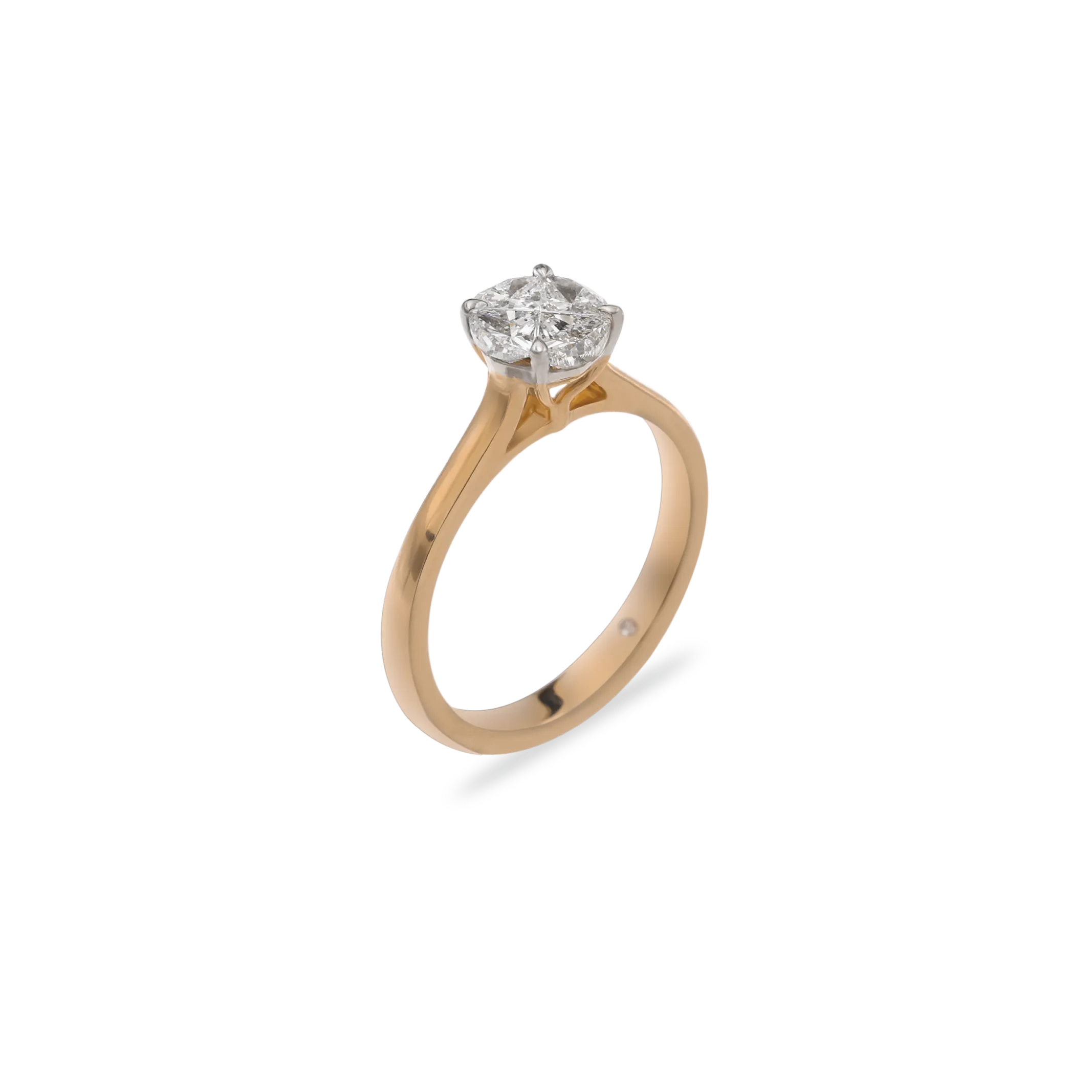
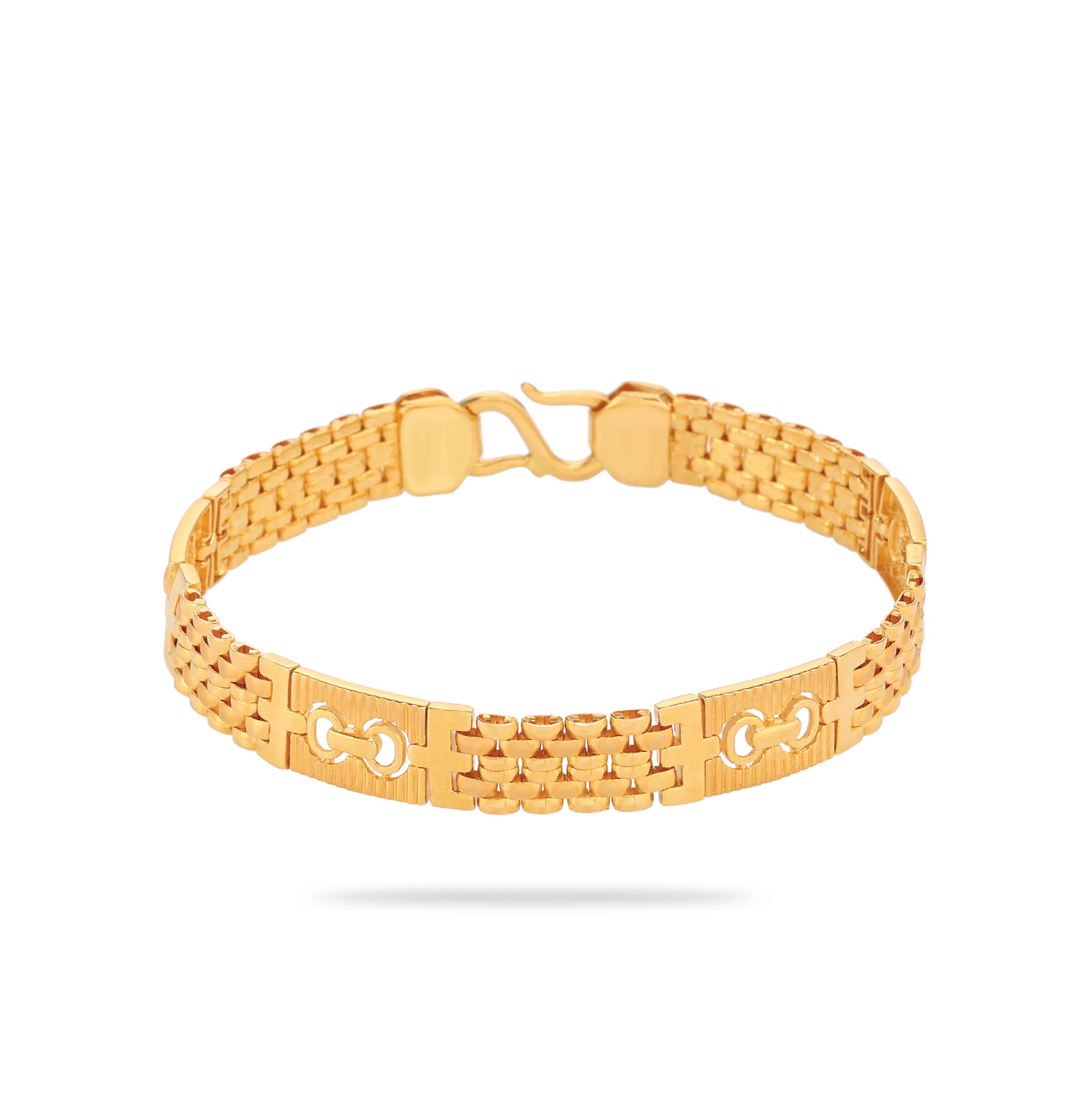
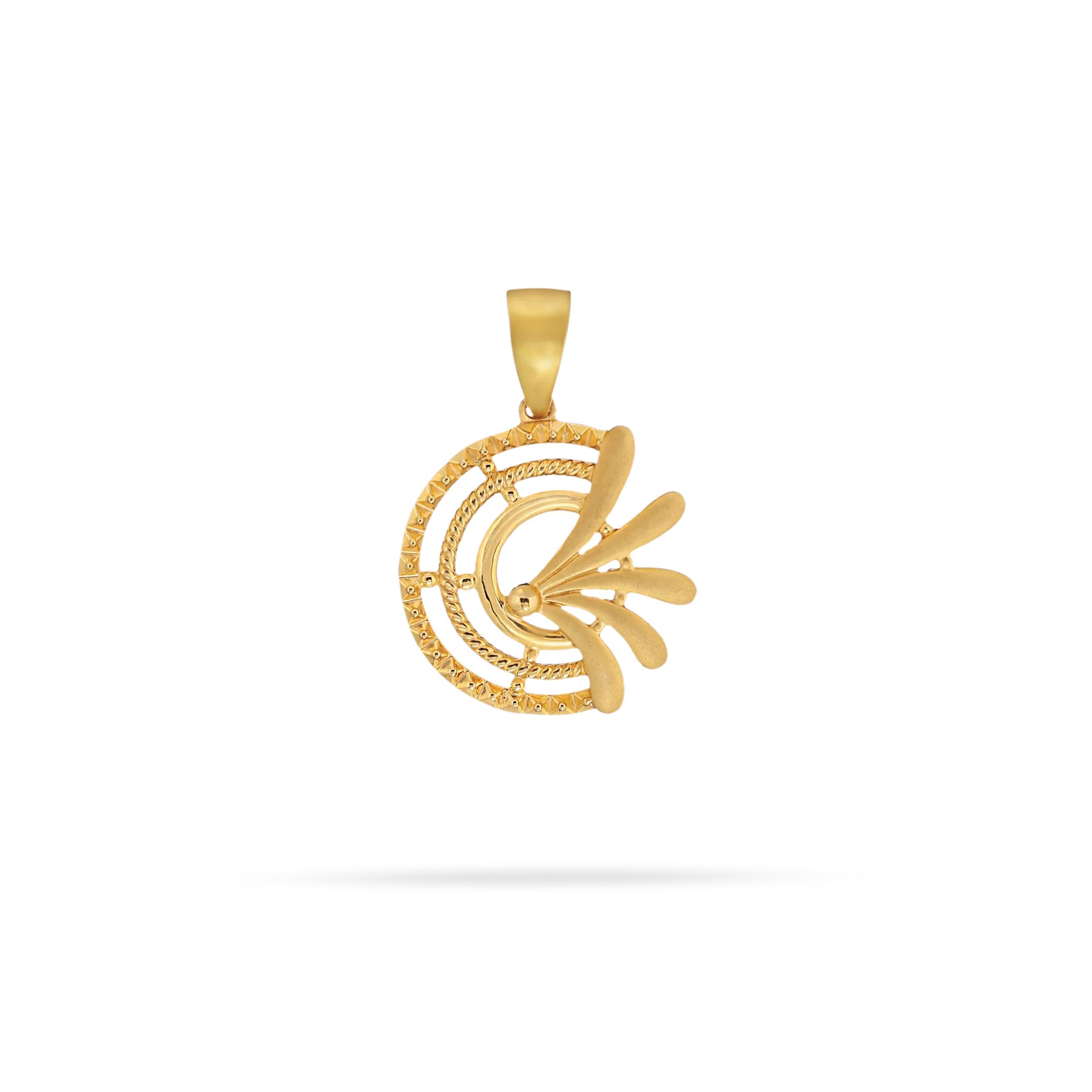
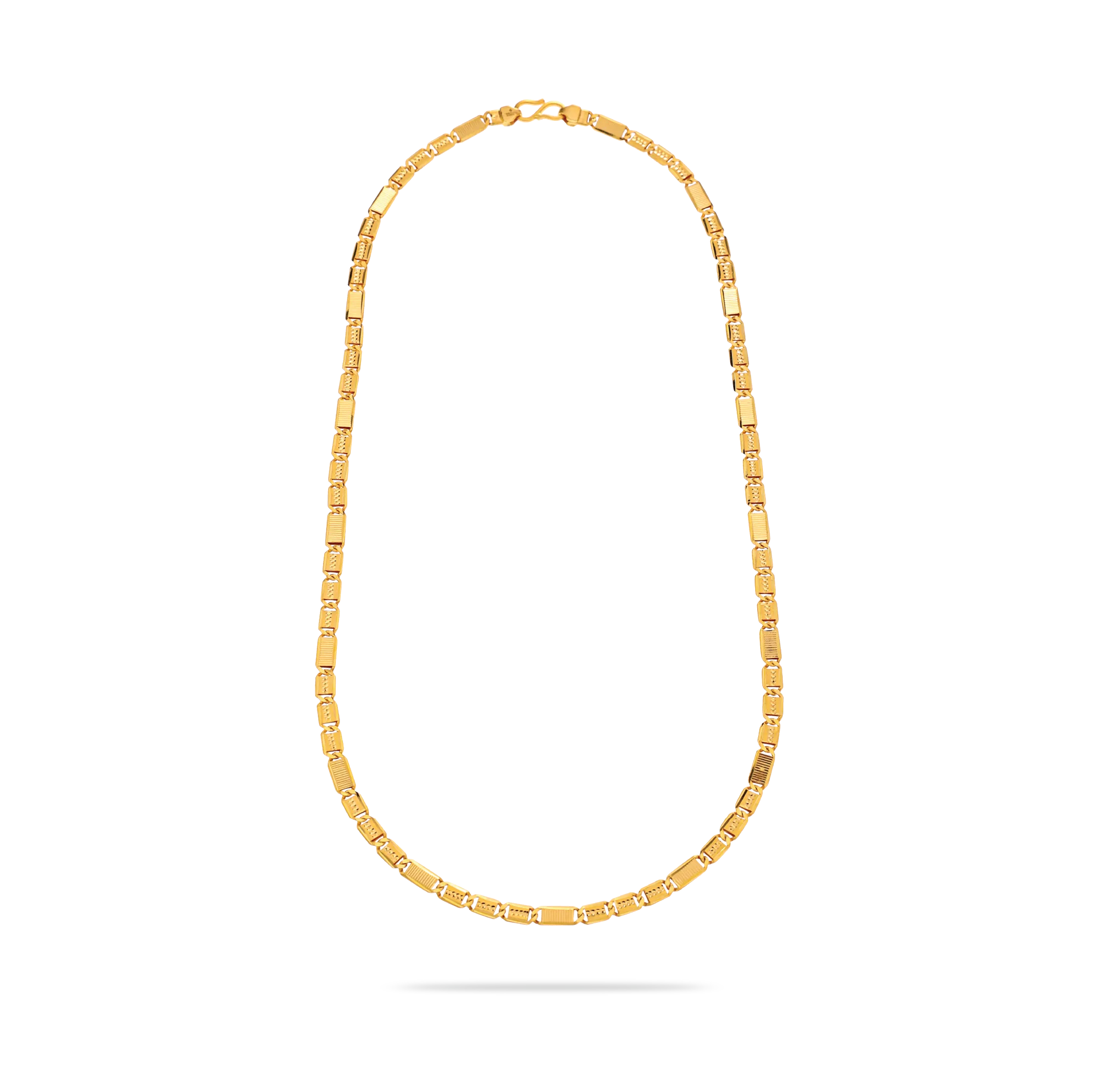
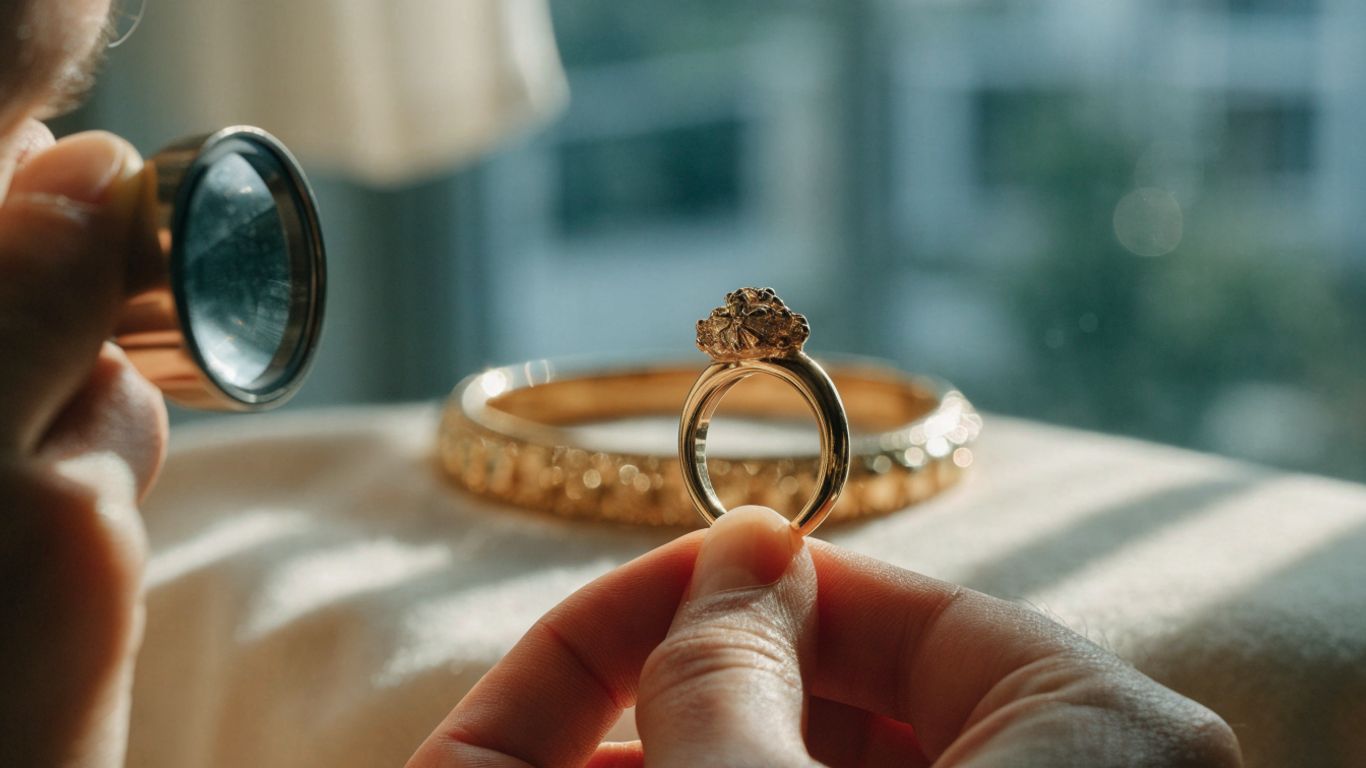
On a ring, look inside the band, especially along the lower curve where a small stamp may be less noticeable. Necklaces and bracelets are often marked on a clasp, a small tag beside the clasp, or a connector near the main piece. Pendants may have a mark on the bail or on the back. The location varies with design, so inspect each side and joint rather than relying on a single expected spot.
How to inspect clasps, posts, and other small components
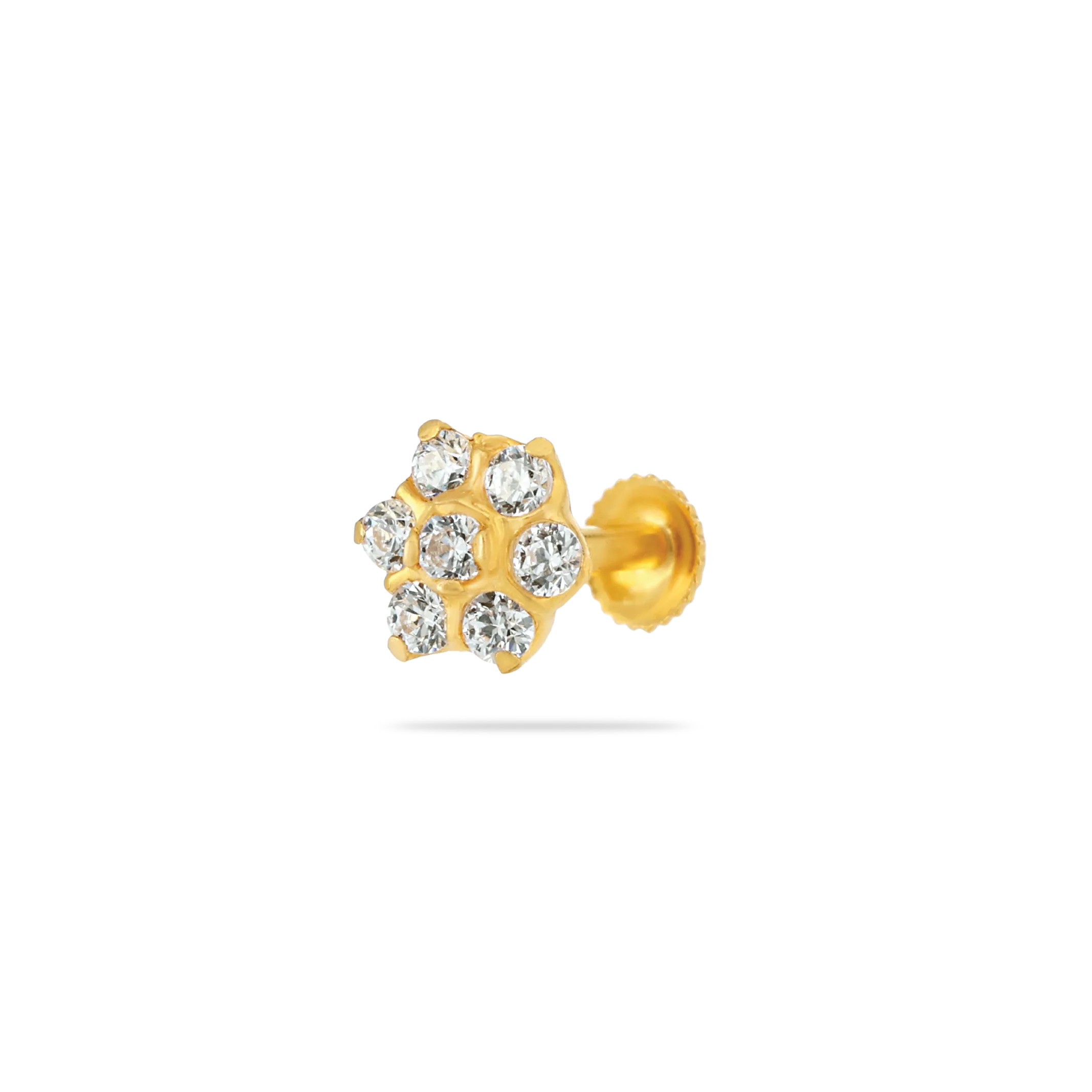
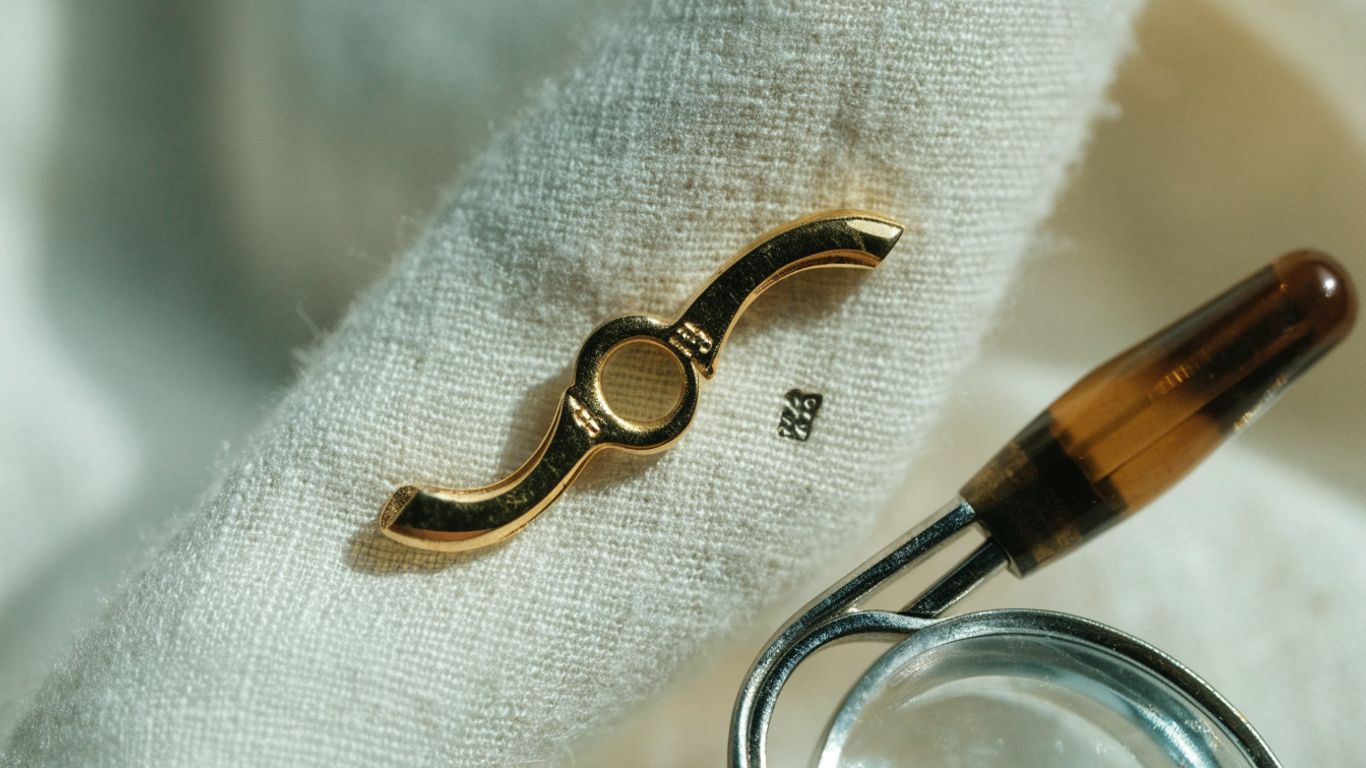
Clasps, earring posts, and connecting links are narrow and may carry marks that are difficult to see without magnification. Also remember that an attached component can be made from a different material than the main ornament, so a stamp on a clasp does not necessarily describe every part of the item. Check whether marks appear on the main piece as well as on removable or replaceable fittings. If the jewelry has multiple components, keep track of exactly where each mark is located.
Tools that help reveal tiny or worn marks
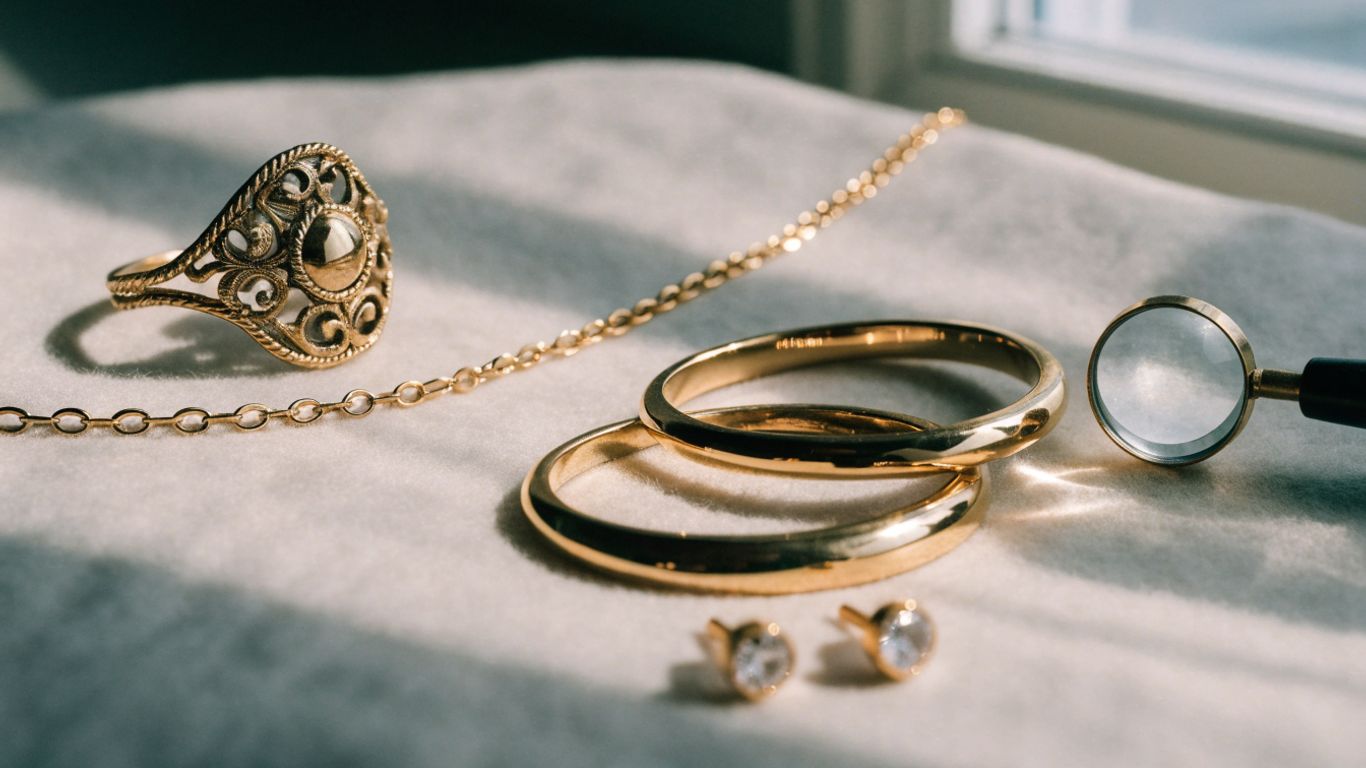
A bright, diffuse light and a simple jeweler’s loupe can make shallow impressions easier to distinguish from scratches or decoration. A phone camera with a close-focus setting may help record a mark, though the image can distort tiny shapes. For an orderly inspection, work through these steps:
- Place the jewelry on a clean, soft surface.
- Turn it slowly under steady light rather than pressing it against a lamp.
- Use a loupe to examine each likely marking area.
- Photograph any mark from more than one angle for later comparison.
These tools help you see and document a stamp; they do not authenticate it. If the impression remains ambiguous, avoid guessing from a blurry photo and let a professional inspect the piece directly.
How to examine jewelry without scratching it
Handle the item gently, with clean hands, and place it on a soft cloth when you set it down. Use a loupe or a camera rather than a pin, blade, or abrasive material to trace the edges of a stamp. Avoid polishing the area before inspection, since cleaning can make shallow marks harder to interpret and may affect the finish. If dirt obscures the mark, ask a jeweler how to clean the particular item safely.
How to read gold purity marks
Purity marks can use numbers, karat notation, or other local conventions. A number is usually easier to interpret when you know which scale it follows, so do not assume that every sequence of digits is a gold fineness mark. Karat marks give a related expression of gold content, but the two systems look different. Once you have a plausible reading, compare it with the rest of the item’s marks and construction.
What numbers such as 375, 585, and 750 mean
These common fineness numbers state parts of gold per thousand, so they can be read as percentages by moving the decimal point one place to the left. Their usual relationships to karat descriptions are shown below; local marking practice may vary, and the mark should still be checked in context.
| Fineness mark | Gold content | Common karat equivalent |
|---|---|---|
| 375 | 37.5% | 9K |
| 585 | 58.5% | 14K |
| 750 | 75.0% | 18K |
| 916 | 91.6% | 22K |
The figures describe the stated gold proportion, not the color or value of the finished piece. An alloy with a given fineness can look different depending on the other metals used, and a stamp can be inaccurate or counterfeit. Use the number as a starting point for verification rather than as proof on its own.
How karat marks such as 10K, 14K, and 18K compare
Karat describes the number of parts of gold in 24 parts of an alloy. On that scale, 10K is 10 parts gold out of 24, 14K is 14 out of 24, and 18K is 18 out of 24. Higher karat generally means a greater proportion of gold, but it does not automatically make a piece better suited to every use. For a closer look at how purity relates to everyday wear, see this comparison of 22K and 18K gold.
How to distinguish gold marks from silver or platinum marks
A number by itself can be confusing unless you identify the metal and marking system. Gold fineness marks often include figures such as 375, 585, or 750; silver items commonly use marks such as 925, while platinum marks may include figures such as 950. These are common examples, not a universal key for every country or period. Check for accompanying symbols and compare the full group of marks with a reliable reference for the item’s likely origin.
Why a purity mark alone may not prove authenticity
A stamp can be copied, altered, or placed on a component that is not representative of the whole piece. It can also be difficult to read correctly when worn, and a familiar number might be a maker’s or model code rather than a fineness mark. As a result, a mark is useful but not conclusive. Combine it with a careful inspection and, when the purchase or sale is significant, independent testing.
How to interpret other marks on gold jewelry
Gold jewelry can carry several marks beyond a purity number, and their meaning depends on the country and period. Some identify the maker, some identify a testing office, and others may provide a date or describe a plated finish. A group of consistent marks can make an item easier to research, but not every piece carries every type. Read them as a set, while keeping each mark’s role distinct.
What maker’s and sponsor’s marks identify
A maker’s mark generally points to the person or business responsible for making or submitting an item, depending on the marking system. A sponsor’s mark is used in some hallmarking systems to identify the party that submitted the item for assay. Initials and small symbols can be easy to confuse, so compare their shape and arrangement with a reference rather than guessing from a single letter. These marks help with attribution; they do not independently establish purity.
How assay office symbols can indicate where an item was tested
Some hallmarking traditions use a symbol to identify the assay office that tested or marked an item. British marks, for instance, may include an assay office symbol alongside a fineness mark and other identifiers. A British hallmark reference can help readers compare office symbols, purity marks, and date letters. The symbol is most useful when read with the other marks, since its meaning can vary by system and time.
What date letters may reveal about an item’s age
In some hallmarking systems, a letter can indicate a year or period, but its shape, font, and surrounding marks matter. Letter cycles may repeat, so one character rarely gives a precise date on its own. A date letter can be a useful clue for research when it matches an assay office and maker’s mark. Treat it as a lead to verify, not a stand-alone age certificate.
How plated and gold-filled marks differ from solid-gold marks
Marks such as GP or GEP are commonly used to describe gold plating, while GF is commonly associated with gold-filled material; exact conventions can differ by market. Such marks describe a layer or construction rather than the same all-through gold content indicated by a solid-gold fineness mark. Some pieces carry no clear mark at all, so wording and appearance should be interpreted cautiously. If the distinction affects value, have the material and construction assessed professionally.
How to verify a hallmark
Verification is a process of checking whether a mark makes sense, not simply finding a familiar number. Start with a clear photograph and note every symbol, letter, and number, along with where it appears on the item. Then compare the mark with references for the likely country and period. If something does not fit, pause before relying on the stamp in a purchase or sale.
Compare the mark with reliable reference guides
Look for references that explain the marking system and show the shapes of symbols, not just a list of numbers. Compare the whole mark, including its order, outline, spacing, and any surrounding symbols. A single letter or blurred emblem can resemble several different marks when viewed out of context. Record uncertainty rather than forcing a match, and consult more than one credible reference when the identification has financial consequences.
Check whether the mark matches the item’s style and construction
Consider whether the mark’s apparent age and style seem plausible for the item’s design, materials, and workmanship. A date or office mark that appears inconsistent with the construction deserves closer attention, though unusual combinations can have innocent explanations such as repair or a replacement part. Check whether the stamp is on the main piece or only on a fitting. These details help you decide what to ask a jeweler, but they are not a substitute for examination.
Ask a jeweler or assay office to inspect uncertain marks
A jeweler can examine a small or worn mark under suitable magnification and explain what can reasonably be inferred from it. For questions about a formal hallmark, an assay office or a relevant local authority may be able to clarify the applicable marking system. Bring photographs and any available purchase or repair paperwork, and ask the professional to distinguish what the mark says from what testing confirms. That keeps the conclusion clear and grounded in evidence.
Use professional testing when marks appear suspicious
If a mark looks altered, inconsistent, or unusually sharp on an otherwise worn piece, professional testing may help establish the metal content. The appropriate method depends on the item, its construction, and whether testing could affect its surface. Ask what the test can determine and whether it is non-destructive before agreeing to it. A measured result can add evidence, but it should be interpreted alongside the jewelry’s parts and condition.
What to do when a hallmark is missing or unclear
A missing or unreadable hallmark can be frustrating, especially when you are considering a purchase or trying to value a family piece. It does not settle the question either way. The item’s age, country of origin, condition, and construction all affect what marks you might reasonably expect to find. Take a measured approach and avoid making a decision from one visual clue.
Consider the item’s age and country of origin
Marking practices change over time, and the rules in one country may not apply to jewelry made elsewhere. An older item may predate a current requirement, while a piece made for a different market may carry another system of marks. Provenance, old receipts, and repair records can offer helpful context, though paperwork also needs to be assessed. If you know where the item was bought or made, use that information to choose relevant reference material.
Know why some genuine gold items may lack hallmarks
A genuine gold item may be unmarked because of its age, small size, wear, or the rules that applied when and where it was made. A clasp or other replaceable component might also have been changed over time. These possibilities explain why absence alone is not conclusive; they do not establish that an unmarked item is gold. When certainty matters, seek an assessment that considers both the object and any available history.
Avoid relying on color, weight, or home tests alone
Color can be affected by alloy composition, lighting, surface wear, or plating, while weight depends on the piece’s size and design. Informal home tests can also damage jewelry or produce misleading results, particularly when an item is hollow, set with stones, or made from multiple materials. Use visual clues only as reasons to ask further questions. For a meaningful decision, rely on a qualified inspection and appropriate testing.
Get an independent appraisal before buying or selling
When the value or authenticity is uncertain, an independent appraisal can provide a clearer basis for a transaction. Choose a qualified professional who is not relying solely on the seller’s description, and ask what was inspected and how the metal was assessed. Keep a written record of the findings and any limitations. That way, the next decision rests on a documented opinion rather than a stamp you cannot confidently read.
Conclusion
A hallmark can help explain a gold item’s stated purity, maker, or testing history, but marks vary across countries and can be worn, incomplete, or misleading. Check the whole piece carefully, compare its marks with appropriate references, and seek independent professional help when the answer affects its value. A careful process is more dependable than any single stamp or visual clue.
Frequently Asked Questions
Does every real gold item have a hallmark?
No. Whether an item is required to carry a mark depends on factors such as its origin, age, size, and the rules in force at the time. An unmarked piece needs assessment rather than an automatic assumption either way.
Where is a hallmark usually located on a ring?
Look inside the band, often along its lower curve. The mark may be tiny or worn, so use good light and magnification rather than scraping the surface.
What does 750 mean on gold jewelry?
A 750 fineness mark indicates a stated gold content of 750 parts per thousand, or 75%. It is commonly associated with 18K gold, but the stamp alone does not authenticate the piece.
Is 585 the same as 14K gold?
585 means 58.5% gold by fineness, which corresponds closely to 14 parts out of 24, or 14K. Marking conventions can vary, so interpret it in context.
Can a hallmark be fake?
Yes. A stamp can be copied or altered, and it may not describe every component of an item. Compare all the marks and seek professional inspection if anything seems inconsistent.
What does GP mean on jewelry?
GP is commonly used to indicate gold plating, rather than a solid-gold fineness. Marking conventions differ, so confirm the item’s construction before drawing a conclusion about its value.
How can I verify an unclear gold mark?
Photograph the mark clearly, compare it with a reliable reference for the likely country and period, and ask a jeweler or assay office to inspect it. Professional testing may be appropriate when the metal content is uncertain.
Related blogs:
November 20, 2025
The Timeless Elegance of the Tennis Bracelet: A Comprehensive Guide
Read More

November 20, 2025
The Ultimate Guide to Styling and Wearing a Choker Necklace
Read More

November 20, 2025
Find Your Perfect Engagement Ring: A Comprehensive Guide to Styles and Diamonds
Read More
November 20, 2025
The Timeless Elegance of a Diamond Tennis Bracelet: A Buyer's Guide
Read More