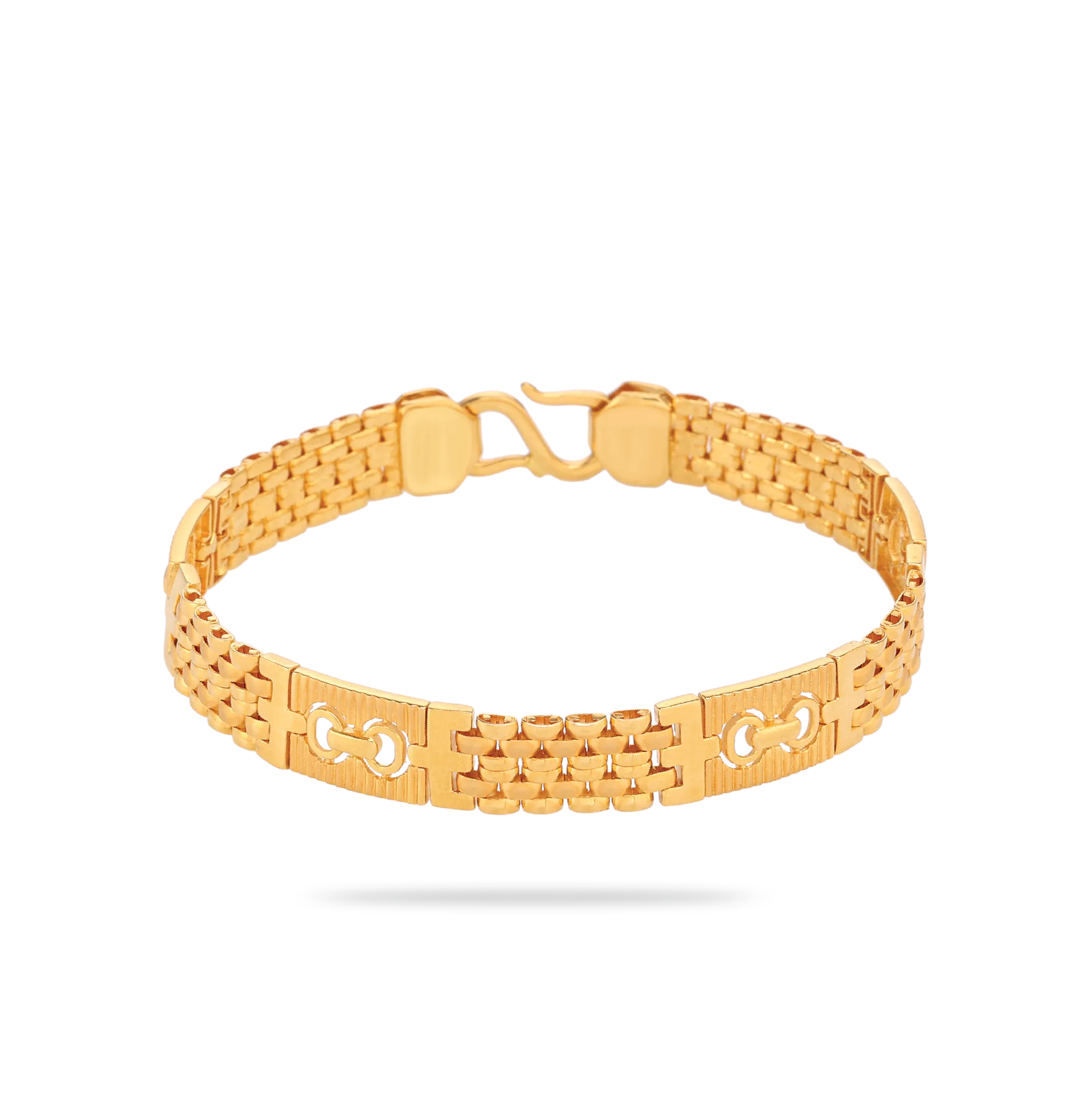
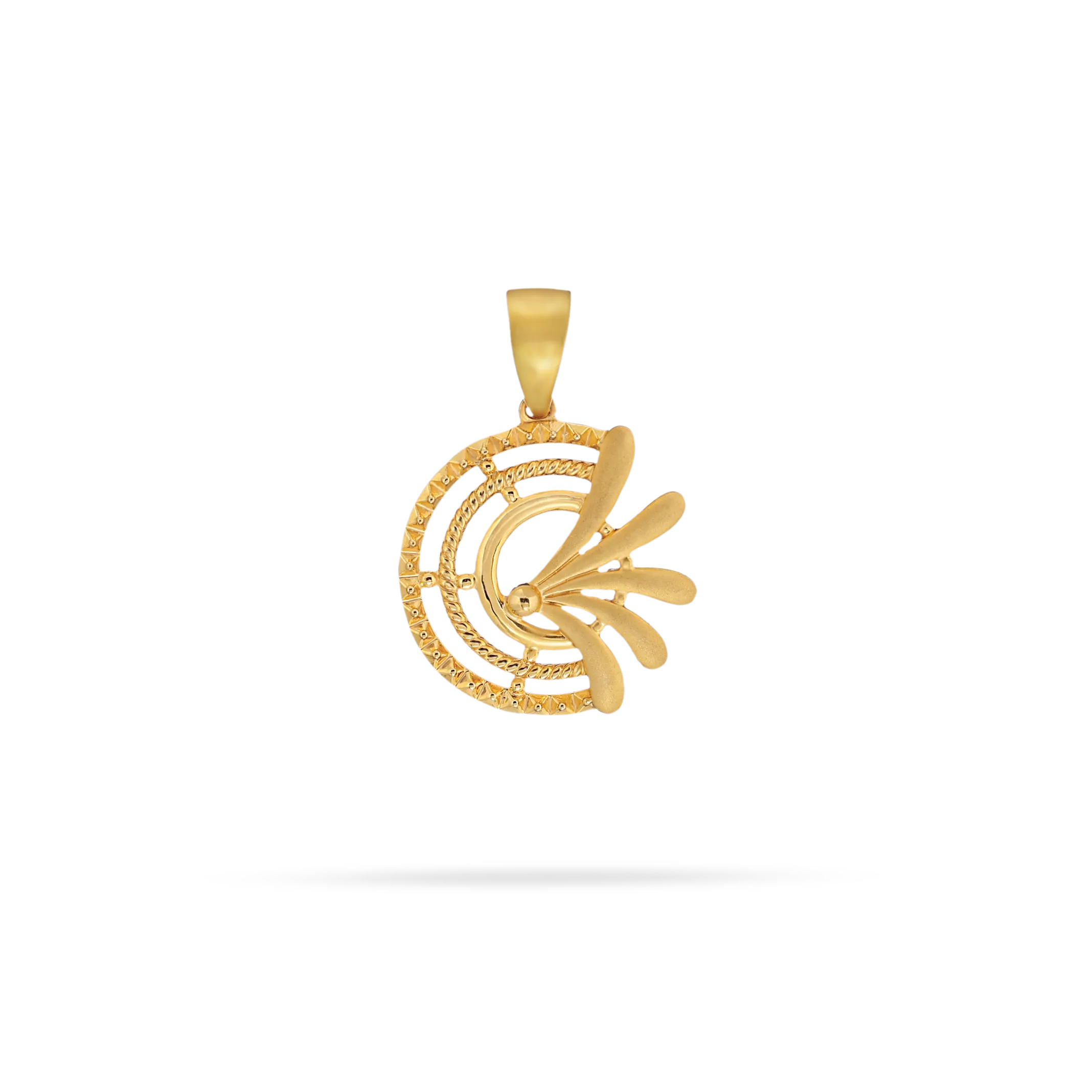
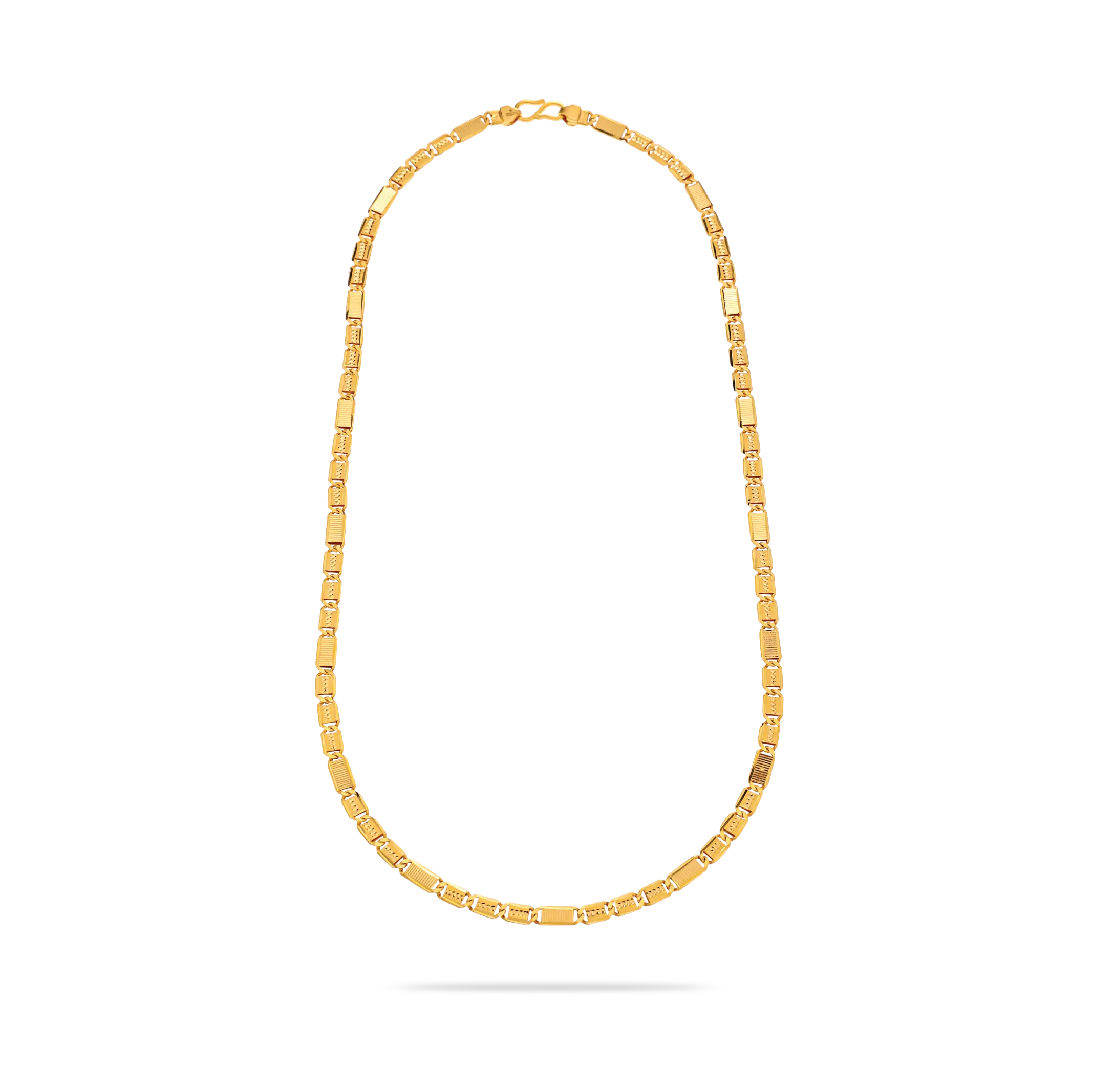
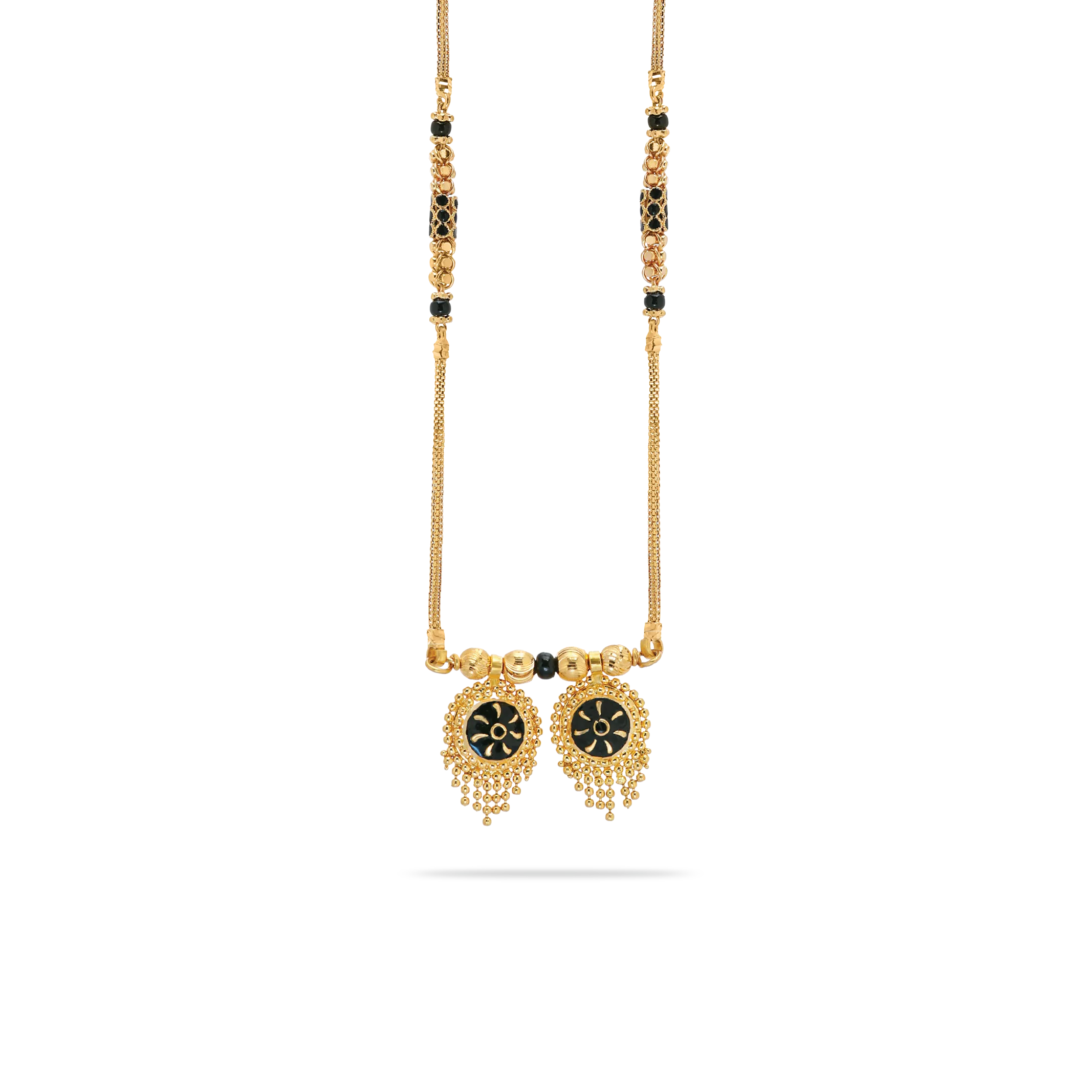
The ultimate guide to choosing and styling a lightweight gold necklace
July 28, 2026 | 10 minutes read
Key Takeaways
Finding the right necklace involves balancing personal aesthetics with material durability for long-term wear. These five points summarize the essential considerations for selecting and caring for your jewelry.
- Prioritize 14k gold for enhanced strength in everyday pieces.
- Examine link integrity to ensure your chain holds up to daily movement.
- Match your necklace length to your specific wardrobe necklines.
- Utilize gentle cleaning methods to maintain your gold's natural luster.
- Store delicate chains individually to avoid unwanted tangles and chain damage.
Understanding gold purity for lightweight jewelry
Selecting a piece of jewelry often starts with understanding the metal itself, as purity directly impacts how a piece performs. When you shop with C Krishniah Chetty & Co, you gain access to expert guidance on identifying the right alloy for your lifestyle needs. It is essential to look beyond the surface to ensure your selection offers the quality you expect.
The difference between 14k and 18k gold
Choosing between 14k and 18k gold is primarily about balancing metal content with practical utility. 14k gold contains 58.3% pure gold combined with harder alloys like copper or silver, providing a reliable structure. In contrast, 18k gold offers a richer, more saturated color through its 75% gold concentration, making it a luxurious option for special occasions rather than heavy daily friction.
How purity affects metal durability and weight
Pure gold is notoriously soft, meaning that adding other metals is necessary to give your accessories the structural integrity they require. A lower karat count often translates to a significantly more robust metal, which is ideal for thin chains that need to resist snapping from accidental tugs or snagging on clothing. To visualize these technical differences, refer to the following comparison table which outlines the typical characteristics of common gold purities used in fine jewelry.
| Karat | Pure Gold | Durability | Best Use Case |
|---|---|---|---|
| 10k | 41.7% | High | Everyday wear |
| 14k | 58.3% | Moderate | Versatile daily styling |
| 18k | 75.0% | Delicate | Fine jewelry/Evenings |
These distinctions help you choose a weight and strength profile that aligns perfectly with your specific activity levels and aesthetic desires.
Understanding color variations in gold alloys
Gold alloys are versatile because manufacturers can alter the appearance by changing the base metal mix used alongside the gold. Yellow gold remains the classic favorite, while the addition of copper shifts the tone toward a warm rose hue, and nickel or palladium creates the popular white gold look. Understanding these blends ensures your new necklace complements the rest of your collection, providing a cohesive look regardless of which karat you choose.
Essential factors to consider when purchasing
Buying a delicate piece requires careful inspection to guarantee longevity. Taking the time to evaluate construction quality ensures your investment remains wearable for years to come.
Evaluating chain thickness and link integrity
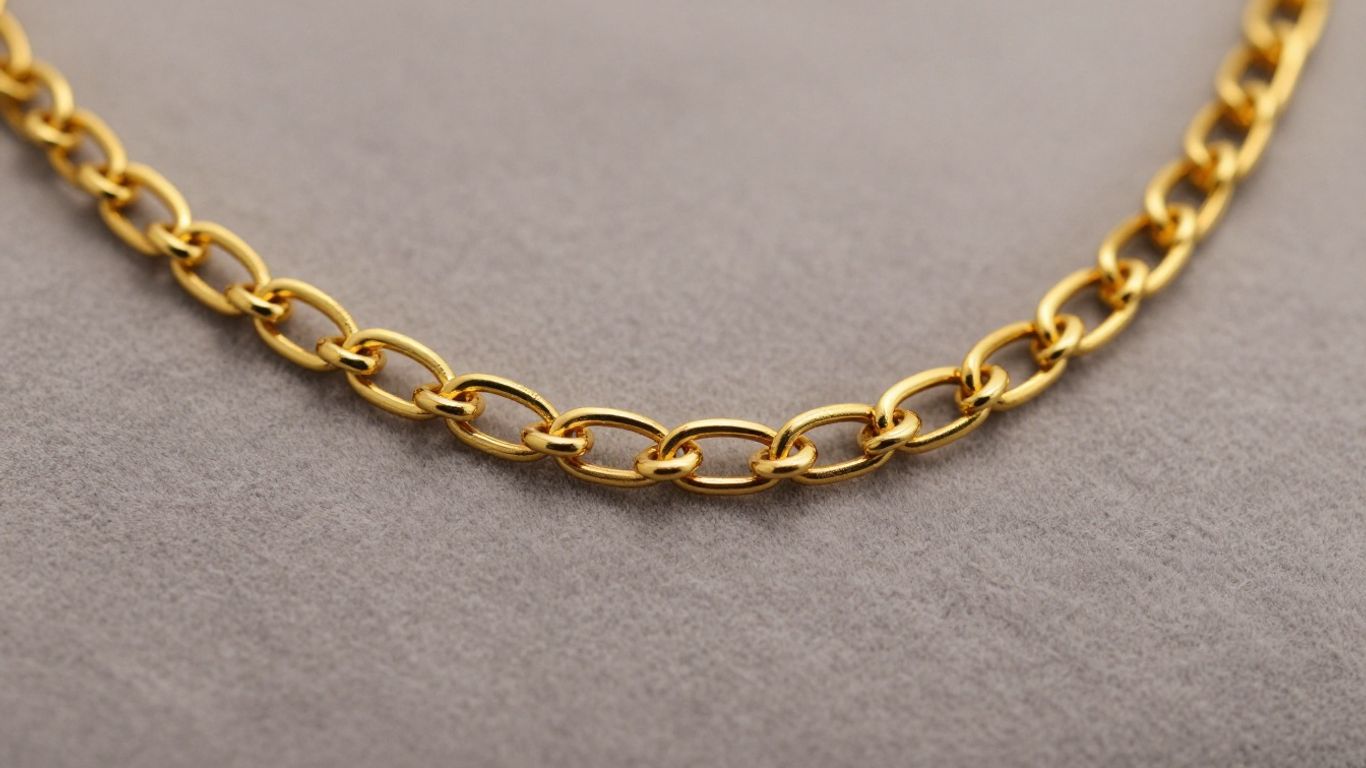
When inspecting a potential purchase, observe the links under bright light to check for any visible seams or irregular spacing. A well-constructed chain should flow freely without bunching up in certain spots, which often indicates poor manufacturing or stressed material. Focus your attention on the transition points where the chain meets the jump rings, as these areas experience the most friction and are the first to show signs of wear.
Selecting a secure and functional clasp mechanism
Even the most beautiful chain is only as reliable as its fastening system. A spring ring or lobster claw clasp should offer a smooth, tension-filled movement without showing signs of corrosion or misalignment. Choosing a size that matches the weight of your chain is vital, as a clasp that is too small might be nearly impossible to open, while one that is too large can become a heavy, unattractive distraction at the back of your neck.
Determining the optimal length for daily comfort
Identifying the right length is the final step in ensuring your necklace is comfortable for hours of consecutive wear. While a 16-inch chain sits comfortably at the collarbone, 18-inch options offer a bit more breathing room suited for professional or casual settings. If you frequently find yourself adjusting your jewelry, you might want to look for adjustable lengths that allow you to customize the drop based on your outfit's specific collar style.
Popular design styles for daily wear
Design choices for lightweight pieces have evolved to offer both simplicity and charm without taxing your budget. C Krishniah Chetty & Co showcases how these lightweight designs provide effortless elegance, making it simple to find a match for any style sensibility.
Minimalist cable and box chains
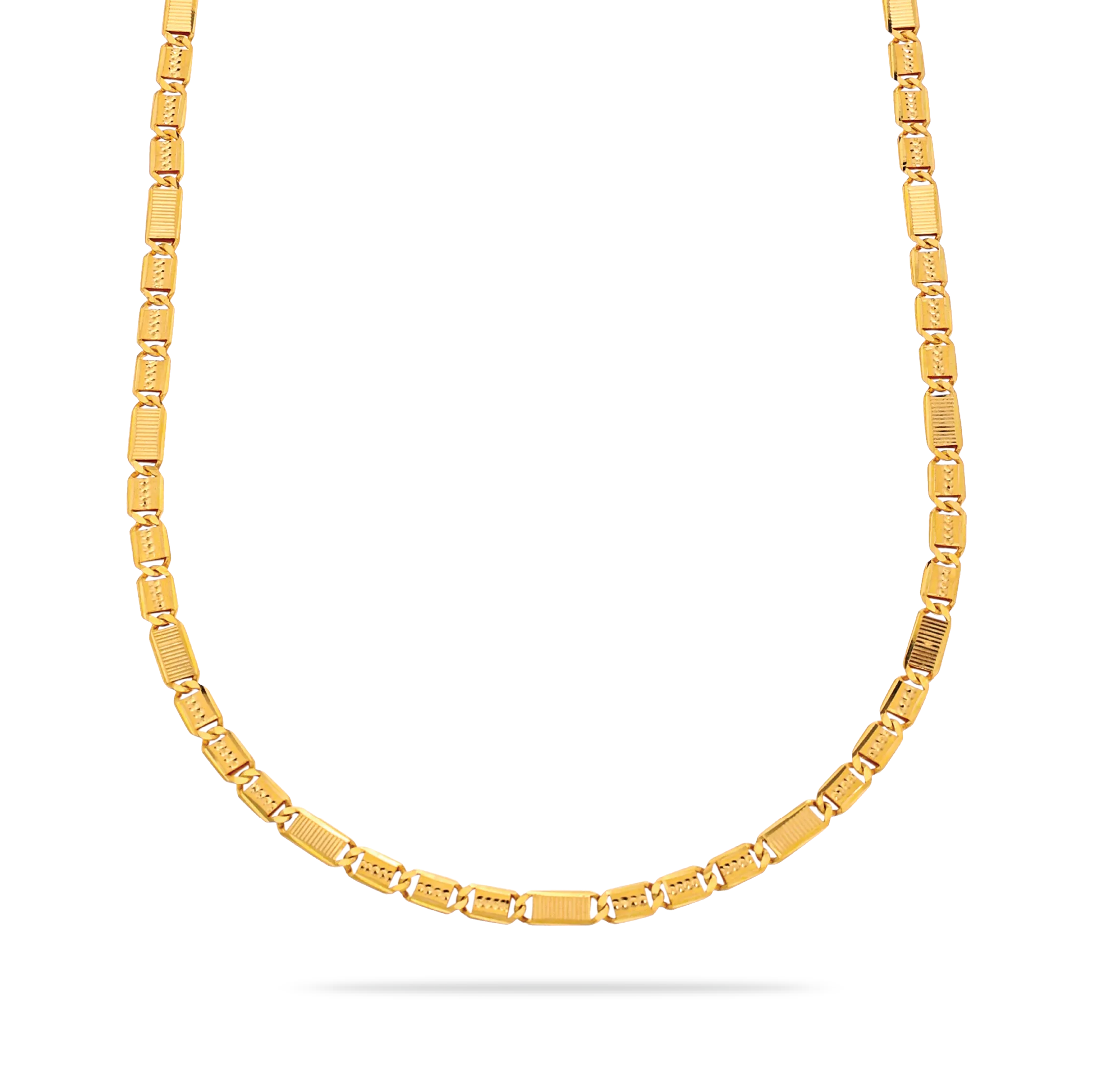
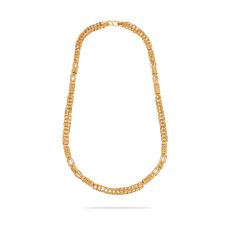
Minimalist chains excel because they provide a clean, uncluttered foundation that works with virtually everything in your wardrobe. Cable chains consist of uniform round links, while box chains utilize flat, square links that catch the light with every move you make. These styles are the backbone of many collections, offering a subtle shimmer that elevates casual t-shirts and professional blouses alike without ever looking overdone.
Delicate pendants and charms
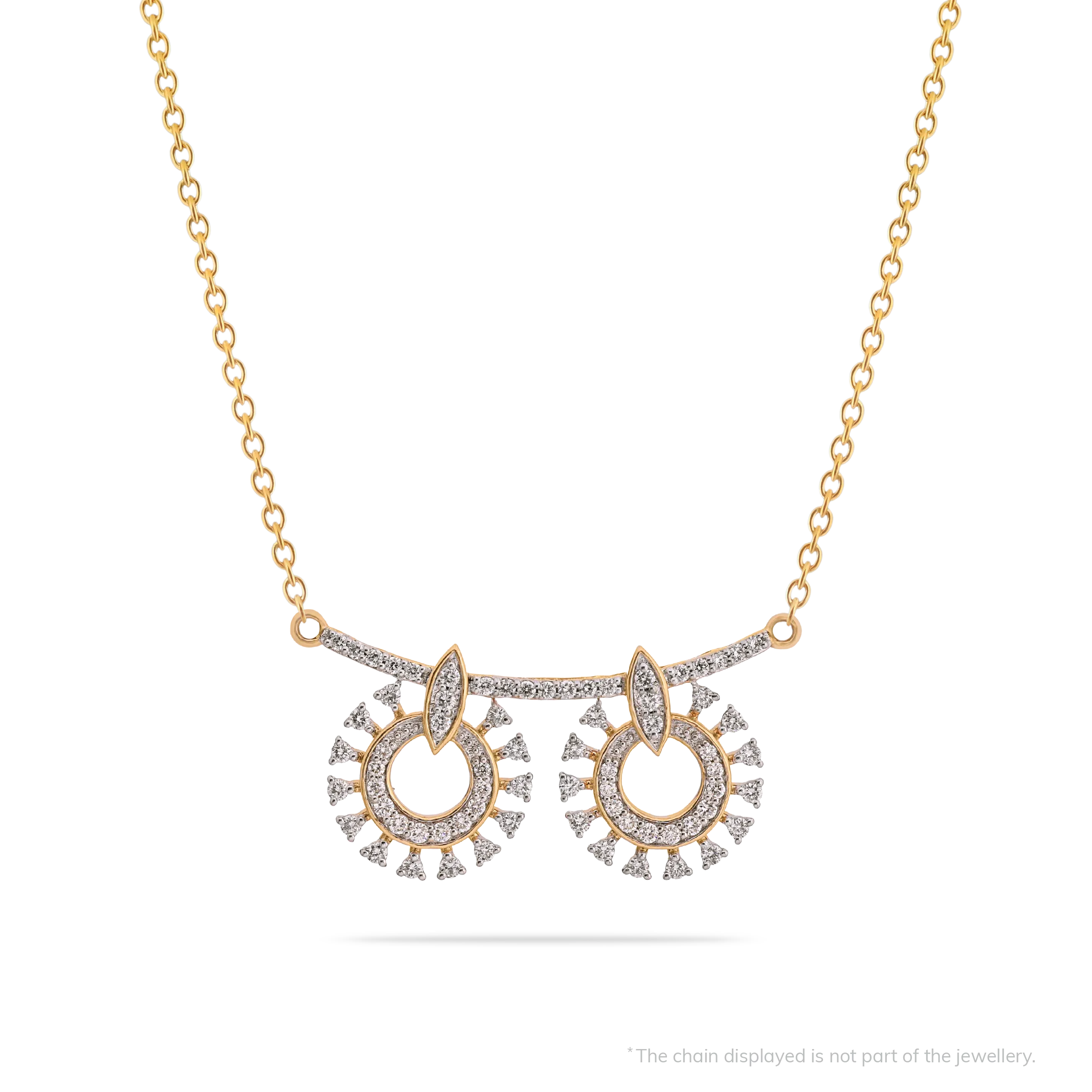
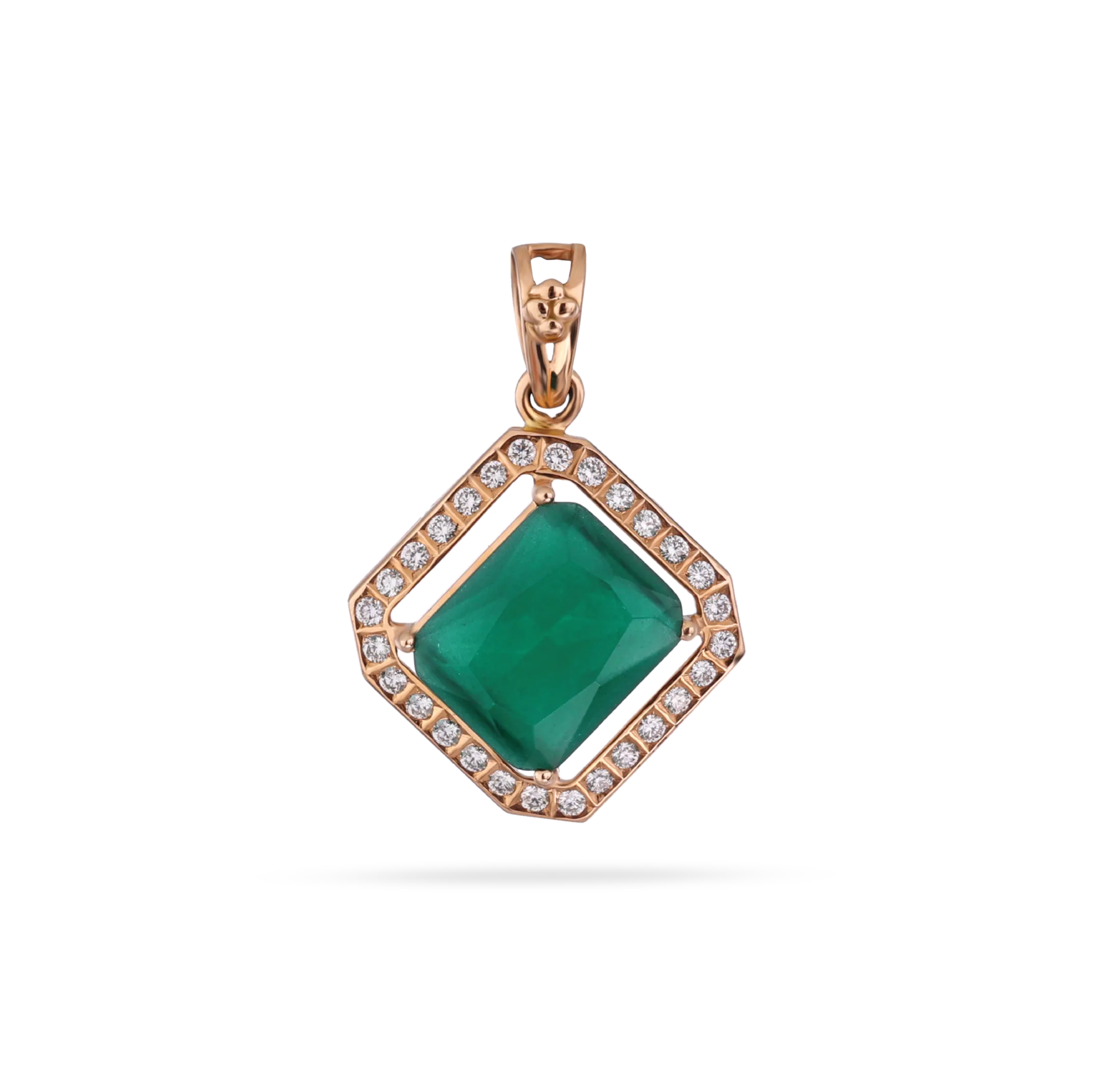
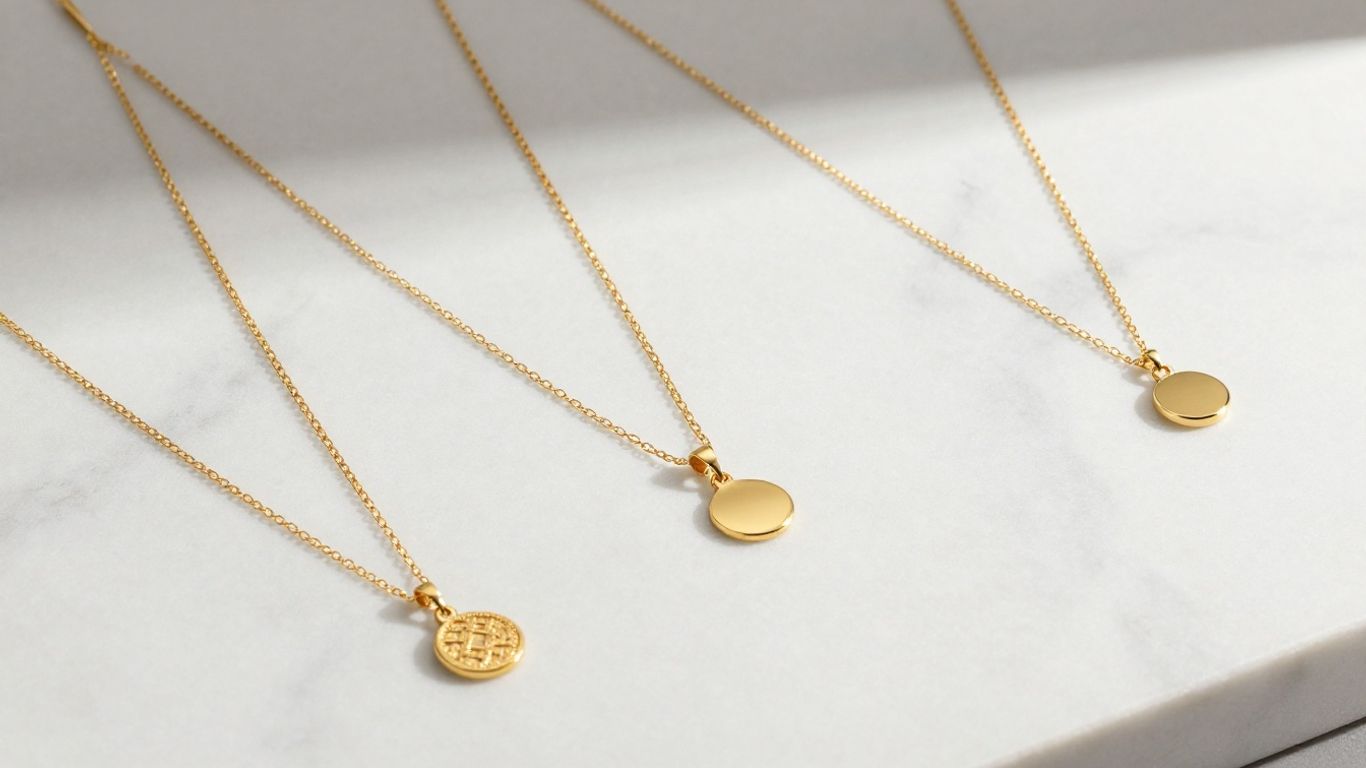
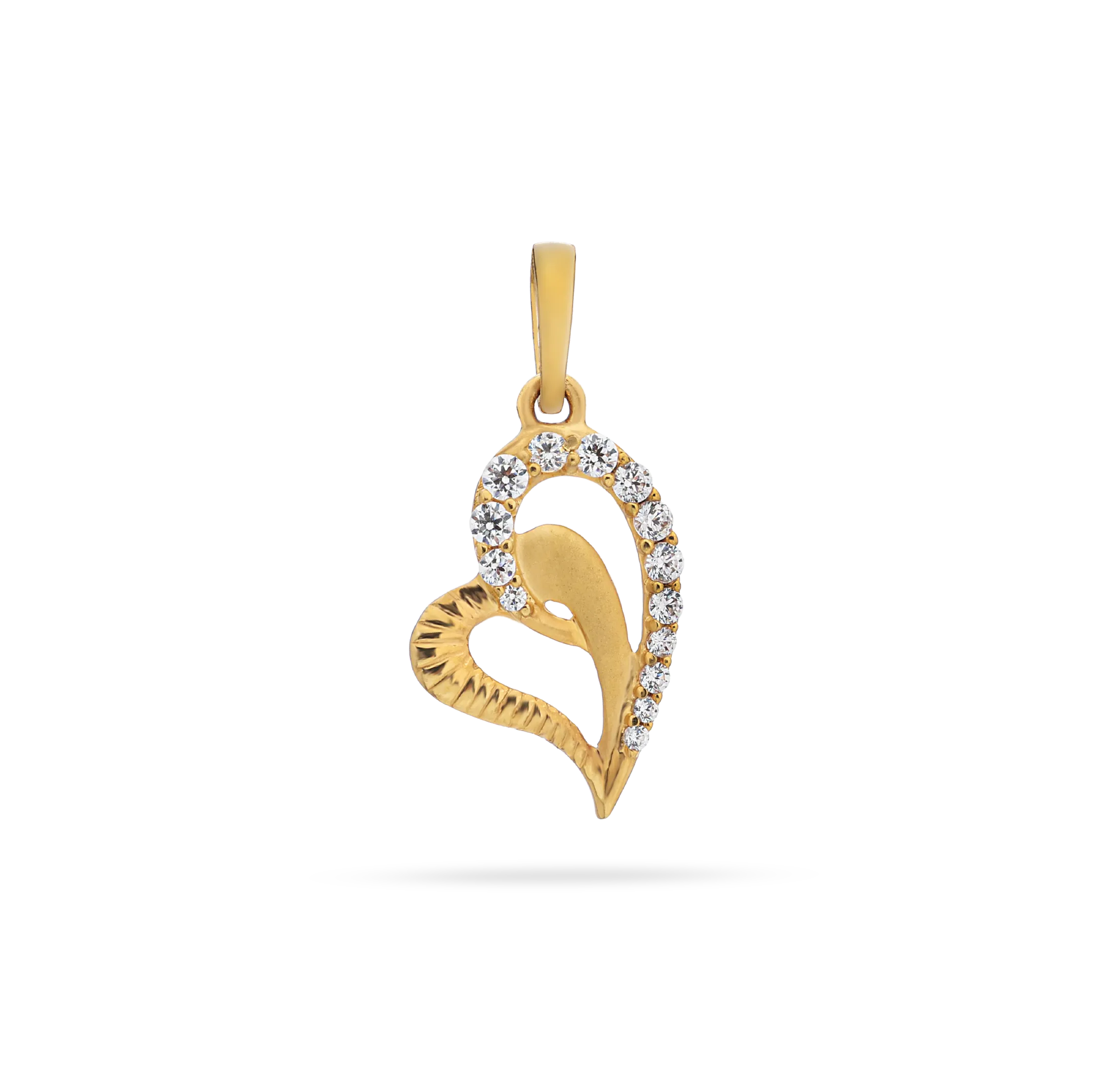
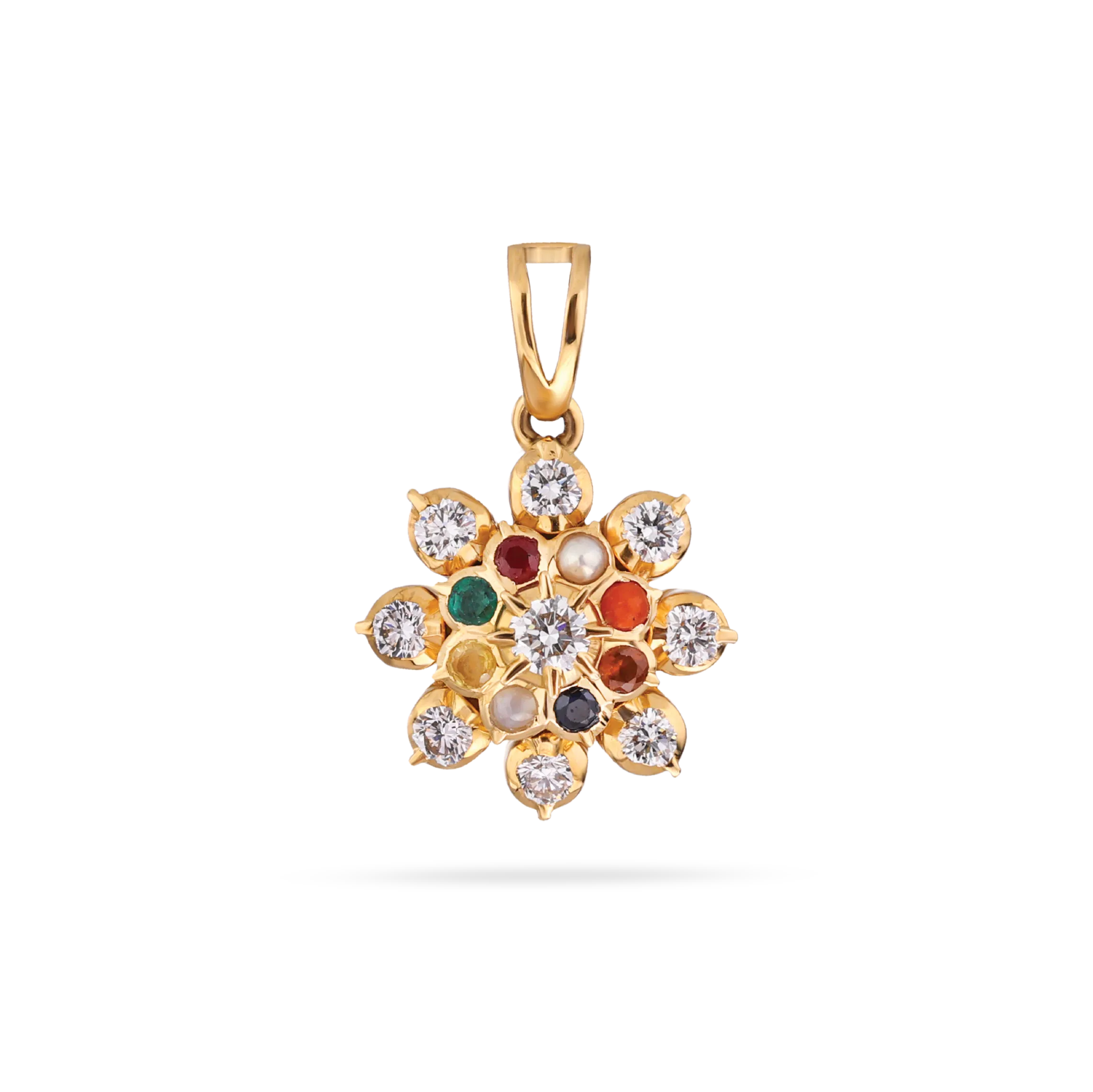
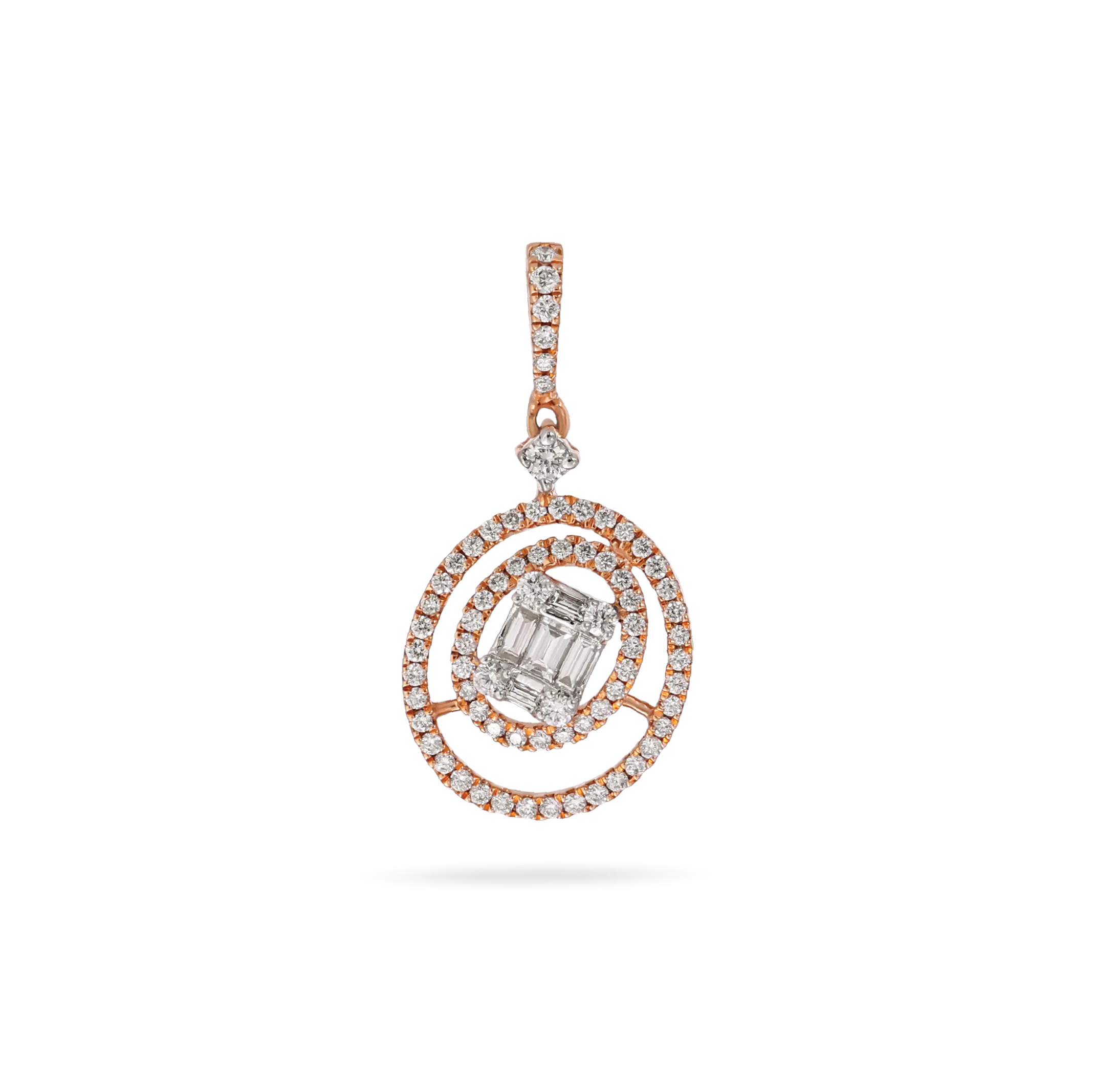
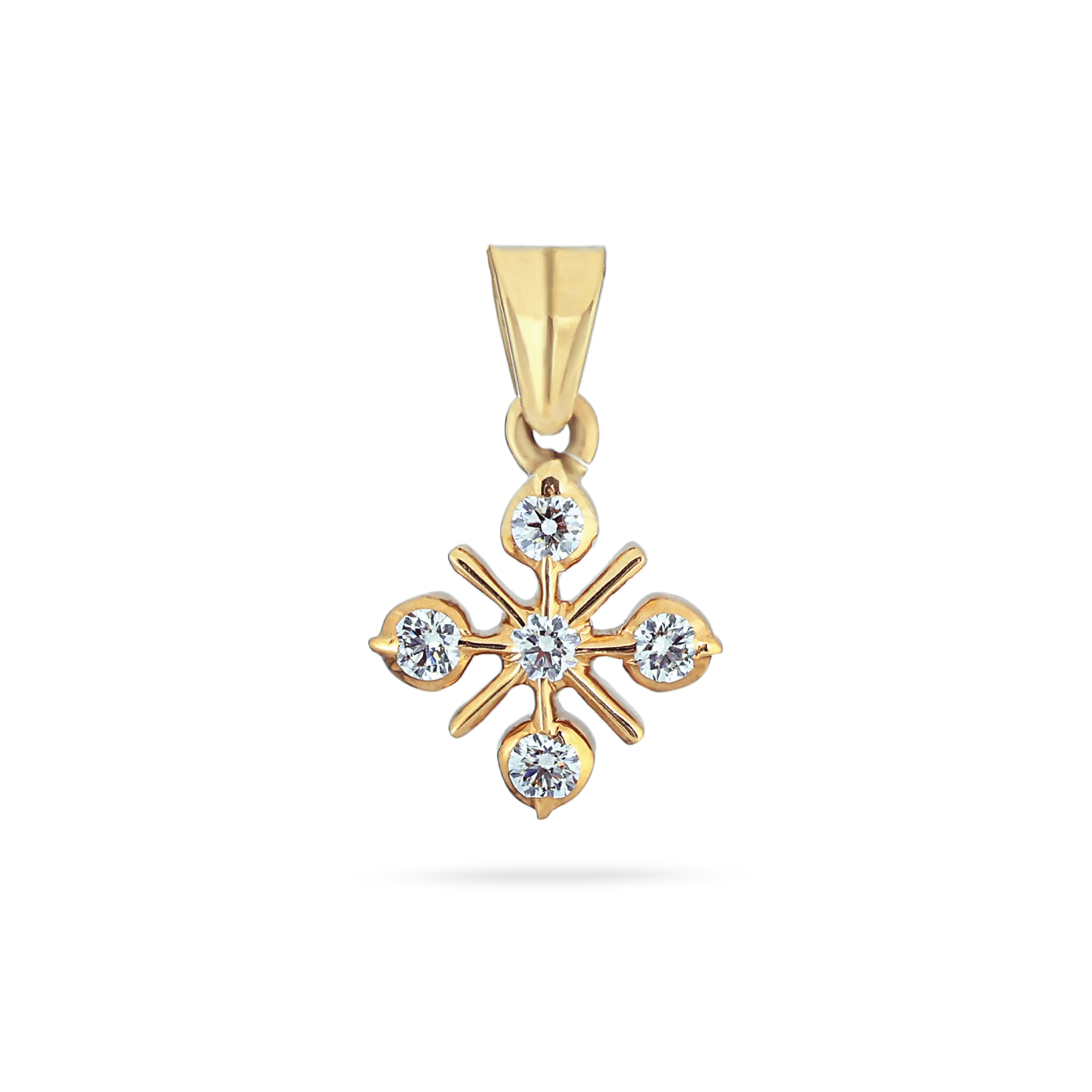
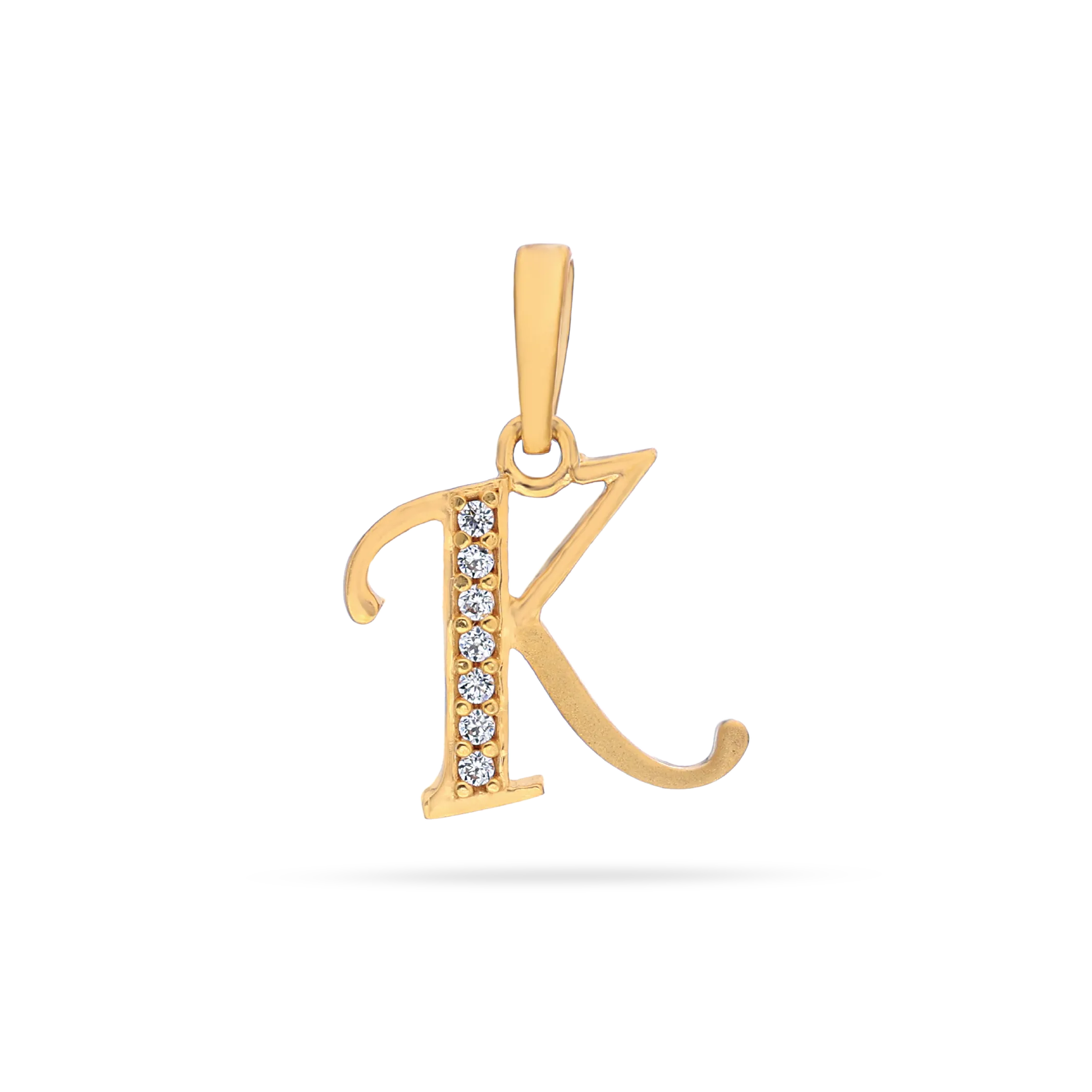
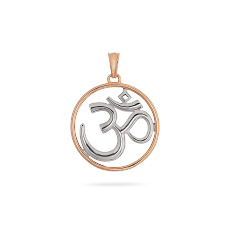
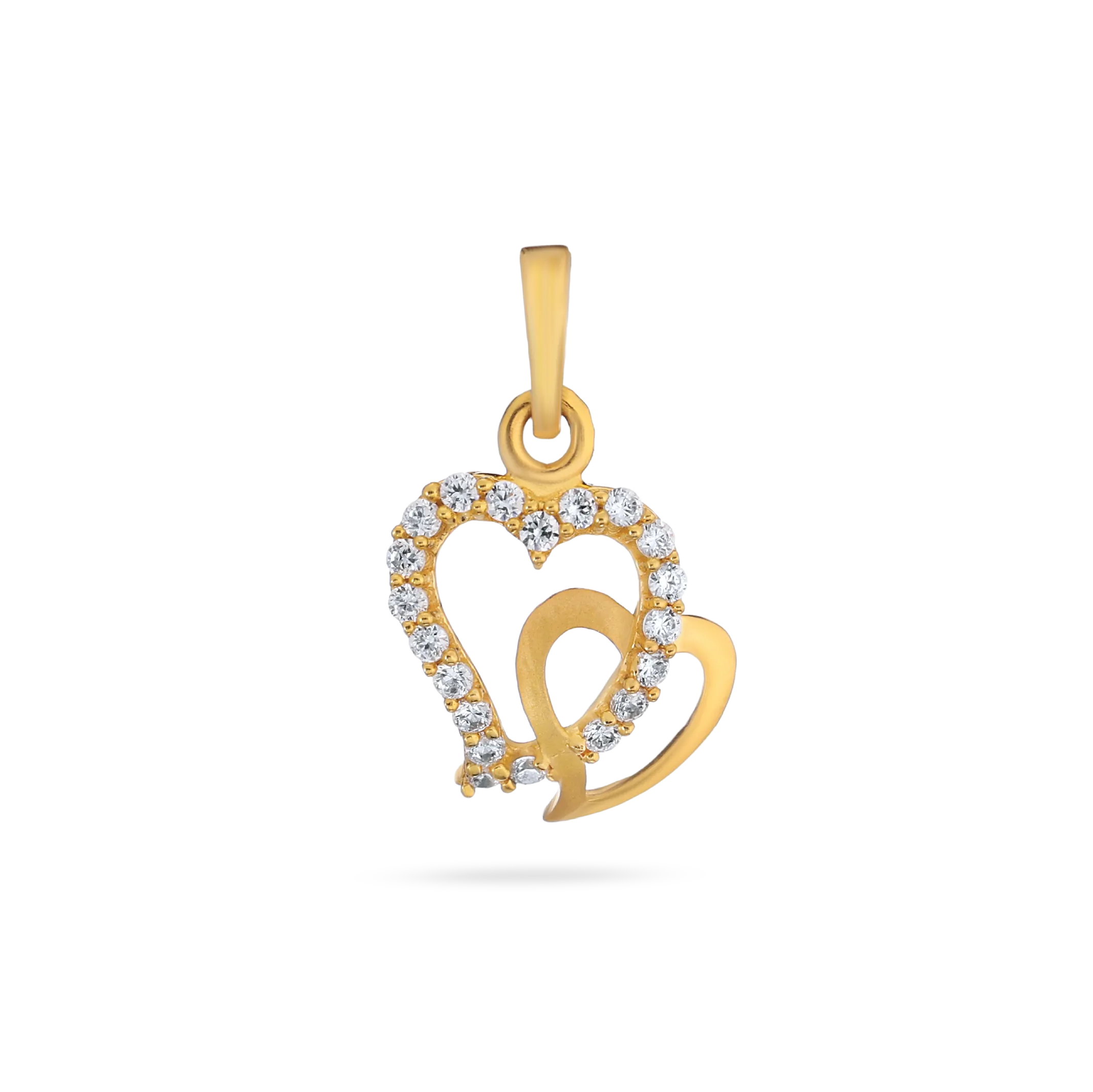
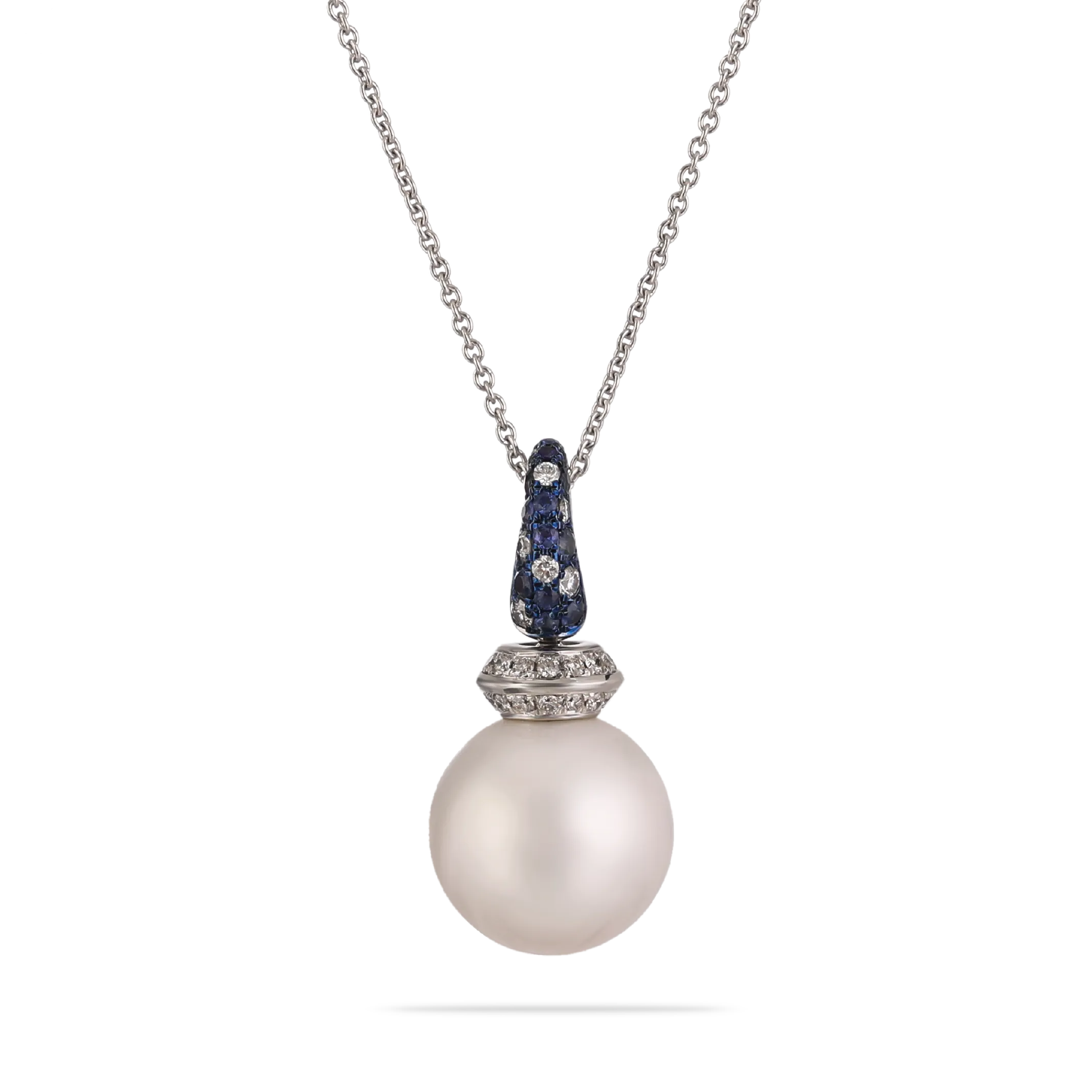
Adding a pendant allows you to introduce sentiment and personality to your everyday look without significantly increasing the weight of the necklace. Small solitaire stones or engraved gold discs act as perfect focal points that draw the eye up toward the face. When choosing these, keep in mind that the bale diameter must be wide enough to move freely but small enough to prevent the charm from swinging off-center or catching on other items.
Geometric and modern refined patterns
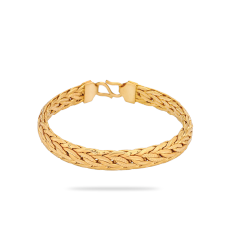
Modern refined patterns, such as herringbone or wheat chains, introduce interesting textures that differ from standard link designs. These styles often feature flat surfaces that create a polished look by reflecting light across a wider plane. While they offer a unique flair, they require careful handling since sharp bends can cause permanent creases in the metal structure.
Matching your necklace with different necklines
Necklines dictate the final look of your ensemble, and pairing the right chain length with your clothing is an art form. Selecting the wrong balance can make your outfit look disjointed, whereas the right pairing feels intentional and refined.
Styling for crew necks and high necklines
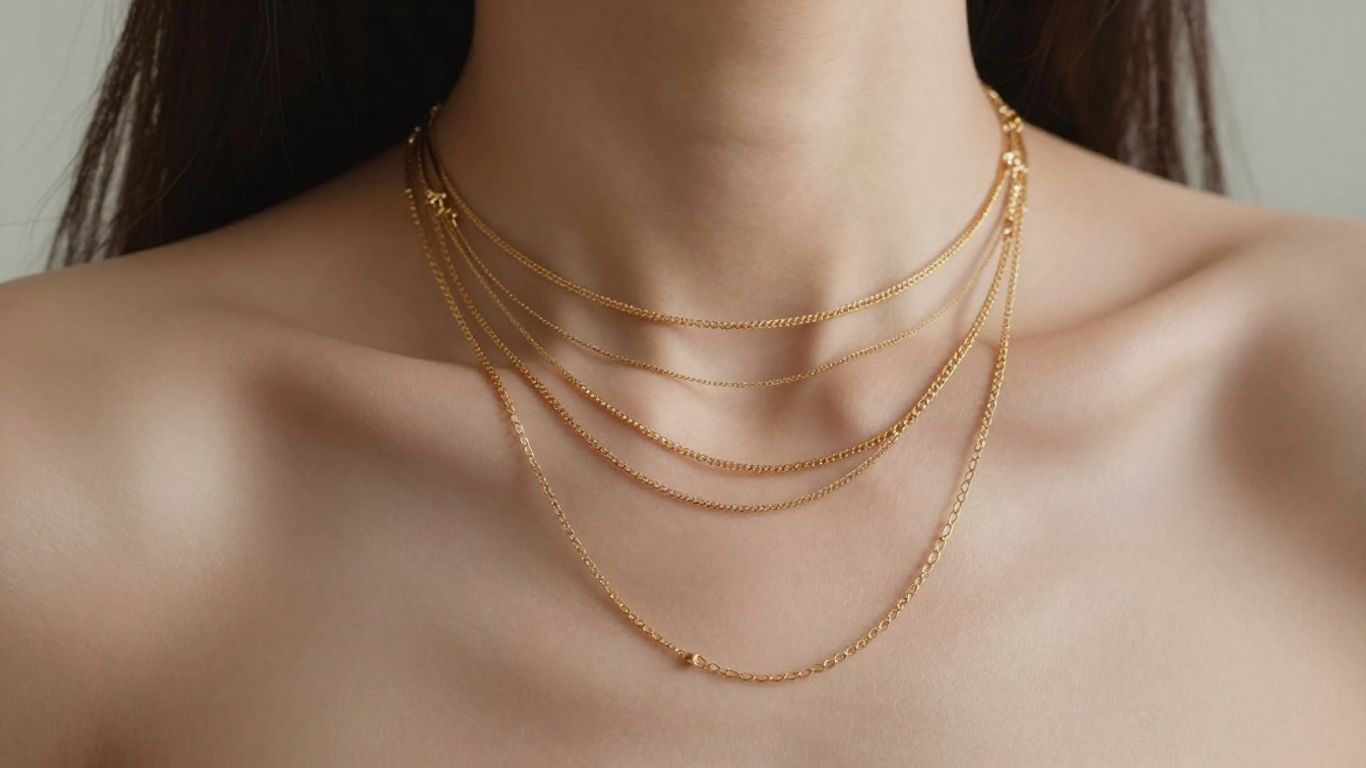
High necklines like crew necks create a blank canvas that is best suited for longer chains that sit below the collar. Shorter necklaces can often clash with the fabric, leading to tangles and hiding your jewelry behind the shirt material. Experiment with opera-length chains or graduated layers to ensure your pieces contribute to the silhouette instead of fighting against it.
Pairing with v-neck and plunge tops
Deep V-necks are perhaps the most versatile necklines, as they naturally frame the chest area and highlight your jewelry. A pendant that mimics the shape of the neckline will always look sophisticated, though adding a layered gold necklace can create a more dramatic effect for evening events. Avoid necklaces that are too long, as they might get lost in the deep opening or hit too far below the bust for a polished look.
Coordinating with off-the-shoulder designs
Off-the-shoulder tops emphasize the collarbone, making this the perfect opportunity to wear a choker or a delicate, skin-hugging chain. The lack of fabric around the neck area means your jewelry becomes the main center of attention. Keeping your choice simple here usually yields the best results as it prevents the neck area from feeling too busy, allowing your shoulders to remain the focus of the ensemble.
Care and maintenance tips for delicate gold
Proper care keeps your jewelry looking as radiant as the day you first put it on. By following a routine, you protect your gold from premature aging due to environmental factors or residue buildup.
Safe cleaning solutions for fine jewelry
Many household cleaners are too harsh for delicate gold chains and can strip away finishes or leave behind residues. Instead, use a solution of warm water and a tiny bit of mild dish soap to gently loosen any oils or dust buildup. C Krishniah Chetty & Co suggests avoiding ultrasonic cleaners for thin or flexible chains, as the vibrations can sometimes damage or stretch the delicate link connections over time.
Proper storage techniques to prevent tangling
Storing your chains properly is the best way to prevent knots and kinks that are notoriously difficult to remove from lightweight links. Follow these best practices regularly:
- Lay each chain flat on a soft velvet-lined tray.
- Use individual small pouches for travel to prevent knotting.
- Hang necklaces on vertical hooks if you have the cabinet space.
- Avoid stacking multiple necklaces in a single bowl or dish.
By ensuring each piece has its own dedicated space, you eliminate the friction that causes chains to weave into one another during storage.
When to seek professional repair for thin chains
If you notice a link that has become misshapen or a clasp that no longer snaps firmly into place, it is time to visit a professional jeweler. Attempting repairs at home often leads to metal fatigue, which permanently compromises the chain's overall strength. A professional can quickly perform laser welding or clasp replacements that maintain the structural integrity of your favorite pieces while keeping them usable for your daily routine.
How to layer lightweight chains effectively
Layering is a great way to express creativity and add depth to an otherwise simple outfit. By mixing various textures and drops, you create a look that feels curated and dynamic.
Choosing complementary chain textures
Layering works best when you mix different styles of chains, like pairing a smooth cable chain with a more textured rope chain. The contrast in light reflection creates a visually interesting effect that makes individual pieces stand out. Keep the metal colors consistent if you want a harmonious, singular style, or mix tones if you prefer a modern, eclectic look.
Incorporating different lengths for visual balance
Visual balance is achieved by spacing out the lengths of your necklaces so that each piece occupies its own space without overlapping poorly. Start with a shorter choker length and add pieces in two-inch intervals to create a cascading effect that follows the natural line of the neck. This technique ensures that your heavier statement chain doesn't overwhelm the more delicate, minimalist pieces in your stack.
Mixing minimalist styles with subtle focal points
To keep your look sophisticated, use a mix of plain chains and those with small charms or geometric shapes. A single, slightly larger charm at the lowest point of your layers acts as a subtle focal point, while the higher layers provide clean, minimalist interest. Keeping most of the pieces simple ensures the final stack looks deliberate rather than disorganized, allowing you to highlight your favorite charms while maintaining a high-fashion aesthetic.
Conclusion
Choosing a lightweight gold necklace is a rewarding process that combines the joy of personal style with the practical aspects of jewelry maintenance. By selecting the right purity, understanding how different chain designs behave during daily wear , and practicing consistent care, you ensure that your gold jewelry retains its beauty and functionality. Whether you prefer delicate pendants or the modern polish of geometric links, your collection serves as a timeless extension of your character, and with these guidelines, you can wear your gold with confidence and elegance for years to come.
Frequently Asked Questions
Can I shower while wearing a lightweight gold necklace?
While gold itself is water-resistant, soap, shampoo, and shower gel residues can accumulate on the chain over time and cause a dull appearance. It is generally better to remove your jewelry before bathing or swimming to prevent these products from affecting the metal's shine.
How do I know if my chain is solid gold or gold-filled?
Look for a hallmark stamped on the clasp or a tag near the fastener indicating the karat, such as 14K or 18K. Gold-filled pieces typically use terms like "GF" or show signs of flaking, whereas authentic solid gold will have a consistent finish that does not wear off to reveal different base metals.
Why does my necklace tangle even when stored flat?
If your jewelry box or the surface you use isn't completely smooth, small links can snag on fibers, leading to tangles despite your best efforts. Using a soft, lined container or specialized jewelry rolls will better isolate each chain and prevent them from migrating into each other.
Does skin chemistry change how gold looks?
Yes, individual body chemistry can react with the alloy metals found in gold to cause tarnishing or skin discoloration. If you notice this happening often, you might find that higher-karat gold options, which contain less copper or silver, cause fewer reactions compared to lower-karat alternatives.
Can I mix gold chains of various karats in one stack?
Mixing different karats is perfectly acceptable, but be aware that different karats can vary slightly in color tone due to the specific alloy mixture used. If you prioritize a perfectly uniform look, try to stick to a consistent metal finish, but for an eclectic style, blending karats adds unique textural variety.
What should I do if a chain knot gets really tight?
Avoid using needles or sharp tools to pry the knot apart, as this often scratches the soft gold and weakens the link structure. Instead, apply a drop of gentle oil or liquid soap to the knot and carefully use your fingers or fine-tipped tweezers to loosen the links while working under bright lighting.
How often should I take my gold jewelry in for professional cleaning?
Taking your fine jewelry to a jeweler every six months to a year is adequate for professional cleaning and safety checks. They can look for worn links or loose fasteners that you might miss, effectively preventing the accidental loss of a chain while keeping the finish pristine.
Related blogs:
September 18, 2026
How to choose the perfect bridal long necklace set for your wedding day
Read More
September 18, 2026
How to choose a bridal layered necklace set for your wedding look
Read More
September 18, 2026
How to choose a bridal choker set for your wedding look
Read More
September 18, 2026
Gold necklace for bride: How to choose the perfect wedding-day style
Read More









.webp)

.webp)