How to find trusted jewellers in Bengaluru: A practical buying guide
October 25, 2026 | 10 minutes read
Key Takeaways
A careful jewellery purchase starts with clear questions and enough time to check the details. Use these points to compare stores and choose a piece with confidence.
- Check a jeweller’s credentials, hallmarking practices, and reputation.
- Verify gold, diamond, and gemstone details for the specific piece.
- Compare itemized prices, including making charges and stone weight.
- Read the store’s service, exchange, return, and buyback terms.
- Keep the invoice and certificates after you purchase.
Check the jeweller’s credentials and reputation
Finding trusted jewellers in bengaluru takes more than a quick look at a showroom or its display cases. Start by asking how the store verifies its jewellery and what documents it provides. Then consider how it responds to questions and whether its policies are clear. A little research before a visit can make an in-person comparison much easier.
Look for a valid BIS registration and hallmarking practices
Ask whether the jeweller is registered with the Bureau of Indian Standards (BIS) and how it handles hallmarking for eligible gold jewellery. A reputable store should be able to explain what marks appear on an item and how you can check them. For a more focused overview of the process, see this gold showroom buying guide. Treat registration and hallmarking as useful checks, while still verifying the piece you plan to buy.
Review customer feedback across multiple platforms
Read recent reviews on more than one platform, looking for recurring details rather than reacting to a single glowing or critical comment. Pay attention to what customers say about whether prices were explained, promised timelines were met, and service questions received clear answers. A pattern of specific, consistent feedback is more useful than a high rating on its own. If a review raises a concern, ask the store about it directly.
Ask how long the store has served Bengaluru customers
A jeweller’s history can help you understand its local presence, but years in business alone do not guarantee a good buying experience. Ask when the store began serving customers in Bengaluru and whether the location you are visiting offers support after the sale. You can also ask how to contact the store if you need a repair or have a question about your invoice. Clear, practical answers help you assess the relationship you may have with the store beyond this purchase.
Verify gold and diamond quality
Appearance is only one part of assessing jewellery, and different materials require different checks. Ask for details about the metal, stones, and any available documentation before settling on a design. Make sure the information applies to the exact item in front of you, not simply to a similar piece. A careful inspection can also help you spot unanswered questions before payment.
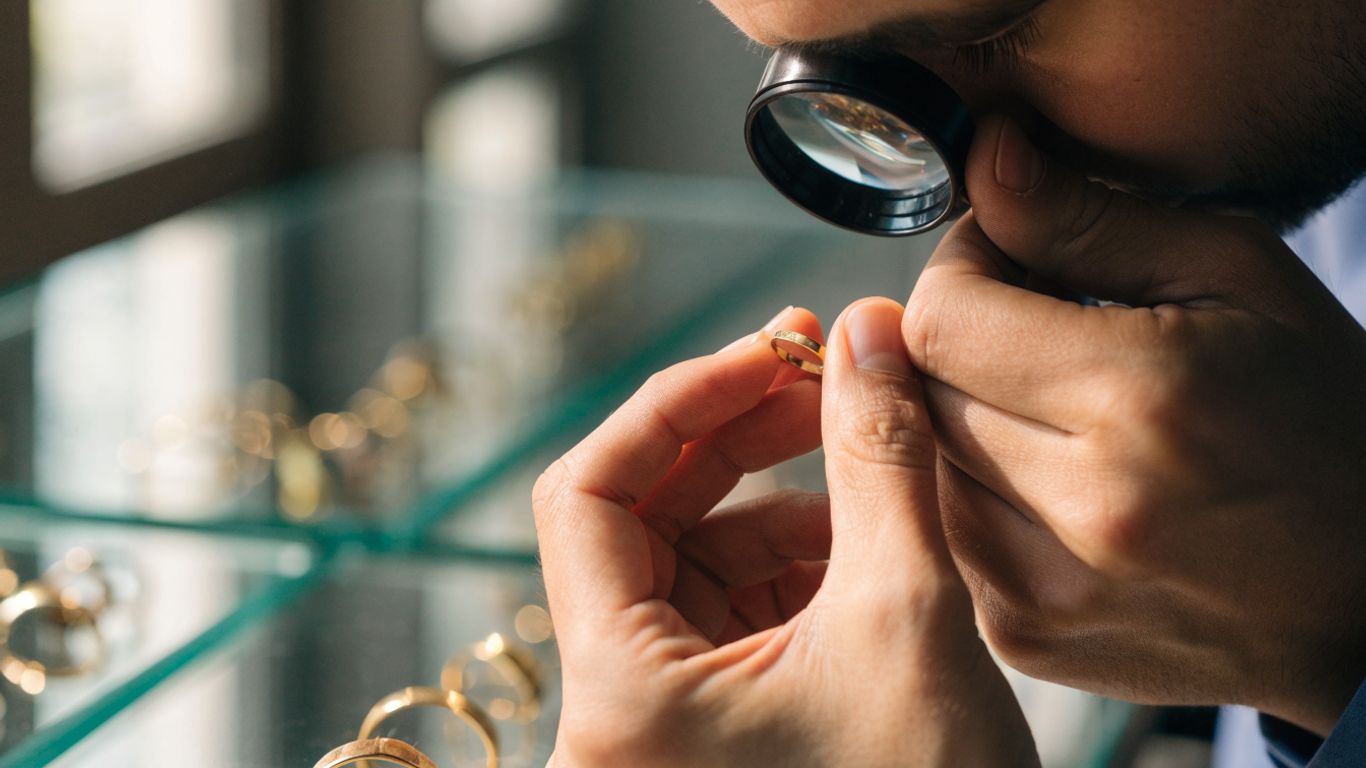
Check the BIS hallmark and HUID on gold jewellery
Look for the BIS hallmark and the Hallmark Unique Identification (HUID) on gold jewellery where applicable. Ask the jeweller to show you the marks and explain how to verify them through official BIS resources. A product tag or verbal assurance is not a substitute for checking the details on the item itself. For example, C. Krishniah Chetty Jewellers offers luxury gold and diamond jewellery; for any specific piece, check its own hallmark and documentation rather than assuming details from its category.
Ask for diamond grading reports and clear quality details
If you are considering a diamond, ask what grading documentation is available and which characteristics it records. Confirm that the report corresponds to the stone being sold, and ask the jeweller to explain any terms you do not recognize. The cut, color, clarity, and carat weight can affect how a diamond looks and what it costs, so compare like with like. A clear explanation should leave you able to describe what you are buying in your own words.
Confirm that gemstones are accurately described
Ask whether a colored stone is natural, treated, or synthetic, and whether any certificate or report is available. Those descriptions refer to different things, so it is worth getting the answer in writing when possible. Check that the stone named on the tag and invoice matches what the jeweller has told you. If the details remain vague, pause and seek clarification before deciding.
Understand the price before you buy
The displayed price may not show every element that contributes to the final amount. Ask for a clear breakdown and take time to understand how the metal, workmanship, and any stones are priced. Comparing a few stores can be helpful, but only when you compare similar pieces and the same cost components. A written estimate gives you a steadier basis for deciding what fits your budget.
Request an itemized bill for jewellery and making charges
Ask for an itemized estimate before you commit, then check that the final invoice reflects the agreed details. The breakdown should make the metal value, making charges, stone costs, taxes, and any other applicable charges understandable. Exact labels and calculations may differ between stores, so ask what each line means rather than comparing only the final total. This clear price breakdown makes it easier to spot a missing detail or an unexpected change.
Compare rates and charges across a few stores
When you compare estimates, note the date and the assumptions behind each one. The table below can help you keep the main questions together; it is a comparison aid, not a promise that every store uses identical terms.
| What to compare | Question to ask | Why it matters |
|---|---|---|
| Metal rate | Which rate and purity are used? | Helps explain the metal value |
| Making charges | How are workmanship charges calculated? | Shows a separate part of the cost |
| Stones | What are the stone details and price? | Makes stone costs easier to compare |
| Other charges | Which taxes or additional fees apply? | Helps explain the final total |
After comparing, check that the estimates cover the same type of jewellery and similar material details. The lowest total may reflect a different design, stone, or charge structure, so ask for clarification before treating two quotes as equivalent.
Check how stone weight and wastage affect the final price
Ask whether the quoted metal weight includes stones and how the jeweller calculates any wastage or workmanship component. Stone weight and metal weight are not interchangeable, and an item’s design can affect how its cost is presented. Request the figures in writing and ask how they connect to the final total. If you cannot follow the calculation, ask the store to walk through it before you agree to buy.
Assess the store’s policies and services
A jewellery purchase may involve care or service needs long after the day you bring it home. Before choosing a store, read the written terms for exchanges, returns, repairs, and any buyback offer. Ask whether services vary by item or depend on particular conditions. Knowing the limits in advance helps prevent assumptions from turning into disappointment later.
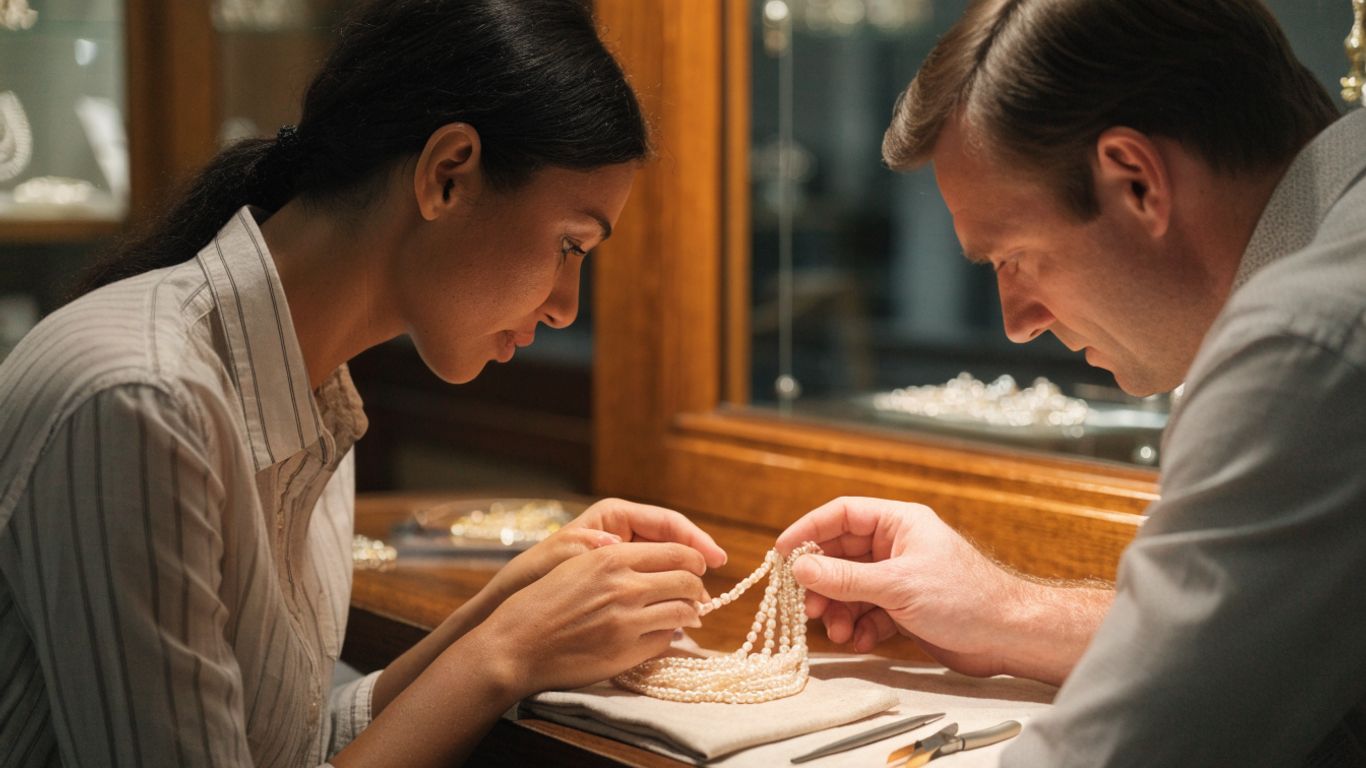
Read the terms for exchanges, returns, and buybacks
Ask how much time you have to request an exchange or return, what condition the item must be in, and whether any deductions apply. If the store offers a buyback, ask how its value is calculated and whether the offer covers every type of jewellery or only certain items. Get the current terms in writing and keep them with your purchase documents. A verbal summary is useful, but the written policy is what you can refer to later.
Ask about repairs, resizing, and cleaning
Find out which repairs or adjustments the store can handle and whether the work is completed on-site or sent elsewhere. Ask about likely timelines, charges, and any conditions that could affect the jewellery during service. For rings, confirm how resizing may affect a setting or stones; for other pieces, ask how the design should be maintained. These details can help you choose a piece that suits the care you are willing to give it.
Confirm how the jeweller handles old-gold purchases
If you plan to exchange old gold, ask how the store assesses its weight and purity and whether it applies deductions or other charges. Find out what identification or paperwork you should bring and whether the valuation is provided before you make a new purchase decision. Ask for the calculation in a form you can review. That way, you can compare the offered value with your expectations instead of relying on a headline promise.
Choose jewellery that suits your needs
A piece can be beautiful and still be wrong for the person, occasion, or budget. Think about when it will be worn, how it should feel, and whether its design fits the recipient’s taste. It also helps to decide which details matter most before browsing, especially if you are choosing a gift or a piece for regular use. If you are exploring designs, C. Krishniah Chetty Jewellers offers luxury gold and diamond jewellery; assess any option against your own priorities and the documentation for that item.
Match the design and budget to the occasion
Start with the occasion and the wearer’s preferences, then narrow your choices by budget. A piece for frequent wear may call for a different scale or style than jewellery bought for a celebration. If you are purchasing a gift, consider what the recipient already wears and whether the store’s exchange policy suits your plans. Choosing a comfortable spending limit before browsing can help keep the decision focused.
Consider durability and upkeep for everyday pieces
For jewellery you expect to wear often, ask how the setting and clasp are meant to be used and what care the piece requires. Delicate details, protruding stones, and intricate designs may need more attention in daily life. Before you decide, consider a few practical checks:
- Ask how to clean the piece safely.
- Check whether the clasp or setting needs routine inspection.
- Consider whether the design suits your usual activities.
- Find out which storage method helps prevent tangling or scratches.
These answers can help you judge whether the style fits your routine, not just the moment you first try it on. If the care requirements feel difficult to maintain, ask to see a simpler alternative.
Ask about customization timelines and approval steps
For a customized piece, ask which design details can be changed and when you will be asked to approve them. Confirm the expected timeline, what happens if a change is needed, and whether the estimate can change as the design develops. Request a written description of the approved specifications so you have a reference when the finished jewellery is ready. Clear steps make it easier to plan around an occasion or deadline.
Complete the purchase with confidence
Before paying, take a final moment to check that the piece and paperwork match what you discussed. Confirm the price, material details, and any promised service terms, and ask for clarification if something looks different. Keep a copy of every document in a safe place after the purchase. If shopping online is more convenient, C. Krishniah Chetty Jewellers describes secure online shopping and offers guest checkout or account sign-in options; review the item details before placing an order.
Inspect the item and hallmark details before payment
Examine the piece in good light and check its finish, closures, settings, and overall condition. For gold jewellery, compare the hallmark and HUID details with the information on the tag or other documentation. For diamonds or gemstones, verify that the documents refer to the item being purchased. If you notice a mismatch or cannot inspect a detail, ask the jeweller to resolve it before you pay.
Get a detailed invoice and all relevant certificates
Ask for an invoice that clearly identifies the item and records its price and material details. Collect any diamond grading reports, gemstone documentation, warranty information, or service terms that apply to your purchase. Check that names, weights, and descriptions are consistent across the documents. Keeping the paperwork complete makes later questions about the item much easier to address.
Store receipts and documents for future service or resale
Save the invoice, certificates, and policy details together, either in a labeled folder or in secure digital copies. Keep them accessible but protected from damage, and note where the originals are stored. If you return for cleaning, repair, or a future valuation, these records can help identify the piece and its original details. Good record-keeping is a simple final step that supports future care.
Conclusion
Choosing a trusted jeweller comes down to careful checks, clear explanations, and terms you understand before paying. Compare the item and its documentation as closely as the price, then keep your records for the years ahead. With a little preparation, you can make a purchase that feels considered and suits both your budget and your life.
Frequently Asked Questions
How can I tell whether a jeweller is trustworthy?
Check the store’s credentials, ask how it verifies jewellery, and read recent feedback across multiple platforms. Clear answers about pricing and written policies are also useful signs.
What should I check on gold jewellery?
Look for the BIS hallmark and HUID where applicable, and ask how to verify them through official resources. Compare the markings with the item’s tag and paperwork.
What documents should I ask for when buying a diamond?
Ask whether a grading report is available and confirm that it corresponds to the stone you are buying. Keep the report with the invoice and any other relevant purchase documents.
Why should I ask for an itemized jewellery bill?
An itemized bill helps you understand how metal, making charges, stones, taxes, and other applicable costs contribute to the final amount. It also gives you a written record of the purchase details.
What should I ask about a return or exchange policy?
Ask about the time limit, item-condition requirements, possible deductions, and whether the policy differs by product. Request the current terms in writing before you buy.
How do I compare jewellery prices between stores?
Compare similar pieces using the same metal purity, weight, stone details, and charge categories. Ask each store to explain any difference in its estimate before deciding.
What should I keep after buying jewellery?
Keep the invoice, certificates, warranty or service information, and the store’s relevant policy documents. Store them safely so you can refer to them for care, repair, or future valuation.
Related blogs:
November 20, 2025
The Timeless Elegance of the Tennis Bracelet: A Comprehensive Guide
Read More
November 20, 2025
The Ultimate Guide to Styling and Wearing a Choker Necklace
Read More
November 20, 2025
Find Your Perfect Engagement Ring: A Comprehensive Guide to Styles and Diamonds
Read More
November 20, 2025
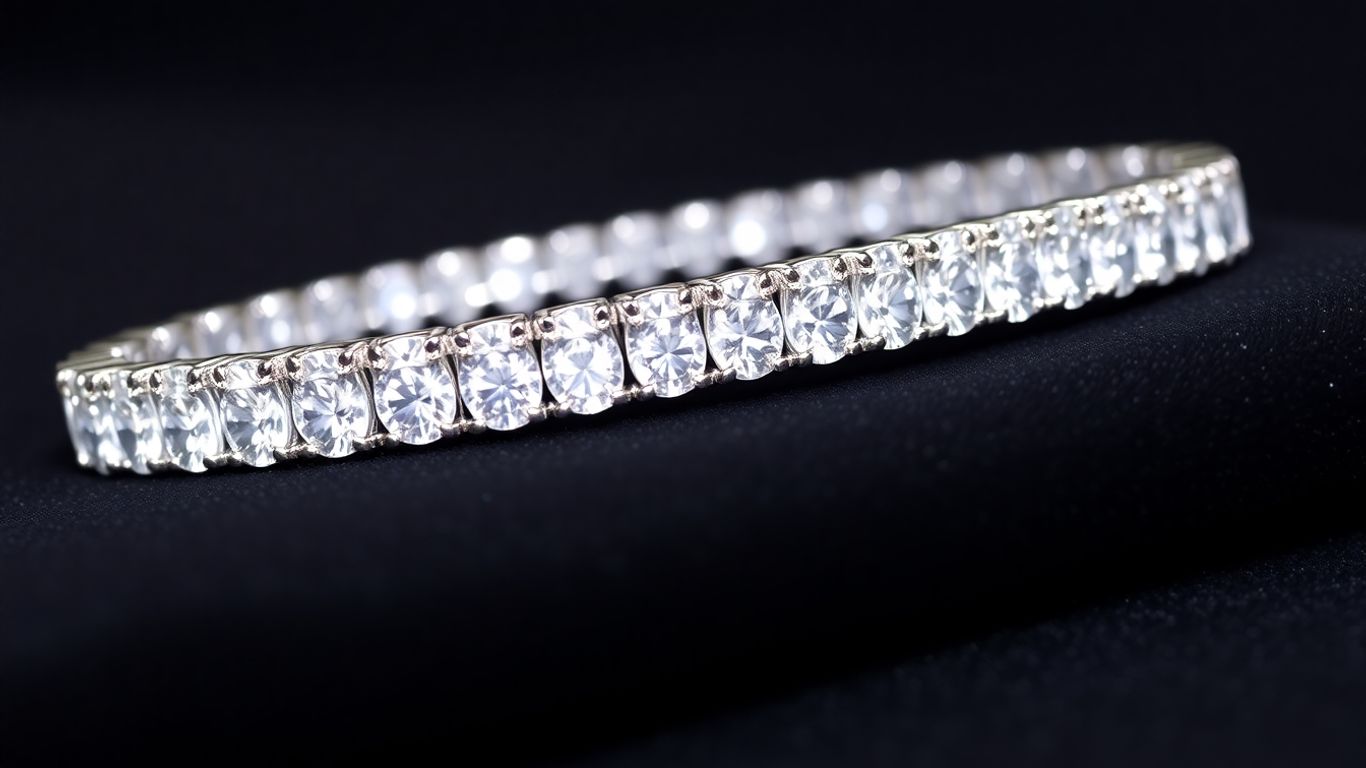
The Timeless Elegance of a Diamond Tennis Bracelet: A Buyer's Guide
Read More