How to choose a premium bridal showroom in Bangalore for your wedding
October 25, 2026 | 10 minutes read
Key Takeaways
Choosing a bridal showroom is easier when you know what you need and compare the details that affect fit, cost, and timing. Give yourself room to try options and ask direct questions.
- Match each outfit to its ceremony, dress code, and practical needs.
- Look closely at fabrics, embroidery, stitching, and finishing.
- Ask what can be customized and how fittings and alterations work.
- Compare total prices, included services, payment terms, and timelines.
- Choose a showroom that listens well and confirms order details in writing.
Define your bridal style and requirements
A useful showroom visit starts before you walk through the door: take stock of the ceremonies, people, and traditions that shape your wedding. You do not need a fully settled vision, but a few preferences can make browsing more focused. Keep an open mind, too; seeing a silhouette in person may change what you thought you wanted.
Match your outfits to the wedding ceremonies
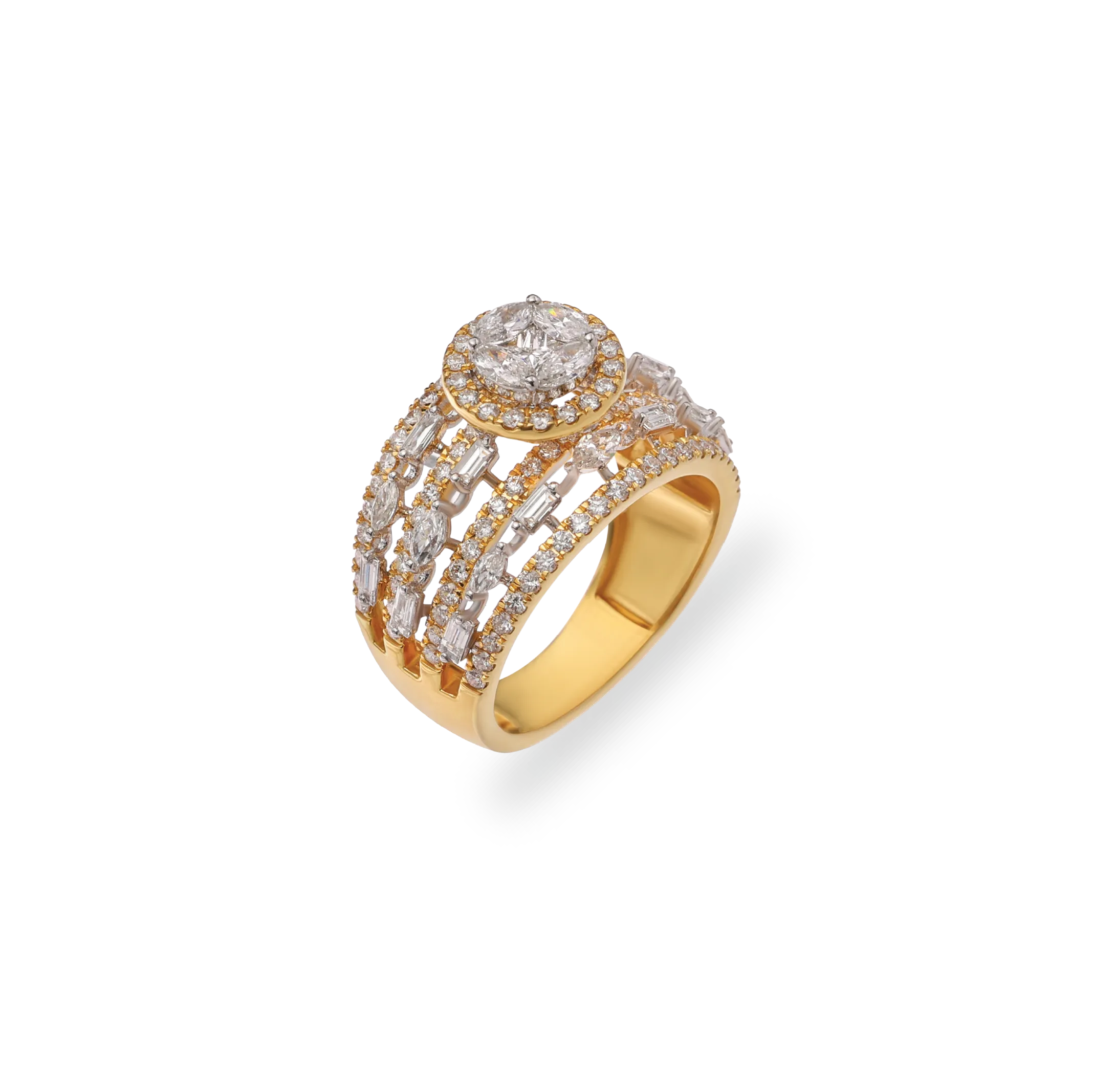
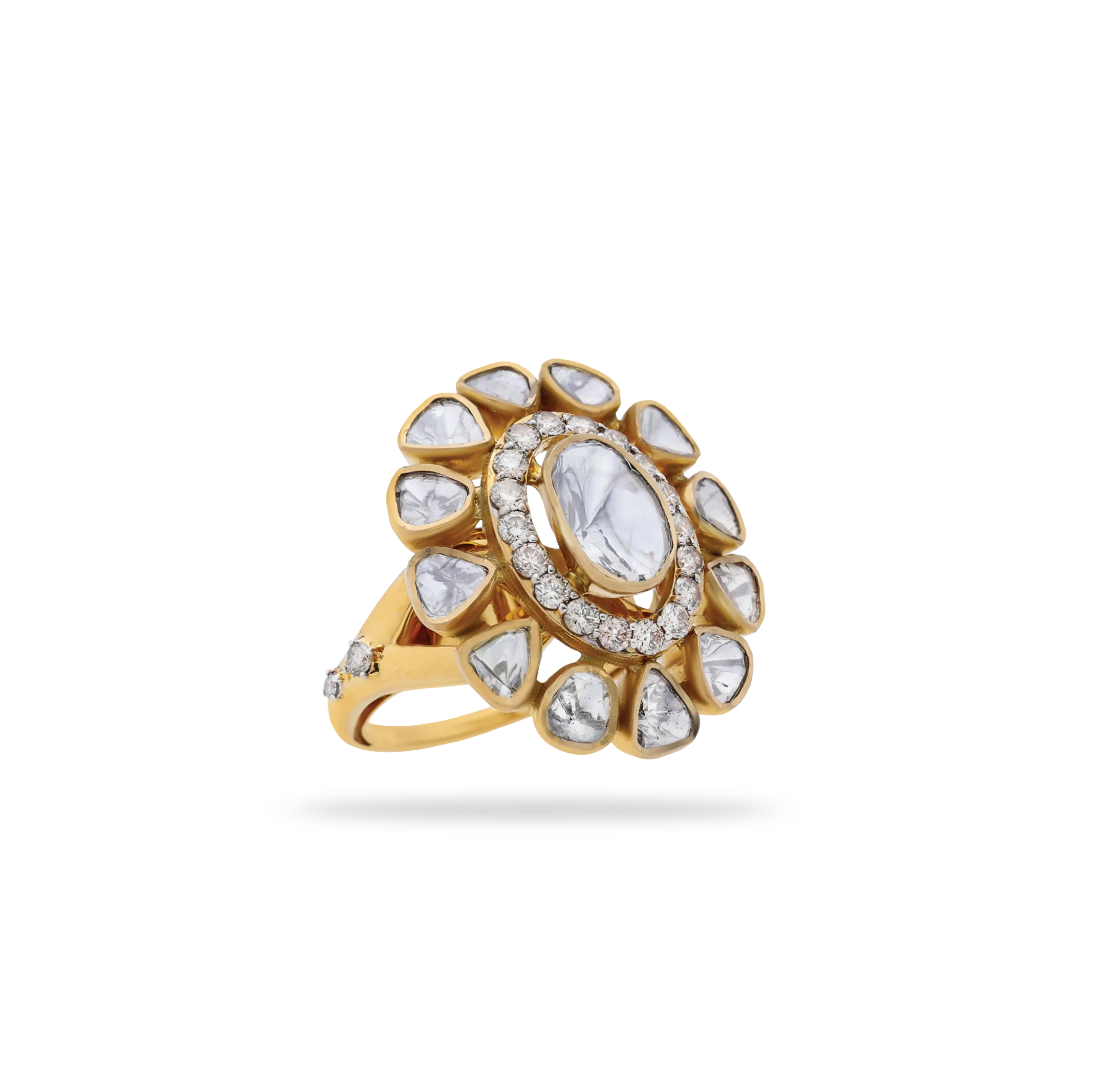
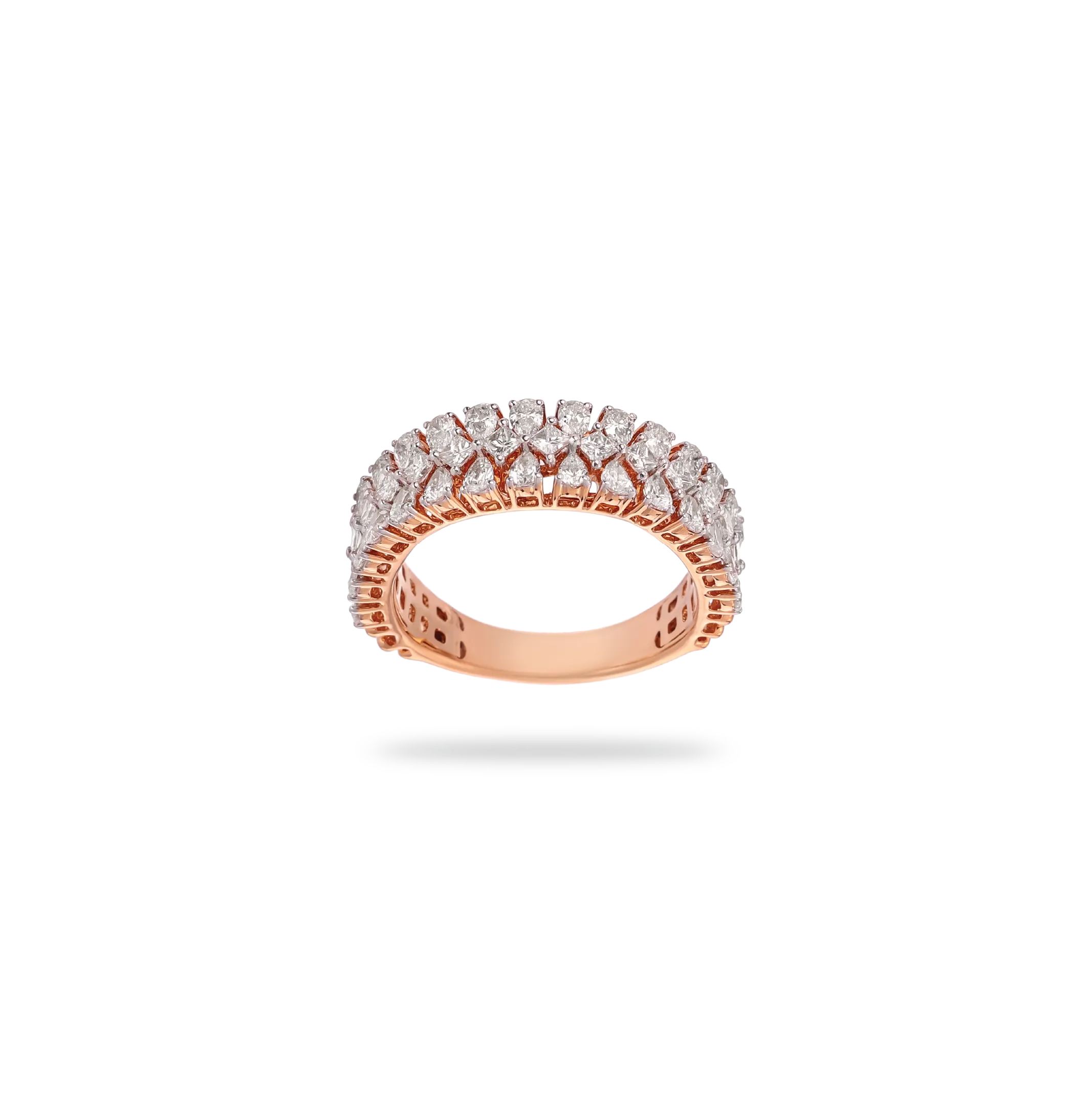
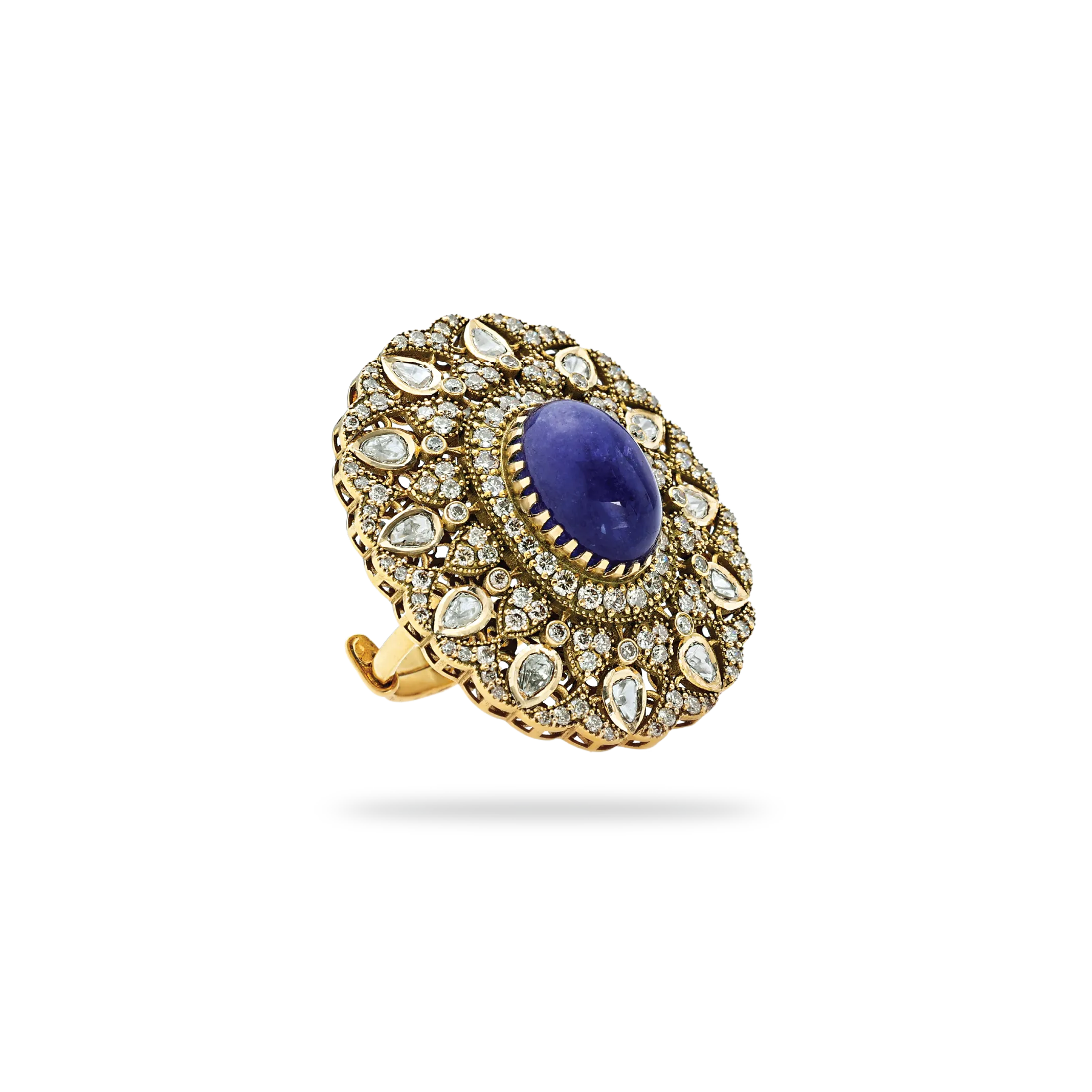
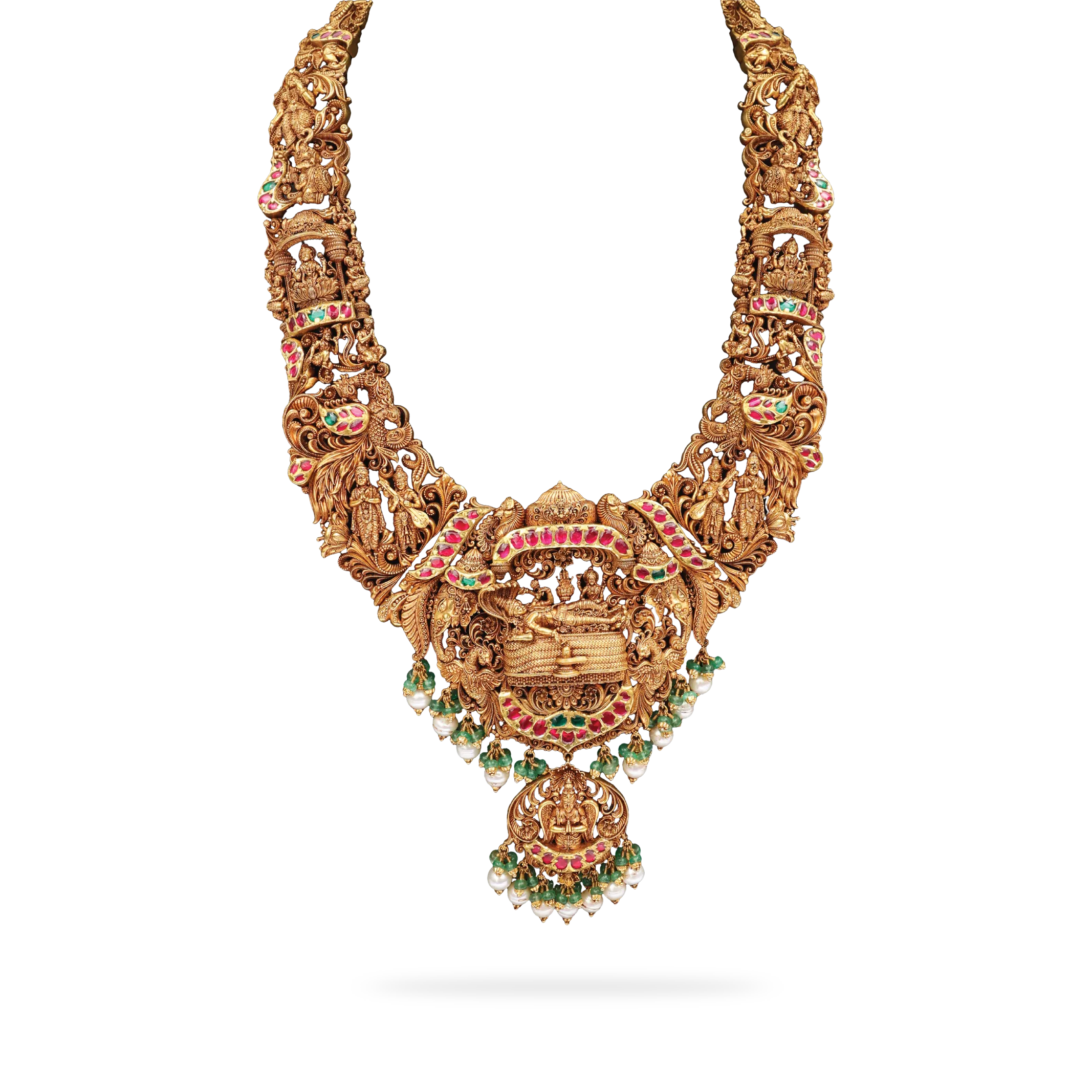
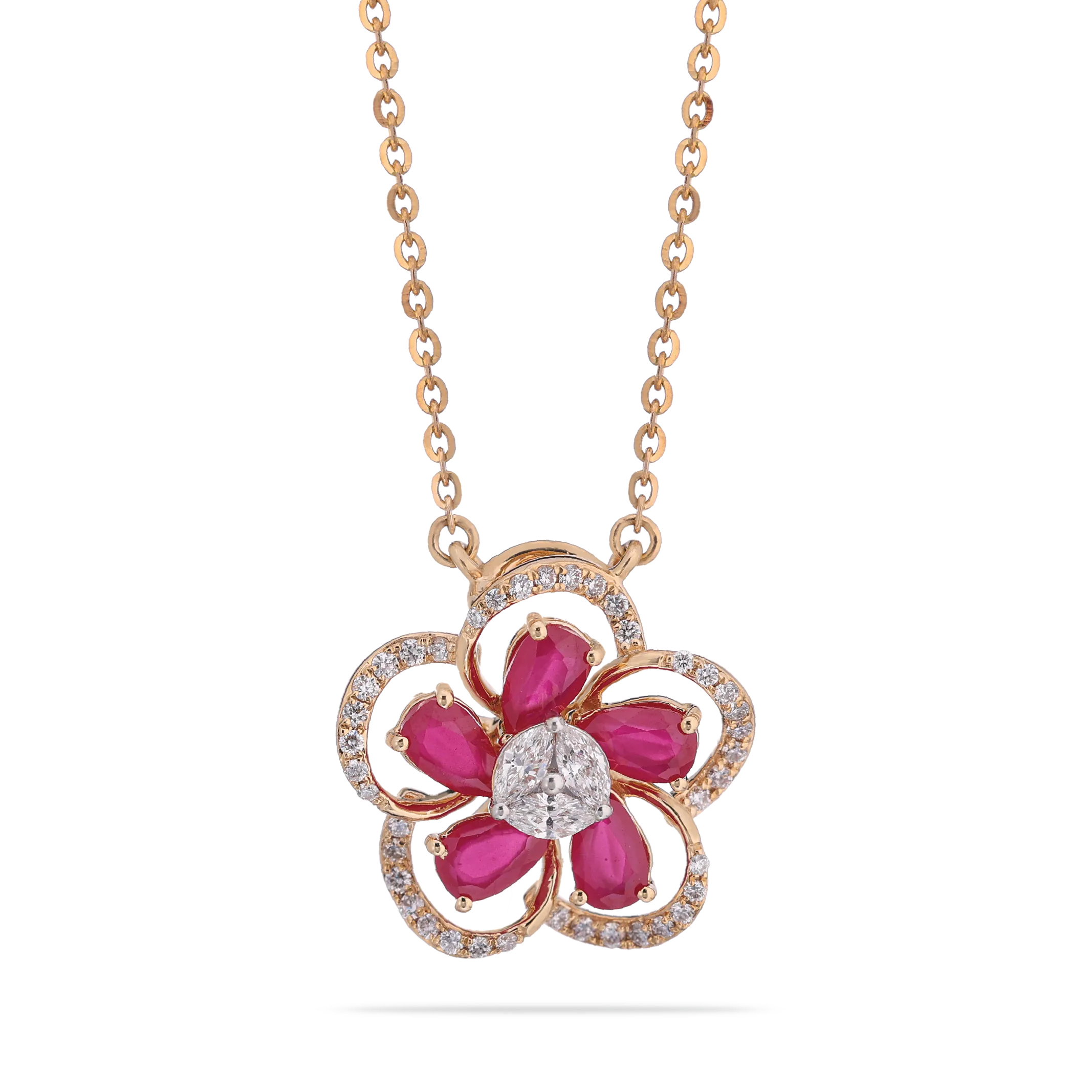
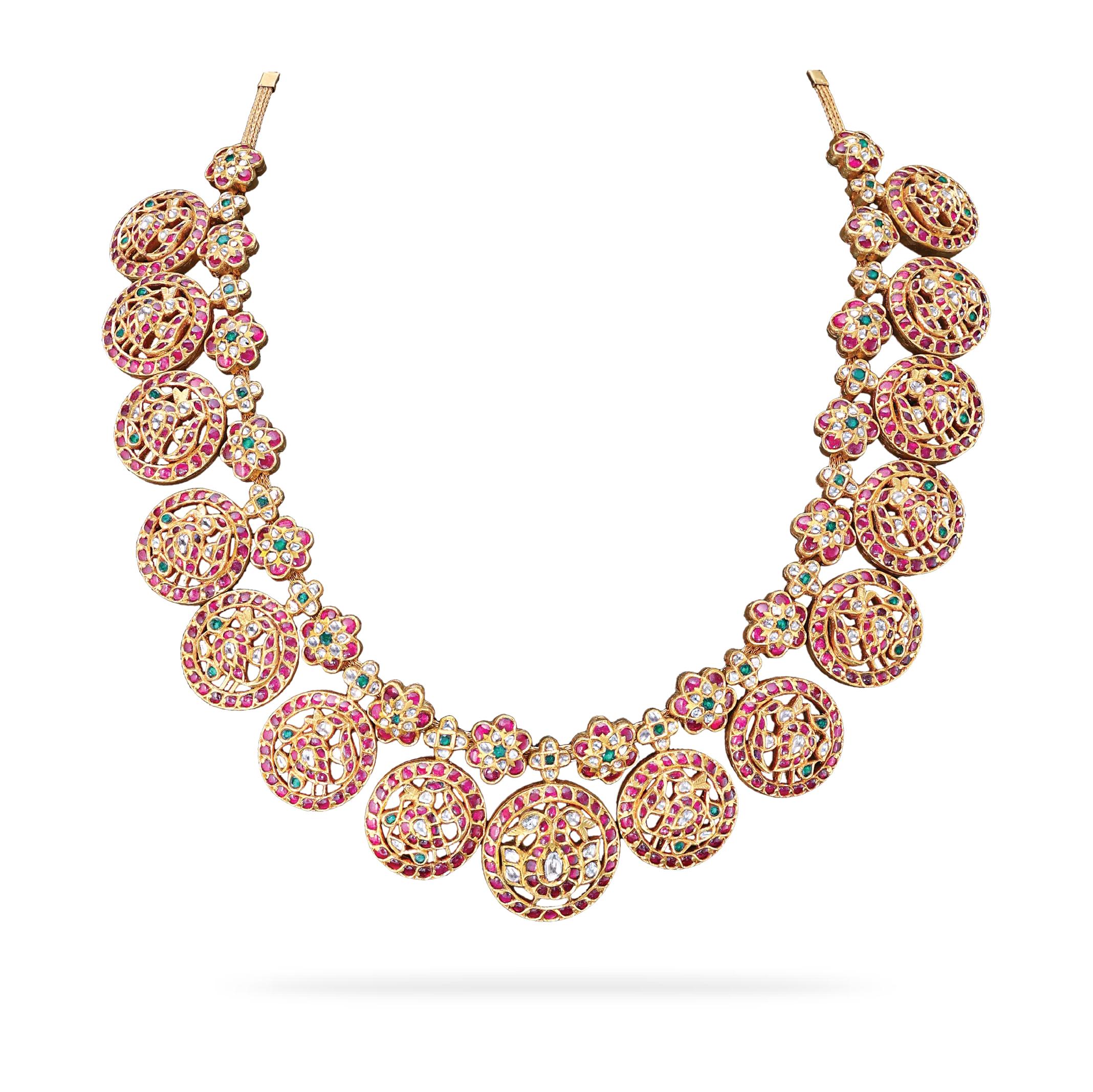
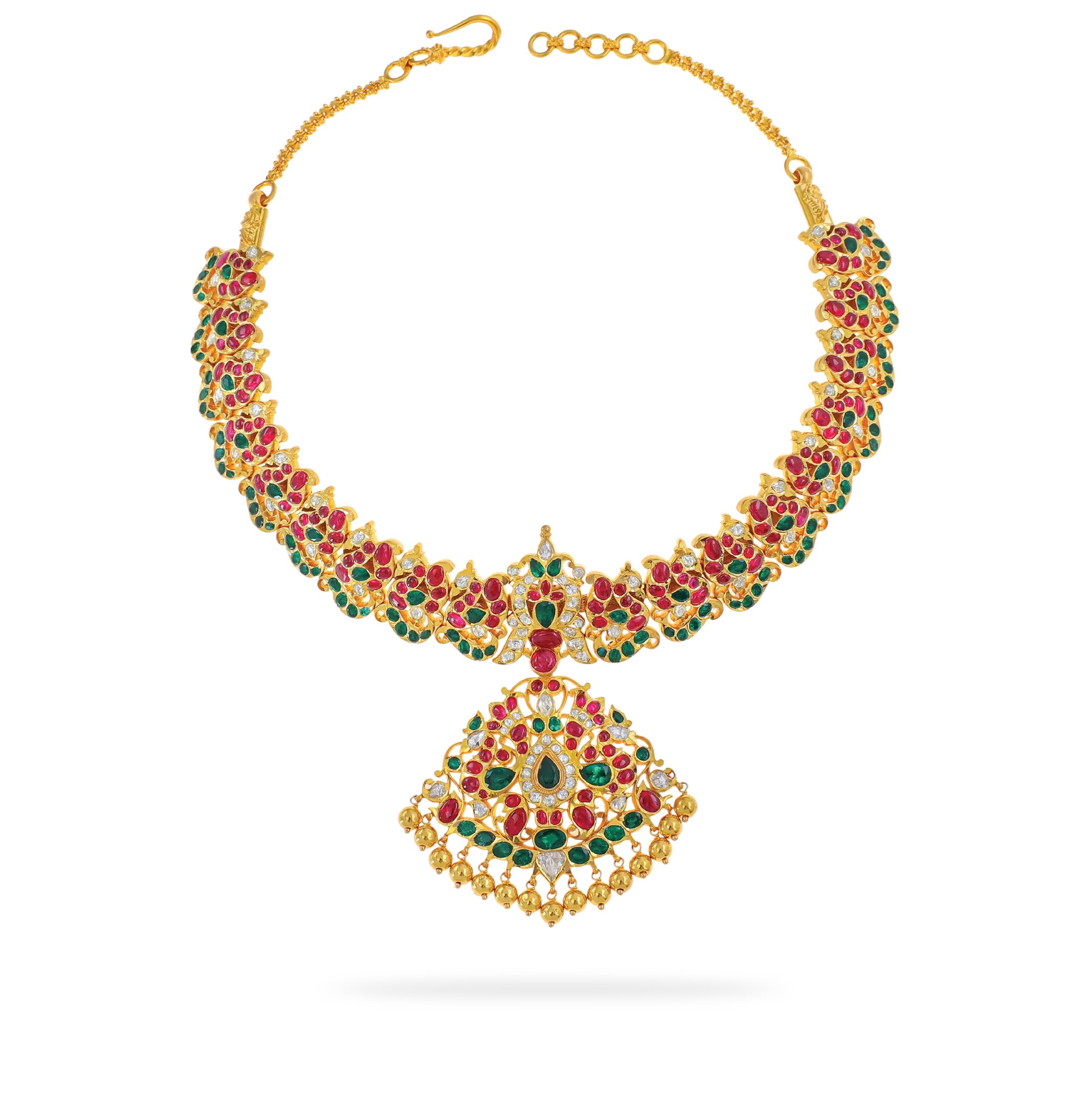
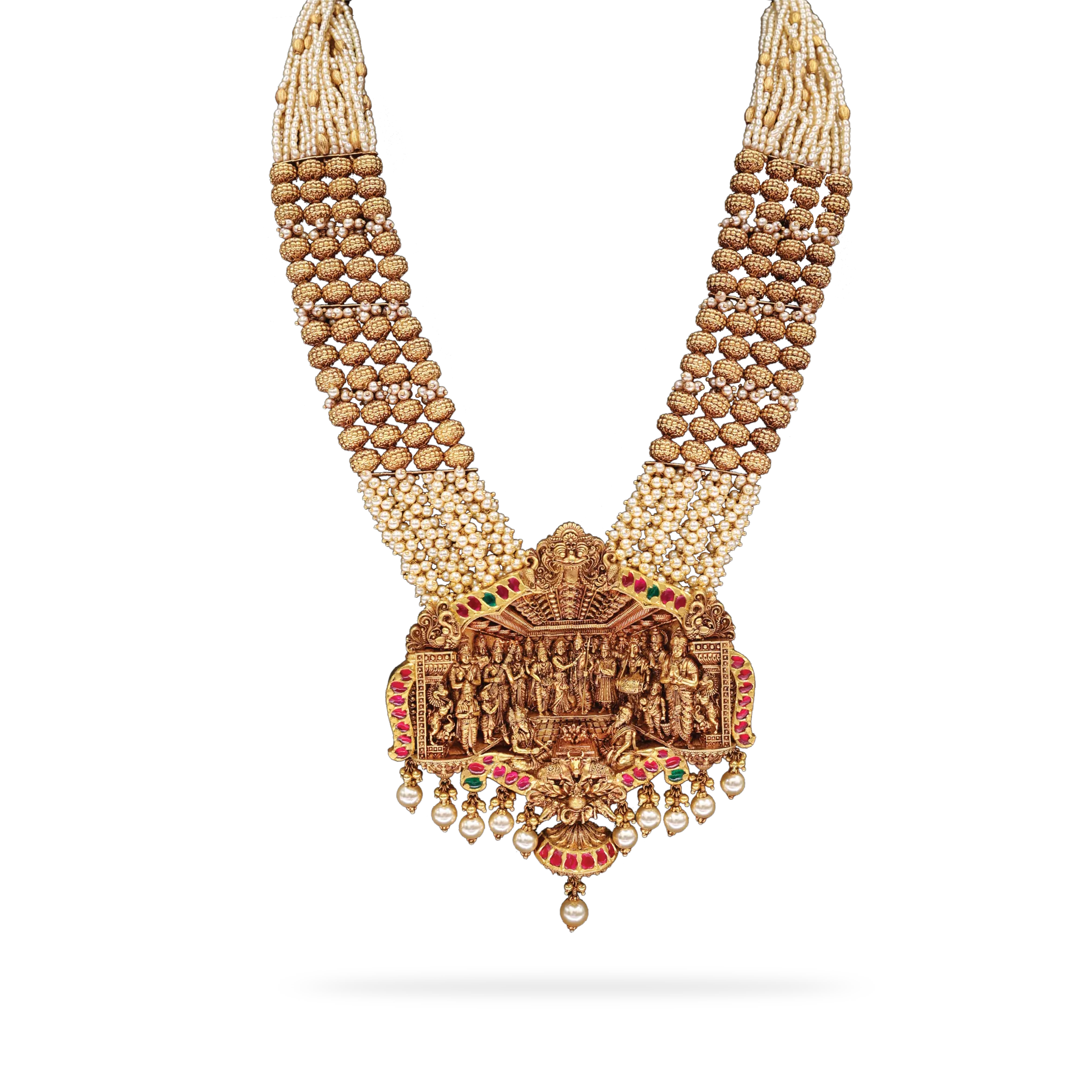
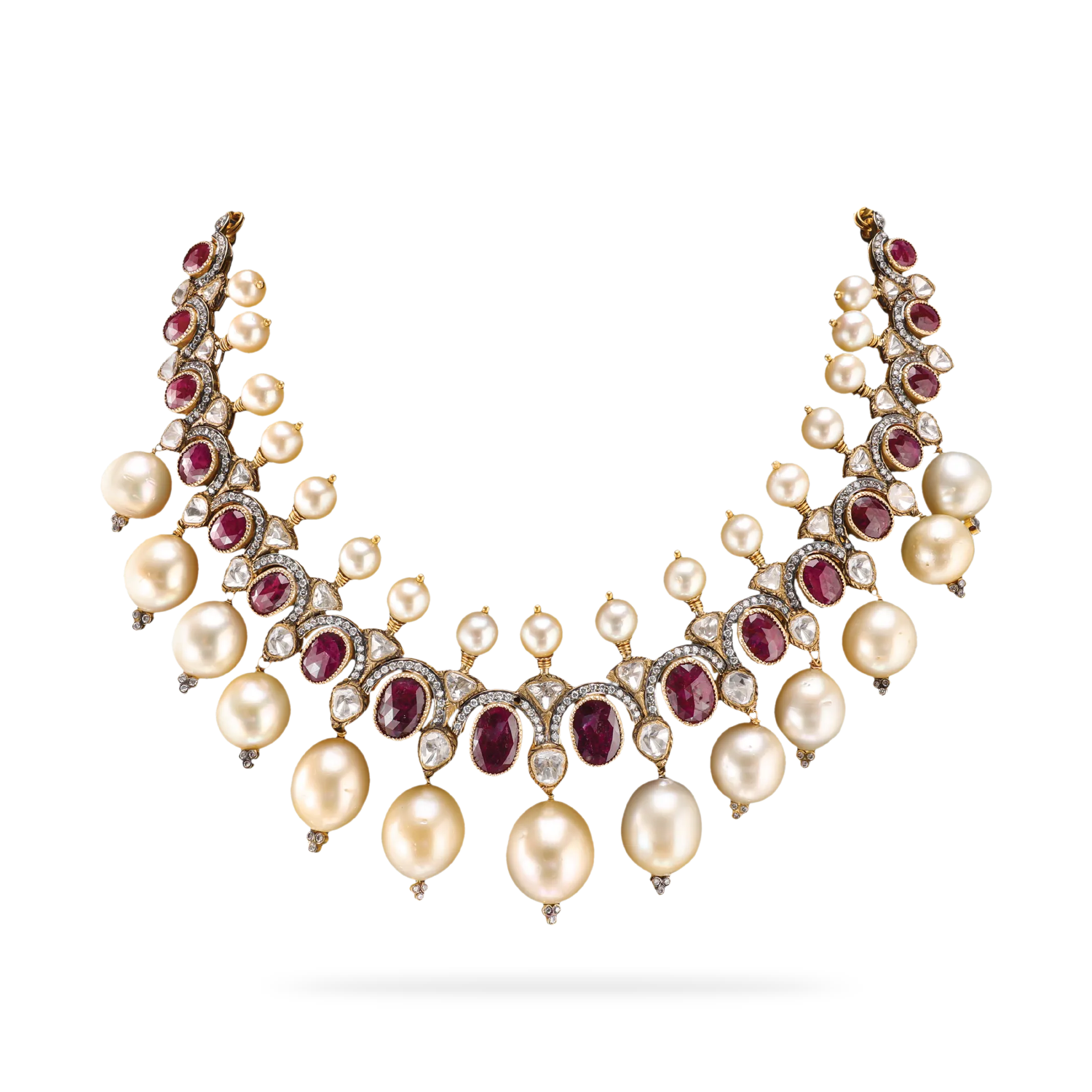
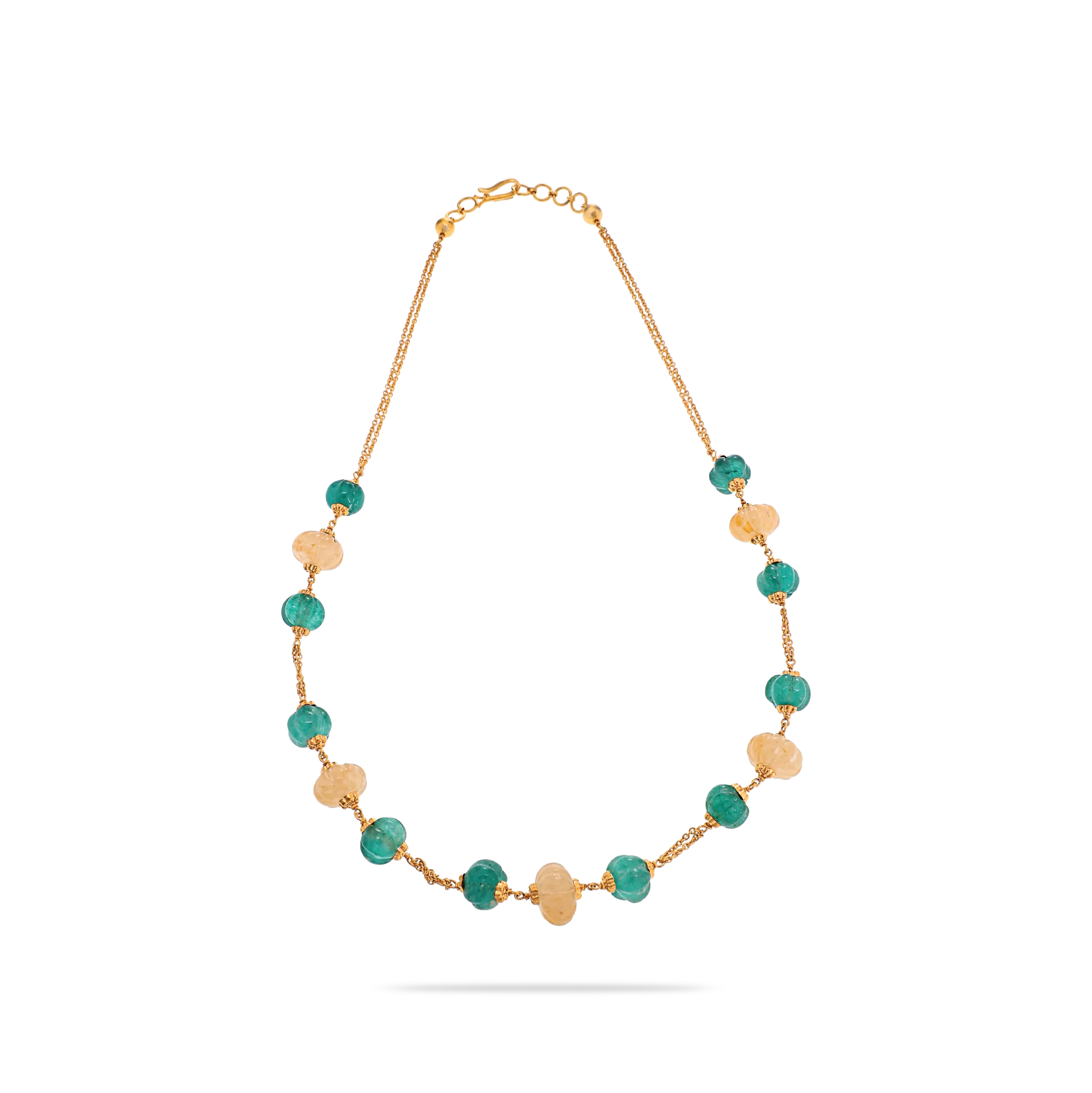
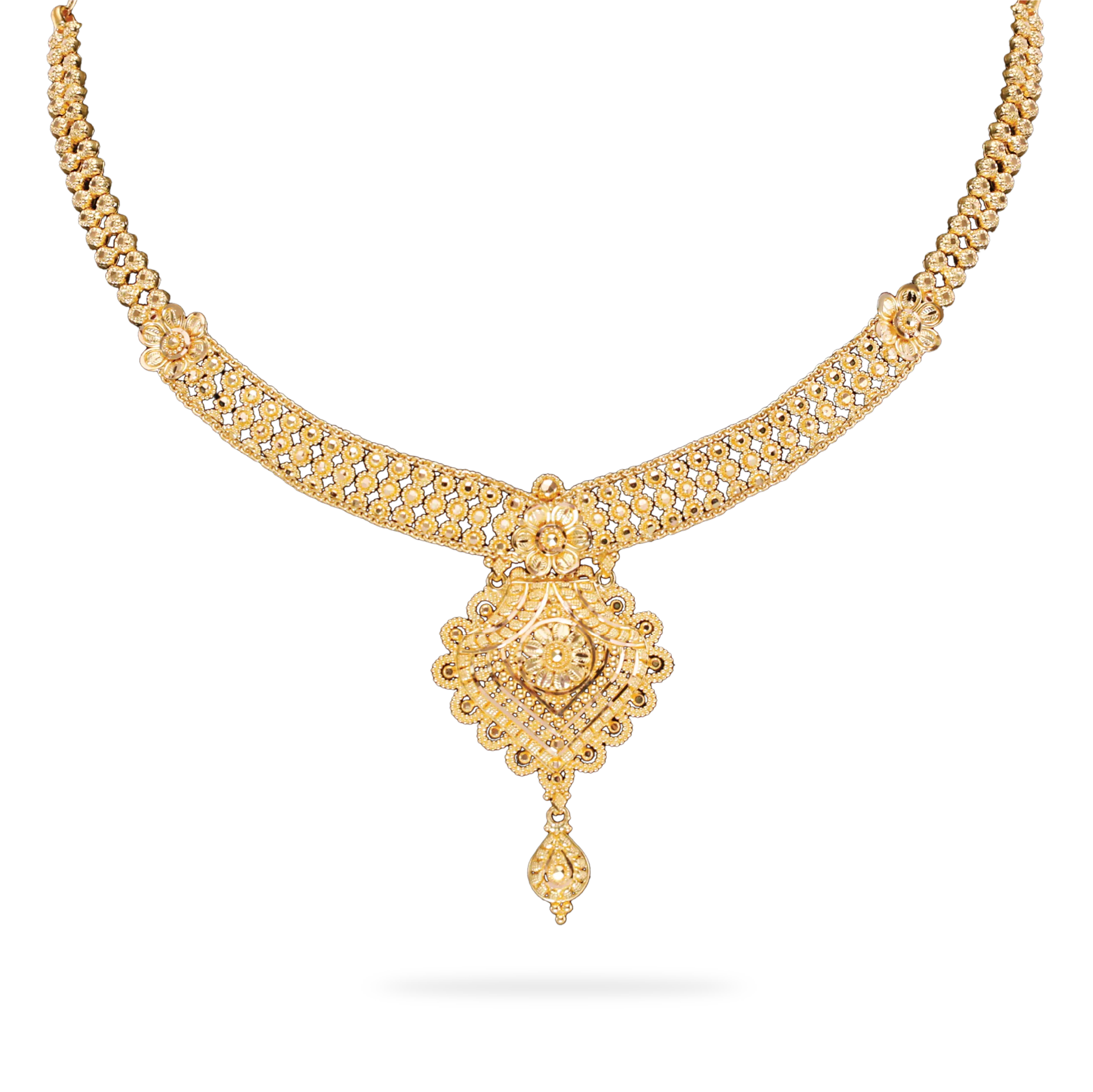
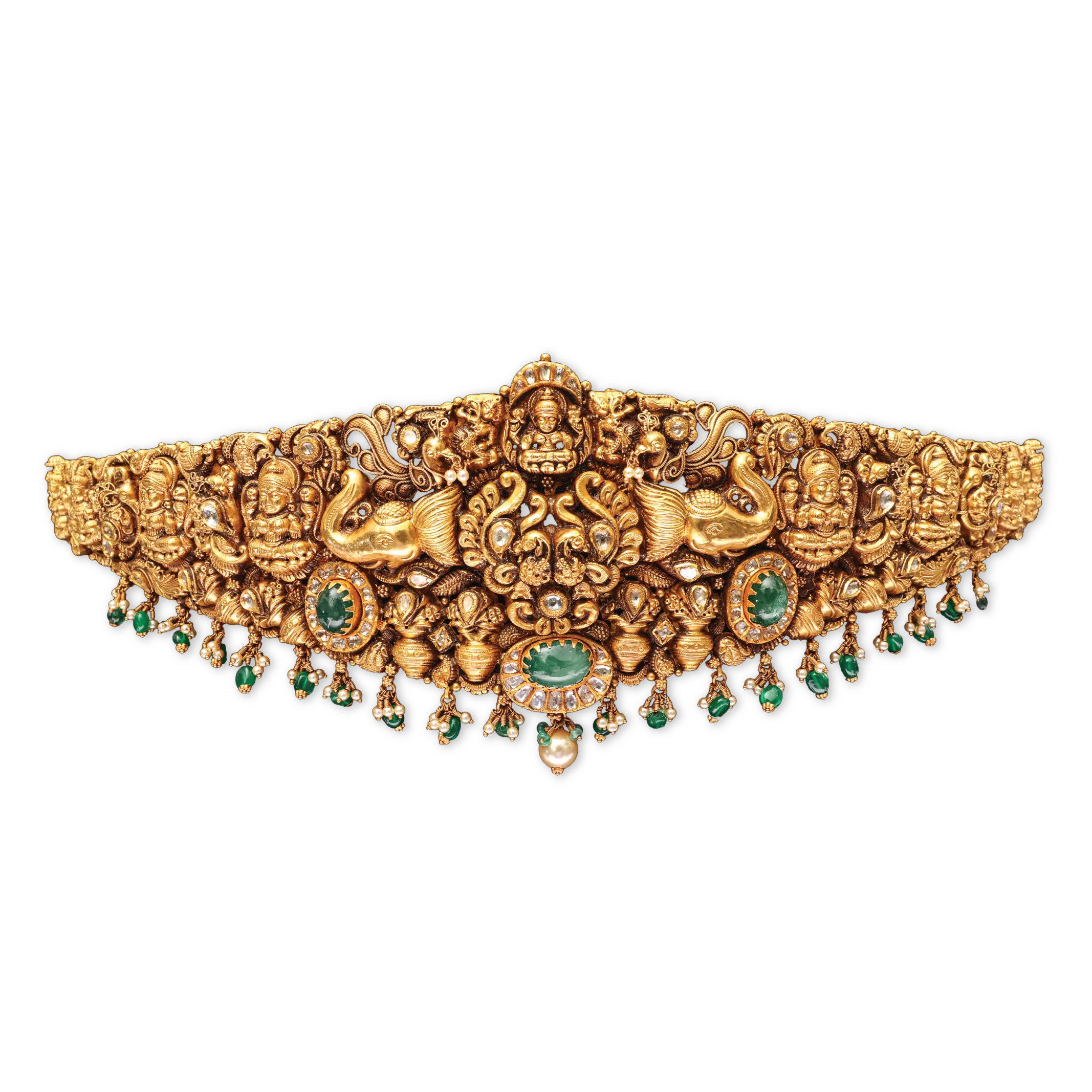
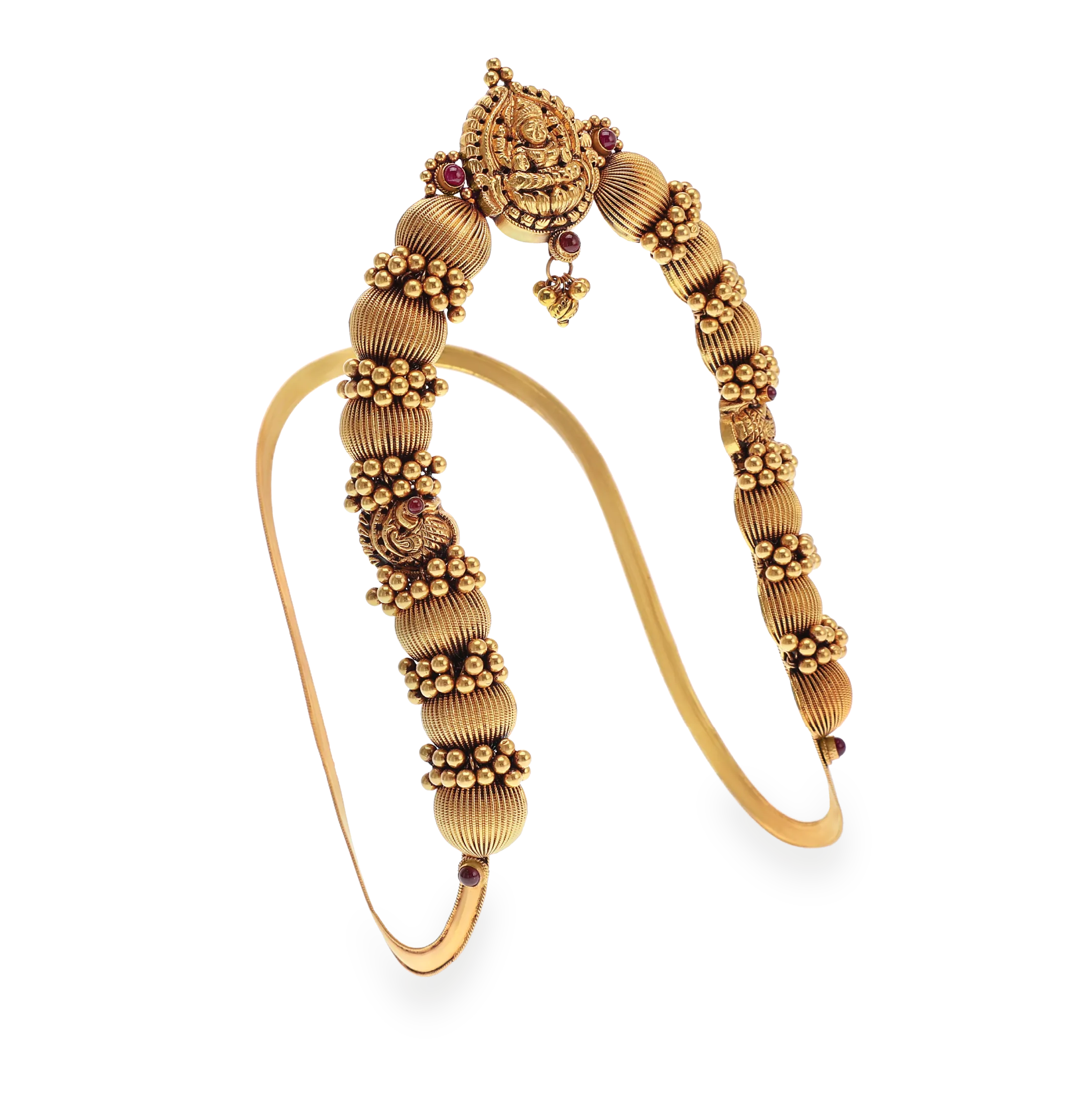
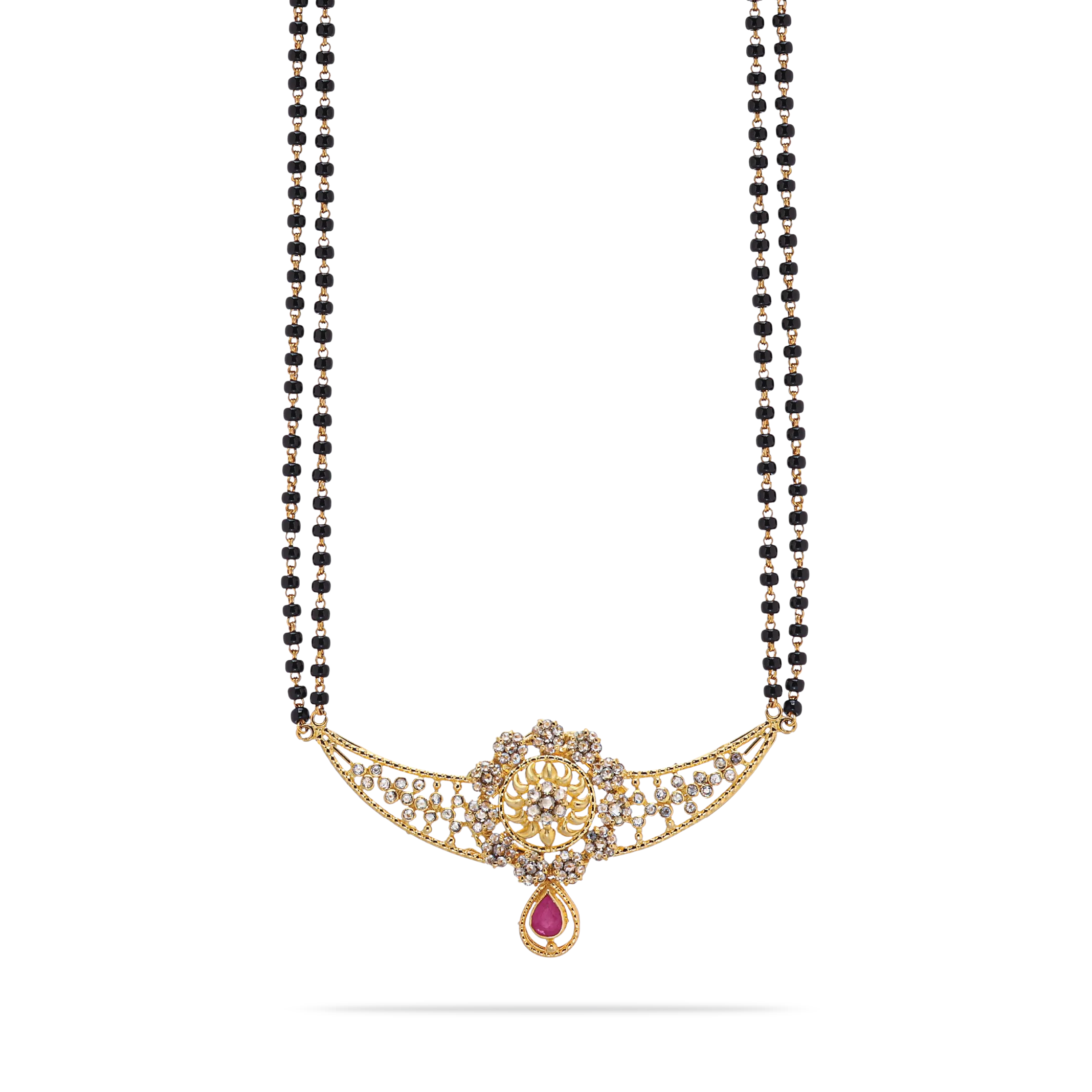
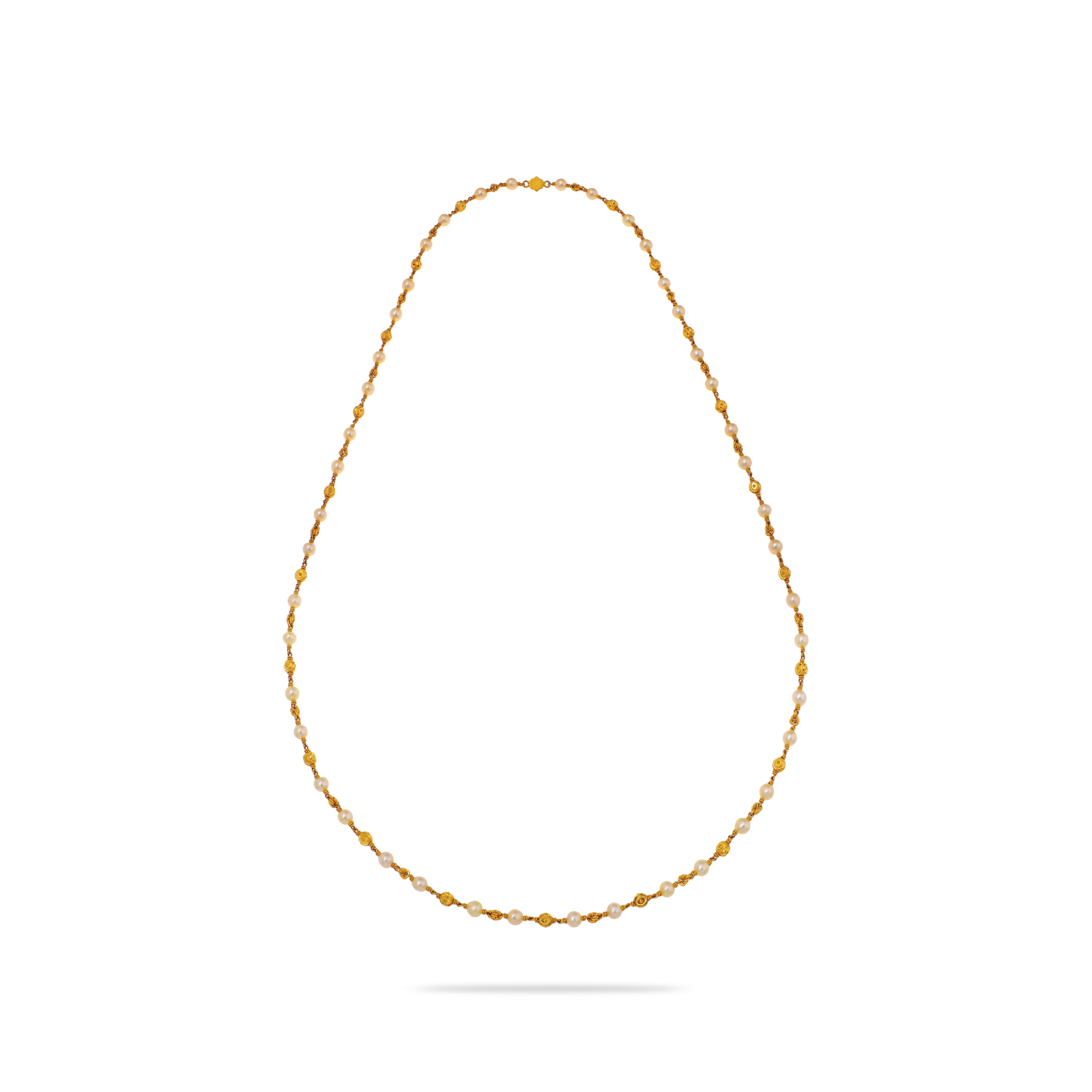
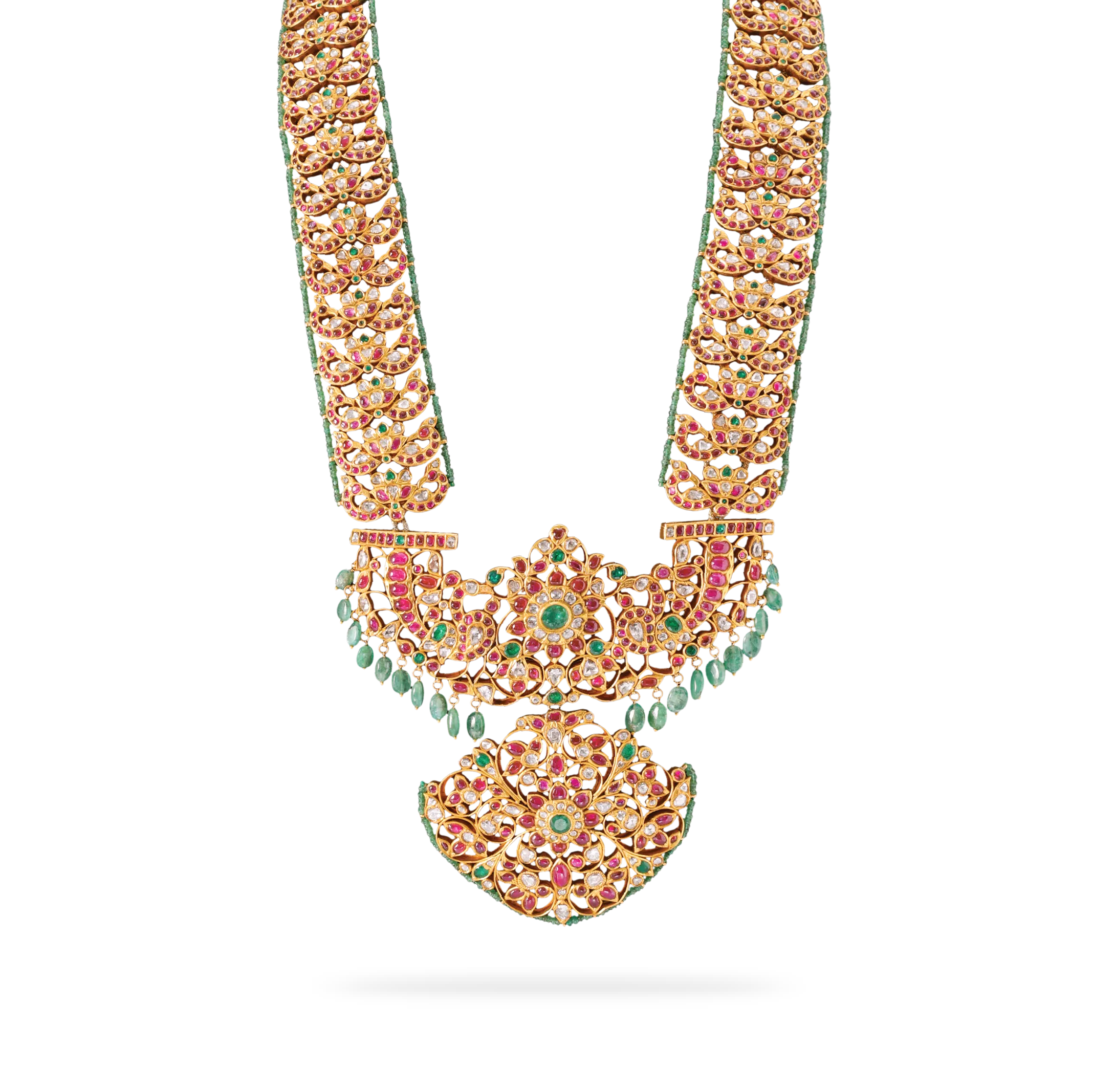
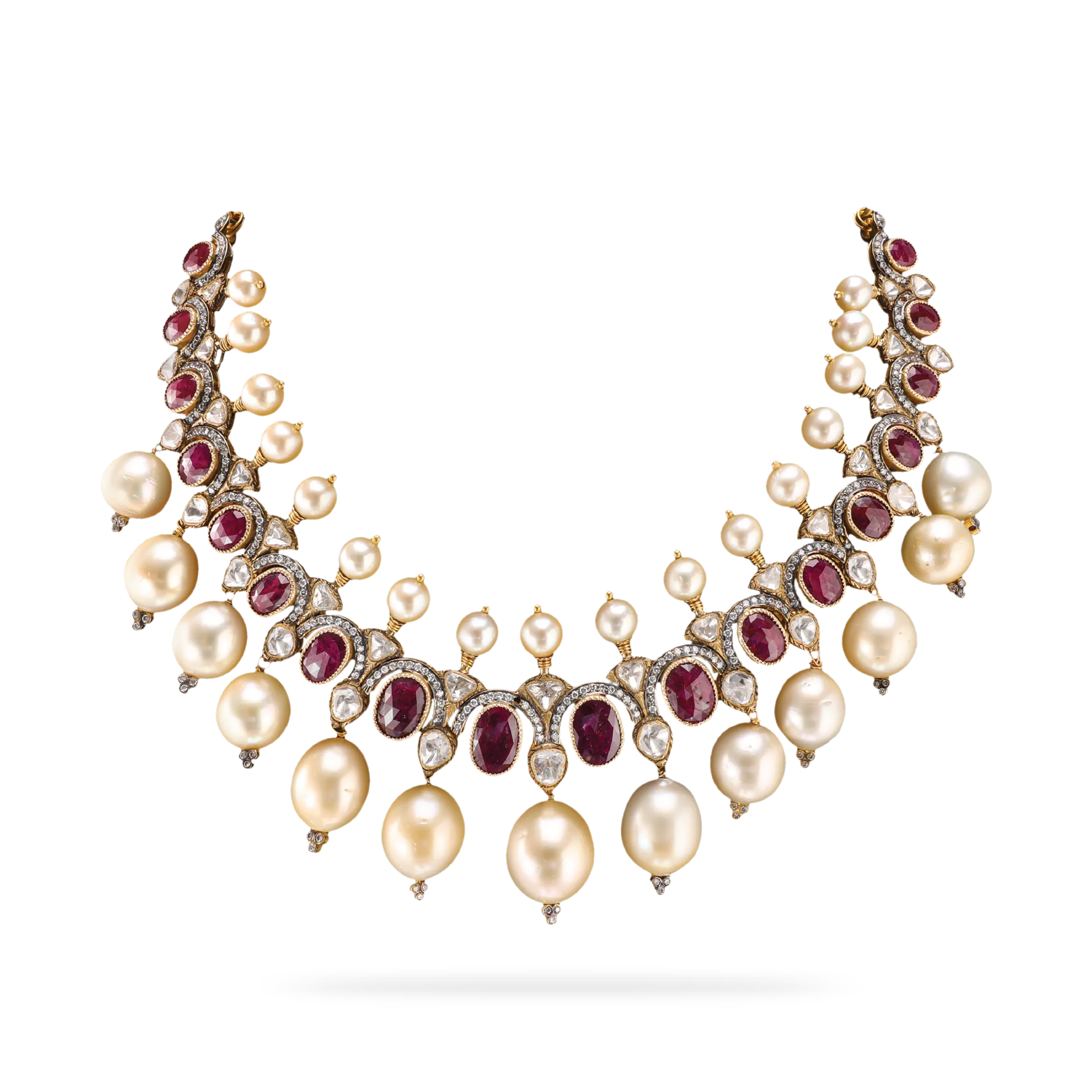
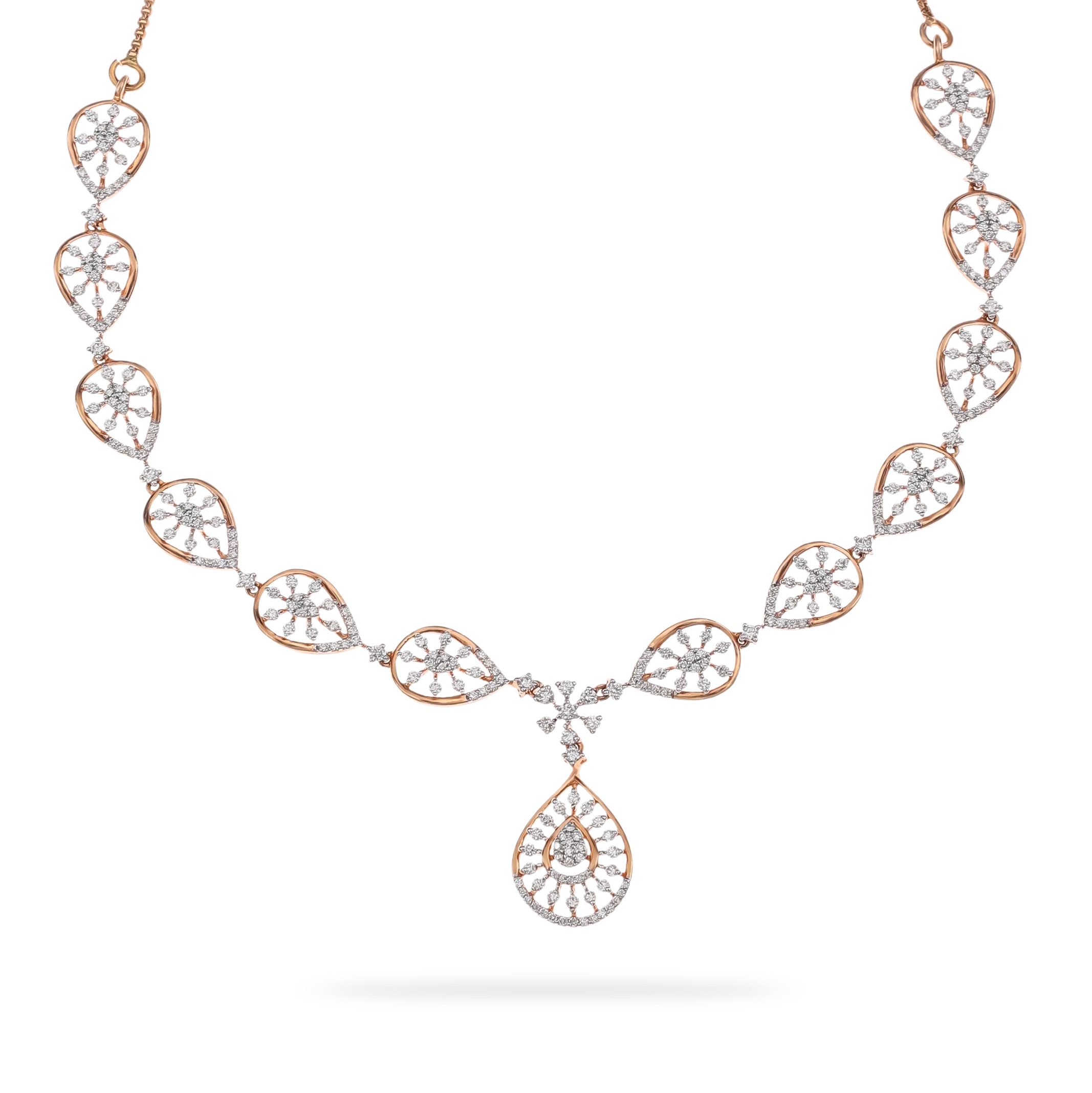
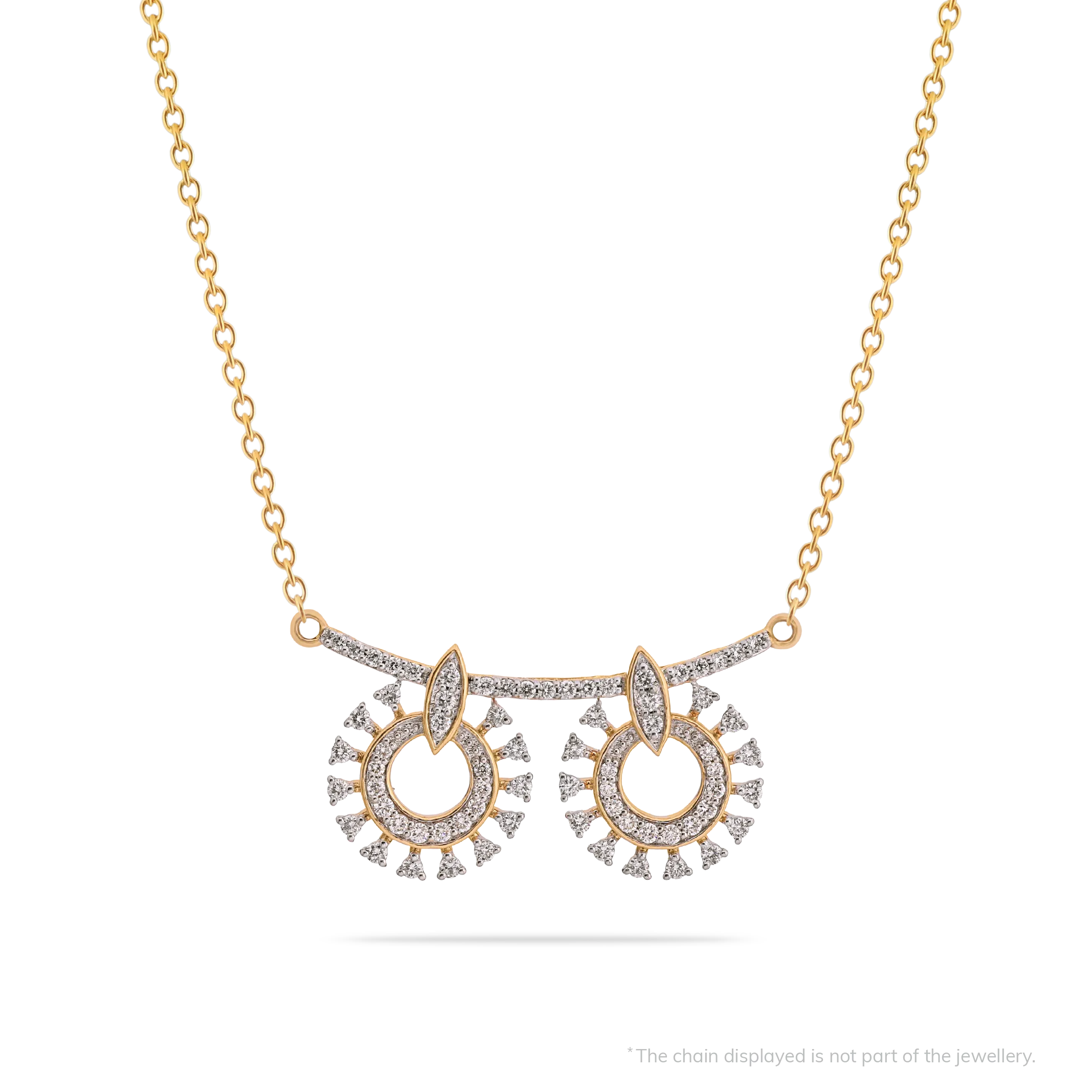
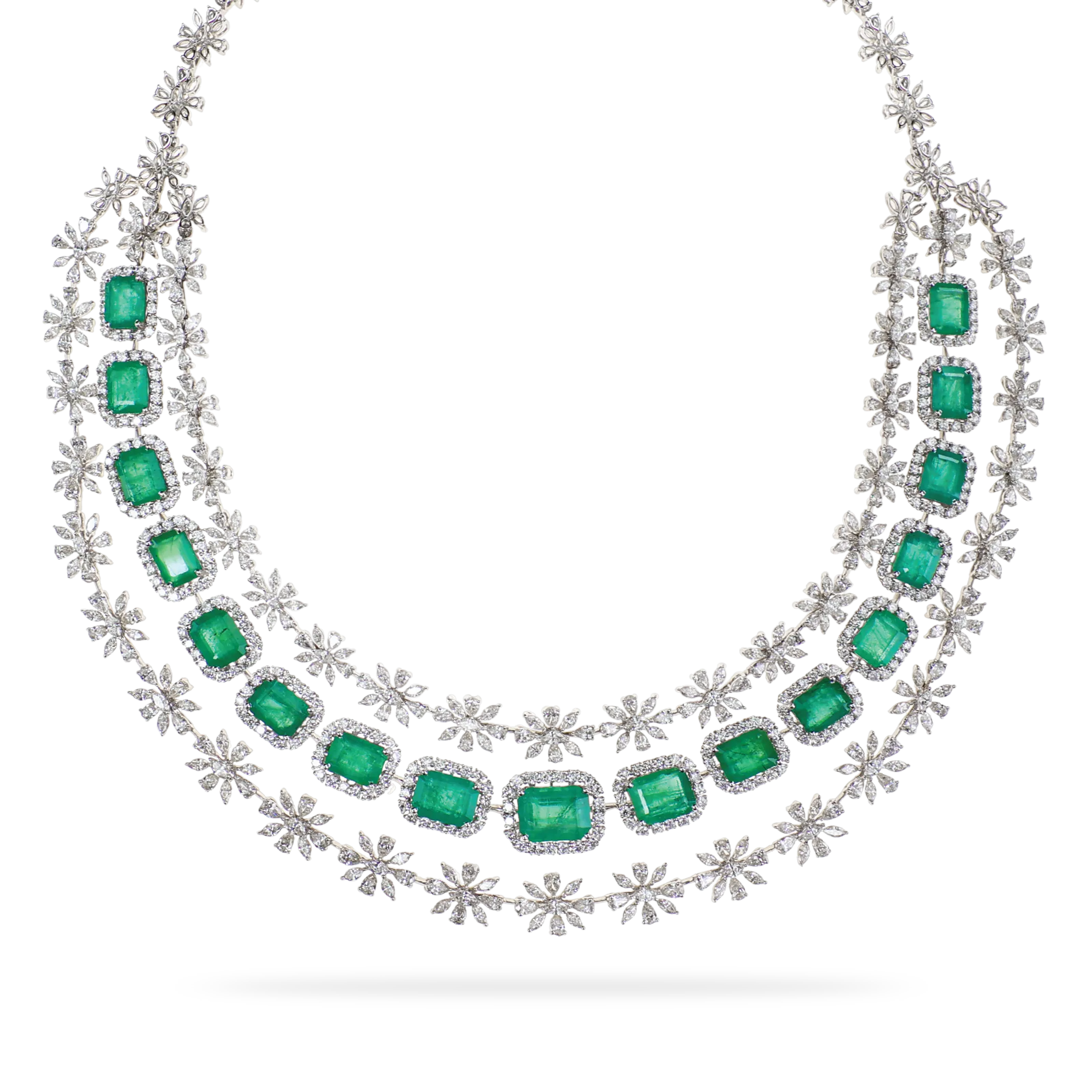
Think through the role each outfit needs to play rather than treating the wedding wardrobe as one decision. A ceremony with specific customs may call for a different level of formality or coverage than a reception, while photographs and movement matter across the day. If jewellery is part of the look, planning it alongside clothing can help; this guide to coordinating wedding jewellery offers useful prompts for considering ceremonies and outfits together.
A simple comparison can help you avoid buying several outfits that serve the same purpose:
| Occasion | Questions to consider | Practical priority |
|---|---|---|
| Main ceremony | What traditions or dress expectations apply? | Ease of movement and secure details |
| Reception | Will the event call for a different mood? | Comfort through a long evening |
| Pre-wedding event | How formal is the gathering? | A look that feels distinct from the ceremony |
| Other family events | Are there colors or customs to consider? | Rewear potential and ease of care |
Use the answers as a starting point, not as rules. The right plan gives each outfit a purpose and makes it easier to explain what you are looking for when you visit a showroom.
Decide which silhouettes, fabrics, and colors appeal to you
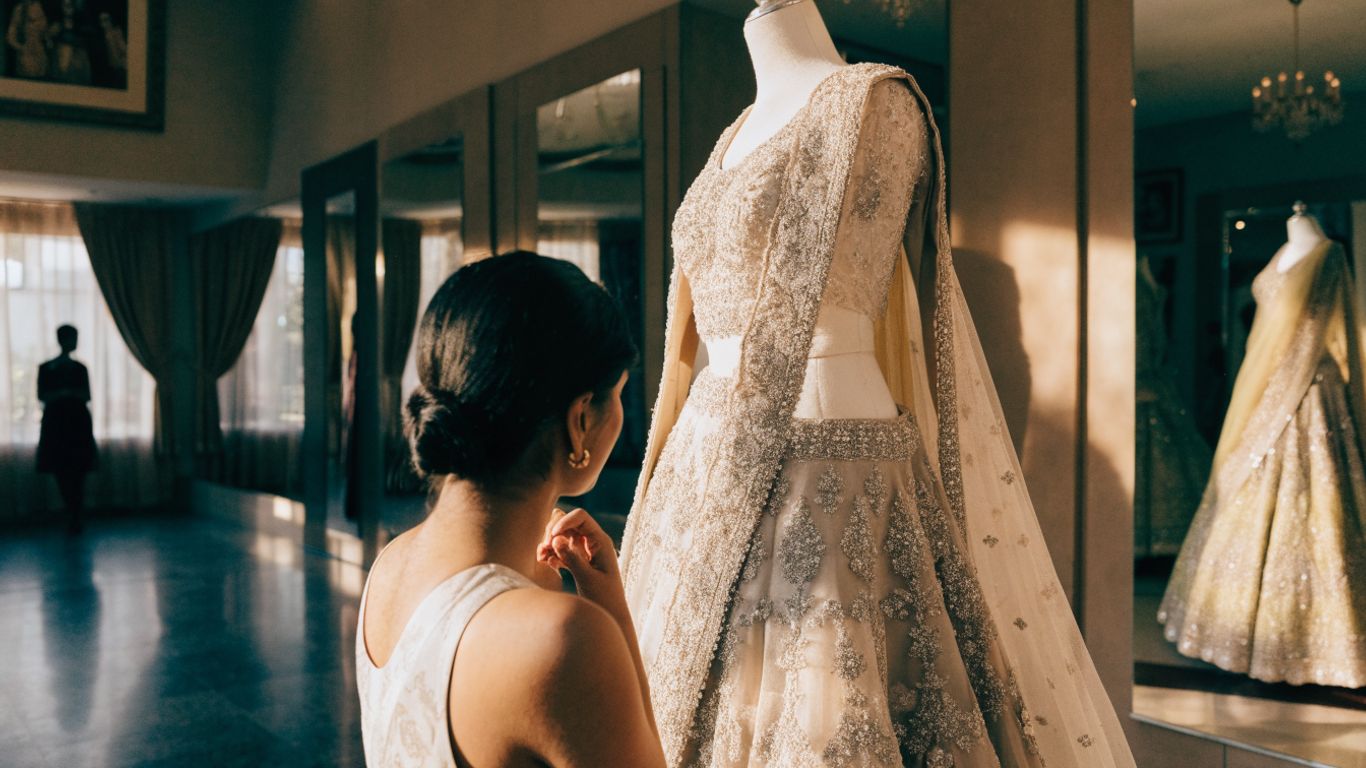
Collect a few references that show what you like, and note why: perhaps it is the shape, the drape, a particular color, or the amount of embellishment. Looking at bridal wardrobe inspiration can help you notice the range of traditional and contemporary looks without locking yourself into one exact design. When you try garments on, compare how they feel and move, not just how they appear on a hanger.
Bring your preferences into the conversation, but stay curious about alternatives. A fabric or shade may look quite different in person, and a small change in silhouette can alter the whole effect. A clear starting point helps the team understand your taste while leaving room for discovery.
Consider comfort, climate, and how long you’ll wear each outfit
A wedding outfit may be worn for hours, with sitting, standing, walking, and photographs all part of the day. Consider how the fabric feels against your skin, whether the weight is manageable, and whether the closures and embellishments are comfortable. Bangalore weather can vary, so think about the venue and season when weighing heavier layers against lighter options.
Try sitting and moving in a sample if possible, and ask whether footwear or underlayers affect the fit. A beautiful outfit should still feel workable when the schedule runs long. Small comfort concerns are easier to address before an order is finalized.
Assess the collection and craftsmanship
A showroom’s collection should give you enough room to compare, not simply persuade you toward the first striking piece. Browse with your ceremony needs and style references in mind, then look beyond the overall impression. The finish, fabric, and care requirements all matter once an outfit leaves the fitting room.
Compare traditional, contemporary, and fusion designs
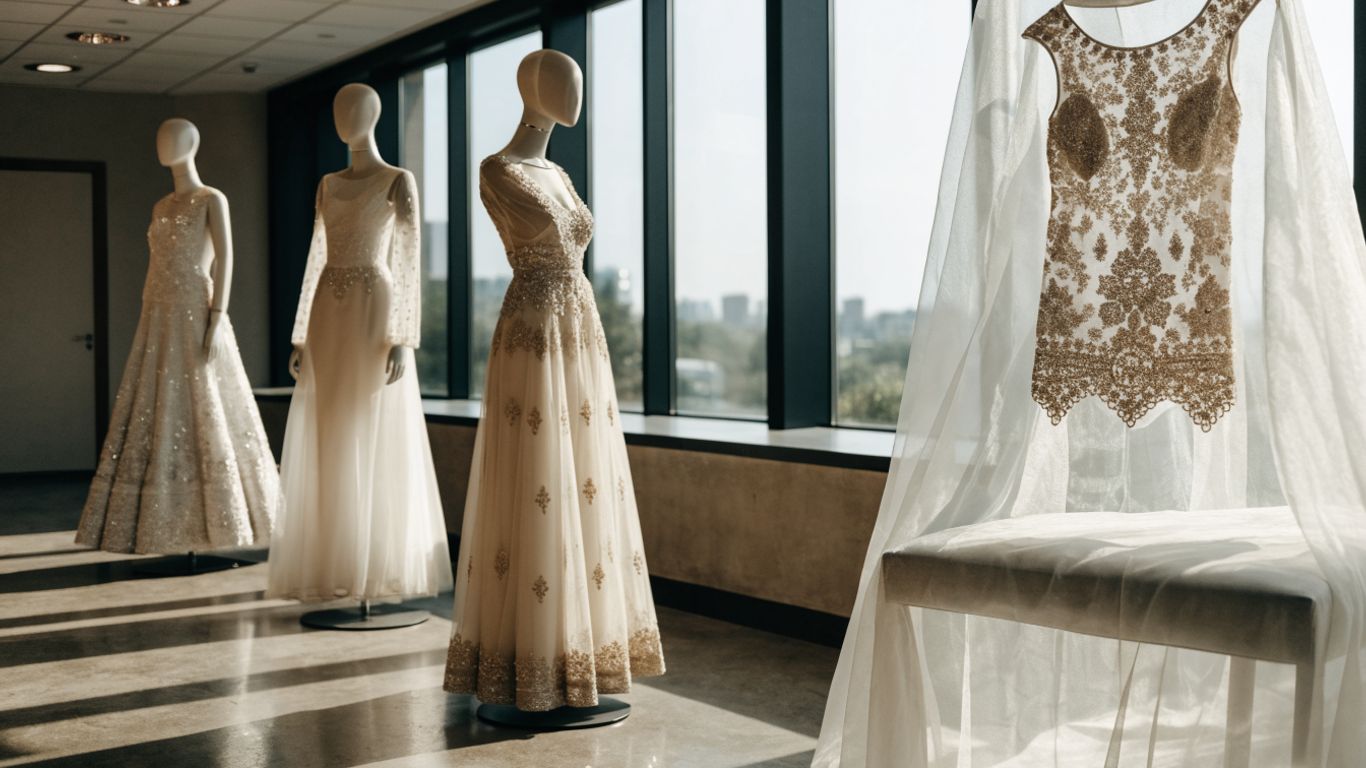
Notice which design details feel personal to you, whether they are traditional motifs, a cleaner modern shape, or a blend of influences. A showroom visit can help you compare these directions side by side and see how they work with your chosen colors and ceremony plans. Ask to view options across styles rather than assuming that one display represents the full collection.
It can also help to distinguish what you admire from what you would actually wear. Save reference images, but be ready to explain the detail that drew you to each one. That gives you more useful feedback than trying to reproduce a picture exactly.
Inspect fabric quality, embroidery, and finishing
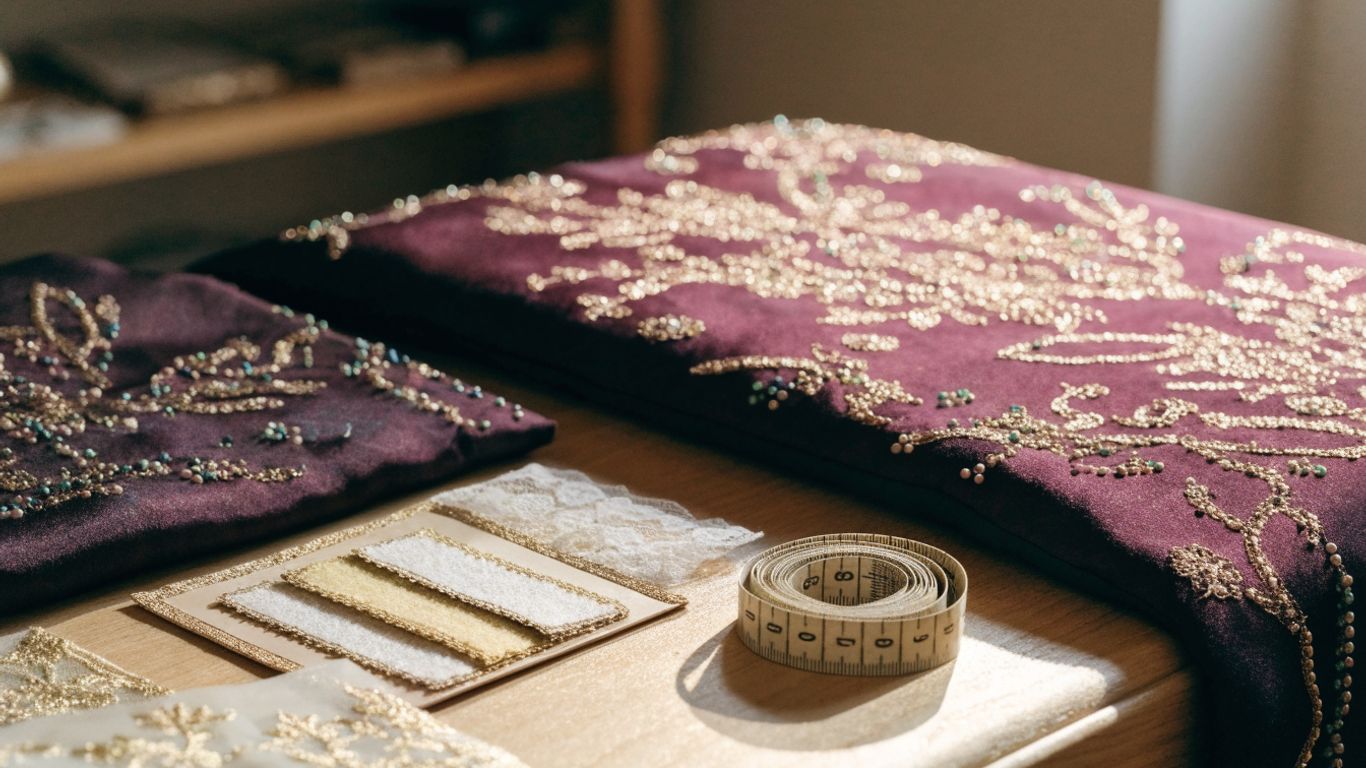
Look closely at seams, linings, closures, and the reverse side of embroidered areas, where finishing can be easier to assess. Ask to handle the fabric and check whether embellishments feel secure and comfortable. The overall impression matters, but small details can reveal how thoughtfully an outfit is put together.
Ask whether the sample you are viewing is representative of the finished garment and what may differ in a made-to-order piece. Request clear explanations rather than relying on appearance alone. A little extra attention here can help you compare pieces on more than their surface appeal.
Ask about designers, sourcing, and care instructions
It is reasonable to ask who designed a garment, where its materials come from, and what care it needs. The showroom should be able to explain the available information and clarify whether special cleaning or storage is recommended. This is especially useful for outfits with delicate fabrics or extensive surface work.
Keep care guidance with your order details, and ask how the garment should be stored before and after the wedding. If you are comparing two similar pieces, the practical effort of maintaining them may help make the decision clearer.
Understand customization and fitting services
Custom work can help an outfit feel more personal, but the word “customization” can mean different things from one showroom to another. Ask what changes are possible, who approves them, and how they affect the cost and schedule. Clear answers now can prevent mismatched expectations later.
Find out which design changes the showroom can make
Explain which parts of the sample you would like to keep and which you hope to change. A showroom may be able to discuss adjustments to fit or selected design details, but confirm each possibility directly rather than assuming every change is available. Ask for the agreed design to be recorded in a sketch, order form, or other written reference.
Before you commit, make a short list of the choices you want confirmed:
- Which parts of the sample design will stay unchanged?
- Which requested changes are possible for this order?
- Will any change affect the price or delivery date?
- How will the final design be documented and approved?
This conversation gives both sides a shared reference point. If a request is not possible, you can decide whether an alternative still suits the look you have in mind.
Ask how many fittings are included
Find out how many fittings the quoted service includes and when they are likely to take place. Ask whether the schedule accounts for any design changes, and whether extra appointments carry a fee. If you expect your measurements to change, raise that early so the showroom can explain how it affects the fitting plan.
A fitting is also a chance to check movement, comfort, and the way the garment sits with planned footwear or underlayers. Bring those items when practical, and take notes on anything that needs attention. Knowing the process in advance makes each visit more purposeful.
Confirm alteration policies and delivery timelines
Ask who will carry out alterations, what kinds of adjustments are included, and how late changes are handled. Confirm the expected completion date and leave enough time to review the final garment before the wedding. A verbal estimate may feel reassuring, but the order documents should make the terms clear.
If an alteration or delivery date changes, ask how the showroom will notify you and what options are available. Keep messages, receipts, and measurements together so you can refer to the same details throughout the process.
Plan your budget and compare value
A premium price is only useful to compare when you know what it covers. Set a comfortable spending range before browsing, and decide where you would rather spend more or keep costs modest. Consider the full outfit and its related services, not just the number on a price tag.
Set a realistic budget for each outfit
Allocate your budget across the outfits you need, while keeping some flexibility for changes in design or fit. If one ceremony outfit is your priority, decide that before you begin comparing pieces. You may also want to set a separate allowance for accessories, footwear, or other items that are not included in the garment price.
Treat your budget as a working guide rather than a target you must spend. If a piece is outside your range, ask what comparable options are available or whether a simpler finish would suit your preferences. This keeps the decision grounded in your priorities.
Check what the quoted price includes
Ask for an itemized explanation of the quote so you can compare like with like. The following points are worth checking, particularly when a piece is being made or adjusted for you:
- The garment and any agreed design changes
- Included fittings and standard alterations
- Accessories or components, if any are part of the order
- Applicable taxes, packaging, or delivery charges
Once the inclusions are clear, compare the total against your budget and the service being offered. A lower starting price may not be comparable if important services are quoted separately, so focus on the complete amount you would actually pay.
Ask about payment terms, cancellations, and extra charges
Before paying a deposit, ask when the remaining balance is due and whether the deposit is refundable. Clarify the cancellation policy, charges for additional alterations, and any costs that might arise if the order changes. Policies can vary, so get the specific terms for your order in writing.
Take time to read the paperwork rather than treating it as a formality. If any fee or condition is unclear, ask for an explanation before signing or making payment. That simple step helps keep the purchase within the budget you planned.
Evaluate the shopping experience in Bangalore
A good showroom visit should leave you better informed, even if you do not buy anything that day. Think about the practical demands of getting there, returning for fittings, and coordinating visits around your wedding schedule. The right experience is not only about the room or display; it is also about how clearly the process is explained.
Book appointments and check showroom hours
Call or message ahead to confirm hours, appointment requirements, and what to bring. If you have reference images or a specific ceremony in mind, mention it when booking so the visit can be focused. Confirm whether you will have enough time to try several options and discuss details.
Showroom hours can change, so check close to the day of your visit. A confirmed appointment can make it easier to plan around work, family commitments, or travel across the city.
Consider travel time for fittings and follow-up visits
A showroom may be convenient for the first visit but less so if the order requires several fittings. Think through the likely number of trips and how much time you can realistically set aside. If family members need to attend, factor in their schedules as well.
Ask whether appointment times can be arranged around your availability and what happens if you need to reschedule. Planning the travel and follow-up visits early can make the process feel more manageable as the wedding approaches.
Notice how the team listens and responds to your preferences
Pay attention to whether staff ask about your needs before making suggestions. A useful conversation should leave space for you to explain what you like, what you do not want, and what is still undecided. You should feel able to ask about price, fit, and timing without being rushed.
Notice how clearly the team responds when a request cannot be met. A candid explanation and a practical alternative are more helpful than vague assurances. Trust your sense of whether the communication feels respectful and straightforward.
Compare showrooms before making a decision
After visiting a few places, take a moment to compare the experience as a whole rather than choosing from memory alone. Write down the outfits you liked, the services discussed, and any unanswered questions. This makes it easier to spot the difference between a memorable display and a good fit for your actual needs.
Shortlist options based on style, service, and budget
Compare each showroom against the priorities you set earlier: the kinds of designs you liked, the fitting and alteration process, and the total cost. Include practical considerations such as location and the likely number of follow-up visits. A simple shortlist helps you make the decision on criteria that matter to you.
If you are torn between options, revisit your original requirements rather than adding new criteria at the last moment. A showroom that offers the right balance of style and practical support may serve you better than one that excels in only one area.
Review recent customer feedback with a critical eye
Recent reviews can help you notice recurring themes about communication, service, or timing, but a single comment rarely tells the whole story. Look for specific descriptions and consider whether they relate to the part of the process you care about. Keep your own conversations and written terms in view as well.
Feedback is one input, not a substitute for asking direct questions. If a review raises a concern, ask the showroom how its policy works for your order and decide whether the answer gives you enough clarity.
Confirm your order details and dates in writing
Before you place an order, check that the written record matches your understanding of the design, measurements, price, included services, and delivery date. Make sure any approved changes are noted, too. Keep a copy of the paperwork and payment records where you can find them easily.
This final check may feel less exciting than choosing the outfit, but it gives you a clear reference for the work ahead. Once the details are confirmed, you can focus on fittings and enjoy seeing your wedding look come together.
Conclusion
Choosing a premium bridal showroom in Bangalore is a matter of matching personal style with careful attention to craft, fit, cost, and communication. Visit with a clear sense of your needs, ask specific questions, and give yourself time to compare. A thoughtful choice should feel right both in the mirror and in the practical details behind the outfit.
Frequently Asked Questions
How far in advance should I visit a bridal showroom?
Start early enough to compare options, complete fittings, and allow for any changes without rushing. Ask each showroom for its current production and alteration timeline before placing an order.
What should I bring to a bridal showroom appointment?
Bring reference images, a list of ceremony needs, and an approximate budget. If you already know your footwear or underlayers, bring them or ask whether they are useful for the fitting.
How can I compare bridal outfits fairly?
Compare the complete price, fabric and finishing, fit, customization options, included services, and delivery timing. Notes from each visit can make the differences easier to remember.
What questions should I ask about alterations?
Ask which alterations are included, who will perform them, how many fittings are covered, and whether additional changes cost extra. Confirm the policy and expected dates in writing.
Should I choose a wedding outfit based on trends?
Trends can offer inspiration, but your comfort, ceremony requirements, and personal taste should guide the decision. Try different options and choose what feels appropriate to wear for the full event.
How do I know whether a quoted price is complete?
Request an itemized quote that explains the garment, agreed changes, fittings, alterations, taxes, and any delivery or packaging charges. Ask about possible additional costs before paying a deposit.
What should I check before placing an order?
Confirm the design, measurements, total price, payment terms, alteration policy, and delivery date. Keep a written record of any agreed changes and retain copies of the order and payment documents.
Related blogs:
November 20, 2025
The Timeless Elegance of the Tennis Bracelet: A Comprehensive Guide
Read More

November 20, 2025
The Ultimate Guide to Styling and Wearing a Choker Necklace
Read More
November 20, 2025
Find Your Perfect Engagement Ring: A Comprehensive Guide to Styles and Diamonds
Read More
November 20, 2025
The Timeless Elegance of a Diamond Tennis Bracelet: A Buyer's Guide
Read More