How to choose precious stones for bridal jewellery
October 18, 2026 | 10 minutes read
Key Takeaways
Choosing bridal gemstones is a balance of appearance, durability, budget, and the way you want to wear each piece.
- Compare a stone’s color, clarity, cut, and size in person when possible.
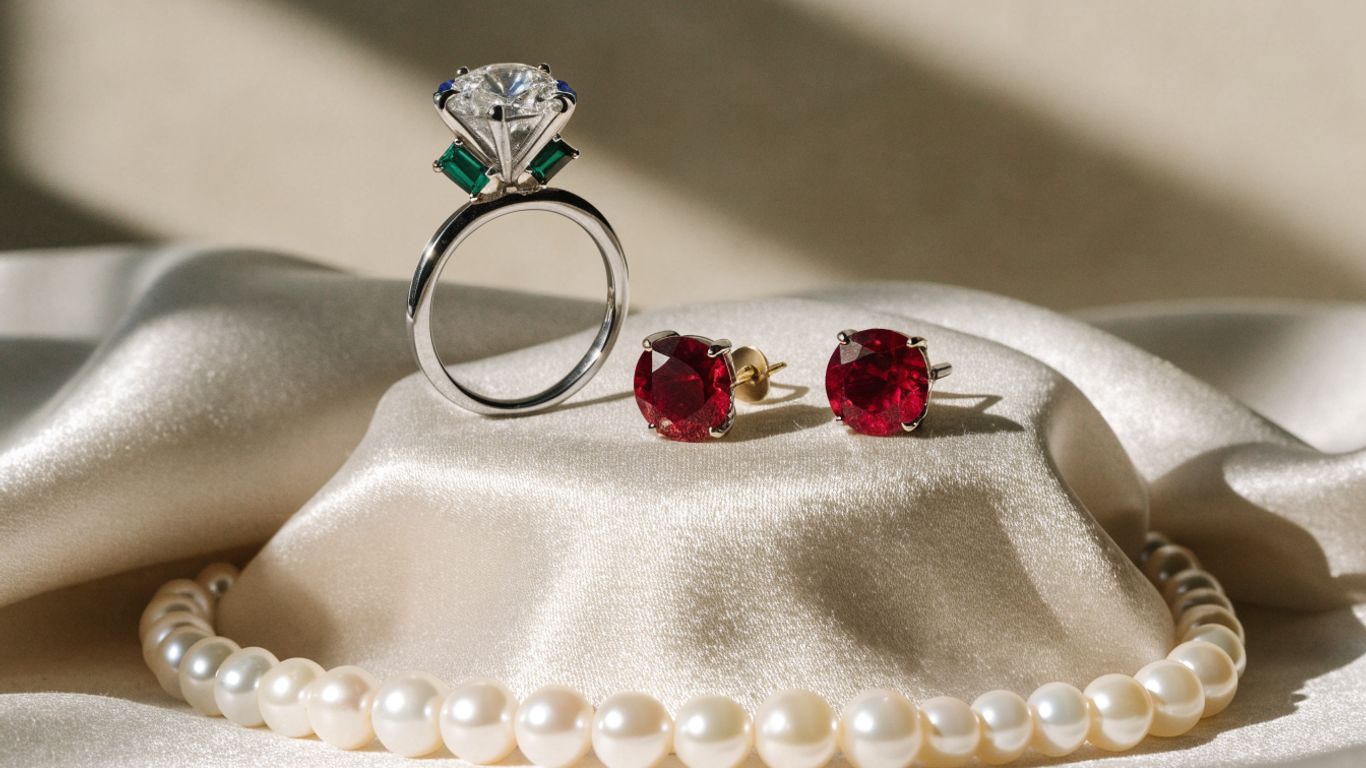
- Diamonds, sapphires, rubies, emeralds, pearls, and other gems can all suit bridal jewellery.
- Match stones to the piece and consider how often you plan to wear it.
- Check a gemstone’s durability, treatment, and care needs before buying.
- Review documentation, setting costs, and the seller’s policies before committing.
Understand what makes a gemstone precious
“Precious” can refer to a traditional category, but it does not tell you everything about a gemstone’s beauty, quality, or suitability. For bridal jewellery, the more useful questions are what appeals to you, how the stone is made to look its best, and how it will hold up in the piece you have in mind. Learning the basics helps you compare options without assuming that a particular label guarantees a better choice.
Precious stones versus popular bridal gemstones
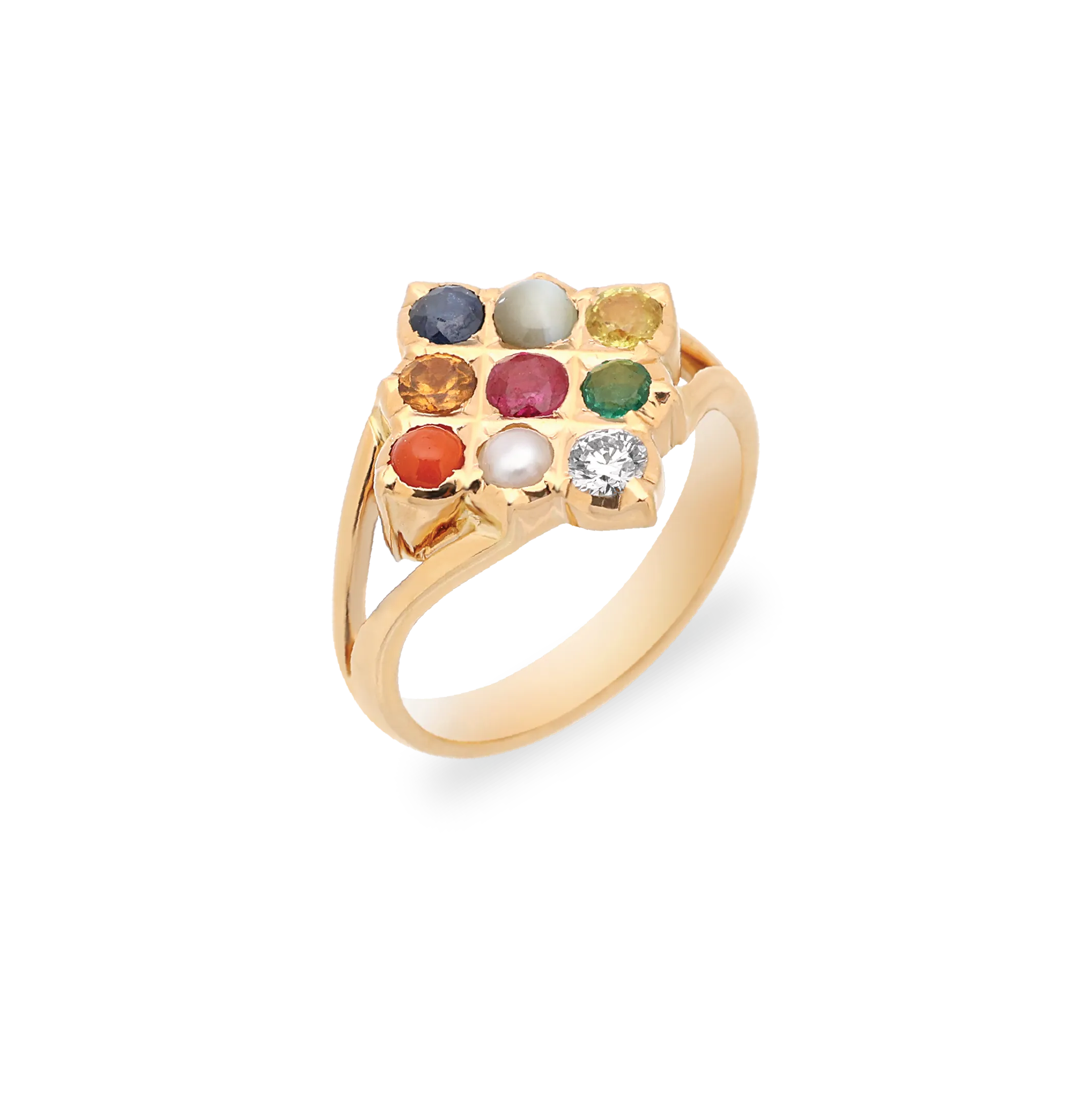
The traditional precious-stone category usually names diamonds, rubies, sapphires, and emeralds. Bridal jewellery, though, also often features pearls and other gemstones chosen for their color, character, or personal meaning. A stone outside the traditional group can still be a lovely choice; the label alone does not determine whether it suits your style or budget. For a broader look at precious gemstone varieties, consider how each stone’s appearance and characteristics matter to you.
How color, clarity, cut, and carat affect appearance
The familiar four Cs—color, clarity, cut, and carat—offer a starting point for comparing many gemstones, especially diamonds. Color describes hue and saturation; clarity concerns visible inclusions or blemishes; cut affects how a stone handles light; and carat measures weight, not the stone’s face-up size. These qualities interact, so a larger stone is not automatically more striking. Look at the whole stone in the lighting where you expect to wear it, rather than judging by a single number.
Natural, lab-grown, and treated stones
Gemstones may be natural, lab-grown, or natural stones that have been treated to change or improve their appearance. These distinctions affect how a stone is described and may affect its price, care, or value to you. Ask the seller to state clearly which applies, and request an explanation of any treatment that may influence cleaning or durability. A straightforward disclosure helps you compare like with like instead of relying on assumptions.
Why gemstone quality can vary within the same type
Two stones of the same variety can differ noticeably in color, transparency, cut, and visible inclusions. Natural stones form under different conditions, and cutting choices also shape the final look; lab-grown stones and treated stones can have their own variations as well. When comparing options, inspect the actual stone rather than choosing by its name alone. Personal preference matters: the shade and character you enjoy may be more important than a small difference in a grading description.
Explore gemstones suited to bridal jewellery
There is no single gemstone that defines a bridal look. Some people want the familiar brilliance of a diamond, while others prefer a vivid accent, a softer surface, or a color tied to a personal story. It can help to explore several possibilities before deciding how much of the look should come from the stone itself.
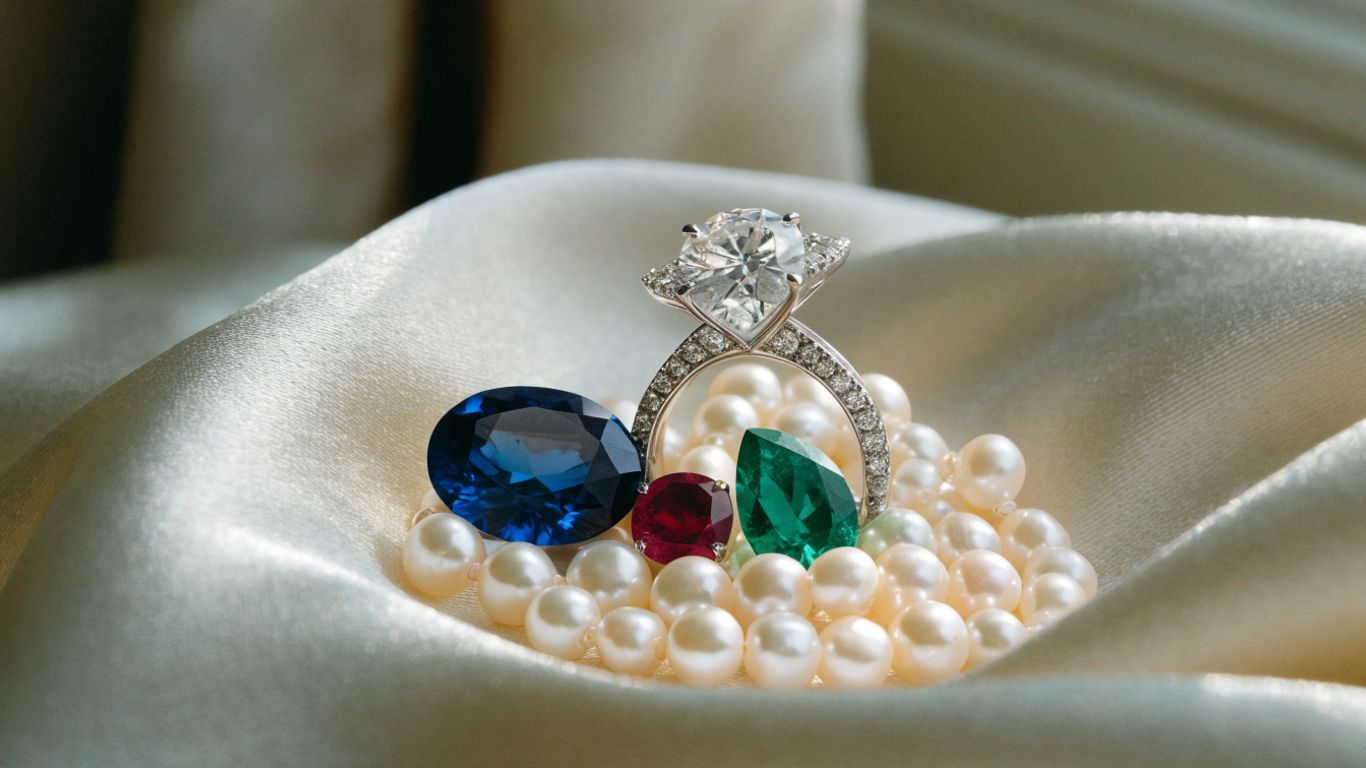
Diamonds for classic sparkle
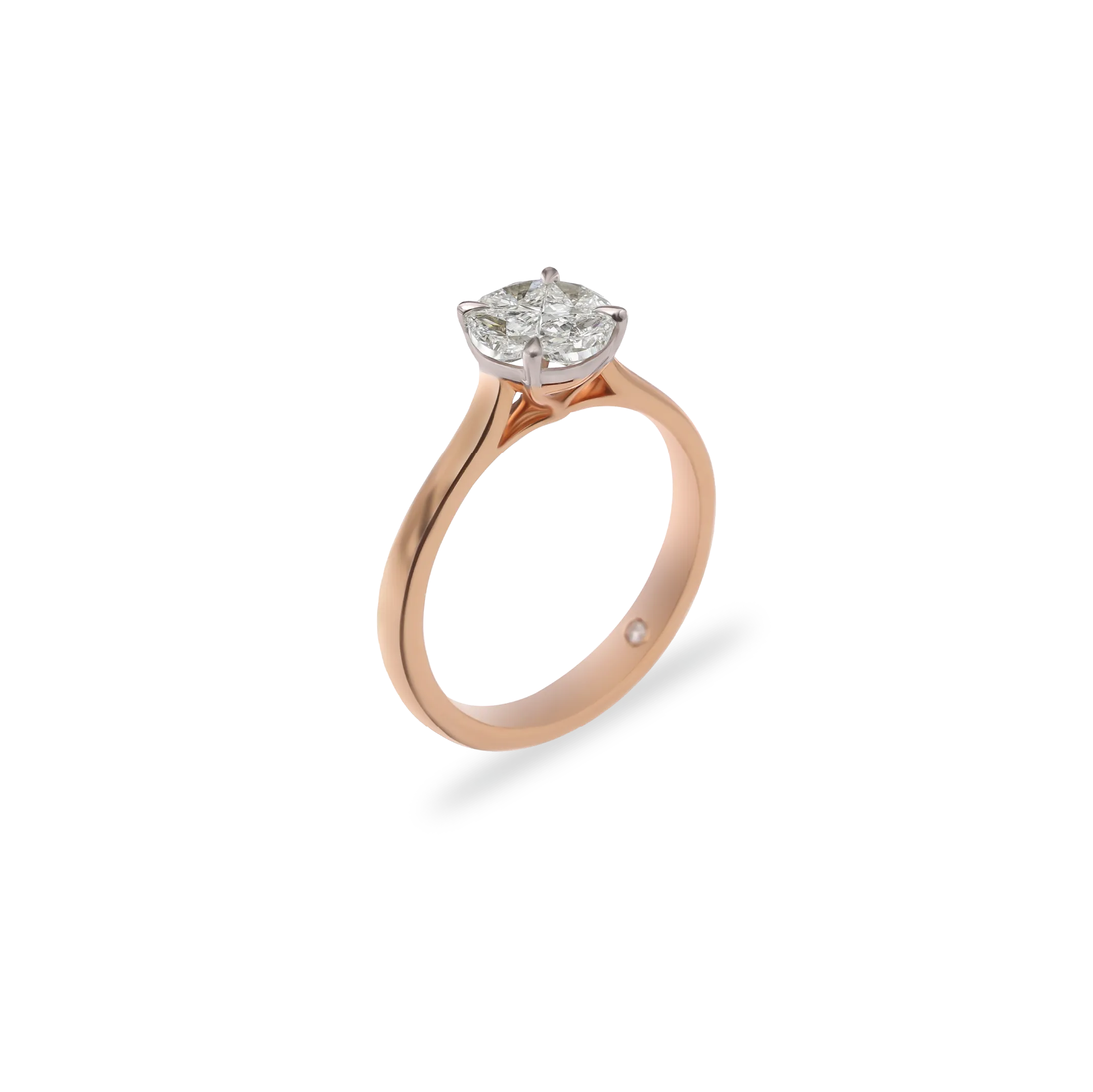
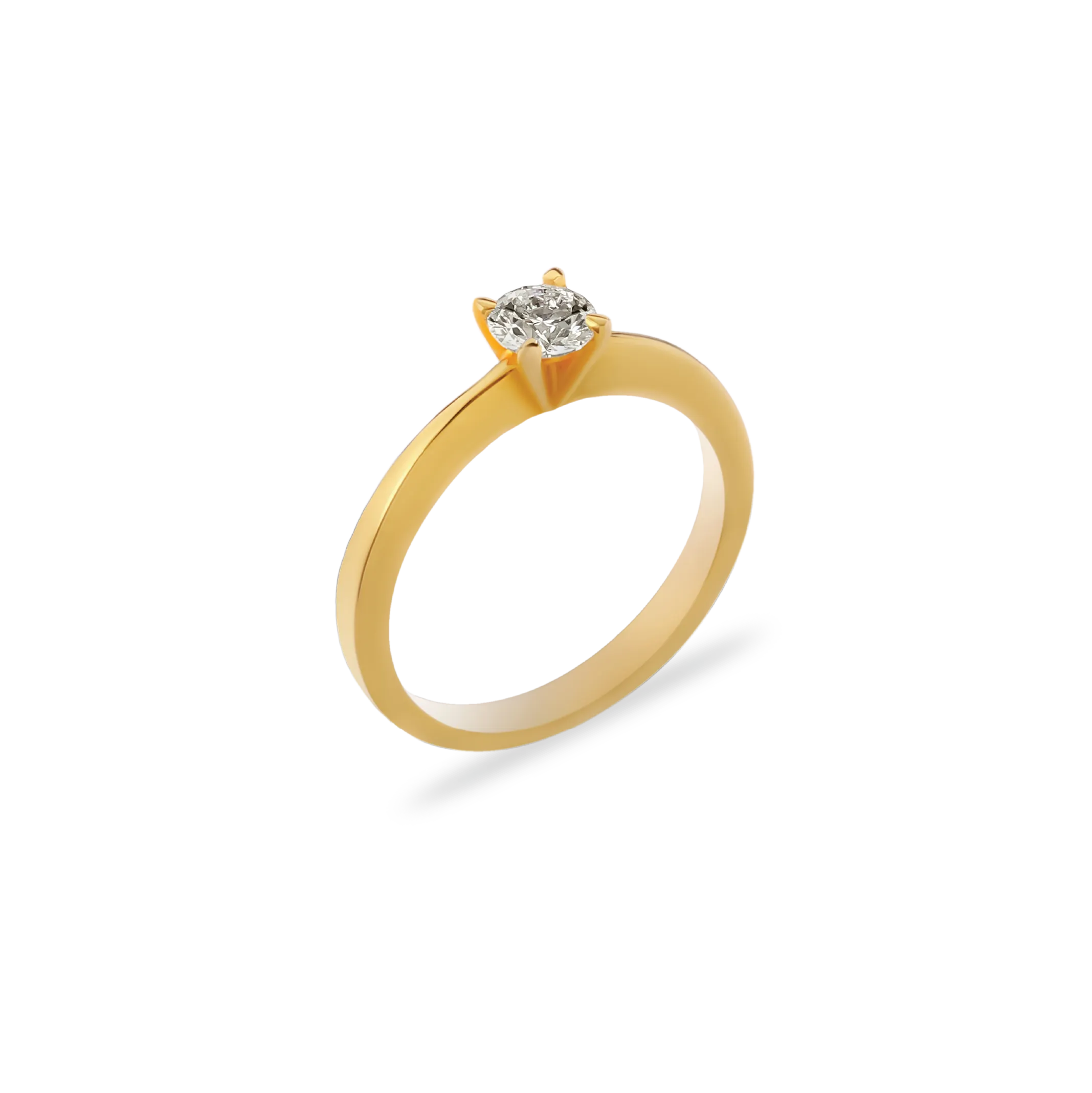
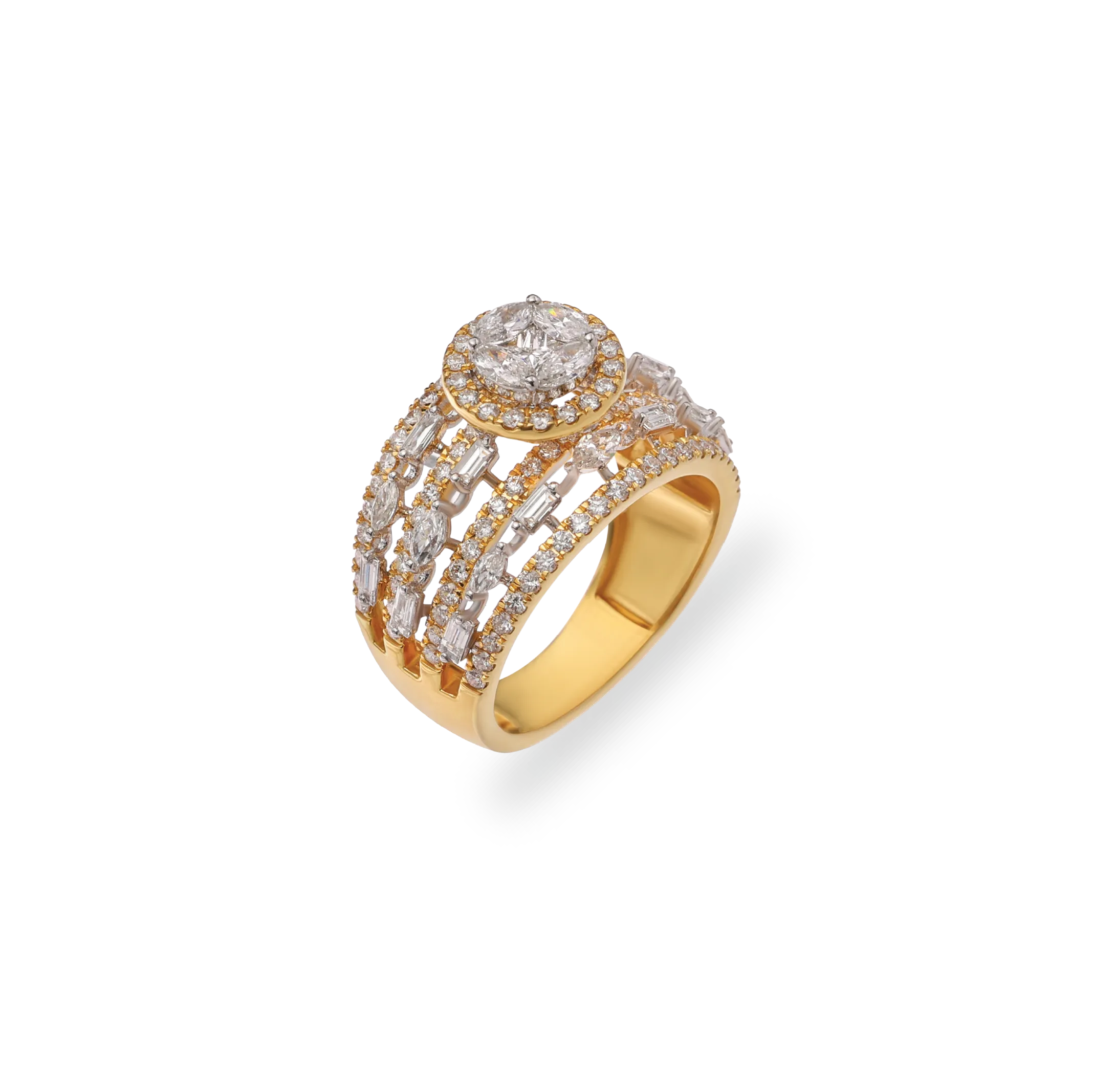
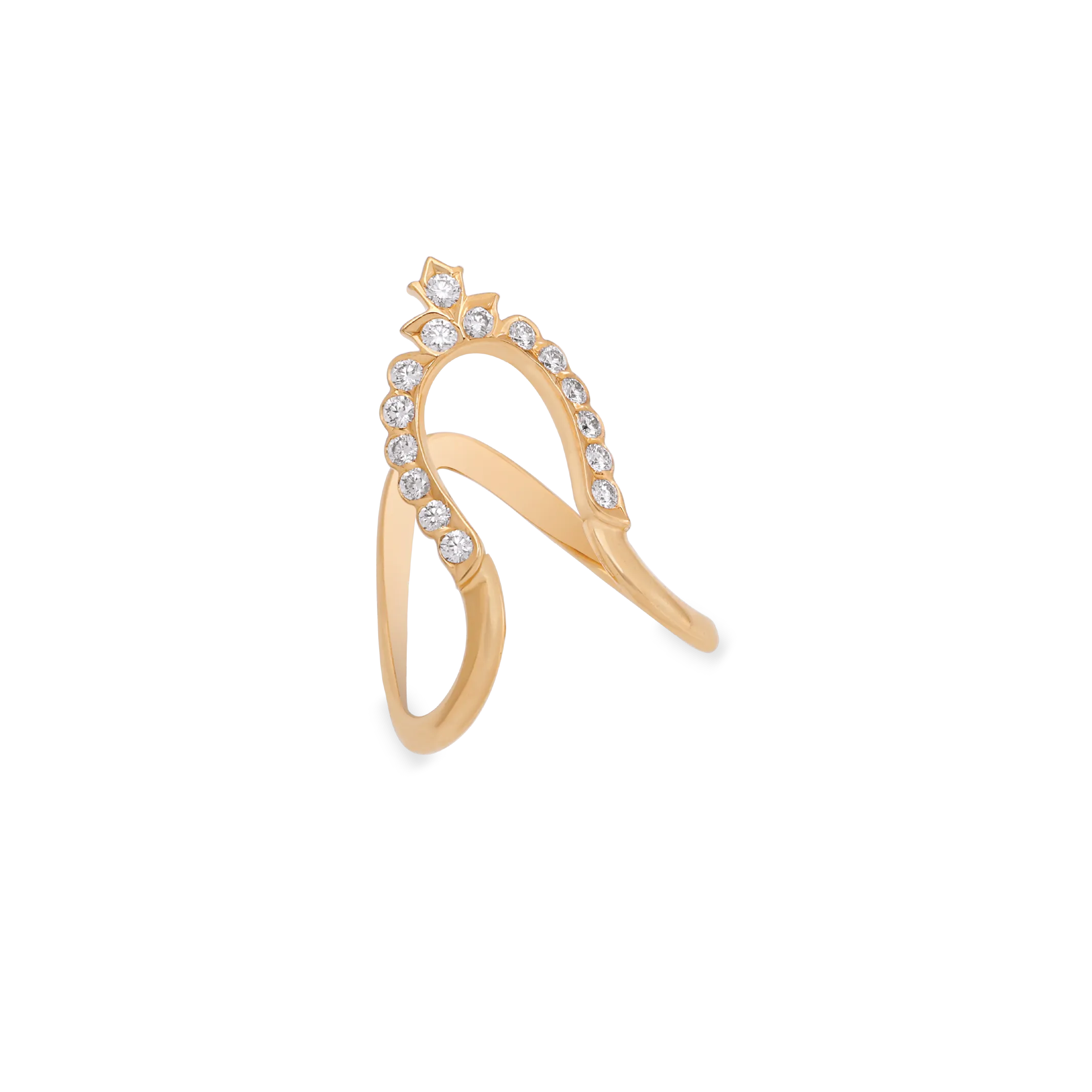
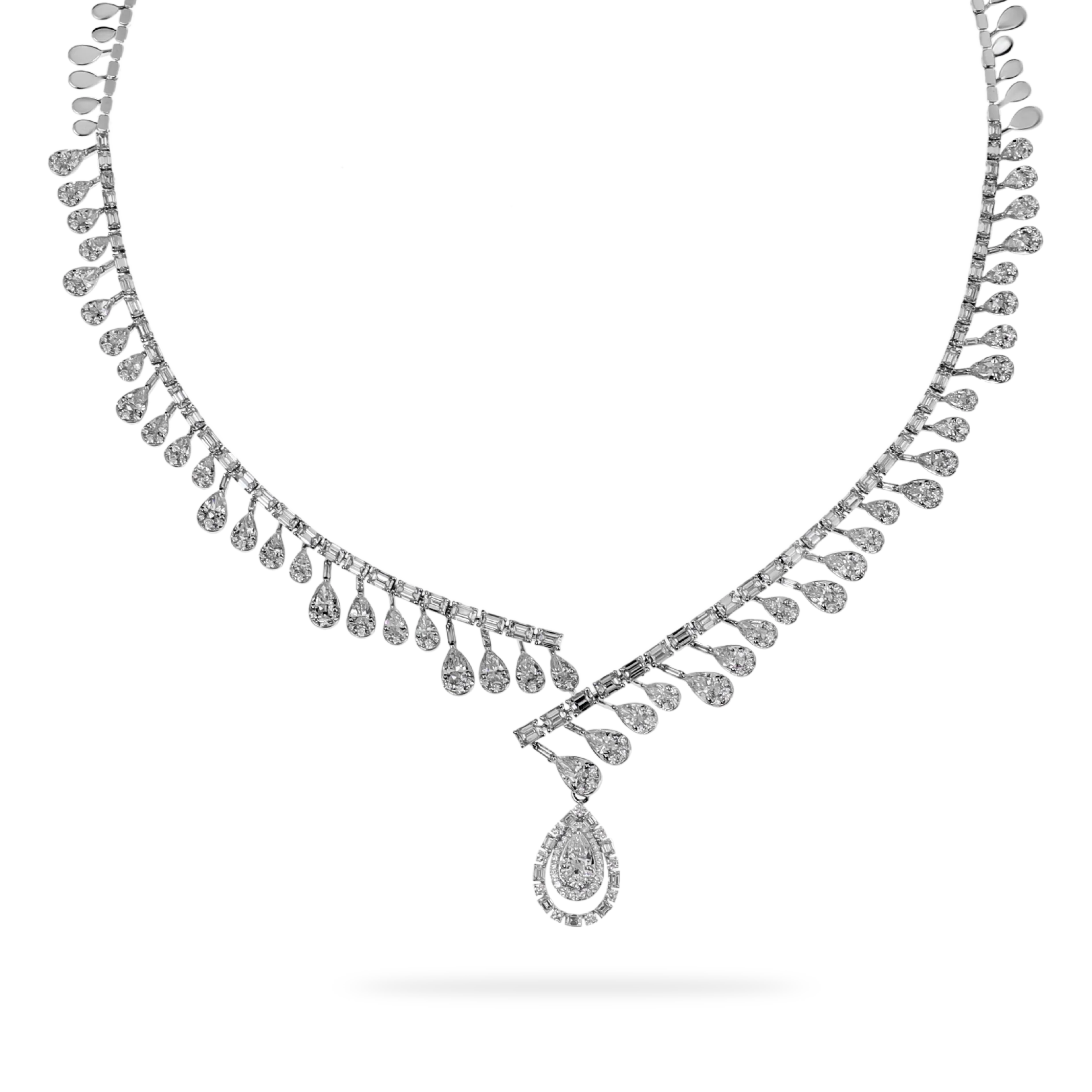
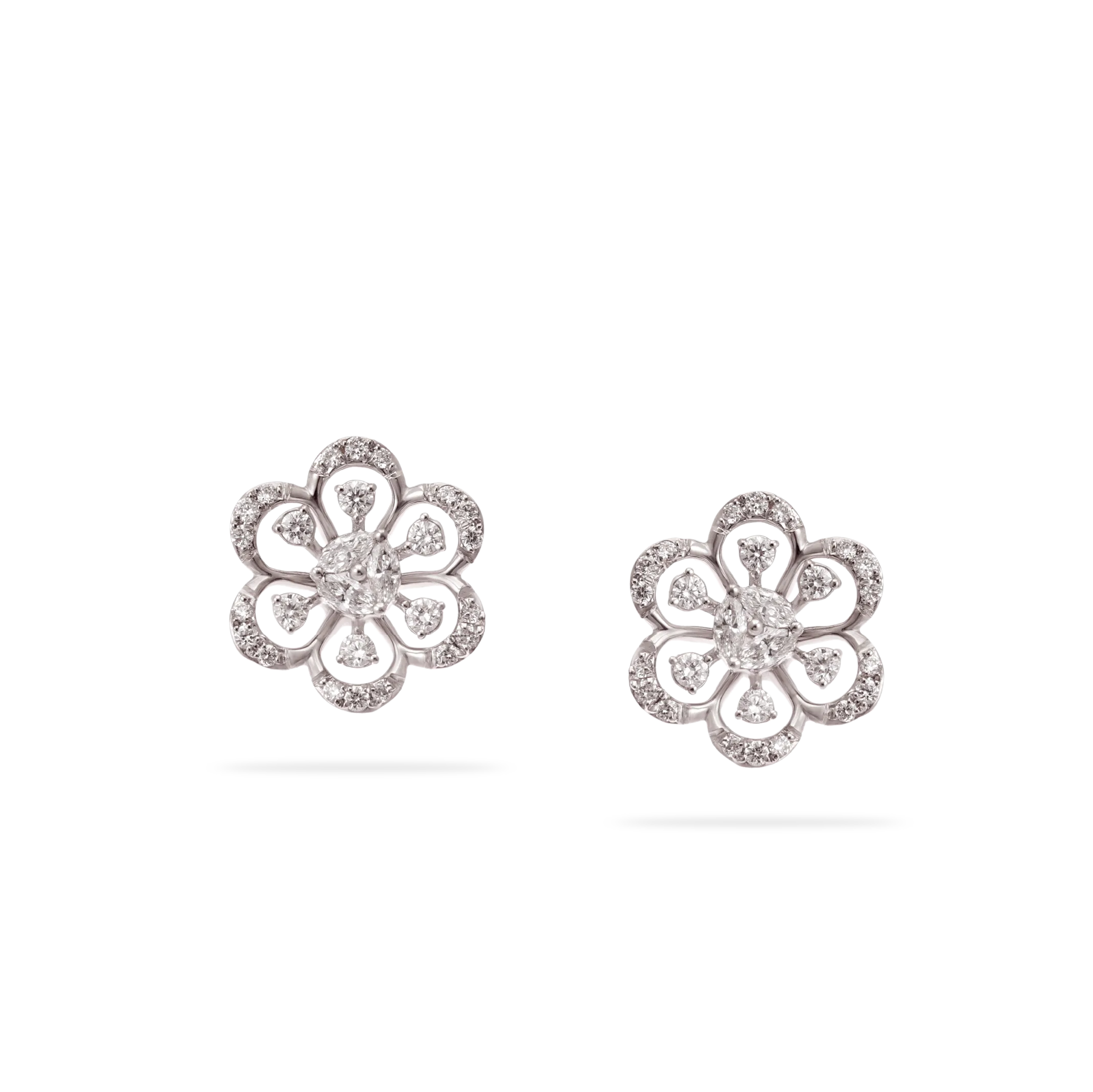
Diamonds are a familiar choice for engagement rings and bridal accents because of their bright appearance and broad range of cuts and settings. A clear diamond can sit quietly alongside other jewellery, while a larger or more unusual cut can take center stage. Compare the shape and sparkle under different lighting, and remember that a well-chosen setting contributes to the finished effect. The appeal is not only the stone’s size but how it works with the design.
Sapphires for color and durability
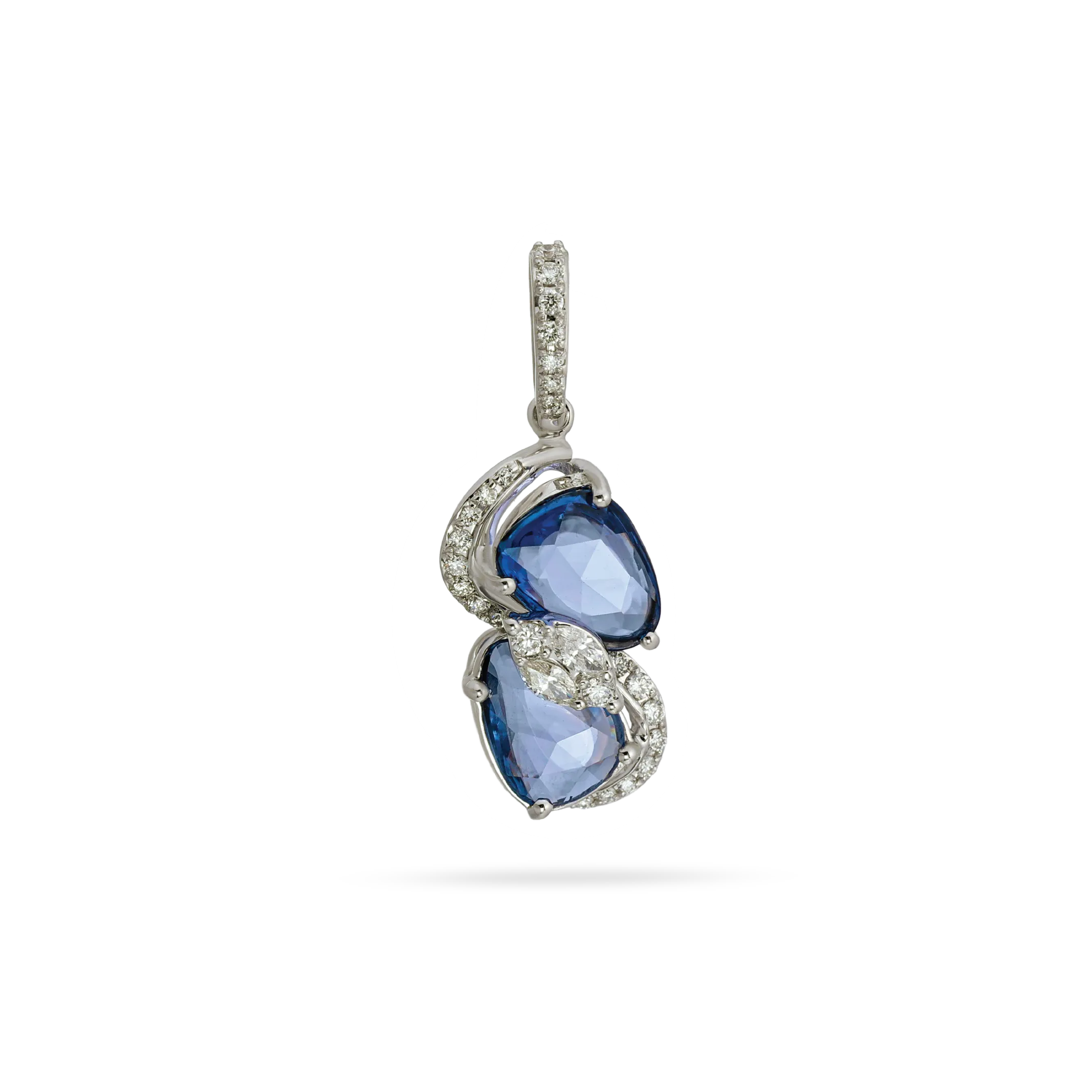
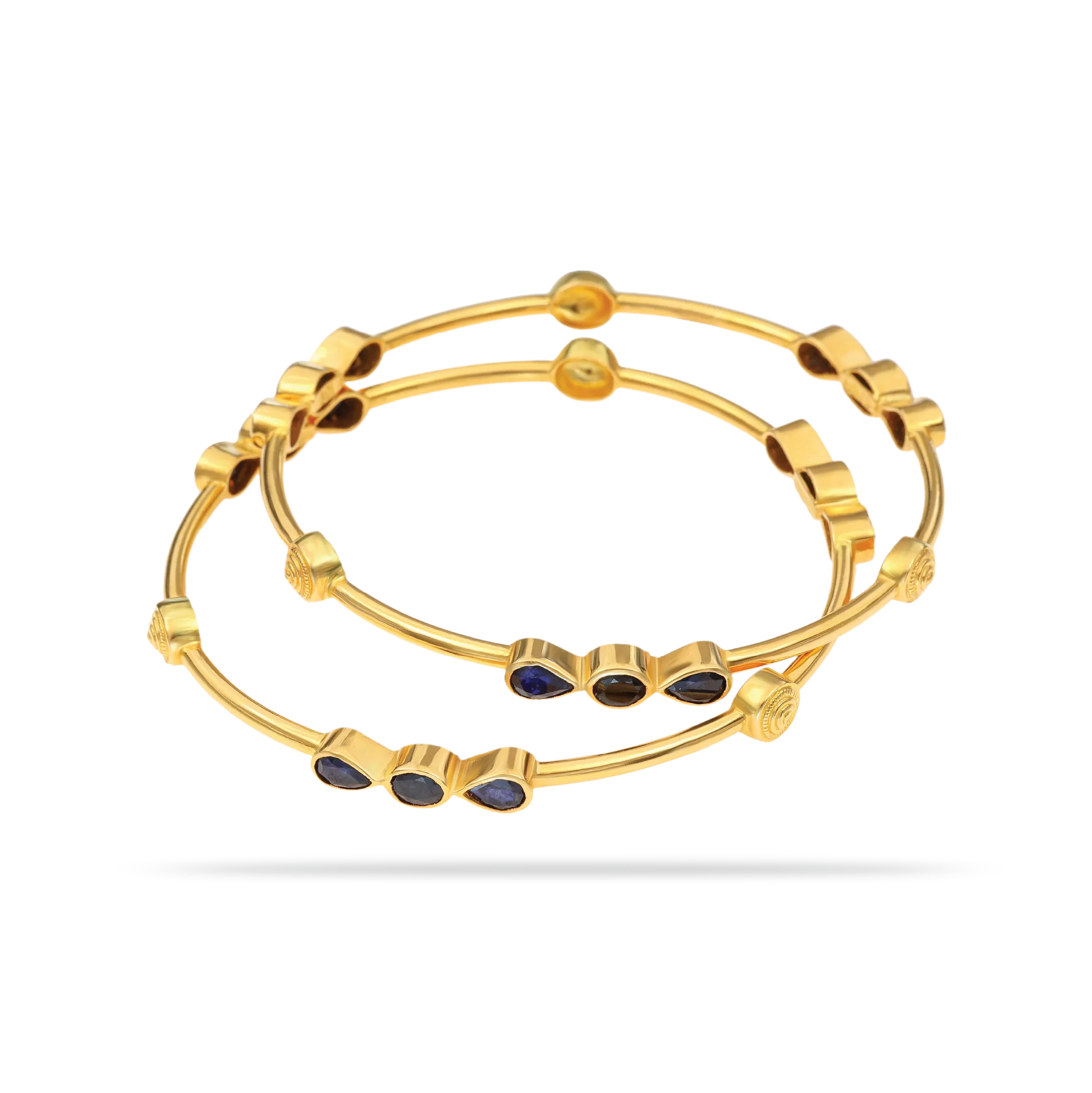
Sapphires are known for blue, but they occur in a range of colors, making them a versatile option for adding a personal note. They are also commonly considered for rings because they are relatively hard, though no gemstone is immune to damage. Decide whether you want the sapphire to be the main focus or a smaller accent alongside another stone. A color you enjoy wearing beyond the wedding can make the choice feel especially natural.
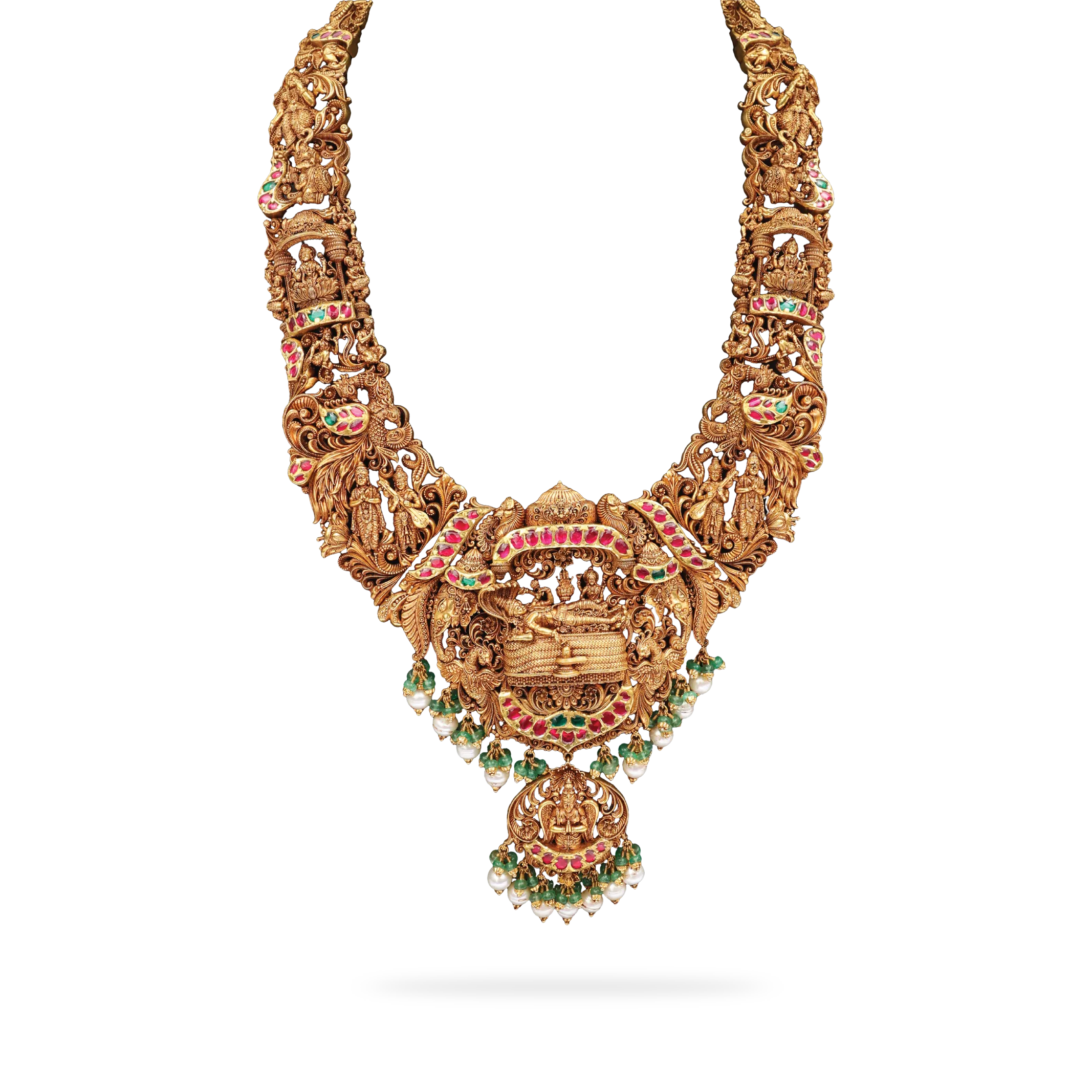
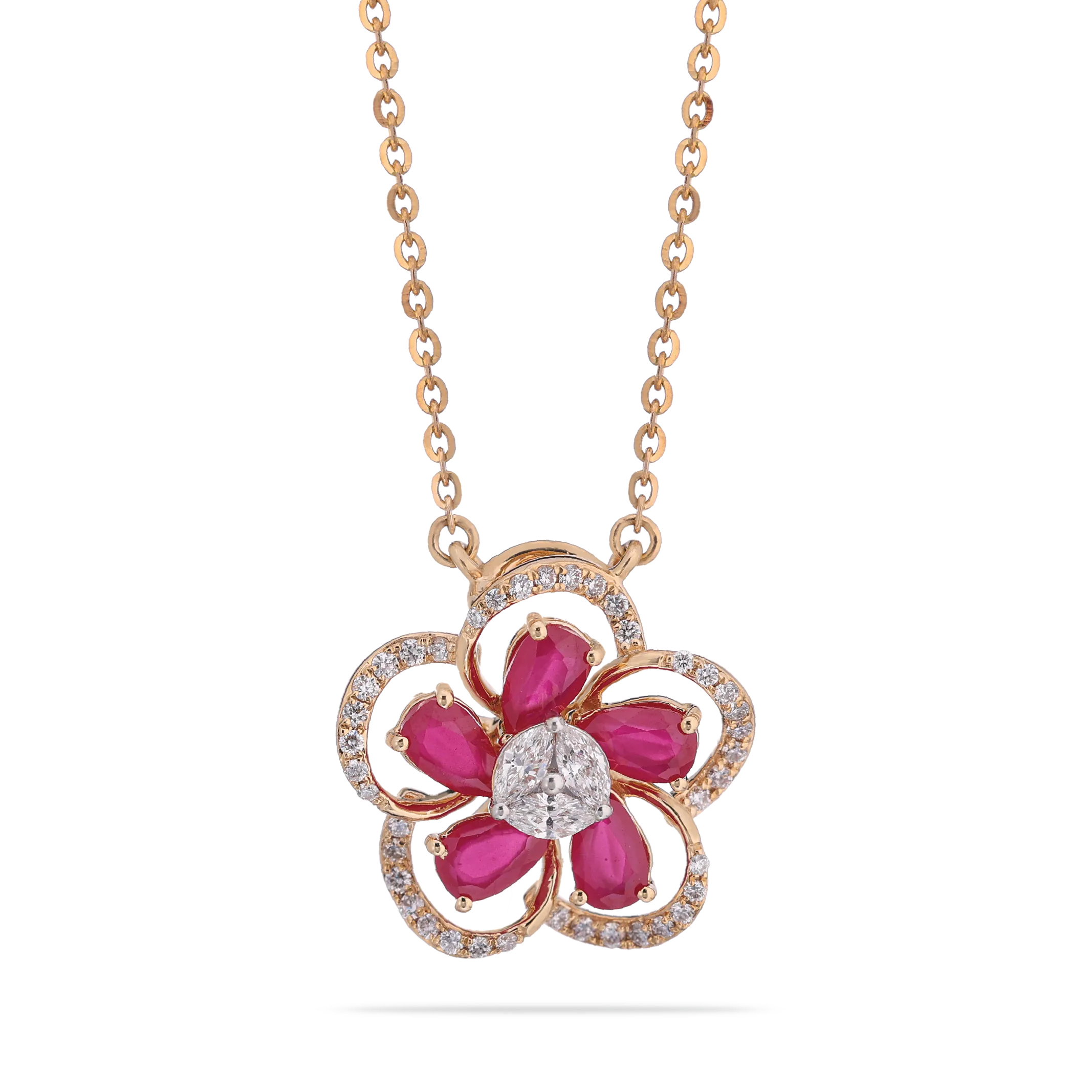
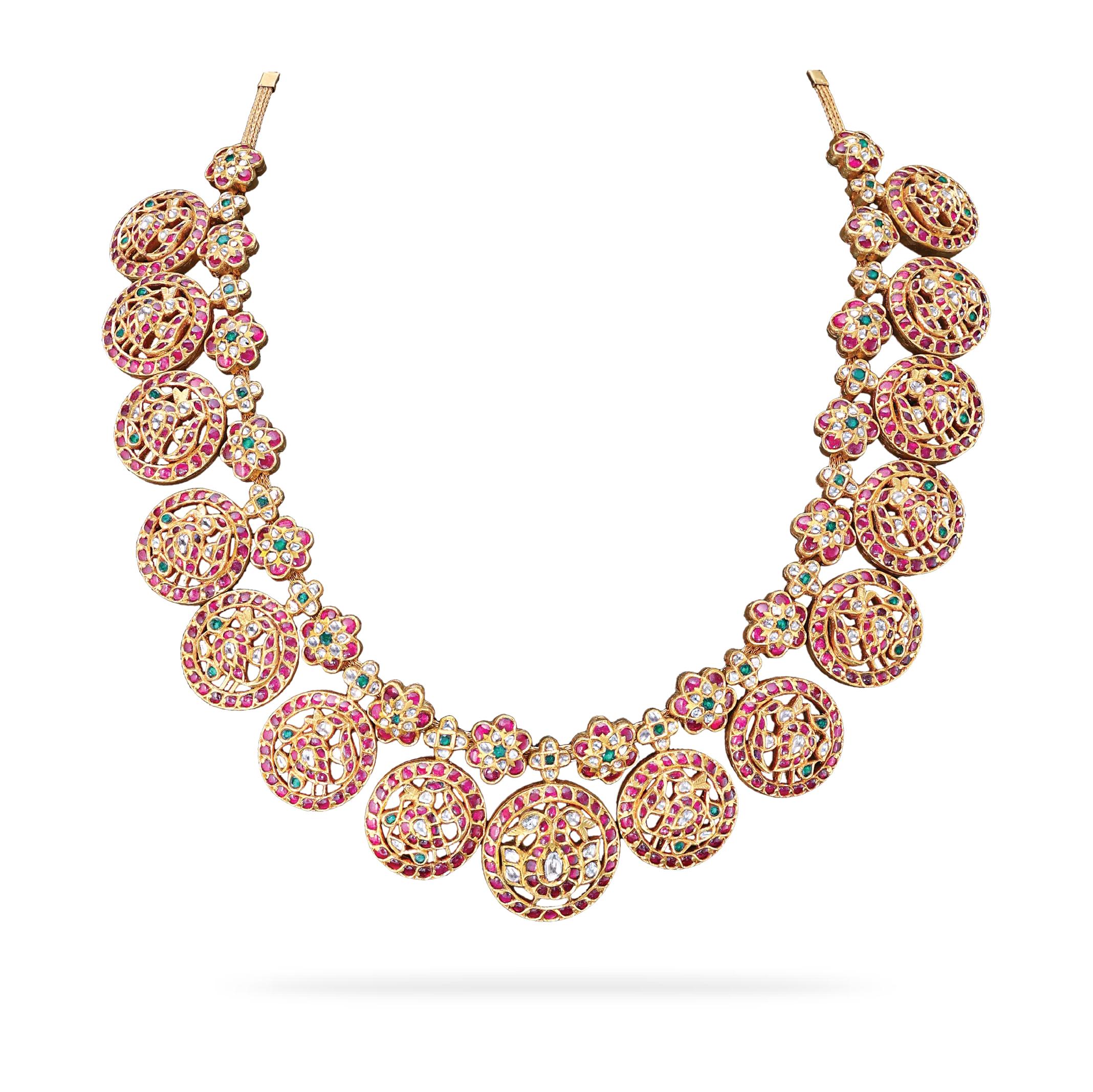
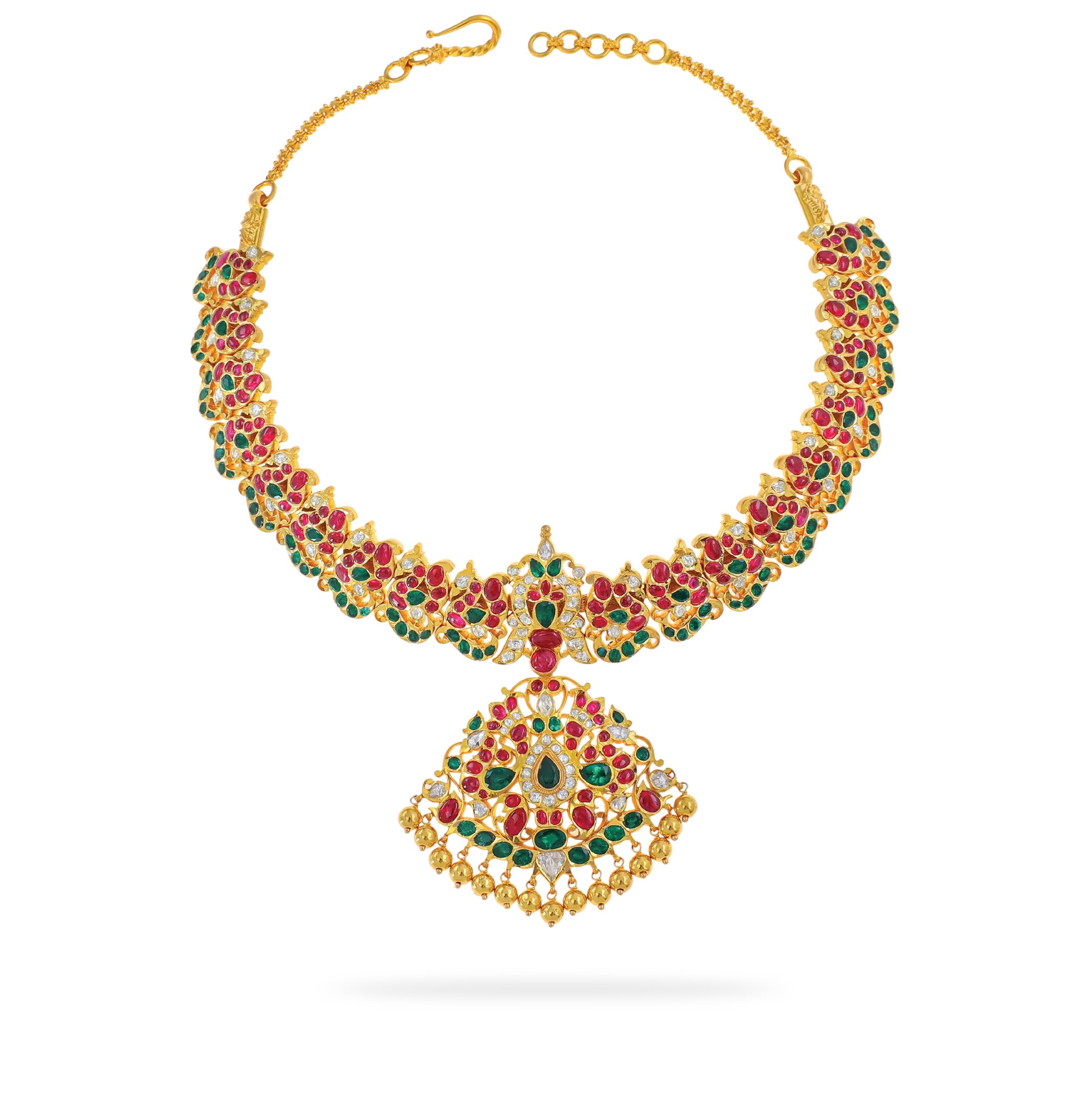
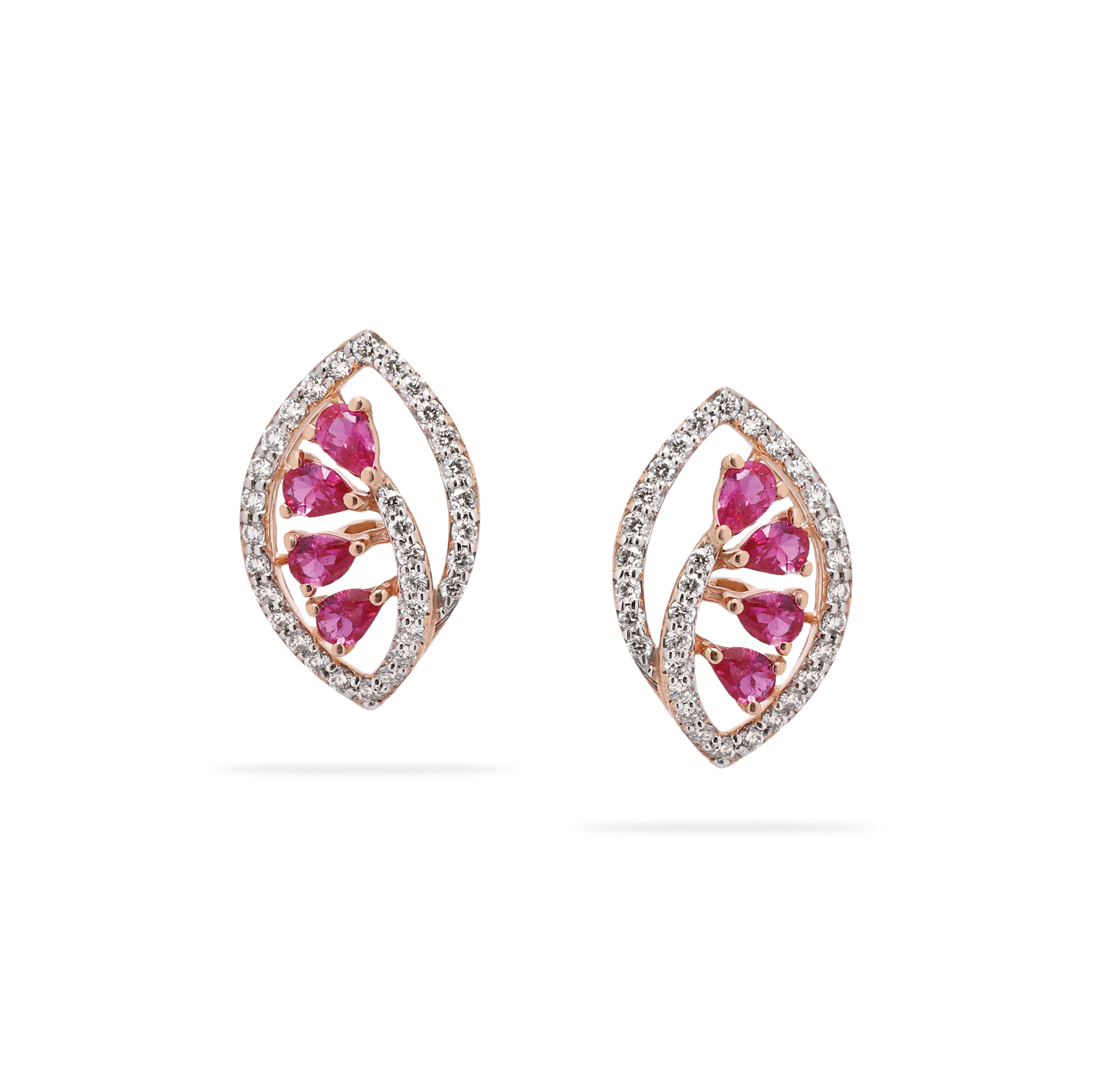
Rubies and emeralds for bold bridal accents
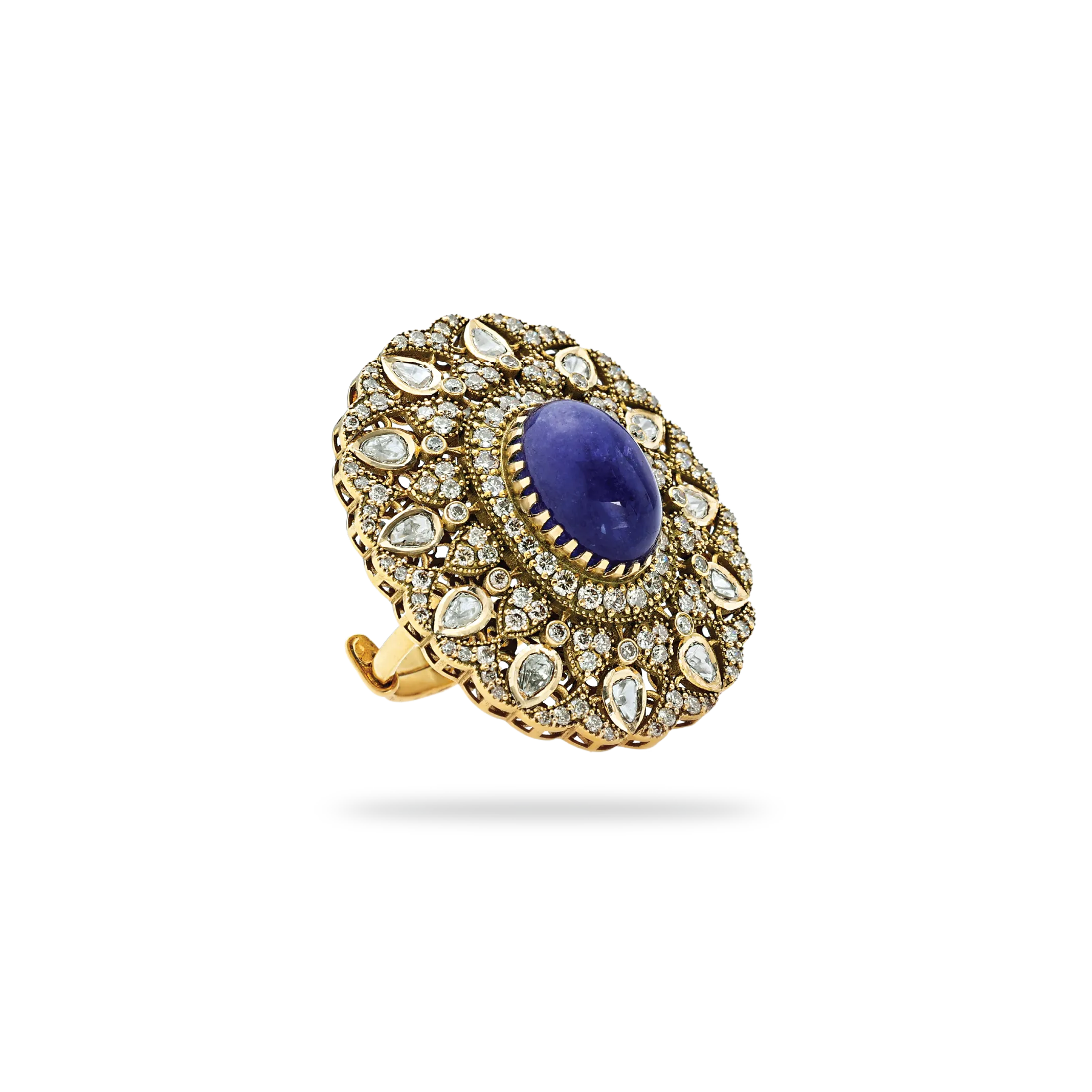
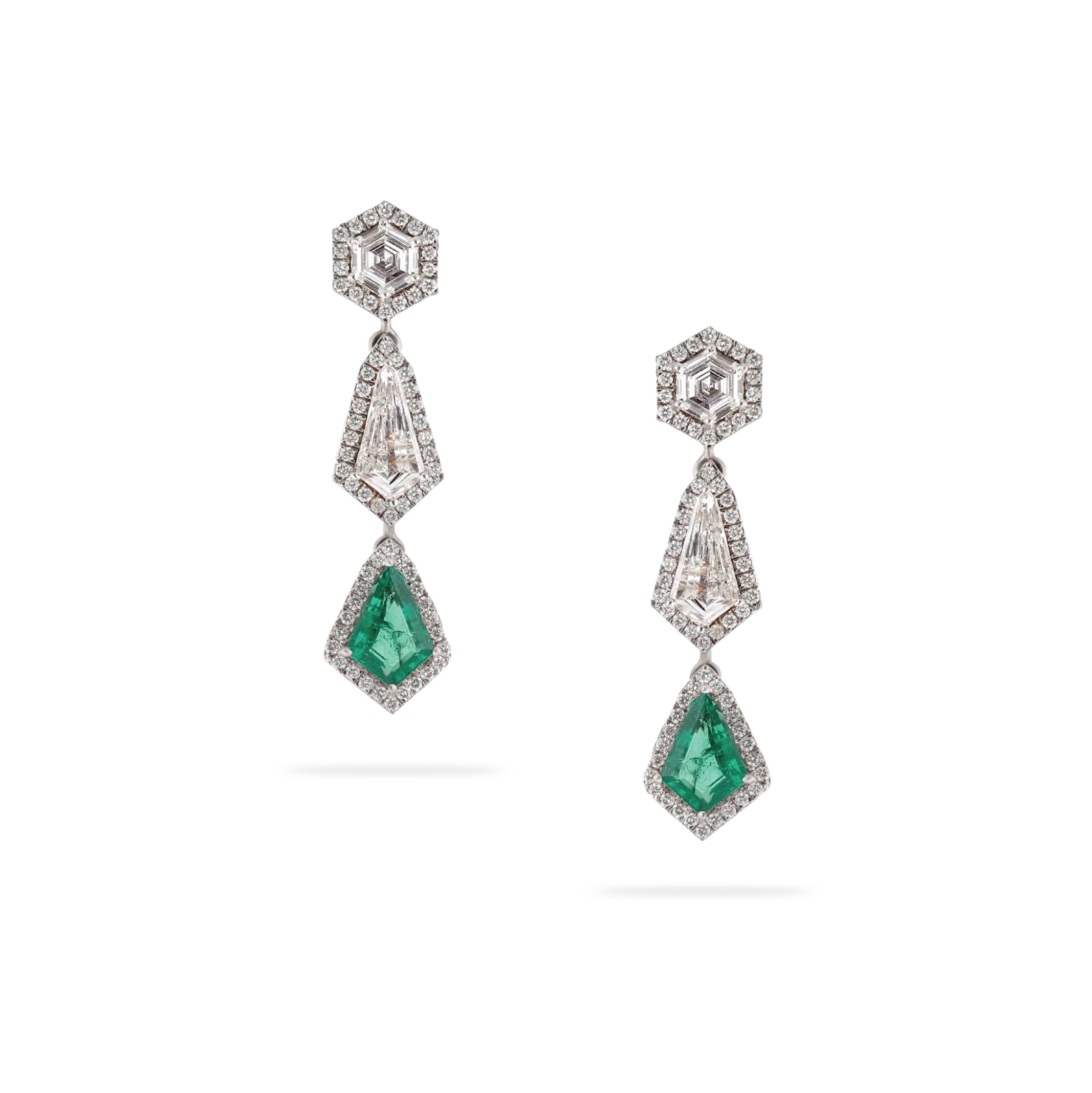
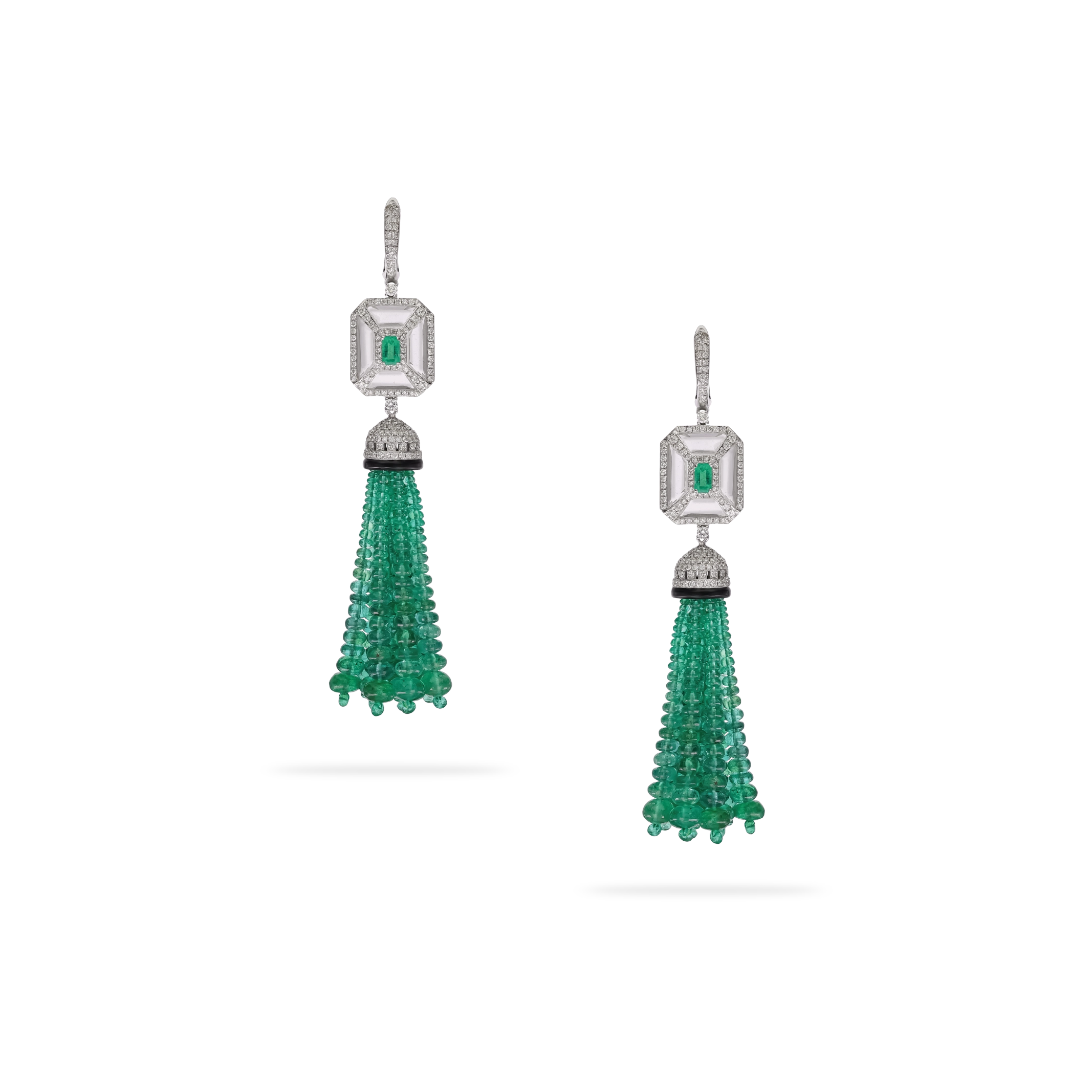
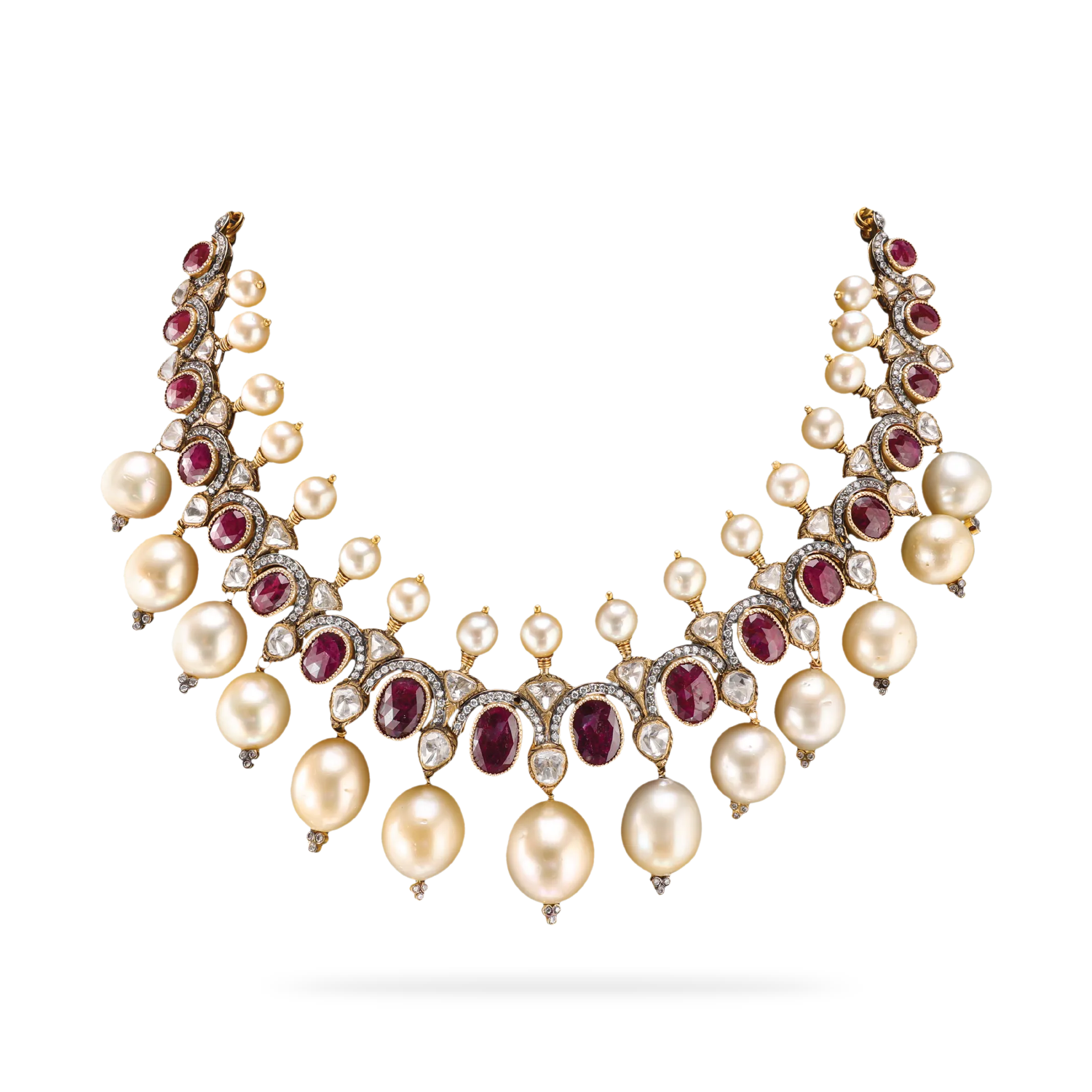
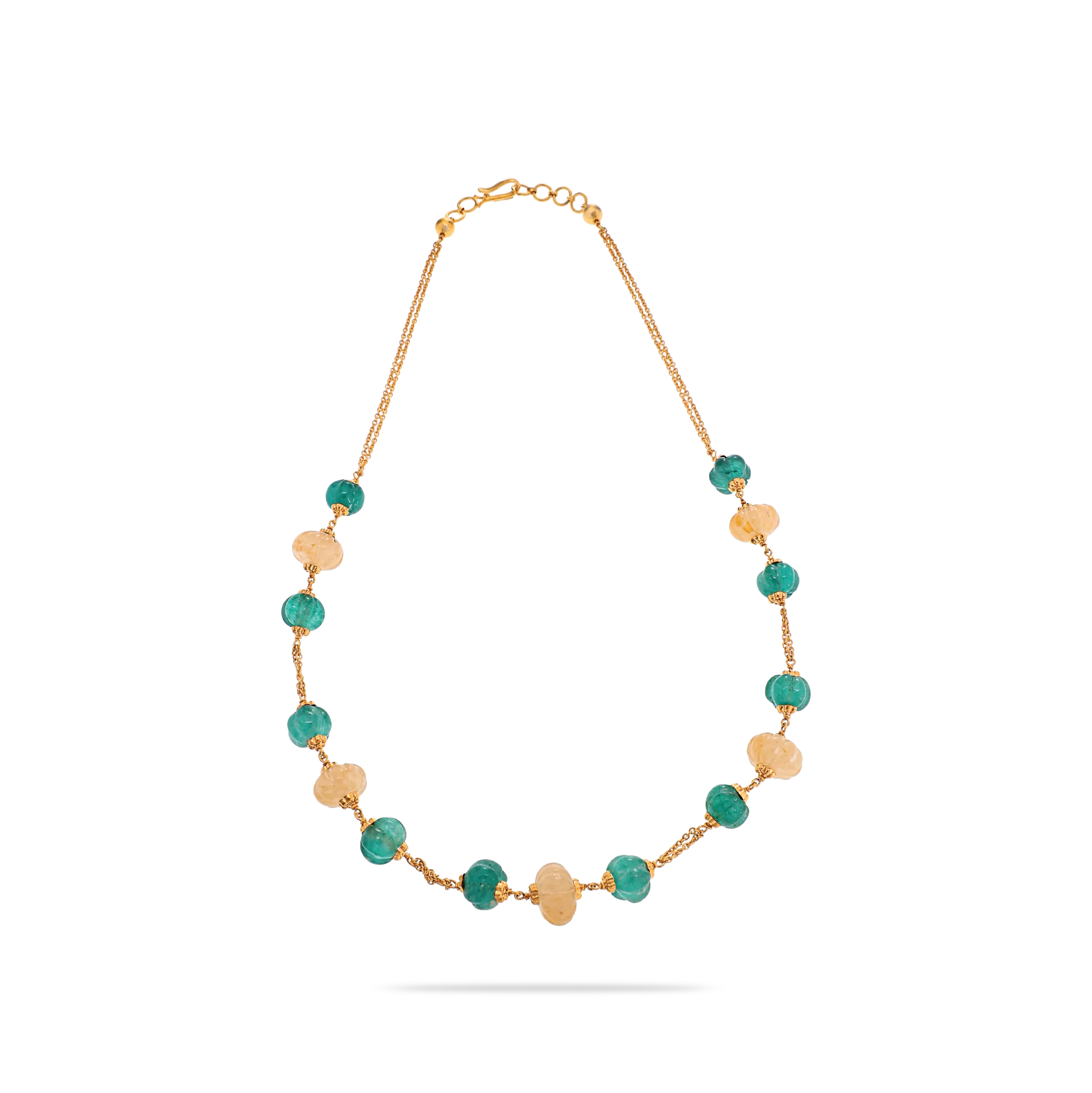
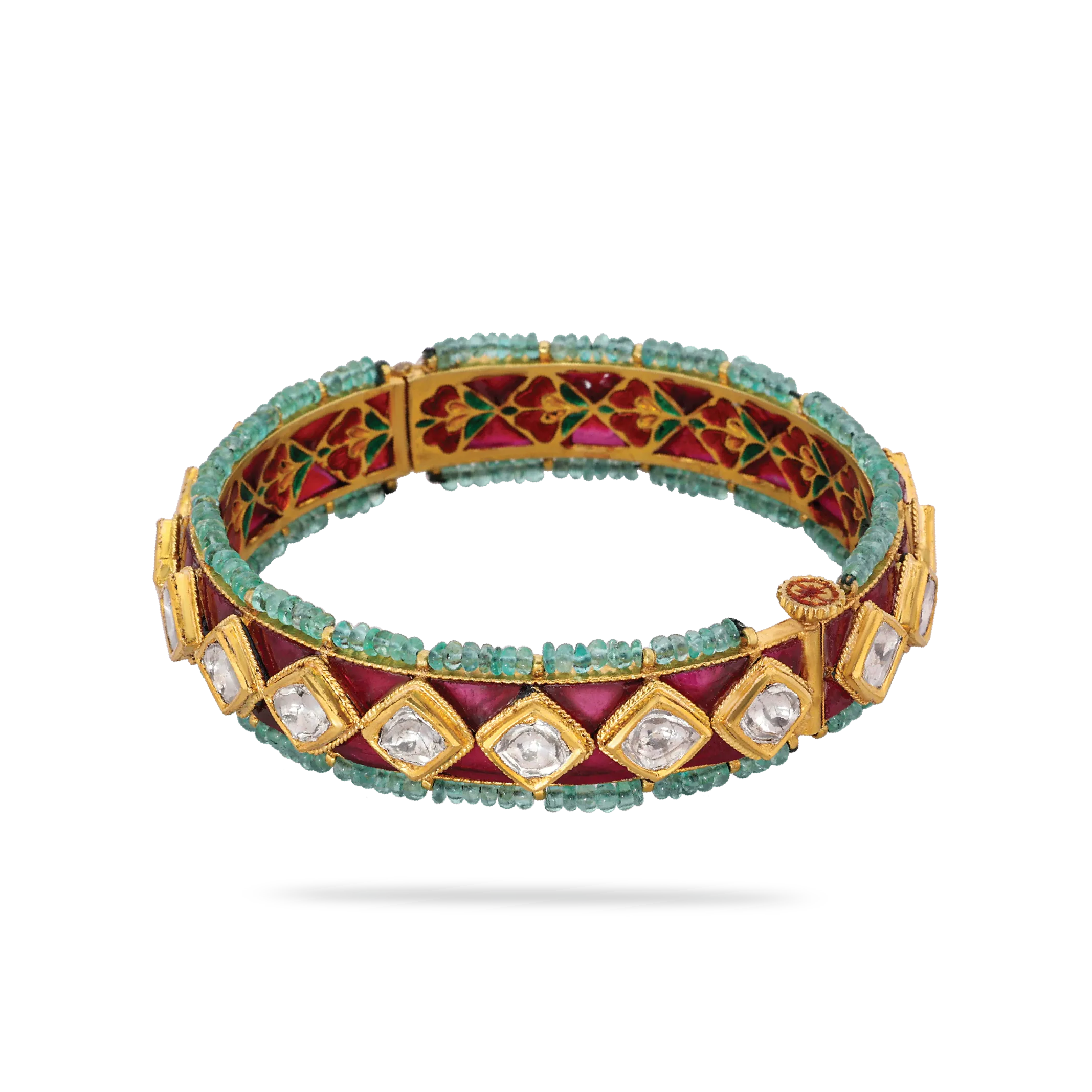
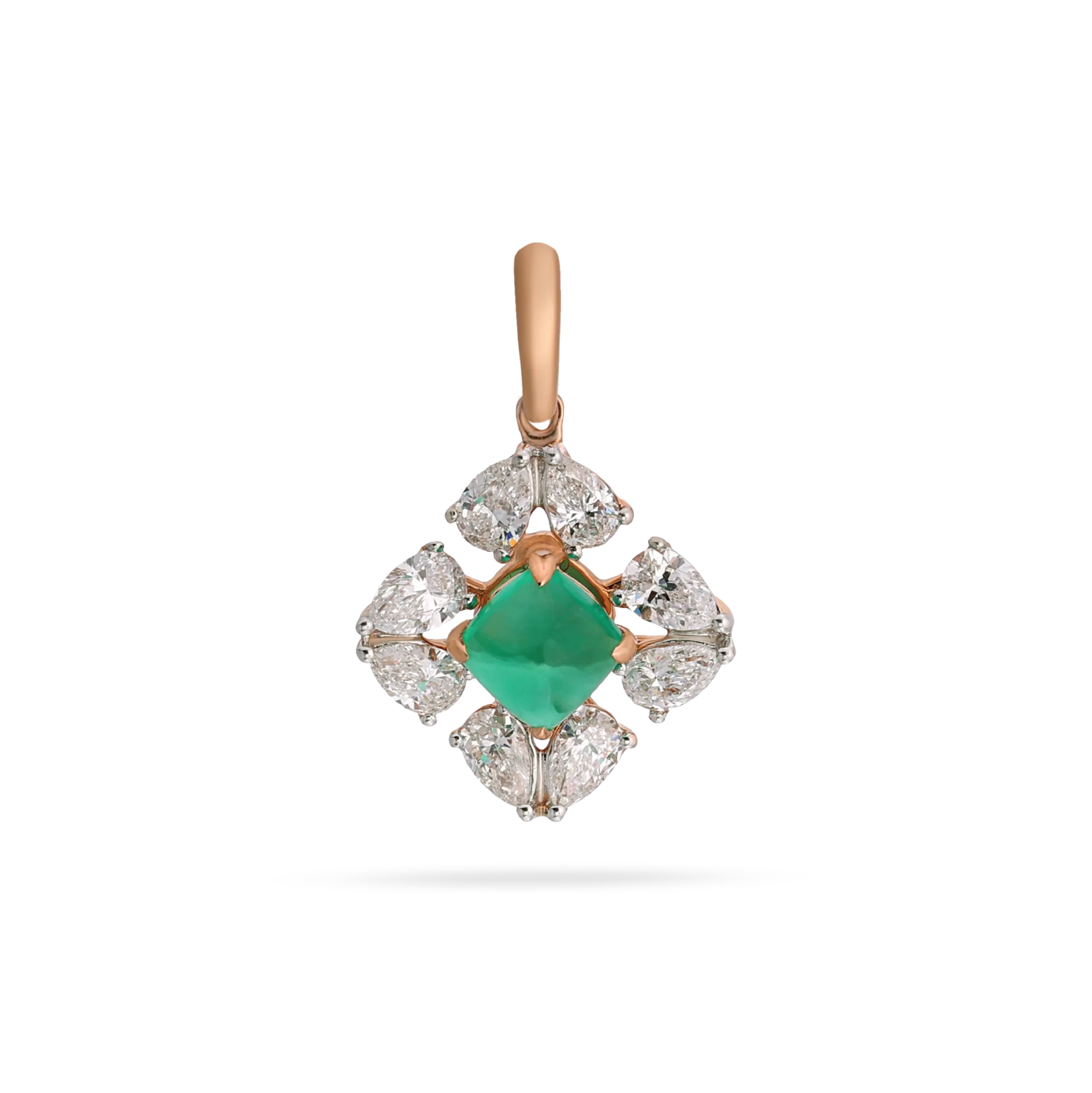
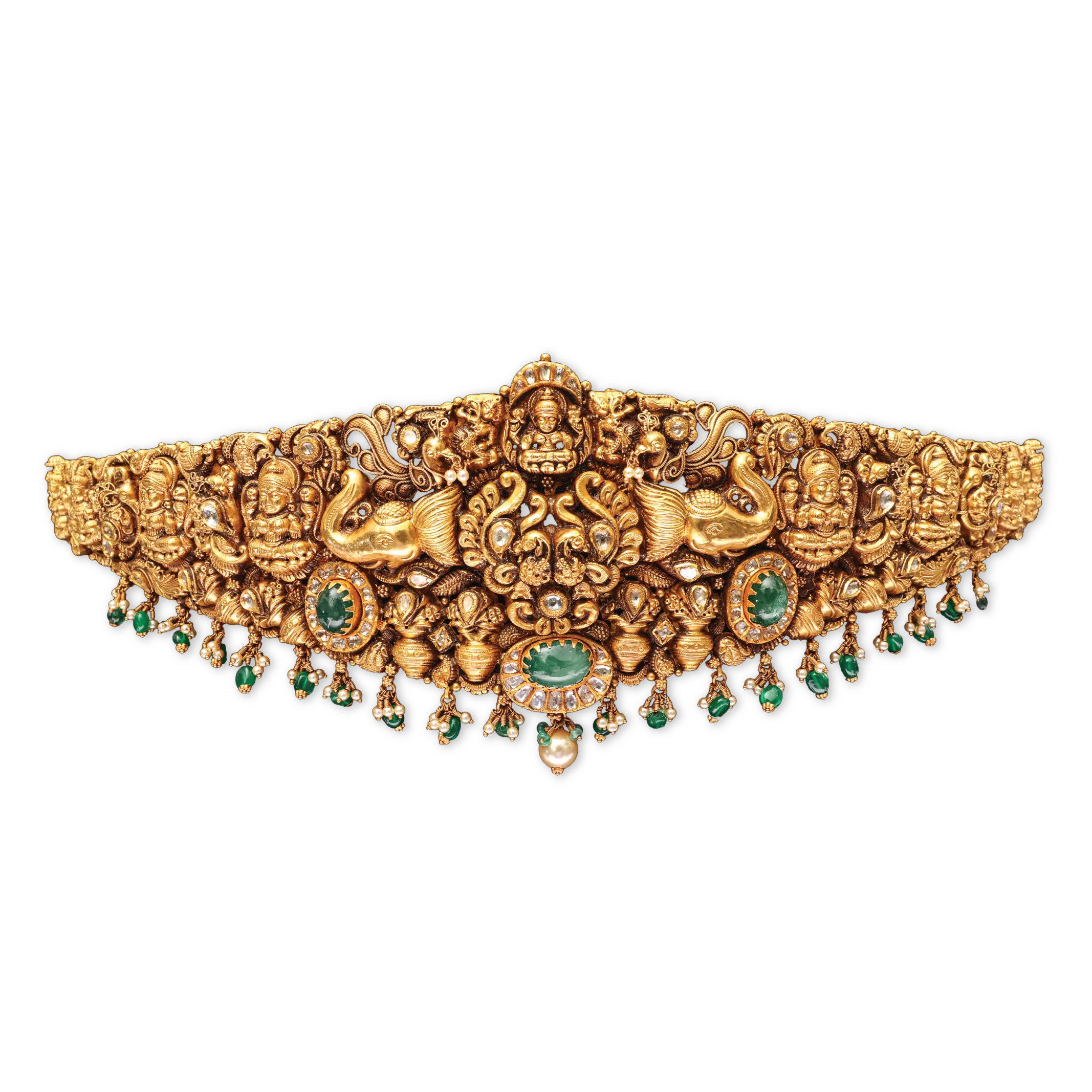
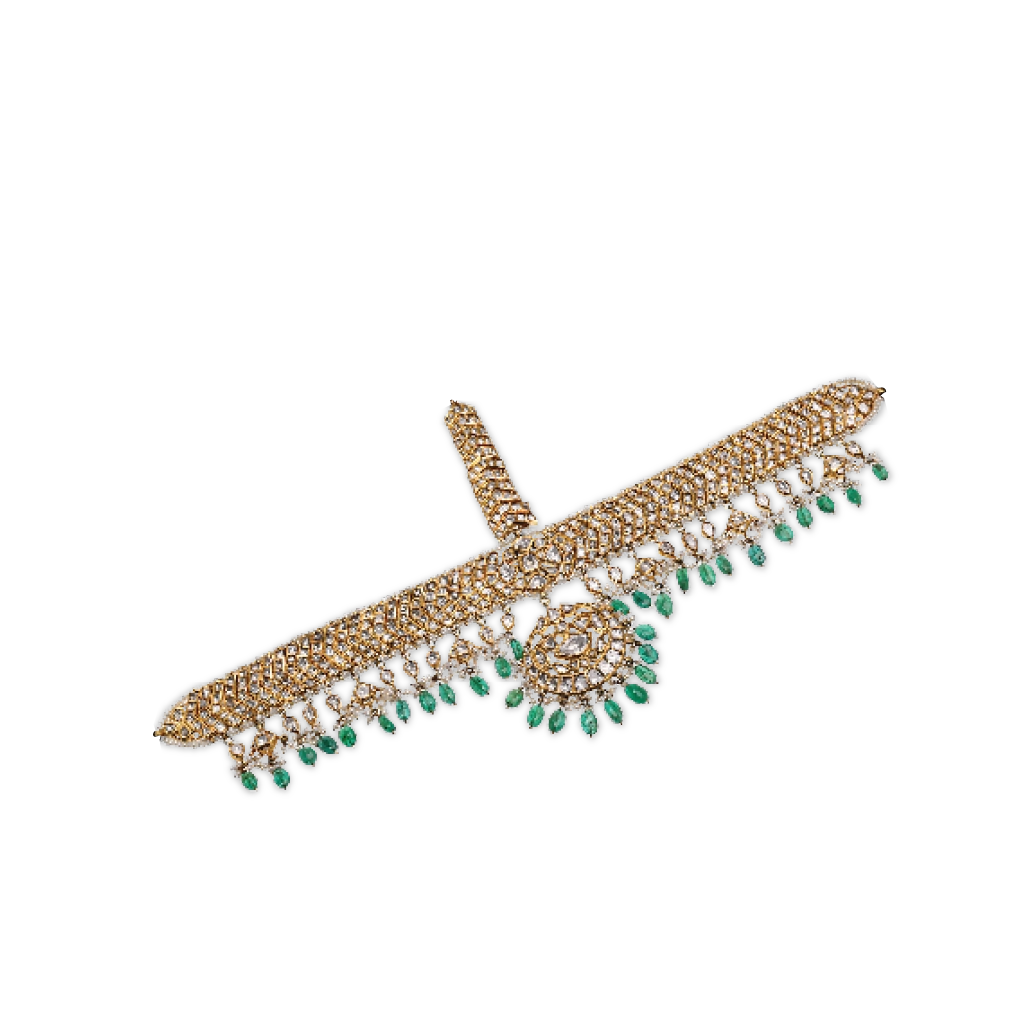
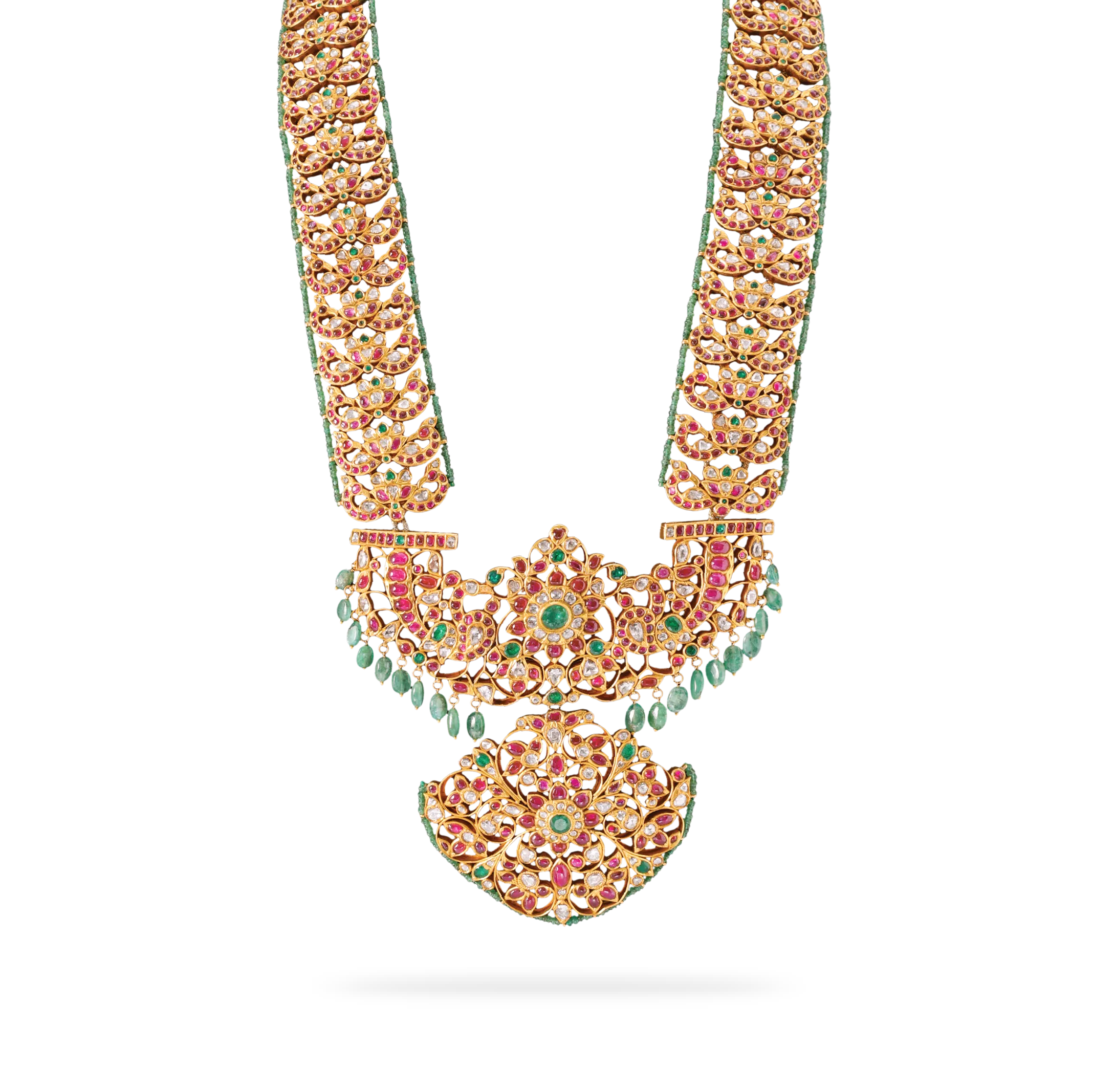
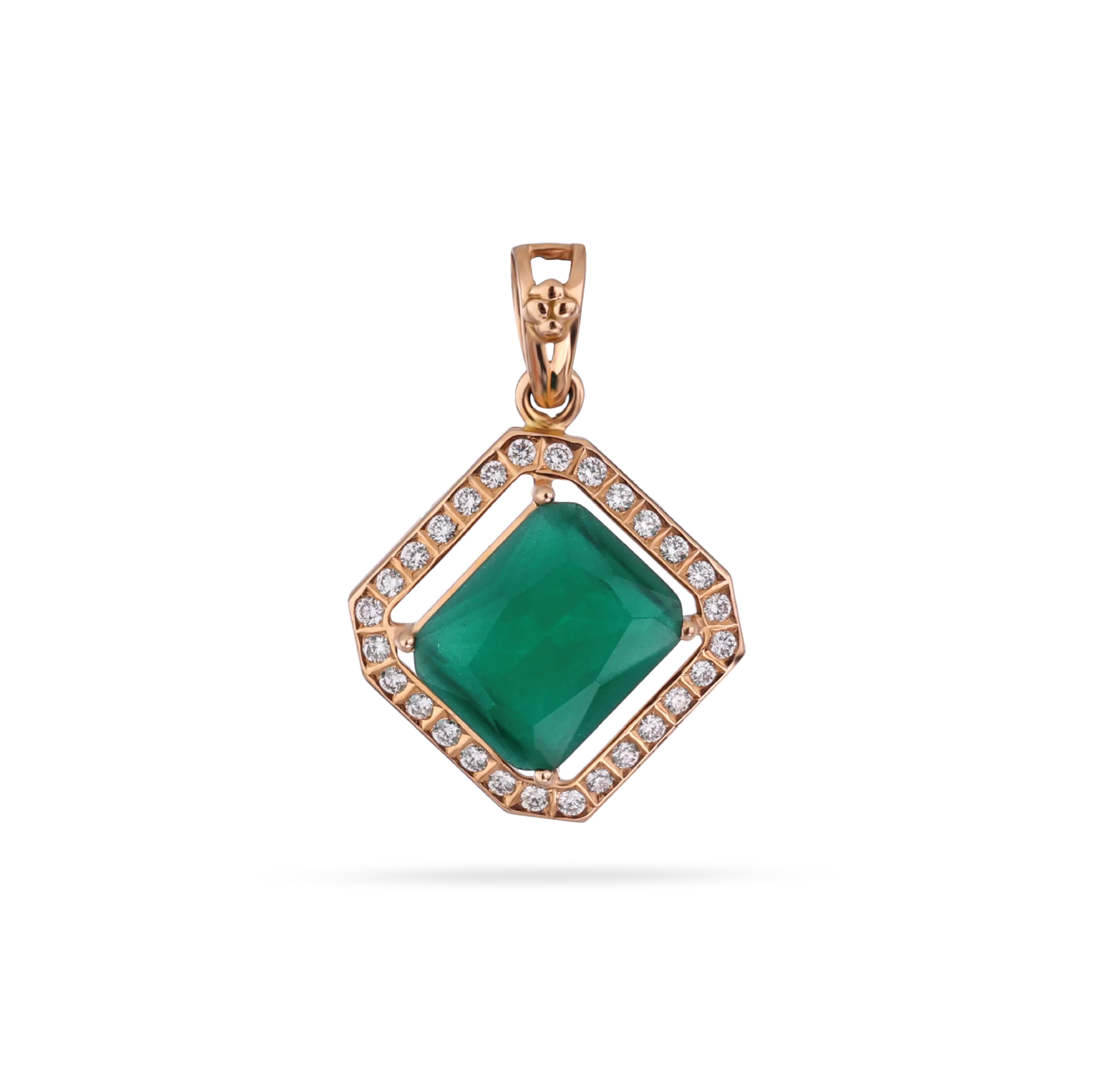
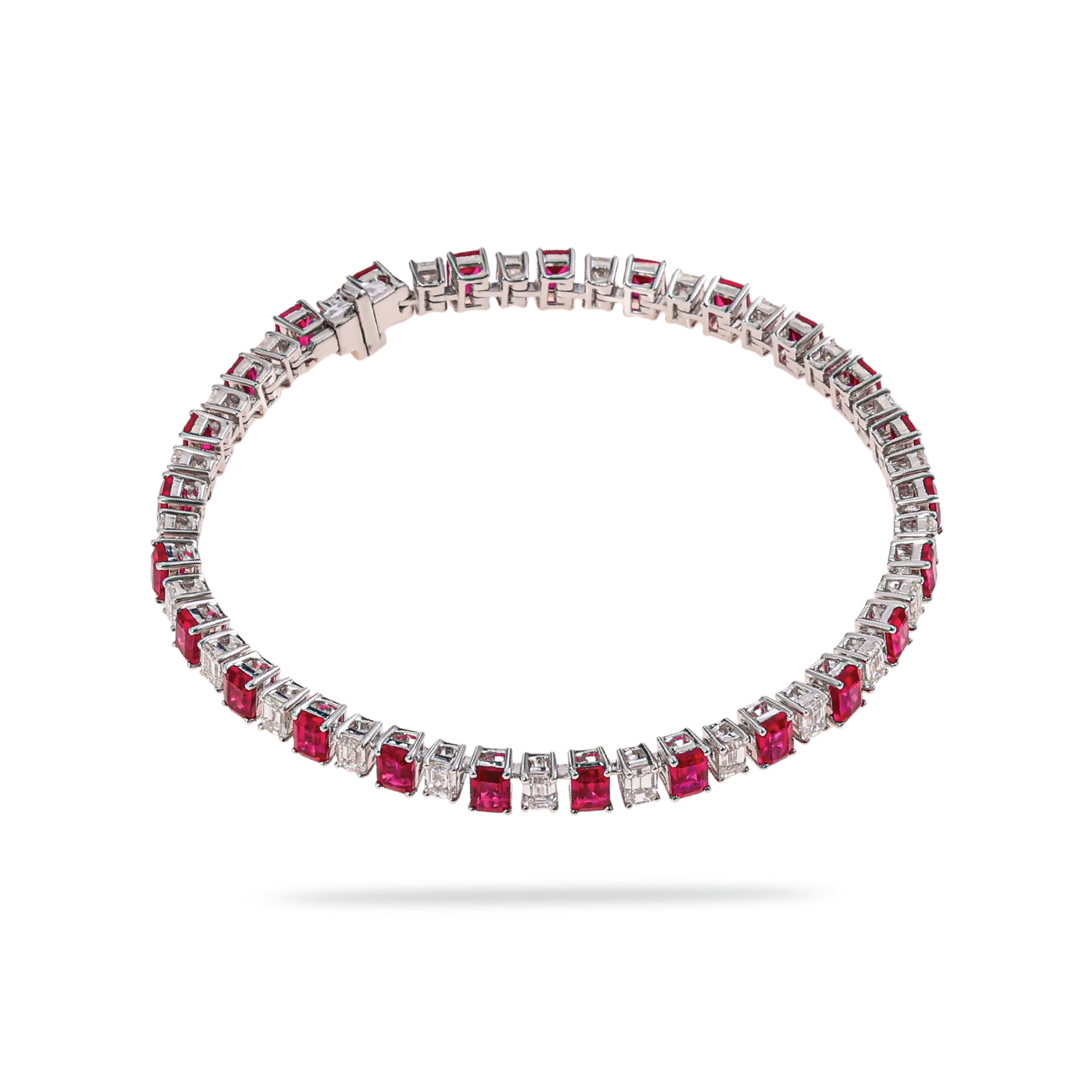
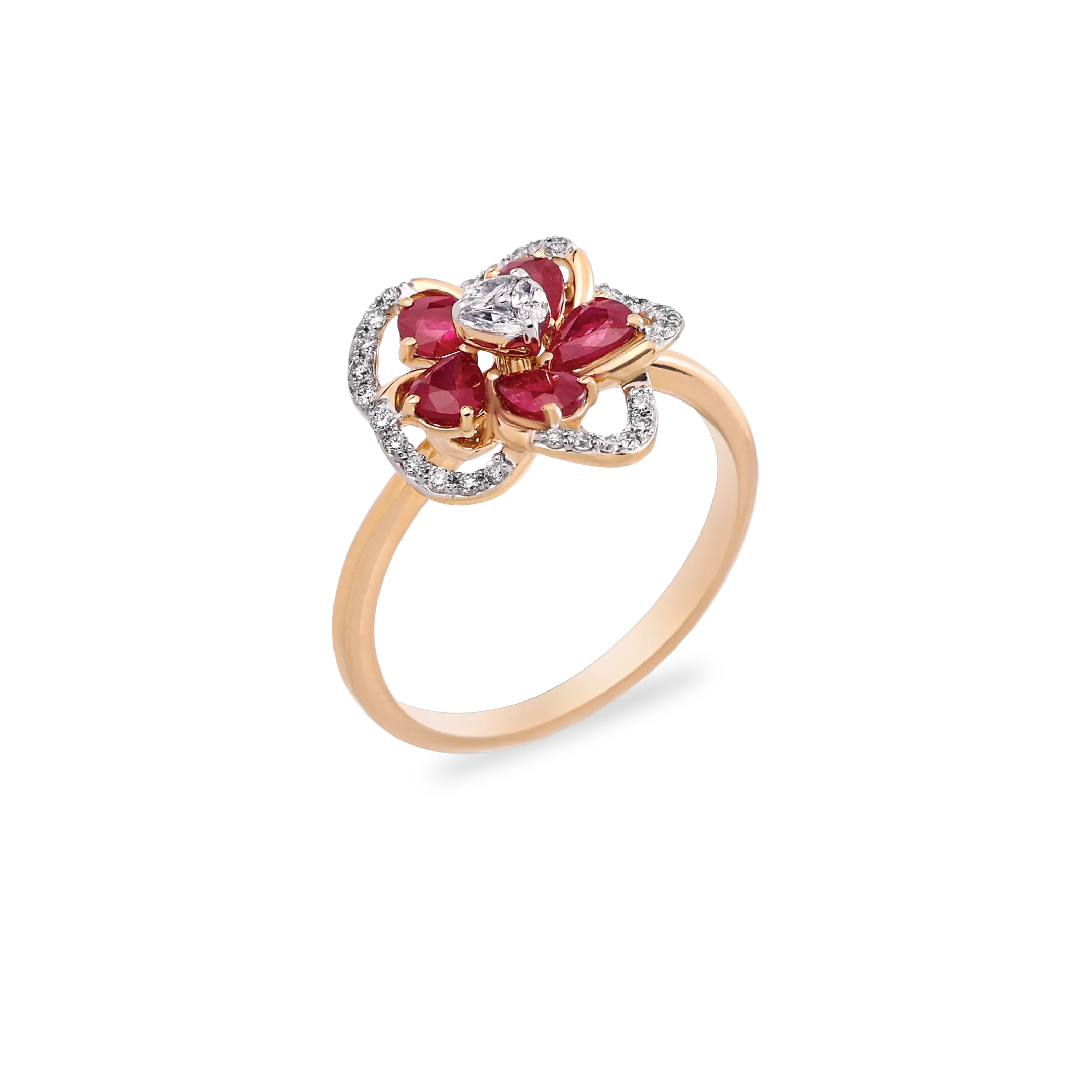
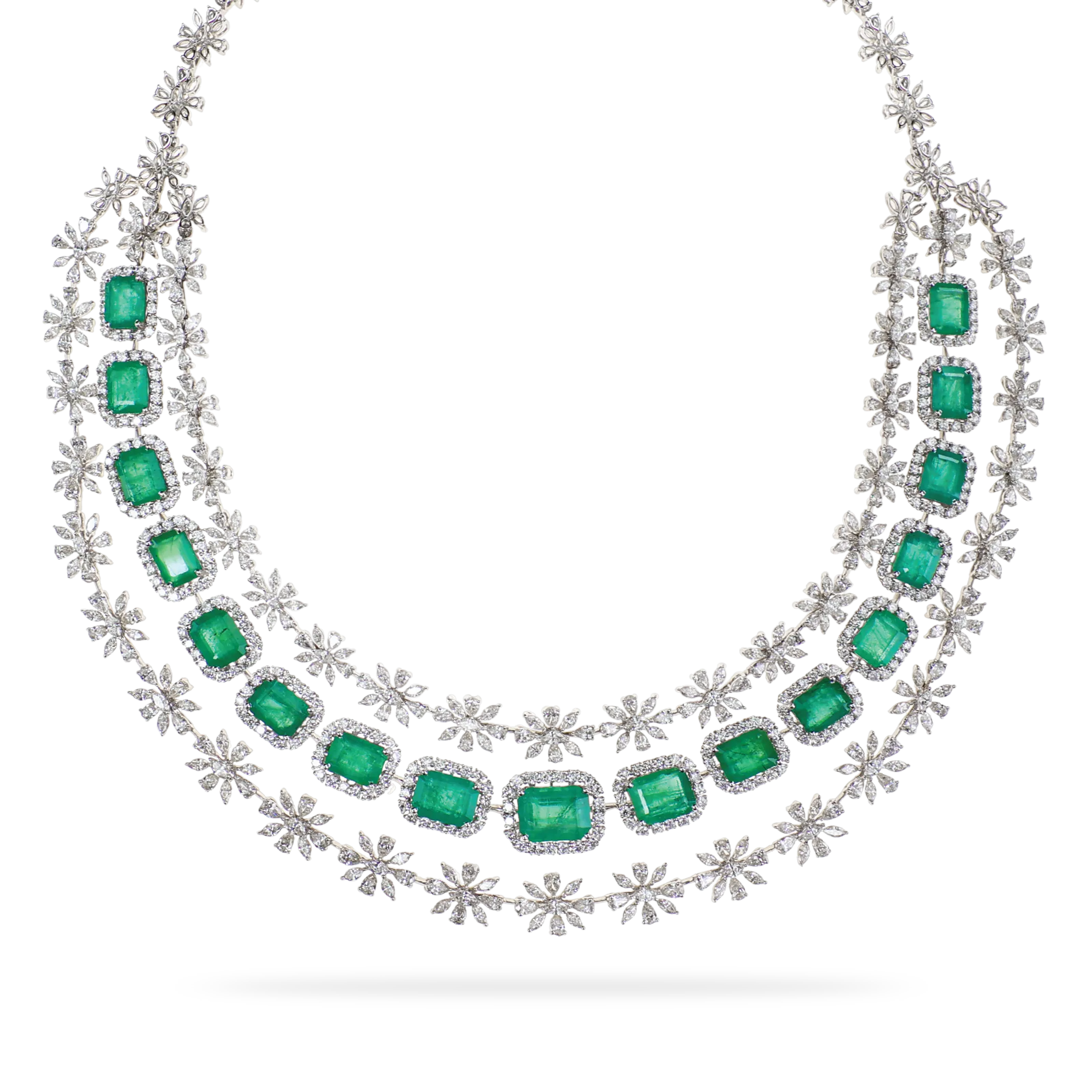
Rubies bring a rich red accent, while emeralds offer an unmistakable green; either can lend a bridal piece a confident, colorful presence. Their different appearances can complement a traditional palette or create a deliberate contrast. Emeralds in particular may need more careful handling than harder stones, so ask about the specific stone and setting before choosing one for frequent wear. For more ideas on gemstone bridal styles, consider how colored stones can work across rings, earrings, and other pieces.
Pearls and other alternatives for a softer look
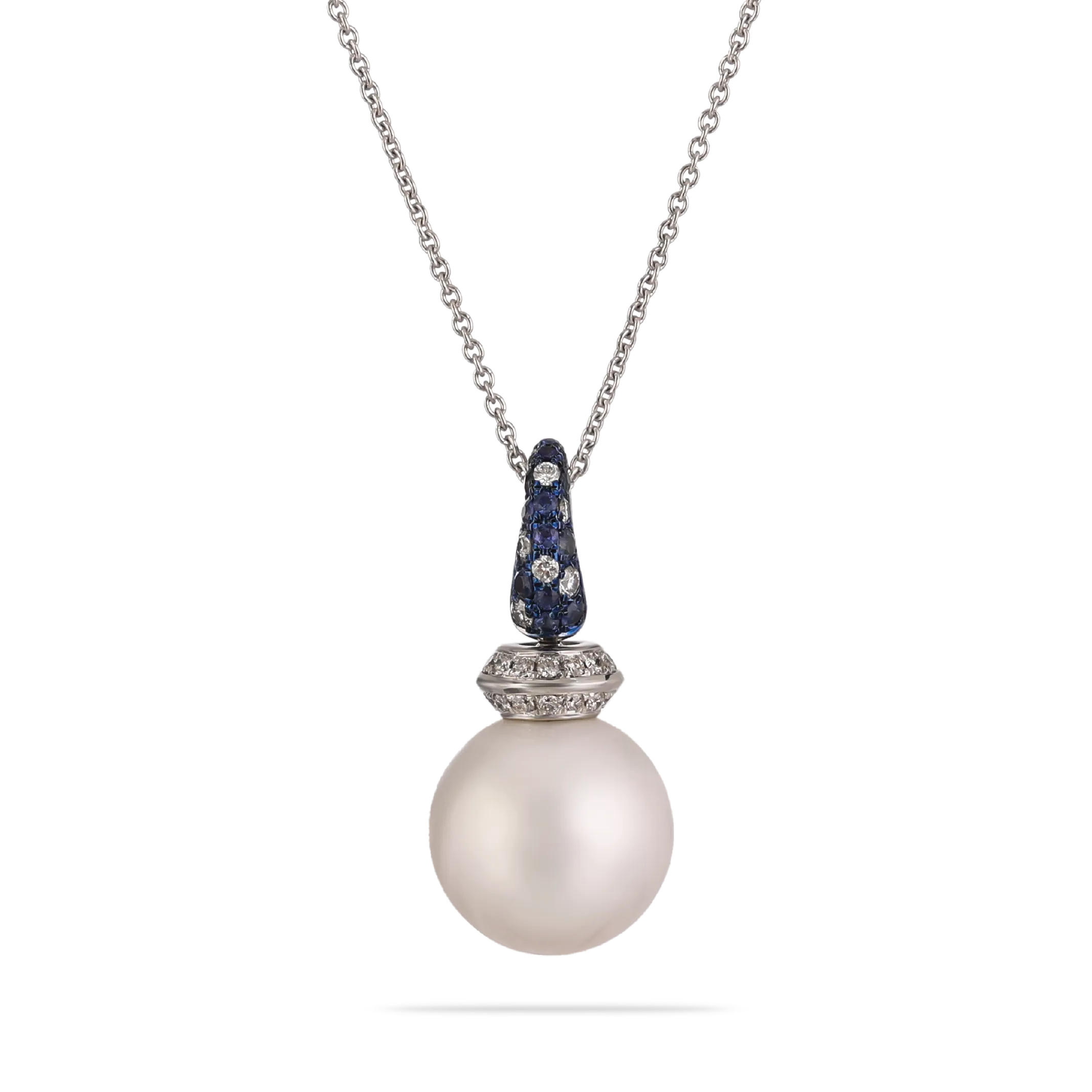
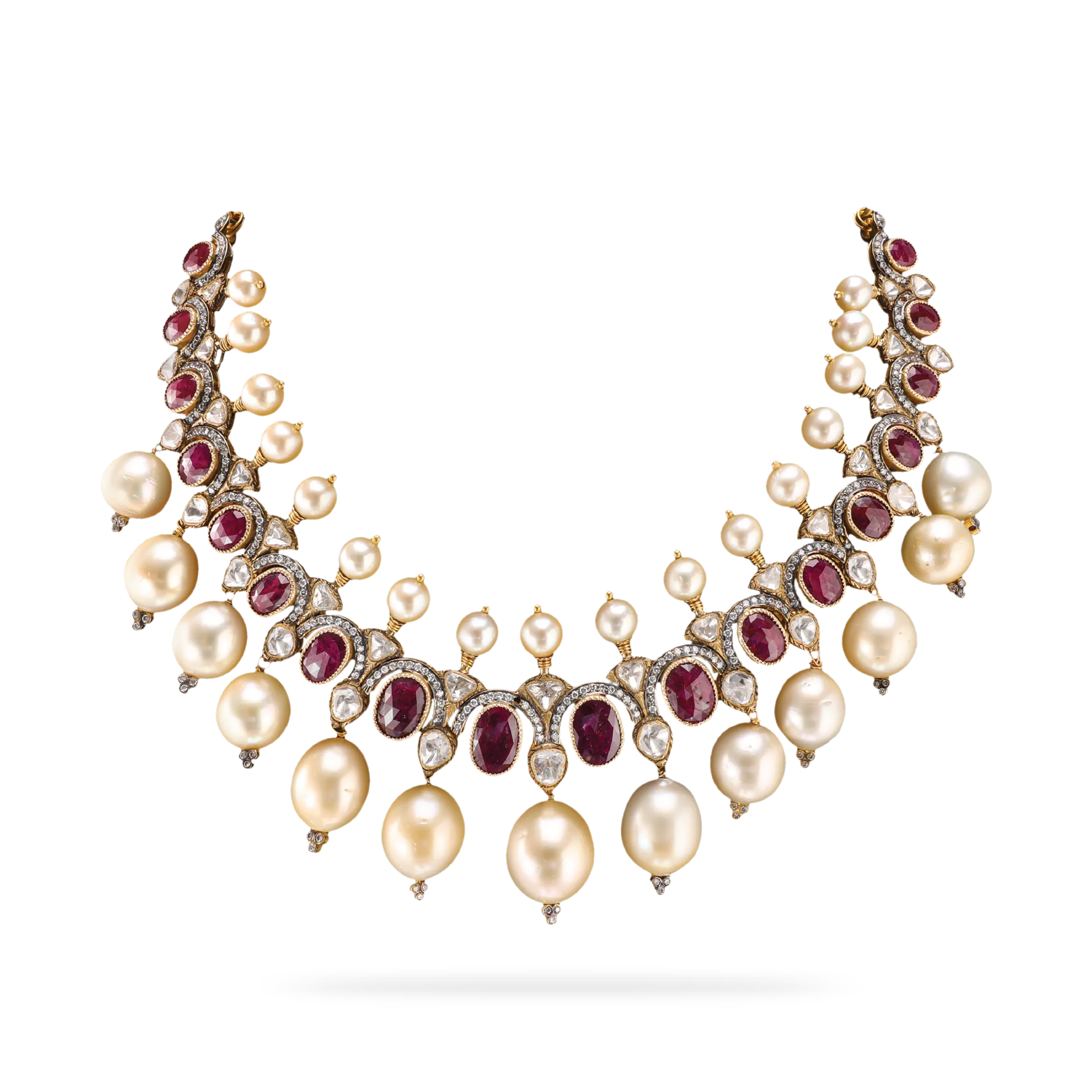
Pearls have a gentle luster rather than the crisp sparkle of faceted stones, which can suit a romantic or understated outfit. Other alternatives, including aquamarine, garnet, or morganite, offer distinct colors and visual textures. Each has its own care and durability considerations, so think beyond the wedding-day photograph. A stone that feels comfortable with your everyday wardrobe may be more rewarding than one chosen only for a single event.
Choose stones for the jewellery piece
The same gemstone can feel very different in a ring, a necklace, or a pair of earrings. How exposed it is to knocks, how much attention it draws, and how easily it fits into your usual wardrobe all depend on the piece. Start with the role you want the jewellery to play, then choose a stone and setting that support it.
Selecting a center stone for an engagement ring
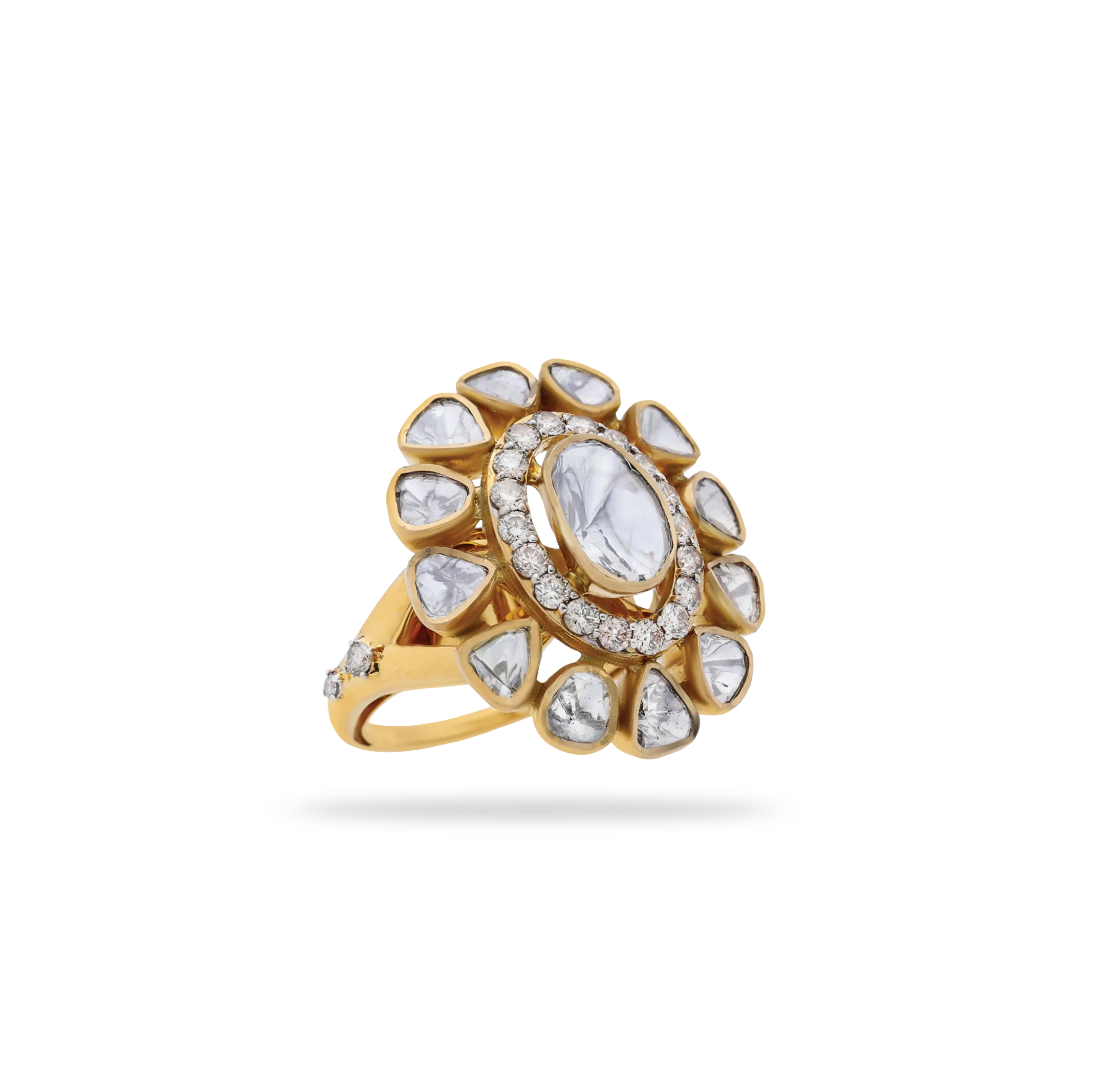
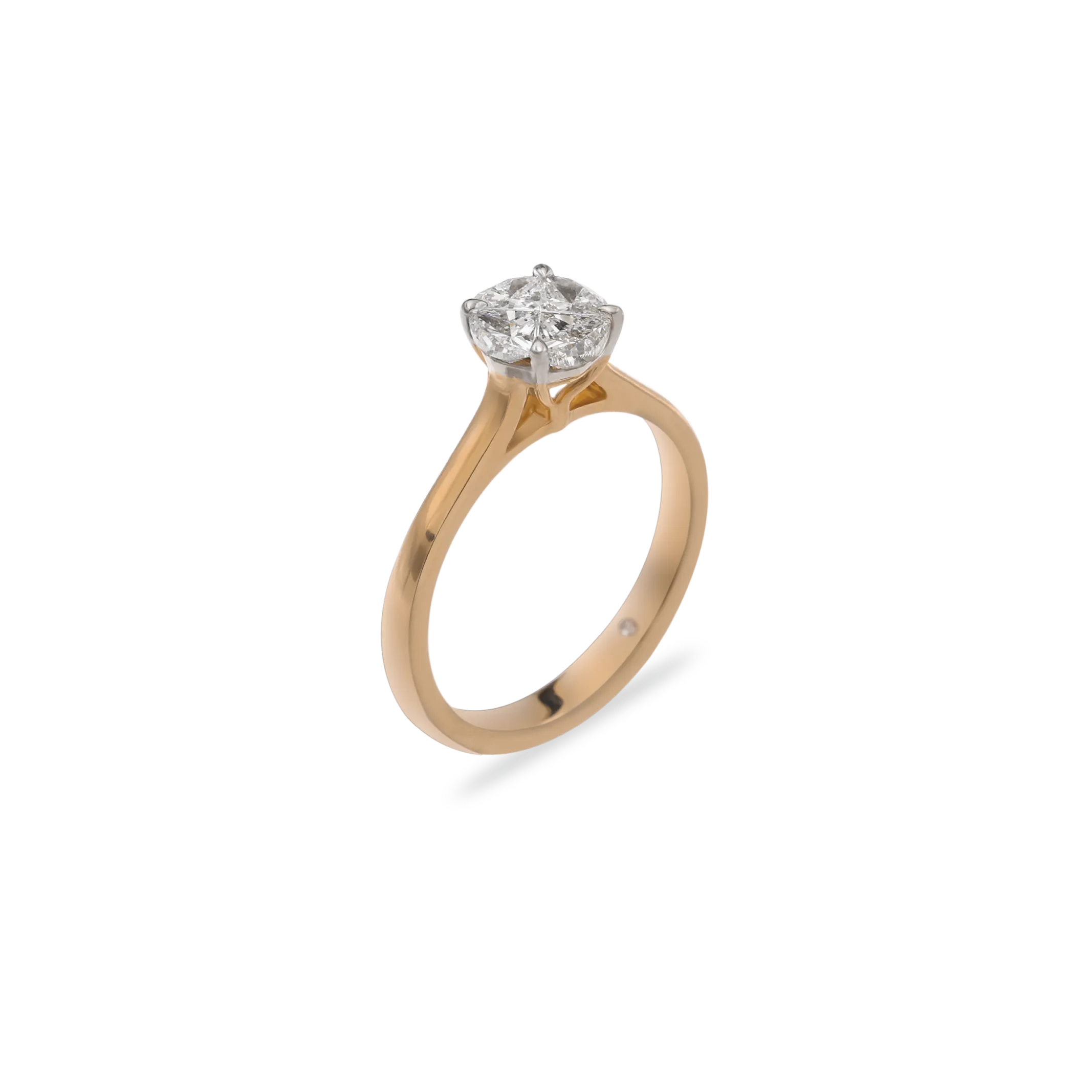
A center stone has a prominent position and usually gets more daily contact than stones in earrings or a pendant. Consider the size and shape that feel comfortable on your hand, along with the security and profile of the setting. Before settling on a stone, it can help to compare these practical priorities:
- Choose a shape that feels balanced on your hand.
- Check how high the stone sits above the band.
- Ask how the setting protects the edges and corners.
- Consider whether the color and style suit your everyday clothes.
These points do not dictate one perfect ring, but they make the choice more personal and practical. Trying on several styles can reveal preferences that are hard to anticipate from a picture.
Adding color to wedding bands
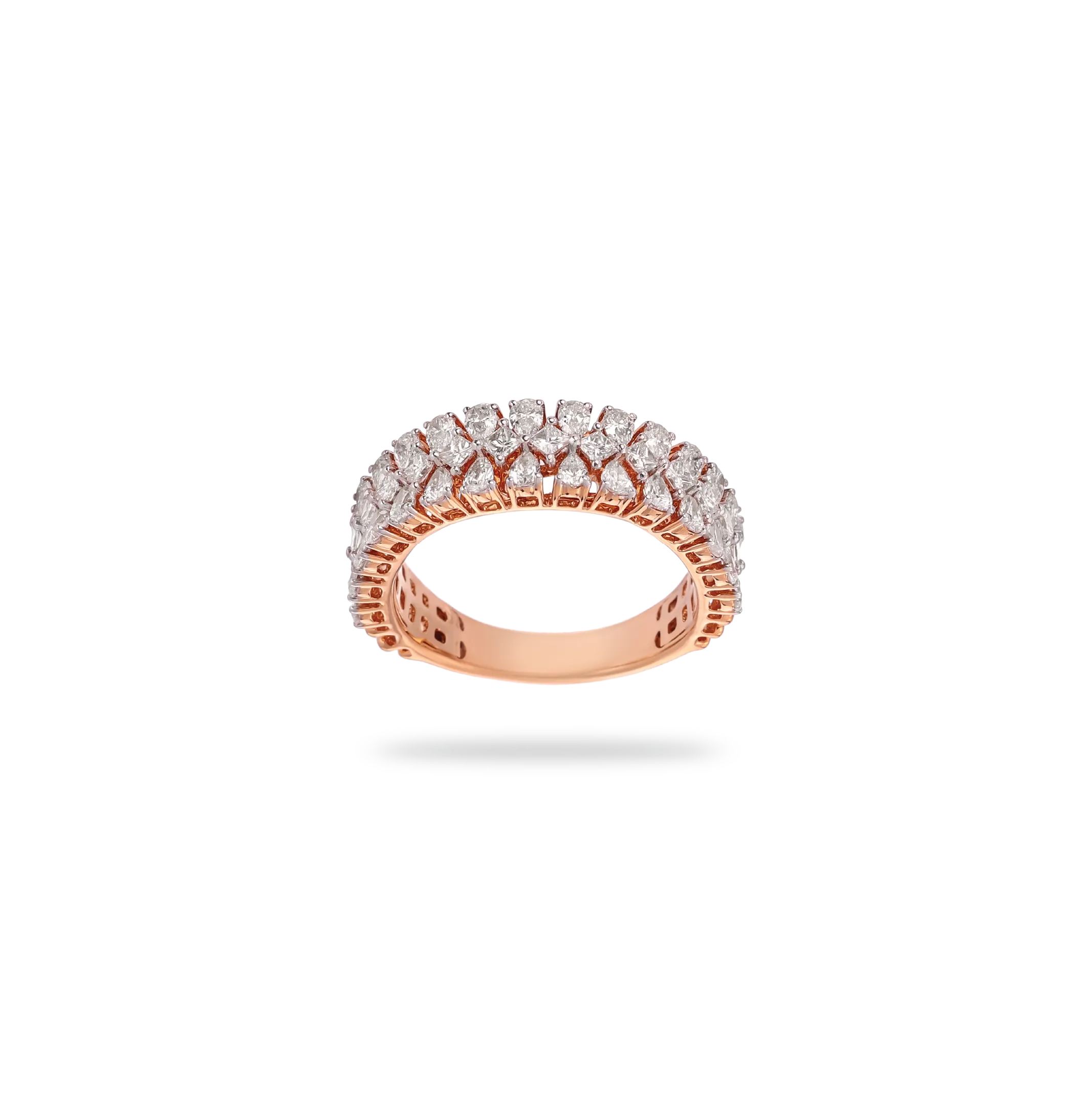
Small colored stones can bring a subtle accent to a wedding band, while a row of gems can create a more noticeable effect. Think about how the band will sit beside an engagement ring, including whether the two designs leave room to fit comfortably together. The stone arrangement, metal, and band width all affect the overall impression. A simple color detail can feel intentional without competing with a larger center stone.
Coordinating stones in necklaces and earrings
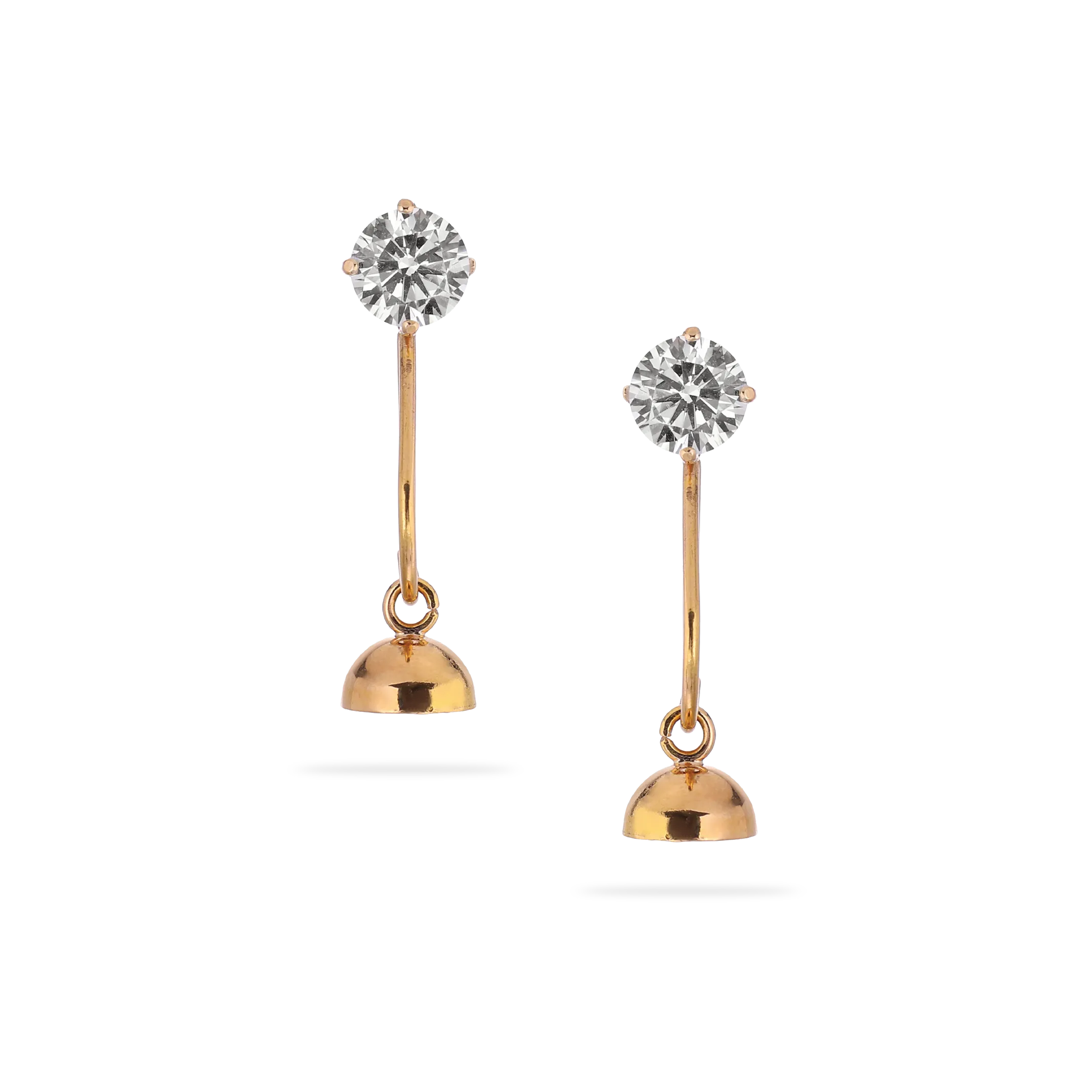
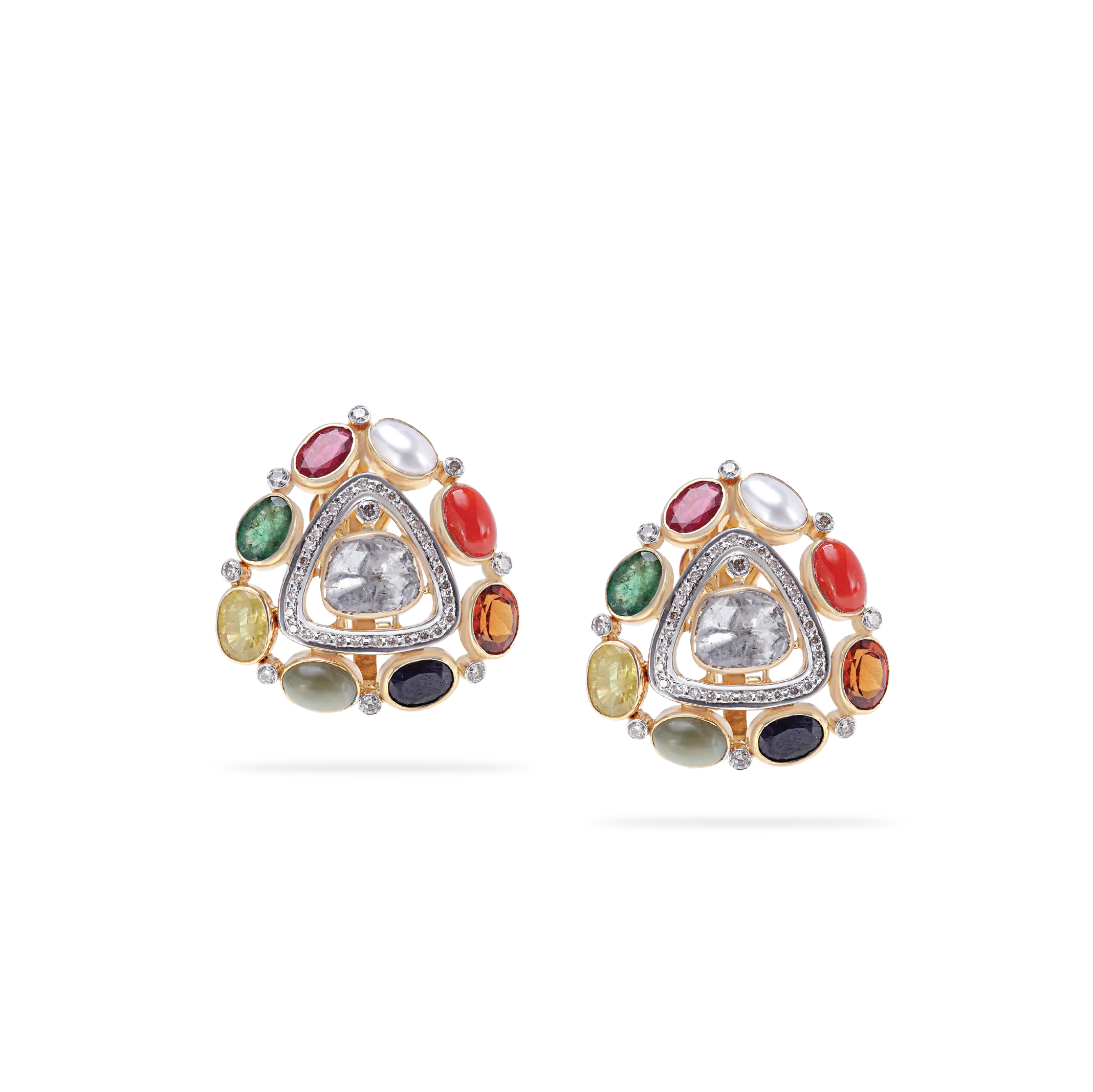
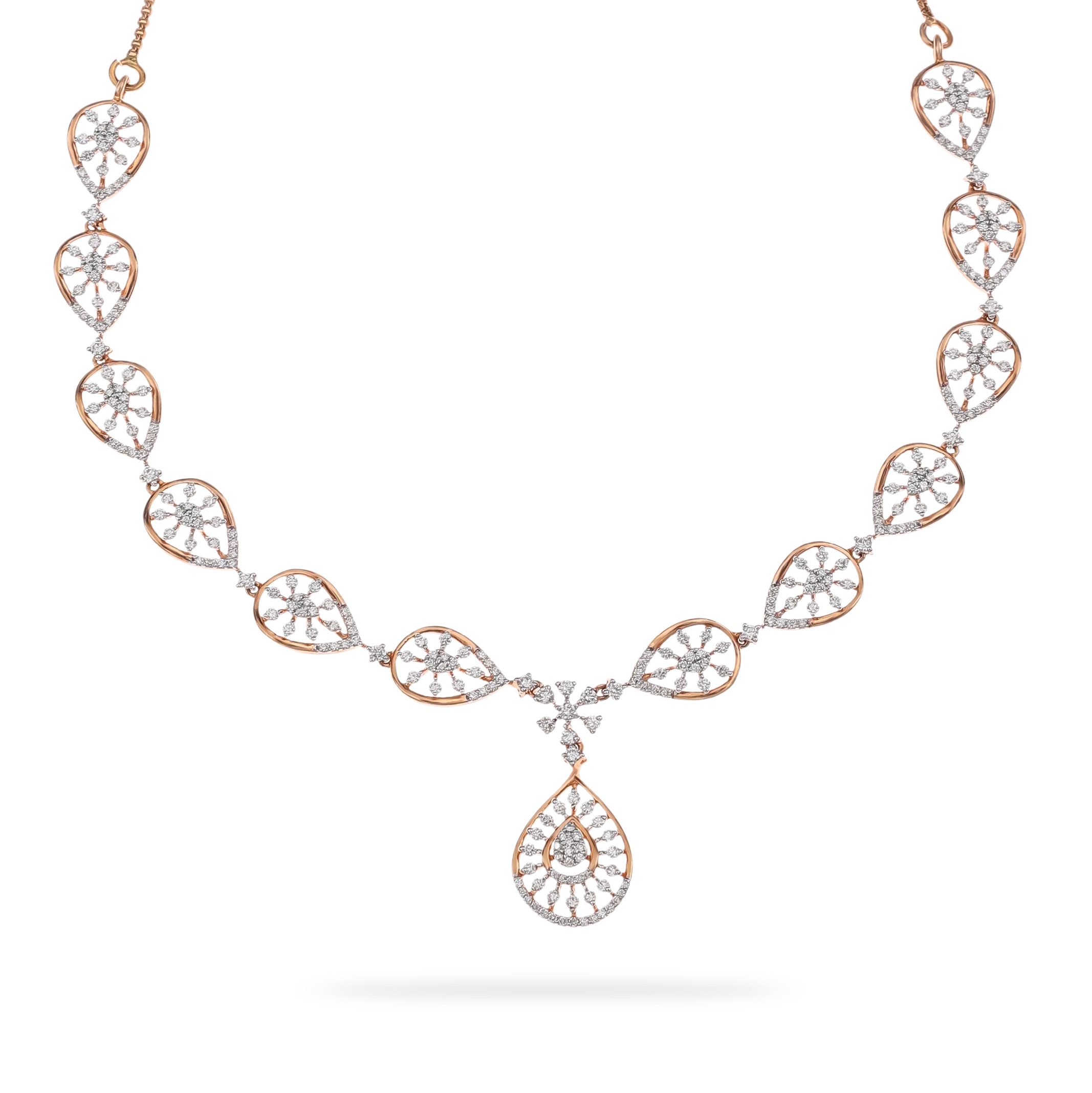
Necklaces and earrings give you more room to coordinate colors without placing a gemstone in a high-contact setting. You might repeat one stone across both pieces, or let a single accent complement the dress and other jewellery. Necklines, hairstyles, and the weight of the pieces affect what will be visible and comfortable. Try the pieces with your planned outfit, rather than judging them separately on a display.
Choosing versatile pieces to wear after the wedding
A bridal piece can become part of your regular rotation if its scale, color, and design work with clothes you already wear. A pendant or modest earrings may be easier to reuse than a highly formal set, although personal taste matters more than a rule of versatility. Consider whether you would reach for the piece on an ordinary day, an anniversary, or another celebration. This is one reason to explore timeless wedding jewellery as well as pieces designed for a single occasion.
Match gemstones to your bridal style
A gemstone can harmonize with a wedding outfit or provide a deliberate contrast. Neither approach is automatically more elegant; what matters is whether the pieces feel like they belong together and still feel like you. Try to assess the full look, including the dress, metals, hairstyle, and the amount of jewellery you plan to wear.
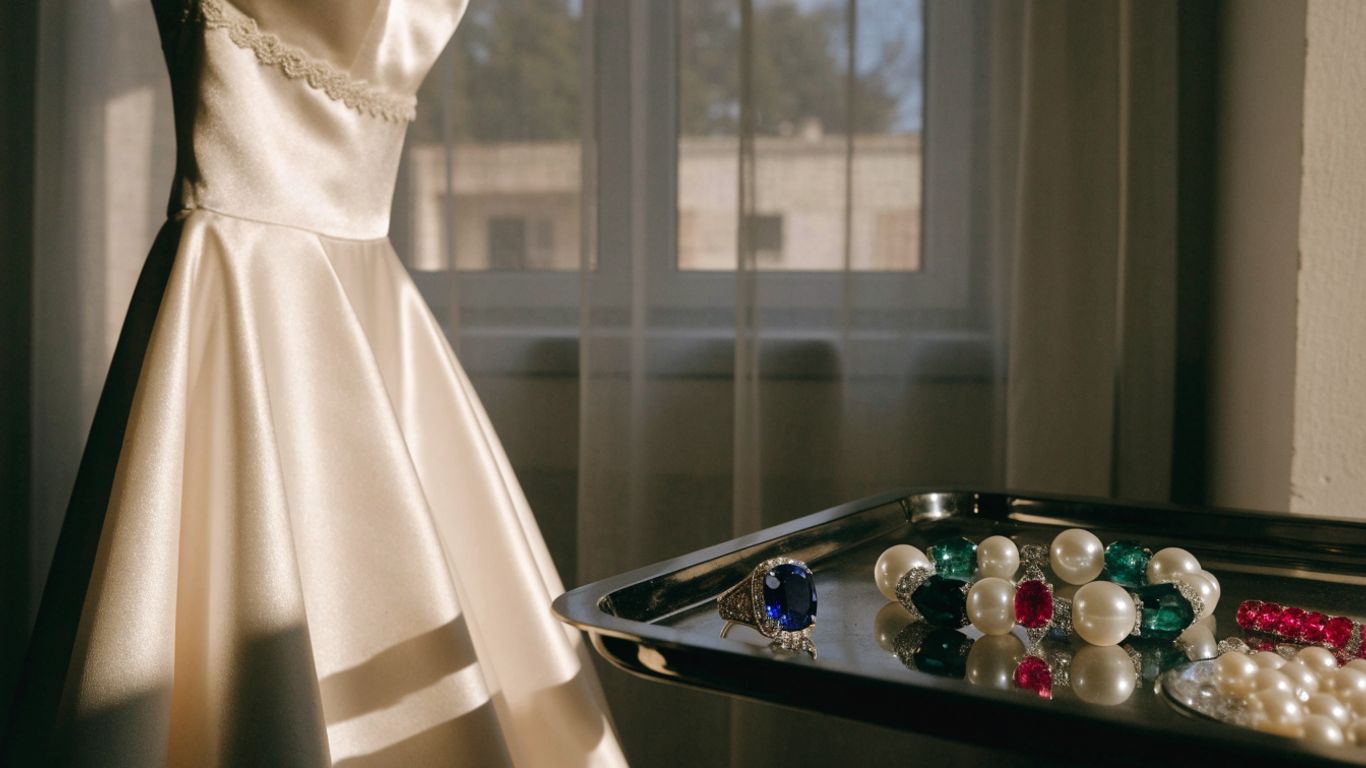
Pairing stone colors with a wedding dress
A white or ivory dress can work with both cool and warm gemstone colors, while a colored dress may call for a matching accent or a restrained contrast. Fabric and embellishment affect the result: a heavily beaded gown may call for simpler jewellery, while a clean silhouette can leave room for a more visible stone. Hold the jewellery near the neckline and sleeves in similar lighting to see how the colors interact. The best pairing is the one that complements the outfit without making it feel overworked.
Coordinating jewellery with the wedding palette
Your flowers, attendants’ outfits, and décor can provide inspiration, but your jewellery does not need to match every color in the room. A gemstone that picks up one shade from the palette can tie the look together, while a neutral stone offers a quieter finish. Keep the overall combination in mind: a few repeated colors often feel more considered than trying to include every wedding accent. Choose a palette that still feels personal rather than treating the event colors as a strict rule.
Balancing statement pieces with delicate details
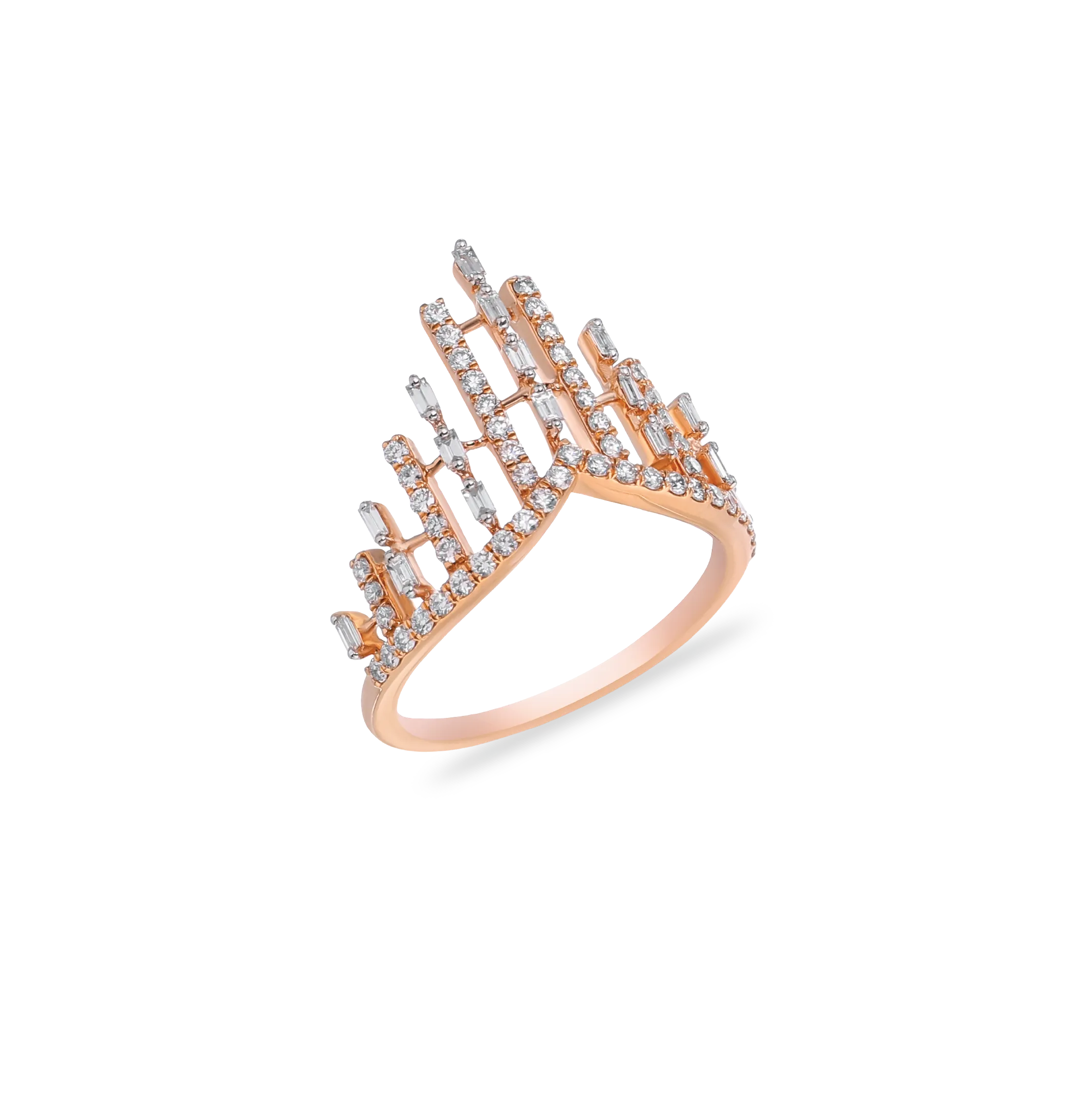
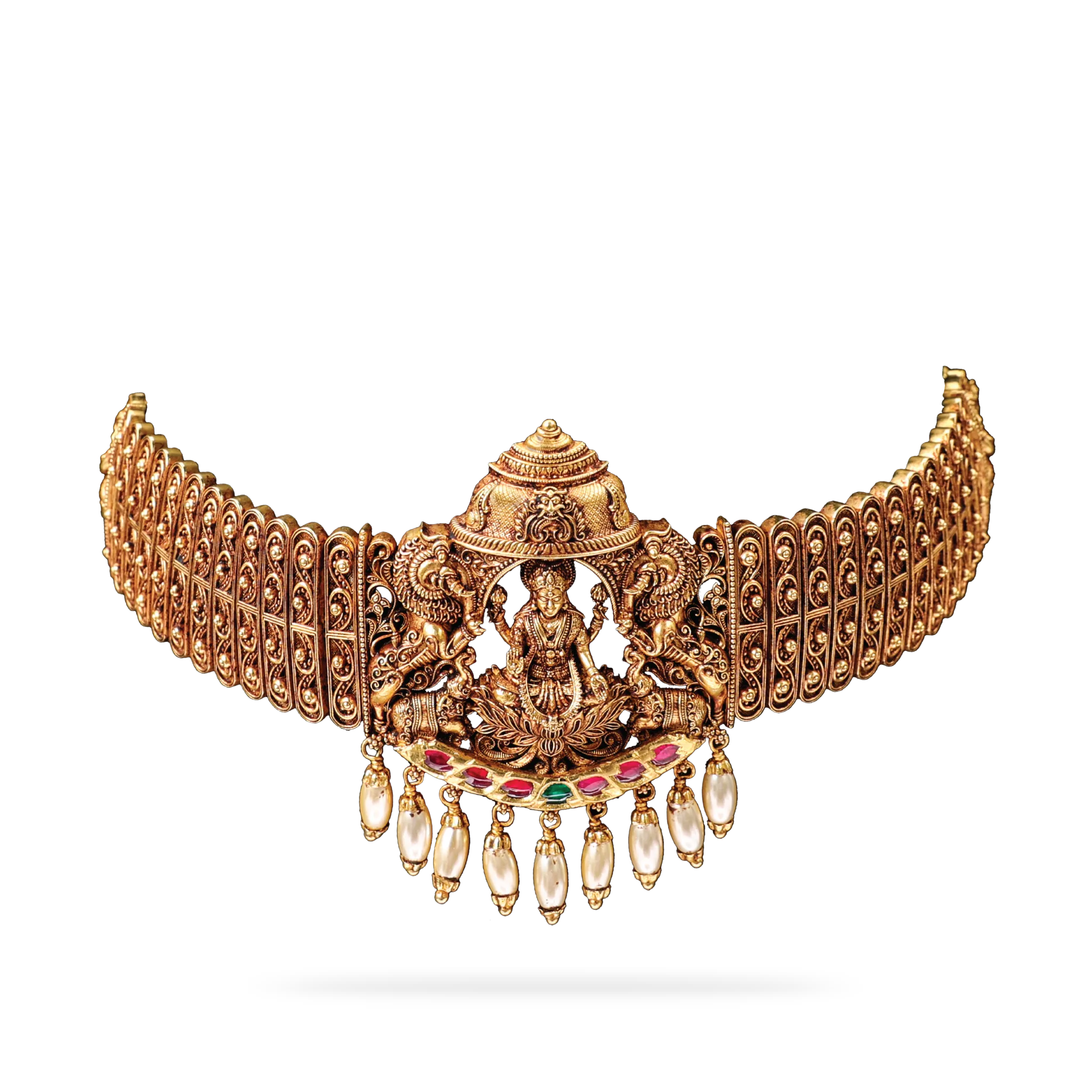
If a necklace is elaborate, smaller earrings can leave it room to stand out. Conversely, statement earrings may be all you need around the face, especially with a high neckline or an intricate hairstyle. Think about visual weight as well as the number of pieces: a single vivid stone can make a stronger impression than several competing accents. A balanced arrangement gives each chosen detail space to be noticed.
Combining gemstones with different metals
The metal can change how a gemstone’s color reads, and it also affects how a piece relates to other jewellery. Yellow gold often gives a warm impression, while white metals can create a cooler one; rose gold offers another option. You can mix metals, but repeating one metal in a few places can help the overall look feel connected. Try combinations in person and pay attention to how they look beside the dress and any heirloom pieces.
Consider durability and everyday wear
A gemstone may be beautiful and still need thoughtful care. Durability depends on more than a single hardness rating: a stone’s toughness, setting, and exposure to impact all matter. Consider how you plan to wear the jewellery, particularly if the piece will remain on your hand through daily routines.
Comparing gemstone hardness and toughness
Hardness describes resistance to scratching, while toughness describes how well a gemstone withstands knocks or chipping. Those are different qualities, so a high position on a hardness scale does not mean a stone cannot break. The following broad comparison can help frame a conversation with a jeweler; it is not a substitute for guidance about the specific stone and design.
| Gemstone | General consideration | Possible use |
|---|---|---|
| Diamond | Very hard, but can still chip under impact | Rings and other frequently worn pieces |
| Sapphire | Hard and commonly used in jewelry | Rings, earrings, and accents |
| Emerald | Often needs more careful handling | Protected settings and occasional wear |
| Pearl | Softer and more vulnerable to scratches | Earrings, necklaces, and special occasions |
These are broad tendencies, not guarantees for an individual gem. Use them to ask focused questions about how the particular stone is cut, set, and cared for before deciding whether it suits your habits.
Choosing settings that protect delicate stones
A setting can help shield a gemstone’s edges, corners, or surface from everyday contact. A raised design may show off the stone but can catch on clothing, while a more protective setting may offer a lower profile. Ask how the setting affects both security and cleaning, and check that it feels comfortable in your normal movements. Practical protection can preserve the design’s beauty without hiding the stone entirely.
Planning care for porous or treated gemstones
Some gemstones and treatments call for gentler cleaning or protection from particular products, heat, or prolonged exposure. Do not assume that every piece can be cleaned the same way. Ask the seller for care instructions specific to the stone and treatment, and follow them rather than using a household cleaner by default. Knowing the routine in advance makes it easier to keep the jewellery looking its best.
Checking whether a piece suits frequent wear
Think about what your hands, ears, or neck encounter during an ordinary day. A ring worn while cooking, exercising, or doing hands-on work may need more attention than earrings reserved for celebrations. Consider whether you are comfortable removing the piece for certain activities and whether its setting feels secure. A realistic picture of your routine is a better guide than the phrase “everyday jewelry” on its own.
Set a budget and buy with confidence
A budget is a guide to what matters most, not a measure of how meaningful a piece can be. Decide which qualities you care about most before comparing options, then include the setting and any future alterations in your estimate. Clear descriptions and written policies make it easier to assess a purchase without rushing.
Prioritizing stone size, quality, and design
If you have a firm budget, decide where you are willing to compromise and where you are not. You might prefer a smaller stone in a design you love, or put more emphasis on color than carat weight. Try to compare stones in person when possible and consider their appearance as a whole rather than treating one grading detail as the only measure of quality. Your priorities should reflect how you want the finished piece to look and feel.
Comparing gemstone and setting costs
The total cost includes more than the center stone. Metal choice, setting complexity, additional accents, and craftsmanship can all affect the price, so compare complete pieces rather than stone prices in isolation. Ask for an itemized explanation if you are unsure what is included. That makes it easier to see whether a design change could keep the piece within budget while preserving the details you value.
Reviewing certifications and seller disclosures
Documentation can help identify a stone and explain how it has been represented, but what is available varies by gemstone and purchase. Ask which details are independently documented and which come from the seller’s description. Confirm whether the stone is natural or lab-grown and whether treatments have been disclosed. Read the information alongside the piece itself, and request clarification if a term or claim is unclear.
Asking about warranties, resizing, and returns
Before buying, find out what the seller’s warranty covers and what it excludes. If you are purchasing a ring, ask whether resizing is available, whether it may affect the setting, and what it costs. Check the return period and any conditions, especially for customized pieces. Having these details in writing gives you a clearer sense of your options if the fit or finish is not right.
Conclusion
The right gemstone for bridal jewellery is the one that suits your taste, the piece you want to wear, and the care you are comfortable giving it. Compare stones thoughtfully, ask direct questions about quality and treatment, and choose a design that feels just as meaningful after the wedding as it does on the day.
Frequently Asked Questions
Which gemstones are commonly used in bridal jewellery?
Diamonds, sapphires, rubies, emeralds, and pearls are all popular choices, along with other gemstones selected for their color or personal meaning. The best option depends on the piece, style, and care requirements.
Are colored gemstones suitable for an engagement ring?
Yes. Colored gemstones can make distinctive center stones or accents, but compare their durability and care needs with how often you plan to wear the ring. A secure setting can also matter.
What should I consider when choosing a gemstone color?
Think about the dress, wedding palette, metal, and other jewellery, as well as the colors you enjoy wearing in everyday life. Trying the pieces together can reveal whether you prefer harmony or contrast.
Are natural and lab-grown gemstones the same?
They are not formed in the same way, and sellers should identify which type they are offering. Ask for clear disclosure and check whether the stone has received any treatment that affects its appearance or care.
Is a harder gemstone always better for a ring?
Hardness helps describe resistance to scratches, but it does not tell the whole durability story. Toughness, cut, setting, and your daily habits also affect how well a gemstone suits a ring.
How can I care for a gemstone bridal piece?
Follow care instructions specific to the gemstone, setting, and any treatment. Ask before using cleaners or exposing the piece to heat, chemicals, or activities that could cause impact.
What should I ask before buying bridal jewellery?
Ask how the stone is described, whether treatments are disclosed, what documentation is available, and what care it needs. Also check the total price, return terms, warranty, and resizing options.
Related blogs:
November 20, 2025
The Timeless Elegance of the Tennis Bracelet: A Comprehensive Guide
Read More
November 20, 2025
The Ultimate Guide to Styling and Wearing a Choker Necklace
Read More
November 20, 2025
Find Your Perfect Engagement Ring: A Comprehensive Guide to Styles and Diamonds
Read More
November 20, 2025
The Timeless Elegance of a Diamond Tennis Bracelet: A Buyer's Guide
Read More