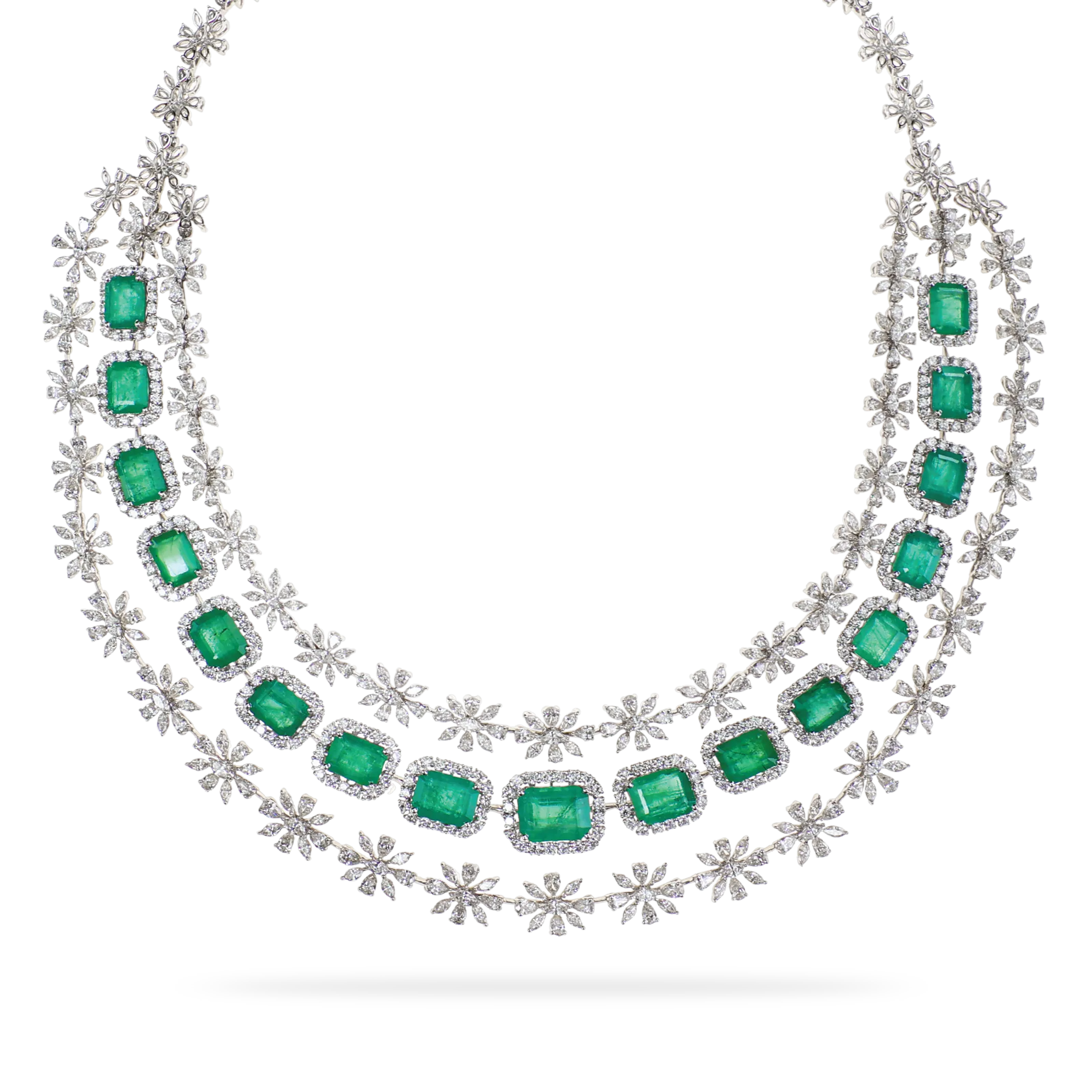
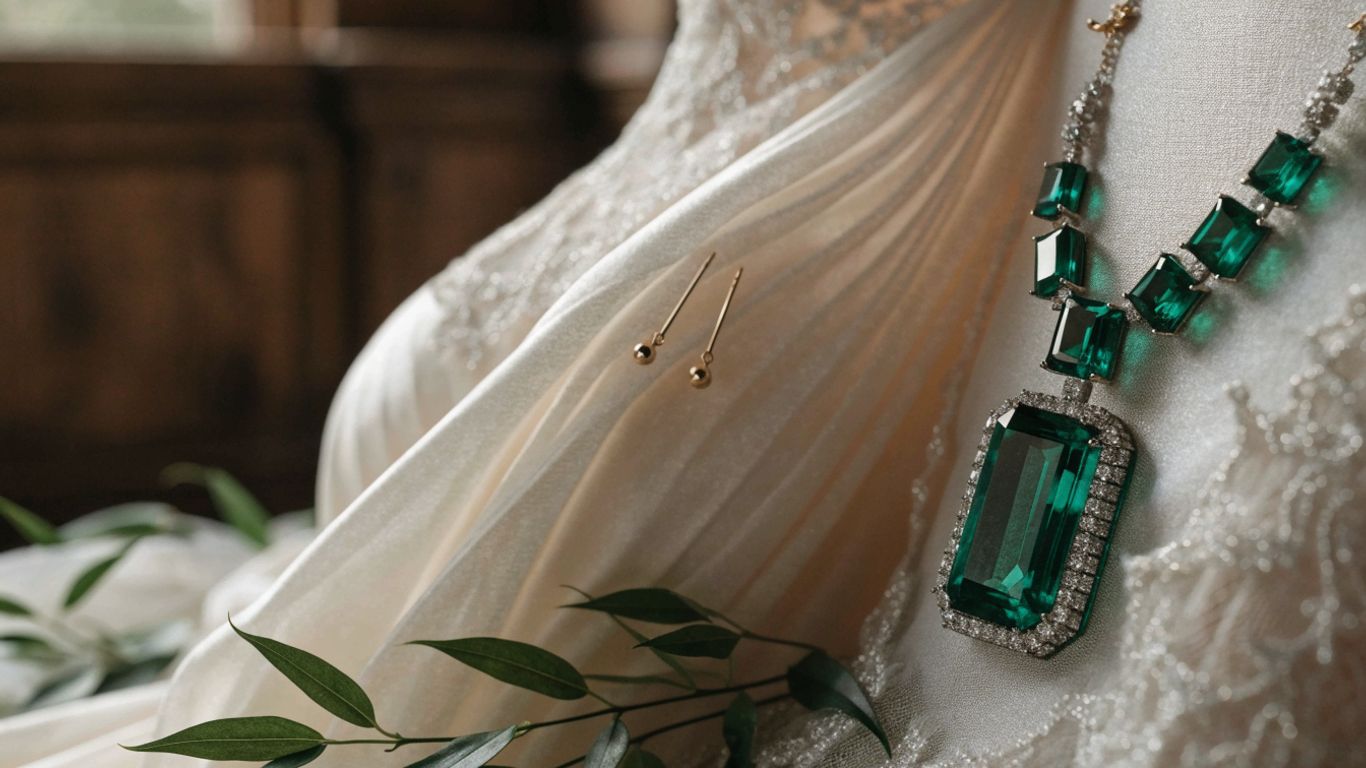
Emerald necklace for wedding: how to choose the right style
October 19, 2026 | 10 minutes read
Key Takeaways
An emerald necklace can bring color and personality to a wedding outfit without overwhelming it. Start with the occasion and neckline, then weigh comfort and care as carefully as appearance.
- Let your role, venue, and the wedding’s formality guide how bold the necklace should be.
- Choose a necklace length that works with your neckline and dress details.
- Compare stone shape and setting, and ask clearly about treatments and origin.
- Coordinate the metal with your other jewelry while keeping comfort in mind.
- Leave time to check the fit, purchase thoughtfully, and care for the emerald gently.
Start with your role and wedding setting
The right emerald necklace for wedding attire depends on more than the stone itself. Think about how formal the celebration will be, how much attention you want the necklace to draw, and whether you are the bride, a member of the wedding party, or a guest. A choice that feels just right at a candlelit reception may seem too ornate for a relaxed daytime ceremony.
Choose a statement piece or a subtle accent
A single emerald pendant can add a quiet note of color, while a larger stone or a cluster of gems reads as a more noticeable focal point. Neither approach is inherently more bridal; the balance with your outfit is what matters. If you are already wearing elaborate earrings or a detailed veil, a simpler necklace may feel more at ease. For a pared-back dress, a bolder piece can bring some welcome texture and color.
Consider the venue, season, and formality
A necklace should feel natural in its setting. For an outdoor summer ceremony, you may prefer a light pendant that will not snag or feel heavy, while a formal evening celebration can accommodate more sparkle and detail. Consider the practical side, too: high necklines, scarves, or layers may leave little room for a necklace, and warm weather can make heavy pieces less comfortable. Choose something you can wear without fuss from the ceremony through the reception.
Coordinate with the wedding’s color palette
Emerald green can complement ivory, white, blush, navy, and many deeper jewel tones, but the overall effect depends on the stone’s shade and the fabric beside it. Look at the outfit in natural light if you can; a vivid green may stand out more against a pale gown than it does against a darker color. If you are part of the wedding party, coordinate with the couple’s palette without trying to match every detail exactly. A small amount of contrast can make the necklace feel personal rather than prescribed.
Find a style that complements your outfit
A necklace looks most considered when it works with the lines and details of the outfit, rather than competing with them. Start by noticing where the neckline sits and whether the dress has embroidery, lace, beading, or a defined bodice. For more ideas on balancing necklace shape and dress details, see this bridal necklace styling guide. A quick mirror check in the outfit can help reveal what feels balanced.
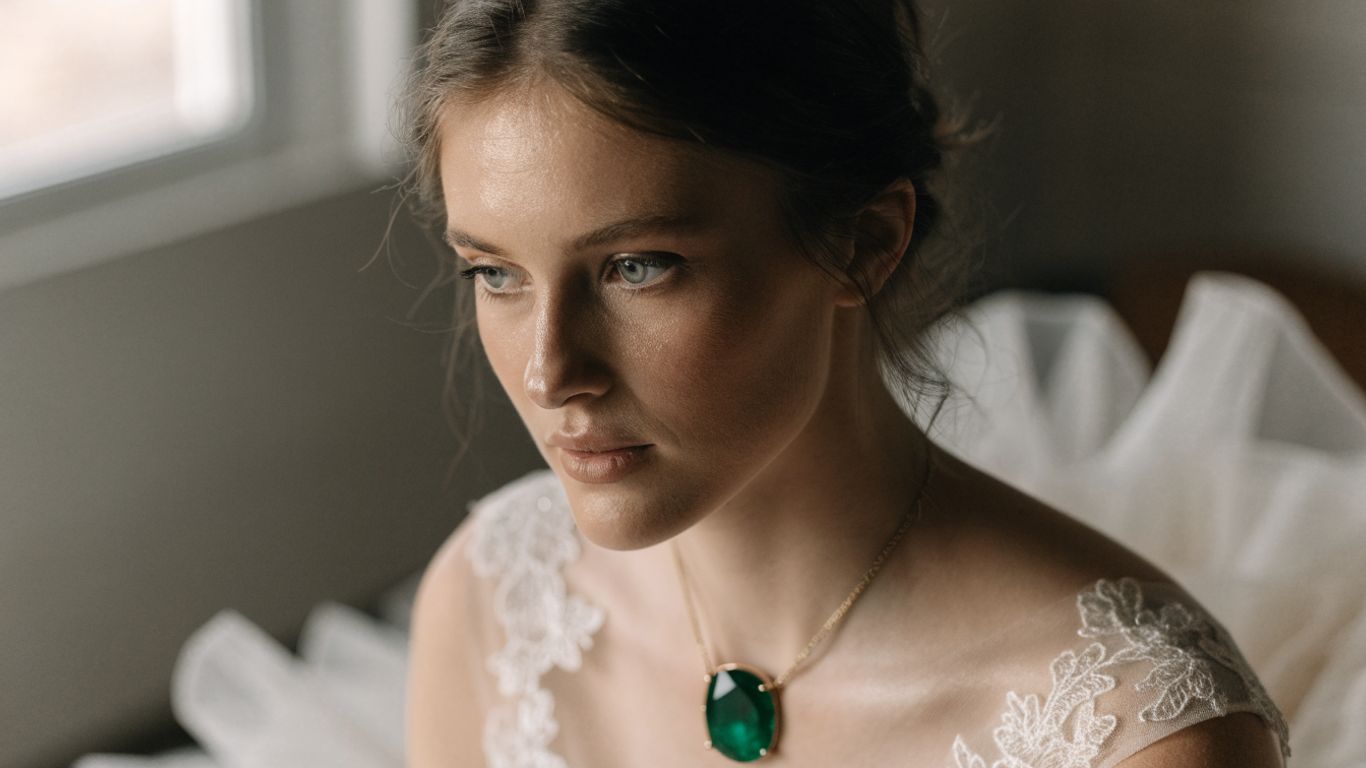
Match necklace length to the neckline
Neckline shape is a practical starting point because it determines how much space the necklace has to sit. A short chain can work well with an open neckline, while a longer pendant may fall neatly over a simple, higher bodice. These are starting points, not strict rules; pendant size and chain length change the effect. The table offers a few combinations to try on before you decide.
| Outfit neckline | Necklace direction | What to check |
|---|---|---|
| Strapless or sweetheart | Short pendant or delicate collar | Keep the piece centered above the bodice |
| V-neck | Pendant that follows the V | Check that the drop does not clash with the neckline edge |
| Square neckline | Short chain or compact pendant | Leave a little space between necklace and fabric |
| High neckline | Longer pendant, or no necklace | Make sure the chain lies smoothly over the material |
Use the suggestions as a fitting guide, then adjust based on the actual dress and pendant. A necklace should sit where you intend it to, without catching on an edge or disappearing into the fabric. If the proportions feel awkward when you move, try a different length before settling on a style.
Balance the necklace with dress details
If your dress has heavy beadwork near the collar, a fine chain and small emerald may be enough. A smooth, uncomplicated bodice gives a more detailed pendant room to stand out. Think about the whole frame, including earrings, a veil, and any embellishment at the shoulders. The aim is not to make every accessory identical, but to give each one a little space.
Adapt the look for a bride, bridesmaid, or guest
A bride may want the necklace to feel like a lasting keepsake, or simply enjoy a touch of color with a particular gown. Bridesmaids can keep the look coordinated through a shared metal tone or similar scale while choosing pieces that suit their individual necklines. As a guest, follow the dress code and choose a piece that feels festive without pulling attention from the couple. In every role, personal comfort matters more than following a rigid idea of wedding jewelry.
Choose an emerald cut and setting
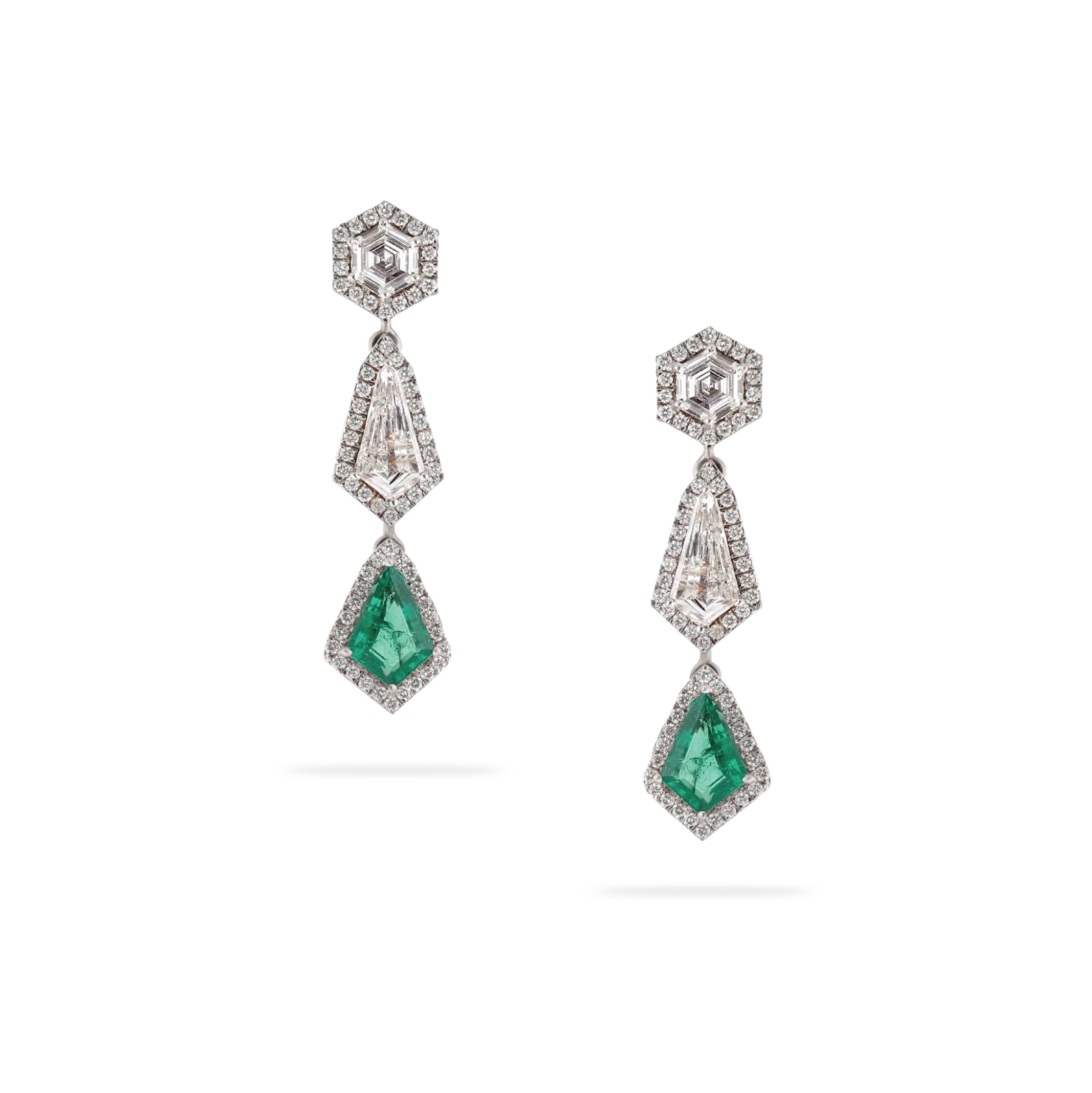
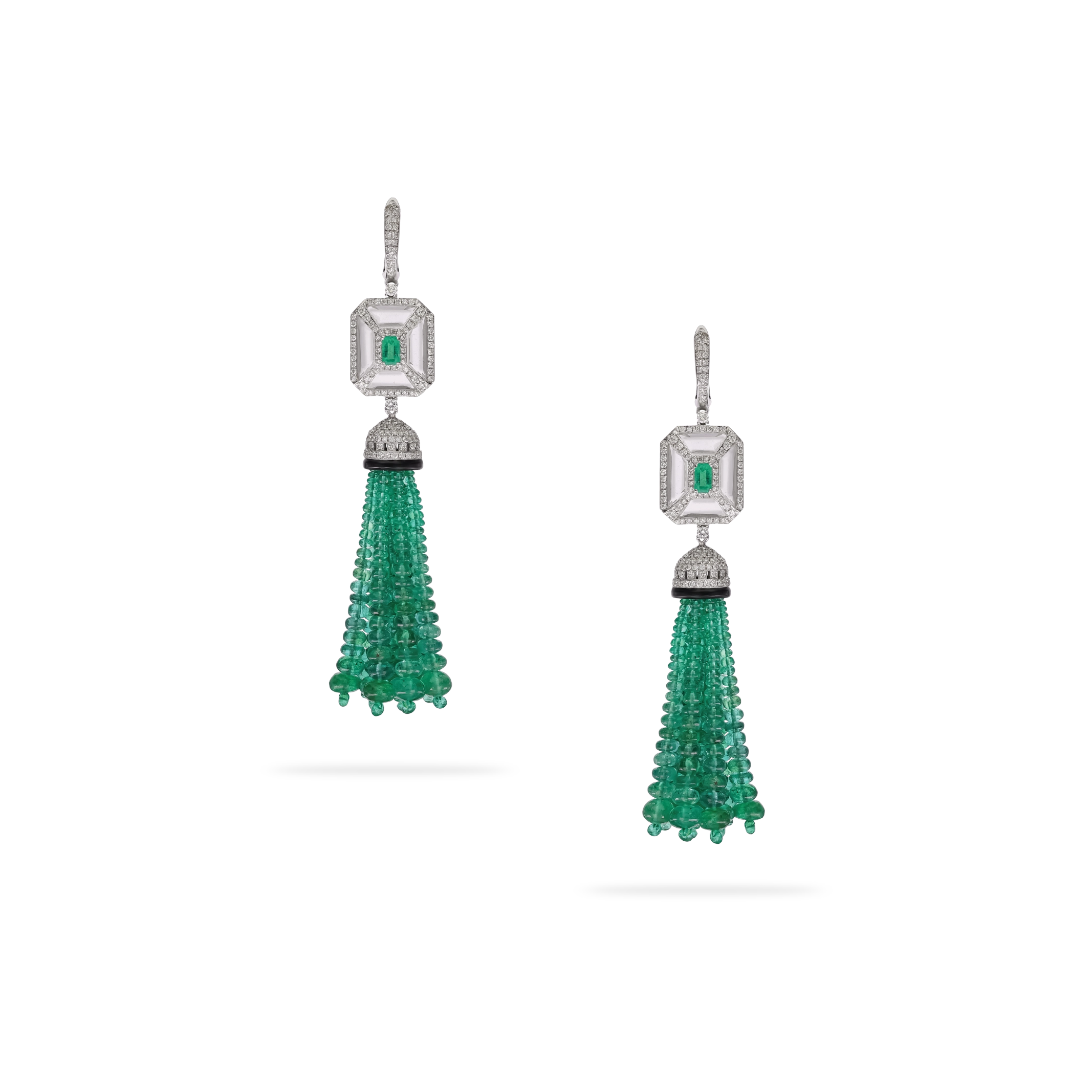
“Emerald” refers to the gemstone, while “emerald cut ” describes a shape and faceting style often associated with a rectangular outline and step-cut facets. Emeralds are also sold in other shapes, so it helps to separate the stone’s color from its outline when comparing necklaces. Consider how much visual presence you want, then look at the setting and the information provided about the stone. Natural emeralds can have visible inclusions; reading about natural emerald inclusions can help you know what to ask when viewing one.
Compare popular emerald shapes
A rectangular emerald cut has a clean, geometric look, while oval and round stones tend to feel softer in outline. Pear shapes add a directional drop, and cushion shapes offer rounded corners with a substantial silhouette. The shape affects how a pendant sits and how prominent it appears, so compare the actual measurements as well as the name. A small stone with a long outline can look quite different from a round stone of similar weight.
Decide between a solitaire and a halo
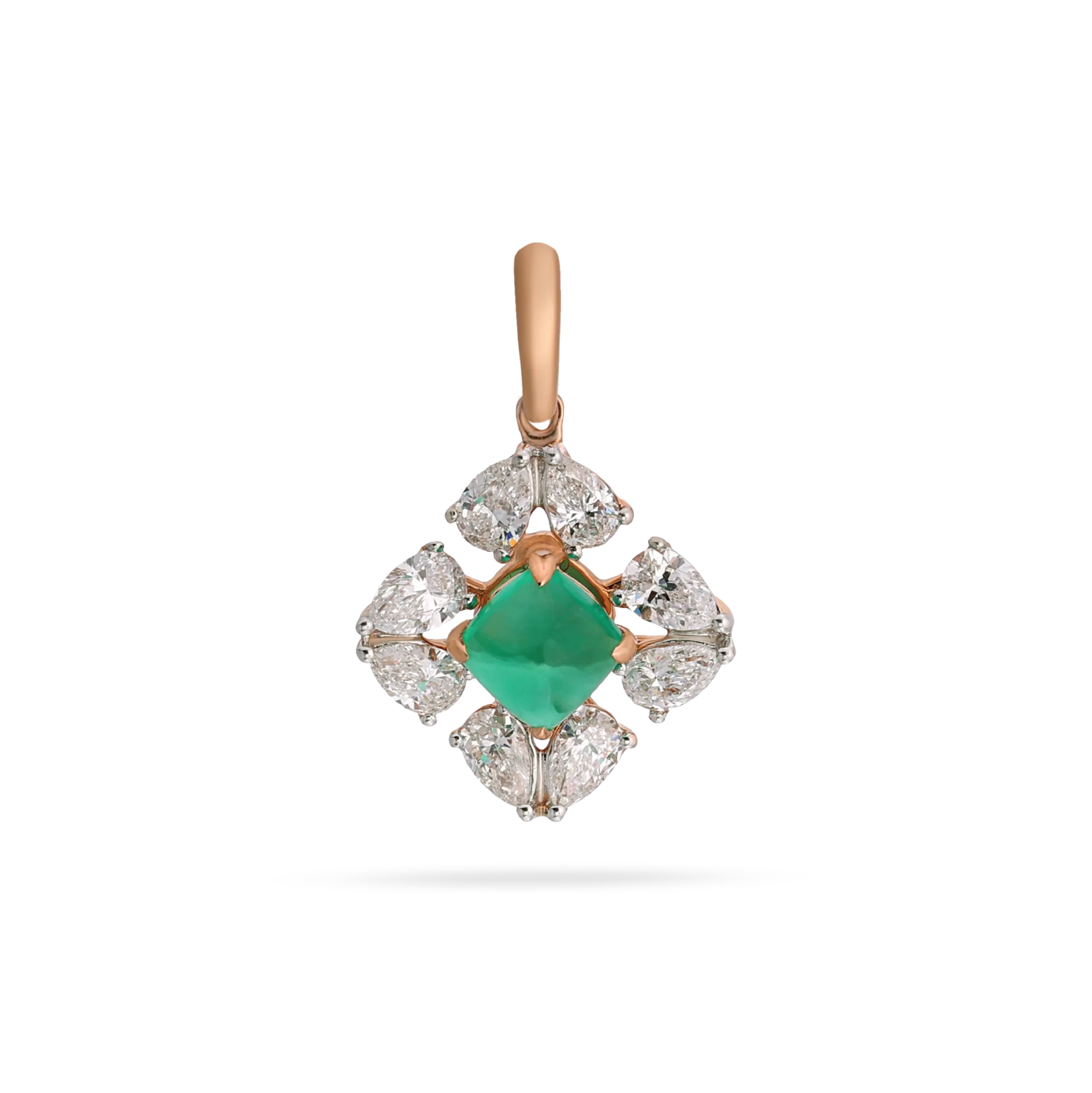
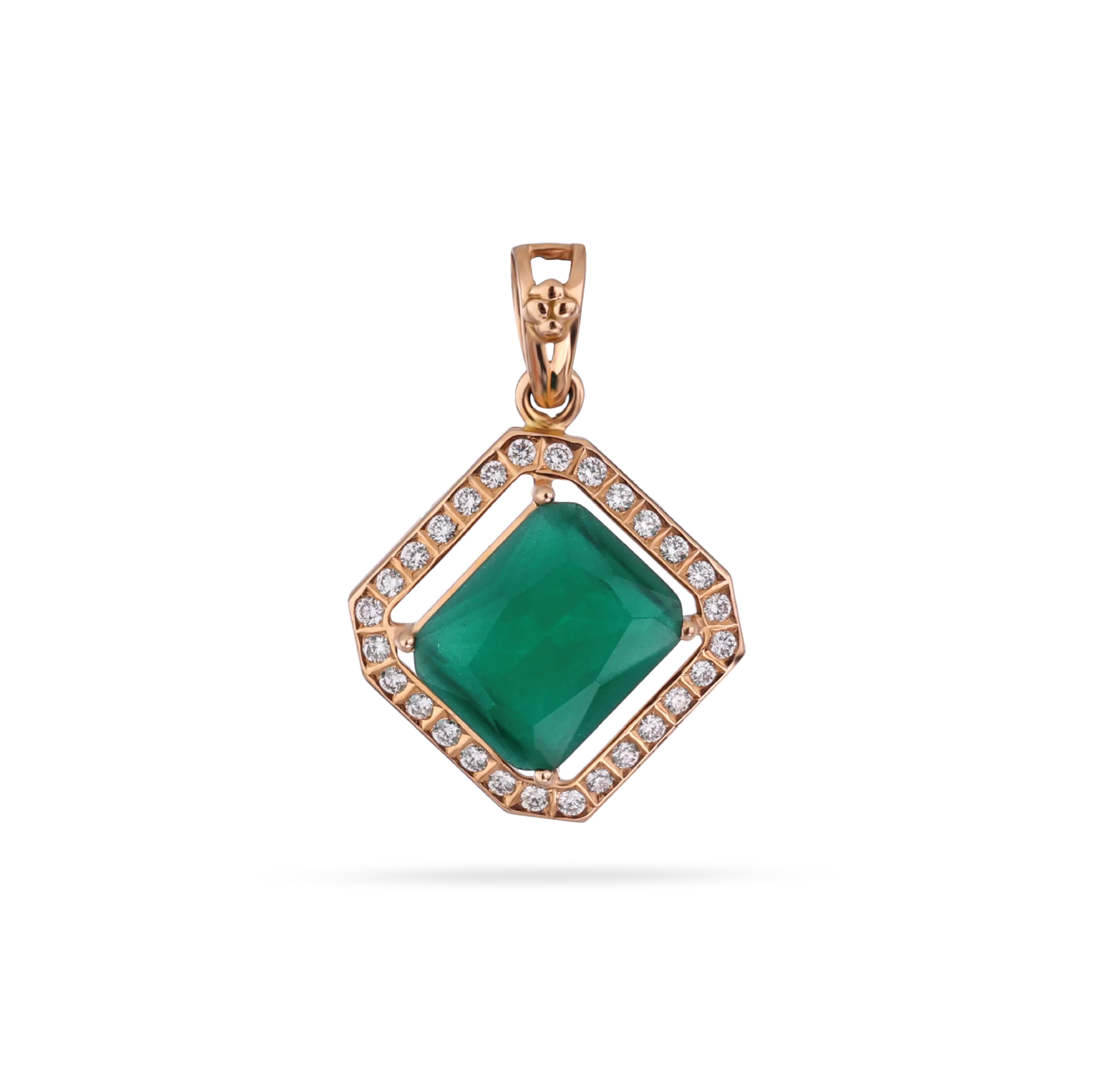
A solitaire places one emerald at the center and keeps the design focused on the stone. A halo surrounds the center with smaller accent gems, creating a wider, more embellished look. Try to picture the setting alongside your dress details and other jewelry: a halo may suit a simple bodice, while a solitaire can be a calmer choice with an ornate neckline. Check the edges of either style so the setting feels smooth against skin and fabric.
Consider natural emeralds and lab-grown options
Ask whether the emerald is natural or lab-grown, and request clear written information about any treatments. These details affect how you compare pieces and what care they may need. Inclusions vary from stone to stone, so look at the gem itself rather than assuming that a flawless appearance is the only sign of quality. A trustworthy seller should be able to explain the stone’s description in plain language.
Select a metal that suits the look
The metal changes the overall character of a necklace, even when the emerald stays the same. Yellow gold can give the piece a warm, traditional feel; white metals offer a cooler, understated frame; rose gold brings a softer pink tone. Look at the chain and setting together, since both contribute to the finished appearance. The best choice is the one that feels harmonious with your outfit and the jewelry you already plan to wear.
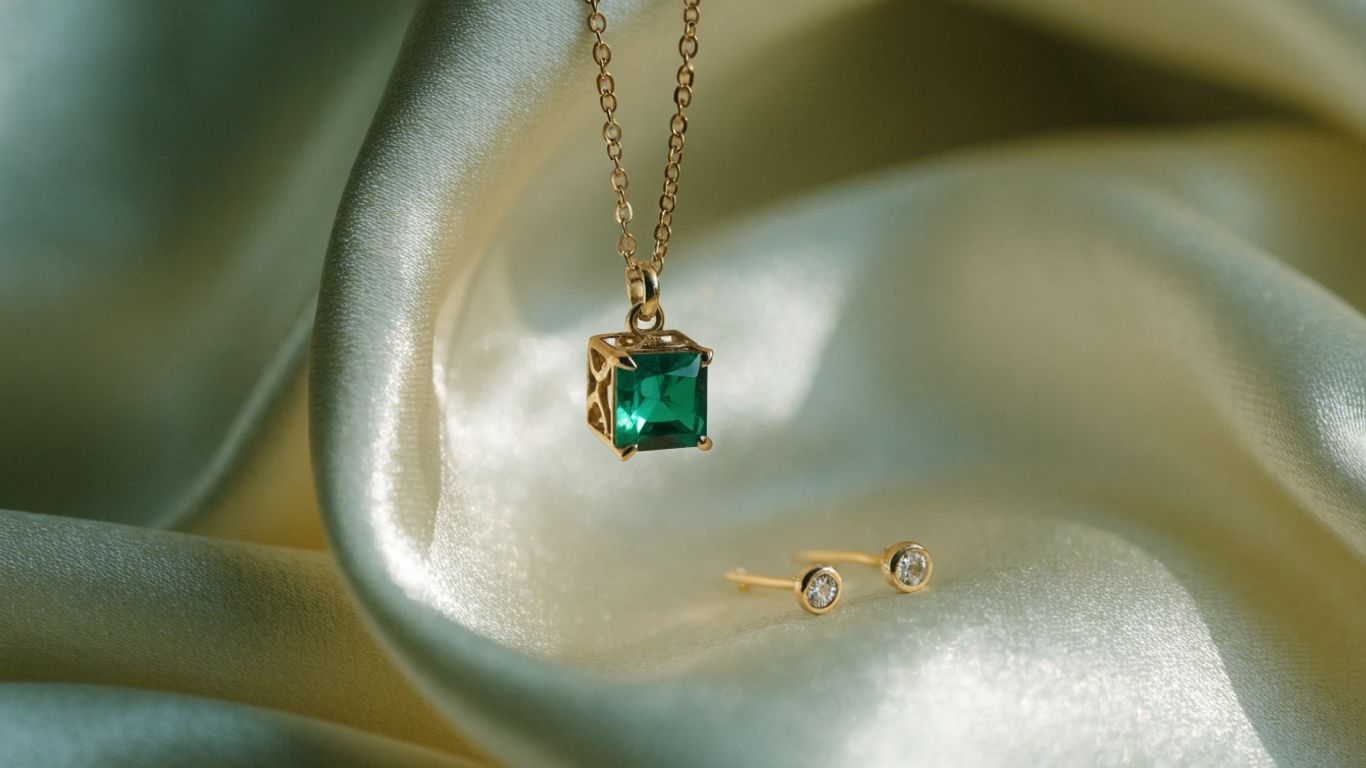
Pair emeralds with yellow, white, or rose gold
Green stones can work with all three metal tones, so let the rest of the look help you decide. Yellow gold gives a clear contrast with the emerald, while a white metal can keep the pendant’s outline crisp and cool. Rose gold offers a gentler color combination that may suit warm-toned fabrics. If you are uncertain, try the necklace against the dress and compare it with your other accessories in the same light.
Coordinate with other jewelry
Matching every piece is not necessary, but a deliberate relationship between them helps the look feel finished. You might repeat the necklace’s metal in your earrings or bracelet, or let the emerald be the only strong color. If you plan to wear heirloom jewelry, consider whether its metal and scale work beside the necklace before buying anything new. Keeping one accessory as the focal point often makes the overall styling feel less busy.
Account for skin sensitivity and comfort
If certain metals irritate your skin, check what the chain and setting are made of rather than relying on a general color description. Ask about alloys, plating, and any metal that touches your skin, especially if you have had reactions before. The necklace should feel comfortable against the neck and should not pull at the clasp or catch on hair. A short trial at home can reveal small annoyances before the wedding day.
Check quality, fit, and wearability
A necklace can look beautiful in a display case and still prove inconvenient during a long celebration. Before you commit, inspect the stone, setting, chain, and clasp, and ask for the details in writing. Take time to try it with the outfit if possible, then move around as you would during the day. That gives you a better sense of how it behaves than a quick glance in the mirror.
Review color, clarity, and treatment disclosures
Look for a color you enjoy in ordinary light, not only under bright display lighting. Natural emeralds often have visible inclusions, and their appearance varies; ask the seller to explain any treatments and provide written disclosure. If you are comparing several stones, look at them side by side and note which one you find most appealing. Clarity is one part of the decision, but it should be considered alongside color, setting, and price.
Choose a secure clasp and practical chain length
Check that the clasp closes firmly and is easy for you to handle. Look closely at the connections between the chain, clasp, and pendant, since these are the parts that experience movement throughout the day. A chain should rest at a comfortable height with the pendant sitting where you expect it to. If you plan to wear it over a dress, test the length with that fabric rather than estimating from memory.
Make sure the necklace stays comfortable throughout the day
Wear the piece for a little while before the event, and notice whether it twists, snags, or presses against your skin. Consider the weight of the pendant and whether the chain stays in place as you turn your head or sit down. Small details can make a difference over several hours. If the necklace needs adjustment, address it before the wedding rather than hoping it will feel better on the day.
Plan the purchase and care
A little planning gives you time to compare pieces and handle any changes without rushing. Set a spending range that accounts for the necklace itself and any related costs, such as alterations or insurance. Confirm delivery timing and the return or exchange terms before ordering. Care matters, too: emeralds should be handled gently, and it is sensible to follow the seller’s instructions for the particular stone and setting.
Set a budget for the necklace
Decide what you are comfortable spending before you start comparing options. Price can vary with the stone, setting, metal, and whether the emerald is natural or lab-grown, so compare the full details rather than the headline price alone. Keep some room for practical considerations, such as a chain adjustment or a protective storage case. A considered budget helps you focus on what matters most to you.
Allow time for ordering, resizing, or alterations
Order early enough to resolve a delayed shipment or a fit issue without unnecessary stress. Ask for an estimated delivery date and whether the chain can be adjusted before purchase. If the necklace is being worn with a particular gown, bring it to any final fitting so you can check where it falls. Having a backup plan for an accessory is a simple way to avoid last-minute uncertainty.
Store and clean the emerald safely
Emeralds can be sensitive to harsh cleaning methods, so avoid assuming that a home jewelry device is suitable. Follow the seller’s care directions; gentle cleaning with a soft cloth is a cautious everyday option, and professional guidance is best if you are unsure. For storage, keep the necklace in a separate soft pouch or lined compartment so it does not rub against other jewelry. A few simple habits help protect both the stone and its setting.
Conclusion
Choosing an emerald necklace for a wedding is a matter of finding the right balance: color that feels personal, a shape and setting that suit the outfit, and a fit comfortable enough to forget about once the celebration begins. Take your time with the details, and choose a piece you will be glad to wear again.
Frequently Asked Questions
Can I wear an emerald necklace as a wedding guest?
Yes. Choose a necklace that suits the dress code and your outfit, and keep the scale comfortable and appropriate for the celebration.
What necklace length works best with a wedding dress?
It depends on the neckline, pendant, and fabric. Try the necklace with the dress to see where it rests and whether it stays in place when you move.
Does an emerald necklace have to match my other jewelry?
No. Repeating a metal tone can create a sense of coordination, but a single emerald accent can also work well with simpler or mixed jewelry.
Is an emerald cut the same as an emerald gemstone?
No. An emerald is a gemstone; emerald cut describes a shape and faceting style that can also be used for other gems.
Should I choose a natural or lab-grown emerald?
That depends on your preferences and budget. Ask the seller to identify the stone clearly and disclose any treatments so you can compare options.
How can I tell whether a wedding necklace will be comfortable?
Try it on with your outfit and wear it long enough to notice its weight, chain position, and whether it catches on hair or fabric.
How should I clean an emerald necklace?
Follow the care instructions for the specific stone and setting. If you are uncertain about a cleaning method, ask the seller or a qualified jeweler before using it.
Related blogs:
November 20, 2025
The Timeless Elegance of the Tennis Bracelet: A Comprehensive Guide
Read More
November 20, 2025
The Ultimate Guide to Styling and Wearing a Choker Necklace
Read More
November 20, 2025
Find Your Perfect Engagement Ring: A Comprehensive Guide to Styles and Diamonds
Read More
November 20, 2025
The Timeless Elegance of a Diamond Tennis Bracelet: A Buyer's Guide
Read More