A comprehensive guide to styling heritage bridal jewellery
July 30, 2026 | 10 minutes read
Key Takeaways
Heritage jewellery transcends fashion cycles by embedding history, artistry, and emotional value into every wedding ensemble. Understanding the core elements of these pieces ensures they remain cherished heirlooms for generations.
- Prioritize craftsmanship verification to ensure the long-term value of your collection.
- Master the balance between heavy traditional neckpieces and modern garment silhouettes.
- Implement rigorous storage habits to protect delicate stones and antique metal finishes.
- Focus on provenance records to maintain the historical significance of vintage treasures.
- Combine heirloom pieces with contemporary accessories for a fresh yet respectful bridal aesthetic.
Defining heritage bridal jewellery
Heritage bridal jewellery acts as a tangible bridge between ancestral traditions and modern nuptials. These pieces often carry the weight of regional stories and specific artisanal legacies that define cultural identities. When selecting or curating these items, one must appreciate the deep connection between the physical gold and the personal history it represents.
Historical significance and regional origins
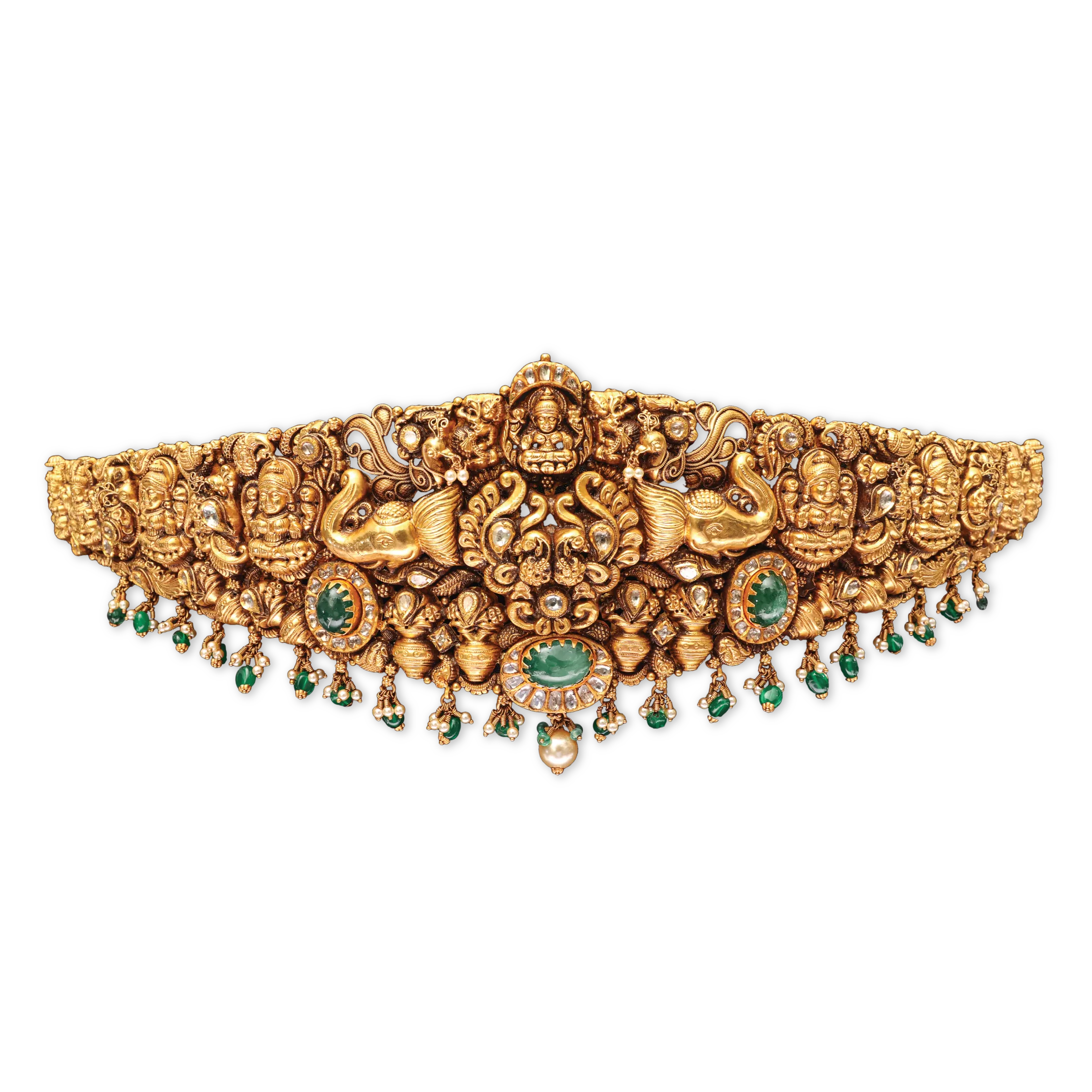
Regional heritage jewellery reflects the distinct geography and social history of its origin. From the intricate temple motifs of the south to the robust gold work of the north, C Krishniah Chetty & Co recognizes the depth of these narratives. Understanding where a piece comes from adds a layer of depth, moving the focus beyond mere aesthetic value to a broader cultural appreciation.
Traditional craftsmanship techniques
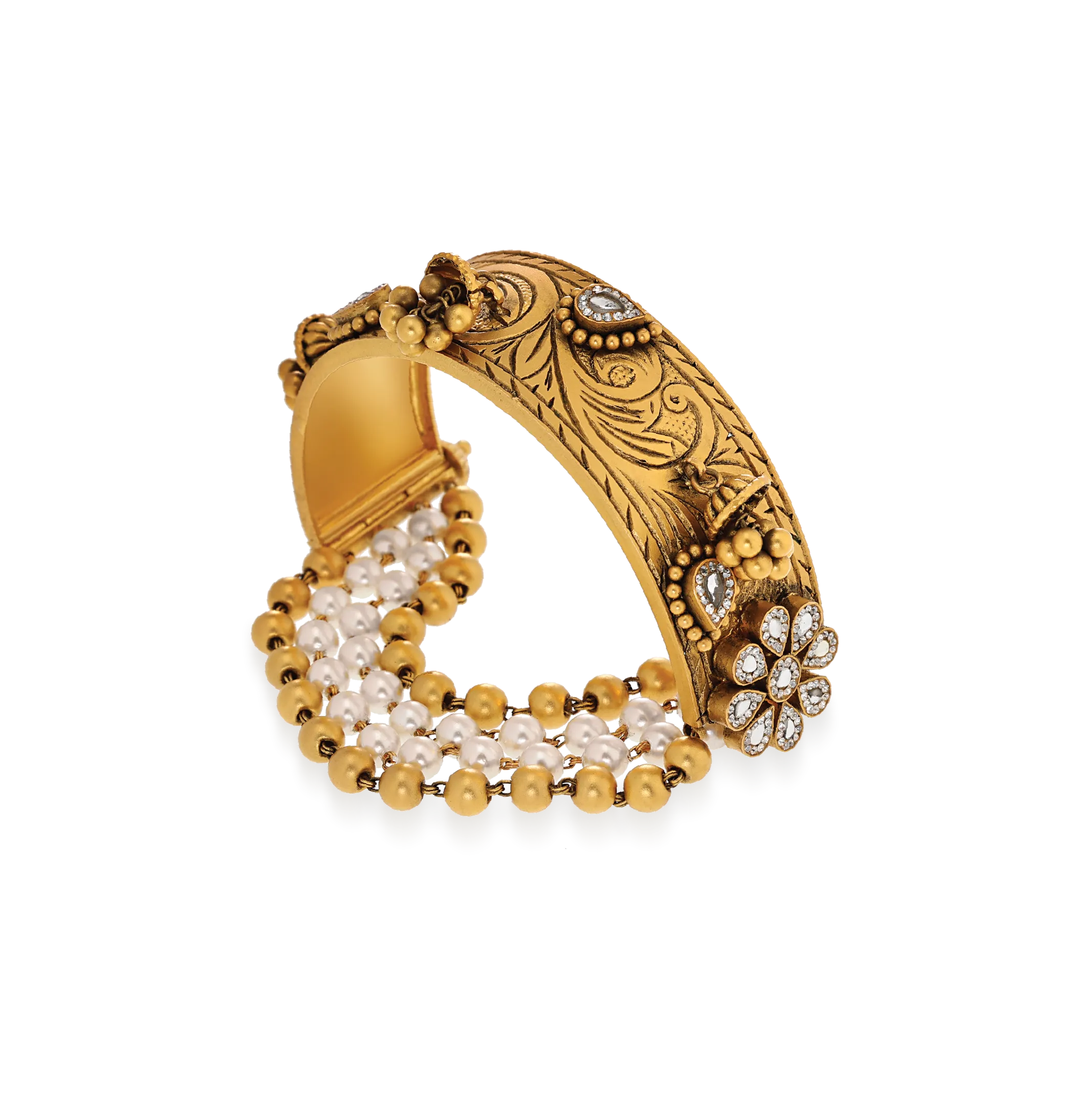
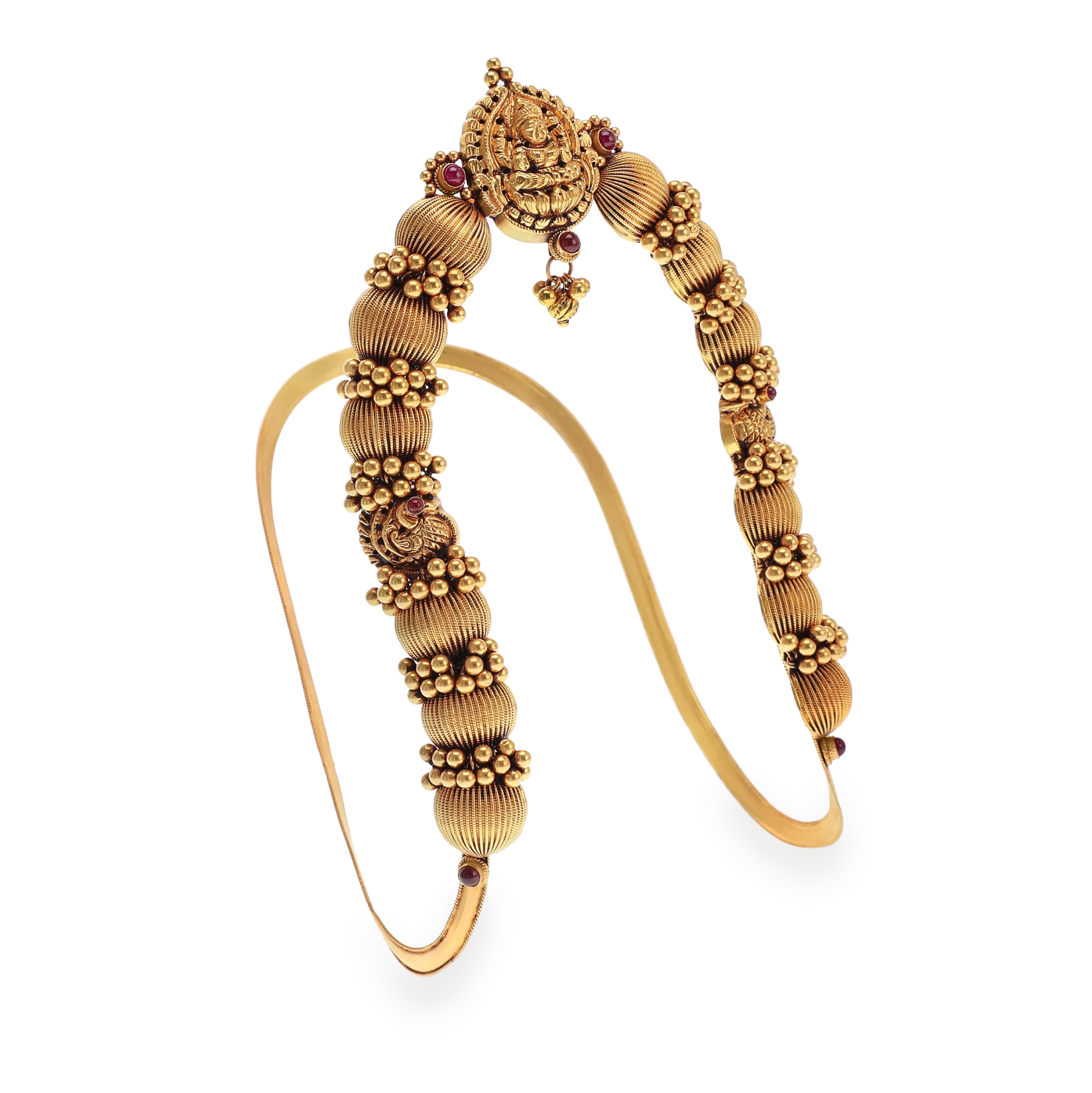
Skilled artisans have preserved methods that define the essence of heirloom quality. Techniques like filigree, granulation, and stone setting require immense patience and specific cultural knowledge. These methods ensure that the jewellery is not just a decorative object, but a feat of engineering and art.
Identifying authentic gold and stone qualities
Authenticating materials starts with checking hallmarks and certifications for precious metals and stones. Evaluating the weight and luster often requires an expert eye. By learning how to buy fine jewellery with confidence, brides can ensure that their investments are authentic and built to last.
Understanding materials and gemstones
Selecting the right materials is the foundation of a durable and visually stunning bridal set. Whether working with natural stones or high-purity gold, the choices made during the purchase process determine the longevity of the pieces.
The role of polki and kundan stones
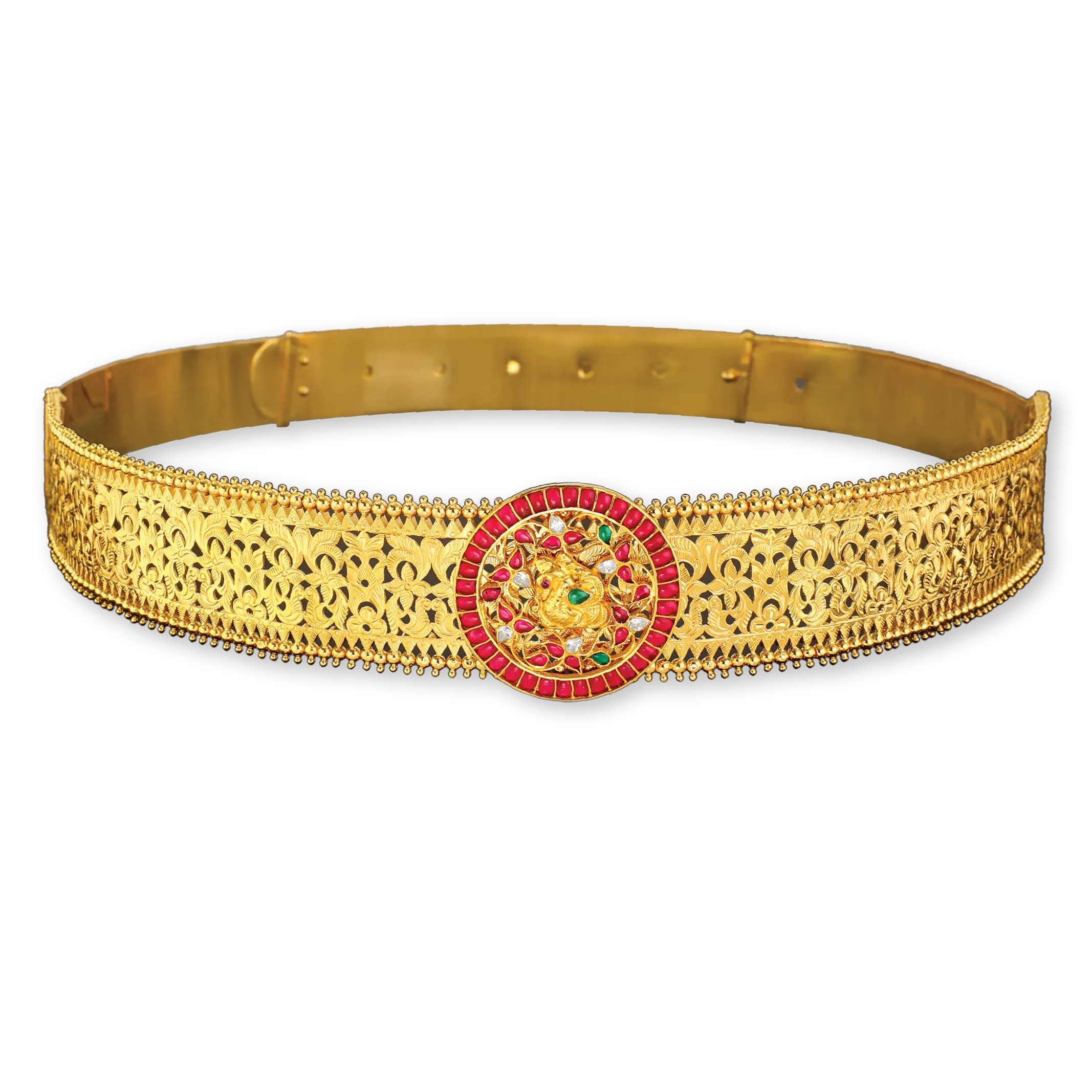
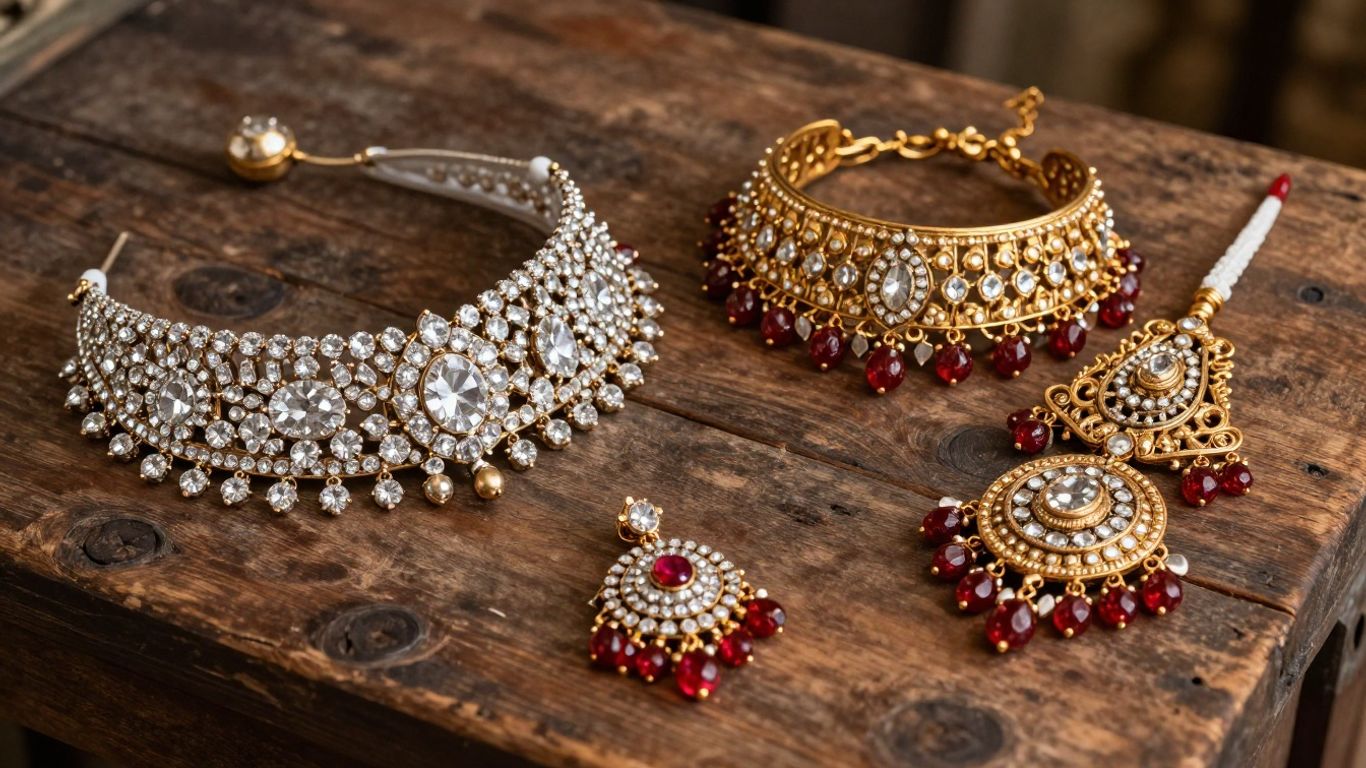
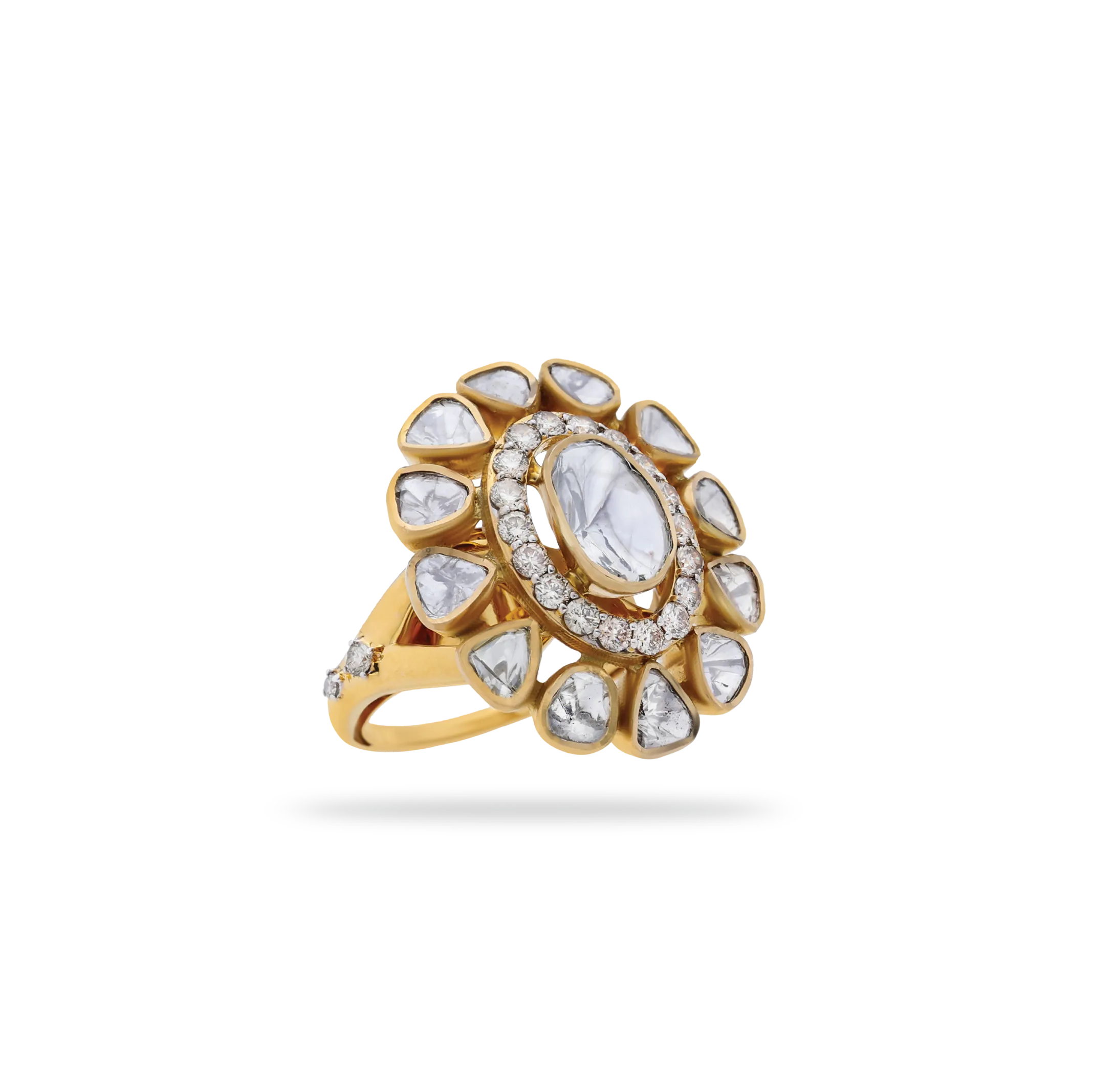
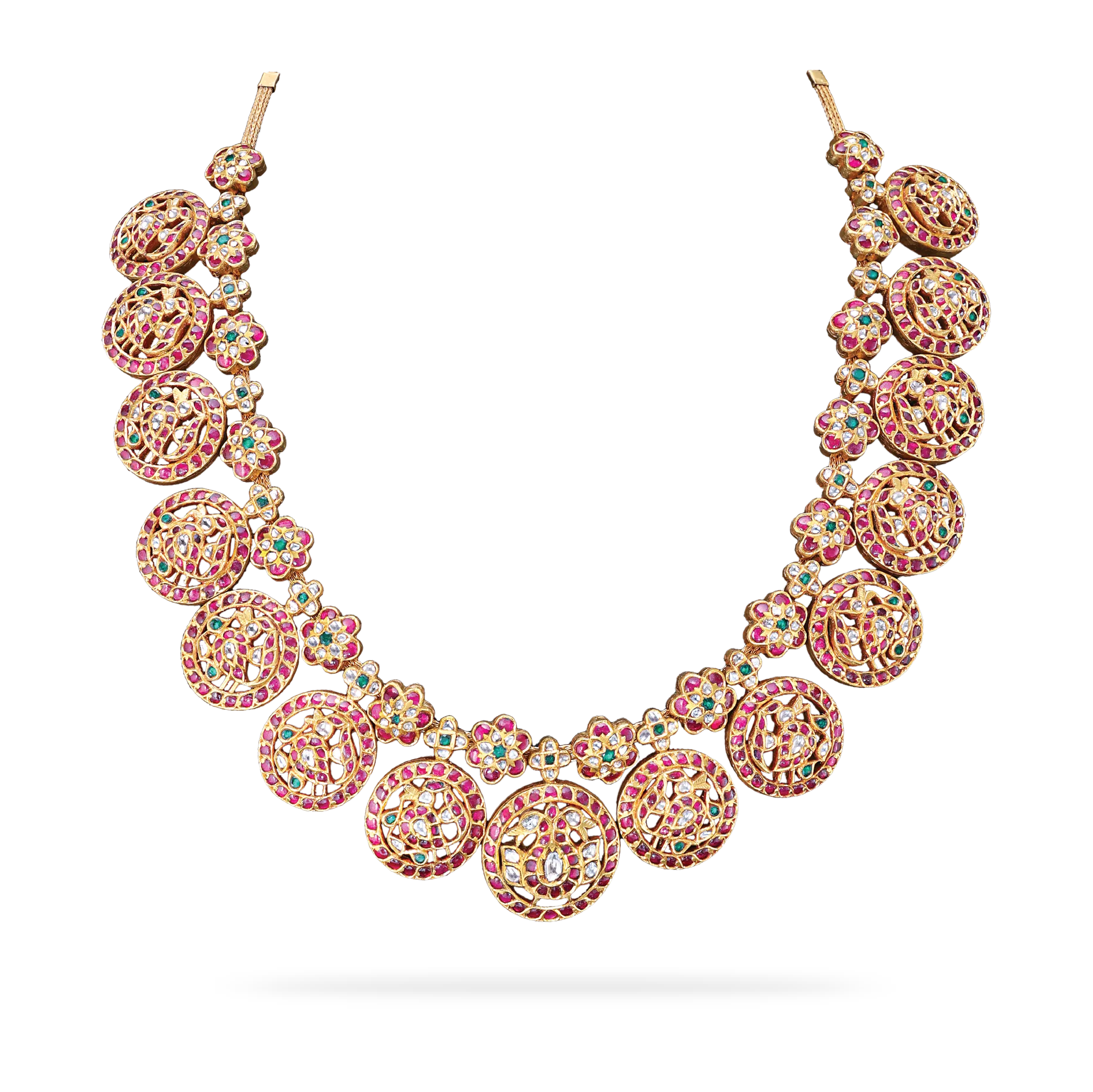
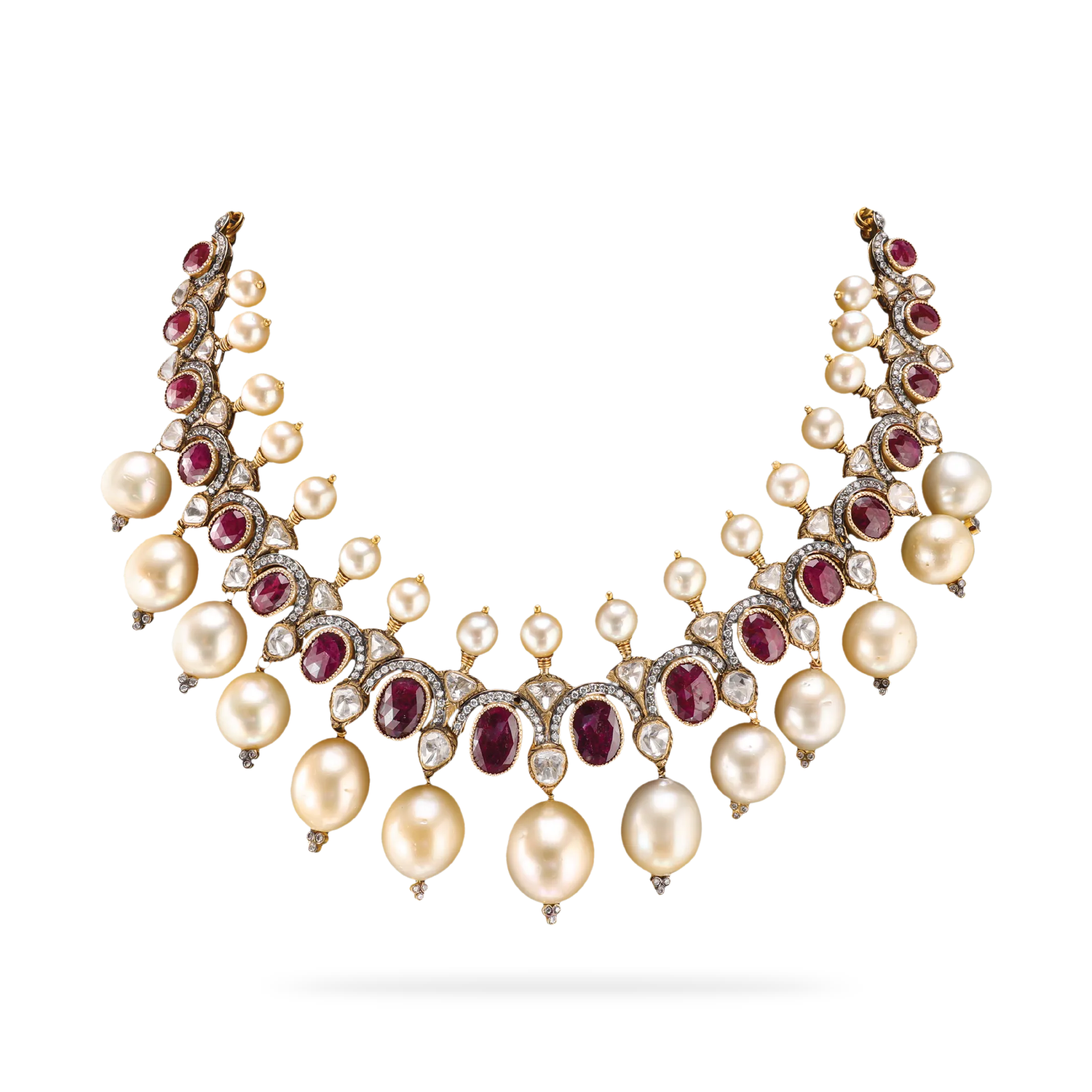
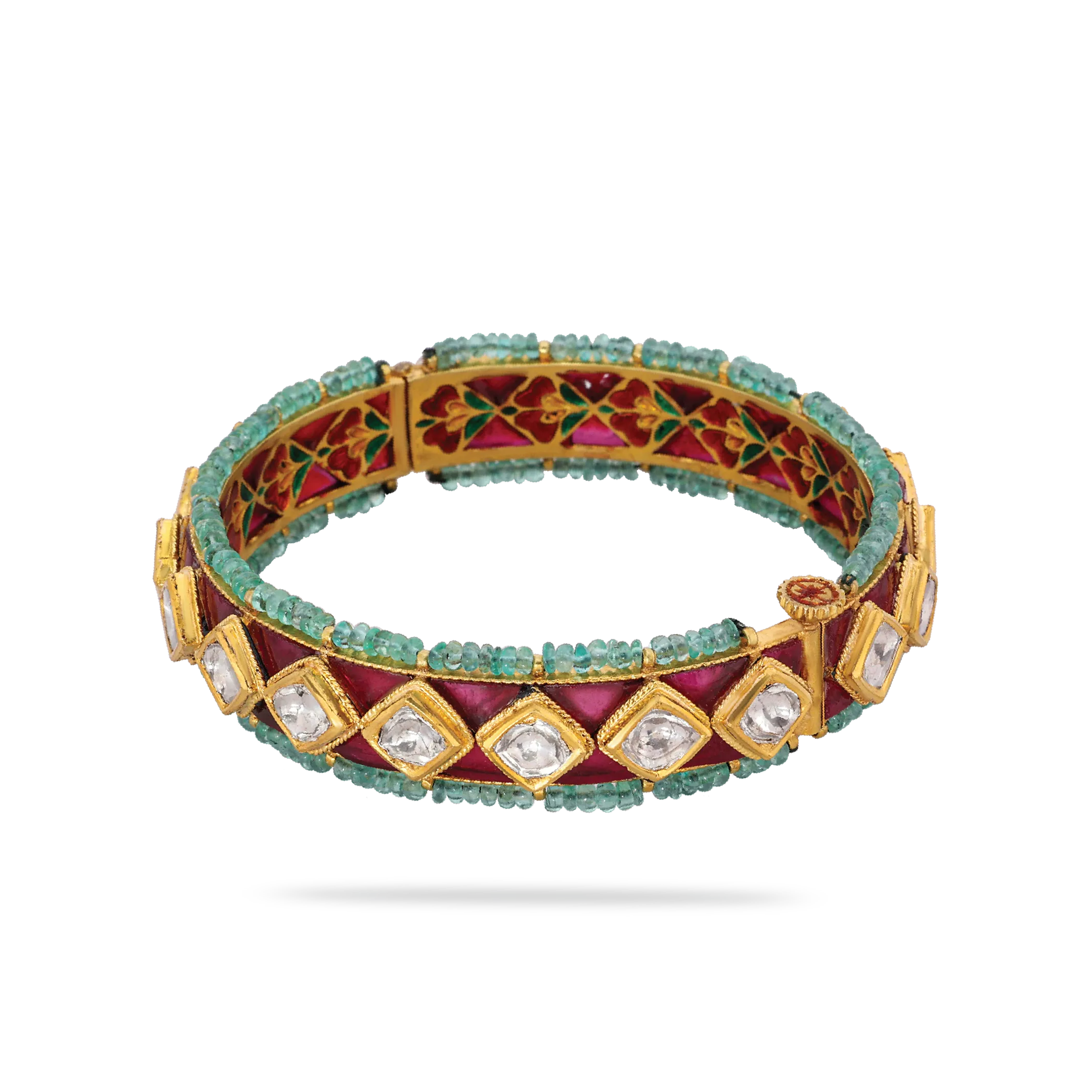
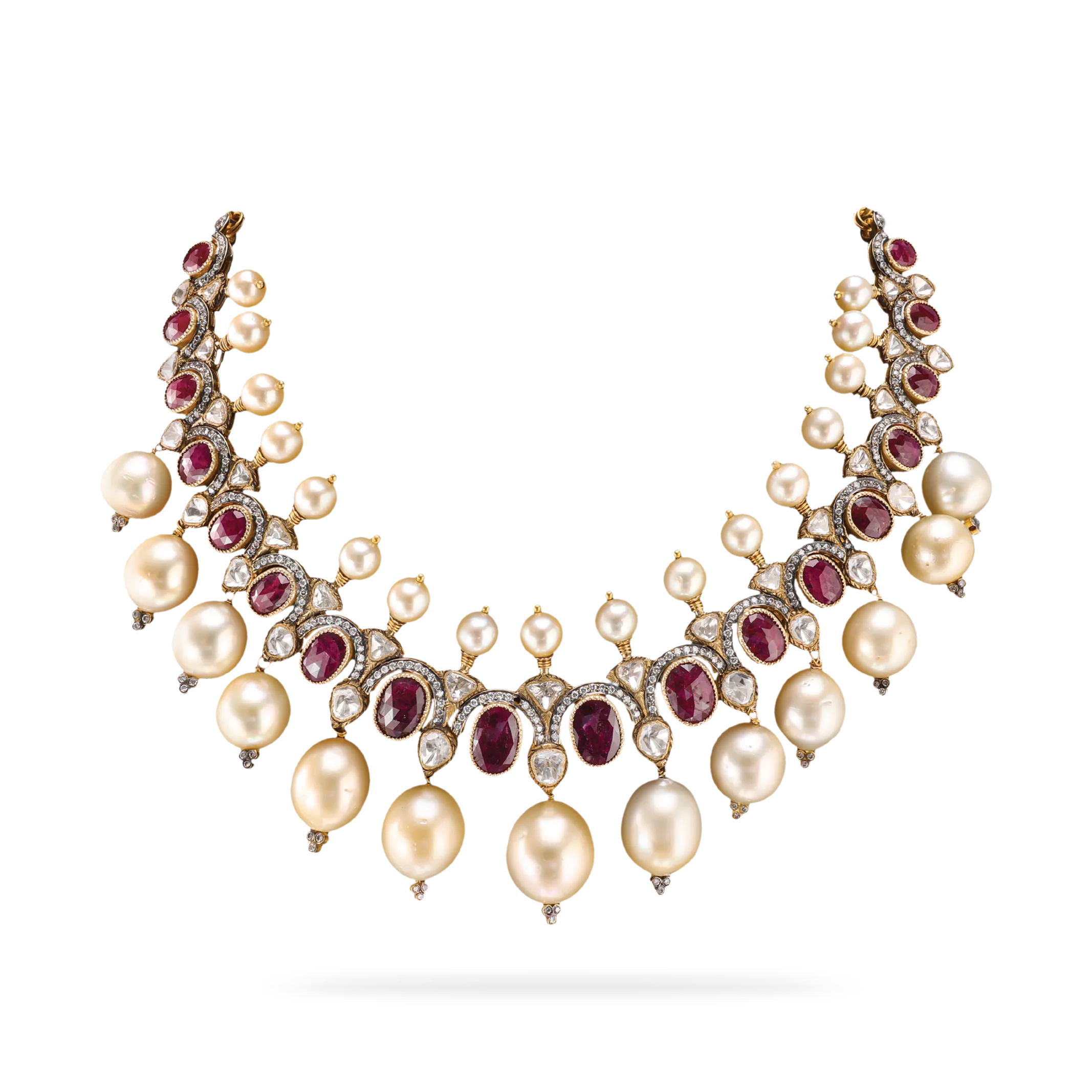
Polki, which comprises uncut diamonds, and kundan, a glass-set technique, are cornerstones of heritage bridal looks. These materials offer a raw, luminous quality that synthetic stones cannot replicate. It is helpful to consider their setting, as they define both the texture of the jewellery and how it catches the light under traditional wedding lighting.
Significance of temple jewellery motifs
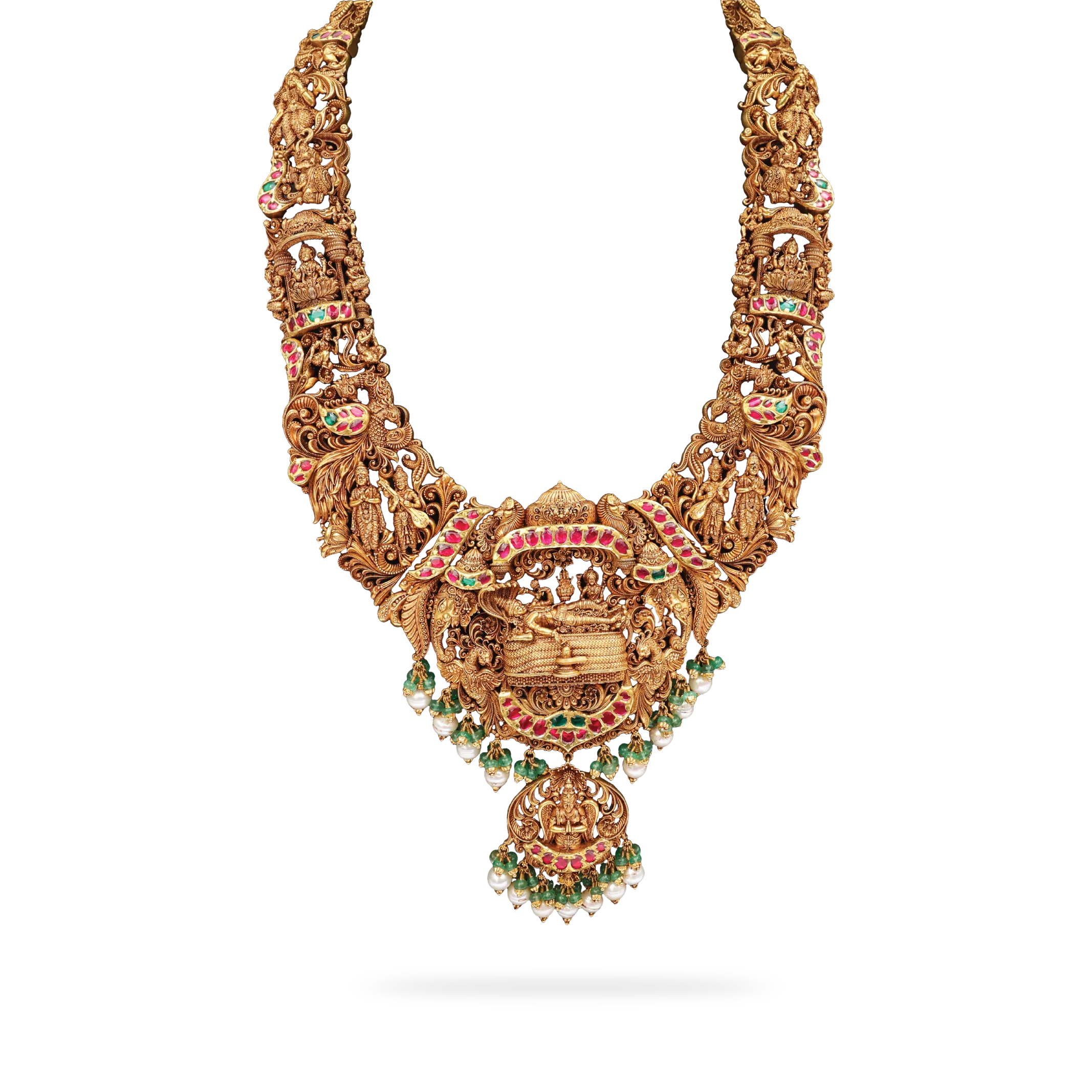
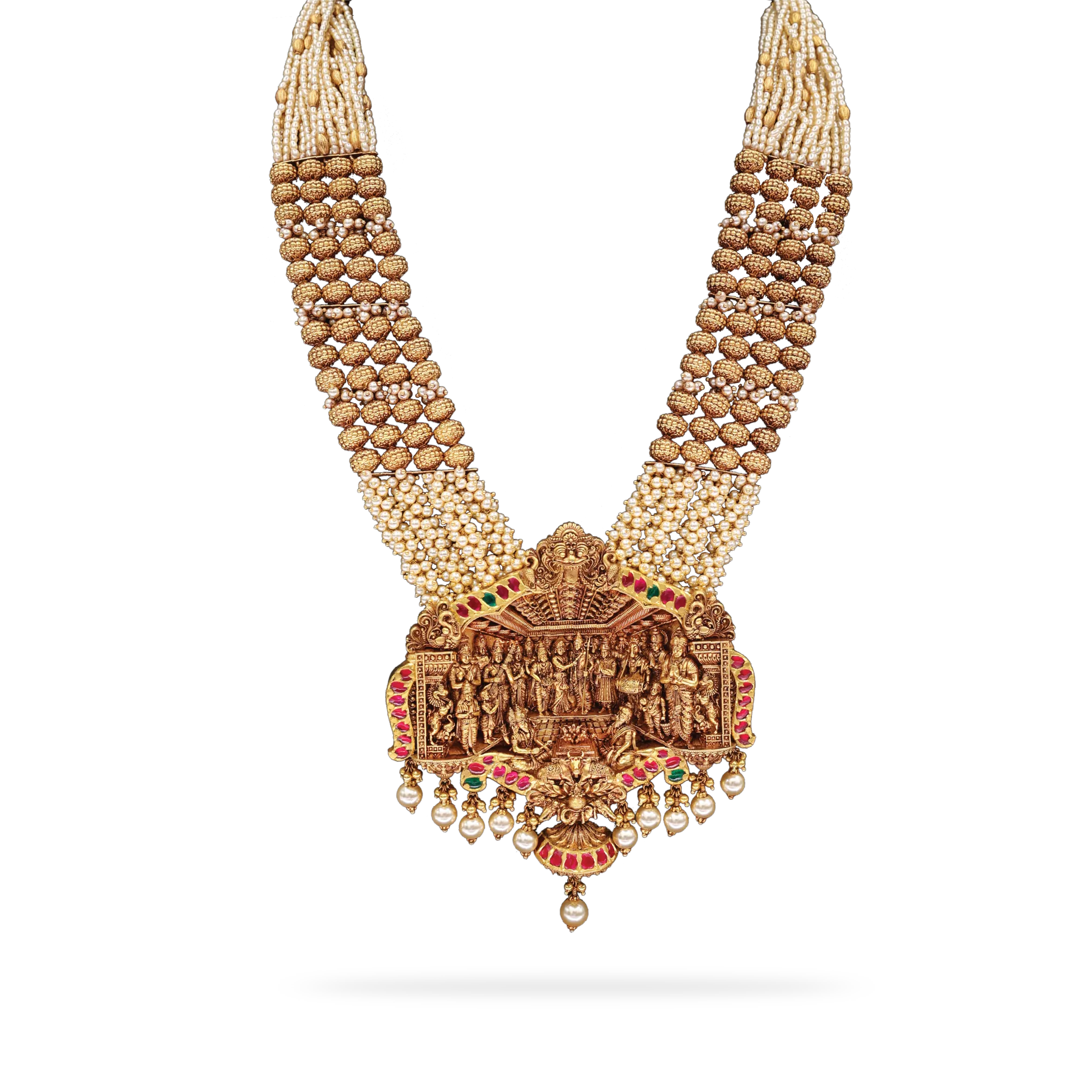
Temple motifs draw inspiration from ancient architecture and divine iconography. The following table provides a breakdown of common motifs and their typical aesthetic impact on bridal styling:
| Motif Type | Historical Origin | Stylistic Influence |
|---|---|---|
| Floral Patterns | Nature-inspired | Adds a touch of soft femininity |
| Divine Idols | Religious antiquity | Commands respect and regal presence |
| Geometric Scrolls | Architectural influence | Provides structure to heavy sets |
These patterns often influence the entire composition of a piece. By matching these historical motifs to the bridal outfit, one can achieve a look that conveys both tradition and grace.
Choosing between gold purity standards for durability
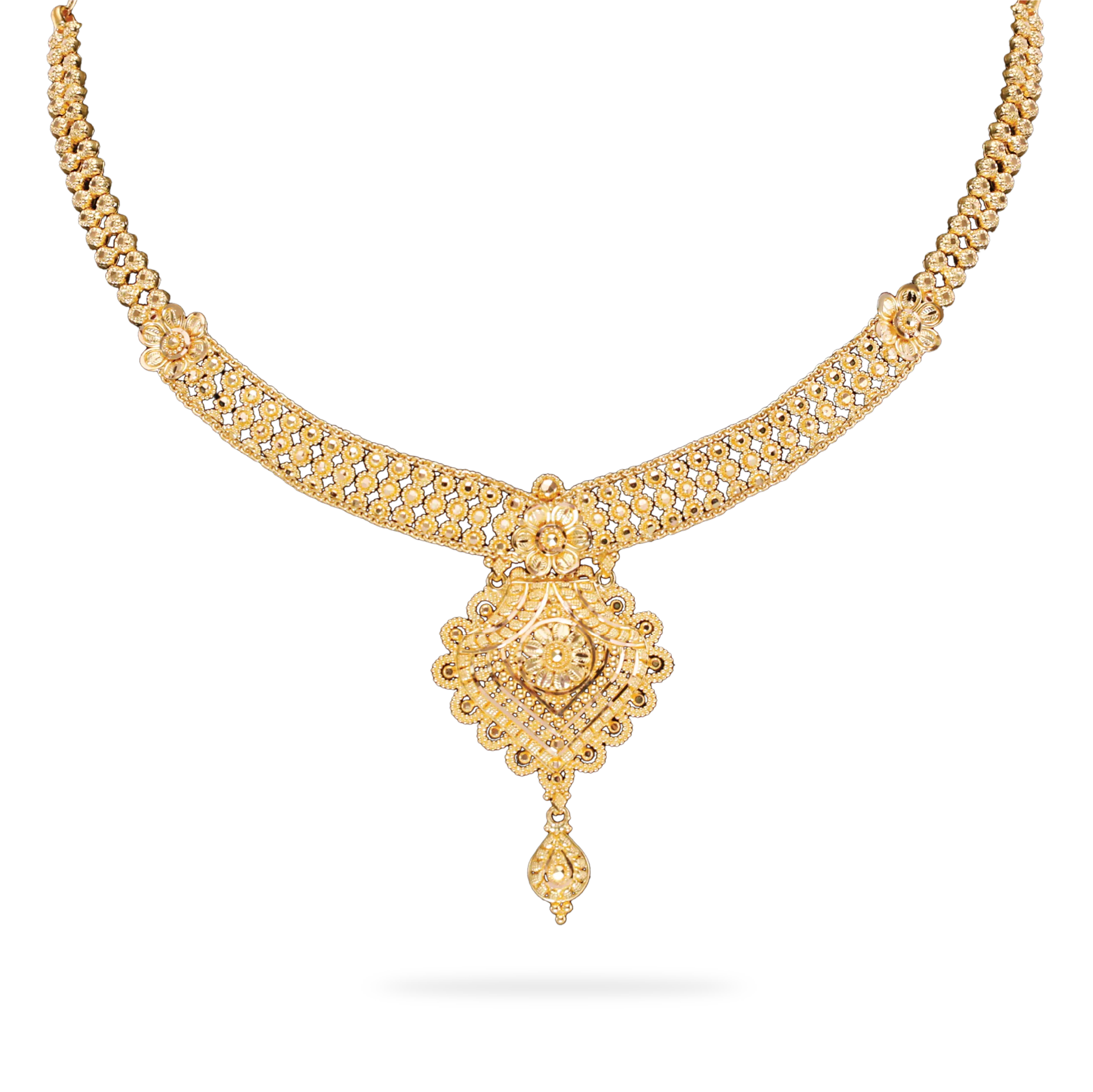
Selecting the correct karat of gold is vital for both appearance and functional strength. Higher karats are softer and better for intricate, high-value showpieces, while lower karats provide the necessary structural rigidity for daily-wear items. Choosing a gold standard for durability involves assessing how often the piece will be worn and the weight of the embellishments it carries.
Matching jewellery with bridal attire
Bridal styling is an exercise in scale, proportion, and color harmony. Aligning the visual weight of the jewellery with the complexity of the bridal garment prevents overcrowding the final look.
Balancing heavy necklaces with garment necklines
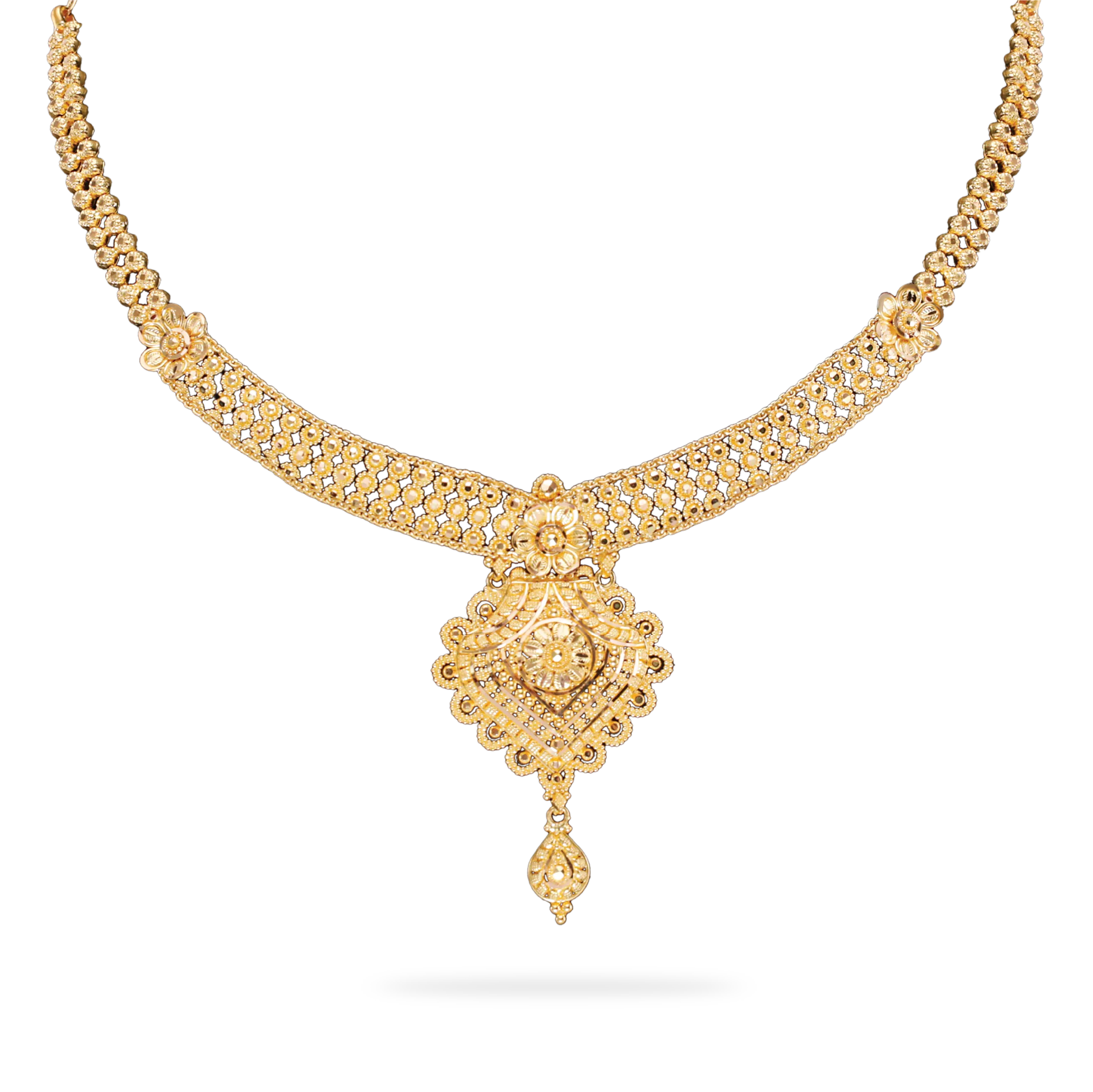
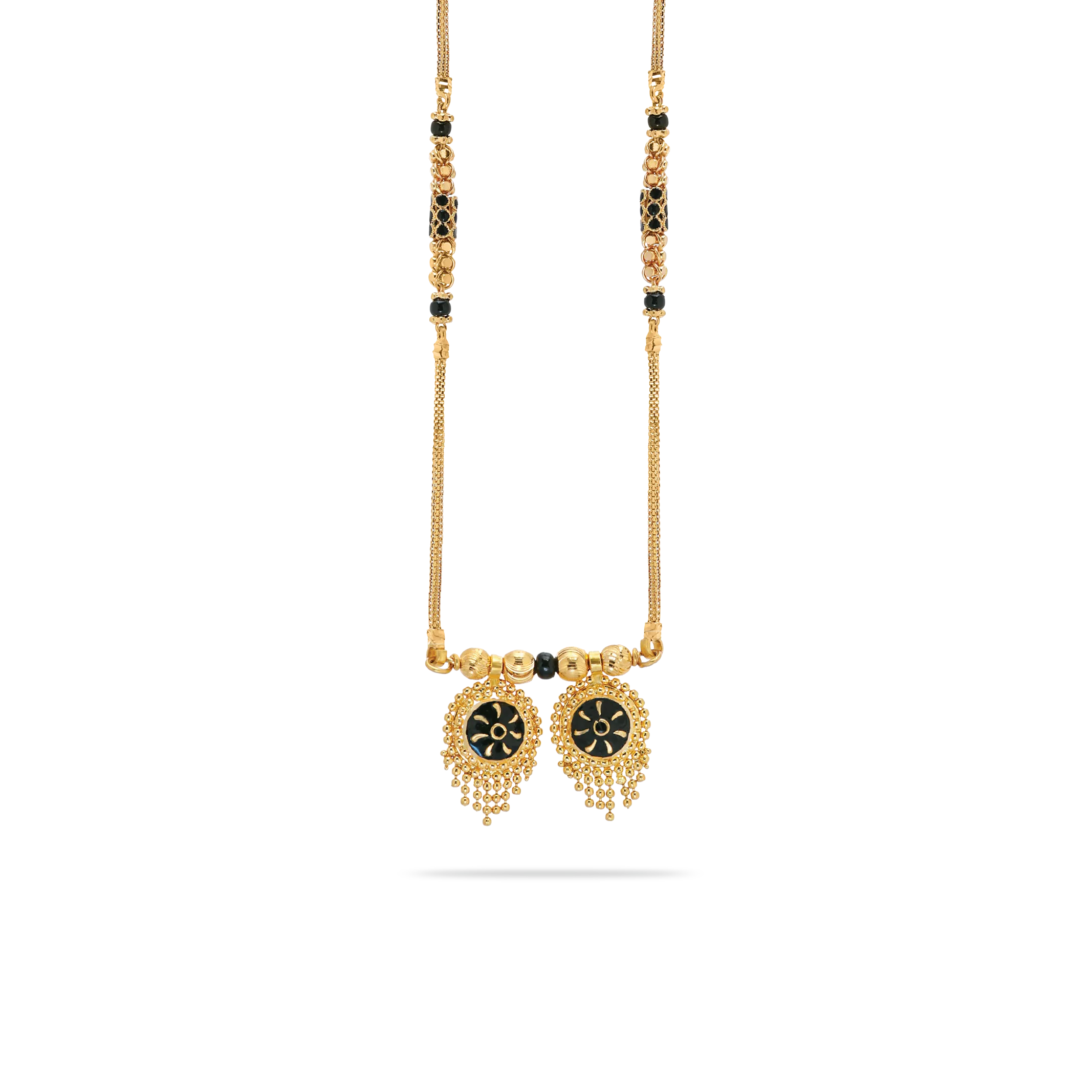
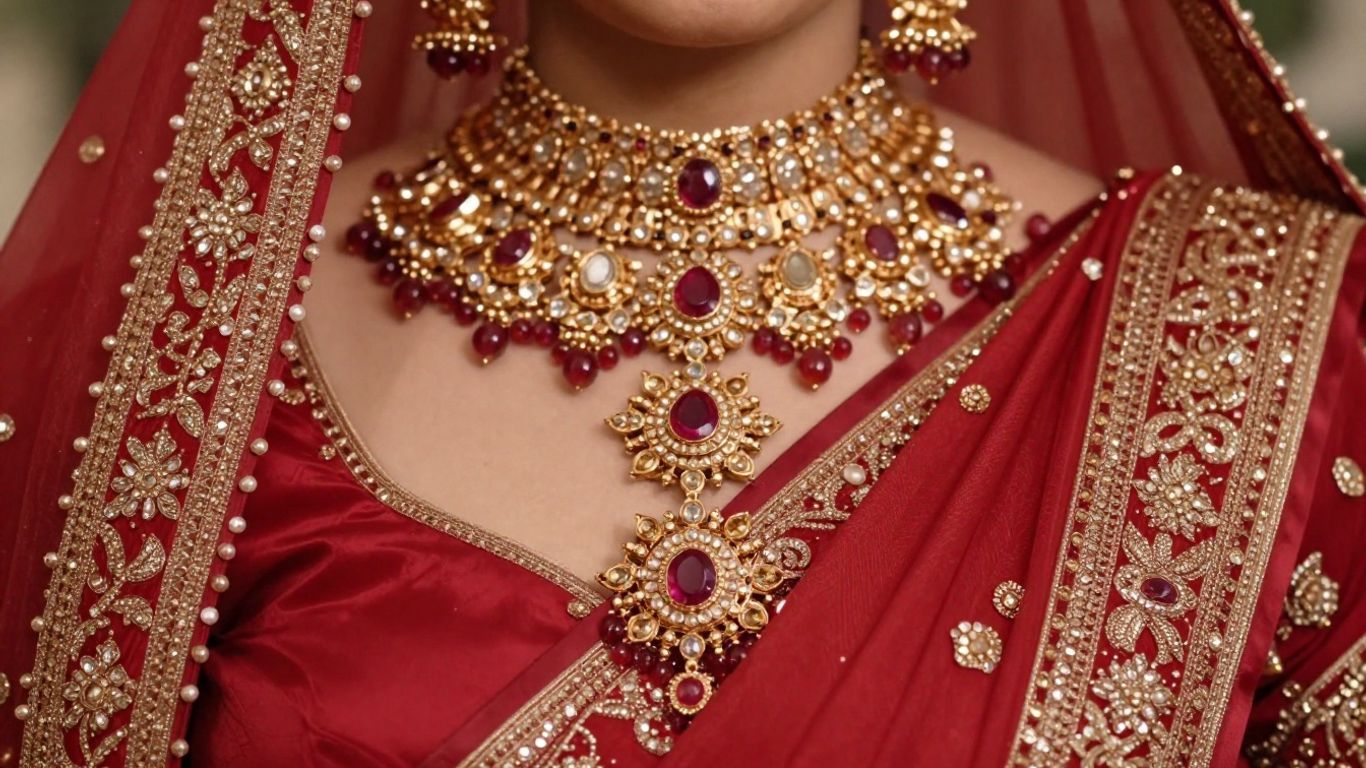
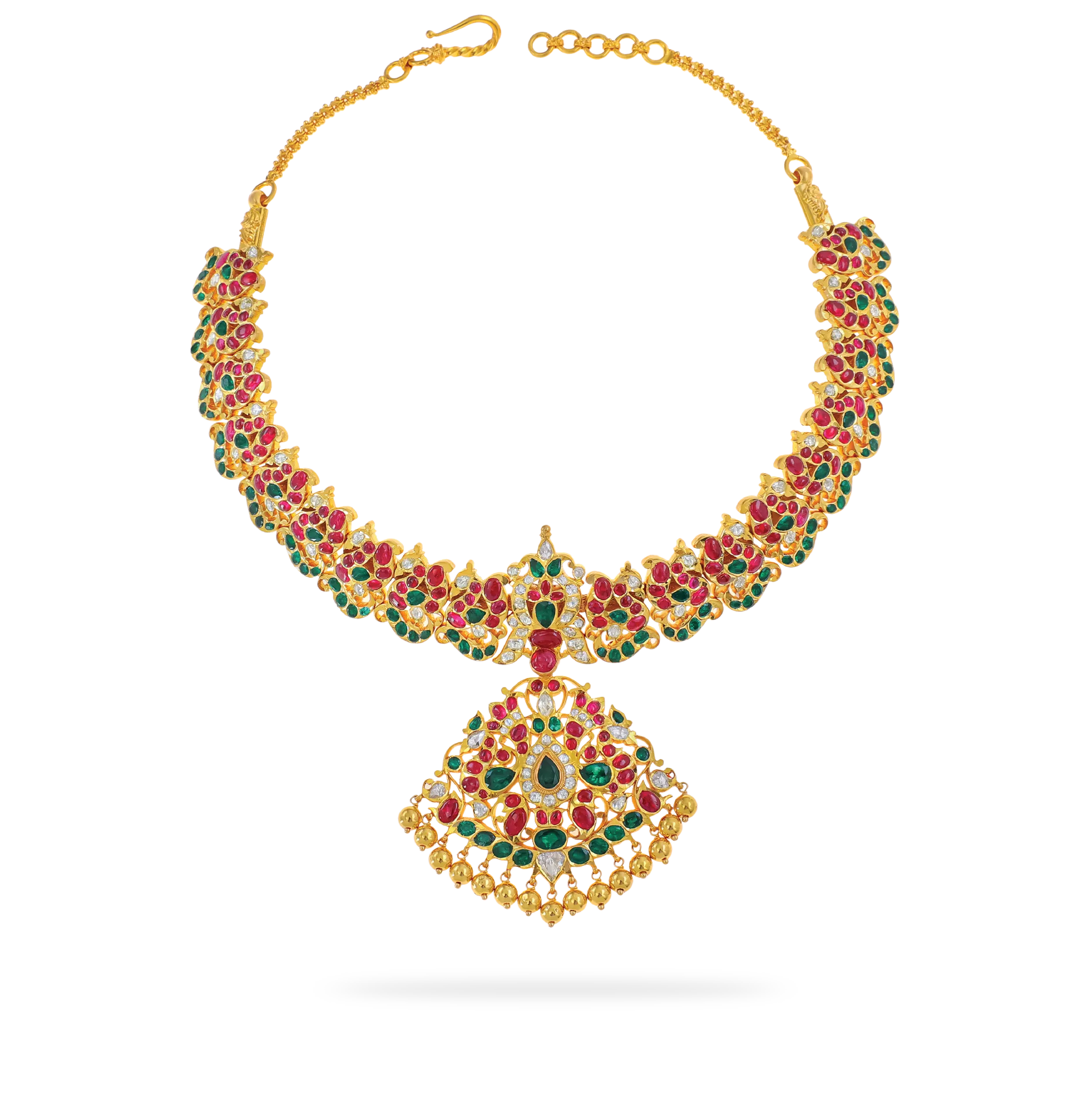
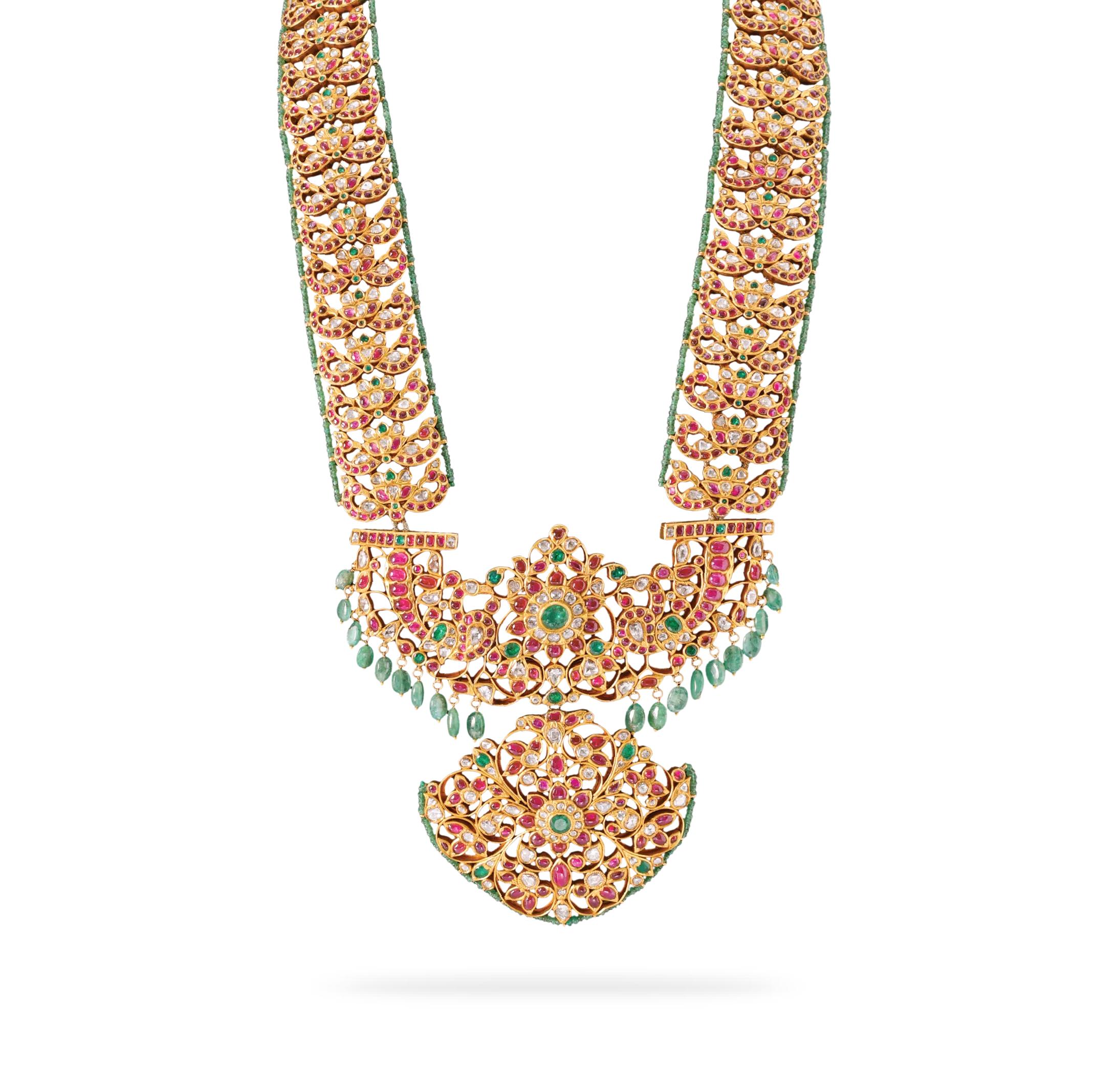
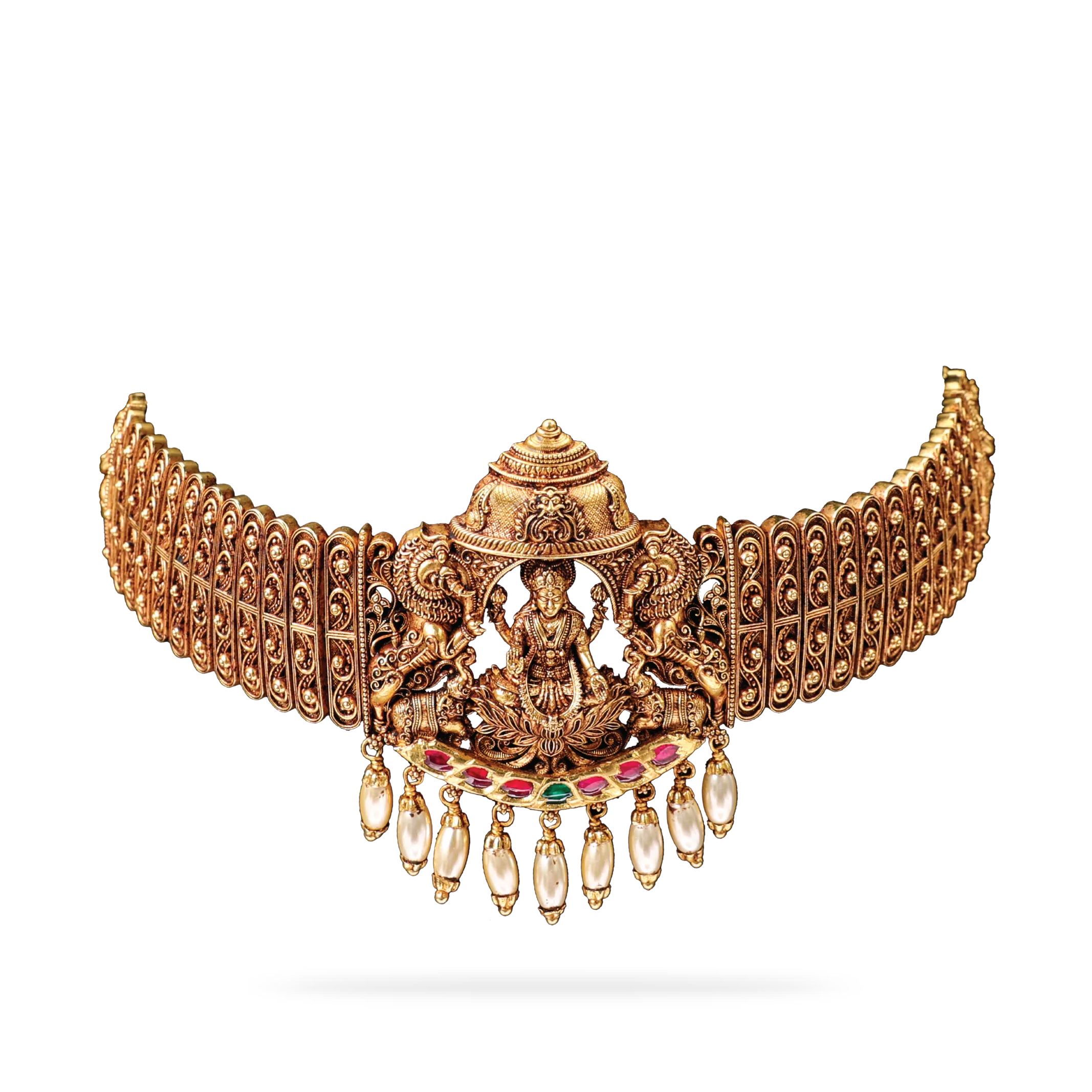
Garment necklines serve as the backdrop for your statement jewellery. A deep, wide scoop neck often pairs well with sprawling chokers, while high-neck designs may require long, cascading harams. The objective is to create a seamless visual flow from the bodice to the jewelry.
Harmonizing color palettes and metal tones
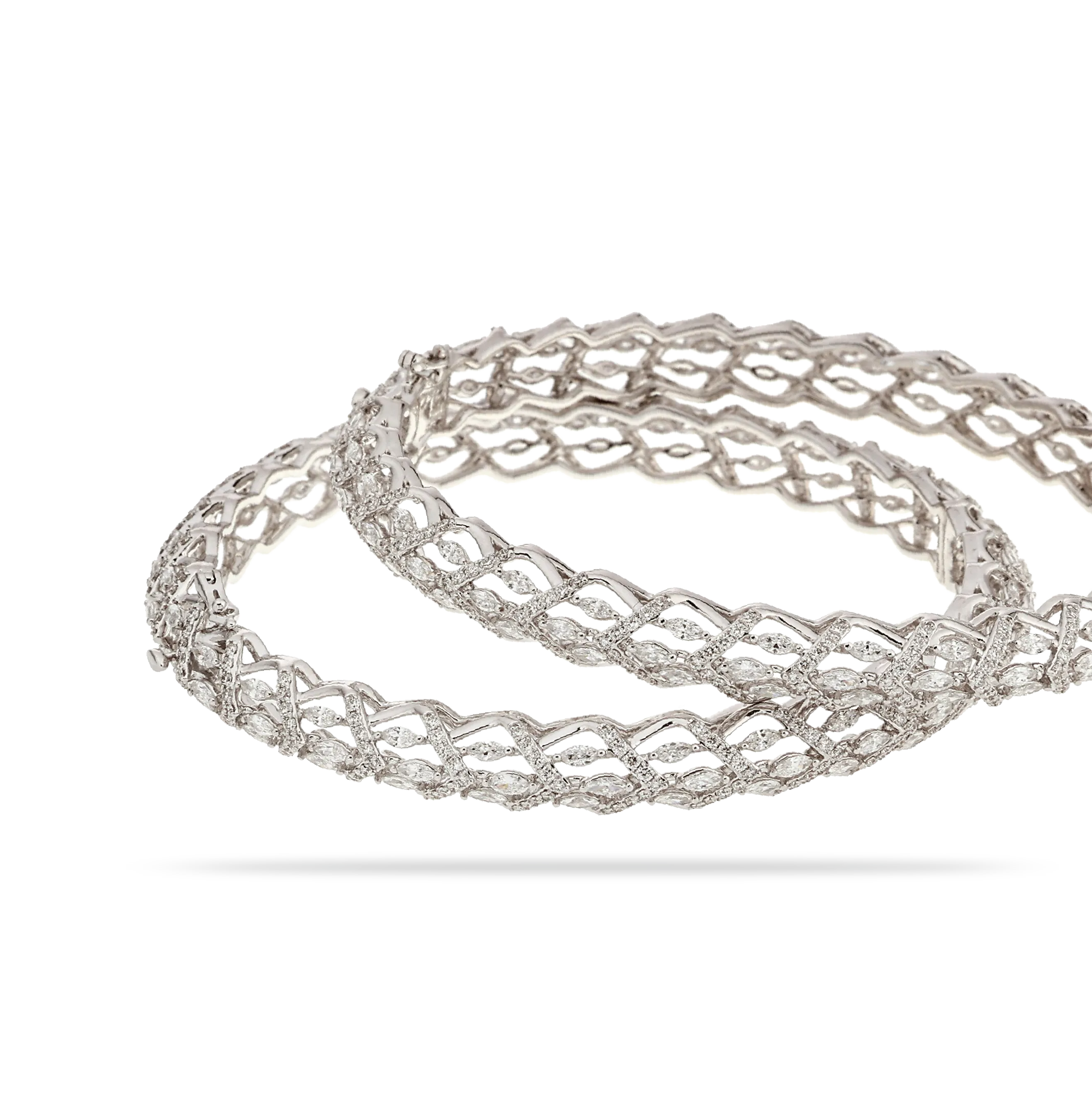
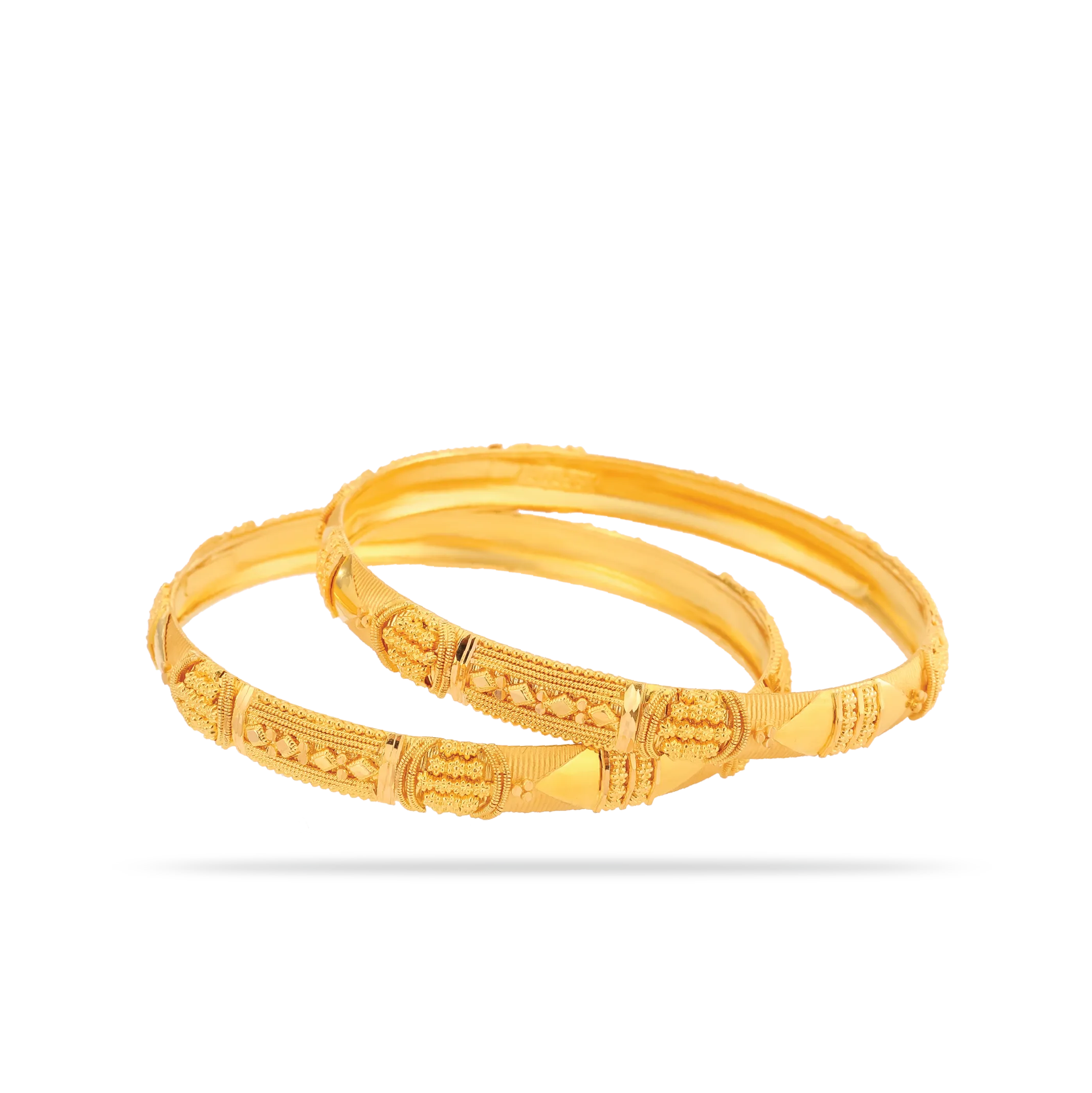
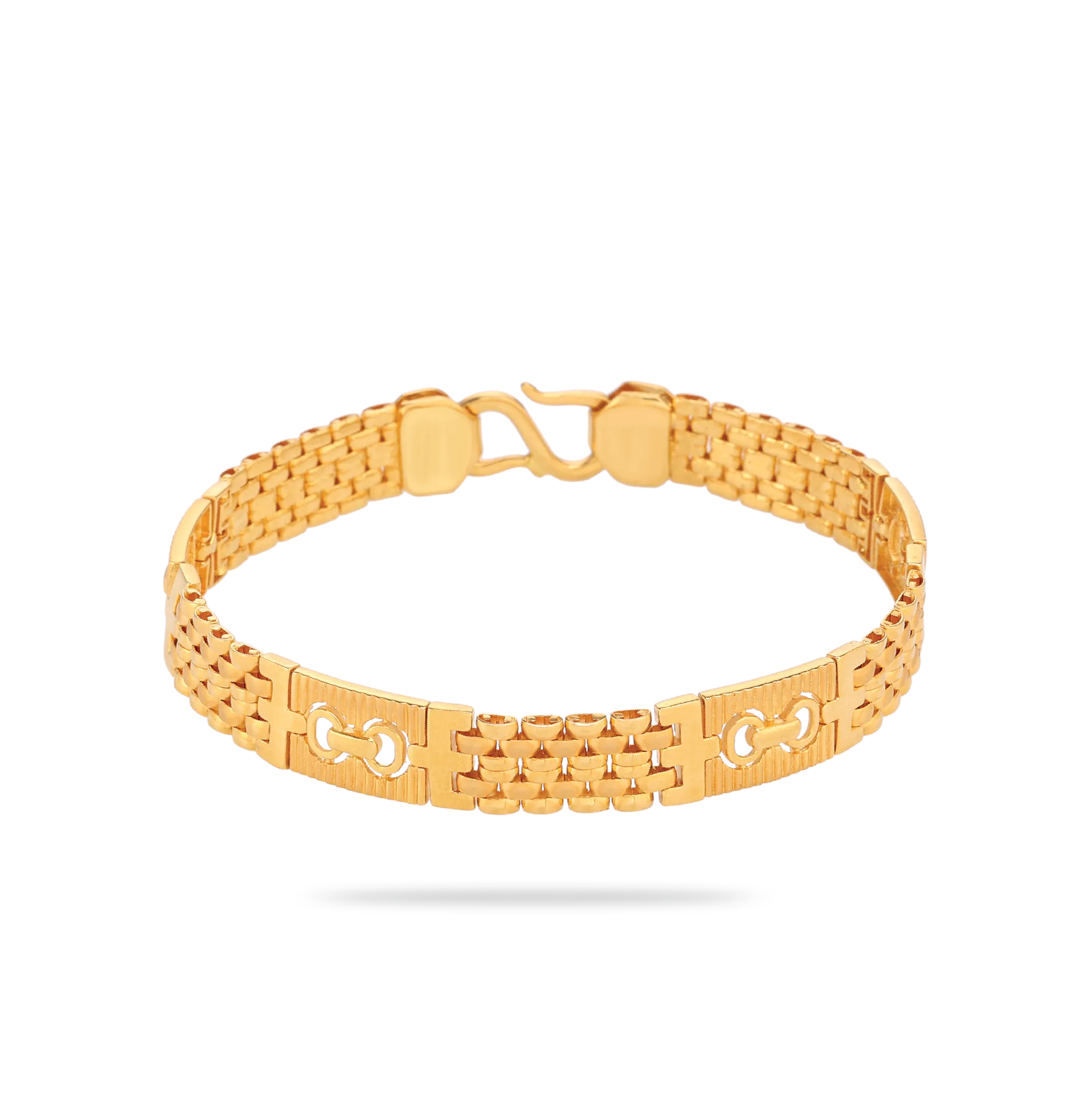
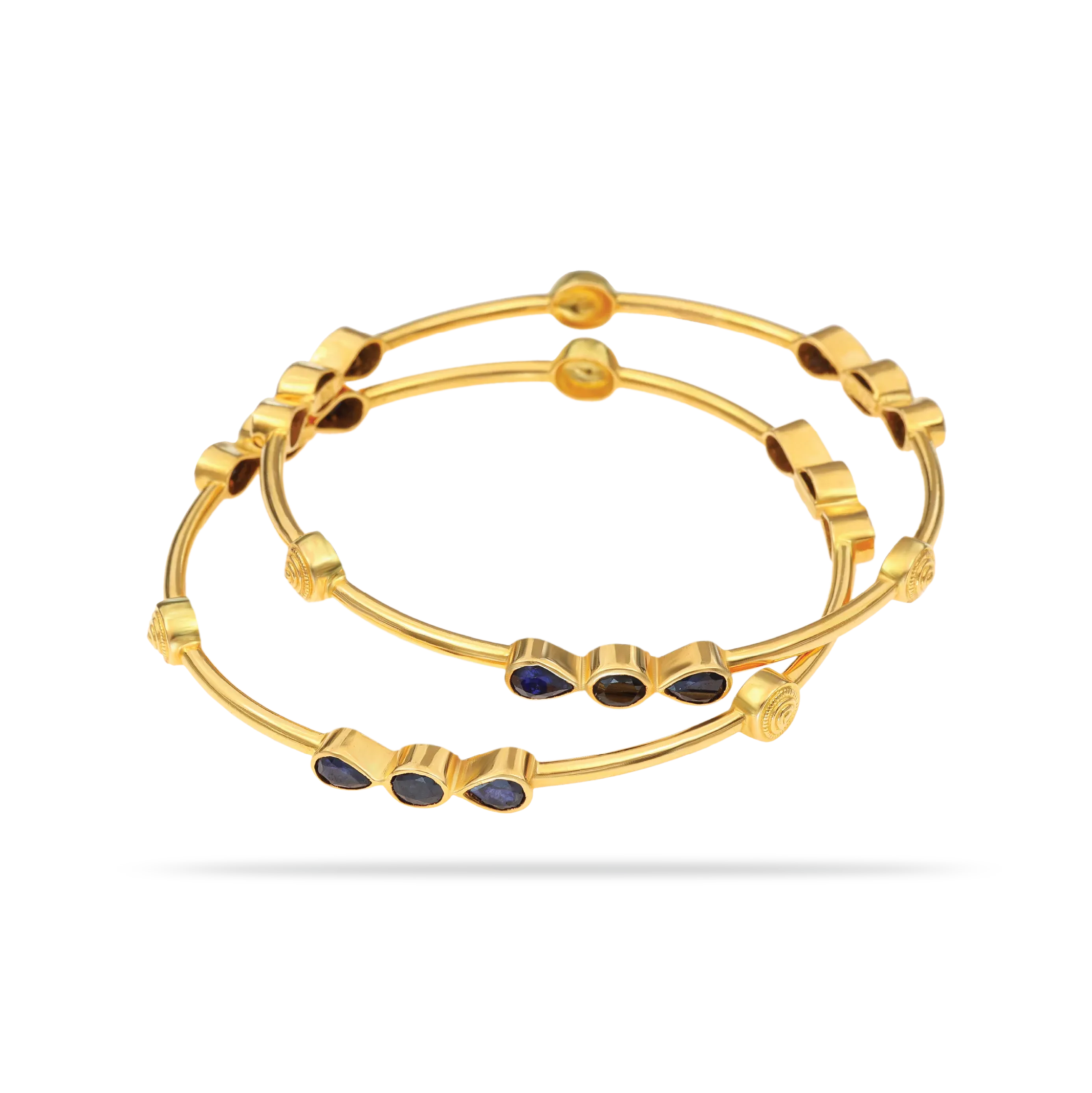
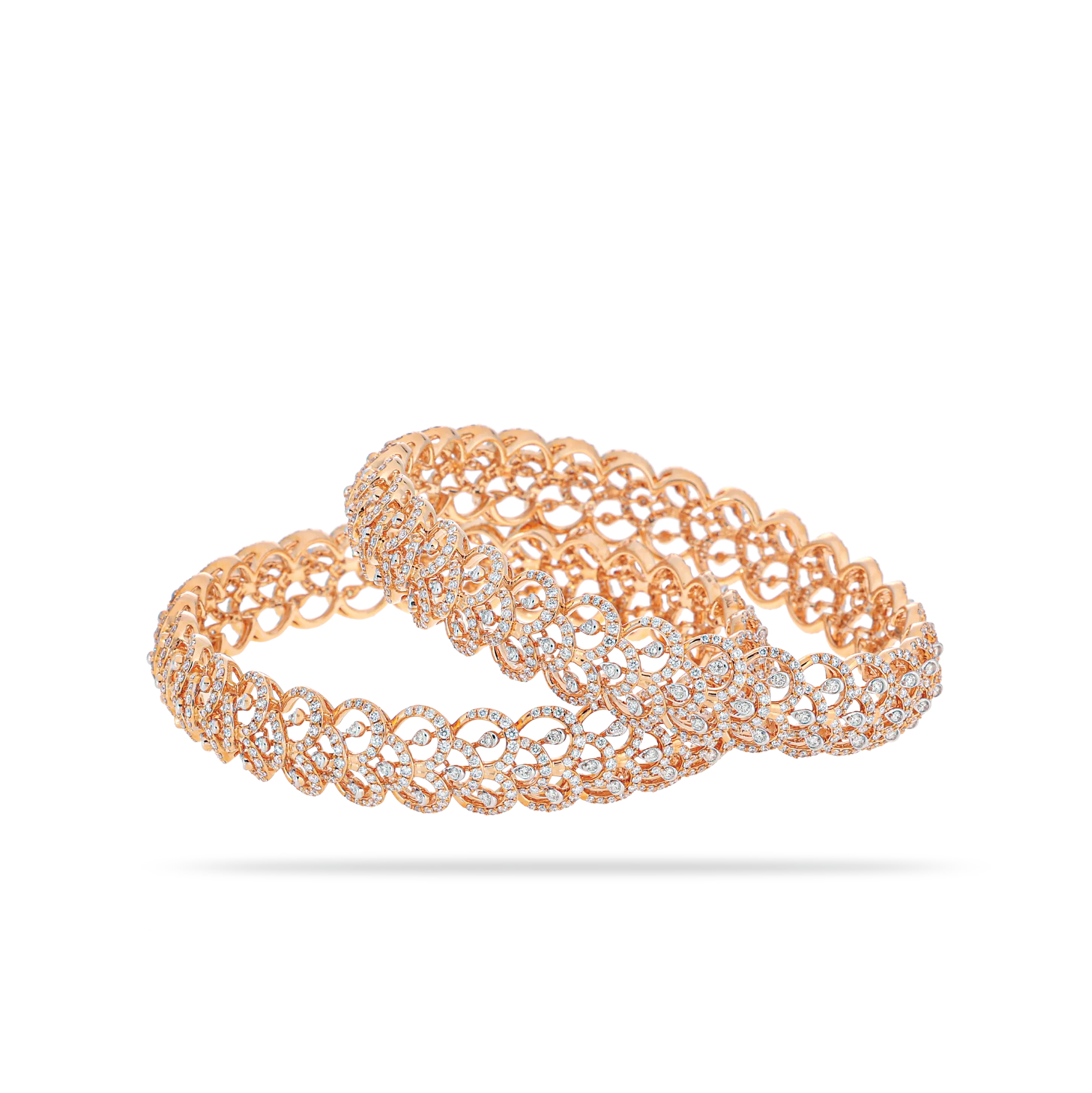
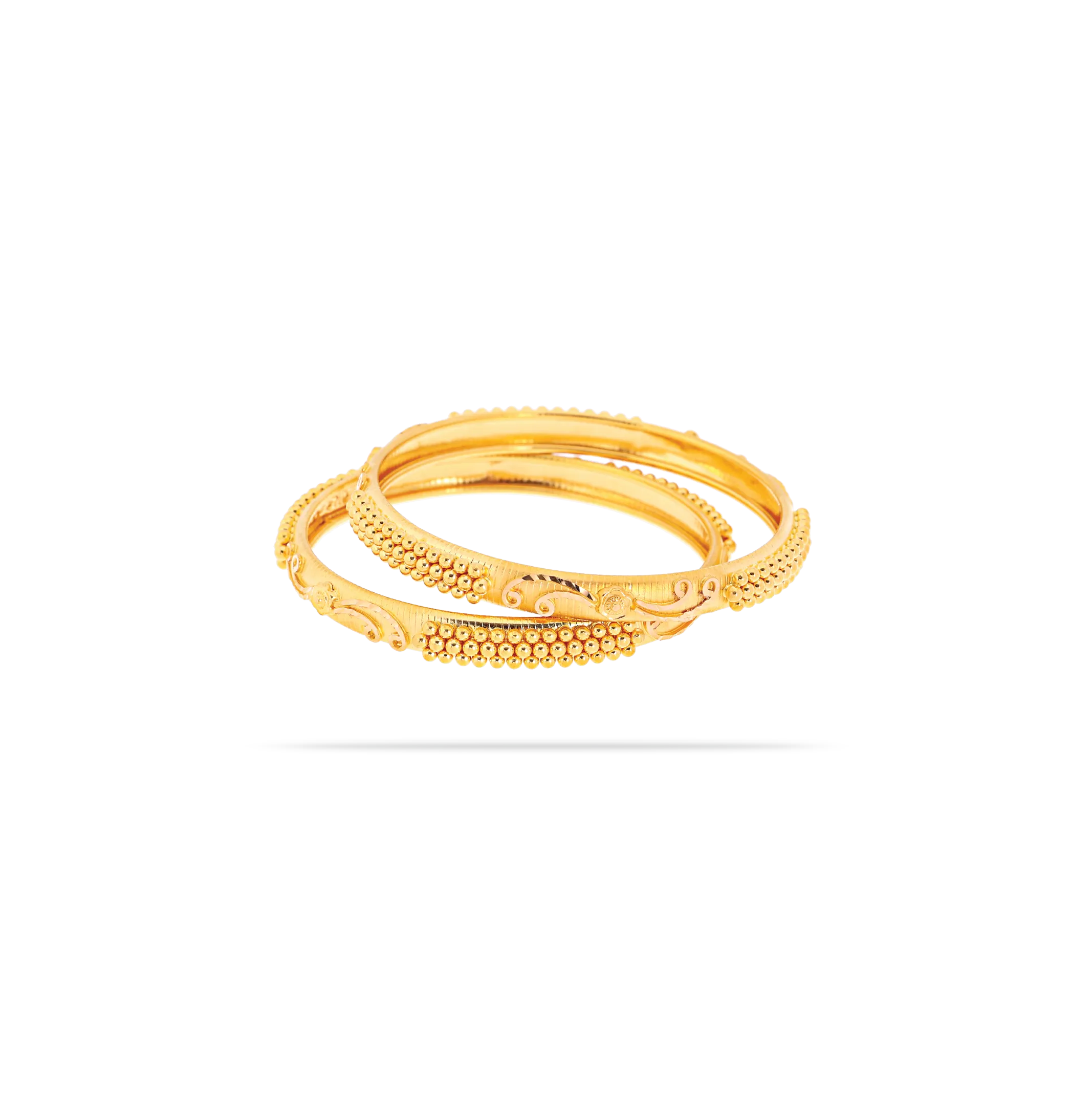
Matching metal tones to your skin and the fabric's embroidery is crucial for a cohesive look. When styling gold bangles or other set components, consider the undertones of the garment fabrics. Harmonization keeps the overall style elegant rather than chaotic.
Styling heirloom pieces with contemporary bridal silhouettes
Modern silhouettes require a thoughtful touch when integrating vintage pieces. To achieve a polished look, we recommend:
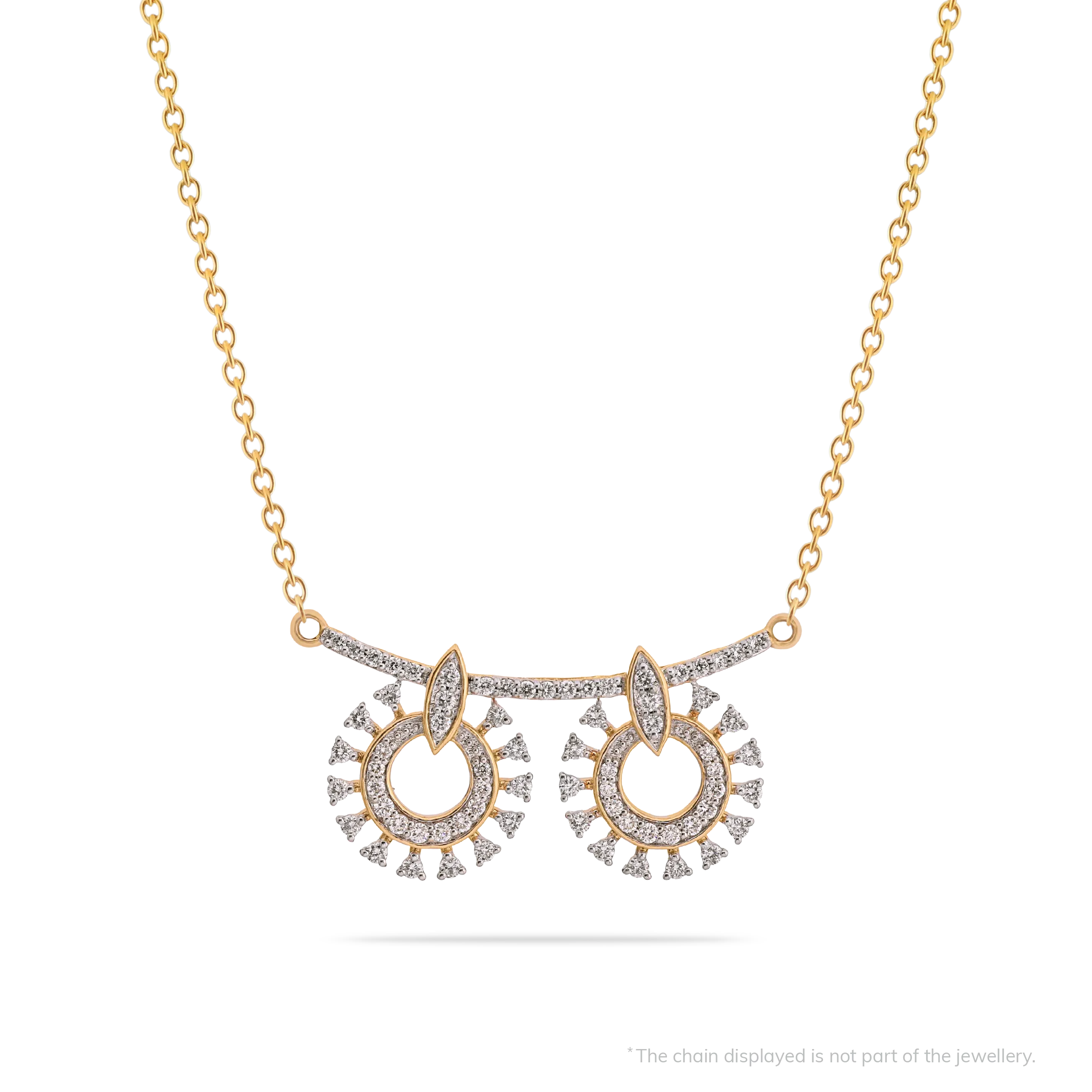
- Layering shorter heritage necklaces with longer, minimalist pendants.
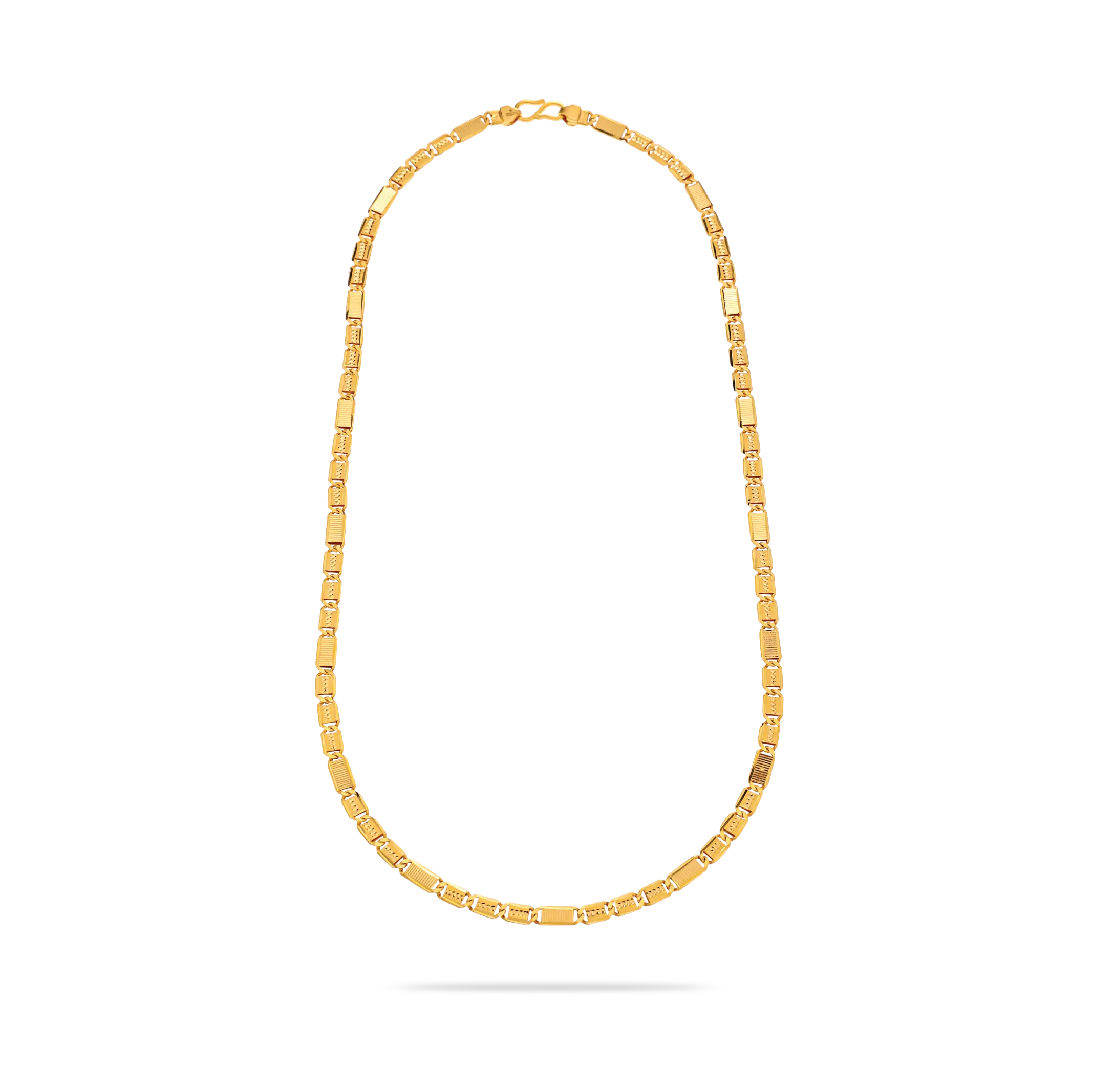
- Replacing heavy gold chains with silk or velvet ribbons for a softer look.
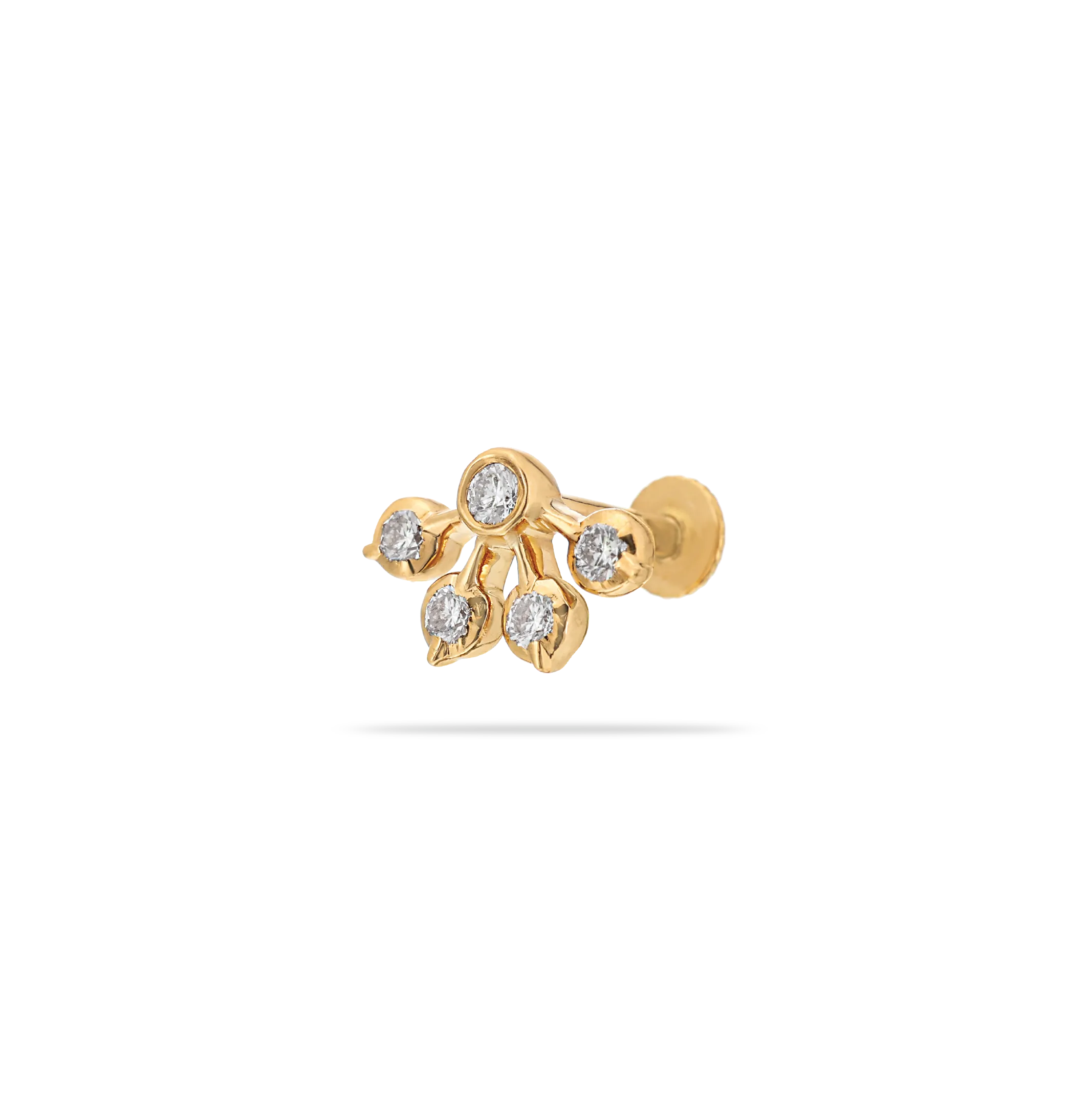
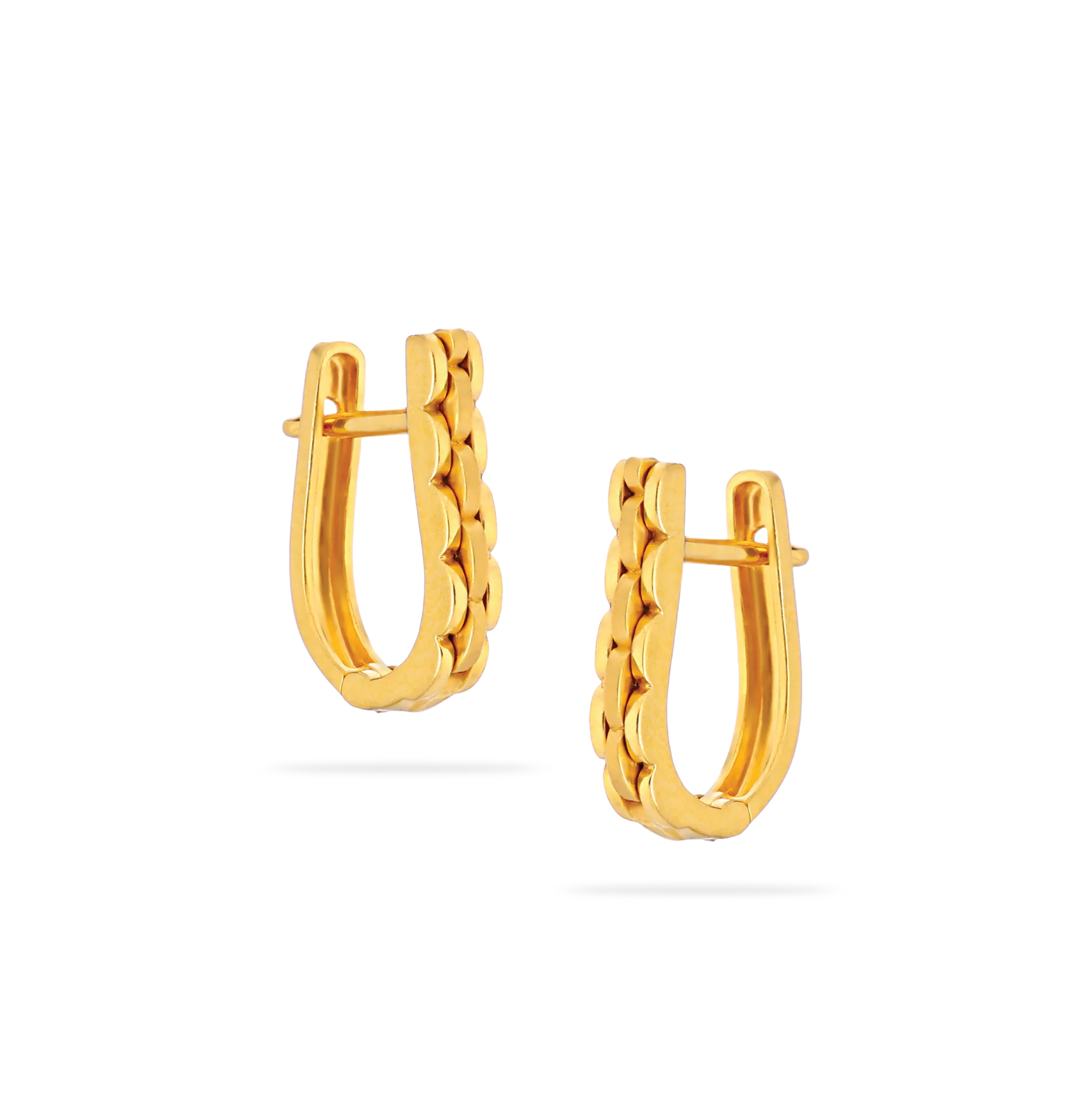
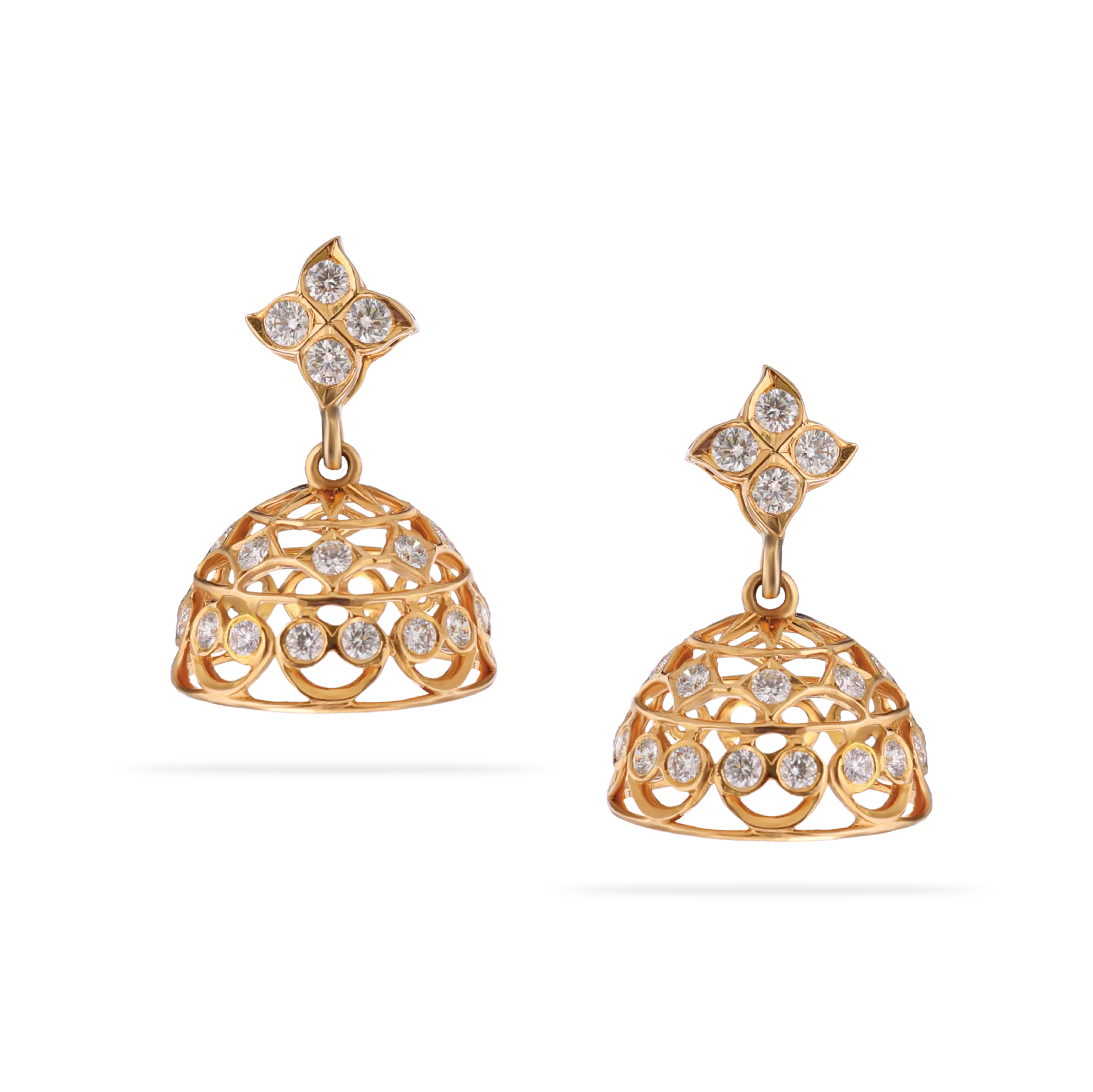
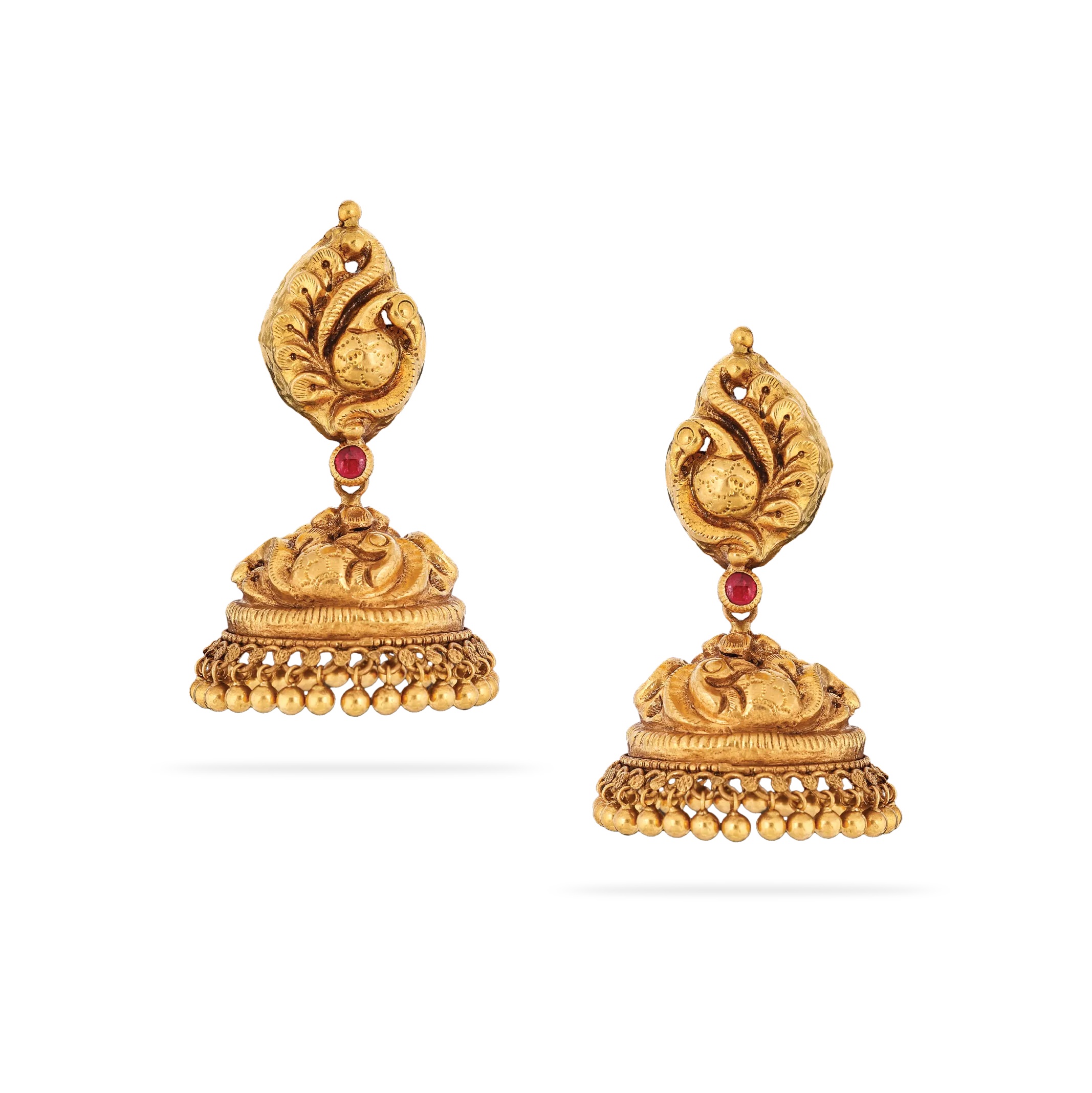
- Pairing antique jhumkas with sleek, modern hair styling.
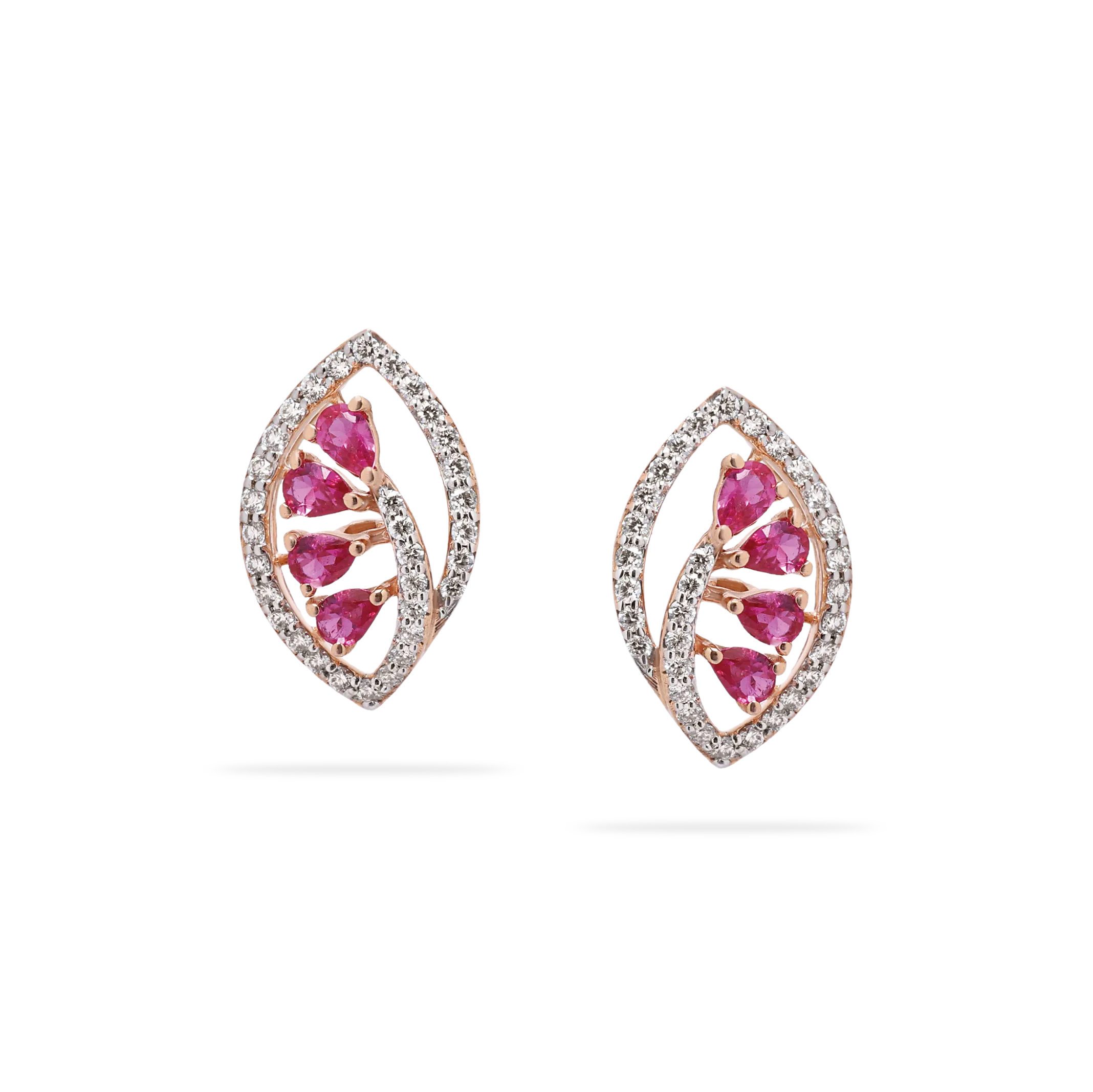
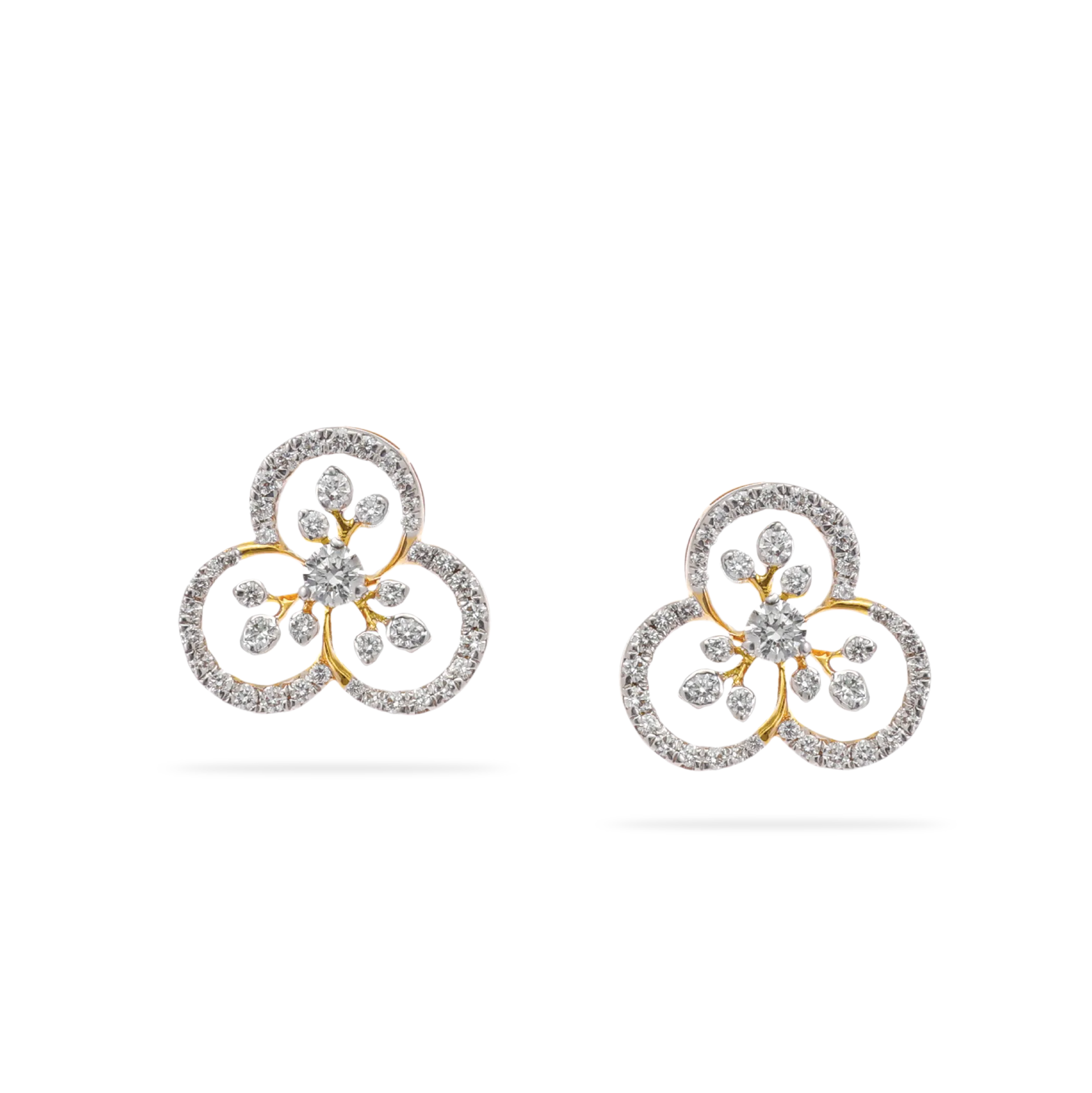
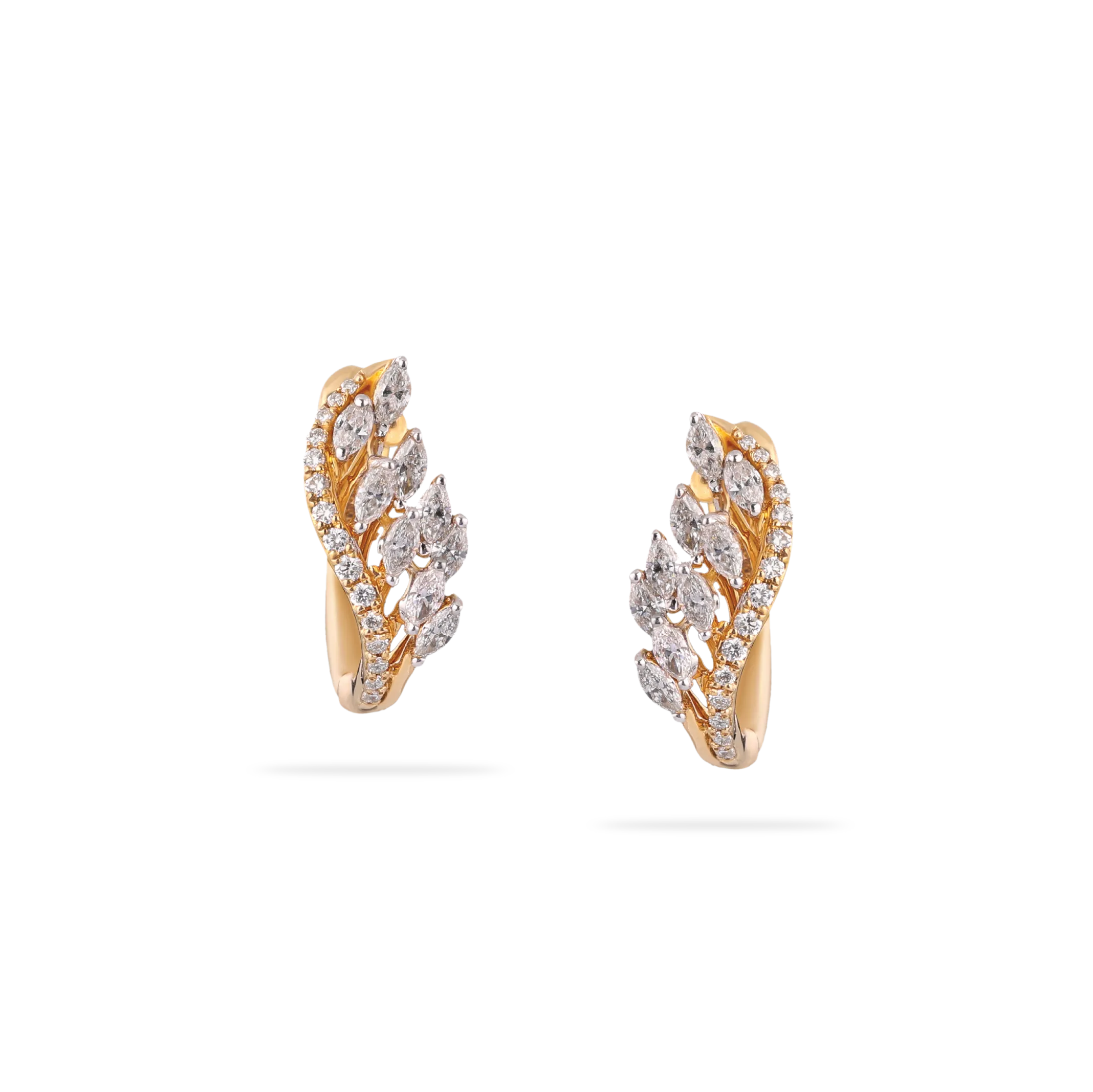
- Selecting earrings that flatter the face without competing with headgear.
These adjustments ensure that vintage elements feel intentional and comfortable within a modern bridal framework.
Preservation and care for antique jewels
Antique jewellery demands specialized attention to maintain its structural and visual integrity. Oxidation and chemical exposure are the primary threats to these delicate items, requiring proactive management.
Proper storage conditions to prevent tarnishing
Store pieces in dry, velvet-lined boxes to minimize air exposure and prevent scratching. Keeping items in an individual jewelry storage setup helps avoid friction between harder stones and softer metals. Consistent care routines keep heritage sets in pristine condition.
Avoiding common chemical cleaning mistakes
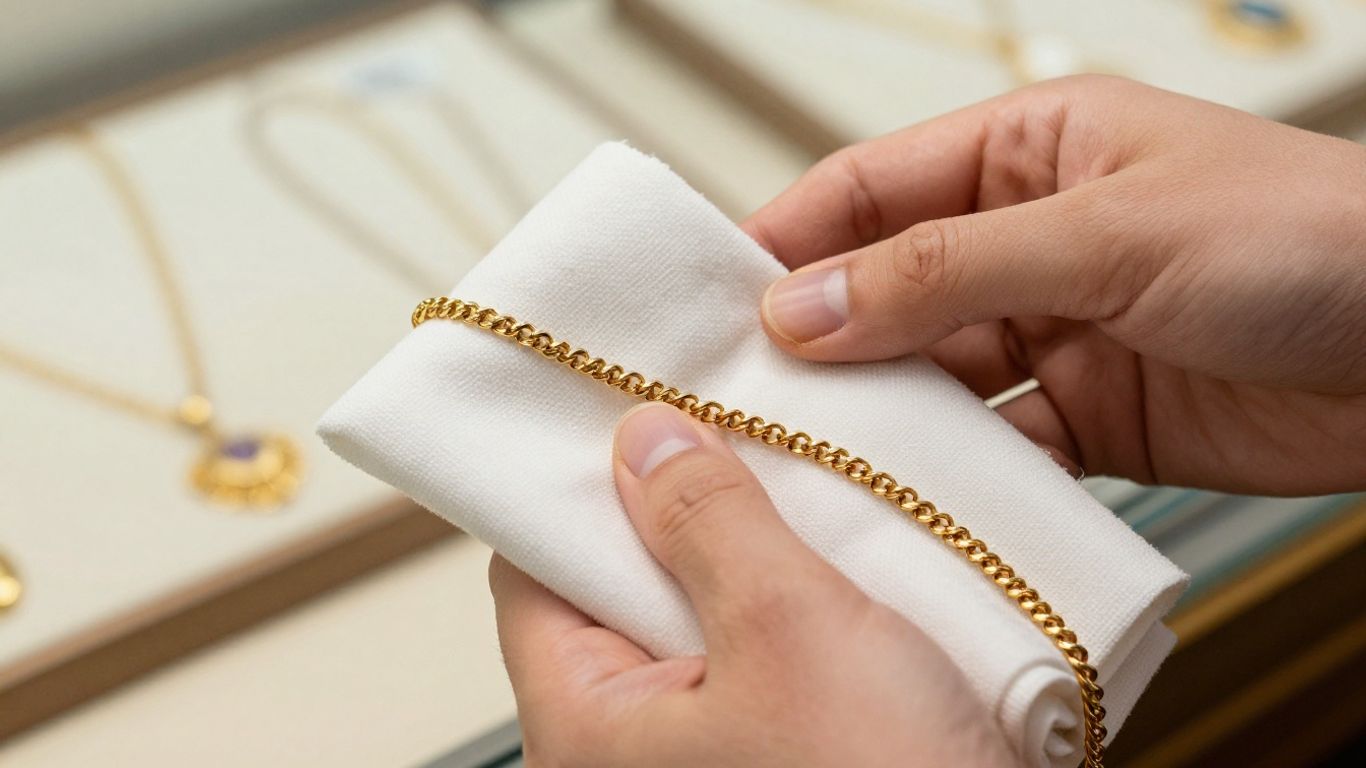
Harsh detergents and ultrasonic cleaners are often detrimental to antique finishes. Use only soft, lint-free cloths for daily wiping to remove sweat or oils. A long-term care plan for your collection should emphasize gentleness over heavy-duty cleaning methods.
Knowing when to seek professional restoration
Visible cracks or loose stone settings are signs that a professional goldsmith is needed immediately. Experts can perform period-appropriate repairs that preserve the integrity of the design. Trusting professionals keeps the heirloom safe for future generations.
Investing in ancestral heirlooms
Treating jewellery as an asset ensures that your bridal set remains a lasting investment. Beyond aesthetic value, the historical narrative associated with vintage pieces provides consistent growth in sentiment and character.
Evaluating the long-term value of vintage pieces
Value is determined by rarity, material purity, and the reputation of the original makers. Collectors often look for items that have maintained their design intent over several decades. Assessing quality now helps in protecting the future resale or inheritance value.
Importance of provenance and documentation
Documentation is the anchor of provenance. Keep records or original purchase receipts, appraisals, and even photographs of family members wearing the items to substantiate the history. These records add an immense layer of intangible value to any collection of jewellery.
Planning the transfer of jewellery for future generations
Transferring jewellery involves more than a physical hand-off. Clearly communicating the story and care requirements for each piece helps the next generation appreciate what they have received. This continuity keeps the legacy alive through the decades.
Modernizing the traditional bridal look
Tradition and modern sensibility can coexist to create a unique bridal identity. Adapting heritage allows you to honor the past while reflecting your personal taste.
Layering heritage pieces with modern accessories
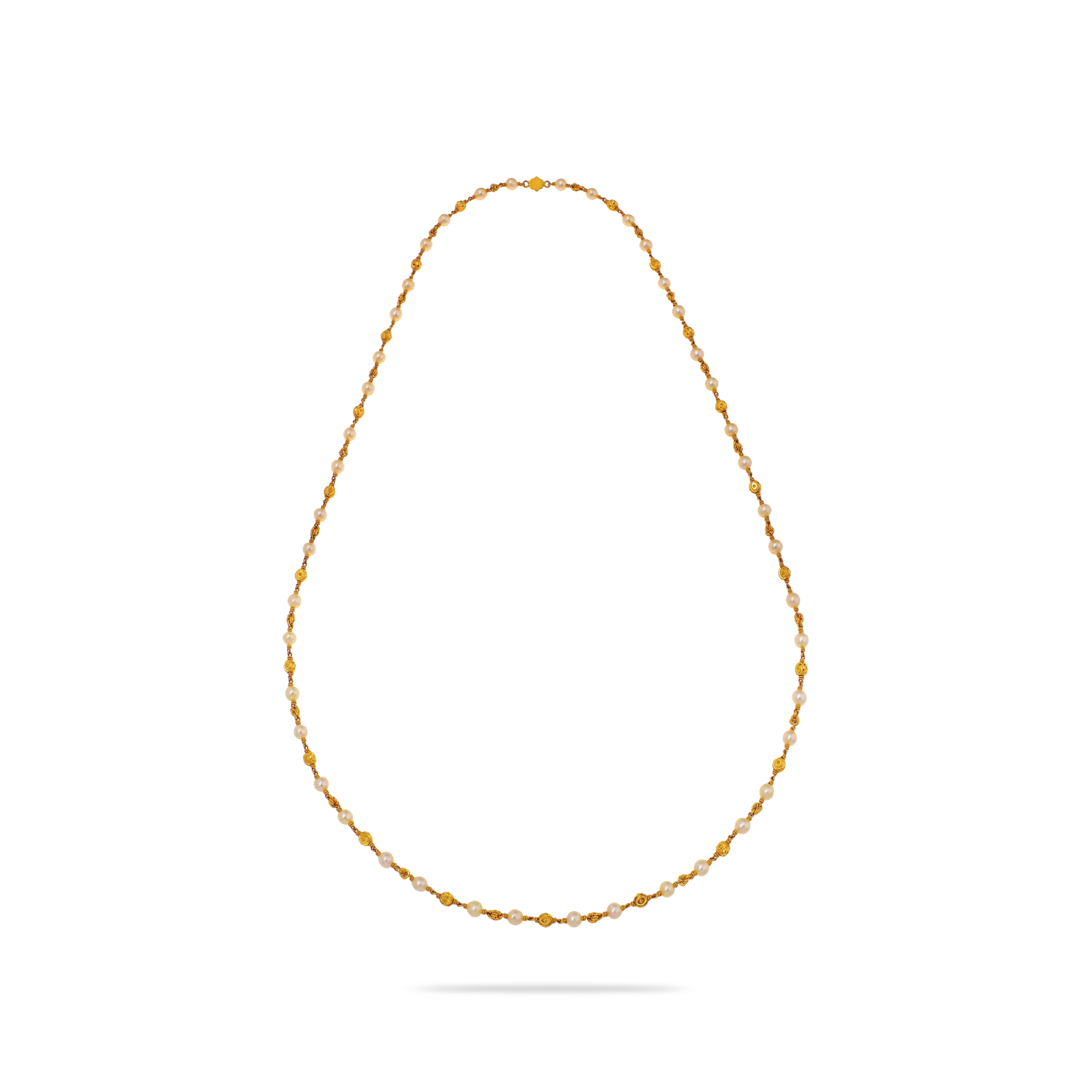
Blending heritage with new, minimalist pieces creates an eclectic style. This is an excellent way to maintain a traditional base while ensuring the look feels current. Layering gold necklaces is a particularly effective technique for this transition.
Customizing vintage designs for new settings
Old settings occasionally become worn or lose their security, making them perfect candidates for updates. Skilled jewelers can reimagine a vintage brooch as a modern hair accessory or pendant. This transformation preserves the original stones while adapting the piece to contemporary usage.
The balance of minimalism in traditional styling
Keep the focus on one or two statement pieces to avoid cluttering the bridal look. Minimalist styling, as explored in guides on everyday fine jewellery, allows the craftsmanship of the heritage items to stand out. Subtlety often provides a more striking visual impact than excessive layering.
Conclusion
Curating a heritage bridal jewellery collection is an act of honoring both history and personal destiny. By balancing antique artistry with contemporary styling, a bride creates a look that is both visually timeless and rich in deep, personal significance.
Frequently Asked Questions
How often should heritage jewellery be inspected?
It is advisable to have your heirloom pieces inspected by a professional jeweler at least once a year. This allows for early detection of loose settings, worn clasps, or damage that could lead to the loss of precious stones .
Can antique jewellery be resized?
Many heritage pieces can be carefully resized by a skilled professional, though the complexity depends on the design. Intricate bands with stone settings require more delicate work to maintain the structural pattern during the resizing process.
What is the best way to handle tarnished silver in heritage sets?
Use a specialized silver polishing cloth to remove light tarnish gently. Avoid dips or chemical sprays that can strip away the protective coatings on antique designs and damage any accompanying gemstones or enamel work.
Is it safe to wear heirloom jewellery for daily events?
Heritage jewellery is often fragile due to its age and the specific techniques used in its creation. While some pieces are sturdy, it is generally best to reserve them for special occasions to minimize the risk of mechanical damage or environmental wear.
How do I store jewellery when traveling for a wedding?
Use a padded, compartmentalized travel pouch to ensure each piece remains separate and secure. Avoid placing heavy items near delicate necklaces to prevent bending or tangling during transit.
Do I need to insure heritage jewellery separately?
Standard policies often have limits that don’t cover the high appraisal value of rare heritage pieces. It is wise to obtain a specific appraisal and secure a specialized jewellery insurance policy to protect your investment fully.
Can I mix metals like gold, silver, and platinum in one bridal look?
Mixing metals can create a sophisticated or an uneven look depending on the execution. If you choose to combine them, focus on a consistent finish or use textures to connect the different elements, ensuring the overall aesthetic remains intentional and harmonious.
South Indian wedding jewellery: A complete guide to styles, traditions, and bridal choices
10 minute read
Related blogs:
September 18, 2026
How to choose the perfect bridal long necklace set for your wedding day
Read More
September 18, 2026
How to choose a bridal layered necklace set for your wedding look
Read More
September 18, 2026
How to choose a bridal choker set for your wedding look
Read More
September 18, 2026
Gold necklace for bride: How to choose the perfect wedding-day style
Read More









.webp)

.webp)