Unraveling the Artistry: A Deep Dive into Nakshi Kantha Traditions and Modern Interpretations
December 10, 2025 | 10 minutes read
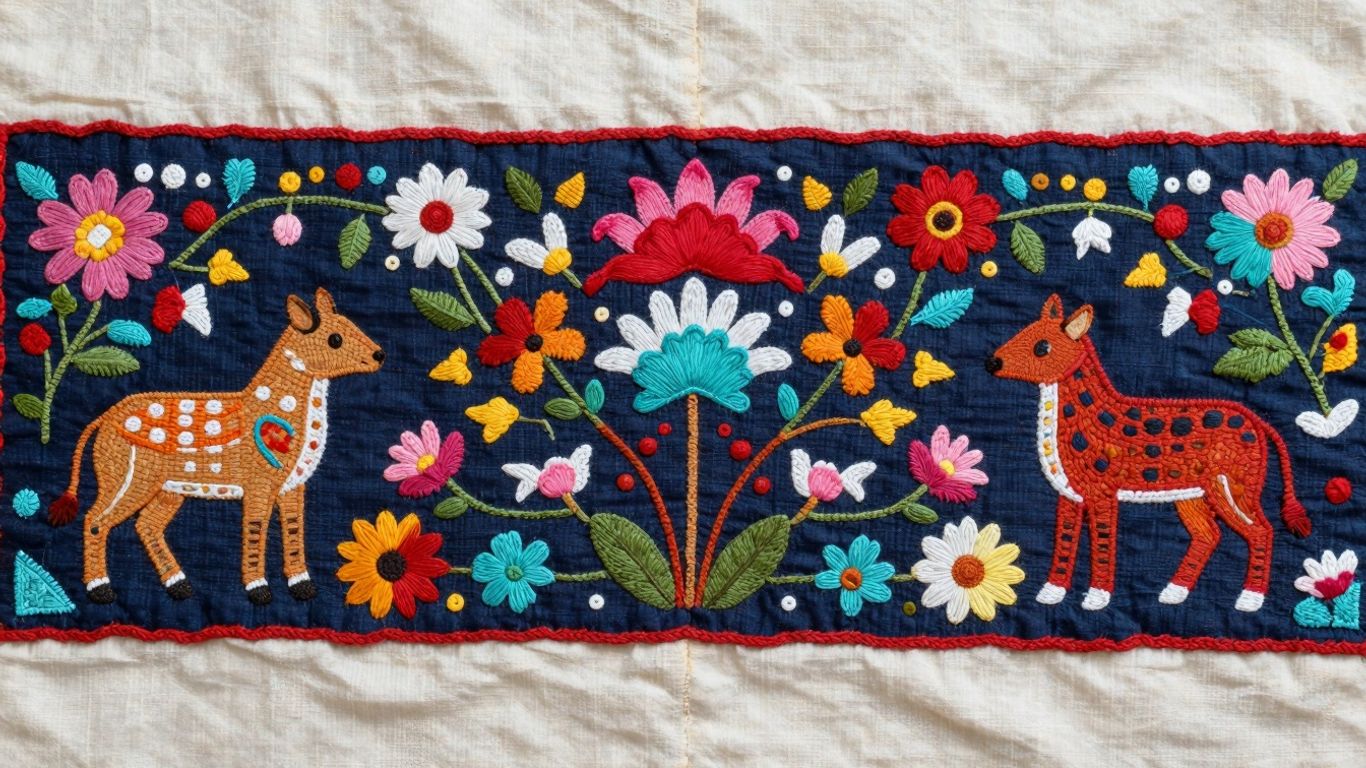
Nakshi Kantha, a beautiful form of embroidered quilt from Bangladesh, has a history as rich and colorful as the stitches themselves. It's more than just a craft; it's a way people tell stories, share their lives, and keep traditions alive. We're going to take a look at where this art comes from, how it's made, and how it's changing today.
Key Takeaways
- Nakshi Kantha has deep historical roots, with its origins tied to storytelling and everyday life through intricate embroidery.
- Specific regions, like Rajshahi and Sonargaon, are known as centers for Nakshi Kantha craftsmanship, each with unique styles.
- Learning Nakshi Kantha involves more than just stitching; it's about understanding the cultural significance and hearing the stories behind the designs.
- Contemporary artists are giving Nakshi Kantha a fresh look, blending traditional techniques with modern aesthetics for new audiences.
- The art of Nakshi Kantha plays a role in preserving cultural heritage and supports the livelihoods of many artisans.
The Enduring Legacy of Nakshi Kantha
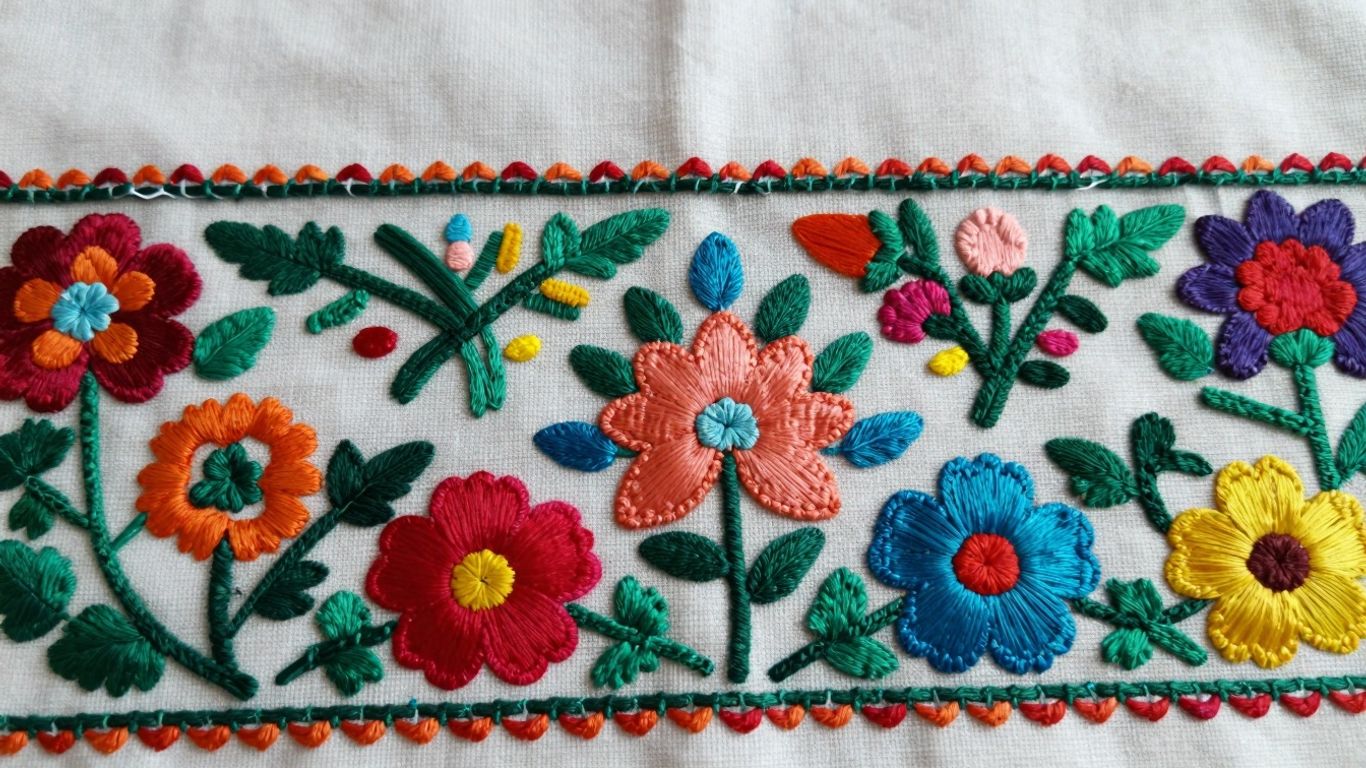
Nakshi Kantha isn't just about stitching; it's a whole narrative woven into fabric. For ages, women in Bengal, especially in rural areas, have used old saris and cloth to create these beautiful quilts. It was a way to pass down stories, memories, and even practical skills from one generation to the next. Think of it as a diary made of thread.
Historical Roots of Nakshi Kantha
The practice of creating Nakshi Kantha stretches back centuries, with mentions found in ancient Bengali literature. It wasn't initially a craft for sale, but rather a domestic art form. Women would collect worn-out cotton saris and other fabric scraps, layering them and then embroidering over them with colorful threads, often salvaged from old garments. This process of repurposing materials was both economical and deeply symbolic, transforming discarded items into something cherished and useful.
Symbolism and Storytelling in Stitches
Every Nakshi Kantha is a visual storybook. The patterns aren't random; they're packed with meaning. You'll see motifs like:
- Floral designs: Often representing nature, fertility, and prosperity.
- Animal figures: Such as birds (like cranes or parrots) and fish, symbolizing freedom or abundance.
- Geometric patterns: Providing structure and balance to the overall design.
- Human figures: Depicting daily life, mythological scenes, or important events.
These designs, combined with running stitches known as 'kantha stitch,' create a unique texture and visual appeal. The act of stitching itself was often a communal activity, where women would gather, share stories, and work together, strengthening social bonds.
The Art of Nakshi Kantha Embroidery
Creating a Nakshi Kantha is a labor of love. It starts with preparing the fabric layers, usually 5 to 7 sheets of old cotton saris. Then comes the embroidery, done by hand using a simple running stitch. The threads are typically pulled from the colored borders of old saris, giving the Kantha its characteristic vibrant look. The complexity can vary greatly, from simple, sparse designs to incredibly intricate and dense patterns that can take months, even years, to complete. The skill lies not just in the neatness of the stitches but in the artistry of the composition and the narrative woven into the piece.
Regional Centers of Nakshi Kantha Craftsmanship
Bangladesh is a land rich with artistic traditions, and Nakshi Kantha is one of its most treasured textile arts. While this beautiful embroidery can be found across the country, certain areas have become particularly known for their skilled artisans and unique styles. Exploring these regions offers a chance to see the craft in its natural habitat and even try your hand at it.
Rajshahi: A Heartland for Nakshi Kantha
Rajshahi, situated in the northwestern part of Bangladesh, is often called a hub for Nakshi Kantha. The artisans here are famous for their intricate work, using vibrant threads to bring stories and local folklore to life on fabric. The designs you'll find in Rajshahi often feature detailed floral patterns and scenes from village life. It's a place where the tradition is not just kept alive but actively celebrated.
- Workshops: Many places in Rajshahi offer workshops where you can learn the basics of Nakshi Kantha from experienced craftspeople.
- Artisan Visits: You can often arrange visits to see artisans at work in their homes or small studios.
- Local Markets: Exploring local markets is a great way to see a wide variety of Nakshi Kantha pieces and understand the different styles.
The craft in Rajshahi is deeply connected to the daily lives and cultural narratives of its people, making each quilt a unique piece of art with a soul.
Sonargaon's Folk Art and Craft Museum
Sonargaon, a historic city not too far from Dhaka, is home to the Folk Art and Craft Museum. This museum is a treasure trove, preserving and showcasing a wide array of Bangladeshi folk arts, including Nakshi Kantha. It's more than just a display; the museum actively promotes learning by hosting workshops led by skilled local artisans. These sessions are a fantastic way to get hands-on experience and learn the techniques passed down through generations.
- Immersive Learning: Workshops here provide a direct connection to the craft and its cultural context.
- Diverse Collections: The museum itself houses a vast collection, offering inspiration and a broader view of Bangladeshi folk art.
- Artisan Collaboration: The museum works closely with local craftspeople, ensuring authenticity and a genuine learning experience.
Exploring Nakshi Kantha in Other Regions
While Rajshahi and Sonargaon are prominent, Nakshi Kantha's artistry can be discovered in other areas too. Each region might have its subtle variations in patterns, color choices, or the types of stories told through the stitches. For instance, areas along the rivers might feature motifs related to water and boats, while communities closer to forests might incorporate more natural elements. The beauty of Nakshi Kantha lies in its adaptability and its reflection of the local environment and culture. The true essence of Nakshi Kantha is its ability to weave personal histories and community tales into tangible works of art.
| Region | Noteworthy Features |
|---|---|
| Rajshahi | Intricate floral patterns, vibrant colors |
| Sonargaon | Museum workshops, diverse folk art integration |
| Coastal Areas | Motifs related to rivers, fishing, and maritime life |
| Northern Areas | Often simpler, more geometric or symbolic designs |
Learning the Art of Nakshi Kantha
So, you're interested in getting your hands dirty with Nakshi Kantha? That's awesome! It's not just about stitching; it's like stepping into a storybook woven with thread. Many places offer workshops, and they're way more than just a class. You get to hear from the artisans themselves, the folks who've been doing this for ages. They’ll tell you what those patterns mean, and trust me, there's a lot of history packed into every little stitch. It’s a fantastic way to connect with the culture.
Nakshi Kantha Workshops and Training
If you're looking to learn the craft, Rajshahi is a pretty well-known spot. They have workshops where you can actually learn how to make these quilts. It’s not just about the technique, though; they really get into the history and the stories behind each piece. You'll be working with people who know this art inside and out, and they're usually happy to share their knowledge. It’s a great chance to pick up a new skill and understand the cultural background.
Hands-On Experience with Artisans
Getting to work directly with the artisans is where the real magic happens. Imagine sitting down with someone who has a lifetime of experience, learning the nuances of thread and needle. These aren't just lessons; they're cultural exchanges. You'll learn about the materials, the different stitches, and how to bring your own ideas to life. It’s a chance to really feel the tradition.
Understanding the Cultural Significance
It's important to remember that Nakshi Kantha is more than just pretty patterns. These textiles act as a material archive, reflecting women's perspectives and participation in contemporary societal concerns. Learning the craft means learning about the lives and experiences of the women who created these pieces. It’s a way to keep a cherished textile tradition alive and appreciate its role in society. You can find places like the Sonargaon Folk Art and Craft Museum that offer workshops and help preserve these crafts.
Modern Interpretations of Nakshi Kantha
Nakshi Kantha, that beautiful Bengali art of embroidered quilts, isn't just a thing of the past. While its roots are deep in tradition, it's really cool to see how artists and designers are bringing it into the present day. It’s not just about making quilts anymore; it’s about keeping the spirit of the craft alive in new ways.
Contemporary Designs and Aesthetics
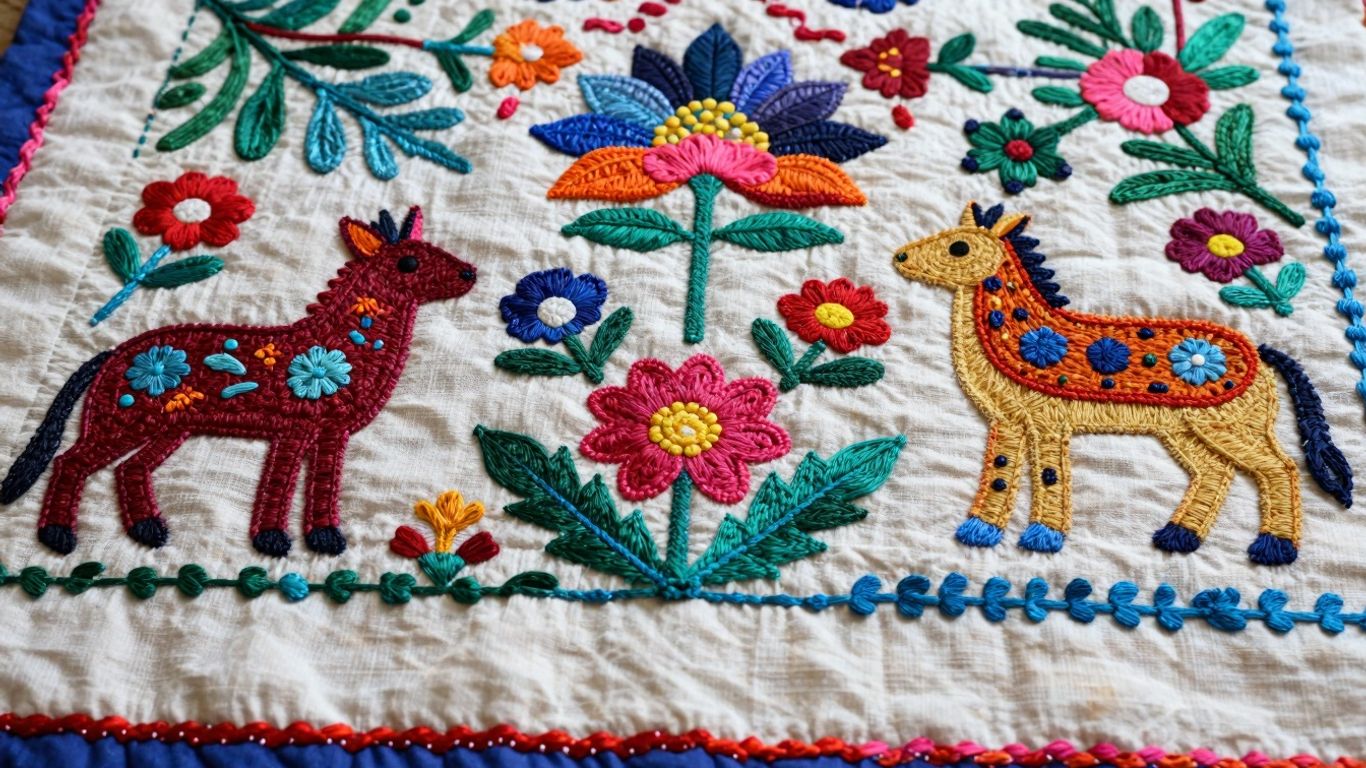
Today's Nakshi Kantha often features designs that blend classic motifs with modern sensibilities. You'll see familiar floral patterns and animal figures, but maybe arranged in a more abstract or minimalist style. The color palettes can also be quite different, moving beyond the traditional brights to include more muted or sophisticated tones. This evolution shows a thoughtful engagement with the past, rather than a simple replication. It’s about taking the essence of Nakshi Kantha and making it feel fresh and relevant for today's world.
Bridging Tradition and Modernity
Many creators are finding ways to combine the intricate hand-stitching of Nakshi Kantha with contemporary art forms and everyday objects. This can mean seeing Nakshi Kantha patterns on things like phone cases, notebooks, or even as part of larger mixed-media art installations. It’s a way to introduce this traditional art to a wider audience who might not encounter it otherwise. For instance, brands like SIZ by Samaha Subah are actively working to integrate Nakshi Kantha into contemporary fashion, proving that heritage crafts can absolutely have a place on the modern runway.
Nakshi Kantha in Fashion and Home Decor
When it comes to fashion, Nakshi Kantha is showing up in some really interesting ways. Think jackets with embroidered panels, scarves with delicate stitchwork, or even entire garments that feature the art. In home decor, you might find cushions, wall hangings, or table runners that showcase these beautiful stitches. It’s not always about full quilts anymore; it’s about incorporating the artistry into smaller, more accessible pieces.
Here’s a look at how Nakshi Kantha is being adapted:
- Apparel: Jackets, blouses, skirts, and accessories featuring embroidered motifs.
- Home Goods: Cushion covers, throws, wall art, and table linens.
- Art Installations: Contemporary artists using Nakshi Kantha techniques in mixed-media pieces.
- Stationery: Notebooks and journals with embroidered covers.
The beauty of modern Nakshi Kantha lies in its adaptability. It’s a testament to the enduring appeal of handcraftsmanship and the ability of traditional art forms to evolve and find new expressions in a changing world. This isn't just about aesthetics; it's about cultural continuity.
The Cultural Impact of Nakshi Kantha
Nakshi Kantha is more than just pretty stitching on a blanket; it's a whole cultural conversation woven into fabric. These quilts have been telling stories for ages, acting like a visual diary for the women who made them. They capture everything from daily life and local legends to personal joys and sorrows. It’s a way for communities to pass down their history and values, stitch by stitch.
Think about it: each pattern, each color choice, can mean something specific. A bird might represent freedom, a flower could symbolize beauty or a specific season, and geometric shapes might echo architectural designs or natural formations. These aren't random decorations; they're a language.
Here's a glimpse into what these stitches can convey:
- Narratives of Daily Life: Scenes of farming, fishing, cooking, and village gatherings.
- Folk Tales and Mythology: Depictions of popular stories, deities, or mythical creatures.
- Personal Experiences: Symbols of marriage, childbirth, or significant life events.
- Aspirations and Beliefs: Motifs related to good luck, protection, or spiritual well-being.
The creation of Nakshi Kantha often happens in communal settings, where women gather to work, share stories, and teach younger generations. This process strengthens social bonds and ensures the craft's continuity.
Beyond the personal and communal, Nakshi Kantha also plays a role in the wider economy. Many women, especially in rural areas, rely on selling their Kantha work to support their families. This makes the craft a vital source of income and a way to preserve cultural heritage while also providing economic independence.
| Region | Key Motifs |
|---|---|
| Rajshahi | Floral patterns, birds, geometric designs |
| Mymensingh | Scenes of rural life, animals, human figures |
| Faridpur | Religious symbols, celestial bodies |
The Enduring Stitch
So, we've looked at how Nakshi Kantha started and how folks are making it their own today. It's pretty amazing how these old traditions keep going, changing just enough to stay fresh. It’s not just about pretty patterns anymore; it’s about stories, identity, and connecting with the past in a new way. Whether you're seeing it in a museum, trying it out yourself, or finding it on a modern piece of clothing, the spirit of Nakshi Kantha is still alive and kicking. It’s a reminder that art can be both deeply rooted and wonderfully adaptable, a true testament to the creativity that flows through generations.
Frequently Asked Questions
What is Nakshi Kantha?
Nakshi Kantha is a type of embroidered quilt that comes from Bangladesh and parts of West Bengal, India. The quilts are made by stitching together old pieces of cloth with colorful threads, creating beautiful patterns and designs.
Why is Nakshi Kantha important in Bangladeshi culture?
Nakshi Kantha is more than just a blanket. It tells stories from the lives of the people who make them. Each stitch and pattern can show family history, village life, or important events. It’s a way for people to share their memories and culture.
Where can I learn how to make Nakshi Kantha?
You can join workshops in places like Rajshahi and the Sonargaon Folk Art and Craft Museum in Bangladesh. These workshops are led by skilled artisans who teach you the basics of the craft and share the stories behind the designs.
How is Nakshi Kantha used today?
Today, Nakshi Kantha is not just used as quilts. The art has become popular in home decoration, fashion, and even modern art. You can find Nakshi Kantha patterns on pillow covers, bags, scarves, and clothing.
Are Nakshi Kantha designs always traditional?
No, while many designs come from old traditions, new artists are mixing modern ideas with traditional patterns. This makes Nakshi Kantha look fresh and exciting, while still respecting its roots.
How does Nakshi Kantha help local communities?
Making and selling Nakshi Kantha gives many people, especially women in villages, a way to earn money. It also helps keep the tradition alive by passing the skills down to younger generations.
Related blogs:
September 18, 2026
How to choose the perfect bridal long necklace set for your wedding day
Read More
September 18, 2026
How to choose a bridal layered necklace set for your wedding look
Read More
September 18, 2026
How to choose a bridal choker set for your wedding look
Read More
September 18, 2026
Gold necklace for bride: How to choose the perfect wedding-day style
Read More















.webp)









.webp)