The Ultimate Guide to Choosing the Perfect Engagement Diamond Ring for Women
December 13, 2025 | 10 minutes read
Picking out the perfect engagement diamond ring for women can feel like a big deal, right? It’s not just about the sparkle, though that’s definitely part of it. You want something that says 'I love you' and 'I see you' all at once. Think of this as your friendly guide to help you figure out all the details, from the diamond itself to the band, so you can find a ring that feels just right.
Key Takeaways
- Understand the 4Cs: Cut, Color, Clarity, and Carat are your main guideposts for diamond quality. Prioritize cut for sparkle, then balance the others with your budget.
- Diamond Shapes Matter: Round is classic, but princess, emerald, cushion, and oval cuts offer different vibes. Think about your partner's personal style.
- Metal Choices: Platinum is durable and bright, yellow gold is warm and traditional, while white and rose gold offer modern and romantic looks.
- Ring Styles: From simple solitaires to dazzling halos and meaningful three-stone rings, there's a style for everyone. Consider what fits your partner's taste.
- Budget and Ethics: Set a realistic budget and consider lab-grown diamonds as a beautiful, ethical, and often more affordable alternative to mined stones.
Understanding The Diamond's Intrinsic Qualities
The Significance of Cut, Color, Clarity, and Carat
When you're looking at diamonds, you'll hear a lot about the "4Cs." These are basically the universal grading system for diamonds, and they tell you a lot about a stone's quality and how much it's worth. Think of them as the diamond's report card. Understanding these four factors is key to picking a stone that truly shines and fits what you're looking for. They are Carat, Cut, Clarity, and Color.
Here's a quick rundown:
- Carat: This is all about the diamond's weight, not its size. A 1-carat diamond always weighs 0.2 grams, but it can look different depending on its shape and how it's cut. Bigger isn't always better if the other Cs aren't up to par.
- Cut: This is probably the most important C for sparkle. It refers to how well the diamond's facets are proportioned, angled, and polished. A good cut lets light bounce around inside the stone and come back out as brilliance. It's the only C that's really about how the diamond was shaped by a person.
- Clarity: Diamonds aren't perfect, and they often have tiny natural imperfections called inclusions or blemishes. Clarity grades tell you how noticeable these are. For an engagement ring, you want a diamond that looks clean to the naked eye.
- Color: Diamond color is graded on a scale from D (totally colorless) to Z (light yellow or brown). The less color a diamond has, the rarer and usually more valuable it is. Most people aim for diamonds that look colorless or have a very faint tint.
Prioritizing Diamond Cut for Maximum Brilliance
Out of the 4Cs, the cut is what really makes a diamond sparkle. It's not about the shape (like round or princess), but how well the diamond has been faceted and polished. A diamond with a fantastic cut will reflect light beautifully, giving it that dazzling fire and brilliance everyone loves. Even a larger diamond can look dull if it's poorly cut. So, if you want that wow factor, pay close attention to the cut grade. Look for terms like 'Excellent' or 'Ideal' when possible. It's the human touch that makes a diamond truly shine.
Navigating Diamond Color and Clarity Grades
When you're looking at diamonds, you'll see them described with color and clarity grades. For color, the scale runs from D (completely colorless) to Z (noticeable yellow or brown). Most people prefer diamonds in the D to F range because they look the most colorless and brilliant. Going much lower might mean you start to see a yellowish tint, which can make the diamond look less bright.
Clarity is about those little imperfections, called inclusions. They're natural and happen when the diamond forms. The grading scale goes from Flawless (no imperfections at all, super rare and expensive) down to I (heavily included). For an engagement ring, you don't need a flawless stone. Many people find that diamonds with VS1 to SI1 clarity grades offer a great balance. The inclusions are usually too small to see without a magnifying glass, but you get a better price than for a totally perfect stone.
Choosing a diamond involves balancing these qualities. You might decide to go for a slightly larger carat weight if you're okay with a lower color grade, or prioritize a perfect cut over a higher clarity grade. It's all about finding what matters most to you and your partner.
Here's a simple way to think about the grades:
- Color:
- D-F: Colorless (most desirable)
- G-J: Near Colorless (still looks white to most people)
- K-M: Faint Color (slight yellow tint)
- N-Z: Very Light to Light Color (noticeable yellow or brown)
- Clarity:
- FL-IF: Flawless to Internally Flawless (rare, expensive)
- VVS1-VVS2: Very, Very Slightly Included (tiny inclusions, hard to see)
- VS1-VS2: Very Slightly Included (small inclusions, usually not visible)
- SI1-SI2: Slightly Included (inclusions visible under magnification, sometimes to the naked eye)
- I1-I3: Included (inclusions visible to the naked eye)
Exploring Diamond Shapes and Their Unique Appeal
When you're picking out an engagement ring, the shape of the diamond is a really big deal. It's not just about how it looks, but also the vibe it gives off. Think of it like choosing a hairstyle – some shapes are classic, others are more modern, and some are just plain unique. It's all about finding the one that speaks to your partner's personal style.
The Enduring Popularity of Round Diamonds
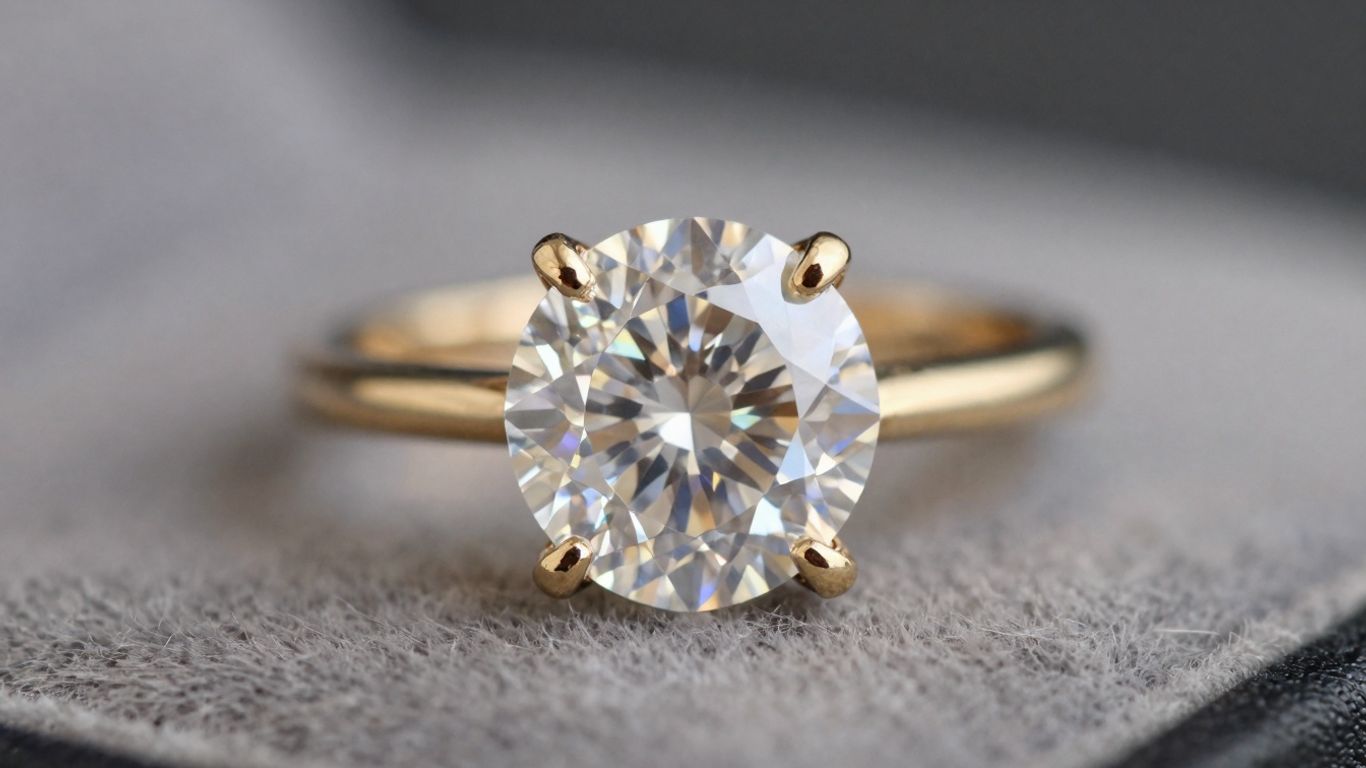
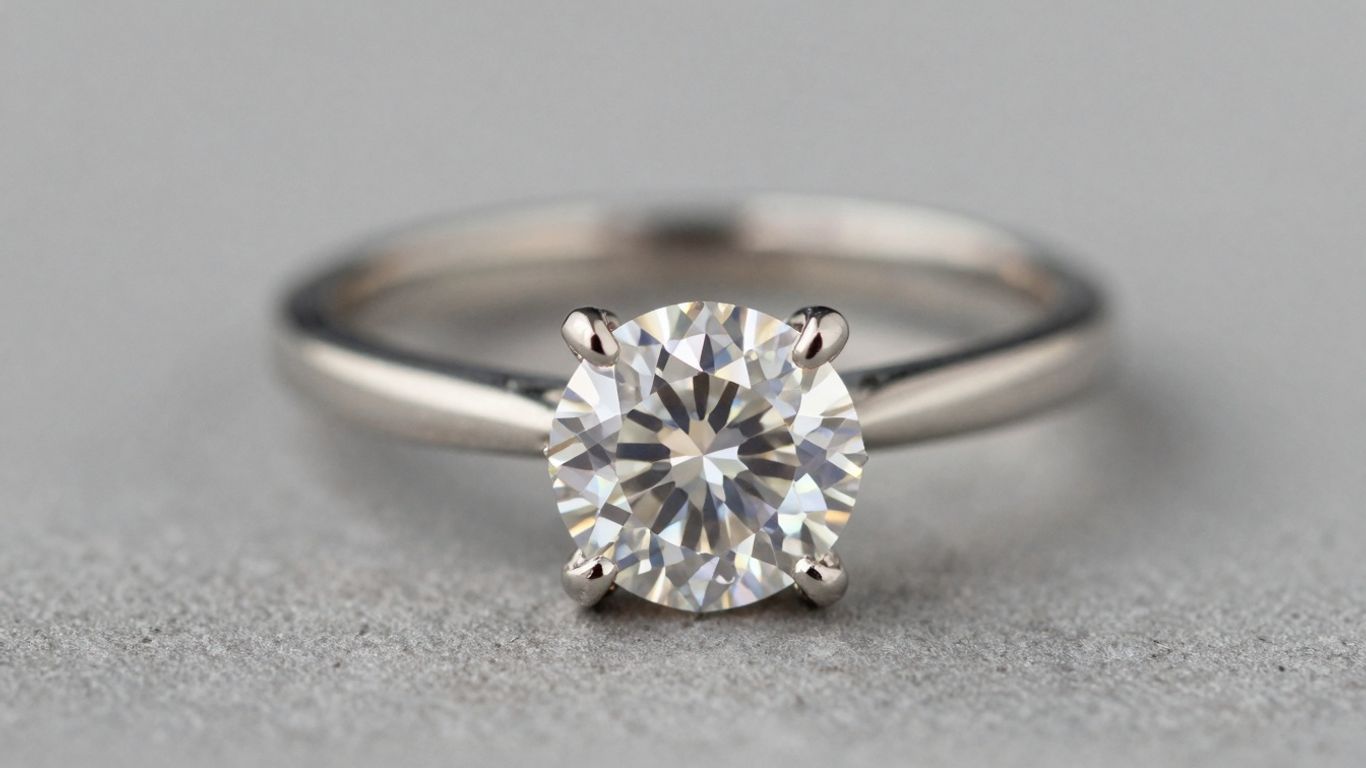
The round brilliant cut is, hands down, the most popular diamond shape out there. And honestly, it's easy to see why. It's designed to reflect light like crazy, giving it that amazing sparkle. It's a safe bet if you're unsure what to pick because it just looks good on pretty much everyone and works with almost any ring style. It’s been around forever, and it’s not going anywhere.
Modern Elegance: Princess and Emerald Cuts
If you're leaning towards something a bit more contemporary, the princess cut is a fantastic choice. It's a square shape with sharp corners and lots of facets, so it sparkles a lot, kind of like a round diamond but with a modern edge. On the other hand, the emerald cut is all about clean lines and a more vintage feel. It's rectangular with beveled corners, and instead of a ton of tiny sparkles, it has these big, open planes that reflect light in a really sophisticated way. It’s a bit more understated but super elegant.
Vintage Charm: Cushion and Oval Diamond Shapes
For those who love a touch of old-world romance, the cushion cut is a winner. It's like a softer, more rounded version of a square or rectangle, often called a "pillow cut" because of its shape. It has a lovely, warm glow. Then there's the oval cut. It's basically a stretched-out round diamond. This shape is really flattering because it can make fingers look longer and more slender. It offers a lot of the sparkle of a round diamond but with a bit more personality and a slightly vintage flair.
Here's a quick rundown of some popular shapes:
- Round: The classic choice, known for maximum sparkle and timeless appeal.
- Princess: A modern, square cut with sharp corners, offering great brilliance.
- Emerald: A rectangular step-cut with a vintage elegance and sophisticated look.
- Cushion: A soft, pillow-like shape with rounded corners, perfect for a romantic feel.
- Oval: An elongated round shape that appears larger and elongates the finger.
Choosing the right diamond shape is a personal journey. It's less about trends and more about finding a form that truly reflects the wearer's personality and style. Don't be afraid to explore different options until you find the one that feels just right.
Selecting The Ideal Metal For Your Engagement Ring Band
So, you've picked out the perfect diamond, maybe even figured out the shape. Awesome! But wait, there's another big decision: the metal for the band. This isn't just about looks, though that's a huge part of it. The metal you choose actually affects how the ring feels, how it holds up over time, and even how the diamond looks. It's a bit more involved than just grabbing whatever's shiny.
The Durability and Sheen of Platinum
Platinum is often seen as the top-tier choice, and for good reason. It's naturally white, so it won't fade or need re-plating like some other white metals. Plus, it's super dense and strong, meaning it can handle daily wear and tear pretty well. This makes it a great pick if your partner has a pretty active lifestyle or just wants something that feels really substantial. It's also hypoallergenic, which is a big plus for anyone with sensitive skin. The downside? It's usually more expensive than gold. But hey, you're paying for that purity and toughness. You can find some really beautiful platinum bands that have a timeless, elegant look. It's a metal that really stands the test of time, both in terms of style and physical resilience. If you're looking for something that's built to last and has that classic, high-end feel, platinum is definitely worth considering. It's a metal that truly shines on its own. For more on this, check out platinum's excellent choice.
Classic Warmth of Yellow Gold
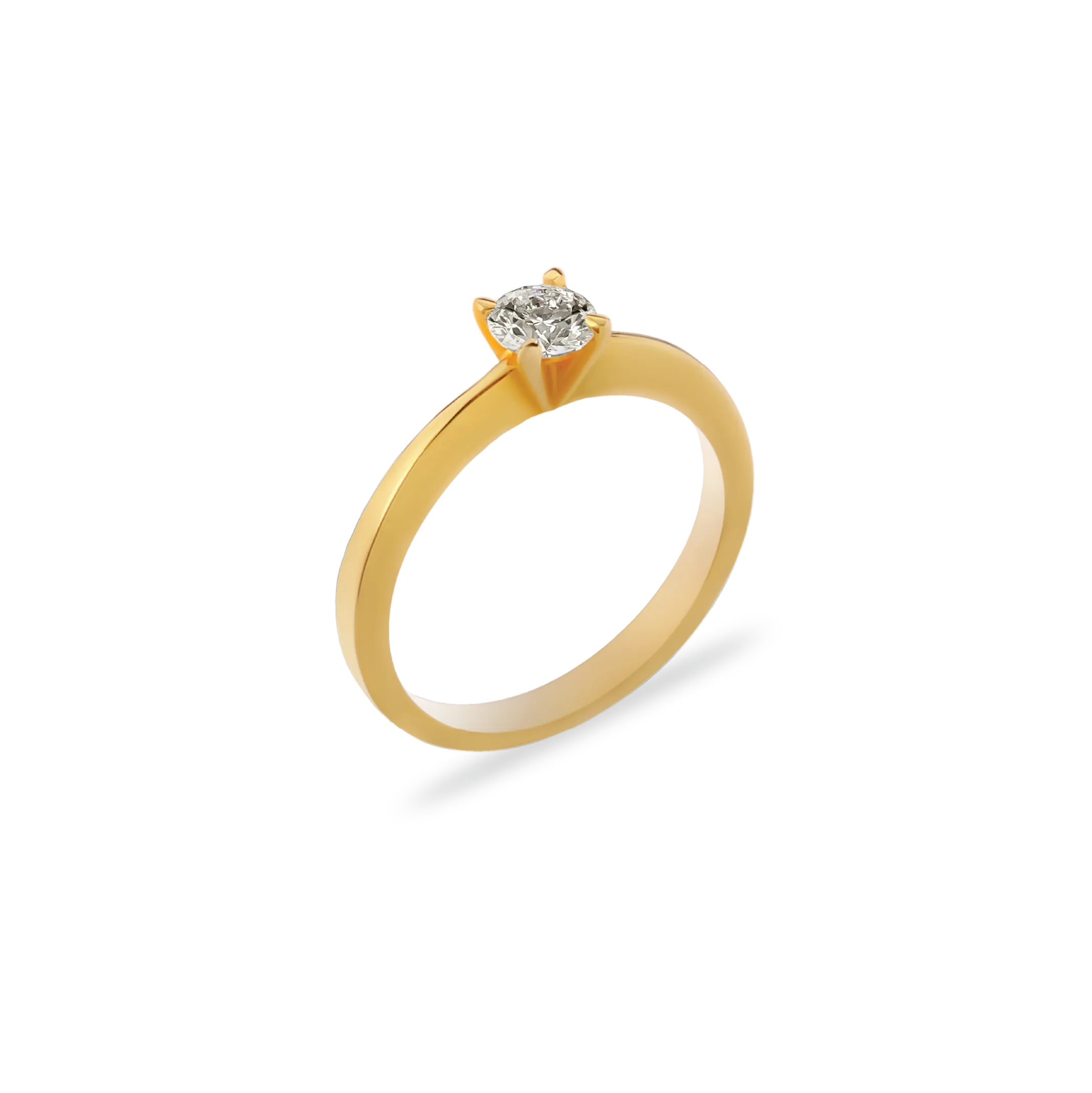
Yellow gold is the OG, right? It's what most people probably picture when they think of a classic engagement ring. It has this warm, inviting color that just feels timeless. Gold comes in different purities, usually measured in karats (k). You'll see 14k and 18k most often. 14k is 58.3% pure gold, while 18k is 75% pure gold. The higher the karat, the softer the gold and the more pure it is. So, 14k is generally more durable for everyday wear, while 18k has a richer yellow hue. Yellow gold is also usually more affordable than platinum. It's a metal that has been loved for centuries, and it's easy to see why. It pairs beautifully with almost any diamond shape and size, and it just has this comforting, familiar glow. It's a safe bet if you're unsure about trends or want something that will always be in style.
Contemporary Allure of White and Rose Gold
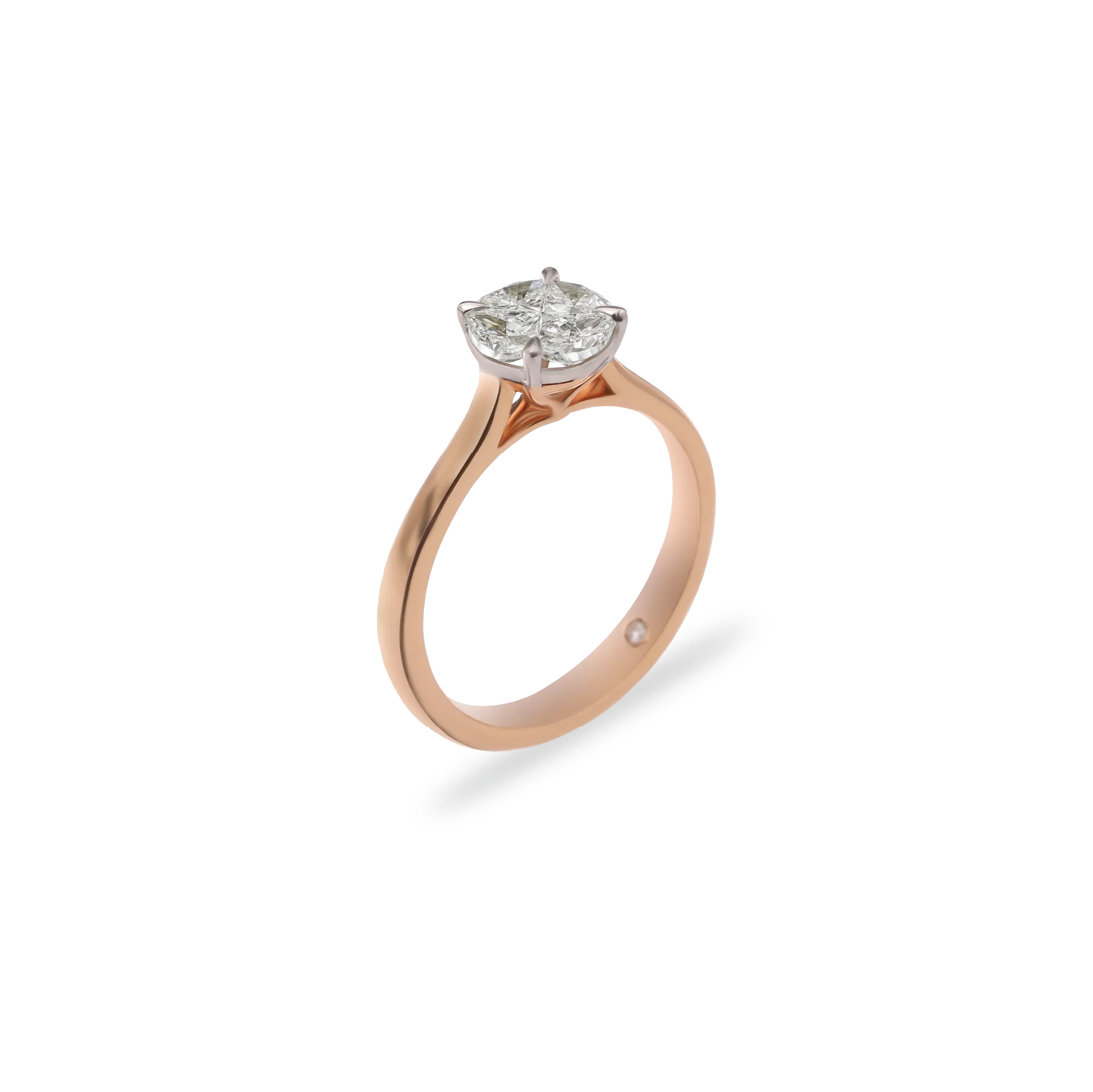
White gold is super popular because it looks a lot like platinum but is usually more budget-friendly. It's actually yellow gold mixed with white metals like palladium or nickel, and then often plated with rhodium to give it that bright white finish. Because of the plating, it might need to be re-plated every few years to keep its bright white look, especially if worn daily. Then there's rose gold , which has become really trendy. It's yellow gold mixed with copper, giving it that pretty pinkish or rosy hue. It's romantic and looks fantastic on a lot of different skin tones. It's a bit softer than white gold or platinum, but still perfectly suitable for an engagement ring. Both white and rose gold offer a modern twist on classic metals, giving you more options to match your partner's personal style. They really bring a unique vibe to the ring.
When choosing your metal, think about:
- Durability: How much daily wear will the ring get? Platinum and 14k gold are generally tougher.
- Color: Do you prefer a bright white, warm yellow, or romantic pinkish hue?
- Maintenance: Are you okay with occasional re-plating (white gold ) or do you want something that requires minimal upkeep (platinum)?
- Budget: Platinum is typically the most expensive, followed by gold, with variations based on karat and alloy.
The metal band is more than just a frame for the diamond; it's an integral part of the ring's overall aesthetic and longevity. Consider your partner's lifestyle and personal style when making this choice.
Discovering Popular Engagement Ring Styles
When you're picking out an engagement ring, the style is a huge part of what makes it special. It's not just about the diamond, but the whole package – how it looks on the finger, the vibe it gives off. Think about your partner's personal style. Do they lean towards classic looks, or are they more into something modern and unique?
Timeless Solitaire Settings
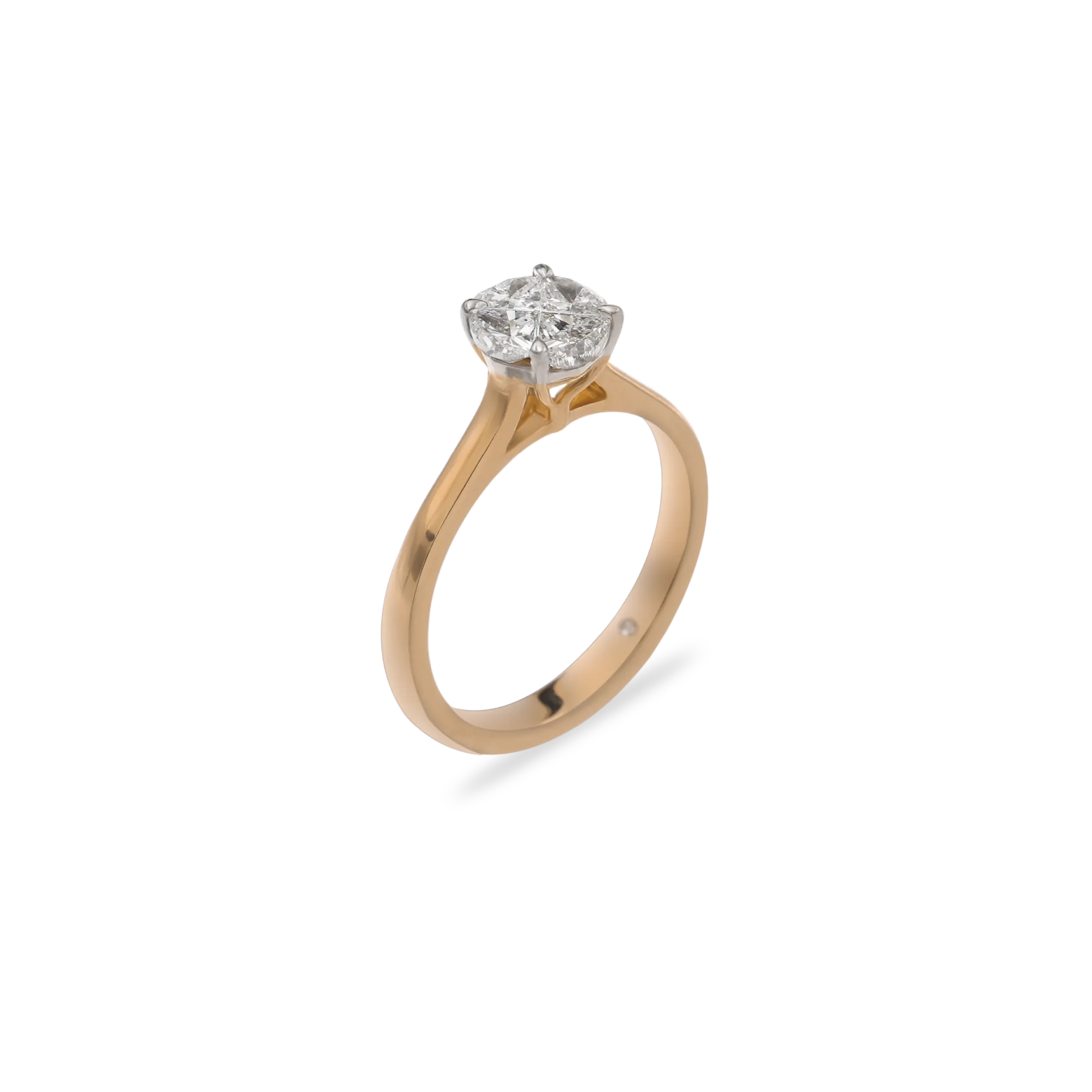
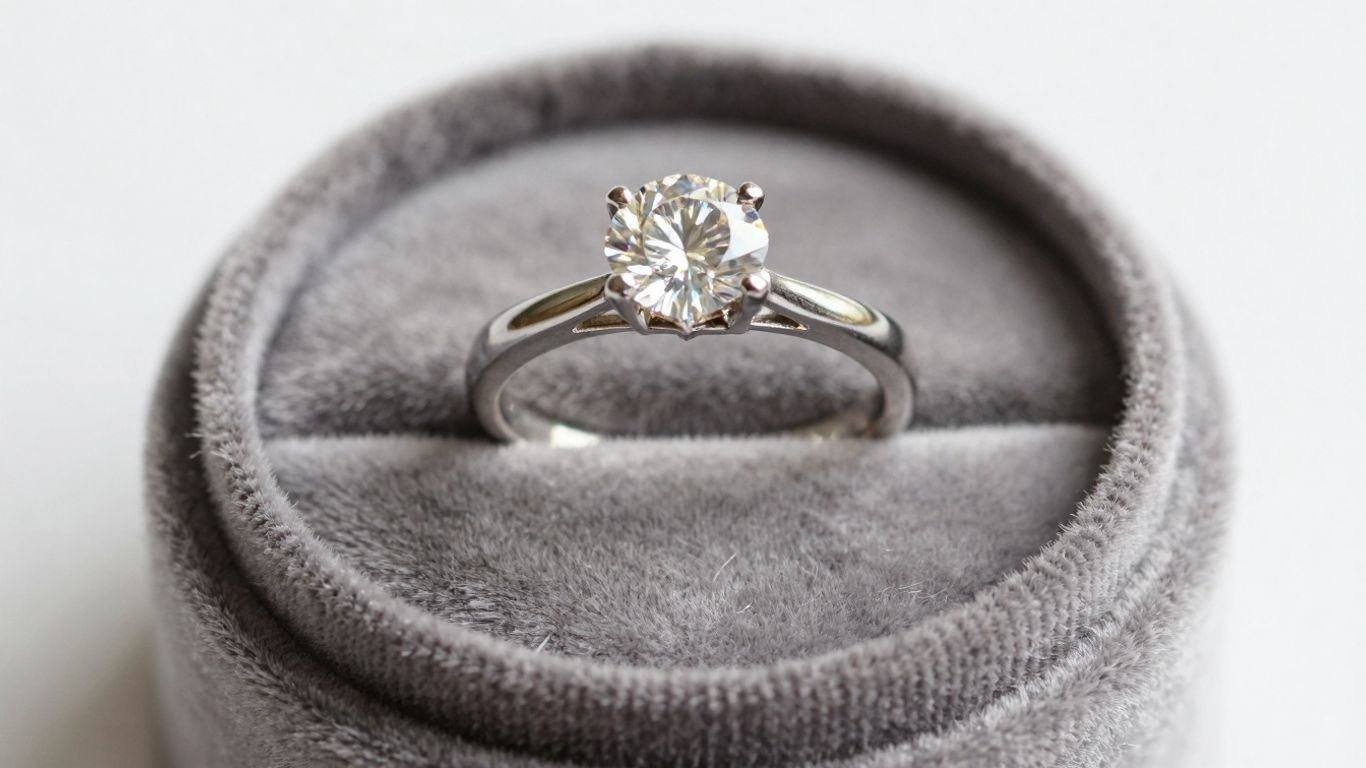
The solitaire is the king of engagement rings, and for good reason. It's all about a single, beautiful diamond sitting proudly on a simple band. This style really lets the diamond shine, making it the absolute star of the show. It’s clean, it’s elegant, and it never really goes out of fashion. You'll often see solitaires with four or six prongs holding the diamond securely, but the focus is always on that one main stone. It’s a classic for a reason, and it’s a safe bet if you’re unsure about more elaborate designs.
Sparkling Halo and Pavé Designs
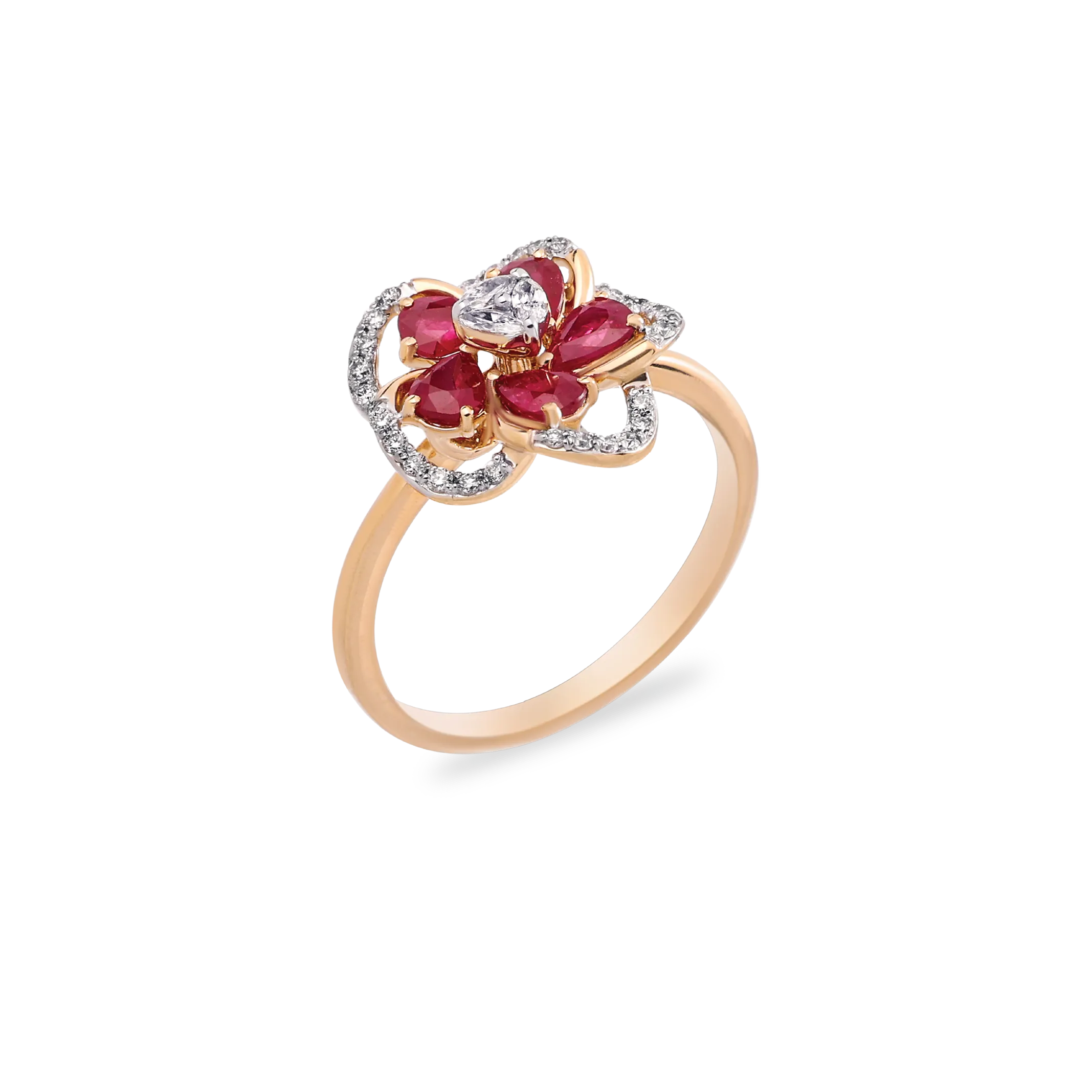
If you want a bit more sparkle, a halo or pavé setting might be perfect. A halo design takes a central diamond and surrounds it with a circle of smaller diamonds. This makes the center stone look bigger and adds a ton of extra shine. It’s like giving your main diamond a glittering frame. Pavé settings are similar, but instead of a full circle, tiny diamonds are set closely together all along the band, making the whole ring shimmer. You can even combine these – a halo with a pavé band? Talk about dazzling!
Symbolic Three-Stone and Vintage Aesthetics
For those who love a story, the three-stone ring is a fantastic choice. Each stone can represent a different part of your relationship – the past, the present, and the future. It’s a really meaningful way to symbolize your journey together. Then there are vintage-inspired styles. These rings borrow looks from different historical periods, like the Victorian or Art Deco eras. They often feature intricate details, like filigree (delicate metalwork) or engraving, giving them a unique, old-world charm. They feel special and one-of-a-kind, perfect for someone who appreciates history and artistry.
Choosing a ring style is a personal journey. Consider what your partner wears daily, what makes them light up, and what kind of statement they might want to make. It's about finding a design that feels authentically them.
Setting A Realistic Budget For Your Engagement Ring
Okay, let's talk about the money part. Buying an engagement ring is a big deal, and figuring out how much to spend can feel a bit overwhelming. Forget those old rules about spending two or three months' salary – that's just not how it works for most people anymore. The real goal is to find a ring that feels right for your wallet and truly represents your commitment.
Balancing Financial Comfort with Desired Qualities
When you're setting your budget, think about what's most important to you and your partner. Is it the size of the diamond? Its sparkle? The metal of the band? You can't always have everything, so it's about making smart choices. Sometimes, a slightly smaller stone with a fantastic cut can look way more impressive than a bigger one that's dull. Or maybe a simpler band lets you splurge a bit more on a really special center stone. It’s a balancing act, for sure.
Here’s a rough idea of where the costs usually go:
- Center Stone: This is typically the biggest chunk, often around 50-60% of the total price. The 4Cs (cut, color, clarity, carat) really drive this cost.
- Metal Band: This usually makes up about 10-20% of the budget. Platinum is pricier than gold, for example.
- Setting & Craftsmanship: The design of the setting, any extra small stones, and the skill involved in making the ring can add another 10-20%.
- Other Costs: Don't forget potential extras like engraving or insurance.
The Value Proposition of Lab-Grown Diamonds
If you're looking to get more sparkle for your buck, lab-grown diamonds are a seriously good option to consider. They're chemically and physically the same as diamonds mined from the earth, but they cost less. This means you could potentially get a larger stone, a higher color grade, or better clarity for the same price as a smaller or lower-grade natural diamond. It's a smart way to get a stunning ring without breaking the bank, and many people feel good about their ethical and environmental benefits too.
Exploring Financing Options for Your Purchase
Don't feel like you have to pay for the entire ring upfront if it's not in the cards right now. Many jewelers offer financing plans that can spread the cost out over time. This can make a beautiful ring more accessible. Just be sure to read the terms carefully, understand any interest rates, and make sure you're comfortable with the payment schedule. It’s a way to manage the expense responsibly.
Remember, the most important thing is the commitment and love the ring represents. A ring that fits your budget and your partner's style will be cherished far more than one that causes financial stress.
Ethical Considerations In Diamond Sourcing
When picking out an engagement ring, it's not just about how it looks or how much it costs. We also need to think about where the diamonds come from. It’s a big deal for a lot of people these days, and for good reason. We want our symbol of love to be as good and honest as our feelings.
The Environmental and Human Rights Aspects of Mined Diamonds
Naturally, diamonds have been around forever, formed deep in the earth over millions of years. That history gives them a certain allure, a feeling of rarity and permanence. But getting them out of the ground can be tough. Mining operations can really mess with the environment, changing landscapes and sometimes impacting local water sources. Plus, there's the human side of things. Historically, some diamonds have been linked to conflict and unfair labor practices, which is definitely not the vibe we want for an engagement ring. It's important to be aware that not all mined diamonds are ethically sourced.
Understanding the Properties of Lab-Grown Diamonds
Lab-grown diamonds are pretty fascinating. They're made in a controlled lab environment, and guess what? They're chemically and physically the same as diamonds pulled from the earth. They have that same sparkle and hardness. The big difference is how they're made. Because they can be produced more predictably and in larger quantities, they tend to be more affordable. This means you might be able to get a bigger or higher-quality stone for your budget. They also bypass a lot of the environmental and ethical concerns associated with traditional mining.
Choosing Conflict-Free Diamonds for Peace of Mind
If you're leaning towards a natural diamond, looking for certification is key. Many jewelers now offer what are called 'conflict-free' diamonds. This means the diamond hasn't been involved in funding wars or human rights abuses. Reputable dealers will often provide documentation or assurances about the origin of their stones. It’s all about transparency.
Here’s a quick rundown of what to consider:
- Mined Diamonds: Look for certifications like the Kimberley Process, which aims to prevent the trade of conflict diamonds. However, remember this process isn't foolproof.
- Lab-Grown Diamonds: These are a great option if you want to avoid mining concerns altogether. They are identical to natural diamonds in appearance and durability.
- Recycled Diamonds: Some rings use diamonds that have been previously owned and repurposed, which is another eco-friendly choice.
Ultimately, the choice between a mined or lab-grown diamond comes down to personal values and priorities. Both can be beautiful and meaningful choices for an engagement ring, but understanding their origins helps you make a decision you feel good about.
Here's a simple comparison:
| Feature | Mined Diamond | Lab-Grown Diamond |
|---|---|---|
| Origin | Formed naturally over millions of years | Created in a laboratory setting |
| Chemical Makeup | Carbon | Carbon |
| Physical Properties | Same as lab-grown (e.g., hardness of 10) | Same as mined (e.g., hardness of 10) |
| Environmental Impact | Can be significant due to mining operations | Generally lower, less disruptive |
| Ethical Concerns | Potential for conflict or labor issues | Avoids mining-related ethical concerns |
| Cost | Typically more expensive | Generally more affordable |
| Rarity | Considered naturally rare | Produced on demand |
Ensuring The Perfect Fit: Ring Sizing Essentials
Getting the ring size right is super important. You want it to fit comfortably, not too loose that it might slip off, but not so tight that it's a struggle to get over the knuckle. It’s a detail that can make a big difference in how the ring feels and looks when worn every day.
Discreetly Determining Your Partner's Ring Size
This can feel like a bit of a spy mission, right? But there are some pretty simple ways to figure it out without giving away the surprise. One common trick is to borrow a ring your partner already wears on their ring finger. If they wear rings on other fingers, that’s okay too, but the ring finger size is usually different. You can then take that ring to a jeweler to get it measured, or even try to trace the inside circumference of the ring onto a piece of paper. Another idea is to ask a close friend or family member if they happen to know the size. They might have already thought of this or can discreetly find out for you. For a more hands-on approach, you can use a simple paper strip or ribbon to measure their ring finger. Just wrap it around the base of the finger, mark where it overlaps, and then measure the length in millimeters.
Understanding Average Ring Sizes and Variations
While there are general averages, finger sizes can really vary. For women, a common ring size range is typically between 5 and 7 in US sizing. However, some people have smaller hands and might be a size 4, while others might need a size 8 or even larger. It’s not just about the overall size of the hand, but also the width of the finger and the size of the knuckle. A finger might be slimmer at the base but have a larger knuckle, meaning you need a size that can pass over it comfortably. Keep in mind that fingers can also swell slightly due to heat, activity, or even time of day, so a ring that's a perfect fit in the morning might feel a bit snug later on.
Here’s a quick look at common US ring sizes:
| Size | Circumference (mm) |
|---|---|
| 5 | 47.1 |
| 6 | 49.3 |
| 7 | 51.9 |
| 8 | 54.5 |
| 9 | 57.0 |
Considering Resizable Ring Options
If you're really unsure about the exact size, or if you're worried about getting it wrong, some ring styles offer a bit more flexibility. Many rings can be resized by a jeweler, though the extent to which they can be altered depends on the metal and the setting. For example, rings with intricate patterns or a lot of small stones might be trickier to resize than a simple band. Some designs are even made with adjustable bands, which can be a good option if you want to be absolutely sure about comfort. However, it’s generally best to aim for the correct size from the start if possible, as frequent resizing can sometimes affect the integrity of the ring over time.
Getting the size right is a thoughtful gesture that shows you've paid attention to the details. It's about making sure the ring feels like a natural extension of your partner, comfortable and secure for all the moments to come.
Remember, a good jeweler can offer advice on sizing and resizing, so don't hesitate to ask them for their professional opinion. They've seen it all and can help guide you toward the best solution for your specific ring choice.
Wrapping It All Up
So, picking out that engagement ring? It's a big deal, for sure. But hopefully, after going through all this, it feels a little less like a puzzle and more like a fun treasure hunt. Remember, it's not just about the sparkle or the size, though those are nice! It's about finding that special piece that tells your unique story and means something to both of you. Take your time, trust your instincts, and enjoy the process. When you find the right one, you'll just know. Happy hunting!
Frequently Asked Questions
What are the most important things to know about diamonds?
When picking a diamond, focus on the 4 Cs: Cut, Color, Clarity, and Carat. The cut is how well the diamond is shaped to make it sparkle. Color refers to how white the diamond is. Clarity is about any tiny flaws inside. Carat is just the diamond's weight. The cut is super important for how much it shines!
Are there different diamond shapes, and do they matter?
Yes, there are many diamond shapes! Round is the most popular and sparkly. Princess and emerald cuts look modern and elegant. Cushion and oval shapes have a softer, vintage feel. Each shape looks different, so pick one that matches your partner's style.
What metal should I choose for the ring band?
You have a few great choices for the band. Platinum is super strong and stays white. Yellow gold is a classic, warm choice. White gold looks similar to platinum but is often less expensive. Rose gold has a pretty pinkish color and is very trendy.
What are some popular ring styles?
A solitaire ring has just one main diamond, which is very simple and elegant. A halo ring has the main diamond surrounded by smaller diamonds for extra sparkle. A three-stone ring represents your past, present, and future together. Vintage styles have fancy details from older times.
How much should I spend on an engagement ring?
Don't worry about old rules like spending three months' salary. The best approach is to set a budget that feels comfortable for you. You can find beautiful rings at different prices. Think about what's most important to you – maybe a bigger diamond or a more unique style – and balance that with your budget.
Are lab-grown diamonds a good option?
Lab-grown diamonds are a fantastic choice! They are made in a lab but are just as real as diamonds mined from the earth. They have the same sparkle and hardness. Plus, they are usually more affordable and don't have the same ethical or environmental concerns as some mined diamonds.
Discover the Perfect Engagement Gold Ring for Women: Timeless Sparkle And Style
10 minute read
Related blogs:
September 18, 2026
How to choose the perfect bridal long necklace set for your wedding day
Read More
September 18, 2026
How to choose a bridal layered necklace set for your wedding look
Read More
September 18, 2026
How to choose a bridal choker set for your wedding look
Read More
September 18, 2026
Gold necklace for bride: How to choose the perfect wedding-day style
Read More









.webp)
.webp)