The Timeless Elegance of a Diamond Tennis Bracelet: A Buyer's Guide
November 20, 2025 | 10 minutes read
A diamond tennis bracelet is one of those pieces that just feels special. It's a classic for a reason, you know? That line of sparkling stones around your wrist is elegant without being over the top. Whether you're thinking about buying one or just admire them, understanding what makes them tick is pretty interesting. This guide is here to break down everything you need to know about the diamond tennis bracelet, from its history to how to pick the right one for you.
Key Takeaways
- The diamond tennis bracelet got its name from a famous tennis match incident where a player's bracelet came undone.
- When looking at diamond quality for a tennis bracelet, focus on the 4 Cs: Cut, Color, Clarity, and Carat Weight, with cut being very important for sparkle.
- You can choose between natural and lab-grown diamonds for your tennis bracelet; both are real diamonds with the same properties, but lab-grown are often more budget-friendly.
- The setting of the diamonds, like channel or prong, affects both the look and how secure the stones are.
- Proper care, like regular cleaning and safe storage, will keep your diamond tennis bracelet looking beautiful for years.
Understanding The Diamond Tennis Bracelet
The Iconic Origin Story
The term "tennis bracelet" might sound a bit sporty, and there's a good reason for that. The name really took off thanks to a famous incident involving tennis legend Chris Evert. Back in 1987, during a match at the US Open, her diamond bracelet apparently broke and fell off her wrist. She actually asked the officials to pause the game so she could find it! This moment was so memorable that the style of bracelet became known as the "tennis bracelet" from then on. It's a piece that effortlessly bridges the gap between high-end glamour and everyday life, seen everywhere from the red carpet to casual outings.
Defining The Diamond Tennis Bracelet
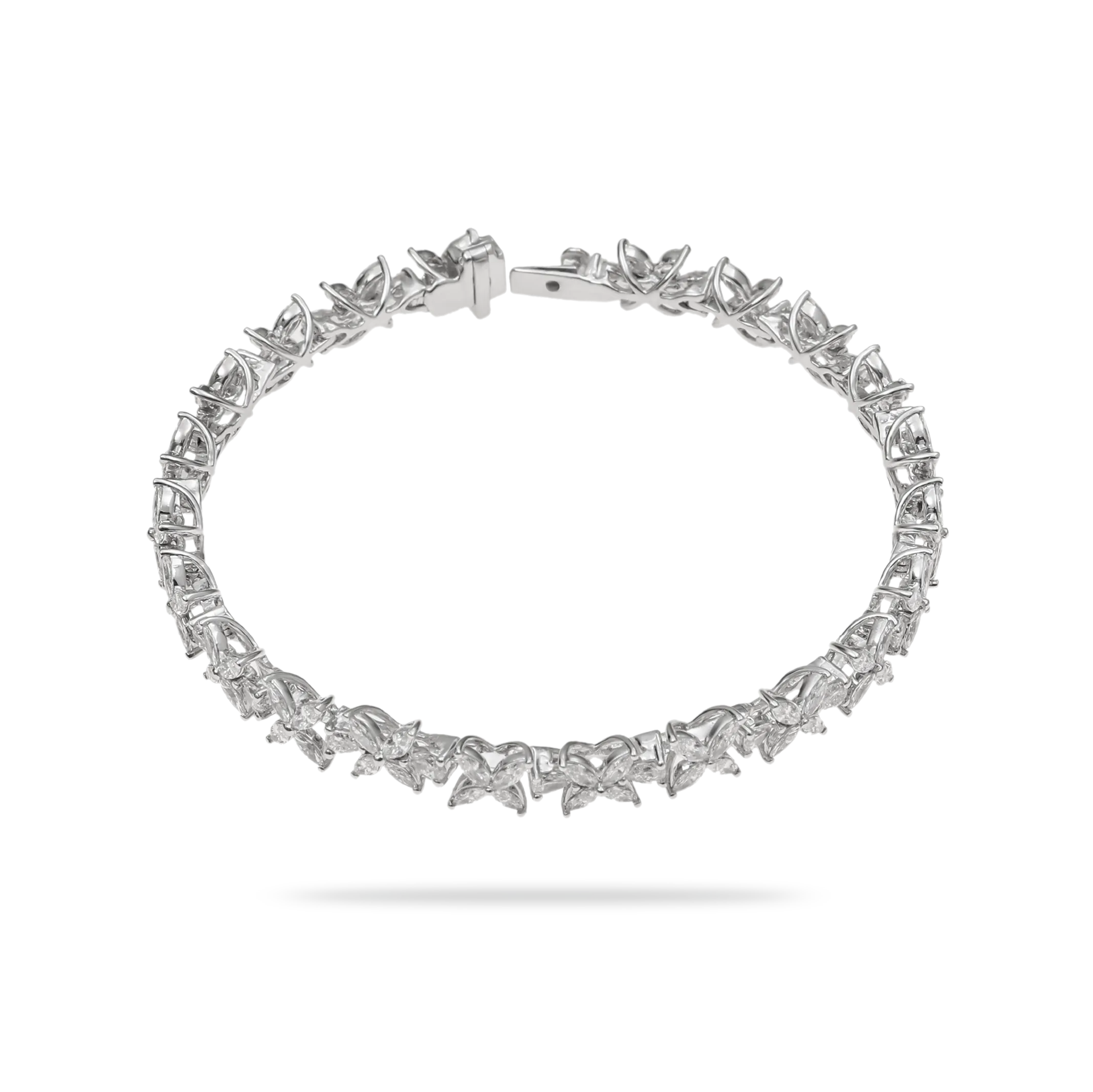
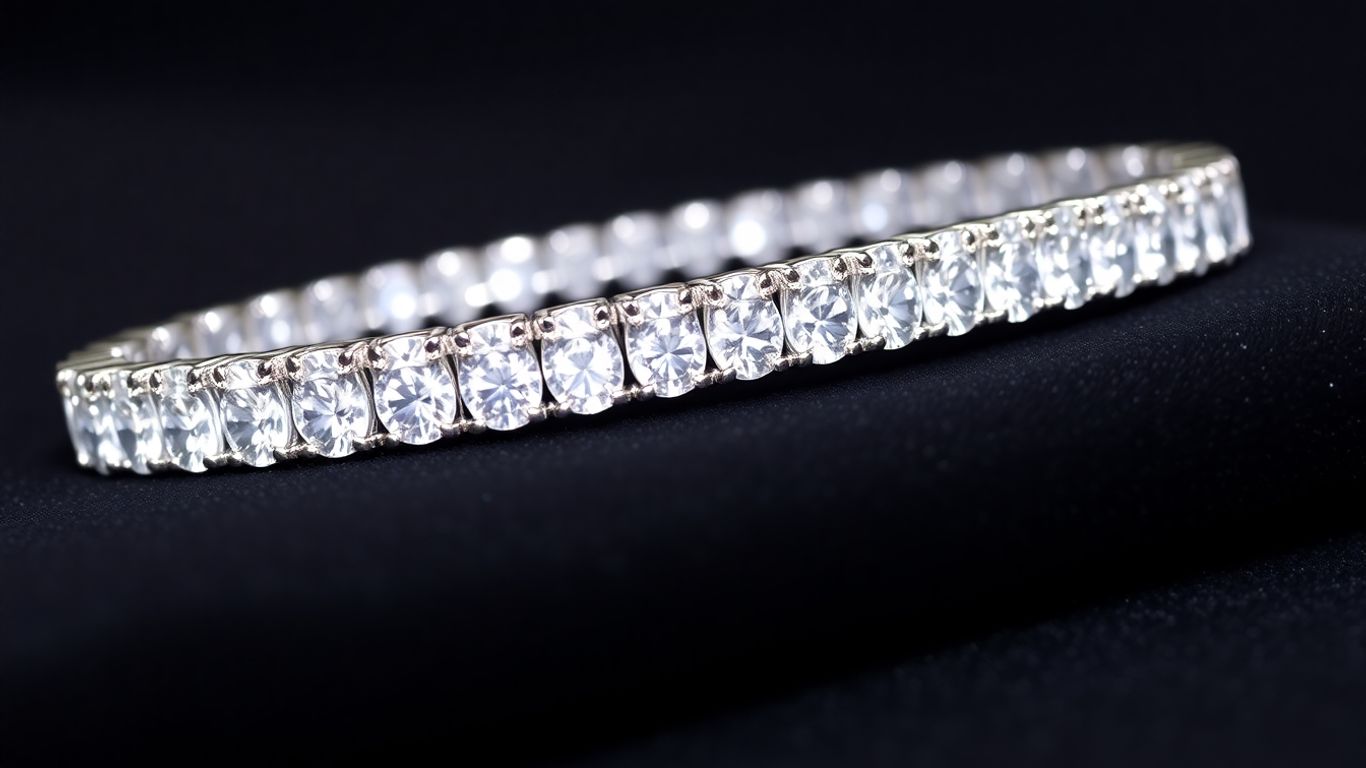
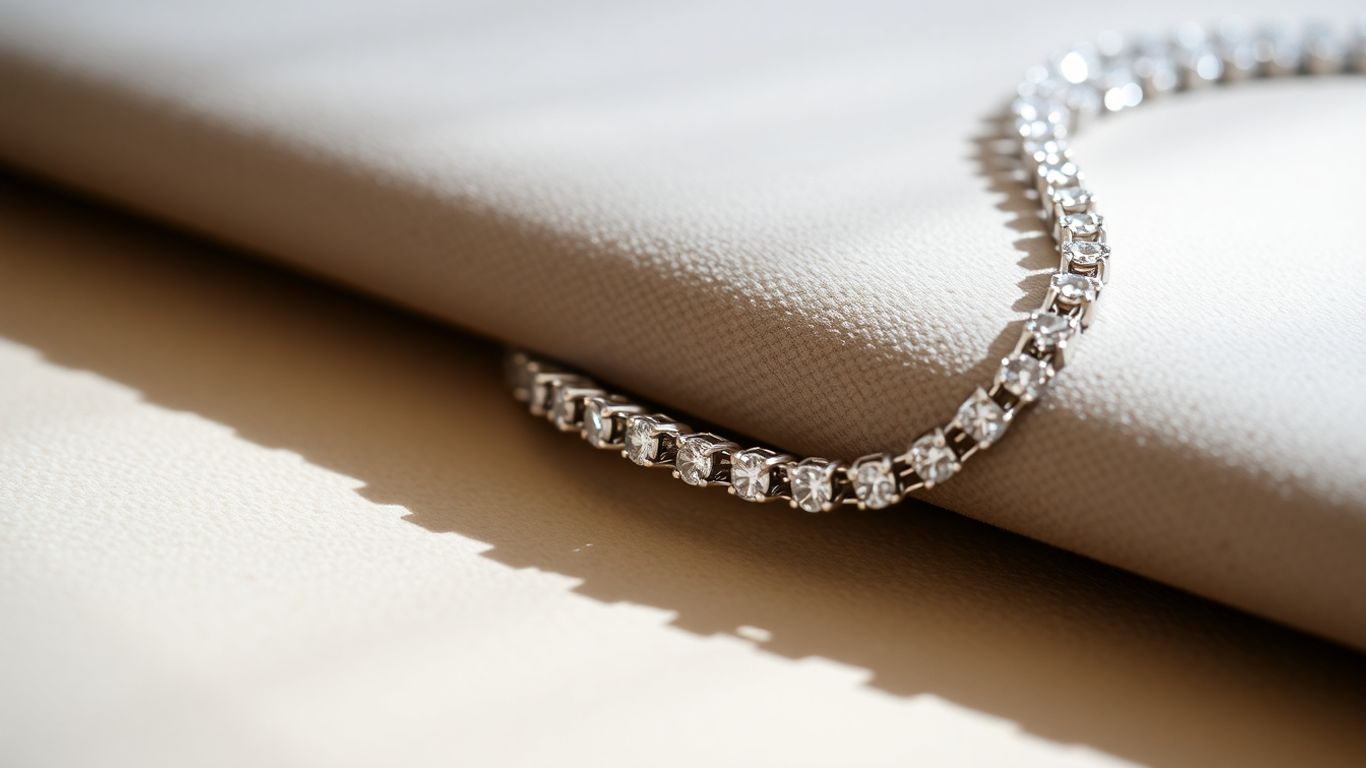
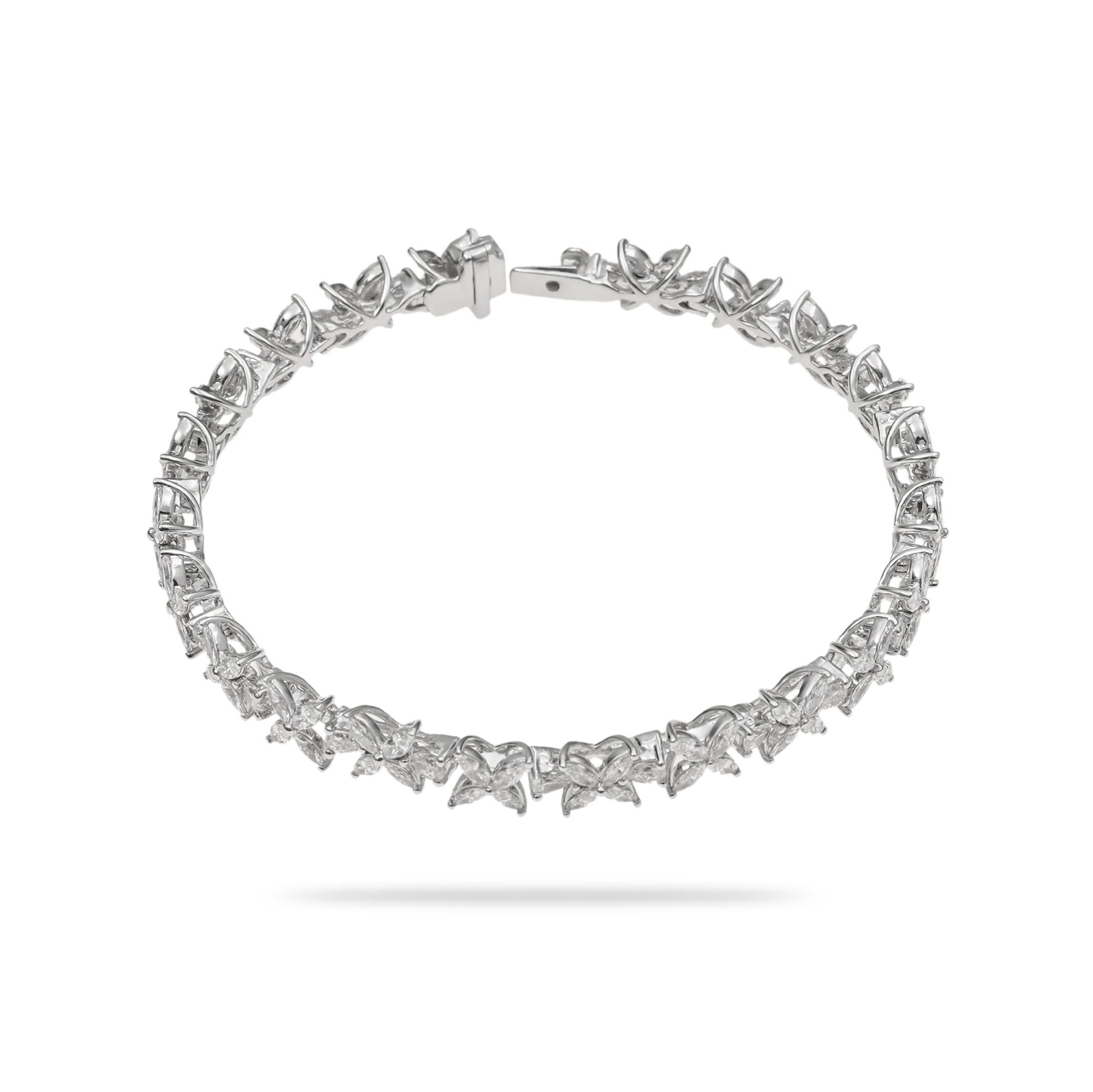
A diamond tennis bracelet is essentially a flexible band made up of a continuous line of small, matched diamonds, all linked together. It's designed to sit comfortably around your wrist, creating a beautiful, unbroken circle of sparkle. The key features that define it are:
- Continuous Line of Diamonds: Small, often similarly cut diamonds are set end-to-end without any significant gaps.
- Flexibility: The individual links allow the bracelet to move and drape naturally on the wrist.
- Secure Clasp: Most tennis bracelets come with a sturdy clasp, often with a safety catch, to keep the piece secure.
- Uniformity: The diamonds are typically of similar size, cut, and quality, creating a consistent shimmer.
The beauty of a tennis bracelet lies in its understated yet brilliant design. It's a piece where every single diamond works in harmony to catch the light, creating a fluid, radiant effect that's both sophisticated and eye-catching.
Why A Diamond Tennis Bracelet Is A Coveted Choice
There are plenty of reasons why a diamond tennis bracelet remains such a popular and sought-after piece of jewelry. For starters, its design is incredibly versatile. It adds a touch of luxury to casual outfits, making jeans and a t-shirt feel a bit more special. Then, it can easily be dressed up for formal events, complementing evening wear without being over the top. It's that perfect blend of sparkle and wearability that makes it a true wardrobe staple. Plus, the continuous line of diamonds is often seen as a symbol of everlasting love or commitment, making it a meaningful gift for anniversaries, birthdays, or other significant milestones. With the availability of both natural and lab-grown diamonds, this classic piece has also become more accessible, allowing more people to enjoy its timeless appeal.
Exploring Different Diamond Tennis Bracelet Styles
So, you've decided a diamond tennis bracelet is the way to go. Awesome choice! But "diamond tennis bracelet" is kind of a big category, right? It's not just one thing. There are actually quite a few ways these beautiful pieces can look and feel, depending on what you're going for.
The Classic Diamond Tennis Bracelet
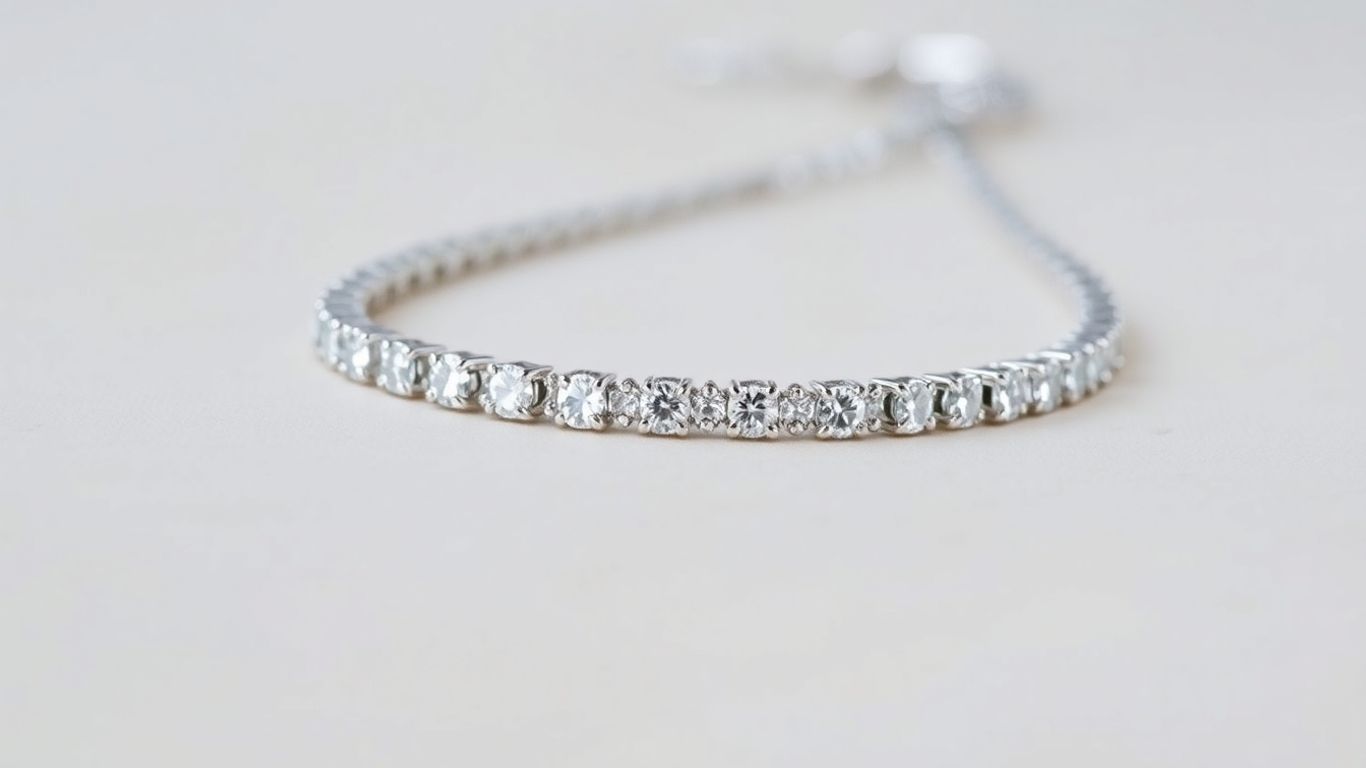
This is what most people picture when they hear "tennis bracelet." It's usually a continuous line of round, sparkling diamonds, all pretty much the same size, linked together. Think timeless. It's the kind of bracelet that looks good with literally everything, from your favorite comfy sweater to a fancy dress. It's all about that steady, elegant shimmer. The most common metal for these is probably white gold or platinum because it makes the diamonds really pop, but yellow gold is a classic too. It's simple, but man, does it work.
Gemstone Accents For A Pop Of Color
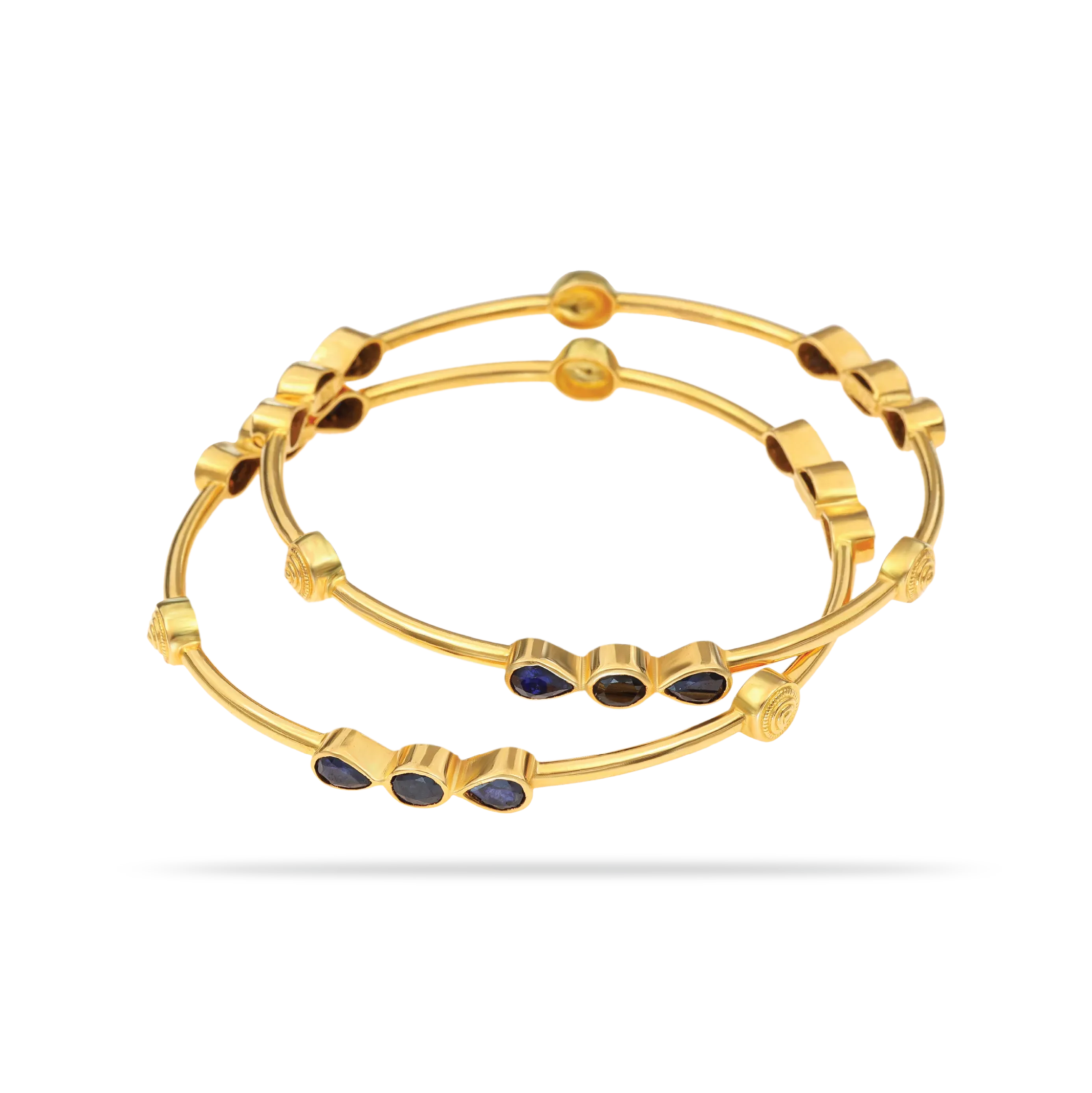
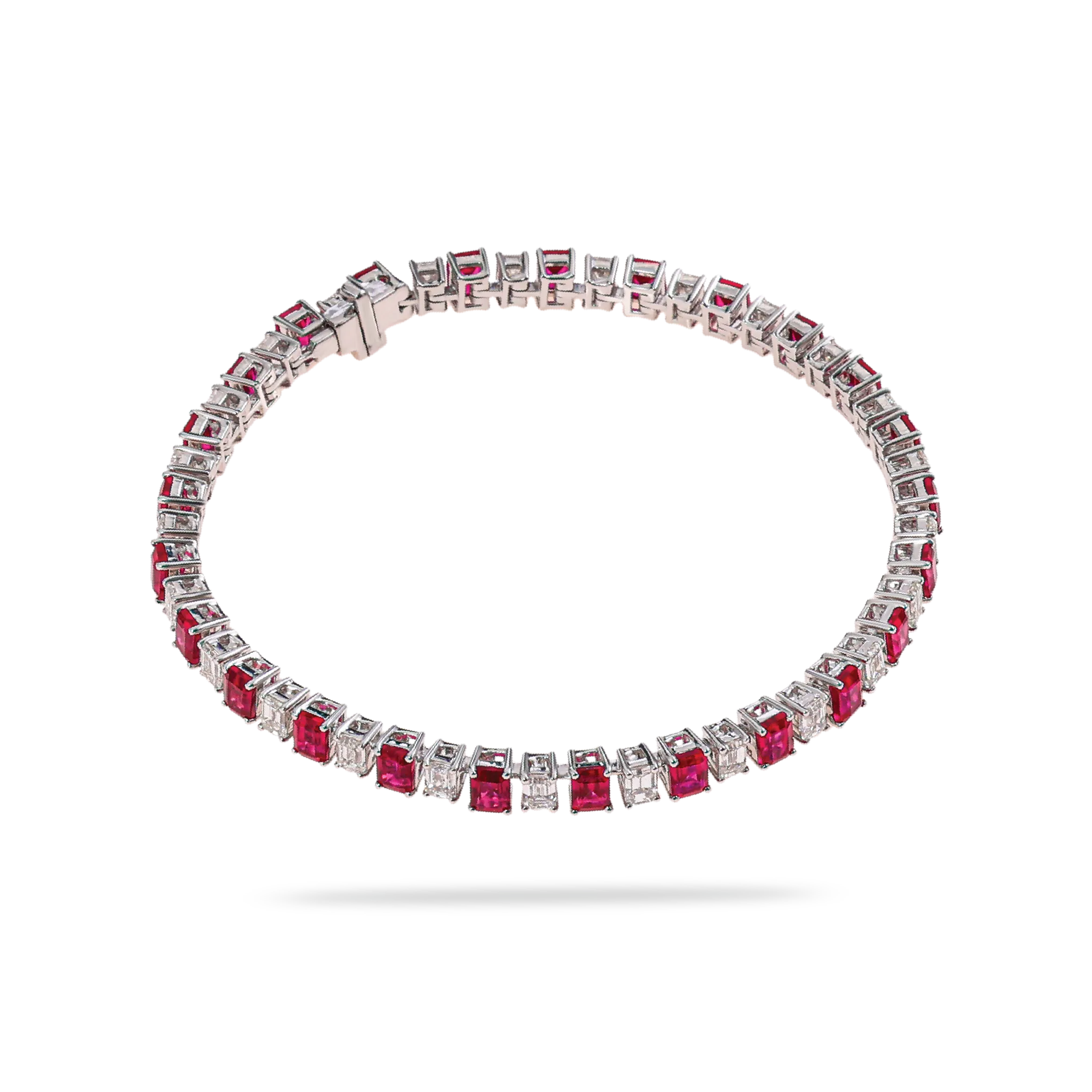
If you like the idea of a tennis bracelet but want something a little more unique, adding colored gemstones is a fantastic way to go. Instead of diamonds all the way around, you might see a pattern, like a diamond, then a sapphire, then a diamond, then an emerald. Or maybe a bracelet with just a few colored stones mixed in with the diamonds. It adds a really personal touch and a splash of color that can be super fun. You can pick stones that have meaning to you, like birthstones, or just go with colors you love. It makes the bracelet feel more like you.
Metal Choices For Your Diamond Tennis Bracelet
Okay, so the metal matters more than you might think. It's not just about how it looks, but also how it feels and how it holds up over time. Here's a quick rundown:
- White Gold : This is super popular because it gives a clean, bright look that really makes diamonds stand out. It's often plated with rhodium for extra shine and durability.
- Yellow Gold : You can't go wrong with classic yellow gold . It has a warm, traditional feel that's always in style. It pairs beautifully with diamonds and also looks great if you decide to mix in some colored gemstones.
- Rose Gold : This has become really trendy lately. It's got that lovely pinkish hue that's soft and romantic. It's a bit different and can add a unique warmth to your diamond bracelet.
- Platinum: This is the premium choice. It's very strong, naturally white (so it doesn't need plating), and hypoallergenic. It's a bit pricier, but it's incredibly durable and has a luxurious weight to it.
Choosing the right metal is a big part of making the bracelet feel right for your personal style and how you plan to wear it. It's worth taking a moment to consider which metal best suits your existing jewelry or your overall aesthetic.
Understanding Diamond Settings
How the diamonds are held in place, the "setting," is a big deal for both the look and the security of your bracelet. You'll see a few main types:
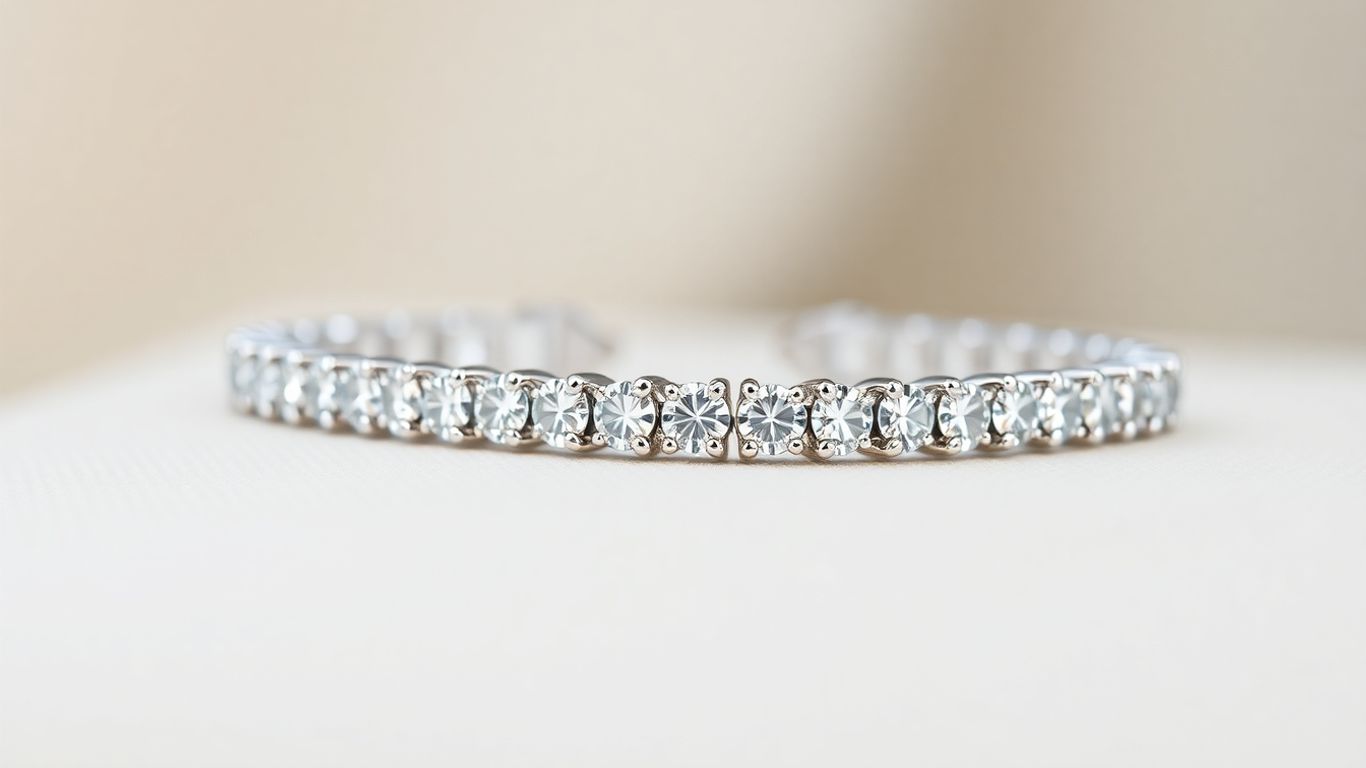
- Prong Setting: This is the most common. Little metal claws (prongs) hold each diamond. It lets a lot of light hit the diamond, making it super sparkly, and it uses the least amount of metal, so you get a lot of diamond for your money. Usually, you'll see 3 or 4 prongs per stone.
- Channel Setting: Here, the diamonds are set side-by-side within a groove, or channel, of metal. There's no metal between the stones, creating a smooth, continuous line of sparkle. This setting is really secure and protects the edges of the diamonds well.
- Bezel Setting: This is where a thin metal rim completely or partially surrounds each diamond. It's super secure and gives a clean, modern look. It's a great option if you're worried about snagging or if you just prefer that sleek style.
Key Considerations When Buying A Diamond Tennis Bracelet
So, you're thinking about getting a diamond tennis bracelet. That's awesome! It's a pretty special piece, and like any significant purchase, there are a few things to keep in mind to make sure you get exactly what you want. It’s not just about picking the prettiest one; it’s about understanding what makes it tick, so to speak.
Evaluating Diamond Quality: The 4 Cs
When you look at diamonds, you'll hear about the "4 Cs." These are super important because they tell you about the diamond's quality and, yep, its price. They stand for Cut, Color, Clarity, and Carat weight.
- Cut: This isn't about the shape (like round or princess), but how well the diamond has been cut and polished. A good cut makes the diamond sparkle like crazy. It's often the most important factor for how beautiful a diamond looks.
- Color: Diamonds are graded on a scale from D (totally colorless) to Z (light yellow or brown). The less color, the rarer and usually more expensive the diamond. For a tennis bracelet, aiming for diamonds in the G-H range often gives you a look that appears colorless to the eye but offers better value.
- Clarity: This looks at any tiny imperfections or spots inside or on the surface of the diamond. Most small imperfections are hard to see without a magnifying glass, and for a tennis bracelet with many small stones, they often disappear.
- Carat Weight: This is simply how much the diamond weighs. More carats usually mean a bigger, more expensive diamond.
The goal with a tennis bracelet is consistency. You want all the diamonds to look pretty much the same in terms of color and clarity, and to have a similar sparkle. It's like a perfectly matched set.
Understanding Diamond Settings
The way the diamonds are held in place, the setting, is a big deal for both looks and security. You've got a few main types:
- Prong Setting: This is super common. Little metal claws (prongs) hold each diamond. It lets a lot of light in, making the diamonds sparkle, but the prongs are the most exposed part.
- Channel Setting: Here, diamonds sit side-by-side in a metal groove or channel. This gives a smooth, continuous line of sparkle and protects the edges of the diamonds really well.
- Bezel Setting: A thin metal rim completely surrounds each diamond. This offers maximum security and a sleek look, but it can cover a tiny bit of the diamond, slightly reducing its sparkle compared to prongs.
Natural Versus Lab-Grown Diamonds
This is a big one these days. You can get diamonds that came from the earth (natural) or diamonds that were grown in a lab (lab-grown). Here's the scoop:
- Natural Diamonds: These are the ones mined from the ground. They've been forming for billions of years. They carry a certain prestige and often a higher price tag.
- Lab-Grown Diamonds: These are chemically, physically, and optically the same as natural diamonds. They're just made in a controlled environment, which usually makes them more affordable. This means you might be able to get a larger carat weight or higher quality stones for the same budget. Many people find lab-grown diamonds to be a fantastic option.
Ultimately, the choice between natural and lab-grown comes down to your personal preference and budget. Both offer that beautiful diamond sparkle you're looking for.
Ensuring The Perfect Fit And Value
Achieving The Right Bracelet Length
Getting the fit just right on a diamond tennis bracelet is pretty important. You want it to feel comfortable, not too tight that it pinches, but not so loose that it slides around or, worse, slips off. Think of it like finding the perfect pair of jeans – it just has to feel right.
To get your measurement, grab a soft measuring tape or even a piece of string and a ruler. Wrap it around your wrist where you'd normally wear a bracelet, just below the wrist bone. Don't pull it super tight; a snug but comfortable fit is what you're after. Once you have that number, add about half an inch to a full inch to it. This little bit of extra space is what allows the bracelet to move a bit without feeling restrictive.
Most women find a length between 6.5 and 8 inches works well, but everyone's different. A good fit means the bracelet can move a little up and down your wrist without flipping over constantly or easily slipping over your hand. It should feel secure, but so relaxed you almost forget it's there.
Budgeting For Your Diamond Tennis Bracelet
The price of a diamond tennis bracelet can swing quite a bit, from a few hundred to many thousands of dollars. What really drives the cost? Well, it comes down to a few things, especially the diamonds themselves. You've probably heard of the "4 Cs" – they're a big deal here.
- Cut: This is all about how well the diamond is shaped and polished. A good cut makes a diamond sparkle and shine. It's often the most noticeable factor in how beautiful a diamond looks.
- Color: Diamonds get graded from D (totally colorless) all the way to Z (which has a yellowish tint). The more colorless a diamond is, the rarer and usually more expensive it is. For a classic tennis bracelet, diamonds in the G-H range often look colorless to the eye and offer great value.
- Clarity: This looks at tiny imperfections, called inclusions, inside the diamond. The fewer and smaller these are, the clearer the diamond, and the higher its clarity grade.
- Carat Weight: This is simply the weight of the diamond. Bigger diamonds cost more, but a bracelet with many smaller diamonds can still add up in total carat weight and price.
Beyond the diamonds, the metal you choose (like platinum or gold) and the complexity of the setting also play a role in the final price. Lab-grown diamonds can often give you more sparkle for your buck compared to natural diamonds, but their resale value tends to be lower.
Certification And Documentation
When you're spending a good amount on a diamond tennis bracelet, you want to be sure you're getting what you paid for. That's where certification and documentation come in. It's like having a report card for your diamonds.
For individual diamonds, especially larger ones, you'll often see a grading report from a reputable lab like GIA (Gemological Institute of America). This report details the 4 Cs – cut, color, clarity, and carat weight – for each stone. For a tennis bracelet, you might not get a separate report for every single tiny diamond, but the jeweler should be able to provide documentation that confirms the quality of the diamonds used overall.
Always ask about the documentation that comes with your bracelet. A good jeweler will be happy to explain what's included and why it's important for your peace of mind. This paperwork is your proof of quality and can be helpful if you ever need to insure the piece or, down the line, resell it.
Look for a detailed receipt that lists the metal type, total carat weight, and any specific diamond quality information. Some jewelers also provide a certificate of authenticity for the finished bracelet. It's also wise to check the retailer's return policy and any warranties they offer on their craftsmanship. Reputable sellers will have clear policies and stand behind their work.
Styling And Caring For Your Diamond Tennis Bracelet
So, you've got this gorgeous diamond tennis bracelet – awesome! Now, let's talk about how to wear it and keep it looking its absolute best. It's not as complicated as you might think, and a little bit of attention goes a long way.
Versatile Styling For Every Occasion
This is where the magic really happens. A diamond tennis bracelet isn't just for fancy nights out, though it certainly shines there. It's surprisingly adaptable.
- Casual Chic: Throw it on with your favorite jeans and a simple tee or a cozy sweater. It instantly dresses up even the most laid-back look. Think weekend brunch or a casual get-together.
- Office Polish: Layer it with your watch or other delicate bracelets for a sophisticated touch at work. It adds just the right amount of sparkle without being over the top.
- Evening Glam: This is its natural habitat! Pair it with a cocktail dress or an elegant gown. For a truly put-together look, match it with coordinating diamond earrings or a pendant.
- Stacking Fun: Don't be afraid to mix and match! Layer your tennis bracelet with other bracelets – maybe a beaded one, a simple gold chain, or even a leather strap. Just make sure they don't have sharp edges that could scratch the diamonds.
Remember, the beauty of a tennis bracelet is its continuous line of sparkle. It's designed to be noticed, but in a subtle, elegant way that complements your personal style.
Essential Care For Lasting Brilliance
Keeping your tennis bracelet dazzling means a bit of regular upkeep. It's mostly about avoiding things that can dull its shine or damage the stones and metal.
Here’s a simple routine:
- Gentle Cleaning: Aim to clean it every month or two, or more if you wear it daily. Mix a few drops of mild dish soap with warm water in a small bowl. Let the bracelet soak for about 10-15 minutes. Use a very soft toothbrush (seriously, the softest you can find) to gently scrub around each diamond and its setting. Get into all those nooks and crannies! Rinse it thoroughly under warm running water – just be sure to plug your sink first! Pat it dry with a soft, lint-free cloth, like a microfiber towel.
- Deep Clean & Check-up: Once a year, it's a good idea to have it professionally cleaned. Jewelers have special tools that can really bring back that sparkle. Plus, they can check the settings and the clasp to make sure everything is secure. It’s like a spa day for your bracelet!
- Smart Wearing Habits: Take off your bracelet before swimming, showering, or doing any strenuous activity. Try to avoid spraying perfume, lotion, or hairspray directly onto it. These products can build up and make the diamonds look dull over time, and some chemicals can even affect the metal.
Always store your tennis bracelet separately in a soft pouch or jewelry box to prevent scratches.
The Enduring Symbolism Of A Tennis Bracelet
More than just a beautiful accessory, a diamond tennis bracelet carries a lovely meaning. The unbroken circle of diamonds represents eternity , everlasting love, and enduring commitment. It’s a gift that speaks volumes, often given to mark significant milestones like anniversaries, graduations, or even as a symbol of a lasting friendship or bond. It’s a piece that’s meant to be cherished and passed down, a timeless reminder of special moments and connections.
Final Thoughts: Your Sparkling Companion
So, that's the lowdown on diamond tennis bracelets. They really are a special kind of jewelry, aren't they? It's amazing how a simple line of stones can feel so elegant and also be tough enough for everyday life. Whether you're drawn to classic diamonds, want a pop of color with gemstones, or are considering the smart choice of lab-grown stones, there's a tennis bracelet out there for you. Think of it as more than just an accessory; it's a little piece of sparkle that can mark special moments and just make you feel good. Take your time, enjoy the process, and find the one that feels just right. Happy shopping!
Frequently Asked Questions
Why is it called a "tennis bracelet"?
It got its name from a famous tennis player, Chris Evert. Back in the 1980s, she was playing a big match and her diamond bracelet fell off her wrist! She actually asked to pause the game so she could find it. Ever since then, that style of bracelet has been known as a tennis bracelet.
What's the difference between natural and lab-grown diamonds in a tennis bracelet?
Both natural and lab-grown diamonds are real diamonds with the same sparkle and hardness. Natural diamonds are formed deep inside the Earth over millions of years. Lab-grown diamonds are made in a lab, which usually makes them less expensive. You can get a bigger or more sparkly bracelet for your money with lab-grown diamonds.
How do I know if a tennis bracelet fits me right?
Getting the right size is important so it's comfy and looks good. You don't want it to be too tight or too loose. Most tennis bracelets come in different lengths, and some even have adjustable clasps. It's best to measure your wrist and add a little bit for comfort, or ask a jeweler for help finding the perfect fit.
What does a diamond tennis bracelet symbolize?
A tennis bracelet, with its continuous line of sparkling stones, is often seen as a symbol of never-ending love and commitment. It's a beautiful way to show someone you care deeply, making it a popular gift for anniversaries, birthdays, or just to show appreciation.
How should I clean my diamond tennis bracelet?
Keeping your bracelet shiny is easy! You can gently clean it with a soft cloth and some mild soap and warm water. Just be sure to rinse it well and dry it completely. It's also a good idea to have a jeweler check the settings every so often to make sure the diamonds are secure.
Can I wear a diamond tennis bracelet every day?
Yes, you absolutely can! Tennis bracelets are known for being both elegant and tough. While they look fancy enough for special occasions, they're also sturdy enough for everyday wear. Just try to avoid wearing it during rough activities or when using harsh chemicals to keep it looking its best for years to come.
Find Your Perfect Engagement Ring: A Comprehensive Guide to Styles and Diamonds
10 minute read
Related blogs:
November 20, 2025
The Timeless Elegance of the Tennis Bracelet: A Comprehensive Guide
Read More
November 20, 2025
The Ultimate Guide to Styling and Wearing a Choker Necklace
Read More
November 20, 2025
Find Your Perfect Engagement Ring: A Comprehensive Guide to Styles and Diamonds
Read More
November 20, 2025
The Timeless Elegance of a Diamond Tennis Bracelet: A Buyer's Guide
Read More









.webp)

.webp)