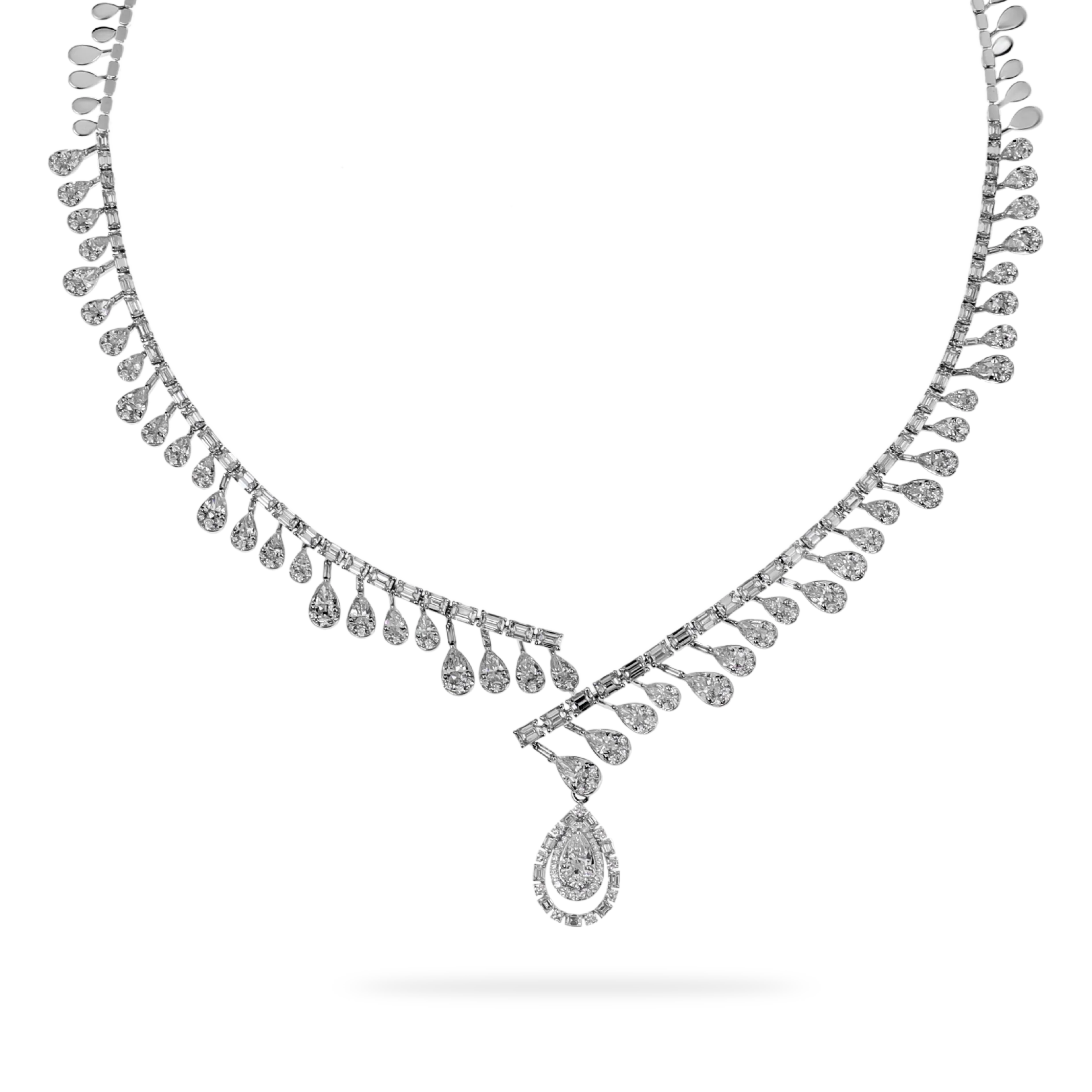
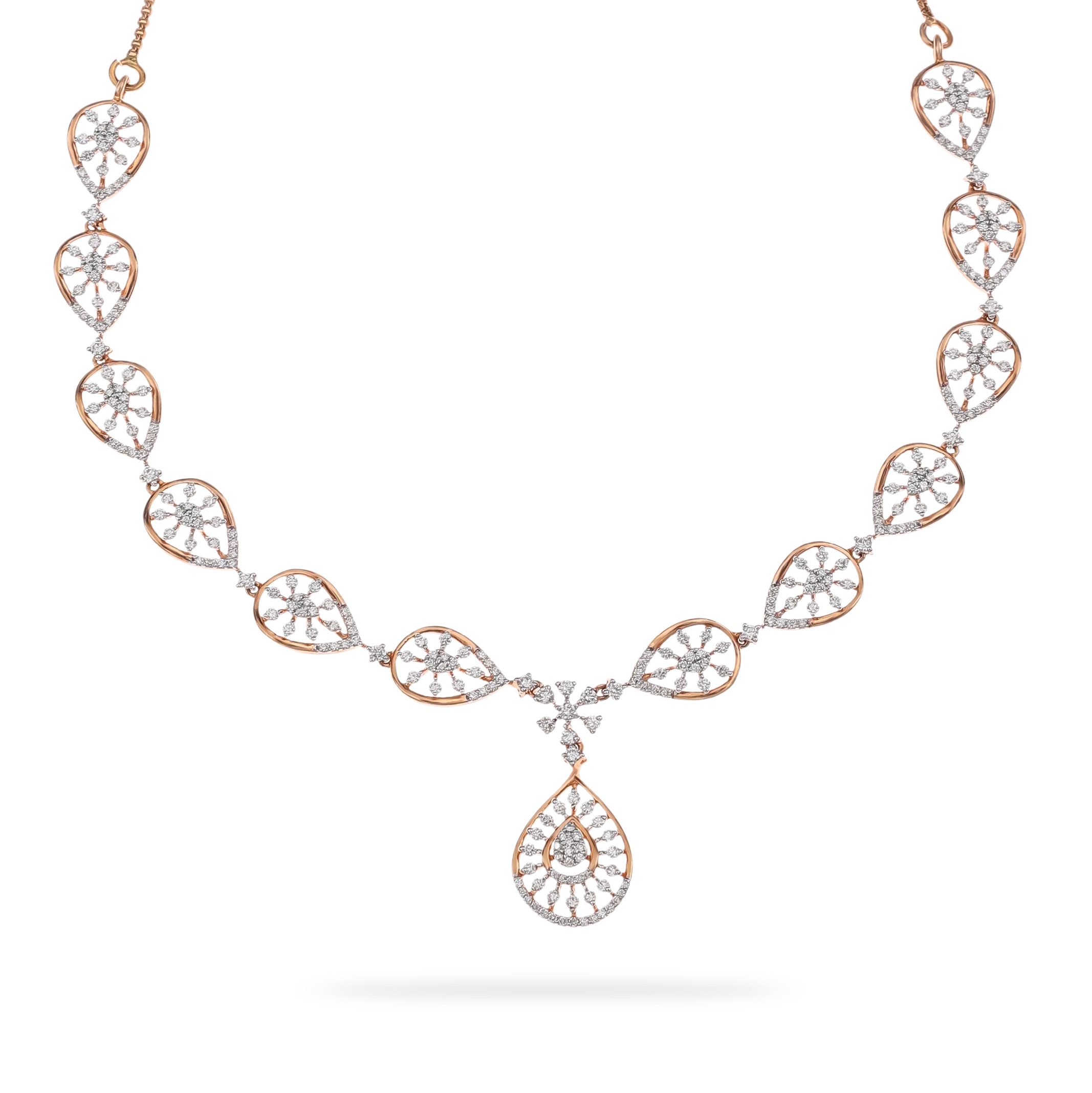
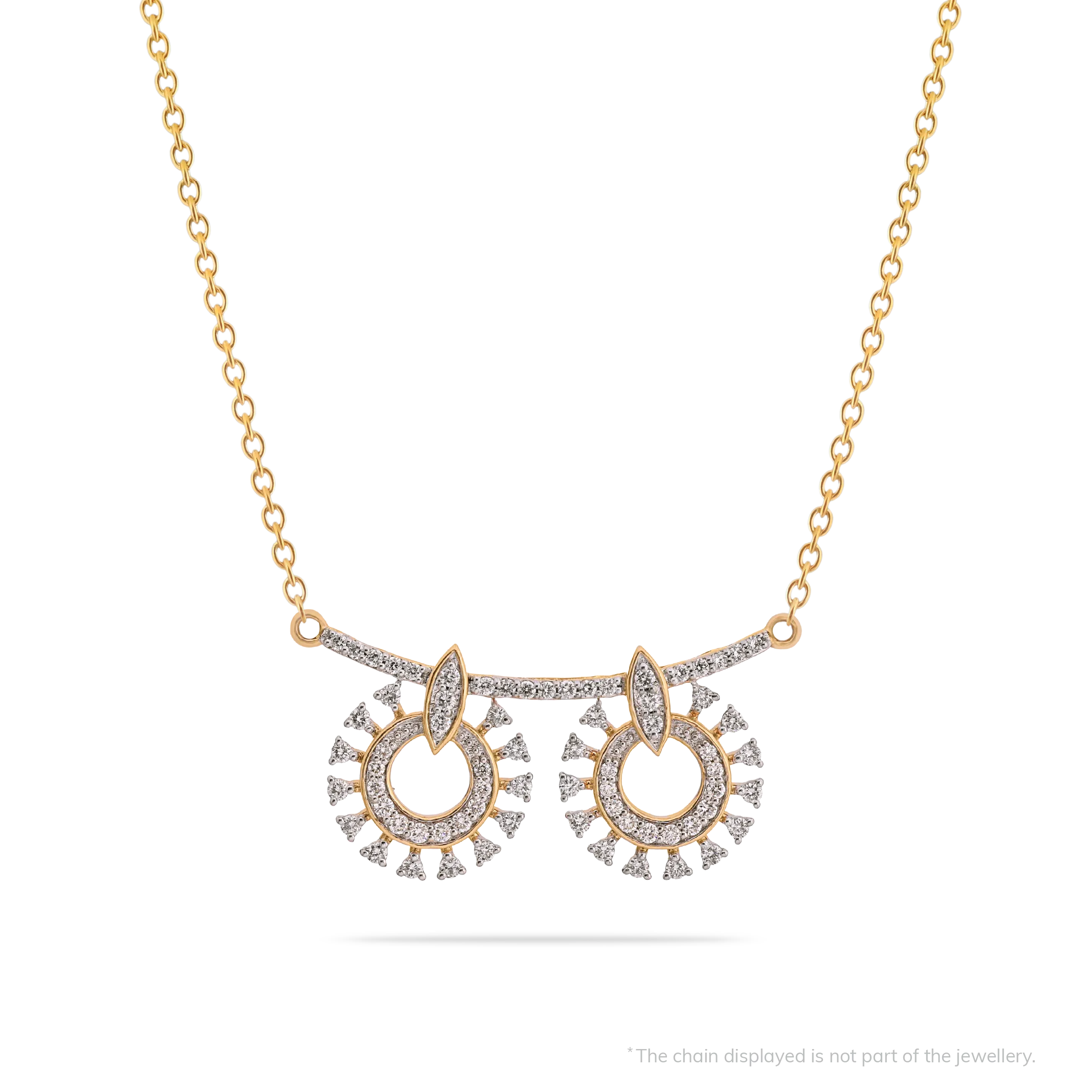
How to store a diamond necklace safely and prevent tangles
October 28, 2026 | 10 minutes read
Key Takeaways
A few simple habits can keep a diamond necklace clean, separated, and ready to wear. Choose storage that protects both the chain and the setting.
- Check the clasp, chain, and setting before putting the necklace away.
- Clean it gently and let it dry fully before storage.
- Give the necklace its own soft, nonabrasive space.
- Fasten the clasp and keep the chain from shifting or rubbing.
- For travel, use a padded case and keep valuable jewelry with you.
Prepare your necklace before storing it
A little attention before storage helps you catch small issues and avoid putting residue away with the necklace. Take a moment to check the piece, clean it with care, and make sure it is completely dry. These steps are useful whether you store it overnight or for a longer stretch.
Inspect the clasp, chain, and setting for damage
Look over the clasp and the length of the chain in good light. Check for links that appear bent, kinks that do not smooth out, or a clasp that no longer closes securely. Take a close look at the setting, too; if a prong seems loose or the diamond shifts, set the necklace aside and ask a qualified jeweler to inspect it before wearing or storing it.
Clean off oils and residue with jewelry-safe methods
Skin oils, lotion, and makeup can collect around the pendant and chain, so gently wipe the necklace with a clean, soft cloth before putting it away. For a deeper clean, follow the care guidance for the necklace’s materials rather than assuming every stone, bead, or finish responds the same way. A solitaire cleaning guide offers an example of jewelry-specific cleaning advice; when in doubt, check with a jeweler.
Dry the necklace completely before putting it away
After cleaning, make sure there is no moisture left around the setting, clasp, or chain links. Pat the necklace with a lint-free cloth and leave it out until it is fully dry, rather than closing it into a pouch while damp. That small pause helps keep the storage space dry and avoids trapping residue against the jewelry.
Choose the right storage option
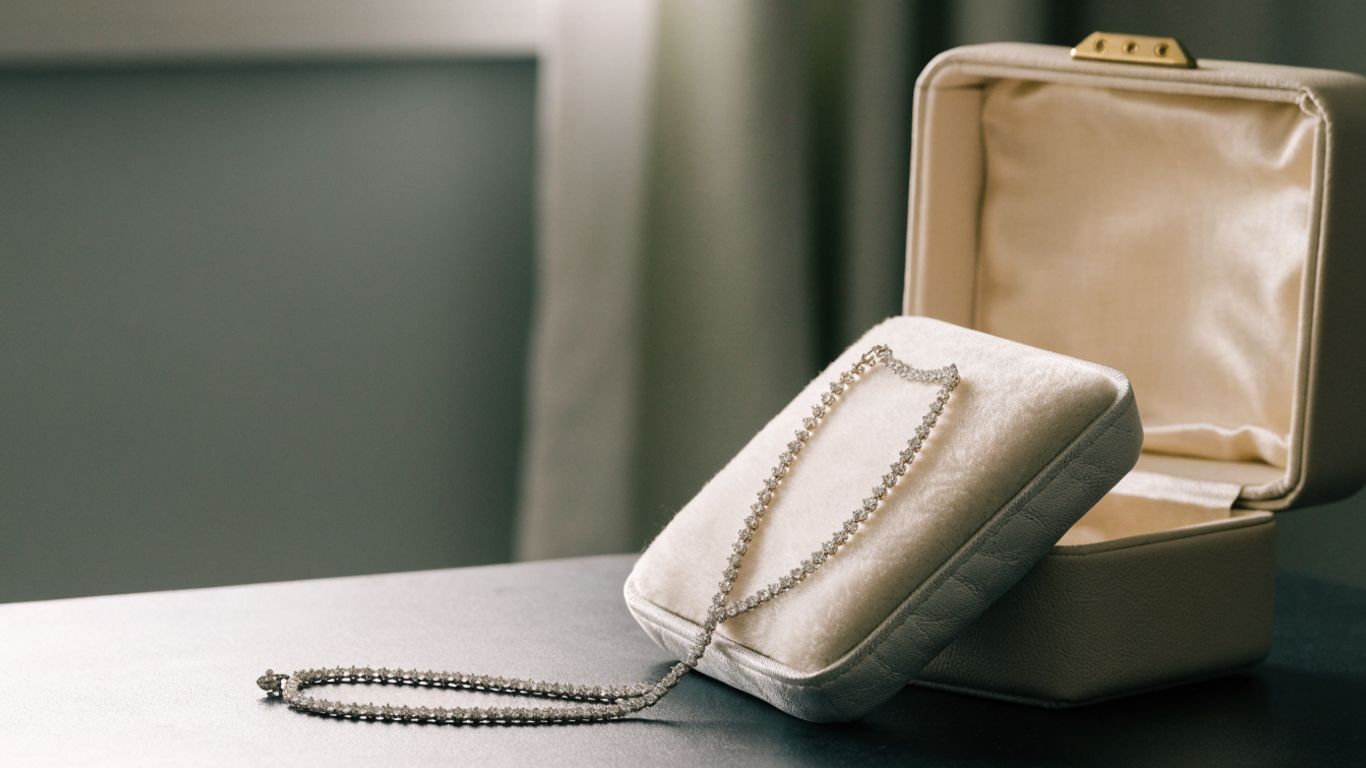
The best storage spot is one that keeps the necklace separate, supported, and easy to remove without pulling the chain. A dedicated compartment in a jewelry box can work well, while a soft pouch is useful when space is limited. Consider how often you reach for the piece as well as how long it will be stored.
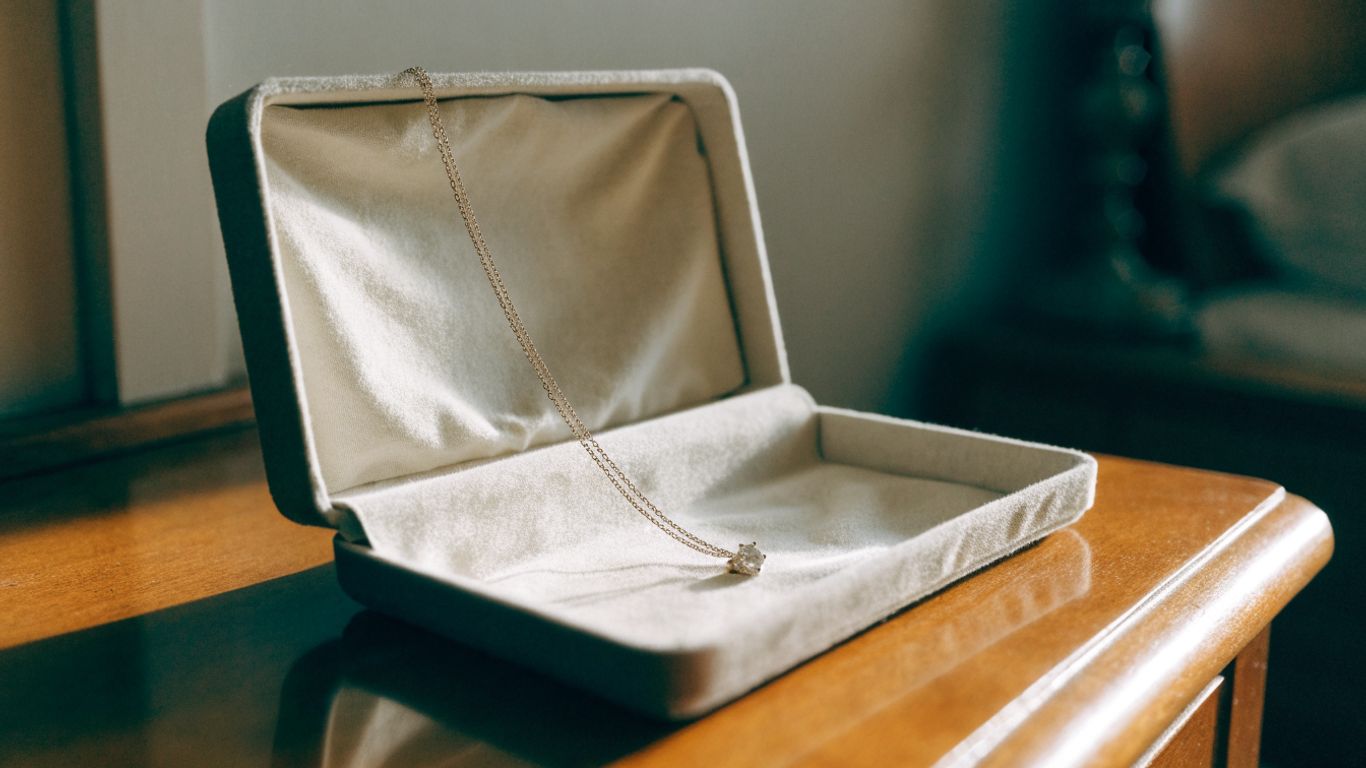
Use a fabric-lined jewelry box with a separate compartment
A lined box with its own compartment gives the pendant and chain room to rest without getting mixed in with other pieces. Choose a compartment large enough that the chain does not need to be folded tightly, and avoid stacking jewelry on top of it. Keeping one necklace in one space makes it easier to put away consistently and reduces the chance of a knot forming unnoticed.
Protect the necklace in a soft pouch or individual sleeve
A soft pouch or sleeve is a simple option when a jewelry box is not available, or when you want to keep the necklace contained in a drawer. Make sure the chain is laid out rather than bunched at the bottom, then close the pouch gently without catching the pendant. Advice on storing diamond jewelry safely also points to individual soft storage as a way to keep pieces apart.
Check that the storage material is gentle and nonabrasive
The lining should feel smooth and should not snag on fine links or the setting. If you are choosing between a few everyday options, compare how each one supports the necklace and keeps it separate.
| Storage option | Useful when | Check before use |
|---|---|---|
| Separate box compartment | The necklace stays at home | The lining is smooth and clean |
| Soft pouch | You need compact storage | The chain lies flat inside |
| Individual sleeve | You want pieces separated in a drawer | The closure does not catch links |
| Padded jewelry case | You are packing for a trip | The necklace cannot shift freely |
Whichever option you choose, keep the necklace in a space that is clean and large enough for it to rest without pressure. If the fabric catches on the chain, choose a smoother lining or a different container.
Prevent tangles and chain damage
Fine chains can knot when they slide around in a crowded compartment, especially if the clasp or pendant catches another piece. The aim is not to force the chain into a particular shape, but to limit unnecessary movement and keep it separated. A few small adjustments before closing the box can make the next time you wear it much easier.
Fasten the clasp before storing the necklace
Close the clasp before putting the necklace away so the loose end is less likely to thread through the chain and form a knot. Lay the chain down gently instead of pulling it taut. If the clasp feels difficult to close or does not stay shut, do not tug at it; have it checked before relying on it for storage or wear.
Lay the chain flat or hang it from a padded hook
A chain can rest flat in a wide compartment, or hang from a padded hook if the storage setup is stable and the pendant is supported. Either way, avoid sharp bends and keep the pendant from pulling heavily on one spot. Choose the method that lets you put the necklace away without stretching or forcing the links.
Keep pendants and chains from rubbing against other jewelry
A pendant can catch on a neighboring chain, and pieces stored together may rub as the drawer opens and closes. Before choosing a storage arrangement, think about which parts are most likely to meet and snag. In a shared drawer or box, these habits help keep necklaces apart:
- Give each necklace its own compartment or pouch.
- Fasten clasps so loose ends do not drift through other chains.
- Keep pendants from resting against other pieces.
- Avoid piling jewelry on top of a stored necklace.
After arranging the pieces, check that the chain lies freely and that the pendant has not slipped beneath another item. A brief look now can spare you the slow work of easing apart a tangle later.
Protect the diamond and setting from damage
A diamond is durable, but the necklace around it still needs thoughtful handling. The setting, chain, and any surrounding materials can be scratched, bent, or caught if they are crowded together or handled roughly. Store the piece so it is protected from contact and from substances that can leave residue.
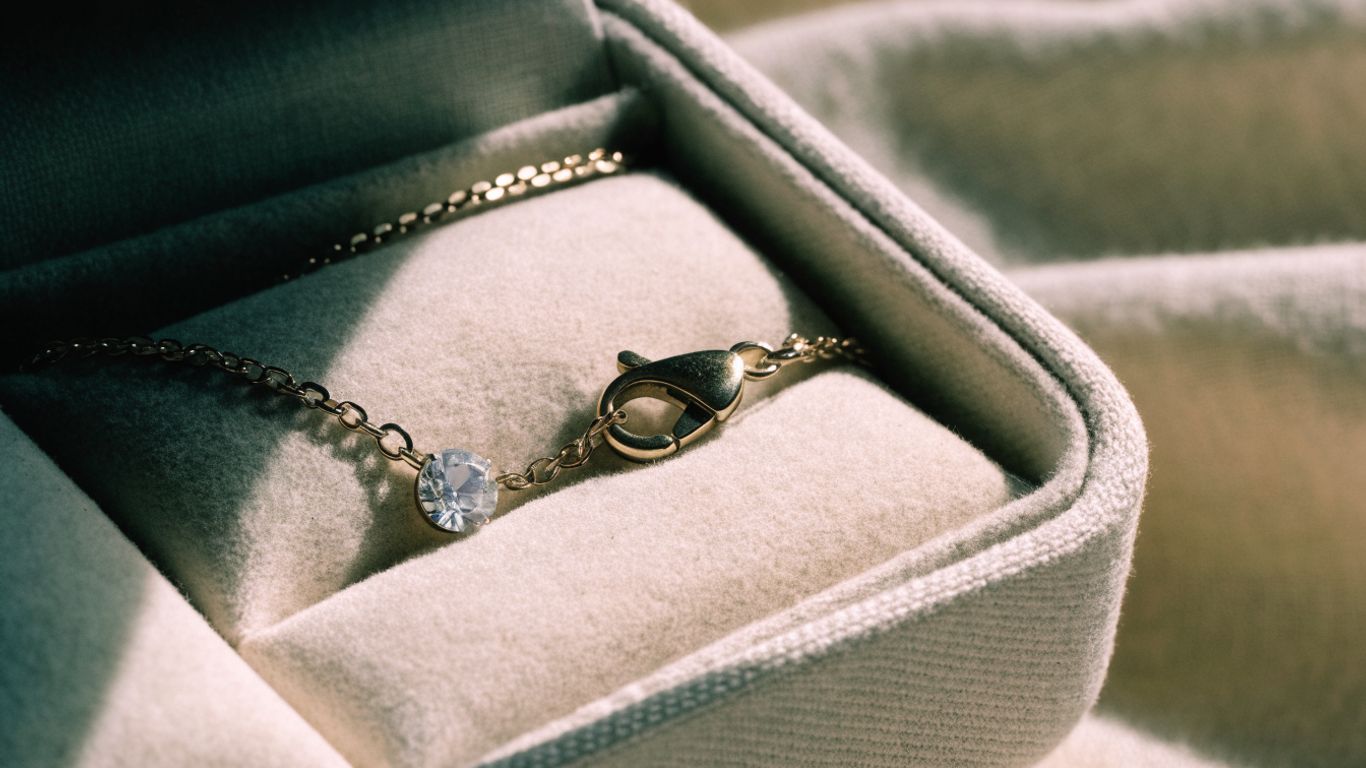
Store the necklace away from harder gemstones and metal pieces
Keep the necklace in its own space rather than allowing the diamond, setting, or chain to press against other jewelry. Separate storage helps avoid scratches and tangles caused by pieces rubbing together. If a compartment contains several items, add an individual sleeve or pouch so the necklace does not touch them directly.
Avoid exposing it to household chemicals and cosmetics
Put the necklace away before applying cosmetics, fragrance, or household cleaning products. These substances can leave films or residue on jewelry, and direct contact may not suit every material in a piece. If the necklace is exposed, use a gentle, material-appropriate cleaning method and let it dry fully before returning it to storage.
Handle the setting carefully when placing or removing the necklace
Lift the necklace by the chain rather than pulling on the pendant or gripping the setting. When taking it out of a pouch, open the pouch fully and ease the chain free instead of tugging at a snag. That careful movement reduces strain on the links and helps avoid putting pressure on the setting.
Keep storage conditions stable
Where you keep a necklace matters as much as what you keep it in. Aim for a spot that stays relatively cool and dry, away from direct sun and damp air. Stable conditions are especially useful when the necklace will be left untouched for a while.
Choose a cool, dry location away from direct sunlight
A drawer or closed cabinet in a dry room is generally a more sensible choice than a windowsill or another sunny spot. Direct sunlight can warm the storage area, and an open display leaves the necklace exposed to dust and everyday handling. Choose a location that is easy to use without being in the way.
Reduce exposure to humidity and sudden temperature changes
Try not to move the necklace repeatedly between very different conditions, such as a humid room and a cold storage area. If you bring it in from a trip or another environment, let the case settle in the room before opening it. Consistency is more practical than trying to control every small change in the air.
Keep the necklace out of bathrooms and other damp spaces
Bathrooms are often humid, particularly after a shower, so they are not ideal places for long-term jewelry storage. A dry bedroom drawer or closet shelf is usually easier to keep consistent. If you notice dampness in the storage area, move the necklace and its container somewhere drier.
Store a diamond necklace safely while traveling
Travel adds movement, shared luggage space, and more chances for a chain to catch on something. Pack the necklace so it cannot slide around freely, and give it a separate place away from other jewelry and toiletries. Before you leave, check that the case closes securely and that the necklace is dry.
Pack it in a padded, separate jewelry case
Use a padded case with a dedicated space for the necklace, rather than dropping it loose into a handbag or suitcase pocket. A pouch can offer separation, but place it inside a protective case so it is less likely to be compressed or knocked around. Keep the pendant from pressing against the lid or another packed item.
Secure the chain to limit movement during transit
Before closing the case, fasten the clasp and arrange the chain so it cannot bunch up during the journey. A case with a necklace strap or other gentle way to hold the chain can help, provided it does not pull tightly on the links. A short packing routine keeps things simple:
- Wipe the necklace and confirm it is fully dry.
- Fasten the clasp and lay the chain in its own space.
- Place the necklace in a padded, separate case.
- Check that the case closes without pressing on the pendant.
When you arrive, open the case carefully and check that the chain has not shifted or caught. Put the necklace away again in a secure spot if you are not wearing it.
Keep valuable jewelry with you rather than in checked luggage
Keep valuable jewelry in your personal carry-on belongings rather than placing it in checked luggage. Choose a secure, zipped compartment and avoid taking the necklace out in busy or unfamiliar places. When it is not being worn, return it to its separate case instead of leaving it loose in a room or bag.
Conclusion
Storing a diamond necklace safely comes down to a few calm, repeatable habits: check it, clean and dry it, then give the chain and pendant their own protected space. Whether at home or on a trip, gentle handling and a dry, stable storage spot help keep the necklace ready to wear and less likely to tangle.
Frequently Asked Questions
Should I store a diamond necklace in a jewelry box?
Yes, a jewelry box can be a good option if it has a clean, soft lining and a separate compartment where the necklace can lie without being crowded.
Is it better to store a necklace in a pouch?
A soft pouch can work well, especially when it keeps the necklace separate from other pieces. Lay the chain out inside rather than bunching it at the bottom.
Should I clasp a necklace before storing it?
Fastening the clasp can reduce the chance that a loose end threads through the chain. Lay the necklace down gently afterward, without pulling it taut.
Can I store my diamond necklace with other jewelry?
It is better to keep it in its own compartment, pouch, or sleeve so the chain and pendant do not rub against or catch on other pieces.
Should I clean a diamond necklace before storing it?
Wiping away oils and residue before storage is a useful habit. Use a gentle method that suits the necklace’s materials, and follow any care instructions you have for the piece.
Where should I keep a diamond necklace at home?
Choose a cool, dry drawer or cabinet away from direct sunlight and damp rooms. Keep it somewhere practical but protected from everyday handling.
How should I pack a diamond necklace for travel?
Place it in a padded, separate jewelry case, secure the chain gently, and keep the case with you rather than in checked luggage.
Related blogs:
November 20, 2025
The Timeless Elegance of the Tennis Bracelet: A Comprehensive Guide
Read More
November 20, 2025
The Ultimate Guide to Styling and Wearing a Choker Necklace
Read More
November 20, 2025
Find Your Perfect Engagement Ring: A Comprehensive Guide to Styles and Diamonds
Read More
November 20, 2025
The Timeless Elegance of a Diamond Tennis Bracelet: A Buyer's Guide
Read More