How to mix gold and diamond jewellery: A practical styling guide
October 17, 2026 | 10 minutes read
Key Takeaways
A few simple choices can make gold and diamond jewellery feel considered rather than overmatched. Start with the pieces you love, then build a look around their color, scale, and setting.
- Choose gold tones that work with the colors and mood of your outfit.
- Let one piece lead when combining bold diamonds with simpler gold designs.
- Vary necklace lengths and textures to give layered chains room to stand apart.
- Balance rings and bracelets with their widths, your watch, and your sleeves.
- Repeat a metal tone or design detail to connect different pieces.
Choose gold tones that complement your diamonds
The gold around a diamond can change the overall feel of a piece, even when the stone itself stays the same. Think about the colors you wear most often, but don’t treat them as strict rules. A warm or cool palette can be a useful starting point, and a repeated tone helps mixed pieces feel connected. For more ideas on gold styling for different occasions, look at the outfit as part of the whole combination.
Pair yellow gold with warm-toned outfits
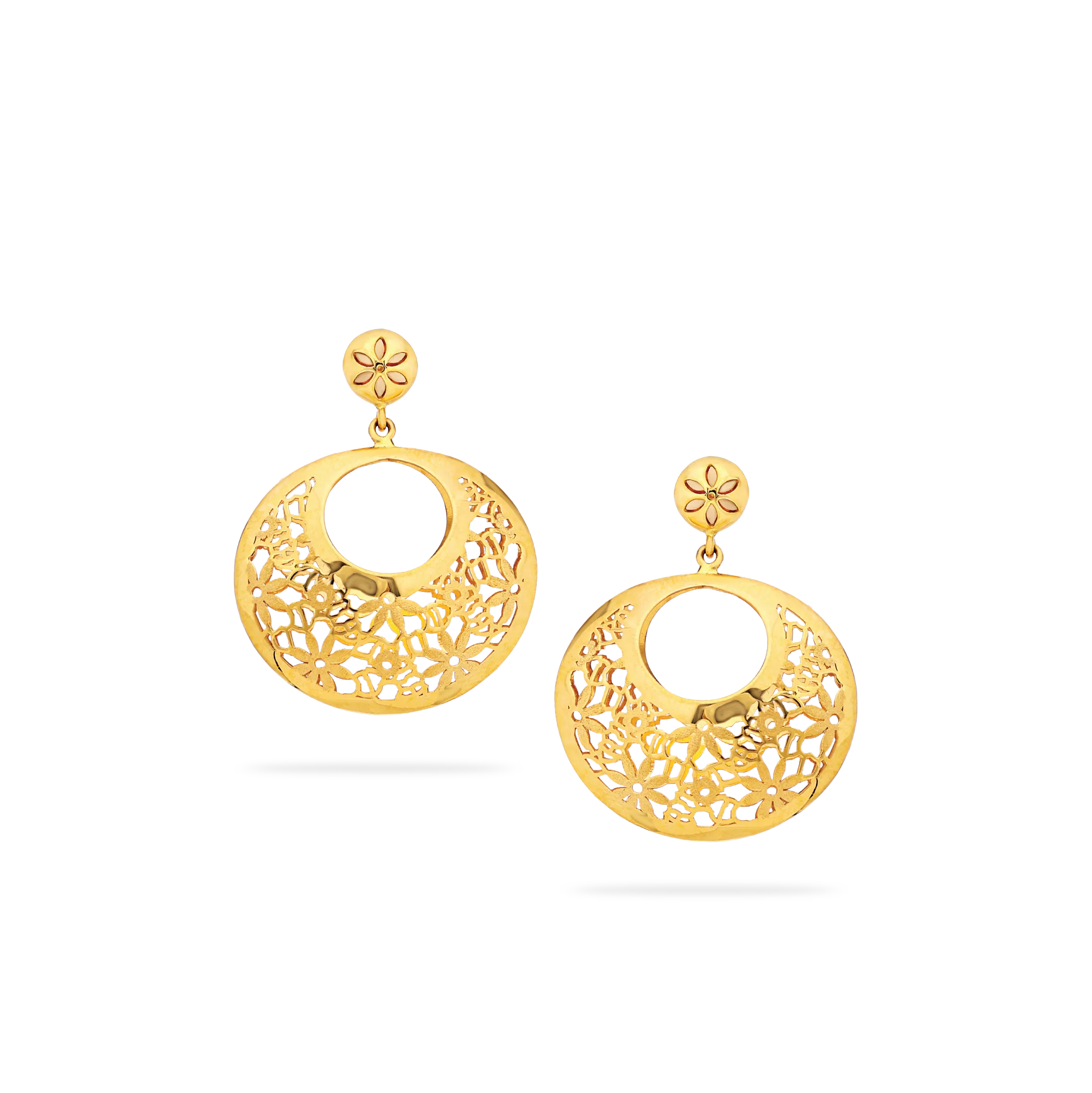
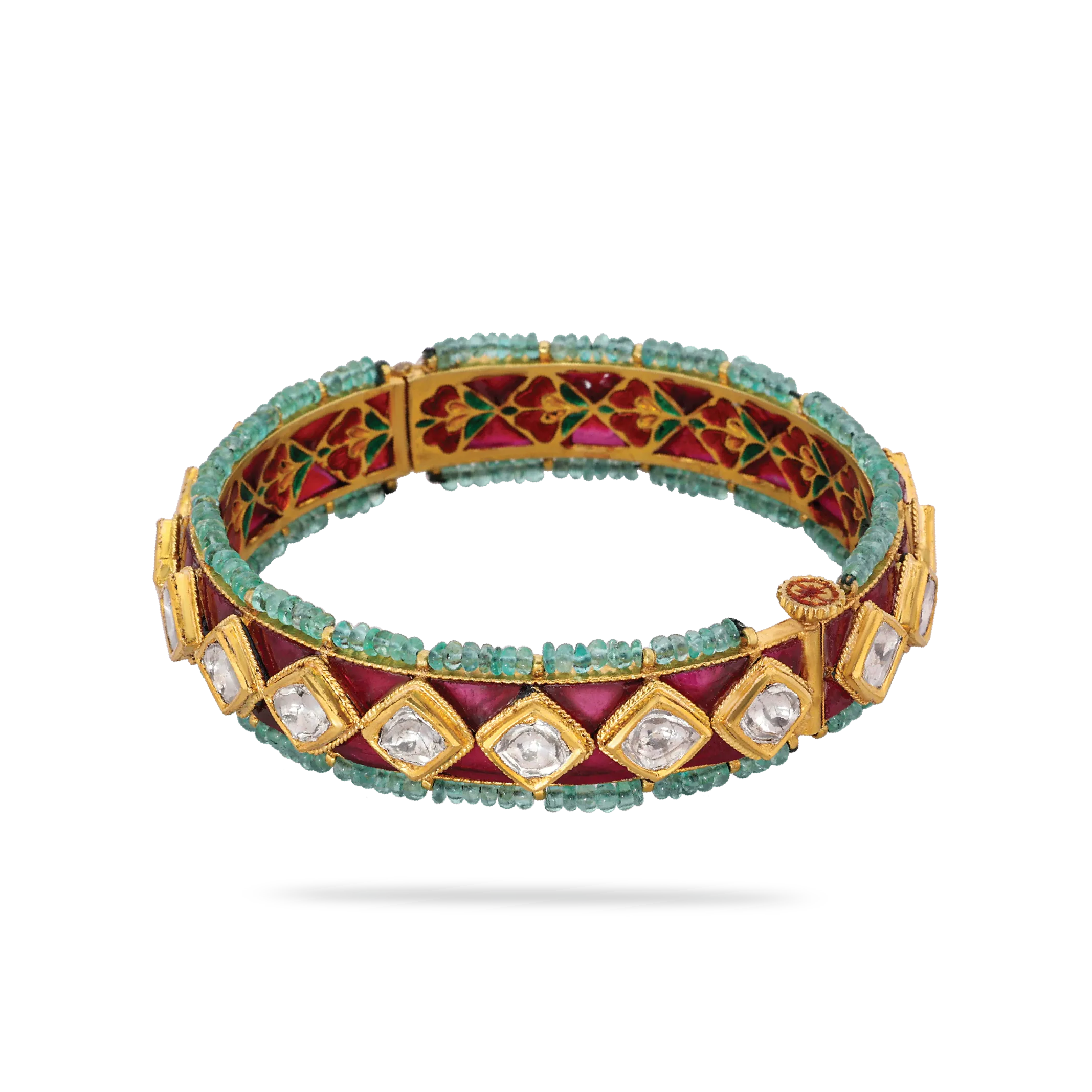
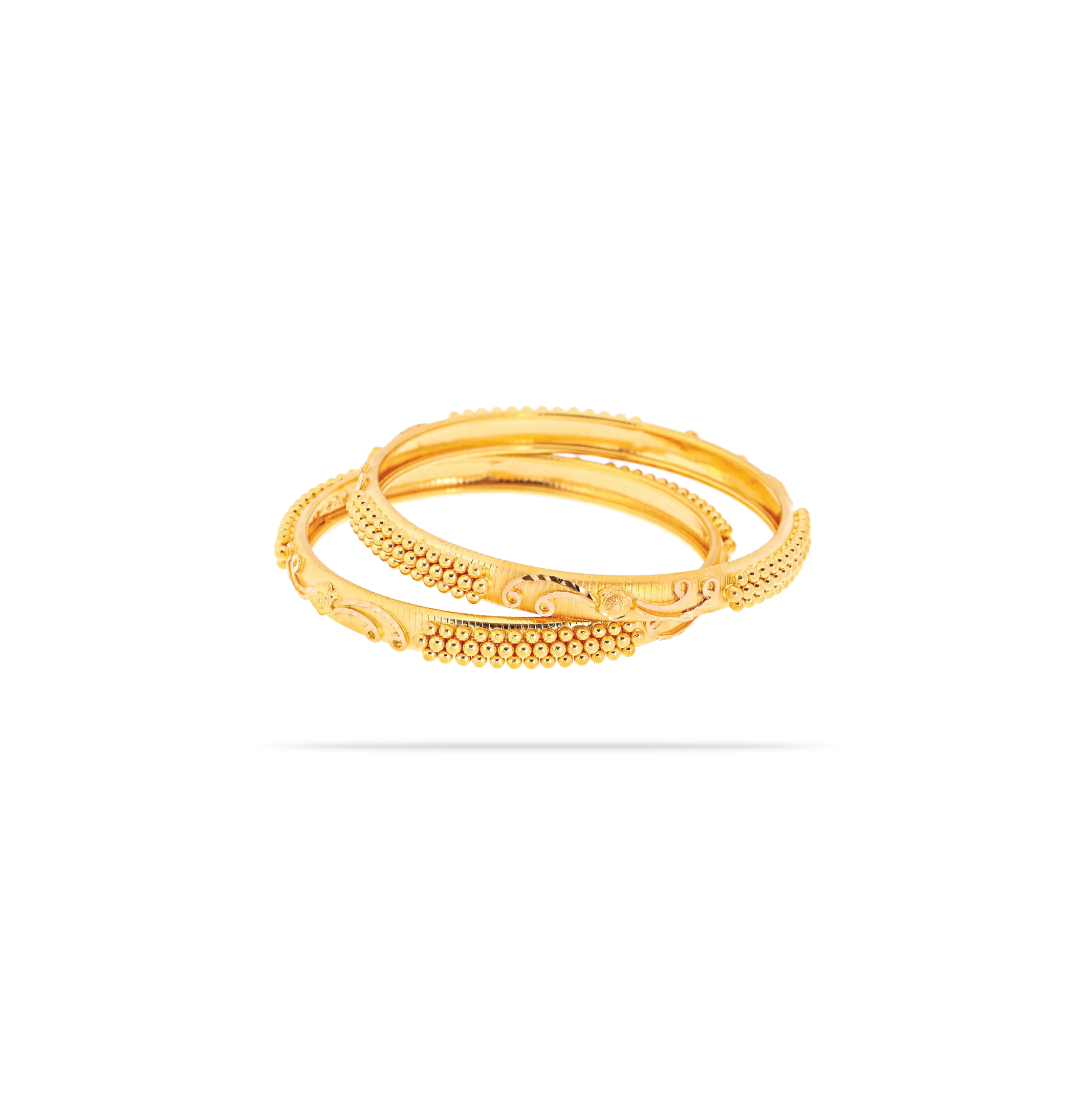
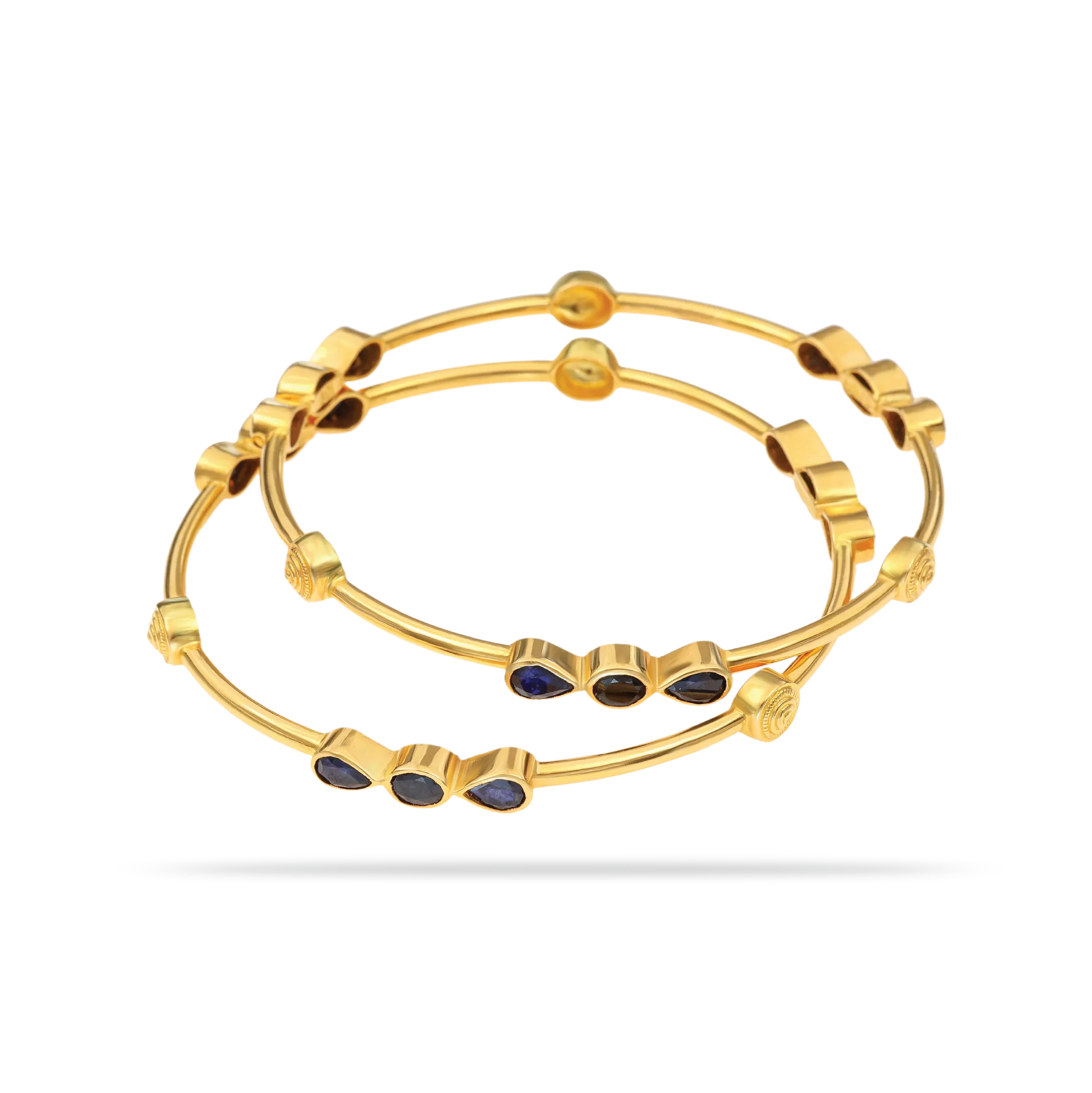
Yellow gold often feels at home beside earthy shades, creams, and other warm colors. With a diamond piece, its rich tone can make the overall look feel softer than an all-white-metal combination. If you like to plan around color, this quick comparison can help you choose a starting point:
| Gold tone | Outfit colors to try | Overall impression |
|---|---|---|
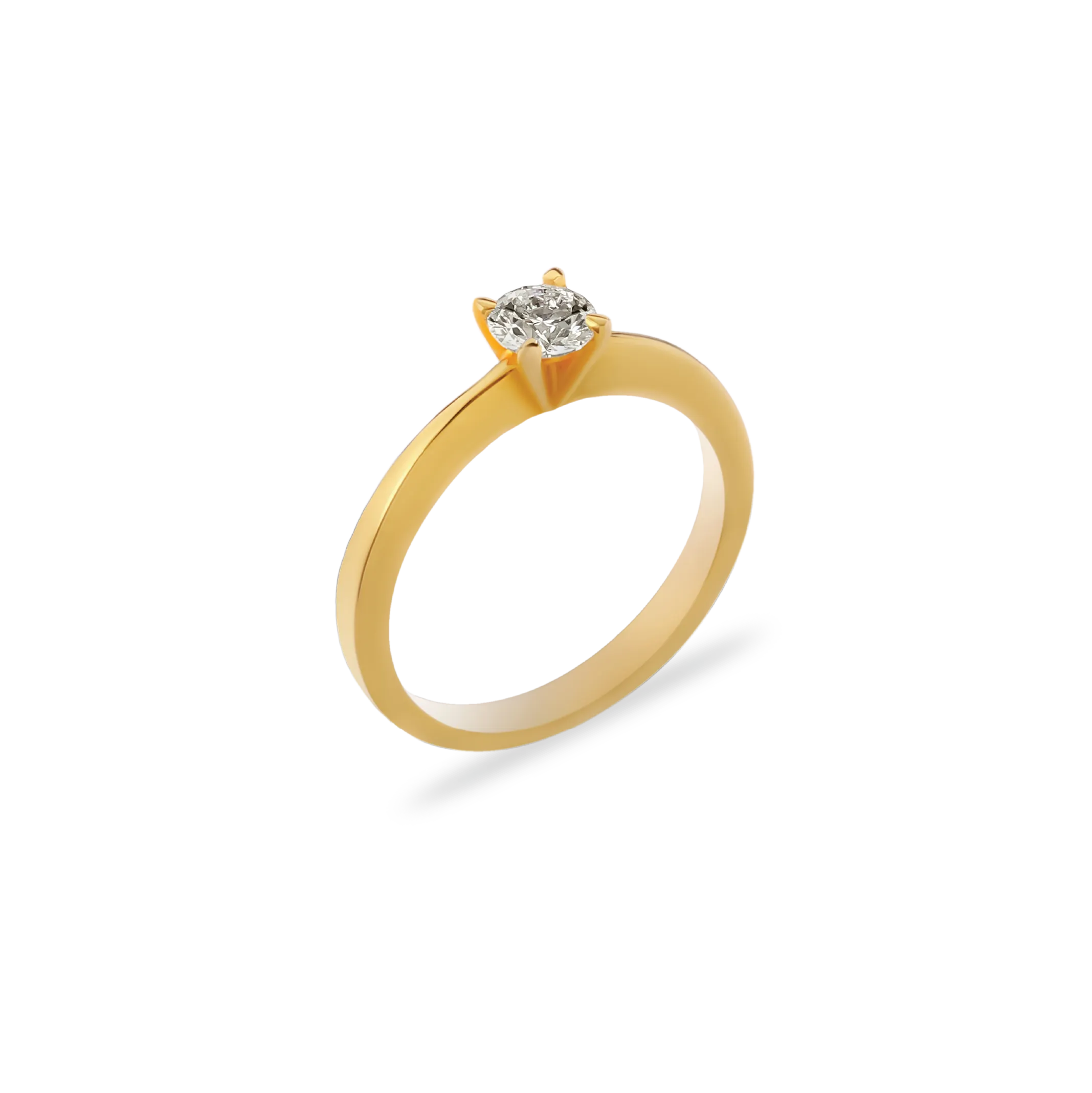
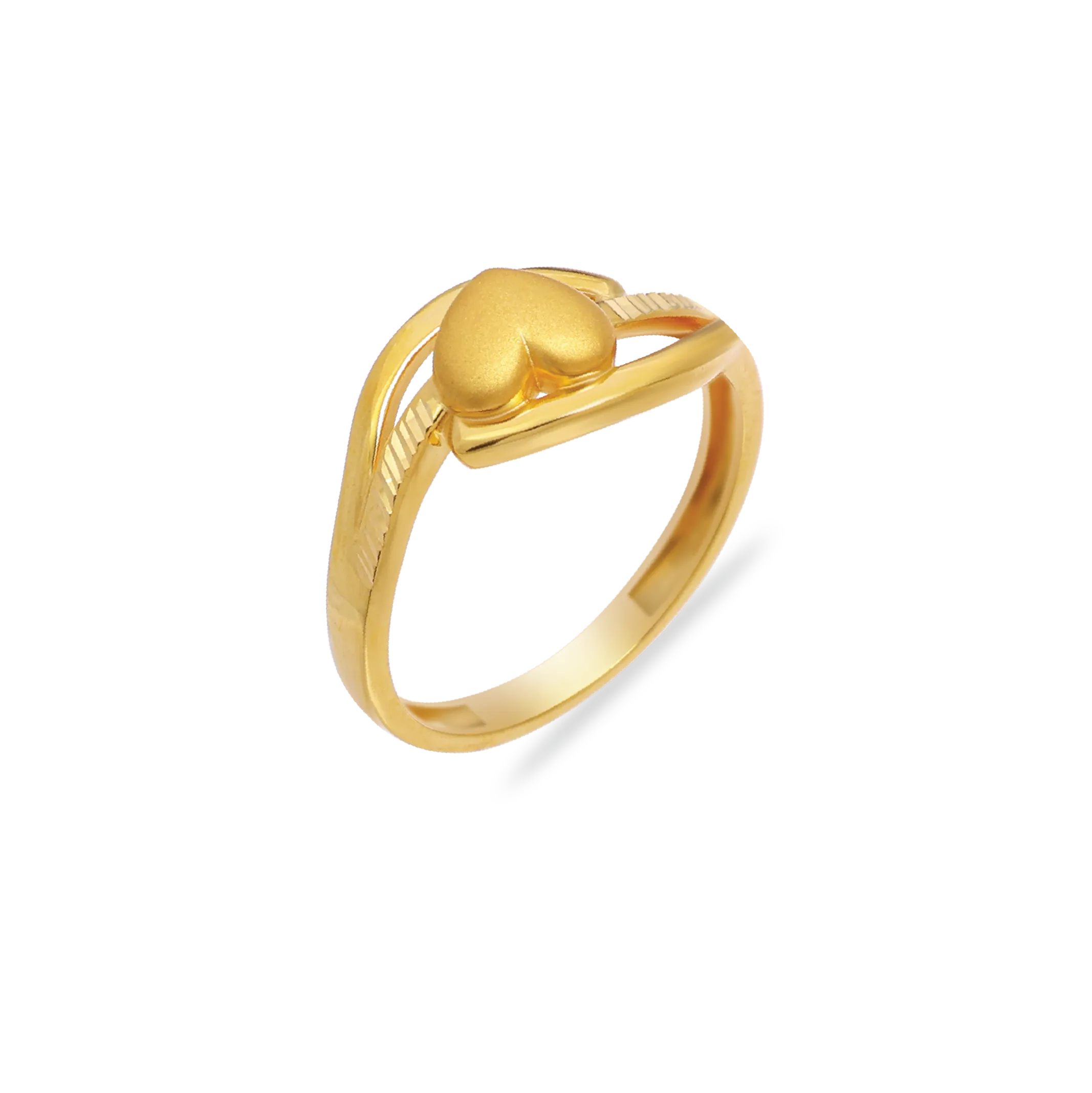
| Yellow gold | Cream, rust, olive | Warm and relaxed |
| White gold | Navy, gray, crisp white | Cool and clean |
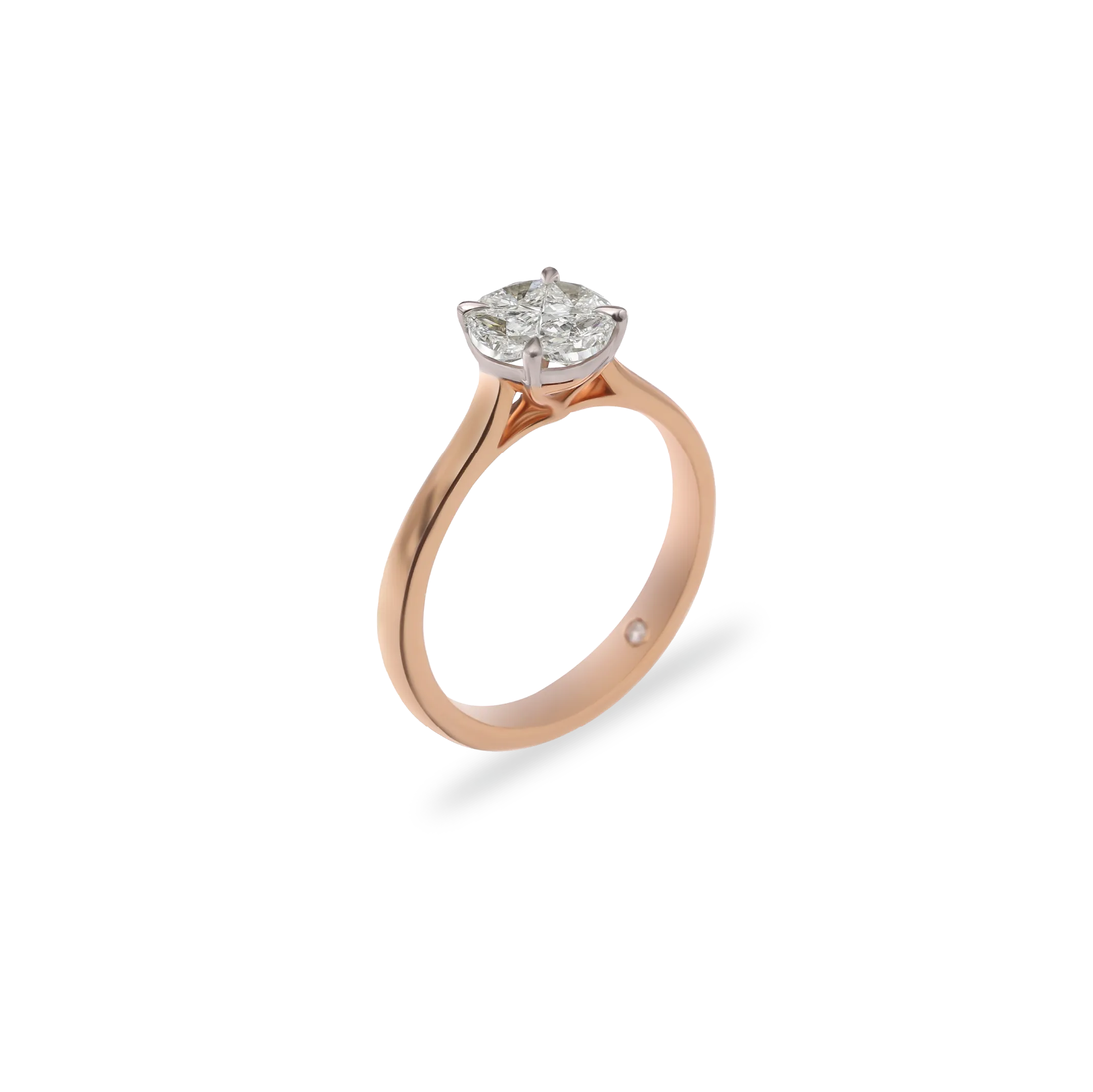
| Rose gold | Blush, burgundy, soft neutrals | Gentle and romantic |
Use the table as a guide, not a rulebook; contrast can be just as appealing as a close color match. A yellow-gold setting can bring warmth to a cool outfit, while a diamond’s brightness keeps the combination from feeling too uniform.
Use white gold for a cool, cohesive look
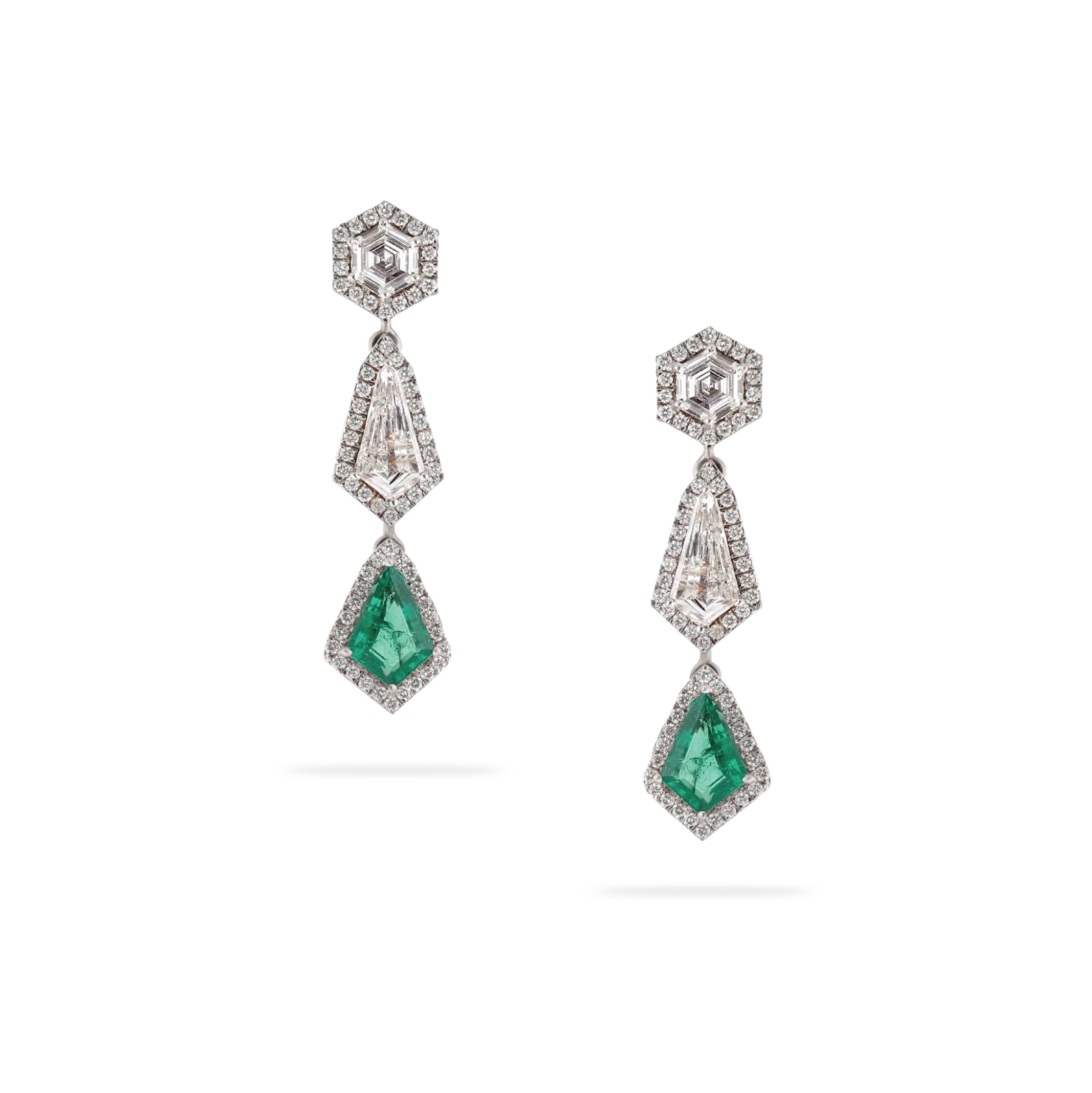
White gold works naturally with a cooler palette, such as charcoal, blue, and crisp white, but it can also create a quiet contrast against warm clothing. When your diamond jewellery already has a light, bright appearance, choosing white gold can keep the whole piece visually streamlined. You don’t need to match every accessory; one or two related details are enough to make the choice look deliberate.
Mix gold colors by repeating each tone
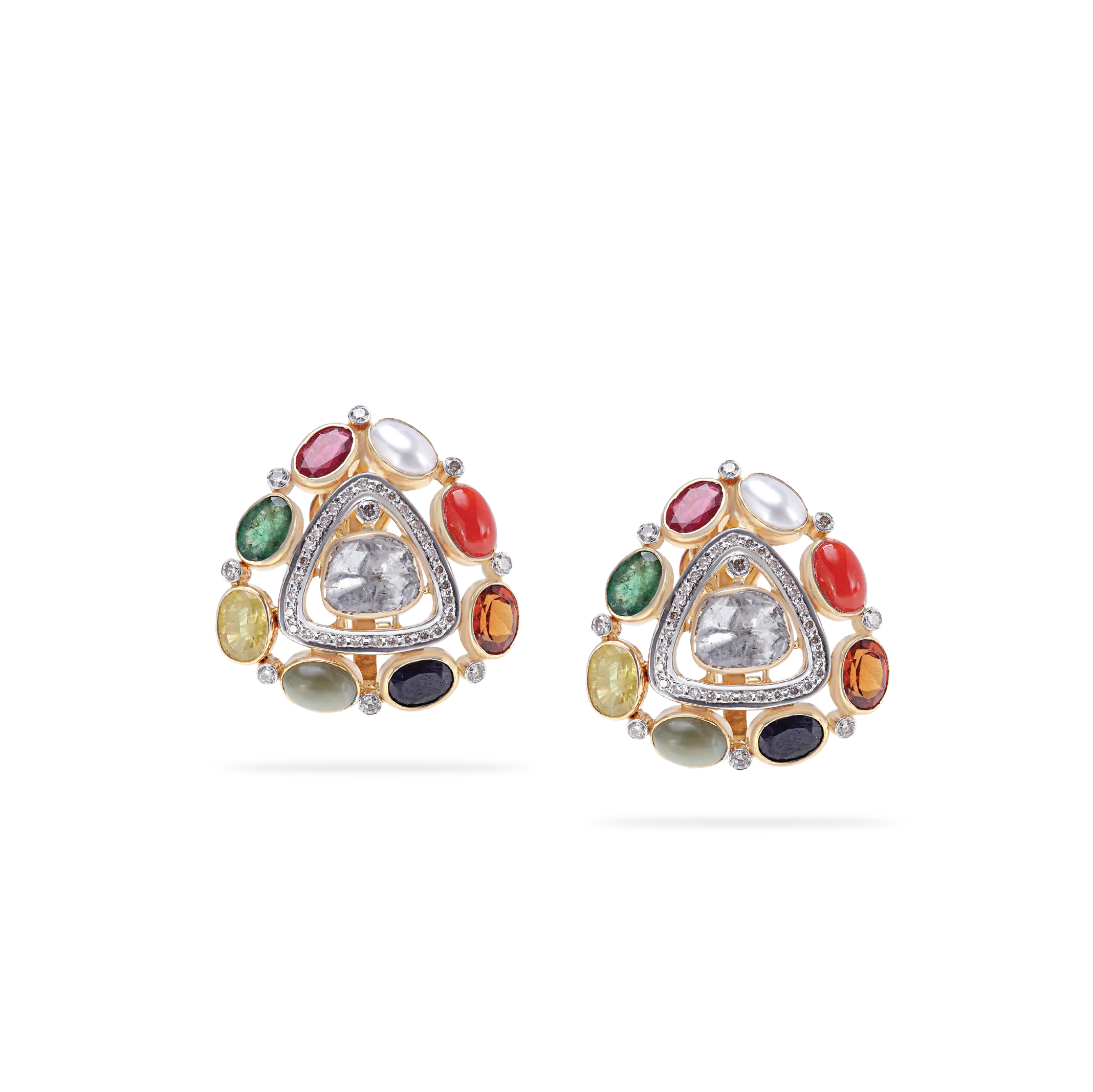
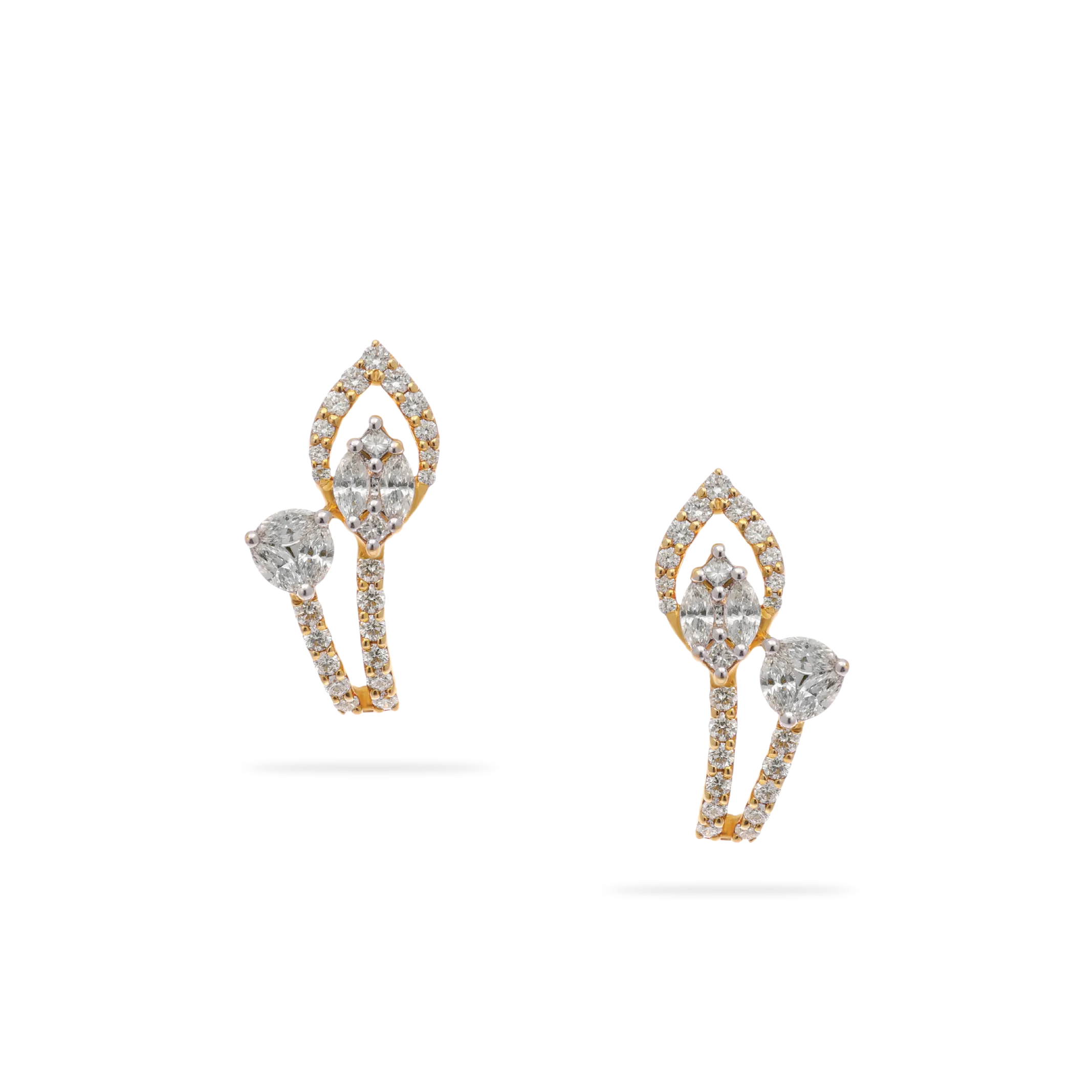
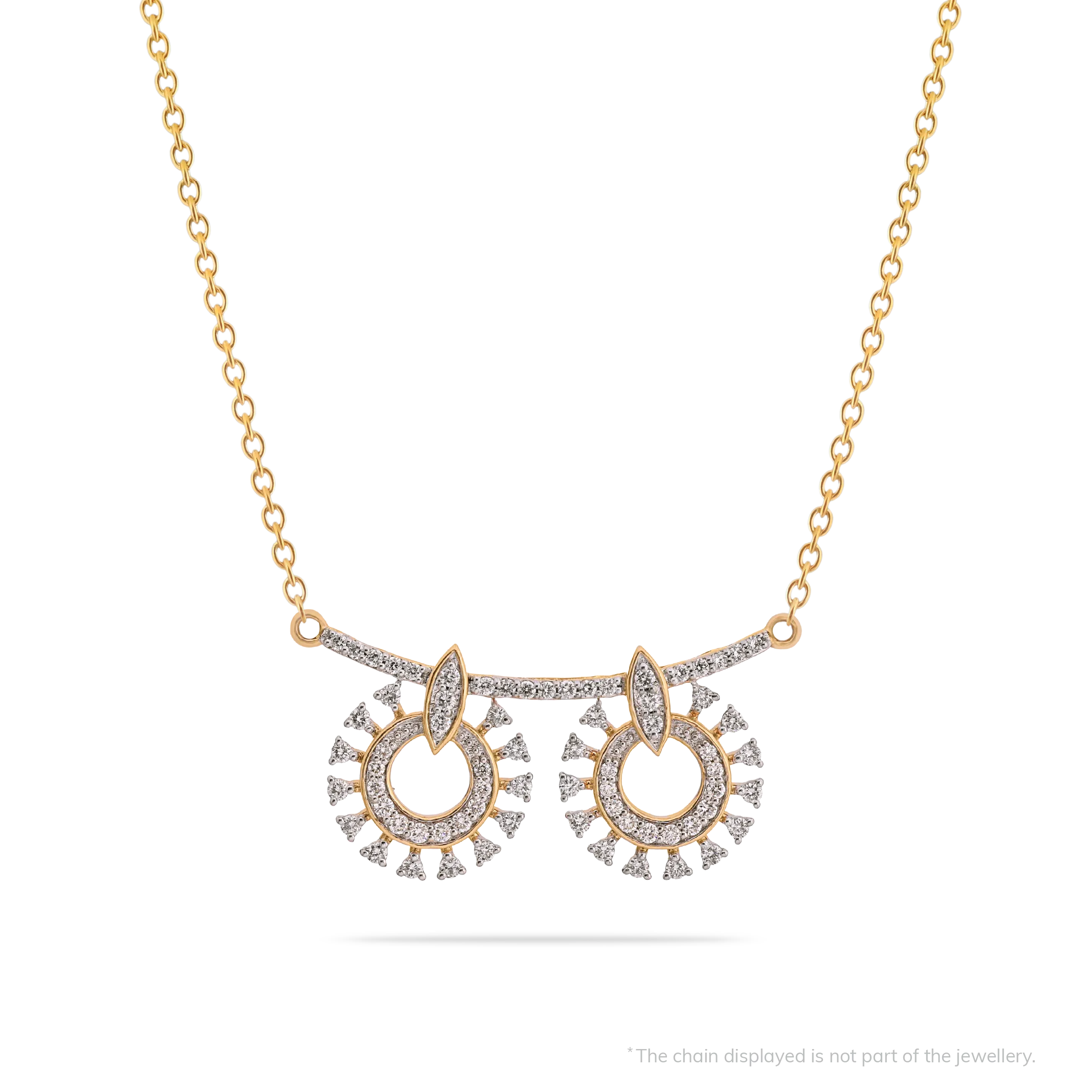
Different gold tones can sit together comfortably when each has a clear place in the look. Try a yellow-gold ring with a white-gold diamond pendant, then echo one of those tones in another small piece. Repetition gives the eye a path between the metals, so the combination feels collected rather than accidental. If you are unsure, keep one tone prominent and let the other appear as an accent.
Balance sparkle, scale, and proportion
A mixed look usually feels most natural when the pieces have room to be noticed individually. Consider the size of the diamond, the width of its setting, and the weight of any nearby gold jewellery. This doesn’t mean everything needs to match; a thoughtful difference in scale can add interest. The aim is to give the eye a clear place to land, then let the other pieces support it.
Pair statement diamonds with simpler gold pieces
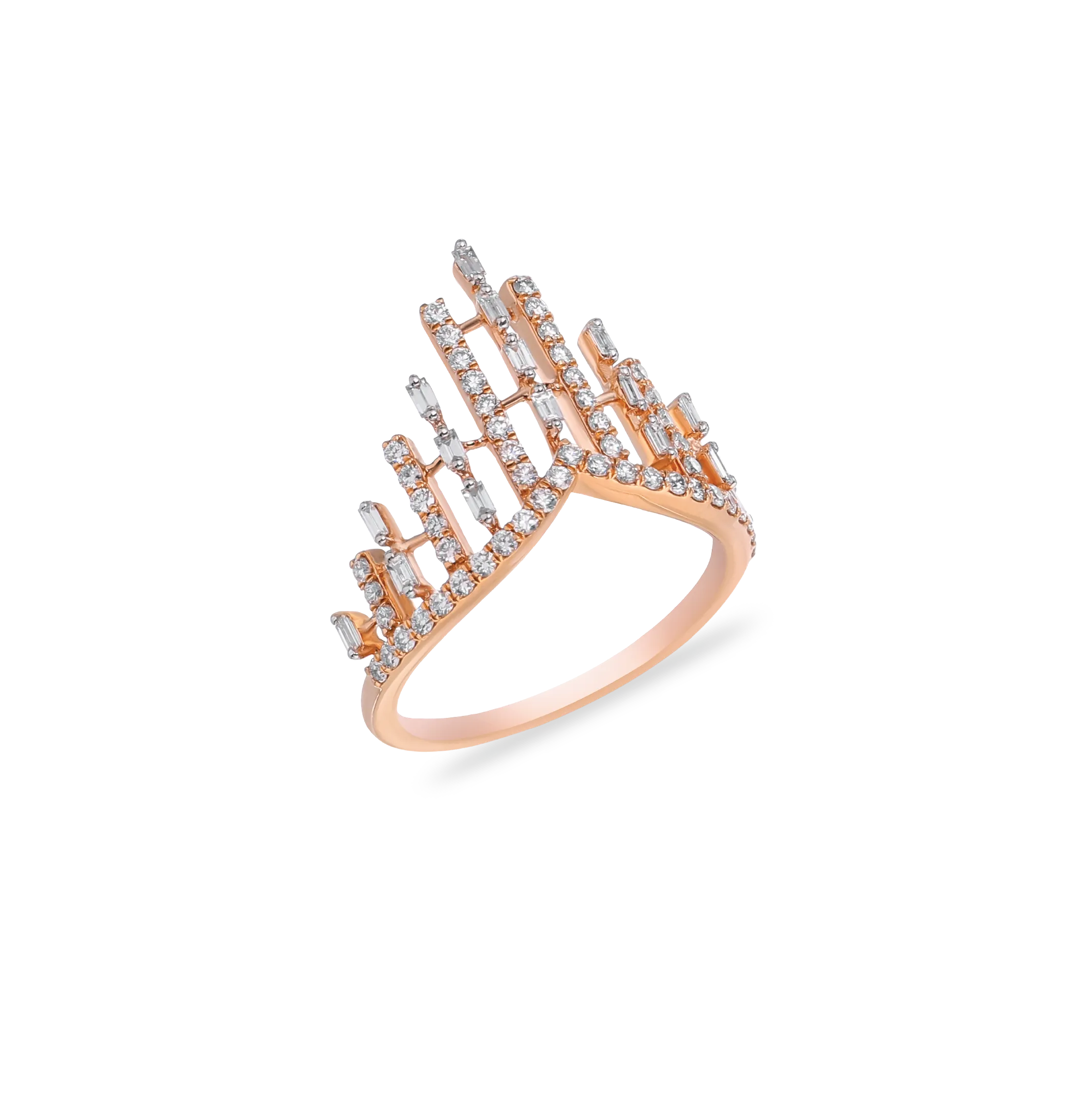
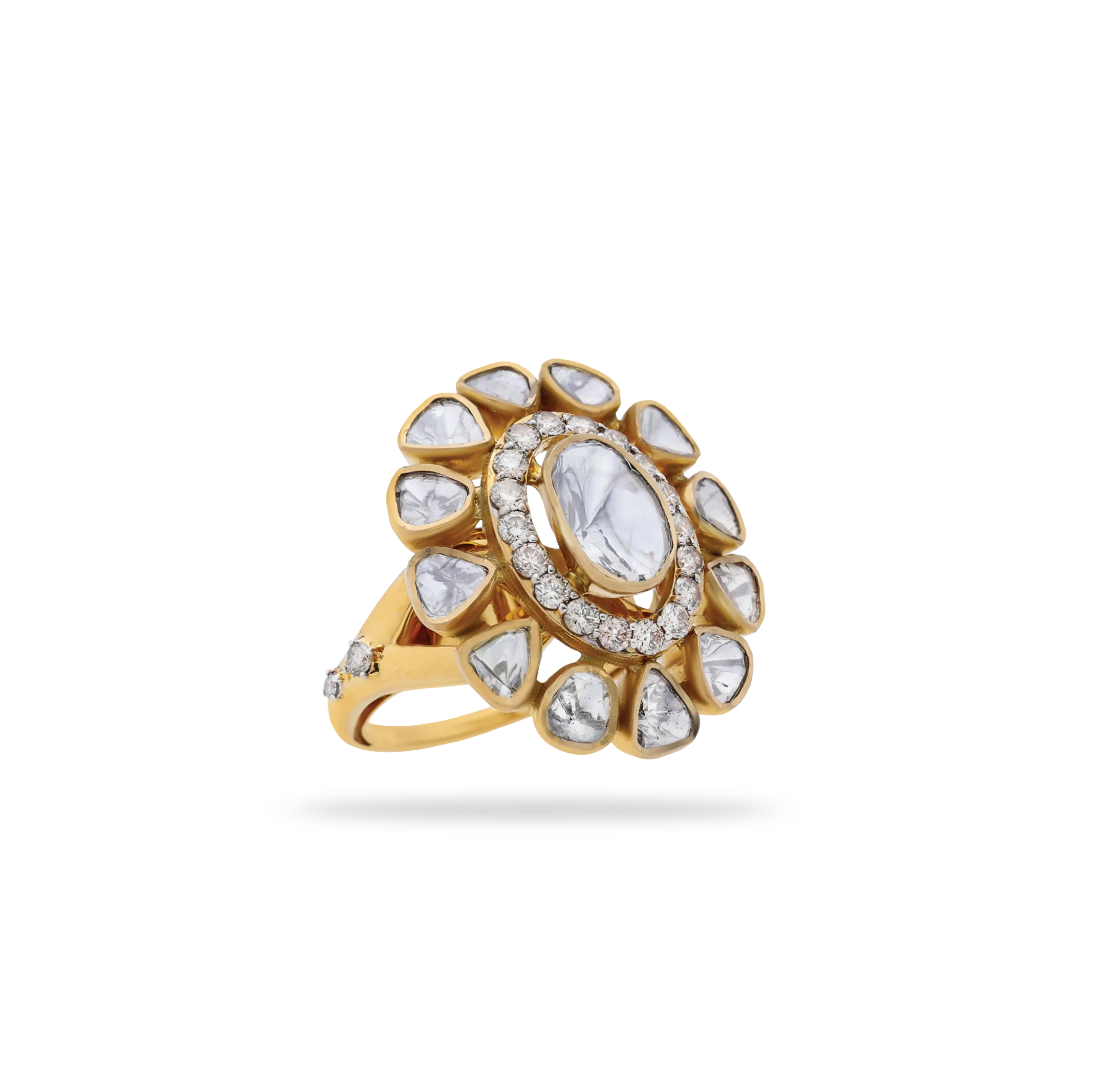
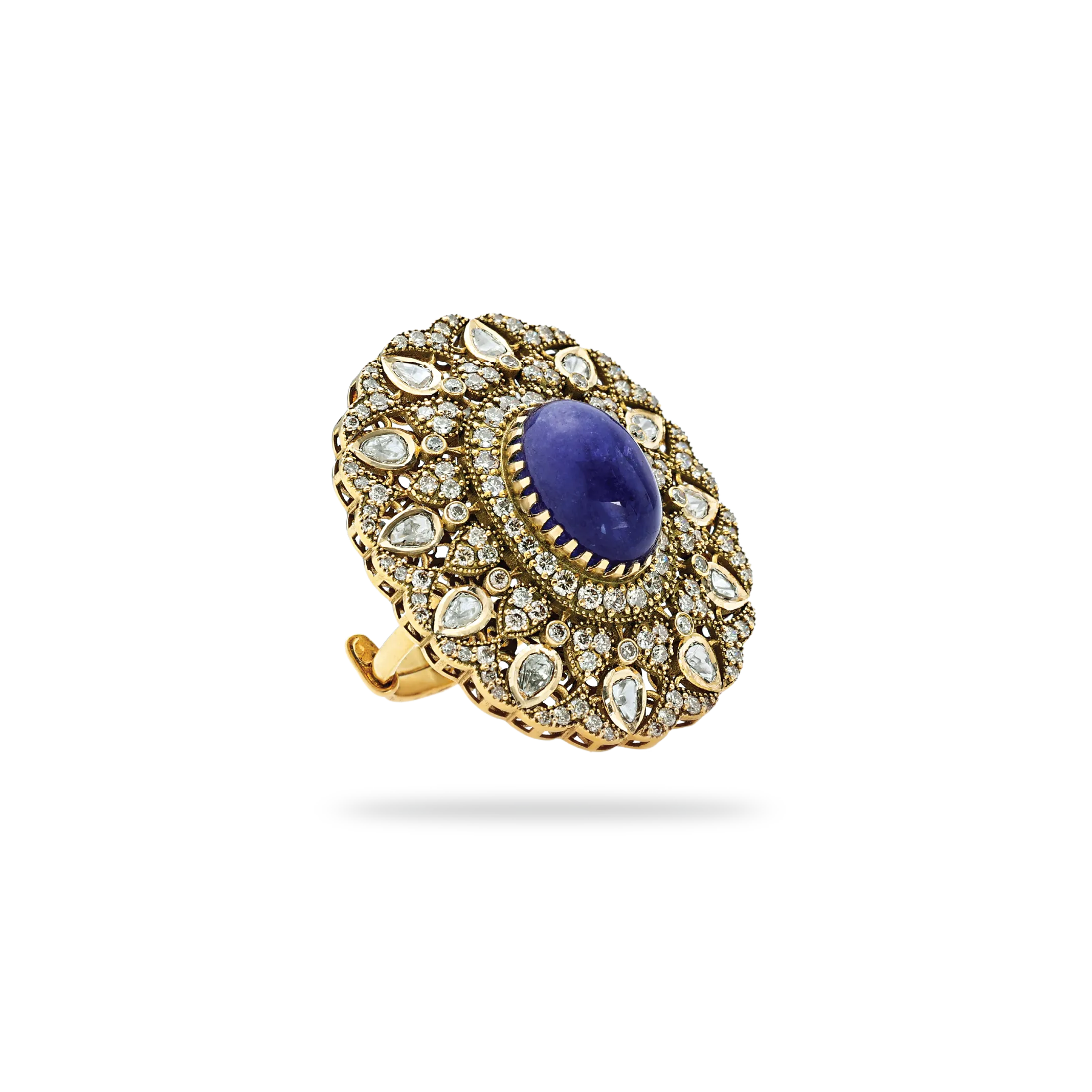
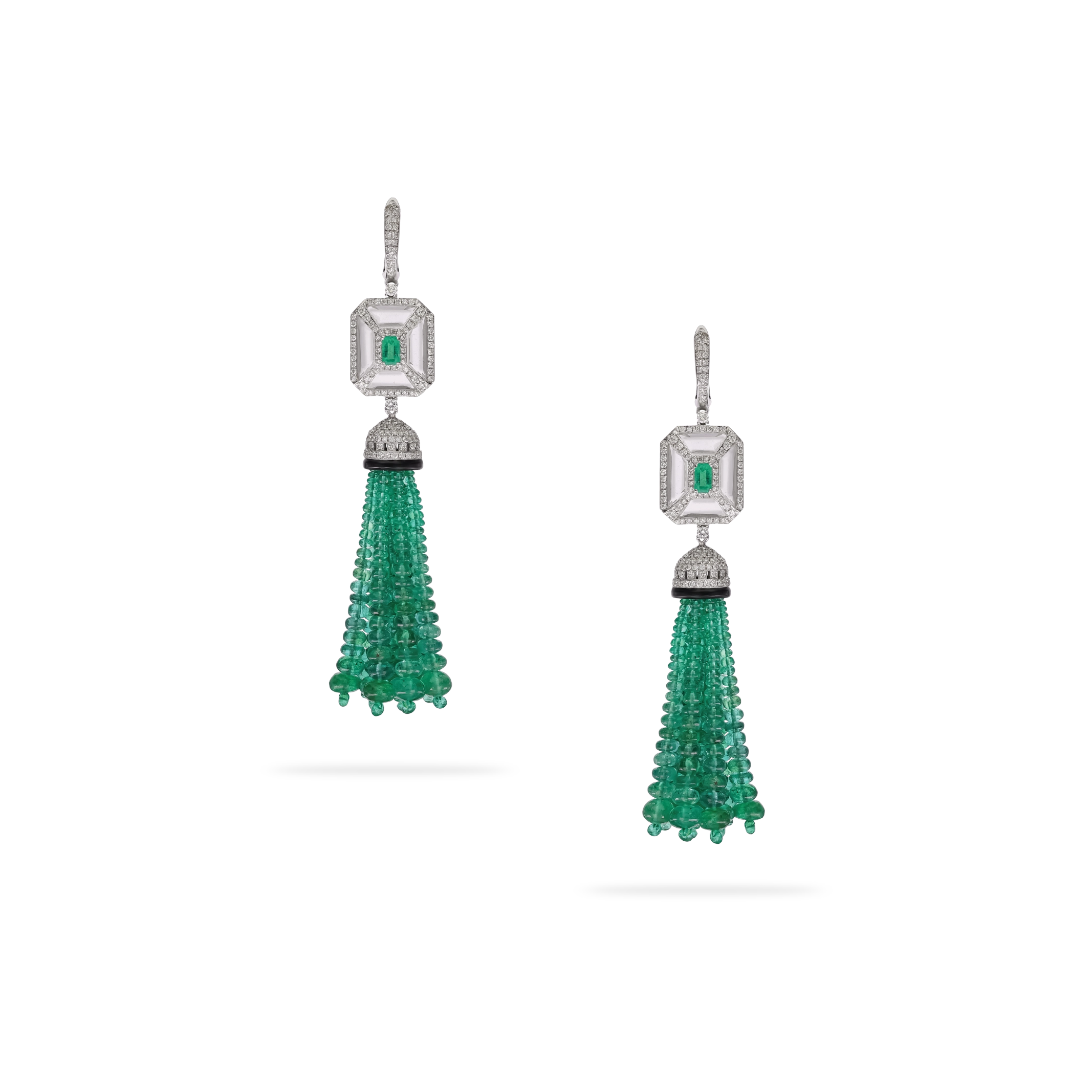
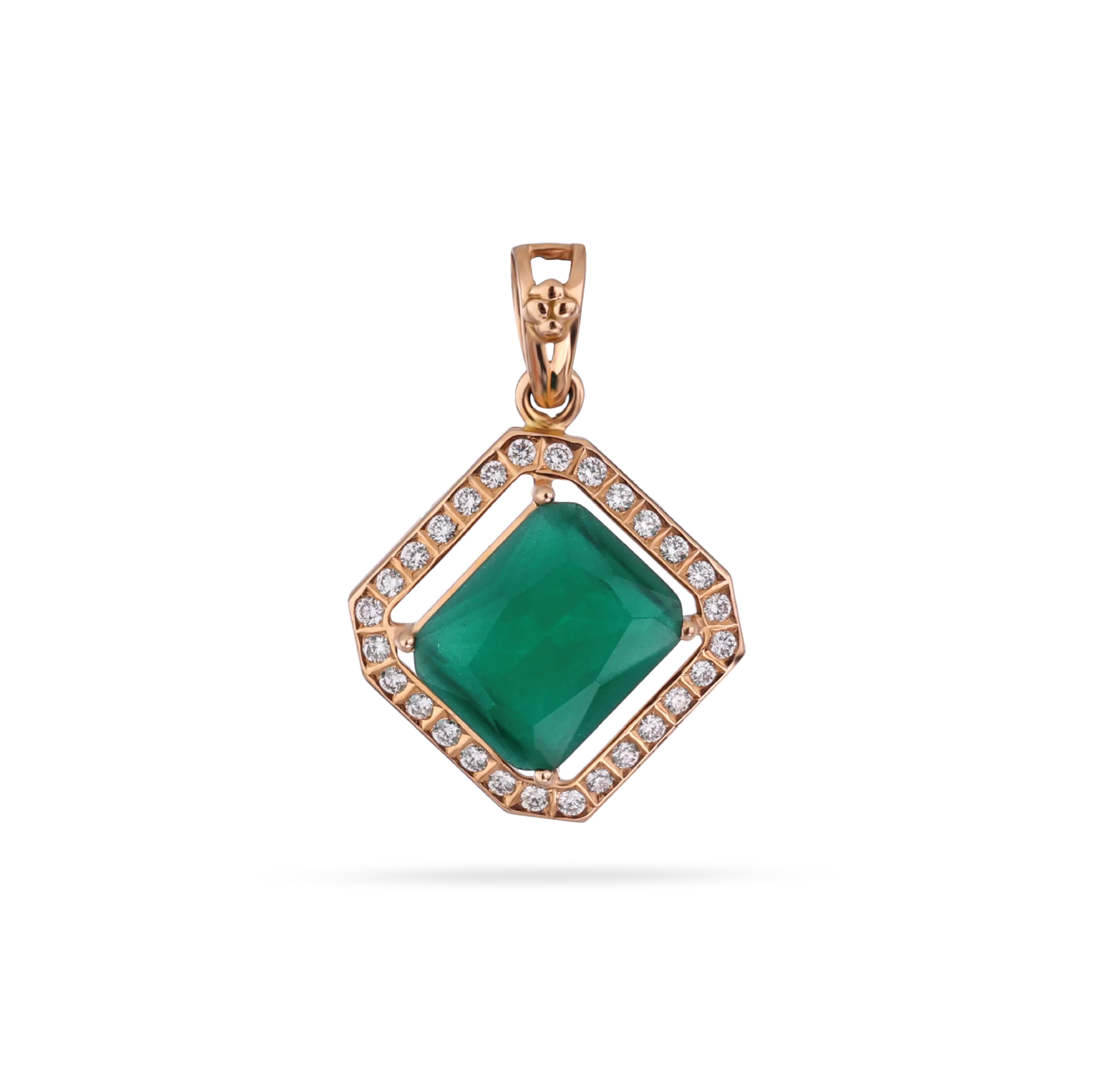
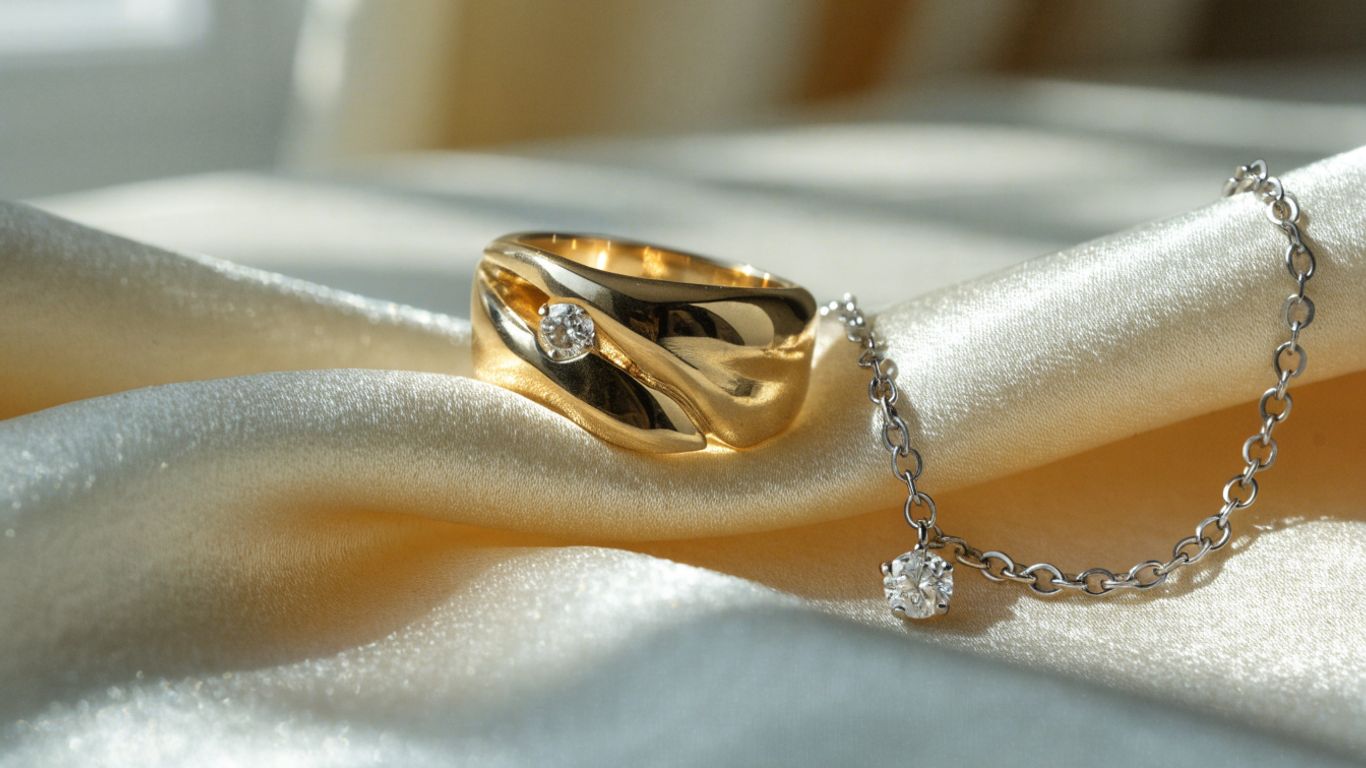
A bold diamond piece already brings plenty of detail, so nearby gold designs can be quieter. A smooth band or uncomplicated chain gives the statement piece space without making the rest of the look feel unfinished. This is especially useful when several items are worn close together, where too many strong shapes can compete. A clear focal point makes the whole combination feel more intentional.
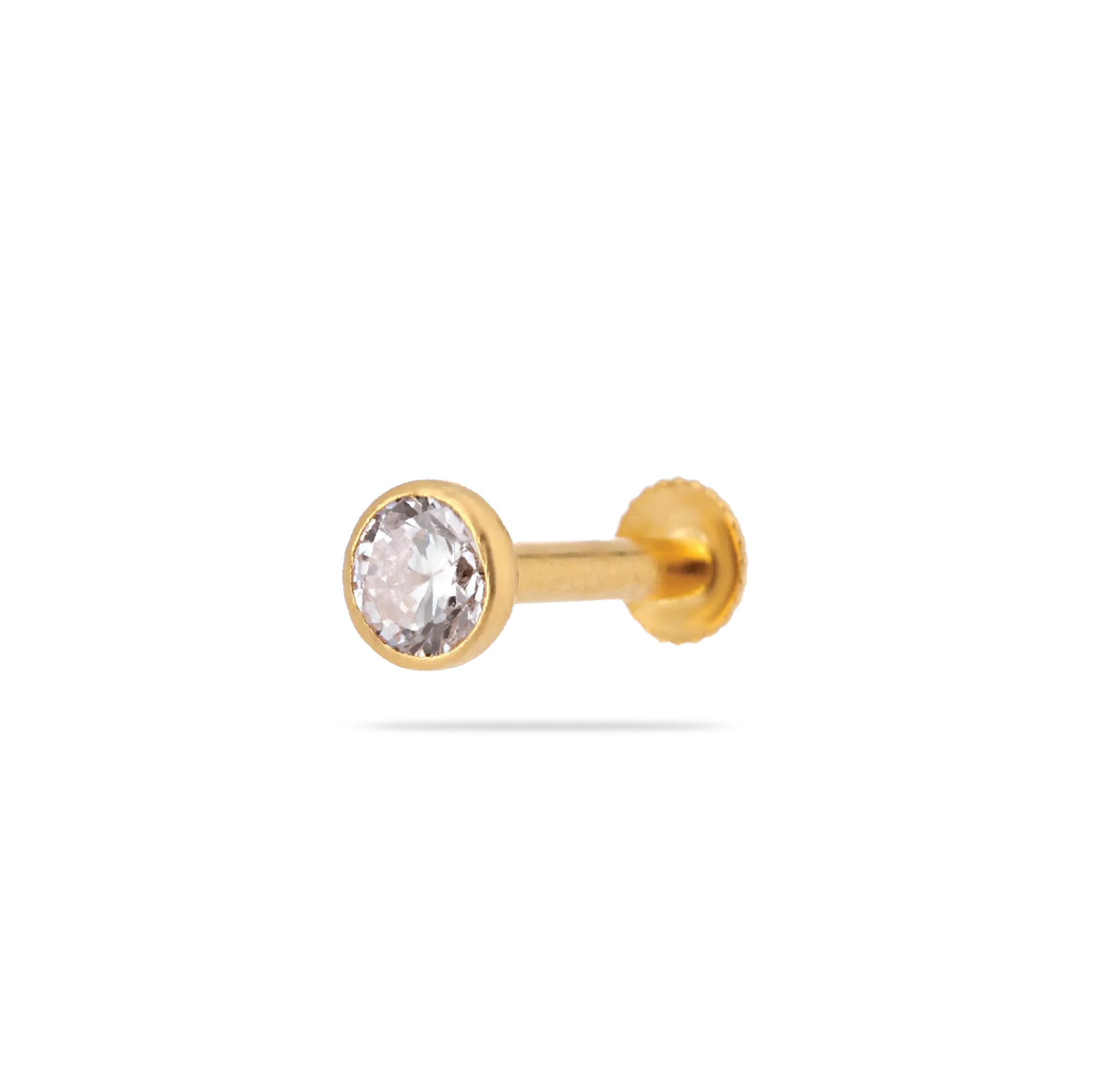
Match delicate chains with smaller stones
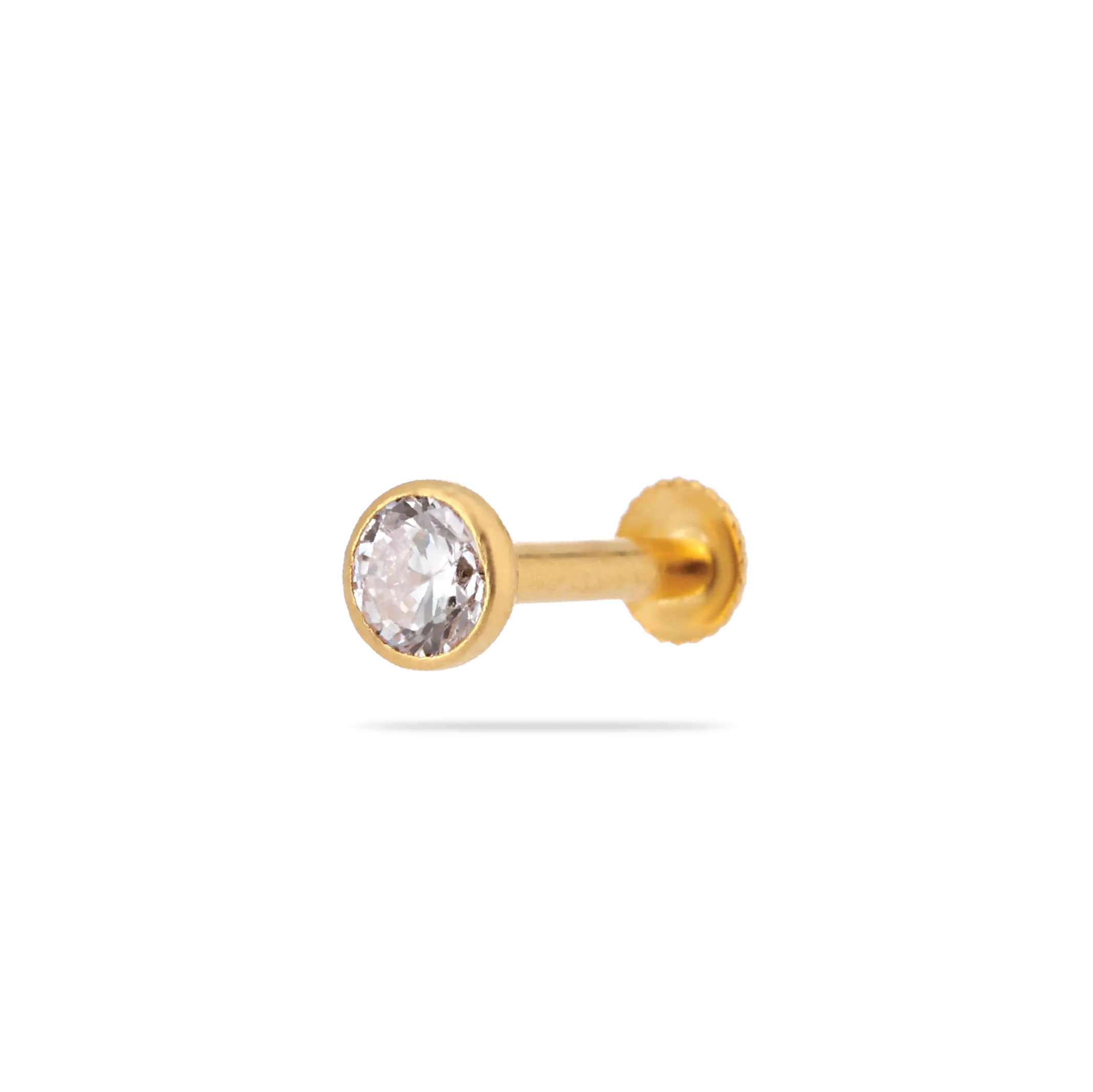
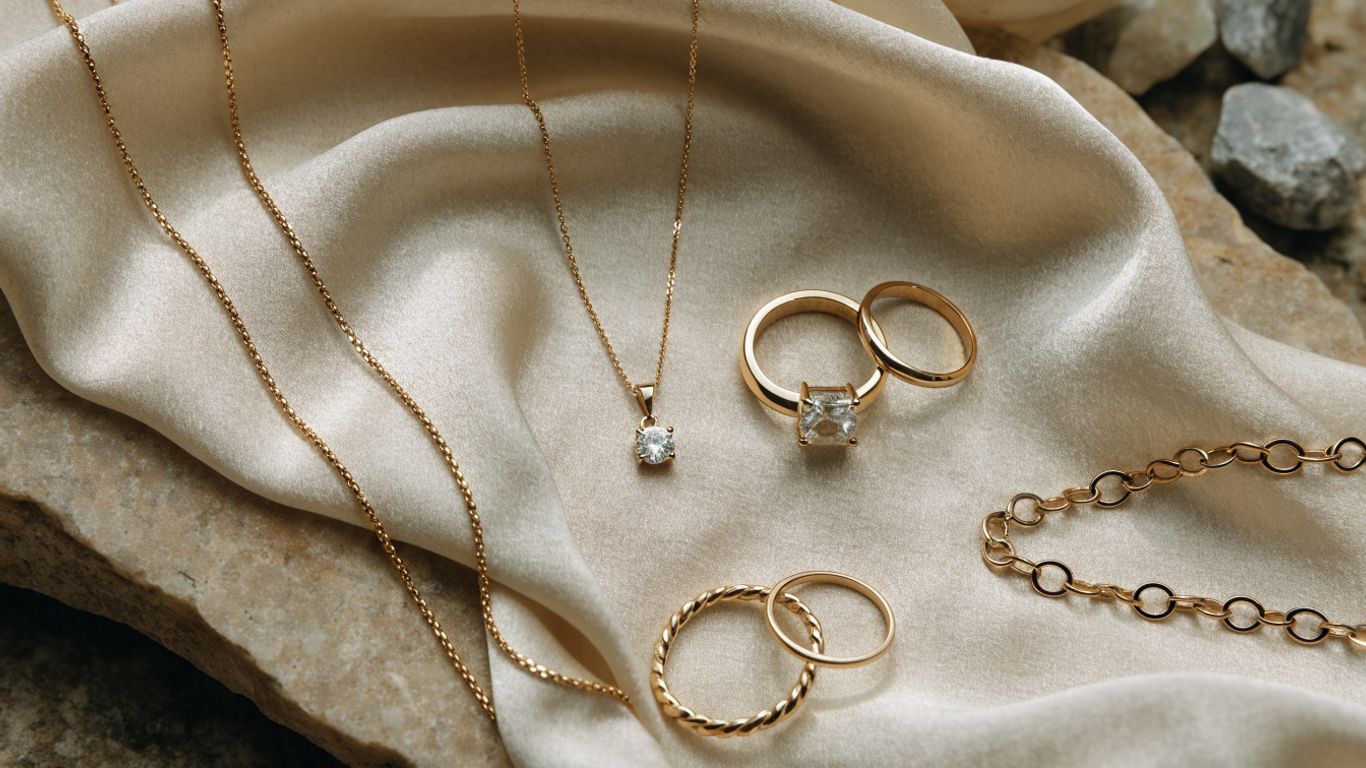
Fine chains and smaller diamonds tend to sit comfortably together because they share a similar visual scale. If you add a larger pendant, let it be the one noticeable change rather than adding several equally prominent details. You can also balance a tiny stone with a textured chain, keeping the look subtle while giving it some dimension. Consider how the pieces move when worn, not just how they look laid out.
Use one focal piece to keep the look intentional
Before getting dressed, choose the piece you most want to notice: perhaps a diamond ring, a pendant, or a pair of earrings. Build around it with simpler shapes and a lighter hand, especially if your outfit already has pattern or embellishment. The focal piece need not be the biggest item; a distinctive setting or personal meaning can make it stand out. This small decision helps different gold tones and diamond styles share the same look.
Layer necklaces without creating visual clutter
Necklace layers are easiest to read when each chain has a little space of its own. Different lengths, thicknesses, and pendant shapes can create that separation without making the combination feel too carefully arranged. Start with two pieces if you’re unsure, then add another only if it brings something distinct. A few thoughtful details can make layering feel relaxed and personal.
Vary chain lengths and textures
Chains that sit at different points on the neckline are less likely to tangle visually or compete for attention. Texture can help too: a smooth chain beside a fine link or a slightly weightier chain creates contrast without needing another pendant. When choosing a set of layers, keep the following ideas in mind:
- Leave a visible gap between pendant drops.
- Pair one fine chain with a slightly heavier one.
- Use texture as contrast when colors are similar.
- Check that clasps and pendants sit comfortably together.
These are starting points rather than fixed measurements. Put the layers on and adjust them while looking at the full outfit, since small changes in length can make a noticeable difference.
Combine diamond pendants with plain gold chains
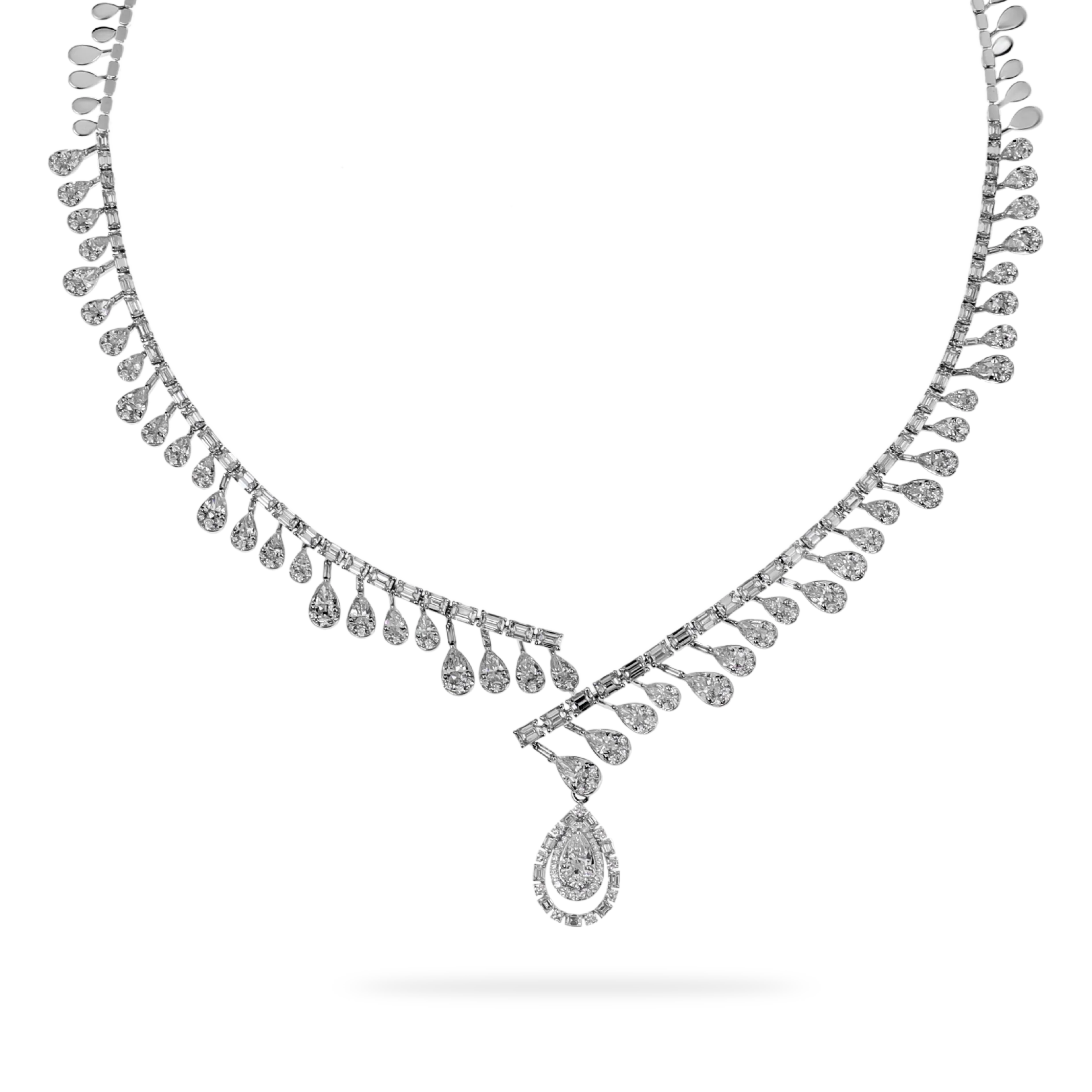
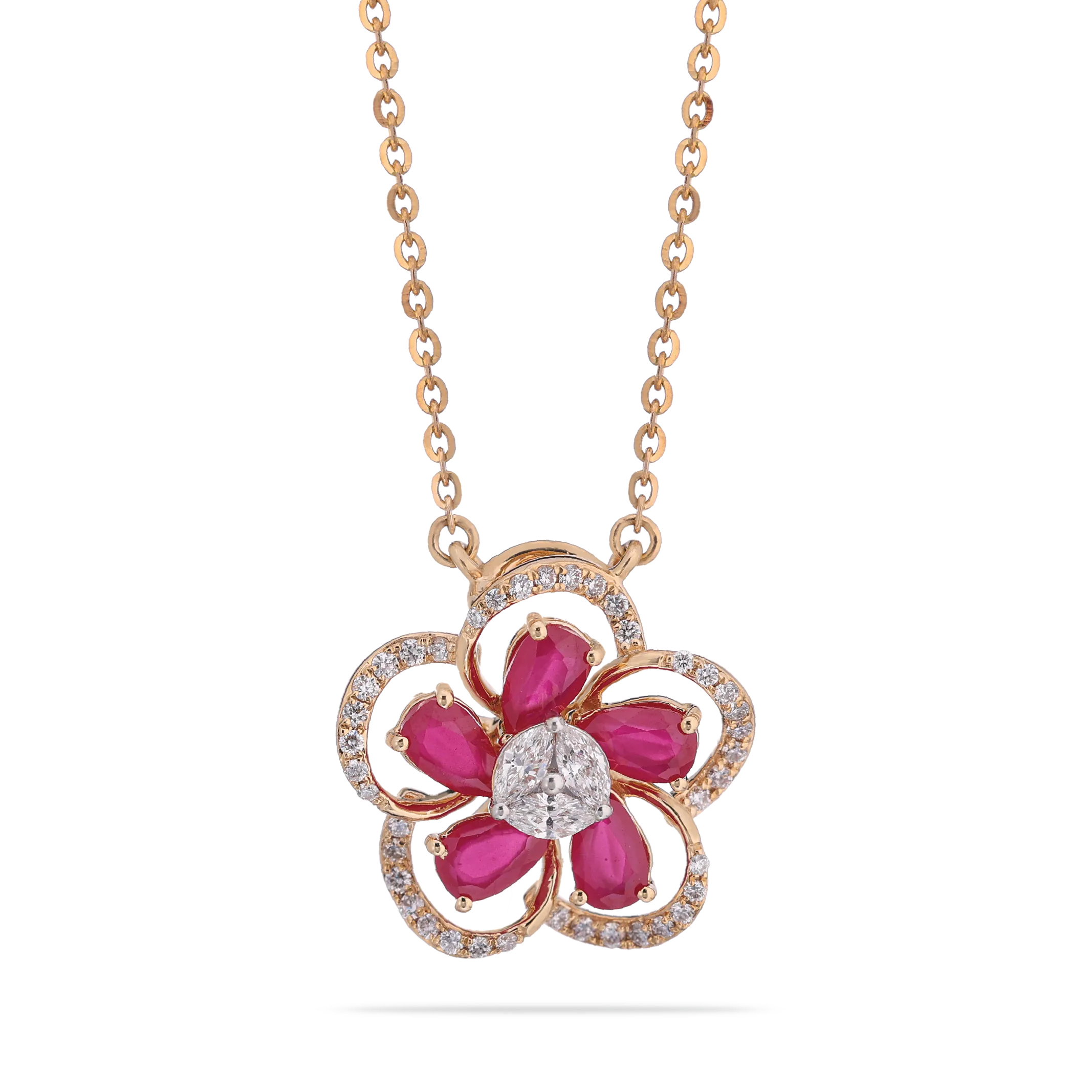
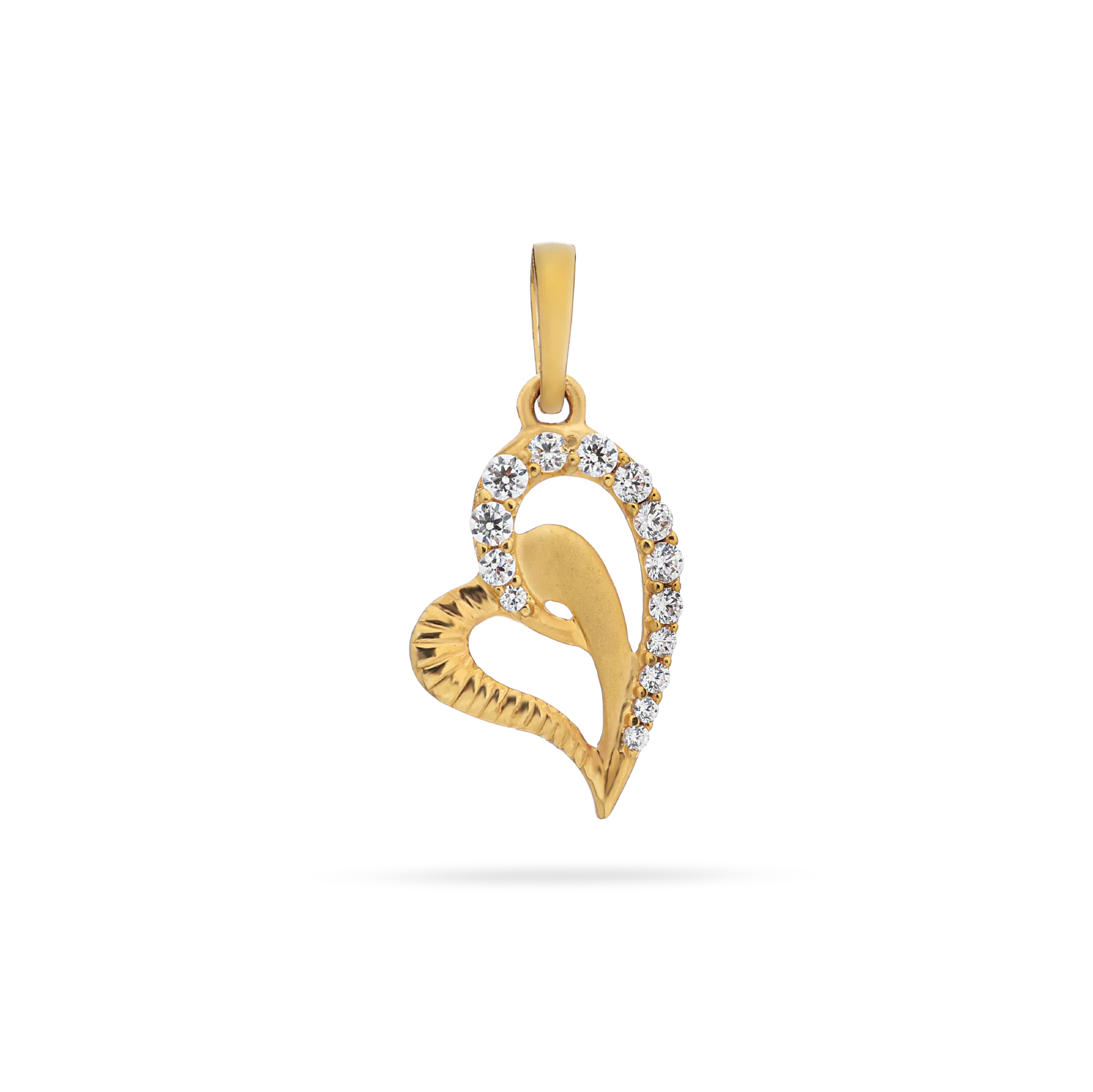
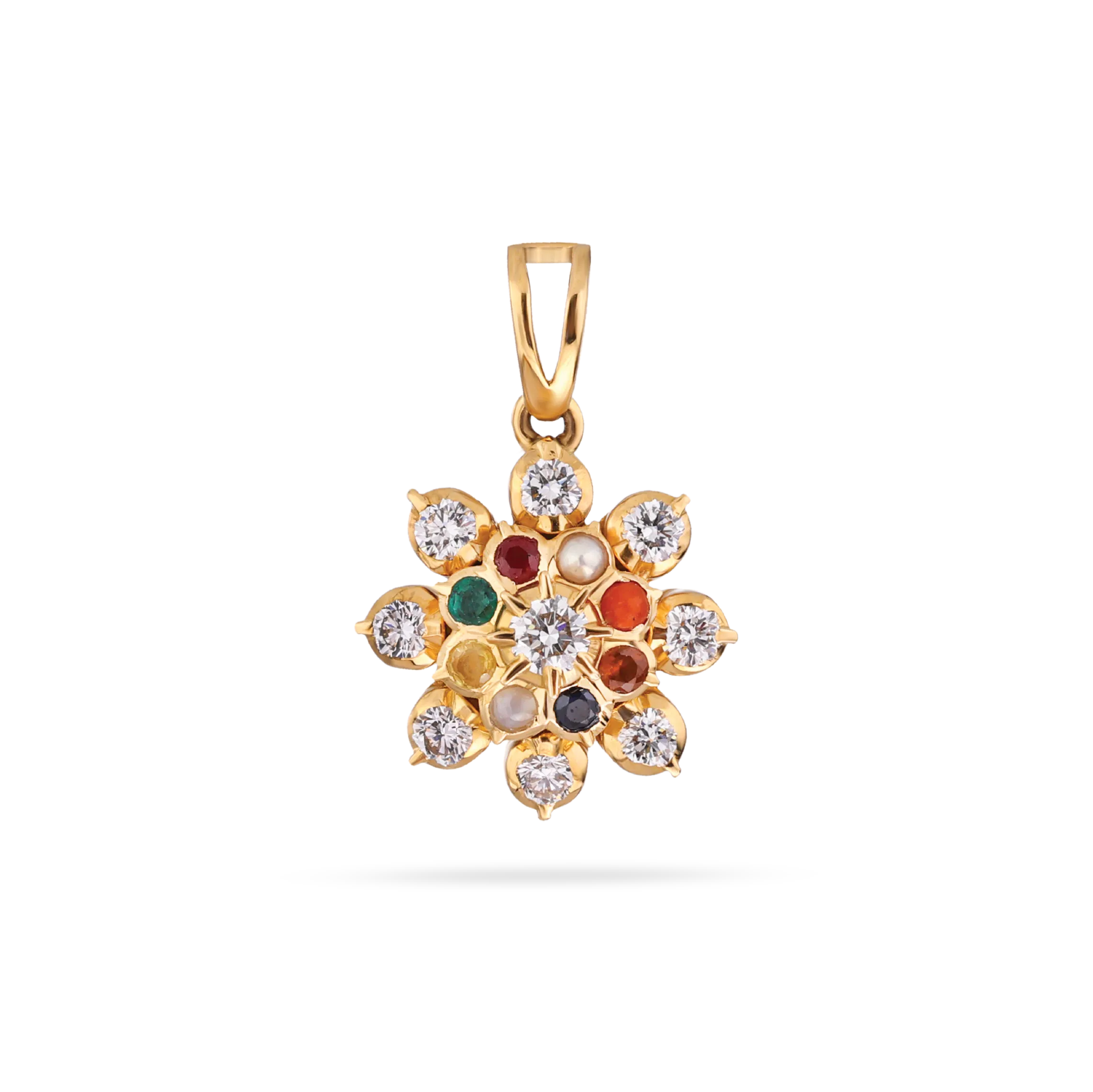
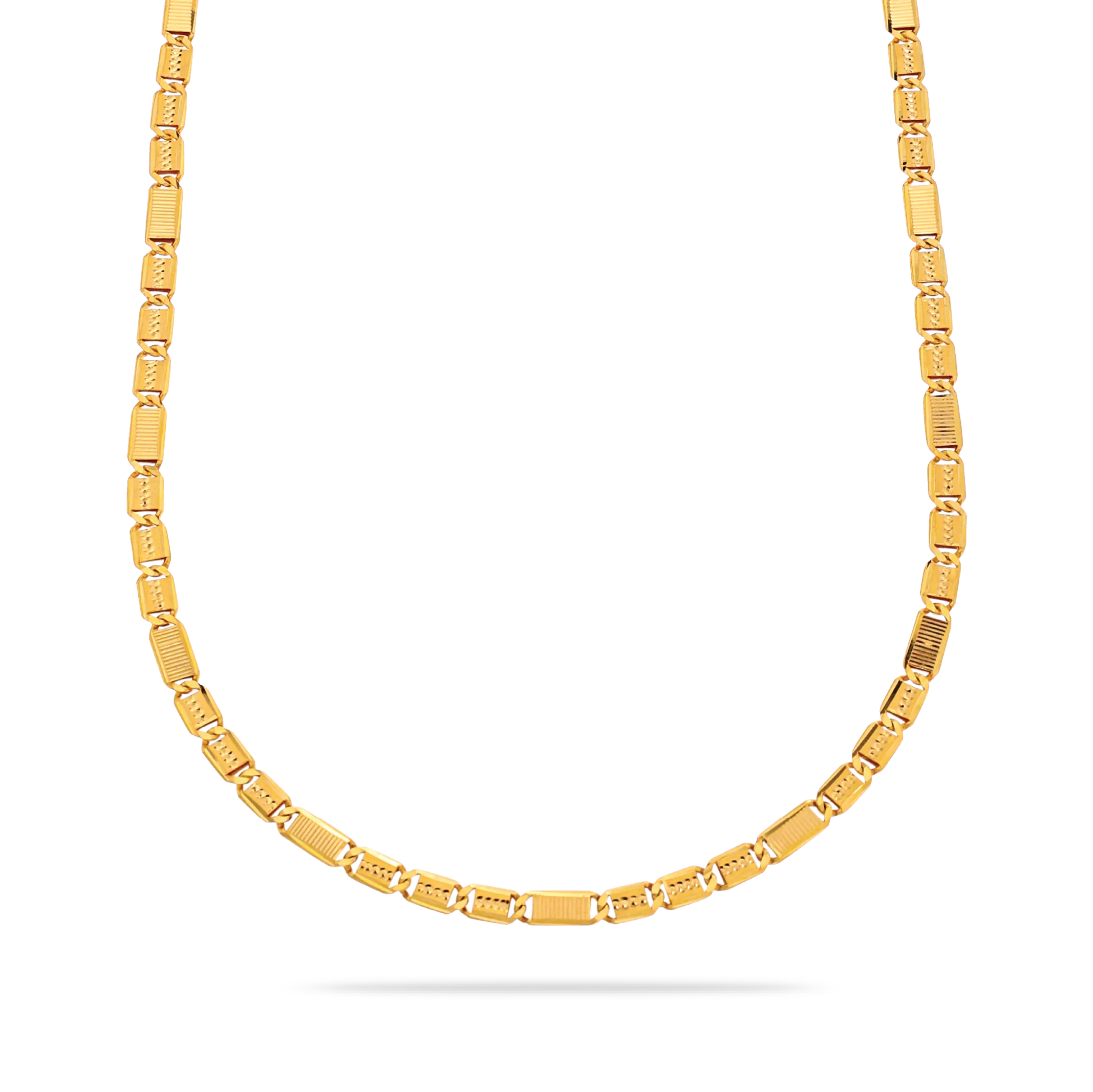
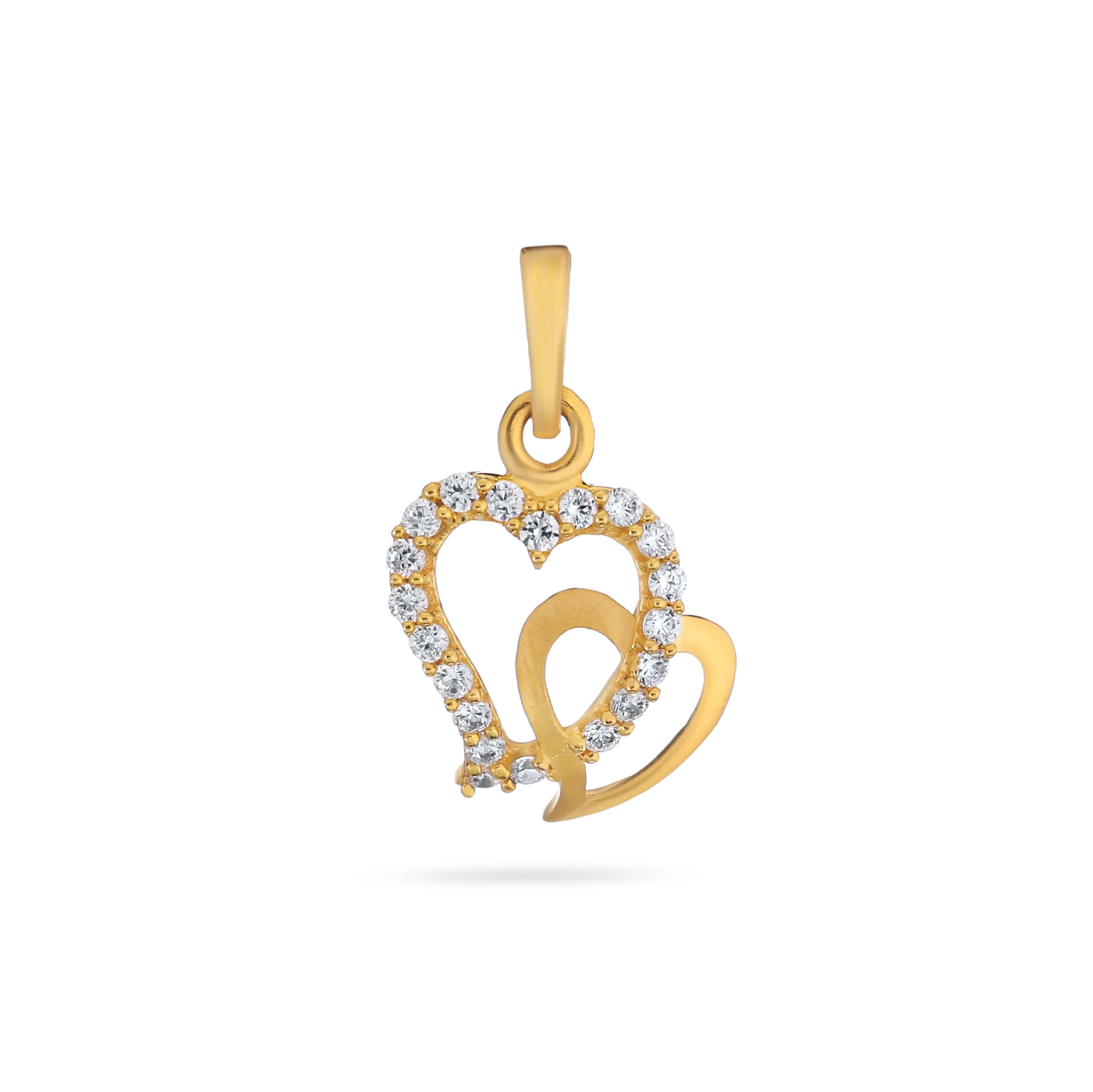
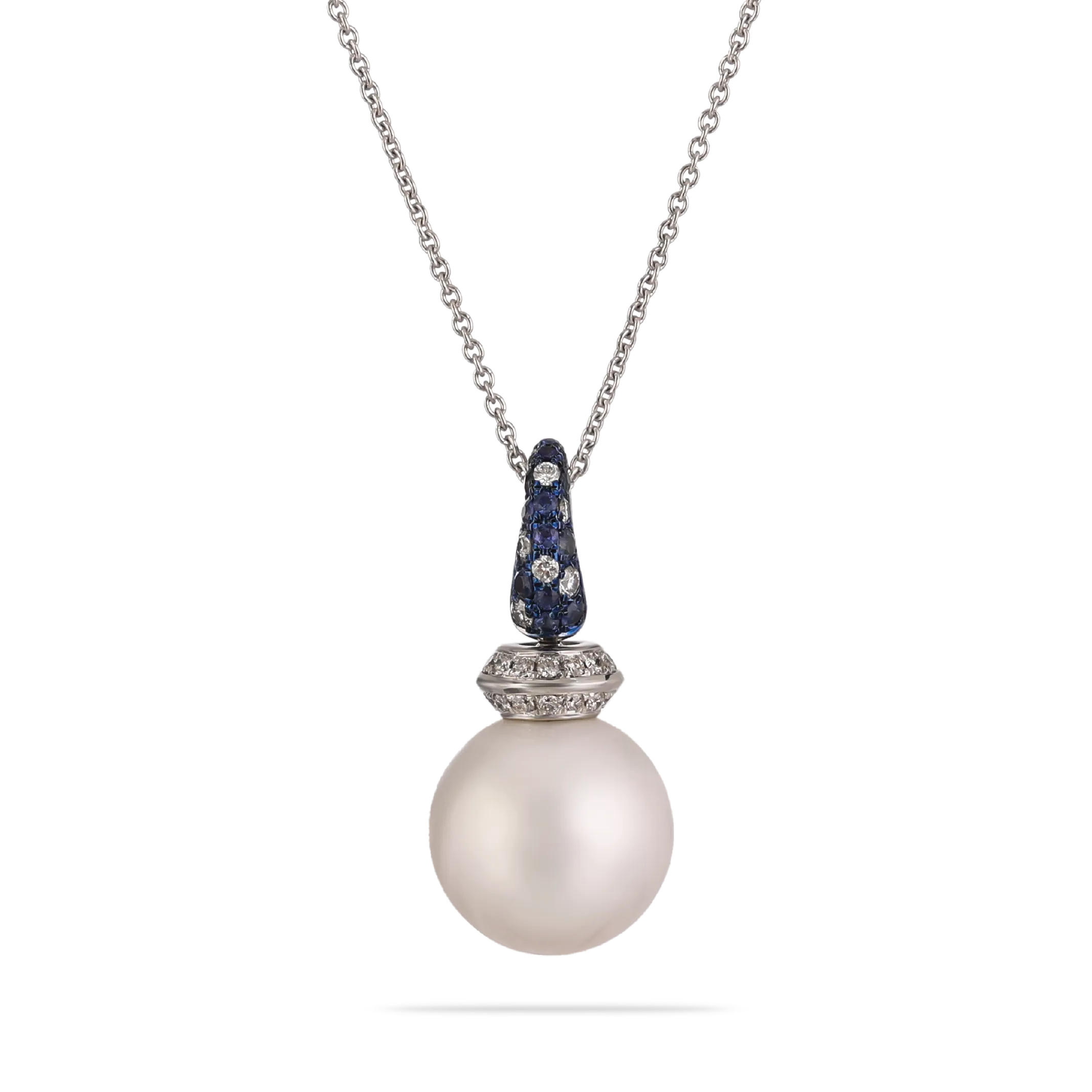
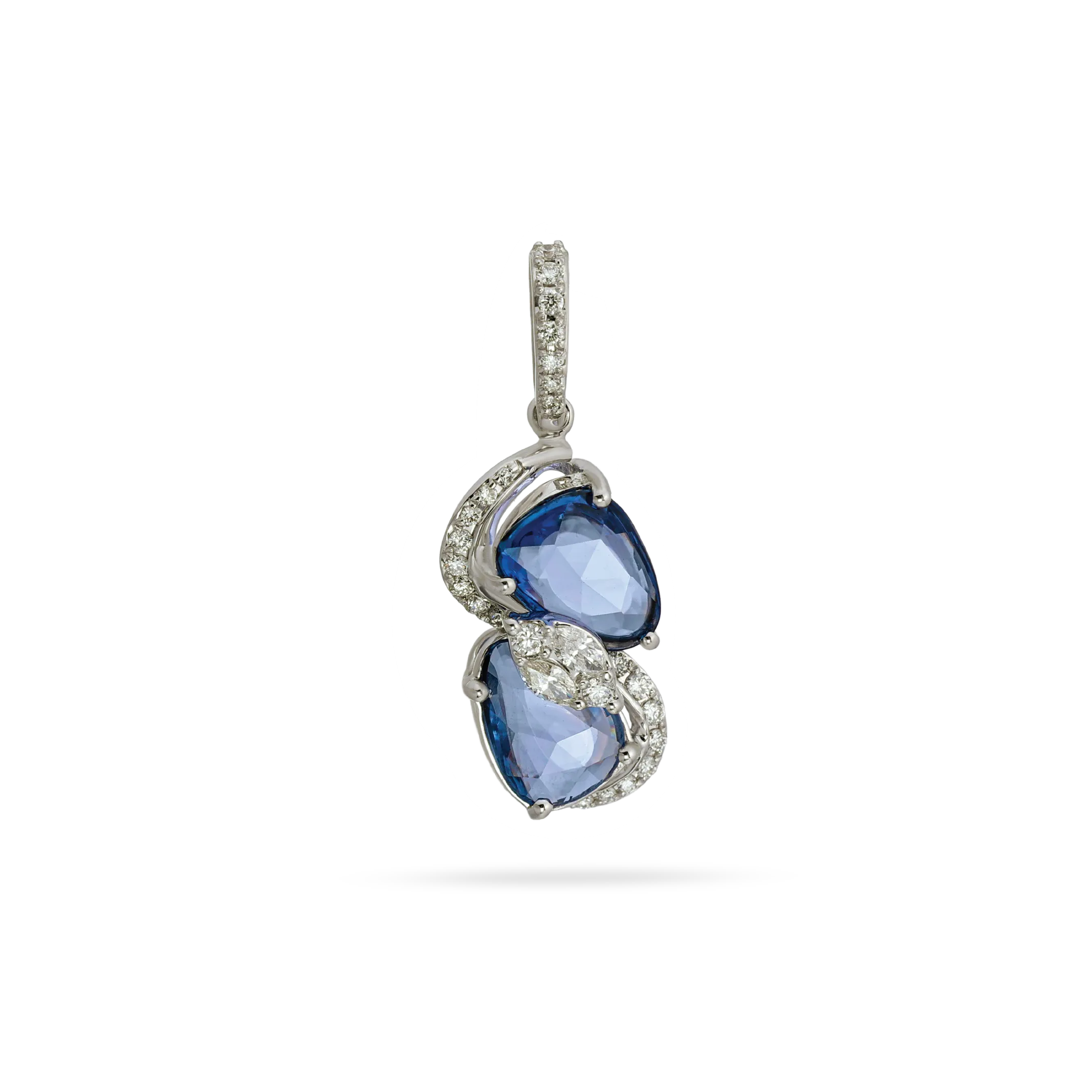
A diamond pendant can be the brightest detail in a group of otherwise simple chains. Plain gold links give it a quiet frame, while a second unadorned chain adds depth without repeating the sparkle. For more inspiration on layering diamond necklaces, consider how the pieces work together as well as how each one looks alone. If the pendant is detailed or large, keep the surrounding chains especially uncomplicated.
Keep necklines and pendant shapes in mind
A neckline changes how much room a necklace has to sit and move. A short chain may disappear against a high collar, while a longer pendant can fall into the open space of a V-neck. Rounded necklines often leave a natural area for a curved pendant, though a contrasting shape can look striking too. Try the finished layers with the actual top or dress before deciding they are done.
Style rings and bracelets together
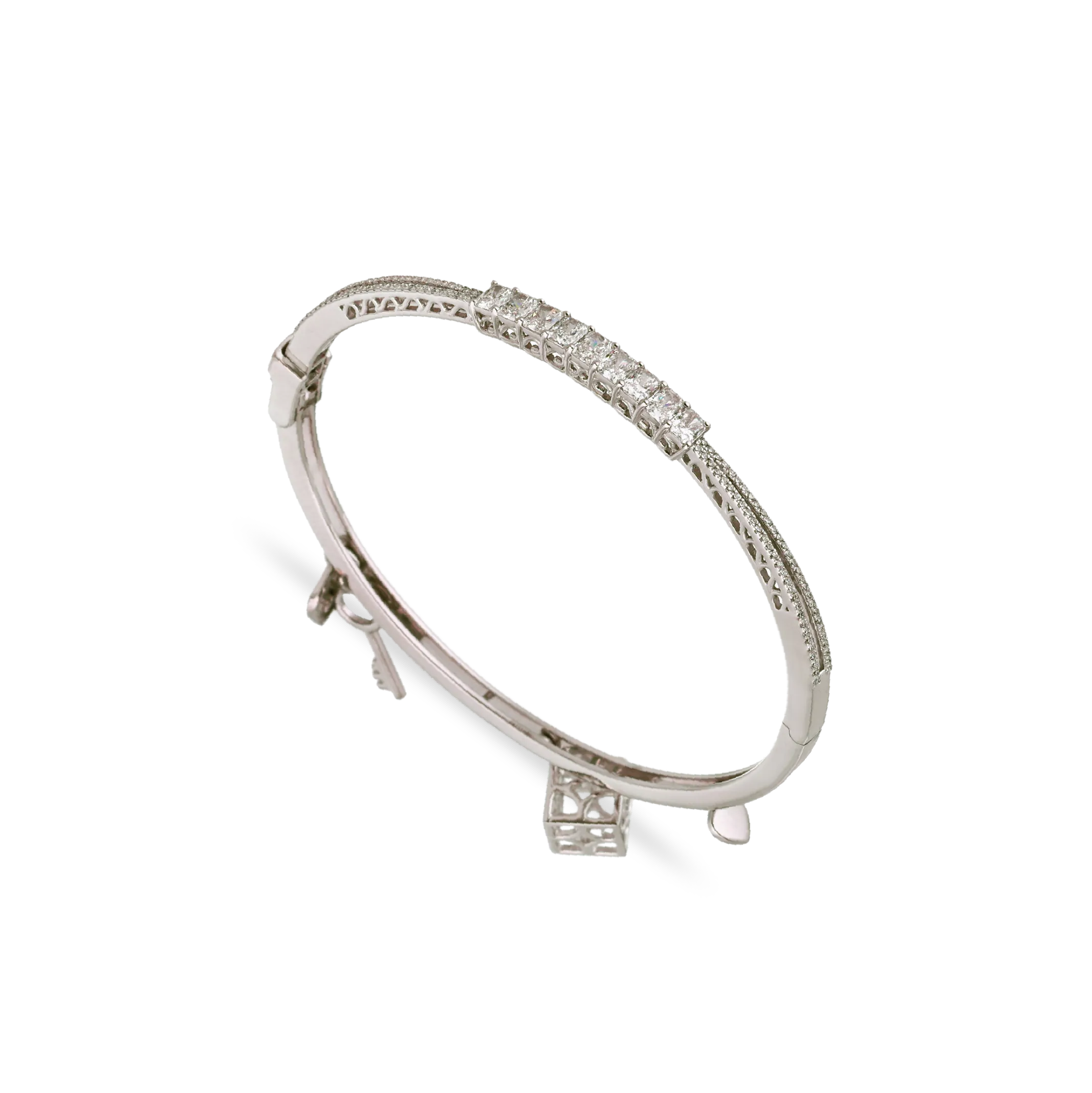
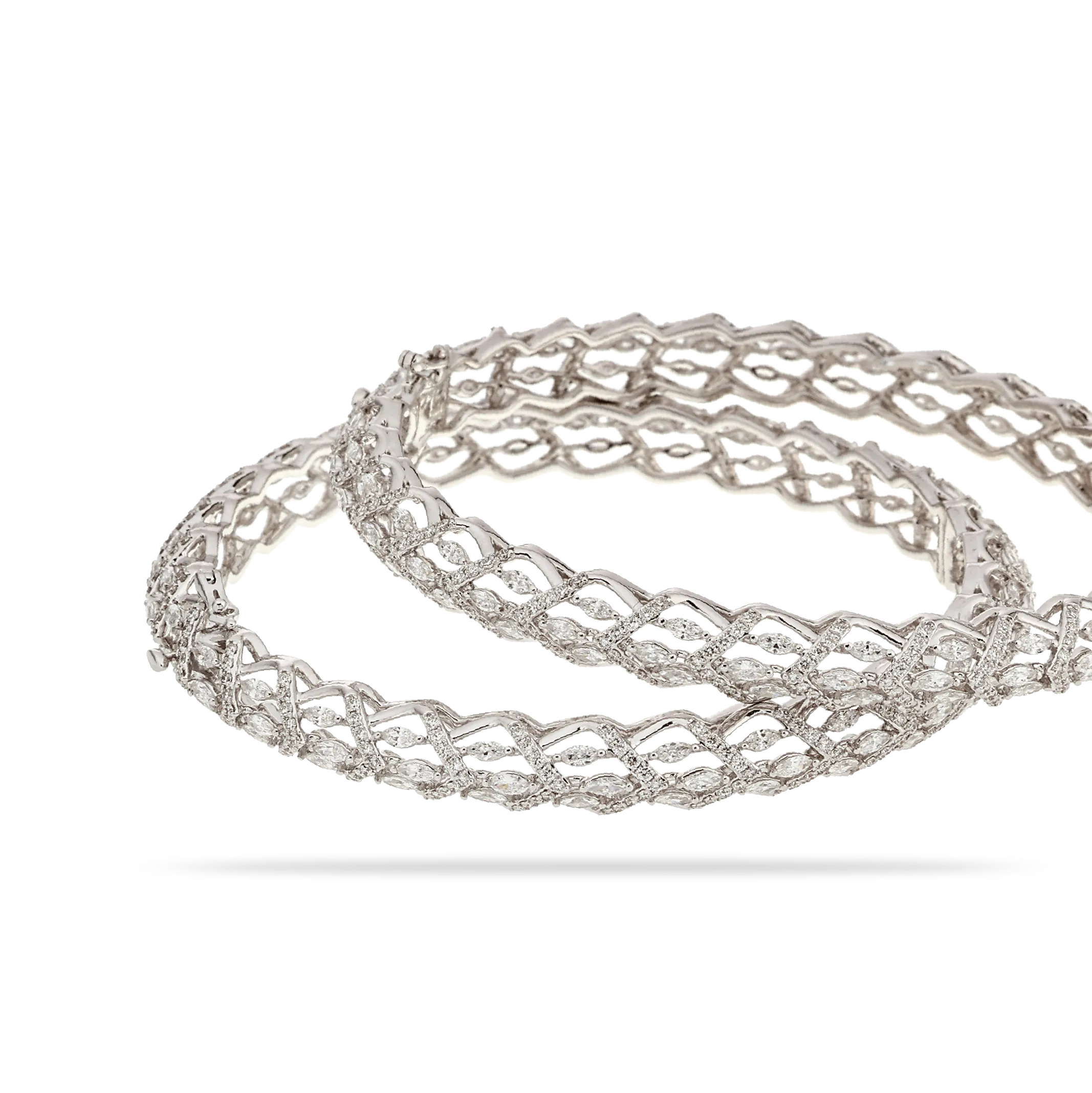
Hands and wrists are small spaces, so proportion matters when several pieces are worn together. Rings, bracelets, and a watch can share a metal tone or design detail without being identical. Consider how the pieces look at rest and in motion, as well as whether they catch on clothing or feel crowded. A comfortable combination is more likely to become one you reach for often.
Stack bands with different widths
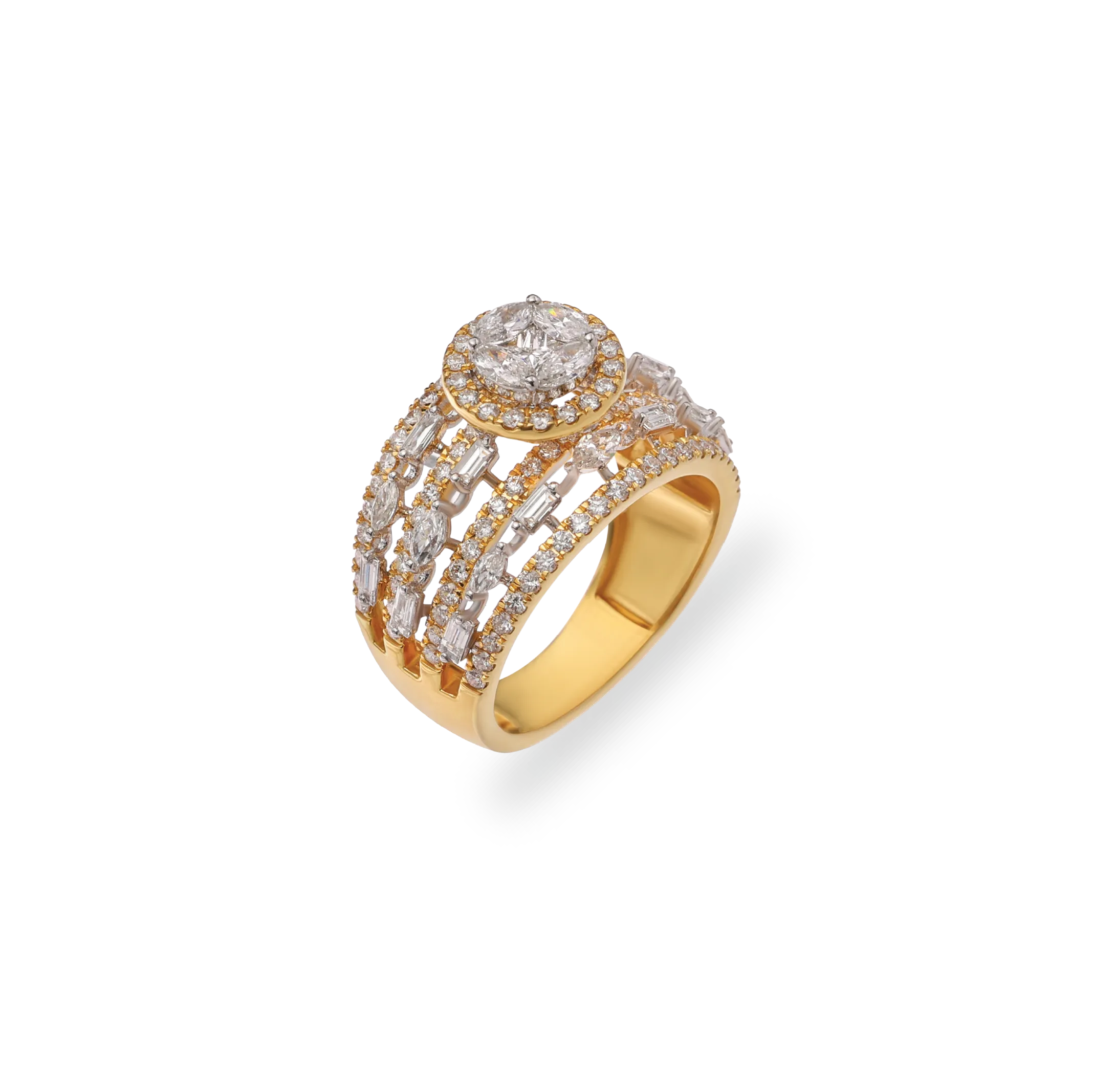
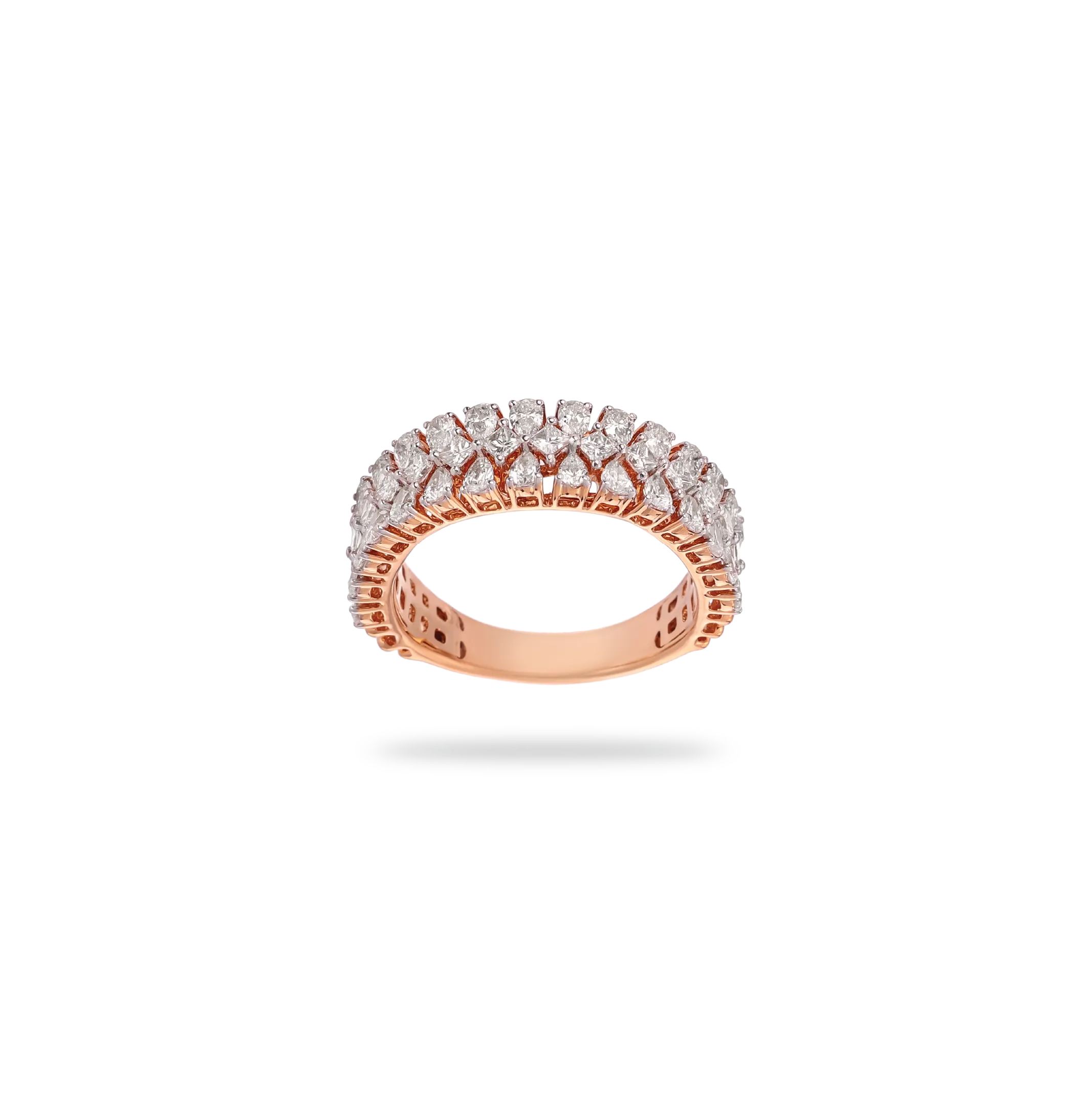
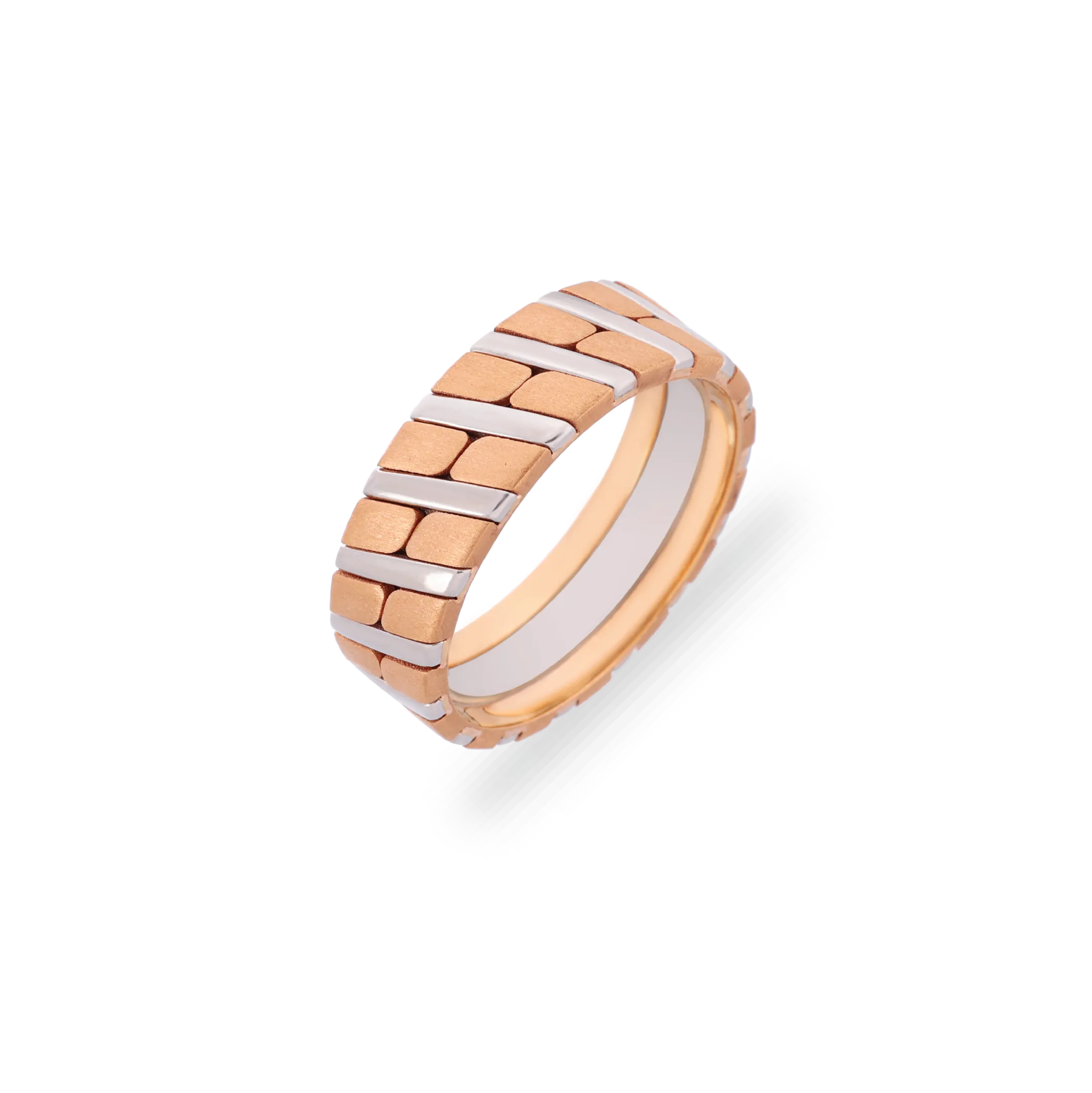
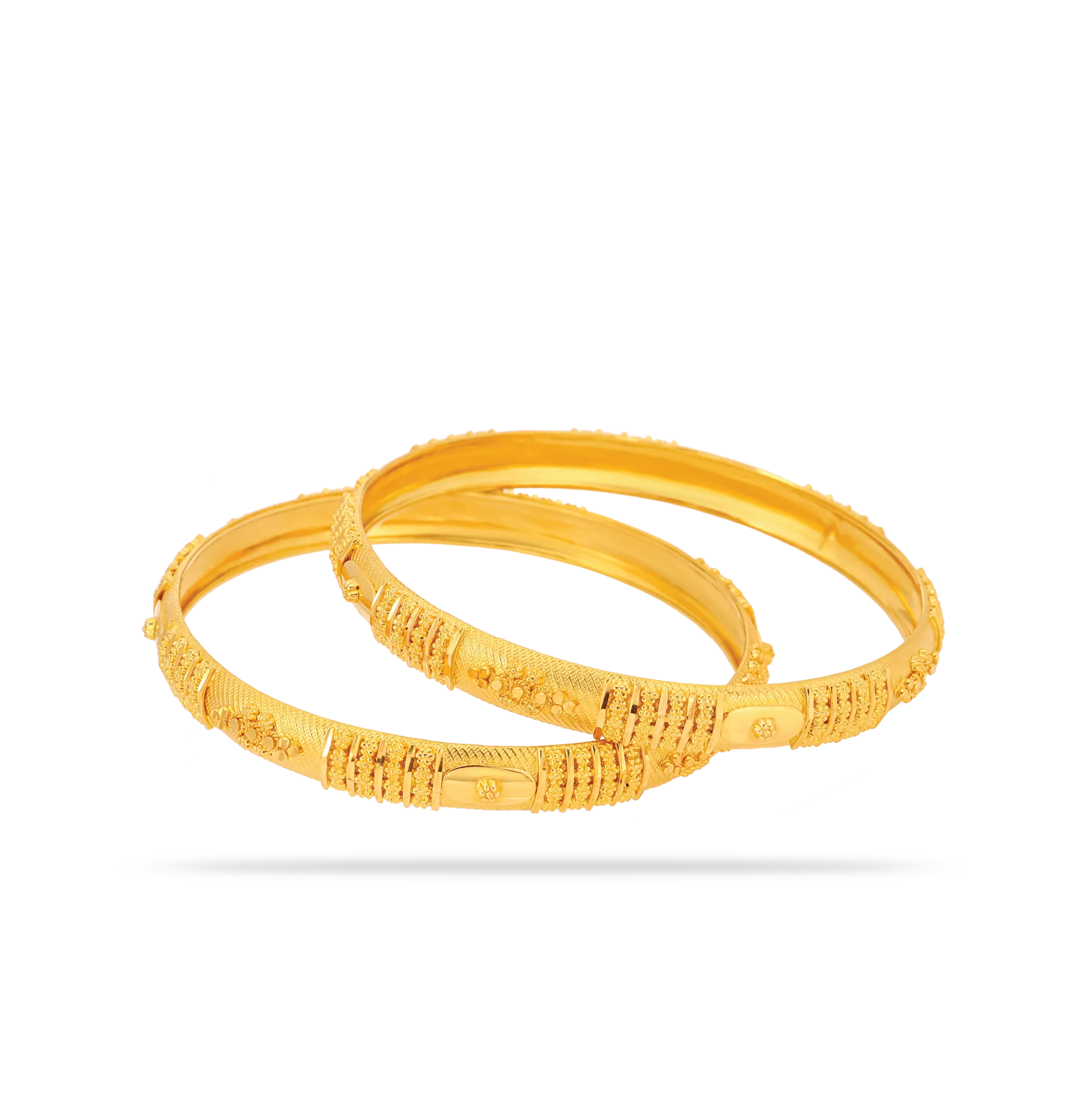
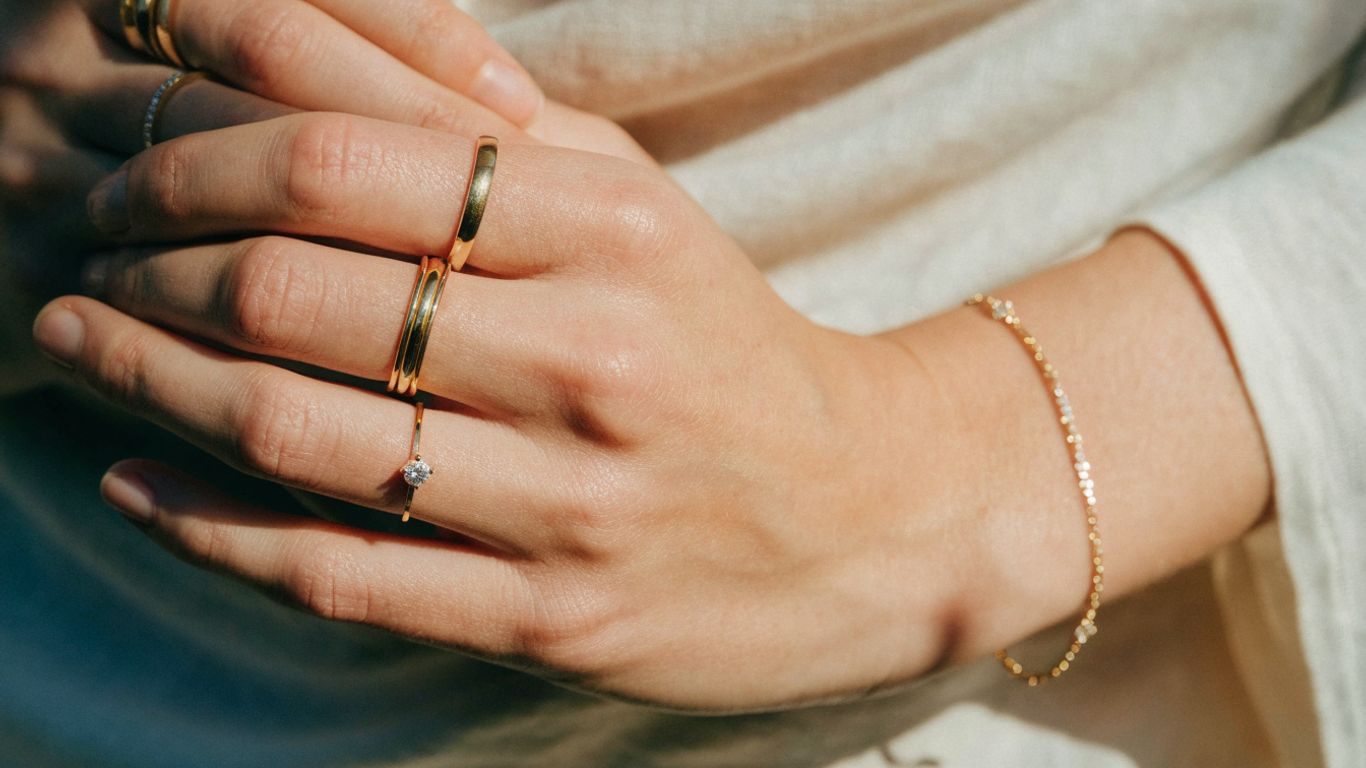
Bands in varied widths can make a ring stack feel more relaxed than a row of identical pieces. A narrow band beside a wider one offers contrast, while a little space between shapes keeps the stack from reading as a single heavy form. You might repeat the same gold tone for a quieter look or bring in another tone for a subtle change. Let comfort guide how many bands you wear on one finger.
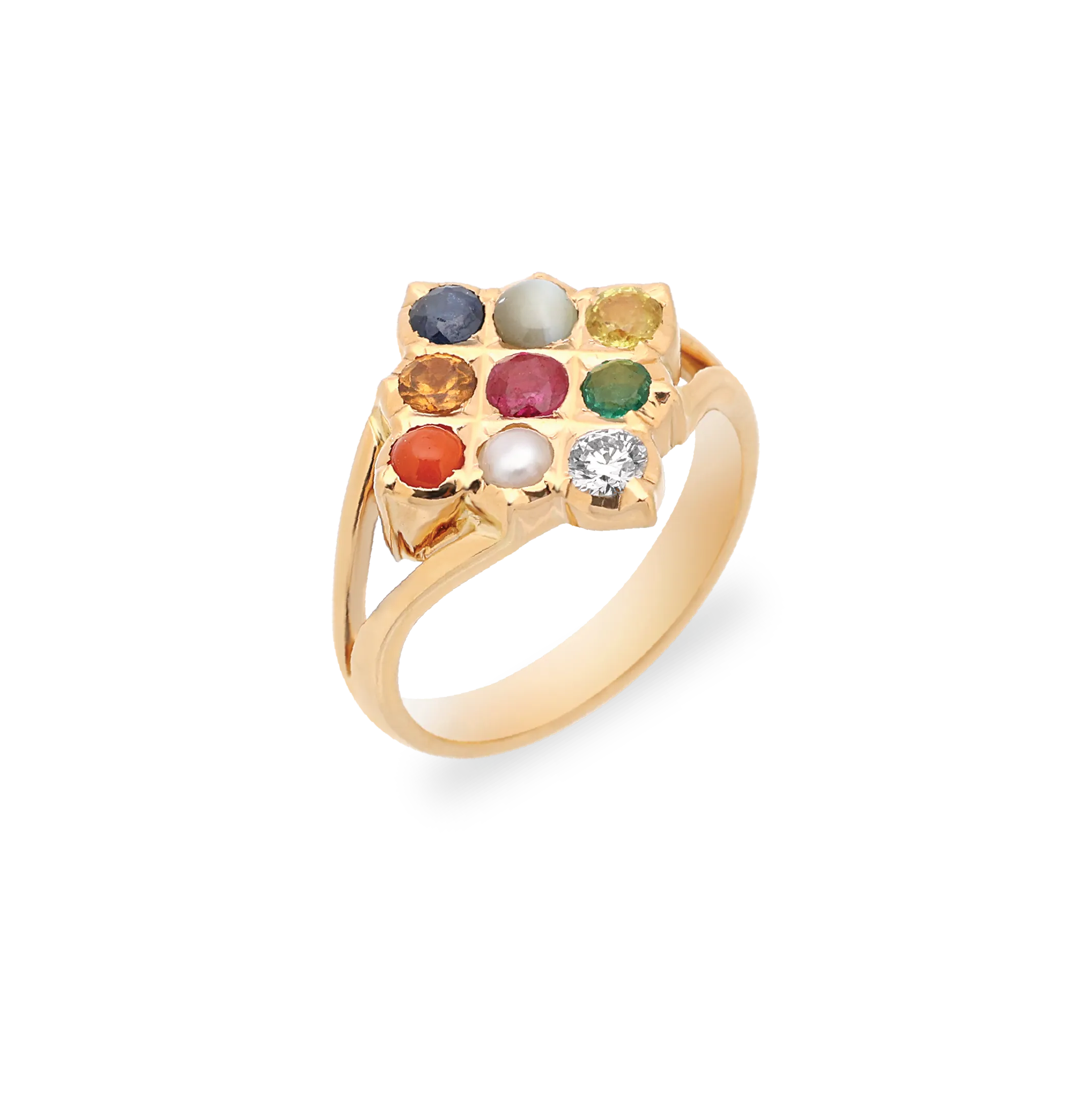
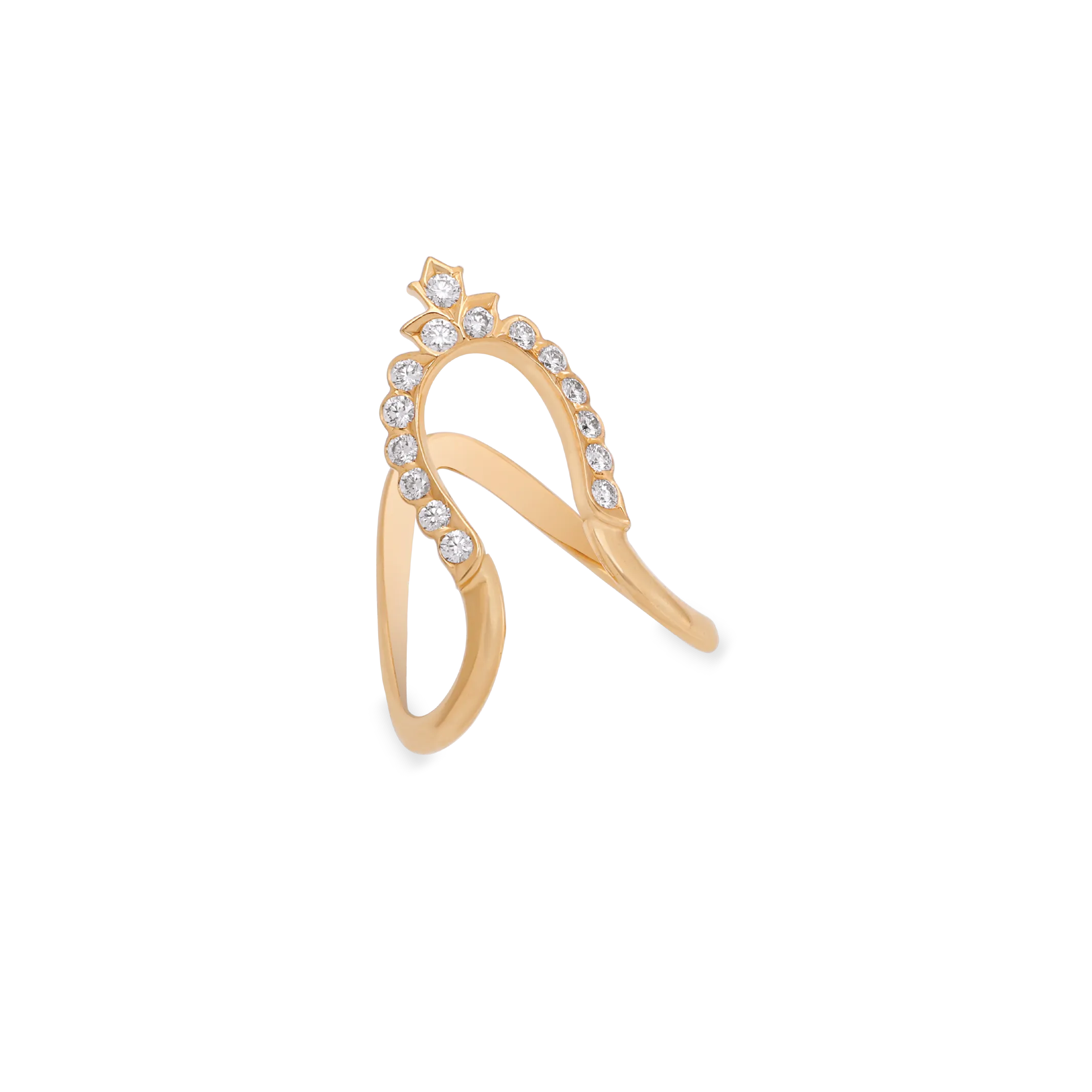
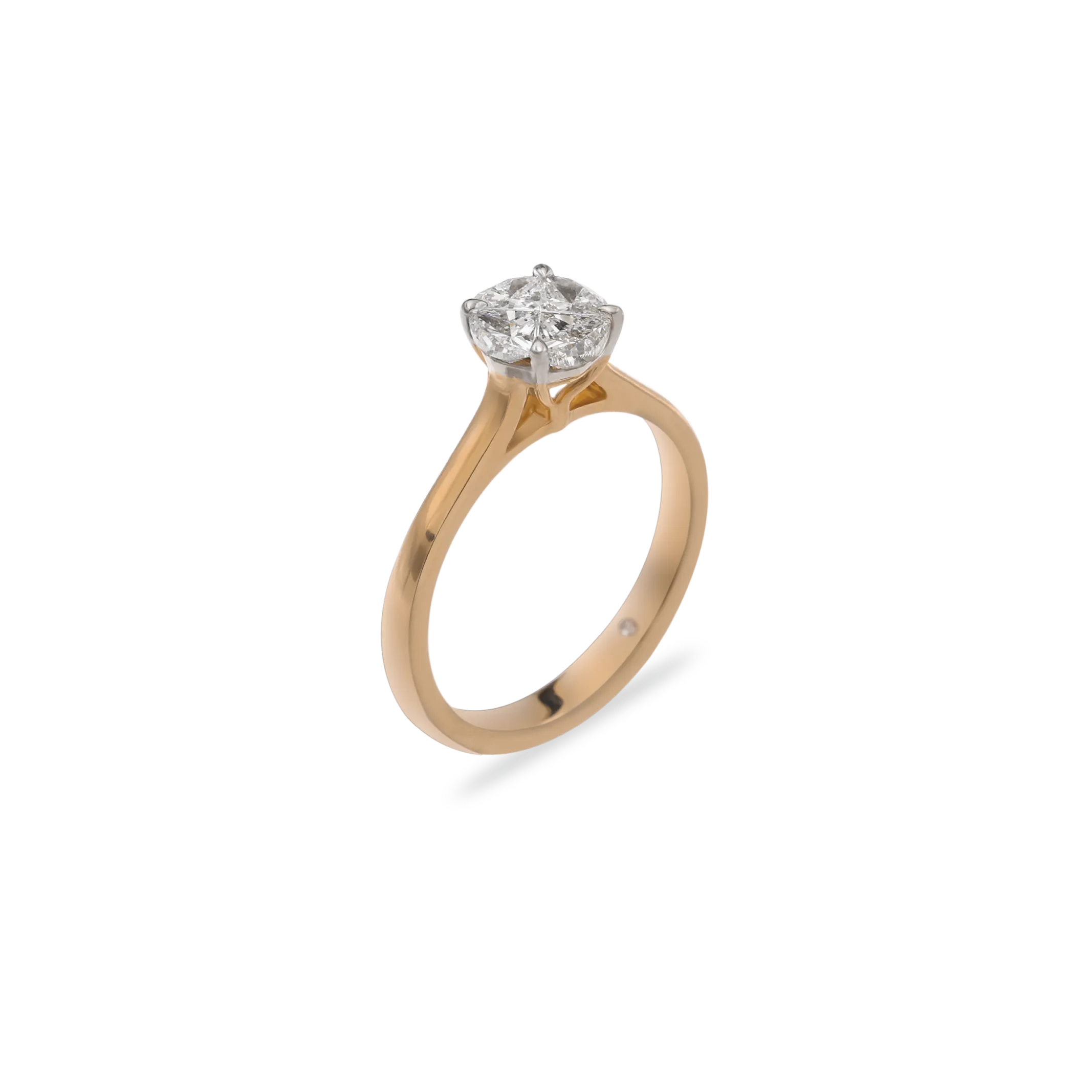
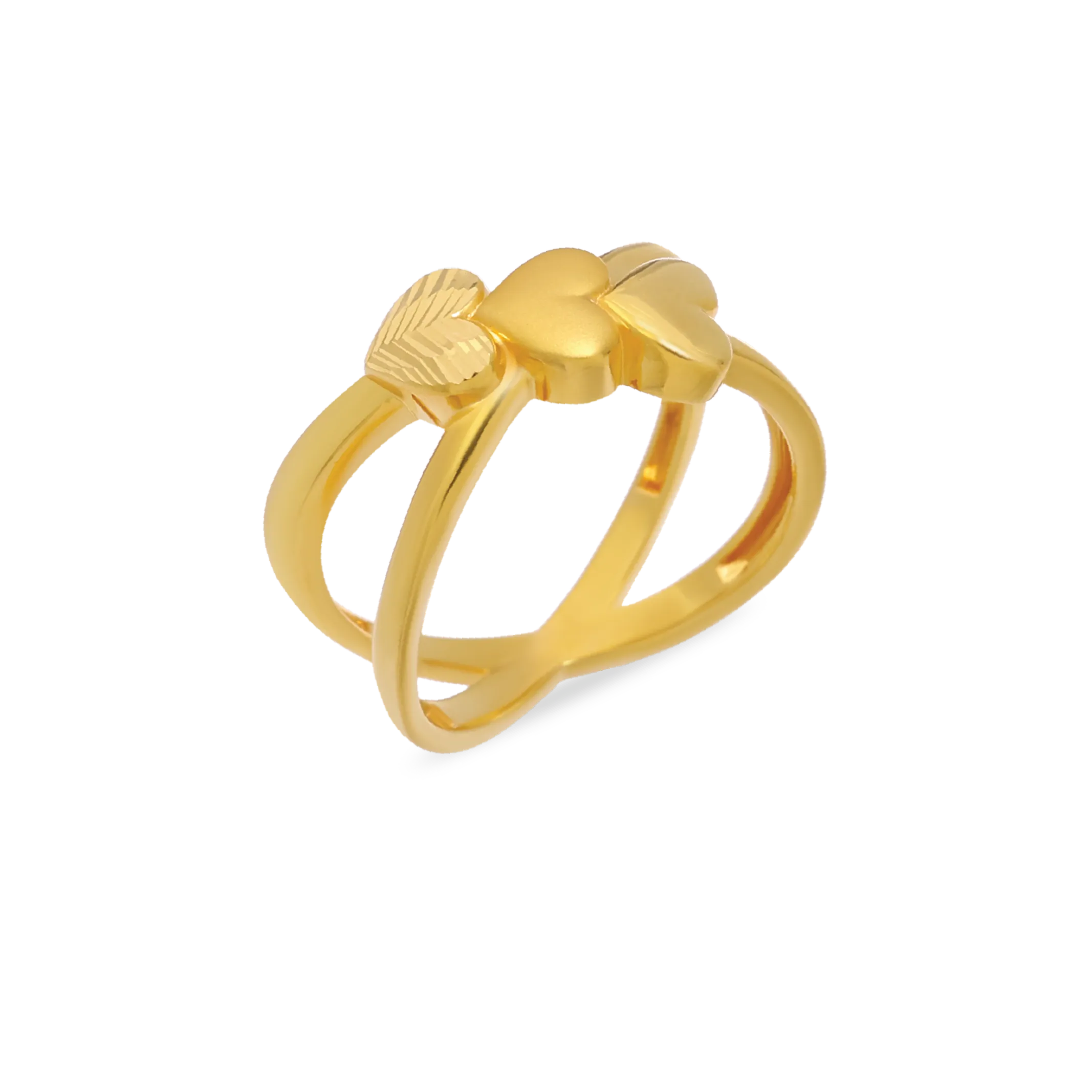
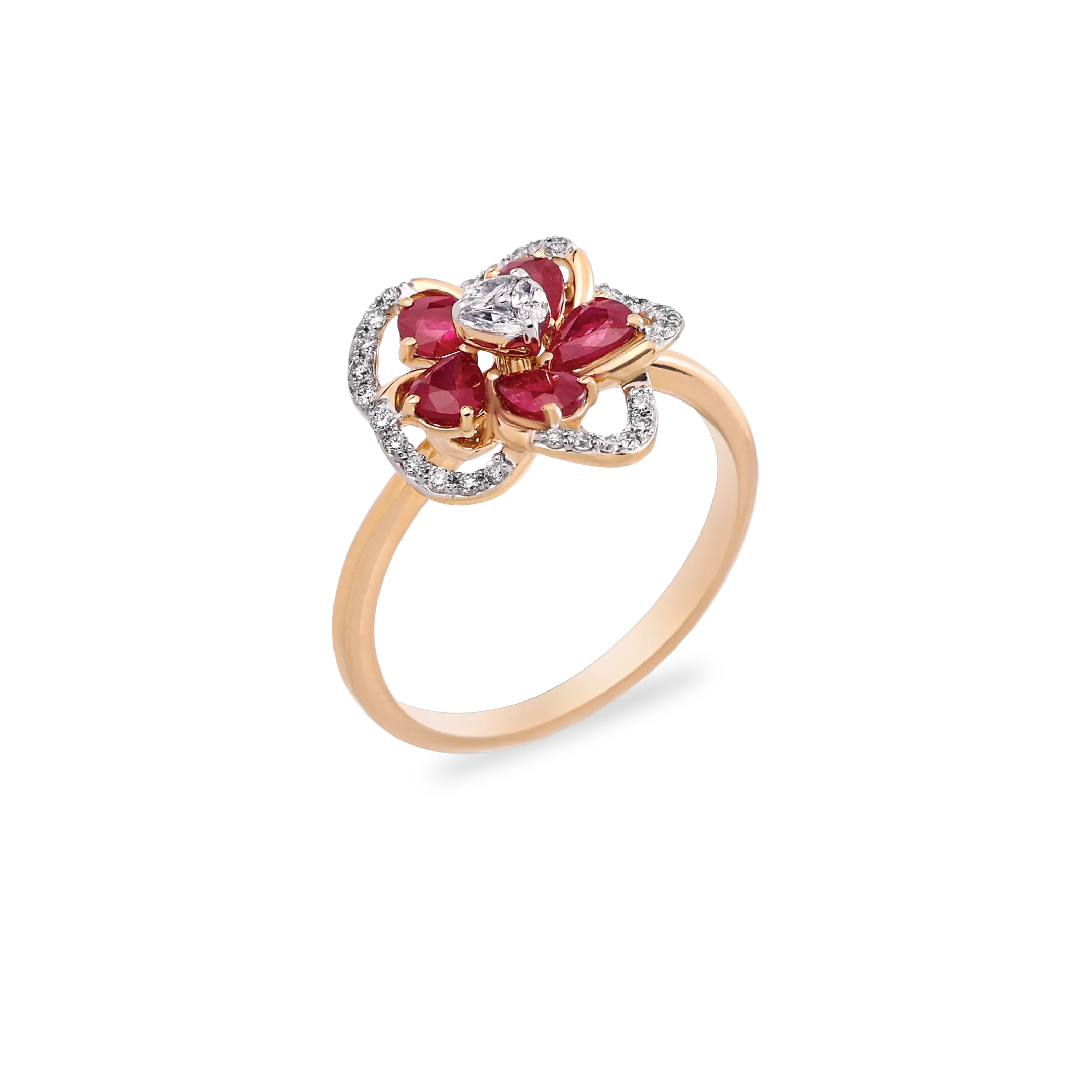
Mix diamond accents with plain gold rings
Plain gold rings can give a diamond-accented ring room to shine, especially when the setting has a distinctive shape. Try alternating a more detailed piece with a smooth band, or wear the diamond ring on its own and echo its gold tone elsewhere. The balance need not be perfectly symmetrical across both hands. Small differences often make a combination feel more like your own.
Balance wrist stacks with watch and sleeve styles
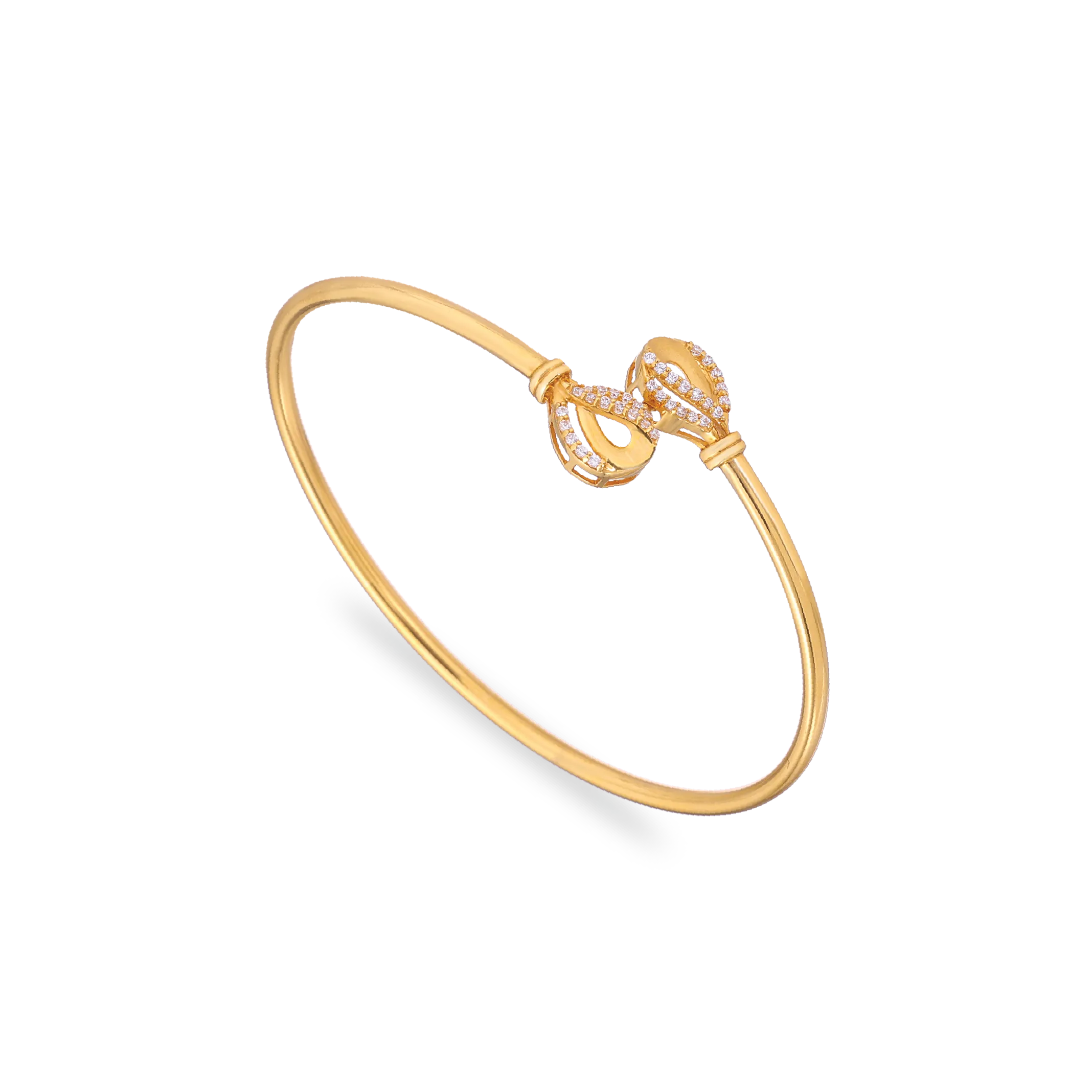
A watch adds its own weight and shape, so account for it before piling on bracelets. A fine bracelet can sit quietly beside a substantial watch, while several wide pieces may feel crowded under a fitted cuff. Think about the sleeve, too: a short sleeve leaves the wrist stack visible, while a long or textured sleeve may call for fewer pieces. The best arrangement should move easily and feel comfortable throughout the day.
Coordinate jewellery with outfits and occasions
Jewellery can shift the mood of an outfit without changing its basic pieces. For everyday wear, a few light details may feel right; an evening look can carry more contrast or sparkle. The occasion matters, but so does your own comfort with attention-grabbing pieces. Gold and diamonds can work across settings when their scale and formality suit the clothes.
Choose understated combinations for everyday wear
For a day of errands, work, or casual plans, consider a small diamond accent with a familiar gold chain or ring. Pieces that are easy to wear together can become a dependable routine, especially when they work with more than one outfit. A simple combination also leaves room to add something personal, such as a ring you wear often. For broader ideas on choosing daily gold essentials, think about what fits your wardrobe and routine.
Add contrast for evening and formal looks
Evening clothes can make room for stronger contrast: a bright diamond detail against warm gold, or a bolder chain beside a simple neckline. If the outfit itself has shine or embellishment, keep the jewellery more selective so the details don’t compete. A single statement piece can be more striking than several pieces of equal visual weight. Choose what feels polished to you rather than adding sparkle by default.
Consider necklines, colors, and dress codes
A neckline can influence whether a necklace feels balanced, while garment color can make a particular gold tone stand out. Dress codes also offer useful context: a formal event may call for a more refined combination, while a relaxed gathering leaves room for playful layering. The fit of the outfit matters as much as its color; jewellery should sit naturally rather than fight the fabric. For more mixed-metal styling ideas, use the pieces you already enjoy as a starting point.
Keep mixed gold and diamond jewellery looking cohesive
Cohesion doesn’t require every piece to come from the same set. A repeated color, shape, or setting detail can connect jewellery with different histories and styles. It helps to step back and look at the full combination, rather than judging each item separately. Practical details matter too: a beautiful stack should fit well, move comfortably, and suit the care each piece needs.
Repeat a metal tone across multiple pieces
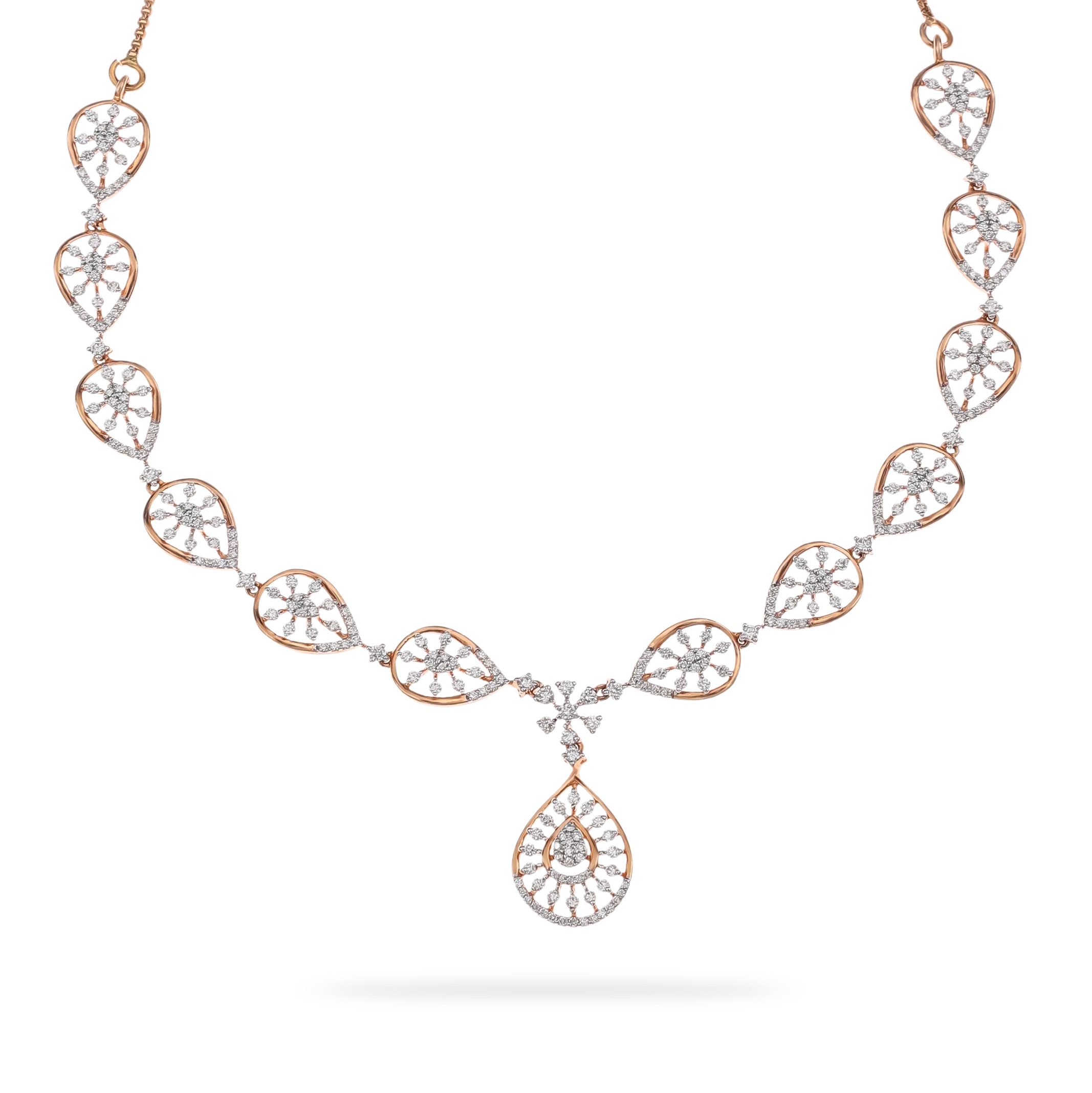
When two or more gold tones appear together, repeating one of them can make the contrast feel intentional. For example, a white-gold diamond piece can sit alongside yellow-gold jewellery if another small white-gold detail appears elsewhere. This creates a gentle visual link without making the entire combination match. If you prefer a simpler look, let one tone lead and keep the other to a single accent.
Use setting styles to connect different designs
Similar setting shapes or repeated lines can bring together pieces that use different gold tones. A clean, modern setting may sit naturally beside another piece with similarly simple edges, even if their colors differ. Alternatively, a shared motif or curved shape can make an eclectic group feel connected. Notice the design details that already repeat in your collection before adding anything new.
Check fit, comfort, and care requirements
A cohesive look should feel good to wear, not just look balanced in a mirror. Check that ring stacks don’t pinch, bracelets don’t catch on sleeves, and necklace layers lie comfortably against the skin. Different designs may also need different care, so follow the guidance suited to each piece rather than using one approach for everything. A quick check before wearing can help you avoid discomfort and keep the combination practical.
Conclusion
Mixing gold and diamond jewellery is less about following a strict formula than finding a balance that feels like you. Choose a focal piece, give it room, and use repeated tones or shapes to connect the rest. With a little attention to proportion, outfit, and comfort, the jewellery you already own can come together in fresh ways.
Frequently Asked Questions
Can you wear yellow gold and white gold together?
Yes. Repeating one of the tones in another piece or using a shared design detail can make the combination feel deliberate, while a clear contrast can look appealing too.
Does diamond jewellery have to match the gold tone of other pieces?
No. Diamond jewellery can work with different gold tones. Consider the setting, the scale of nearby pieces, and whether a repeated color or shape would help tie them together.
How many necklaces should you layer at once?
There is no fixed number. Two or three pieces with different lengths or textures can create a layered look, but the best amount depends on the neckline and the pendants.
How can I keep layered necklaces from looking cluttered?
Choose chains that differ in length or texture, and avoid giving every chain a prominent pendant. Try the layers with your outfit and adjust them until each piece has room to show.
Can I wear a statement diamond ring with other jewellery?
Yes. Let the ring lead and keep nearby pieces relatively simple, or repeat its gold tone elsewhere to connect the look without competing with its sparkle.
How do I balance bracelets with a watch?
Consider the watch’s size and the fit of your sleeve. A slim bracelet can complement a larger watch, while a crowded wrist stack may be less comfortable and harder to wear.
What should I consider when choosing jewellery for an occasion?
Think about the outfit’s neckline and color, the event’s dress code, and how much sparkle feels comfortable to you. A few well-chosen pieces can suit both casual and formal settings.
How to style jewellery with gown: a guide to necklines, metals, and occasionwear
10 minute read
Related blogs:
November 20, 2025
The Timeless Elegance of the Tennis Bracelet: A Comprehensive Guide
Read More
November 20, 2025
The Ultimate Guide to Styling and Wearing a Choker Necklace
Read More
November 20, 2025
Find Your Perfect Engagement Ring: A Comprehensive Guide to Styles and Diamonds
Read More
November 20, 2025
The Timeless Elegance of a Diamond Tennis Bracelet: A Buyer's Guide
Read More