How to find the best place to buy solitaire in Bangalore
October 24, 2026 | 10 minutes read
Key Takeaways
A good solitaire purchase starts with clarity about the piece you want and ends with written details you can check later. Take time to compare stones, settings, full costs, and the service terms behind the sale.
- Decide whether you want a ring or another kind of solitaire jewelry, and set a budget for the complete piece.
- Compare natural and lab-grown diamonds according to your priorities, not assumptions.
- Review the 4Cs, grading report, and diamond appearance in more than one light.
- Compare itemized prices and written policies, including resizing and returns.
- Check the setting, documentation, and after-sales service before paying.
Decide what kind of solitaire you want
Before searching for the best place to buy solitaire in bangalore, work out what you want to wear and what you are comfortable spending. A solitaire has a single centre stone, but the piece can take very different forms, from a simple ring to earrings or a pendant. Your everyday habits and personal style can help narrow the choice. Once those basics are clear, store comparisons become more useful.
Choose between a ring and other solitaire jewelry
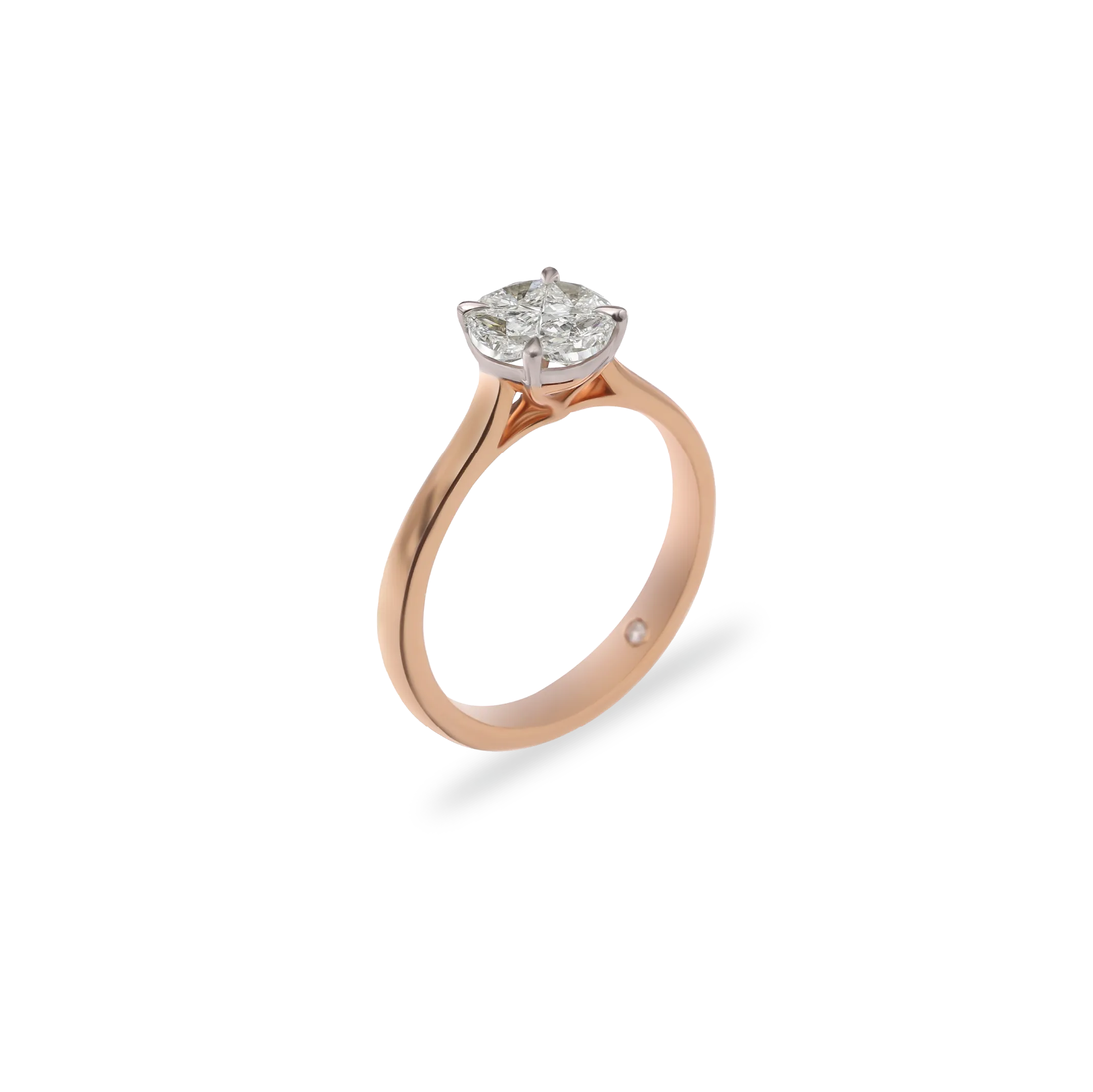
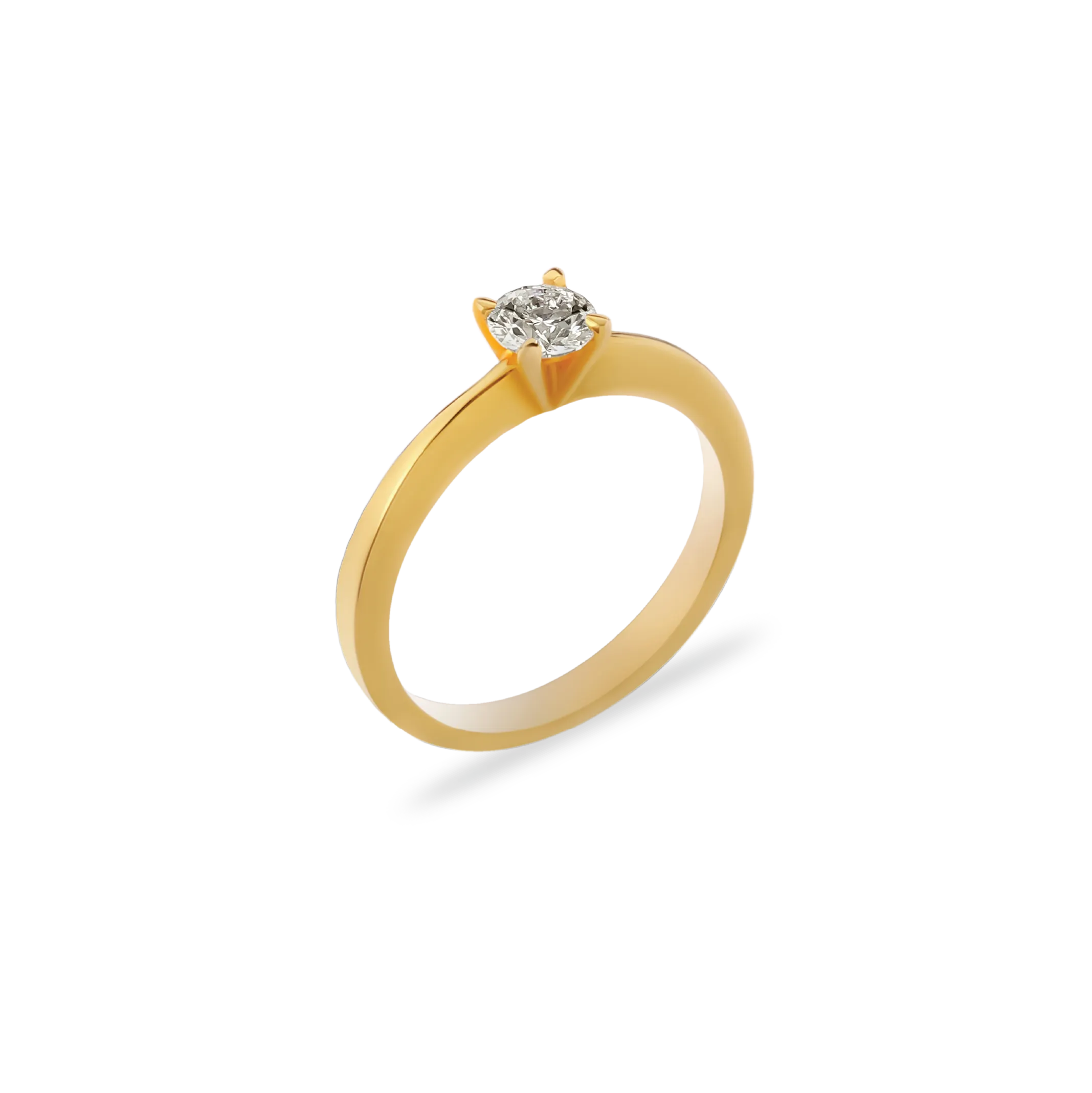
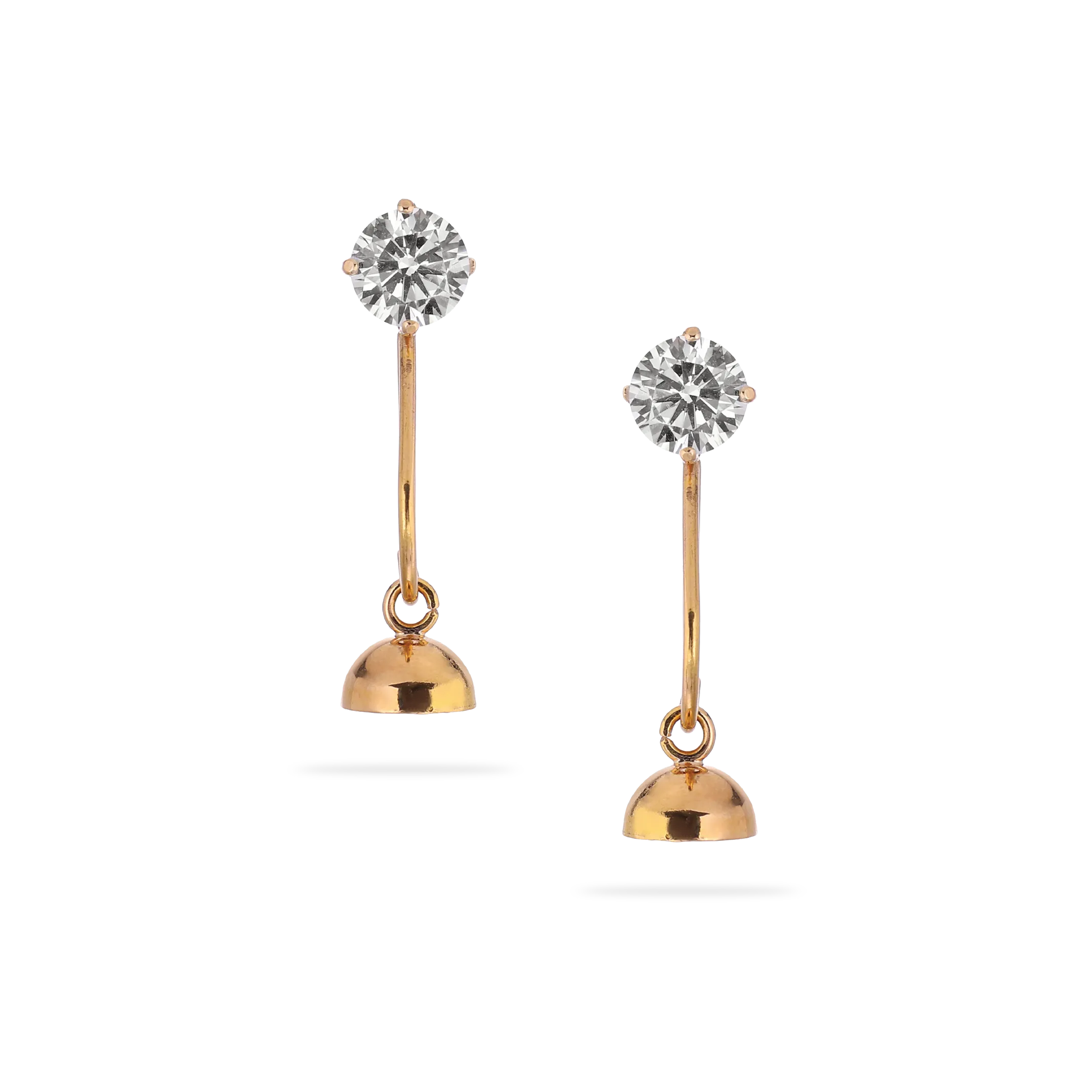
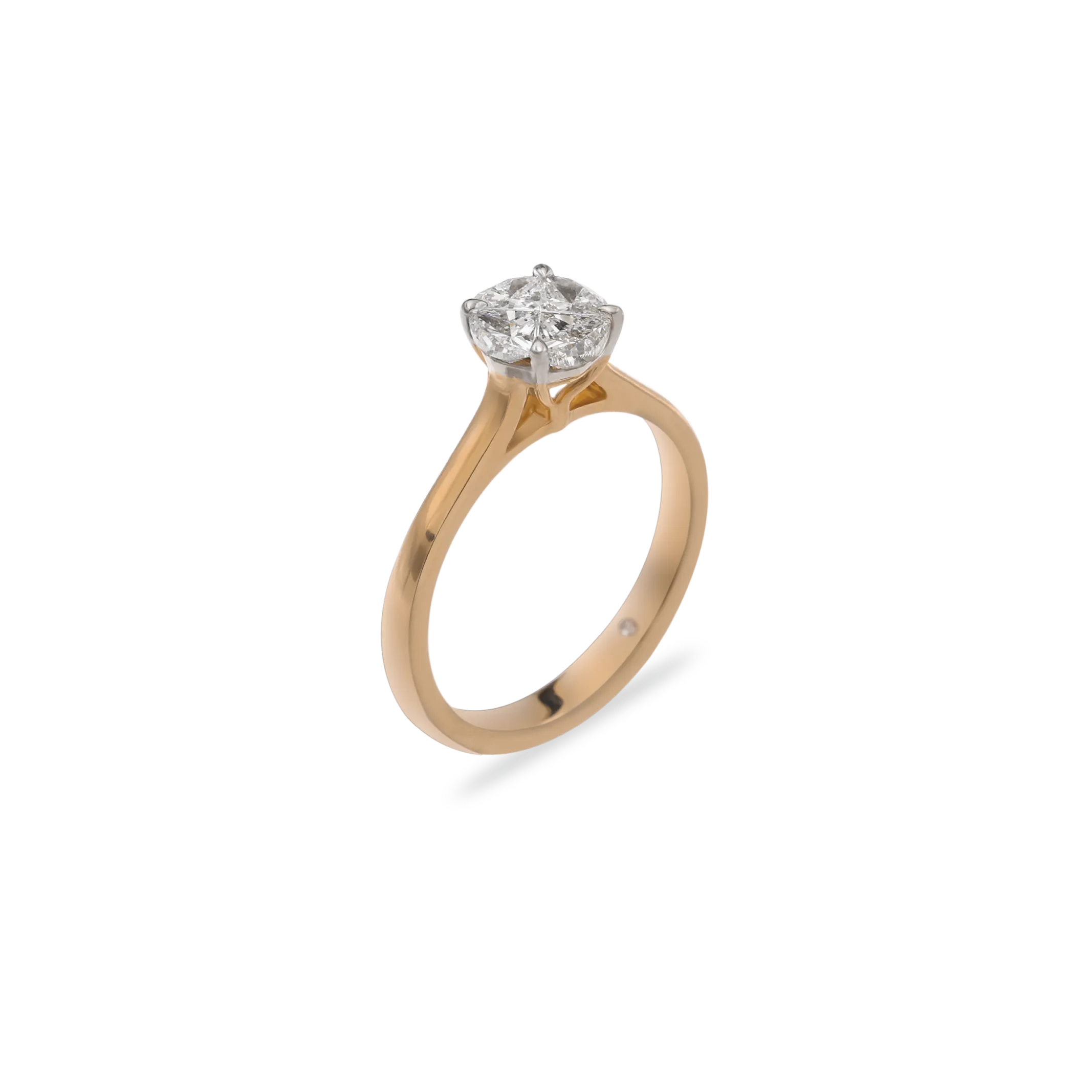
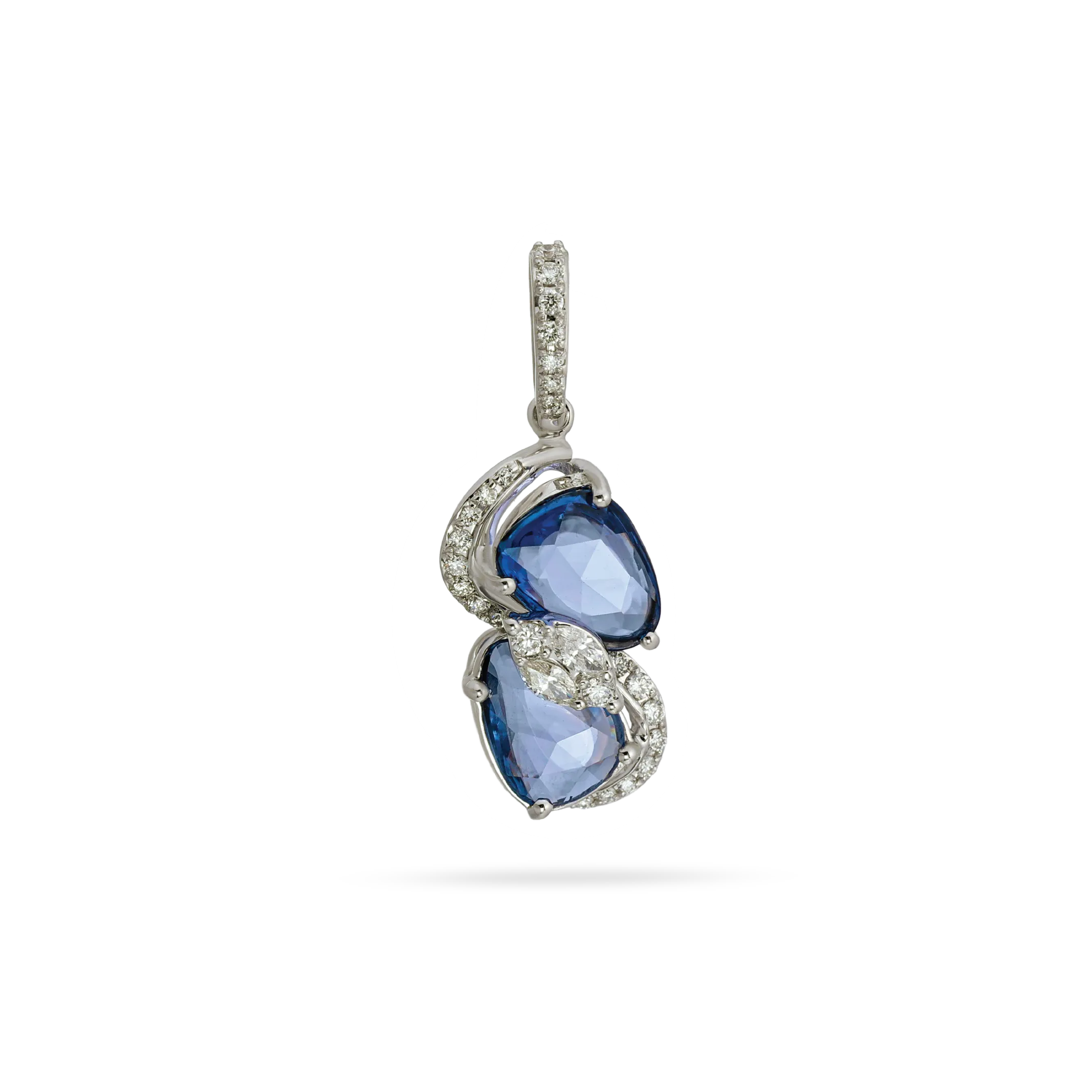
A solitaire ring is a familiar choice for an engagement or another milestone, but it is not the only way to wear a single diamond. A pendant or pair of earrings may suit someone who prefers jewelry that does not need to fit a particular finger. Consider how often the piece will be worn, whether it needs to work with other jewelry, and whether the recipient has a strong preference. The right form is the one that feels natural to wear, not simply the one that looks most impressive in a display case.
Set a budget that includes the setting
Think of the diamond and its setting as one purchase. A larger share of the budget going toward the centre stone may leave less room for a more intricate setting, while a simpler design can shift the balance. Include taxes and any clearly stated making or setting charges when comparing options, and ask whether the price is for a loose diamond or a finished piece. At C. Krishniah Chetty & Co., shoppers can explore solitaire and engagement ring options; compare the complete price of the piece rather than judging by the centre diamond alone.
Compare natural and lab-grown diamonds
Natural and lab-grown diamonds are different origin categories, so first decide whether origin is important to you and what trade-offs you are prepared to make. Ask the jeweler to identify the diamond type clearly on the documentation and to compare stones with similar characteristics. A lab-grown diamond guide can provide another perspective as you consider this choice. Keep your comparison grounded in the specific stones and their reports, not broad claims about what one category must look like or cost.
Explore where to shop in Bangalore
Bangalore offers several ways to shop, from established showrooms to independent designers and online sellers. The best fit depends on how much guidance you want in person, how much customization matters, and how you prefer to compare pieces. You can start with a solitaire ring showroom and use the same questions with every seller you visit. A little preparation makes it easier to compare service and documentation without being rushed by a display or a sales pitch.
Visit established jewelry stores
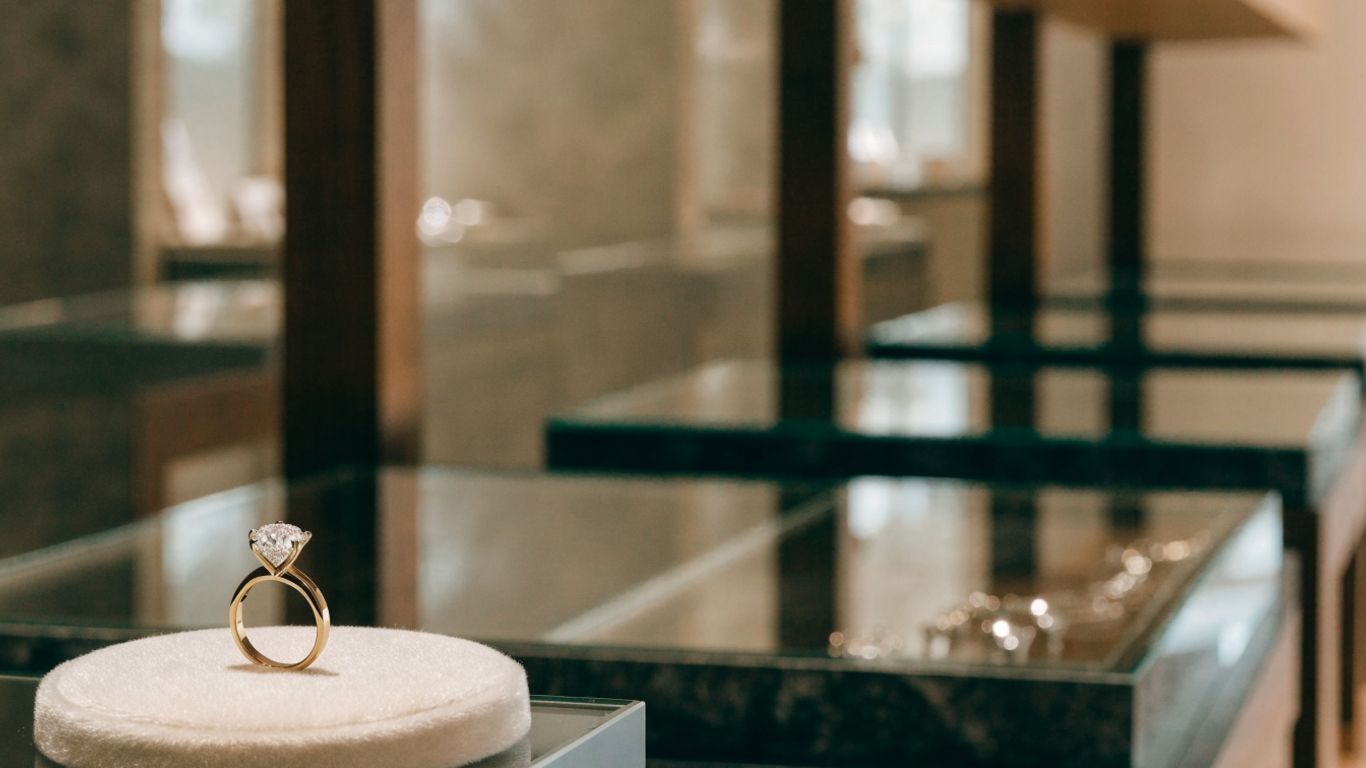
A showroom visit lets you see how a ring looks on a hand and ask questions while comparing stones and settings. Notice whether staff explain the diamond and the full price clearly, and whether they provide written answers about policies. C. Krishniah Chetty & Co. presents solitaire and engagement ring options, which shoppers can consider as part of a broader search. Treat any visit as one comparison point, and take notes so the details do not blur together later.
Compare independent jewelers and designers
Independent jewelers and designers may offer a different experience, particularly if you want to discuss proportions, materials, or a personal design idea. Ask what can be customized, how changes affect the final price, and what details will appear on the invoice. Look closely at finished examples and clarify who will make the piece and handle any later adjustments. These questions help you distinguish a design conversation from a clear, documented plan.
Consider online retailers with local support
Online shopping can make it easier to browse a wider selection, but check what happens after checkout as carefully as you check the product page. Confirm whether you can view the ring in person, who handles returns, and how repairs or resizing are arranged. A clear channel for support matters if the item does not fit or arrives differently than expected. Before ordering, save the listing and policy details so you can compare them with the paperwork that comes with the piece.
Evaluate the diamond before you buy
A solitaire draws attention to its centre stone, so spend time evaluating the diamond itself rather than relying on a quick impression. Ask to compare stones under similar conditions and review their identifying details. The 4Cs give you a shared vocabulary for discussing quality, but no single grade tells the whole story. A patient comparison can help you decide which characteristics matter most for your budget and taste.
Check the 4Cs: cut, color, clarity, and carat
The 4Cs describe different aspects of a diamond: cut relates to proportions and light performance, color describes how colorless the stone appears on a grading scale, clarity records internal or surface features, and carat is its weight. Compare the characteristics together rather than treating a higher grade in one category as an automatic reason to choose a stone. This simple guide can help keep the discussion focused:
| Factor | What to ask | What to compare |
|---|---|---|
| Cut | What cut grade or proportions are documented? | Brightness and overall appearance |
| Color | What color grade is listed? | Whether differences are visible side by side |
| Clarity | What inclusions or features are recorded? | Their location and visibility to you |
| Carat | What is the diamond's exact carat weight? | Face-up size as well as weight |
Use the grades as a starting point, then decide whether the visible difference matters to you in the finished ring. A balanced choice of 4Cs is usually more useful than chasing the highest number in just one category.
Review the grading report and issuing lab
Ask for the grading report that corresponds to the diamond you are considering, and check that its identifying details match the stone and the seller’s paperwork. Look for the issuing lab, report number, diamond description, and the grades being quoted. If anything seems inconsistent, pause and ask the jeweler to explain it before making a decision. Keep a copy of the report with your invoice and any warranty or service documents.
Inspect the diamond in different lighting
A diamond can look different under a bright display light than it does in softer indoor light. If possible, view it in more than one setting and from several angles, and compare it with another stone of similar size. Take a moment to notice what appeals to you rather than relying only on sparkle in a showroom. The diamond should still feel right when the lighting is less dramatic.
Compare prices and policies
Two rings that look similar can have different final prices and different terms after the sale. Ask for the complete cost in writing, then read the return, exchange, and service policies before you commit. If a seller describes a benefit verbally, ask where it appears in the paperwork. C. Krishniah Chetty & Co. offers solitaire and engagement ring options, so include the full written terms in any comparison of pieces you consider there.
Check what the quoted price includes
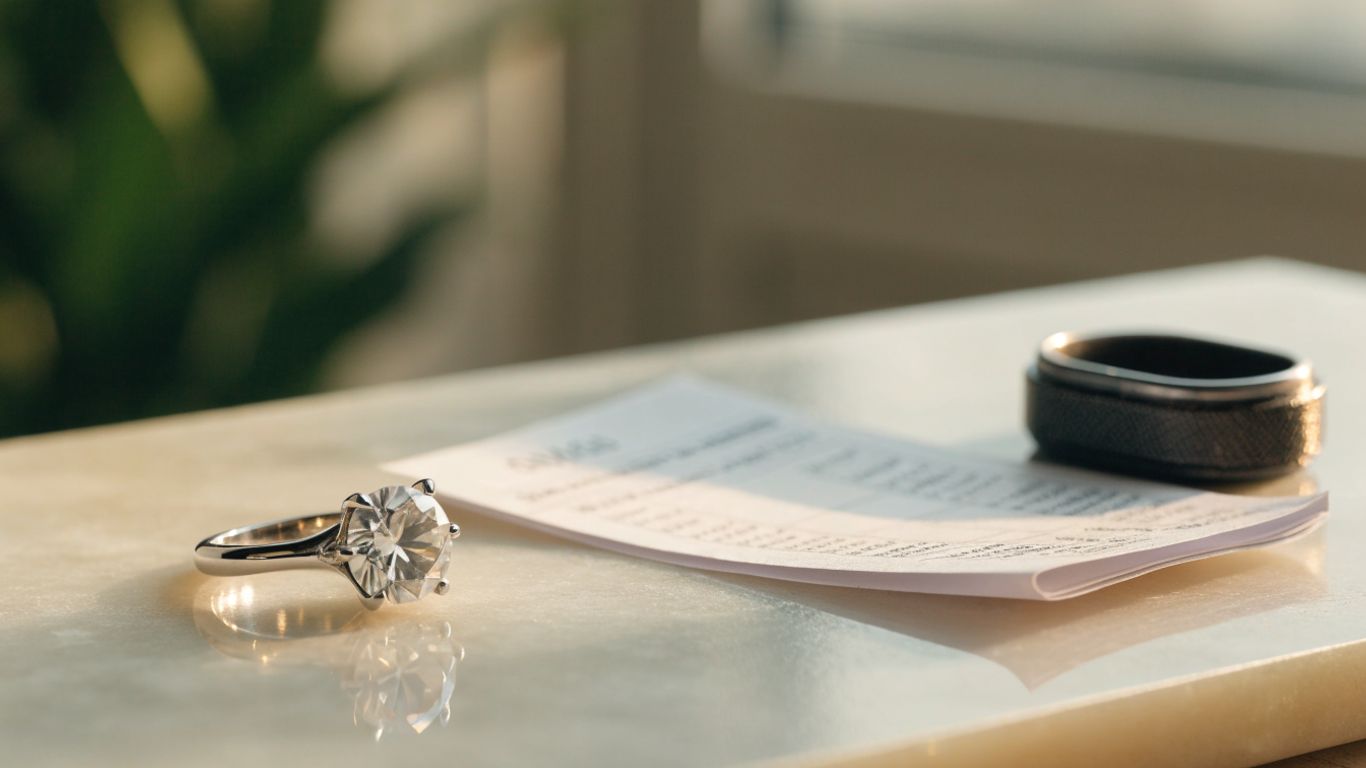
A useful quote makes clear whether it covers the diamond, setting, metal, taxes, and any additional charges. Confirm that you are comparing finished rings rather than a loose stone in one case and a completed piece in another. It can help to ask each seller for the same details in the same order:
- Diamond description and report details.
- Setting and metal specifications.
- Making charges, taxes, and other fees.
- Final payable amount and invoice details.
With those items in view, a lower headline price is easier to assess fairly. If a charge is unclear or missing, ask for an updated written quote before comparing it with another seller’s offer.
Review return, exchange, and upgrade terms
Policies vary, so read the actual terms instead of assuming that every jeweler handles returns or exchanges alike. Check the time window, item condition requirements, and whether custom work changes eligibility. If an upgrade option matters to you, ask how its value is calculated and which pieces qualify. Clear written terms let you understand what choices remain after the purchase.
Ask about resizing, repairs, and buyback options
A ring may need attention after purchase, so find out what support is available and whether it carries a fee. Ask who performs the work, how long it usually takes, and whether resizing affects any warranty or return terms. Buyback arrangements, if offered, should also be explained in writing, including any conditions or valuation method. Do not treat a verbal assurance as a substitute for a policy you can keep.
Assess the ring setting and craftsmanship
The setting shapes how the diamond sits, how the ring feels, and how easy it may be to wear regularly. A design that looks delicate in a case should still feel comfortable and secure in use. Compare settings with the wearer’s preferences and routine in mind, and examine the piece closely before deciding. Small construction details can matter as much as the broad style.
Match the setting to the diamond and wearer
Consider the diamond’s shape and proportions alongside the setting, since a design should hold the stone in a way that looks balanced to you. Think about the wearer’s taste too: some people prefer a low-profile ring, while others like a more prominent setting. Try on similar styles if possible and notice how they sit beside other rings. Comfort and personal preference are better guides than trend alone.
Check the metal, prongs, and finish
Ask which metal is used and check that its description appears in the paperwork. Look closely at the prongs or other parts holding the diamond, checking for an even, neat finish and any sharp edges. The ring should feel smooth against the skin, and its details should look consistent from different angles. If you see something that concerns you, ask the seller to inspect it with you.
Confirm the setting works with daily wear
Think about the wearer’s routine: gloves, hands-on work, or frequent activity may make a low, practical profile more appealing. Ask how to care for the ring and what signs of wear should prompt a professional check. A setting that suits daily habits may be more satisfying than one chosen only for its appearance in a photograph. Consider whether the wearer will be comfortable taking it off when needed.
Make a confident purchase
By this stage, you should have a clear idea of the design, diamond, price, and policies that suit you. Take a final pause to compare your notes and make sure the documents describe the exact piece you intend to buy. C. Krishniah Chetty & Co. has solitaire and engagement ring options to consider in that final comparison. A careful last check is not hesitation; it is part of buying something you may keep for years.
Ask for an itemized invoice and documentation
Before paying, confirm that the invoice identifies the diamond and setting and shows the full amount due. Collect the grading report and any written details about metal, warranty, care, and service terms. Check that the paperwork matches what you were shown, including the selected size and design. Keep digital copies as well as the originals where practical.
Compare your final shortlist side by side
Use a short comparison of your top choices rather than trying to remember every detail from several visits. Review each ring’s documented diamond characteristics, finished price, setting, and policy terms together. C. Krishniah Chetty & Co.’s solitaire and engagement ring options can be weighed alongside any other pieces on your shortlist using the same criteria. If one choice only looks better under a particular light or because of one standout grade, take another look before settling on it.
Verify after-sales service before paying
Ask who to contact if the ring needs resizing, cleaning, inspection, or repair, and whether those services are included or charged separately. Confirm the expected process and keep the answers in writing. Make sure return or exchange conditions are clear, especially if the ring is customized. When the documents, price, and service arrangements all make sense, you can make the purchase with greater confidence.
Conclusion
Finding the right solitaire in Bangalore is less about chasing a single perfect shop and more about comparing the complete purchase carefully. Decide what suits the wearer, evaluate the diamond and setting, and read the price and service terms before paying. With clear documents and a little patience, you can choose a piece that feels right both in the moment and after it becomes part of everyday life.
Frequently Asked Questions
What should I check before buying a solitaire diamond?
Review the diamond’s 4Cs and grading report, inspect it in different lighting, and compare the complete ring price, setting, and written policies.
Is a solitaire ring the only kind of solitaire jewelry?
No. Solitaire designs can also appear in pieces such as pendants and earrings. Choose the form that suits the wearer’s style and habits.
Should I compare natural and lab-grown diamonds?
Yes, if both are options you are considering. Ask sellers to identify the diamond type and compare specific stones using their documentation and prices.
What does the 4Cs mean when shopping for a diamond?
The 4Cs are cut, color, clarity, and carat. They describe different characteristics, so compare them together and consider the stone’s appearance as well.
Why should I check the diamond’s grading report?
The report records identifying details and grading information for a particular diamond. Matching it to the stone and invoice helps you understand what is being sold.
What should a solitaire ring quote include?
Ask for the diamond and setting details, metal specifications, taxes, making charges, other fees, and the final payable amount in writing.
Can a solitaire ring be resized after purchase?
Resizing may be possible, but terms vary by ring and seller. Ask who handles it, whether a charge applies, and whether the work affects other policies.
Related blogs:
November 20, 2025
The Timeless Elegance of the Tennis Bracelet: A Comprehensive Guide
Read More
November 20, 2025
The Ultimate Guide to Styling and Wearing a Choker Necklace
Read More
November 20, 2025
Find Your Perfect Engagement Ring: A Comprehensive Guide to Styles and Diamonds
Read More
November 20, 2025
The Timeless Elegance of a Diamond Tennis Bracelet: A Buyer's Guide
Read More