How to choose premium gemstone jewellery in Bangalore
October 20, 2026 | 10 minutes read
Key Takeaways
A premium gemstone piece is more than its price or carat weight. Look closely at the stone, its setting, the seller’s disclosures, and the care it will need.
- Ask whether the gemstone is natural, treated, or synthetic, and request clear disclosure.
- Compare colour, clarity, cut, and overall appearance rather than judging by carat weight alone.
- Check that the setting and metal suit the stone and how often you plan to wear it.
- Read certificates and verify metal purity, return terms, and after-sales support before buying.
- Inspect the finished piece in person when possible, then follow care guidance to protect it.
Understand what makes gemstone jewellery premium
A premium piece feels considered from the stone selection through to the final polish. Its value may reflect rarity, quality, design, metal, and the care taken in making it, but price alone cannot tell you whether it is the right choice. Start by understanding what the seller is offering and what details can be verified. That gives you a clearer basis for comparing pieces.
Natural, treated, and synthetic stones
Gemstones can be natural, treated to change or improve an appearance, or synthetic stones created in a laboratory. These categories are not interchangeable, and a treatment does not automatically make a stone unsuitable; what matters is knowing what you are buying. Ask for the description in writing and check that it matches any report or invoice. Clear disclosure matters because it helps you compare like with like and understand the care the stone may require.
Gemstone quality factors beyond carat weight
Carat measures weight, not beauty or overall quality. Colour, clarity, cut, and how evenly the stone appears can have a stronger effect on its look once it is set. Lighting also changes how some gems appear, so examine a piece under more than one kind of light if you can. The following comparison is a useful starting point, not a substitute for looking closely at the individual stone.
| Factor | What to observe | Why it matters |
|---|---|---|
| Colour | Hue, tone, and consistency | Strongly shapes the stone’s overall appearance |
| Clarity | Visible inclusions or surface marks | Can affect appearance and, in some cases, durability |
| Cut | Proportion, symmetry, and light return | Influences how lively the stone looks |
| Carat | Weight in relation to visible size | Helps compare size, but does not establish quality alone |
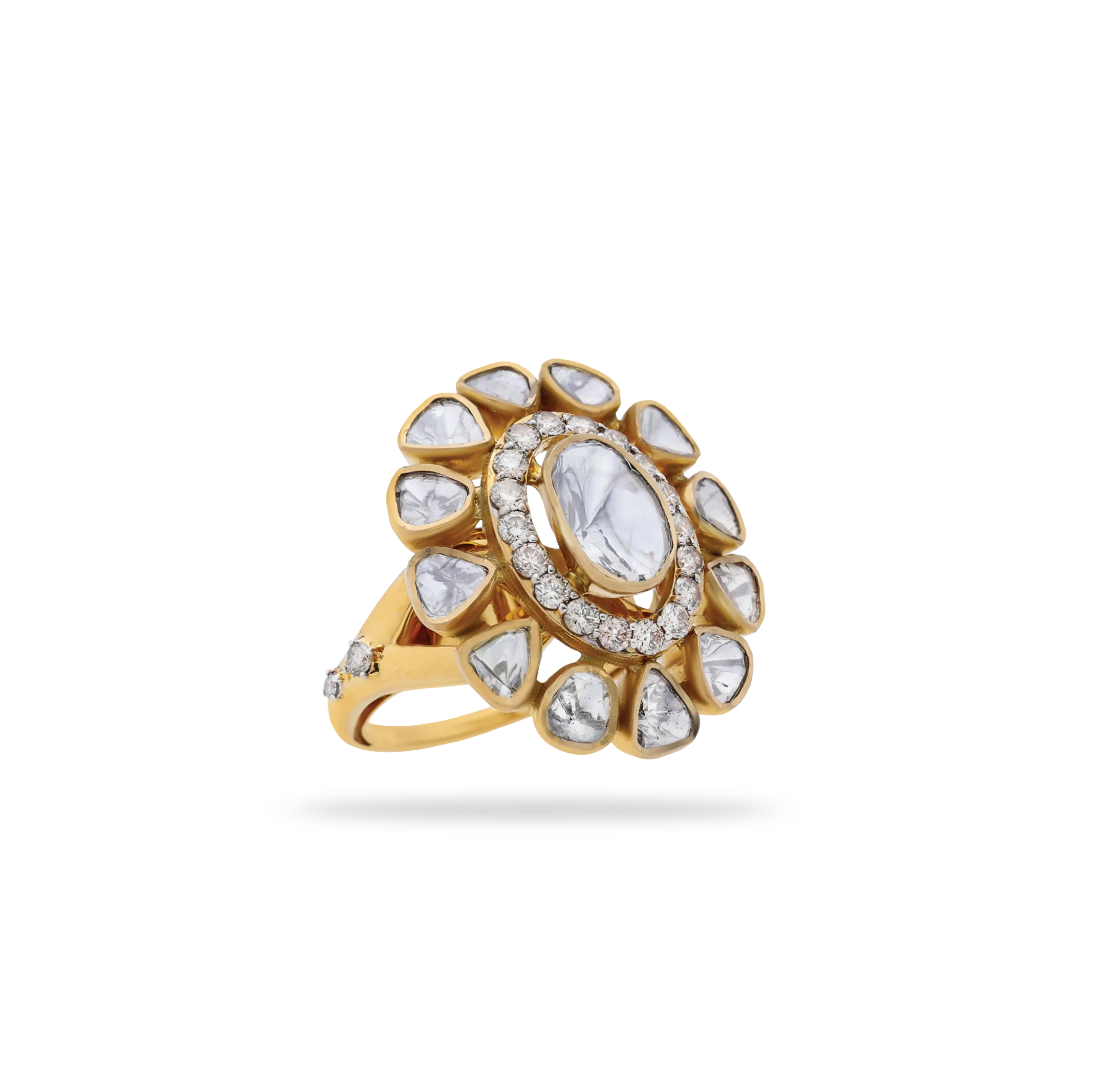
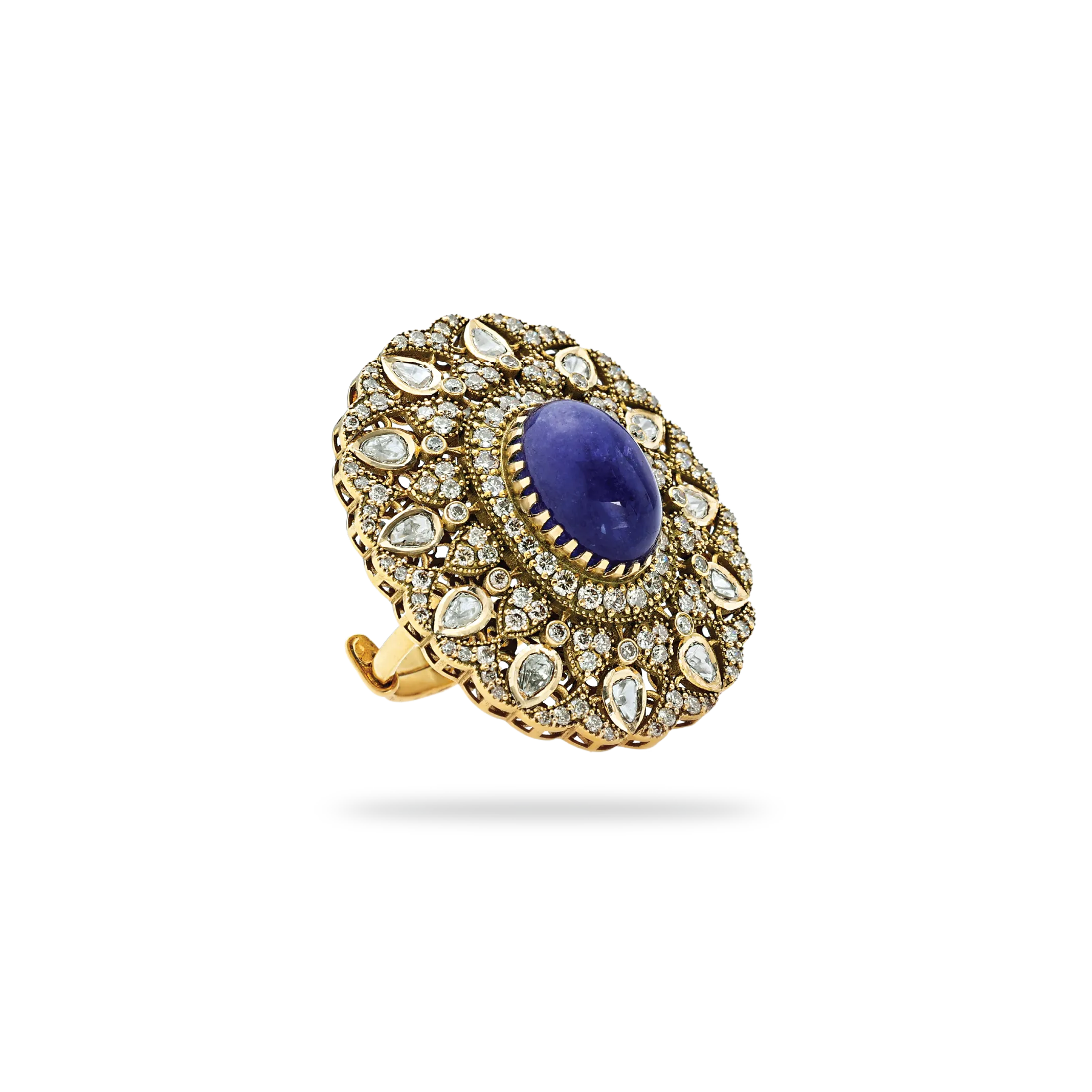
A larger stone may look less appealing than a smaller one if its colour or cut does not suit your taste. Compare the finished pieces under similar lighting and consider whether you prefer an even appearance or the distinctive character of natural inclusions. The right choice is the stone you understand and enjoy wearing.
How setting and metal affect the finished piece
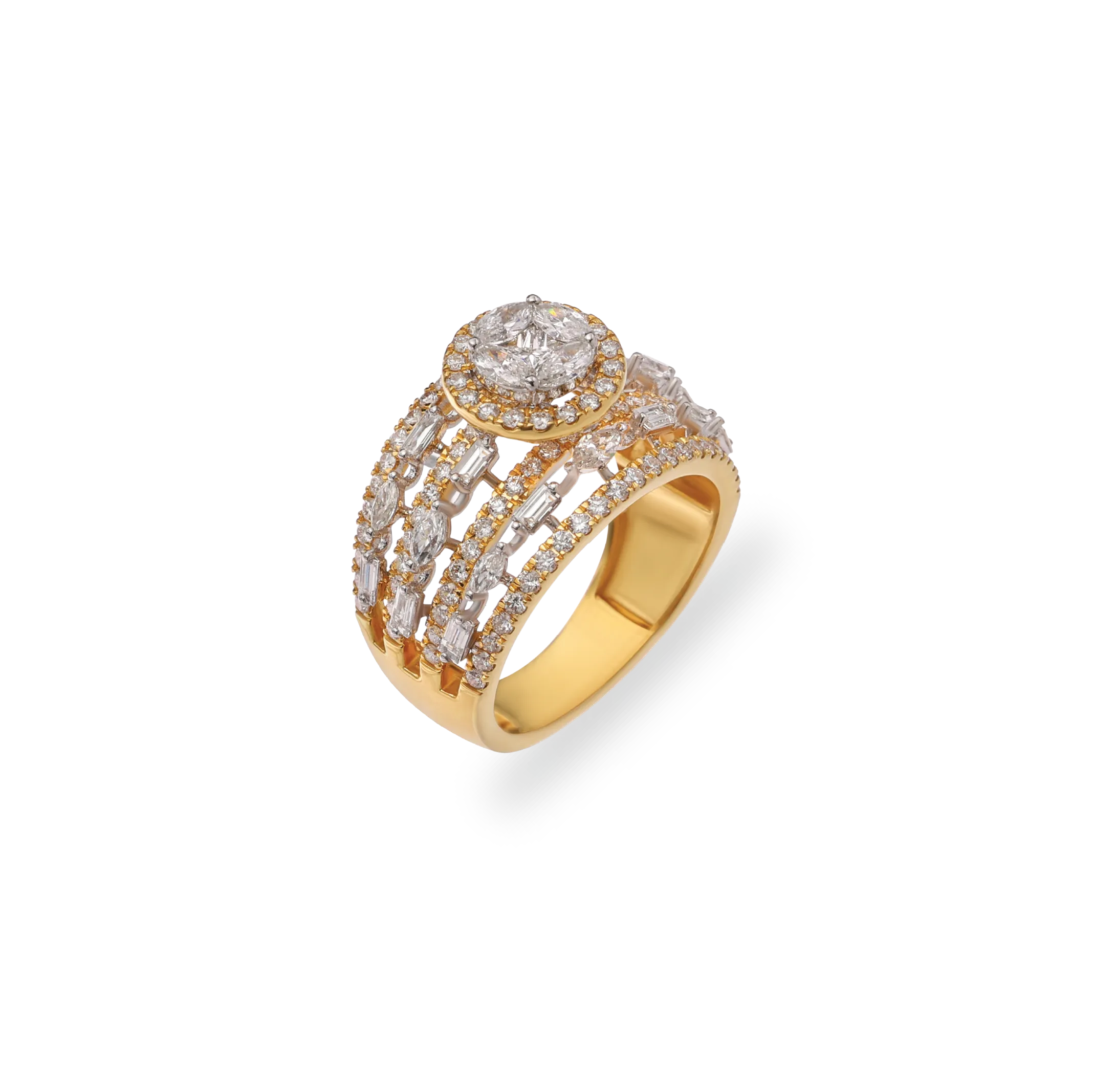
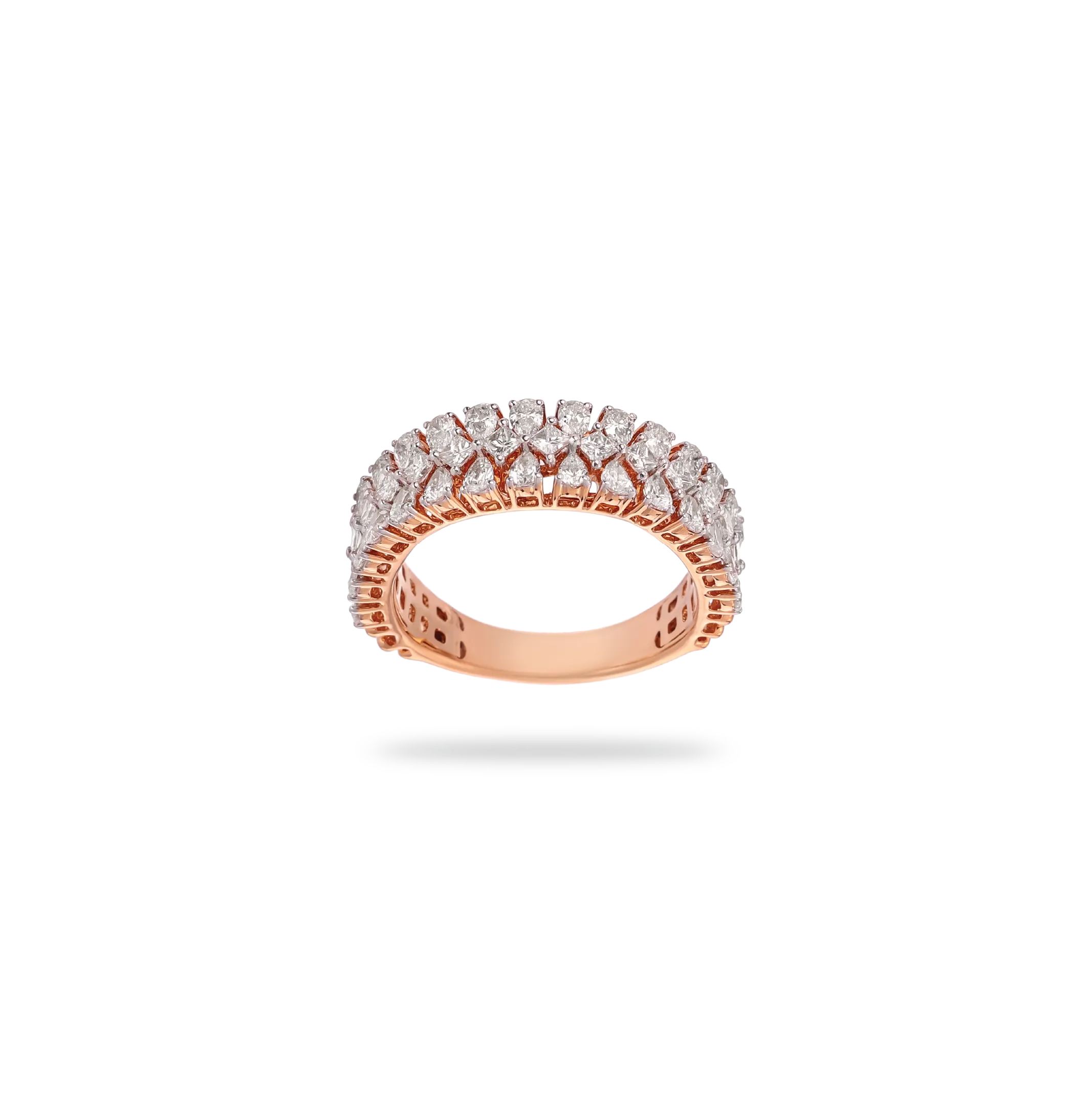
The setting changes how much of a gemstone is visible, how it sits against the skin, and how protected it is from knocks. Metal colour can also shift the way a stone’s colour reads, so consider the combination rather than assessing each element in isolation. Look at the back and edges of the piece as well as its face; comfort and a neat finish matter after the first impression.
Choose a gemstone that suits your needs
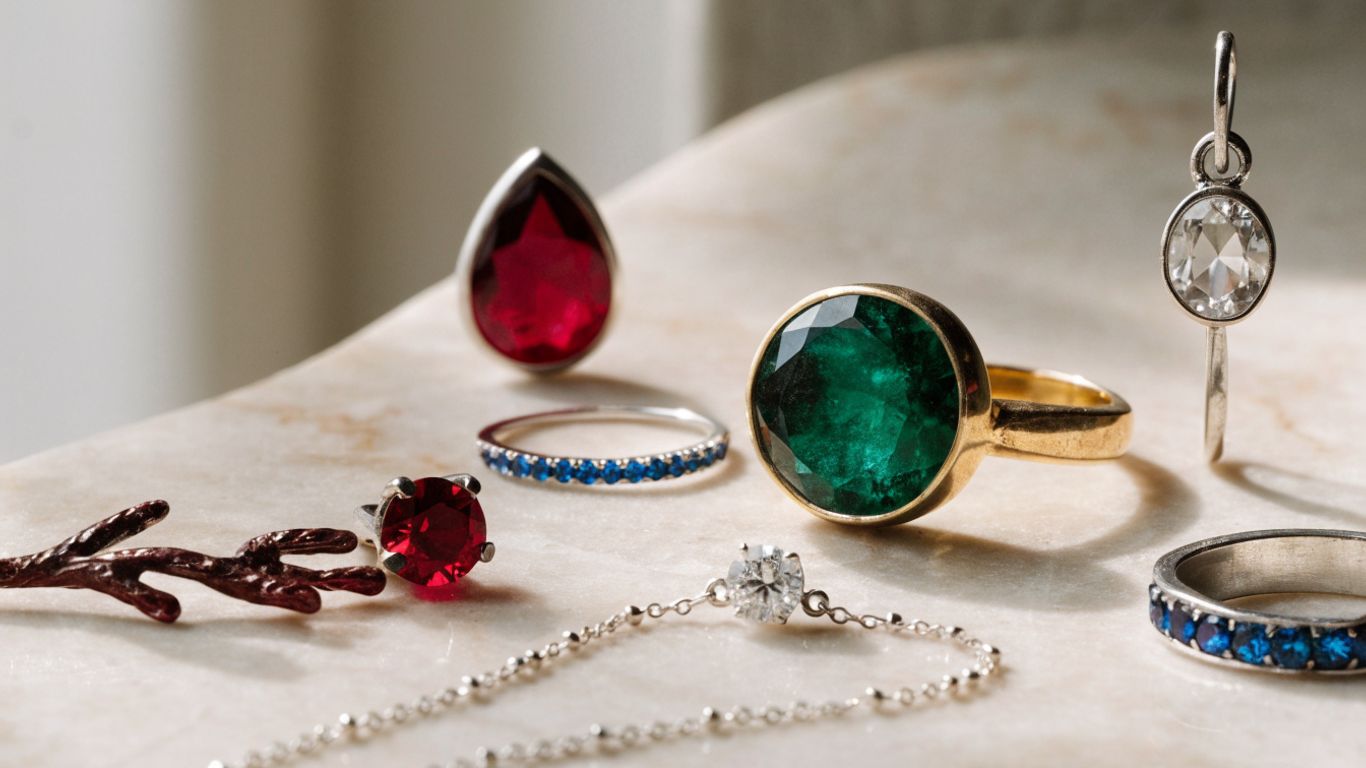
Choose for the way you actually dress and live, not only for a photograph or a special occasion . A vivid centre stone can feel striking at an event, while a smaller or more simply set gem may fit more easily into a daily rotation. Think about your preferred colours, the jewellery you already wear, and whether you want a versatile piece or a focal point. In Bangalore, where shopping options range from showroom visits to online browsing, this practical starting point can make the search for premium gemstone jewellery bangalore feel less overwhelming.
Match colour and style to everyday or occasion wear
Notice which colours you reach for most often and whether you prefer warm, cool, or mixed metal tones. For everyday wear, a restrained design may pair easily with the rest of your jewellery; for celebrations, you may enjoy a larger stone or more elaborate setting. Try to picture the piece with clothes you already own. A design that works with your real wardrobe is more likely to be worn often.
Consider durability for frequent use
A gemstone’s suitability for regular wear depends on more than its appearance. Consider how exposed it will be to impact, water, cosmetics, or household tasks, and ask the seller for care guidance specific to that stone and setting. Rings usually encounter more knocks than pendants worn close to the body, so the same gemstone may call for a different design depending on where it sits. If you want a piece for everyday use, discuss the trade-offs before choosing a delicate setting.
Compare popular gemstones and their care needs
Different stones can call for different handling, and even stones of the same type may vary. Rather than relying on a single general rule, ask what cleaning products and methods are safe for the exact piece. A quick conversation before purchase can help you decide whether the care routine suits your habits.
- Ask whether the stone should be kept away from heat, chemicals, or sudden temperature changes.
- Find out if gentle soap and water are suitable, or whether another cleaning method is advised.
- Check whether the setting needs special attention during cleaning.
- Request written care instructions if the piece includes multiple gemstones or materials.
These questions are especially useful if you are buying a gift or choosing a stone you have not owned before. For another perspective on what a local seller may disclose, review certified gemstone selections and compare the information with the details provided for the piece you are considering.
Verify gemstones and jewellery credentials
A confident purchase begins with information you can understand and check. Ask what documents come with the piece, who issued them, and which details they actually confirm. A certificate or report can be useful, but it is not a blanket guarantee about every quality, value, or future resale claim. Treat the paperwork as one part of your assessment alongside the jewellery itself and the seller’s written terms.
Read certificates and understand what they confirm
Read the report carefully rather than relying on the word “certified” alone. Check that the description corresponds to the gemstone you are buying, and note whether the document identifies treatments, measurements, or other attributes. Different reports may cover different points, so ask the seller to explain anything unclear. Keep the original documents with your invoice and product details after purchase.
Ask about treatments, origin, and disclosure
Ask directly whether the stone is natural, treated, or synthetic and request the answer on the invoice or other purchase documentation. If origin is part of the sales description, ask whether it is supported by a report and what that report establishes. Avoid assuming that a certificate confirms every claim made about a gemstone. Written, specific answers make it easier to compare items and resolve questions later.
Check hallmarking and metal purity
For jewellery made with precious metal, inspect the hallmark and ask how the purity is represented on the item and its paperwork. In India, BIS hallmarking is relevant to gold jewellery; verify the applicable mark and details rather than relying on a verbal assurance. Confirm that the invoice identifies the metal and the piece clearly. If you are reviewing broader shopping considerations, this fine-jewellery buying guide covers related checks such as hallmarking and certification.
Evaluate craftsmanship and design
A beautiful gemstone can be let down by an uncomfortable or poorly finished setting. Look at how the stone sits, whether the design feels balanced, and whether the surfaces are smooth where they touch the skin. Take your time: a few quiet minutes of inspection can reveal details that are easy to miss in a display case. Try the piece on if possible, and assess it from more than one angle.
Inspect stone setting, symmetry, and finish
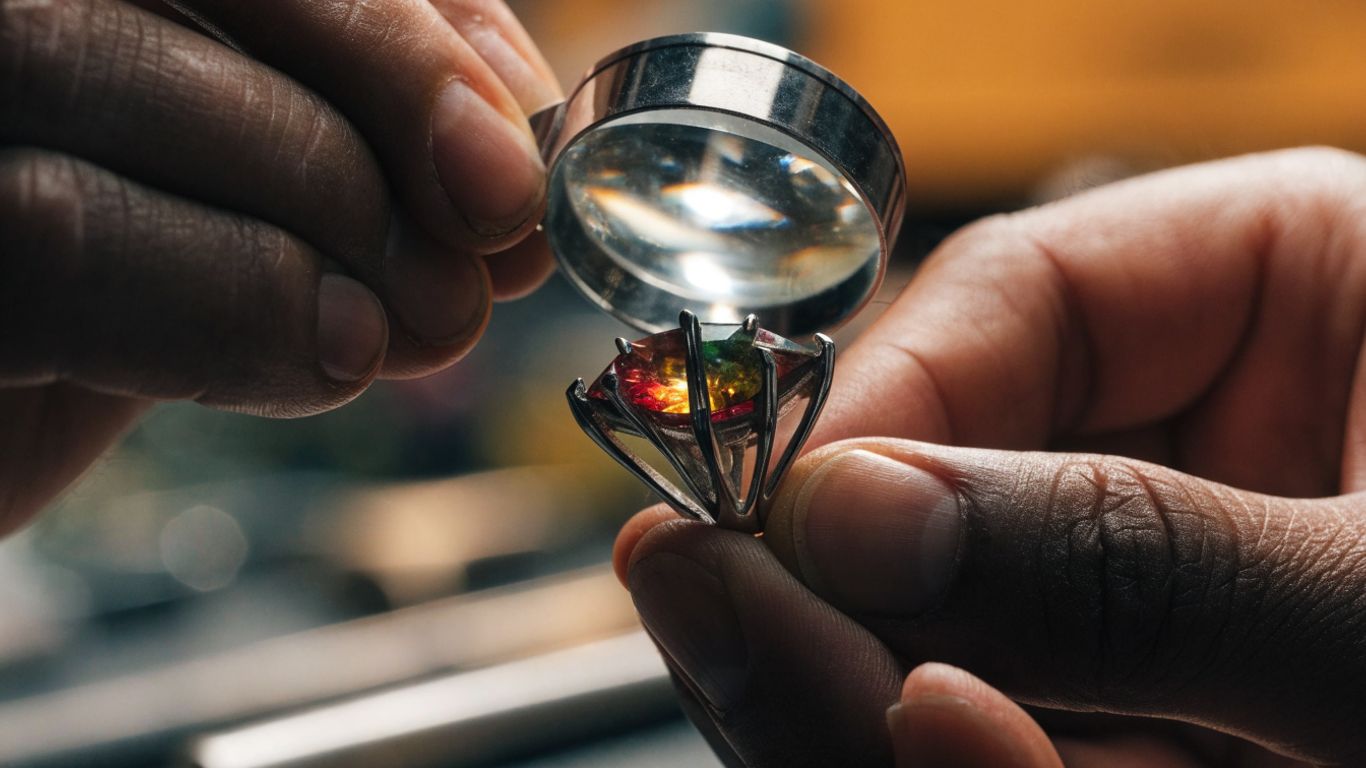
Examine the setting from the front and sides, checking that the stone appears centred and held evenly. Look for rough edges, visible gaps, or parts that catch on fabric. Clasps and hinges should open and close smoothly, and the piece should feel comfortable rather than sharp or heavy in an awkward way. These small checks help you judge the workmanship beyond the initial sparkle.
Compare custom-made and ready-to-wear designs
Ready-to-wear pieces are available to inspect as finished objects, making it easier to assess their fit and appearance before purchase. A custom design gives you a chance to discuss proportions, metal, and setting, but it also calls for clear agreement on specifications, timeline, and changes. Ask for a written design description and confirm how approvals or adjustments work. Whether you choose a finished piece or a bespoke one, keep the stone’s needs and your comfort at the centre of the decision.
Look for secure settings suited to the stone
The setting should hold the gemstone securely without making the piece feel cumbersome. Ask how the design protects exposed corners or edges, especially if you plan to wear it frequently. A lower-profile setting may be practical for some routines, while a more open design may show more of the stone but need extra care. There is no single setting that suits every stone or wearer, so weigh appearance against use.
Shop for premium gemstone jewellery in Bangalore
Shopping locally gives you the chance to compare colour, finish, and fit in person, while online listings can make it easier to browse a wider range at your own pace. Either way, take the same questions with you: what is disclosed, what is documented, and what happens if the piece needs attention after purchase? Keep notes as you compare, particularly when several designs look similar at first glance. A practical jeweller comparison guide can help you organize those checks before you visit or place an order.
Compare specialist jewellers, studios, and online sellers
Different sellers may offer different strengths, from a focused gemstone selection to custom design or convenient online browsing. Compare the quality of product descriptions, the clarity of gemstone disclosures, and whether you can get answers to specific questions. Ask how pieces are photographed and whether images show the actual item or a representative design. Clear, consistent information is more useful than a polished listing alone.
Assess product details, return policies, and after-sales service
Before paying, read the product description, invoice terms, return or exchange policy, and any stated service conditions. Check whether resizing, cleaning, repairs, or setting inspections are available and whether charges or limitations apply. If a promise matters to your decision, ask for it in writing. A boutique selection guide offers a useful framework for comparing craftsmanship, certificates, pricing, and support.
Visit in person to inspect colour and fit
If you can visit a store, view the gemstone under different lighting and try the jewellery on. Check whether the colour suits your skin tone and whether the piece feels comfortable when you move your hand or head. Ask to inspect the exact item you intend to buy, especially if a display sample differs from the online listing. Seeing the piece in person often answers questions that a photograph cannot.
Protect your purchase over time
Good care starts with knowing what your particular gemstone and setting can tolerate. Follow the seller’s instructions and keep your purchase documents, certificates, and care notes together. If anything changes—such as a loose stone, bent prong, or clasp that no longer closes smoothly—stop wearing the piece until it has been checked. A little attention at the right time can prevent avoidable damage.
Clean gemstones according to their care requirements
There is no single cleaning method that suits every gemstone or jewellery construction. Ask whether a soft cloth, mild soap, or another method is appropriate, and avoid using strong cleaners unless the seller or a qualified jeweller confirms they are safe for the specific piece. Pay attention to the setting as well as the stone, since residue can collect around small details. When uncertain, choose the gentlest advised option.
Store pieces separately to prevent scratches
Store gemstone jewellery in a soft pouch or a separate compartment so pieces do not rub against one another. This is particularly helpful when a box holds jewellery made from different materials or with stones of varying hardness. Fasten chains before storing them to reduce tangling, and keep delicate settings from pressing against heavier pieces. A consistent place for each item also makes it easier to notice if something is missing or damaged.
Schedule checks for settings and clasps
Give the jewellery a quick visual check before wearing it, looking for a stone that has shifted or a clasp that feels loose. For pieces worn often, ask a qualified jeweller how frequently the setting should be inspected. Have concerns addressed promptly rather than trying to bend a prong or repair a clasp at home. Regular checks help keep the piece secure and ready to wear.
Conclusion
Choosing premium gemstone jewellery in Bangalore is a matter of balancing beauty with clear information, suitable design, and dependable care. Take time to compare the stone, setting, documentation, and purchase terms, then choose the piece that feels right for your style and how you plan to wear it.
Frequently Asked Questions
What should I look for when buying gemstone jewellery?
Consider the stone’s colour, clarity, cut, and weight, as well as its treatment disclosure, setting, metal, documentation, and the seller’s purchase terms. Try the piece on when possible.
Does a higher carat weight mean a better gemstone?
No. Carat describes weight, not overall quality. Colour, clarity, cut, and how the stone looks in its setting all affect its appeal.
What is the difference between natural and synthetic gemstones?
Natural gemstones form in nature, while synthetic gemstones are created in a laboratory. Treated stones have undergone a process intended to change or improve their appearance; ask for clear disclosure of the category and any treatments.
What does a gemstone certificate confirm?
It confirms the details stated in that specific report. The scope can vary, so read the document and ask what it does—and does not—establish about the stone.
How can I check the metal purity of jewellery in India?
Inspect the relevant hallmark and ask for metal purity details on the invoice. For gold jewellery, check the applicable BIS hallmark information rather than relying only on a verbal statement.
Is gemstone jewellery suitable for everyday wear?
It can be, depending on the gemstone, setting, and your routine. Ask about the stone’s durability and care needs, and consider whether the design is likely to encounter frequent knocks or chemicals.
How should I store gemstone jewellery?
Keep pieces in separate soft pouches or compartments to prevent them from rubbing against one another. Store delicate items where heavier jewellery cannot press against their settings.
Zodiac gemstone jewellery: how to choose a meaningful piece for your sign
10 minute read
Related blogs:
November 20, 2025
The Timeless Elegance of the Tennis Bracelet: A Comprehensive Guide
Read More
November 20, 2025
The Ultimate Guide to Styling and Wearing a Choker Necklace
Read More
November 20, 2025
Find Your Perfect Engagement Ring: A Comprehensive Guide to Styles and Diamonds
Read More
November 20, 2025
The Timeless Elegance of a Diamond Tennis Bracelet: A Buyer's Guide
Read More