How to choose diamond earrings in Bangalore
October 22, 2026 | 10 minutes read
Key Takeaways
A good pair of diamond earrings should suit your style, feel comfortable, and fit the budget you have set. Compare the details in person when possible, and ask clear questions before you buy.
- Choose a shape and scale that feel right for your usual outfits and occasions.
- Compare cut, color, clarity, and carat weight as a group rather than relying on one number.
- Review the diamond report and gold hallmark separately; they document different things.
- Compare the full price, including gold weight, making charges, and taxes.
- Check the fit, fastening, care needs, and store policies before making a final decision.
Explore styles for different occasions
The right pair can be subtle enough for everyday wear or distinctive enough to anchor an evening outfit. Start with the shape and scale you enjoy wearing, then consider how often the earrings will be used. Bangalore shoppers can browse online for ideas, but seeing a pair in person can help clarify its size and feel. Think of the choice as personal rather than as a set of strict style rules.
Compare studs, hoops, drops, and chandeliers
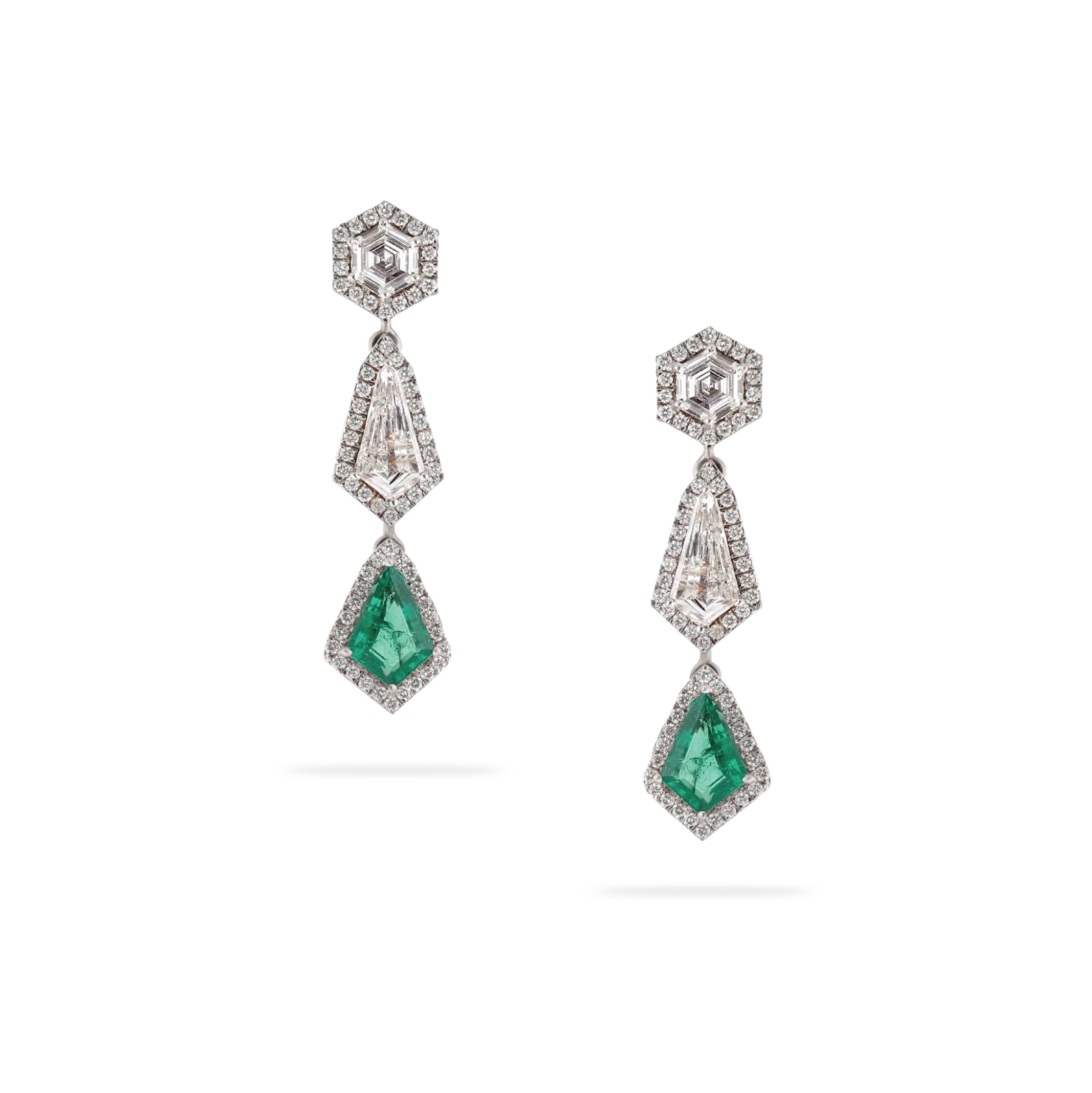
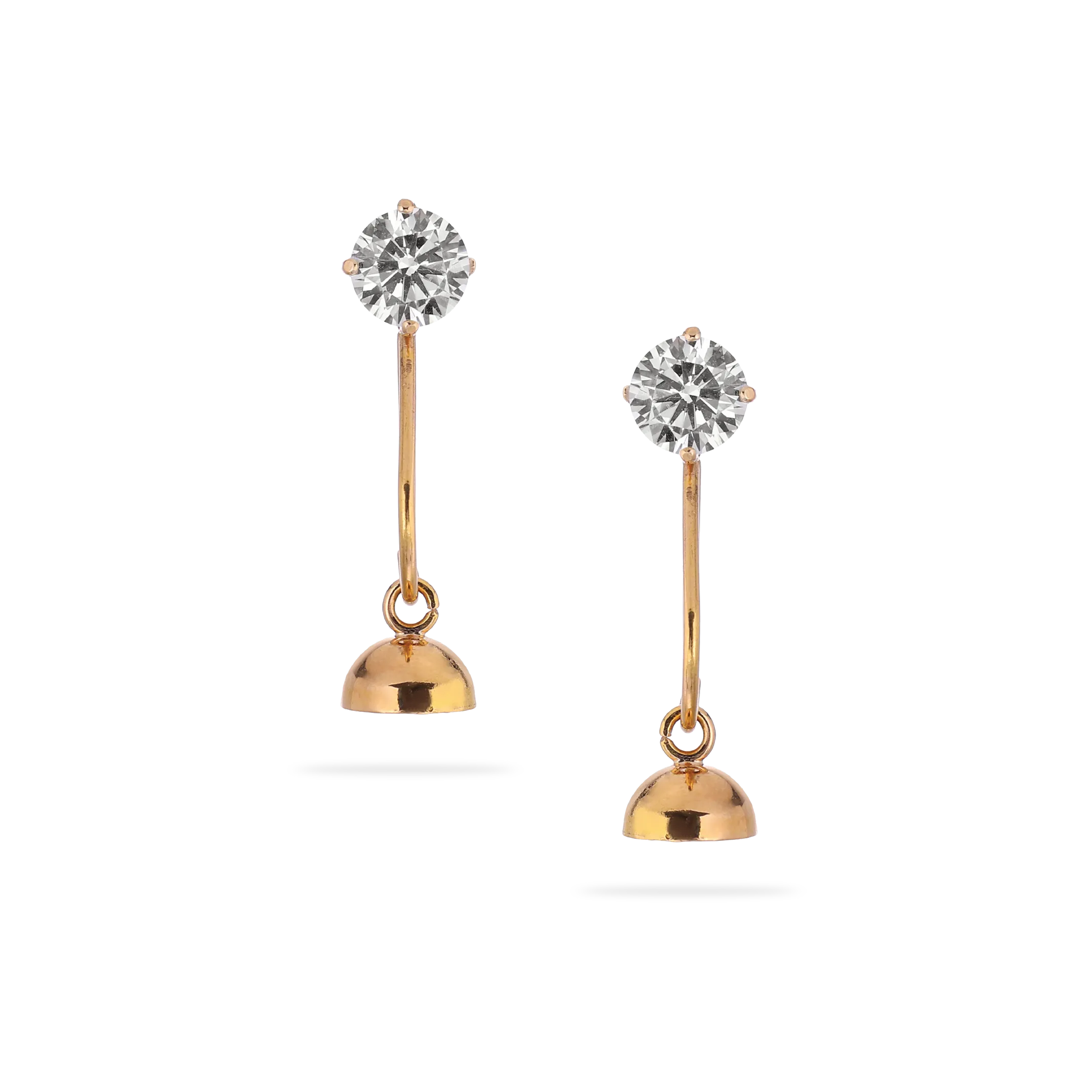
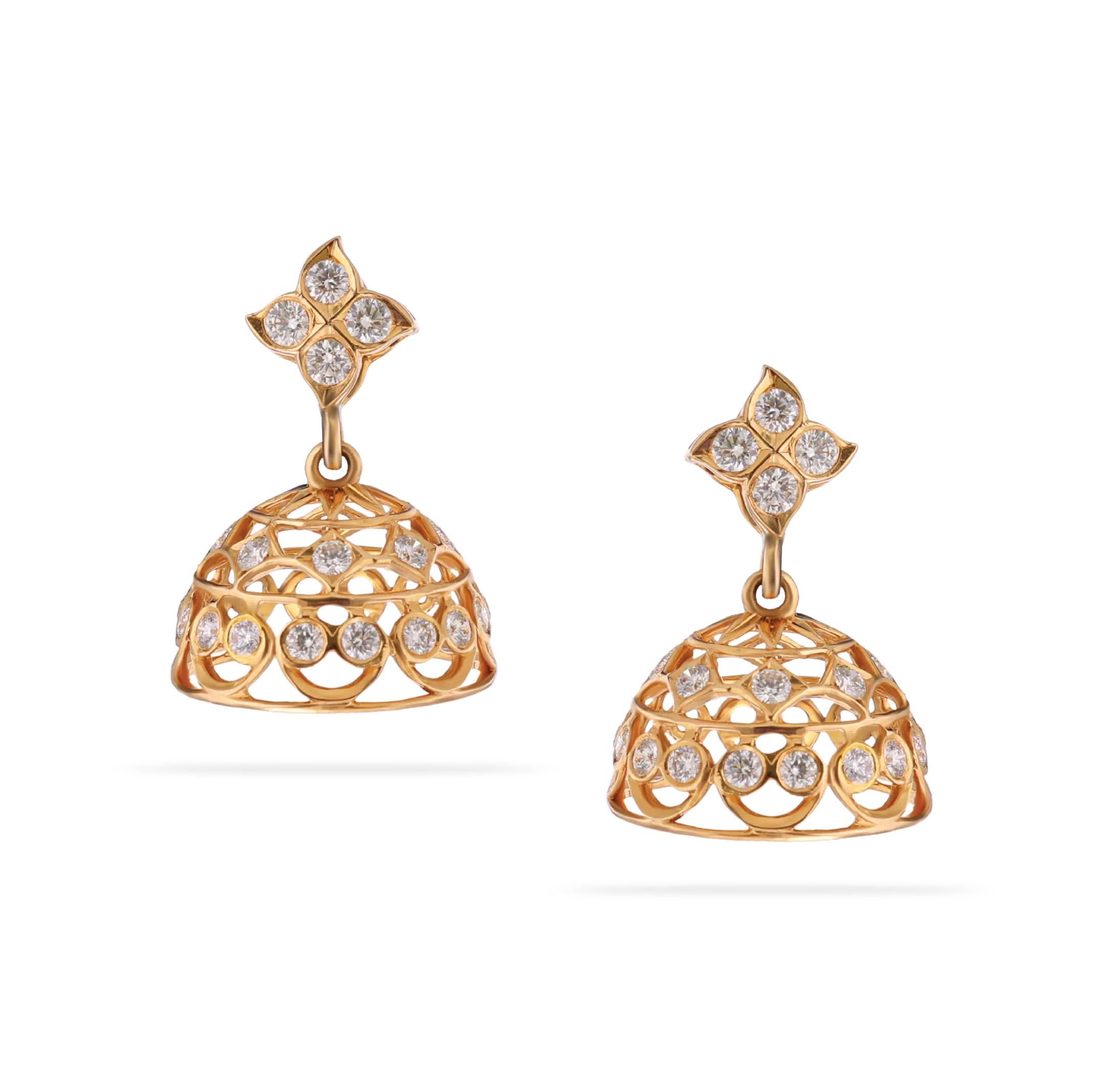
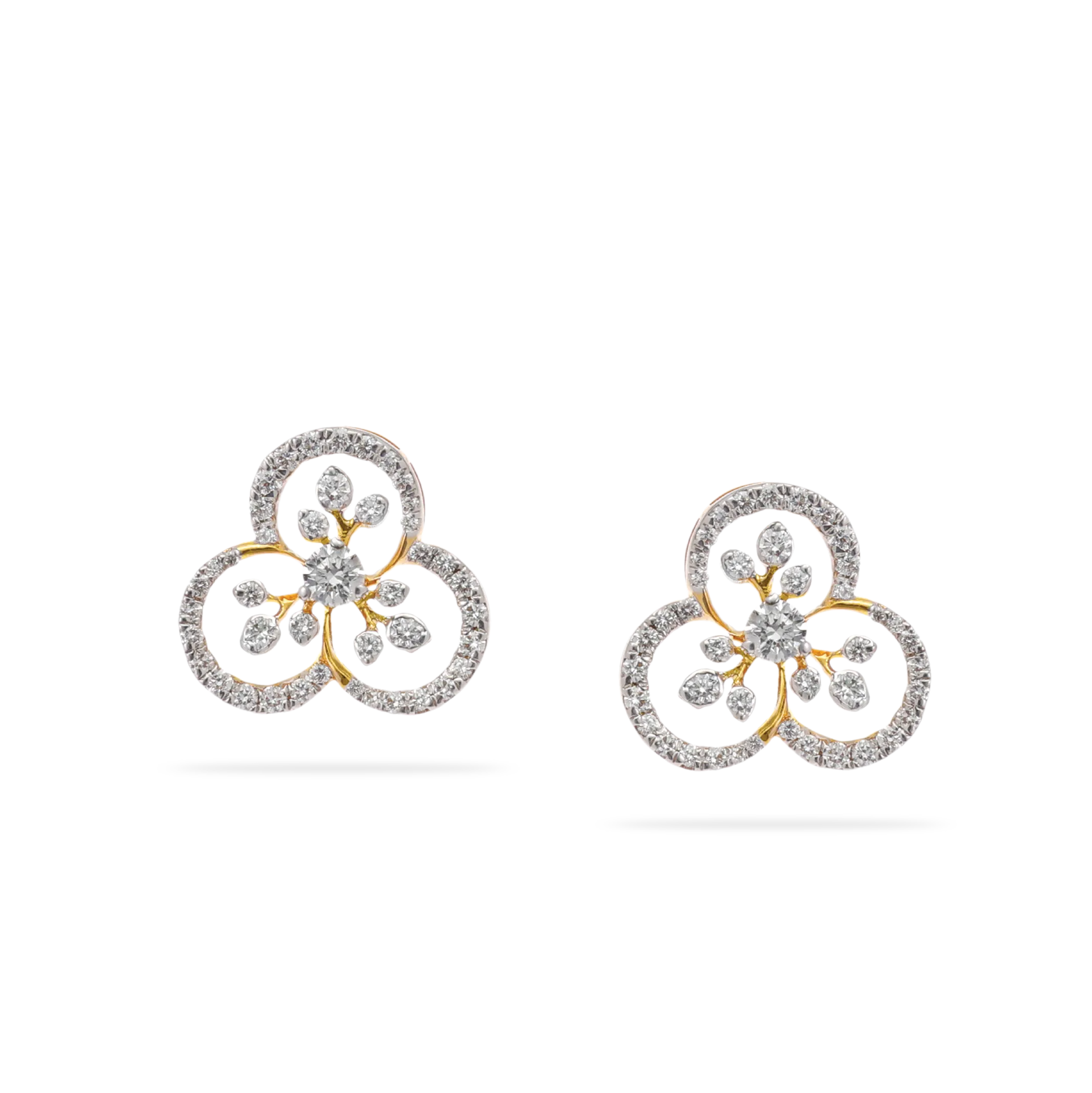
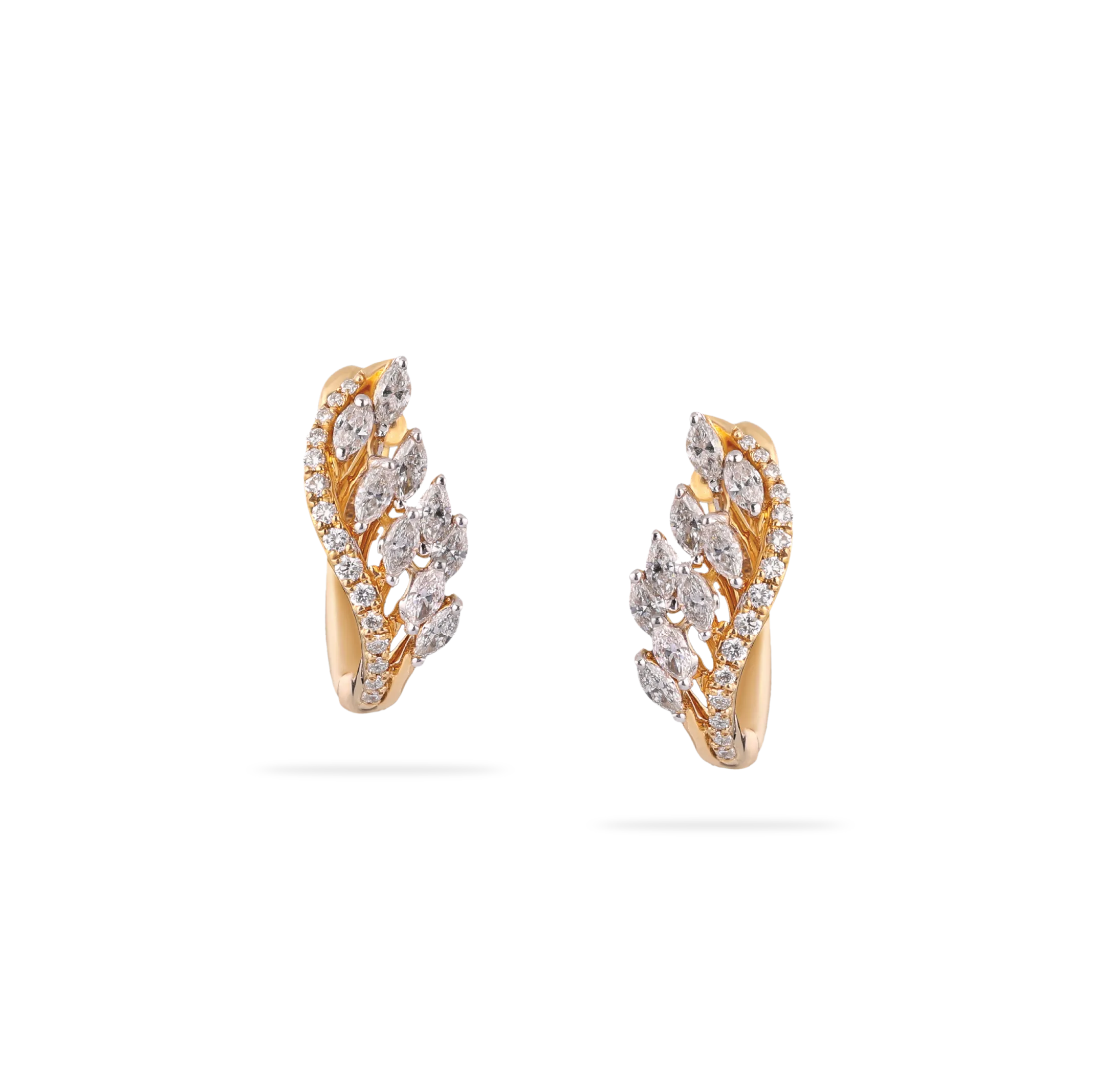
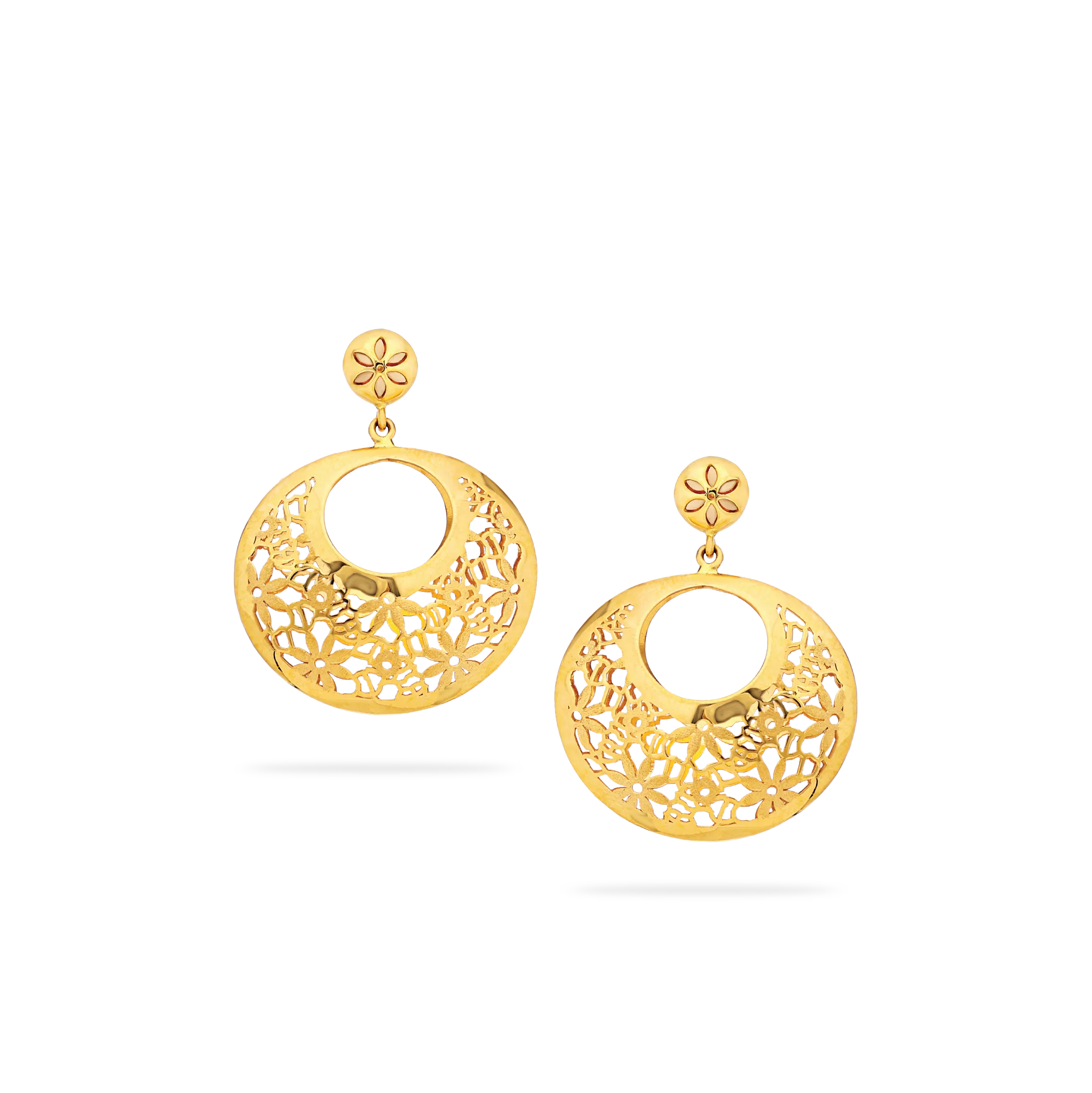
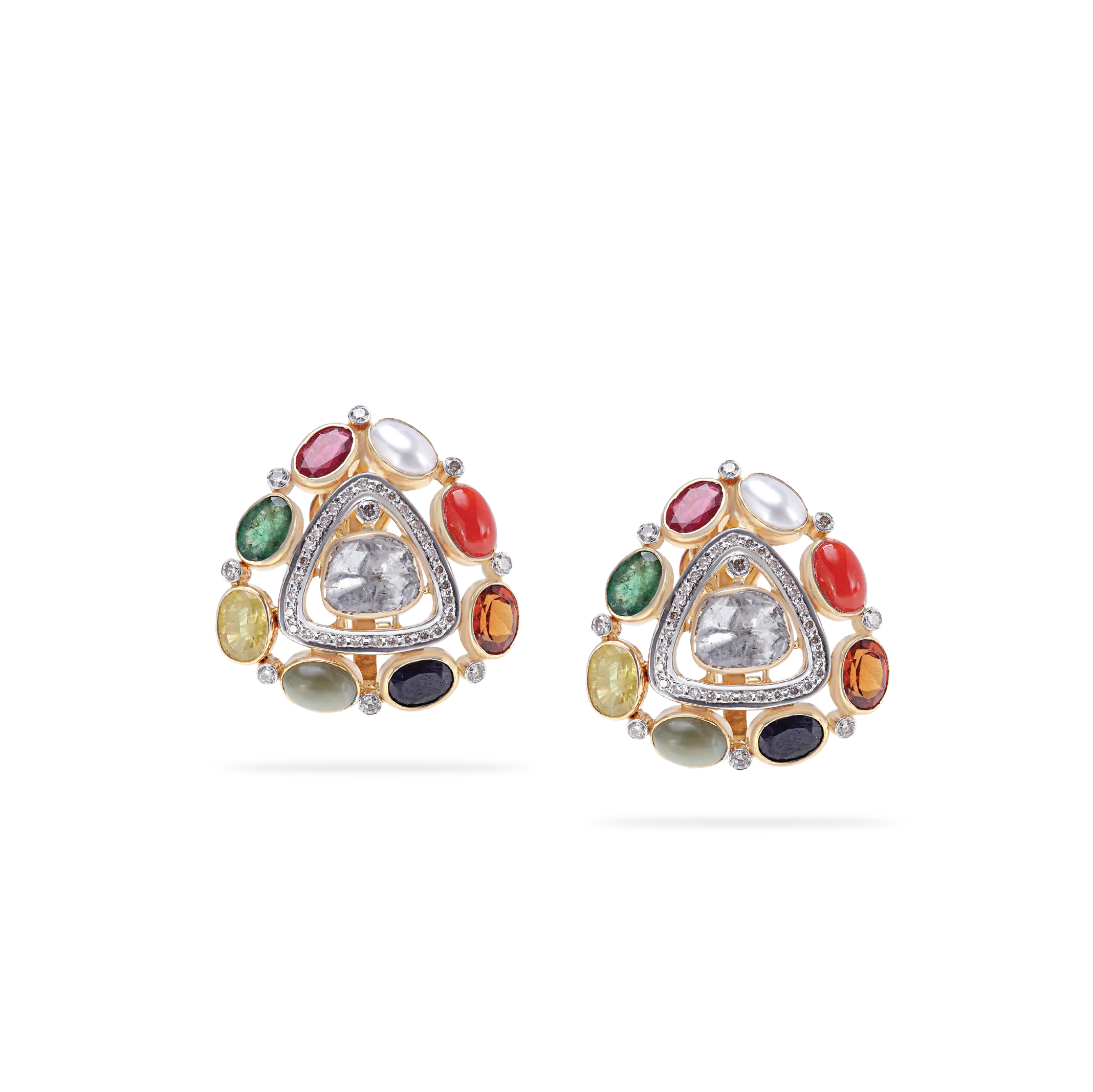
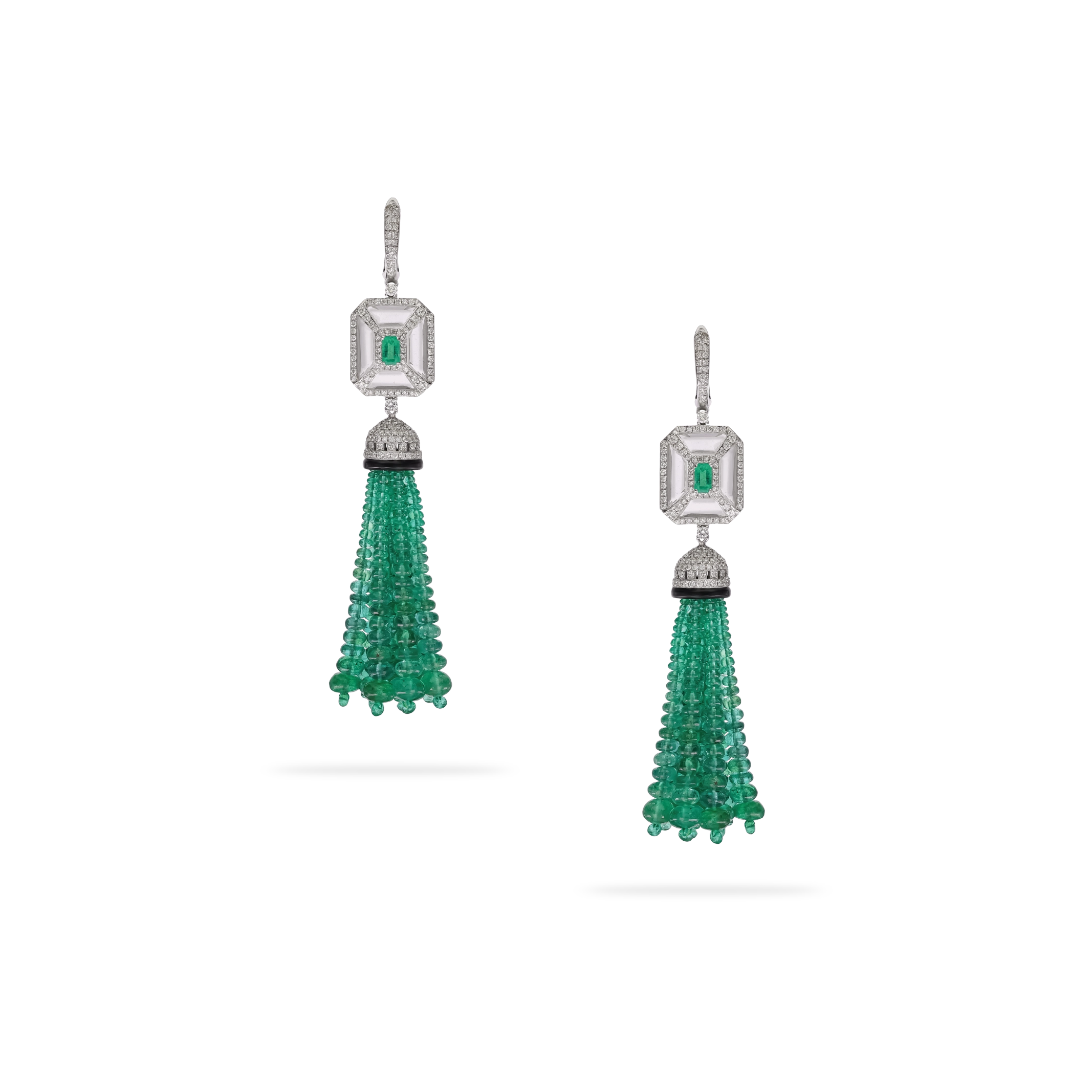
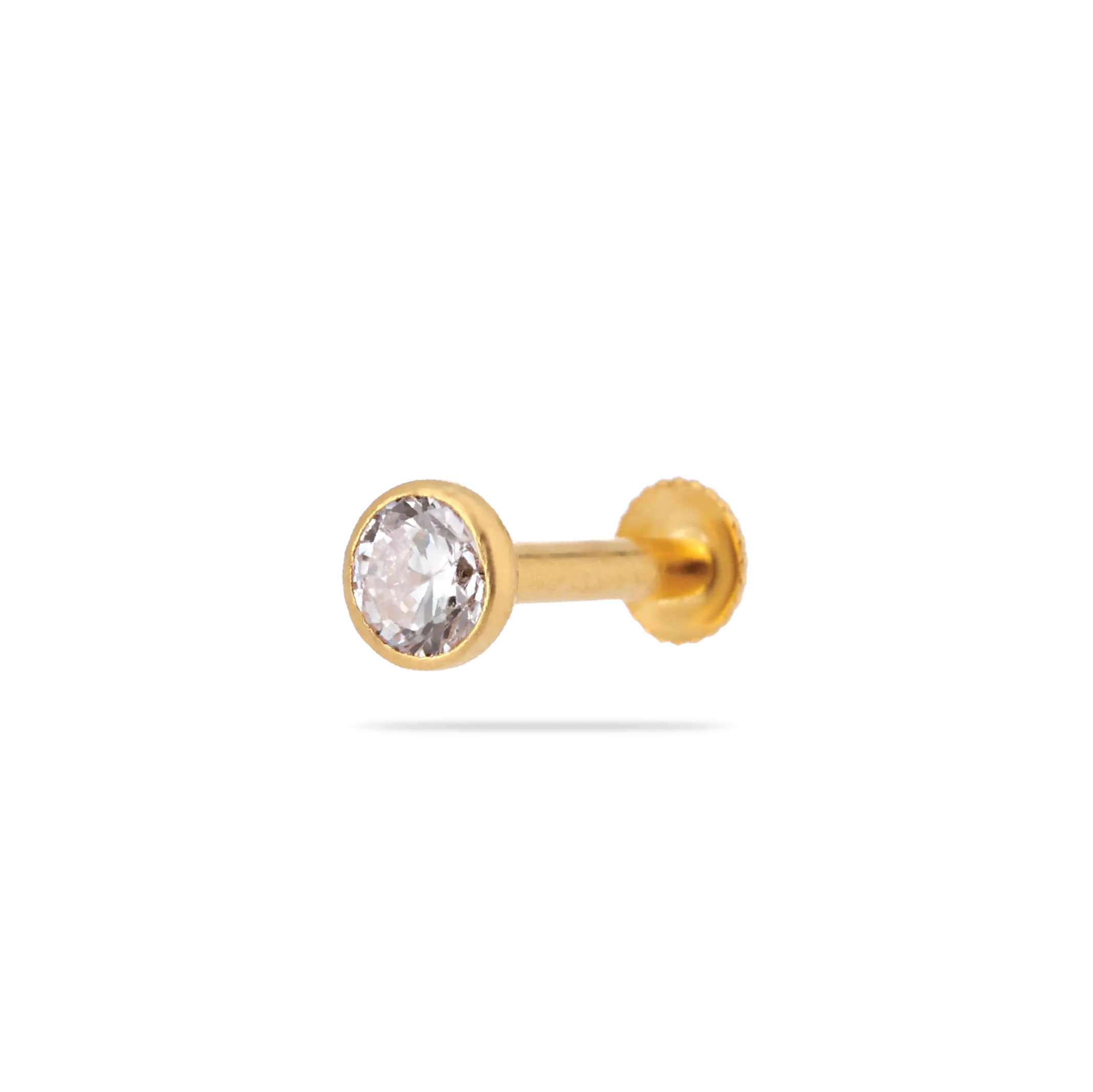
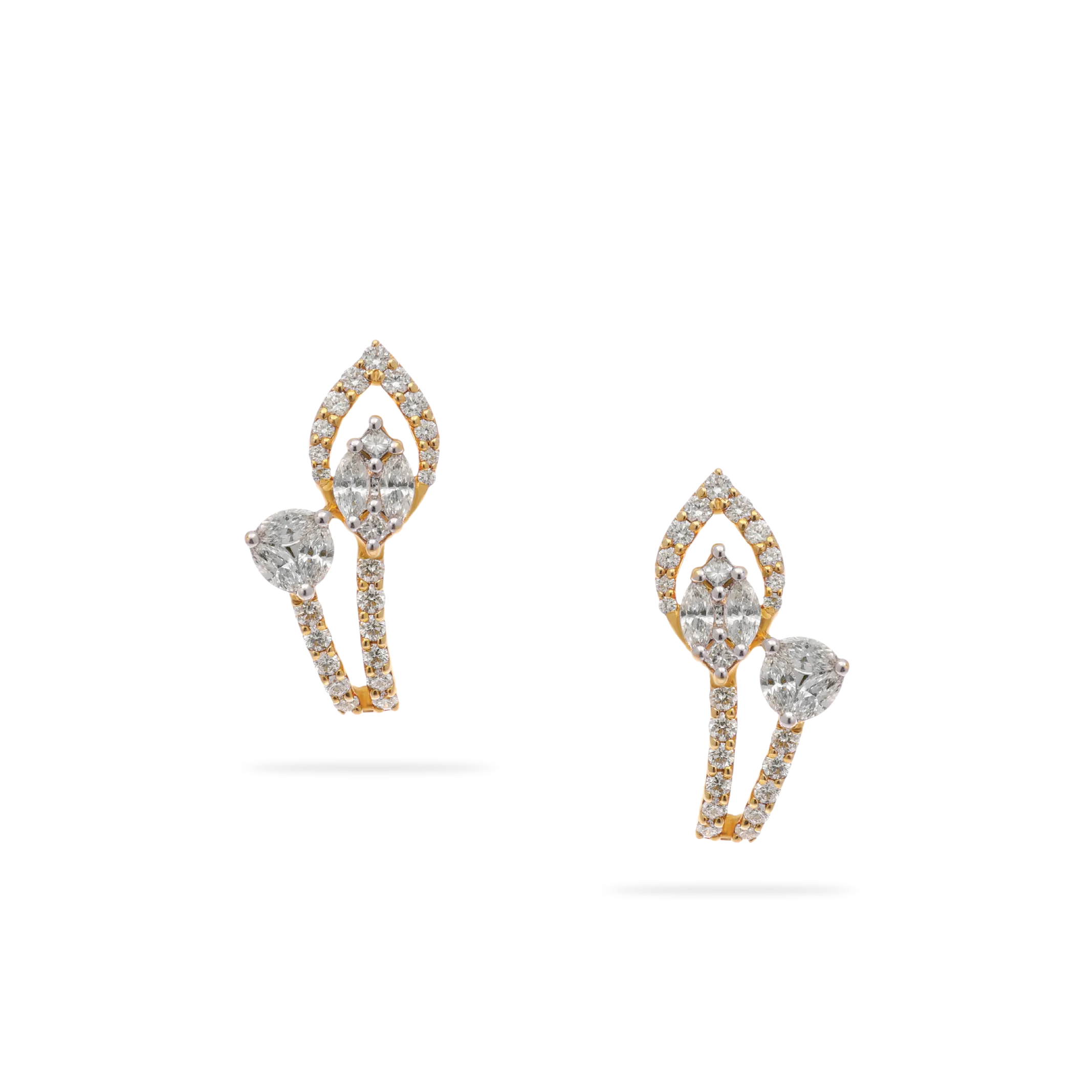
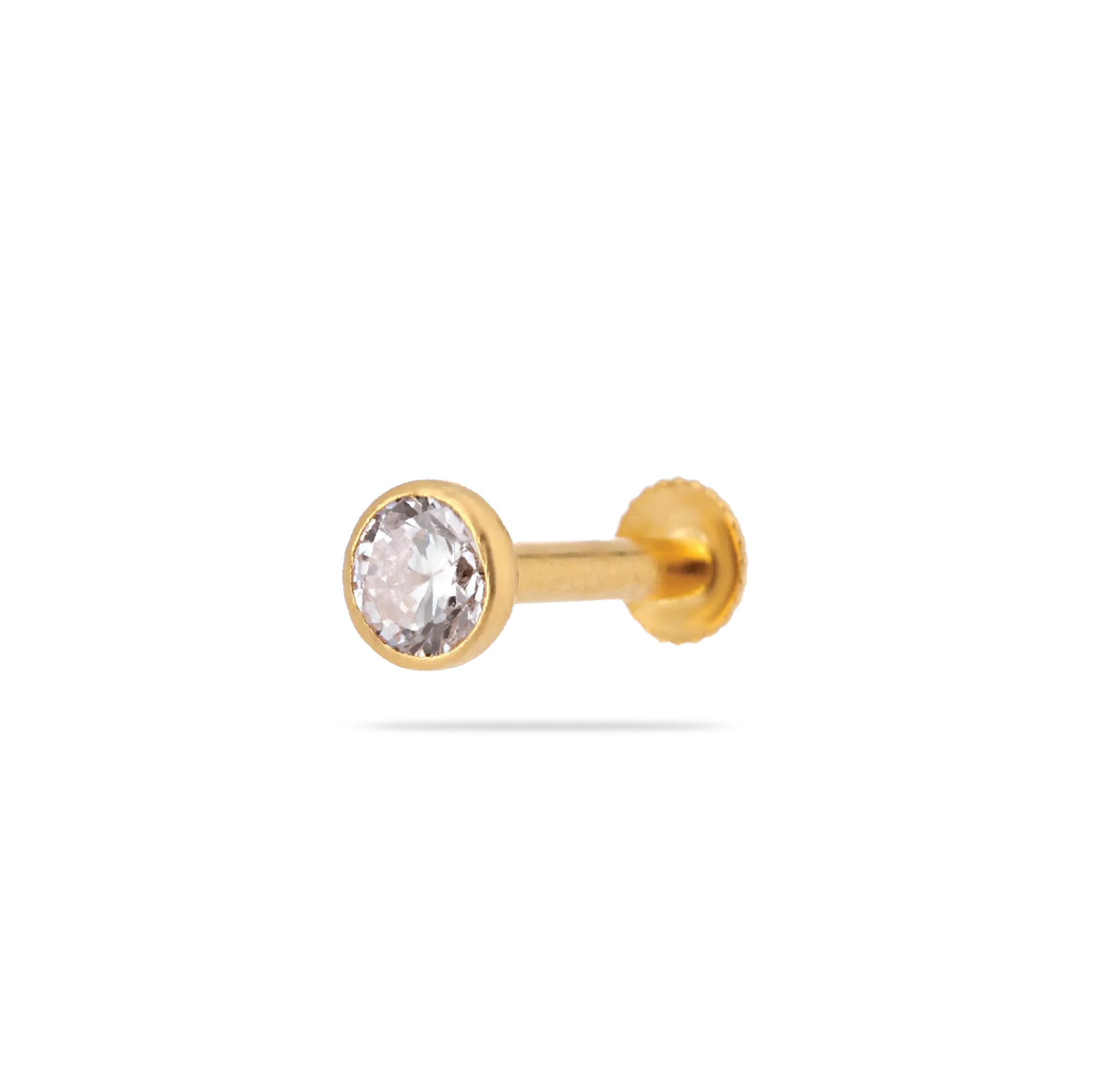
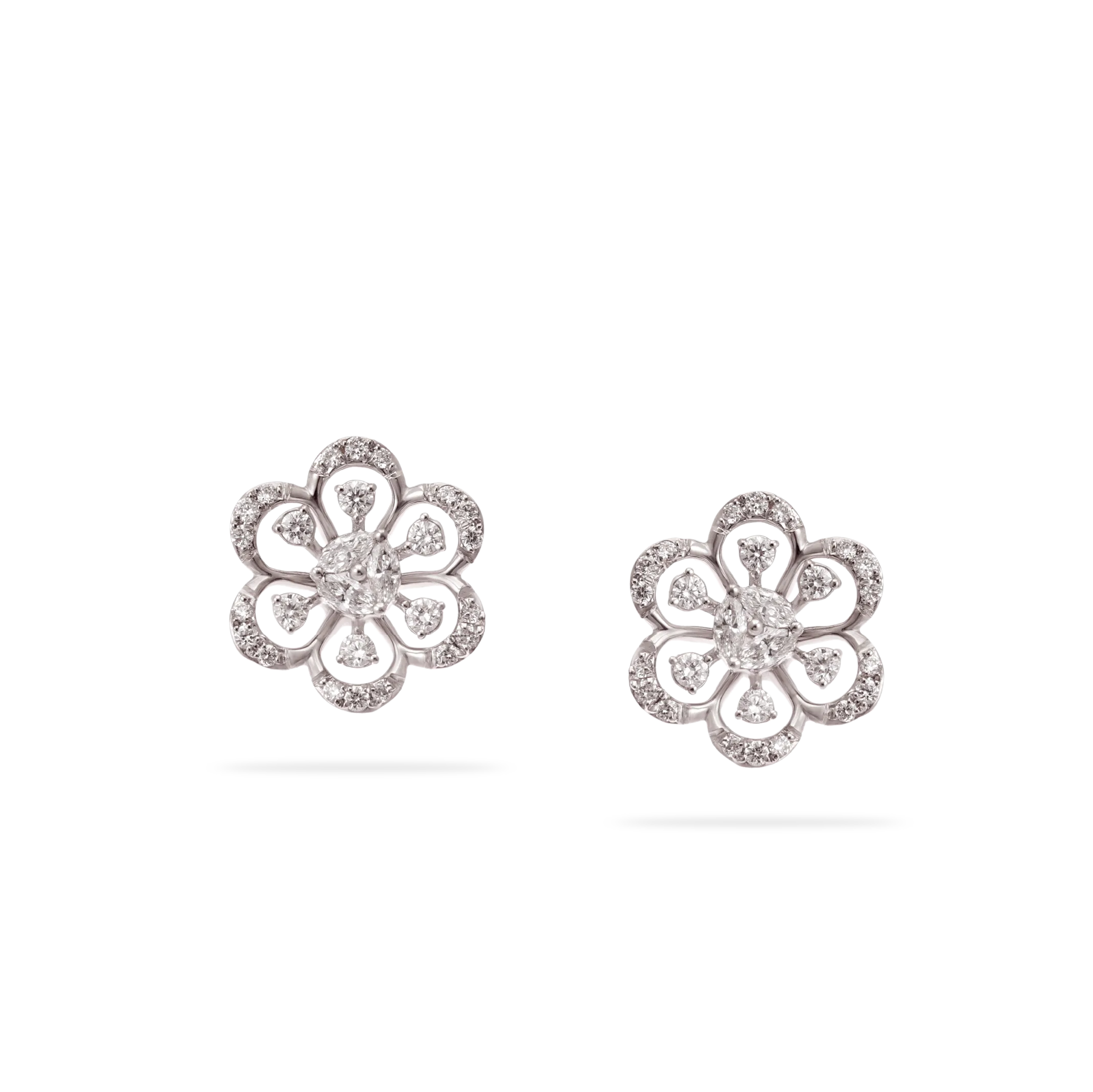
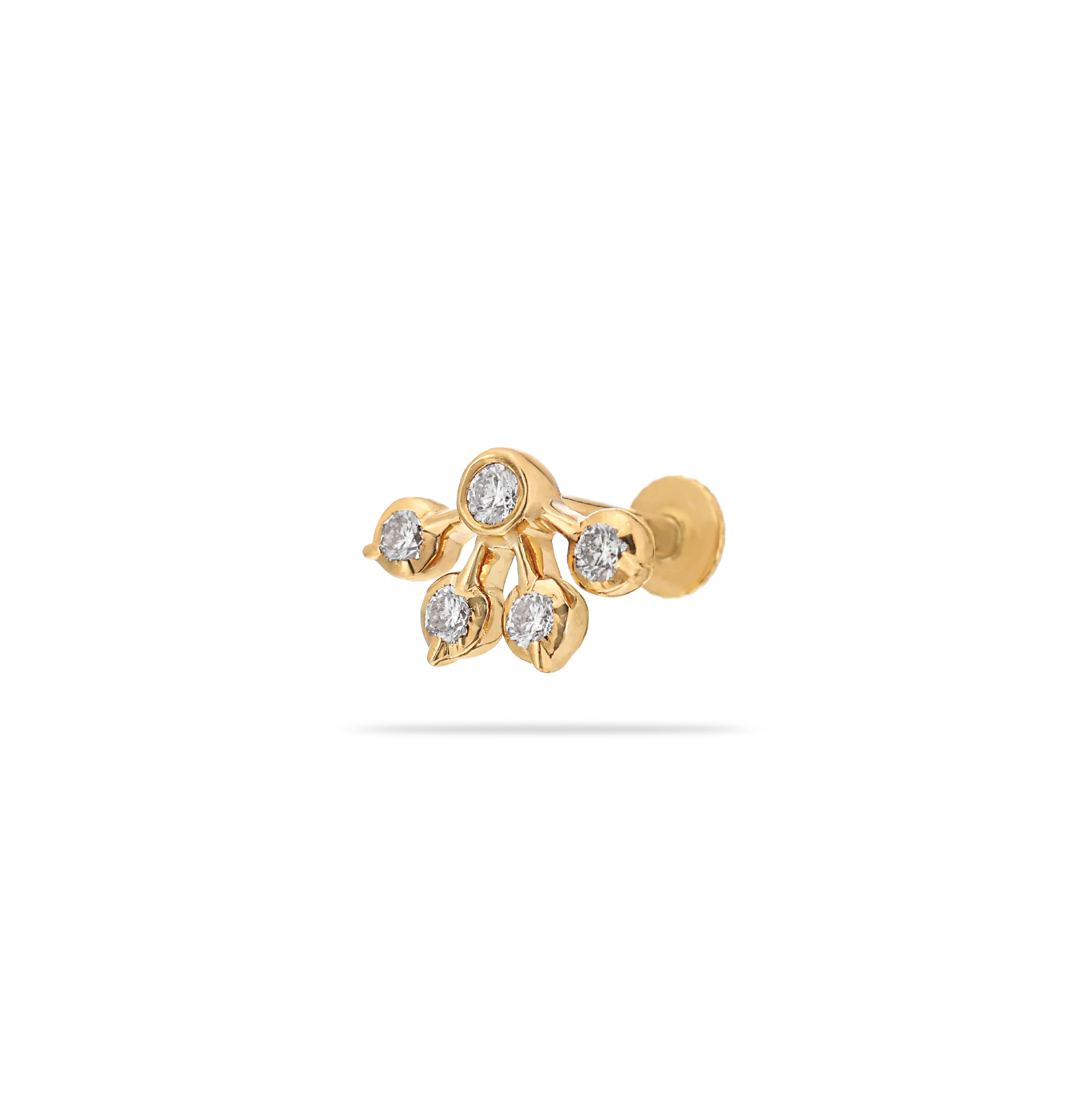
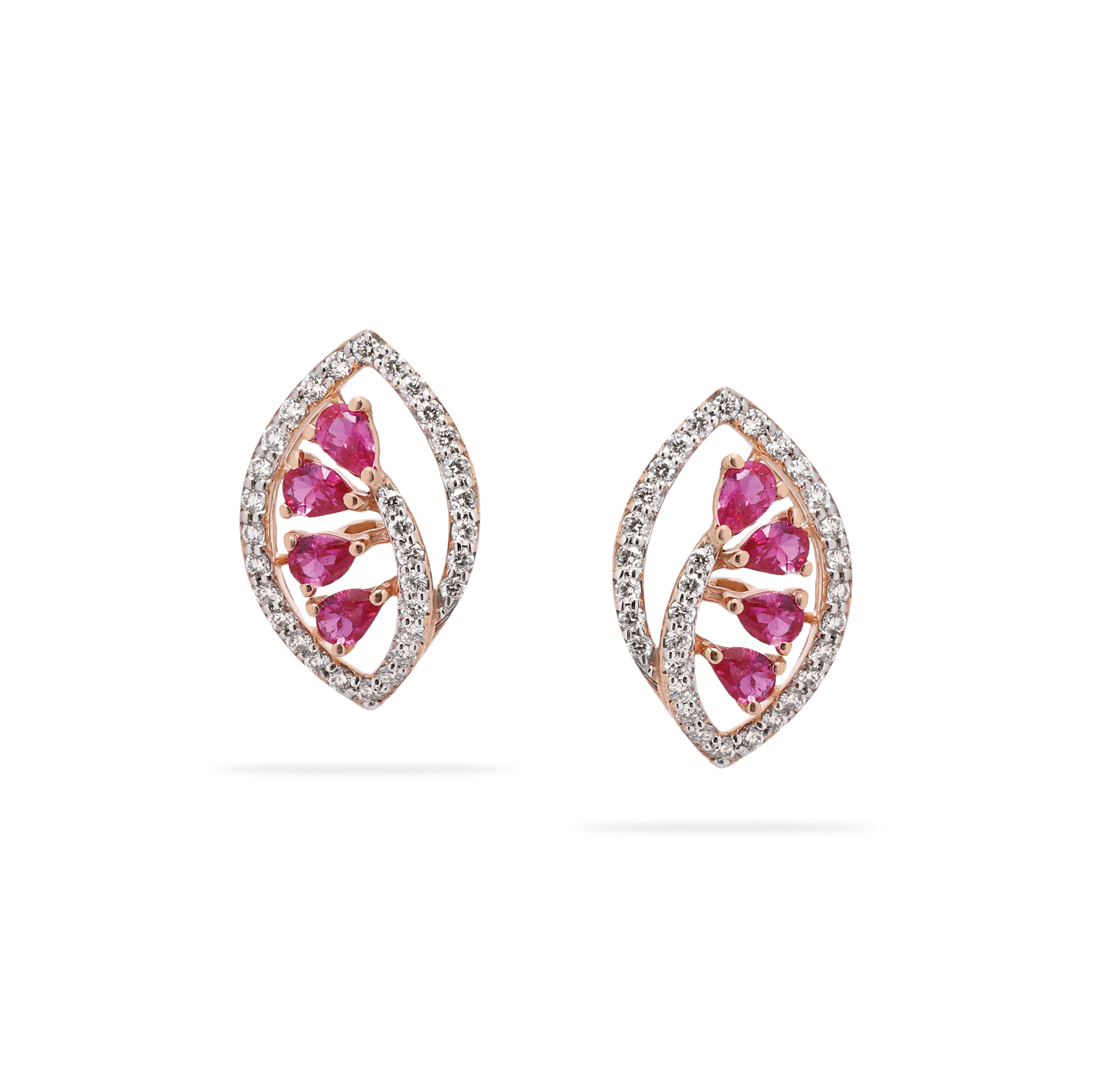
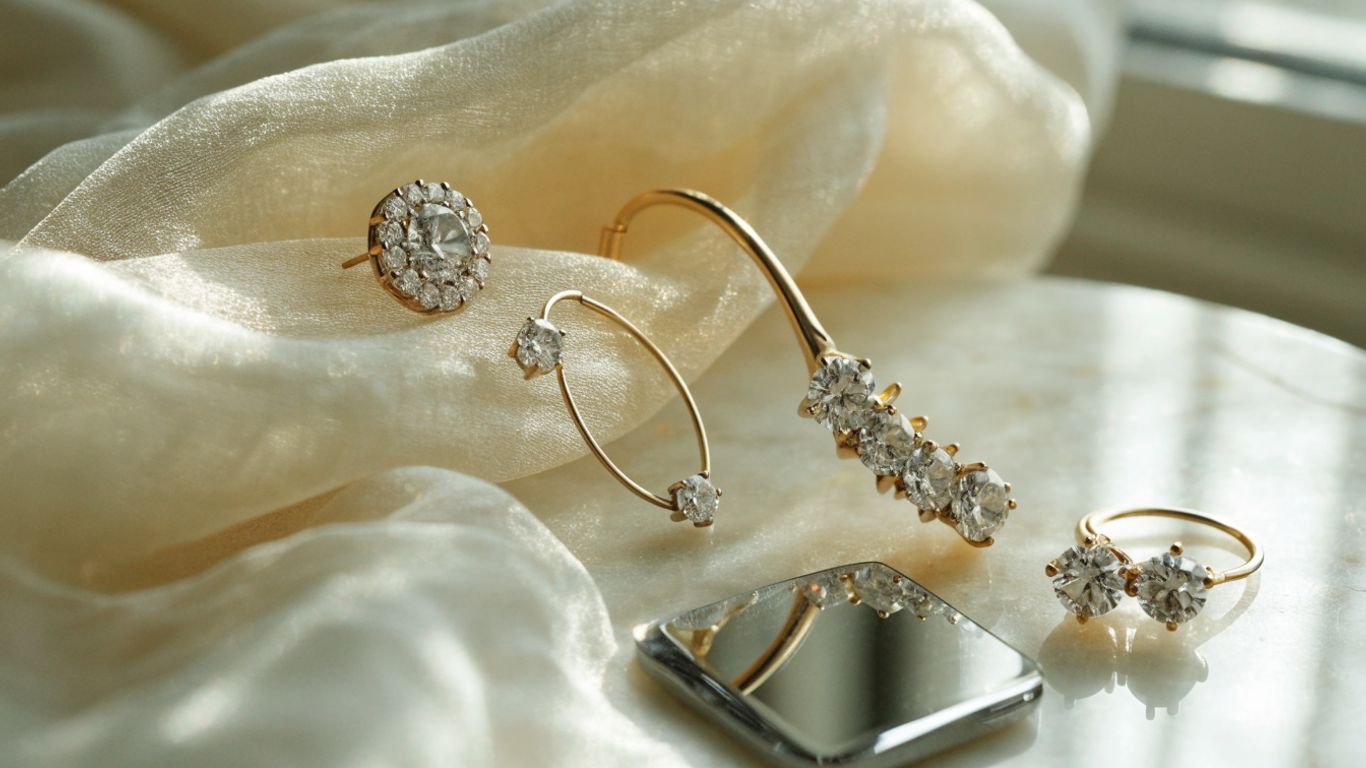
Studs sit close to the ear and are often an easy choice when you want a compact silhouette. Hoops add a visible curve, while drops bring movement and length; chandelier styles tend to be more ornate and noticeable. The range of online earring styles can help you compare these broad silhouettes before visiting a store. Pay attention to the design’s overall proportions, not just the size of the diamonds.
Match earring shapes to face shape and personal style
Face shape can be a useful starting point, but it should not dictate what you wear. If you like a longer line, try a drop; if you prefer a close-fitting look, try a small stud or hoop. Look in a mirror from a comfortable distance and notice whether the pair feels like you, rather than trying to follow a rigid rule about which shape “suits” a particular face. Your own comfort with the look matters more than a formula.
Choose everyday designs or statement pieces
For frequent wear, consider a design that works with several outfits and does not feel cumbersome by the end of the day. A statement pair may be more satisfying when it is chosen for a particular kind of occasion or outfit. Some shoppers keep both kinds in rotation, but there is no need to buy a pair for every setting. Start with the use you can picture most clearly.
Understand diamond quality and certification
A diamond’s appearance and its grading details are related, but they are not the same thing. Learn what the reported characteristics mean, then view the earrings under more than one lighting condition if you can. Ask for documentation that corresponds to the diamonds being sold and take time to read it. For a broader comparison of diamond store selection factors, consider how documentation, reputation, and policies fit together.
Compare cut, color, clarity, and carat weight
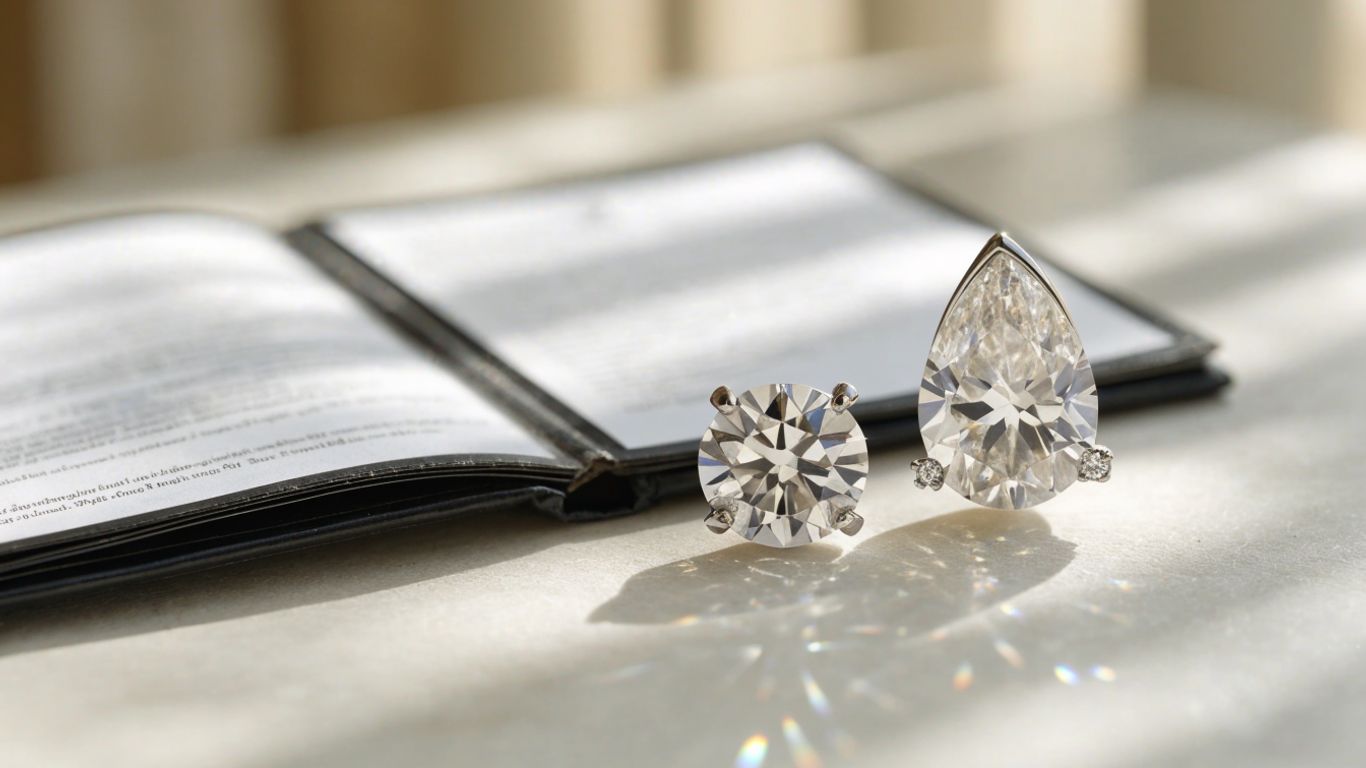
The familiar 4Cs describe different aspects of a diamond: cut, color, clarity, and carat weight. Rather than treating one grade as the whole story, compare the details and look at the actual stones when possible. This table offers a practical way to frame questions while you shop.
| Factor | What it describes | A useful question |
|---|---|---|
| Cut | How the diamond’s proportions and finish affect its appearance | How does this diamond look in the setting? |
| Color | The degree of color noted in the grading | Can I compare these stones side by side? |
| Clarity | Internal or surface characteristics described in grading | Are the characteristics visible without magnification? |
| Carat weight | The diamond’s weight, not its face-up size alone | What is the total weight, and how is it distributed? |
Use the answers as a way to compare options, not as a shortcut to choosing. Two pairs with similar grades can look different in person because their stones, settings, and proportions differ.
Check what details a diamond certificate includes
Ask to see the report and confirm that its identifying details correspond to the diamond or diamonds in the earrings. Depending on the report, it may describe grading characteristics, measurements, shape, and identifying information. Ask the jeweller to explain any terms you do not recognize, and check whether the document covers each diamond or only a particular stone. A report is useful evidence to review, but it does not replace inspecting the finished earrings.
Distinguish diamond certification from gold hallmarking
Diamond grading documentation and gold hallmarking relate to different materials. The diamond report describes diamond characteristics; a gold hallmark concerns the gold’s stated purity under the applicable marking system. Ask to see the relevant documentation or mark for each, rather than assuming one confirms the other. Keeping the distinction clear makes it easier to understand what has—and has not—been verified.
Set a budget and compare value
A budget is most useful when it reflects the total amount you are comfortable paying, not only the advertised diamond price. Decide which qualities and design details matter to you before comparing options. Then ask for an itemized explanation of the final amount. Small differences in design, gold weight, and charges can change the price considerably.
Decide which quality factors matter most to you
Think about what you notice first when looking at earrings: the overall sparkle, the size, the shape, or the setting. You may decide that a particular visual impression matters more than pursuing the highest grade in every category. Try comparing pieces within your planned spending range, and make sure that you are comparing similar designs and documentation. A clear priority helps keep the search focused when several options seem appealing.
Compare prices by diamond weight, gold weight, and making charges
Ask for a breakdown that separates diamond details from the gold weight and making charges. If two pairs look similar, compare their specifications rather than relying on the display price alone. Also ask whether diamond weight is stated per pair or per earring, and confirm what the quoted amount includes. These details help you understand the difference between the pieces without reducing the choice to a single number.
Ask about taxes, discounts, and final billing
Before deciding, ask the store to show the final bill calculation, including applicable taxes and any discount. Confirm whether a promotion has conditions and whether the quote covers the exact pair you tried on. If you are comparing multiple stores, record the specifications alongside the total price so that you are not comparing unlike items. A written breakdown makes the purchase easier to review later.
Choose where to shop in Bangalore
Bangalore has a range of places to look, from established showrooms to smaller independent jewellers. The best fit depends on the designs you want, how much guidance you prefer, and whether you can inspect the earrings in person. Check current opening details and local availability before making a trip. A jewellery store buying guide can also help you think through reputation, craftsmanship, and service policies.
Compare established jewellery stores and independent jewellers
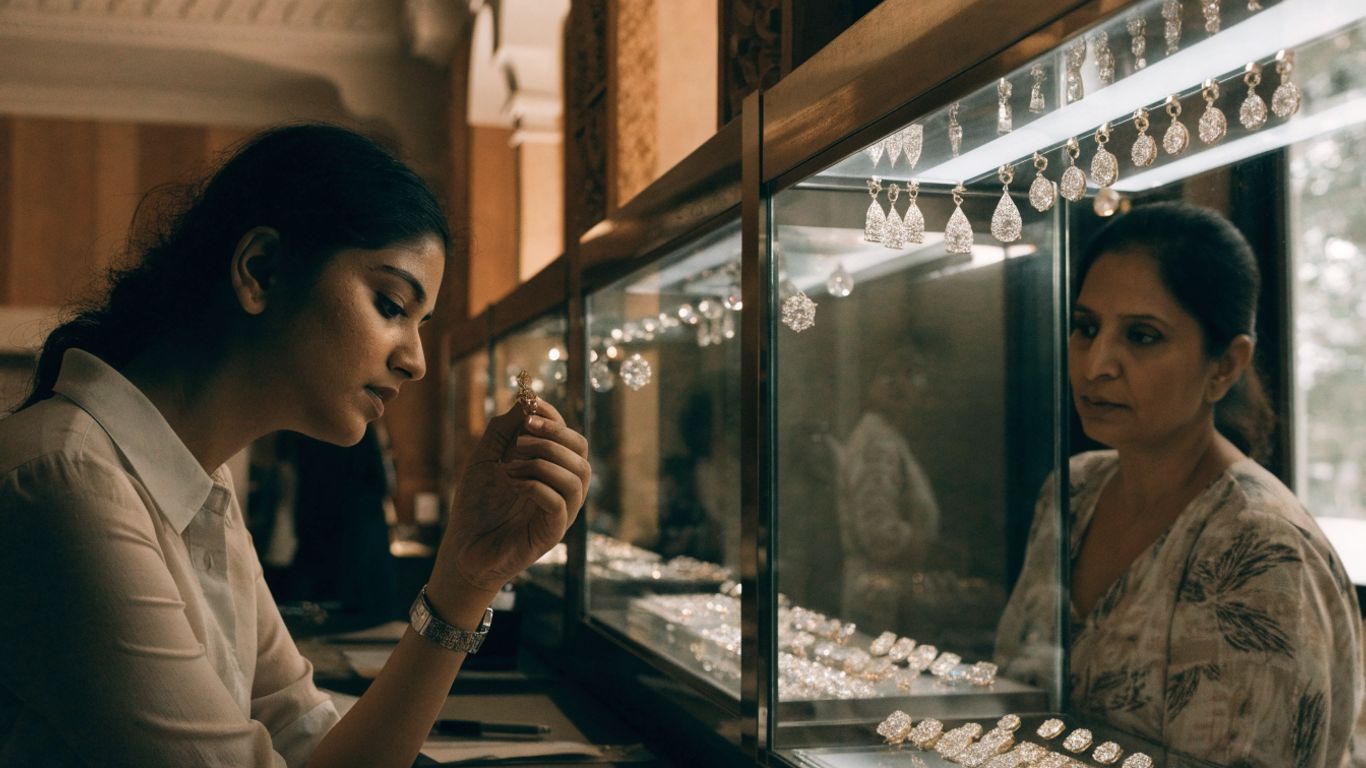
A larger showroom may offer a broad selection in one visit, while an independent jeweller may provide a more personal conversation about a particular design. Neither format guarantees a better match; focus on whether the seller answers your questions clearly and provides documentation and billing details you can review. Ask what services are available after purchase, and make sure any important terms are written down. The quality of the interaction matters alongside the display.
Check online listings for local store availability
Online listings can help you shortlist designs and locate stores, but availability may change. Call ahead to confirm whether a specific style or comparable pair is in stock, and ask whether an appointment is needed to view it. Use online photos as a preview rather than as a substitute for checking scale, fastening, and appearance in person. This can save time when you are visiting more than one area of the city.
Review return, exchange, resizing, and repair policies
Policies can differ by seller and by item, so ask about them before paying. Get clear answers about timelines, conditions, fees, and the documents you need to retain. A short written note or a copy of the relevant policy is helpful if you need service later. In particular, clarify which services are available for earrings, since policies for rings or other jewellery may not apply.
A few direct questions can make those policies easier to compare:
- Can this pair be returned or exchanged, and within what period?
- Are repairs available, and are there charges or exclusions?
- What proof of purchase and documentation should I keep?
- How are discounts or custom orders treated under the policy?
Once you have the answers, compare the terms alongside the design and price. Clear policies are part of the purchase decision, not an afterthought.
Check comfort, fit, and craftsmanship
A pair can look beautiful in a display and still feel wrong after a few hours. Try it on if possible, paying attention to weight, balance, and how the fastening sits. Examine the finishing in good light and ask questions if anything catches, shifts, or feels loose. These small checks are particularly worthwhile for earrings you expect to wear often.
Consider earring weight and fastening style
Notice how the earrings feel when worn, not only when held in your hand. Heavier designs may feel less comfortable over time, and different fastening styles can affect how securely a pair sits. Ask to try both earrings and move your head naturally to see whether they remain comfortable. If the pair feels distracting in the store, it may not become easier to wear later.
Inspect settings, clasps, and finishing
Look closely at the settings and clasps, checking for rough edges, uneven finishing, or parts that seem loose. Ask the jeweller to demonstrate how the fastening opens and closes so you can judge whether it feels manageable. A careful visual inspection cannot replace professional assessment, but it can help you spot questions to raise before buying. Take your time; there is no need to decide while the pair is still on the counter.
Ask whether the design suits sensitive ears
If your ears are sensitive, ask what metal components touch the skin and whether the seller can provide details about the materials used. Do not assume that the appearance of a metal tells you its composition. If you have a known sensitivity, consult a qualified health professional about materials that may be suitable for you. A comfortable design and clear material information are both worth considering.
Care for diamond earrings after purchase
Good care is mostly about gentle handling and keeping track of the pair’s condition. Follow any care instructions provided by the seller, especially if the earrings include materials or finishes that need special treatment. Avoid rushing to clean them with household products. A simple routine helps you notice changes before they become harder to address.
Clean earrings safely at home
Start by checking the care instructions and asking the jeweller what cleaning method is appropriate for the specific pair. If home cleaning is suitable, use a gentle approach and avoid harsh chemicals or abrasive materials. Work over a secure surface so a small earring or backing cannot disappear down a drain. Dry the pair carefully before putting it away.
Store pairs separately to prevent scratches
Keep earrings in a clean, dry place, with each pair separated from other jewellery. A lined compartment or individual pouch can reduce rubbing and make it easier to find both earrings and their backs. Avoid leaving them loose in a bag or drawer, where delicate settings may catch on other pieces. Returning them to the same place after wearing also makes a missing backing easier to notice.
Schedule periodic checks of settings and fastenings
From time to time, check that the stones appear secure and that clasps and backs still work as expected. If something feels loose, bent, or different, stop wearing the earrings and ask a qualified jeweller to inspect them. Keep purchase records and any documentation together so they are easy to find when seeking service. Regular attention is especially useful for pairs worn frequently.
Conclusion
Choosing diamond earrings in Bangalore is easier when you balance design, documentation, comfort, and the full cost instead of focusing on a single detail. Take time to compare a few pairs, ask for clear answers, and choose the ones you will genuinely enjoy wearing.
Frequently Asked Questions
What should I check first when buying diamond earrings?
Start with the style and occasion, then review the diamond details, documentation, total price, and comfort. Seeing the pair in person can help you judge its scale and fit.
Are studs or drops better for everyday wear?
Either can work, depending on your preference and how the earrings feel. Consider the pair’s weight, fastening, and how easily it fits into your usual routine.
What does carat weight mean for a pair of earrings?
Carat is a measure of diamond weight. Ask whether a quoted figure refers to the total for the pair or to each earring, and compare the actual stones as well.
Does a diamond certificate confirm the gold purity?
No. Diamond grading documentation describes diamond characteristics, while a gold hallmark relates to the gold. Ask to review the relevant information for both materials.
How can I compare prices between earrings?
Compare the diamond specifications, gold weight, making charges, applicable taxes, and final bill. Make sure the pieces being compared have similar designs and details.
Can I clean diamond earrings at home?
That depends on the design and materials. Follow the seller’s care instructions, use only a suitable gentle method, and avoid harsh chemicals or abrasive products.
How often should I have earring settings checked?
Check them periodically, especially if the earrings are worn often, and seek inspection if a stone or fastening seems loose. A jeweller can advise on an appropriate service schedule for the specific pair.
Related blogs:
November 20, 2025
The Timeless Elegance of the Tennis Bracelet: A Comprehensive Guide
Read More
November 20, 2025
The Ultimate Guide to Styling and Wearing a Choker Necklace
Read More
November 20, 2025
Find Your Perfect Engagement Ring: A Comprehensive Guide to Styles and Diamonds
Read More
November 20, 2025
The Timeless Elegance of a Diamond Tennis Bracelet: A Buyer's Guide
Read More