How to choose a bridal choker set for your wedding look
September 18, 2026 | 10 minutes read
Key Takeaways
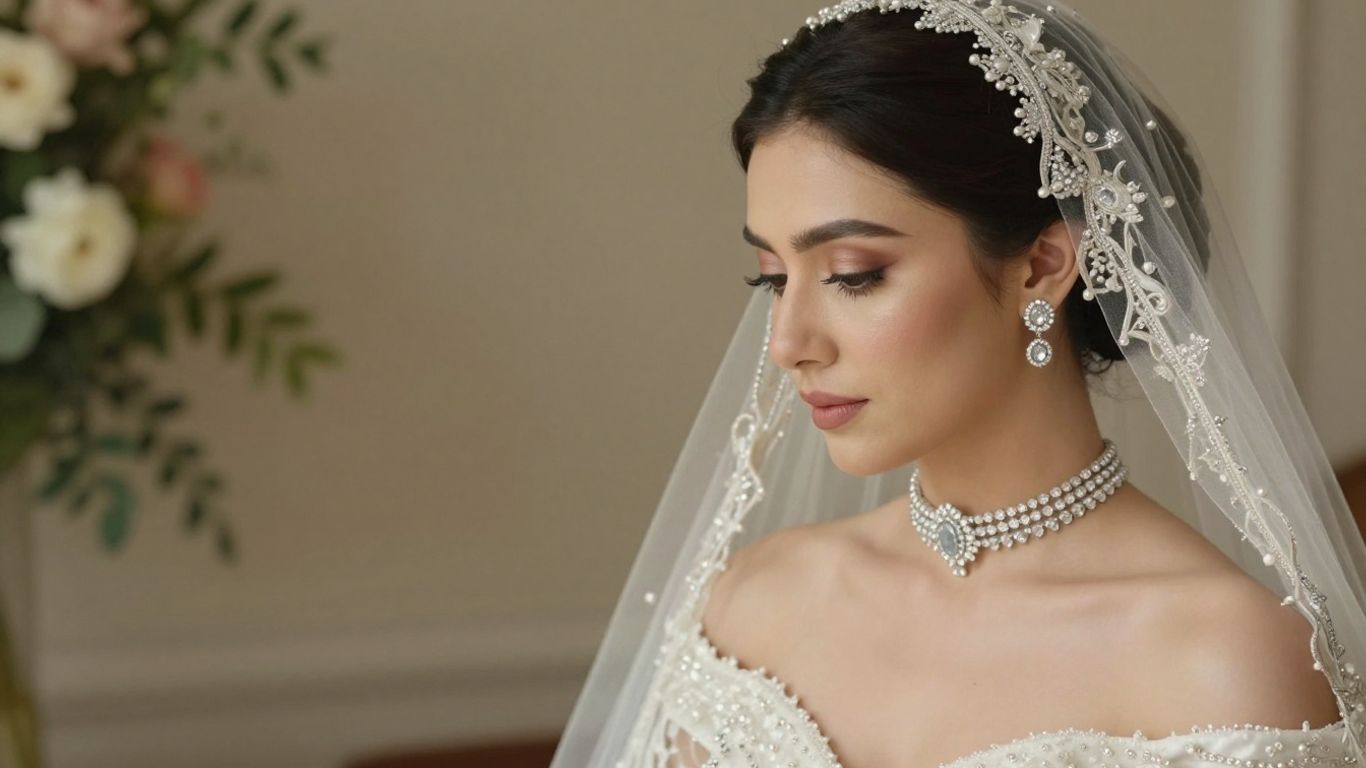
A bridal choker set should feel like part of your wedding outfit, not an afterthought added at the last minute. Start with your style and neckline, then check proportion, comfort, craftsmanship, and how every other piece fits around it.
- Choose the mood before choosing the metal or stones.
- Match the choker ’s width and length to your neckline.
- Treat earrings, bangles, and headpieces as one composition.
- Test the complete set for weight, fit, and movement.
- Buy from a seller with clear measurements and return terms.
Define your bridal style before shopping
Before browsing jewelry, decide what you want the overall look to say. A traditional bridal outfit may welcome intricate detail, while a modern dress can be better served by clean lines and a restrained shine. Your venue, fabrics, embroidery, and personal wardrobe all offer useful clues.
Traditional, modern, and minimalist aesthetics
Traditional styling often draws on rich metals, layered forms, and colored stones, while modern designs may use smoother surfaces and more open space. Minimalist brides can still wear a choker , but a slender band or a small stone arrangement may feel more natural than a heavily ornamented collar. The best choice is the one that looks intentional beside the dress rather than simply elaborate.
For broader inspiration, timeless wedding jewellery can help you think about heritage and contemporary style together. Notice which shapes you return to in photographs: rounded, geometric, floral, or quietly linear.
Statement designs versus delicate layering
A statement choker can become the visual center of the outfit, especially when the dress has a simple bodice. Delicate layering takes a different approach, combining a fine choker with a pendant or longer chain so the eye moves vertically. Choose one dominant idea; several competing focal points can make even beautiful jewelry look busy.
A useful test is to remove one piece from the proposed set and look again. If the outfit becomes calmer without losing its character, the removed piece may not be necessary.
Matching the set to your dress details
Look closely at the dress before you shop. Lace, embroidery, sequins, metallic thread, and beading each create a different visual texture, and the choker should sit comfortably within that texture. A highly detailed neckline may suit a simpler necklace, while a plain satin bodice can carry more surface interest.
Think about color as well. Yellow gold warms ivory and champagne tones, while silver-colored metals can sharpen a white dress. The goal is not a perfect match in every detail, but a deliberate relationship between jewelry and fabric.
Considering your wedding venue and theme
A grand indoor ceremony may make a formal, ornate set feel at home, whereas an outdoor celebration often benefits from lighter proportions. This is not a strict rule; it is simply a way to keep the jewelry connected to the atmosphere. Consider the scale of the room, the time of day, and how much movement the day will involve.
A beach or garden setting may call for pearls or softer shapes, while a heritage venue can accommodate stronger motifs. Your bridal choker set should still feel like you when the decorations and flowers are taken away.
Understand bridal choker set styles and materials
Material affects far more than price. It changes the color of the piece, the way it catches light, its weight, and how carefully it must be stored. Study the construction as closely as the front view, since a beautiful design is less useful if its finish, fastening, or setting cannot withstand a long celebration.
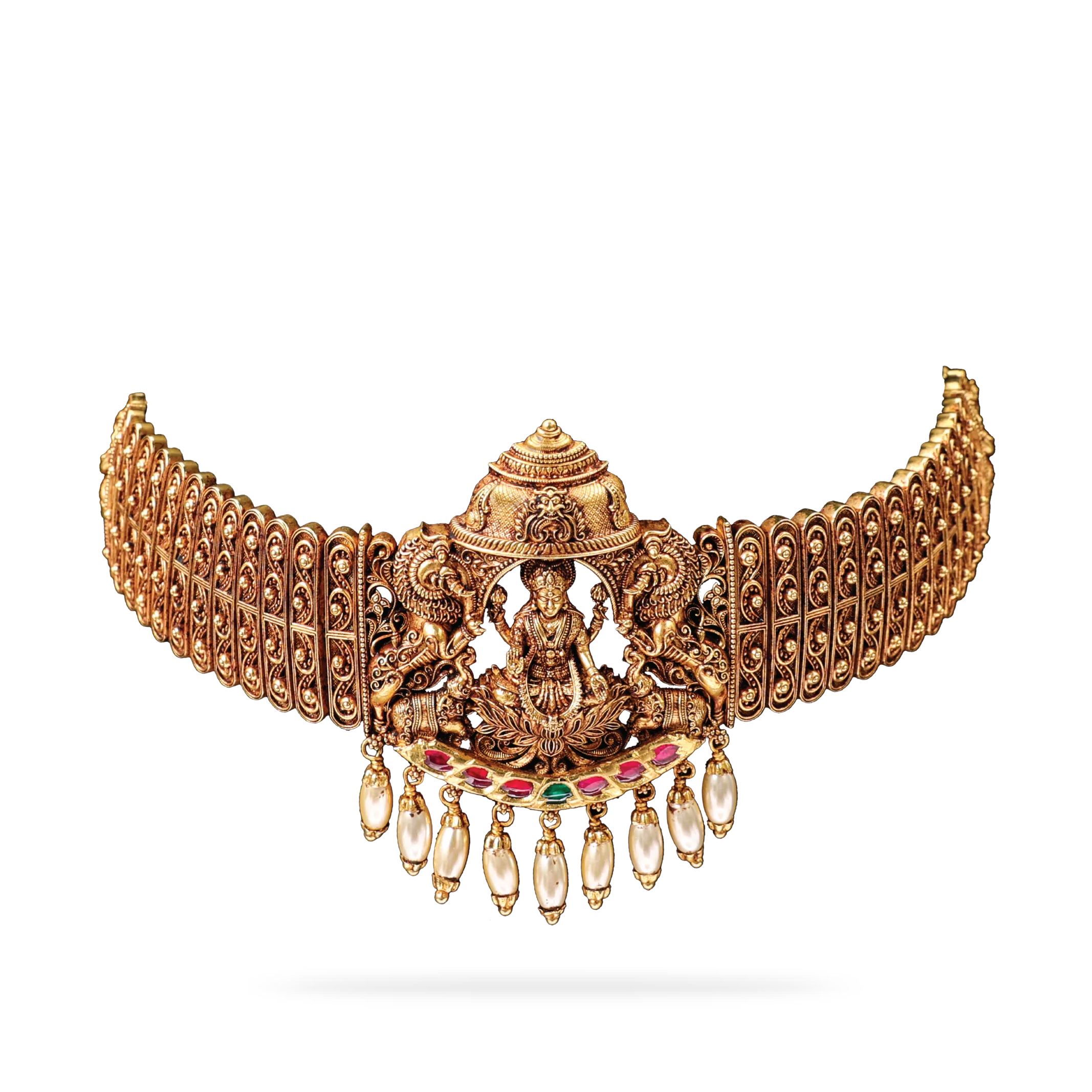
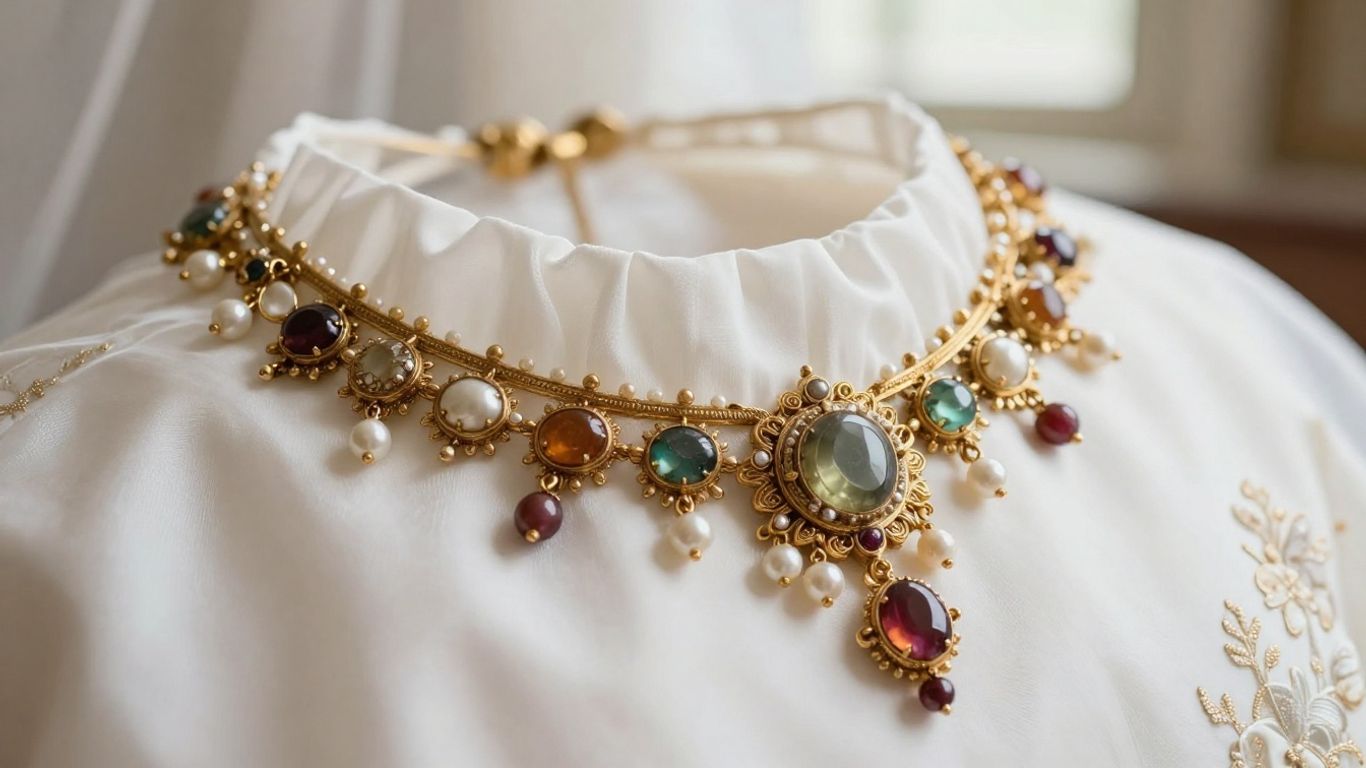 choker with pearls and gold details" >
Kundan, Polki, and other traditional designs
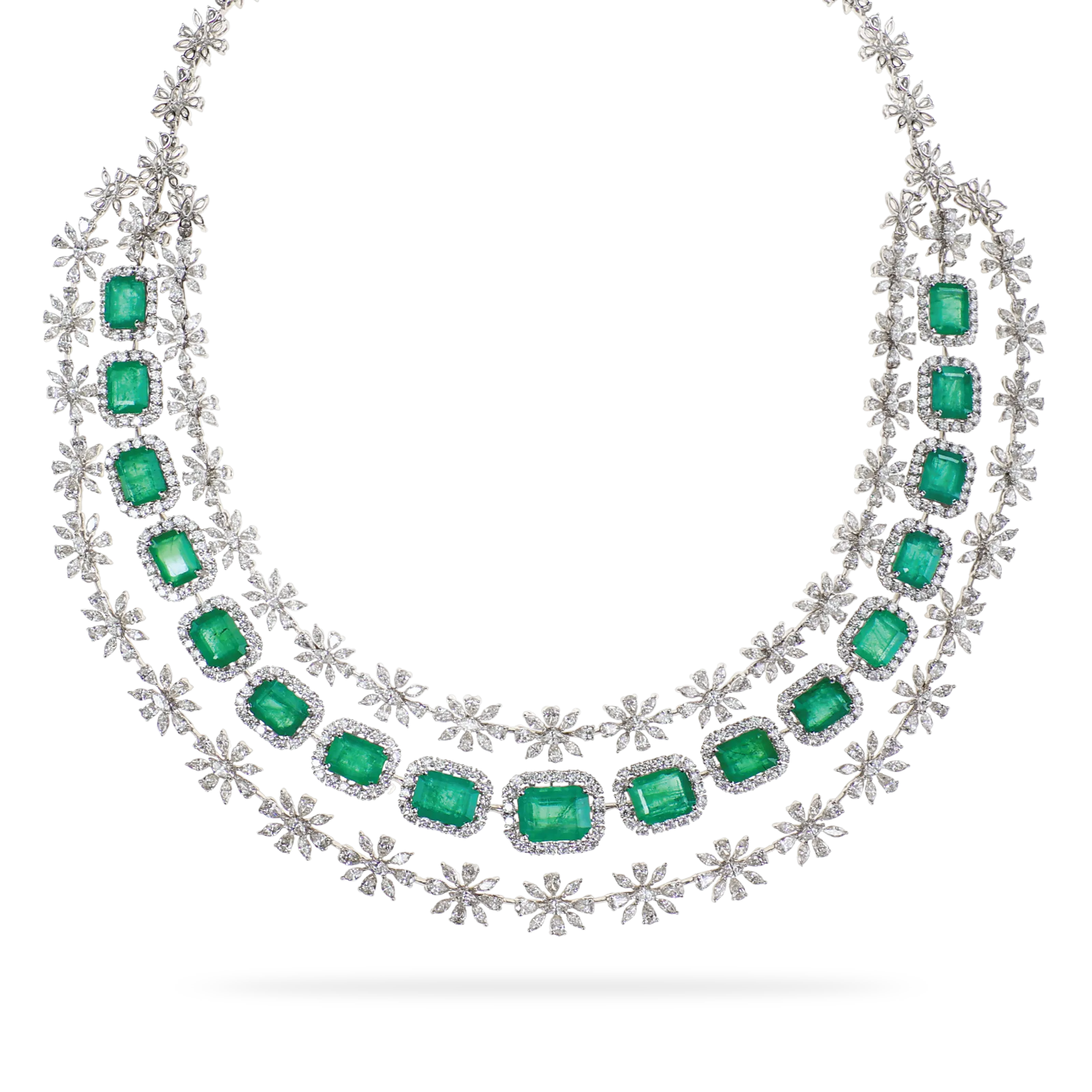
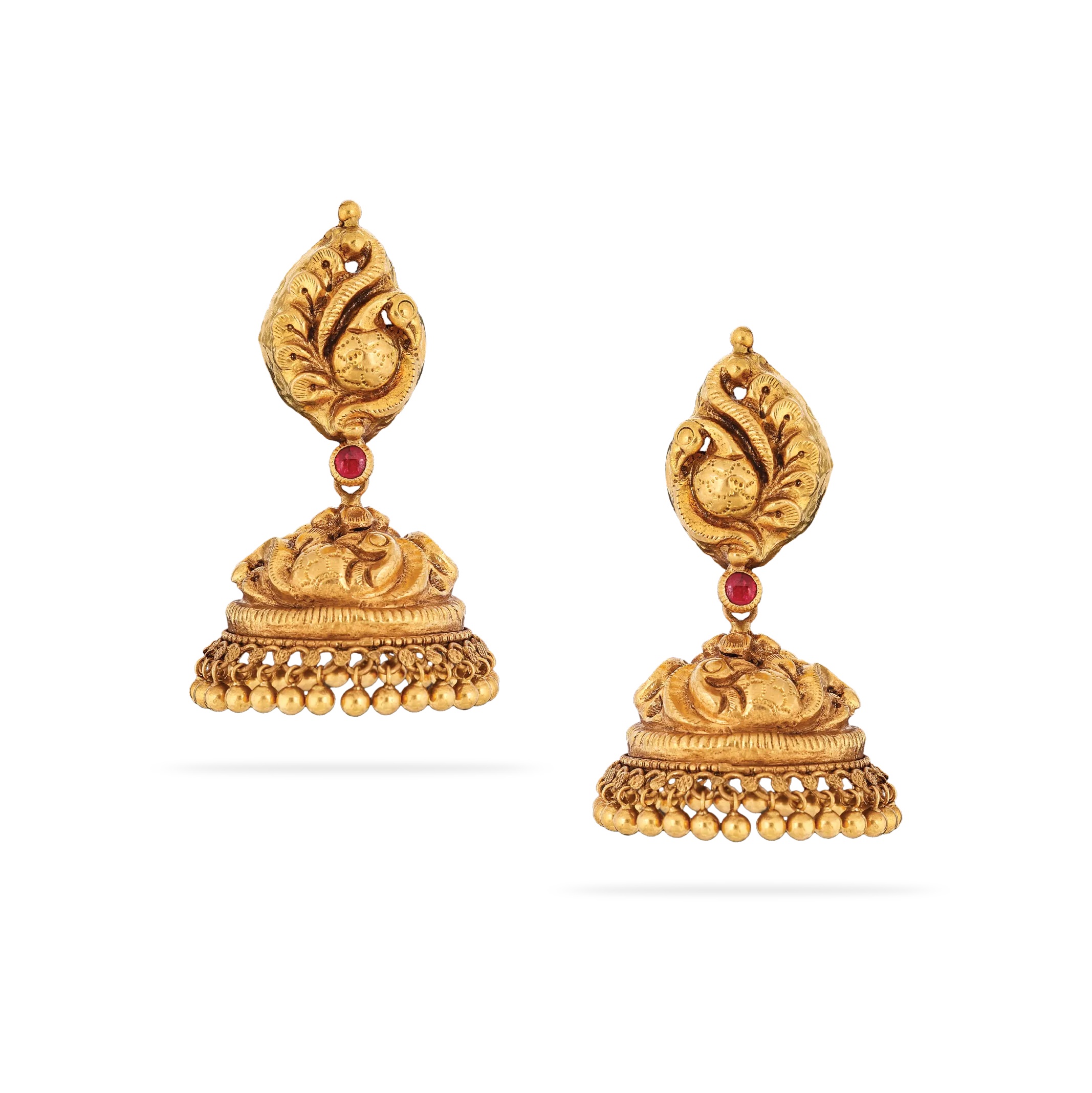
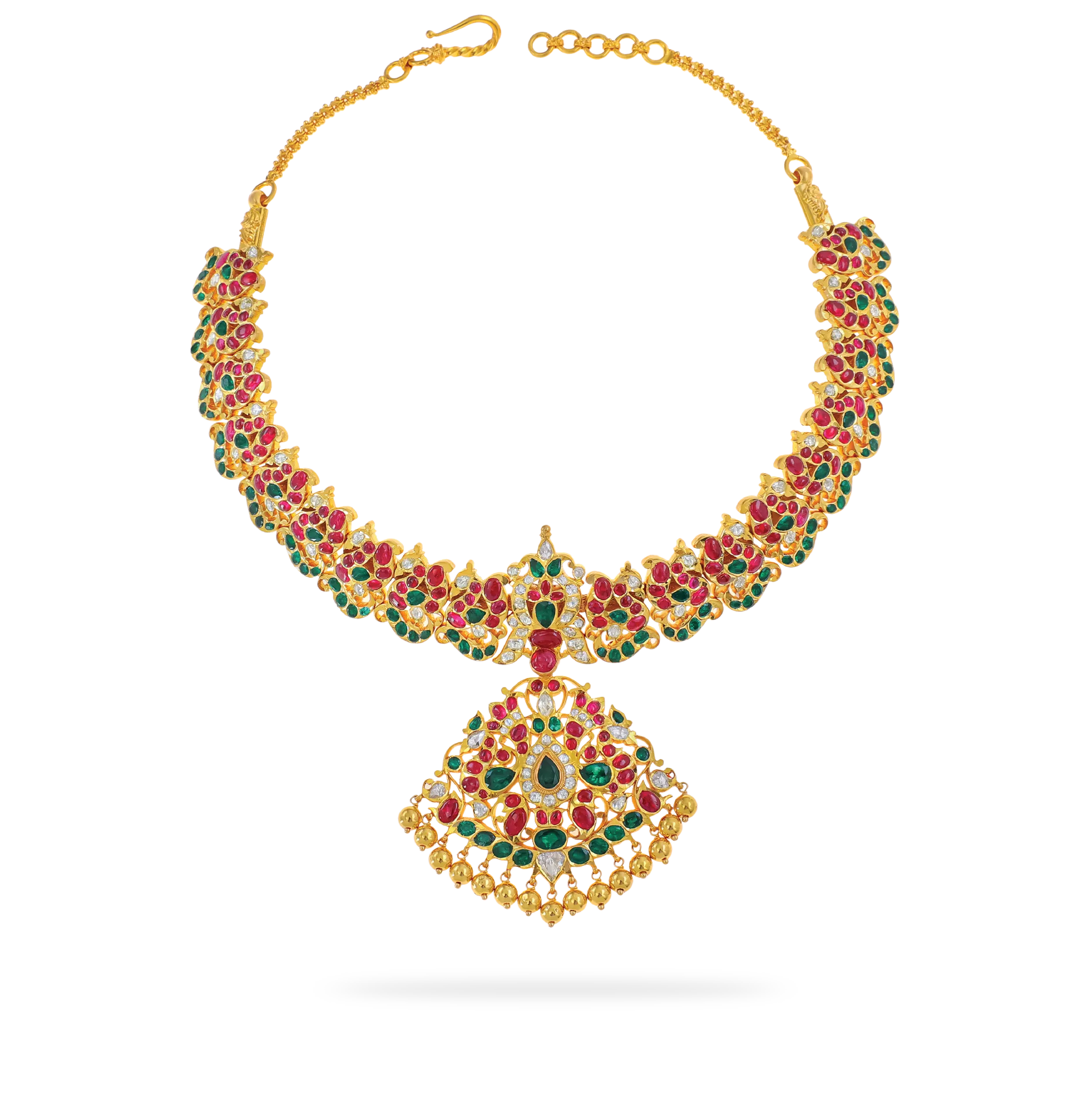
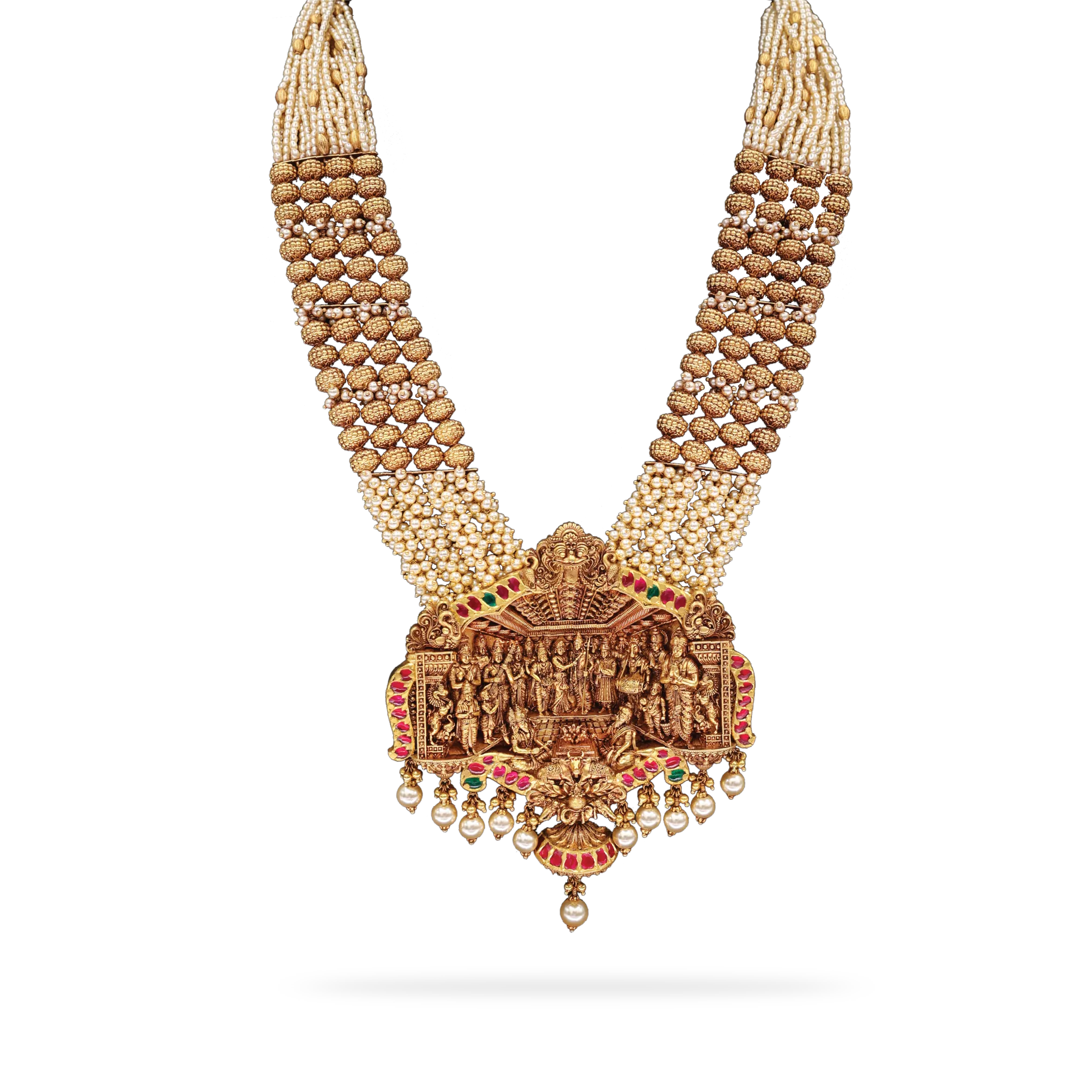
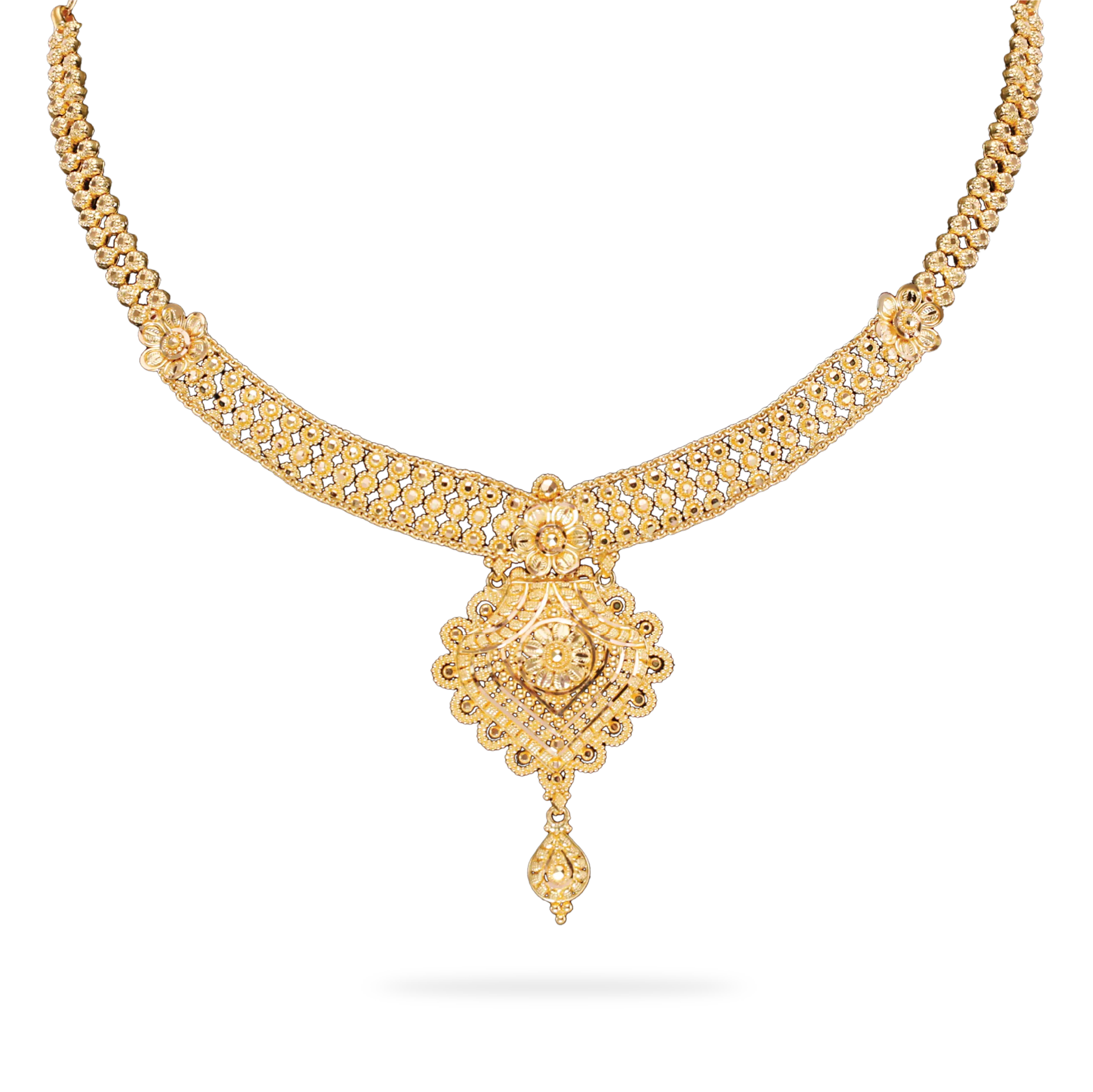
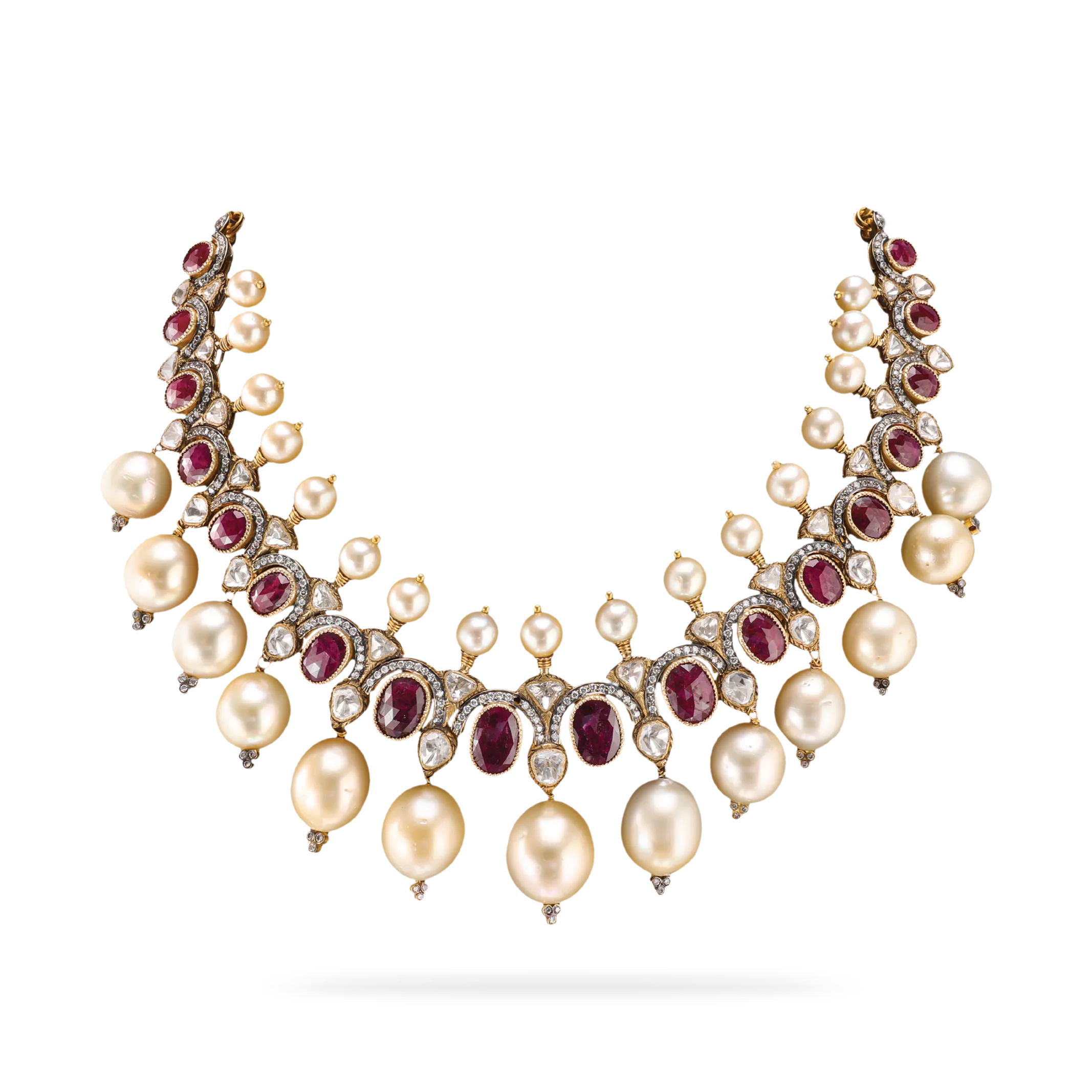
Kundan and Polki-inspired pieces are often chosen for their ornate presence and layered visual language. They can bring a sense of ceremony to a simple outfit, particularly when the earrings and headpiece repeat their shapes or stones. Other traditional designs may use floral motifs, enamel, colored glass, or carved elements, so compare the pattern as well as the name of the style.
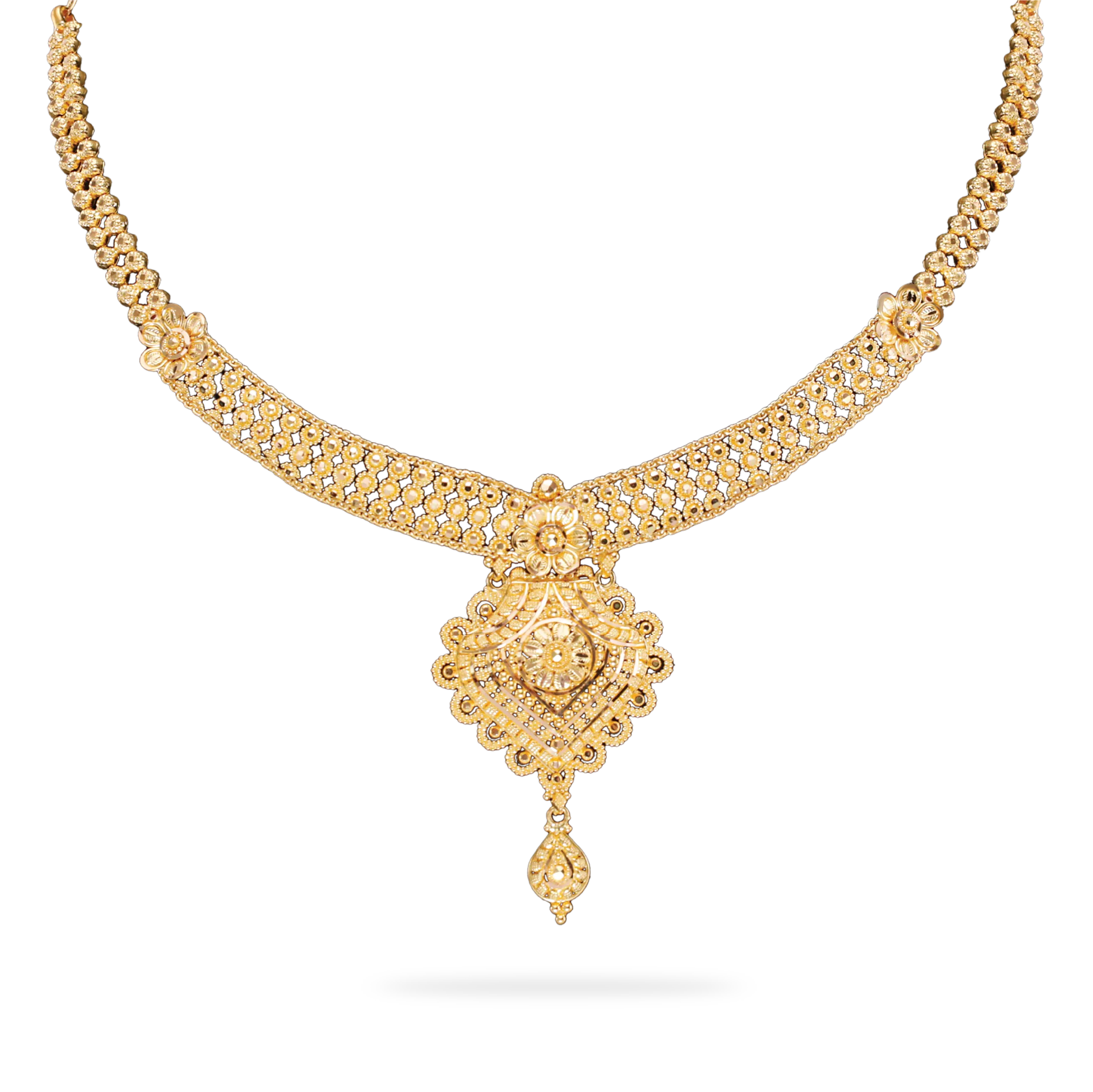
A traditional set does not have to look dated. Pairing a detailed choker with a clean blouse, uncomplicated hairstyle, or contemporary fabric can give the whole look a fresher balance. Bridal choker sets offer one place to compare different proportions and combinations before narrowing your search.
Gold-plated, sterling silver, and fine gold options
Gold-plated jewelry can provide a warm, formal finish at a more accessible price, but ask what base metal is used and how the plating is applied. Sterling silver has a cooler appearance and may suit white dresses or silver-toned embroidery. Fine gold carries a different value and may be selected for longevity, tradition, or its significance beyond the wedding day.
Ask for the actual material description rather than relying on words such as “gold look” or “premium finish.” Skin sensitivity, maintenance needs, and the number of hours you expect to wear the piece should all inform the decision.
Pearl, crystal, diamond, and gemstone accents
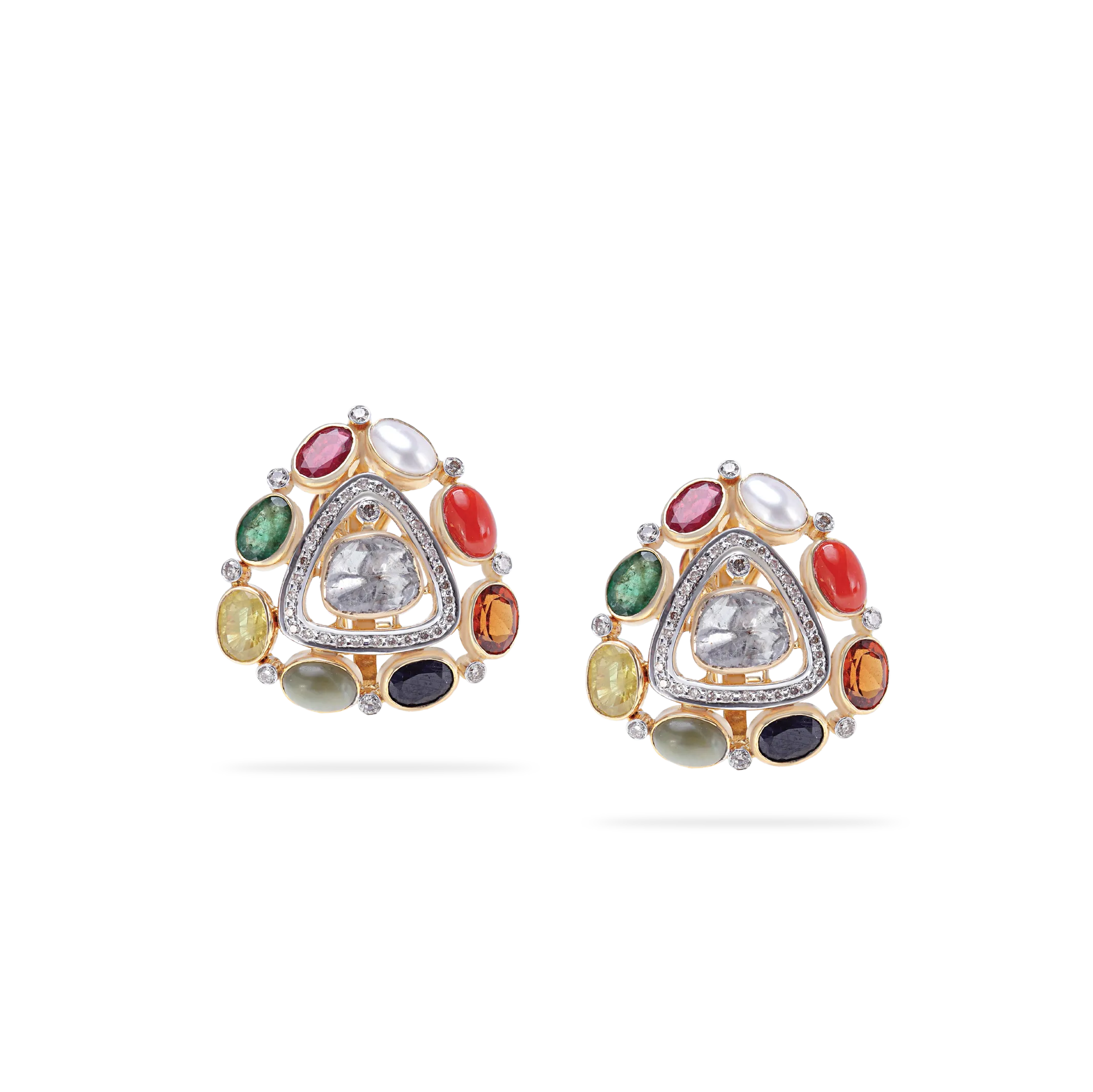
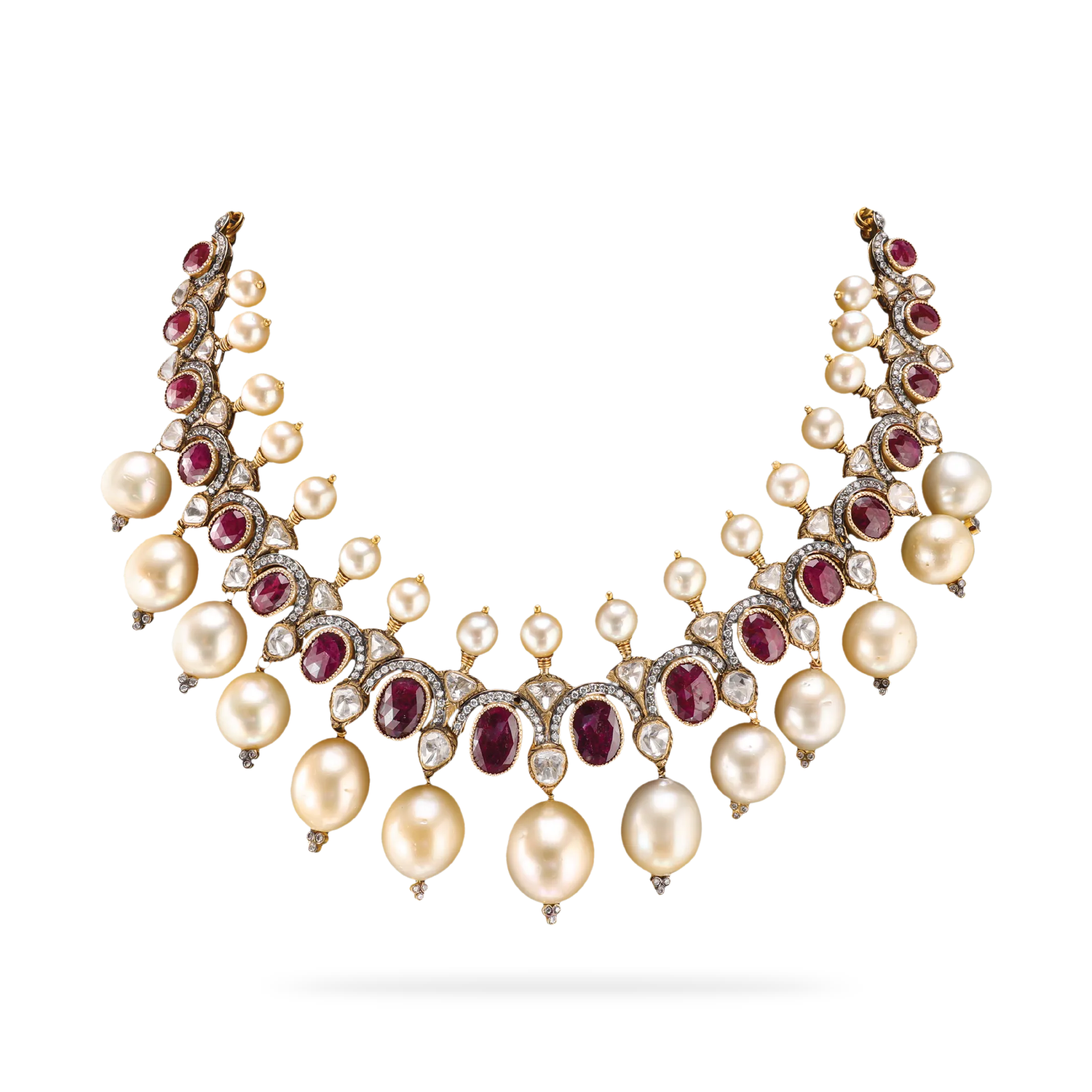
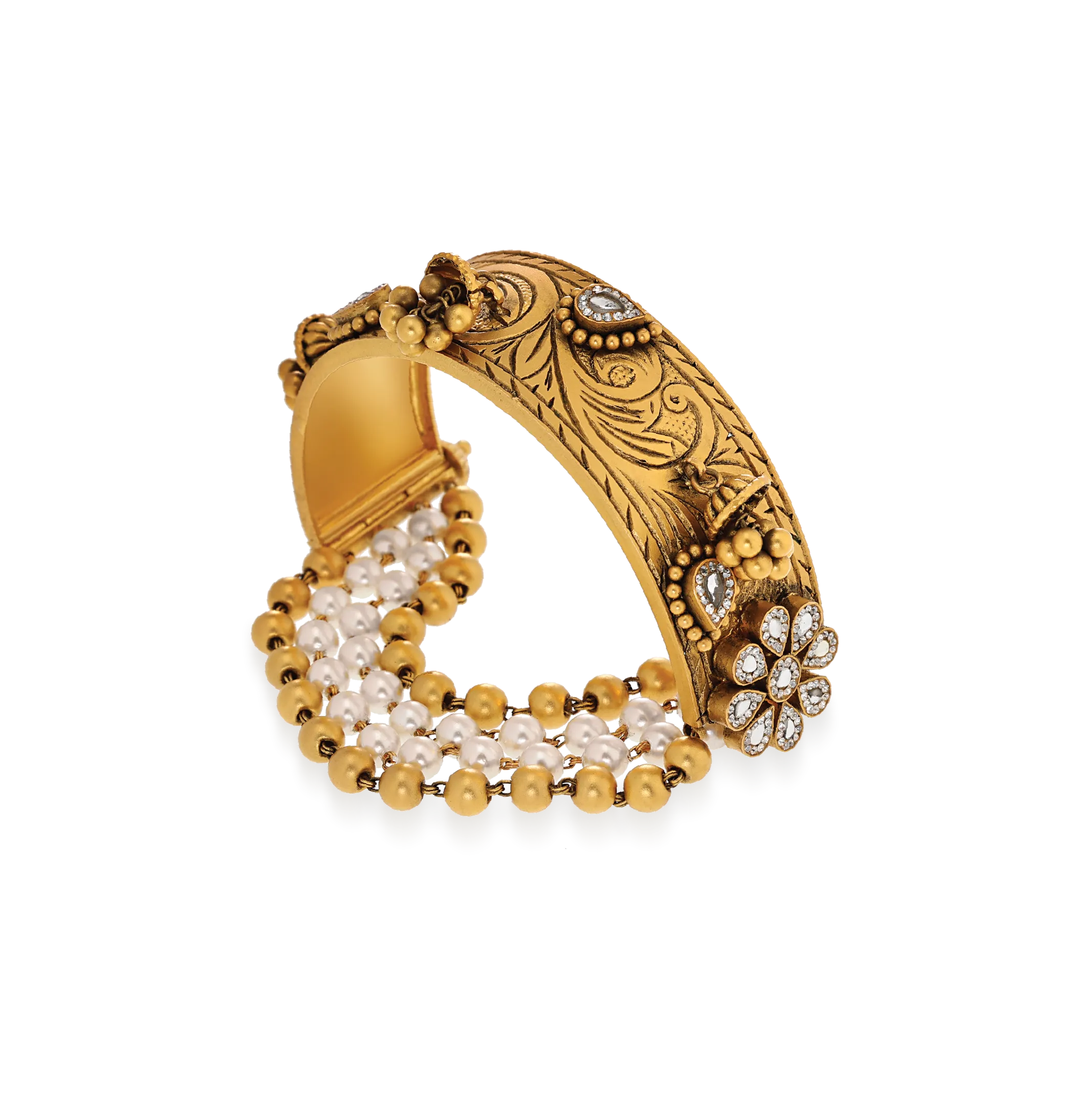
Pearls soften a design and work especially well when the dress already has movement or texture. Crystals can add bright sparkle without the visual weight of large stones, while diamonds and colored gemstones create more defined points of light. When comparing accents, look at how they behave under indoor lighting, daylight, and flash photography.
Colored stones can also connect the jewelry to your flowers, embroidery, or family traditions. Use one or two repeated colors for cohesion rather than trying to include every shade found in the wedding palette.
How craftsmanship affects appearance and durability
Craftsmanship shows up in details that are easy to overlook online: even stone placement, smooth edges, secure backs, tidy joins, and a closure that does not twist the necklace. A well-finished piece tends to sit more naturally against the neck and photograph more consistently from different angles.
The following comparison can help organize your questions before you make a shortlist:
| Feature | What to inspect | Why it matters |
|---|---|---|
| Surface finish | Even color and polished edges | Affects shine and comfort |
| Stone setting | Secure, consistent placement | Reduces movement and loose accents |
| Closure | Strong clasp or adjustable fastening | Supports a safer fit |
| Back construction | Smooth lining and tidy joins | Helps prevent scratching |
After viewing these details together, you may find that a slightly simpler design has better long-term value than one with more decoration. The most convincing bridal jewelry usually looks finished from every angle.
Match the choker to your neckline and face shape
The neckline creates the frame around the necklace, so it should be considered before the jewelry is ordered. A choker can echo a curved neckline, fill an open upper chest, or create contrast against a high collar. Face shape and hairstyle matter too, but they should guide proportion rather than limit your choices.
Best pairings for sweetheart and strapless necklines
Sweetheart and strapless necklines leave room for a choker to sit as a clear focal point. A curved or softly structured design can repeat the dress’s shape, while a wider piece can add definition to a very simple bodice. If the dress has heavy embellishment along the top edge, choose a design with enough negative space to avoid visual overlap.
For a strapless gown, check where the necklace ends in relation to the neckline. A small gap can look polished; a choker that sits directly on top of dense trim may seem crowded.
Styling chokers with V-neck and high-neck dresses
A V-neck naturally draws the eye downward, so a short choker can provide a horizontal counterpoint. Alternatively, a narrow pendant can echo the vertical line, but adding both a busy choker and a long necklace may divide attention. With a high-neck dress, a choker can compete with lace or embroidery, making earrings or a bracelet the better focal point.
If you love the choker but the neckline is already elaborate, try wearing it slightly higher or selecting a fine, open design. The right answer may be a quieter version of the piece you first imagined.
Choosing proportions for round, oval, and angular faces
A round face can be complemented by earrings or stones that introduce length, while an angular face may look especially graceful with curved motifs and softer edges. Oval faces can accommodate many proportions, though the size of the choker should still relate to the width of the shoulders and neckline.
These are styling suggestions, not rules. Stand at a natural distance from a mirror and take a few photographs; the camera often reveals whether the necklace is framing the face or pulling attention away from it.
Balancing the choker with your hairstyle and veil
An updo exposes the neck and can make a substantial choker feel more prominent. Loose waves, a braid, or a veil may already add volume around the face, so a lighter necklace can preserve balance. Also check whether the veil’s edge, comb, or hair jewelry will catch on the earrings or necklace.
Try the hairstyle and veil with the jewelry during your fitting. A piece that looks perfect with hair down may need a different earring length once the hair is pinned up.
Choose the right set components
A set is not automatically harmonious simply because the pieces were sold together. Earrings, bangles, rings, headpieces, and additional necklaces all occupy different areas of the frame. Begin with the choker as the anchor, then add only what supports its shape, color, and scale.
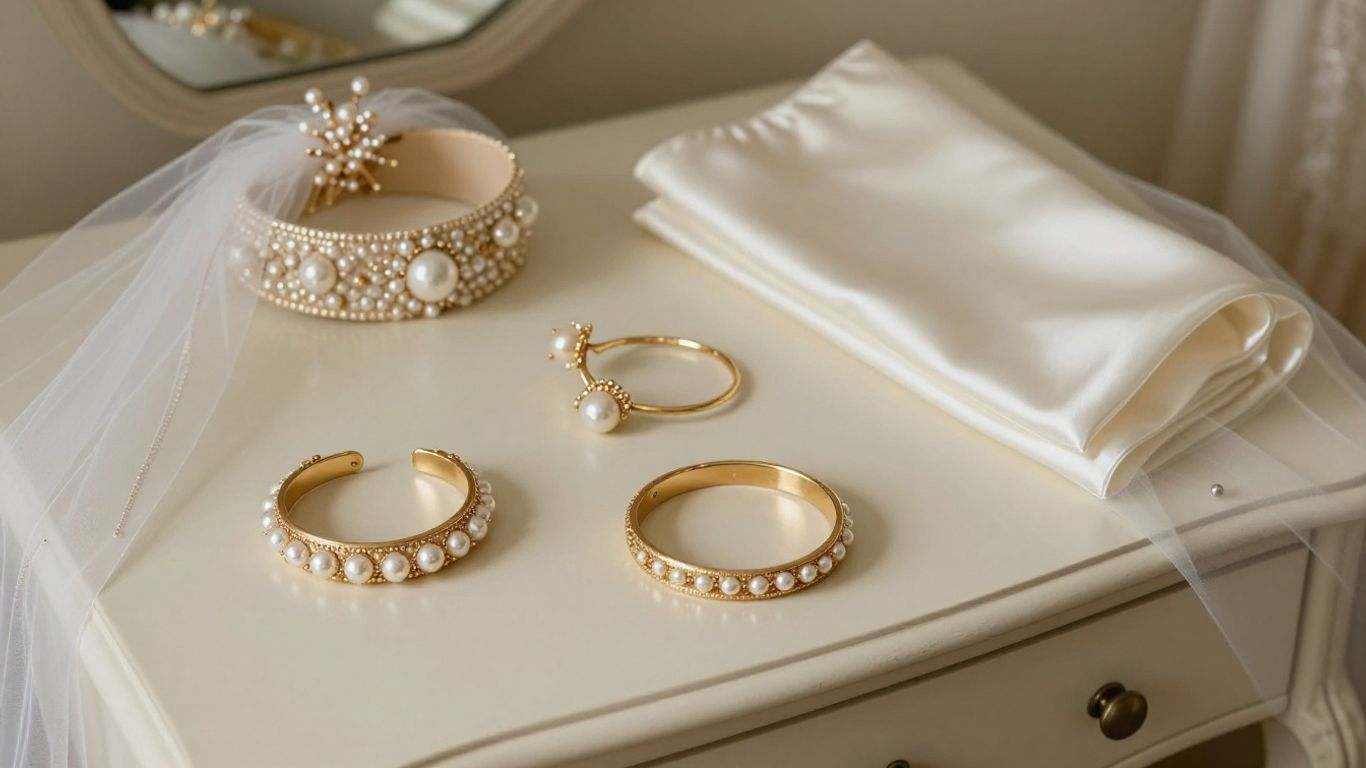
Coordinating earrings with the choker
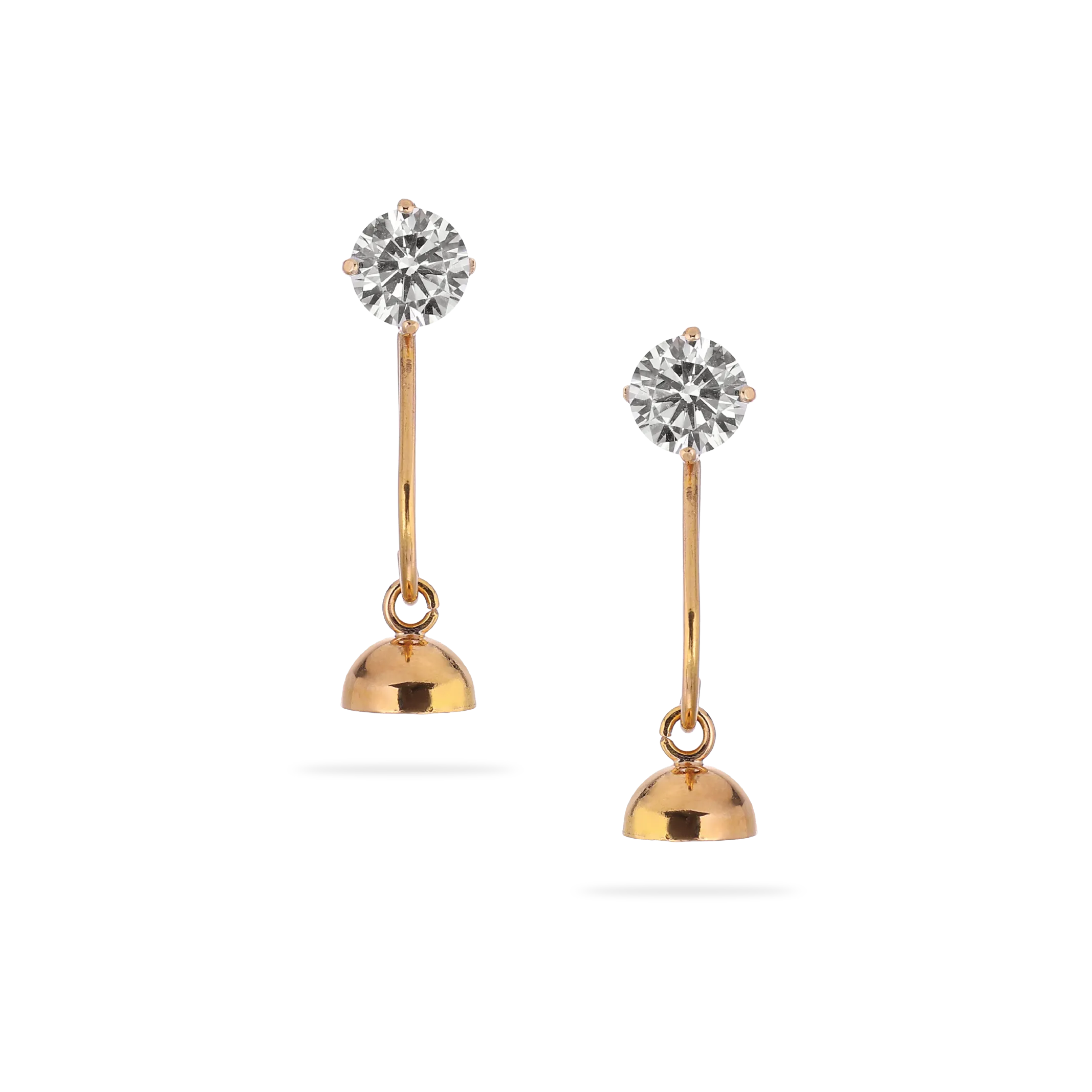
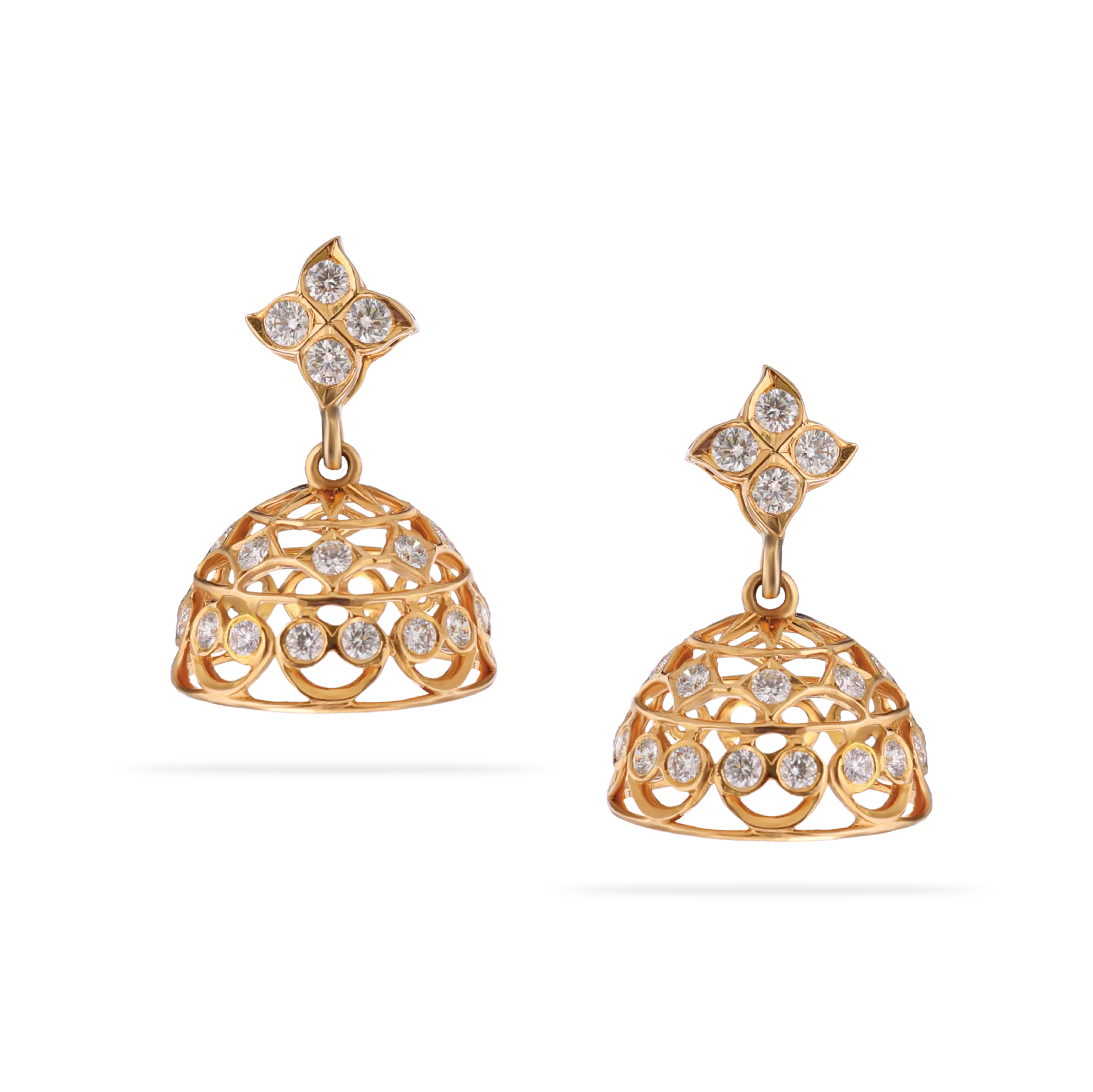
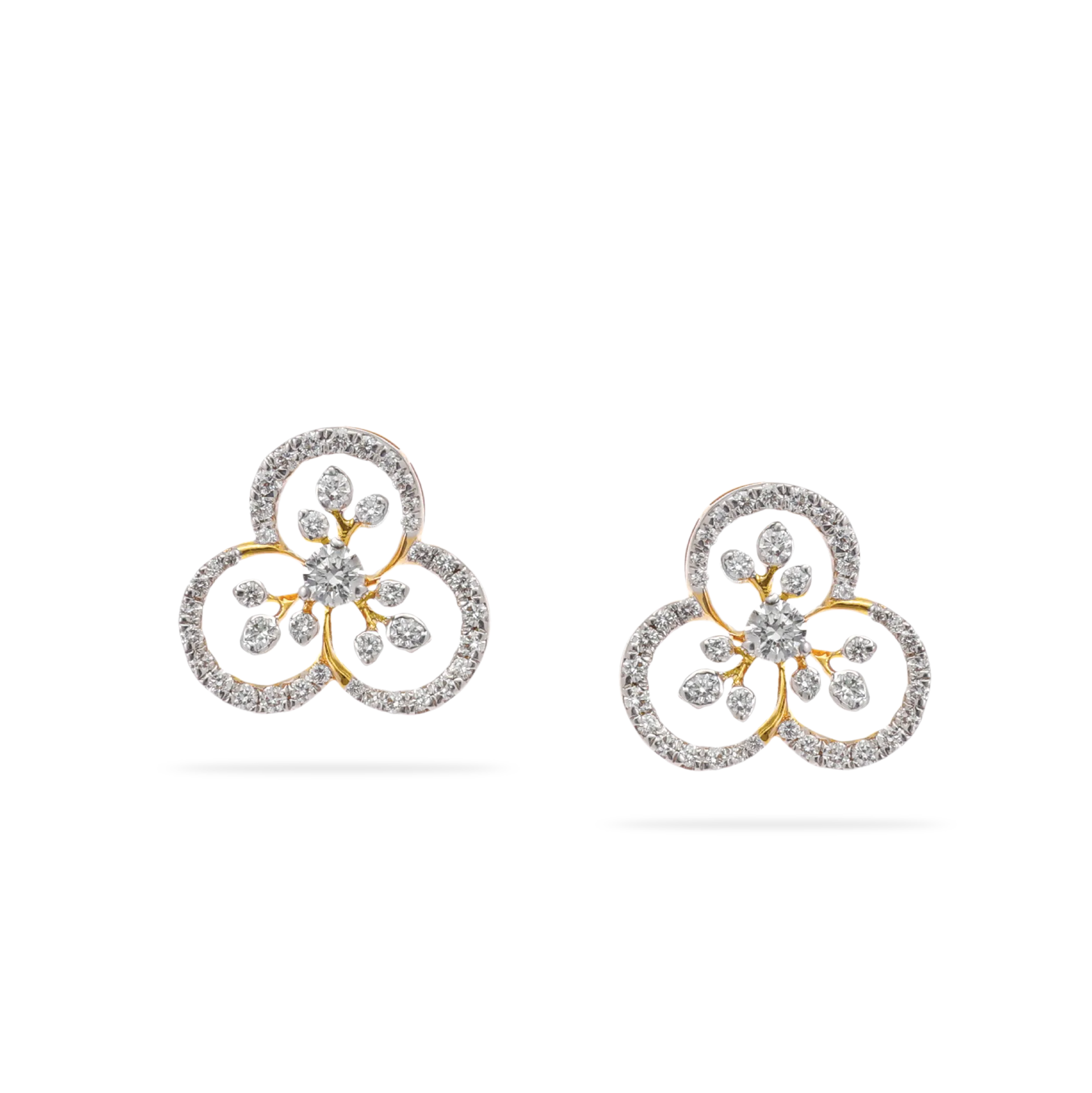
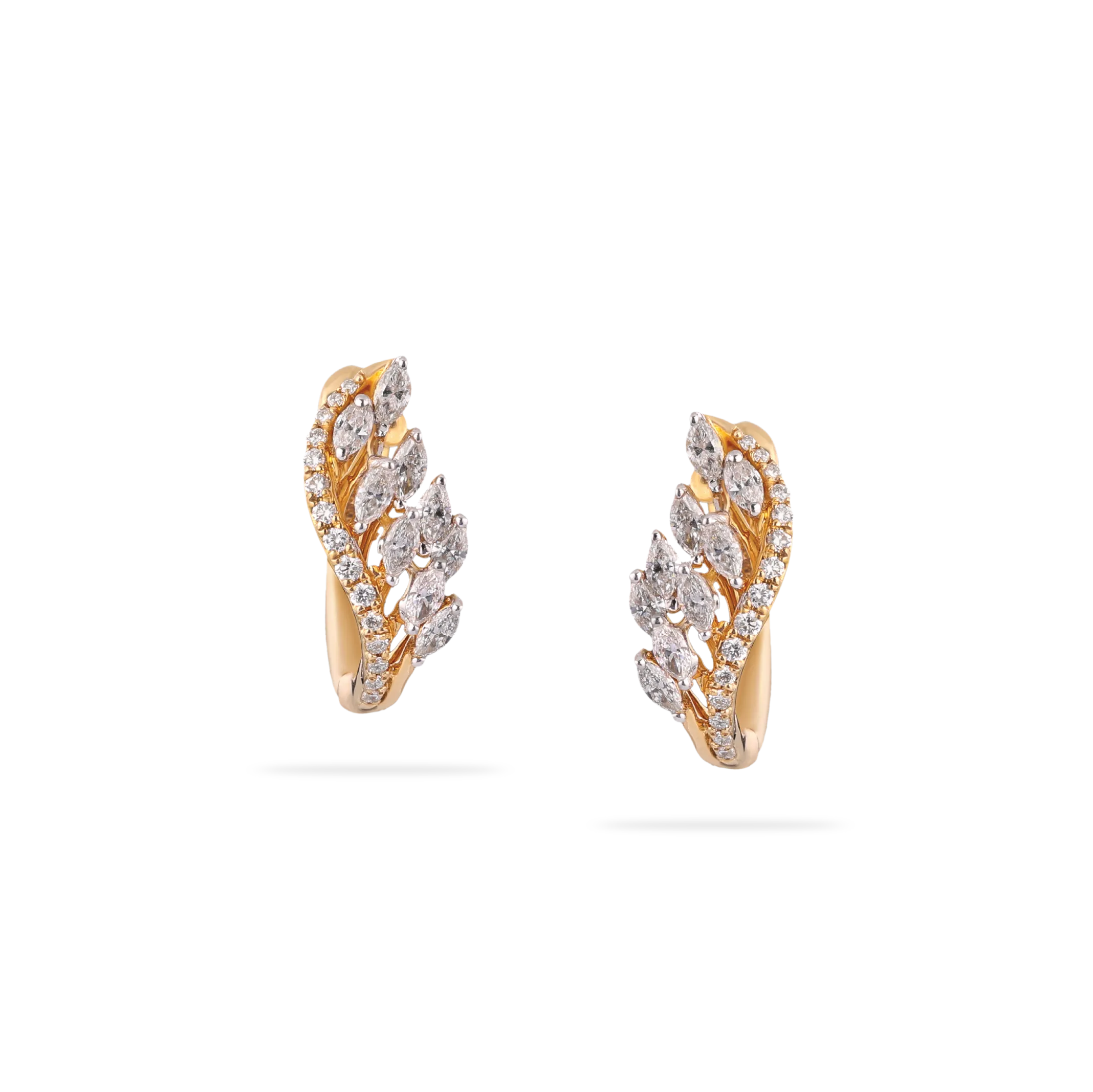
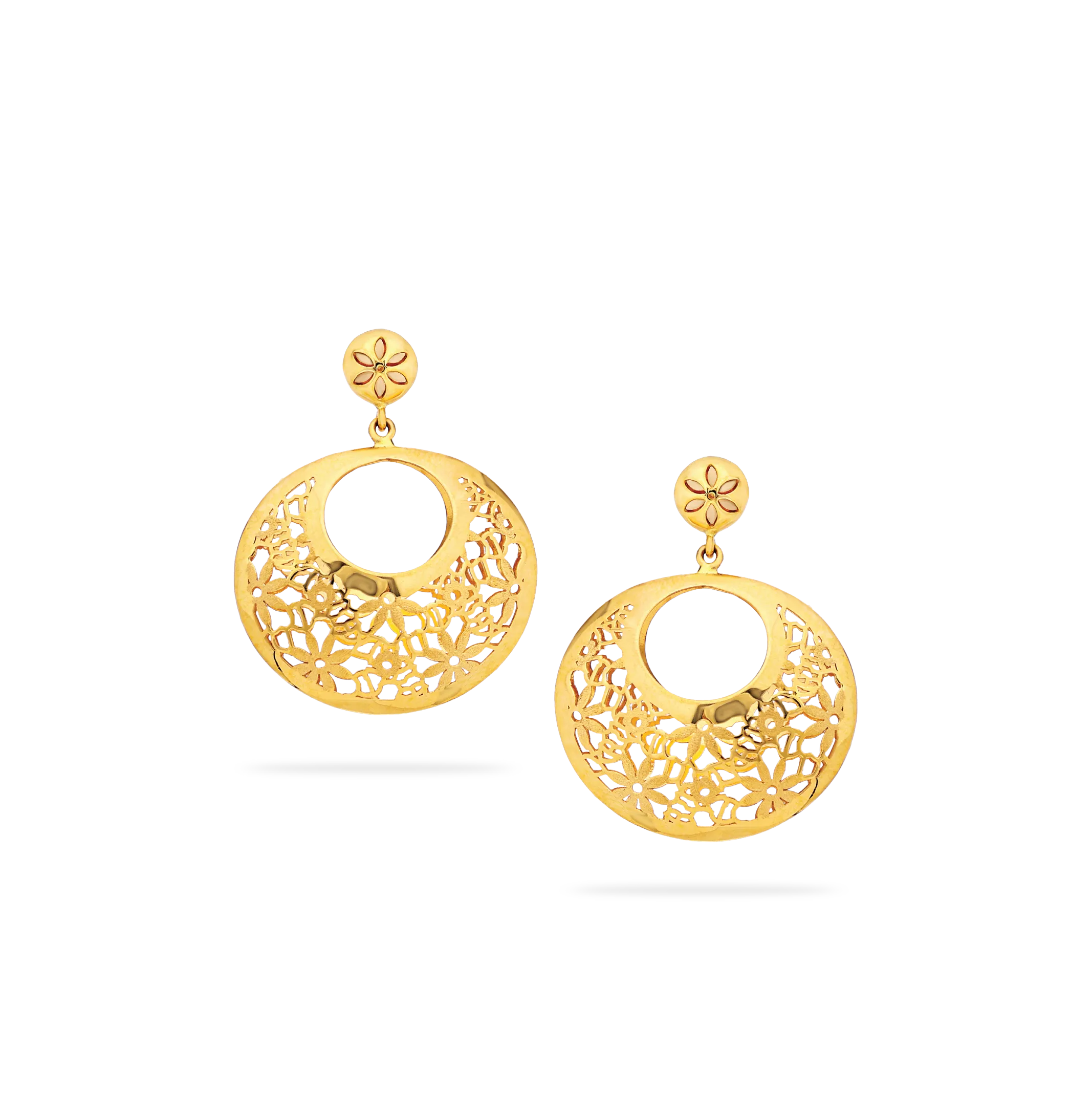
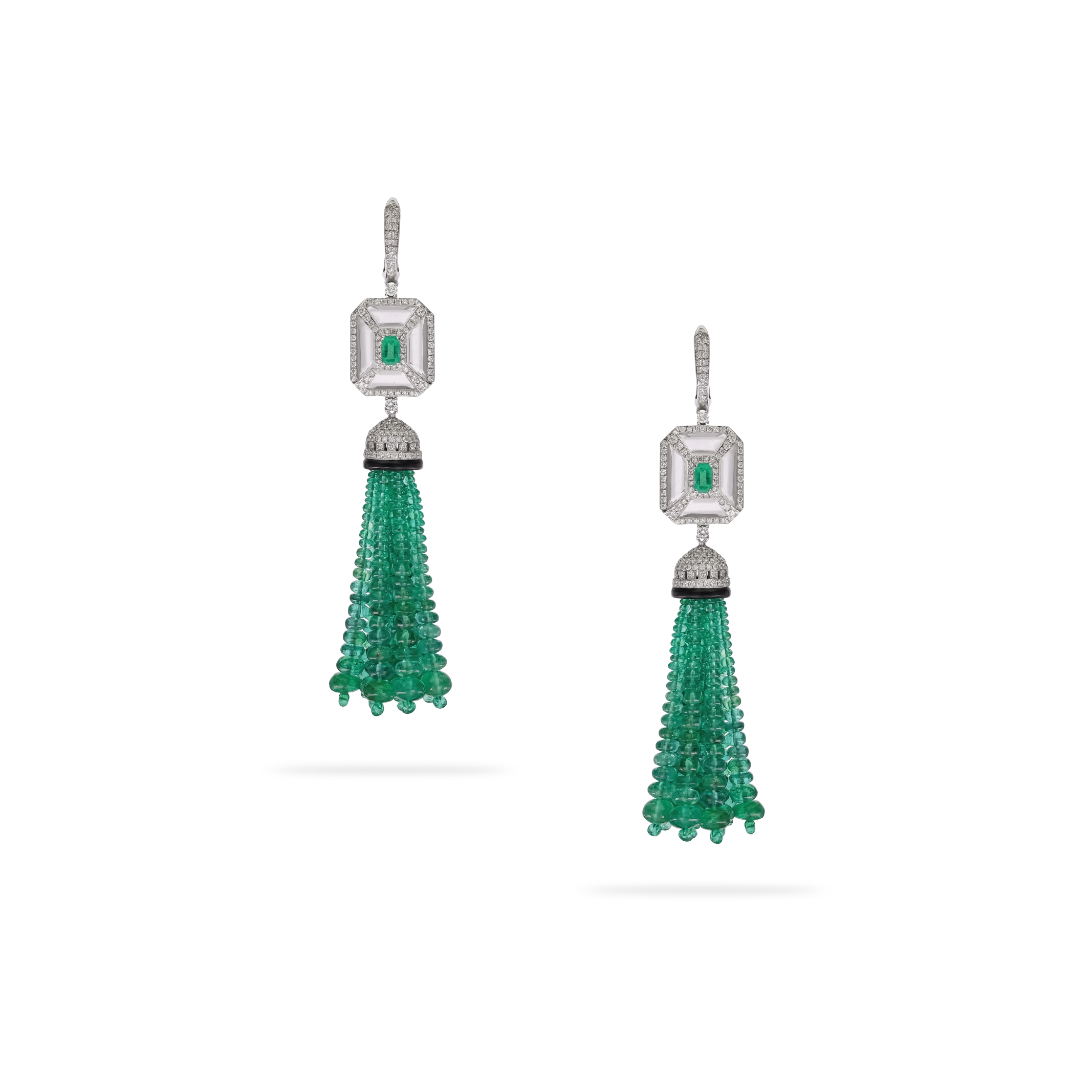
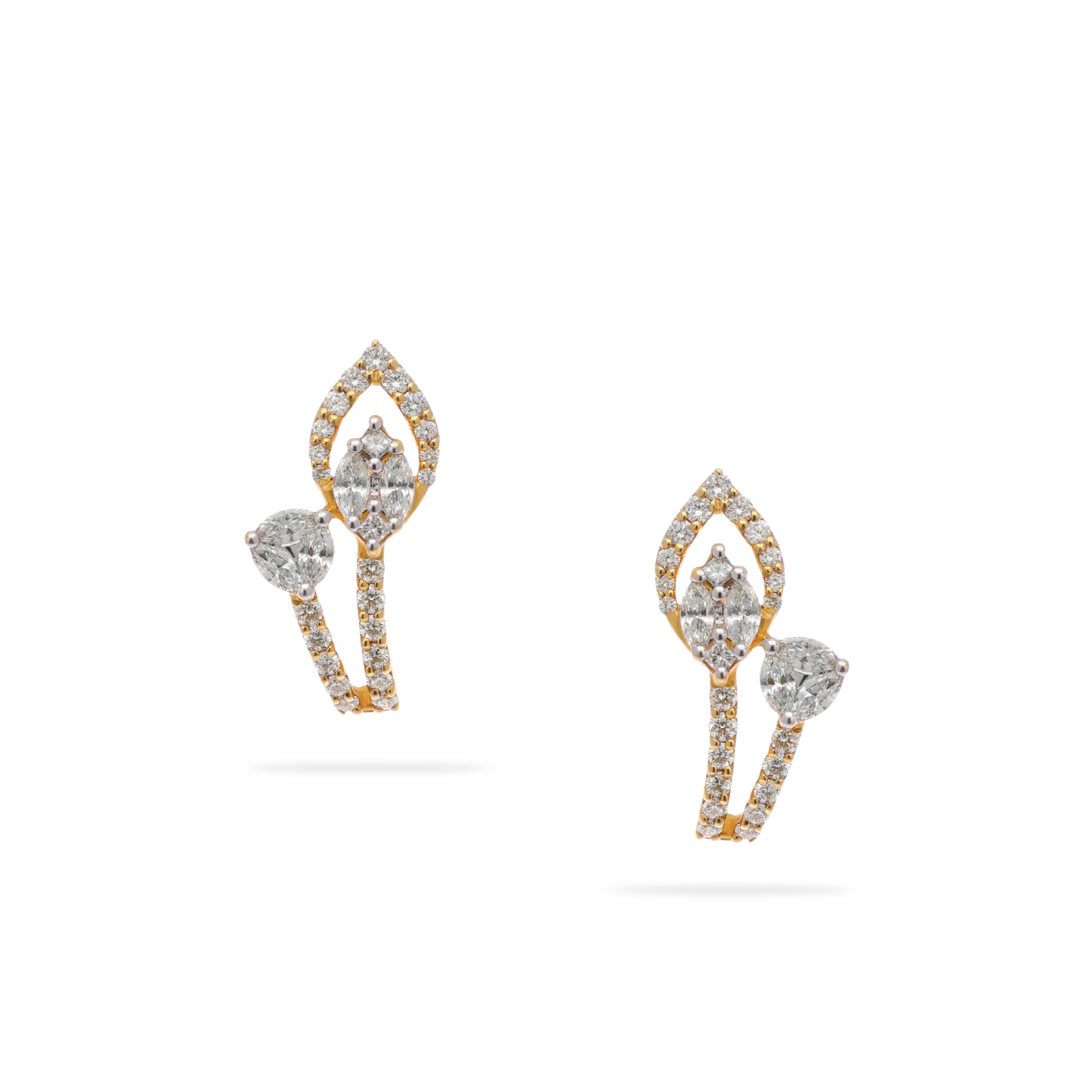
Earrings should frame the face without repeating every detail of the necklace. With a broad or heavily decorated choker , compact drops or studs may be enough. A finer choker can support longer earrings, provided their movement does not overwhelm the neckline.
Match one or two elements, such as the metal tone, stone color, or motif. Exact duplication can look rigid, while completely unrelated pieces make the set feel assembled in a hurry.
Deciding whether to add a tikka, pendant, or long necklace
A tikka can connect the center parting to the necklace and create a strong traditional line. A pendant or long necklace adds length, but it may be unnecessary if the choker already has a lower border or layered drops. Consider the dress, the veil, and the ceremony customs before adding another focal point.
Try each addition separately in a mirror. If the look becomes difficult to read from several feet away, remove the least essential layer.
Selecting bangles and other complementary jewelry
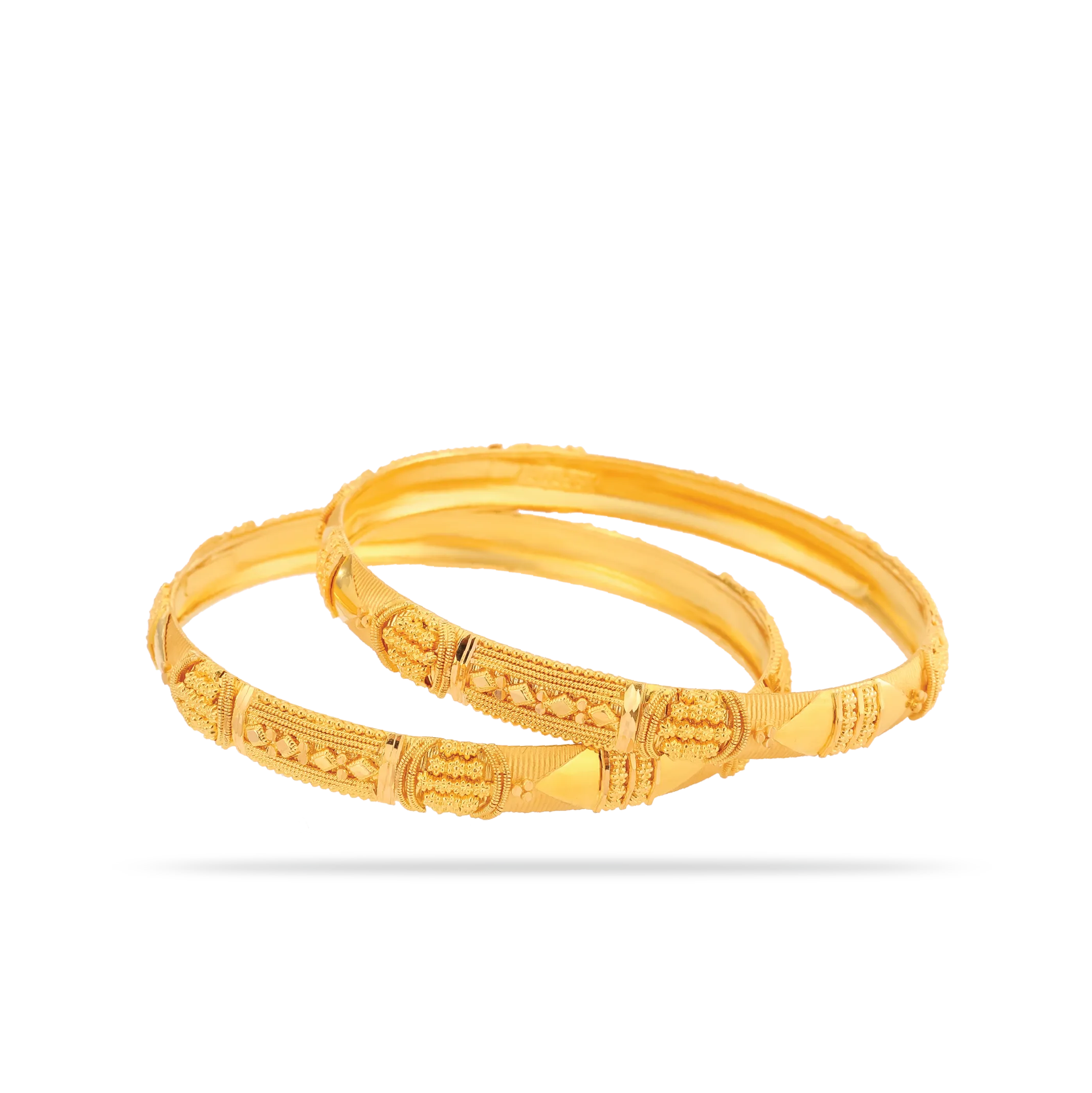
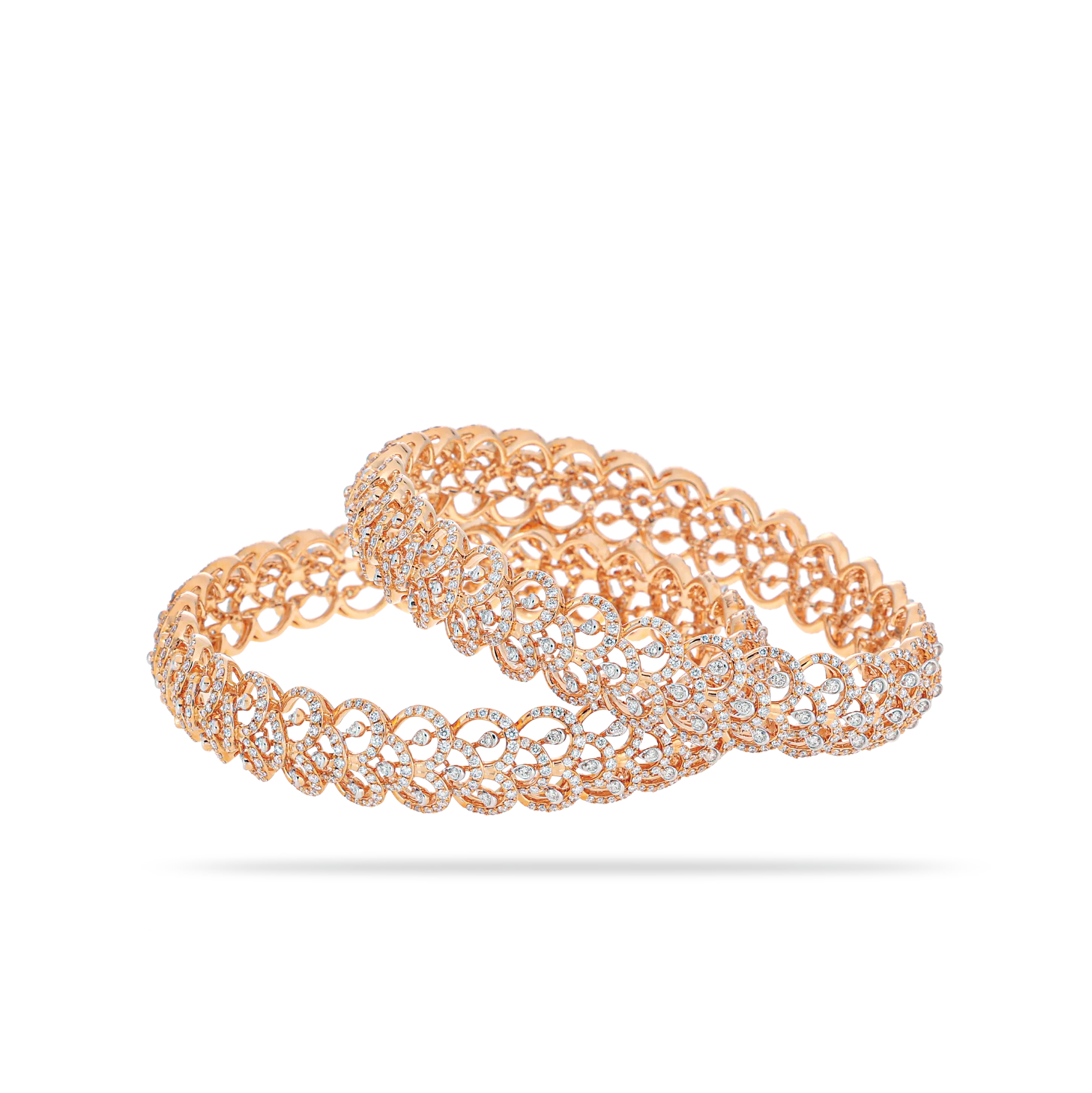
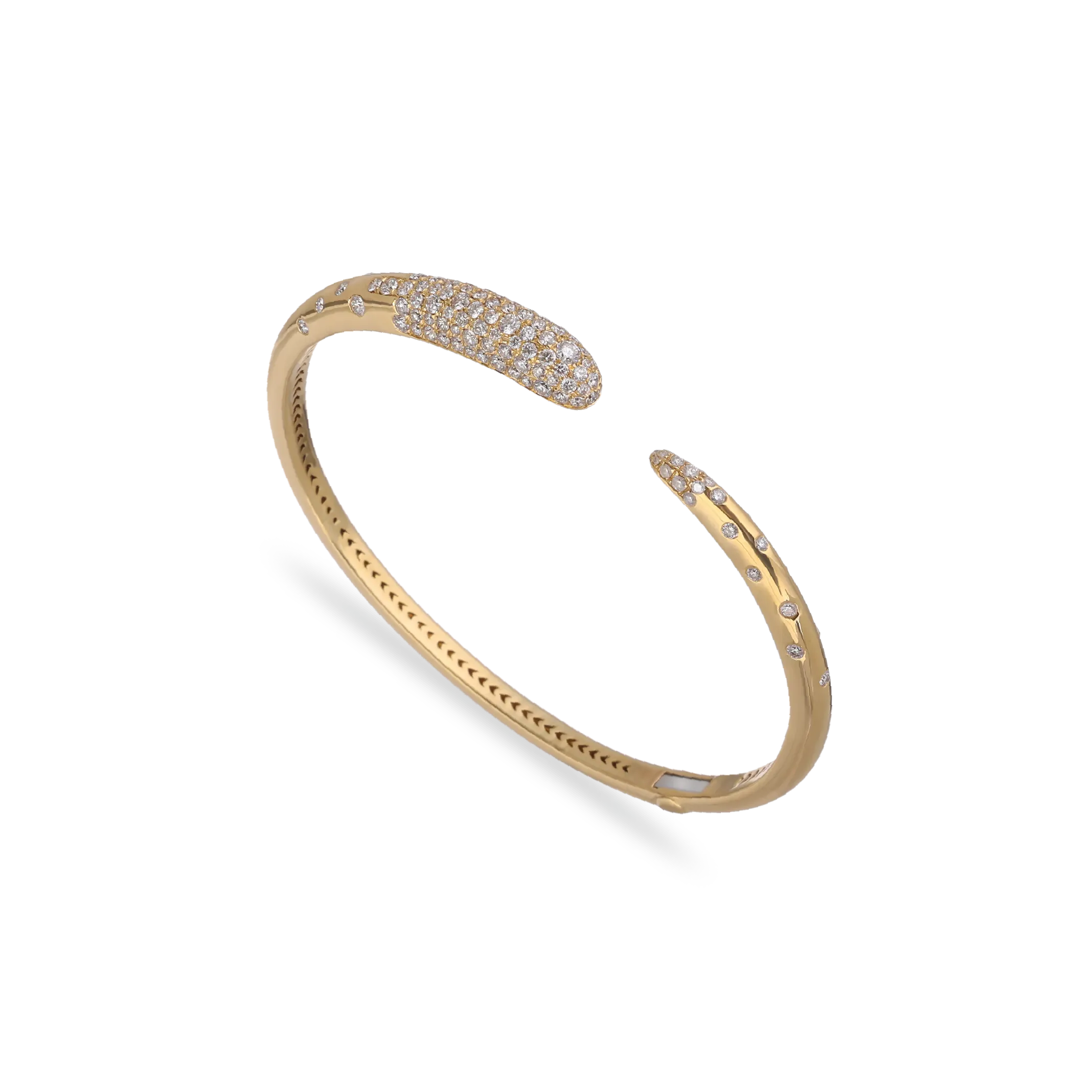
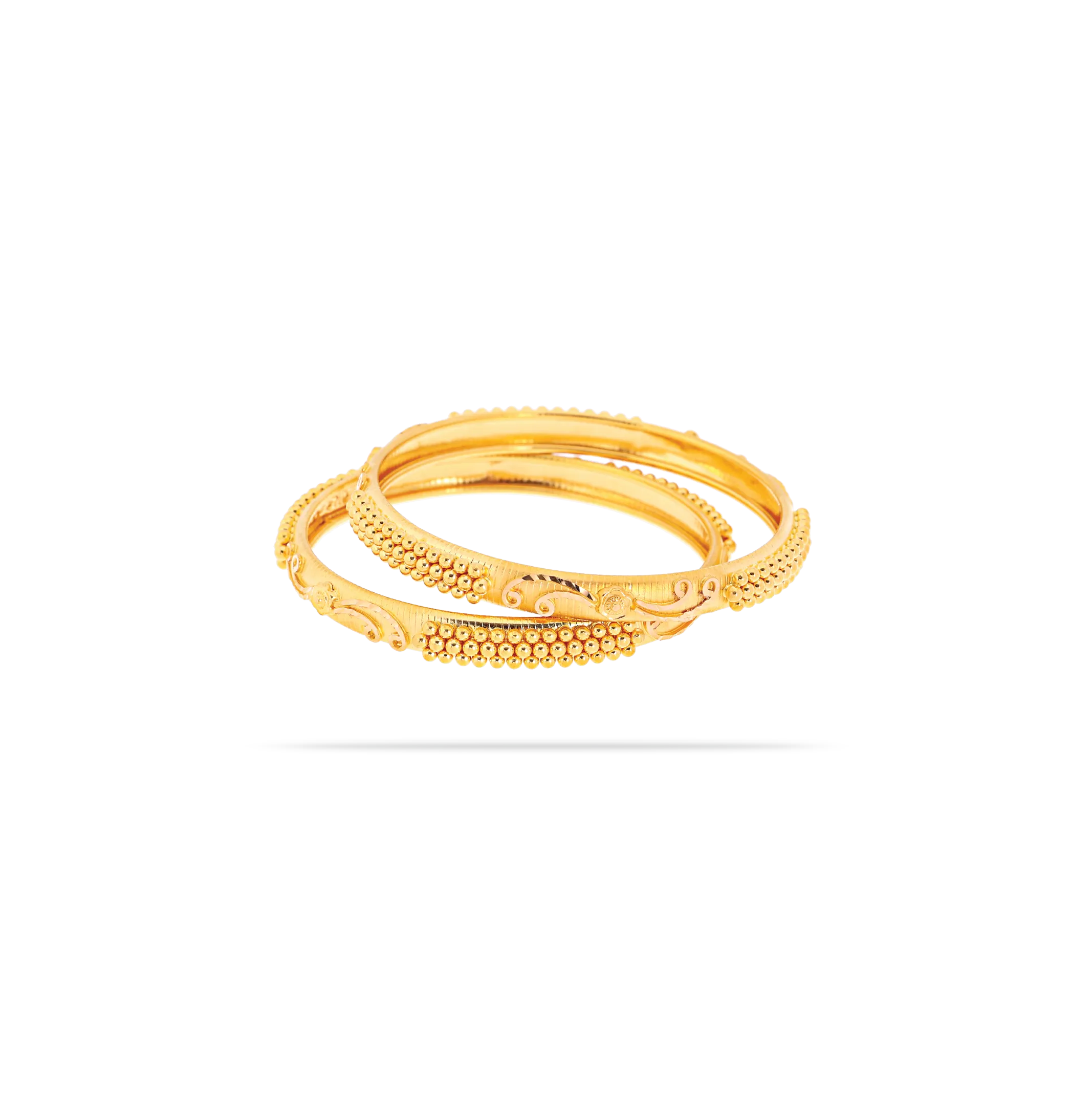
Bangles bring sound and movement to the hands, so they deserve a practical check as well as a visual one. Repeating the choker ’s metal or one accent color can connect the set without requiring identical designs. Rings, bracelets, and hair jewelry should support the same level of formality.
A simple sequence helps keep the collection coherent:
- Choose the choker as the primary focal point.
- Repeat its metal in the earrings or bangles.
- Carry one accent stone or color into a smaller piece.
- Leave one area of the outfit visually quiet.
This approach gives every piece a role without forcing a complete matching set. It also leaves room for a meaningful family jewel if you plan to wear one.
Avoiding an overly crowded bridal look
Step back from the mirror and look at the full silhouette, not just the jewelry close up. Dense embroidery, a statement veil, elaborate hair ornaments, and a large choker may all be beautiful separately but exhausting together. A clear focal point usually makes the entire outfit feel more refined.
Photographs from the front, side, and three-quarter angle are useful here. Ask someone whose taste you trust to describe what they notice first, rather than asking whether they like every individual piece.
Prioritize comfort, fit, and wedding-day wearability
Wedding jewelry may be worn for hours through greetings, photographs, meals, travel, and dancing. Comfort is therefore part of the design decision, not a minor detail. A necklace that pinches, slips, or feels heavy can change your posture and distract you from the day.
Measuring your neck for a secure fit
Use a soft measuring tape around the place where you want the choker to sit, keeping it close to the skin without pulling tight. Record the measurement and compare it with the seller’s finished length, including any extender. If the piece has a broad back or rigid shape, ask how its fit differs from a flexible chain.
The ideal fit is secure but not restrictive. You should be able to turn your head, breathe comfortably, and slide a fingertip beneath the edge without the necklace shifting dramatically.
Checking weight, closures, and adjustability
Ask for the weight when it is available, and inspect the fastening in person or through close product photographs. An adjustable chain can help accommodate small differences between the fitting and the wedding day, while a well-placed clasp can prevent the necklace from rotating.
Do not assume that a heavier piece is better made. Weight should feel manageable alongside the earrings and other accessories you will wear.
Preventing irritation during long ceremonies
Smooth edges, soft backing, and nickel-aware material choices can make a noticeable difference for sensitive skin. Avoid testing a new necklace for the first time on the wedding day; wear it at home for a few hours and notice any heat, pressure, or itching.
If you use perfume or skincare on the neck, allow it to dry before putting on the jewelry. This can reduce residue and helps keep the finish cleaner during wear.
Testing the complete jewelry look before the wedding
Arrange a final trial with the actual dress or a close fabric match, hairstyle, veil, and shoes if possible. Move, sit, turn your head, and take flash photographs. A full test often reveals problems that are invisible when the necklace is viewed alone.
Write down any adjustment needed and complete it well before the ceremony. A final check should confirm the fit, not become the moment when you discover that the earrings pull or the choker catches on the veil.
Shop for and care for your bridal choker set
Shopping carefully protects both your budget and your peace of mind. Compare what is included, how the piece is made, and what support the seller offers after payment. A polished product photograph is only the beginning of the assessment.
Comparing prices, quality, and seller reputation
Compare like with like: metal, stone type, dimensions, included pieces, finishing, and customization should all be considered together. A lower price may reflect lighter construction or fewer components, while a higher price deserves a clear explanation. Read reviews for comments about accuracy, packaging, communication, and delivery rather than relying only on star ratings.
For broader jewelry planning, bridal jewellery ideas can help you think about how a choker might sit alongside earrings, bangles, or heritage pieces. Keep your own priorities in view while comparing.
Reviewing product photos, measurements, and return policies
Look for front, side, and back views, plus a scale reference or exact measurements. Ask whether the displayed color may vary under studio lighting and whether the stones are natural, treated, simulated, or described by another term. Read the return policy before ordering, especially if the piece is made to measure or customized.
Save the product description and your correspondence until after the wedding. Clear records make it easier to resolve a mismatch between the listing and the item received.
Timing your purchase and final fitting
Order early enough to allow delivery, inspection, alterations, and a complete outfit trial. If the set is being customized, ask for the expected production timeline in writing. Build in extra time for a replacement clasp, a sizing adjustment, or a change of mind after seeing the piece with the dress.
Keep the jewelry in its original packaging until you have checked it carefully. Once the final choice is made, store it separately so it remains ready for the fitting and wedding day.
Storing and cleaning the set after the wedding
After wearing the set, wipe away skin oils with a soft, dry cloth if the material permits. Avoid immersing plated, glued, or stone-set jewelry in water unless the care instructions specifically allow it. Store each piece in a soft pouch or lined compartment, with chains fastened loosely to reduce tangling.
Keep the set away from humidity, cosmetics, and direct sunlight. If it has sentimental or financial value, record its materials and have it professionally checked when cleaning at home does not seem appropriate.
Conclusion
Choosing a bridal choker set becomes easier when you treat it as part of the whole wedding look. Define the mood, respect the neckline, edit the supporting pieces, and test the finished arrangement for comfort before the day arrives. A thoughtfully chosen set should look beautiful in photographs and still feel like something you were glad to wear.
Frequently Asked Questions
How should a bridal choker set fit?
It should sit securely without pinching, twisting, or limiting comfortable movement. Leave enough room for a fingertip beneath the edge and check the finished measurement against your neck before ordering.
Can I wear a choker with a high-neck wedding dress?
Yes, but the design should be light and deliberate. If the dress already has lace, beading, or a raised collar, a narrow choker or no necklace may create a cleaner result than a wide, ornate piece.
What earrings go best with a bridal choker ?
Choose earrings according to the choker ’s scale. Smaller earrings suit a broad statement choker , while longer drops can work with a delicate design, provided they do not compete with the face or neckline.
Should a bridal choker match every other jewelry piece?
Not necessarily. Repeating the metal, one stone color, or a shared motif is usually enough to create unity. Exact matching can feel overly formal when the dress and accessories already contain substantial detail.
How early should I buy my bridal choker set?
Buy early enough for shipping, inspection, alterations, and at least one full outfit trial. Custom work and international delivery may require additional time, so confirm the schedule before placing the order.
How can I avoid irritation while wearing a choker ?
Choose smooth edges and suitable materials, then wear the piece for a few hours before the wedding. Avoid applying perfume or wet skincare directly beneath it, and stop using it if discomfort or a rash appears.
How should I store the set after the wedding?
Clean it according to the material instructions, dry it fully, and place each component in a soft pouch or lined compartment. Keep the set away from moisture, cosmetics, direct sunlight, and pieces that could scratch its surface.
Related blogs:
November 20, 2025
The Timeless Elegance of the Tennis Bracelet: A Comprehensive Guide
Read More
November 20, 2025
The Ultimate Guide to Styling and Wearing a Choker Necklace
Read More
November 20, 2025
Find Your Perfect Engagement Ring: A Comprehensive Guide to Styles and Diamonds
Read More
November 20, 2025
The Timeless Elegance of a Diamond Tennis Bracelet: A Buyer's Guide
Read More









.webp)
.webp)