Engagement ring shopping Bangalore: A complete guide to choosing the right ring
October 21, 2026 | 10 minutes read
Key Takeaways
A good engagement ring balances personal taste with practical choices. Take time to compare the stone, setting, fit, and purchase terms before deciding.
- Set a comfortable total budget before browsing, including future costs.
- Compare stone options and prioritize the qualities that matter most to you.
- Choose a style and metal that suit the wearer’s everyday habits.
- Check grading information, craftsmanship, and written store policies.
- Confirm the fit, documentation, and care options before completing the purchase.
Set your budget and priorities
A clear budget gives your search useful boundaries without deciding every detail in advance. In Bangalore, as anywhere, prices can vary with the center stone, metal, design, and seller terms. Decide which features matter most, then compare rings on those terms rather than focusing on one number or specification. A little planning also leaves room for costs that arise after the proposal.
Decide what you want to spend before you browse
Set a total amount that feels comfortable for you, not one based on a rule of thumb or someone else’s purchase. If you are shopping together, talk about priorities early; if the ring is a surprise, use what you know about the wearer’s preferences and your own financial limits. Keep a small reserve for sizing, insurance, or care so the listed price is not the whole story. A guide to choosing an engagement ring in Bangalore can help you organize those early decisions.
Balance the center stone, setting, and band
The center stone tends to draw attention, but the setting and band shape how the ring looks and feels. One way to make trade-offs visible is to compare the parts of a ring side by side rather than judging only by carat weight. The right balance depends on what the wearer notices most: a larger-looking stone, a distinctive setting, or a durable band.
| Ring element | What to compare | Useful question |
|---|---|---|
| Center stone | Shape, size, and grading details | Which qualities are most visible to me? |
| Setting | Height, style, and how it holds the stone | Will it suit daily routines? |
| Band | Width, metal, and finish | Does it feel comfortable on the hand? |
| Total price | Stone, metal, and any additional charges | What is included in the quote? |
Use the comparison as a starting point, not a formula. A thoughtful setting or comfortable band may matter more than moving up in stone size, especially if the ring will be worn every day.
Account for resizing, insurance, and future maintenance
A ring may need adjustment after purchase, and regular wear can call for cleaning or inspection over time. Ask whether resizing is available, what it costs, and whether the design has limitations; also check how the seller handles repairs and routine care. Insurance is a separate decision, so ask what documentation you would need to arrange coverage. Building these questions into your budget makes the purchase easier to assess as a whole.
Choose a center stone
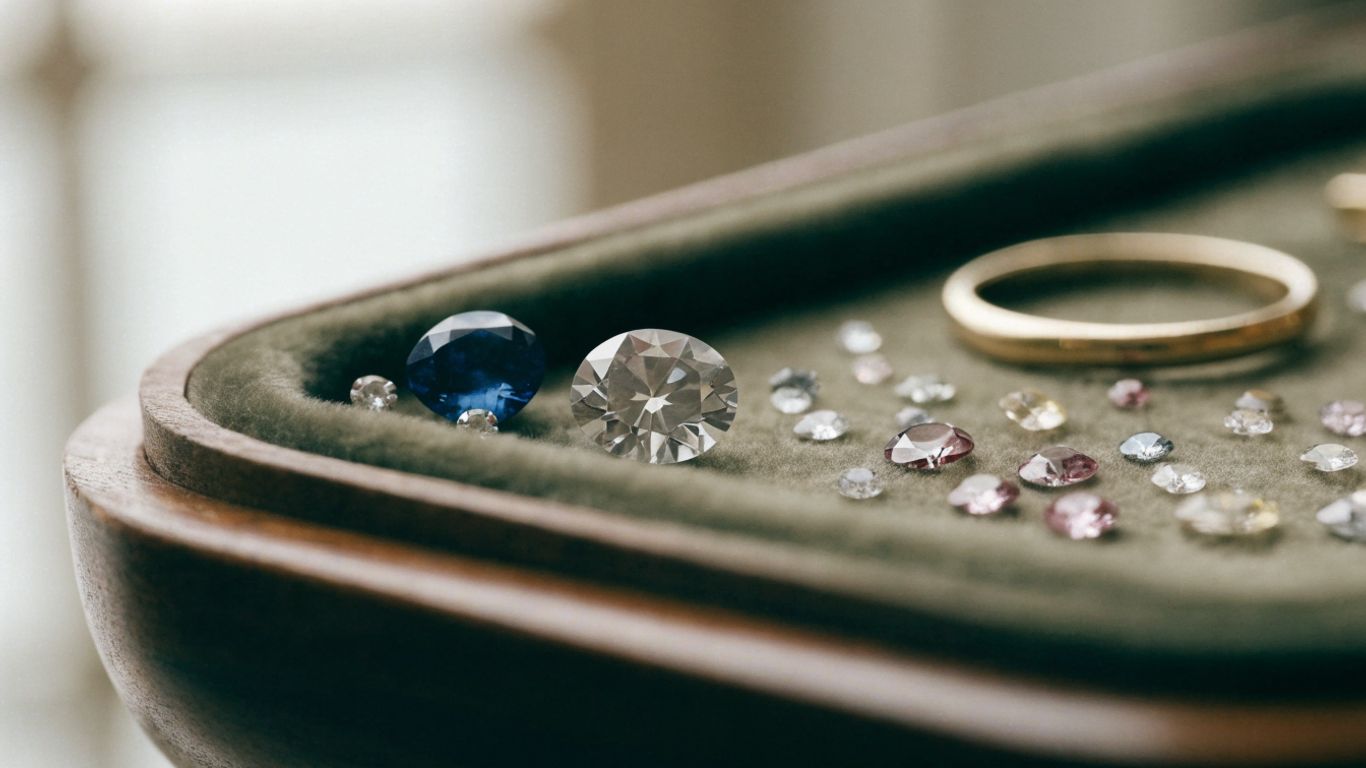
The center stone influences the ring’s appearance, price, and the questions you will want answered before buying. Diamonds are a common choice, but natural and lab-grown stones are not the only possibilities. Consider the wearer’s taste alongside your budget, then compare stones using consistent information. Seeing options in person, when practical, can make differences in shape and sparkle easier to understand.
Compare natural and lab-grown diamonds
Natural and lab-grown diamonds differ in origin, so ask the seller to identify which type is being offered and provide the relevant grading documentation. The choice is personal: you may weigh origin, price, appearance, or other considerations differently. Aukera offers lab-grown diamond jewellery online, which is one example of a retailer describing its lab-grown range. Compare individual stones rather than assuming that origin alone tells you everything about their cut, color, clarity, or value.
Understand the 4Cs and which qualities matter most to you
The 4Cs—cut, color, clarity, and carat weight—give you a shared language for comparing diamonds. Their relative importance is a matter of preference: a buyer may care most about brilliance, while another values a particular size or a clean appearance to the unaided eye. Ask for the grading details and view stones under more than one lighting condition if possible. For a wider explanation of diamond options and buying considerations, see this diamond ring guide.
Consider gemstones and alternative center stones
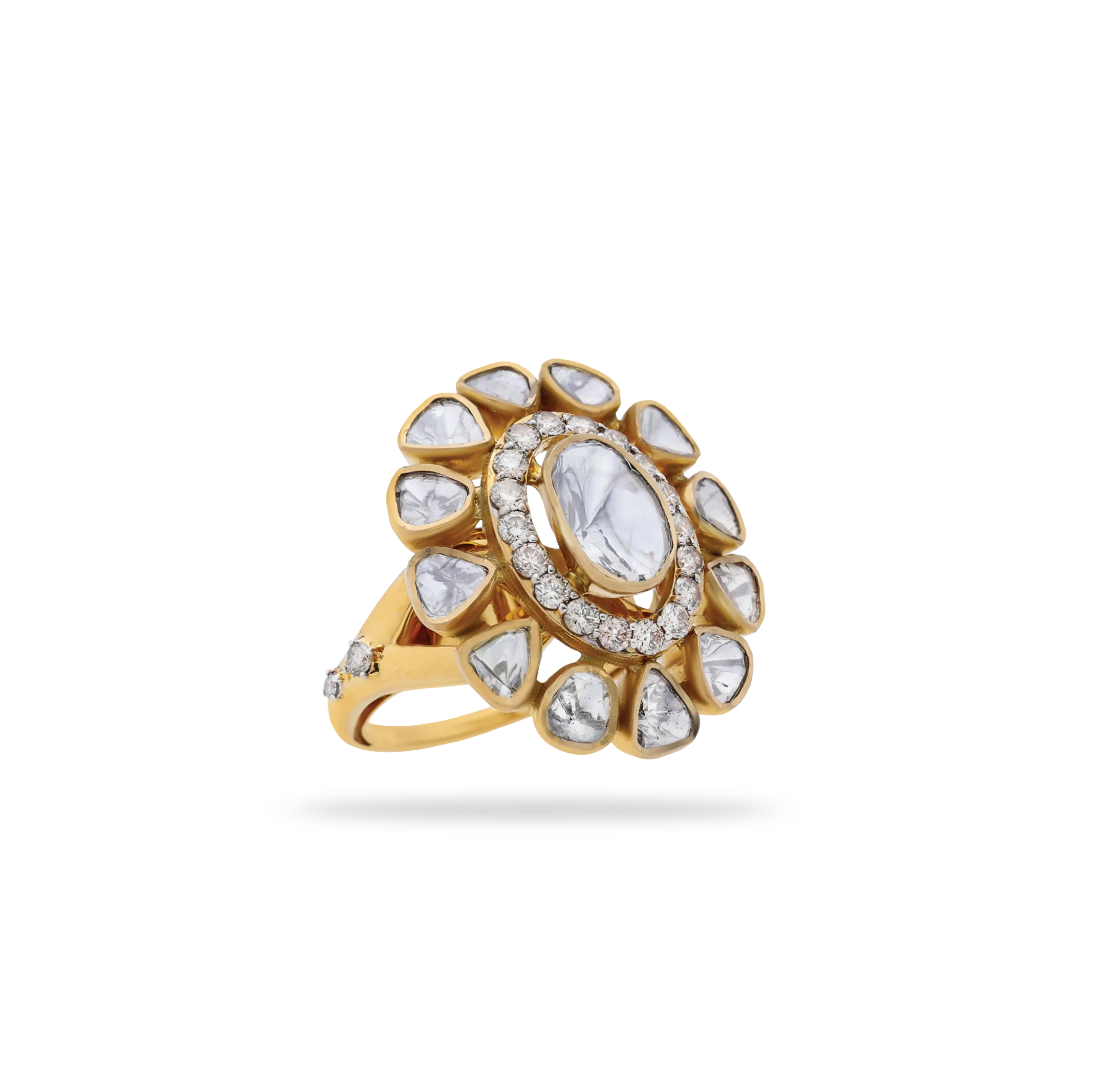
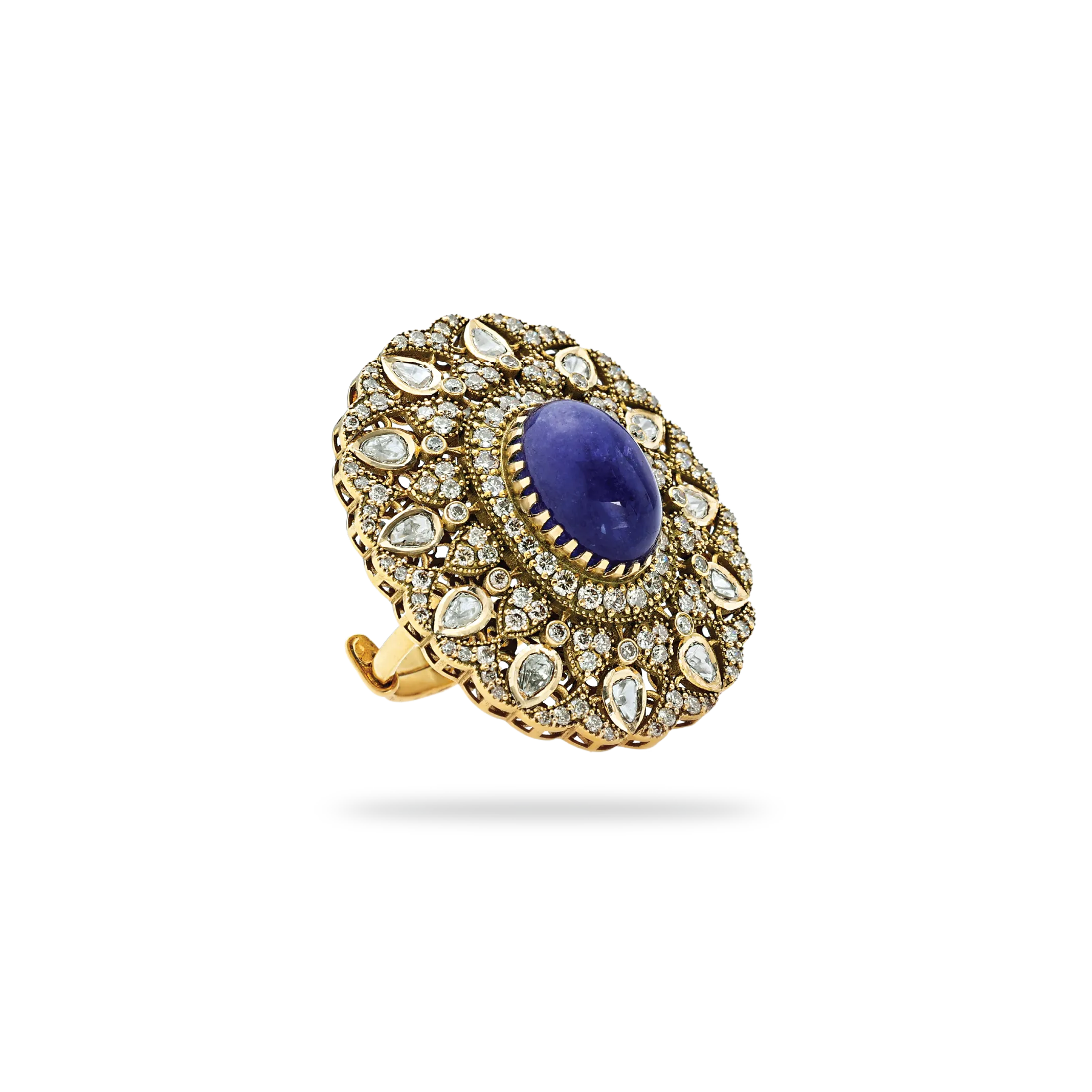
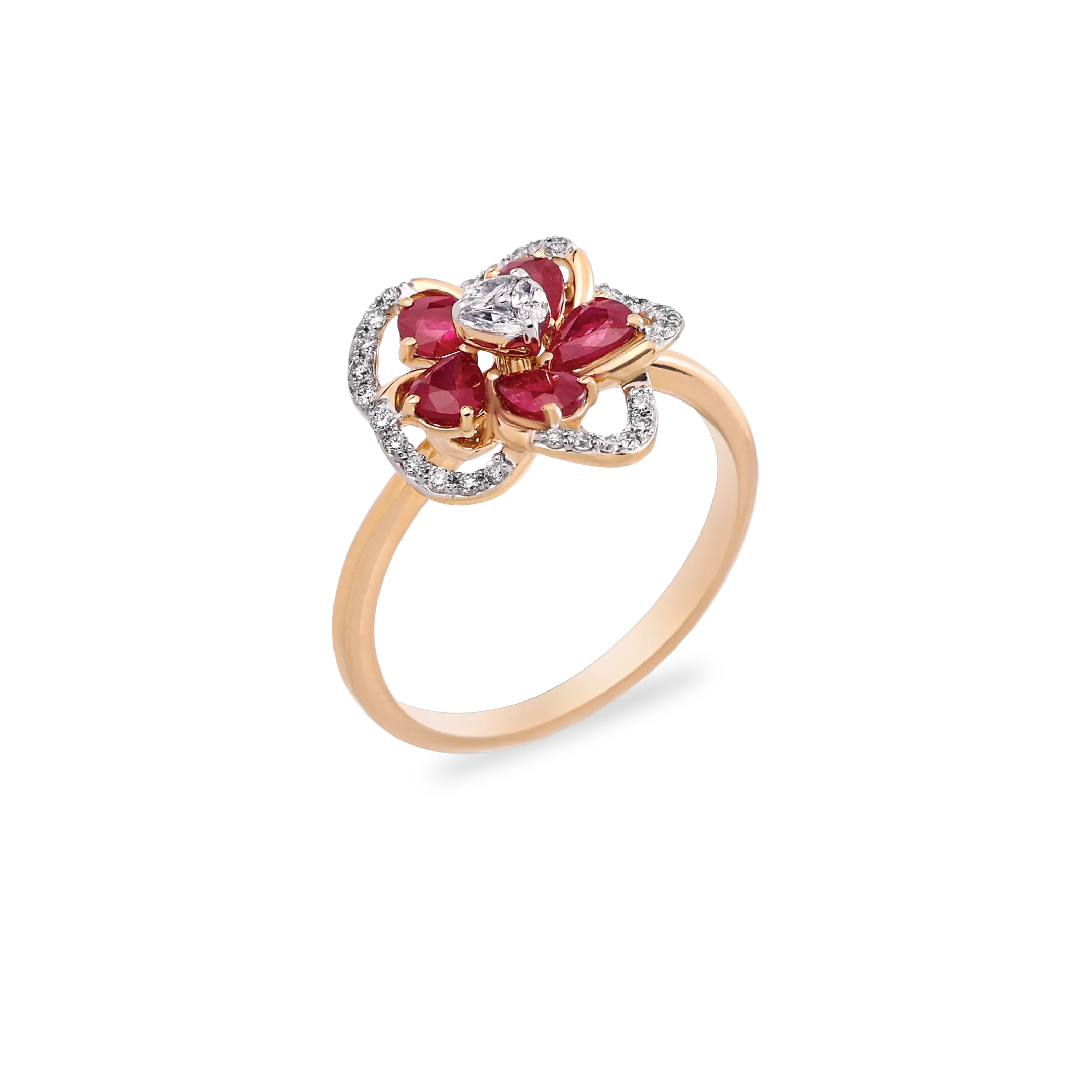
A diamond is not the only way to make an engagement ring feel personal. Sapphires and other gemstones offer different colors and visual character; the right option depends on the wearer’s taste and how the ring will be used. Ask about the stone’s care needs and any available documentation, since gemstone properties and seller information can differ. A colored center stone can also be paired with a simple setting if you want the color to lead the design.
Find a style that suits the wearer
A ring should feel connected to the person who will wear it, not just to a photograph or a trend. Pay attention to the jewelry they already choose, including its shapes, metal color, and level of detail. Think about how the ring might sit beside other pieces they wear regularly. A few considered style choices can narrow the search without making it feel overly prescriptive.
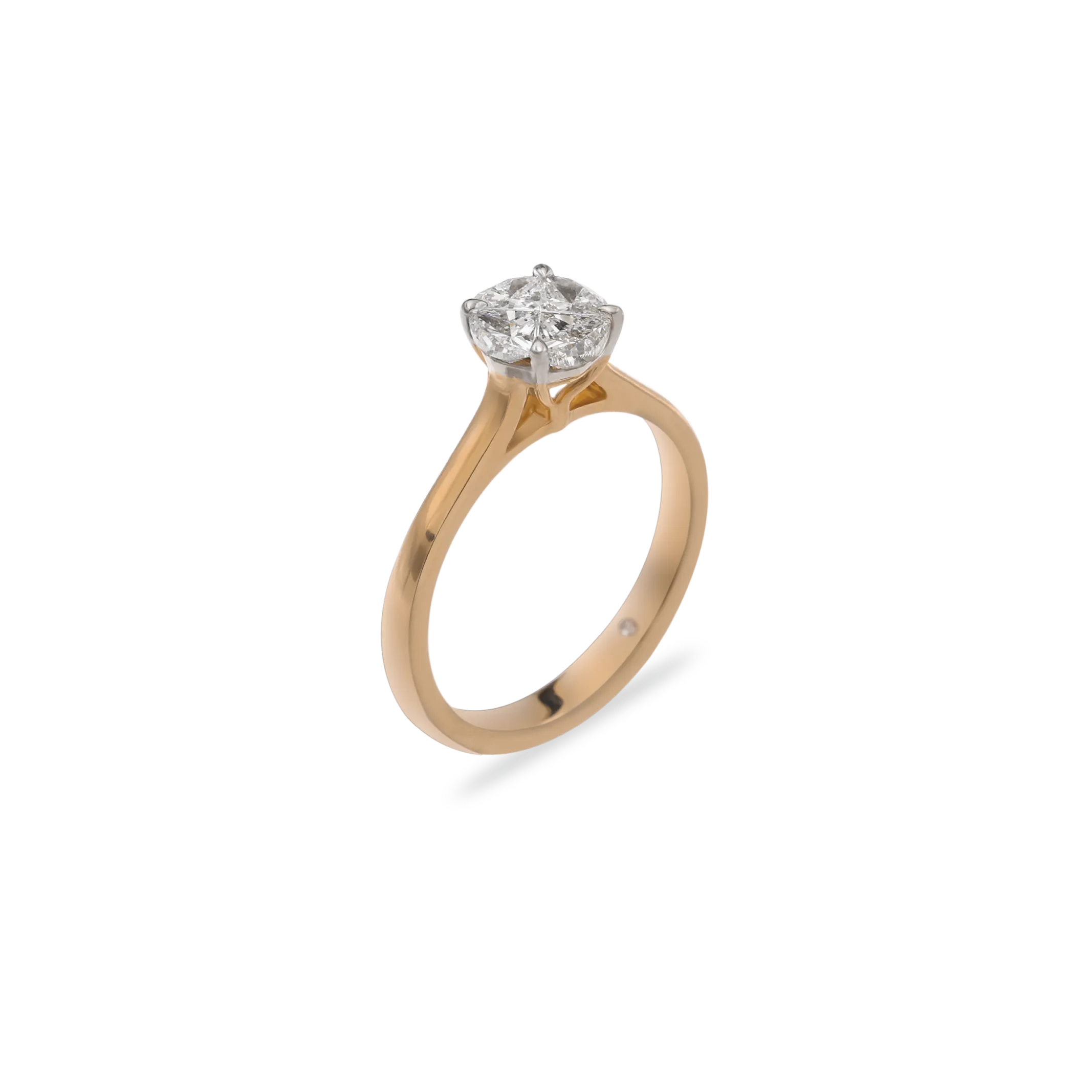
Explore solitaire, halo, and three-stone designs
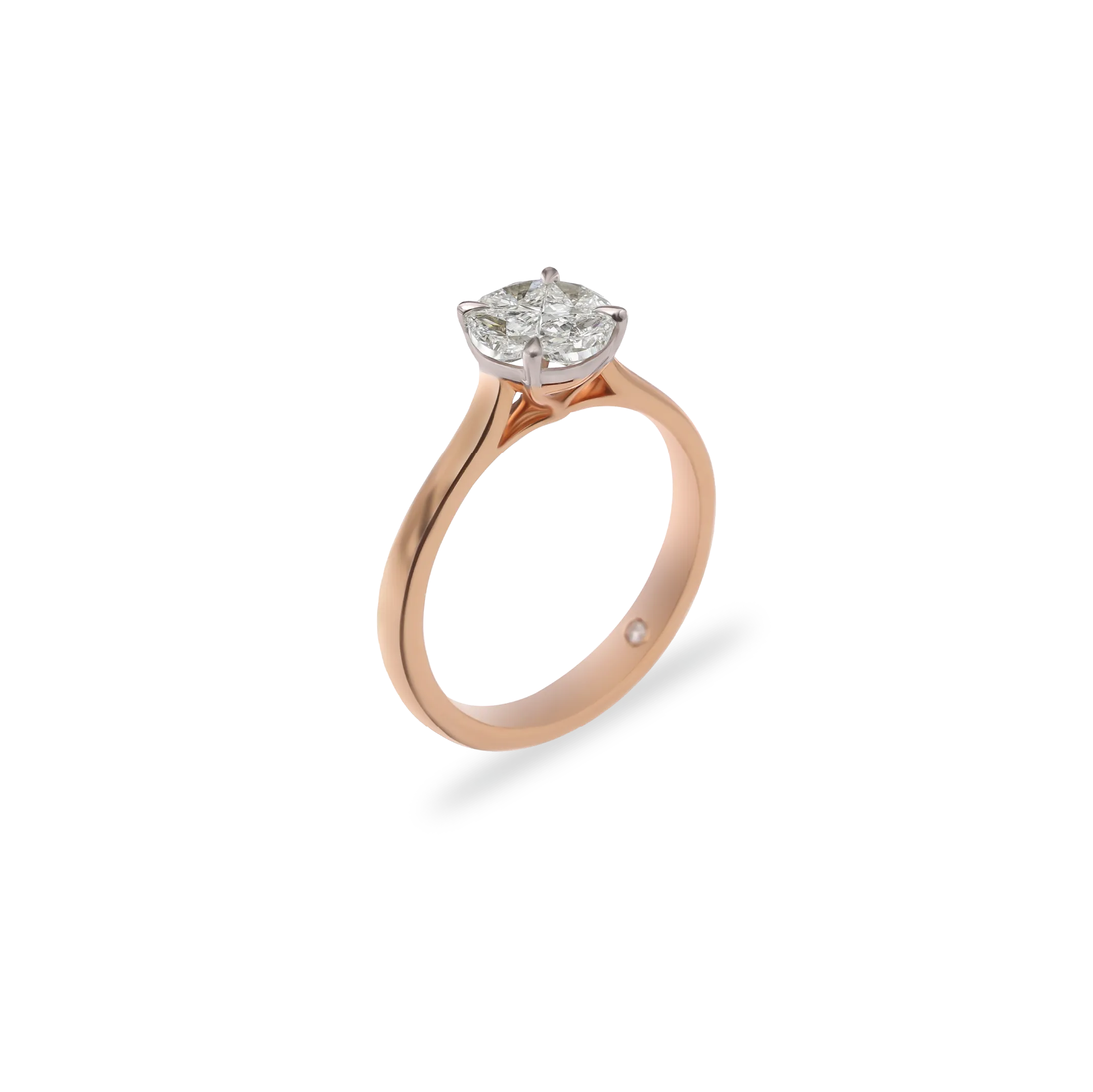
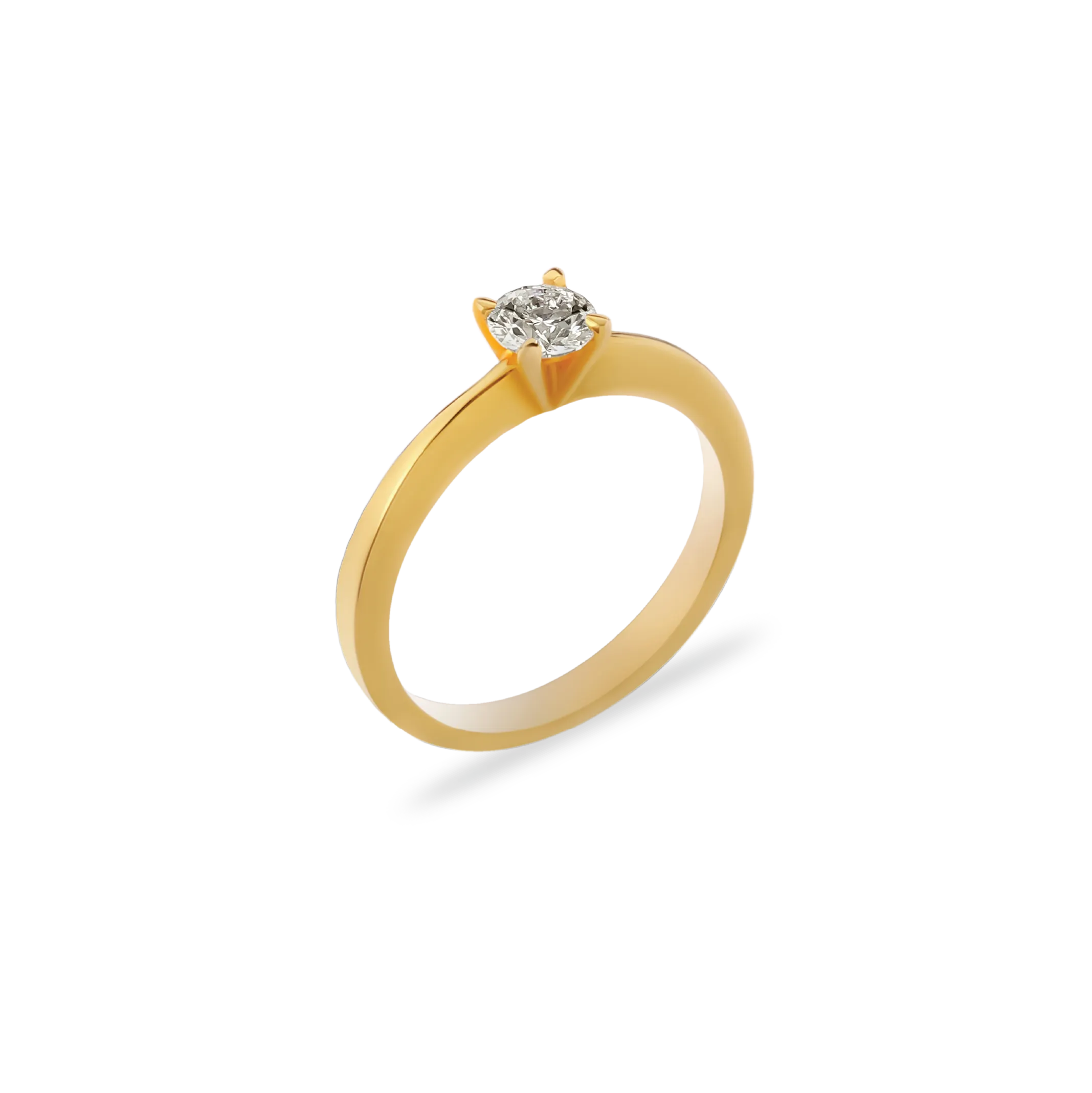
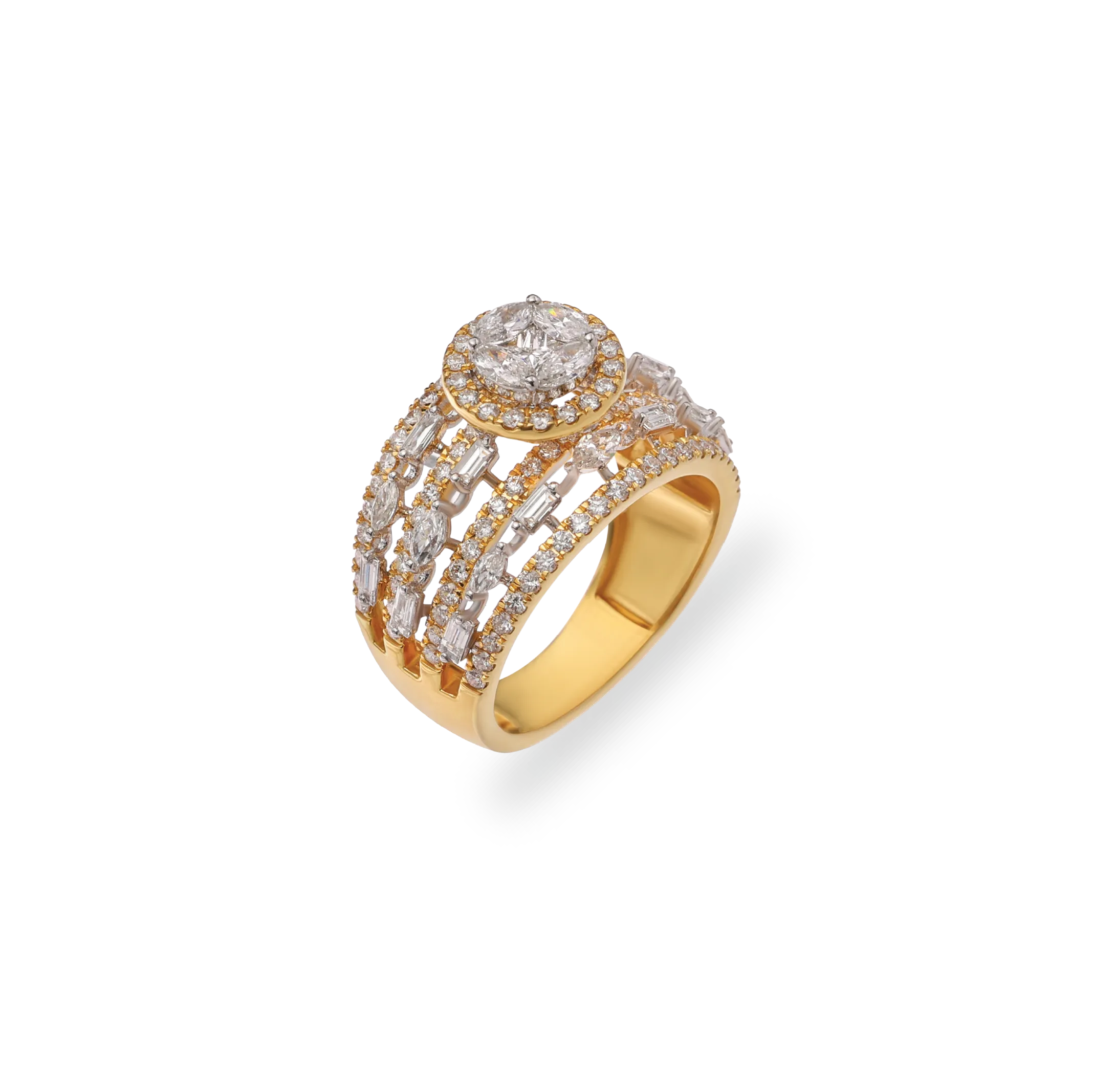
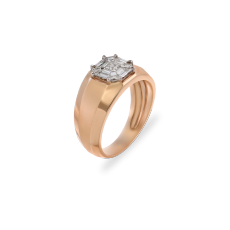
A solitaire keeps attention on one center stone, while a halo places smaller stones around it; a three-stone design pairs the center with stones on either side. Each arrangement creates a different look, so compare actual rings rather than relying on labels alone. CaratLane describes engagement ring options that include solitaire, halo, sapphire, and custom designs. Use examples as inspiration, then judge whether the scale and details feel right for the wearer.
Match the setting to everyday habits and comfort
Setting height, edges, and the way a ring sits on the finger can affect comfort as much as appearance. Consider the wearer’s work, hobbies, and preference for simple or detailed jewelry; a setting that catches on clothing may be less convenient for some routines. Try the ring on if possible and notice whether it feels balanced, secure, and easy to wear. A ring-size guide also explains why fit and design details deserve attention together.
Compare gold, platinum, and other metal options
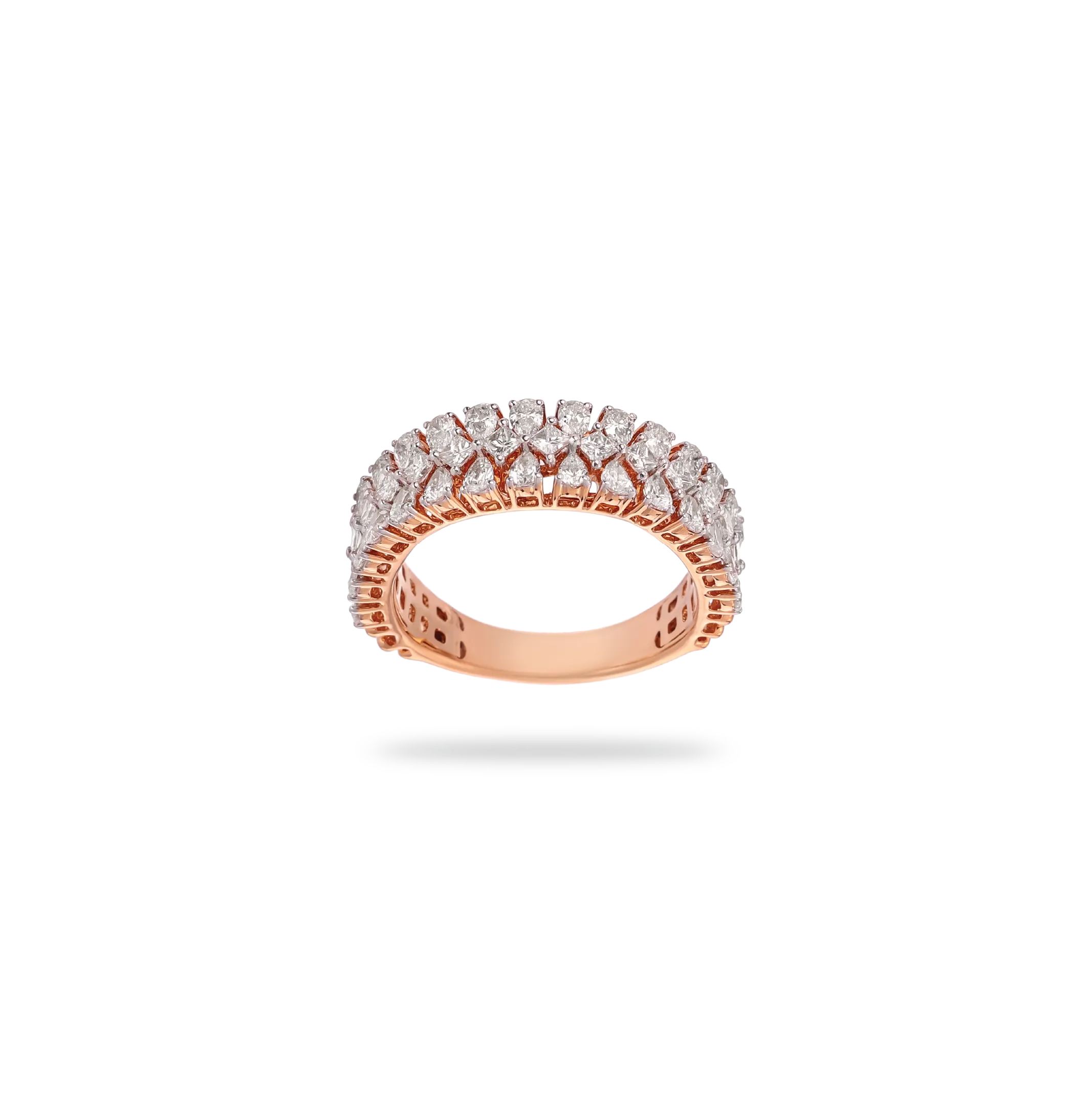
Metal changes the ring’s color, feel, and price, so compare the options in person if you can. Gold and platinum are common choices, and gold may appear in different colors; the best match often depends on the wearer’s existing jewelry and preferences. Ask about metal purity, care, and any markings or documentation that accompany the ring. Pick a finish that feels natural with the wearer’s other pieces rather than choosing by trend alone.
Explore shopping options in Bangalore
Shopping in Bangalore can involve visiting showrooms, independent boutiques, or browsing online, and each approach has different practical advantages. A store visit lets you handle rings and ask questions face to face, while online browsing can make it easier to compare listed details at your own pace. Some shoppers combine both: research first, then visit to check fit and appearance. Keep a short list of questions so each conversation helps you make a fair comparison.

Compare in-store jewellers, boutiques, and online retailers
In-store visits can help you judge proportions, comfort, and color in person; online listings may be useful for narrowing choices before you travel. Some retailers describe both online shopping and showroom access: Ivana Jewels, for example, offers certified lab-grown diamond jewellery online and refers to showrooms across India. Check what is available for the particular ring you are considering, and do not assume every design or service is offered at every location. A local jewellery store selection guide can also help frame what to compare when choosing where to shop.
Check store policies before visiting or ordering
Before making a trip or placing an order, read the policies for returns, exchanges, resizing, repairs, delivery, and payment. Confirm whether the terms apply to customized rings or only to ready-to-wear designs, and ask for clarification in writing when anything is unclear. Policies can shape the real value of a purchase as much as the ring’s specifications. A few minutes spent checking them now may prevent an unwelcome surprise later.
Ask about custom designs and locally available services
If you have a particular idea, ask whether the seller can make or modify a design and what information they need to quote it. Find out how long the process takes, whether you can review a design before production, and which changes are possible after approval. Also ask about locally available sizing, cleaning, and repair services, since convenience matters after the sale. Clear answers help you decide whether a custom route suits your timeline and budget.
Evaluate quality and value
A ring’s appearance is only part of the decision; the documentation, construction, and terms matter too. Compare like with like, especially when stones differ in more than one grading detail. Ask to see the information that supports the quoted price, and take time to inspect the ring itself. Careful comparison is more useful than relying on a broad promise of quality.
Review grading reports and stone specifications
Ask whether the center stone has a grading report and check that the report details match the stone being offered. Review the stated cut, color, clarity, carat weight, and any other specifications relevant to that stone, rather than relying on a verbal summary alone. Certification and grading are useful reference points, but they do not replace your own preferences about appearance. Keep the report and purchase documents together for future reference.
Inspect craftsmanship, setting security, and finishing
Look closely at how the stone is held, whether the prongs or other setting elements appear even, and whether the band feels smooth against the skin. A practical inspection is easier when you know what to look for, so consider these points during a showroom visit or when examining a delivered ring:
- Check the setting from several angles for visible unevenness.
- Run a fingertip gently along the band to notice rough edges.
- Ask how the seller checks that the stone is secure.
- Confirm that the ring’s finish matches the design you selected.
These checks are not a substitute for a jeweler’s assessment, but they help you ask more specific questions. If something looks or feels off, pause and request an explanation before completing the purchase.
Compare itemized quotes, warranties, and return terms
Request an itemized quote that identifies the stone, metal, making charges, and any other listed costs. Then compare the warranty, return or exchange terms, and after-sales services alongside the total; two prices may not cover the same things. Read the written terms carefully, especially for custom work or special orders. A clear quote and policy set makes it easier to choose on value rather than on a headline price alone.
Finalize the fit and purchase
Once you have a shortlist, give the final checks as much attention as the design decision. A ring should fit comfortably, arrive with the right documentation, and come with terms you understand. Confirm the details before paying, especially if the ring is being resized or made to order. Keeping a record of what was agreed makes the handover simpler.
Get the correct ring size and confirm resizing options
A ring should pass over the knuckle with some resistance and sit securely without feeling uncomfortable. Finger size can shift with temperature, and a wider band may feel different from a narrow one, so try the specific design when possible. If the purchase is a surprise, seek a discreet way to estimate size, then confirm what resizing options exist before you commit. Ask whether a change could affect the design or the setting.
Review payment, delivery, and documentation details
Before paying, confirm the final amount, payment method, delivery date or collection plan, and what documents will accompany the ring. Check that the order description matches the agreed stone, metal, size, and design, particularly for a custom piece. Keep receipts, grading information, and warranty terms somewhere safe. Those records can be useful if you need service or want to arrange insurance later.
Plan cleaning, inspection, and ongoing care
Ask how the ring should be cleaned and whether any products or methods should be avoided. Find out whether the seller offers inspection or maintenance services and how often they recommend checking the setting. Regular gentle care can help keep the ring presentable, while prompt attention to a loose stone or damage may prevent a larger problem. Follow the guidance for the materials and stones in your specific ring.
Conclusion
The right engagement ring is one that fits both the wearer and the choices you can make comfortably. By comparing stones, design, fit, documentation, and store terms with care, you can shop in Bangalore with a clearer sense of what matters and choose a ring that feels considered rather than rushed.
Frequently Asked Questions
How much should I spend on an engagement ring?
Choose an amount that fits your finances and priorities rather than following a spending rule. Remember to include potential resizing, insurance, and maintenance in your planning.
Are lab-grown and natural diamonds the same choice?
They differ in origin, and individual stones can also differ in their grading details and appearance. Compare the specific stone, documentation, and price, then decide which factors matter most to you.
What are the 4Cs of a diamond?
The 4Cs are cut, color, clarity, and carat weight. They help describe and compare diamonds, but your preferred balance among them is personal.
Which engagement ring style is easiest to wear every day?
Comfort depends on the wearer’s routine and the ring’s height, edges, and fit. Trying on the specific design can help reveal whether it feels practical for daily use.
How can I find the right ring size discreetly?
You might borrow a ring the wearer already uses on the same finger or ask someone close to help. Confirm resizing options with the seller, since the design can affect what adjustments are possible.
What documents should come with an engagement ring?
Ask for the receipt, any available grading report or stone specifications, and written warranty or service terms. Keep the documents together after purchase.
What should I check before ordering a ring online?
Review the item details, sizing information, return and resizing policies, delivery terms, and documentation provided. Contact the seller to clarify anything that is not explicit before paying.
Custom bridal jewellery in Bangalore: a guide to designing your wedding look
10 minute read
Related blogs:
November 20, 2025
The Timeless Elegance of the Tennis Bracelet: A Comprehensive Guide
Read More
November 20, 2025
The Ultimate Guide to Styling and Wearing a Choker Necklace
Read More
November 20, 2025
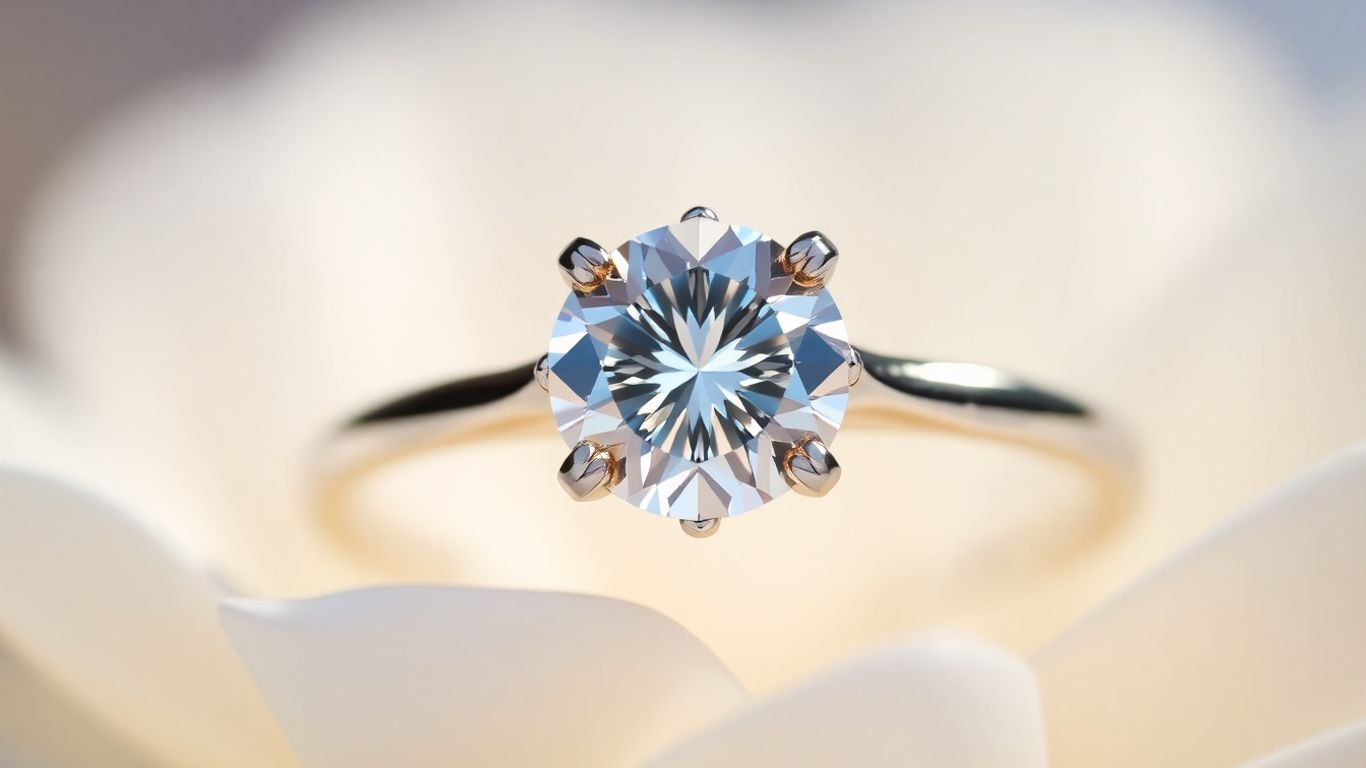
Find Your Perfect Engagement Ring: A Comprehensive Guide to Styles and Diamonds
Read More
November 20, 2025
The Timeless Elegance of a Diamond Tennis Bracelet: A Buyer's Guide
Read More