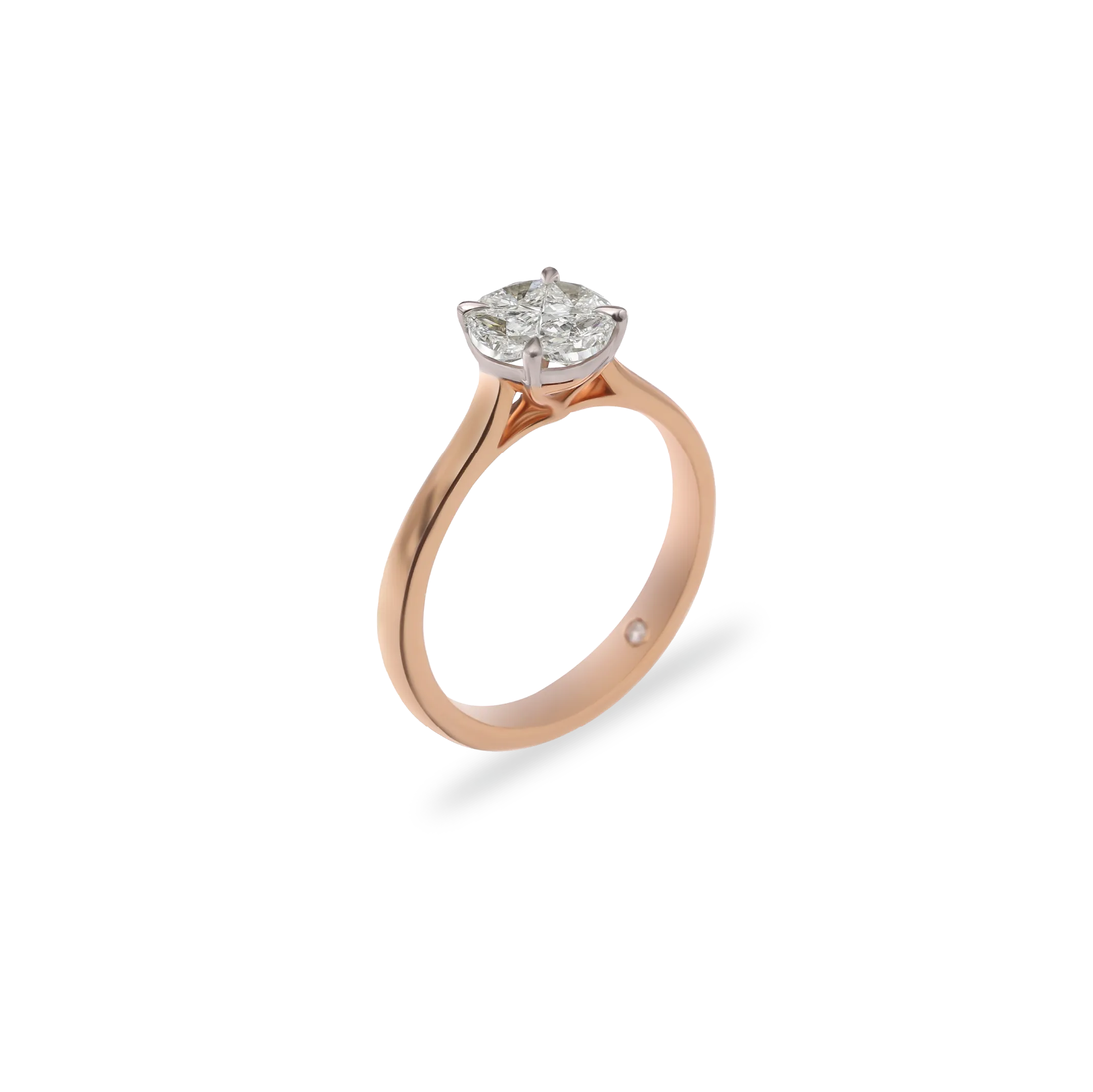
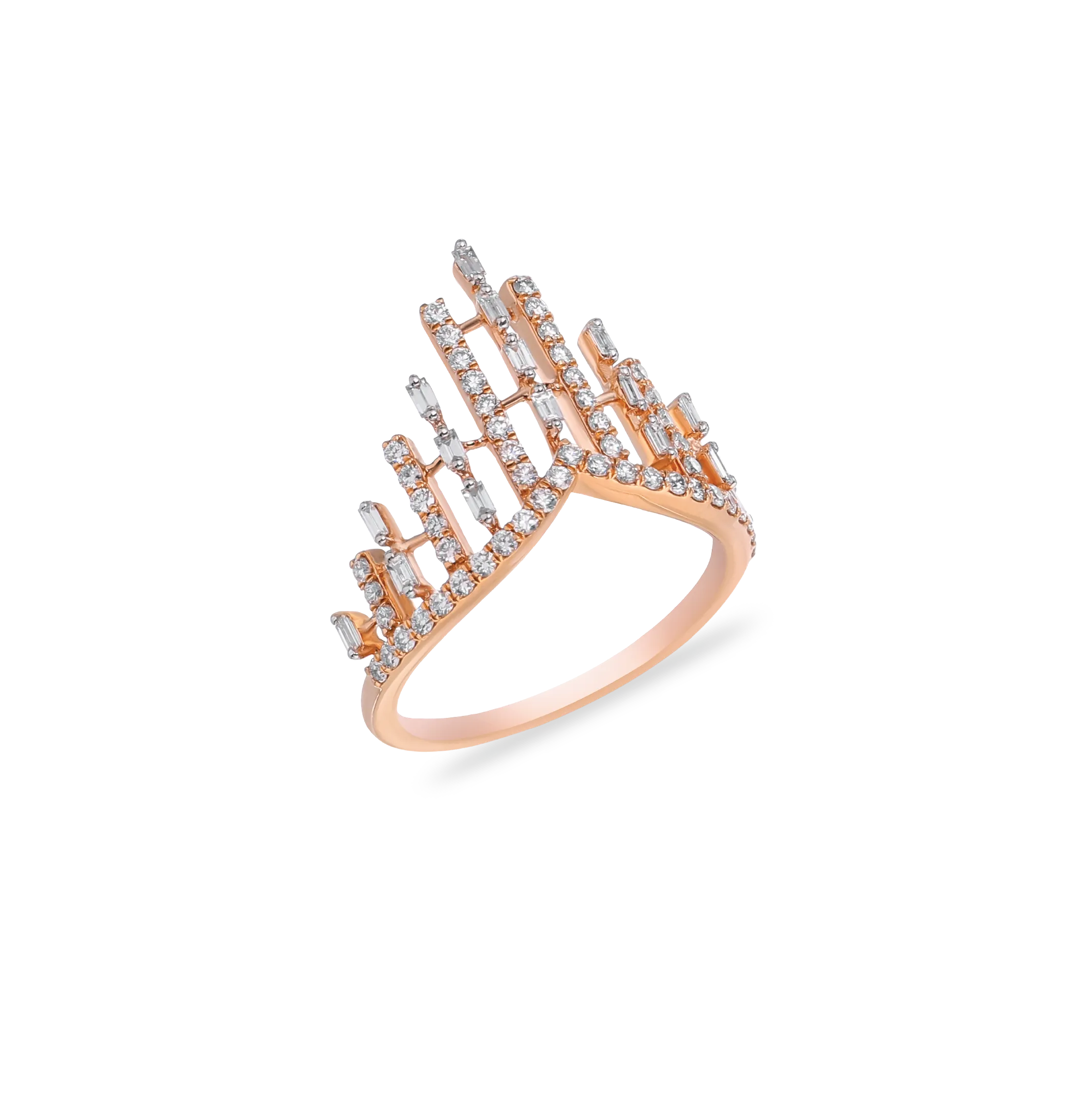
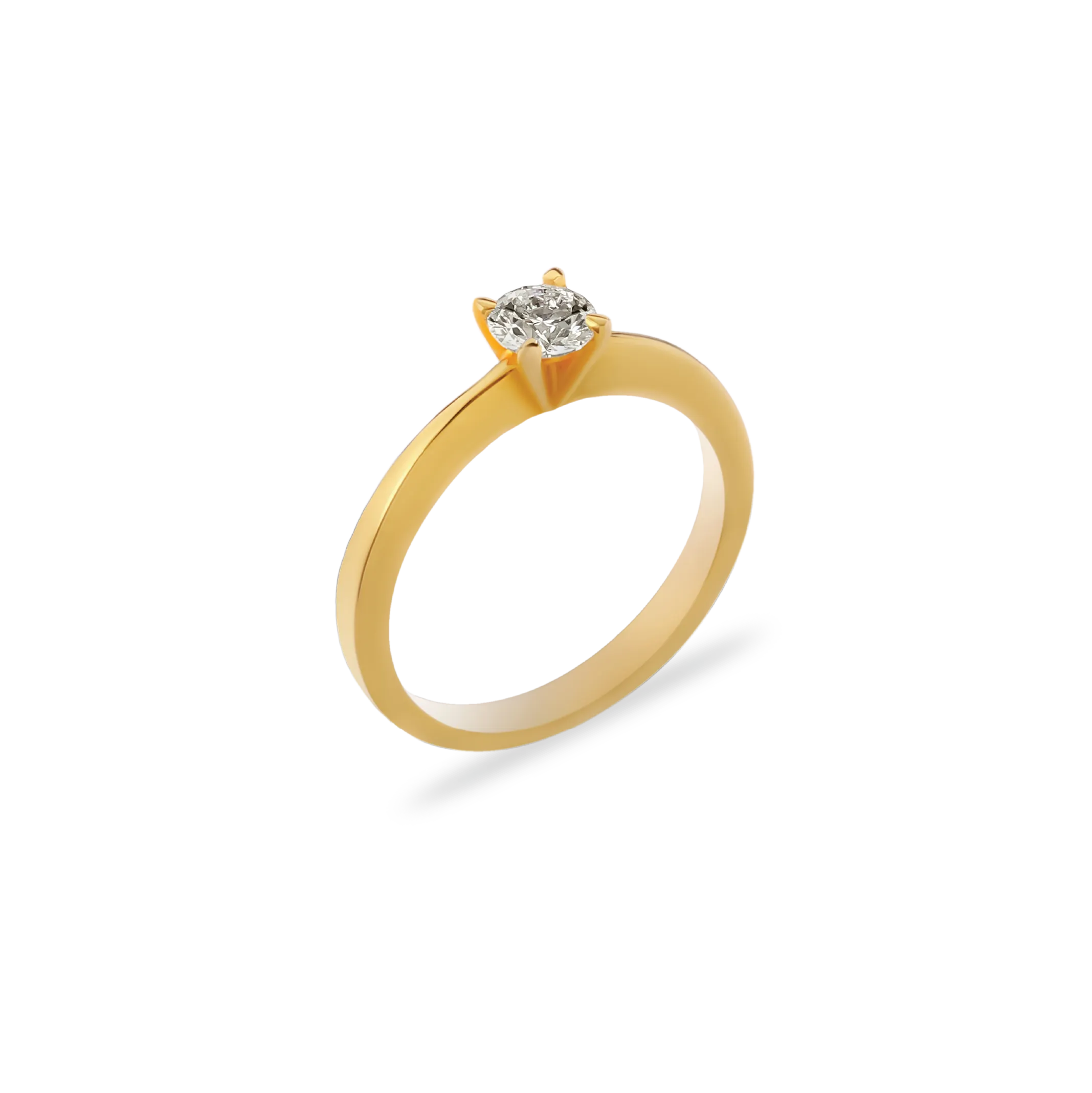
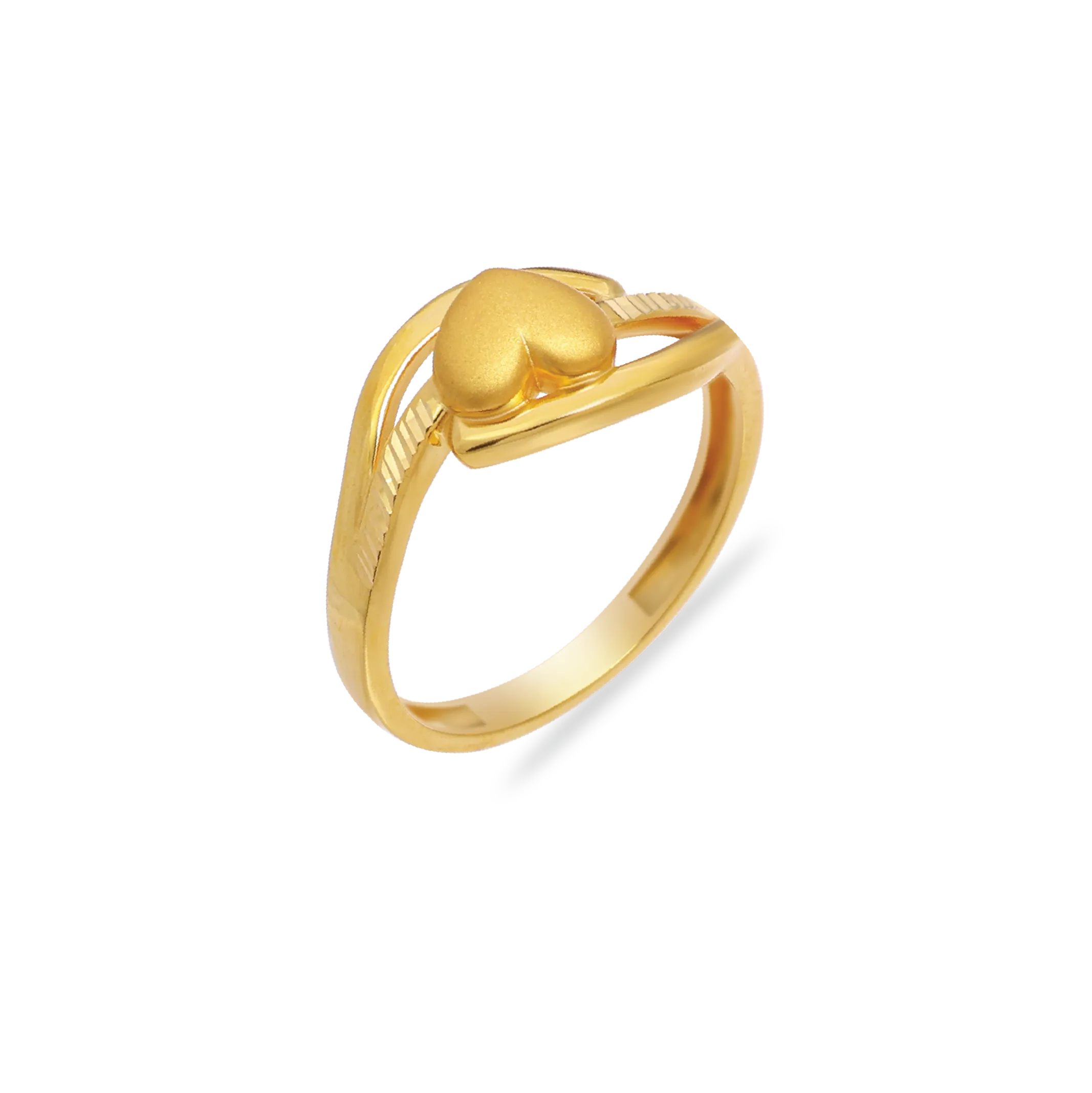
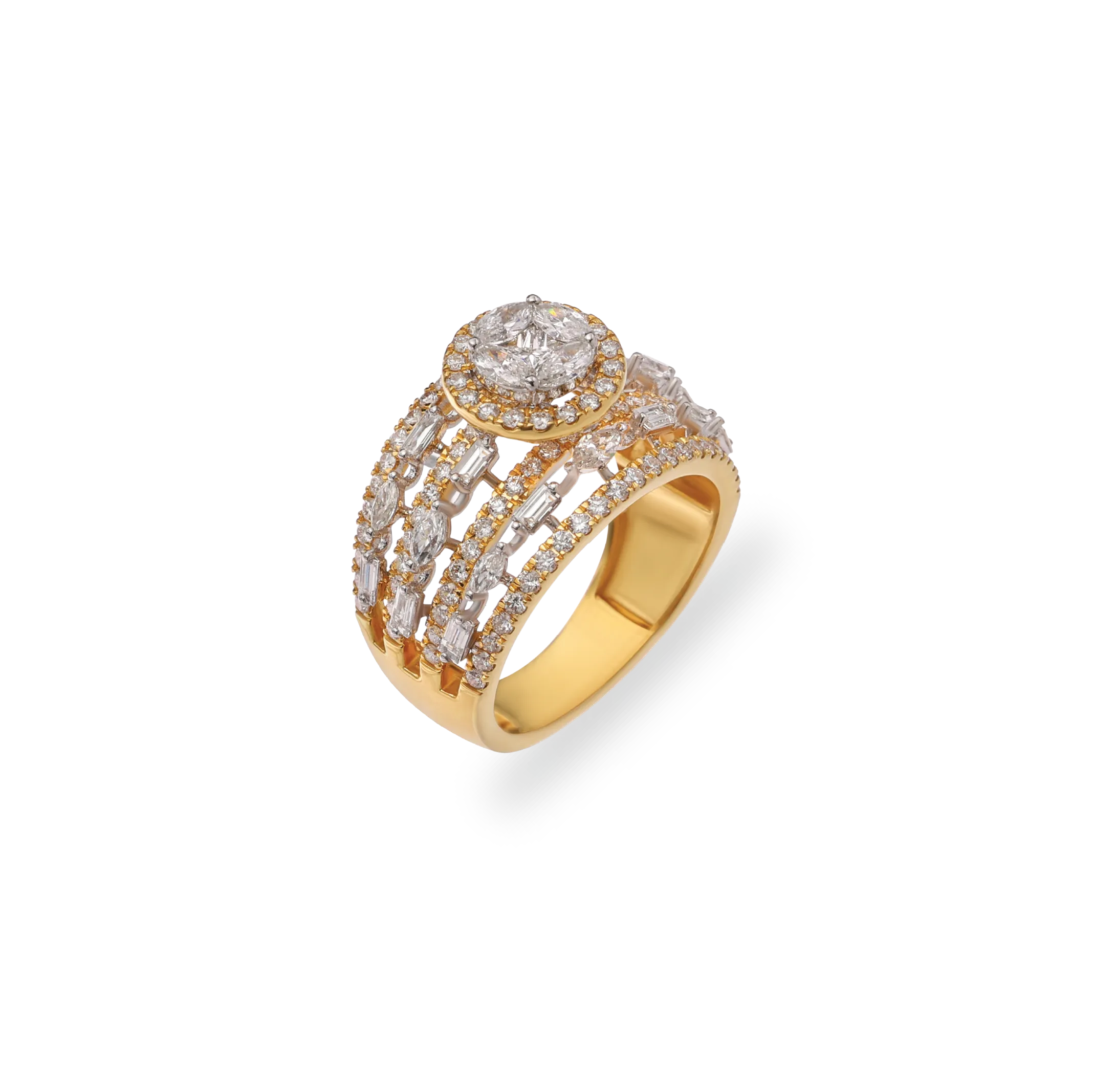
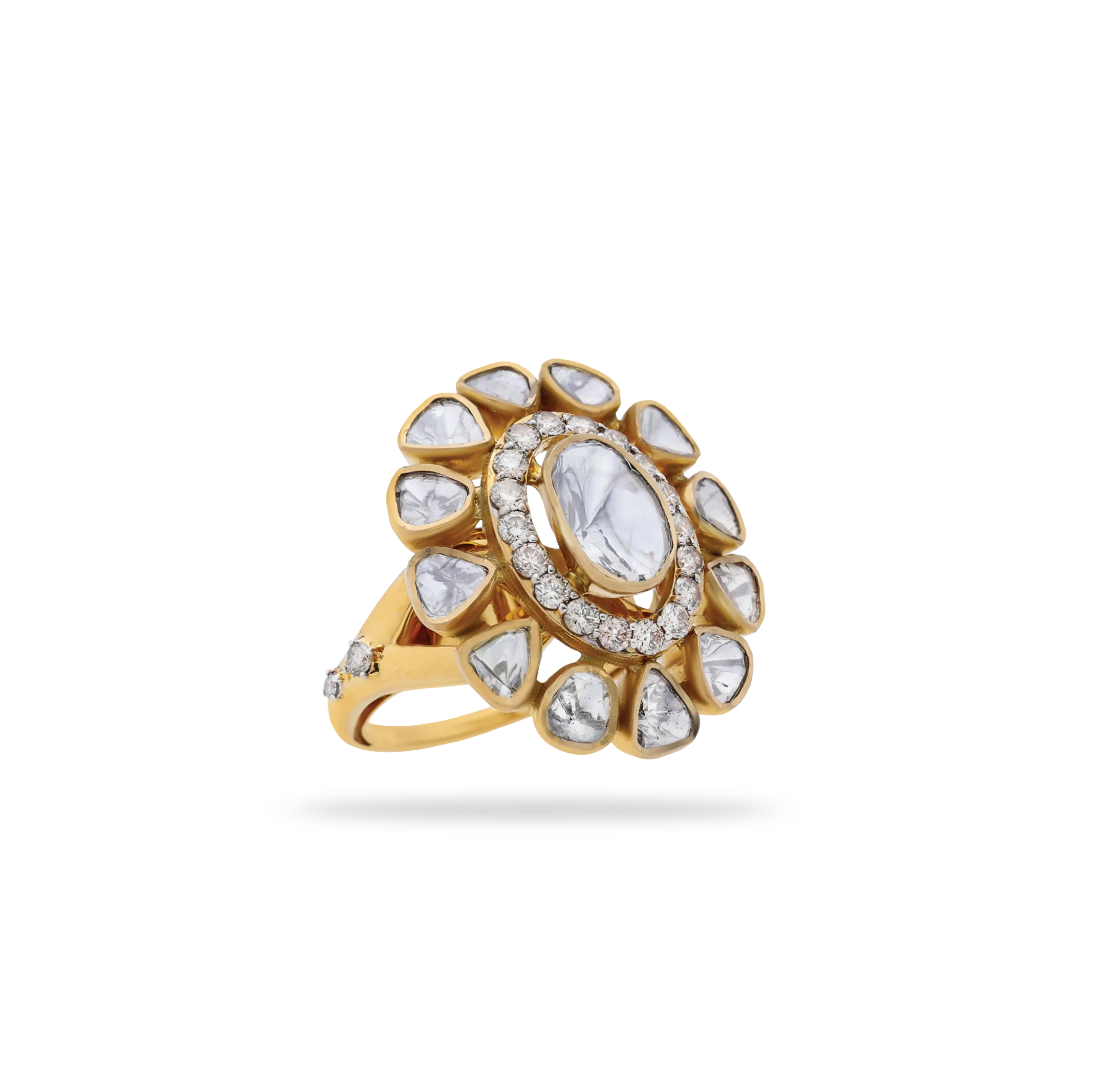
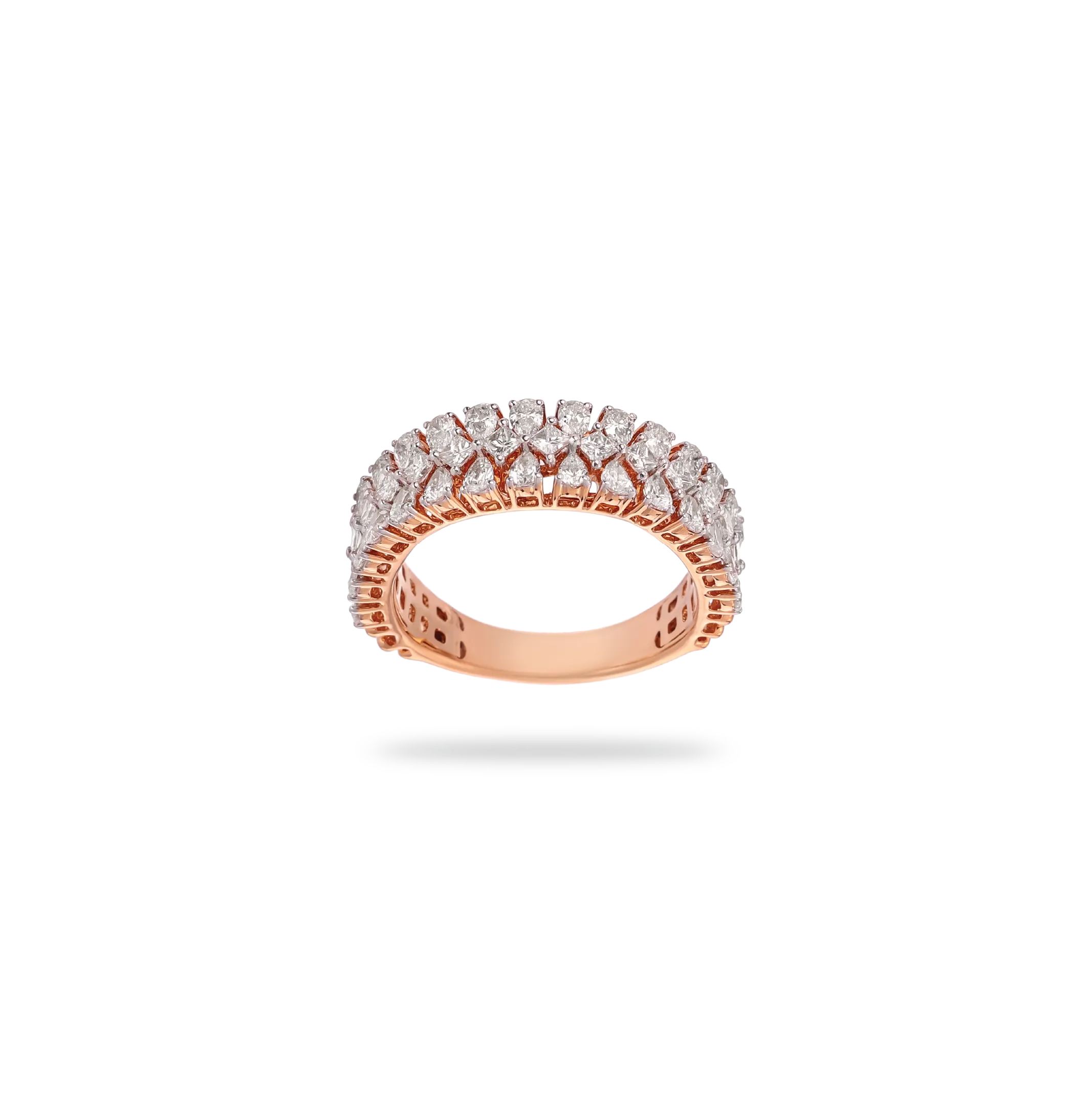
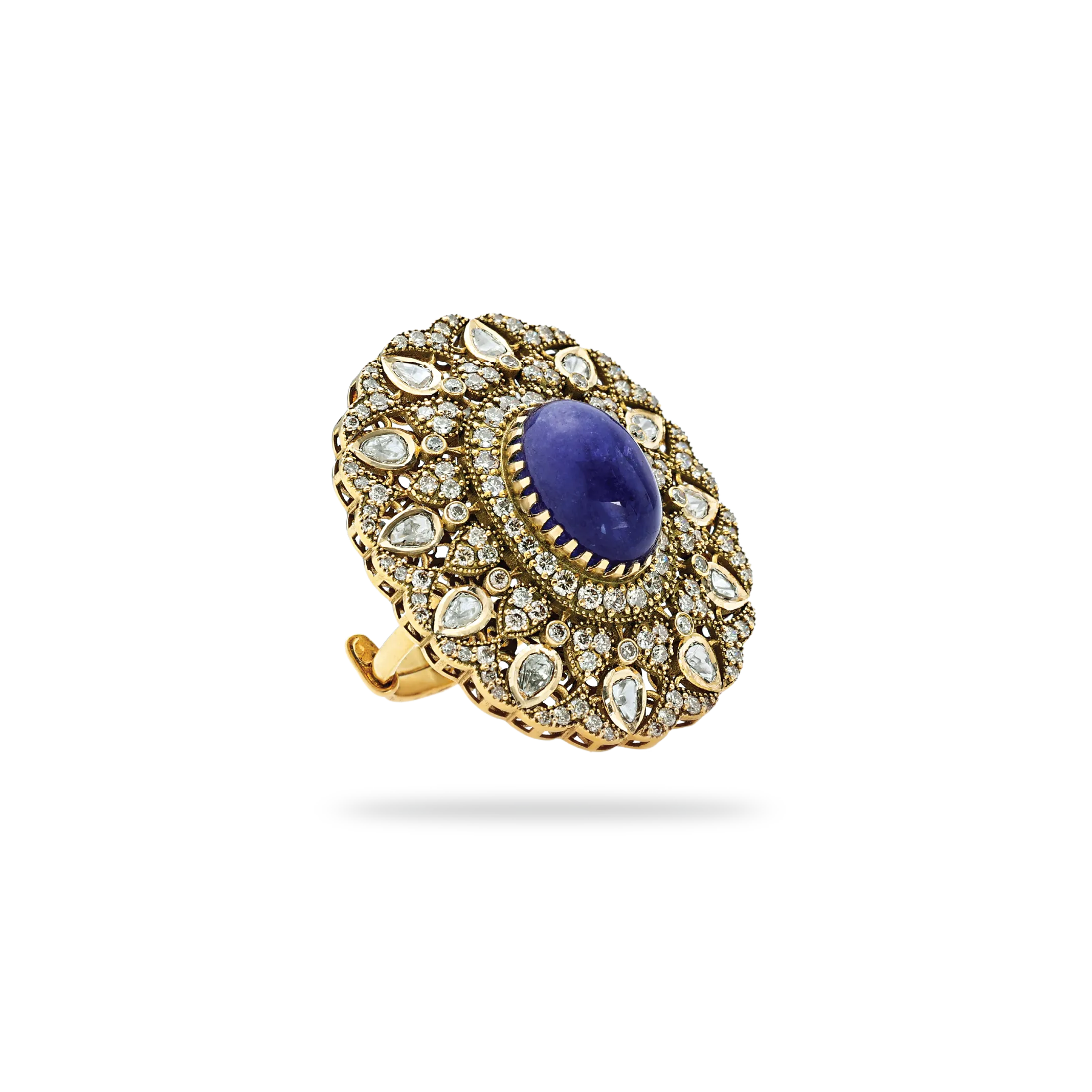
Engagement jewellery Bangalore: how to choose the right ring
October 23, 2026 | 10 minutes read
Key Takeaways
A thoughtful ring choice balances personal style with the practical details of wearing and buying it. Start with what matters most to the wearer, then compare the options in person where possible.
- Compare settings by appearance, security, and everyday comfort.
- Choose a center stone by weighing its appearance, documentation, and price.
- Set a budget that accounts for the whole ring, not only the stone.
- Compare jewelers on customization, clear policies, and after-sales support.
- Confirm the size, fit, and finished details before taking the ring home.
Understand engagement ring styles and settings
The setting shapes how a ring looks and how it feels on the hand. A useful starting point is to compare a few familiar designs, then consider whether their details suit the wearer’s routines. For more background on diamond engagement ring choices, look at how style, setting, and stone options fit together.
Compare solitaire, halo, and three-stone designs
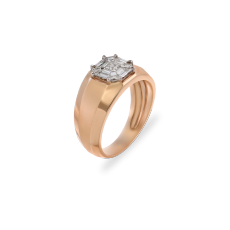
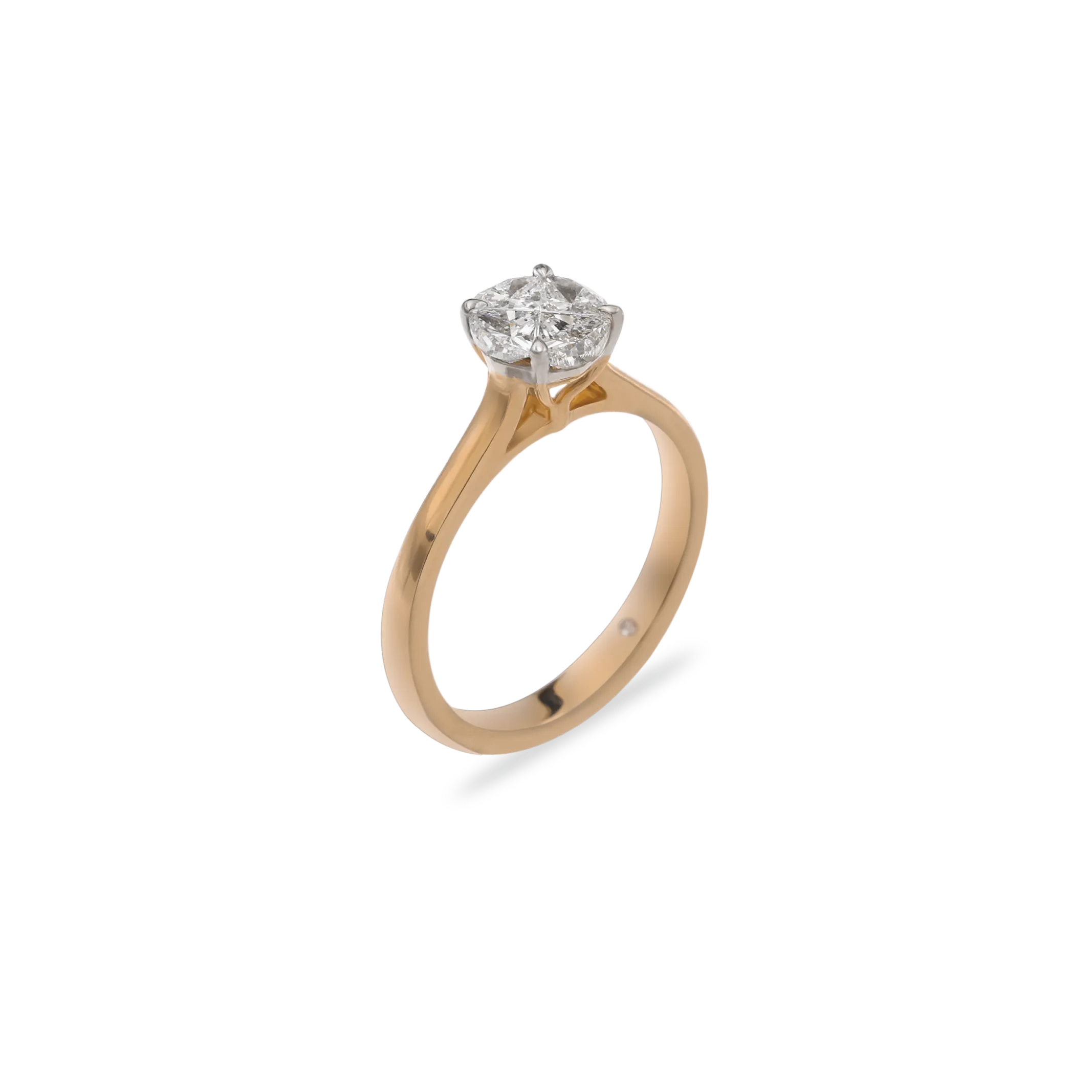
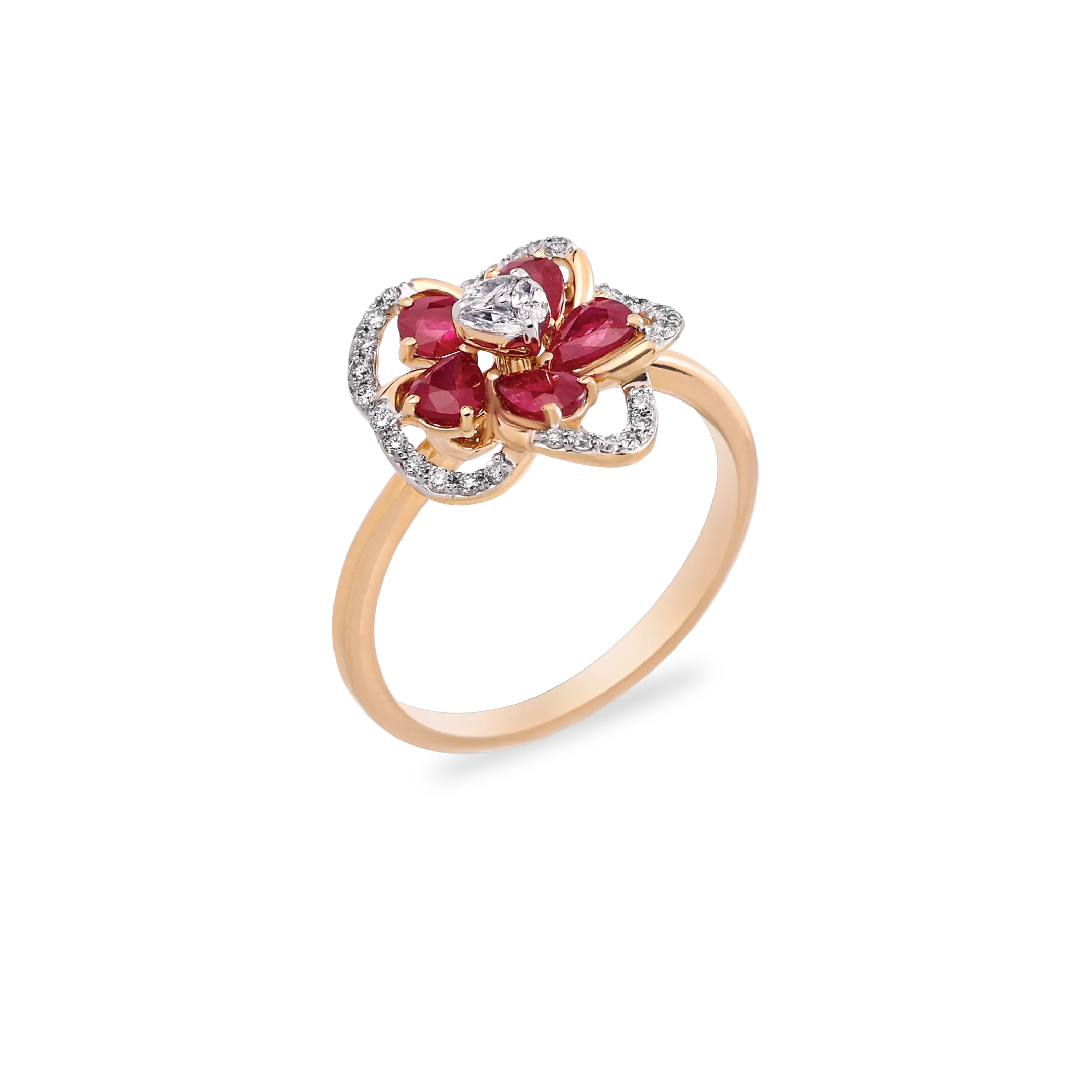
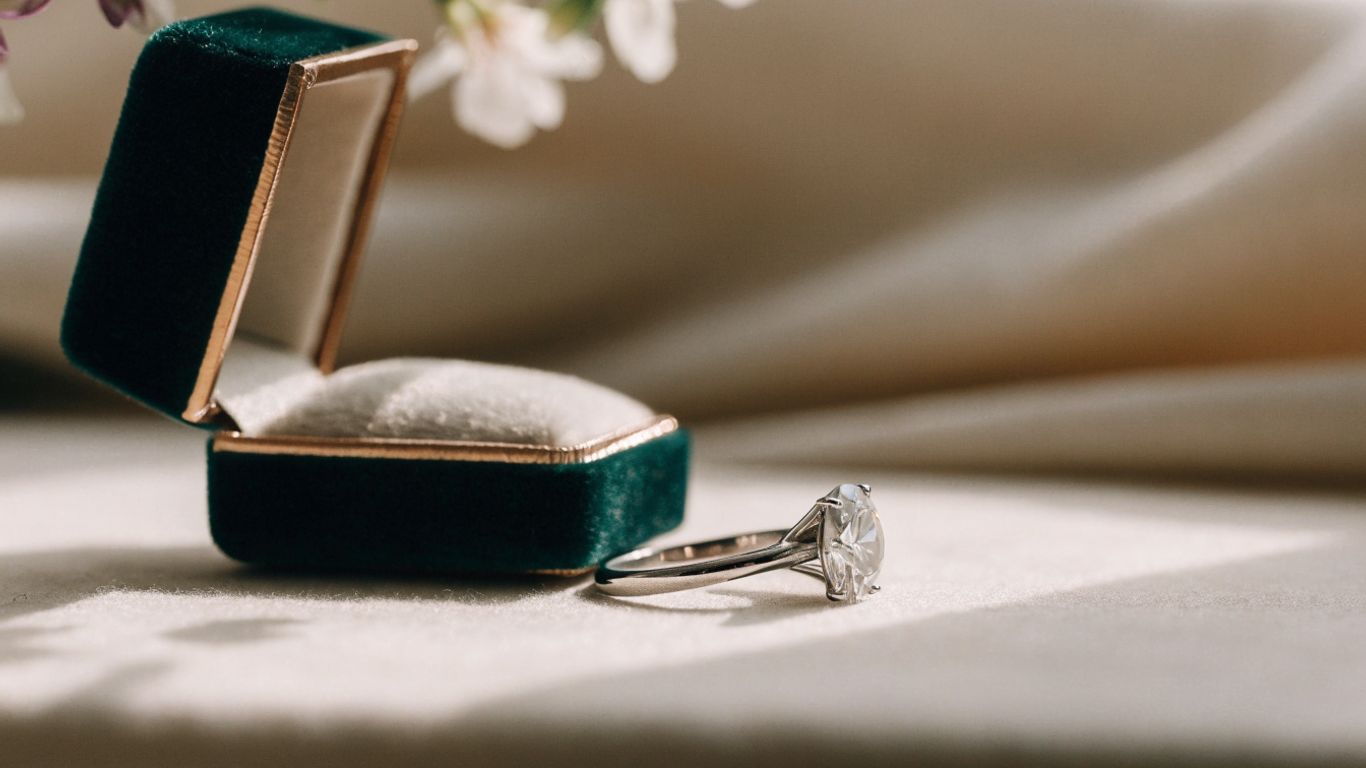
A solitaire puts one center stone in focus, while a halo surrounds it with smaller stones for a more decorated outline. Three-stone rings have a broader look across the finger and can carry a sense of symmetry. The best comparison is often not about which style appears most elaborate, but which one feels like something your partner would choose for themselves.
Choose a setting that suits everyday wear
A ring worn often should feel secure and comfortable through ordinary activities. Prongs lift a center stone and let light reach it, while a bezel setting wraps metal around its edge; each gives the ring a different profile and feel. Consider whether raised details might catch on clothing, and ask a jeweler how the chosen design should be cared for.
Match the ring style to your partner’s preferences
Pay attention to the jewelry your partner already wears: the metal color, shapes, scale, and level of detail can offer clues. If you are keeping the proposal a surprise, a quick look at their usual rings may reveal more than guessing from current trends. Personal style is the best guide; a ring that feels familiar to the wearer is more likely to become a favorite.
Choose a diamond or gemstone
The center stone affects the ring’s appearance, price, and care needs. Decide first whether a diamond is essential or whether another gemstone might better reflect your partner’s taste. When comparing options, use consistent information about the stone and its documentation rather than relying on how it looks under one set of store lights.
Compare natural and lab-grown diamonds
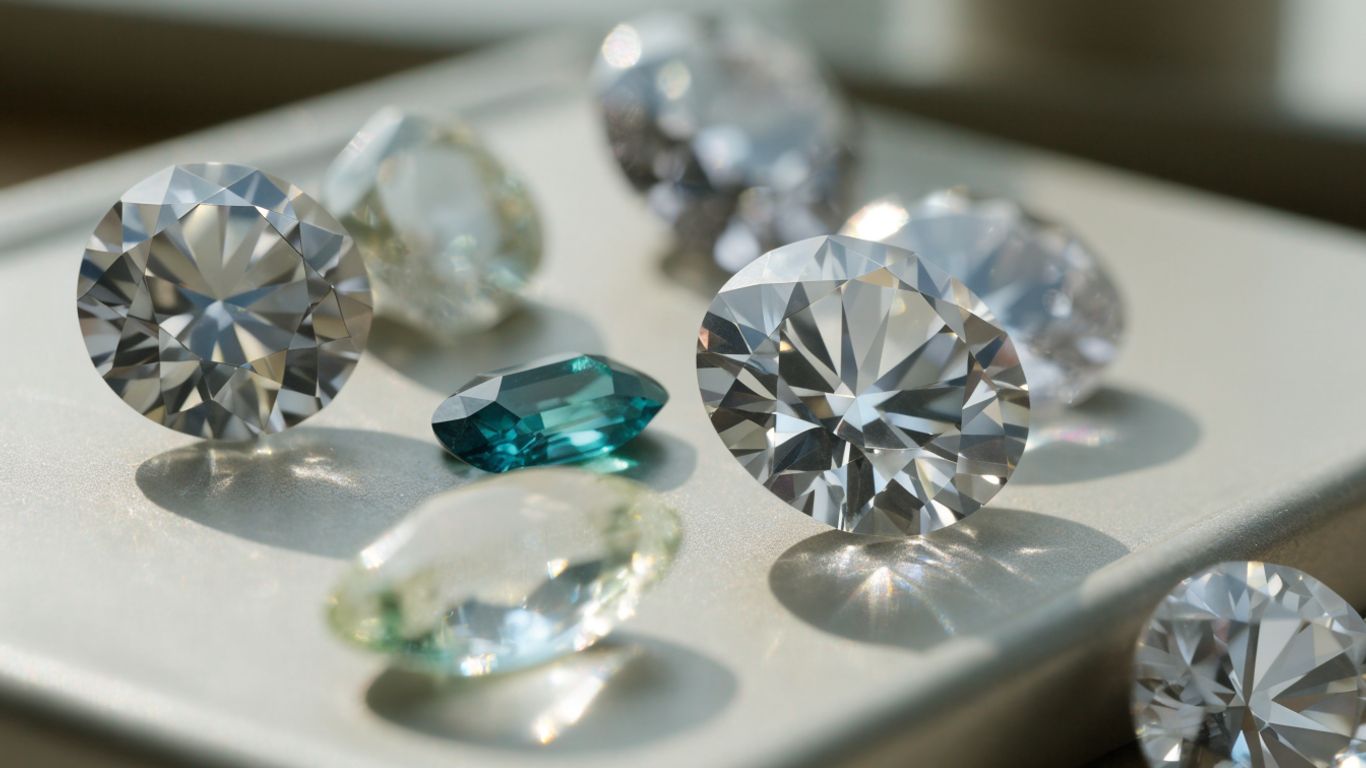
Natural and lab-grown diamonds are both diamond options, but their origins differ. Ask what documentation accompanies each stone, and compare the details that matter to you, including appearance, price, and availability in the preferred shape and size. Online pages for lab-grown diamond jewellery can be another point of comparison when you want to browse designs before visiting a showroom.
Evaluate cut, color, clarity, and carat weight
The four Cs offer a shared vocabulary for comparing diamonds, but they do not replace looking at the stone itself. Cut affects how a diamond handles light; color and clarity describe visible characteristics, while carat weight measures weight rather than how large a stone appears face-up. A report can help make comparisons more consistent, especially when the stones have different combinations of qualities.
This table gives a simple starting point for questions to ask while comparing stones.
| Factor | What it describes | What to compare |
|---|---|---|
| Cut | How the diamond is proportioned and finished | Light return and overall appearance |
| Color | The presence of color in the stone | Whether differences are visible to you |
| Clarity | Characteristics within or on the stone | The report and what you can see unaided |
| Carat | The diamond’s weight | Face-up size alongside the setting |
Use these terms as a framework, not a ranking system. A balanced choice depends on what you notice in person and how the total price fits your budget.
Consider colored gemstones and alternative center stones
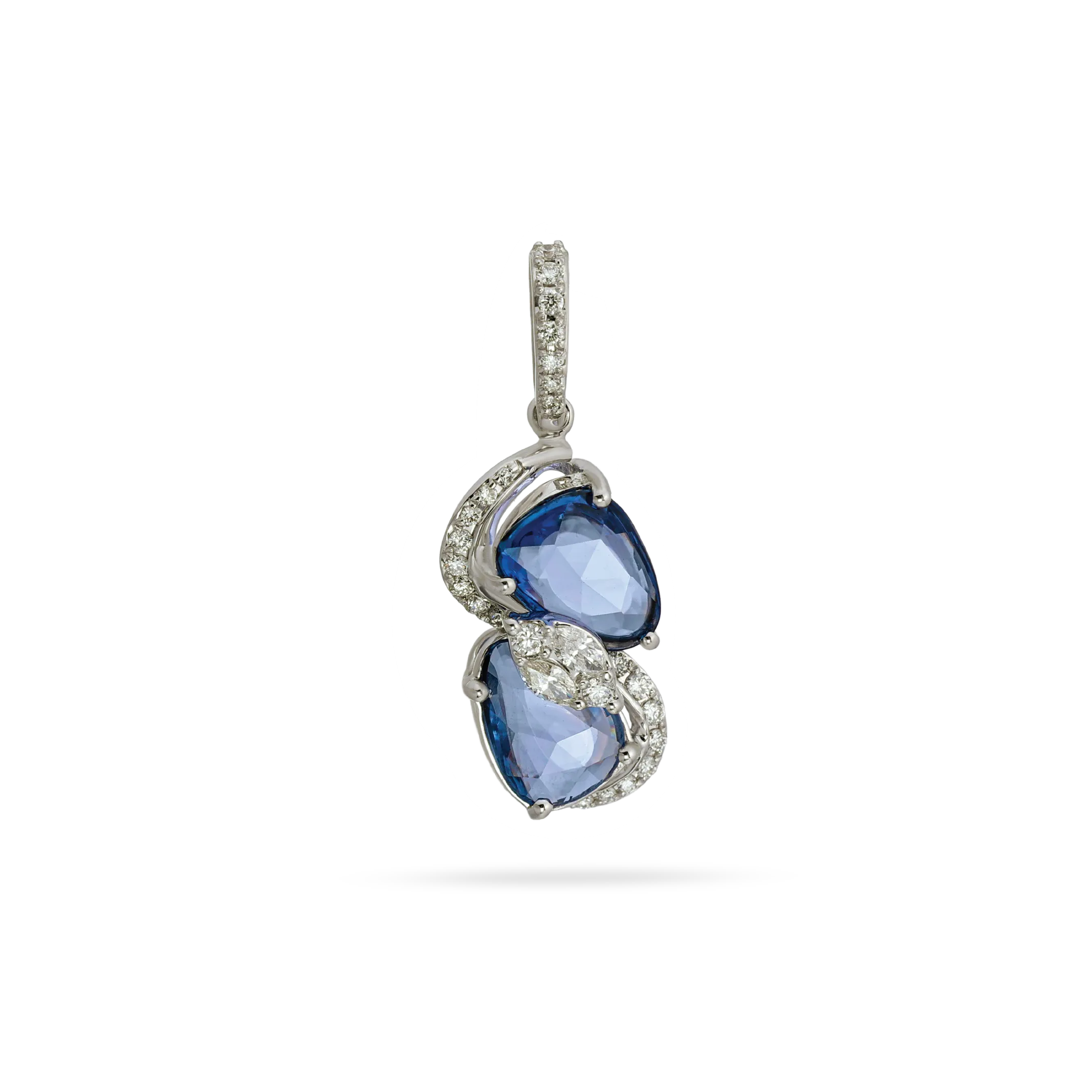
A colored gemstone can give a ring a more individual look, but stones vary in hardness and care requirements. Ask how a particular gem may respond to regular wear, cleaning, and exposure to everyday conditions. If you are considering a sapphire, sapphire ring styles may help you think through different settings and proportions before narrowing your choice.
Set a budget and compare materials
A clear budget makes it easier to compare rings without being pulled toward details that matter less to you. Include the center stone, setting, metal, and any customization in the overall figure. In Bangalore, where the phrase engagement jewellery bangalore may lead to many styles and price points, a written range can help keep showroom visits focused.
Decide how to balance stone size and quality
A larger stone is only one way to make a ring feel noticeable. Shape, setting, and the width of the band can all affect its visual presence, so compare complete rings rather than judging stones in isolation. Decide which qualities matter most, then be open to trade-offs that preserve the look you want while staying within budget.
Compare gold, platinum, and other metal options
Metal choice changes a ring’s color, feel, and price. Compare the available gold colors and purities, as well as platinum if it is among your options, and ask how each finish may wear over time. The right choice is one the wearer likes and can maintain comfortably, not simply the metal that is most familiar.
Check for clear pricing and certification
Before committing, ask for an itemized explanation of the price, including the stone, metal, making charges, and any customization. For a diamond, request the relevant grading documentation and confirm that it corresponds to the stone being offered. Clear paperwork makes it easier to compare like with like and to keep a record of the purchase.
Shop for engagement jewellery in Bangalore
A showroom visit lets you see a ring’s scale and finish directly, while online browsing can help you identify designs worth considering. Compare the information each seller provides, not just the photographs or display cases. A short list of questions can make different shopping routes easier to assess.
Compare local jewelers, showrooms, and online stores
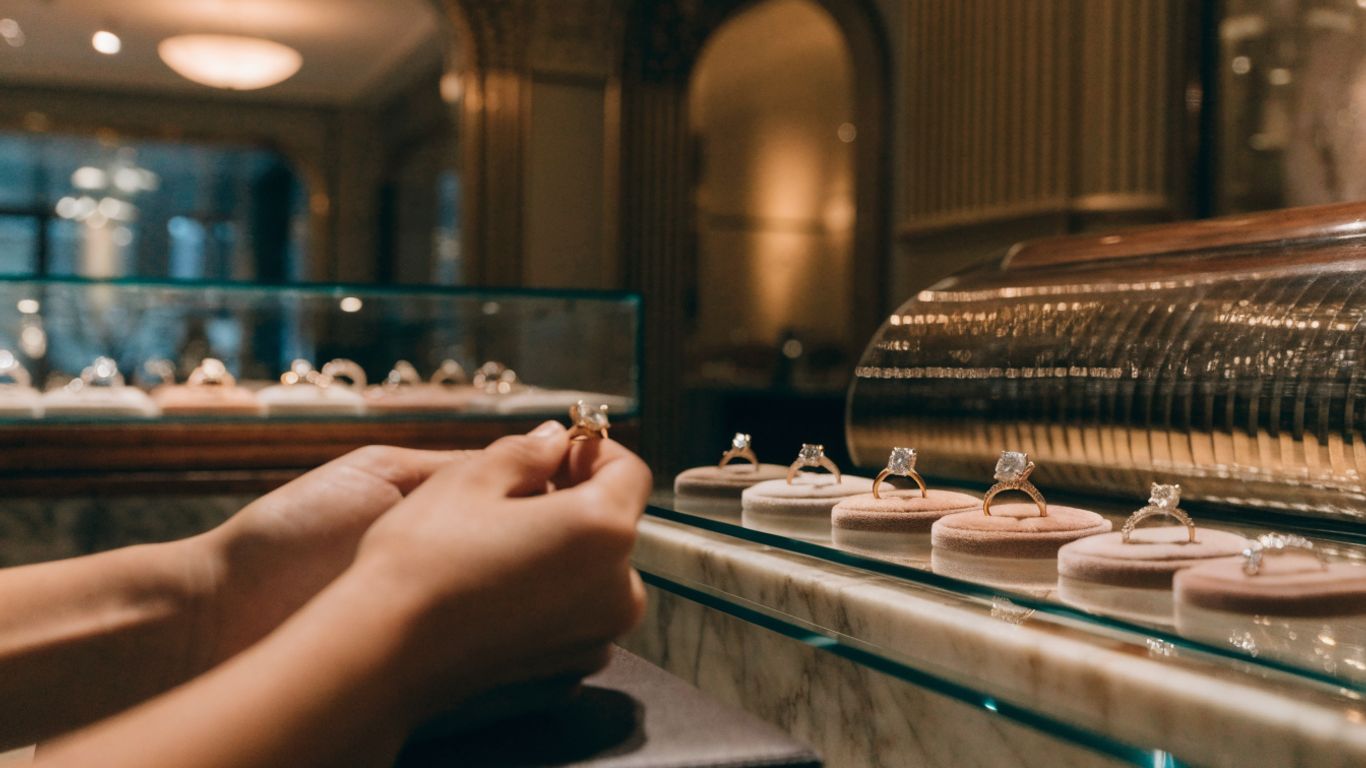
A local showroom gives you a chance to try on rings and speak with staff, while online stores may make it convenient to browse a range of designs from home. Check what is included in the price, how stone details are documented, and what happens if a ring needs adjustment. For more context on choosing a jewelry store in Bangalore, consider its information on craftsmanship, pricing, and after-sales care.
Review customization options and design portfolios
Custom work can help you adjust a detail that matters, whether that is the stone shape, metal color, or band profile. Ask to see examples of completed designs and clarify what can be changed, how approvals work, and whether the final price can change during production. A few specific preferences are easier to discuss than a broad request to make the ring unique.
Before a consultation, it can help to note the features you want to discuss:
- A preferred setting or ring silhouette
- The center stone shape and approximate size
- Metal color and band width
- Details to avoid, such as a high profile
Bring these notes to the conversation, but leave room for practical suggestions about the design. That balance helps keep the ring personal without overlooking comfort or construction.
Ask about warranties, resizing, and after-sales service
Ask what support is available after purchase and get the terms in writing. Policies can differ on resizing, repairs, cleaning, and routine checks, so do not assume a service is included. Confirm the time frames and any costs before placing an order, especially if the ring is being made to your specifications.
Get the fit and design details right
A ring can look perfect in a display and still feel wrong if the size or proportions are off. Fit depends on the finger, the band, and how the ring will be worn alongside other jewelry. A careful try-on, or a discreet measurement if it is a surprise, can prevent avoidable adjustments later.
Find the correct ring size discreetly
If you can borrow a ring your partner wears on the same finger, a jeweler may be able to use it as a guide, though fit can vary between hands. A professional measurement is more reliable when the proposal does not need to remain secret. For a deeper look at discreet measuring and comfort, see this ring size guide, and ask about resizing before buying.
Consider band width, profile, and comfort
Band width affects both the ring’s appearance and how it feels against the finger. A wide band can fit more snugly than a narrow one in the same nominal size, while a raised setting may feel more prominent during everyday tasks. Try on a similar shape or profile if possible, and notice whether the ring moves, presses, or catches as you use your hand.
Check how the ring will pair with a wedding band
If the wearer expects to stack an engagement ring with a wedding band, check how the two sit together. Some settings leave room for a straight band; others may create a gap or call for a contoured shape. Trying combinations in person can clarify the proportions, and a wedding ring buying guide offers additional points to compare about fit and metals.
Plan the purchase and verify your choice
Ring shopping often involves more than choosing a design and paying for it. Custom work, sizing, and paperwork each take attention, so plan for them before a proposal date is fixed. A final review gives you a chance to catch small problems while there is still time to address them.
Allow time for custom design and production
Ask for a realistic timeline before approving a custom ring, and leave room for design revisions, production, and any sizing changes. Confirm which details need your approval and when the order becomes final. If the ring is needed for a particular date, build in a buffer rather than relying on the shortest quoted estimate.
Review return, exchange, and resizing policies
Read the terms before purchase, including any limits that apply to custom or altered pieces. Check the allowed period for an exchange or return, whether resizing is included, and what documentation must be retained. Understanding these conditions early makes the purchase feel more settled and avoids relying on verbal assurances.
Inspect the finished ring before taking it home
Look closely at the ring under good light and compare it with the approved design and paperwork. Check that the stone is secure, the finish is even, and the ring feels comfortable on the hand. Make sure you receive the receipt and relevant stone or metal documentation, then store them somewhere you can find later.
Conclusion
Choosing an engagement ring is a series of small decisions about style, stone, budget, fit, and service. Compare the details that matter to the wearer, ask clear questions, and take time to inspect the finished piece; the right choice is one that feels considered long after the proposal.
Frequently Asked Questions
How do I choose an engagement ring style?
Start with the jewelry your partner already wears, noting preferred metal colors, shapes, and how much detail they like. Compare a few styles in person if possible, and consider how the ring will feel during everyday wear.
Is a solitaire or halo ring better?
Neither style is universally better. A solitaire keeps attention on one center stone, while a halo adds a surrounding line of smaller stones; the better choice depends on the wearer’s taste and preferred look.
What should I compare when buying a diamond?
Review cut, color, clarity, and carat weight alongside the diamond’s appearance in person and its documentation. Compare the complete ring and price rather than judging the center stone alone.
Are lab-grown diamonds a good option for an engagement ring?
They may suit buyers who prefer that origin and want to compare their appearance, documentation, and price with other options. Ask for the relevant grading information and consider the qualities most important to you.
How much should I spend on an engagement ring?
Choose a comfortable budget based on your finances rather than a fixed rule. Include the setting, metal, stone, customization, and any likely adjustment costs in your comparison.
How can I find my partner’s ring size without asking?
A ring they already wear on the same finger can offer a discreet clue, but sizes may differ between hands. A jeweler can advise on measurement, and you should confirm the seller’s resizing policy before purchase.
What documents should I get with an engagement ring?
Request an itemized receipt and any relevant stone grading or metal documentation. Keep the purchase terms and service policies as well, so you can refer to them if the ring needs care or adjustment.
Related blogs:
November 20, 2025
The Timeless Elegance of the Tennis Bracelet: A Comprehensive Guide
Read More
November 20, 2025
The Ultimate Guide to Styling and Wearing a Choker Necklace
Read More
November 20, 2025
Find Your Perfect Engagement Ring: A Comprehensive Guide to Styles and Diamonds
Read More
November 20, 2025
The Timeless Elegance of a Diamond Tennis Bracelet: A Buyer's Guide
Read More