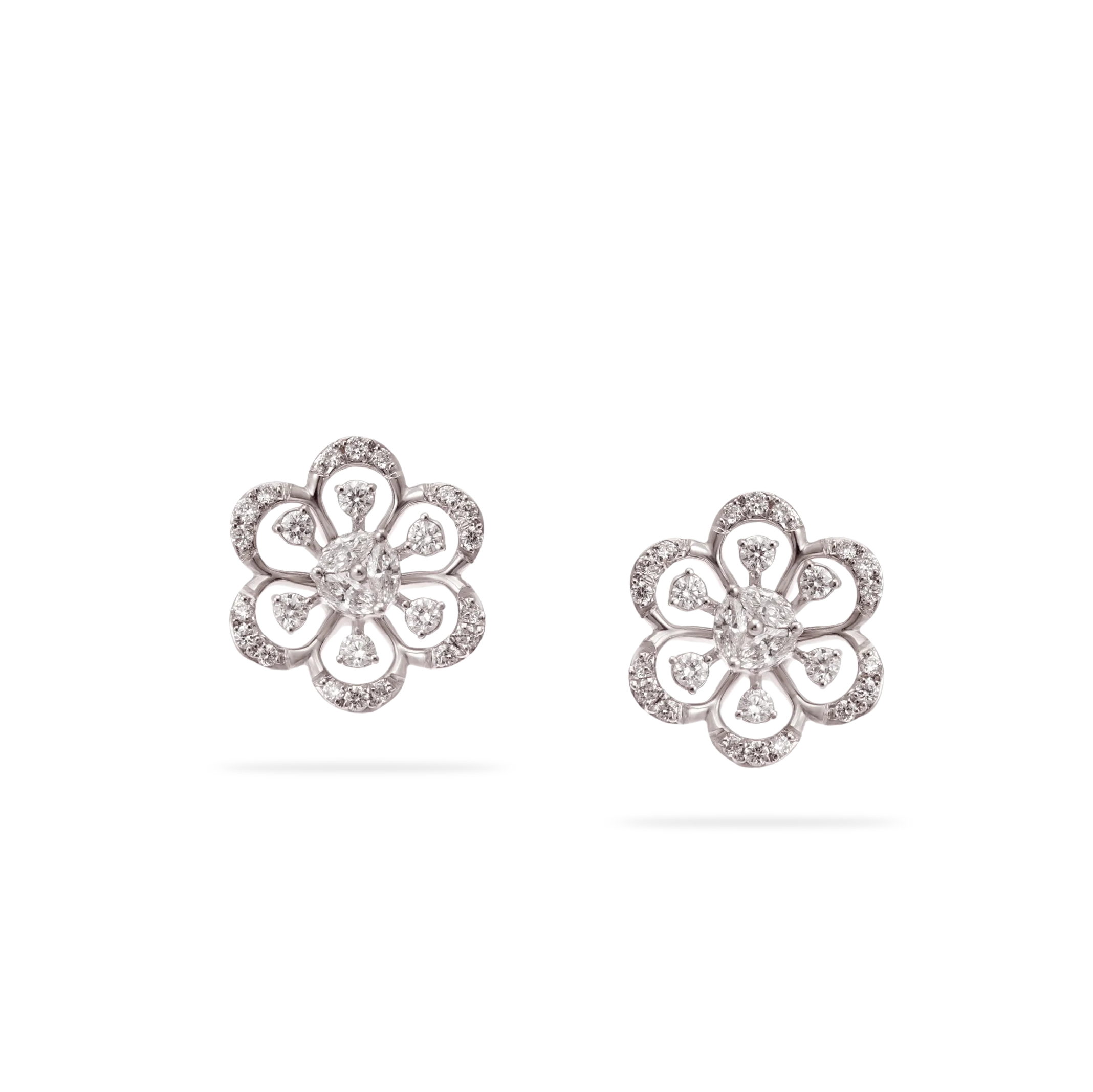
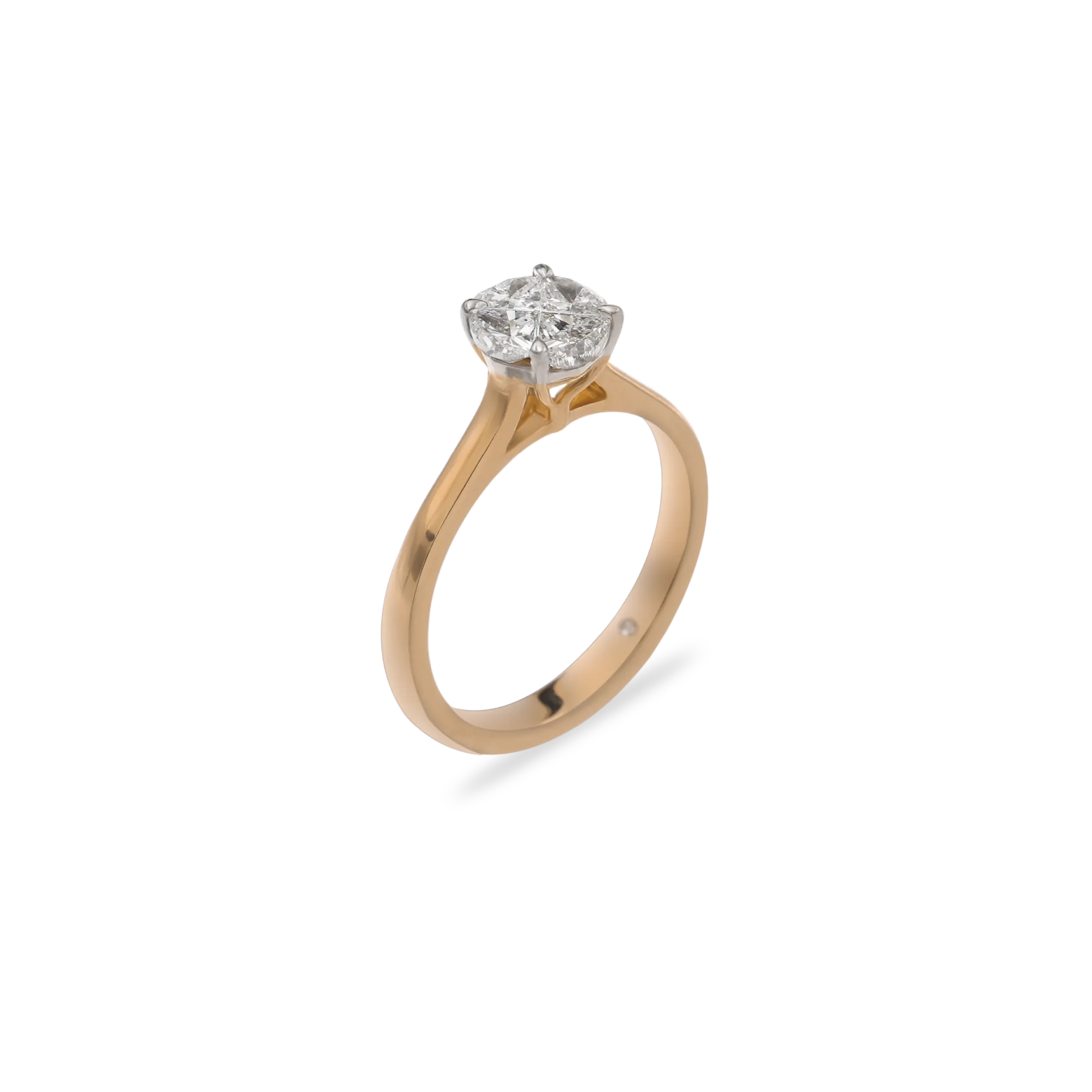
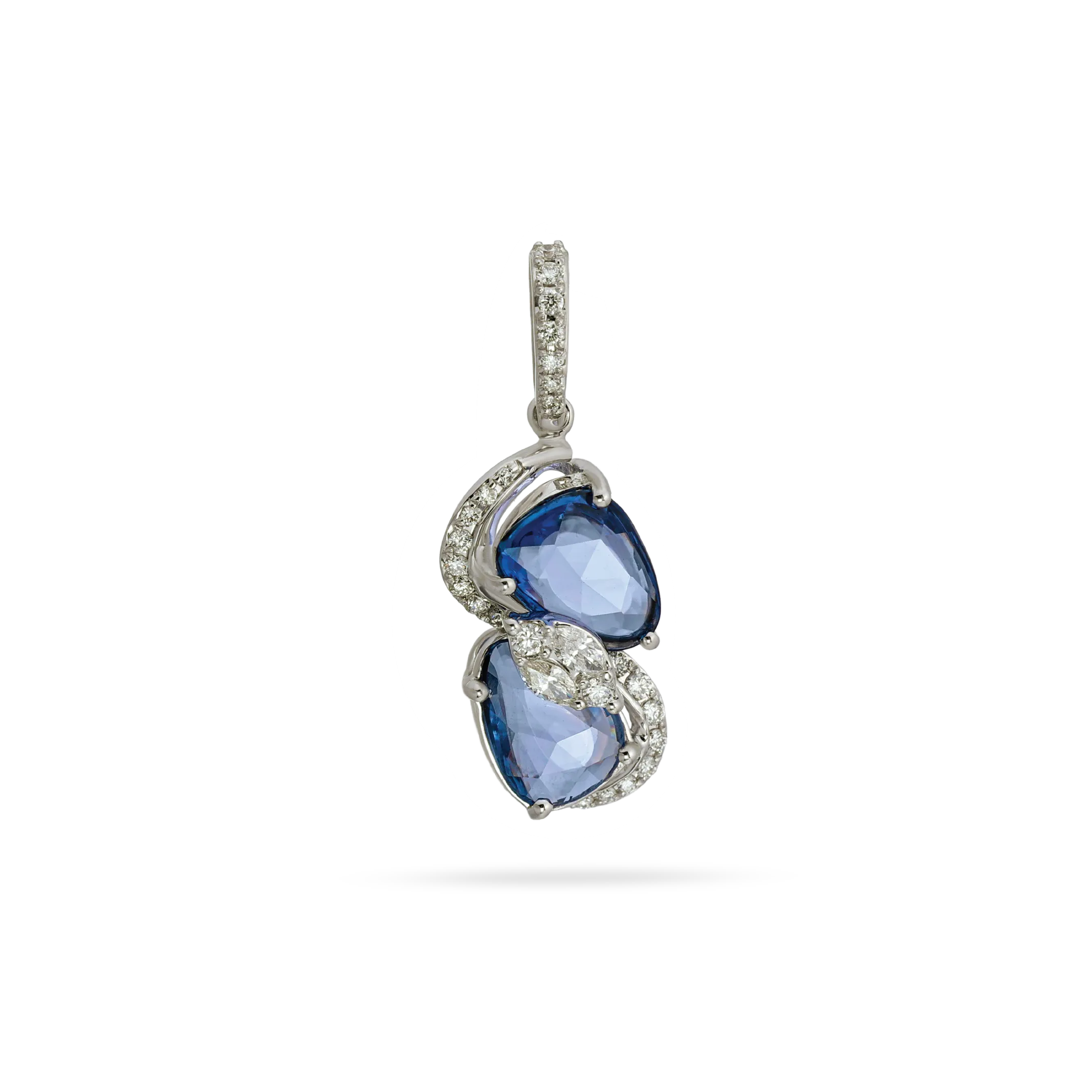
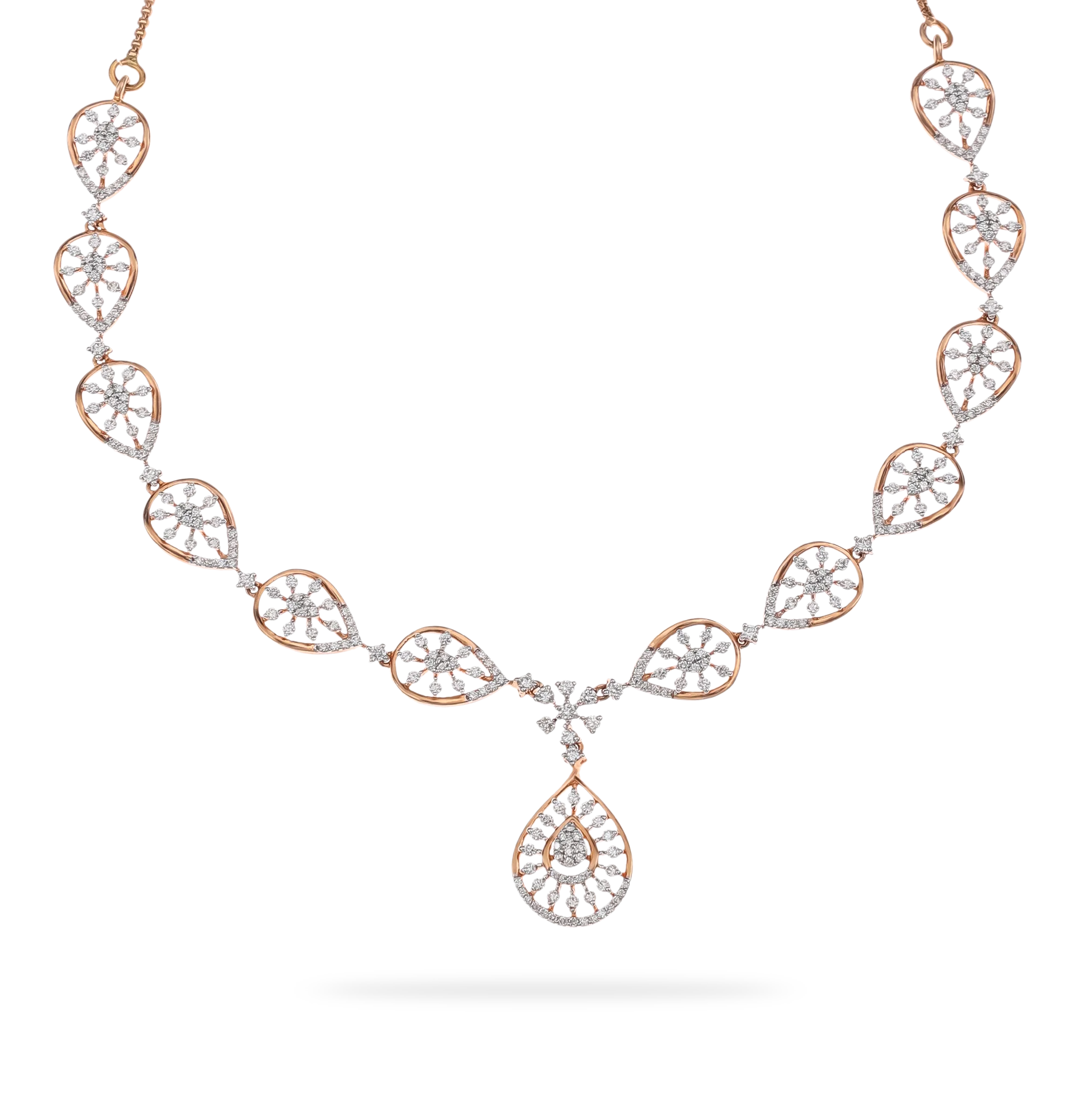
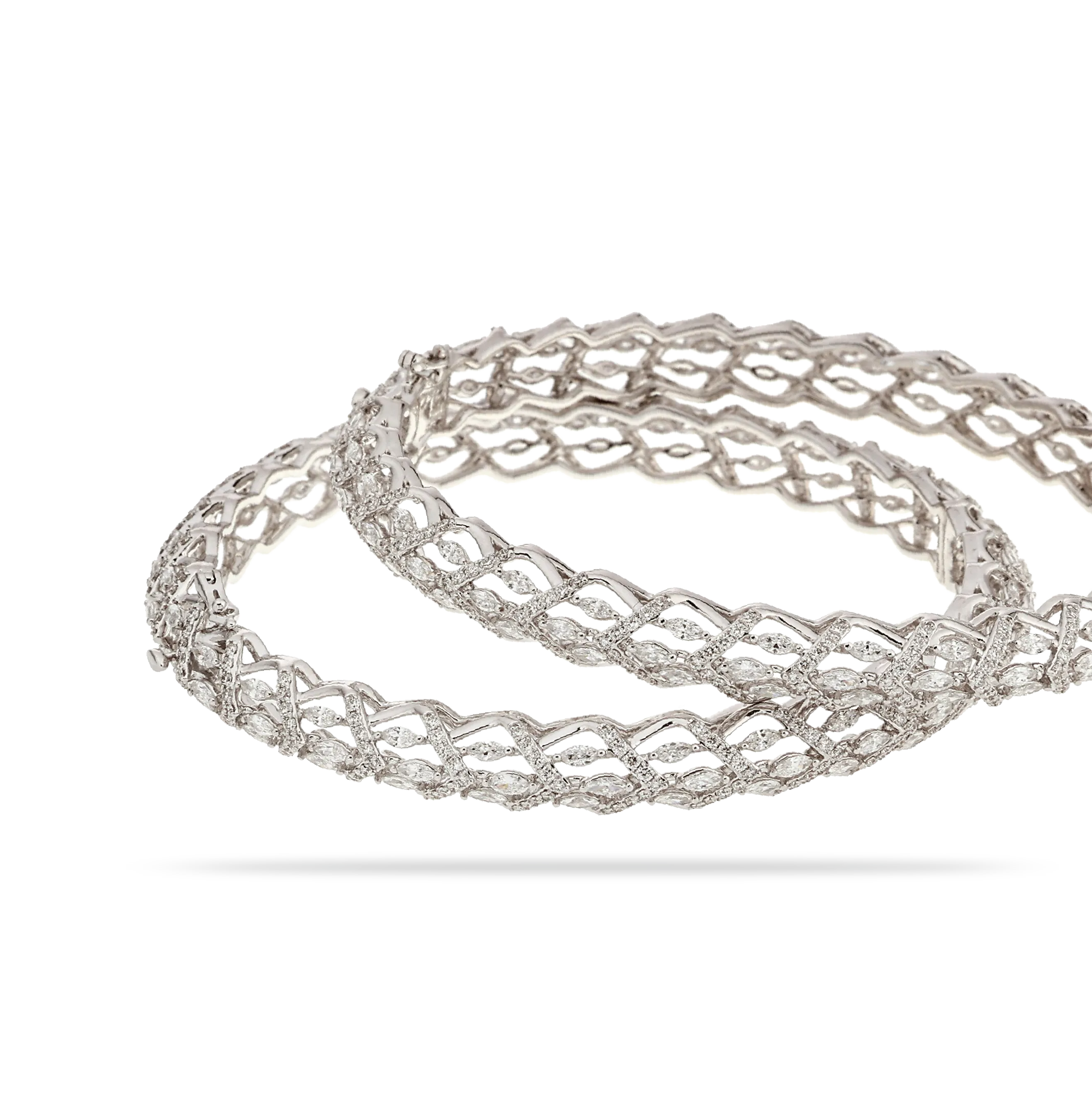
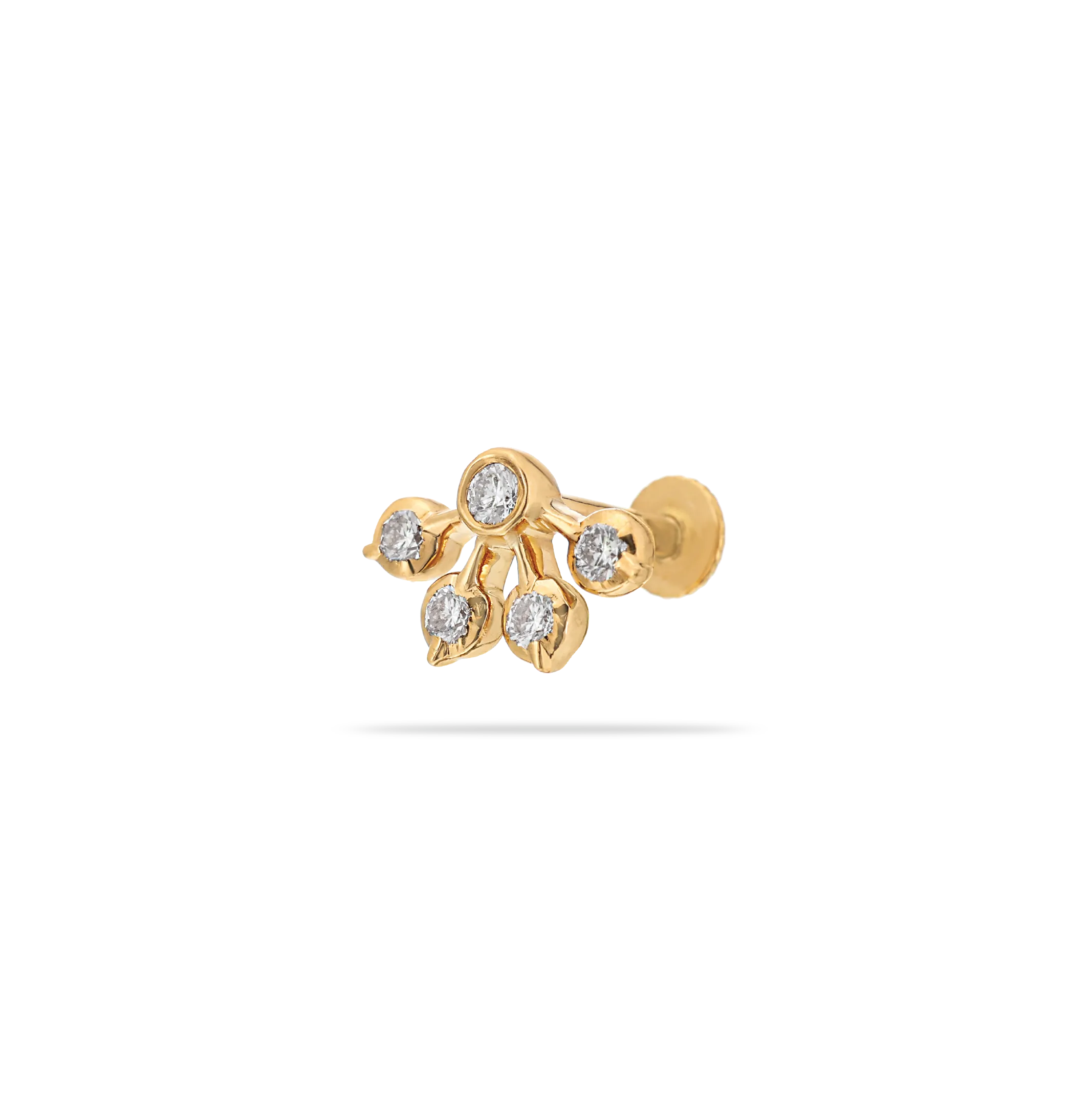
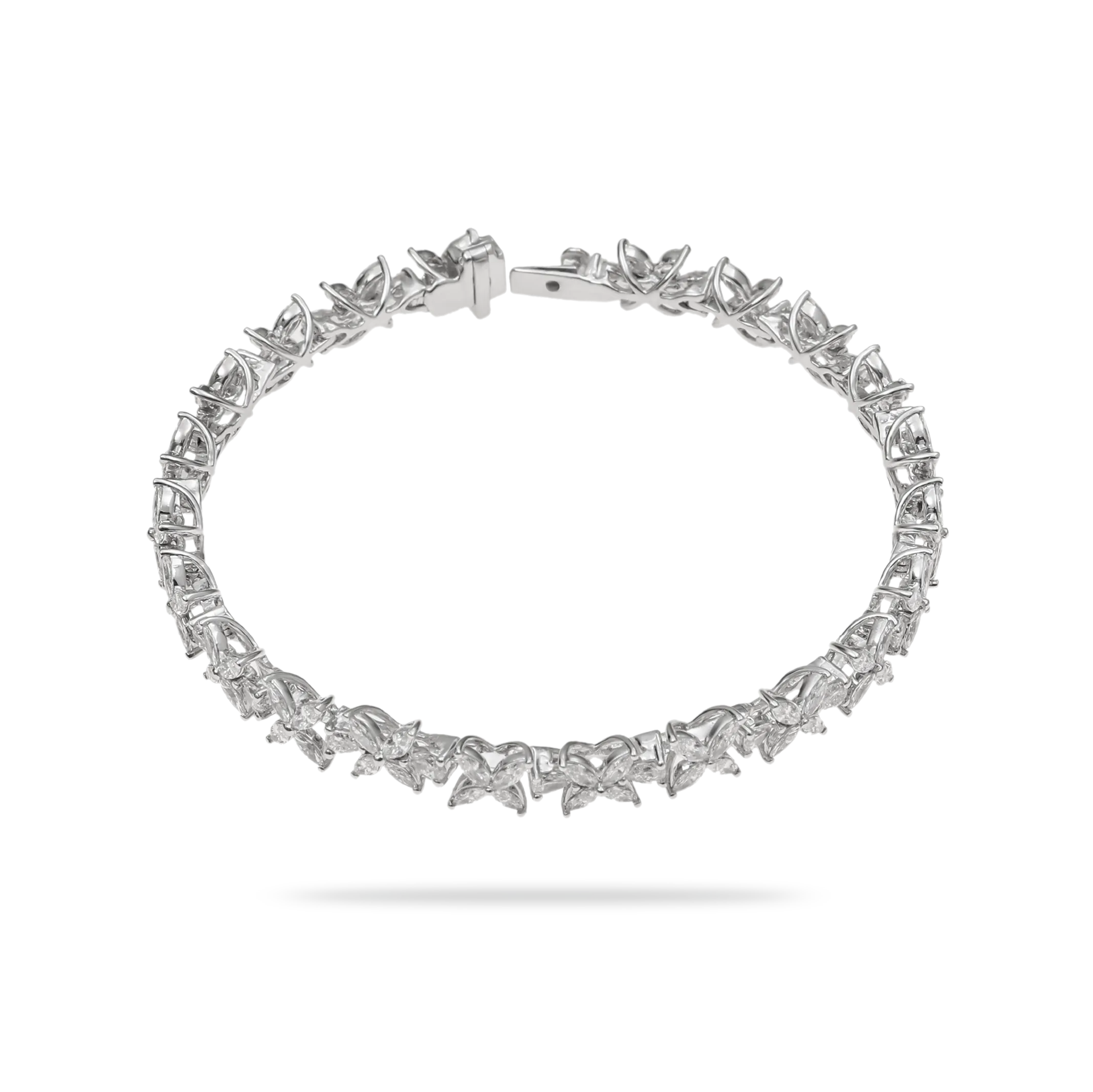
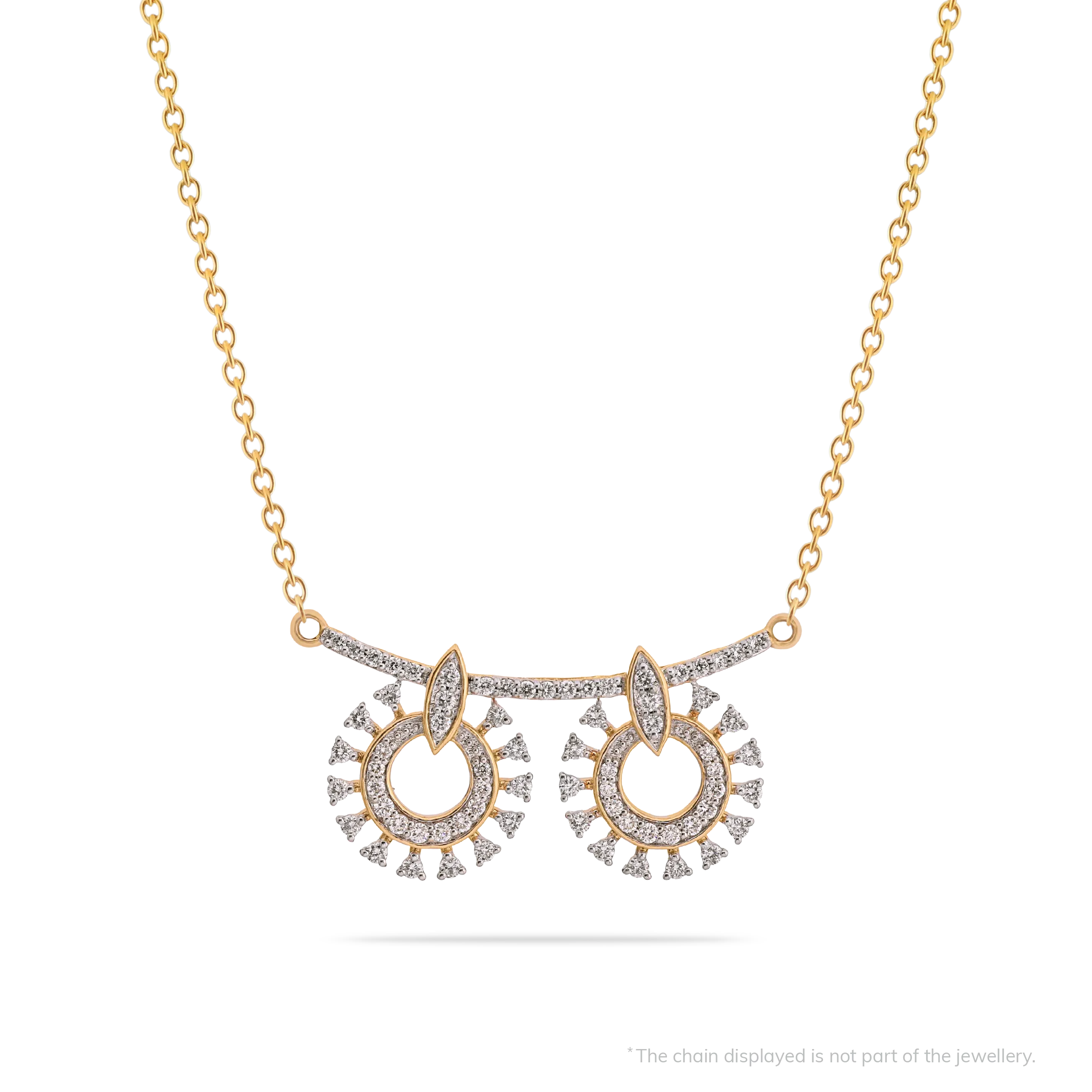
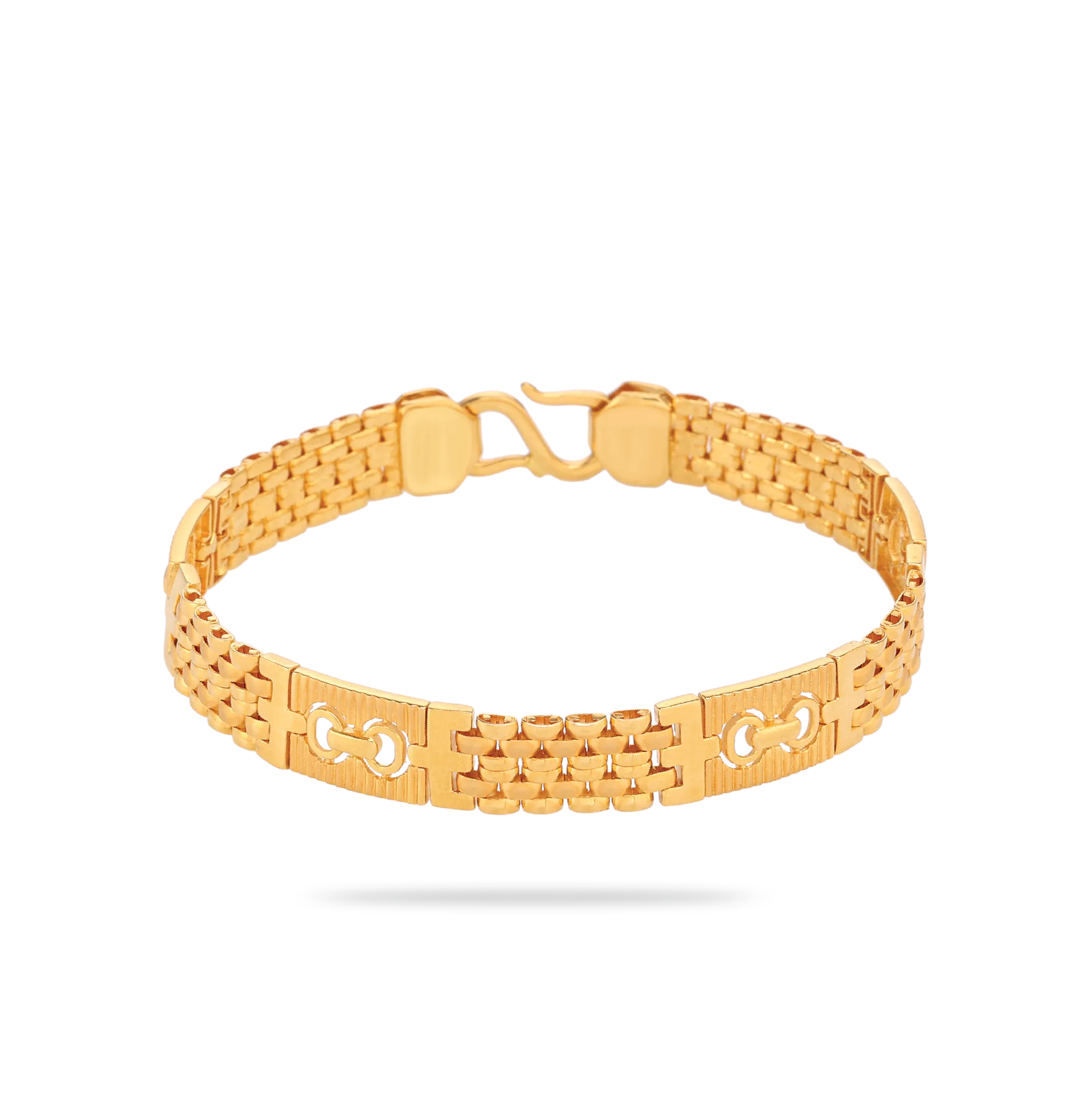
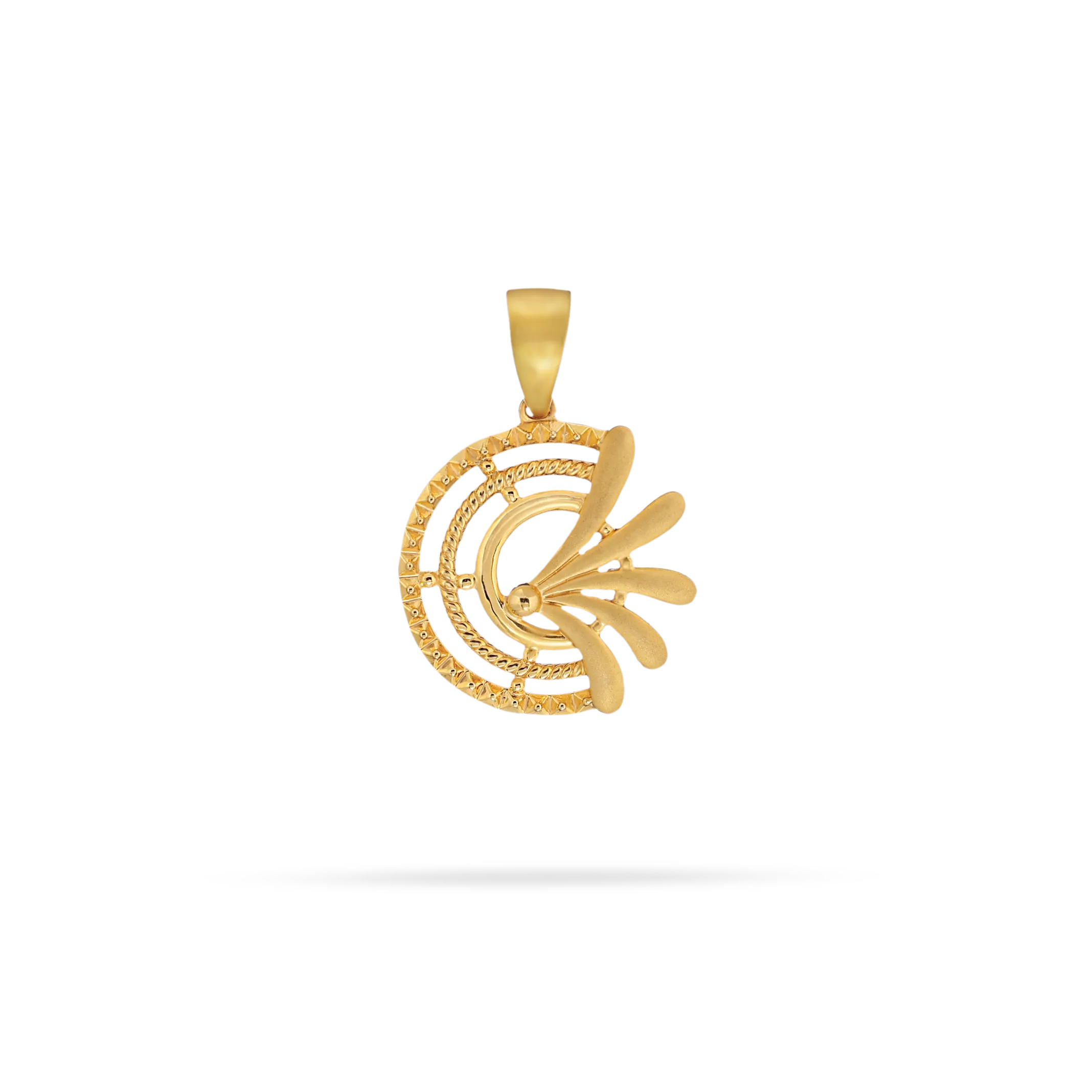
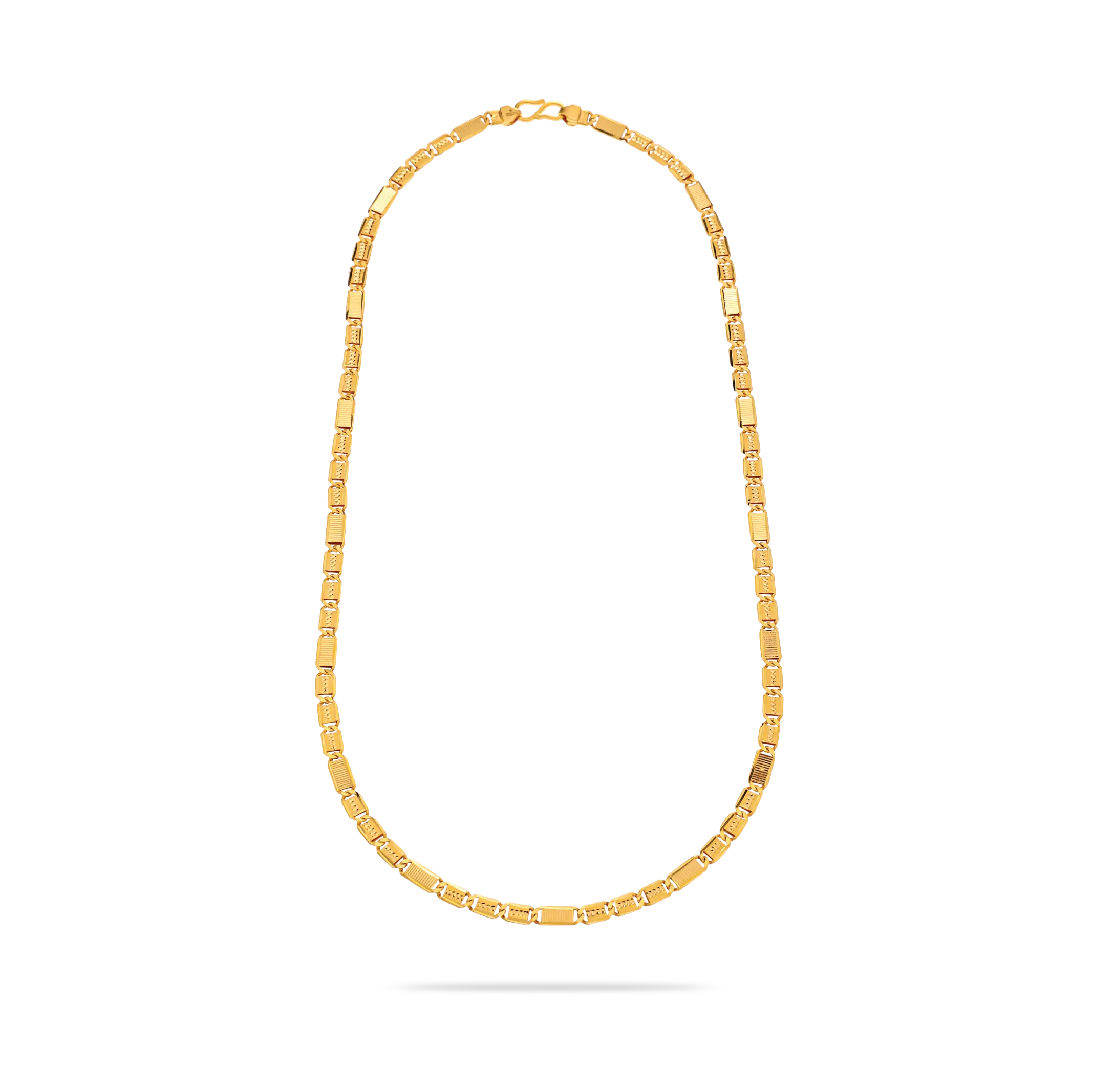
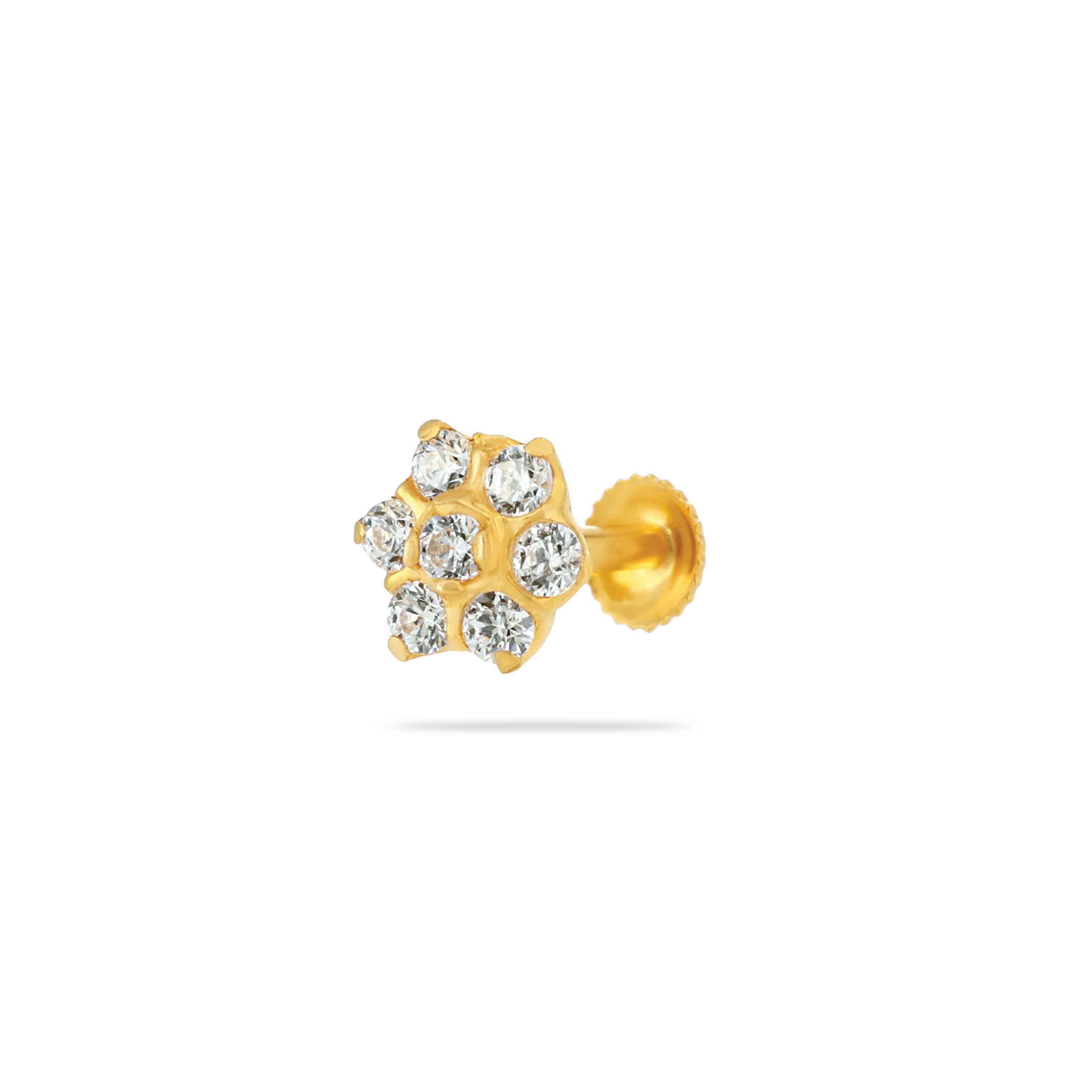
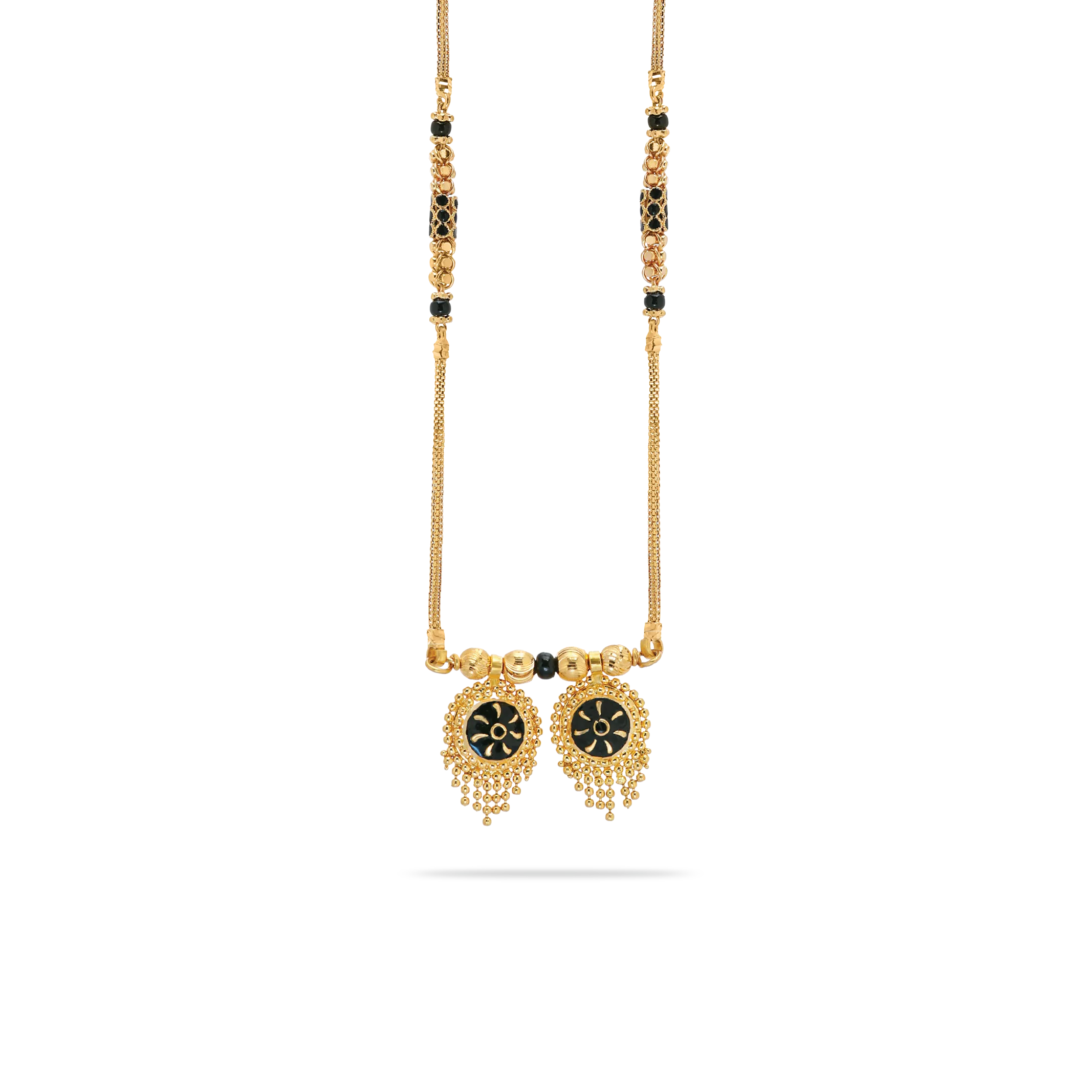
Discover the Intricate Beauty of Nakshi Jewellery: A Guide to Traditional Indian Designs
December 16, 2025 | 10 minutes read
Indian jewelry is truly something else, isn't it? There's so much history and artistry packed into every piece. Today, we're going to take a closer look at Nakshi jewellery, a style that really shows off the incredible skill of Indian artisans. It's not just about looking pretty; it's about tradition, culture, and a whole lot of hard work. Let's explore what makes Nakshi jewellery so special.
Key Takeaways
- Nakshi jewellery is known for its intricate handcrafting, drawing inspiration from ancient motifs and South Indian aesthetics.
- Gold is the primary material, often enhanced with precious gemstones, and crafted by artisans with generations of skill.
- The creation process involves detailed design, meticulous cutting, shaping, etching, and careful polishing.
- This type of jewellery carries deep cultural significance, symbolizing heritage and often worn during important occasions.
- Nakshi jewellery, while deeply traditional, also finds its place in contemporary designs, showcasing its timeless appeal.
The Artistry of Nakshi Jewellery
Nakshi jewellery is more than just pretty adornments; it's a whole world of intricate detail and deep-rooted tradition, especially when you look at the South Indian styles. It’s a craft that’s been passed down for ages, with each piece telling a story.
Inspiration from Ancient Motifs
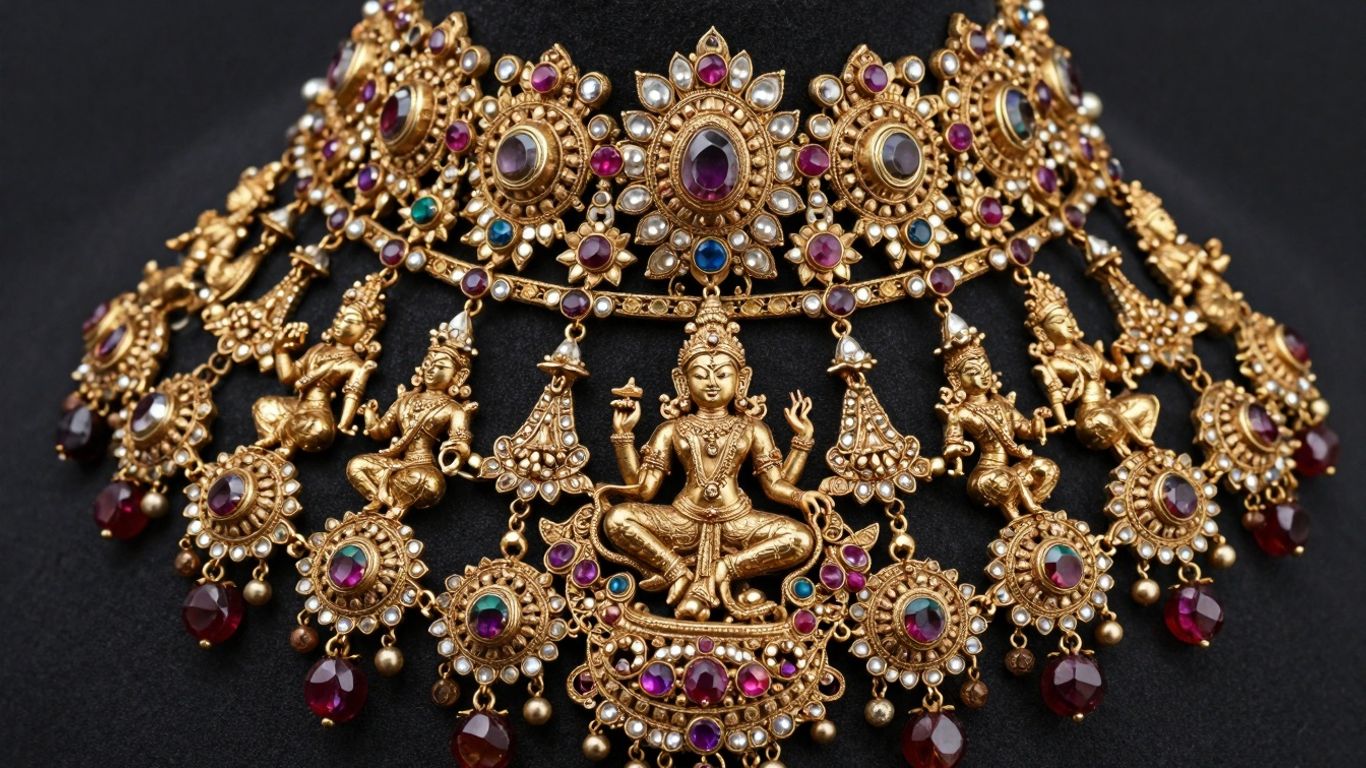
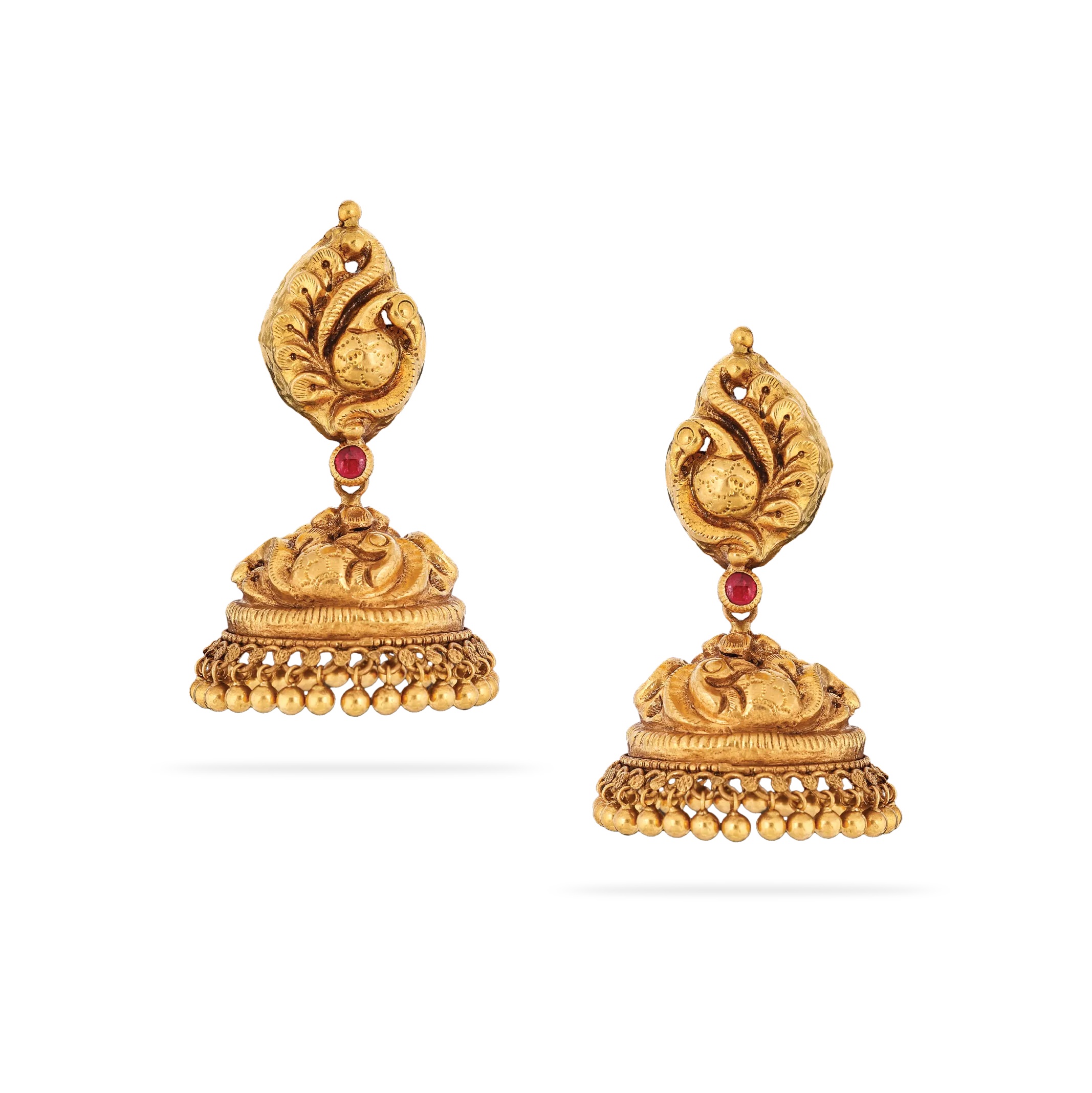
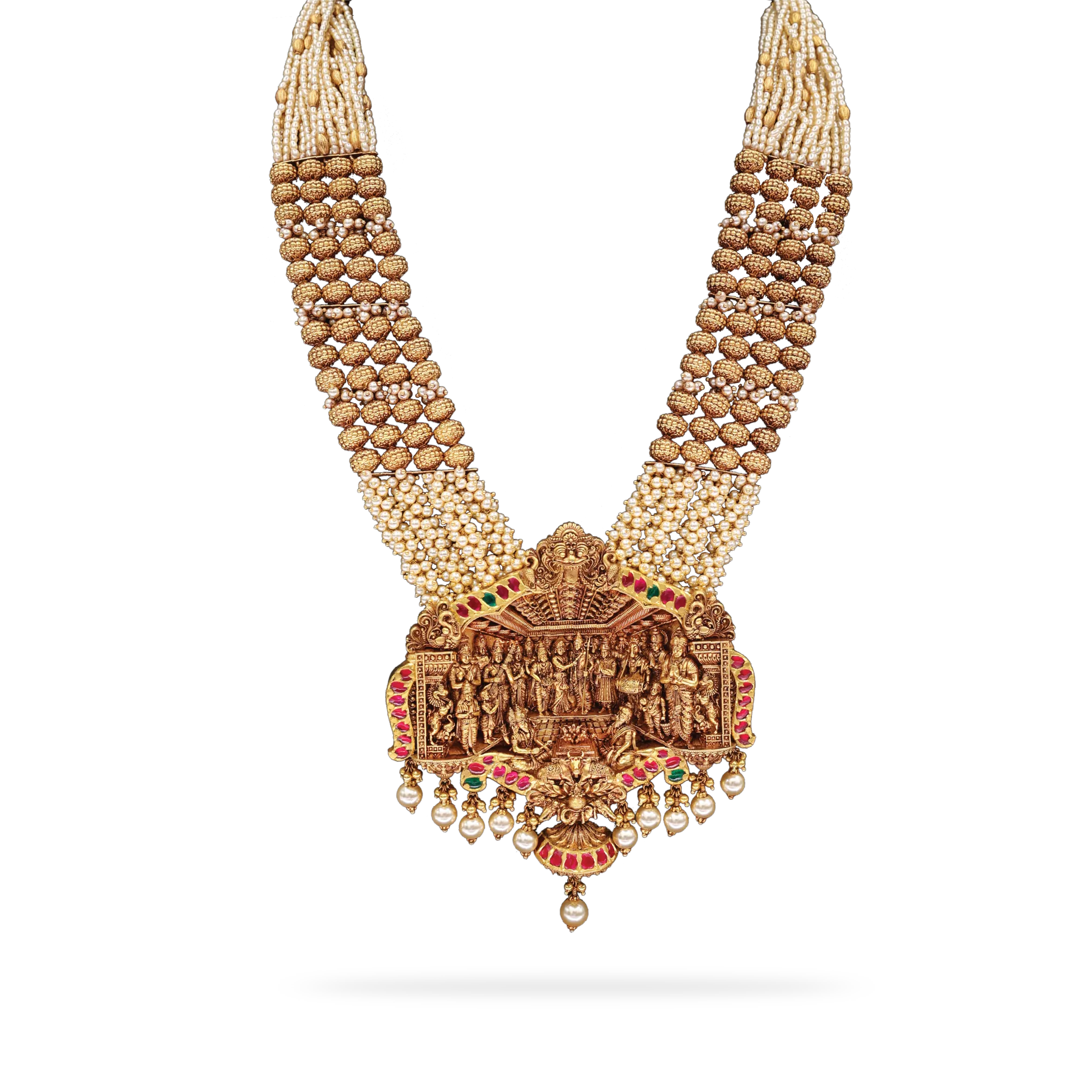
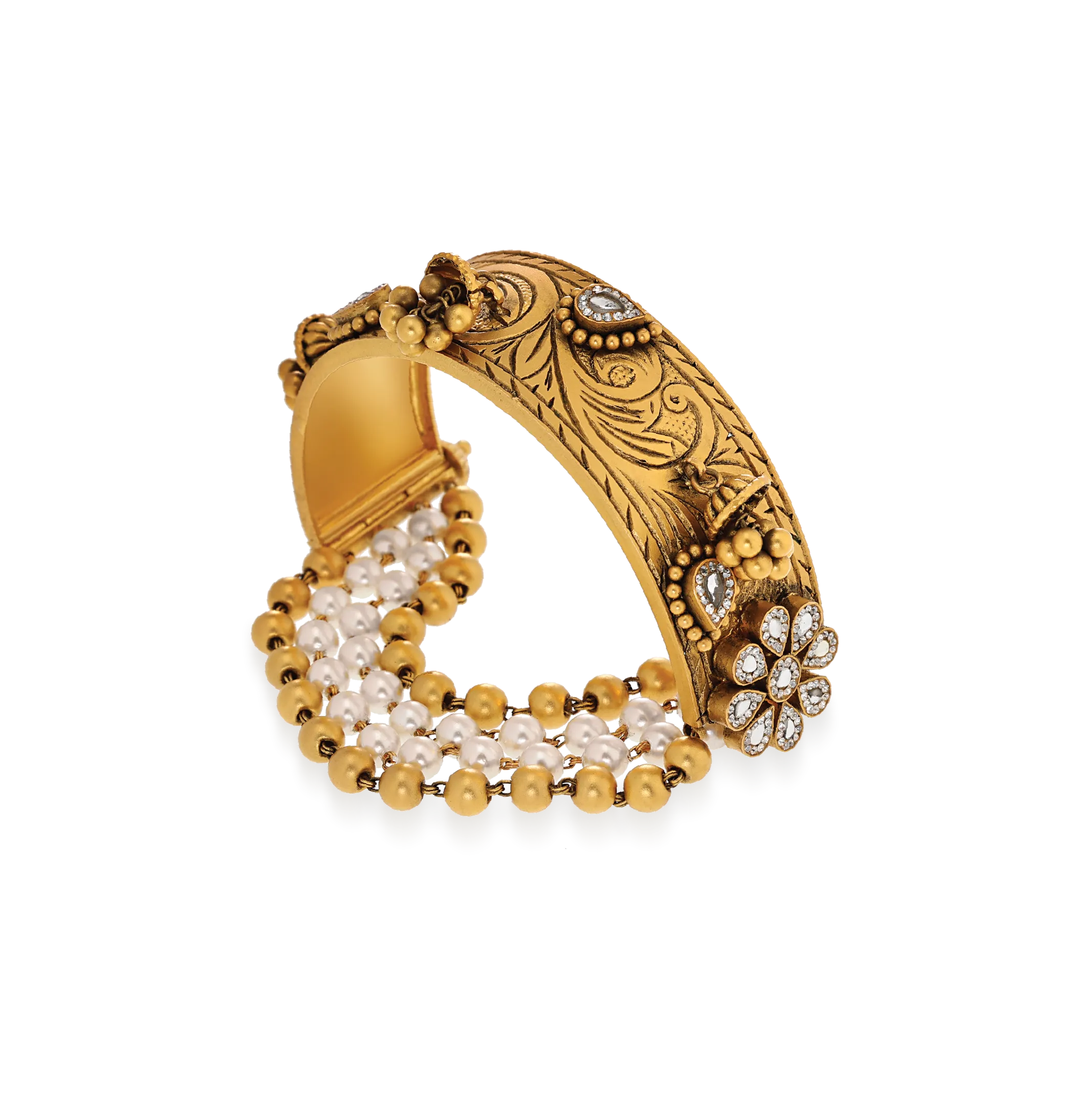
The designs you see in Nakshi jewellery aren't pulled out of thin air. Artisans look to ancient temples, nature, and mythology for ideas. Think of swirling floral patterns, graceful peacocks, or even depictions of deities. These motifs aren't just decorative; they often carry symbolic meanings, representing prosperity, good fortune, or divine blessings. It’s like wearing a piece of history and belief.
Meticulous Handcrafting Techniques
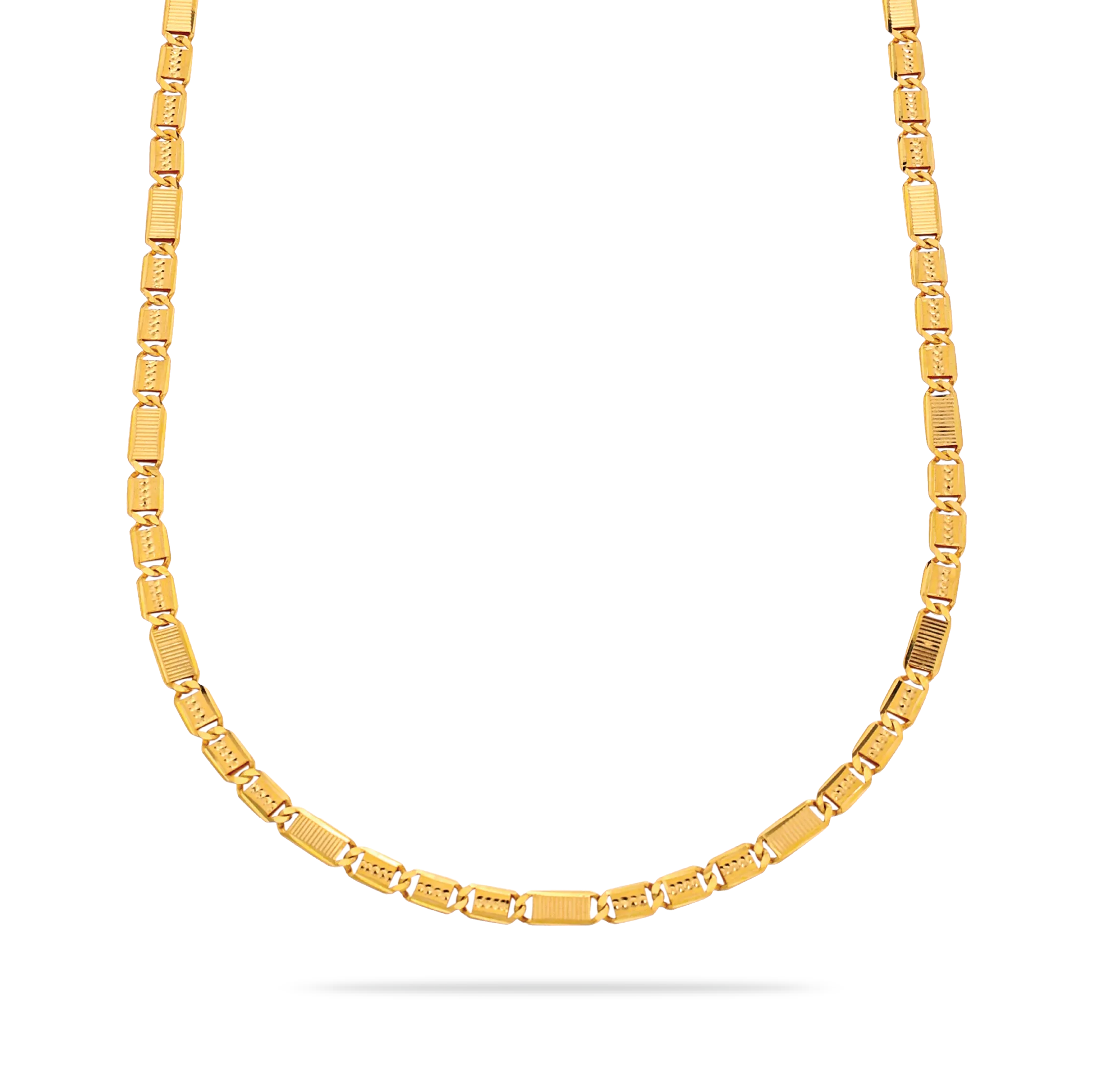
What really sets Nakshi apart is how it's made. It’s all done by hand, and I mean really by hand. Artisans use tiny tools to etch and carve patterns onto the metal, often gold. It’s a slow, careful process that requires a lot of skill and patience. You can see the difference when you look closely – the fine lines, the textures, the way the metal seems to come alive.
- Designing: First, a pattern is sketched, often inspired by nature or ancient art.
- Etching: Using small chisels, the design is carefully carved into the metal surface.
- Finishing: The piece is polished to bring out the details and ensure a smooth feel.
The sheer dedication involved in creating each Nakshi piece is remarkable. It’s a labor of love that results in something truly special.
The Essence of South Indian Aesthetics
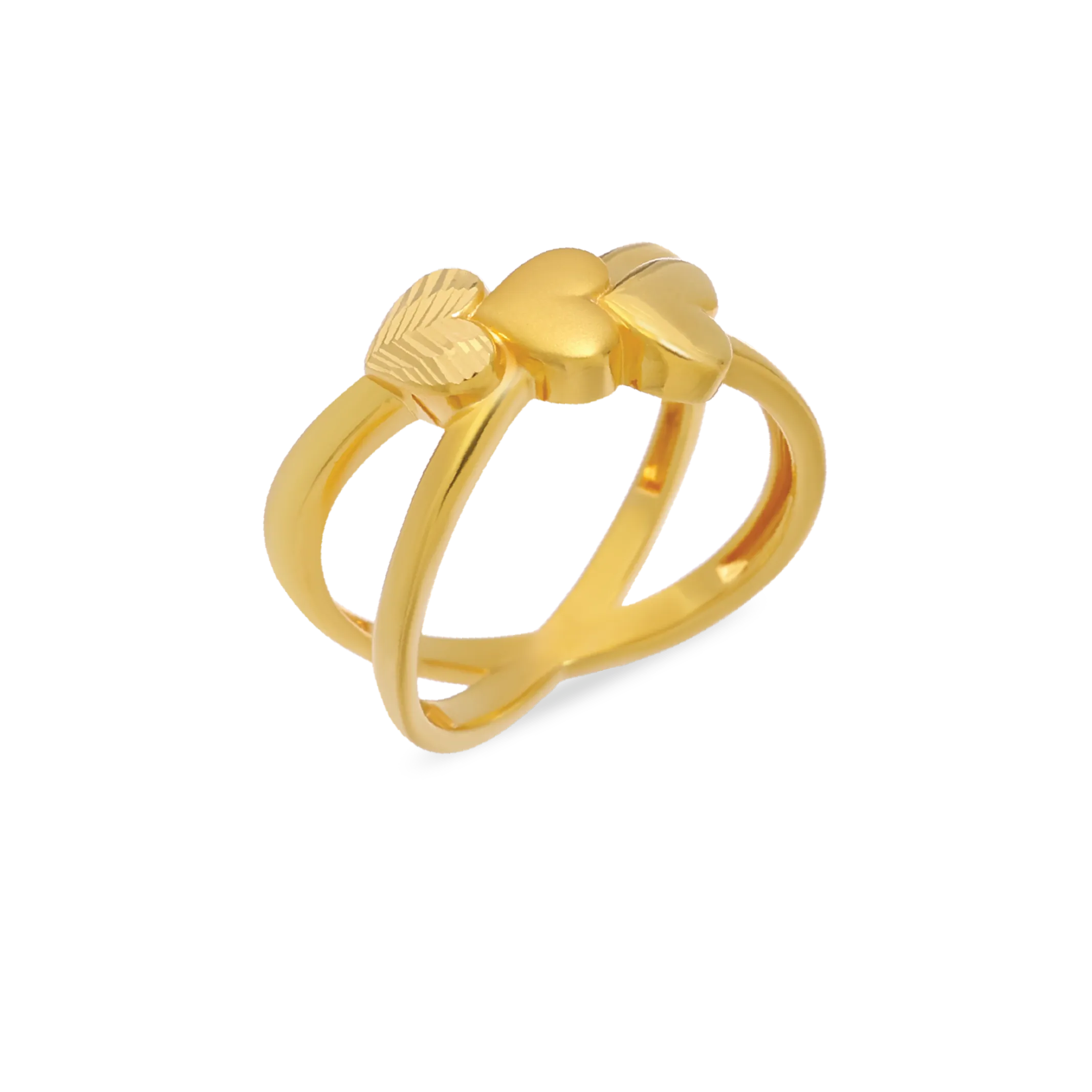
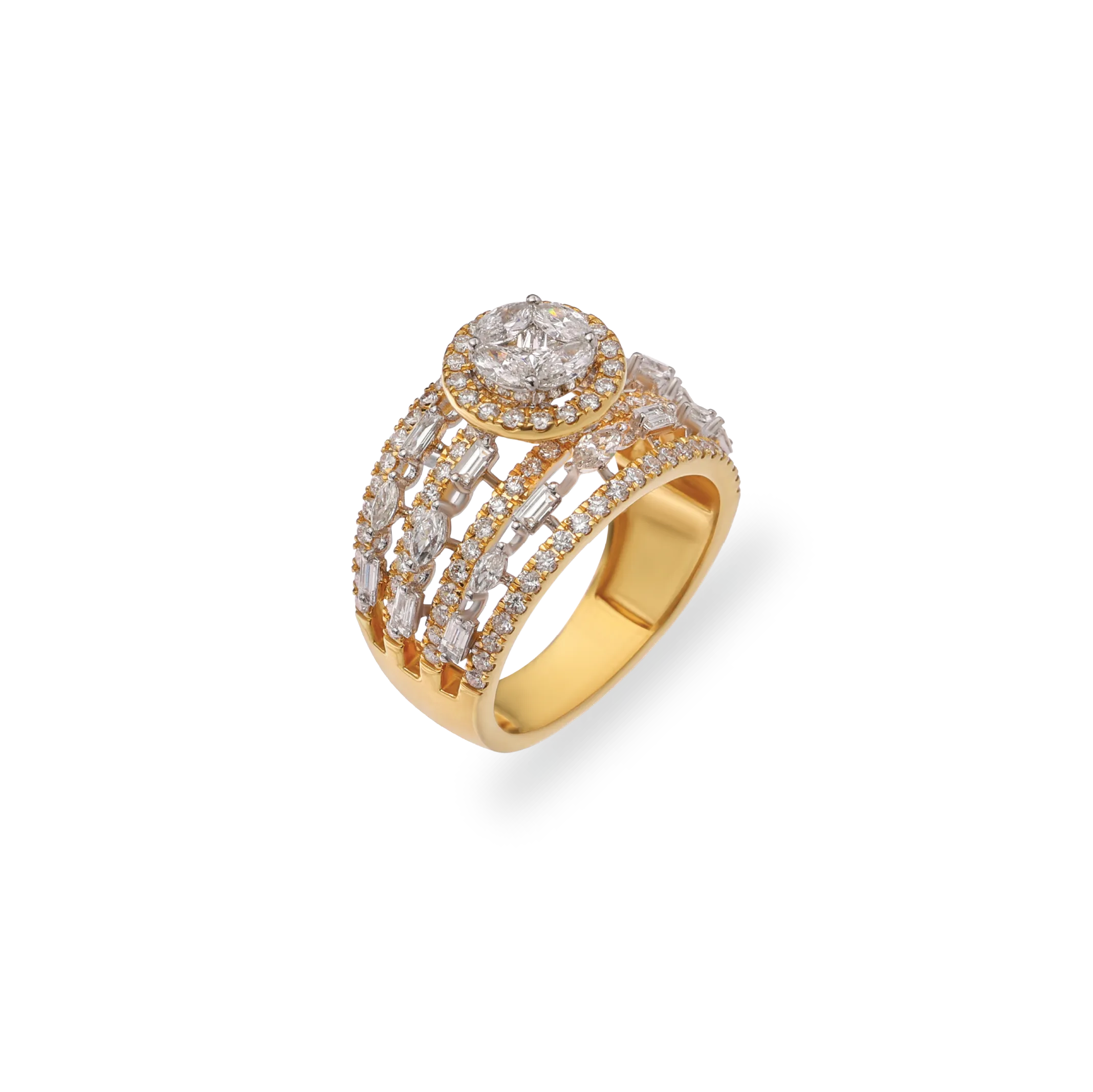
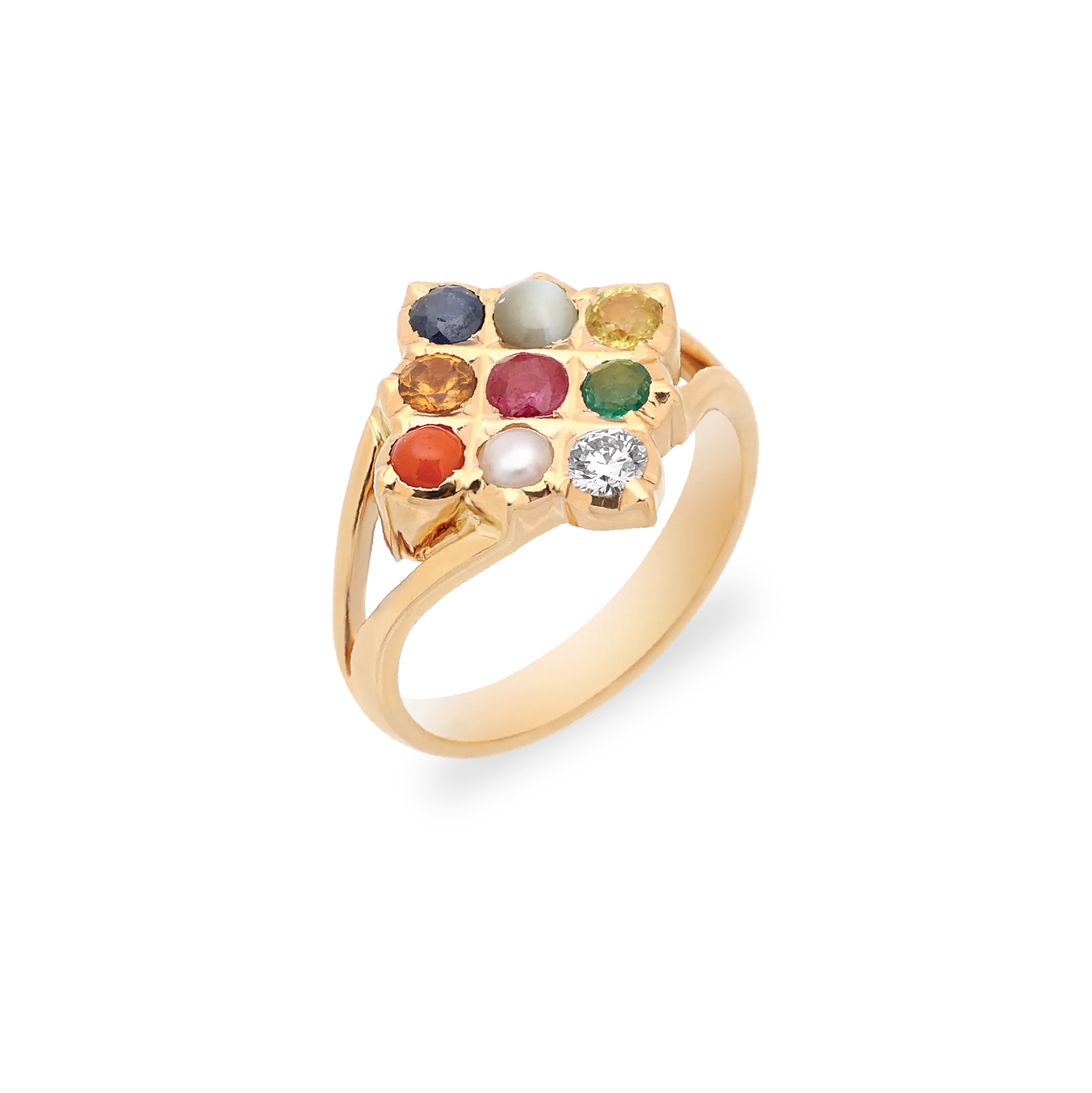
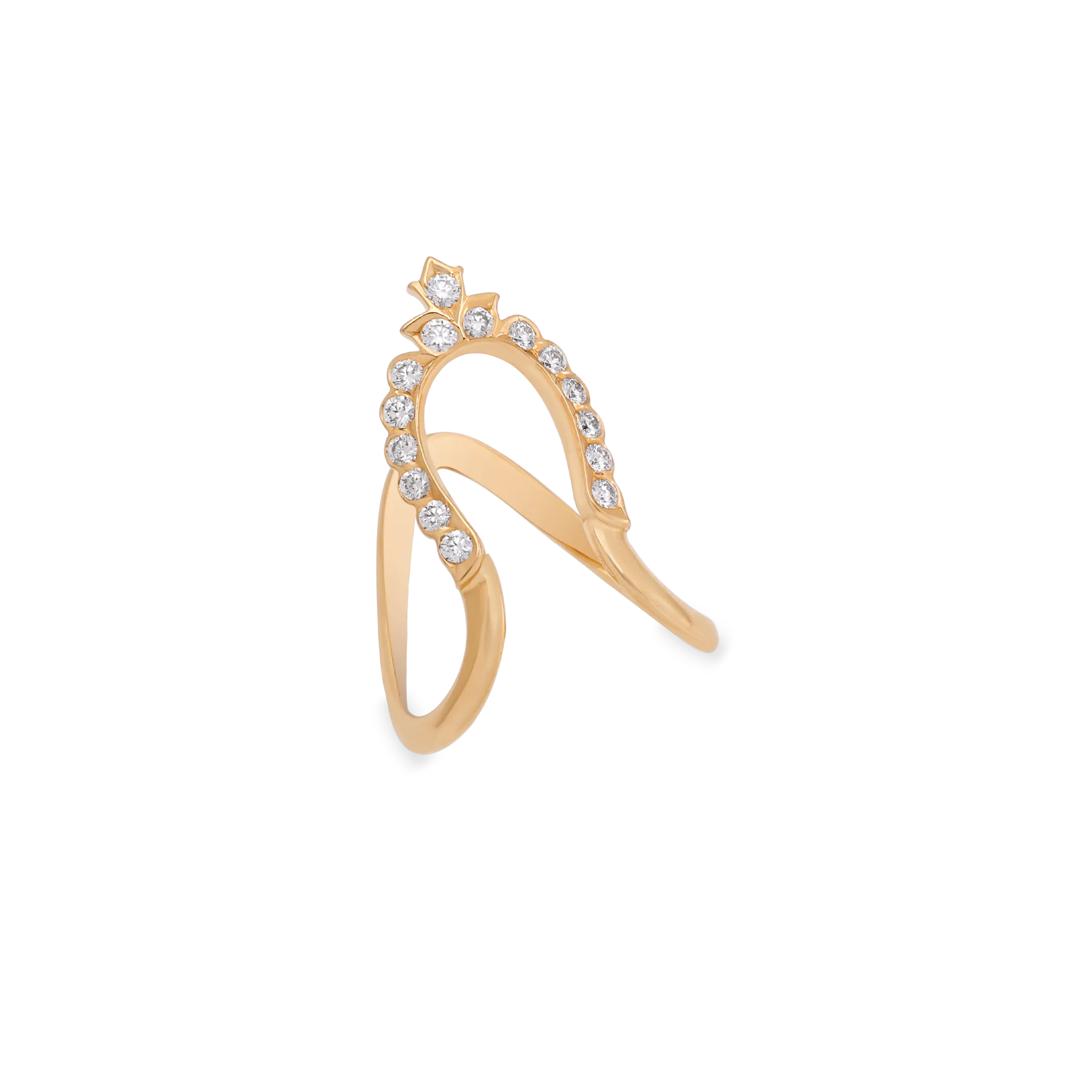
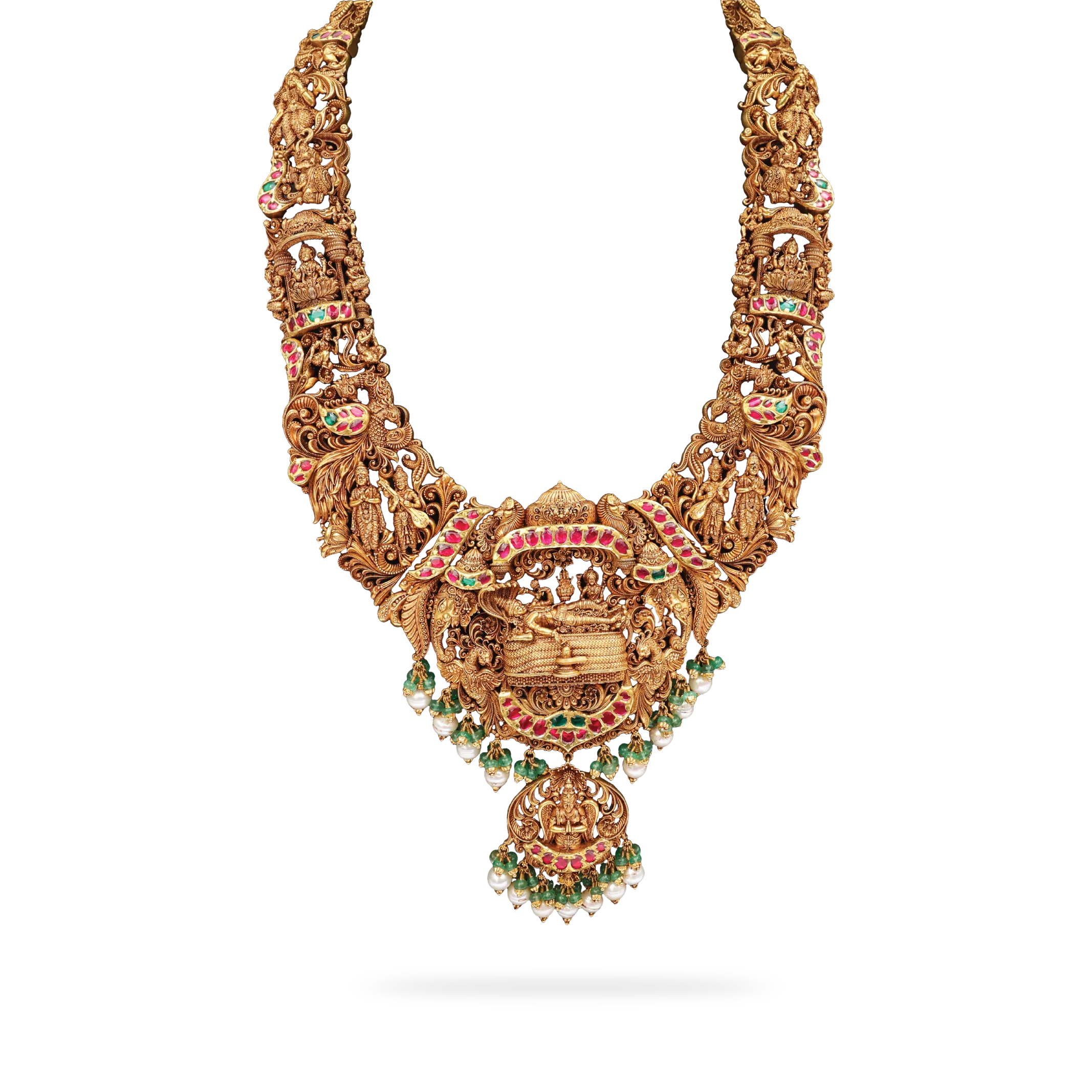
When we talk about Nakshi jewellery, South India often comes to mind. The style here has a distinct look. It tends to be quite elaborate, often featuring a lot of gold and sometimes incorporating vibrant gemstones. The influence of temple art is really strong, giving the jewellery a divine and regal feel. If you're looking for exquisite gold ring designs with a deep South Indian connection, Nakshi is definitely where to start.
Materials and Craftsmanship in Nakshi Jewellery
When you look at Nakshi jewellery, it's easy to get lost in the intricate details. But what really makes these pieces special is the stuff they're made of and the skill that goes into shaping it. It’s not just about pretty designs; it’s about tradition and a whole lot of hard work.
The Prominence of Gold
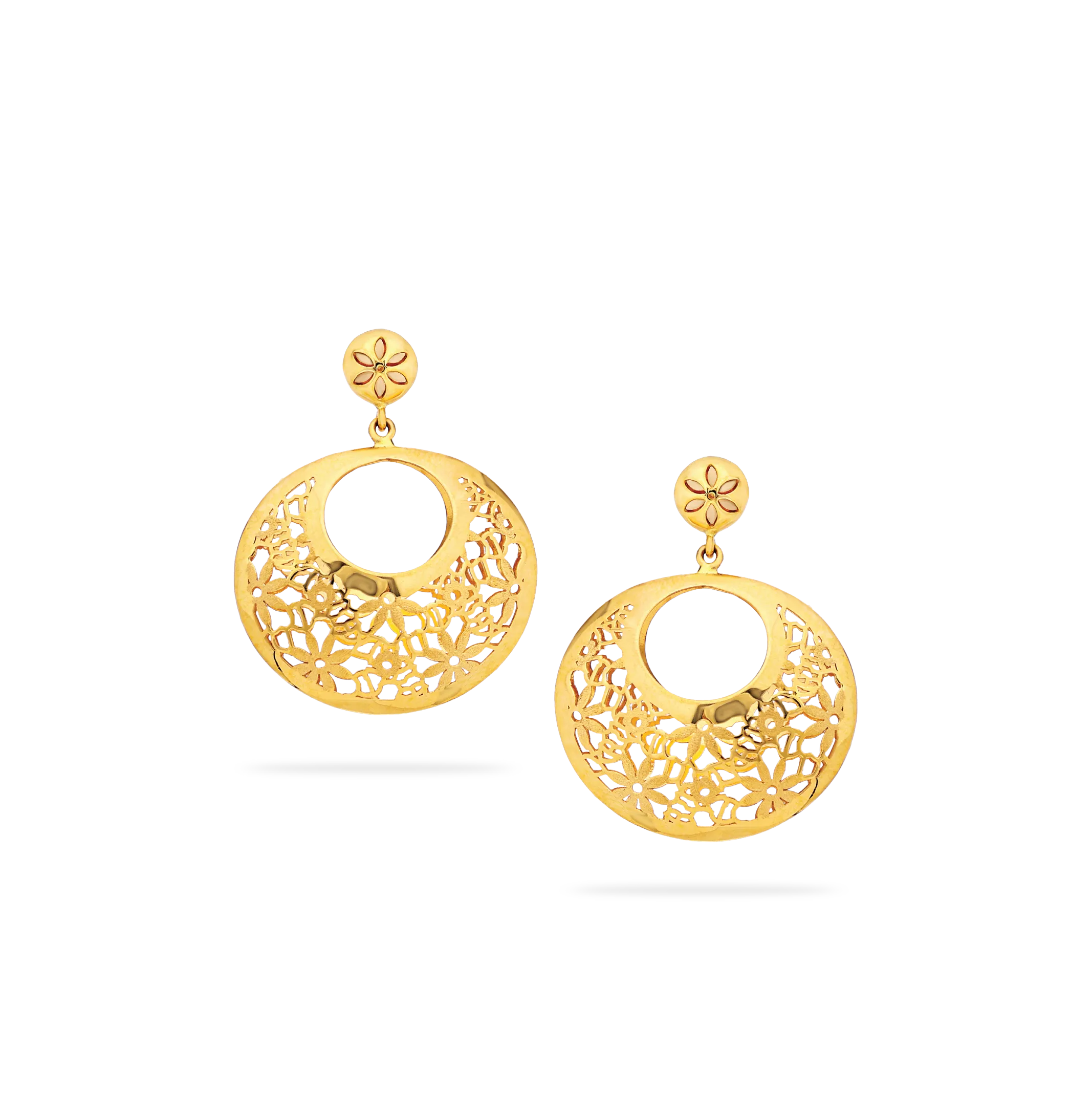
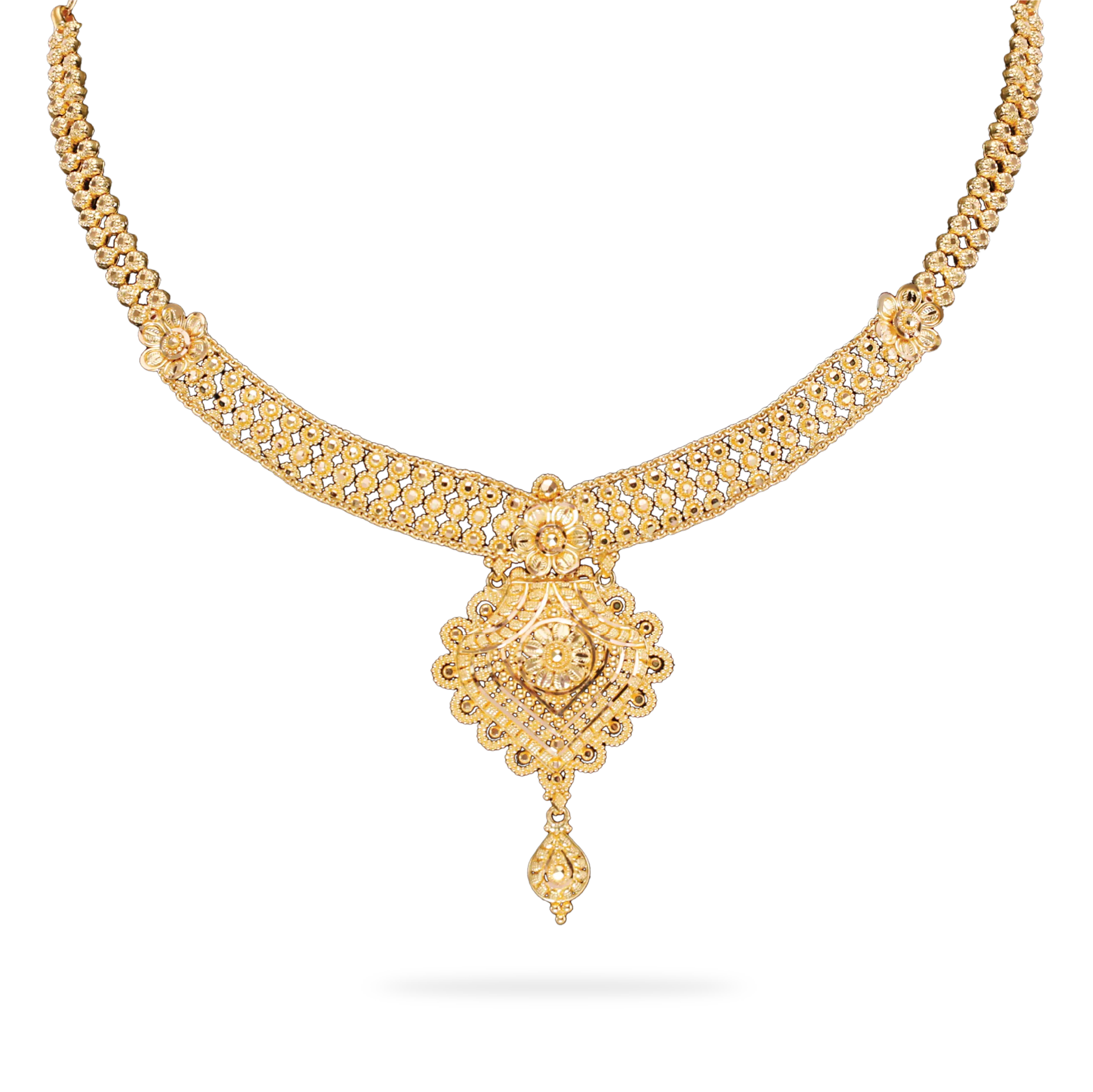
Gold is pretty much the star of the show when it comes to Nakshi jewellery. It’s not just any gold, though. We’re talking about high-karat gold, usually 22K or even 24K, which gives it that rich, deep yellow color that’s so distinctive. This soft, malleable metal is perfect for the detailed carving and intricate patterns that Nakshi work is known for. Artisans love working with it because it can be hammered, etched, and shaped without breaking easily. The sheer weight and luster of the gold itself contribute significantly to the piece's luxurious feel. It’s a material that’s been prized for centuries, not just for its beauty but also for its perceived ability to hold value and bring good fortune.
Adornments of Precious Gemstones
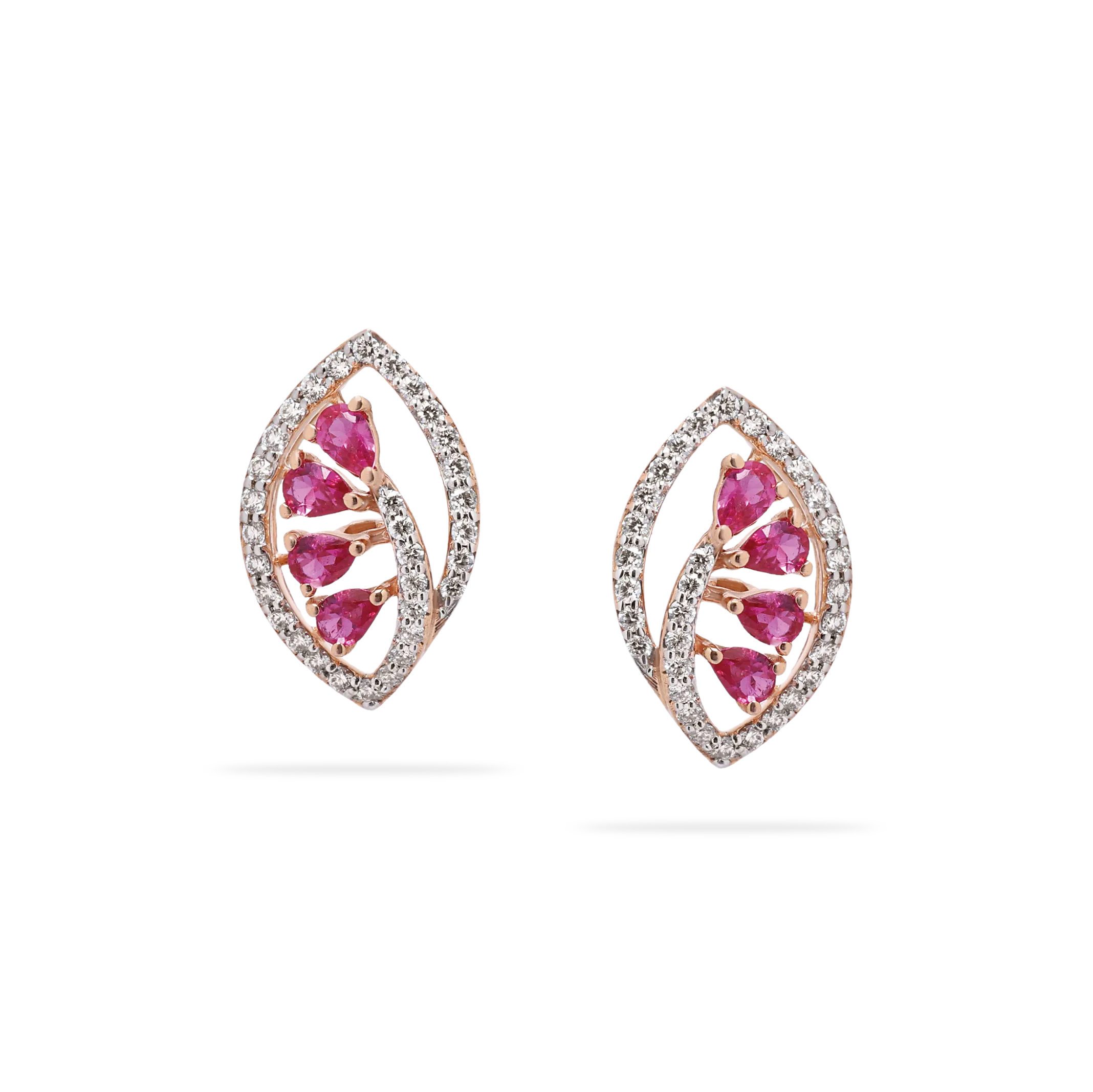
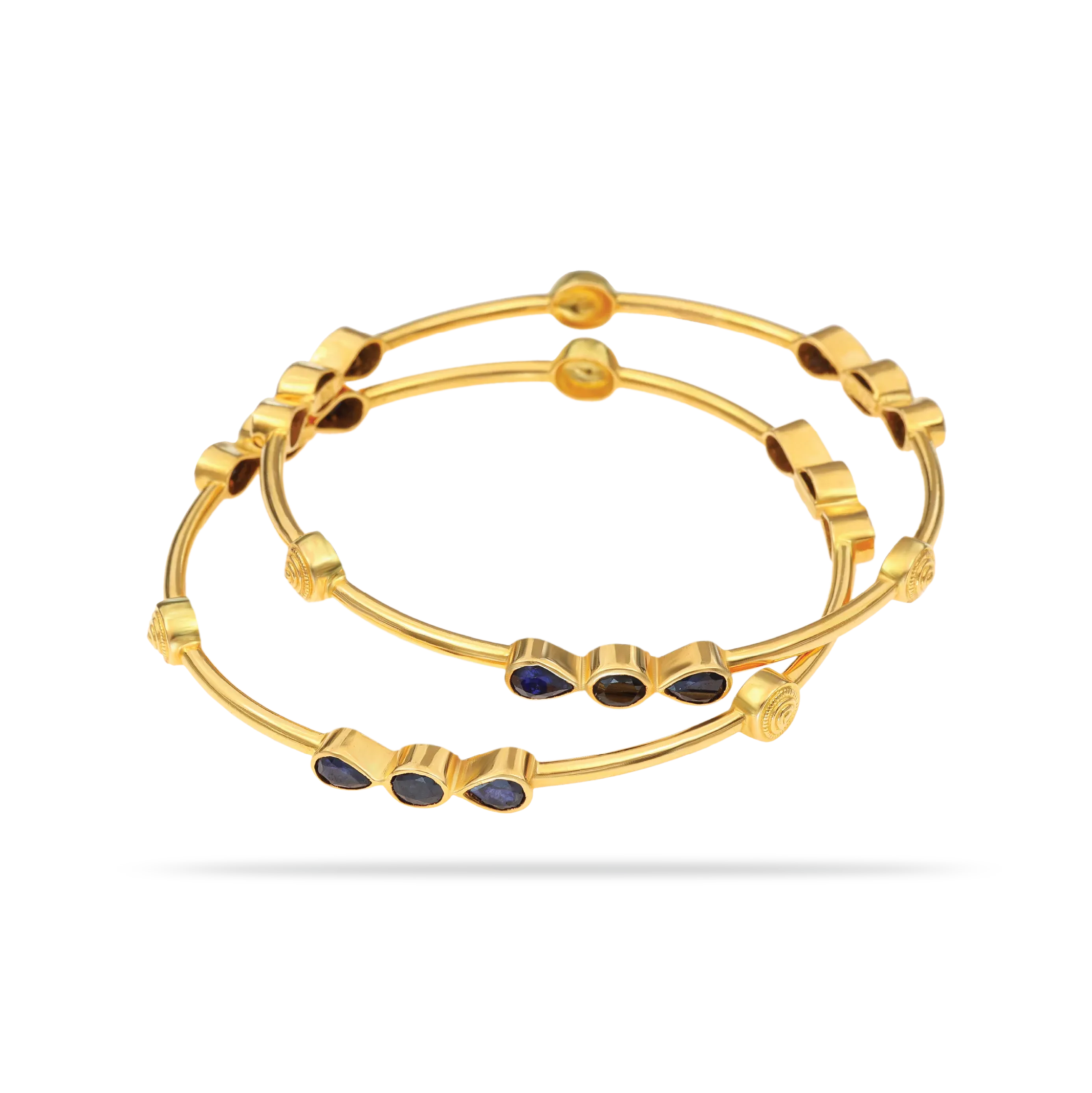
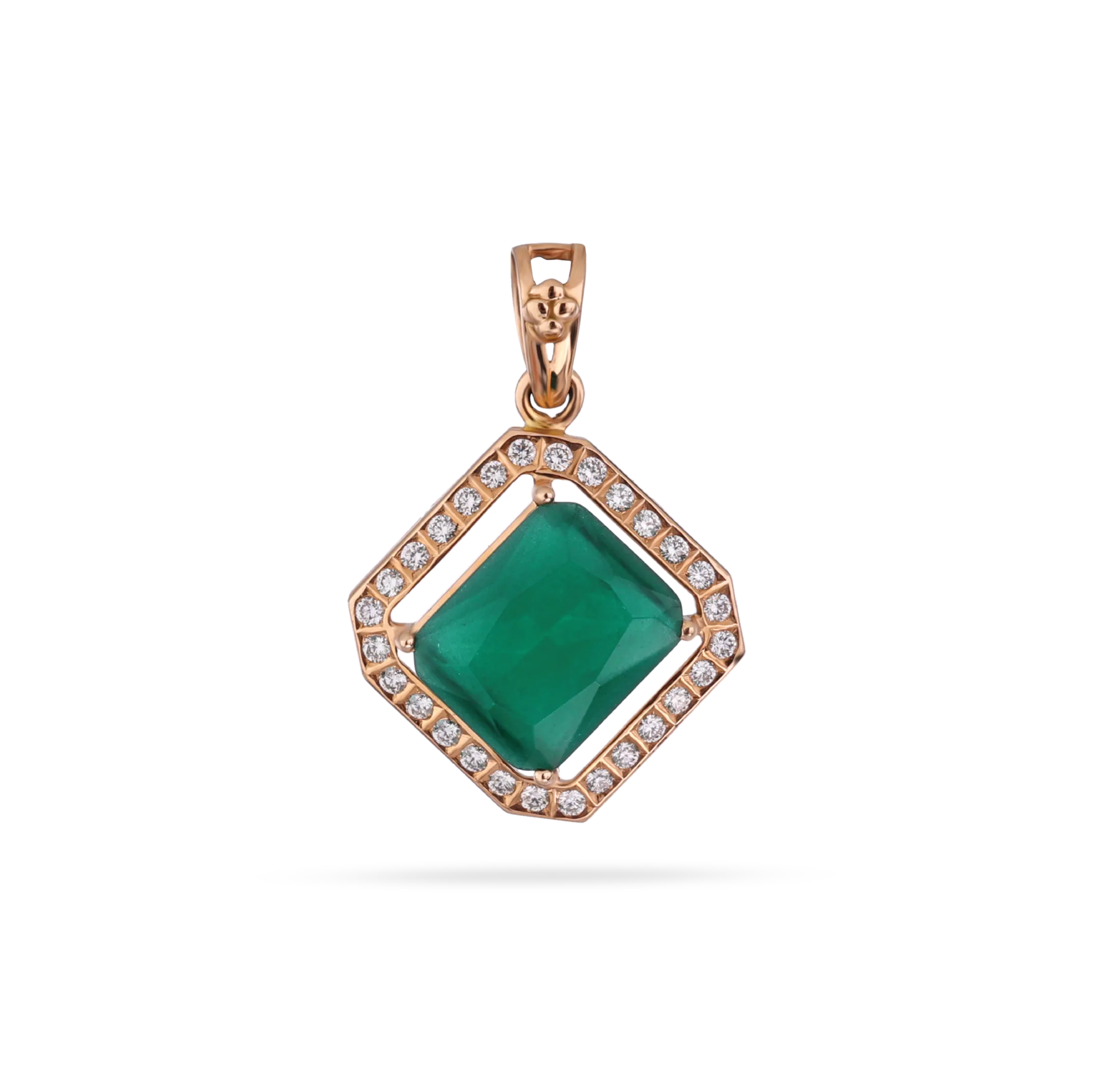
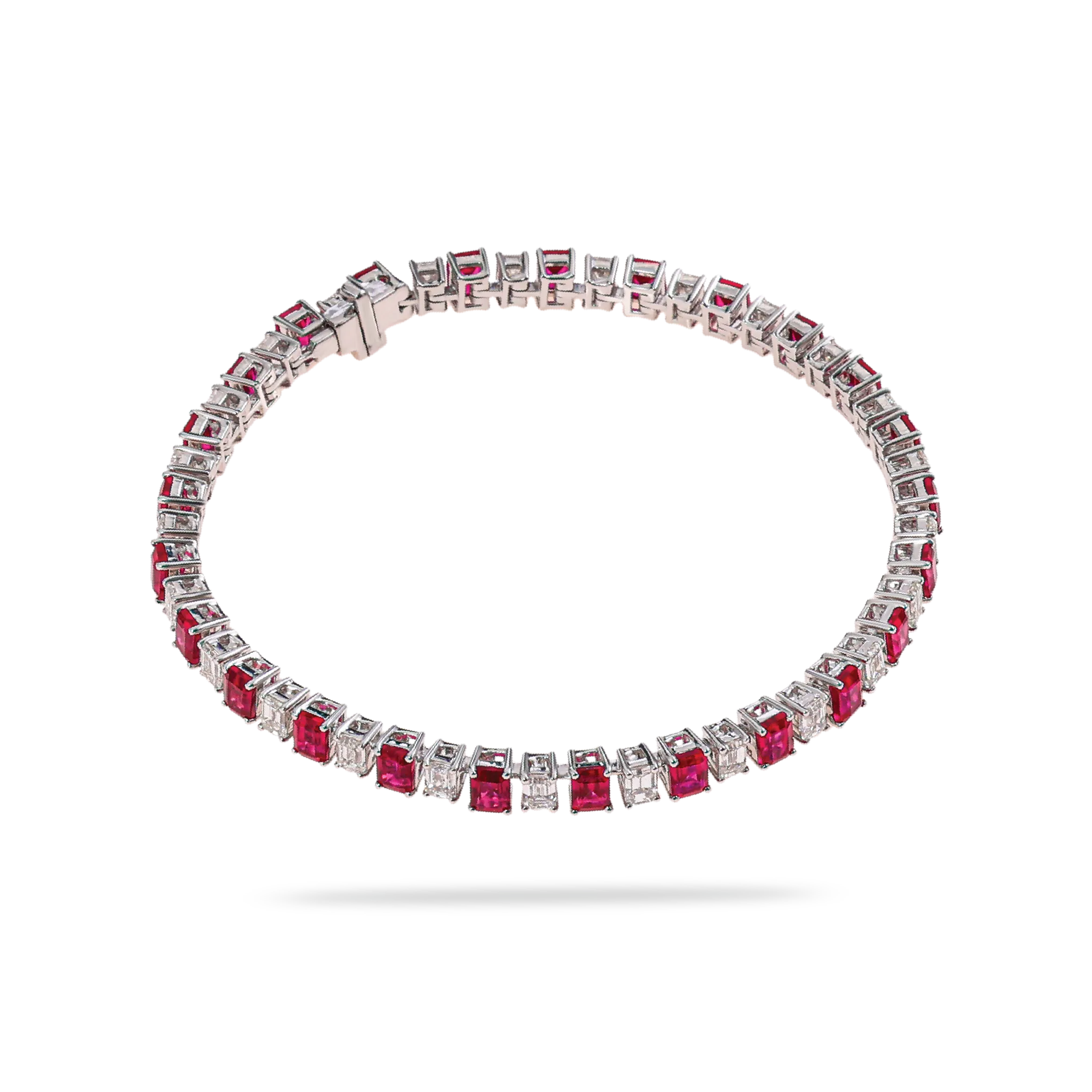
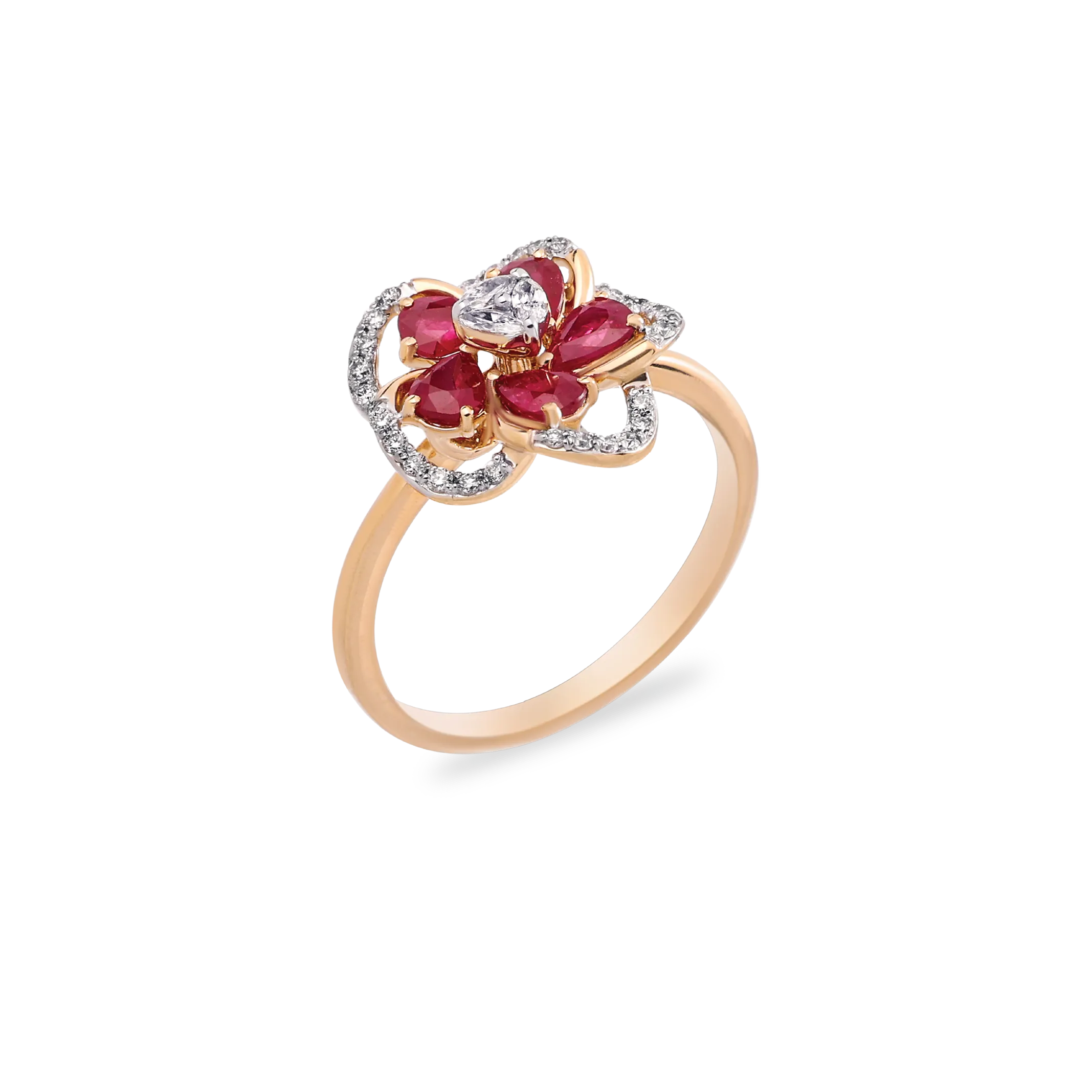
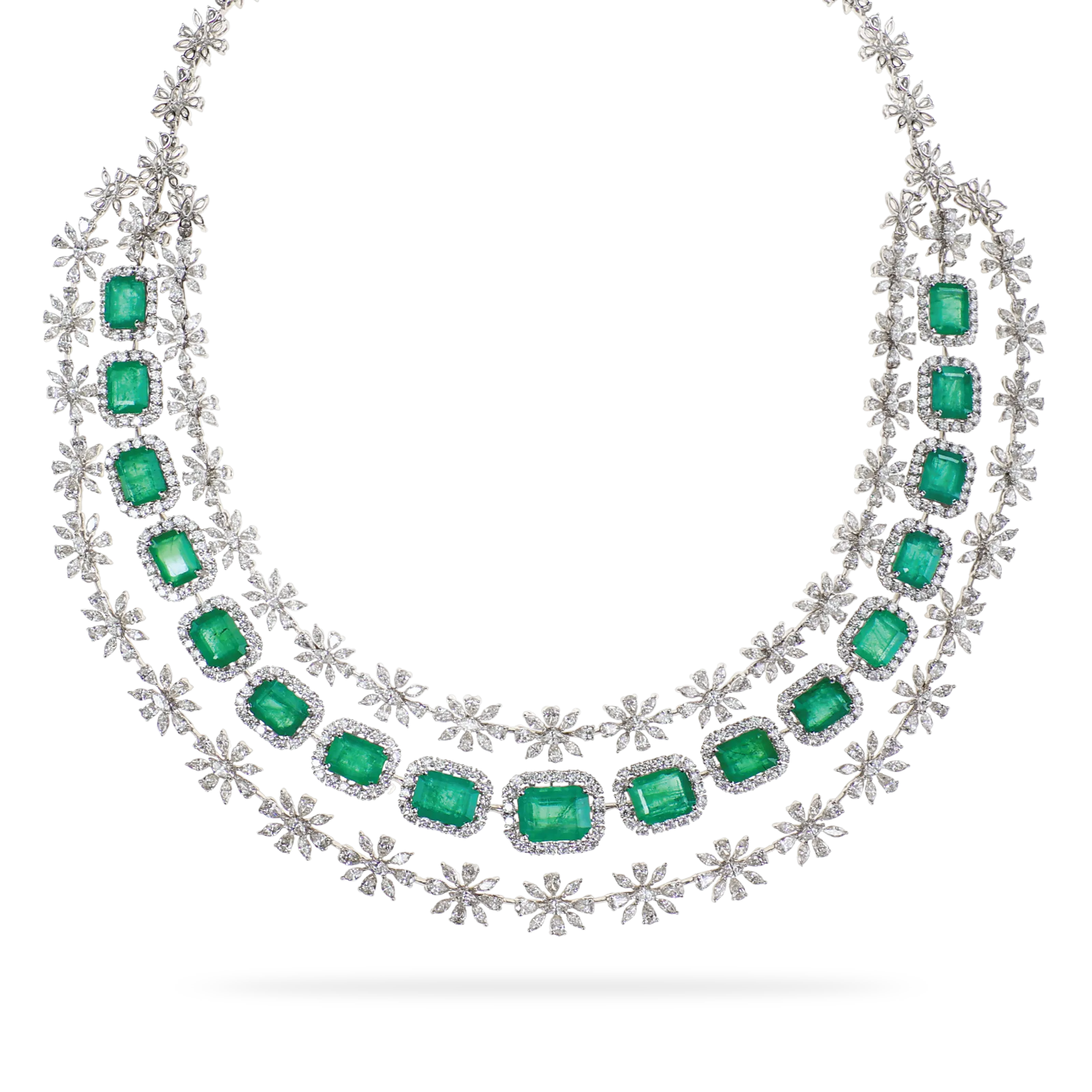
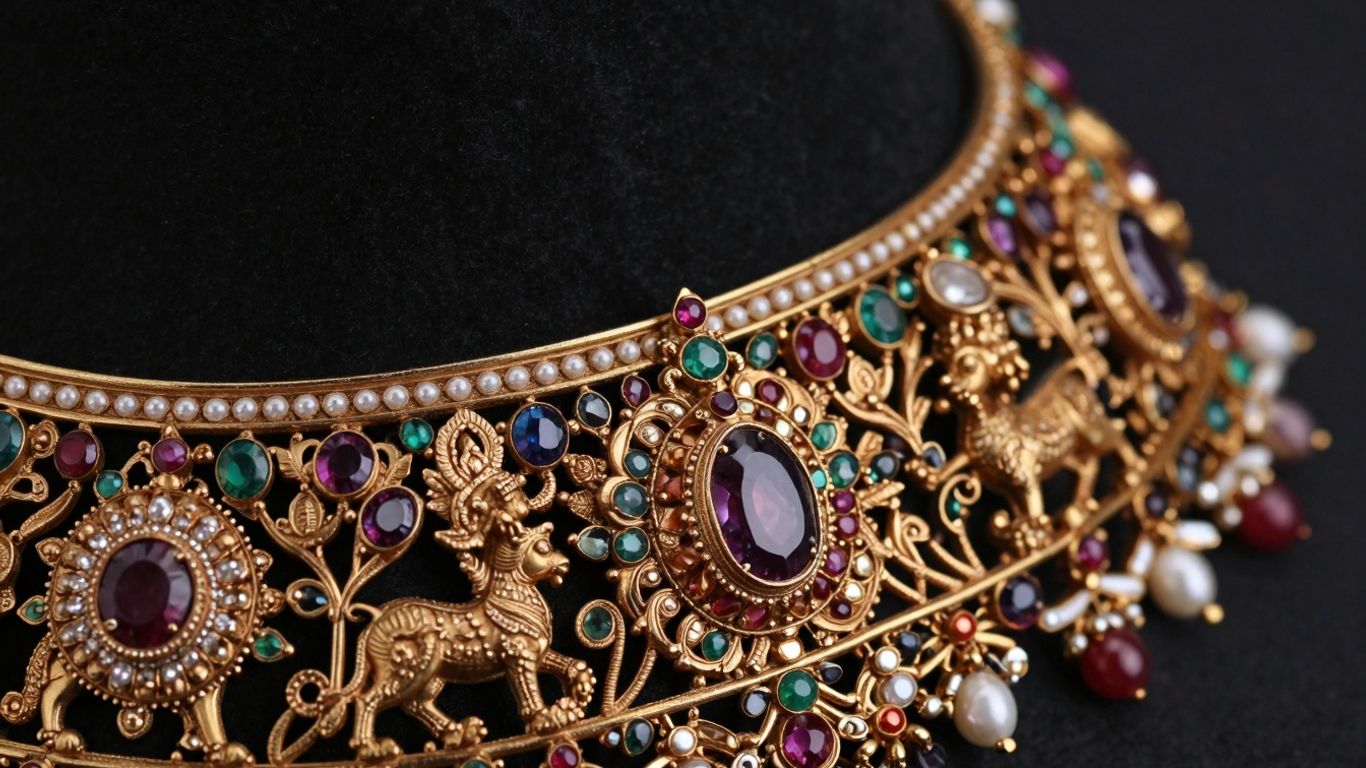
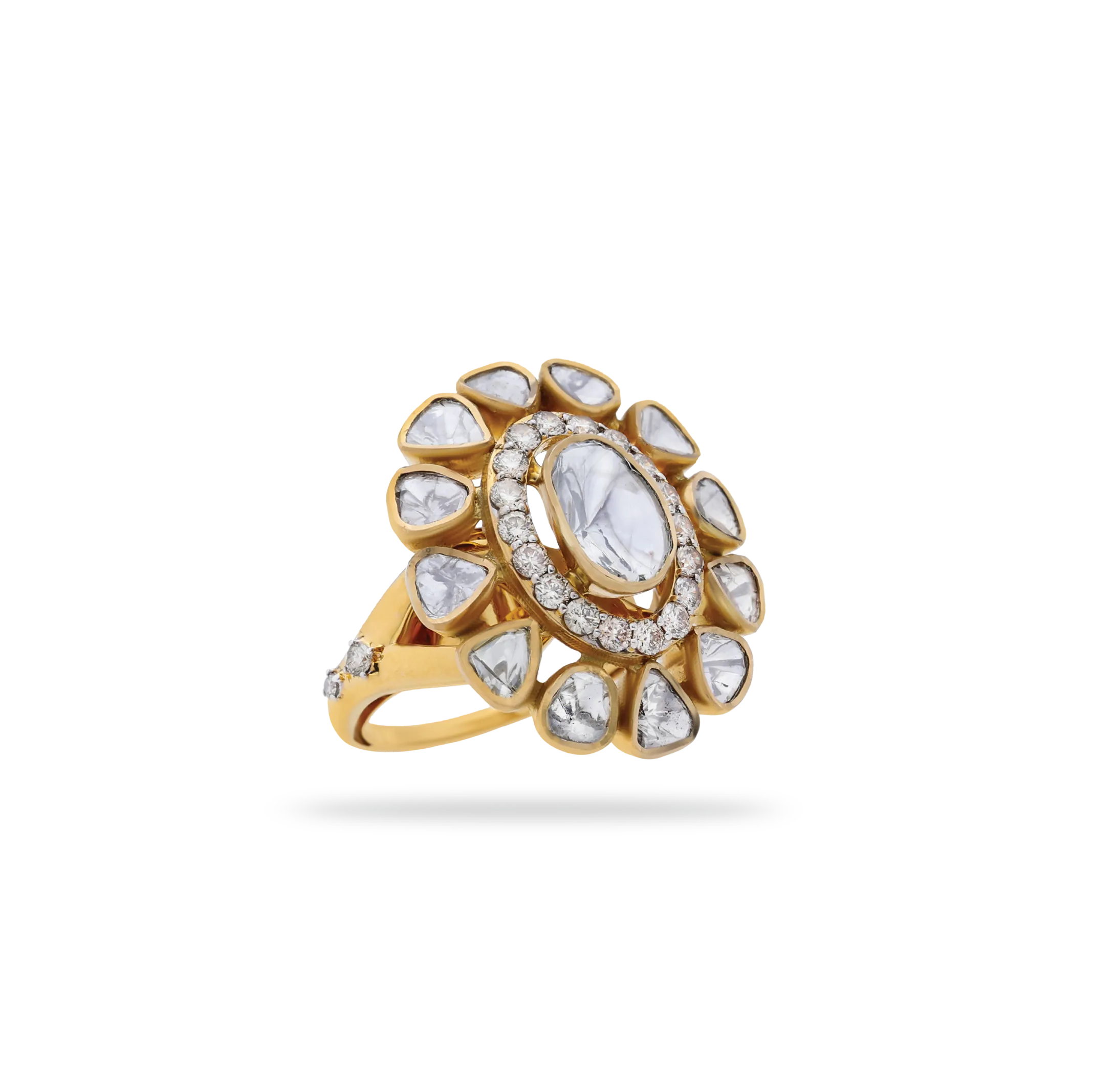
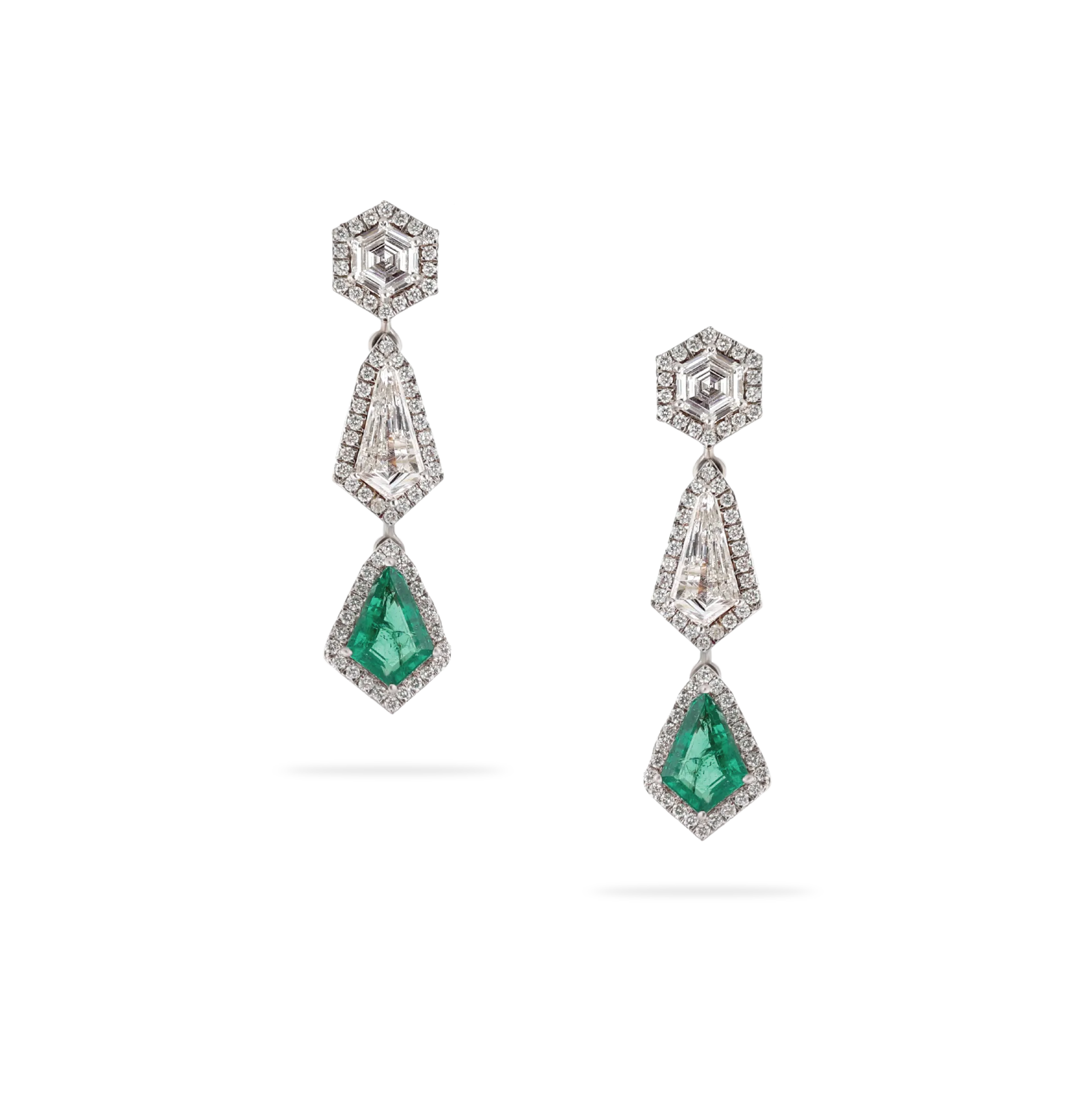
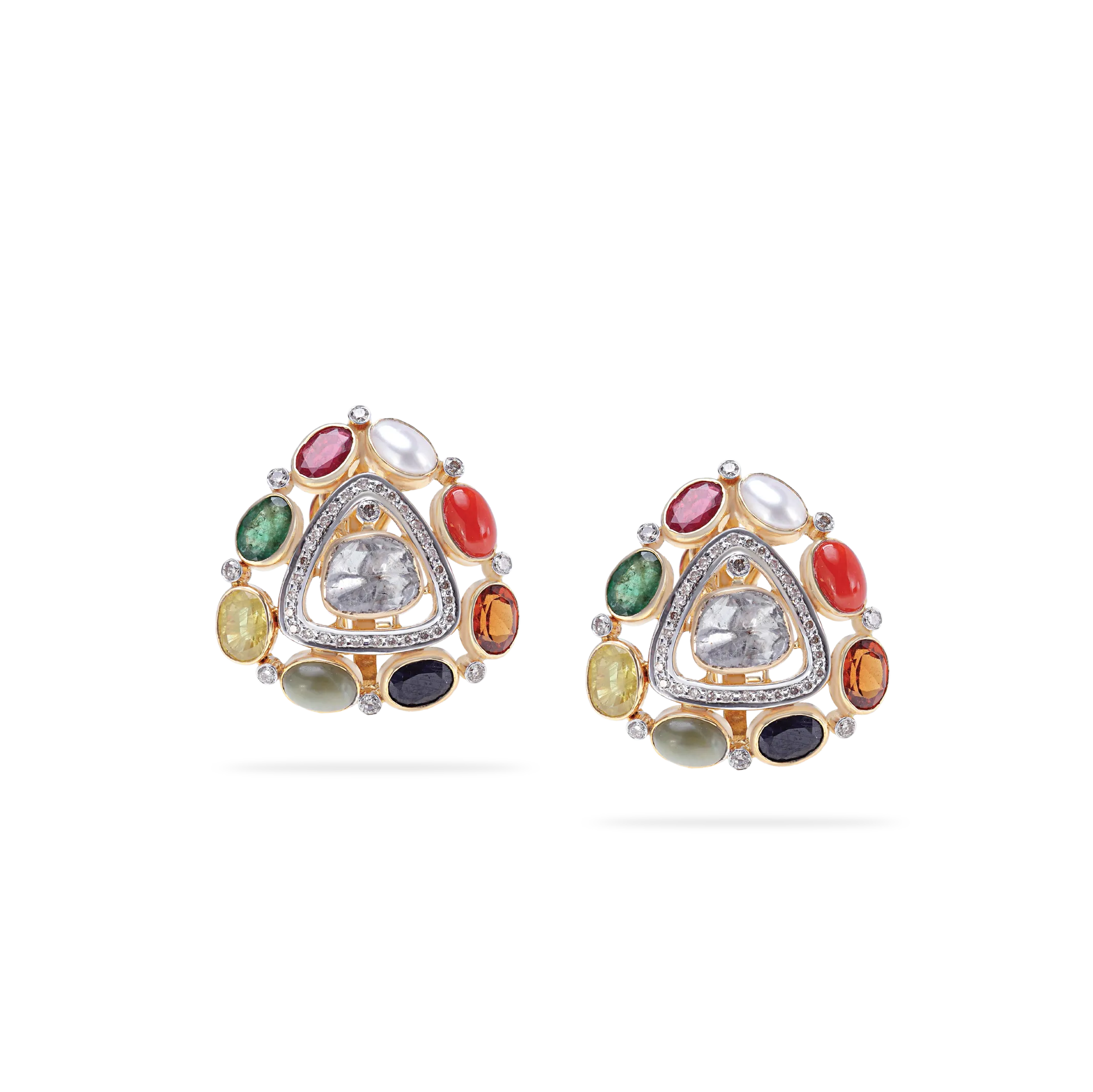
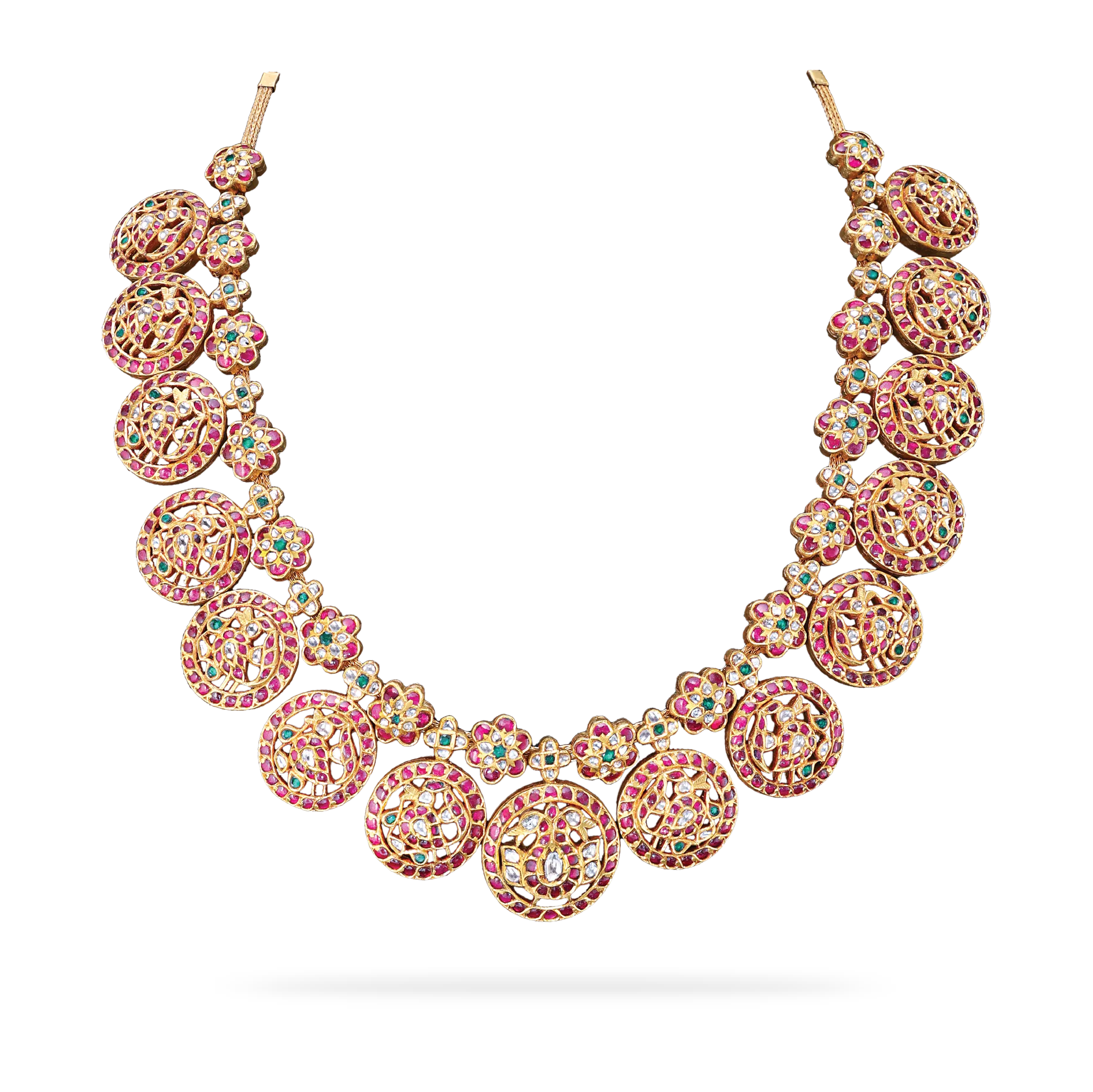
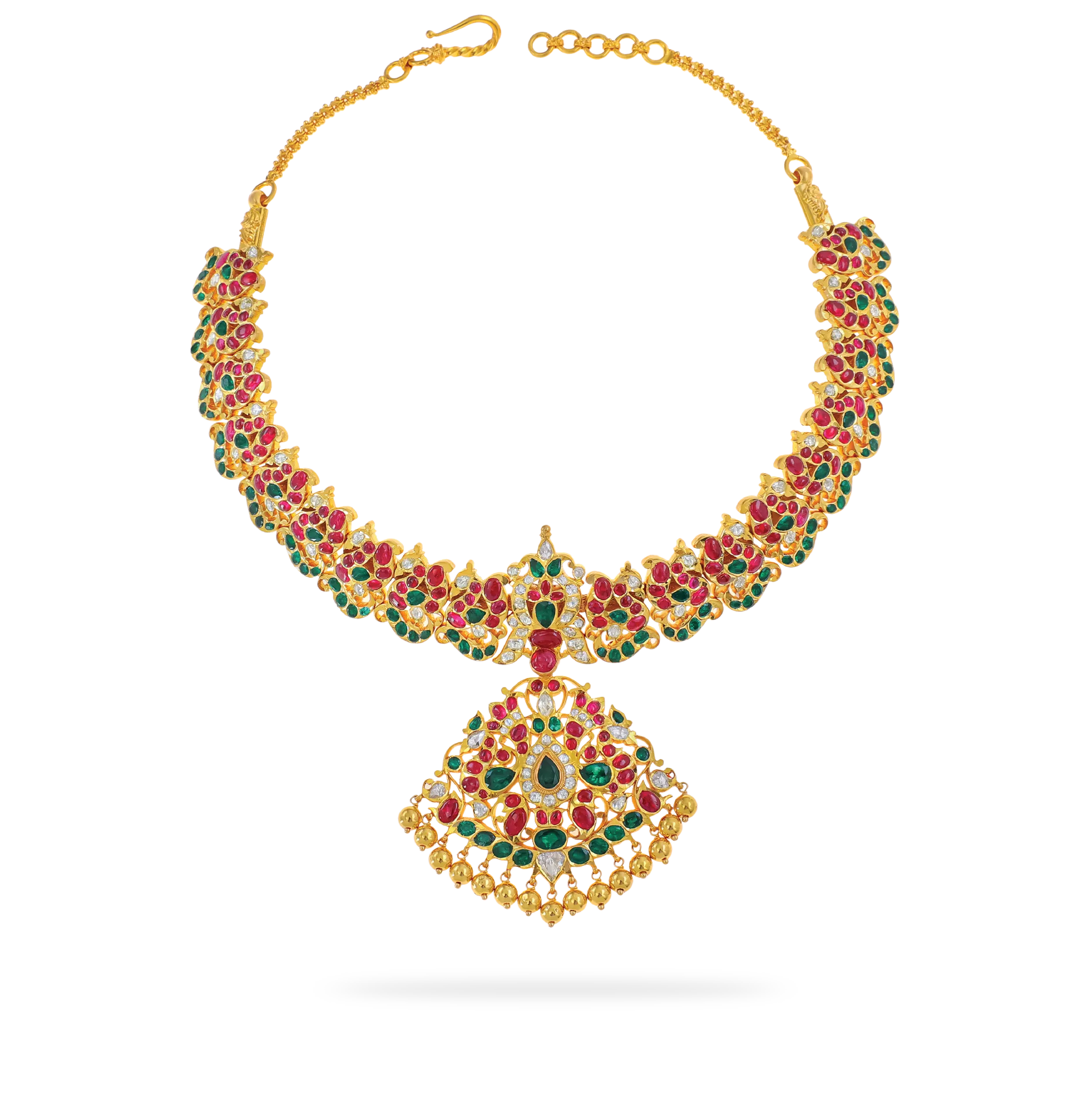
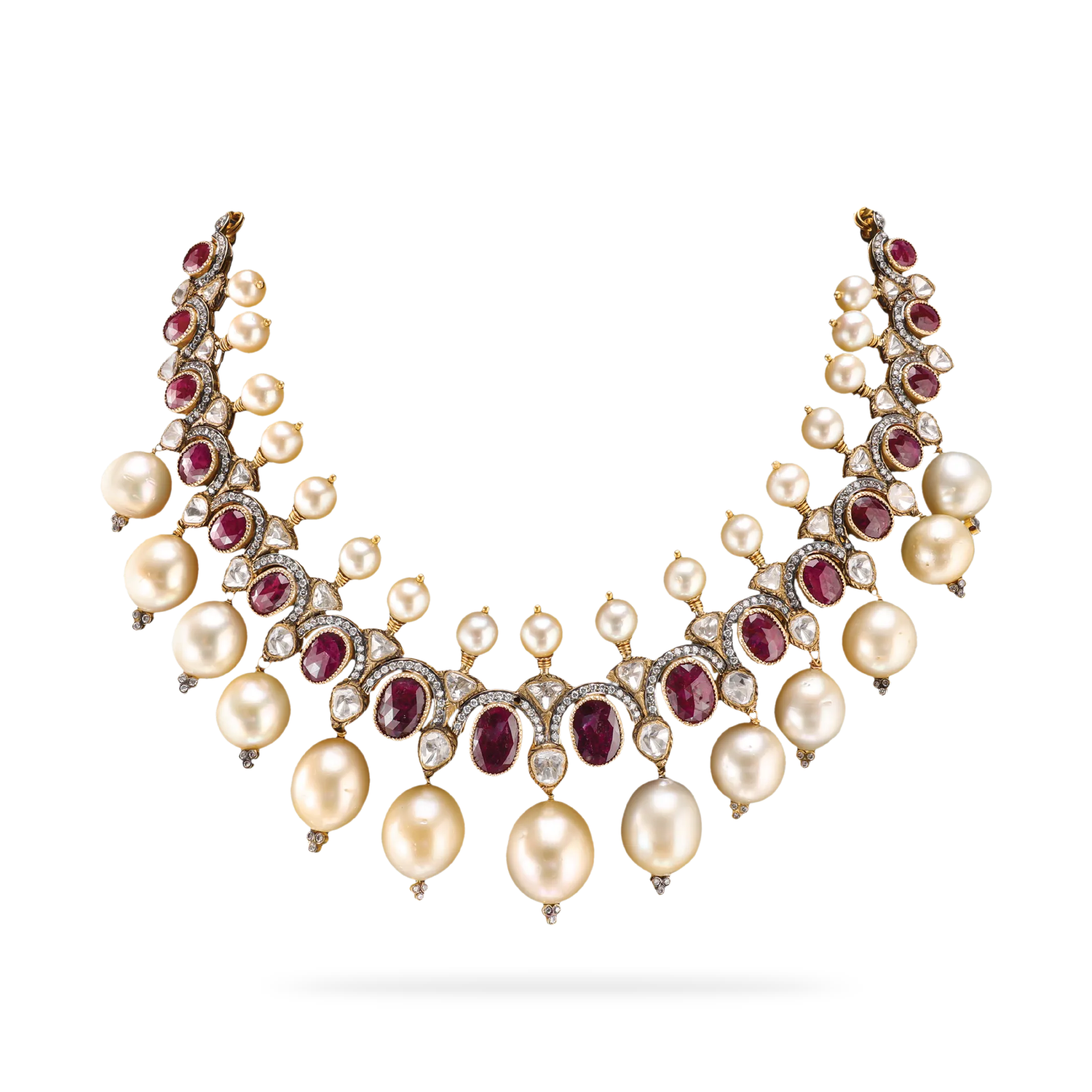
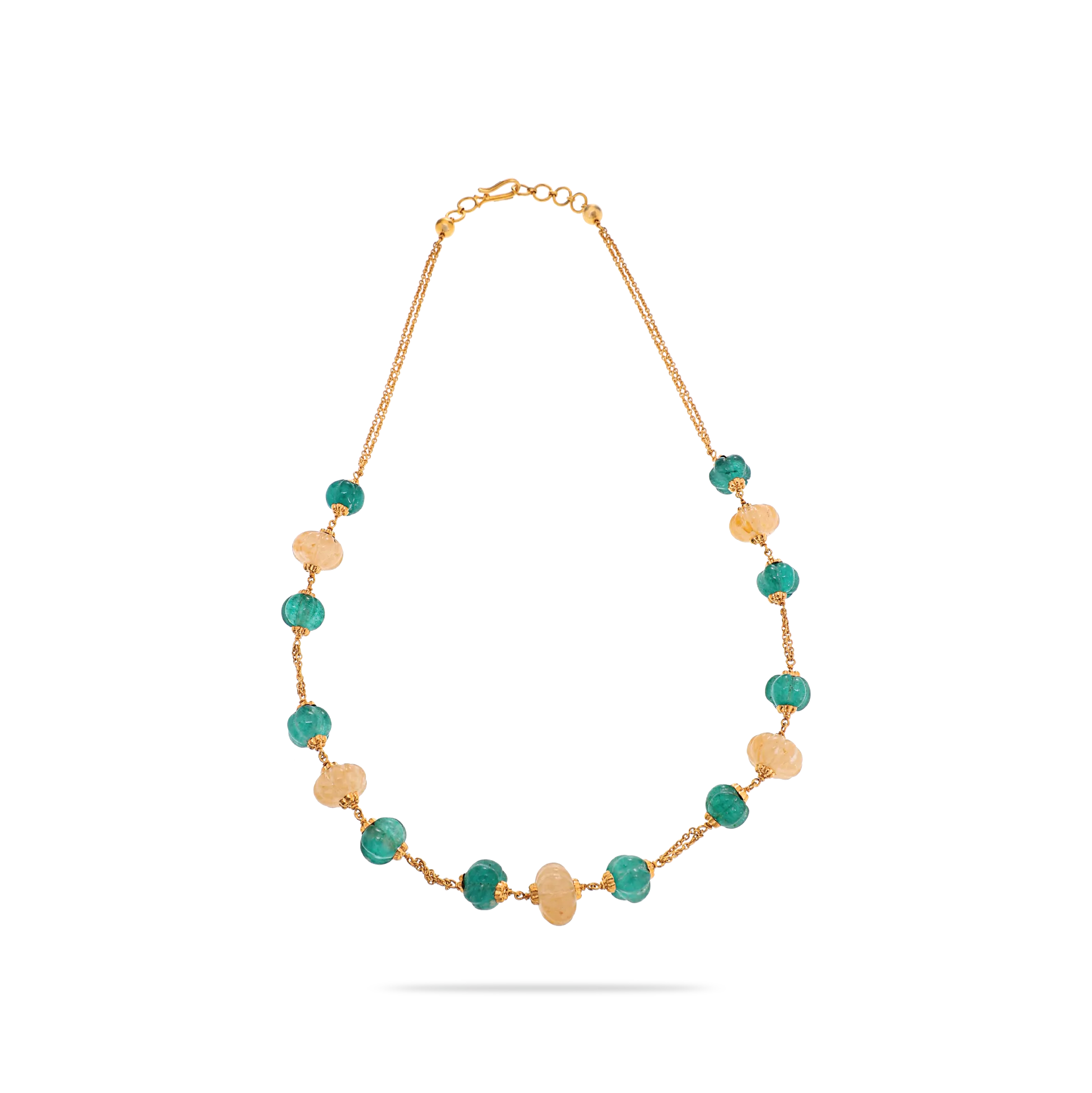
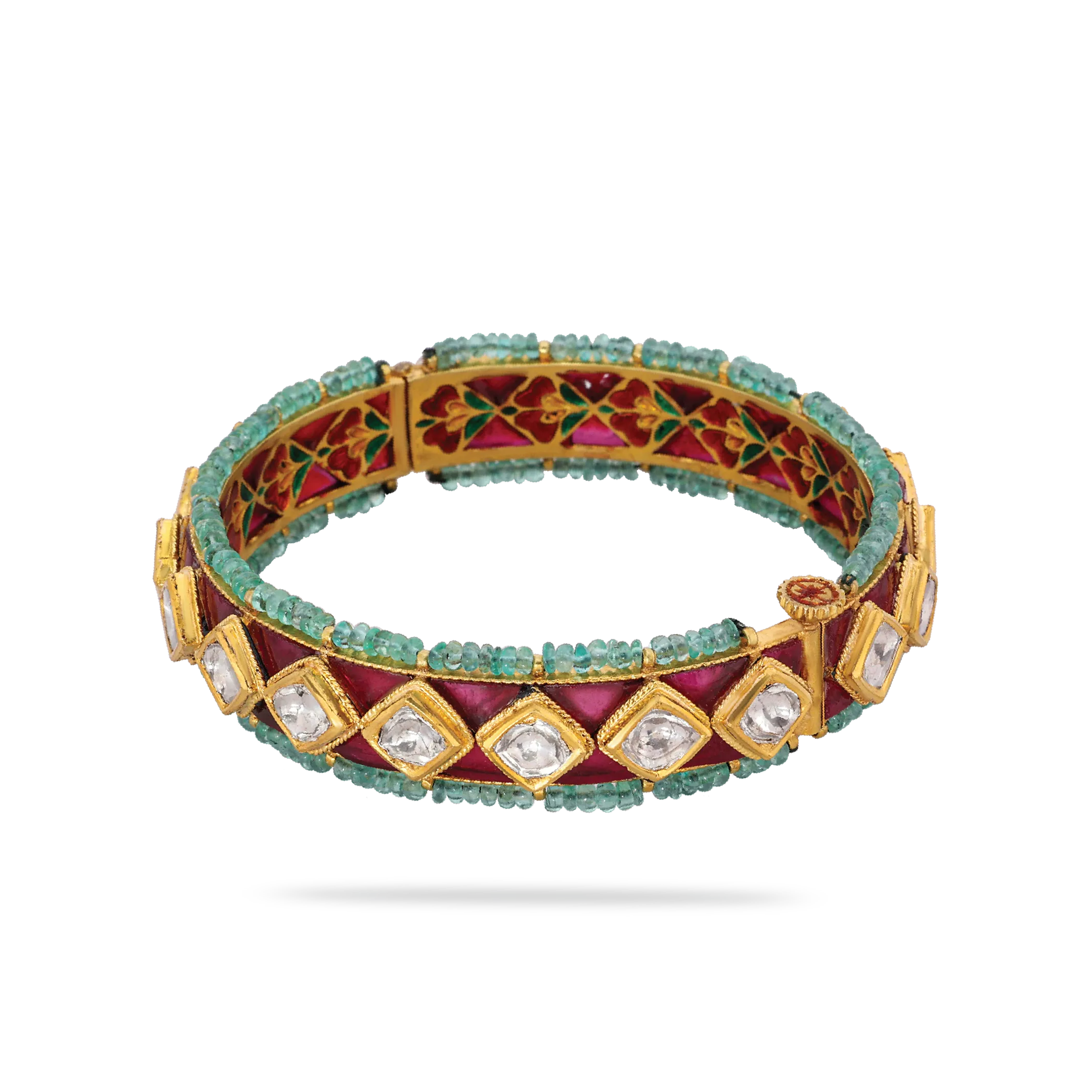
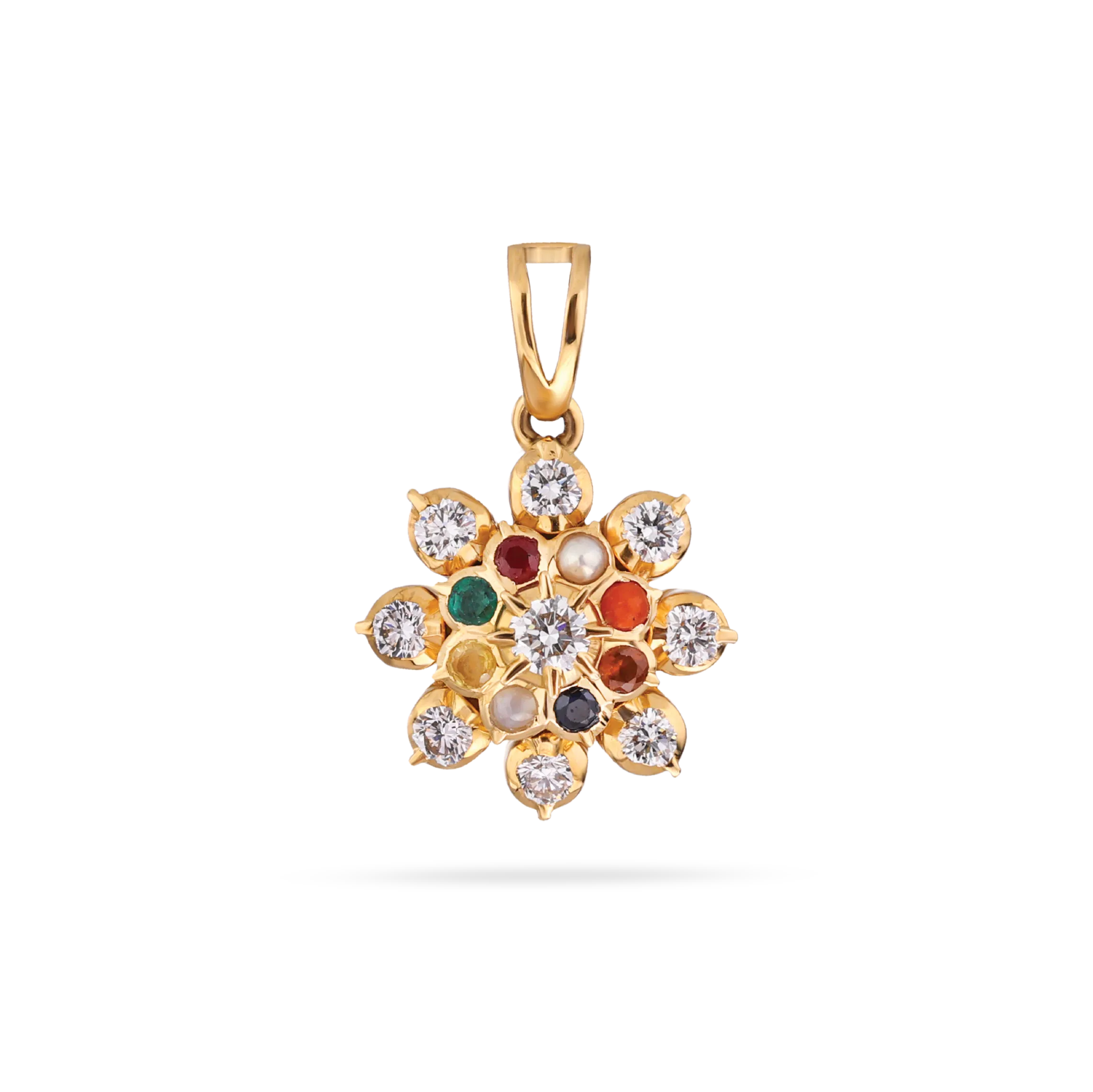
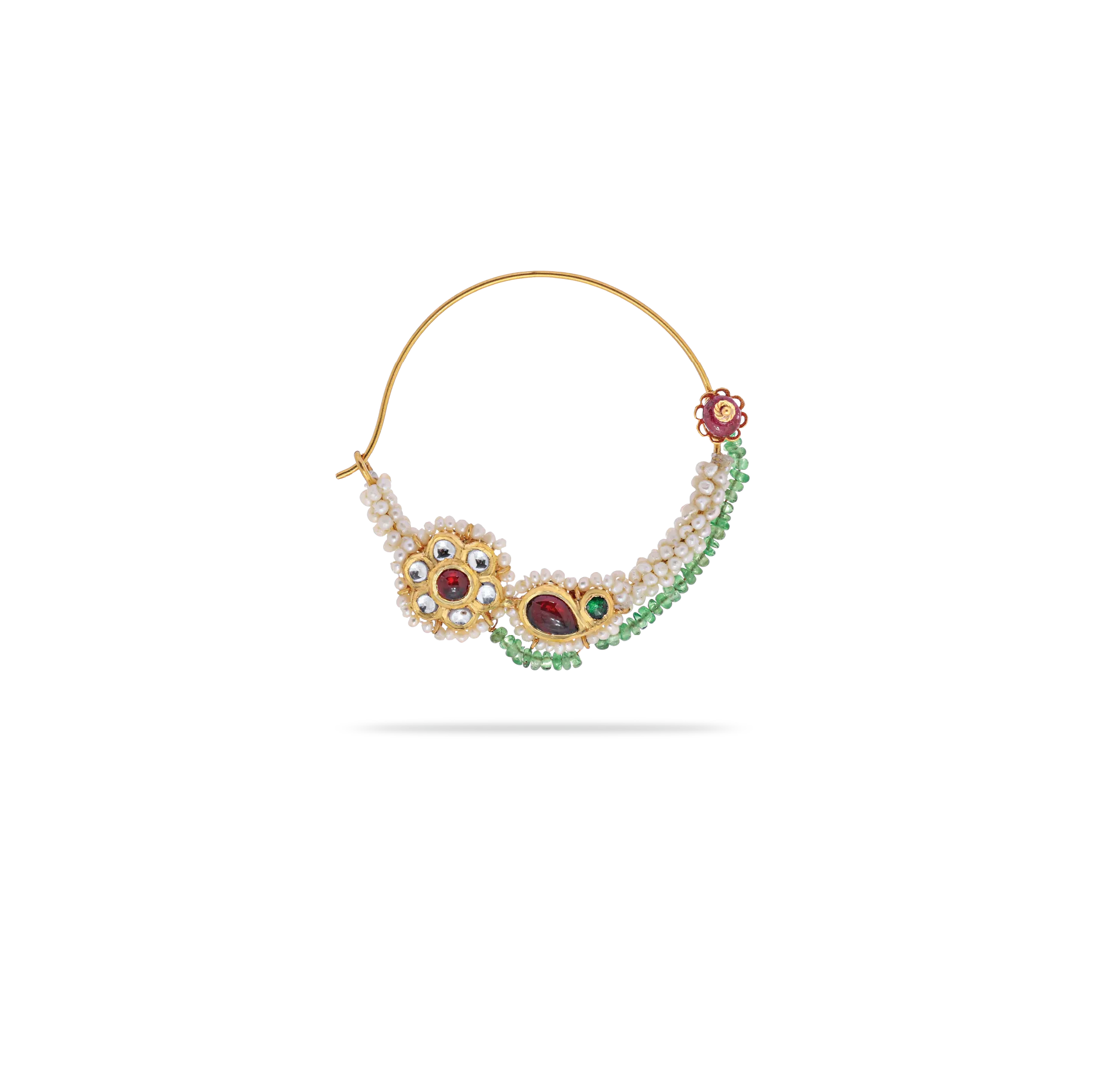
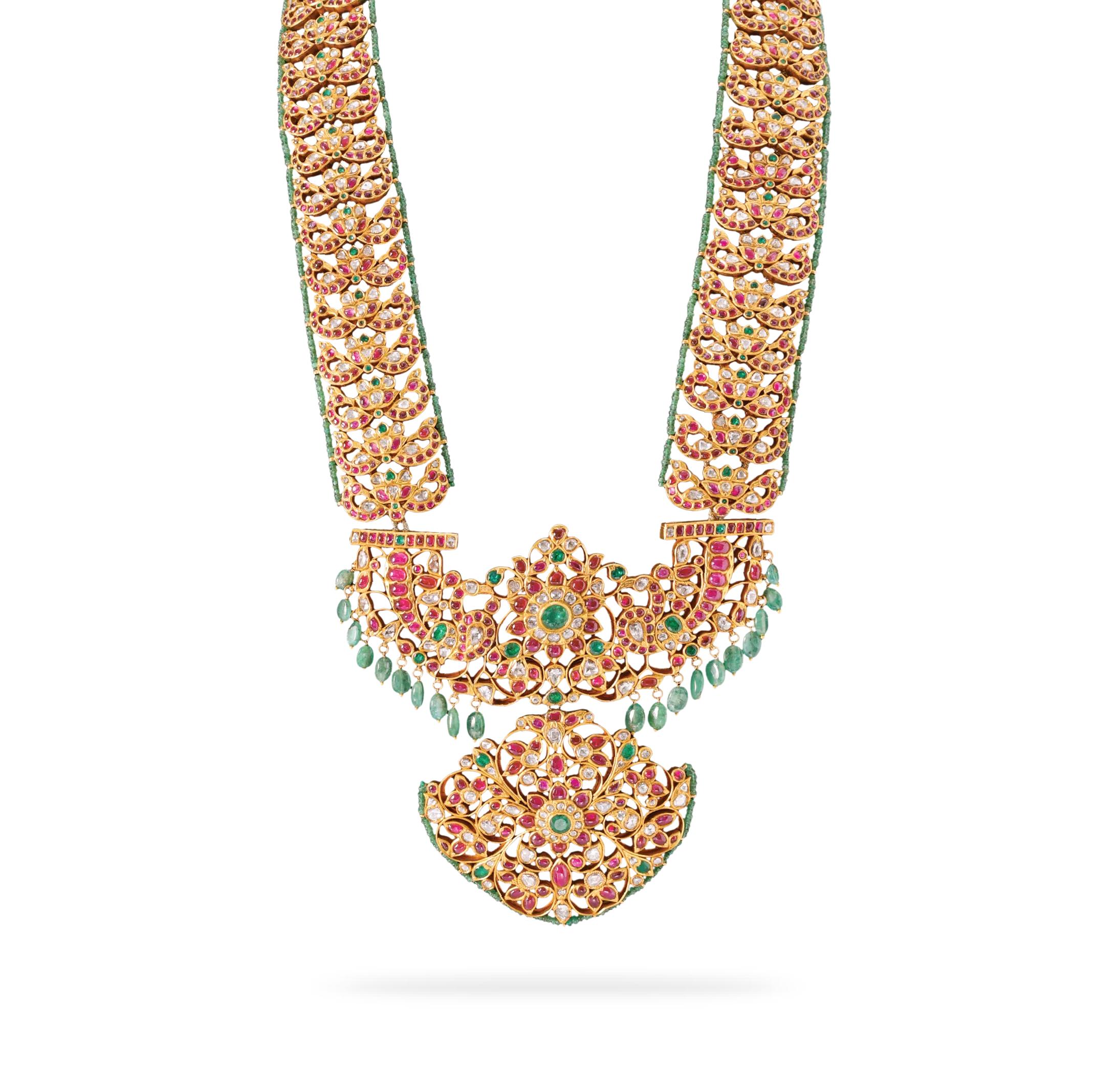
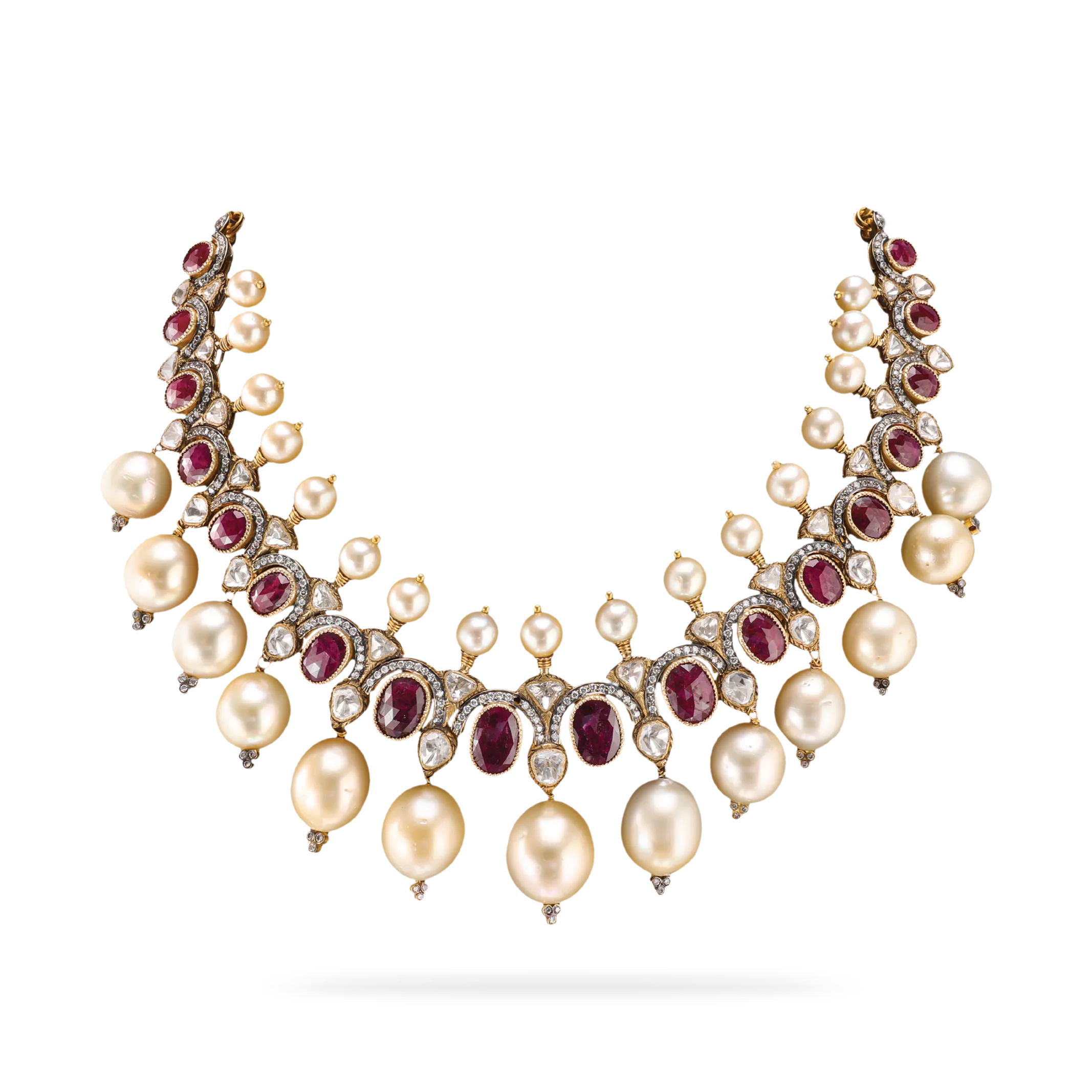
While gold is the canvas, gemstones are the vibrant splashes of color and sparkle that bring Nakshi jewellery to life. You’ll often see pieces studded with a variety of precious and semi-precious stones . Think deep red rubies, vibrant green emeralds, cool blue sapphires, and lustrous pearls. Sometimes, you’ll find uncut or minimally cut stones, which add a wonderfully rustic and authentic charm. These stones aren't just thrown in randomly; they're carefully chosen to complement the gold work and often carry their own symbolic meanings. For instance, pearls are associated with purity and calmness, while rubies are linked to passion and vitality. The way these stones are set, often in intricate bezels or even directly into the gold, is a testament to the artisan's skill. You can find some amazing examples of this detailed work at Ekadhi Jewels.
Generations of Skilled Artisans
It’s impossible to talk about Nakshi jewellery without mentioning the people who make it. This isn't factory work; it's a craft passed down through families, sometimes for hundreds of years. These artisans, often working in small workshops, possess an incredible amount of patience and a steady hand. They use a variety of specialized tools, many of which are probably quite old themselves, to meticulously carve, etch, and shape the metal. The process is slow and deliberate.
Here’s a glimpse into what goes into it:
- Design Sketching: It all starts with a detailed drawing, often inspired by nature, mythology, or ancient temple carvings.
- Hammering and Etching: Artisans use tiny chisels and hammers to carefully create the patterns on the gold surface.
- Stone Setting: Gemstones are meticulously placed and secured, often requiring precise metalwork.
- Polishing: The final stages involve buffing and cleaning to bring out the shine and highlight the intricate details.
The creation of each Nakshi piece is a labor of love, a slow dance between metal, stone, and the artisan's skilled hands. It’s a process that respects tradition while producing something truly unique and beautiful.
This dedication to craftsmanship is what gives Nakshi jewellery its enduring appeal and makes each piece a wearable work of art.
The Process Behind Nakshi Jewellery Creation
Creating Nakshi jewellery is a journey that transforms raw metal and stones into wearable art. It’s a process steeped in tradition, requiring immense patience and a skilled hand.
Designing Intricate Patterns
It all starts with an idea, often inspired by nature, ancient temple carvings, or mythological figures. Artisans sketch these designs, sometimes on paper, other times directly onto the metal. These initial drawings are detailed, mapping out every curve, motif, and potential gemstone placement.
Cutting, Shaping, and Etching
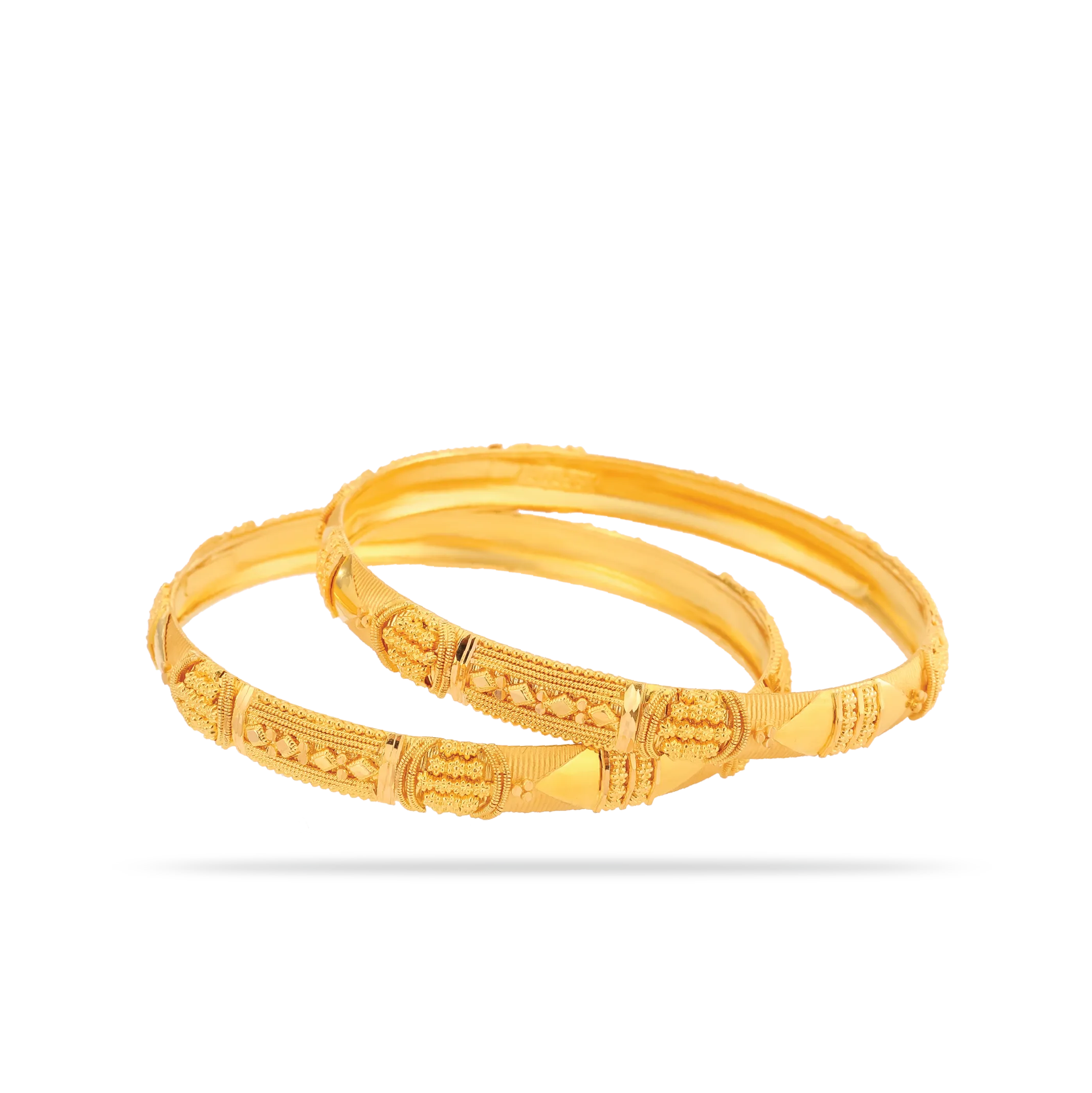
Once the design is finalized, the real work begins. A sheet of gold, usually 22-karat for its malleability and rich color, is carefully cut and shaped into the basic form of the piece – be it a pendant, a pair of earrings, or a bangle. Then comes the meticulous etching. Using tiny chisels and hammers, artisans painstakingly carve the intricate patterns onto the metal surface. This is where the magic happens, bringing the design to life with delicate lines and textures.
Polishing and Finishing Touches
After the etching is complete, the piece undergoes several stages of polishing. This isn't just about making it shiny; it's about refining the details, smoothing any rough edges, and ensuring the etched patterns stand out. Gemstones, if used, are carefully set into place. Finally, the jewellery is cleaned thoroughly, inspected for any imperfections, and prepared for its wearer.
The creation of a single Nakshi piece can take anywhere from a few days to several weeks, depending on its complexity. This dedication to detail is what gives each item its unique character and heirloom quality.
Here's a simplified look at the steps involved:
- Design Conceptualization: Sketching the motif and pattern.
- Metal Preparation: Cutting and shaping the gold sheet.
- Detailed Etching: Carving the design with hand tools.
- Gemstone Setting: Carefully placing precious or semi-precious stones .
- Finishing: Polishing and final cleaning.
Cultural Significance and Symbolism
A Reflection of Identity and Heritage
Nakshi jewellery isn't just about looking pretty; it's deeply woven into the fabric of Indian culture. Think of it as wearable history. Each piece tells a story, passed down through families, connecting the wearer to their ancestors and their roots. It’s a way of carrying your heritage with you, a tangible link to traditions that have shaped communities for ages. The intricate patterns often draw from ancient motifs, religious symbols, and even nature, each element chosen for its specific meaning. This isn't just decoration; it's a visual language that speaks of identity, belonging, and a rich cultural lineage.
Worn During Auspicious Occasions
When big life events happen – weddings, festivals, religious ceremonies – you'll often see Nakshi jewellery making an appearance. It's not just for everyday wear; these pieces are reserved for moments that matter. Wearing them adds a special kind of grandeur and significance to these celebrations. It's believed that the craftsmanship and the materials used can bring good fortune and blessings. It’s like the jewellery itself is participating in the joy and sanctity of the occasion, enhancing the festive spirit and honoring the traditions associated with these important times.
Symbolism of Nature and Deities
Look closely at Nakshi jewellery, and you'll start to see a whole world of symbols. Many designs are inspired by the natural world – think of peacocks, lotuses, or vines. These aren't just pretty pictures; they often represent things like beauty, purity, fertility, or prosperity. Then there are the divine figures. Motifs of gods and goddesses are common, especially in temple jewellery, symbolizing devotion, protection, and spiritual connection. Even something like a serpent, often seen in certain regional styles, can represent fertility and renewal. It’s a way of bringing the blessings and power of nature and the divine into one's life through adornment.
The artistry in Nakshi jewellery goes far beyond mere aesthetics. It serves as a profound medium for cultural expression, embedding deep-seated beliefs and historical narratives into tangible forms. Each meticulously crafted piece acts as a vessel, carrying forward ancestral wisdom and spiritual significance from one generation to the next, reinforcing a sense of continuity and identity.
Regional Variations in Indian Jewellery
South India's Nakshi Work
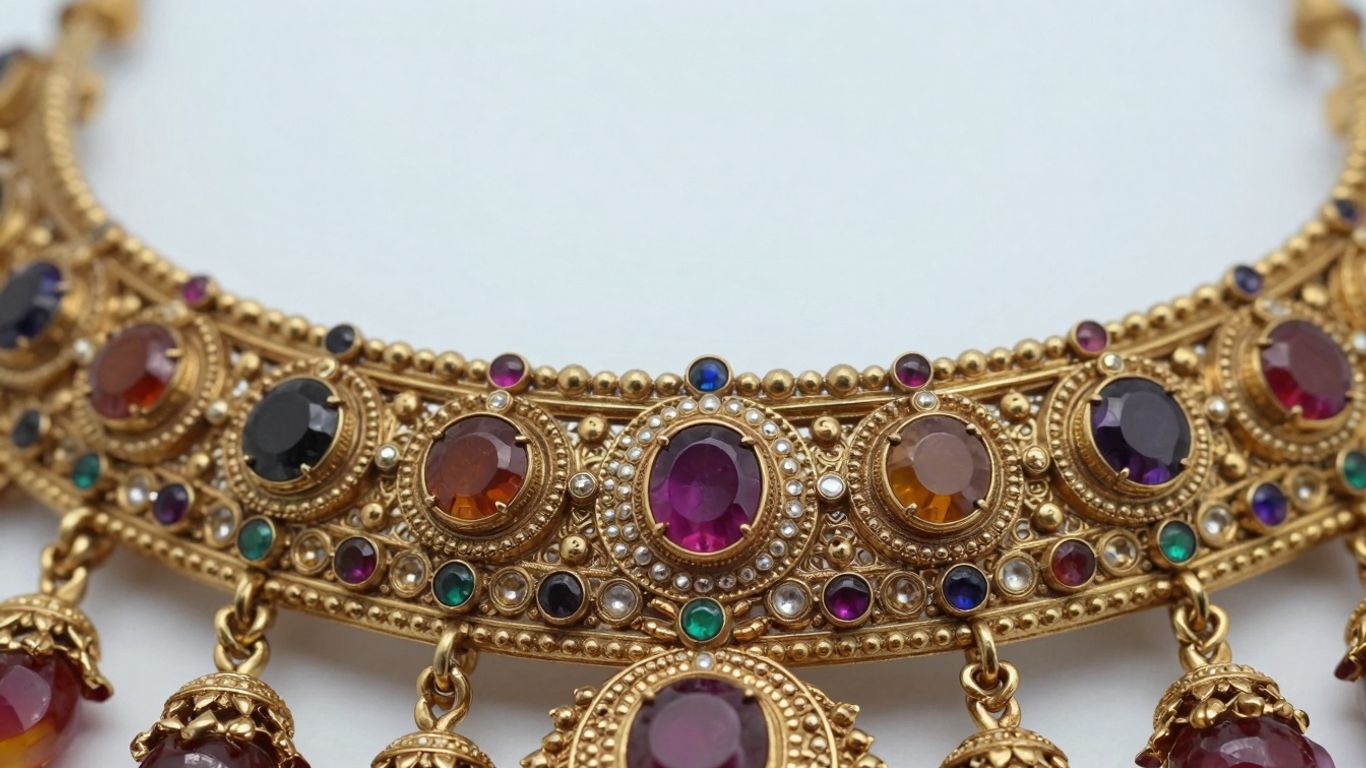
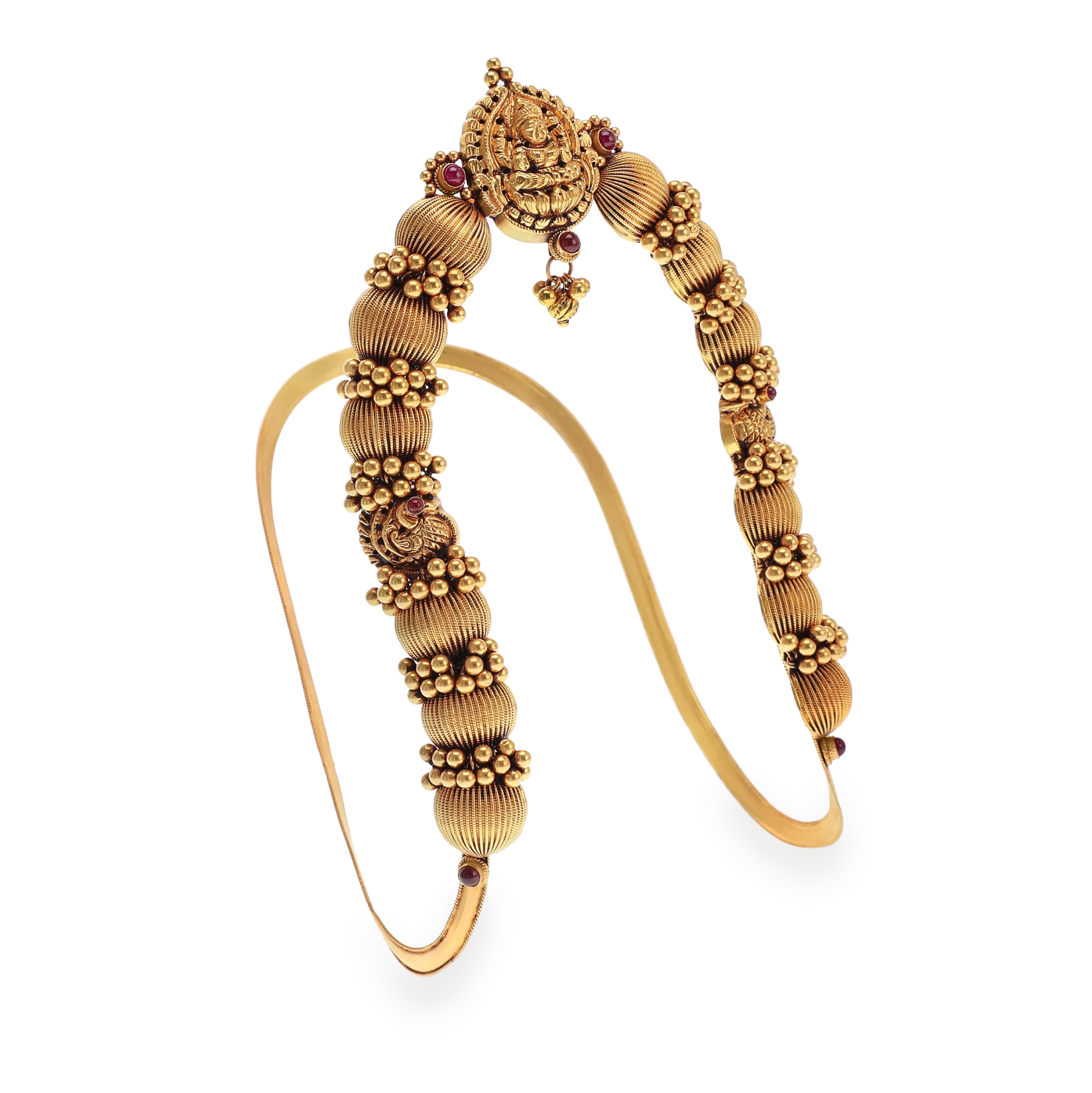
South India has a really special place in the world of jewelry, especially when it comes to Nakshi work. This style is all about intricate designs that are hand-carved directly onto gold. It's not just about pretty patterns; these designs often draw inspiration from nature, temple architecture, and stories from mythology. Think delicate floral motifs, graceful peacocks, or depictions of deities. The sheer amount of detail is amazing, and it's something that's been passed down through families of artisans for ages. Gold is super important here, seen as auspicious and a symbol of prosperity. You'll often find these pieces adorned with precious stones like rubies and emeralds, adding a real pop of color and luxury. It’s a style that feels both deeply traditional and incredibly rich.
Temple Jewellery Traditions
Temple jewellery is another fascinating aspect of South Indian artistry. As the name suggests, these pieces were originally made for adorning deities in temples and were also worn by temple dancers. They carry a lot of cultural and religious weight, often symbolizing good fortune and prosperity. The craftsmanship is usually quite elaborate, with gold being the primary material. You'll see lots of motifs related to Hindu gods and goddesses, as well as other auspicious symbols. These aren't just pretty accessories; they're pieces steeped in history and spirituality. Many families treasure these items as heirlooms, connecting them to their ancestors and traditions. It’s a style that truly embodies devotion and artistry.
Antique Jewellery Charm
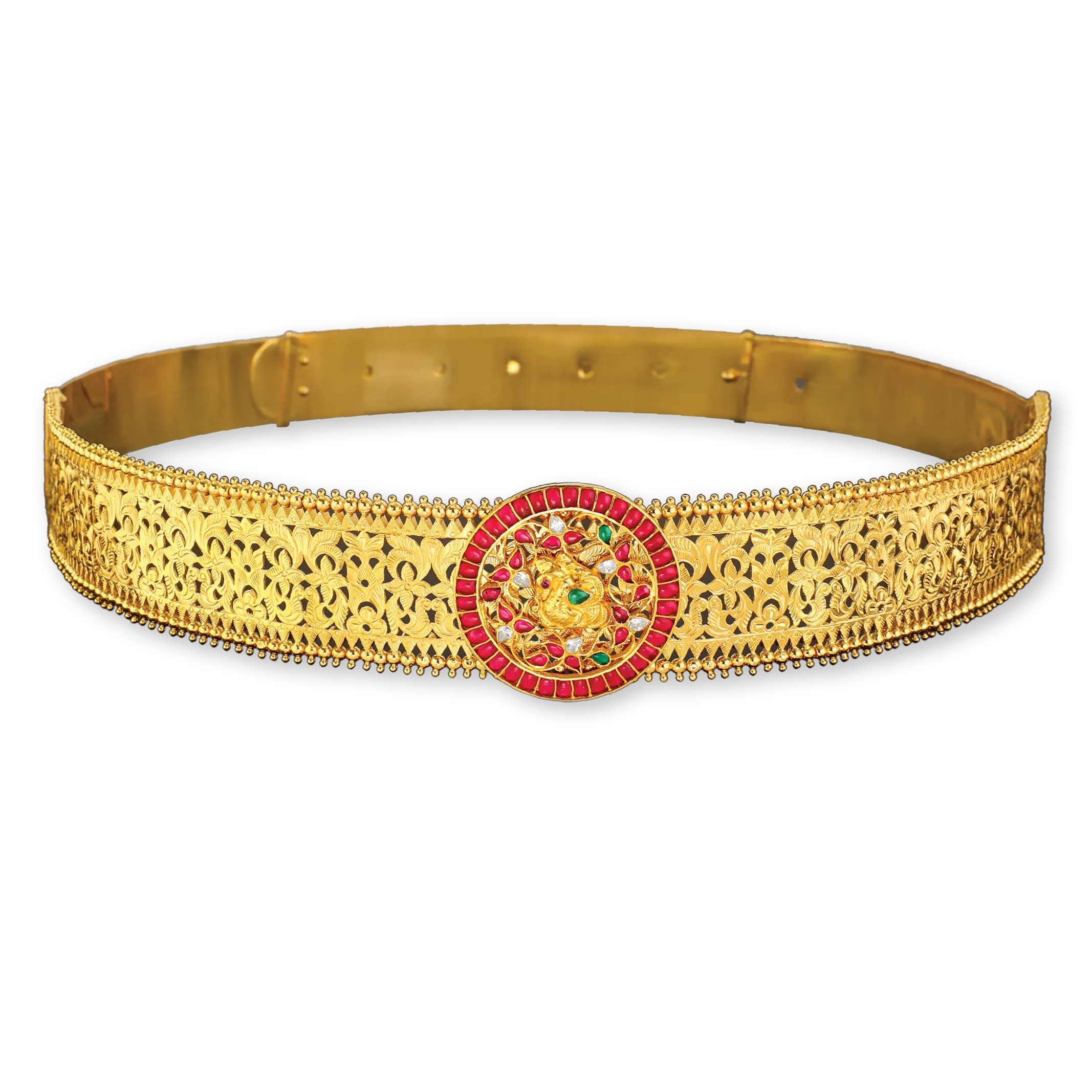
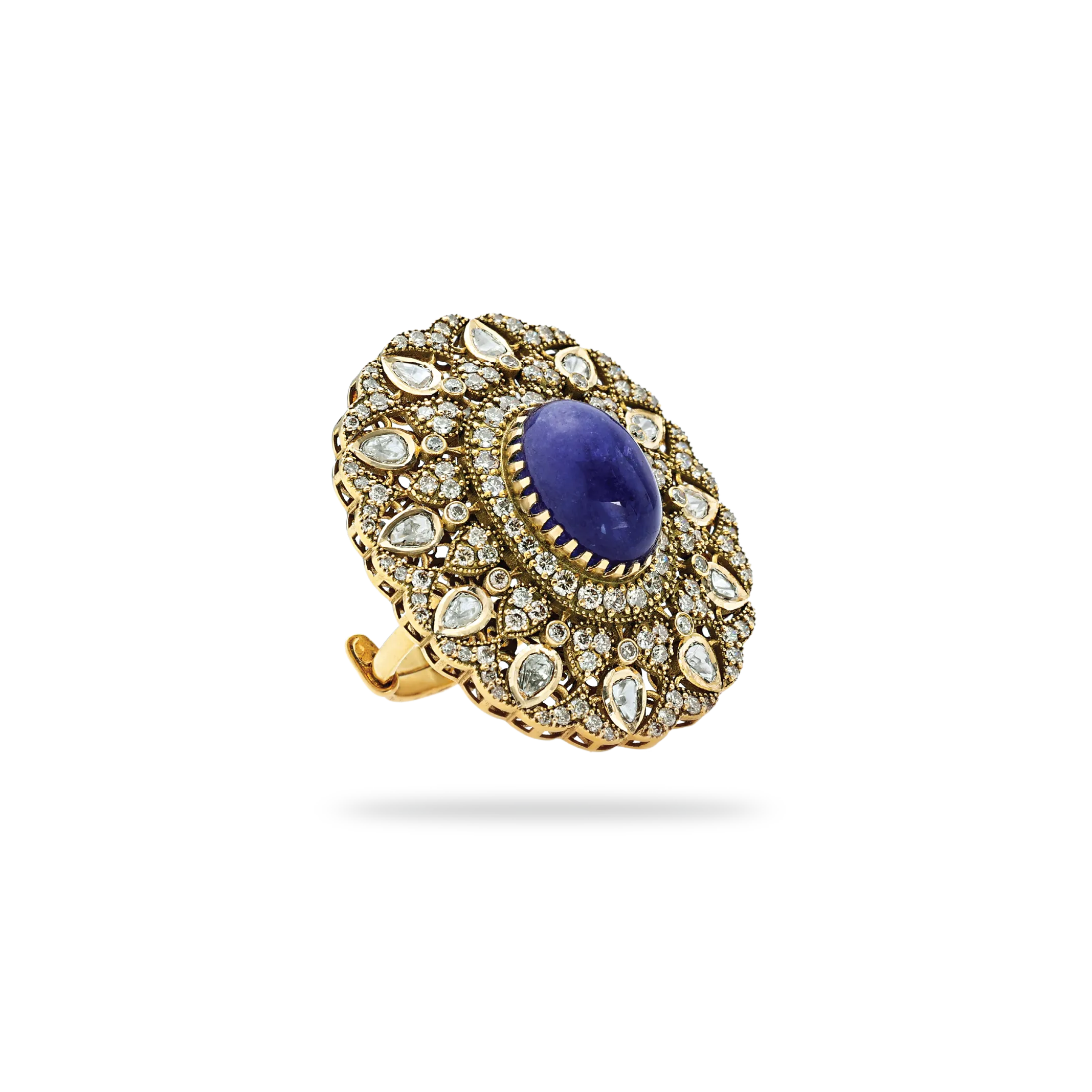
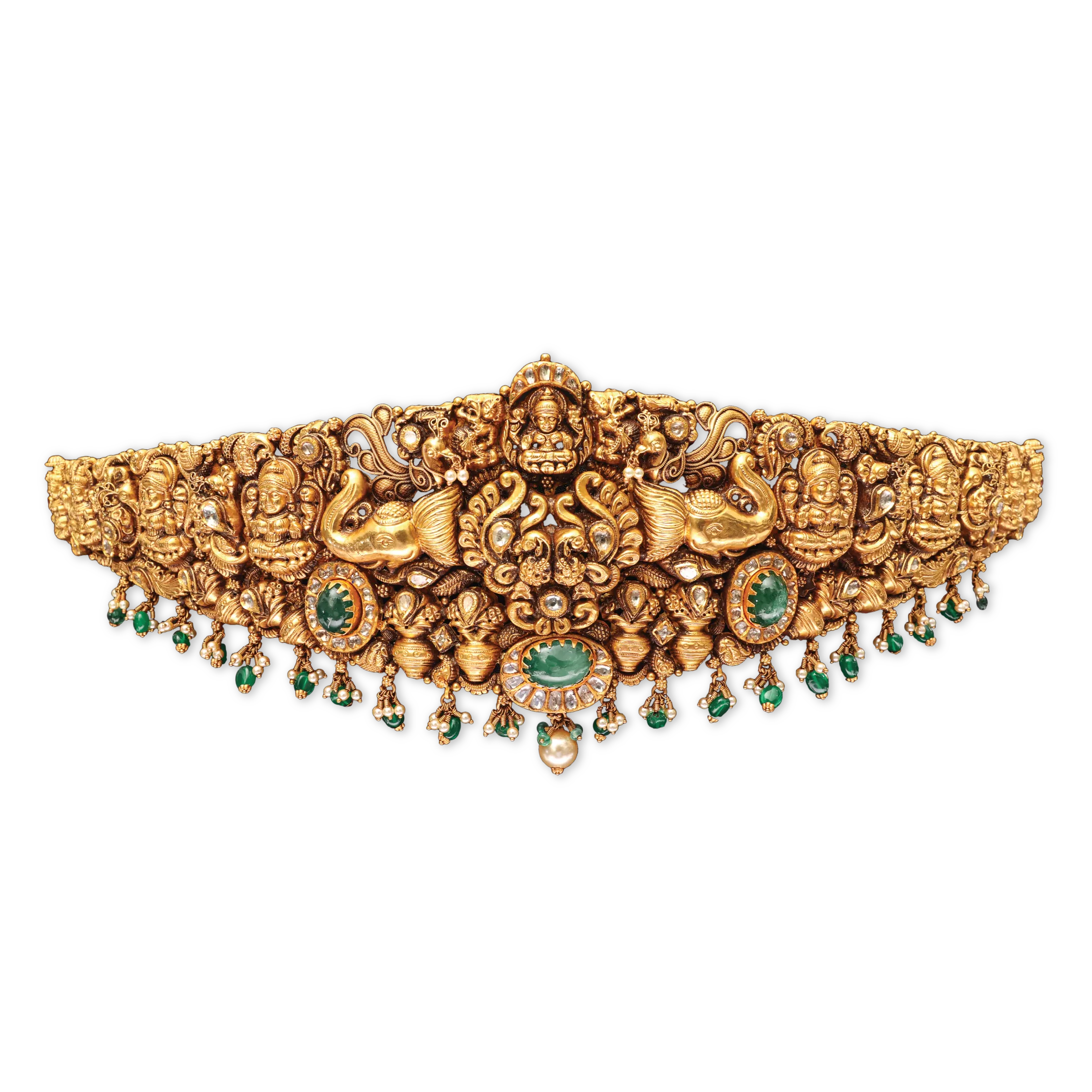
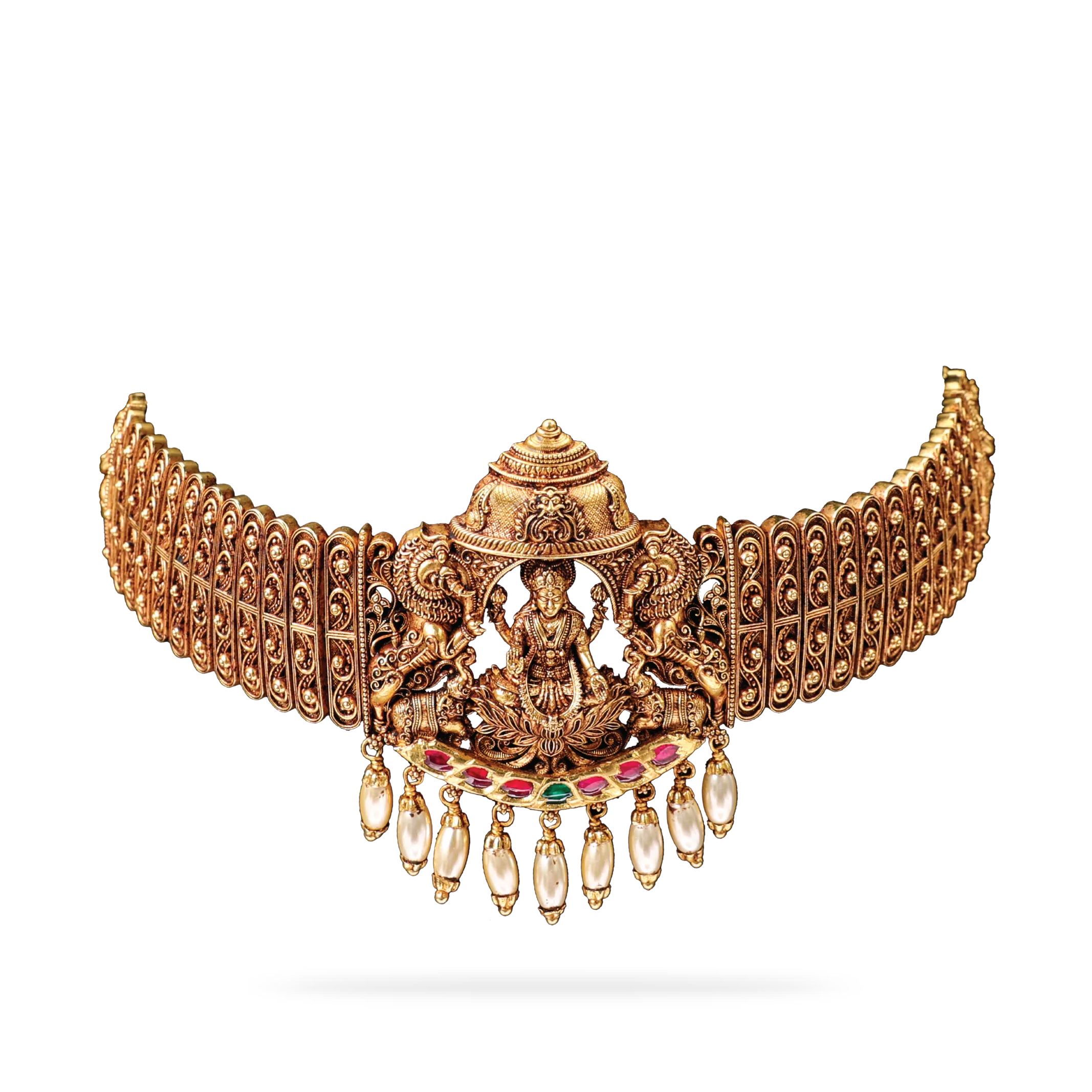
When we talk about antique jewellery in South India, we're talking about pieces that have a unique, aged charm. This isn't just about old pieces; it's a style that often mimics an older look, even on new creations. The influence of various historical dynasties that ruled the region can be seen in the distinct styles and motifs. These pieces often have a beautiful patina, giving them a warm, vintage feel. They might feature intricate filigree work or detailed engravings that speak to a bygone era. Wearing antique-style jewellery is like carrying a piece of history with you, a connection to the past that feels both elegant and deeply personal. It’s a way to appreciate the enduring beauty of traditional craftsmanship. You can find some stunning examples of these waist belts, known as vaddanam, which are a classic piece of South Indian adornment Radha Krishna-themed hipbelt.
The Enduring Appeal of Nakshi Jewellery
Timeless Elegance and Opulence
Nakshi jewellery isn't just about pretty designs; it's got this lasting charm that just doesn't fade. Think about it – these pieces have been around for ages, and they still look amazing. The real magic is in how they combine rich gold with vibrant gemstones, creating something that feels both grand and incredibly detailed. It’s the kind of jewellery that makes you feel special, whether you're wearing it for a big wedding or just a nice dinner out. It’s not trendy; it’s classic.
A Cherished Heirloom
More than just adornment, Nakshi pieces often become family treasures. They're passed down from mothers to daughters, carrying stories and memories with them. It’s like holding a piece of history. Each intricate detail, each carefully placed stone, represents a connection to the past and the people who wore it before.
- Generational Connection: Each piece tells a story of family and tradition.
- Symbol of Love: Often gifted during significant life events, symbolizing enduring affection.
- Preservation of Craft: Wearing heirlooms helps keep the traditional art of Nakshi alive.
Contemporary Adaptations
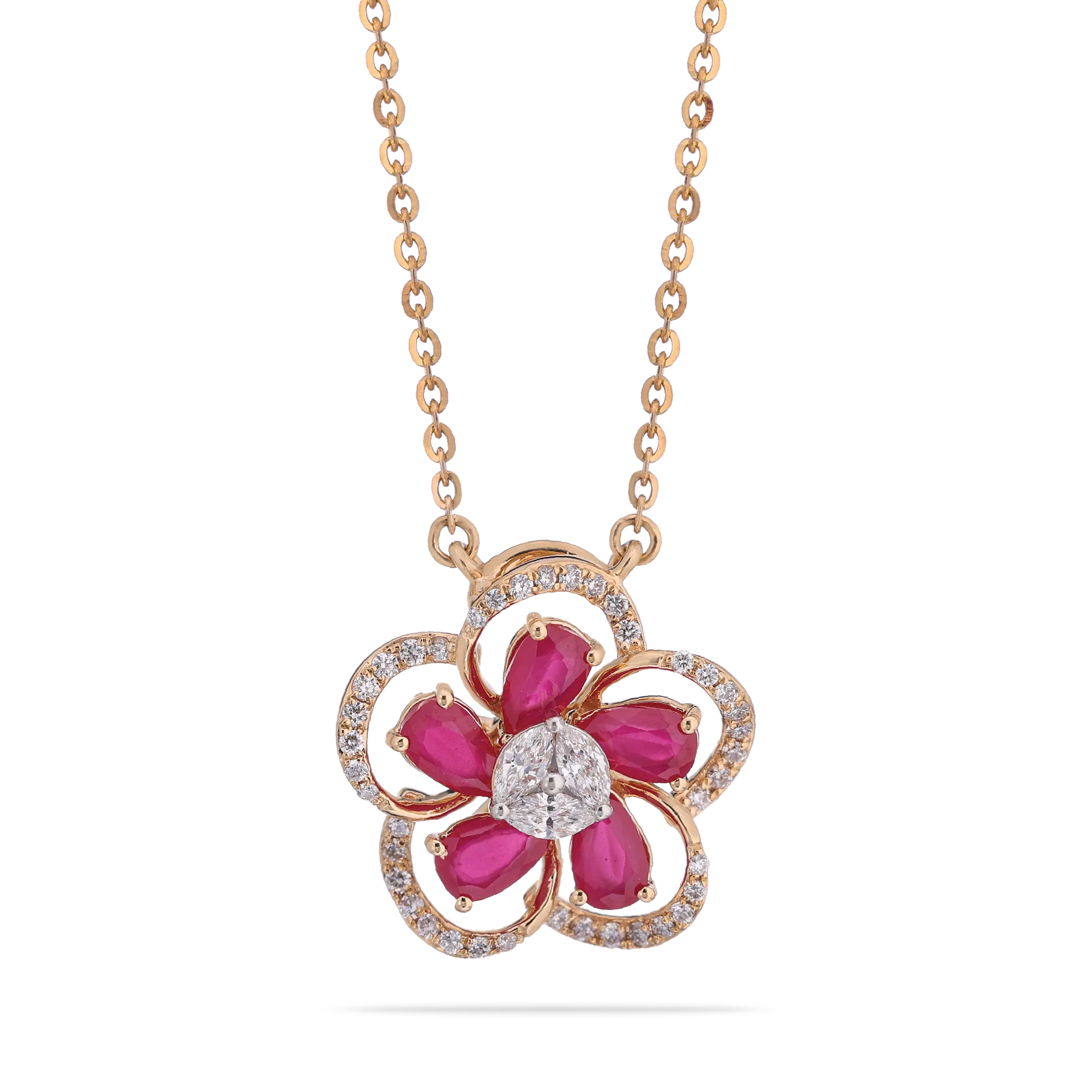
While the traditional designs are beautiful, Nakshi jewellery isn't stuck in the past. Modern designers are taking inspiration from these classic motifs and giving them a fresh twist. You'll find pieces that blend the old-world charm with current styles, making them perfect for today's fashion. It’s a smart way to keep this art form relevant and accessible to a new generation.
The beauty of Nakshi jewellery lies in its ability to bridge the gap between tradition and modernity. It respects its roots while embracing new interpretations, ensuring its continued relevance and appeal across different age groups and tastes.
A Legacy in Every Detail
So, that's a little look into the amazing world of Nakshi jewellery. It’s pretty clear these aren't just pretty things to wear; they’re like little pieces of history, made with so much care by really talented people. Each swirl and carve tells a story, passed down through families. It’s kind of cool to think about all the hands that touched a piece before it gets to you. Whether you're thinking of starting a collection or just appreciate beautiful things, Nakshi jewellery really is something special. It’s a reminder of a rich past and a craft that’s still going strong.
Frequently Asked Questions
What exactly is Nakshi jewellery?
Nakshi jewellery is a special kind of Indian jewelry, mostly from South India. It's known for its really detailed and fancy designs that are carefully made by hand. Think of it like tiny sculptures made of gold!
What makes Nakshi jewellery so special?
It's special because each piece is made with a lot of skill and time. Artisans use old methods to carve and shape the gold, often adding colorful gems. The designs are inspired by nature, gods, and old stories, making each piece unique and meaningful.
What materials are typically used in Nakshi jewellery?
Gold is the main material, often 22-karat gold. Besides gold, you'll see beautiful precious stones like rubies, emeralds, diamonds, and pearls. Sometimes, they also use tiny beads or enamel to add more color and detail.
How is Nakshi jewellery made?
It's a slow and careful process. First, an artist draws a detailed design. Then, skilled craftspeople carefully cut, shape, and etch the metal, often using tiny tools. They might add stones and polish it until it shines. It takes many hours, sometimes weeks, to finish one piece.
Why is Nakshi jewellery important in Indian culture?
This jewelry is more than just pretty; it's a big part of Indian traditions. People wear it for important events like weddings and festivals. It shows pride in their heritage and is often passed down through families, carrying stories and good wishes.
Can I wear Nakshi jewellery today?
Absolutely! While it's traditional, Nakshi jewellery has a timeless beauty. Designers today create modern versions that blend old styles with new trends, so you can definitely find pieces that fit your style for special occasions or even everyday wear.
Related blogs:
September 18, 2026
How to choose the perfect bridal long necklace set for your wedding day
Read More
September 18, 2026
How to choose a bridal layered necklace set for your wedding look
Read More
September 18, 2026
How to choose a bridal choker set for your wedding look
Read More
September 18, 2026
Gold necklace for bride: How to choose the perfect wedding-day style
Read More









.webp)

.webp)