Discover Exquisite Mango Mala Necklace Designs for Every Occasion
December 21, 2025 | 10 minutes read
Hey everyone! So, I've been seeing these really pretty mango mala necklace designs everywhere lately, and I just had to talk about them. They're super traditional but also somehow feel really fresh, you know? Whether you're dressing up for a big wedding or just want to add a little something special to your everyday look, there's a mango mala out there for you. Let's explore what makes these necklaces so special and how you can rock them.
Key Takeaways
- Mango mala necklaces, often called paisley necklaces, have a long history in Indian culture and come in many styles.
- Gold mango malas are classic, but you can also find them with colorful stones, pearls, or Kundan work.
- These necklaces are a top pick for South Indian women for big events like weddings and festivals.
- A mango mala necklace looks great with all sorts of Indian clothes, from sarees to lehengas.
- You can find beautiful mango mala designs from well-known brands, online shops, and independent artists.
Exploring Diverse Mango Mala Necklace Designs
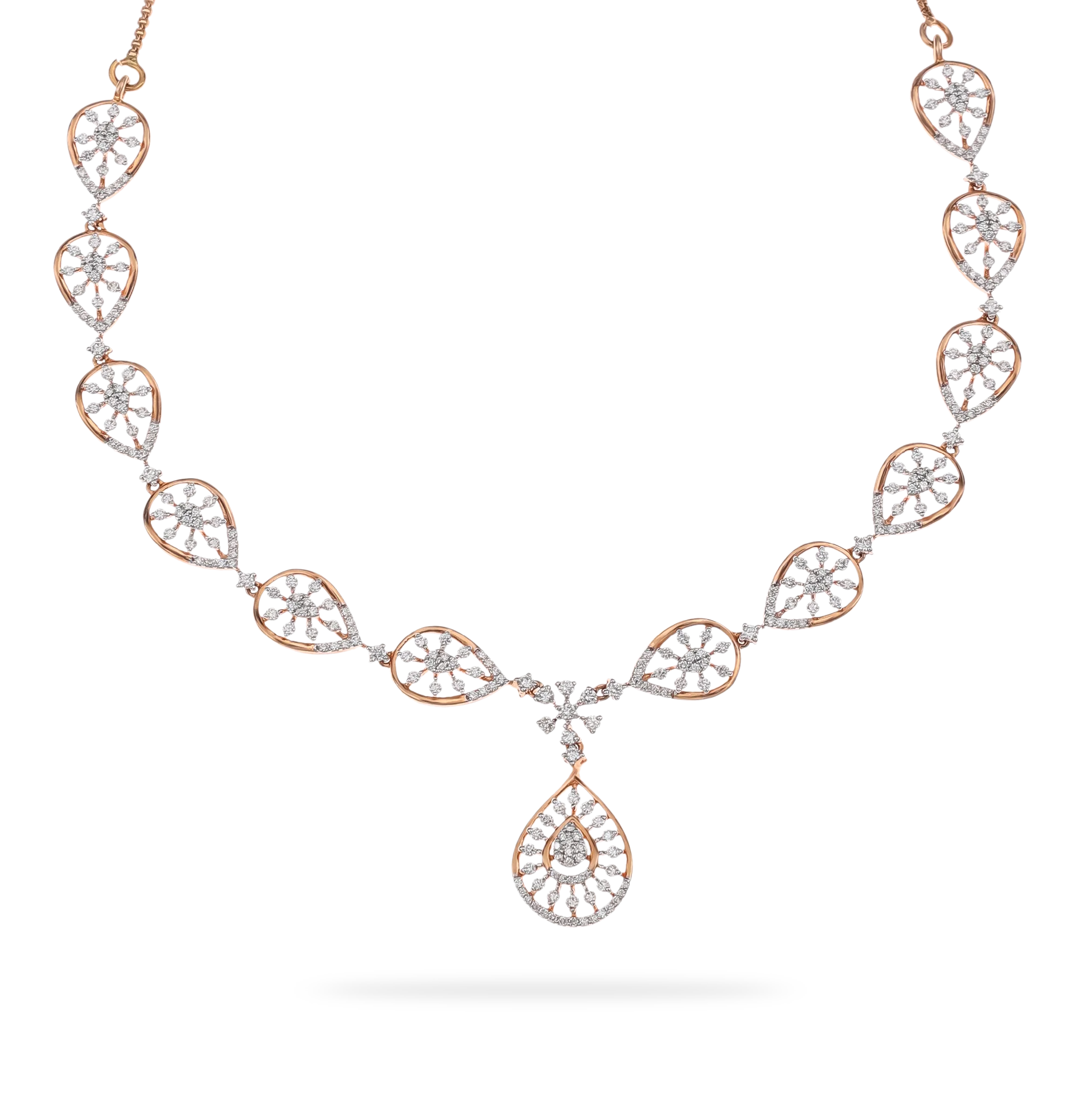
Mango malas, often called paisley necklaces, have a long history in Indian jewelry. They're not just one kind of necklace; there's a whole range of styles out there. You can find them made from pure gold, sometimes with colorful stones, or even decorated with pearls and Kundan work. It's really interesting how one basic shape can be made into so many different looks.
The Timeless Appeal of Gold Mango Malas
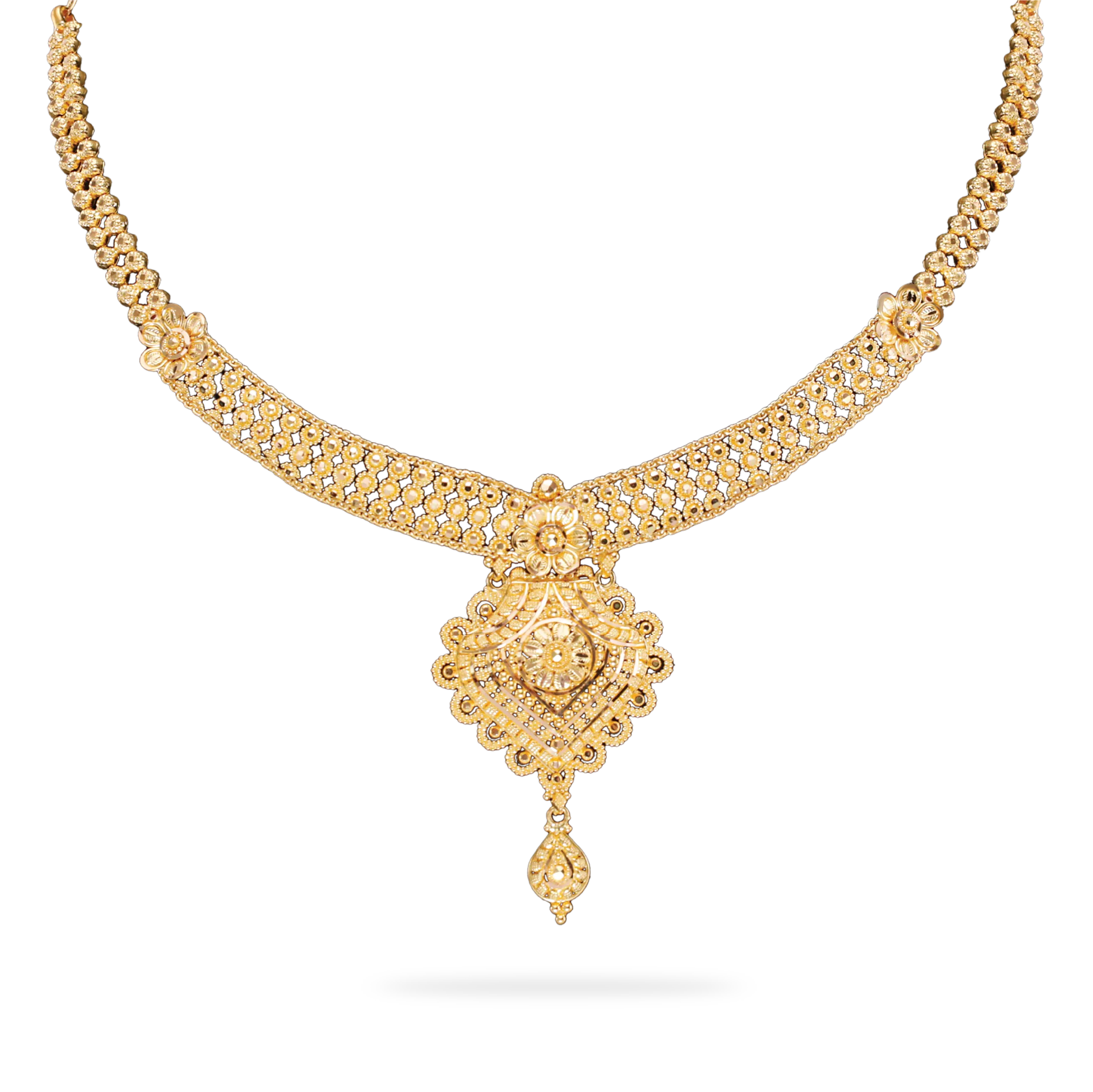
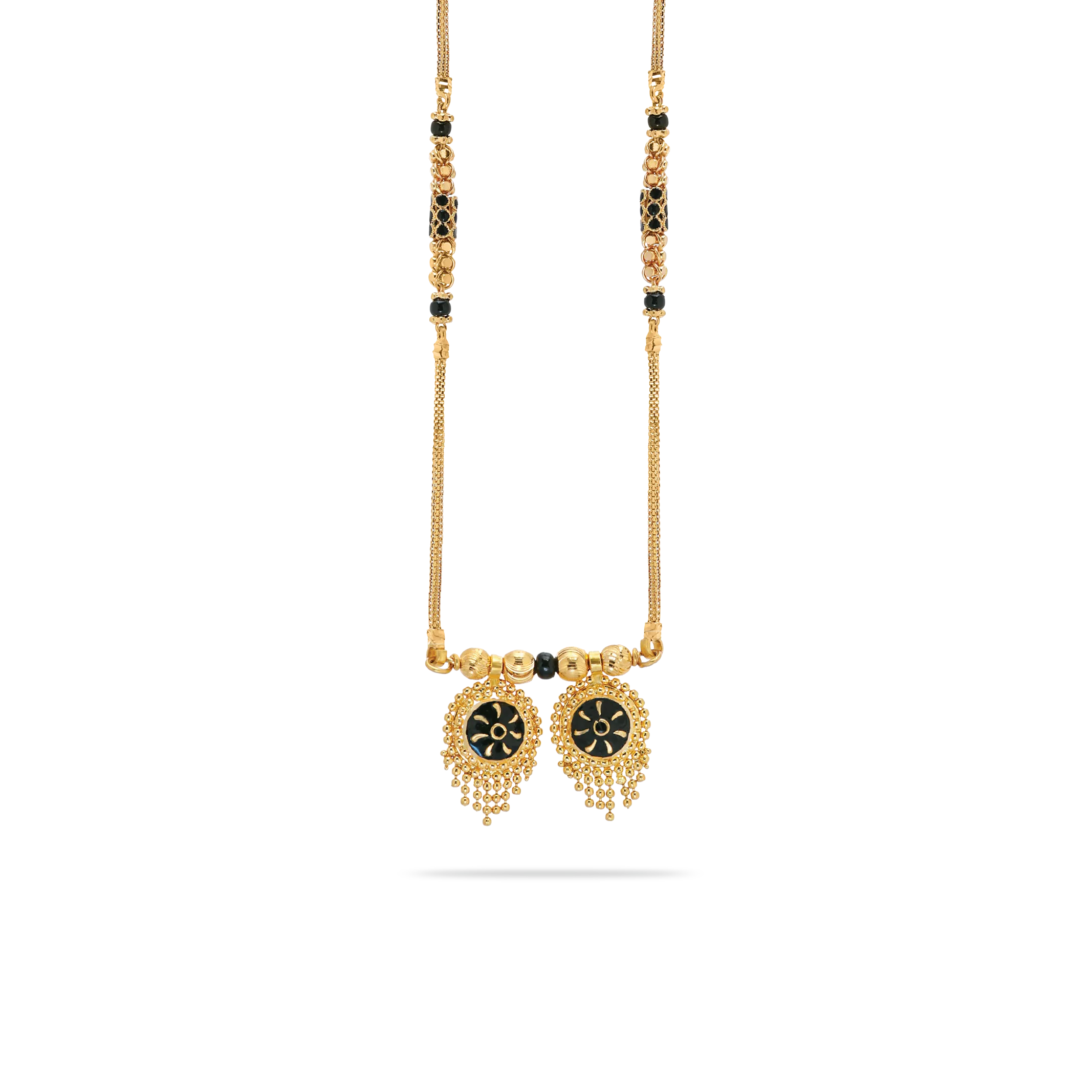
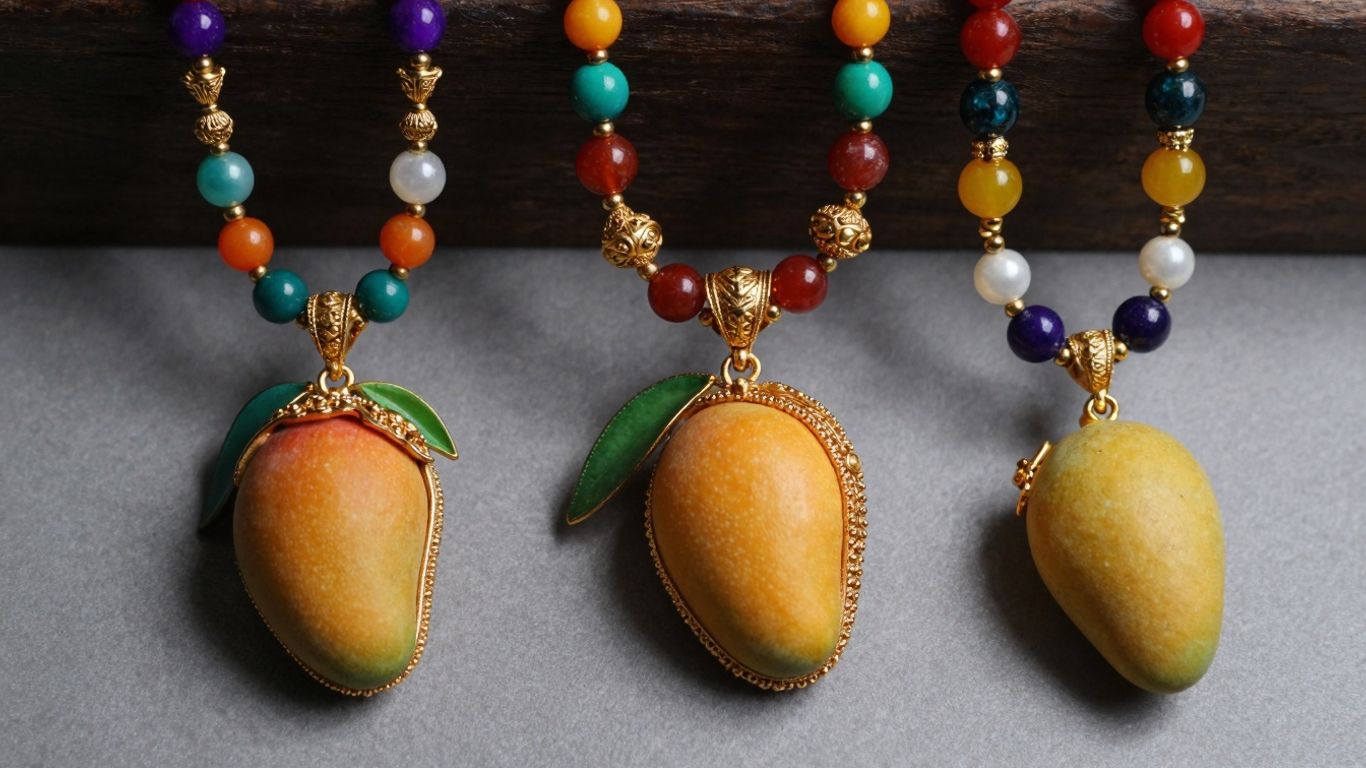
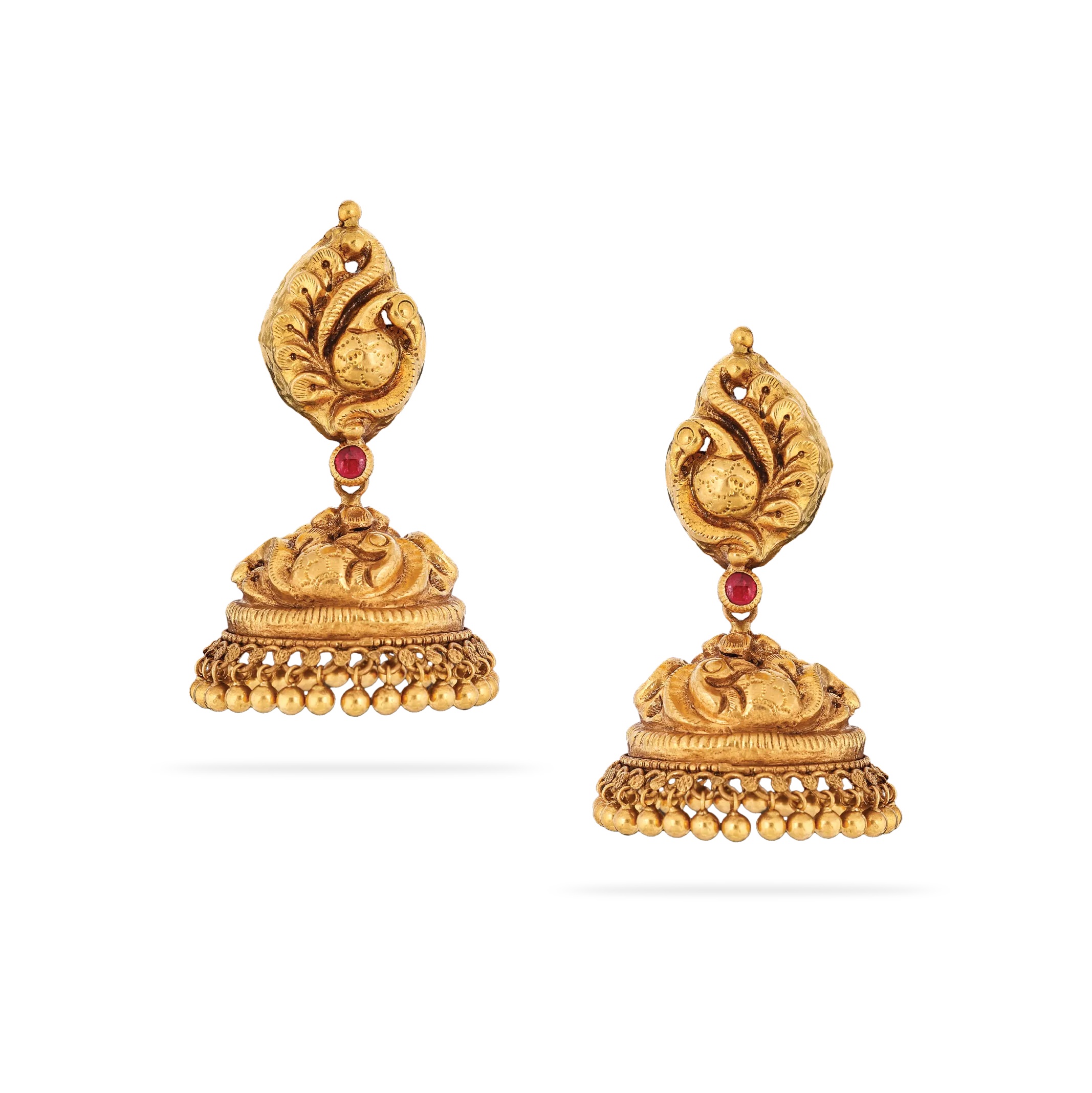
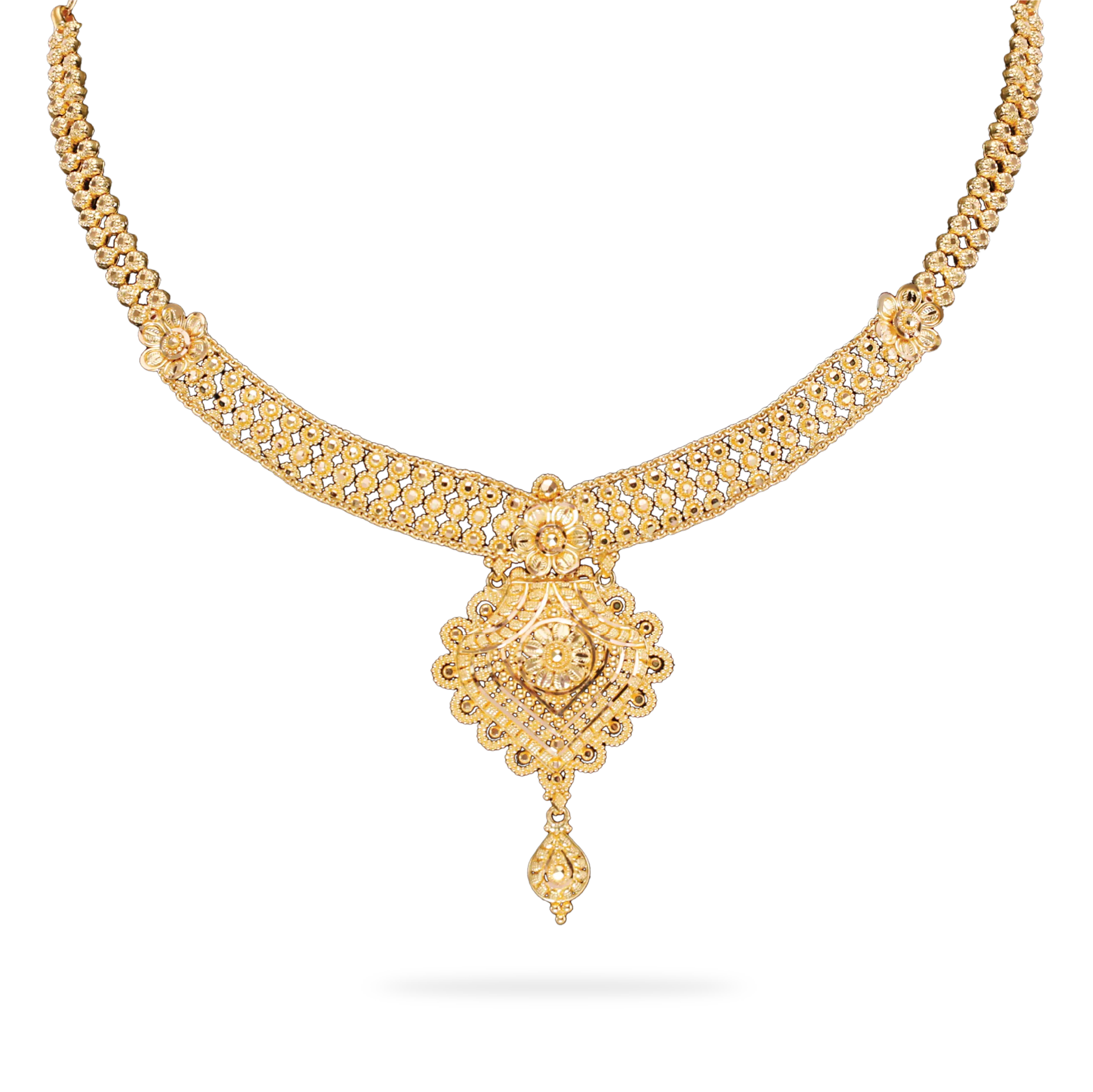
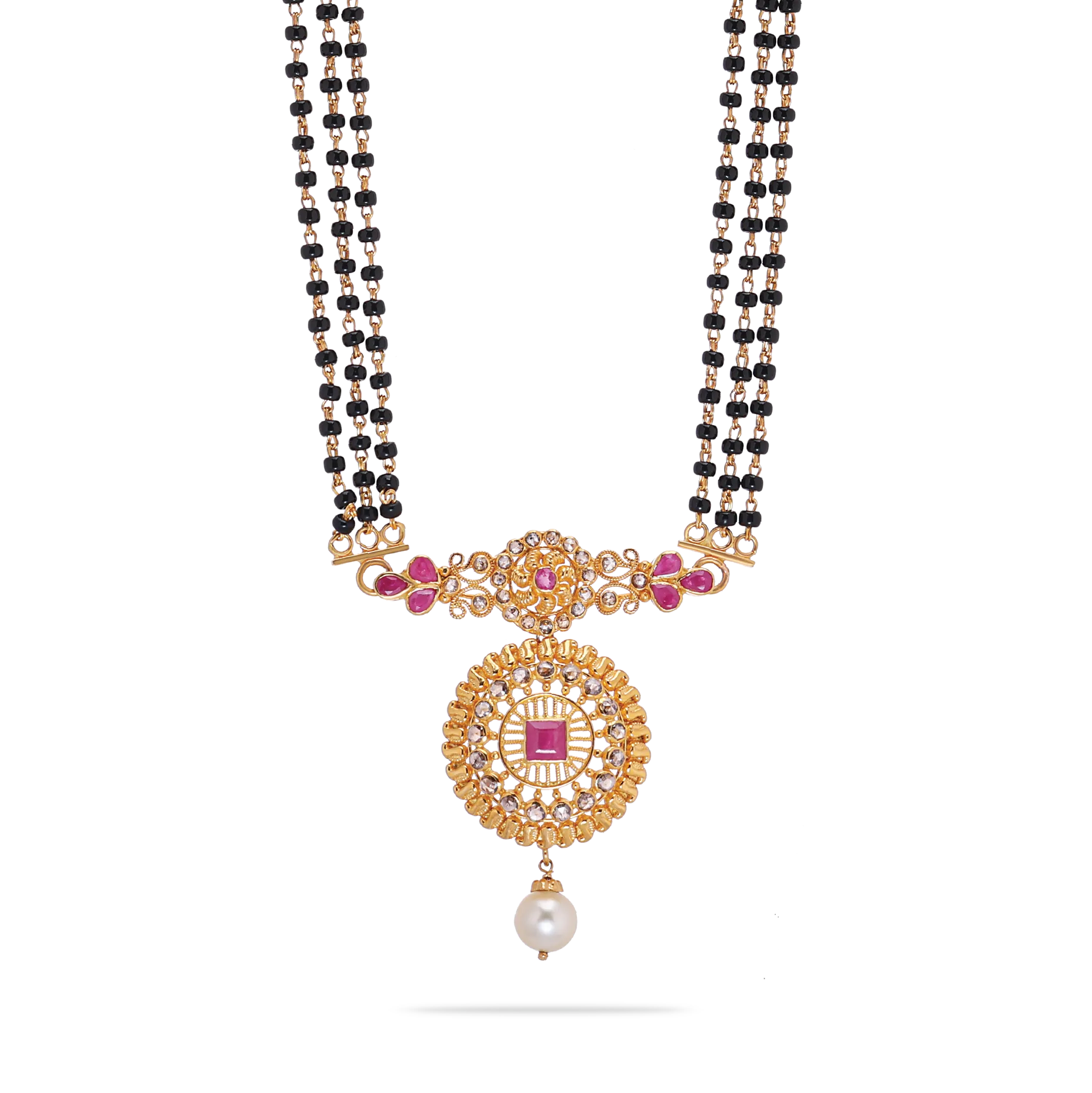
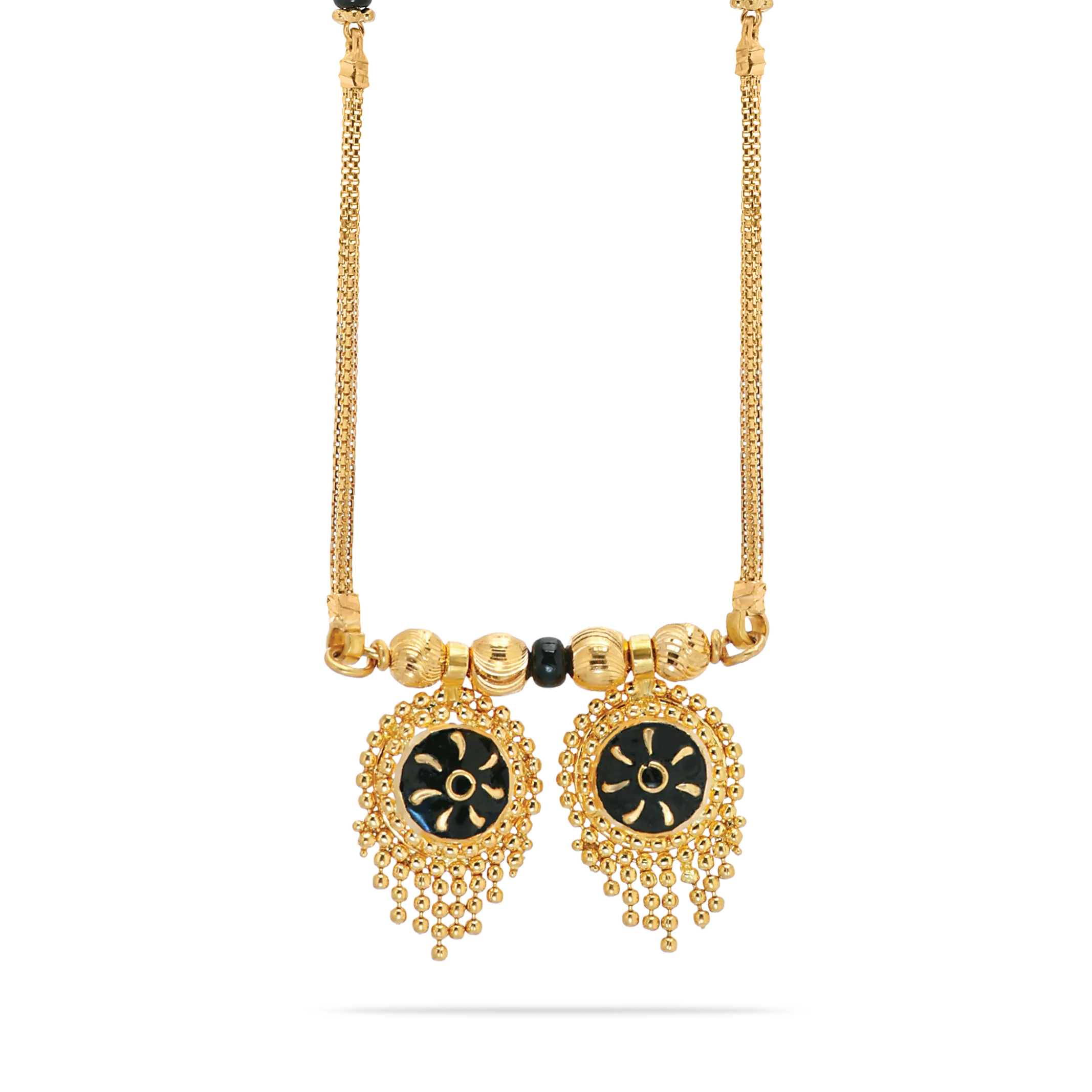
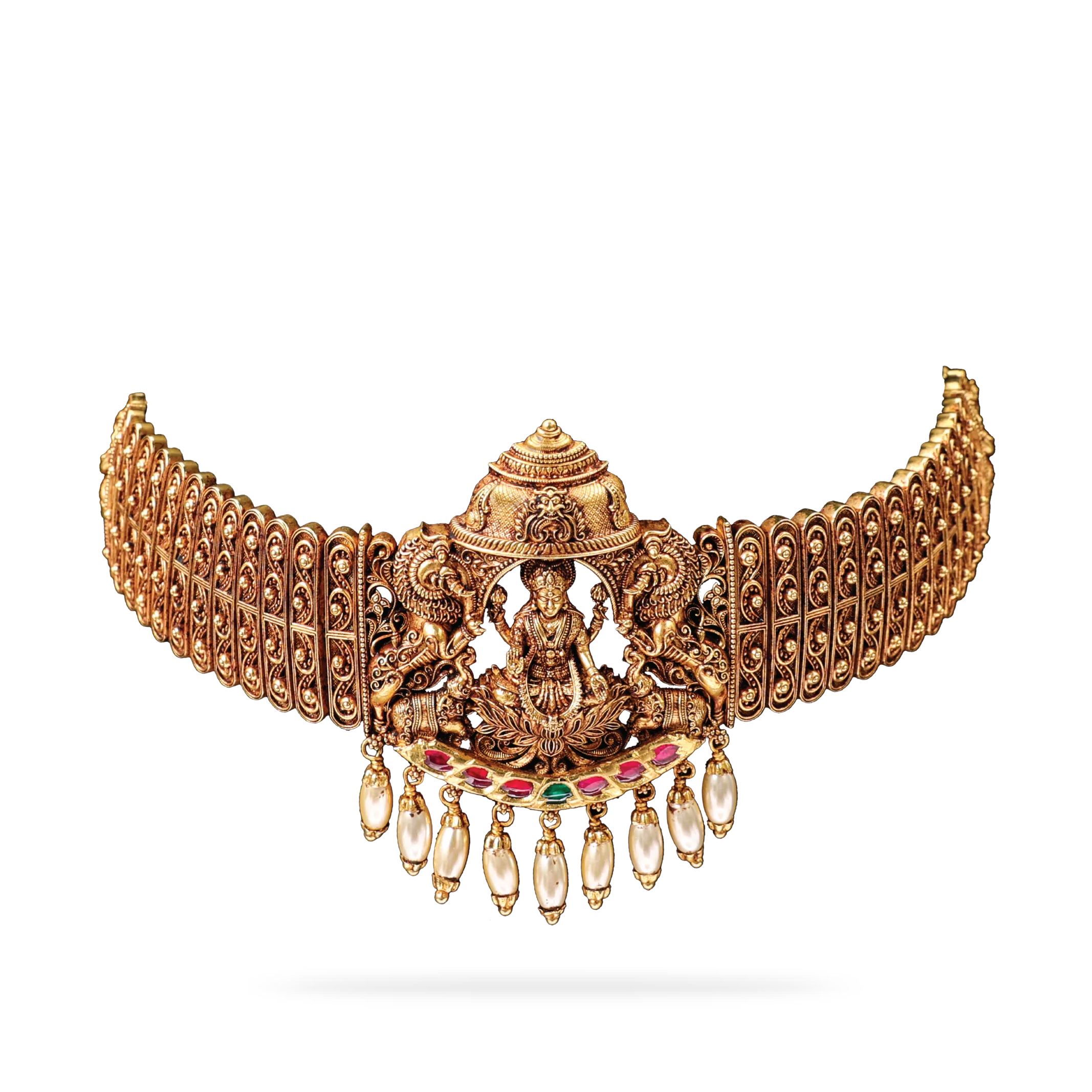
Gold mango malas are a classic for a reason. They often feature that distinctive mango or paisley shape, which is a symbol of fertility and prosperity. Many of these are crafted from 22-karat gold, giving them a rich, warm color. Some are quite simple, while others are more elaborate, perhaps with small red stones set into the gold. These pieces are usually quite substantial, with a good weight to them, and they often come with a gold back chain for adjustable length. It's the kind of necklace that feels both traditional and luxurious.
Intricate Designs Featuring Precious Stones
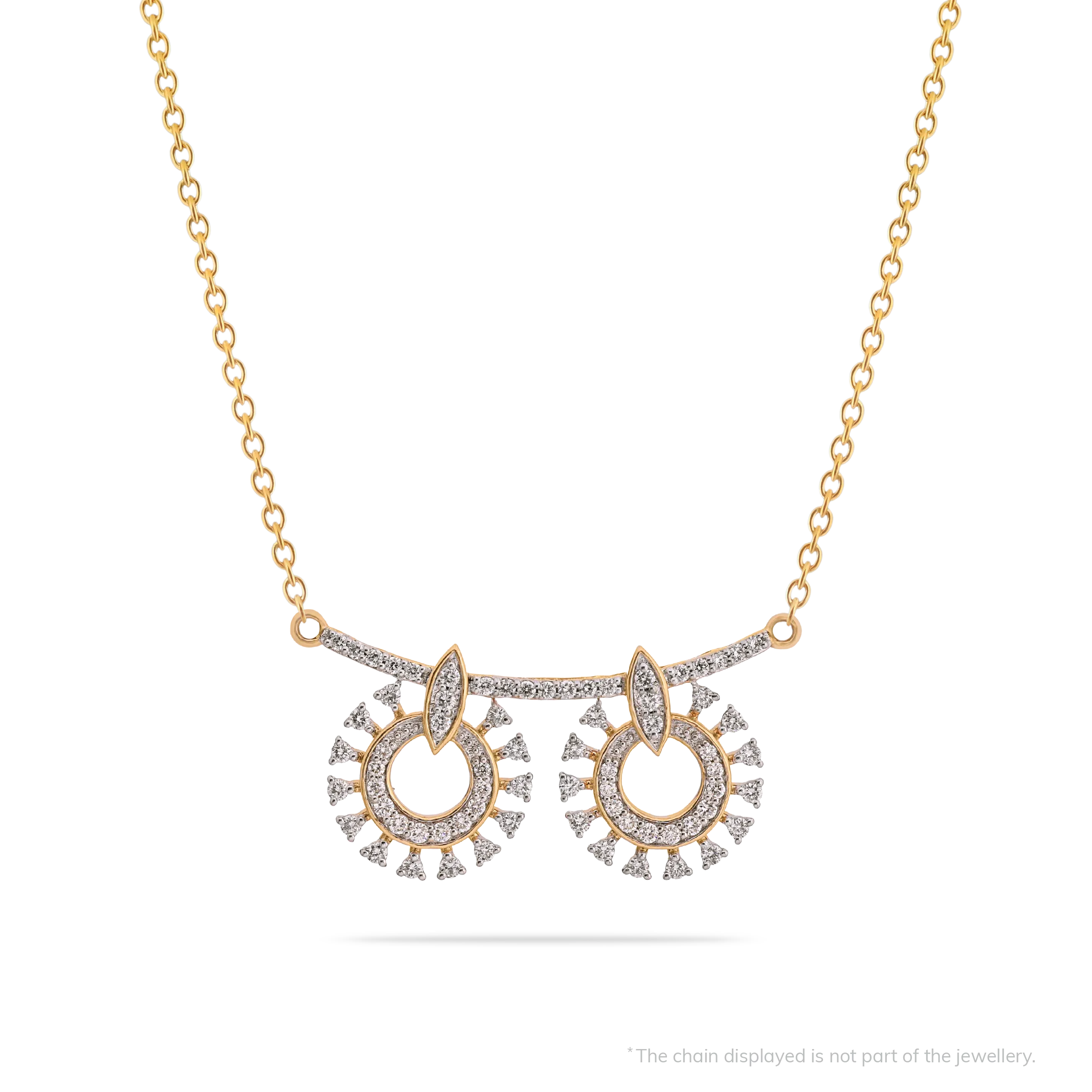
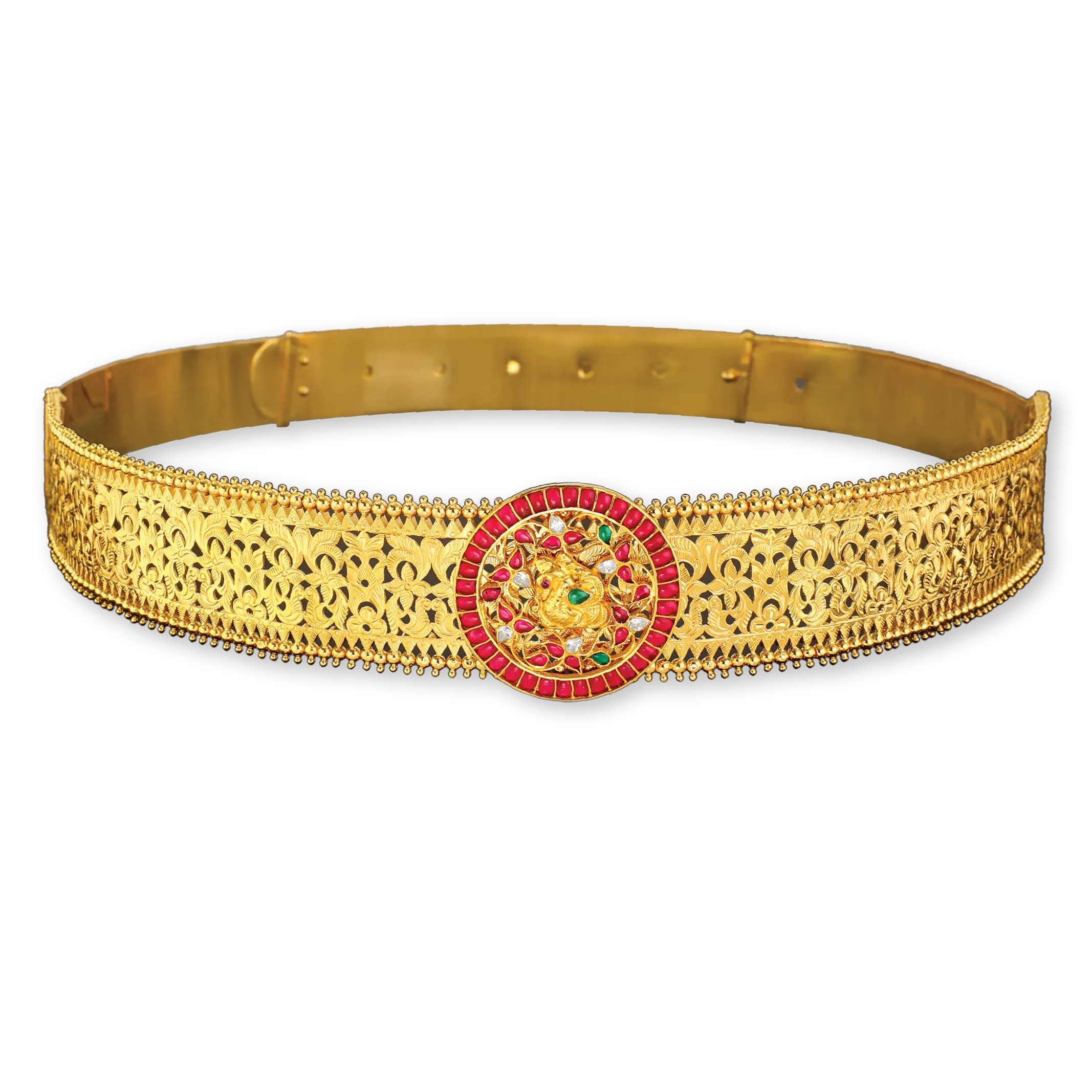
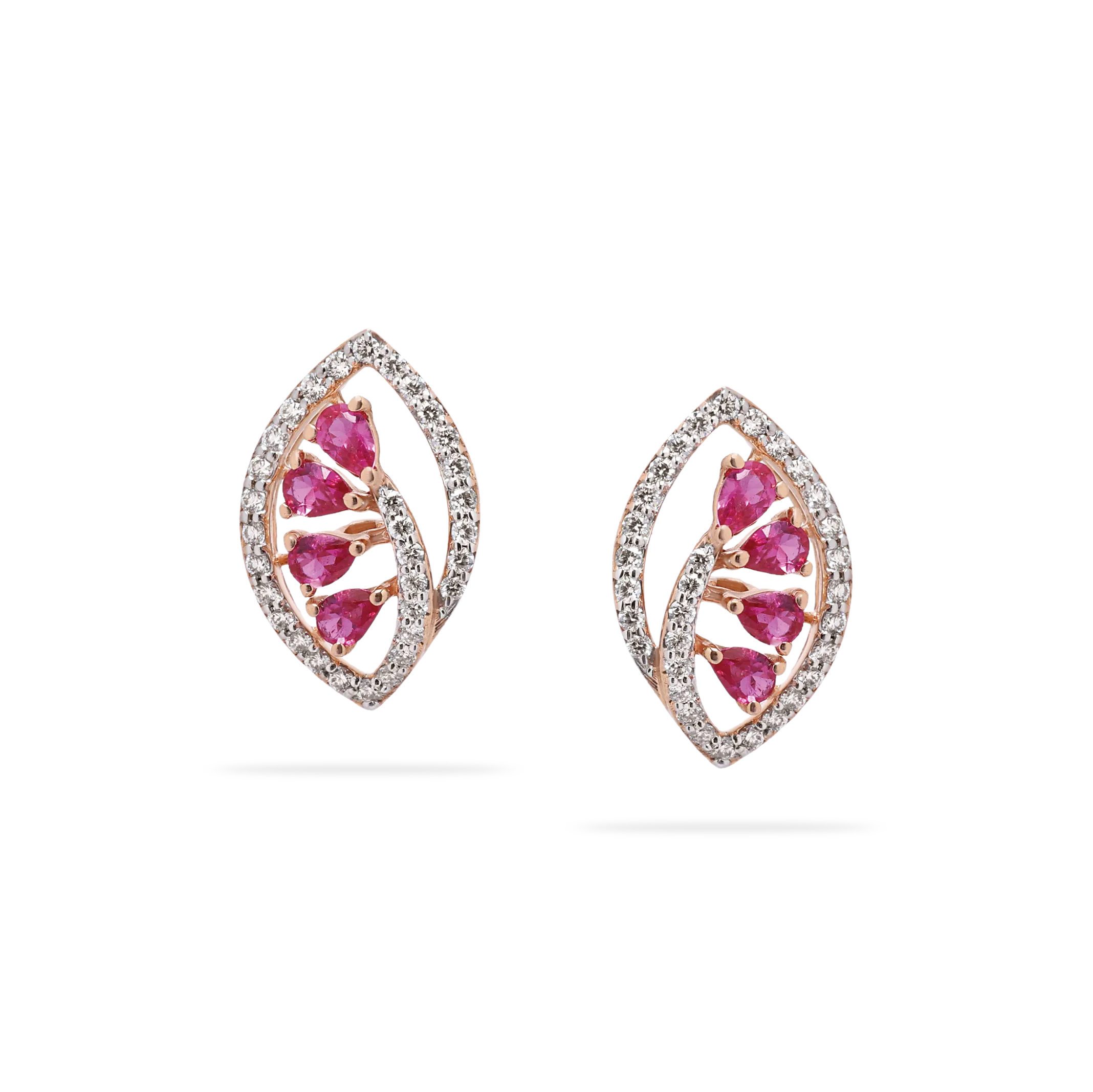
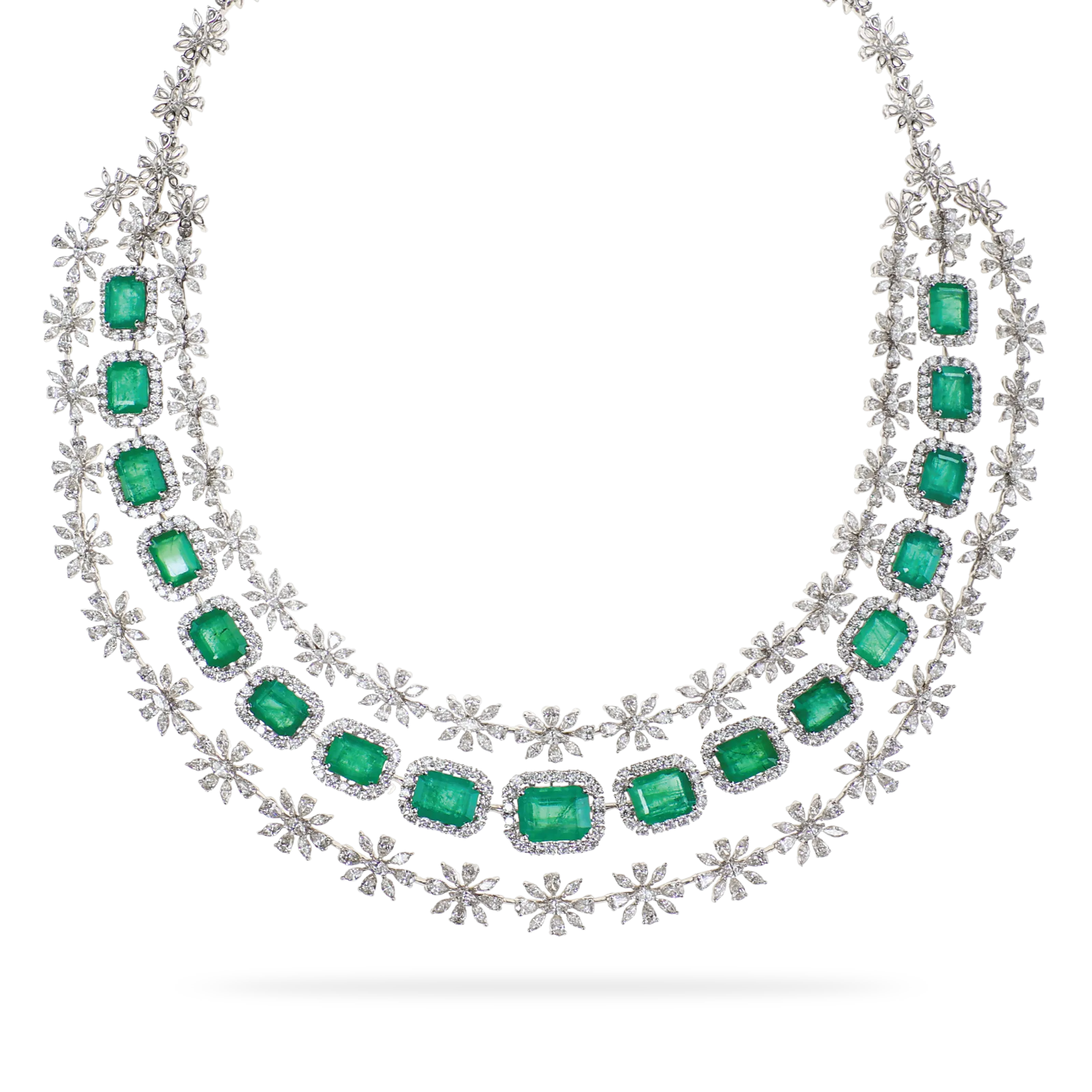
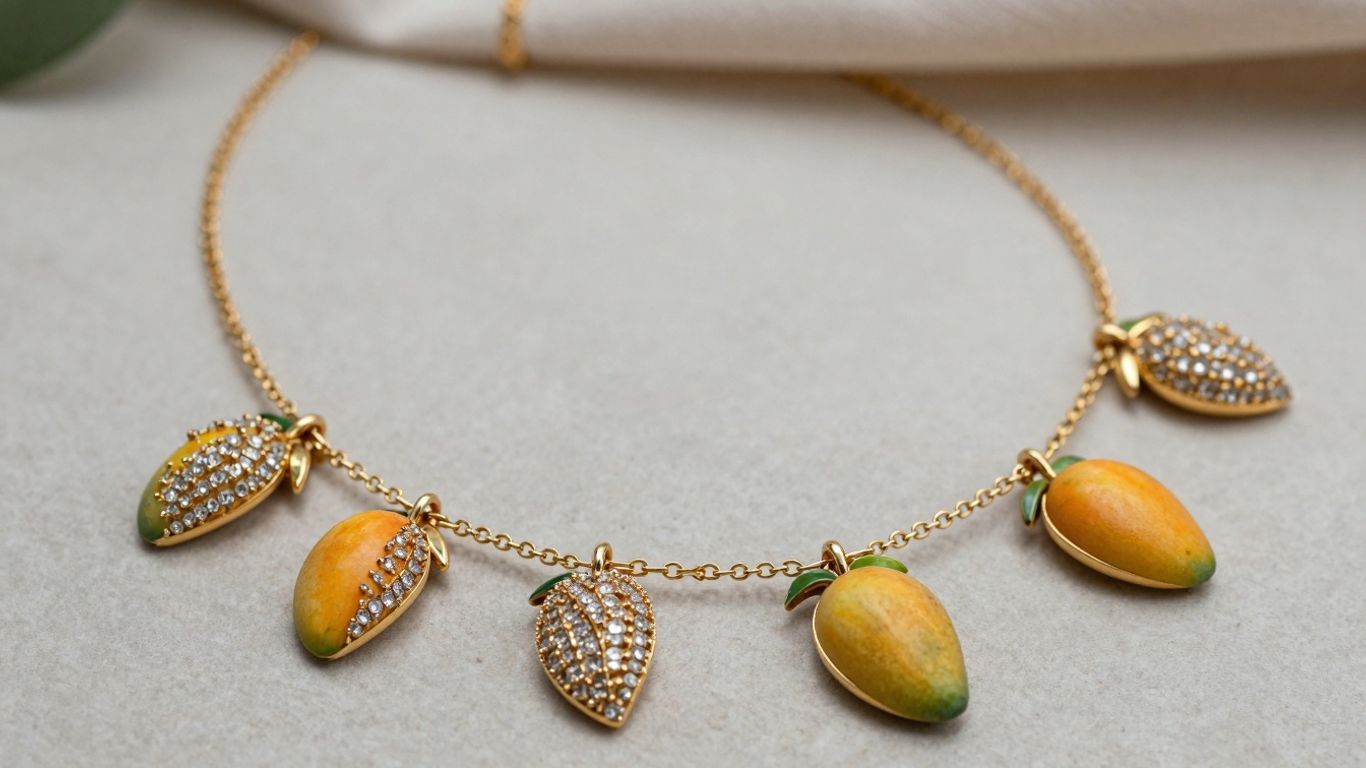
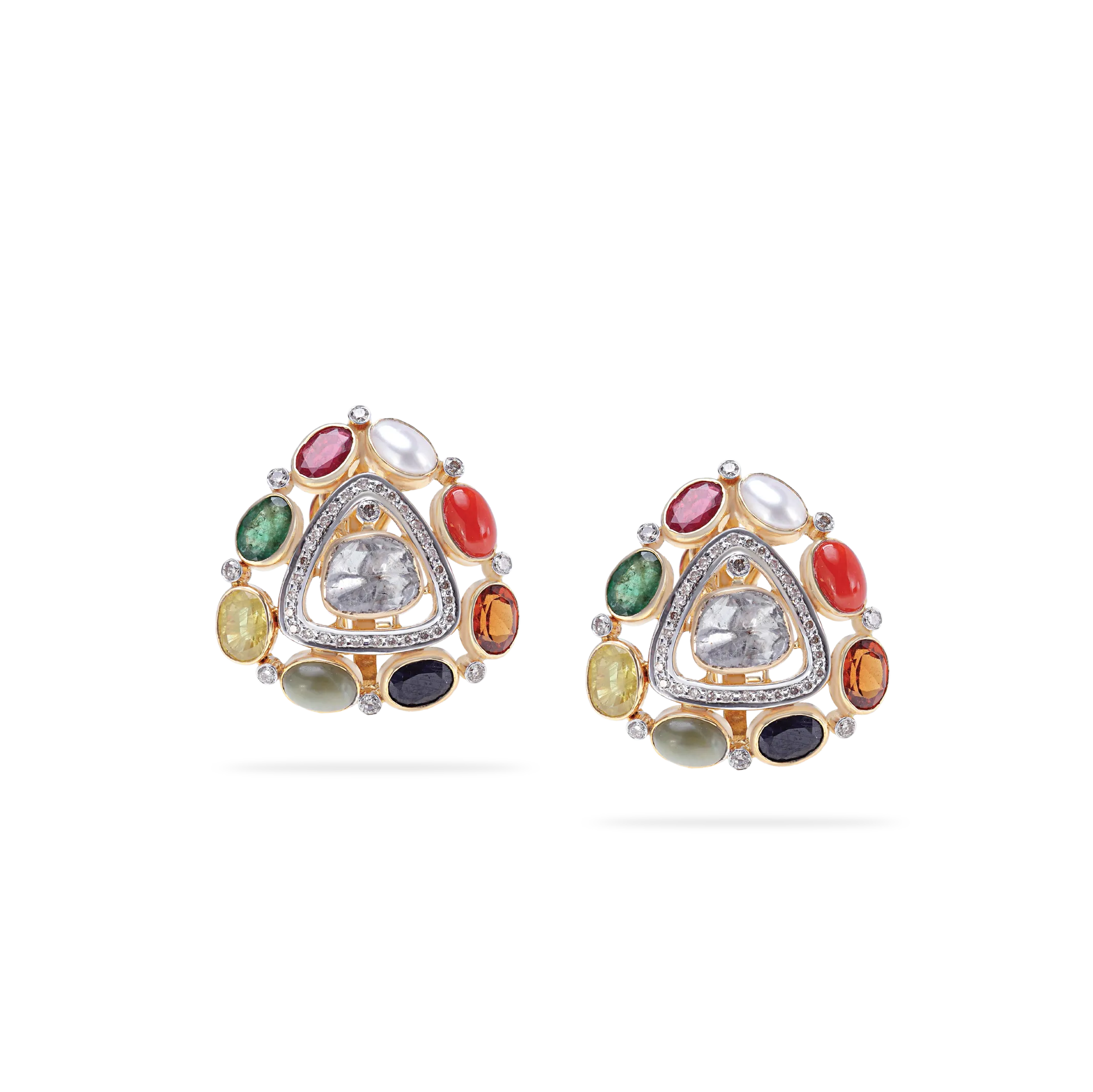
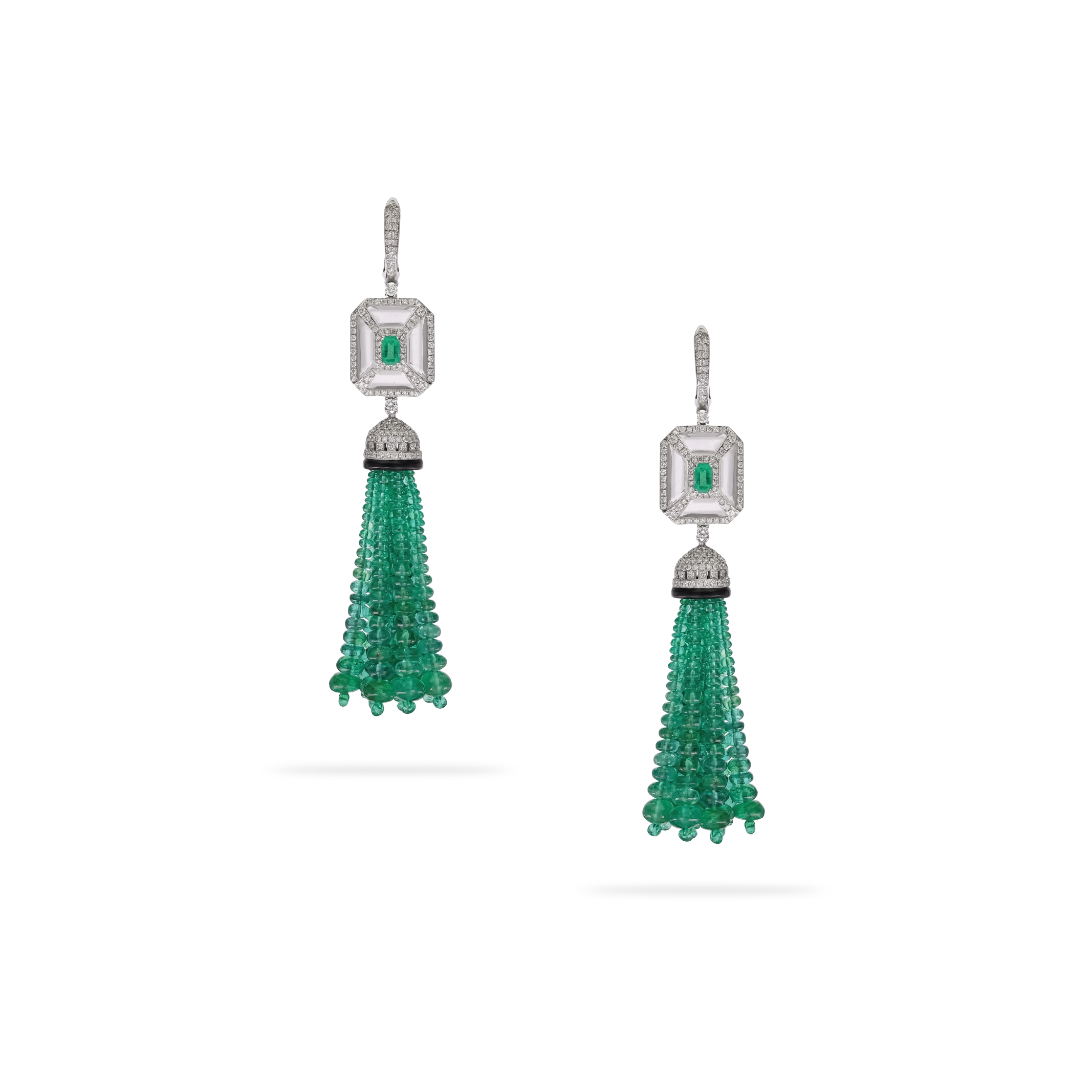
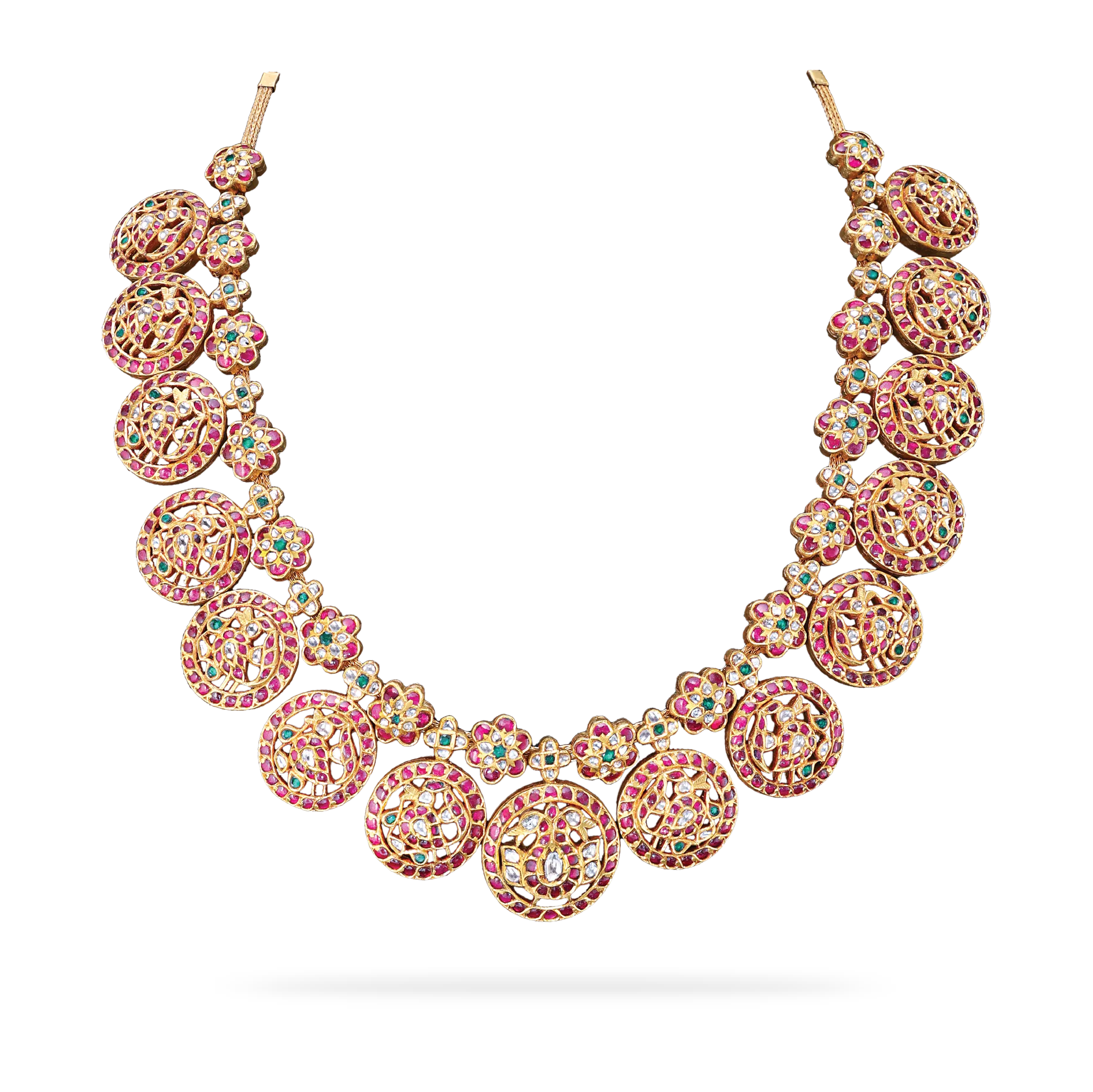
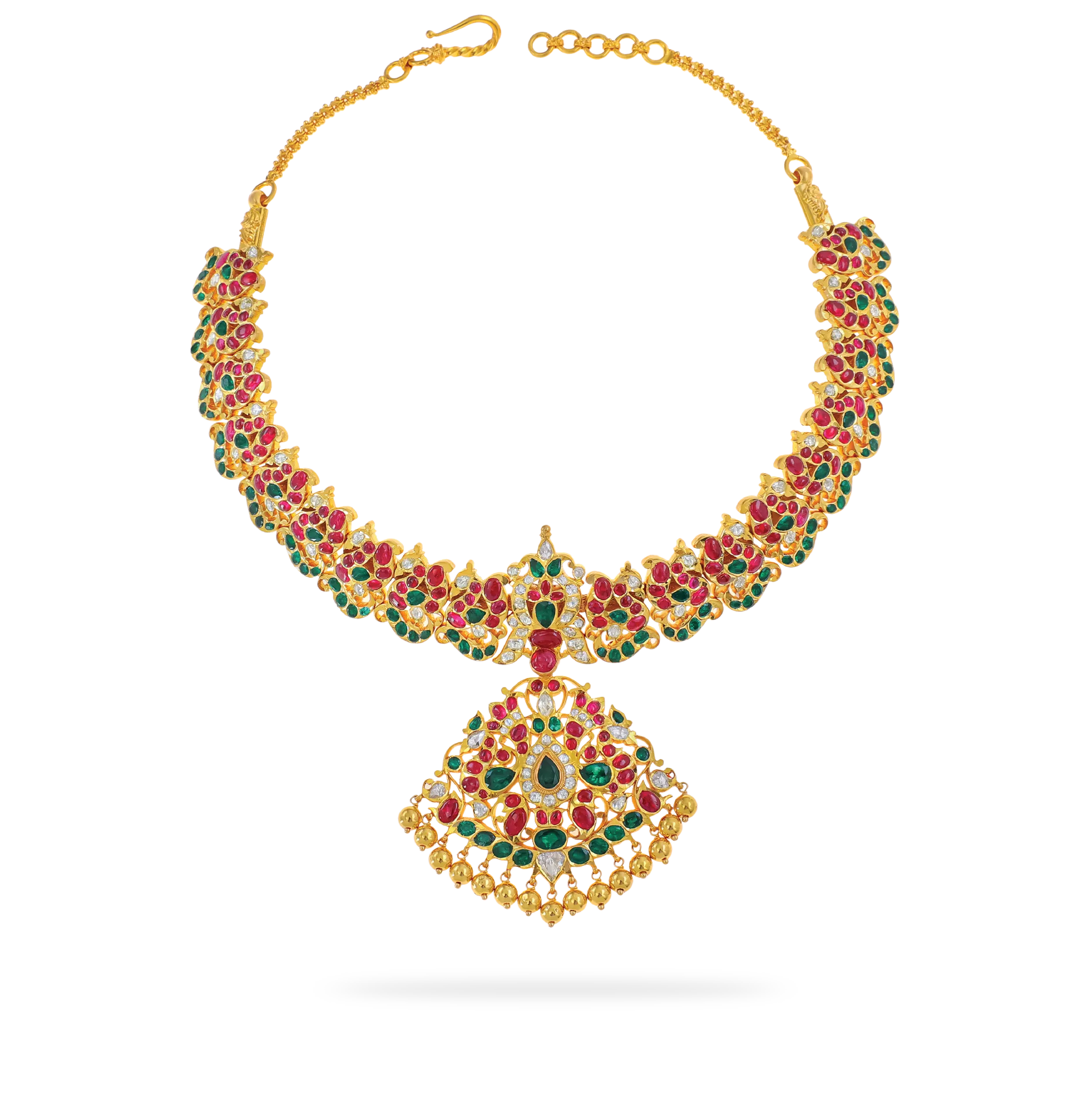
Beyond plain gold , mango malas really shine when they incorporate gemstones. Think about necklaces where the mango motifs are outlined with tiny emeralds, rubies, or even diamonds. Sometimes, the entire mango shape is filled with these stones, creating a vibrant splash of color. You might also find designs where the gold itself is intricately carved, and then stones are added to highlight certain areas. These designs often have a more detailed, artistic feel to them, making each piece unique.
Kundan and Pearl Embellishments in Mango Necklaces
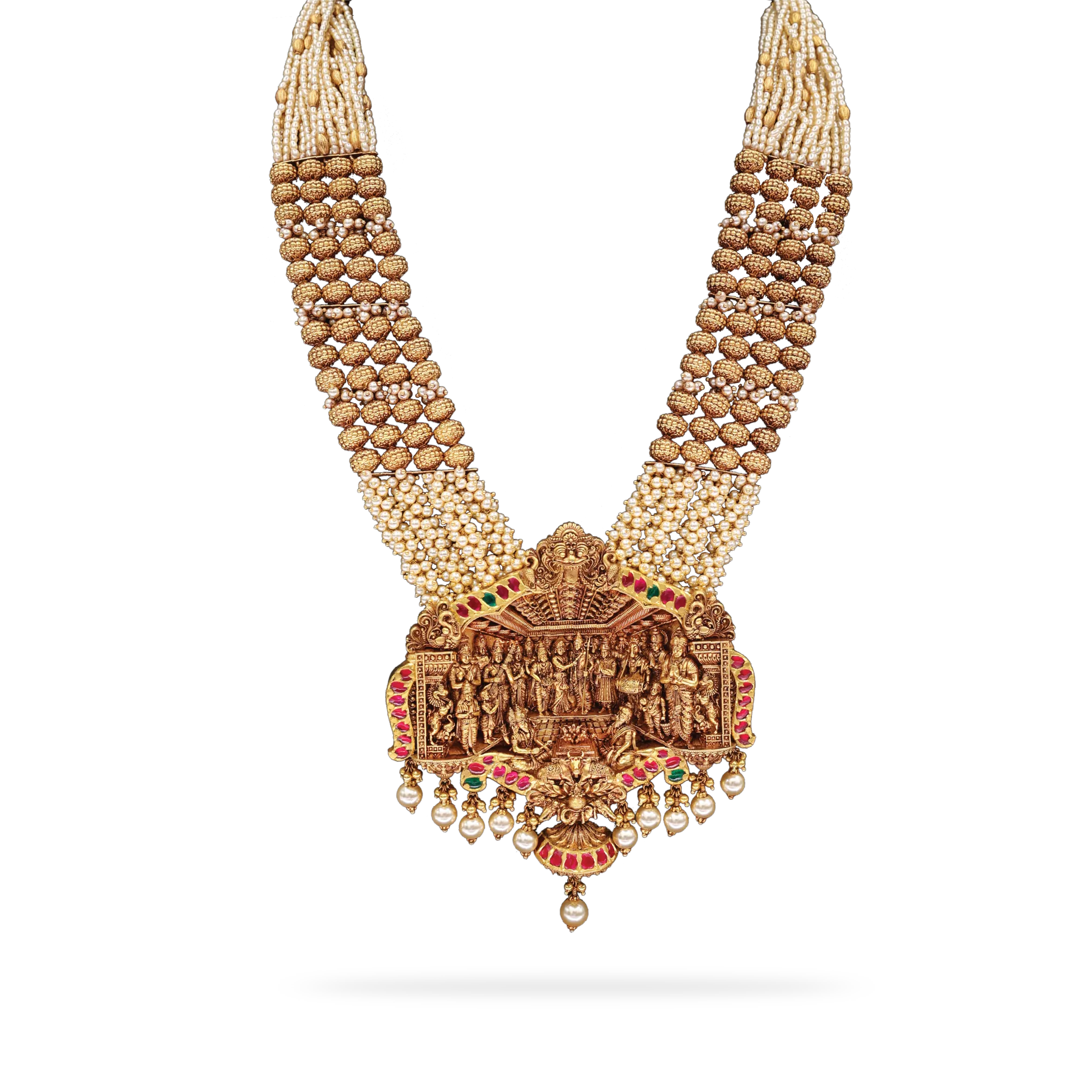
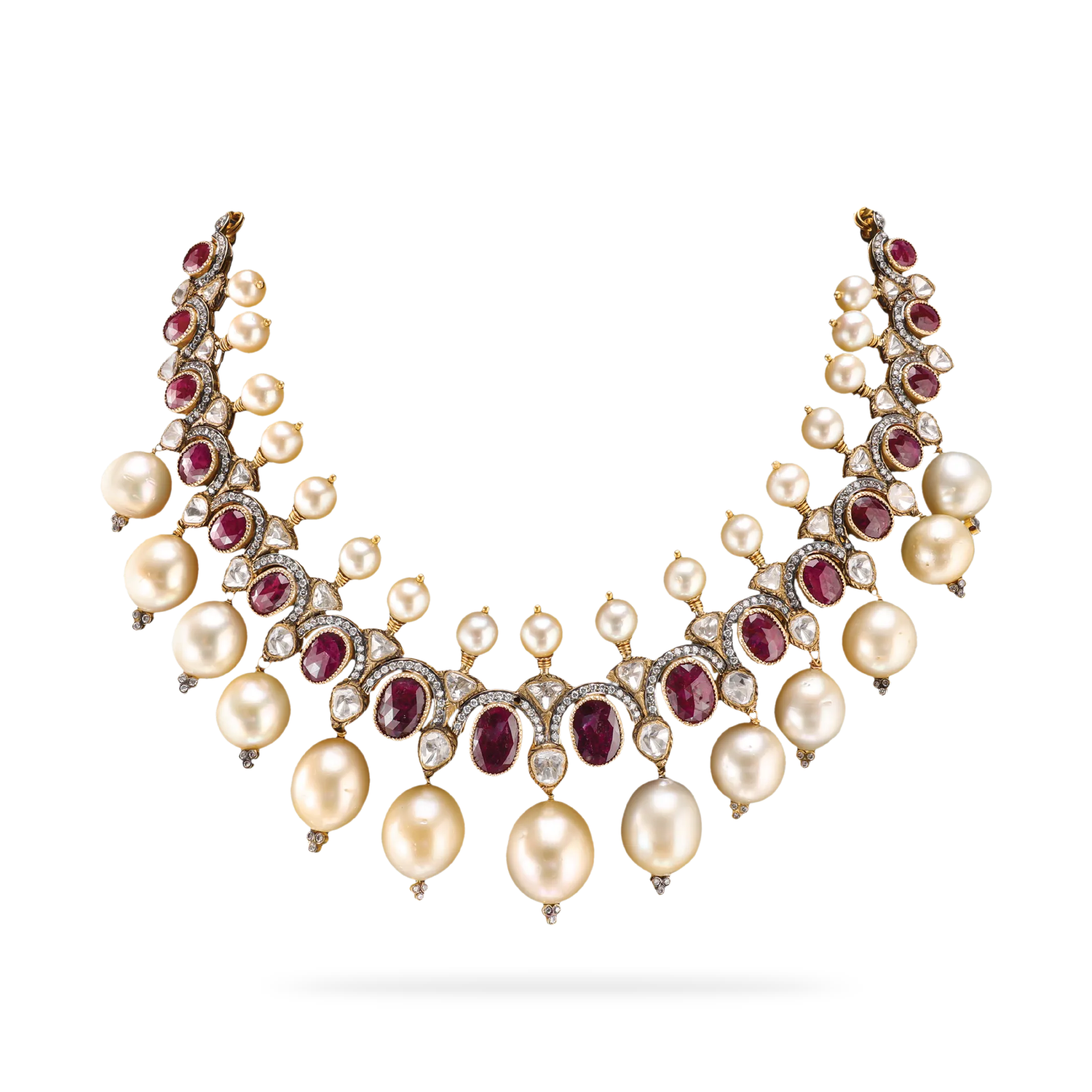
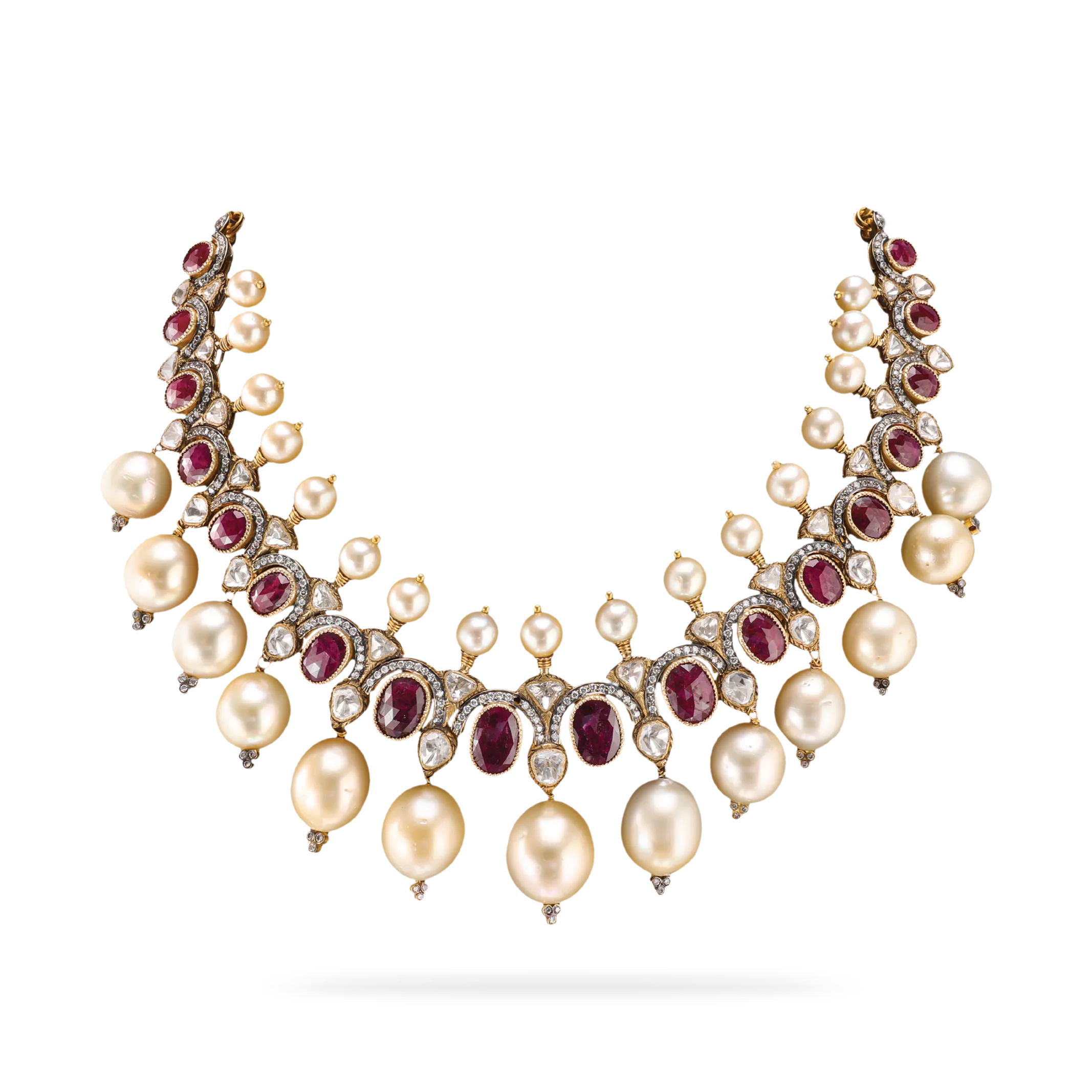
Kundan and pearls add another layer of elegance to mango malas. Kundan work, a traditional Indian jewelry technique, involves setting stones into gold foil. When used in a mango mala , it gives the necklace a regal, antique look. Pearls, on the other hand, offer a softer, more classic touch. You'll see mango shapes interspersed with strands of pearls, or perhaps small pearl drops hanging from the main design. These combinations create necklaces that are perfect for special events, offering a blend of old-world charm and refined beauty. Exploring the rich cultural heritage behind these designs can offer a deeper appreciation for their artistry. South Indian cultural heritage
The beauty of mango malas lies in their adaptability. Whether you prefer the understated elegance of plain gold or the vibrant allure of precious stones , there's a design to suit every taste and occasion. They are more than just jewelry; they are wearable art that carries cultural significance.
Mango Mala Necklaces for Celebratory Occasions
 mango mala necklace with gemstone details." >
Perfect Pairings for Weddings and Festivals
Mango malas are practically synonymous with Indian celebrations. Think weddings, festivals, and major family gatherings – these are the moments when a beautifully crafted mango mala truly shines. They have this way of just completing an outfit, adding that perfect touch of tradition and sparkle. It’s not just about wearing jewelry; it’s about wearing a piece of heritage that feels right for these special times. They pair wonderfully with rich silks and heavily embroidered lehengas, making you feel like royalty.
South Indian Women's Favorite Festive Adornment
Down South, the mango mala holds a special place in women's hearts, especially during festive seasons. It’s a go-to piece that’s both elegant and deeply traditional. You’ll often see these worn with Kanjeevaram sarees, and honestly, the combination is just stunning. It’s more than just an accessory; it’s a cultural statement, a nod to generations of style and craftsmanship.
Statement Mango Malas with Peacock Motifs
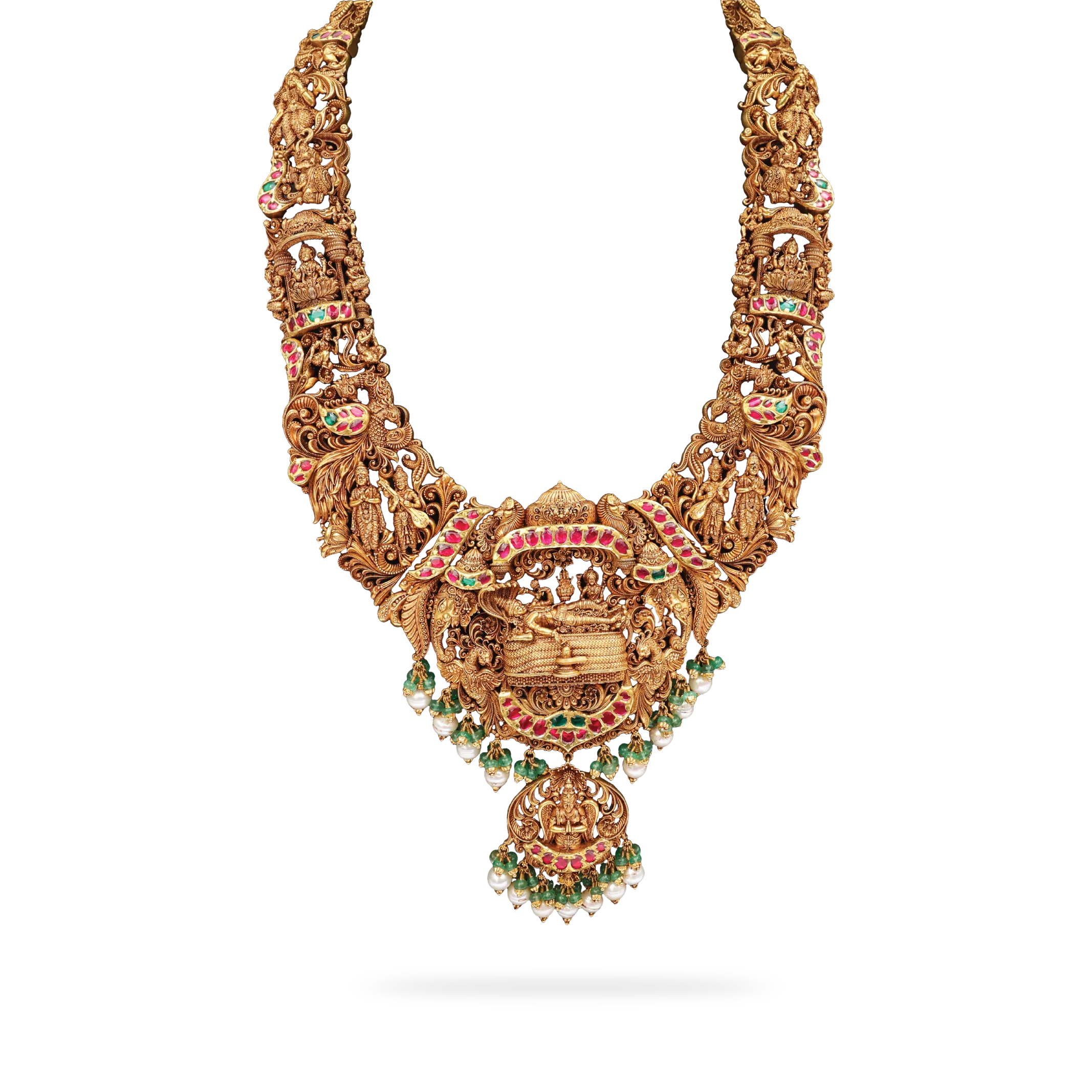
For those who want to make a real impression, mango malas featuring peacock motifs are the way to go. Peacocks are such a rich symbol in Indian culture, representing beauty and grace, and when you combine that with the mango design, you get something truly spectacular. These aren't just necklaces; they're wearable art that commands attention. They often come with multiple layers or intricate stone work, making them perfect for when you want your jewelry to be the star of the show.
The allure of a mango mala during celebrations lies in its ability to connect the wearer to cultural roots while simultaneously offering a sophisticated aesthetic. It’s a piece that’s both deeply personal and universally admired for its design.
Styling Your Mango Mala Necklace
So, you've got this gorgeous mango mala necklace, and now you're wondering how to really make it shine. It's not just about throwing it on; it's about creating a whole look. These necklaces are pretty special, and they deserve a little thought when you're putting an outfit together.
Complementing Traditional Indian Attire
This is where the mango mala truly feels at home. Think about pairing it with classic Indian outfits. It looks amazing with a silk saree, especially one with a rich border. The intricate design of the mala can really pick up on the details in the saree's weave. It also works wonderfully with a well-stitched salwar kameez, adding a touch of elegance that's not over the top. For those really special events, a lehenga choli is a fantastic choice, and a mango mala can be the perfect finishing touch, drawing attention to your neckline.
Versatility with Sarees, Anarkalis, and Lehengas
Don't think mango malas are just for one type of outfit. They're surprisingly versatile. With sarees, you can go for a simple, solid color to let the necklace be the star, or a heavily embroidered one where the mala complements the existing patterns. Anarkalis, with their flowing silhouette, pair beautifully with longer, layered mango malas, creating a regal feel. And for lehengas, a statement mango mala can balance out a heavily embellished skirt and choli, adding a focal point without being too much.
Accessorizing with Mango Mala Sets
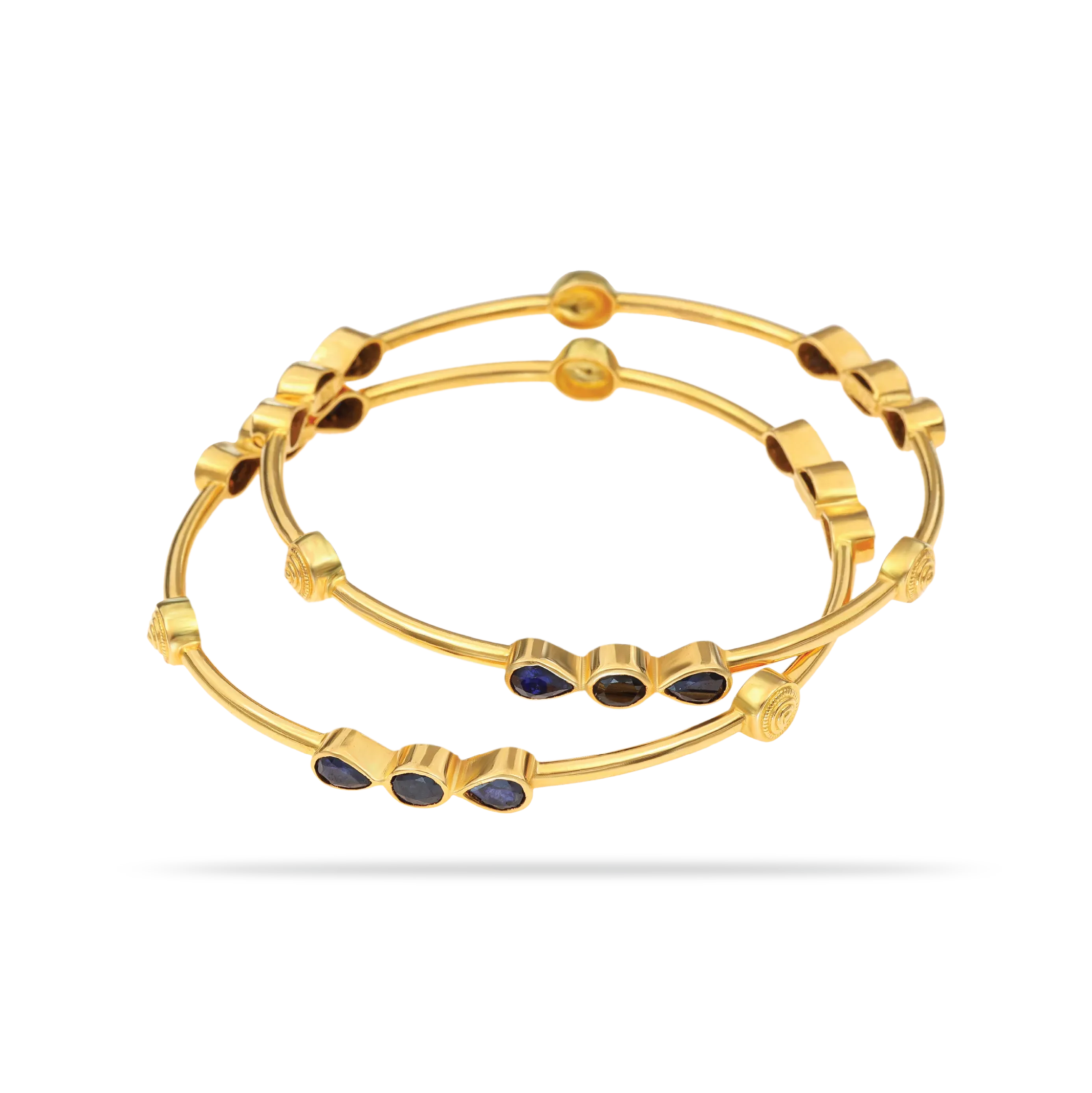
Often, mango malas come as part of a set, which might include matching earrings or even bangles. When you're styling, consider if you want to wear the whole set or just the necklace. If you're wearing a full set, make sure the other pieces don't compete with the necklace. Sometimes, just the necklace and a simple pair of studs is enough. If you're going for a more elaborate look, matching bangles can tie everything together. It's all about balance.
Remember, the goal is to let the mango mala be a highlight, not to overwhelm your entire look. It's a piece that speaks of heritage and beauty, so let it do just that.
Here's a quick guide to pairing:
- Silk Sarees: Opt for rich, contrasting colors or traditional weaves. The mala adds a layer of opulence.
- Anarkalis: Choose longer, multi-layered malas to complement the flowing fabric and create a dramatic effect.
- Lehengas: A statement mango mala can balance a heavily embroidered lehenga, adding a focal point.
- Salwar Kameez: A simpler, elegant mango mala can add a touch of sophistication to everyday or festive wear.
When choosing your mango mala , think about the occasion and the outfit. A heavier, more ornate piece is perfect for weddings, while a slightly simpler design might be better for festivals or family gatherings. It's about finding that sweet spot where the necklace feels just right.
Craftsmanship and Materials in Mango Malas
The Artistry of Handcrafted Indian Jewelry
When you look at a mango mala , it's easy to get lost in its beauty. But behind that sparkle is a lot of skill. Most of these pieces are handcrafted, meaning a person, not a machine, made them. This tradition has been passed down for generations. Artisans spend hours, sometimes days, carefully shaping the metal, setting the stones, and adding those intricate details. It's a labor of love, really. You can often see the unique touch of the maker in the slight variations, which is part of what makes each piece special. It’s this dedication to detail that gives Indian jewelry its special charm. For example, the Palakka necklace showcases this meticulous craftsmanship with its leaf-shaped motifs.
Exploring Gold Purity and Metal Types
Gold is the star of most mango malas, but not all gold is the same. You'll often see it described in karats, like 22K or 18K. 22K gold is about 91.7% pure gold, making it a richer yellow and a bit softer. This softness is actually good for intricate designs because it's easier to work with. 18K gold is 75% pure gold and is mixed with other metals to make it more durable, which can be good for everyday wear. While gold is most common, some pieces might use other metals as a base, especially for more affordable or fashion-oriented designs. It's always good to know what you're buying.
Understanding Gemstone and Stone Details
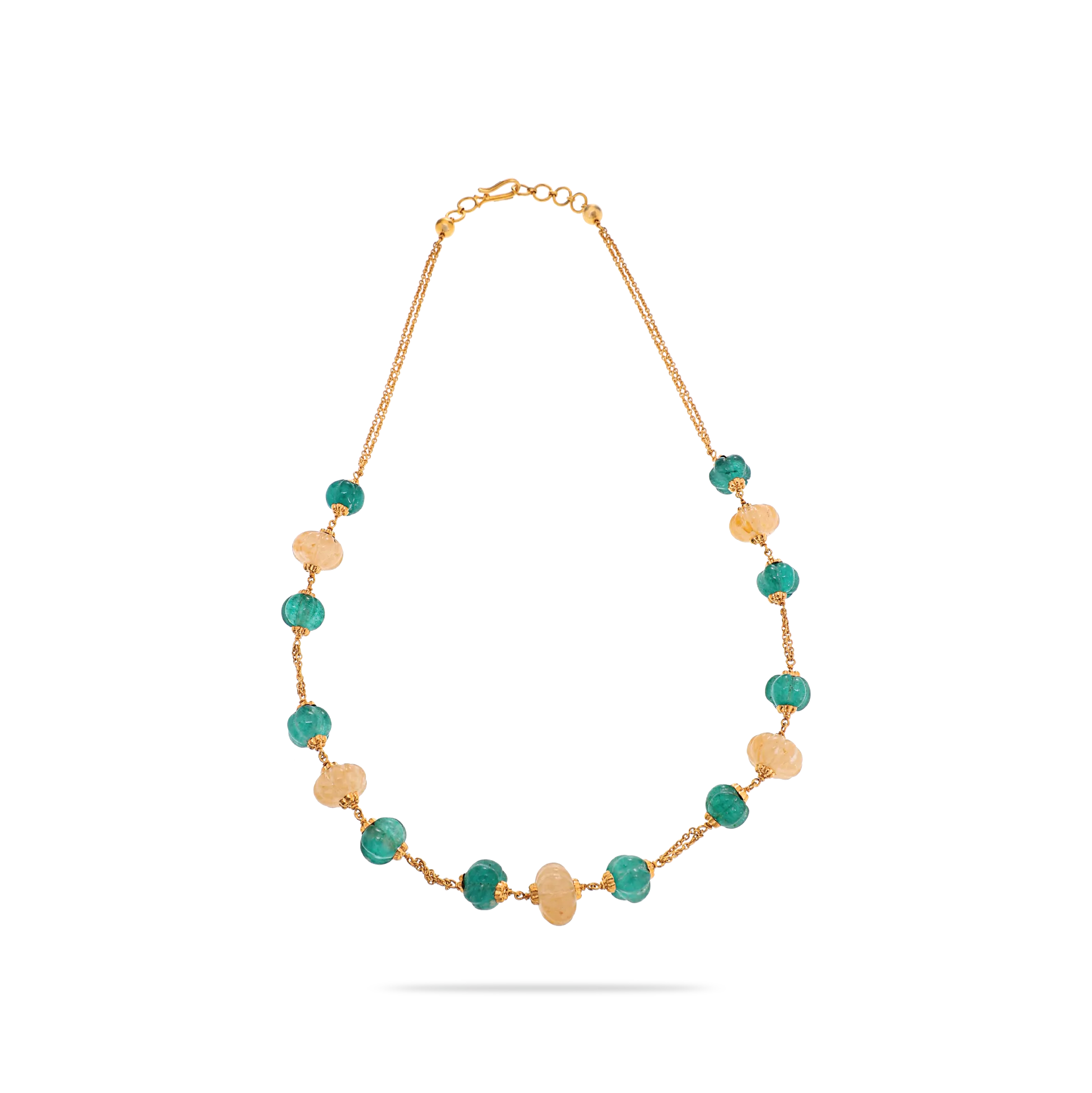
Beyond the metal, the stones are what really make a mango mala pop. You'll find a huge variety. Red stones, often garnets or rubies, are super popular for adding a vibrant splash of color. Pearls are another classic choice, bringing a touch of elegance and sophistication. Sometimes, you'll see emeralds for a rich green hue, or even uncut diamonds (polki) for a more traditional, rustic look. Kundan work, where stones are set into gold foil, is also a common technique, especially in more elaborate pieces. The way these stones are cut, set, and combined with the gold is a big part of the overall design and value.
The choice of materials and the skill of the artisan are what transform raw metal and stones into wearable art. Each element plays a role in the final piece's beauty and character.
Here's a quick look at common materials:
- Gold Purity:
- 22 Karat (approx. 91.7% pure gold)
- 18 Karat (approx. 75% pure gold)
- Common Gemstones & Stones:
- Rubies/Garnets (Red)
- Emeralds (Green)
- Pearls (White/Cream)
- Cubic Zirconia (Simulated Diamonds)
- Kundan (Foil-backed stones)
- Metal Types:
- Gold (Yellow, White, Rose)
- Silver (often gold-plated for mango malas)
When you're looking at a mango mala , paying attention to these details can help you appreciate the craftsmanship and make a more informed choice. For instance, a 22K gold 'mango' mala with red stones, weighing around 62 grams, shows a significant investment in both material and artistry.
Contemporary Takes on the Mango Mala
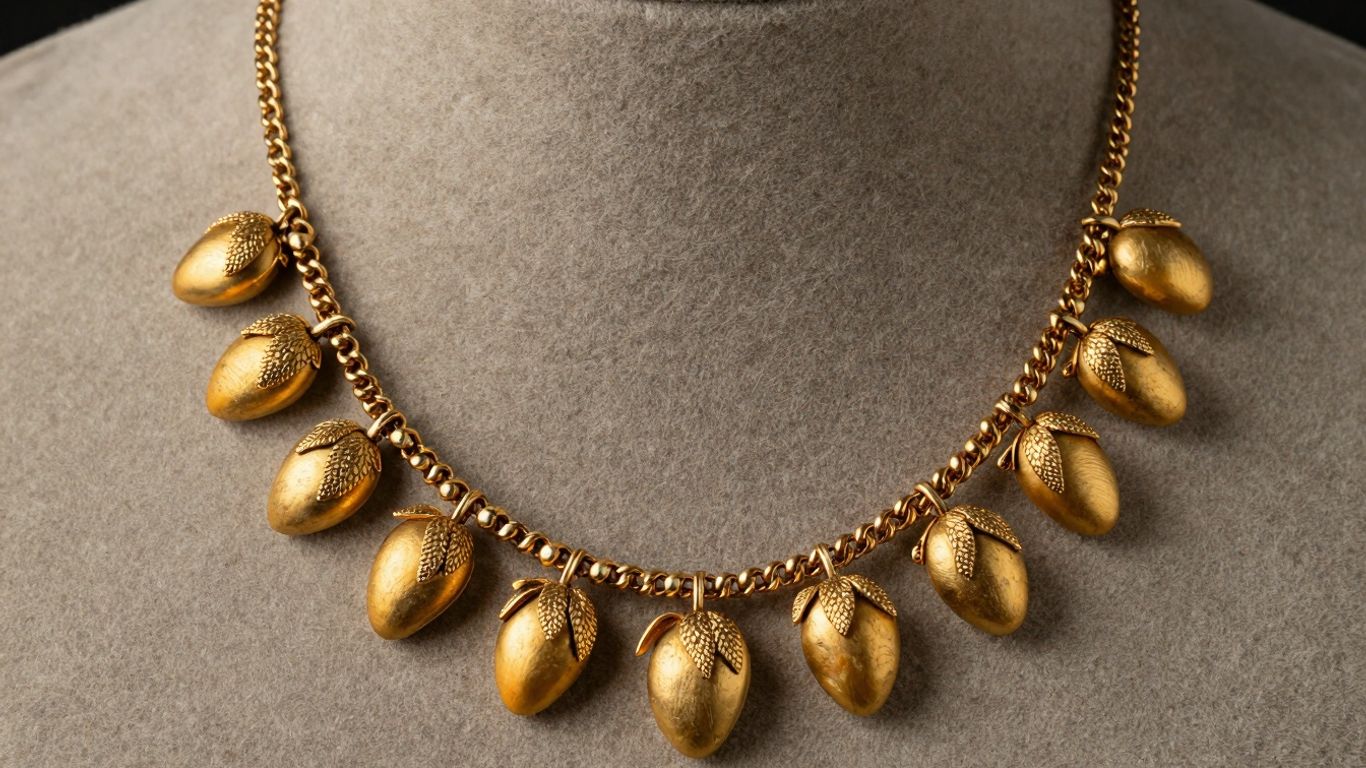 mango mala necklace with intricate gold mango motifs." >
While the mango mala has deep roots in tradition, it's far from being stuck in the past. Jewelers are constantly finding fresh ways to reimagine this classic design, blending its familiar charm with modern aesthetics. It's all about keeping that beloved mango motif alive while making it feel new and exciting for today's fashion scene.
Amalgamation of Tradition and Modernity
Today's designers are really good at mixing old and new. They take the classic mango shape and give it a twist. Think about using different metals, like rose gold or even platinum, alongside the traditional yellow gold . Sometimes they'll add a touch of modern sparkle with smaller, pave-set diamonds instead of larger, traditional stones. It’s about creating pieces that feel both familiar and surprisingly fresh. This approach makes the mango mala accessible to a wider audience, including those who might not typically go for very traditional jewelry. It’s a smart way to honor heritage while staying relevant.
Evolving Motifs in Traditional Designs
The mango motif itself is getting a makeover. While the basic shape remains, designers are playing with scale and proportion. You might see a more minimalist, stylized mango, or perhaps a cluster of smaller mangoes forming a unique pattern. Some designs incorporate other popular motifs alongside the mango, like peacocks or floral elements, but in a more abstract or contemporary style. This keeps the essence of the traditional design but gives it a distinct, updated look. It’s a subtle evolution that makes a big difference.
Mango Malas as a Fusion Statement Piece
These updated mango malas are perfect for creating fusion looks. They can add a touch of ethnic elegance to Western outfits, like a simple dress or a chic blouse and trousers. Imagine wearing a sleek, modern mango mala with a crisp white shirt – it’s unexpected and stylish. This versatility is a big part of their modern appeal. They aren't just for weddings and festivals anymore; they can be worn to a nice dinner, a party, or even to the office if the design is subtle enough. It’s about making a statement that’s uniquely yours, bridging cultural styles with confidence. You can find some really interesting variations on traditional antique necklace sets that show this blend.
Here's a quick look at how some modern mango malas are being designed:
- Minimalist Mango: A single, clean mango pendant on a delicate chain.
- Geometric Mango: The mango shape is integrated into more angular, modern patterns.
- Mixed Metal Mango: Combining yellow, white, or rose gold for a contemporary feel.
- Textured Mango: Using different finishes on the gold, like hammered or brushed textures, for added depth.
The beauty of contemporary mango malas lies in their adaptability. They respect the past while confidently stepping into the future, offering a unique way to express personal style through jewelry that carries cultural significance.
Where to Find Exquisite Mango Mala Necklaces
So, you've fallen in love with the mango mala , that beautiful, teardrop-shaped motif that just screams traditional Indian elegance. Now comes the fun part: finding the perfect one for yourself or as a gift. It's not as simple as just walking into any jewelry store, though. These pieces often carry a lot of history and artistry, so knowing where to look makes all the difference.
Renowned Brands for Traditional Designs
When you're after that authentic, time-honored look, sticking with established brands known for their traditional Indian jewelry is a smart move. These companies often have a long history of crafting these pieces, sometimes passed down through generations. They tend to focus on quality materials and intricate handiwork, which is exactly what you want in a mango mala .
- Nakoda Payals: This brand is frequently mentioned when people talk about a wide variety of mango necklace designs. They seem to have a good collection, from gold-plated options to those with colorful stones, pearls, or Kundan work. It’s a good starting point if you want to see a lot of different styles in one place.
- Totaram Jewelers Online: If you're looking for solid gold pieces, this is a place to check. They often feature detailed descriptions, including the gold purity (like 22 karat) and the weight of the piece. They have some really stunning gold mango malass with stones, perfect for making a statement.
- Deepas Silver Jewellery: While perhaps more known for silver, they also offer gold-plated options that can capture the essence of a mango mala design, often at a more accessible price point.
Online Marketplaces for Unique Finds
The internet has opened up a world of possibilities, and the jewelry market is no exception. Online platforms can connect you with a vast array of sellers, from big brands to independent artisans. It’s a great way to compare prices and discover designs you might not find locally.
- Etsy: This is a fantastic place for handmade and unique items. You can often find independent jewelers selling beautiful, handcrafted mango malas here. It’s a good spot to look for something truly one-of-a-kind.
- Amazon/Flipkart (India): These large e-commerce sites have dedicated jewelry sections where you can find many Indian jewelry brands. You’ll see a mix of styles and price points, so it’s worth browsing, but always check seller reviews carefully.
- Specialty Indian Jewelry Websites: Many online stores focus specifically on Indian ethnic jewelry. A quick search for "Indian jewelry online" will reveal numerous options, often featuring detailed product information and high-quality images.
Discovering Artisanal Collections
For those who truly appreciate the artistry and craftsmanship, seeking out artisanal collections is the way to go. These are often small workshops or individual jewelers who pour their heart and soul into each piece. The quality and uniqueness can be unparalleled.
- Local Jewelers in India: If you have connections or are traveling to India, visiting local jewelry shops, especially in regions known for traditional crafts, can yield incredible finds. You might even be able to commission a custom piece.
- Jewelry Fairs and Exhibitions: Keep an eye out for cultural festivals or jewelry exhibitions in your area. These events often showcase independent artisans and designers, giving you a chance to see and feel the pieces before buying.
- Social Media Platforms: Instagram and Facebook have become popular platforms for jewelers to showcase their work. Following hashtags like #mangomala or #indianjewelry can lead you to talented artisans whose work might not be listed on larger marketplaces.
When you're looking for a mango mala , remember that the value isn't just in the gold or stones, but in the skill and tradition woven into its creation. Take your time, do your research, and you're sure to find a piece that you'll treasure for years to come. It’s about finding that special connection with a piece of wearable art.
Here's a quick look at some specifications you might find when buying a gold mango mala :
| Feature | Detail |
|---|---|
| Metal Purity | 22 Karat Gold |
| Metal Type | Gold |
| Total Gross Gold Weight | 62.350 Grams |
| Necklace Length (with chain) | 30.500 Inches |
| Country of Manufacture | Made in India |
Wrapping Up Your Mango Mala Journey
So, there you have it. Mango mala necklaces are more than just pretty accessories; they're a piece of history you can wear. Whether you're heading to a wedding, a festival, or just want to add a little something special to your everyday look, these designs have got you covered. From simple gold to ones with colorful stones, there's a mango mala out there for everyone and every event. It’s pretty cool how something so traditional can still feel so fresh and stylish today, right? Go ahead and find the one that speaks to you.
Frequently Asked Questions
What exactly is a 'mango mala ' necklace?
A mango mala is a special kind of Indian necklace. It's called that because the main part of the design looks like a mango, which is a popular fruit in India. These necklaces are often called paisley necklaces too because the shape is similar to a paisley pattern. They are a beautiful part of Indian jewelry traditions.
Are mango malas only for special events?
While mango malas are often worn for big celebrations like weddings and festivals because they look so fancy, they can also be styled for other occasions. Some simpler designs can even be worn with more casual traditional outfits. They are quite versatile!
What materials are typically used in mango malas?
Mango malas are often made from gold, and can be decorated with colorful stones like rubies and emeralds, shiny pearls, or intricate Kundan work. Sometimes they are made with silver and then plated with gold for a similar look.
Are mango malas heavy to wear?
Some mango malas, especially the very elaborate ones with lots of gold and stones, can be a bit heavy. However, jewelers also make lighter versions that are more comfortable for everyday wear or for those who prefer less weight.
How do I take care of my mango mala necklace?
To keep your mango mala looking its best, store it carefully. It's a good idea to keep it in a soft cloth or a jewelry box so it doesn't get scratched. Try to keep it away from perfumes and harsh chemicals, and clean it gently with mild soap and water if needed.
Can I wear a mango mala with modern outfits?
Yes, you can! While they look amazing with traditional Indian clothes like sarees and lehengas, some modern mango mala designs are made to blend old and new styles. You could even wear a simpler, sleeker design with a nice dress to add a unique touch.
Related blogs:
November 20, 2025
The Timeless Elegance of the Tennis Bracelet: A Comprehensive Guide
Read More
November 20, 2025
The Ultimate Guide to Styling and Wearing a Choker Necklace
Read More
November 20, 2025
Find Your Perfect Engagement Ring: A Comprehensive Guide to Styles and Diamonds
Read More
November 20, 2025
The Timeless Elegance of a Diamond Tennis Bracelet: A Buyer's Guide
Read More









.webp)
.webp)