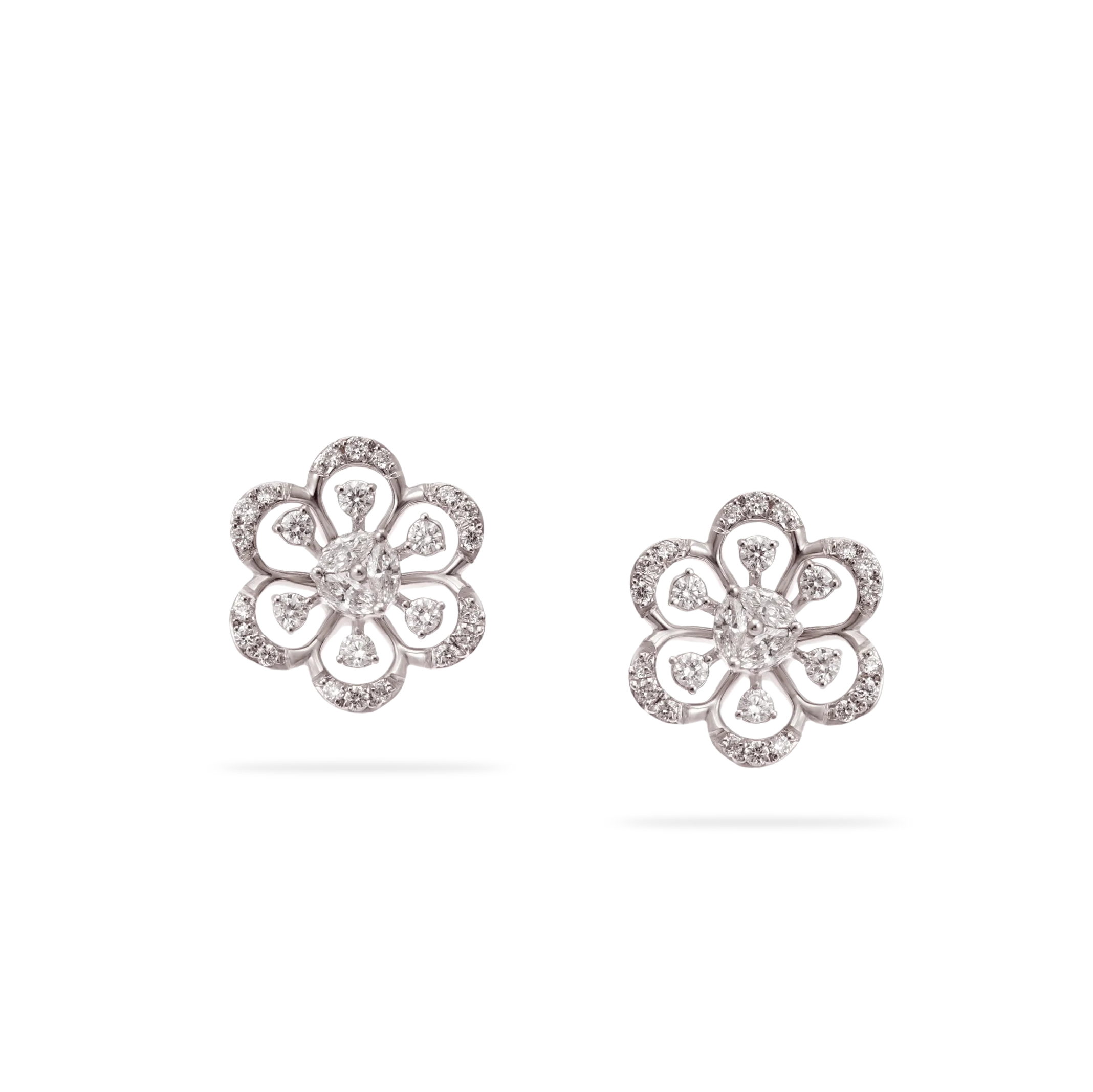
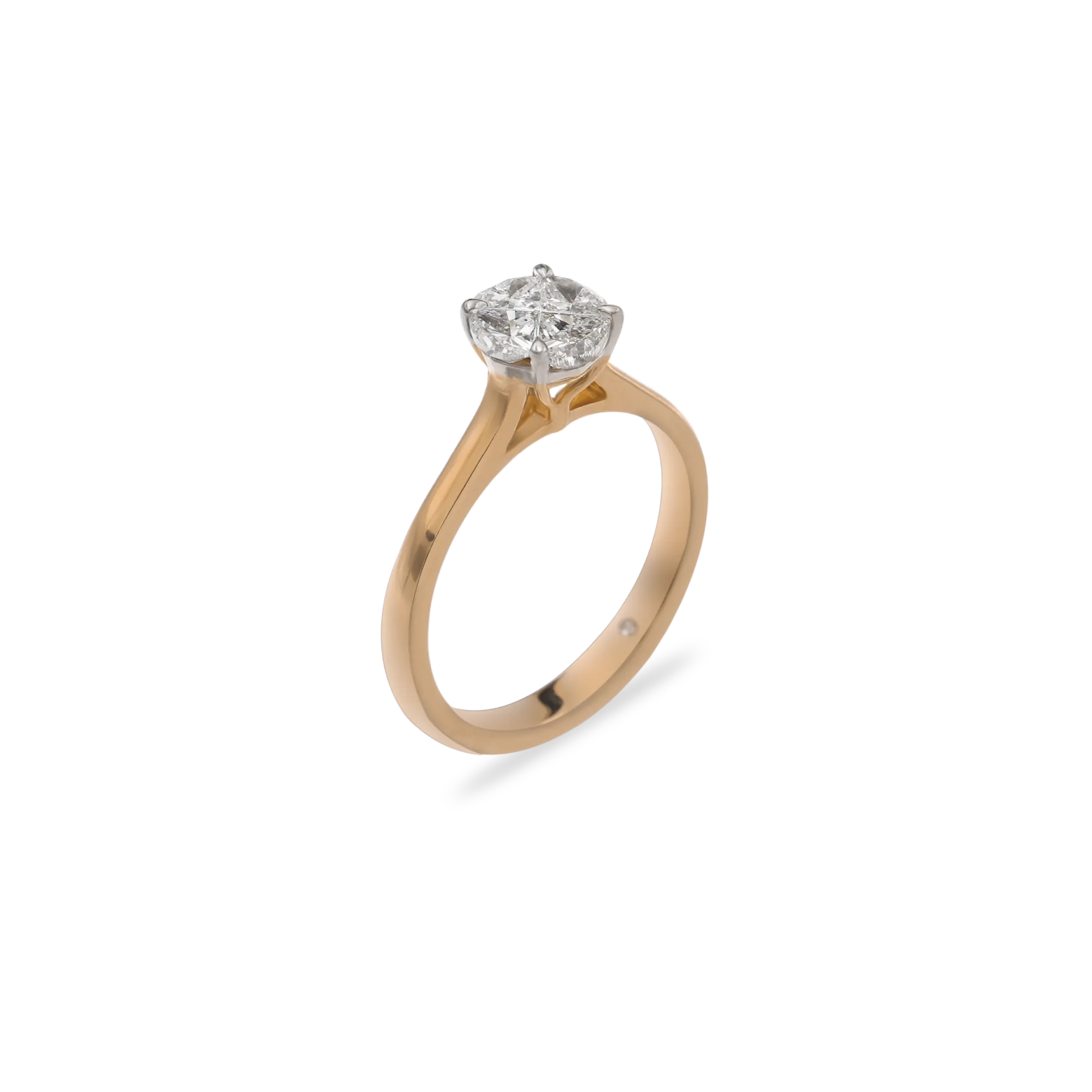
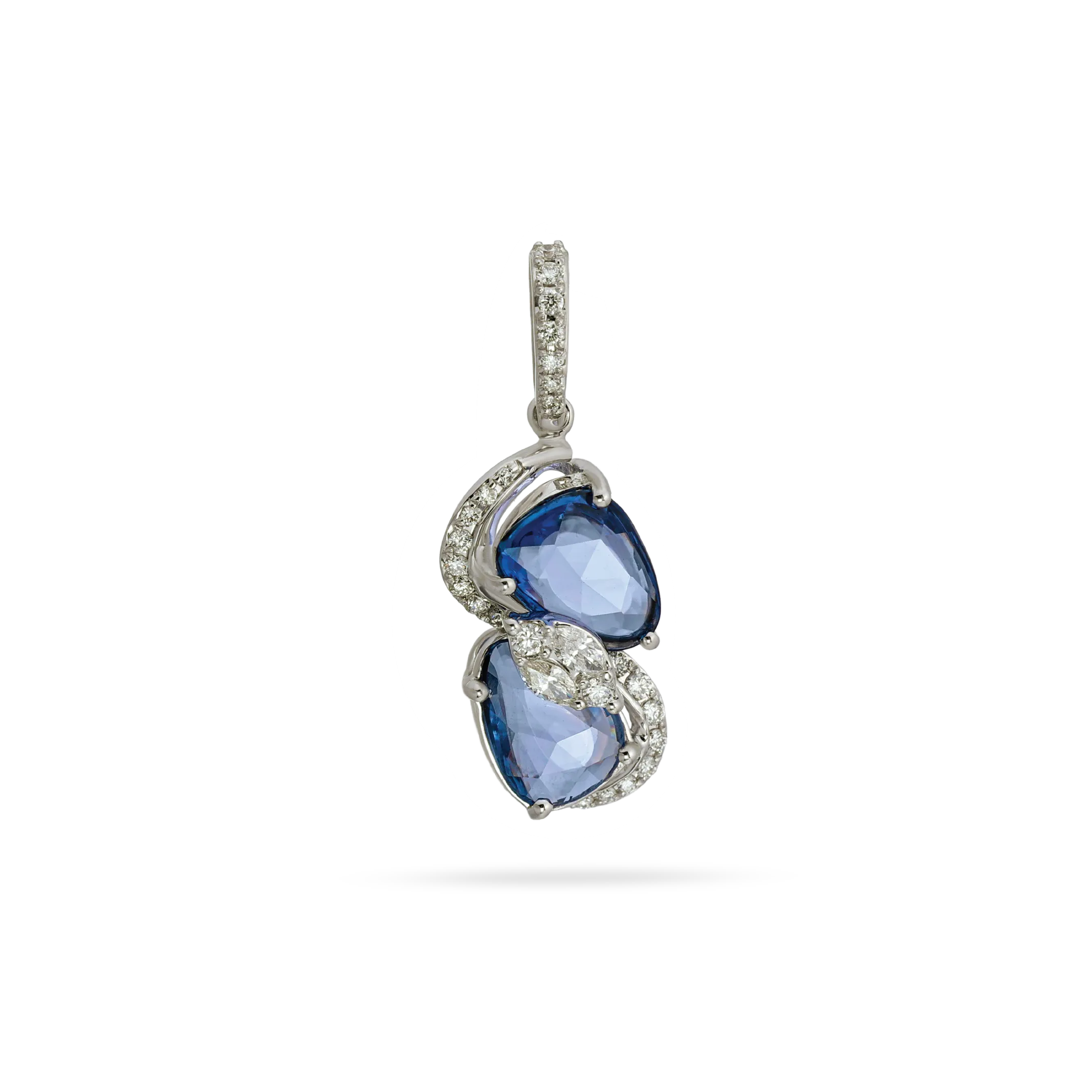
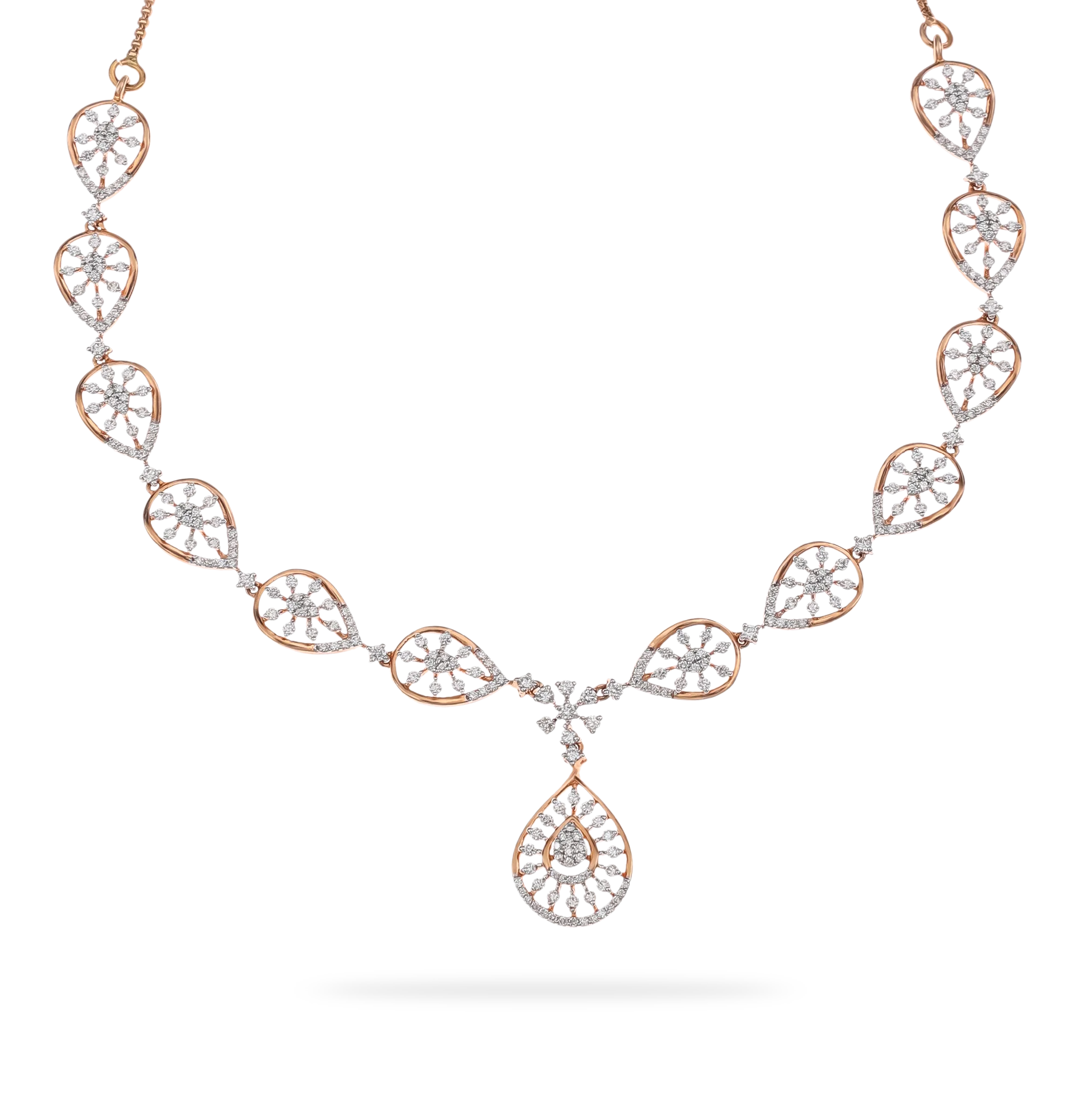
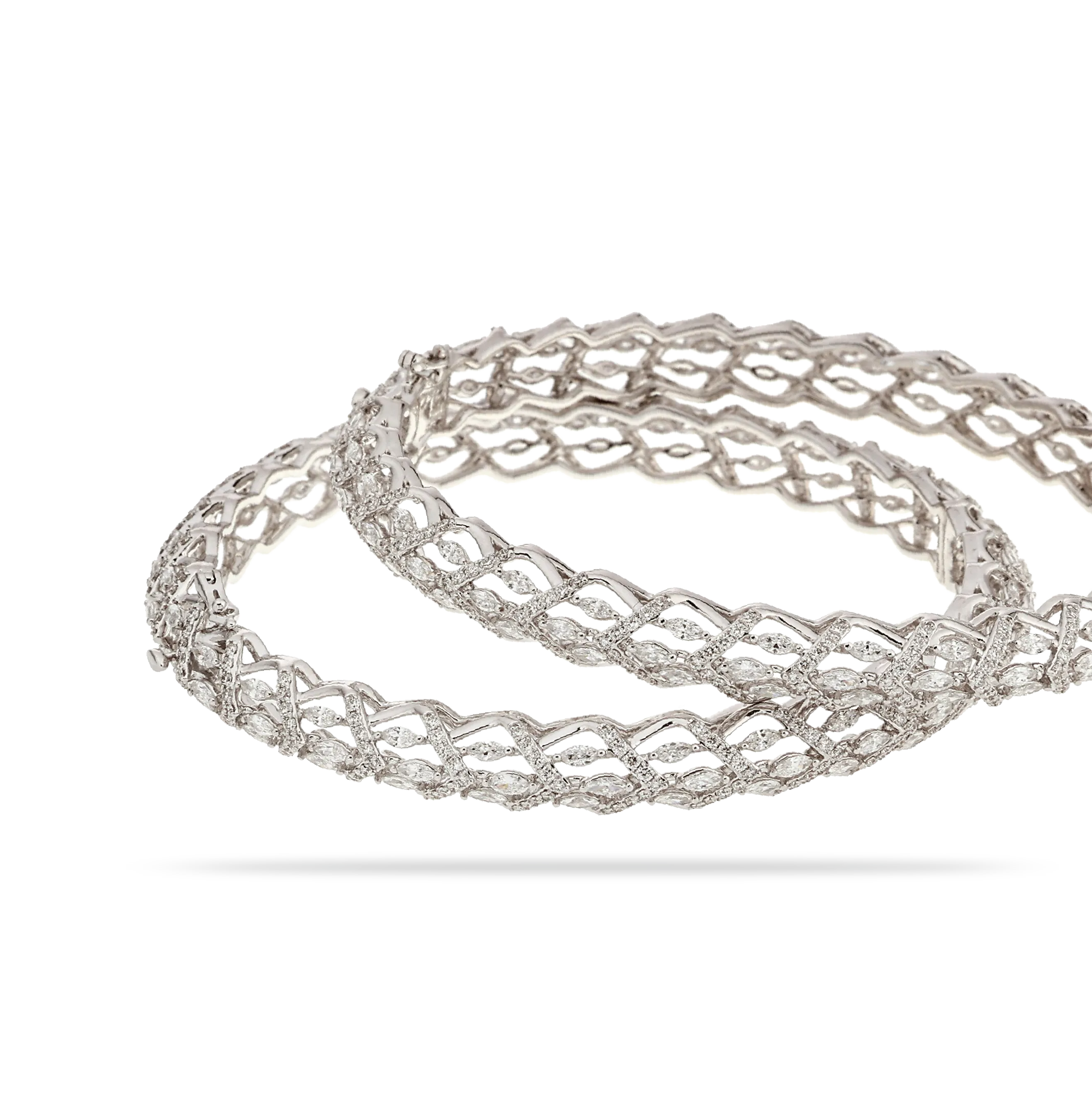
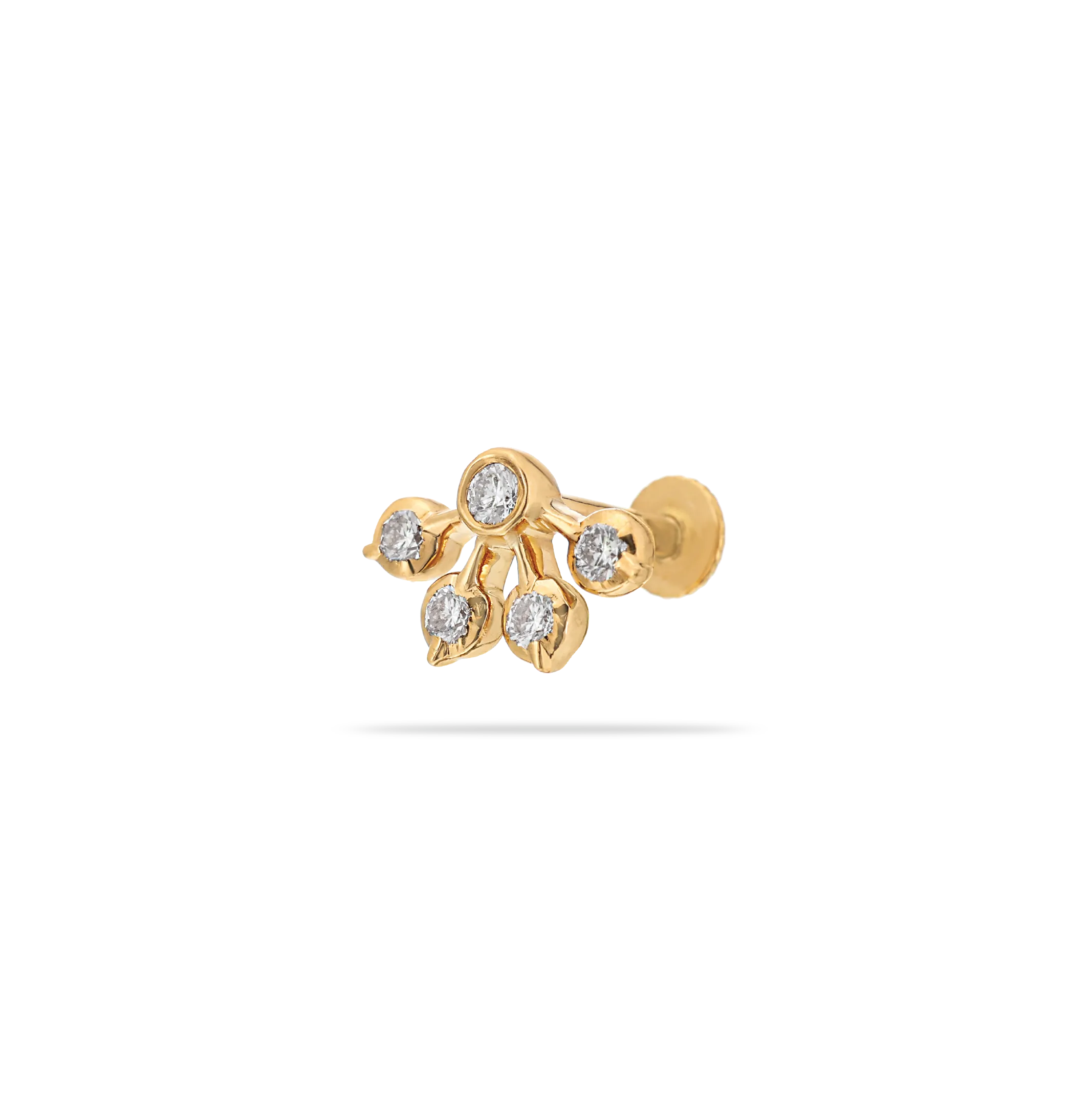
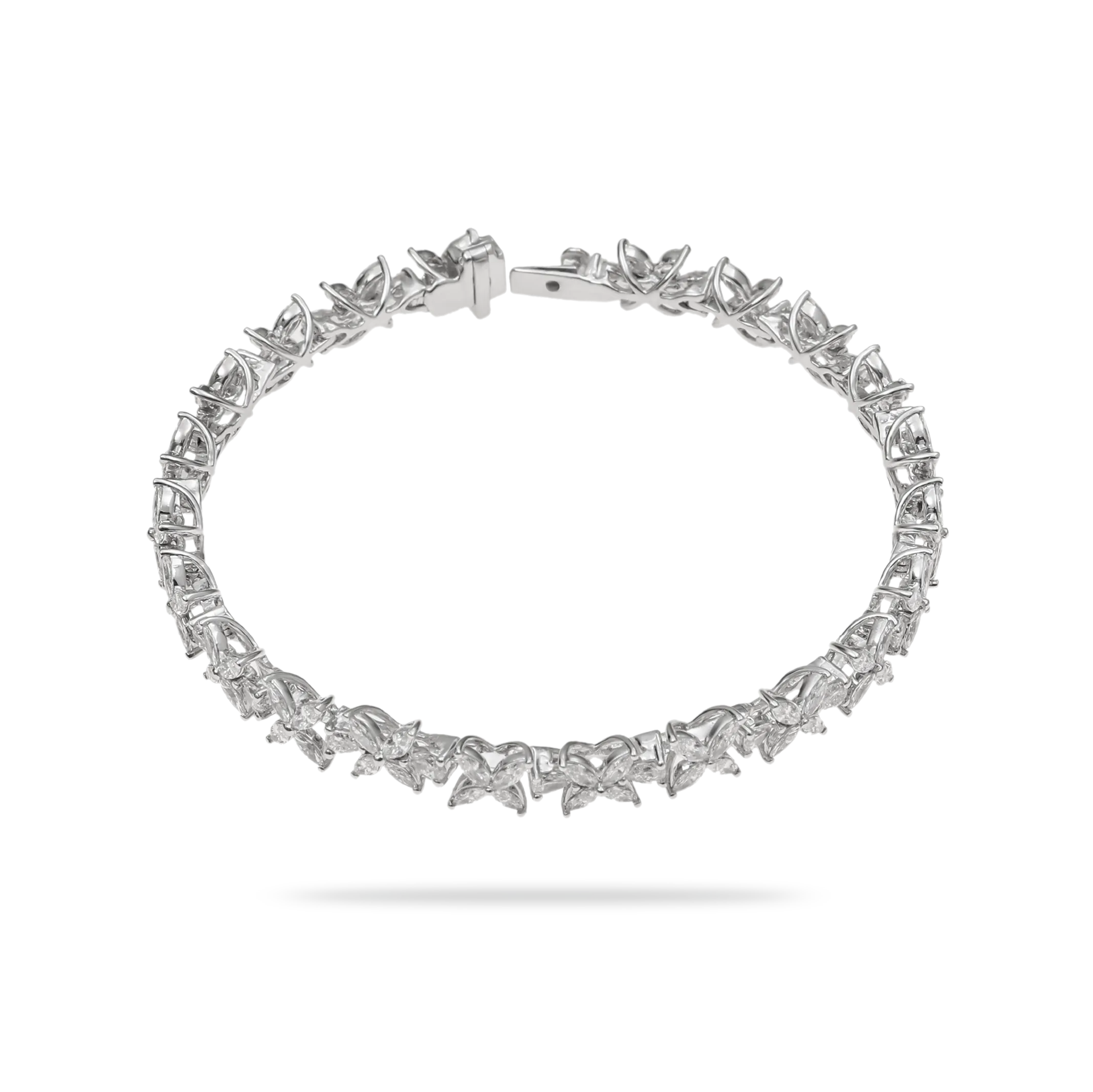
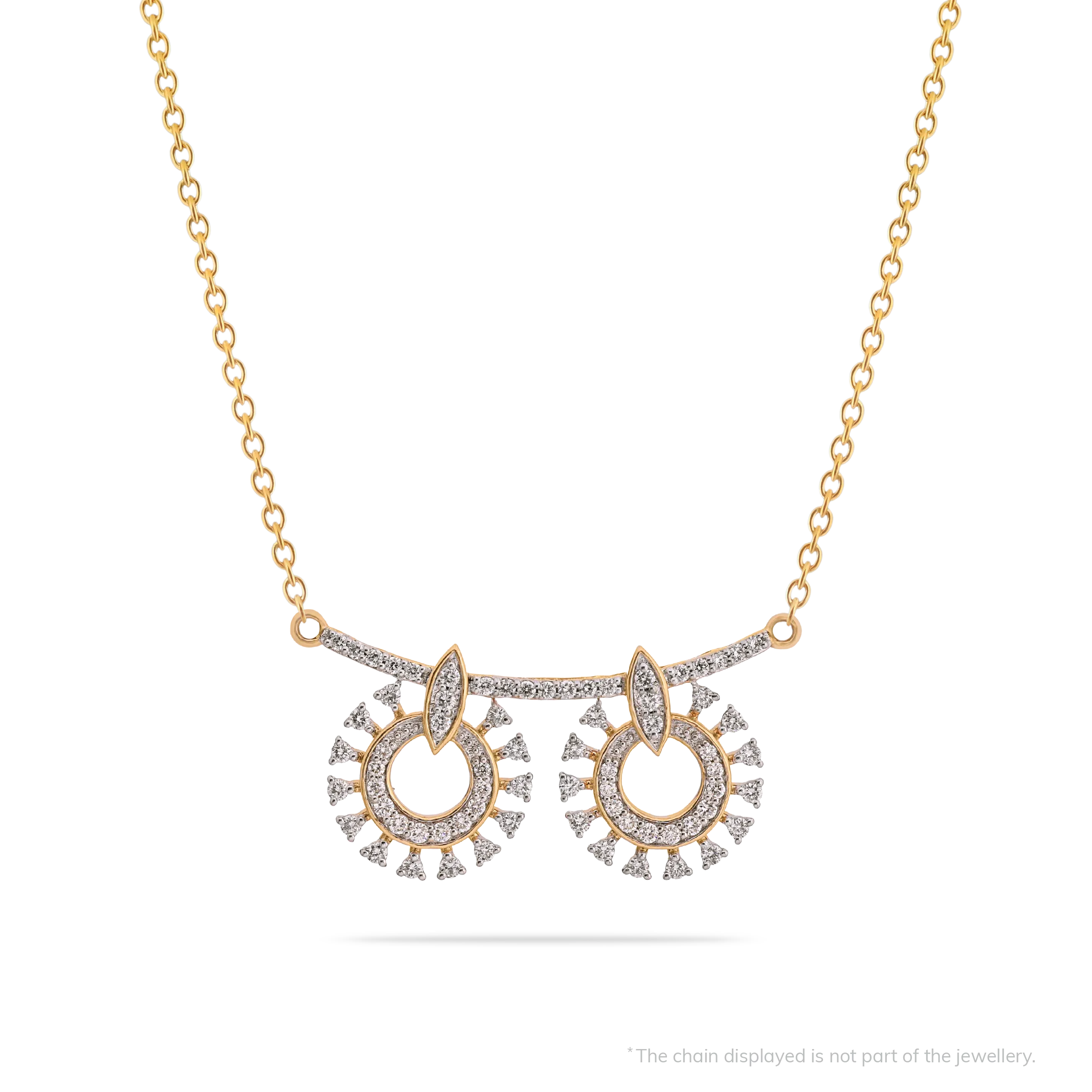
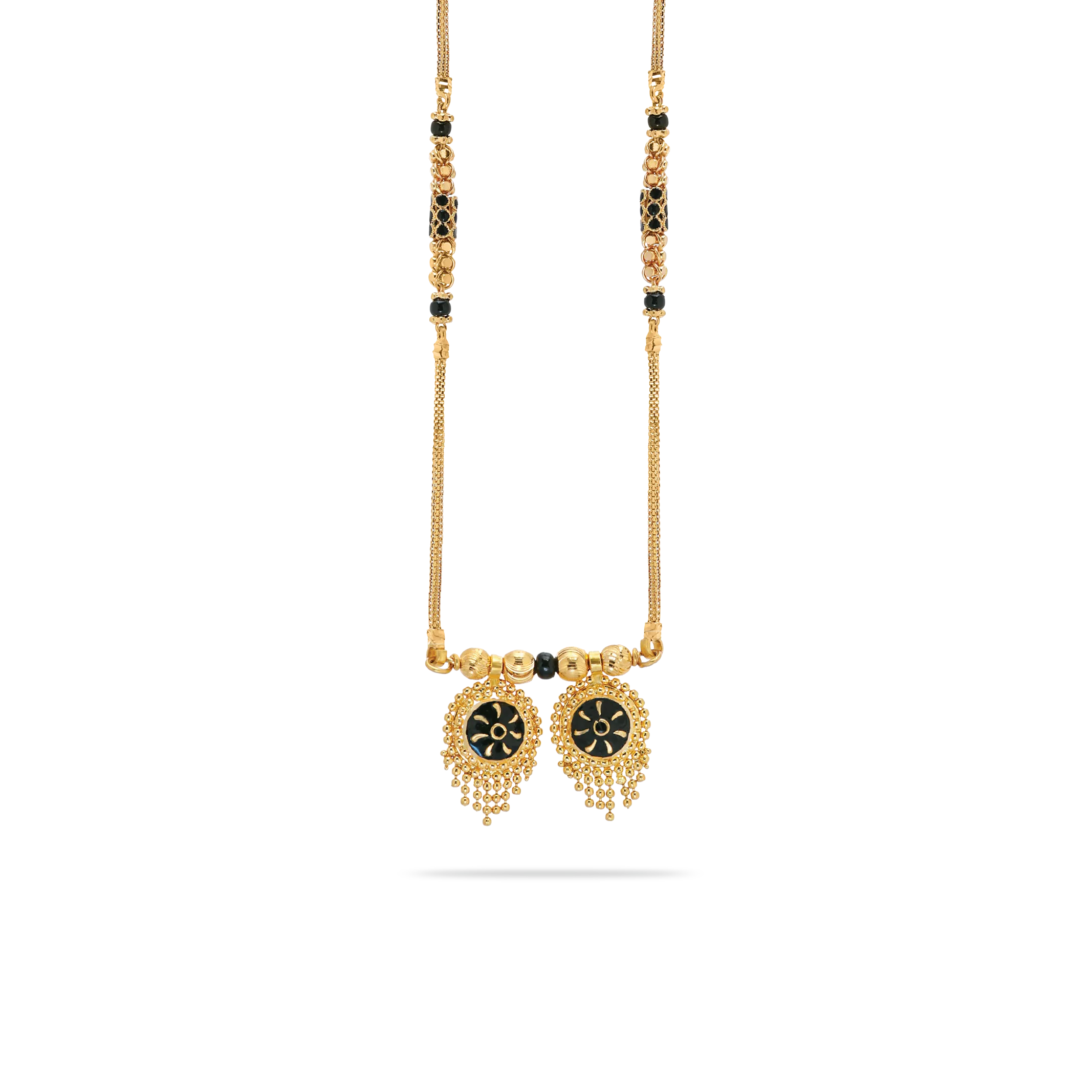
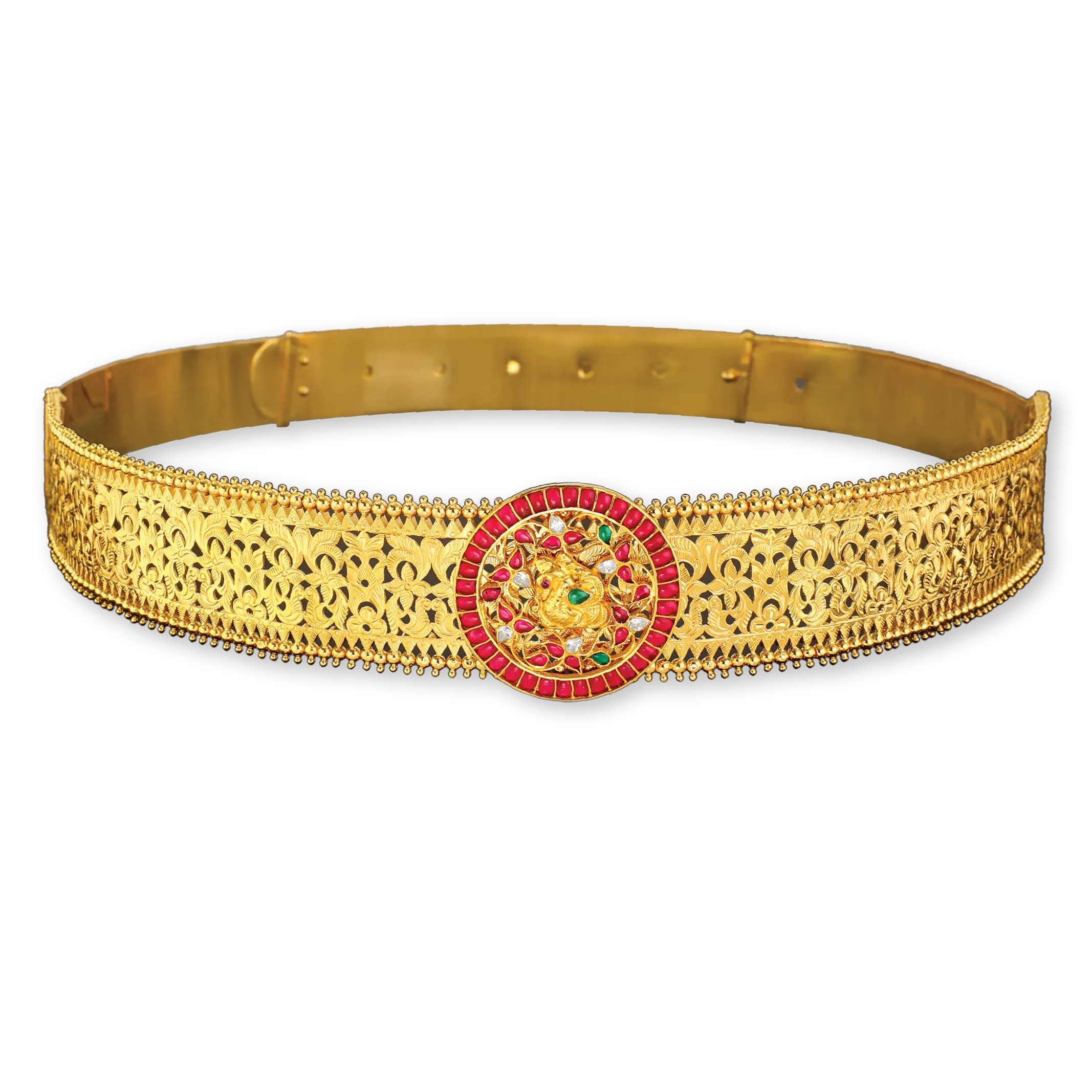
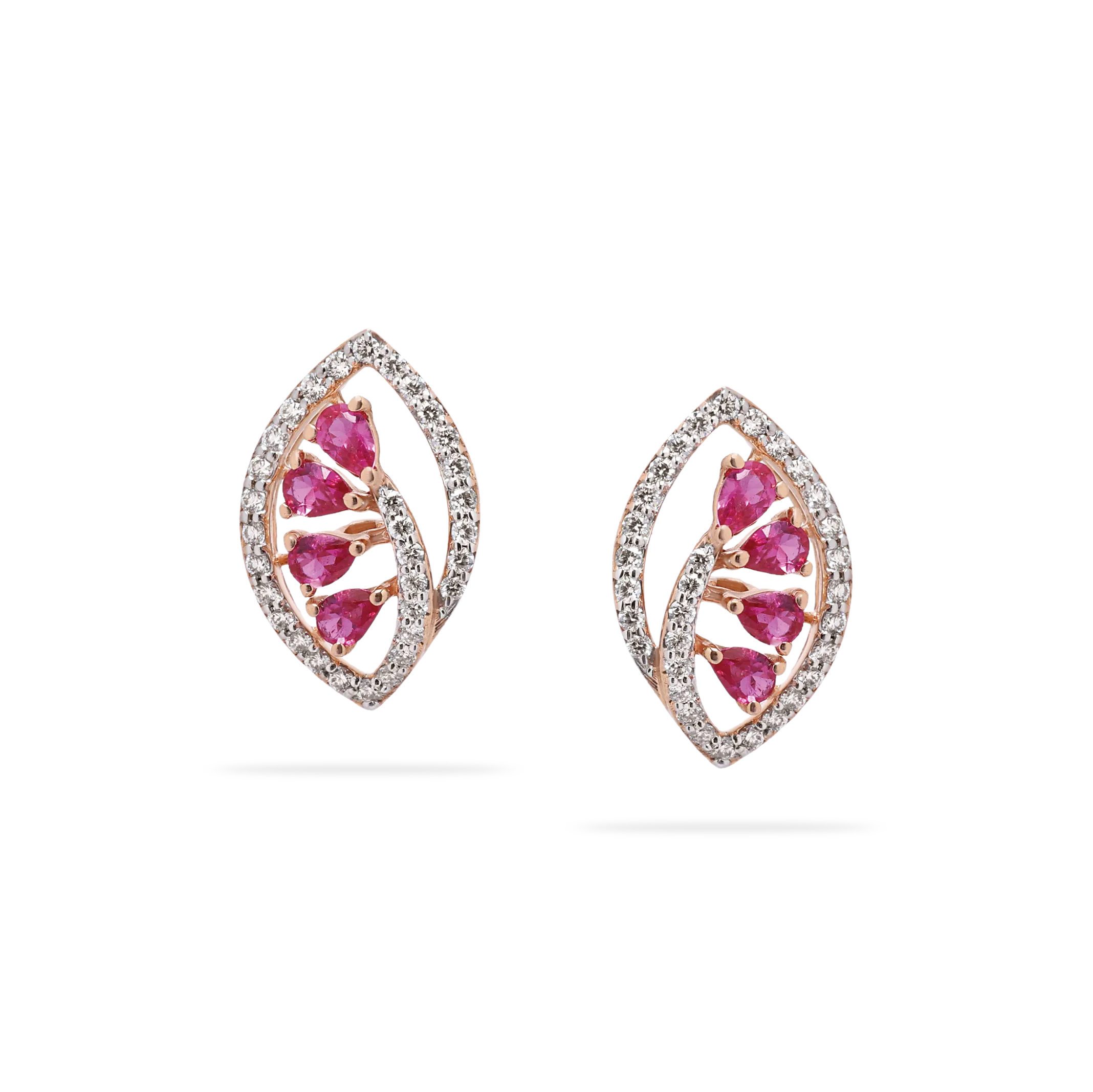
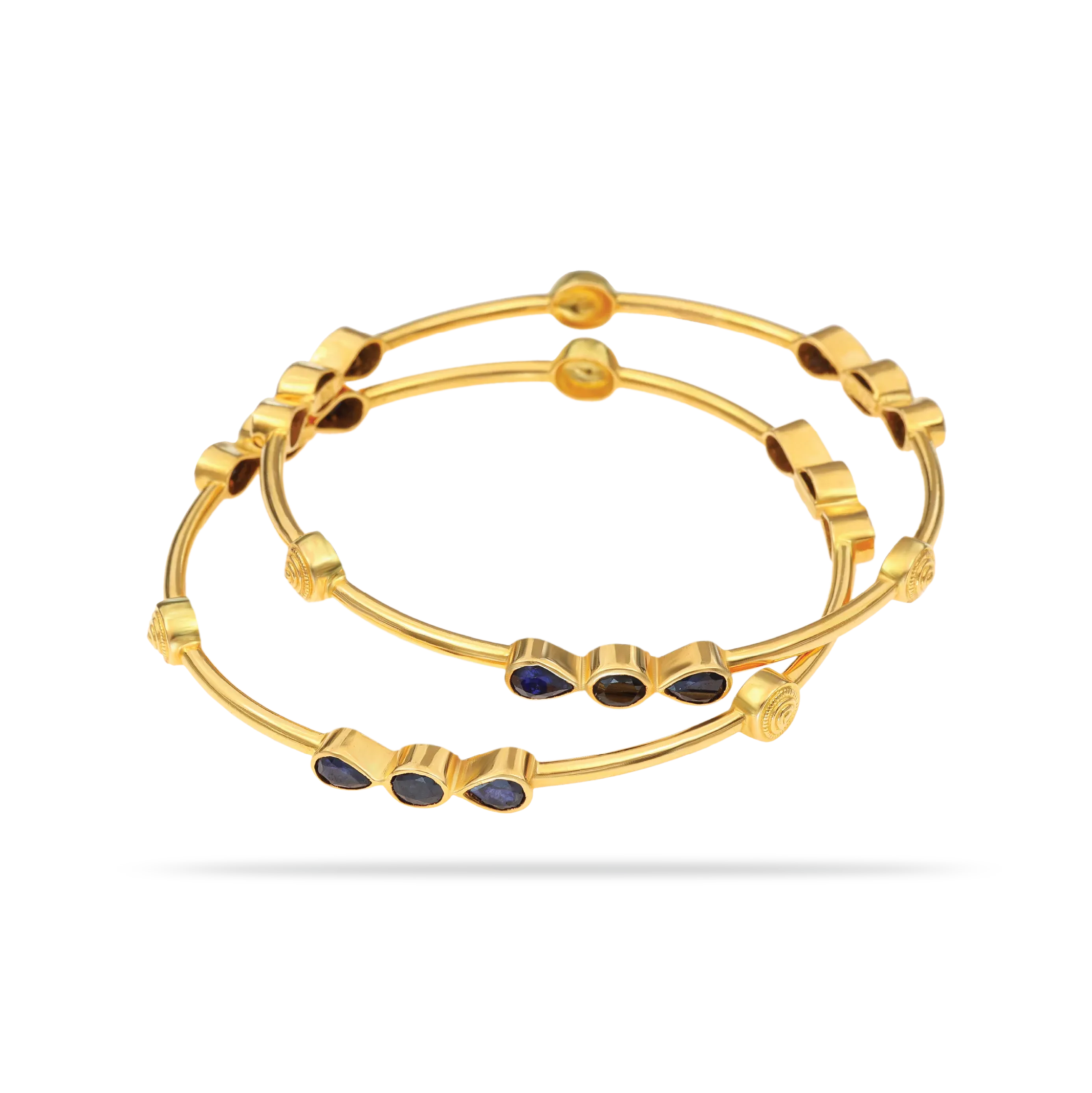
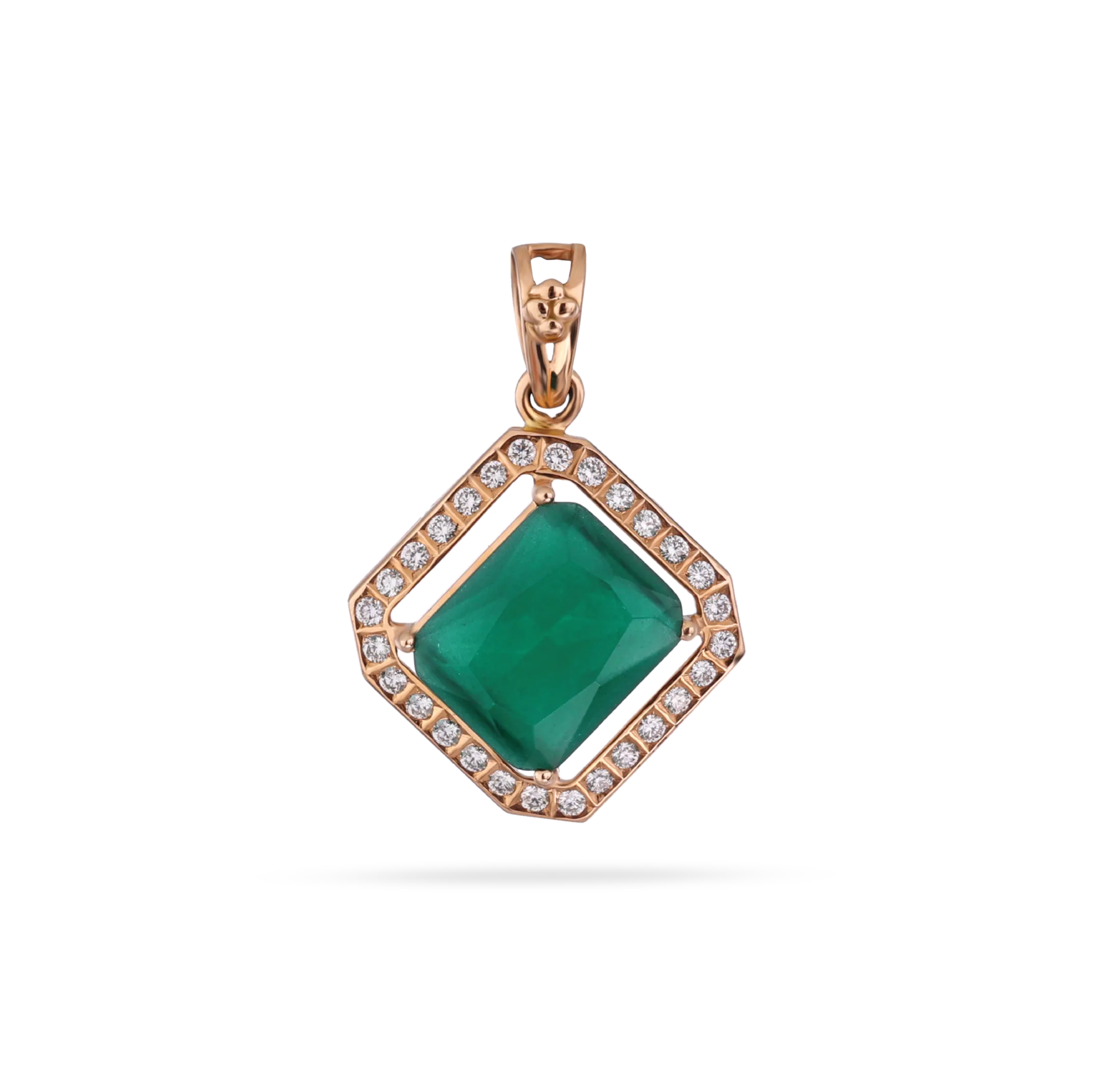
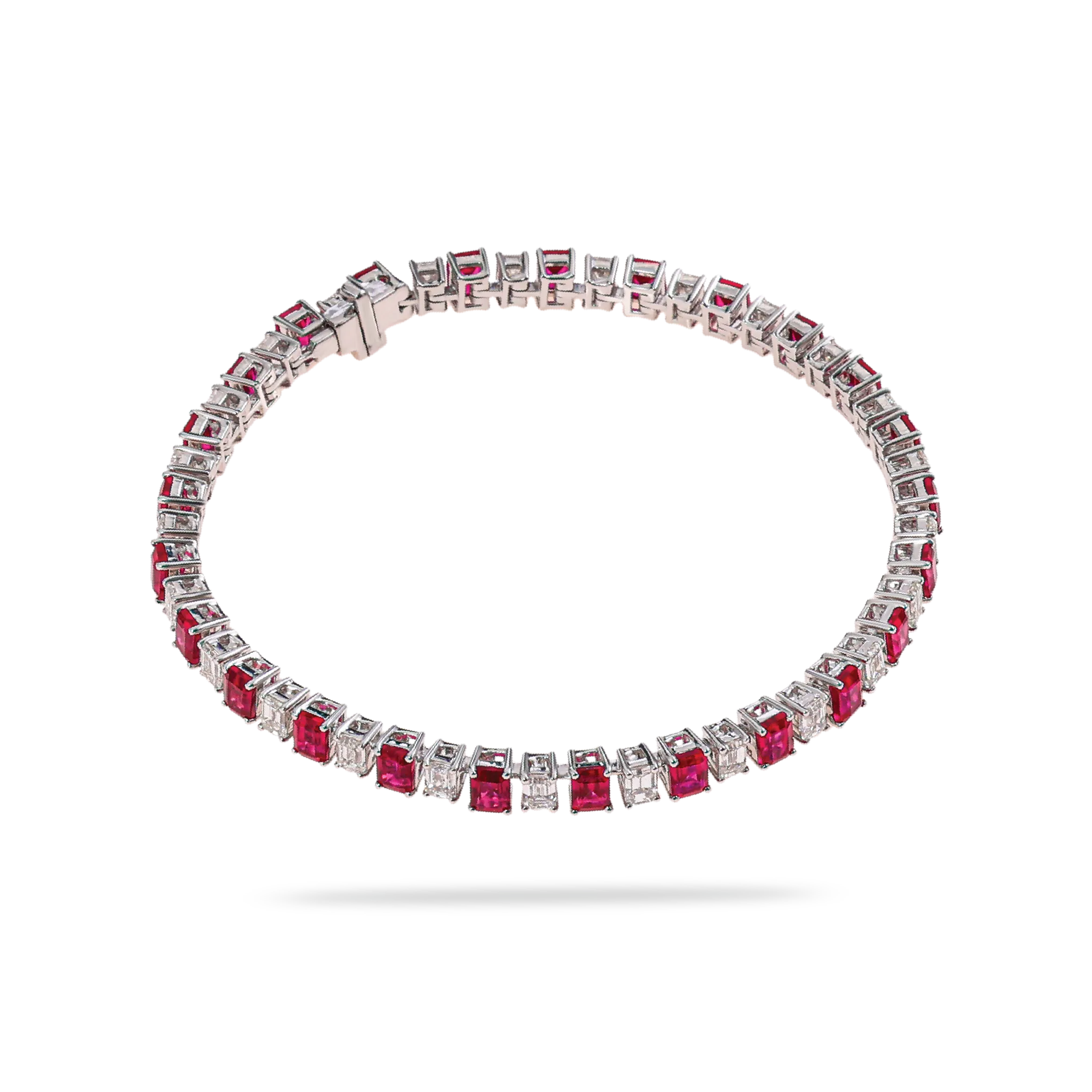
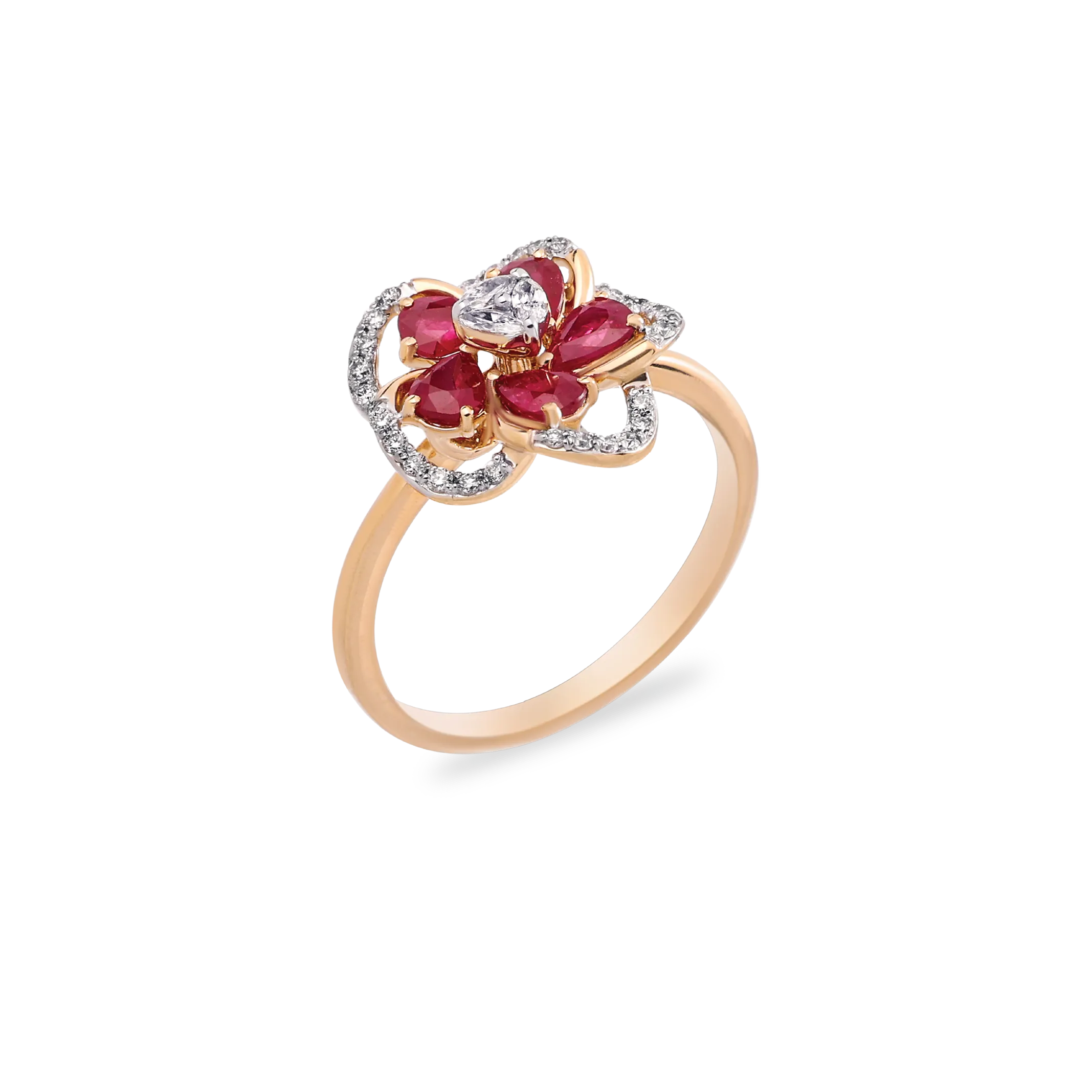
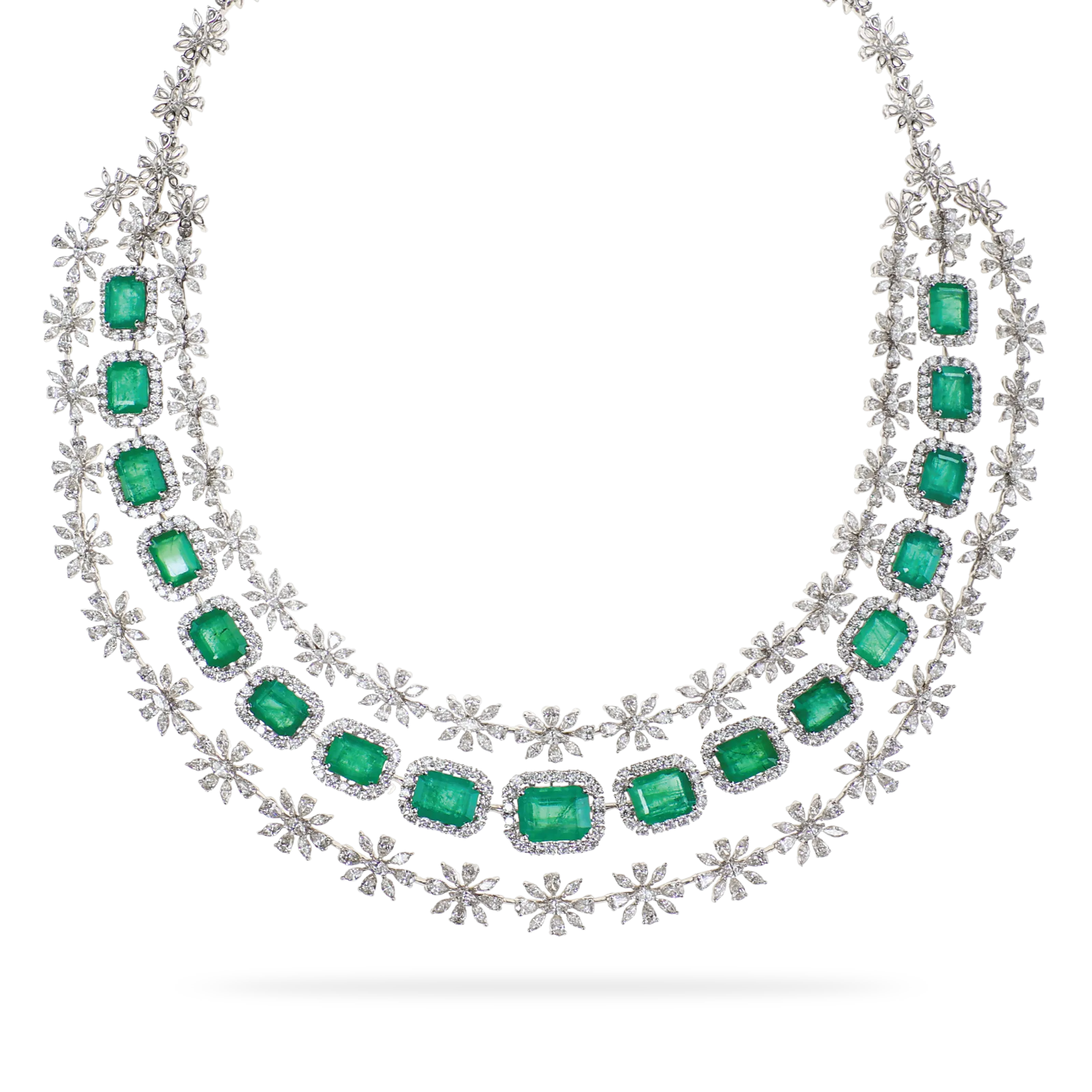
Discover Exquisite Fine Diamond Jewellery for Every Occasion
June 16, 2026 | 10 minutes read
Here are the main points to remember when exploring the world of fine diamond jewellery:
Key Takeaways
- Fine diamond jewellery offers timeless appeal, with vintage pieces and unique cuts like European-cut diamonds adding historical charm.
- Platinum and white gold are popular metal choices, each with distinct qualities in terms of look, durability, and maintenance.
- Special occasions call for specific types of fine diamond jewellery, from statement rings to elegant wedding bands and meaningful heirlooms.
- The craftsmanship behind fine diamond jewellery, including expert guidance and attention to quality, is vital to its value and beauty.
- Proper care and storage are essential to maintain the sparkle and longevity of your fine diamond jewellery for years to come.
Exploring Exquisite Fine Diamond Jewellery
When we talk about fine diamond jewelry, it's easy to get lost in the sparkle, but there's so much more to it than just pretty stones. It's about history, craftsmanship, and finding pieces that really speak to you. Think about vintage diamond pieces, for example. These aren't just old; they're like tiny time capsules, each with a story from a different era. They often feature hand-cut diamonds and unique settings that you just don't see anymore. It's a whole different kind of beauty, a bit softer and more romantic than what we're used to today.
The Timeless Appeal of Vintage Diamond Pieces
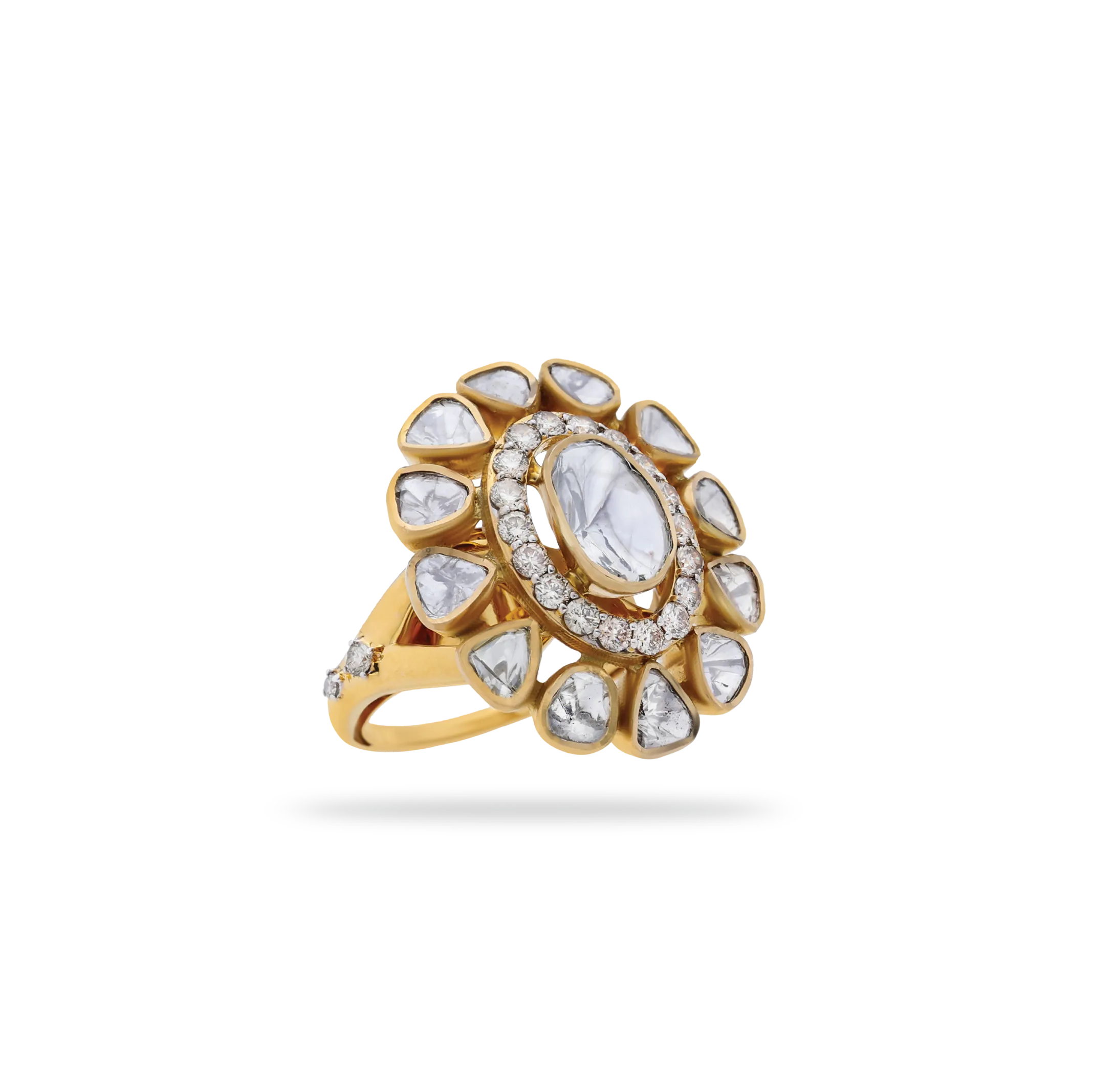
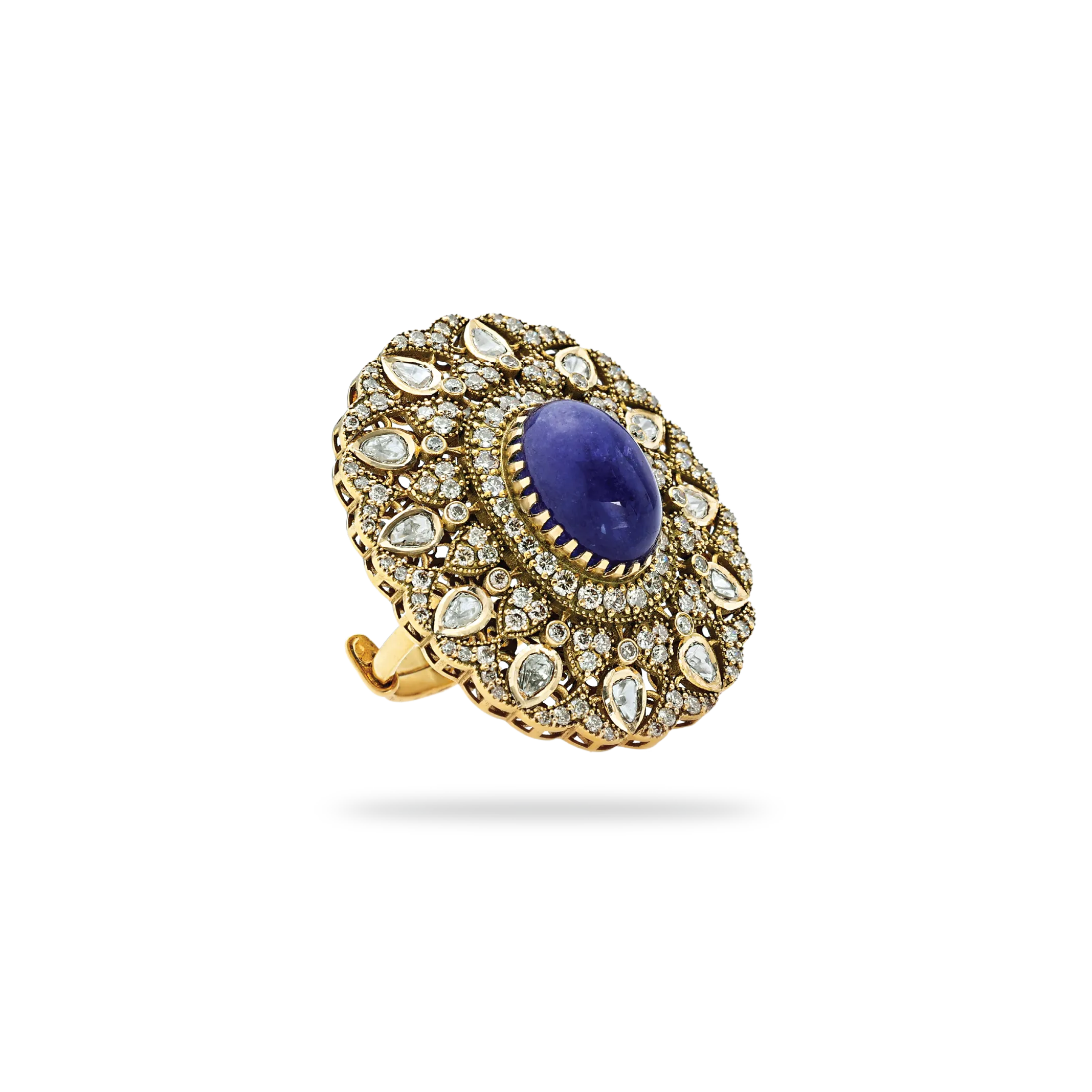
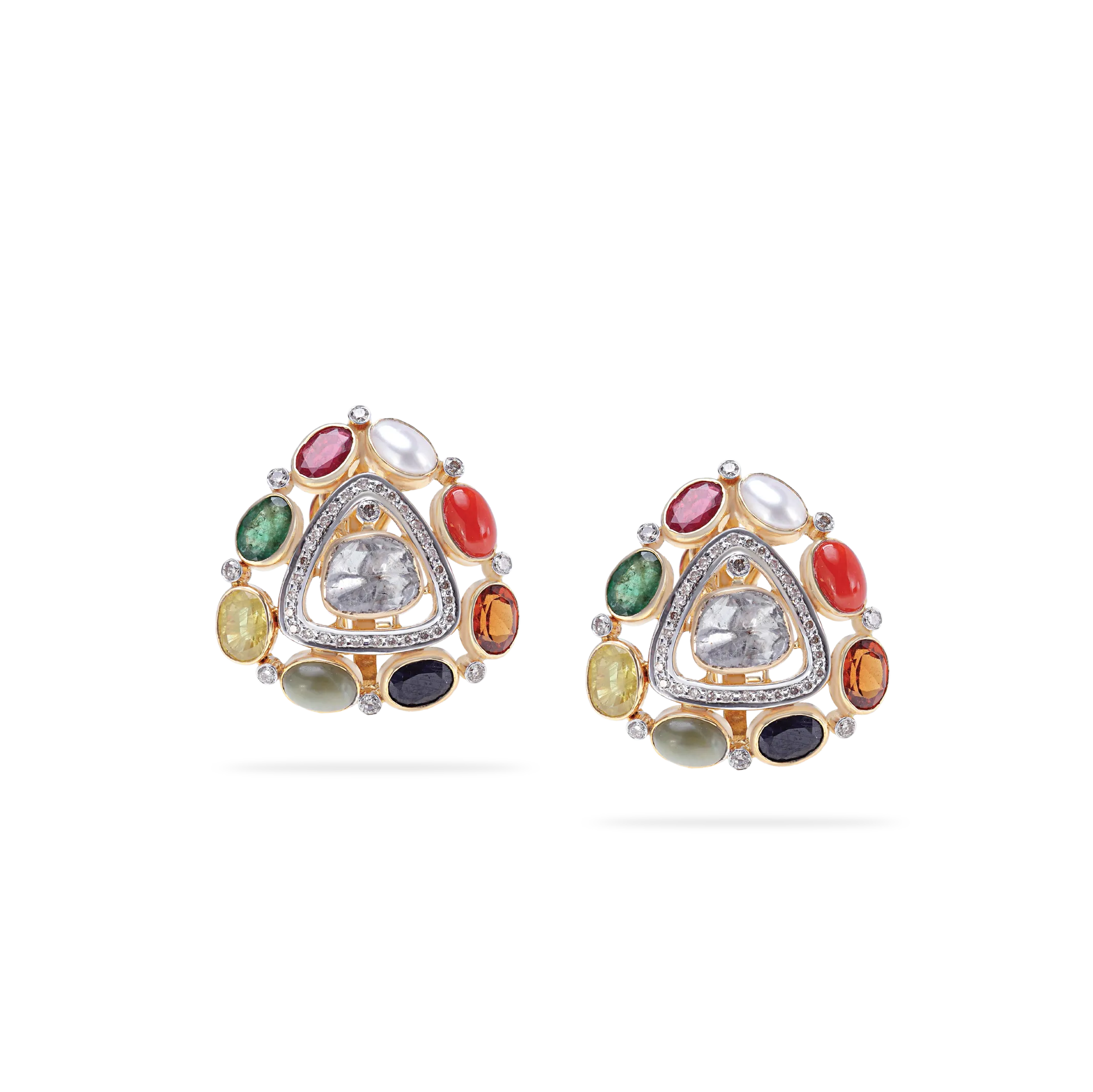
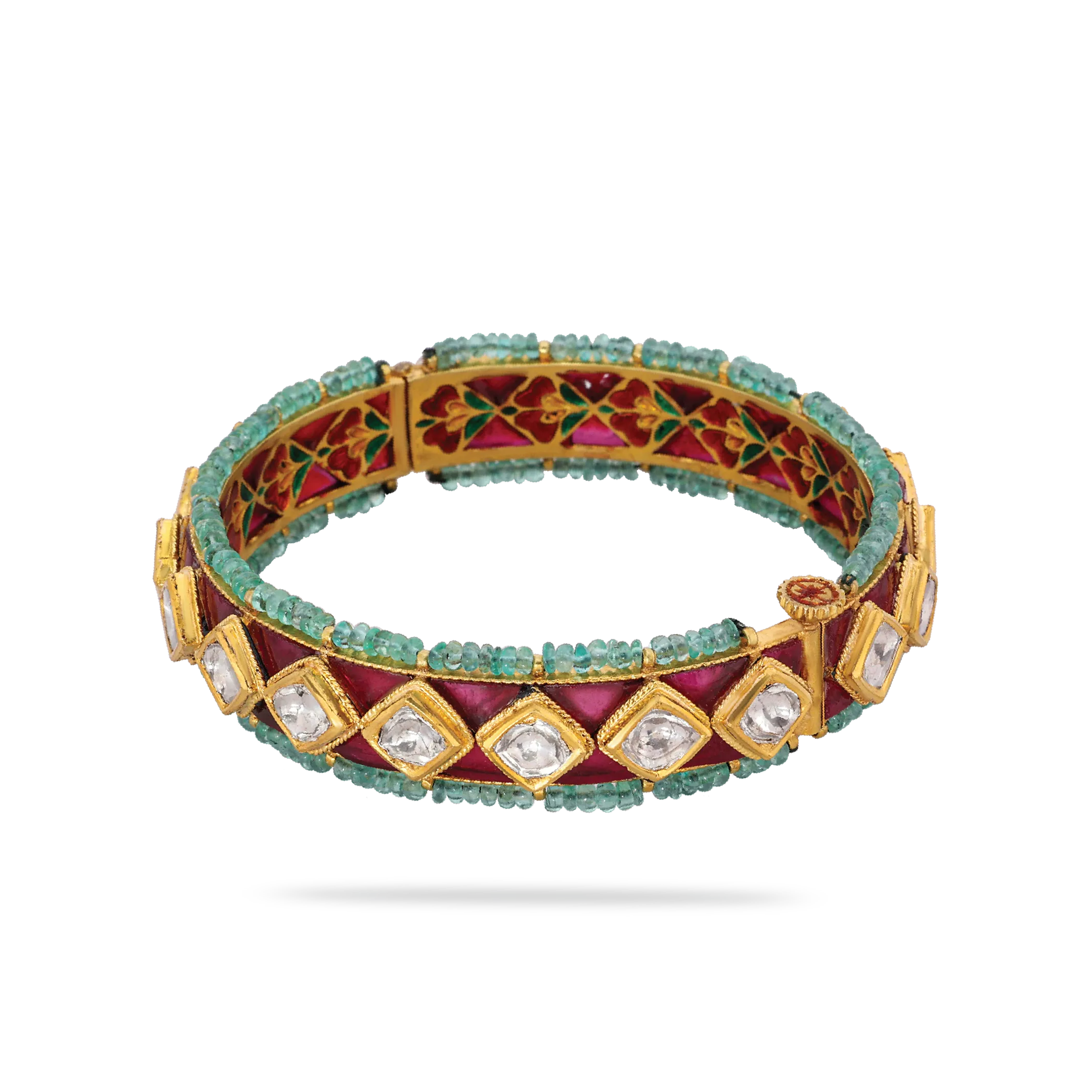
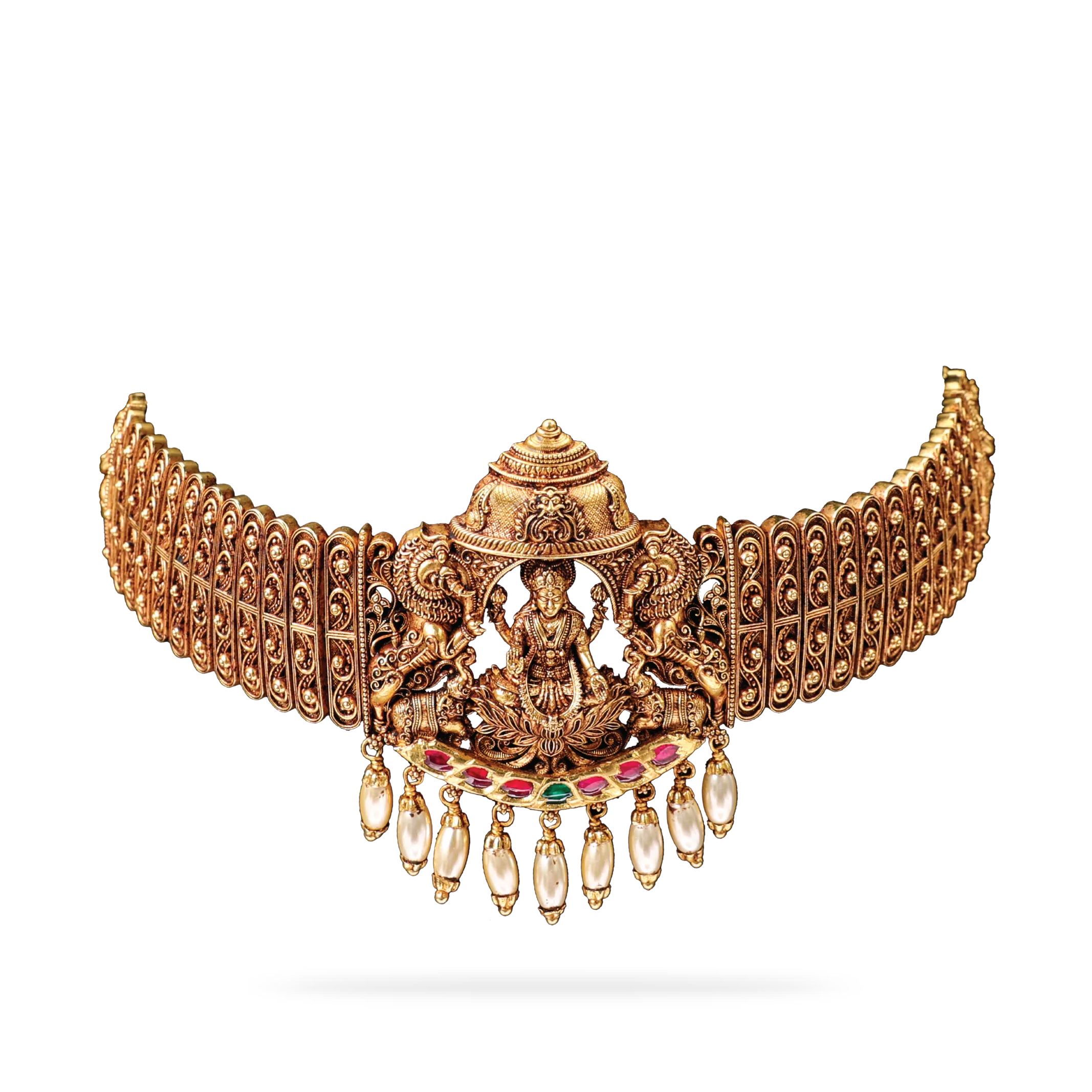
Vintage diamond jewelry has this enduring charm that modern pieces sometimes struggle to match. It's the character, you know? Each scratch, each slight imperfection tells a tale. These pieces often come from a time when jewelry was made with incredible attention to detail, by hand, by artisans who poured their skill into every curve and setting. You can find some truly amazing examples of Victorian Polki jewellery, which brings a whole lot of old-world glamour to the table. It’s not just about the diamonds; it’s about the metalwork, the design, and the feeling of owning a piece of history.
Discovering Unique European-Cut Diamonds
Speaking of history, let's talk about European-cut diamonds. These are different from the round brilliant cuts we see everywhere now. Old European-cut diamonds were hand-cut, usually between the late 1800s and early 1900s. They have larger facets and a deeper crown, which gives them a softer, warmer glow. It’s a different kind of sparkle, less fiery and more… well, romantic. If you're looking for something truly special, a piece with these diamonds can be a real showstopper. They're not as common, which makes them even more desirable for collectors.
Here's a quick look at what makes them stand out:
- Cut Style: Hand-cut with larger facets and a deeper crown.
- Appearance: Softer, warmer glow with a distinct brilliance.
- Era: Popular in the late 19th and early 20th centuries.
- Rarity: Less common than modern brilliant cuts.
Owning a piece with an Old European-cut diamond means you're holding onto a bit of history, a testament to a different era of craftsmanship and beauty. It's a connection to the past that feels really special.
Curated Collections for Discerning Tastes
Finding these unique pieces often means looking at curated collections. Jewelers who specialize in fine diamond jewelry, especially those with a focus on vintage or estate items, put together selections that are truly special. They know what to look for – quality, authenticity, and that certain something that makes a piece stand out. Whether you're after a dazzling cocktail ring or a delicate pendant, these collections are a great place to start your search for something extraordinary. It's about finding jewelry that doesn't just look good, but feels right, like it was meant for you. For those interested in ethical and modern alternatives, exploring options like lab-grown diamond engagement rings is also becoming increasingly popular, offering beauty and value.
Choosing the Perfect Metal for Fine Diamond Jewellery
When you're picking out a special piece of diamond jewelry, the metal it's set in matters. It's not just about looks, though that's a big part of it. The metal affects how the piece wears over time, how it feels against your skin, and even how the diamonds sparkle. Let's break down some of the most popular choices.
The Enduring Allure of Platinum
Platinum is often seen as the top-tier choice for fine jewelry, and for good reason. It's incredibly dense and strong, which means it holds up really well to daily wear . Unlike gold, when platinum gets scratched, the metal doesn't actually disappear; it just moves around, preserving the metal's weight over the years. This makes it a fantastic option for engagement rings or pieces you plan to wear all the time. Plus, platinum is naturally white, so it doesn't have that yellowish tint that some other metals can develop. It's also a very pure metal, usually around 90-95% platinum, which is great for people with sensitive skin because it's hypoallergenic. Because it's so rare and pure, platinum usually comes with a higher price tag, but many feel the durability and prestige are well worth it. You can explore the ideal metal for your engagement ring here.
Understanding White Gold Options
White gold is a really popular alternative, offering that bright, silvery look without the cost of platinum. It's actually yellow gold mixed with other white metals like palladium or nickel, and then usually plated with rhodium to give it that super shiny, white finish. The catch is that rhodium plating can wear off over time, meaning you might need to get it re-plated every so often to keep it looking its best. However, there are newer white gold alloys, like X1 white gold , that are formulated to stay bright without needing that extra plating. While still beautiful, even the brightest white gold can't quite match the pure, cool white of platinum. It's a bit of a balancing act between cost, maintenance, and that specific shade of white you're after.
Comparing Metal Properties for Durability
When it comes to picking a metal that will last, both platinum and white gold are solid contenders, but they have different strengths.
Here's a quick look:
| Metal | Purity (Typical) | Color | Durability Notes |
|---|---|---|---|
| Platinum | 90-95% | Naturally White | Dense; metal displaces when scratched, preserving mass |
| White Gold | 75% (18k) | White (Rhodium Plated) | Harder than yellow gold , but can lose metal when scratched |
Choosing the right metal is a personal decision that depends on your lifestyle and aesthetic preferences. Think about how often you'll wear the piece and what kind of look you're going for.
Ultimately, the best metal for your diamond jewelry is the one that speaks to you and fits your life. Whether you lean towards the rare luxury of platinum or the accessible shine of white gold , understanding these differences will help you make a choice you'll love for years to come. For more insights into selecting the perfect metal, check out this guide.
Fine Diamond Jewellery for Special Occasions
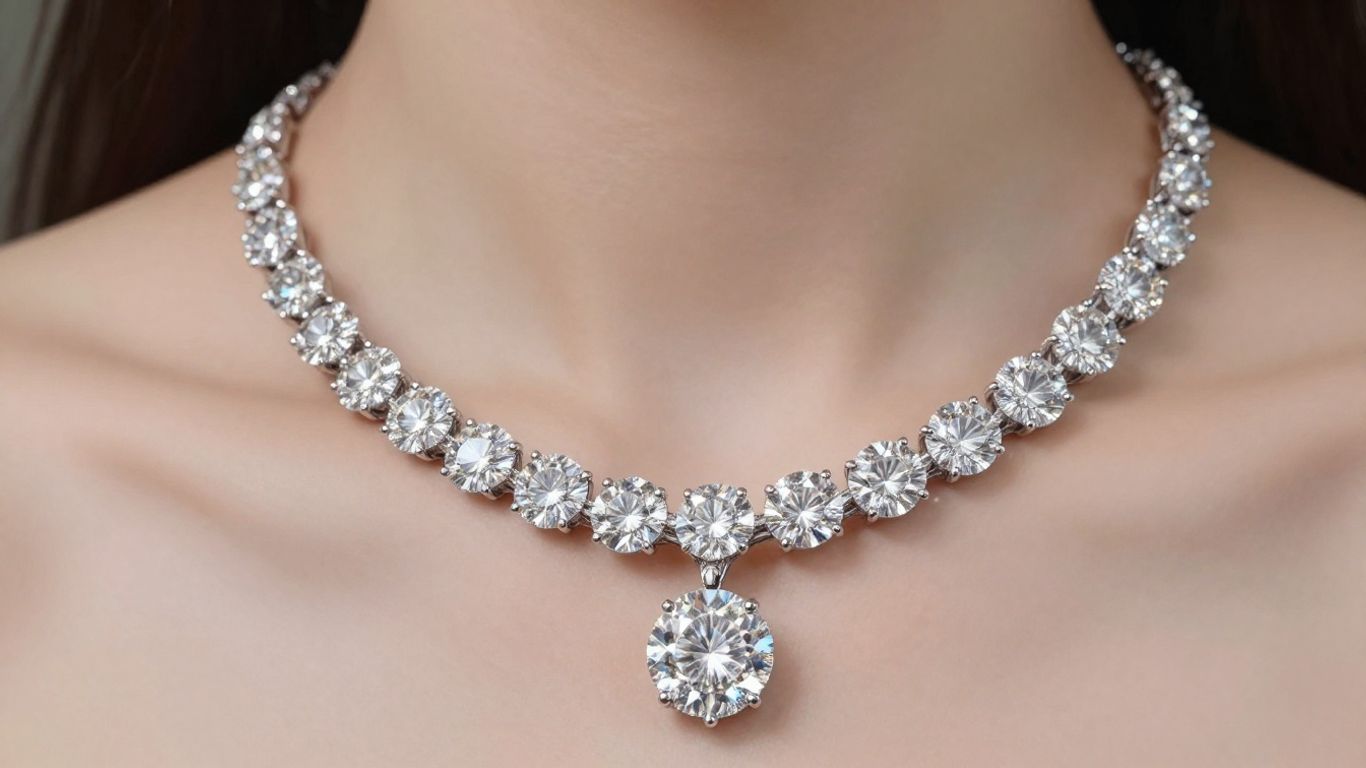
When it comes to marking life's most significant moments, fine diamond jewelry offers a way to capture the sparkle and sentiment of the occasion. These aren't just accessories; they're often future heirlooms, imbued with personal history and enduring beauty.
Statement Cocktail Rings
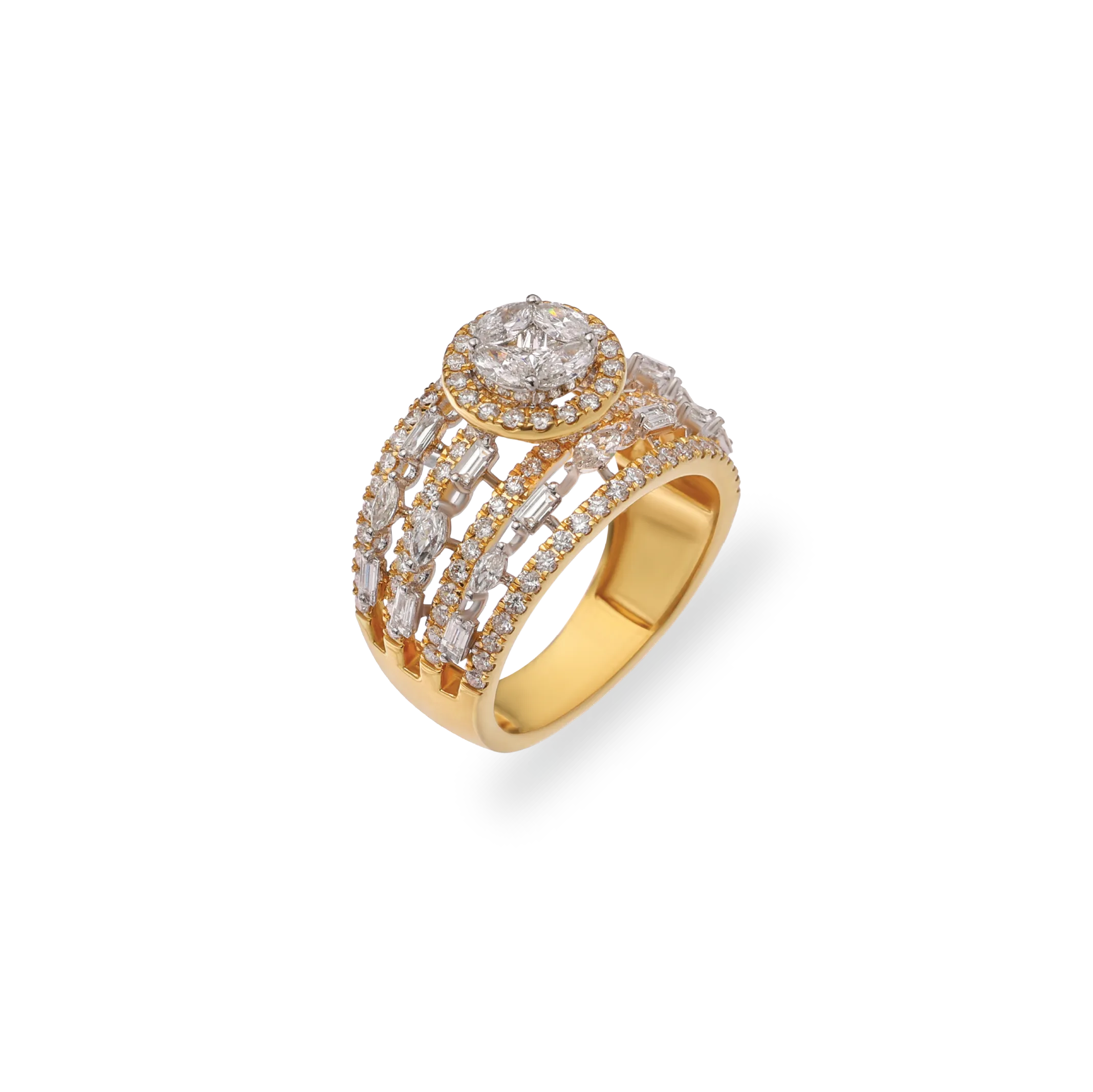
Cocktail rings are all about making a statement. Think bold designs, often featuring larger stones or intricate settings that catch the eye. These pieces are perfect for adding a touch of glamour to formal events or even just a special night out. Many vintage cocktail rings showcase unique cuts like the Old European cut, which gives off a softer, warmer glow compared to modern diamonds. These older cuts, often set in platinum, have a distinct charm that speaks to a bygone era of craftsmanship. A dazzling cluster ring, for instance, can be the perfect conversation starter.
Elegant Engagement and Wedding Bands
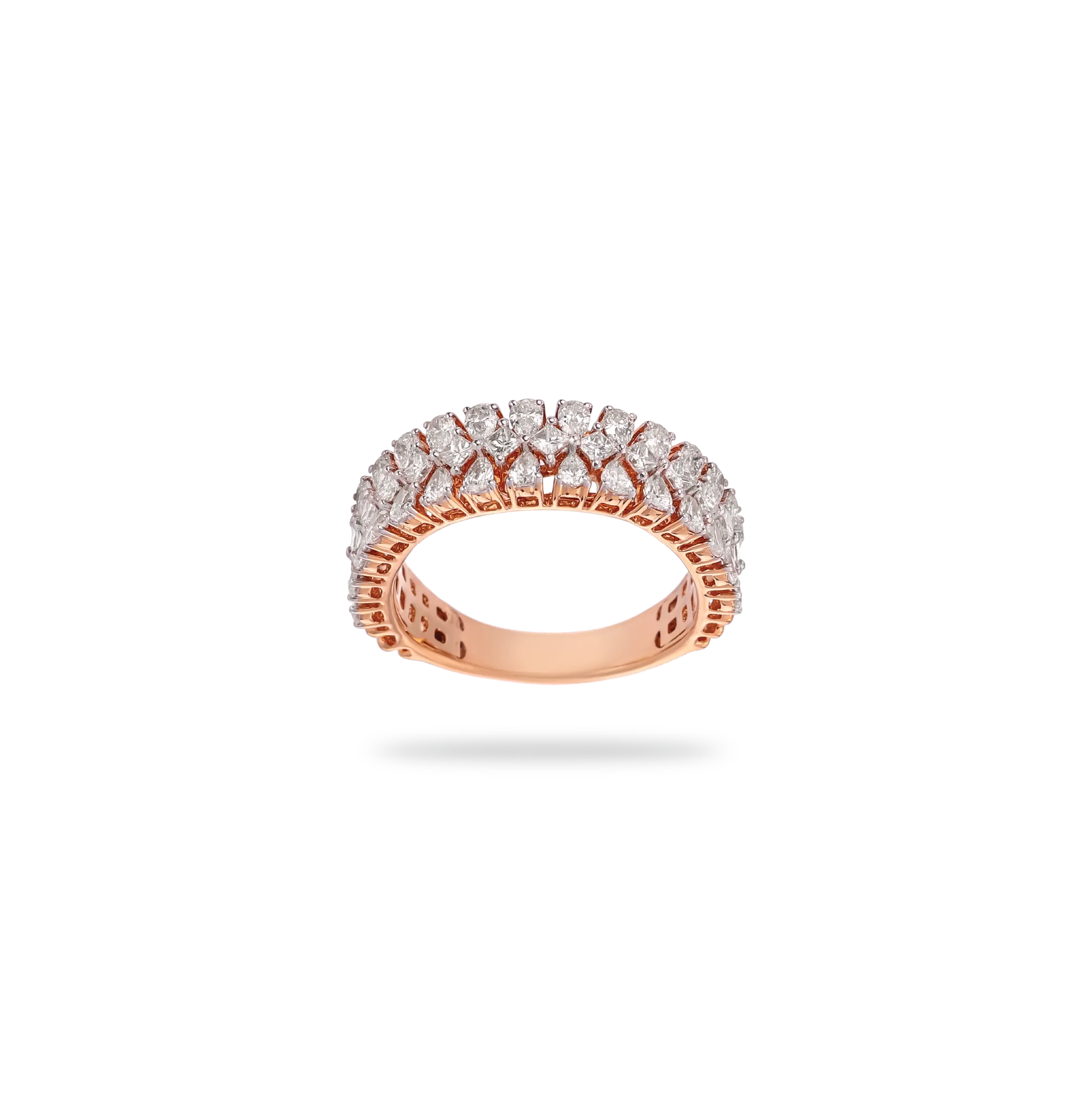
This is perhaps the most classic use of fine diamond jewelry. An engagement ring is a promise, and a wedding band seals that vow. The choices here range from simple, elegant solitaires to elaborate bands with pavé diamonds. When selecting these, consider the metal's durability, especially for daily wear . Platinum is a popular choice for its strength and natural white color, which really makes diamonds pop. White gold is another excellent option, offering a similar bright look.
Heirloom Pieces for Future Generations
Some jewelry pieces are meant to transcend time. Heirloom jewelry, whether it's an antique necklace, a vintage brooch, or a family ring, carries stories and connections across generations. When looking for such pieces, exploring collections of Polki jewellery can be fascinating, as these often blend ancient beauty with modern elegance, creating future heirlooms. It's about finding something with character and quality that will be treasured by your children and grandchildren.
Choosing fine diamond jewelry for special occasions is about more than just the sparkle; it's about selecting pieces that hold meaning, reflect personal style, and can be cherished for years to come. Whether it's a bold ring for a gala or a simple band for a wedding, the right piece adds a special touch to any milestone.
The Craftsmanship Behind Fine Diamond Jewellery
When you look at a truly stunning piece of diamond jewelry, it's easy to get lost in the sparkle. But behind every brilliant facet and intricate setting is a story of skill, dedication, and artistry. The creation of fine diamond jewelry is a process that blends tradition with innovation, demanding a keen eye for detail and a deep respect for the materials. It's not just about putting stones in metal; it's about bringing a vision to life.
Expert Guidance from Seasoned Jewelers
Finding that perfect piece often starts with talking to someone who really knows their stuff. Experienced jewelers are like treasure hunters, but instead of maps, they use their knowledge of gemology, design history, and metalwork. They can spot the subtle differences in diamond cuts, understand the nuances of different metals, and guide you toward a piece that not only looks amazing but also holds its value and meaning. They're there to answer all your questions, big or small, making sure you feel confident in your choice. It’s this personal touch that makes all the difference when you're investing in something so special.
Restoration of Vintage and Estate Pieces
There's a special kind of magic in vintage and estate jewelry. These pieces carry history, whispers of past eras, and often, incredibly detailed craftsmanship that's hard to replicate today. Think about Polki jewelry, with its unique uncut diamonds and traditional gold settings – it's a whole different world of artistry. Restoring these treasures is a delicate art form in itself. It involves carefully cleaning, repairing, and sometimes even re-setting stones to bring them back to their former glory without losing their original character. It’s about preserving a piece of history for future generations to admire and wear.
Commitment to Quality and Authenticity
In the world of fine jewelry, trust is everything. Reputable jewelers are committed to upholding the highest standards of quality and authenticity. This means sourcing diamonds ethically, using precious metals that meet strict purity standards, and employing skilled artisans who take pride in their work. They often provide detailed documentation for their pieces, giving you peace of mind. It’s this dedication to integrity that ensures your jewelry is not just beautiful, but also a sound investment.
The journey from a rough diamond to a finished piece of jewelry is a testament to human skill. It involves meticulous planning, precise cutting, and careful setting, all aimed at maximizing the stone's natural beauty and ensuring the piece's longevity. This dedication to the craft is what truly sets fine jewelry apart.
Caring for Your Fine Diamond Jewellery
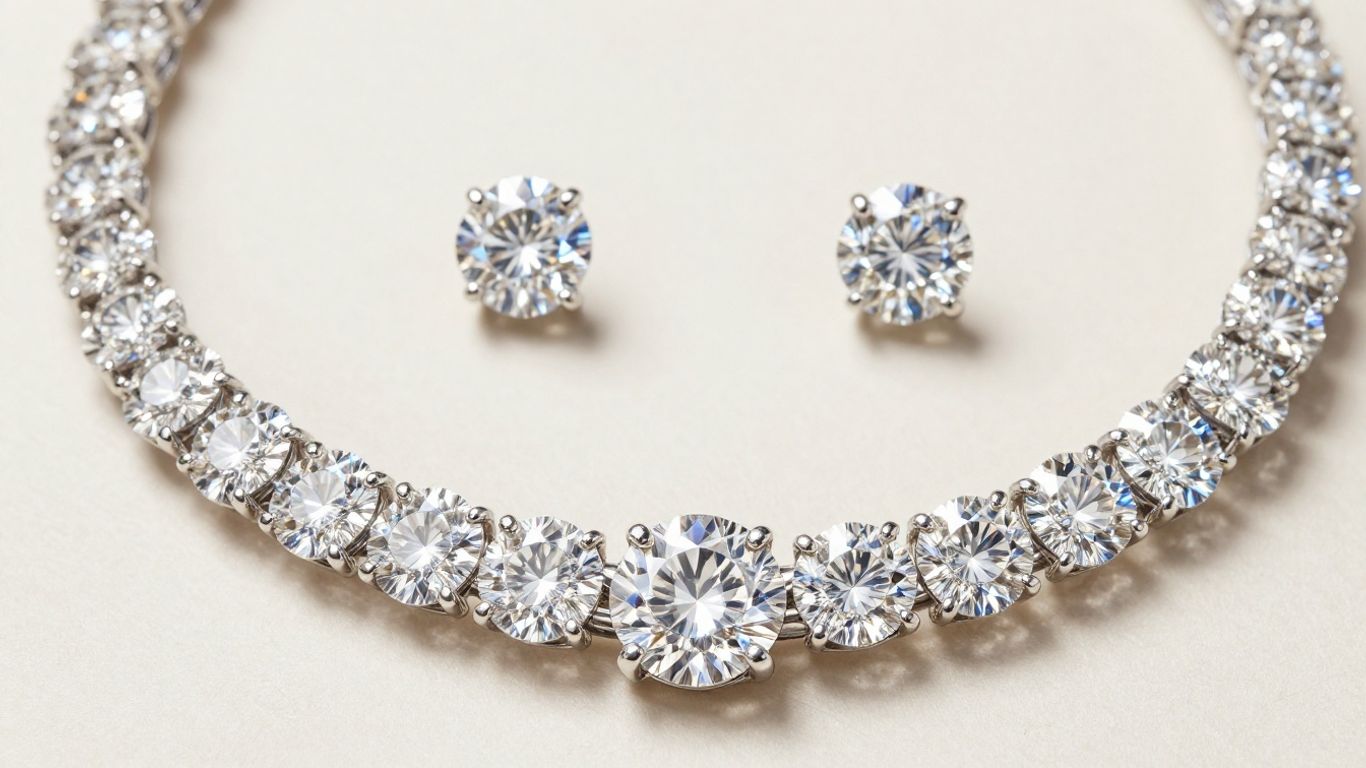
Keeping your diamond jewelry looking its best isn't complicated, but it does require a little attention. Think of it like maintaining a classic car – a bit of regular upkeep goes a long way in preserving its beauty and value.
Daily Care Practices for Longevity
For everyday wear, it's wise to be mindful of what your jewelry encounters. Avoid exposing your pieces to harsh chemicals like bleach or ammonia, and try not to wear them during strenuous activities that could lead to bumps or scrapes. Even durable metals like platinum can get scratched if they rub against rough surfaces. It's a good habit to take off rings before doing household chores or gardening. For a quick refresh, a soft brush with mild soap and warm water can work wonders, just be sure to rinse thoroughly and dry with a lint-free cloth.
Maintaining the Lustre of Precious Metals
Different metals have their own needs. Platinum, for instance, develops a natural patina over time, which some people find quite appealing. If you prefer a high-shine finish, a professional buffing can restore its original gleam. White gold , especially if it's rhodium-plated, might need replating every few years to maintain its bright, white appearance and prevent yellowing. Understanding these nuances helps you know what to expect and how to best care for your specific piece. If you're unsure about the best approach for your metal, don't hesitate to ask your jeweler about proper metal care.
Proper Storage for Precious Pieces
When you're not wearing your jewelry, proper storage is key to preventing damage. Each piece should ideally be stored separately in a soft pouch or a lined compartment within a jewelry box. This prevents harder metals and gemstones from scratching softer ones. For example, storing a platinum ring alongside gold or silver items could lead to scuffs on the softer metal. Keeping your treasures separated ensures they remain pristine and ready to wear.
Taking a moment to clean and store your jewelry correctly after wearing it can prevent a lot of potential issues down the line. It’s a small investment of time that pays off in keeping your treasured items looking spectacular for years to come.
Remember, for any significant maintenance or if you notice any issues, consulting with a professional jeweler is always the best course of action. They can offer expert advice tailored to your specific pieces, especially for intricate items like bridal jewelry or antique finds.
Conclusion
Fine diamond jewellery is more than just an accessory; it's a statement of personal style, a marker of special moments, and often, a treasured heirloom. Whether you're drawn to the unique charm of vintage cuts, the lasting brilliance of platinum, or the intricate craftsmanship of a bespoke piece, there's a world of exquisite options waiting to be discovered. By understanding the materials, appreciating the artistry, and knowing how to care for your treasures, you can ensure your fine diamond jewellery brings joy for a lifetime and beyond.
Frequently Asked Questions
What makes old diamond cuts special?
Older diamond cuts, like the European cut, were made by hand. They have a different look than modern cuts, often showing a warmer sparkle. People love them because they feel like a piece of history.
Is platinum better than white gold ?
Both are great! Platinum is very pure and strong, so it doesn't lose metal when scratched, just moves it around. White gold is also strong, but might lose a tiny bit of metal if scratched. Platinum is usually more expensive because it's rarer.
How do I know if a jeweler is good?
Look for jewelers who have been around a long time and seem to know a lot about diamonds. They should be happy to answer your questions and show you how they check the quality of their jewelry. Good jewelers care about making you happy.
What's the best way to clean my diamond ring at home?
You can gently clean your diamond jewellery with warm water, mild soap, and a soft brush. Just be sure to rinse it well and dry it with a lint-free cloth. Avoid harsh chemicals, as they can damage the metal or the stone.
Why are some diamond rings so much more expensive than others?
The price of diamond jewellery depends on a few things: the diamond's size and quality (like its cut, color, and clarity), the metal it's set in, and how complex the design is. Unique or antique pieces can also cost more.
Can I wear my diamond jewellery every day?
For everyday wear, it's best to choose pieces made from strong metals like platinum and diamonds that are well-set. Avoid wearing them during tough activities, like sports or gardening, and be careful around hard surfaces to prevent scratches.
Related blogs:
September 18, 2026
How to choose the perfect bridal long necklace set for your wedding day
Read More
September 18, 2026
How to choose a bridal layered necklace set for your wedding look
Read More
September 18, 2026
How to choose a bridal choker set for your wedding look
Read More
September 18, 2026
Gold necklace for bride: How to choose the perfect wedding-day style
Read More









.webp)

.webp)